Bonevia
Bonevia
Bonevia
Explore our high-performance orthopedic surgical kits, trauma implants, and joint reconstruction technologies engineered to exact clinical standards.
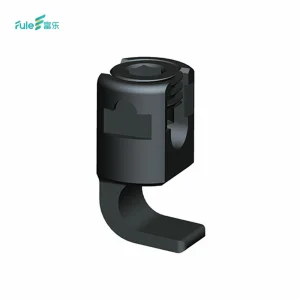
Spinal fixation surgery relies heavily on structural stability to facilitate successful arthrodesis. In posterior spinal instrumentation, the configuration of pedicle screws and rods forms the backbone of structural correction. However, clinical studies highlight that longitudinal constructs alone can exhibit vulnerability under high torsional loading. This is where Cross Connectors for Spine (also known as transverse links or transverse connectors) play an indispensable therapeutic role.
A spinal cross connector acts as a mechanical strut that links two parallel longitudinal rods. By securing the rods together, the connector converts an open parallel rod structure into a rigid closed-loop frame. This transition dramatically increases the construct's resistance to torsional forces (twisting) and lateral bending. Biomechanical test profiles indicate that the integration of transverse connectors can enhance torsional stiffness by up to 45%, depending on the number of levels instrumented and the structural morphology of the connector used.
Minimizes rotational micro-movements at the fusion site, which are major contributors to non-union and pseudarthrosis. By neutralizing shear stress, cross connectors facilitate rapid bony consolidation.
Prevents construct divergence or convergence under physiological axial compression. By lock-linking the parallel rods, high implant load-sharing capability is achieved.
Essential in multi-segment scoliosis and kyphosis corrections where strong structural correction forces must be distributed evenly across the instrumented segments without overloading individual pedicle screws.
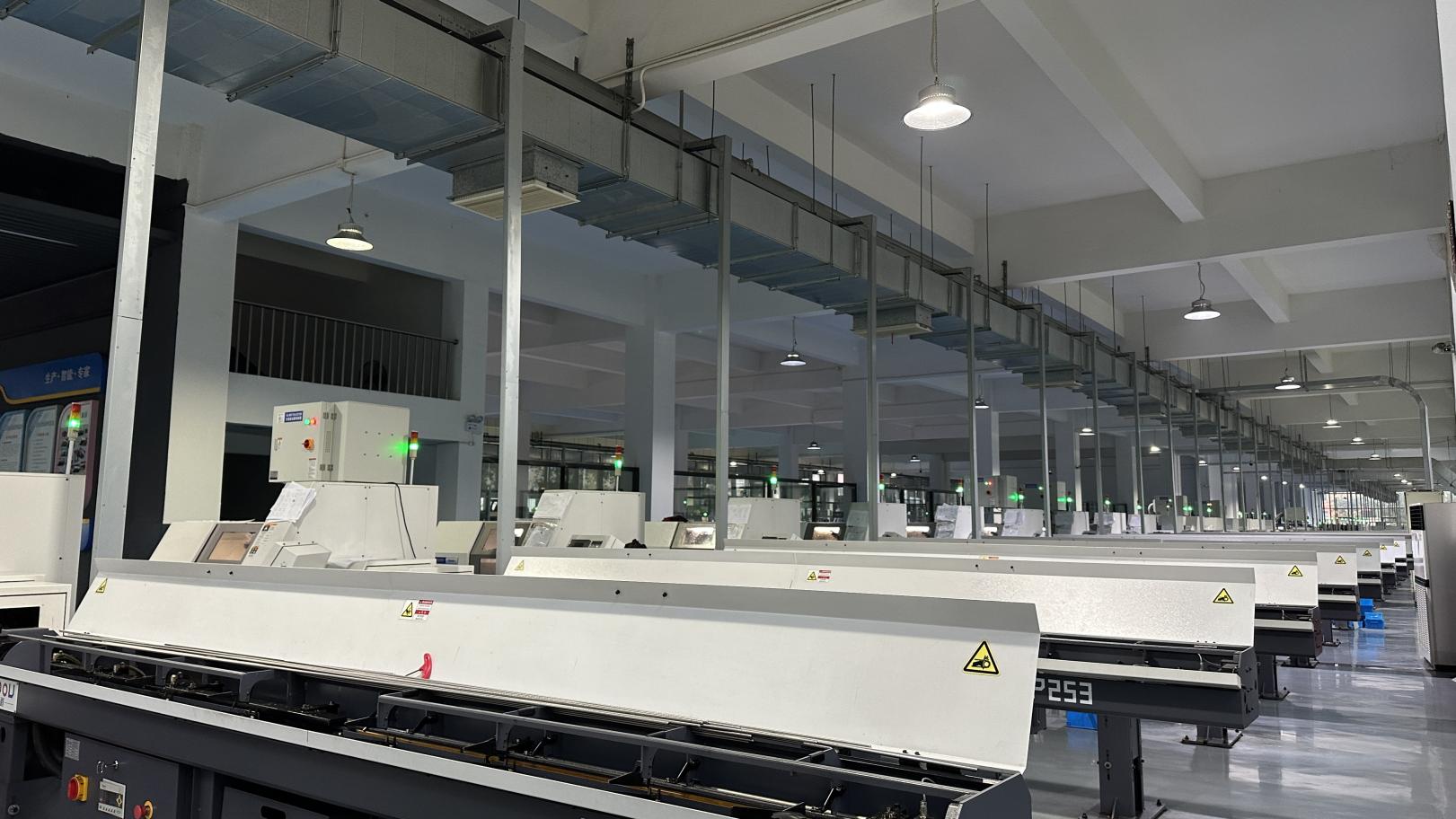
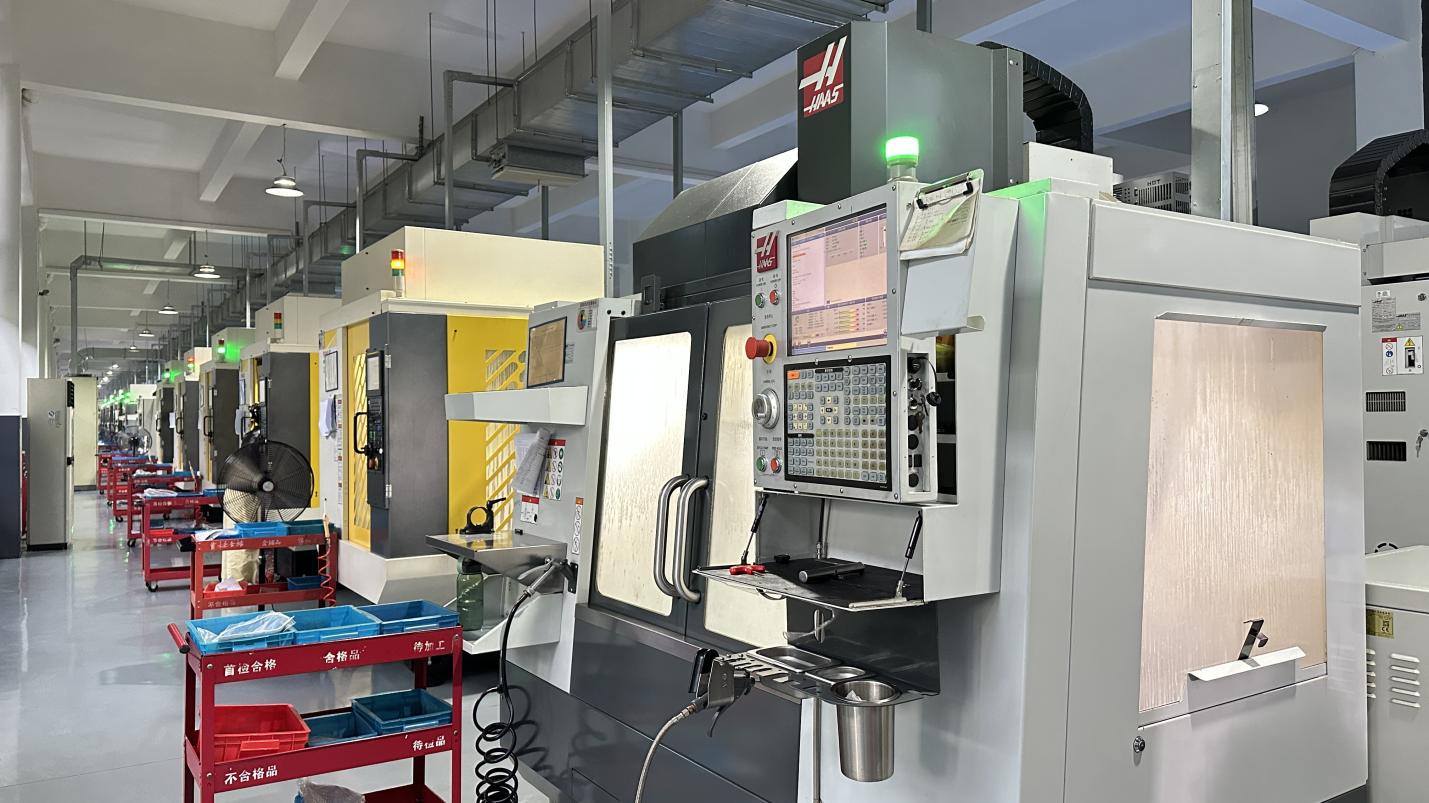
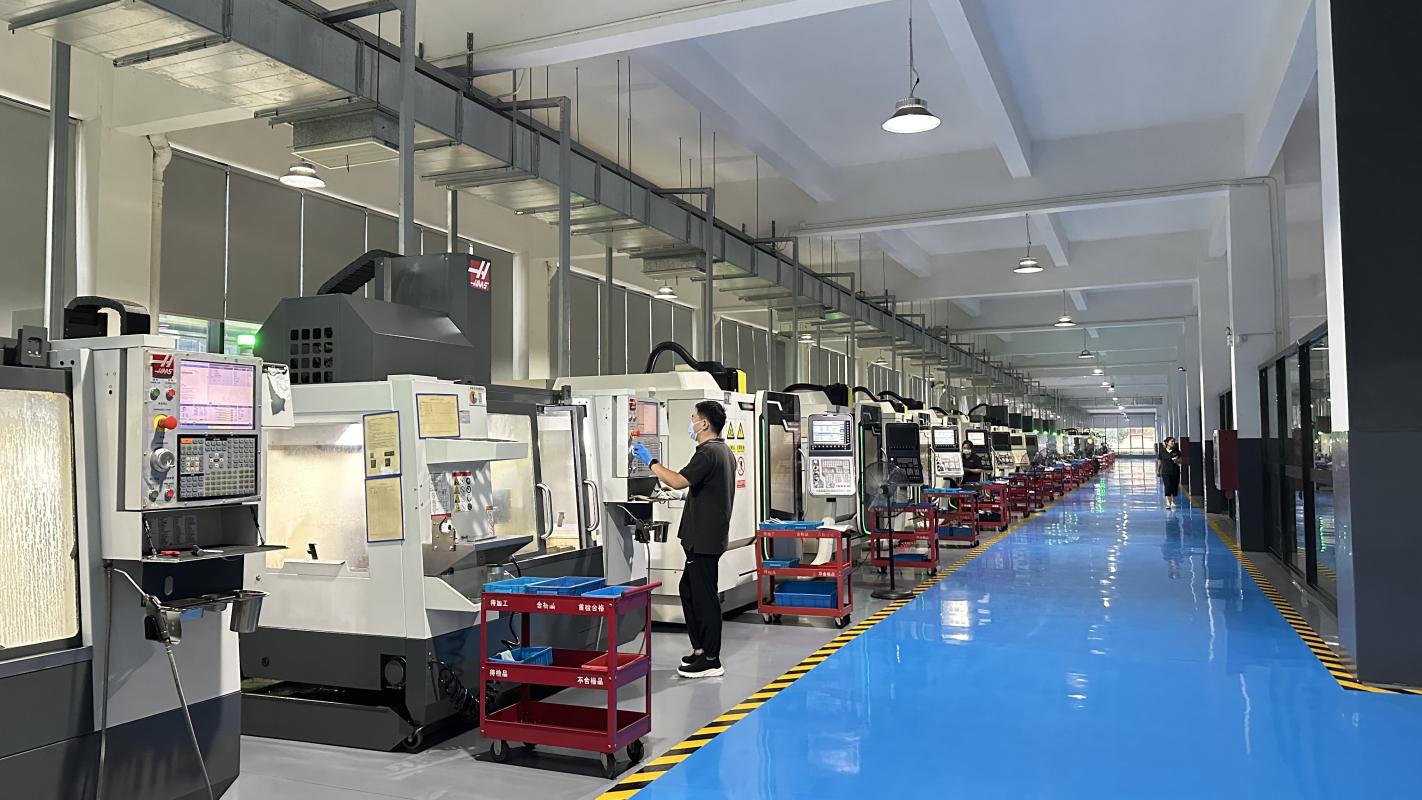
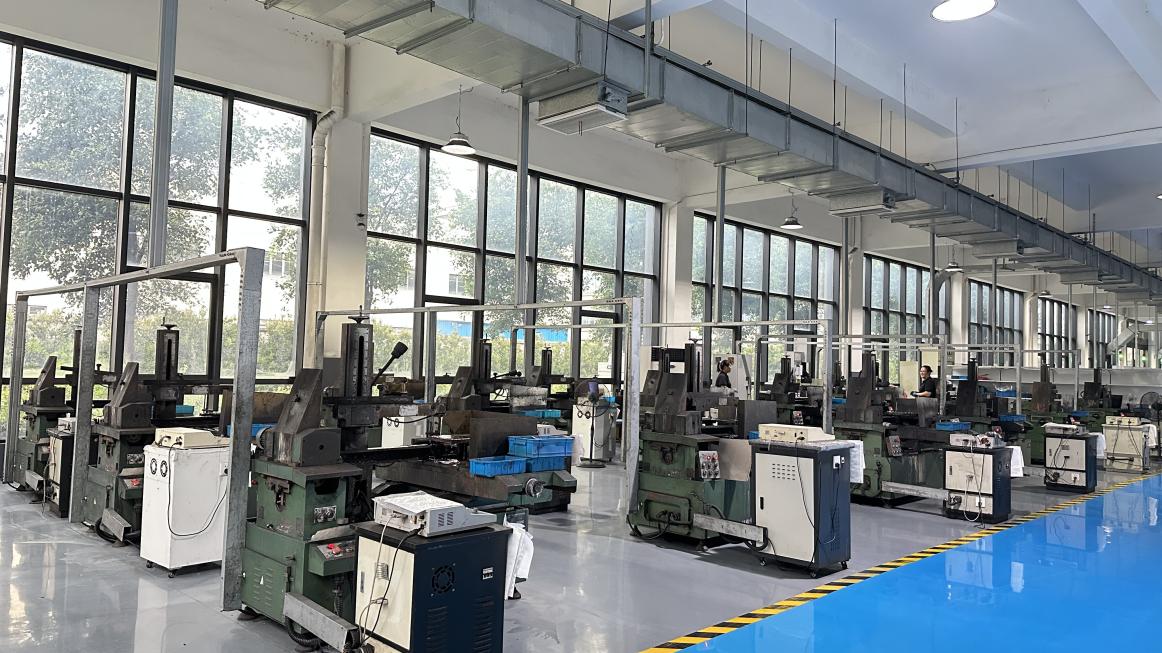
China's medical manufacturing sector has transitioned from simple component sourcing to high-precision engineering of advanced biomaterials. Suppliers like Bonevia Orthopedic Technology Co., Ltd. leverage a combination of high-grade raw materials, advanced 5-axis CNC machining, and stringent surface treatment protocols to deliver implants equivalent in performance to global market benchmarks, yet with superior structural customization and value.
| Material Property / Criterion | Bonevia Titanium Alloy (Ti-6Al-4V ELI) | Standard Industry Minimums | Clinical Performance Impact |
|---|---|---|---|
| Ultimate Tensile Strength | ≥ 860 MPa | ≥ 780 MPa | Higher fatigue resistance under physiological loads |
| Passivation & Finish | Anodic electro-coloration & Citric Acid Passivation | Basic acid wash | Optimized biocompatibility and minimized ion release |
| Locking Mechanism Tolerance | ± 0.01 mm | ± 0.05 mm | Zero back-out of set screws, eliminating implant loosening |
| Biocompatibility Standard | ASTM F136 / ISO 5832-3 compliant | Basic medical grade | Accelerated osteointegration and soft tissue integration |
Company Profile – Bonevia Orthopedic Technology Co., Ltd.
Bonevia Orthopedic Technology Co., Ltd. is a professional manufacturer specializing in orthopedic implants and surgical solutions, dedicated to advancing innovation in trauma, spine, and joint reconstruction products. Since its establishment in 2015, the company has grown steadily into a trusted supplier in the global orthopedic industry.
With a modern production facility covering approximately 320㎡, Bonevia maintains strict quality management standards and efficient manufacturing processes. The company records an annual export revenue of around USD 8–15 million, supported by 6 years of export experience and over 10 years of overall industry experience.
Quality assurance is a core focus at Bonevia. The company implements multiple inspection methods including incoming material inspection, in-process quality control, and final product testing, supported by a dedicated quality team of 35 professionals. This ensures all products meet international medical device standards.
Bonevia has a solid trade foundation with diversified global distribution networks, serving major markets across Europe, Southeast Asia, the Middle East, and South America. Its supply chain ecosystem includes more than 850 partners, enabling stable raw material sourcing and efficient production delivery.
The company serves a wide range of clients, including hospitals, orthopedic clinics, surgical centers, and medical distributors. Bonevia also demonstrates strong R&D capabilities, offering OEM and ODM customization services to meet specific clinical requirements.
In the past year, Bonevia successfully launched 120 new product designs, supported by a research and development team of 85 engineers, continuously driving innovation in orthopedic implant systems and surgical instruments.
Different orthopedic procedures demand distinct spatial configuration tolerances. A standard spinal reconstruction system must accommodate variable anatomies. This is why Bonevia develops localized cross-connector designs to address unique clinical challenges:
Designed for standard pedicle screw alignments where the rod-to-rod distance is consistent. It offers the maximum rigid link profile and is highly favored in trauma applications where simple, rapid stabilization is required.
Features a telescoping or ball-joint architecture. Essential in complex scoliosis corrections where rod spacing varies across multiple spinal segments. Provides up to 20 degrees of angulation variance to adjust to complex curves.
Optimized for patients with thin soft tissue coverage, particularly in the upper thoracic or cervical spine regions. The slim design prevents post-operative soft tissue impingement and patient discomfort.
Global medical device procurement managers evaluate suppliers based on risk mitigation, manufacturing resilience, and regulatory compliance. At Bonevia, we address these strategic metrics directly:
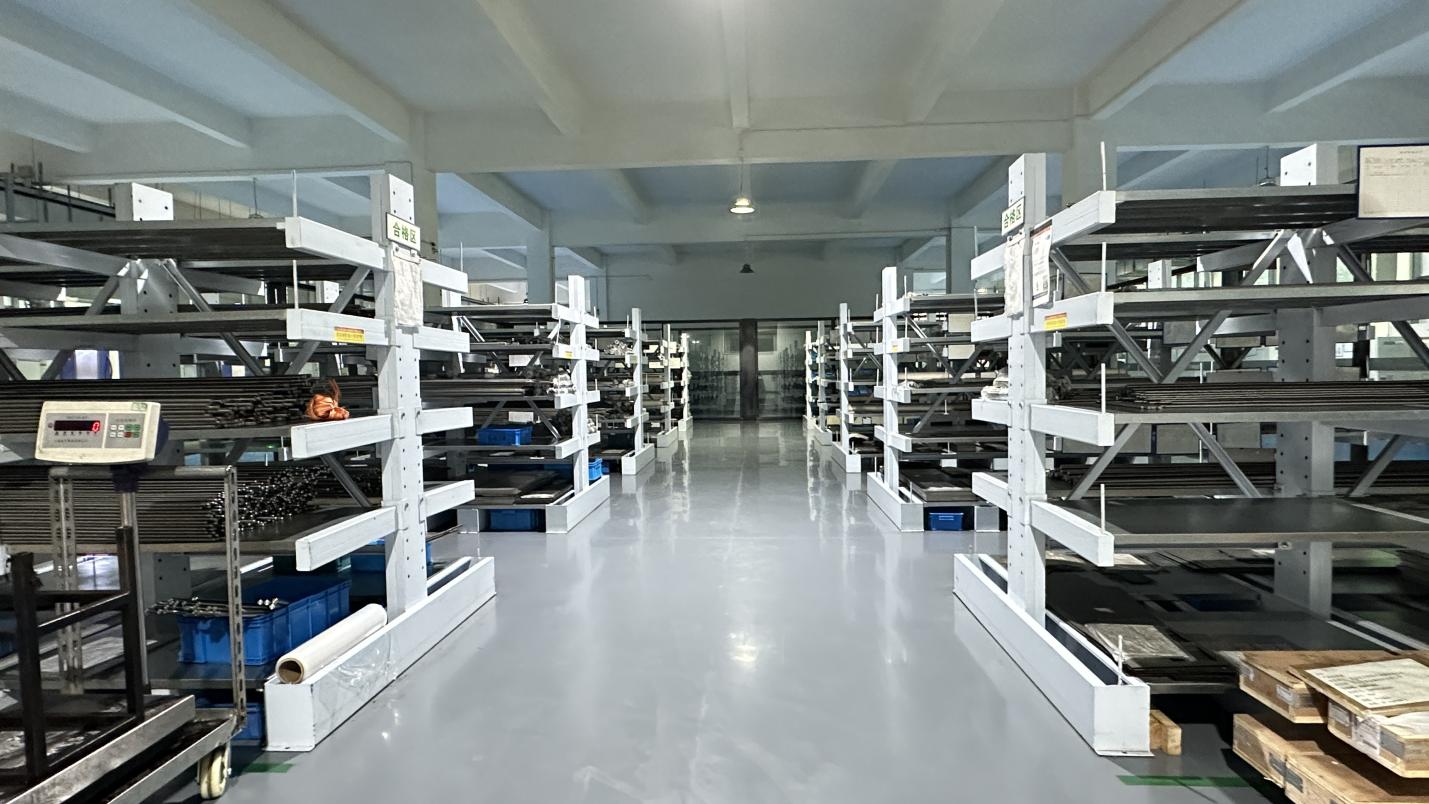
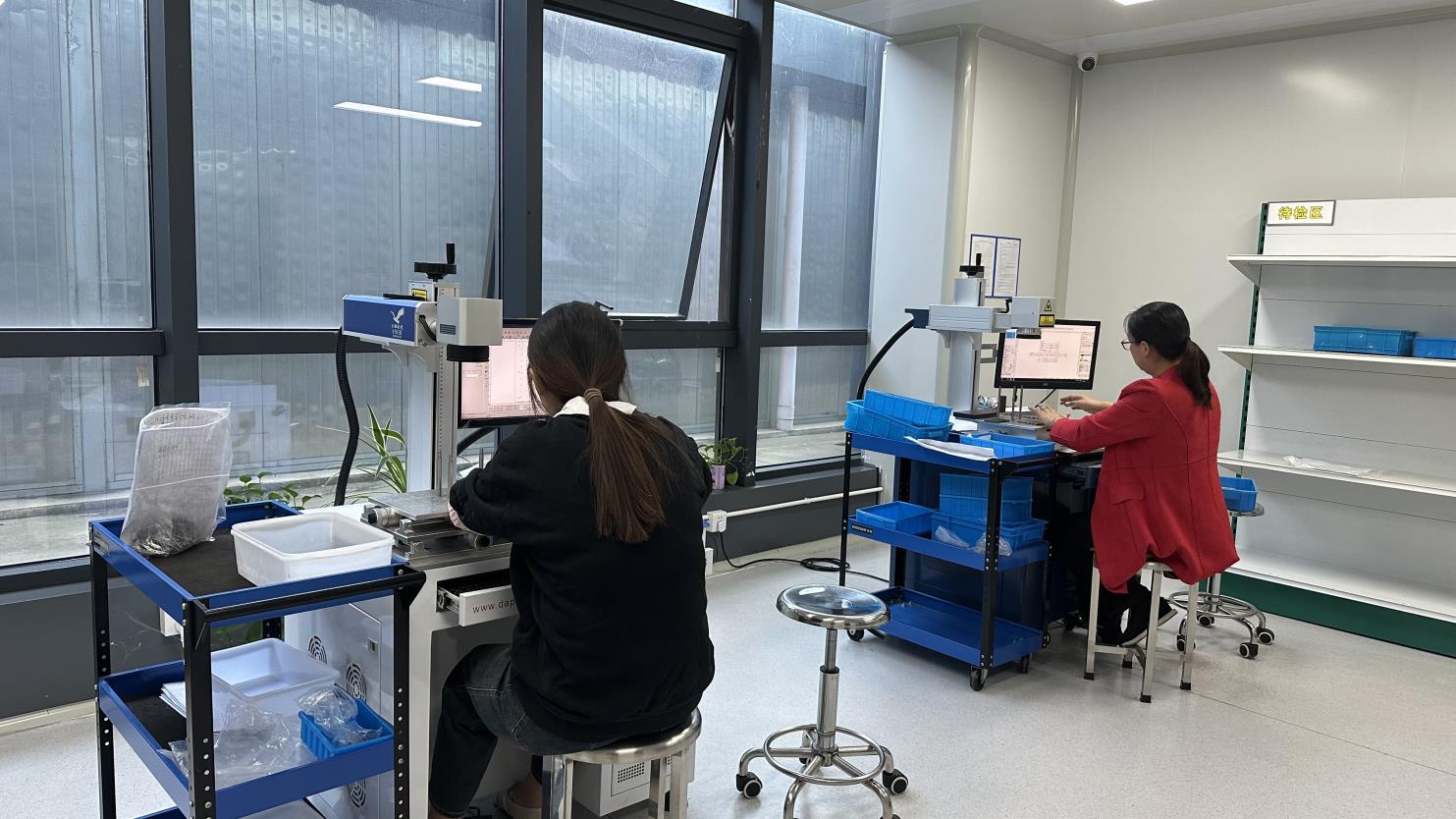
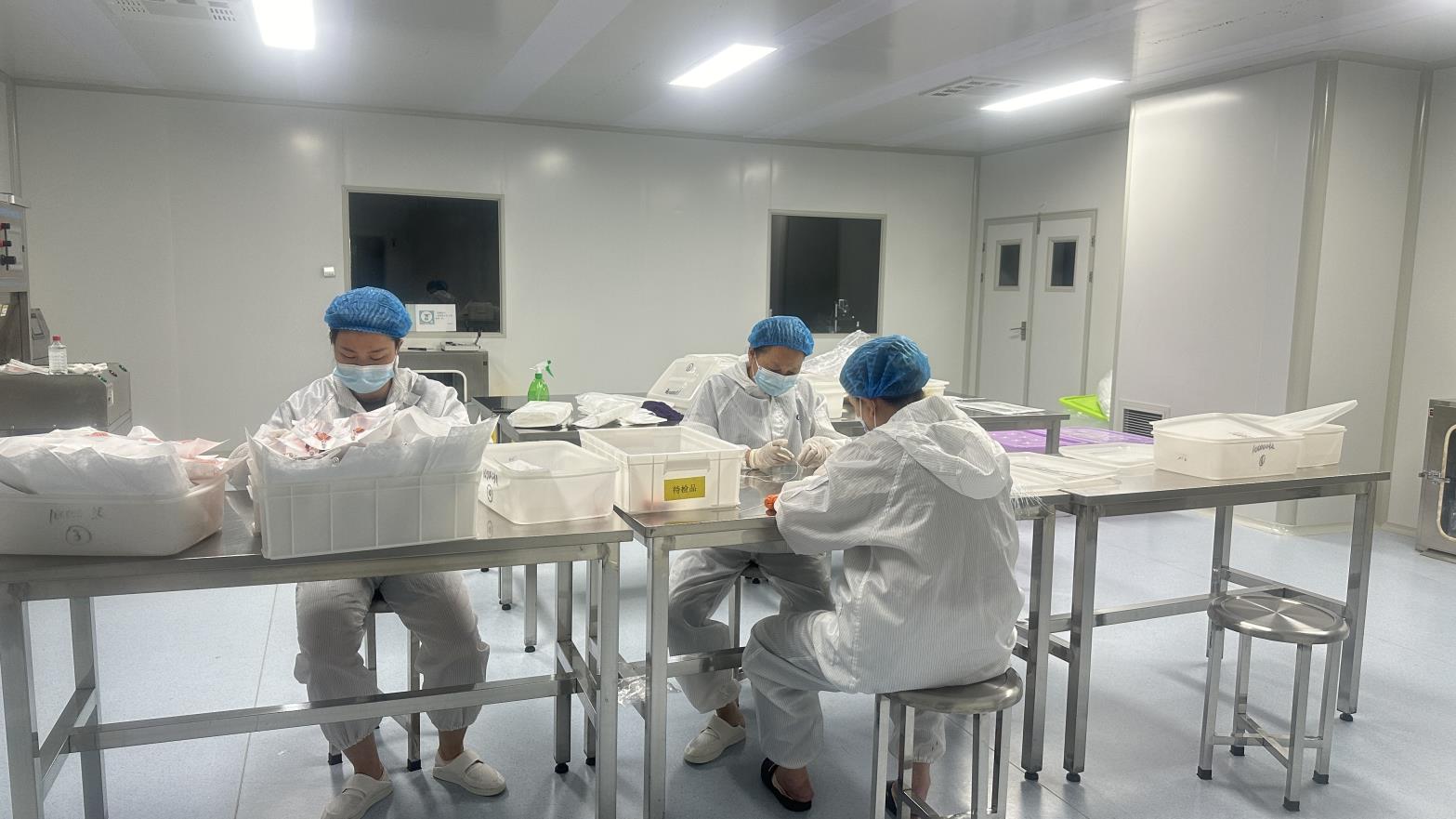
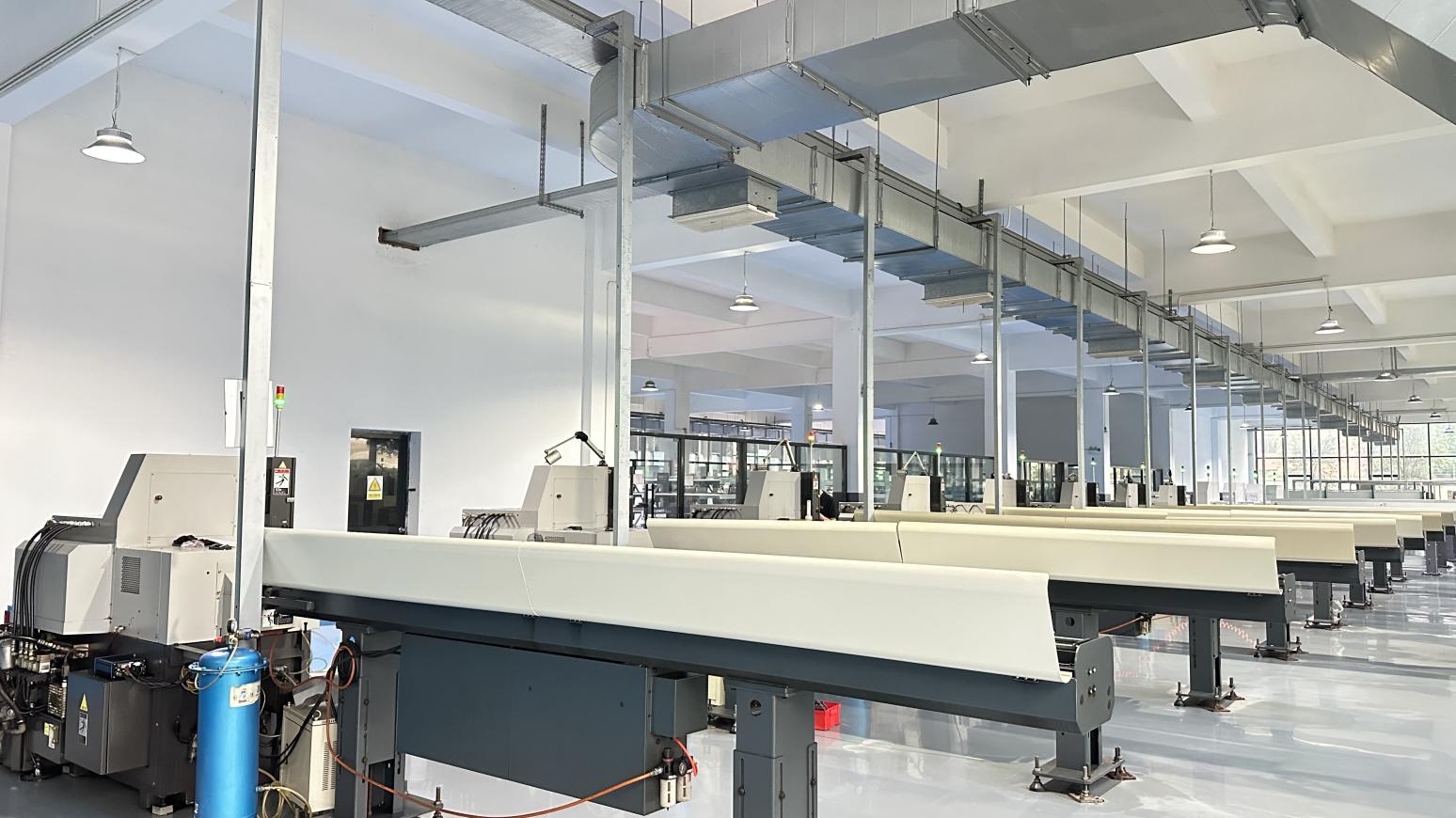
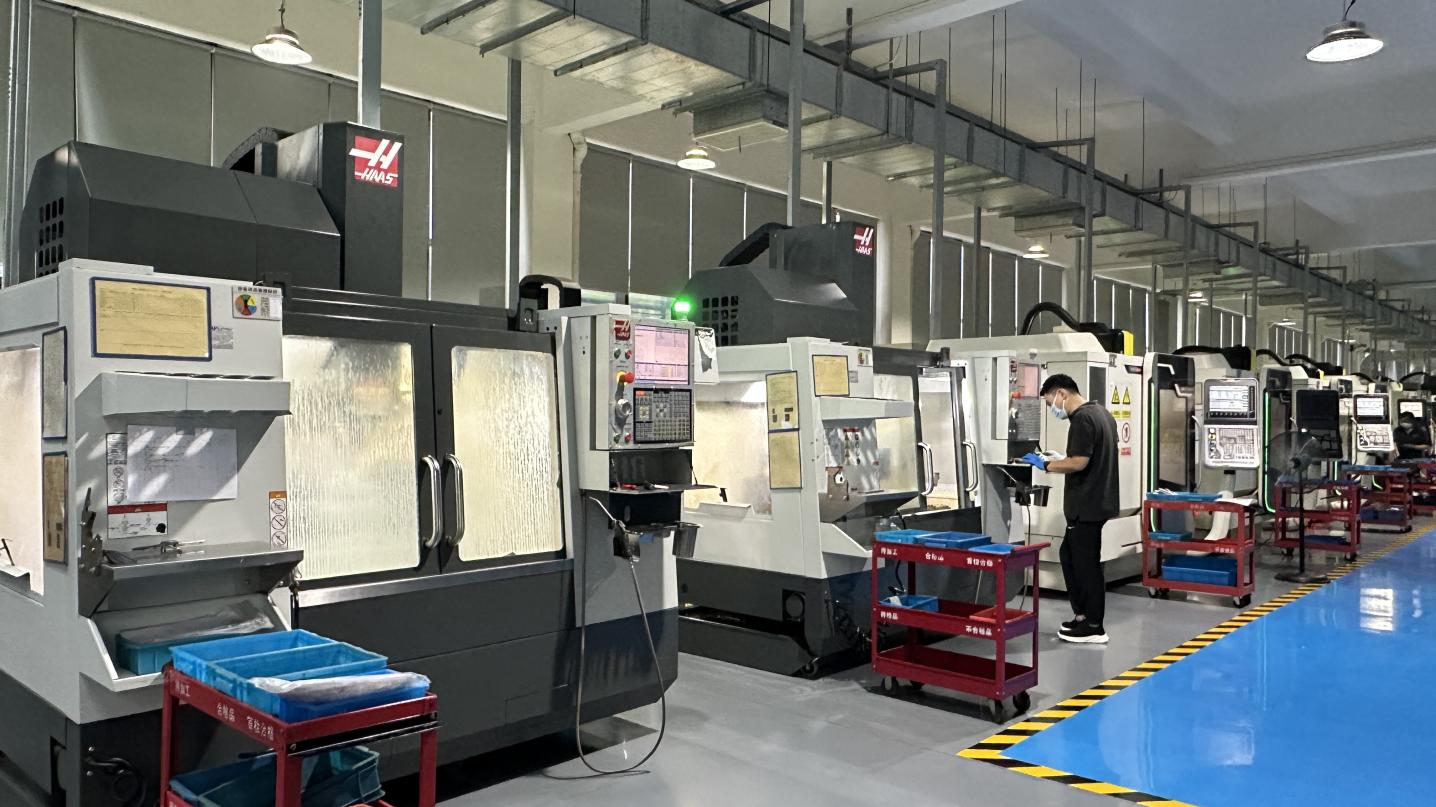
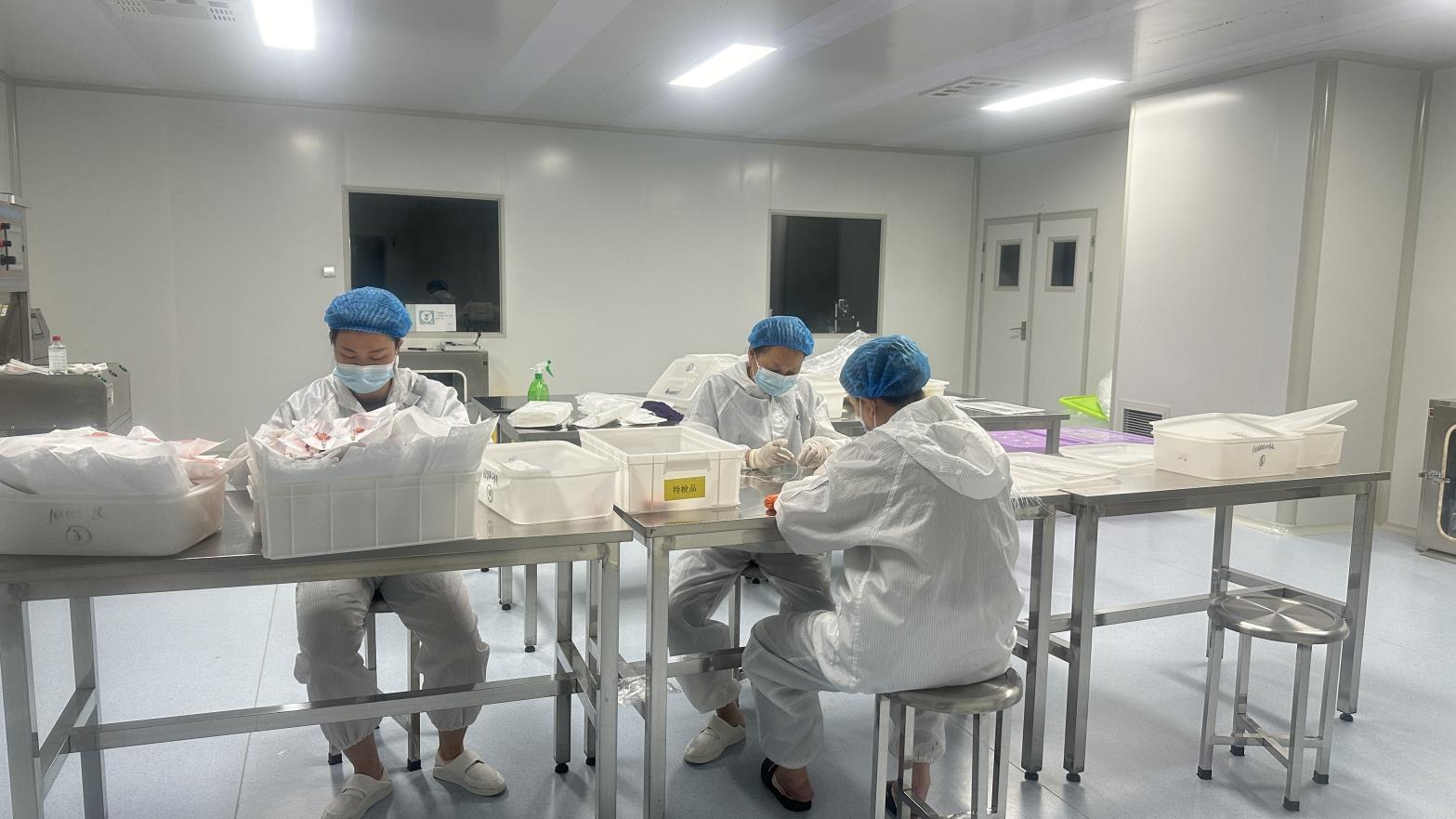
Take a virtual walkthrough of our vertically integrated manufacturing steps, showing the precision of Bonevia Orthopedic Technology.

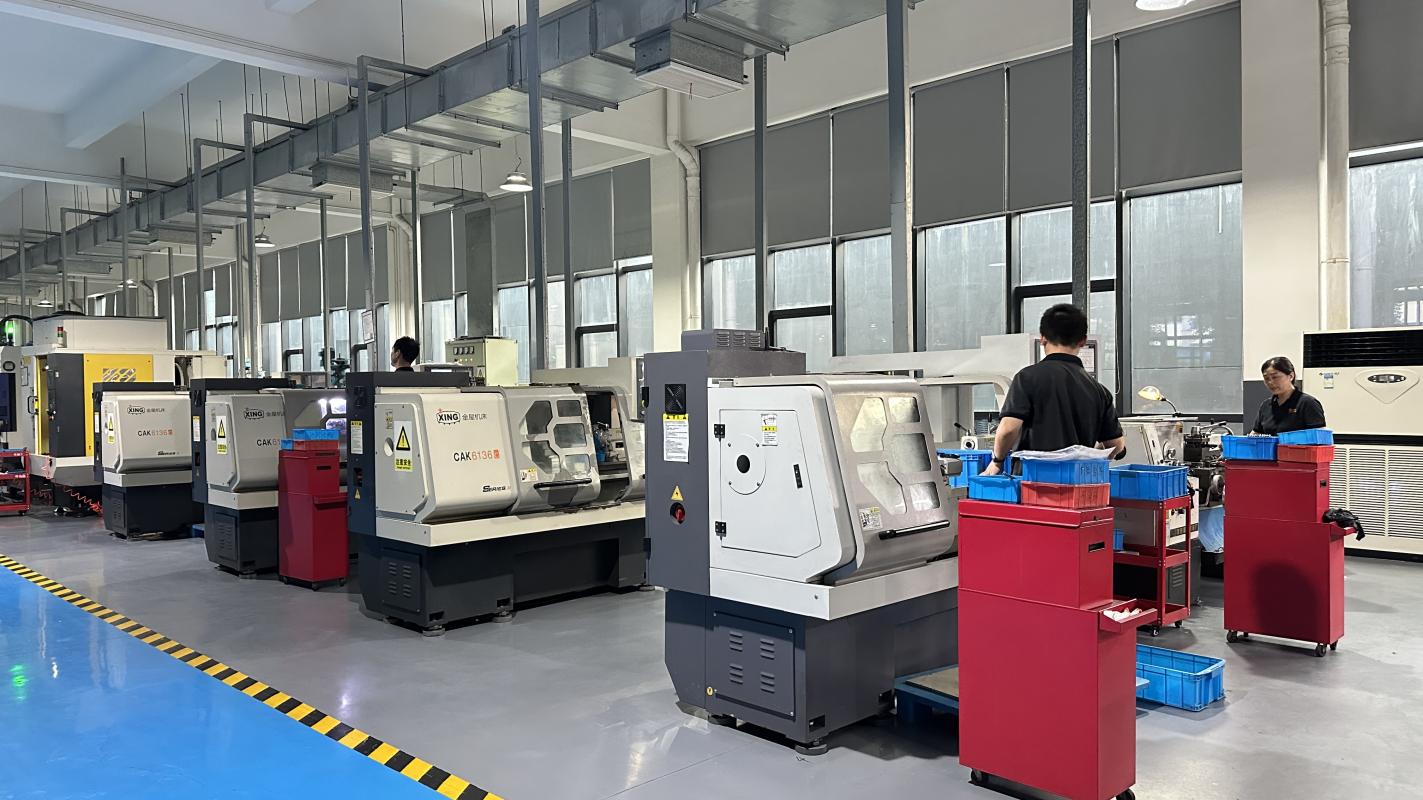
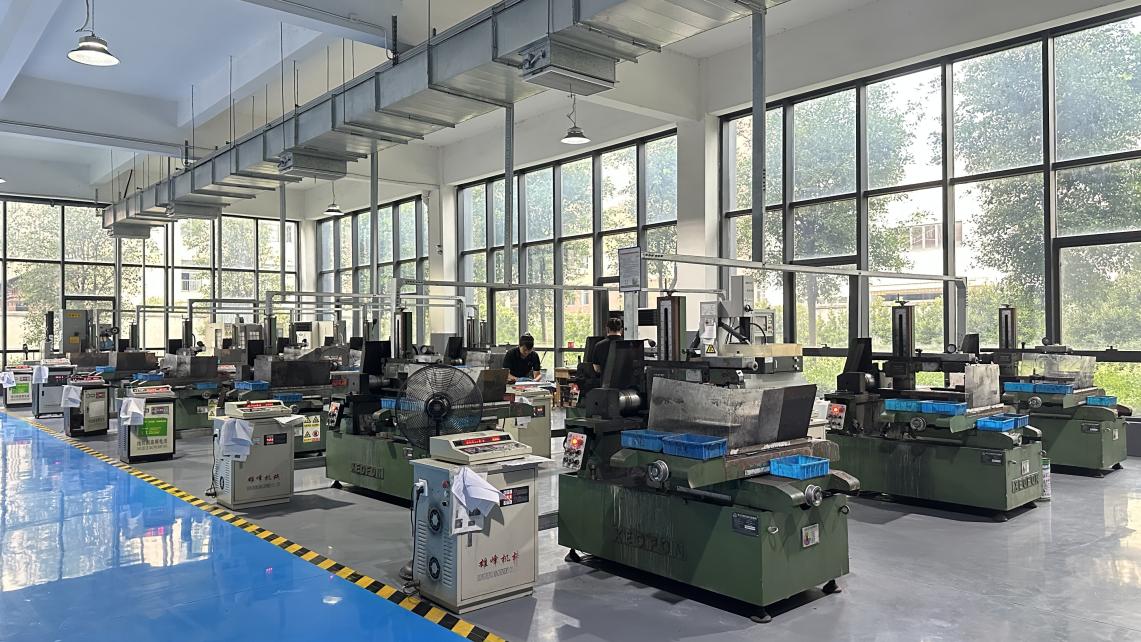
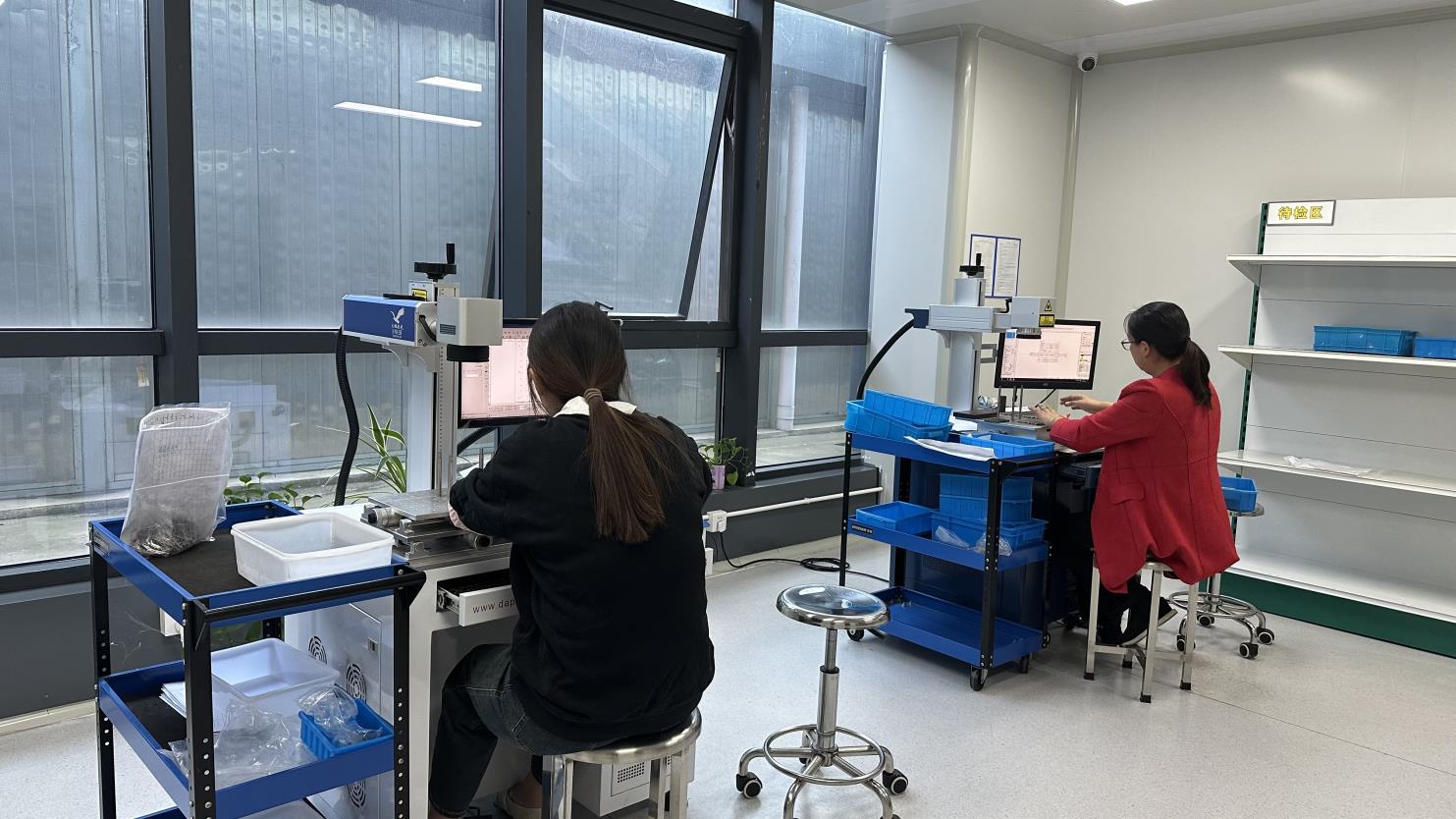
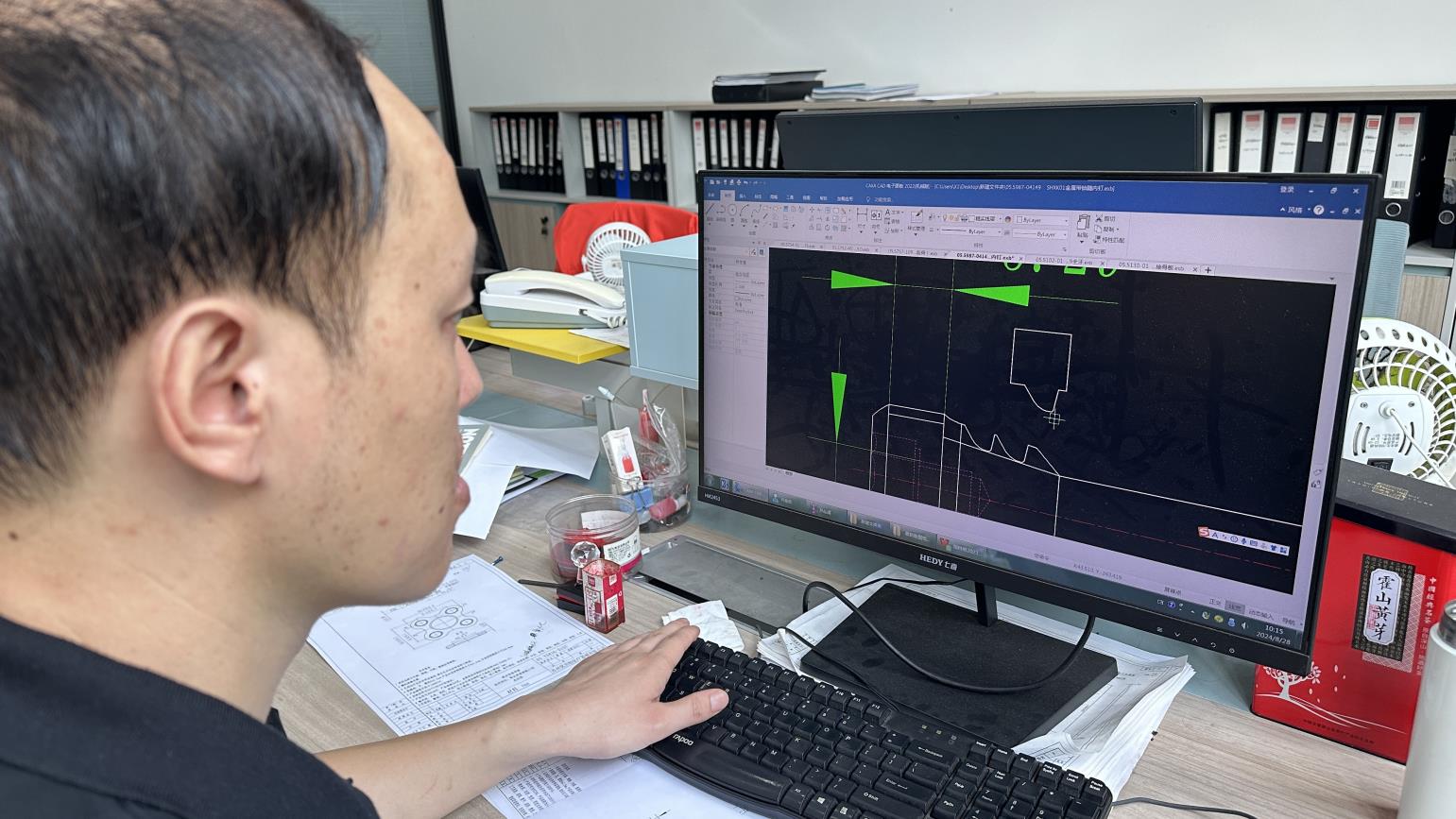
Crucial answers regarding biomechanics, materials, and sourcing standards for orthopedic spinal implants.
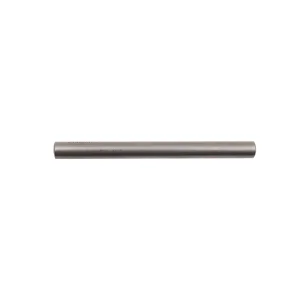
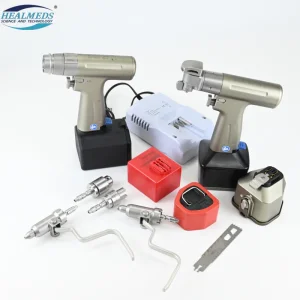
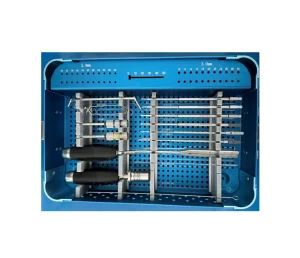
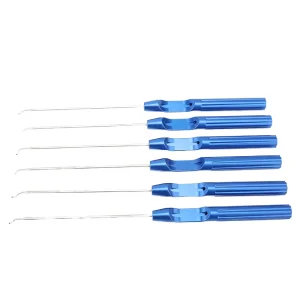
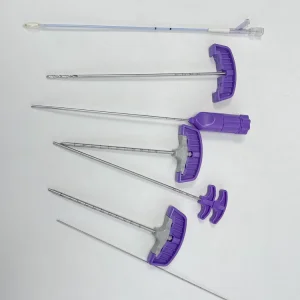
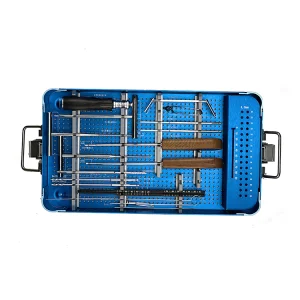
Our comprehensive selection of spine stabilization implants, power tools, and surgical reconstruction equipment.