Bonevia
Bonevia
Bonevia
Circular external fixation, pioneered by Dr. Gavriil Ilizarov in the 1950s, remains the gold standard for complex orthopedic procedures. Utilizing the physiological principle of tension-stress, these systems facilitate osteogenesis (bone growth) for distraction, compression, and remodeling. Today, the global medical community relies heavily on Ilizarov systems to treat non-unions, osteomyelitis, congenital limb discrepancies, and high-energy polytrauma cases.
Enables translation, angulation, and rotation adjustment dynamically post-operatively. Widely used for complex bone transport and limb lengthening surgeries.
Maintains axial compliance allowing micro-movements that stimulate callus formation, while remaining highly rigid against shear stresses and torsional forces.
Rising orthopedic traumas and pediatric bone deformity corrections drive a global compound annual growth rate of over 5.8% in external fixation markets.
China's medical manufacturing ecosystem has evolved into a premier global hub, balancing cost-efficiency with high-precision engineering. Advanced metallurgic protocols and vertical integration ensure that suppliers meet the stringent regulatory benchmarks of international healthcare markets.
Top Chinese suppliers manufacture Ilizarov components using medical-grade Titanium Alloys (Ti-6Al-4V ELI) complying with ASTM F136 standards, and high-strength Stainless Steel (316LVM) per ASTM F138. This yields exceptional biocompatibility, corrosion resistance, and optimized mechanical strength-to-weight ratios.
Leveraging specialized industrial clusters, Chinese manufacturers manage robust supply chains. This results in stable pricing, streamlined material sourcing, and rapid turnaround times for both standard components (rings, threaded rods, wire tensioners) and bespoke surgical configurations.
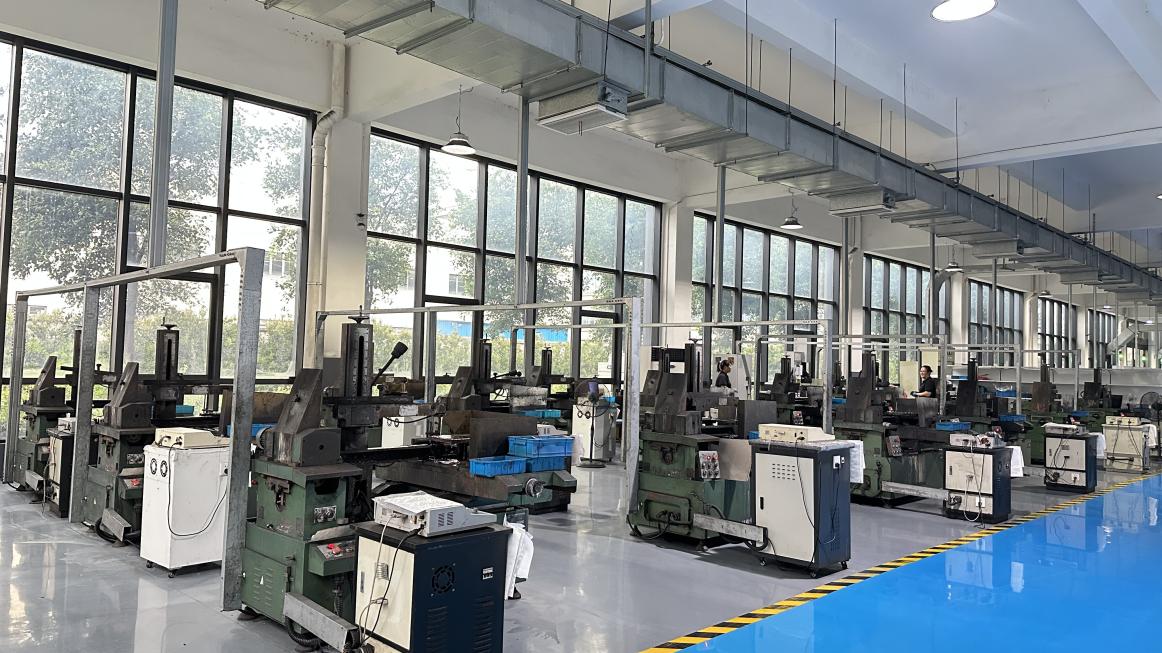
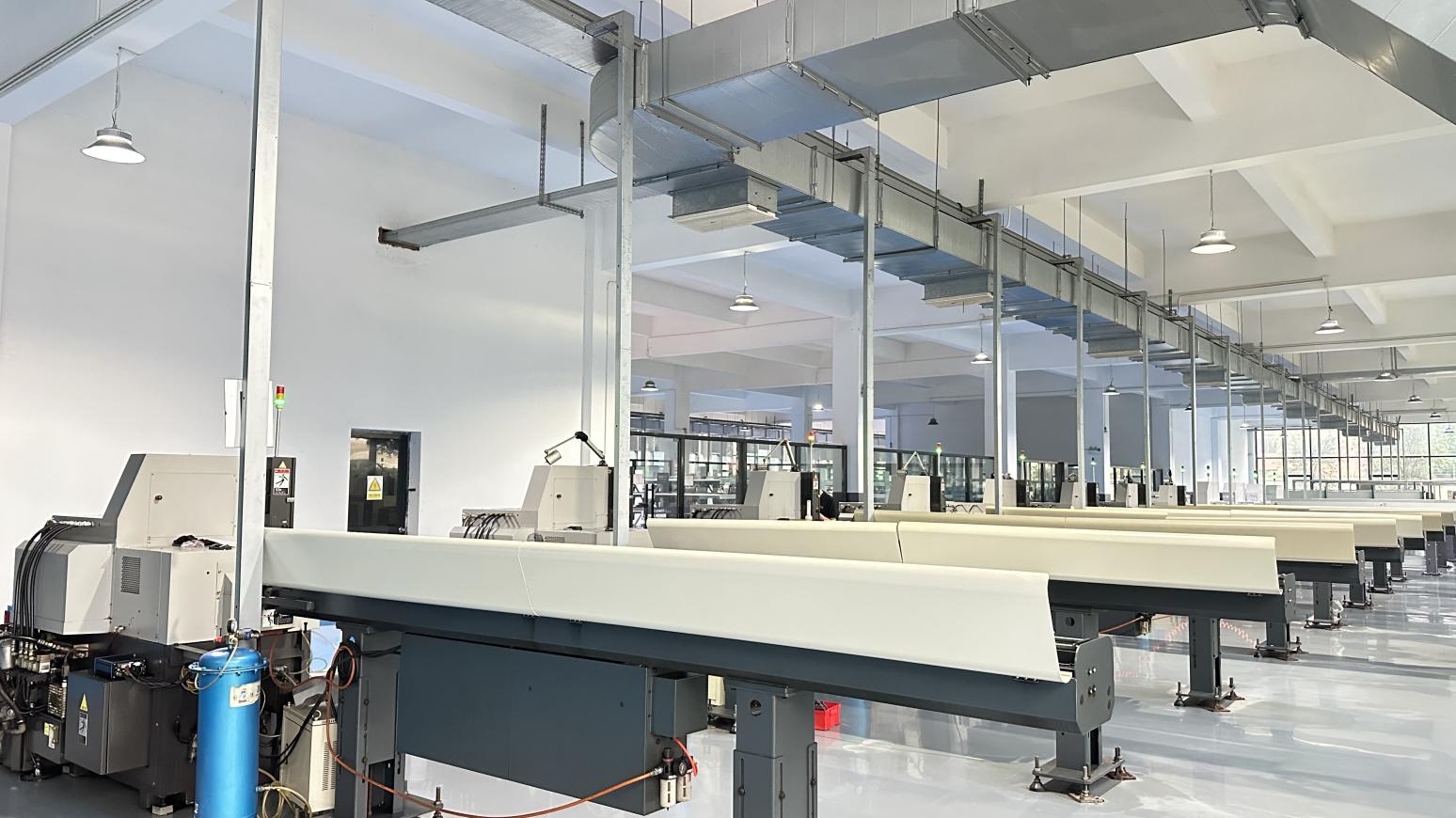
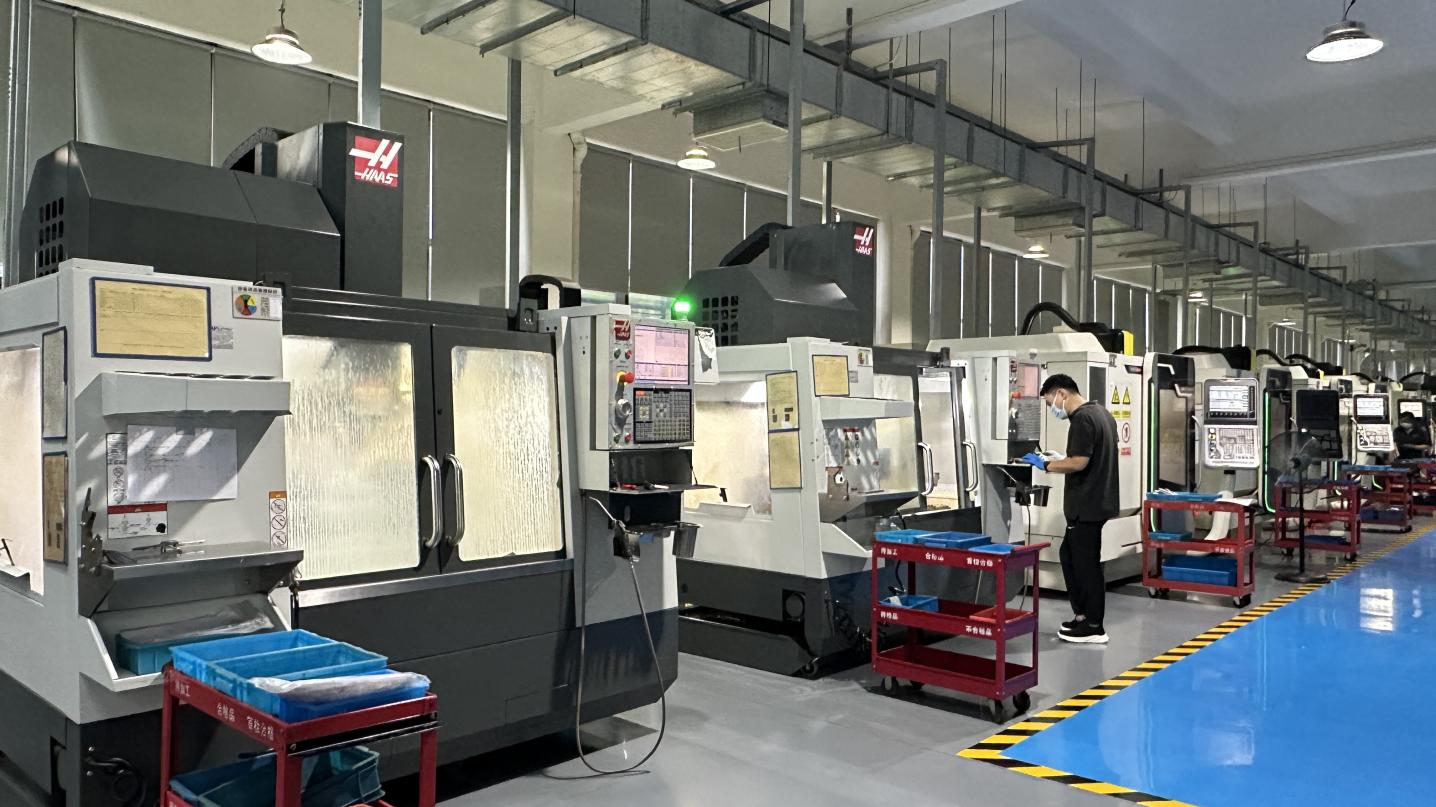
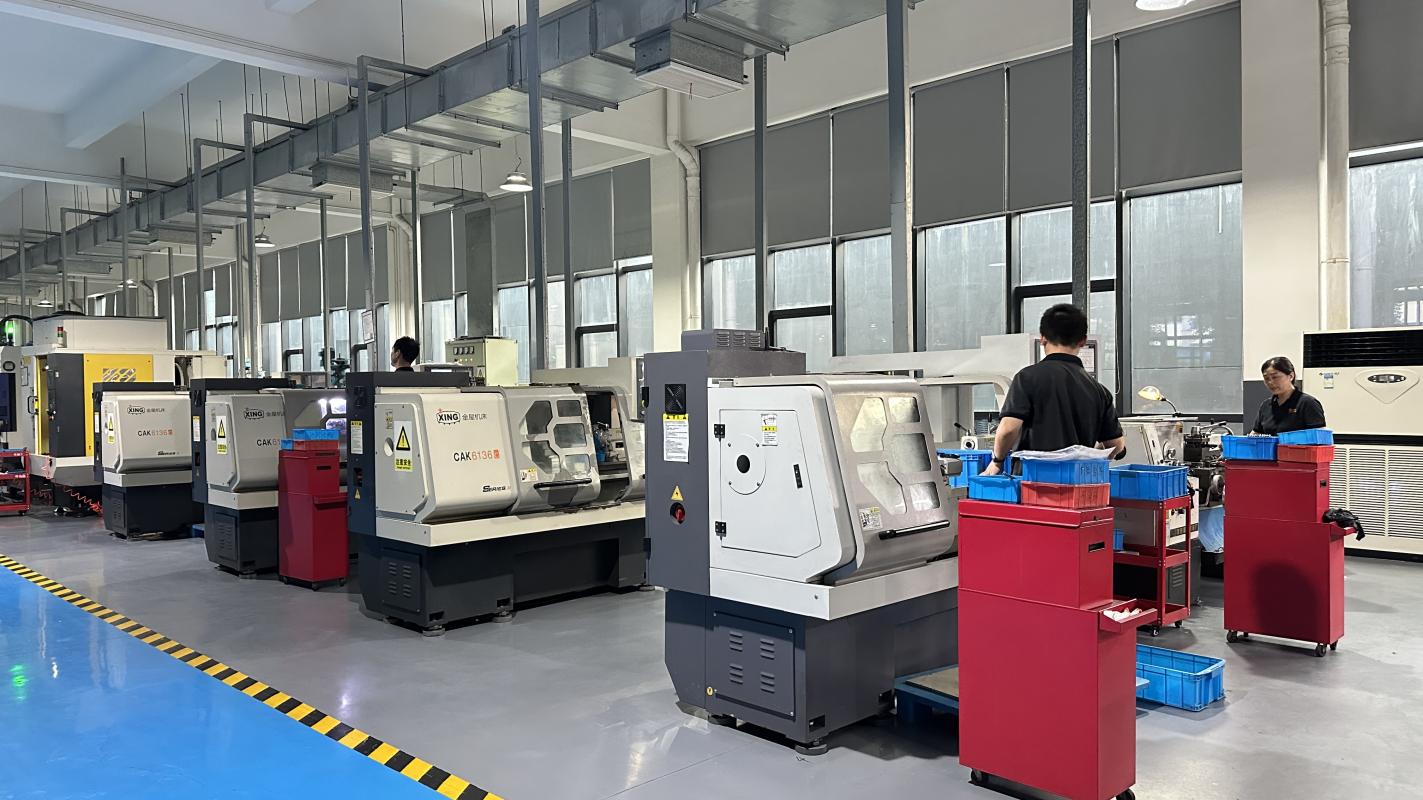
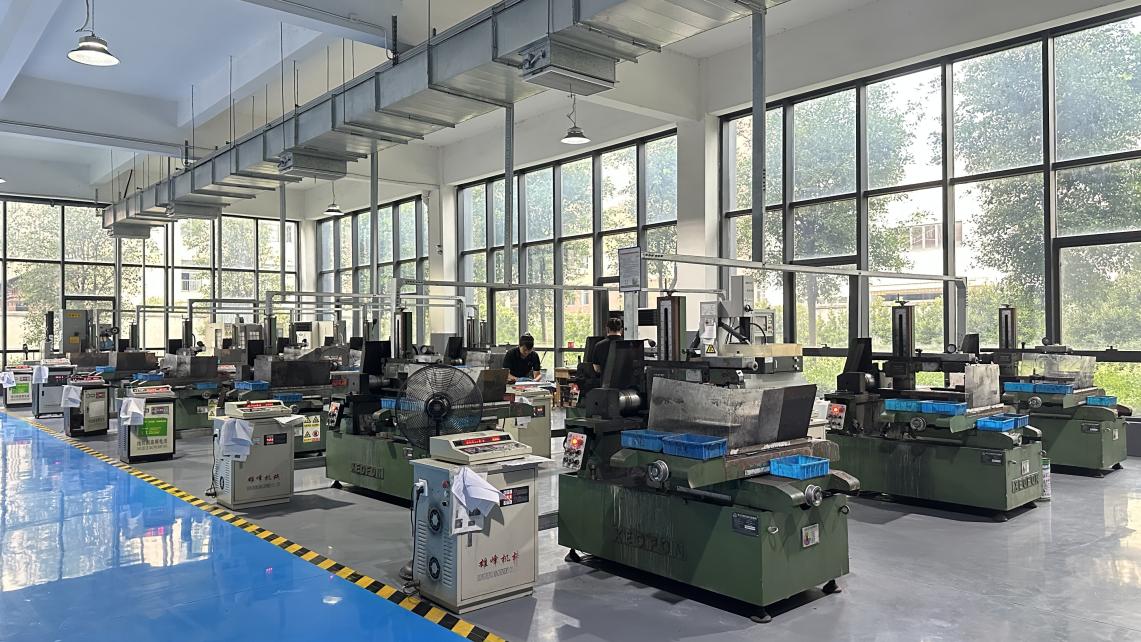
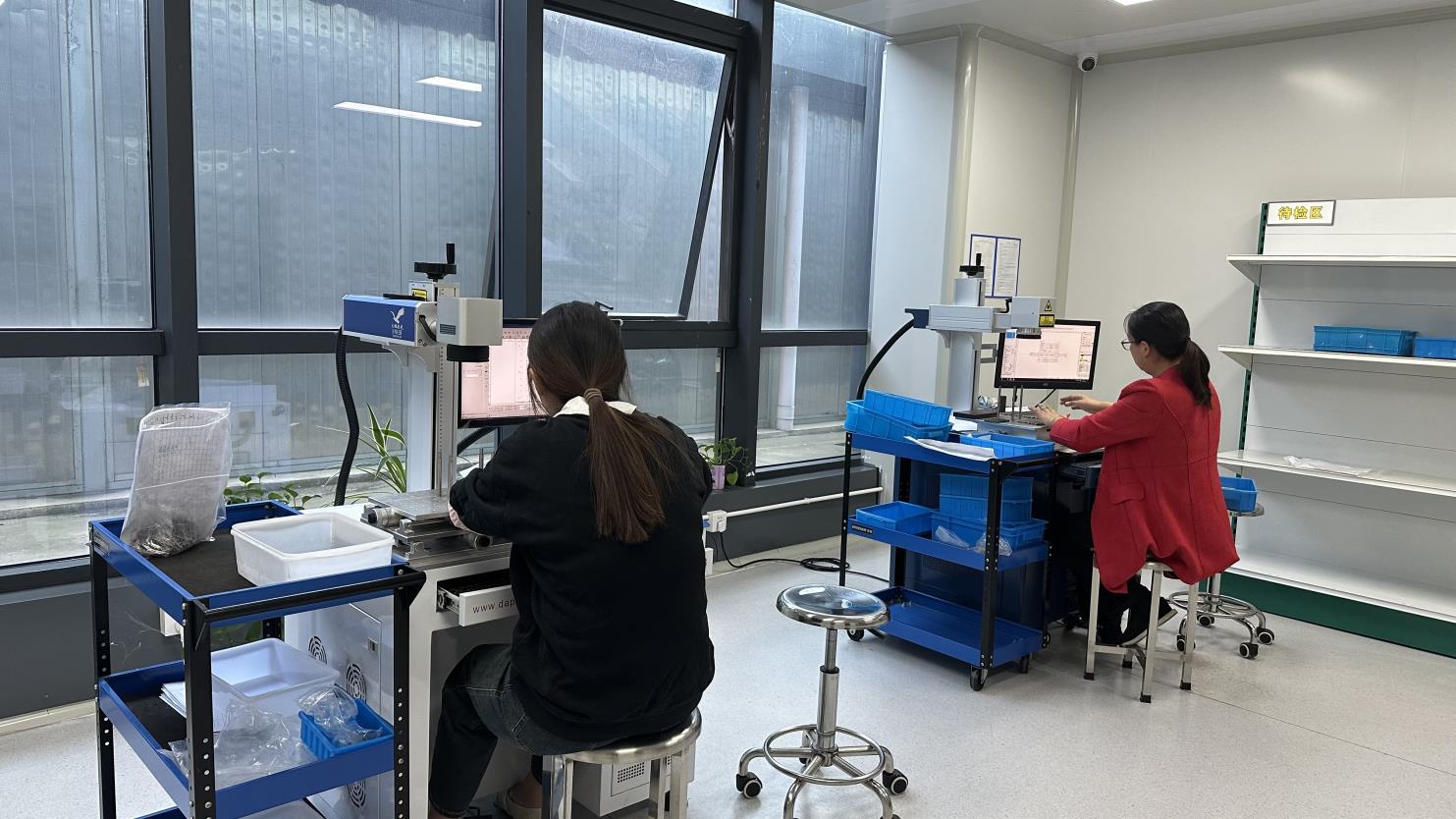
Bonevia Orthopedic Technology Co., Ltd. is a professional manufacturer specializing in orthopedic implants and surgical solutions, dedicated to advancing innovation in trauma, spine, and joint reconstruction products. Since its establishment in 2015, the company has grown steadily into a trusted supplier in the global orthopedic industry.
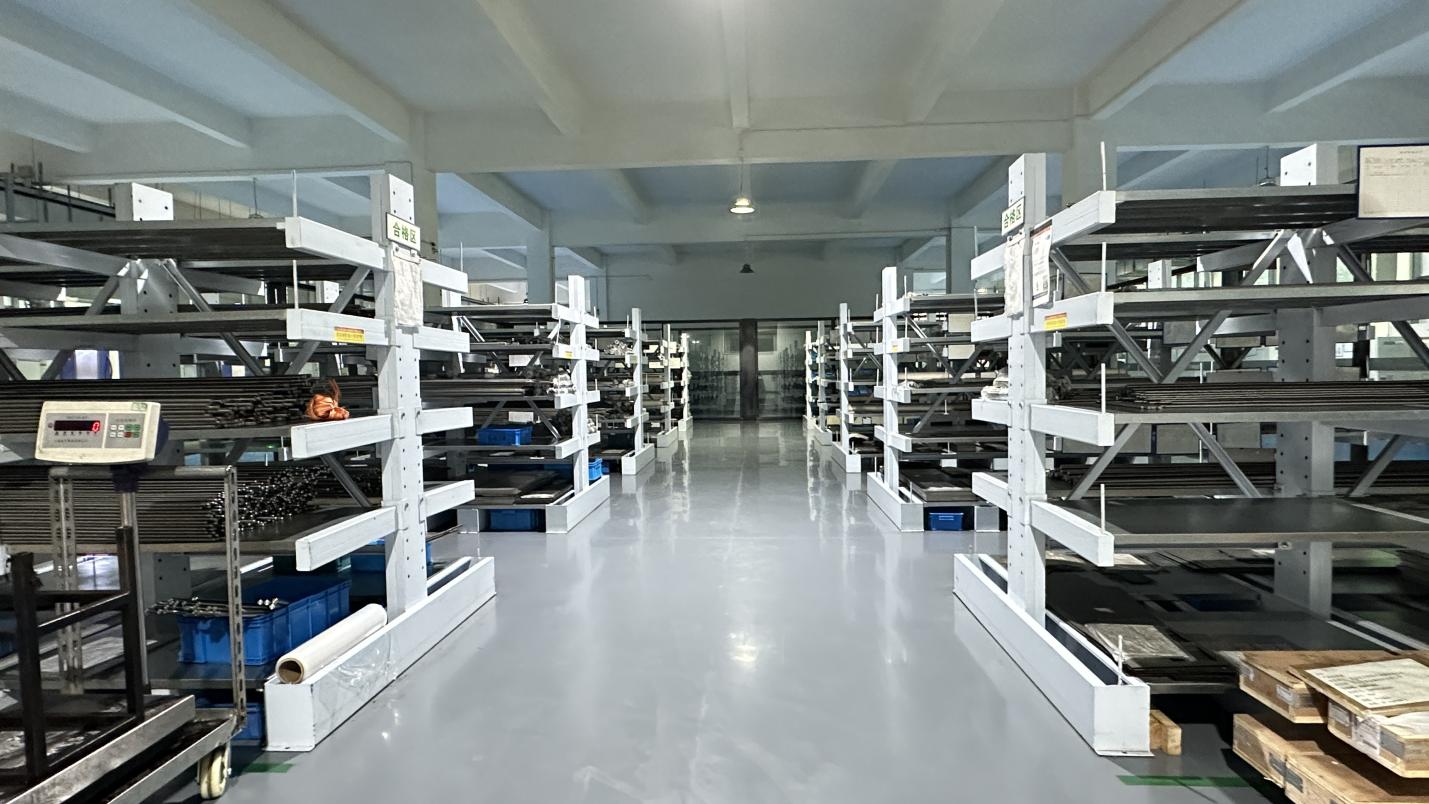
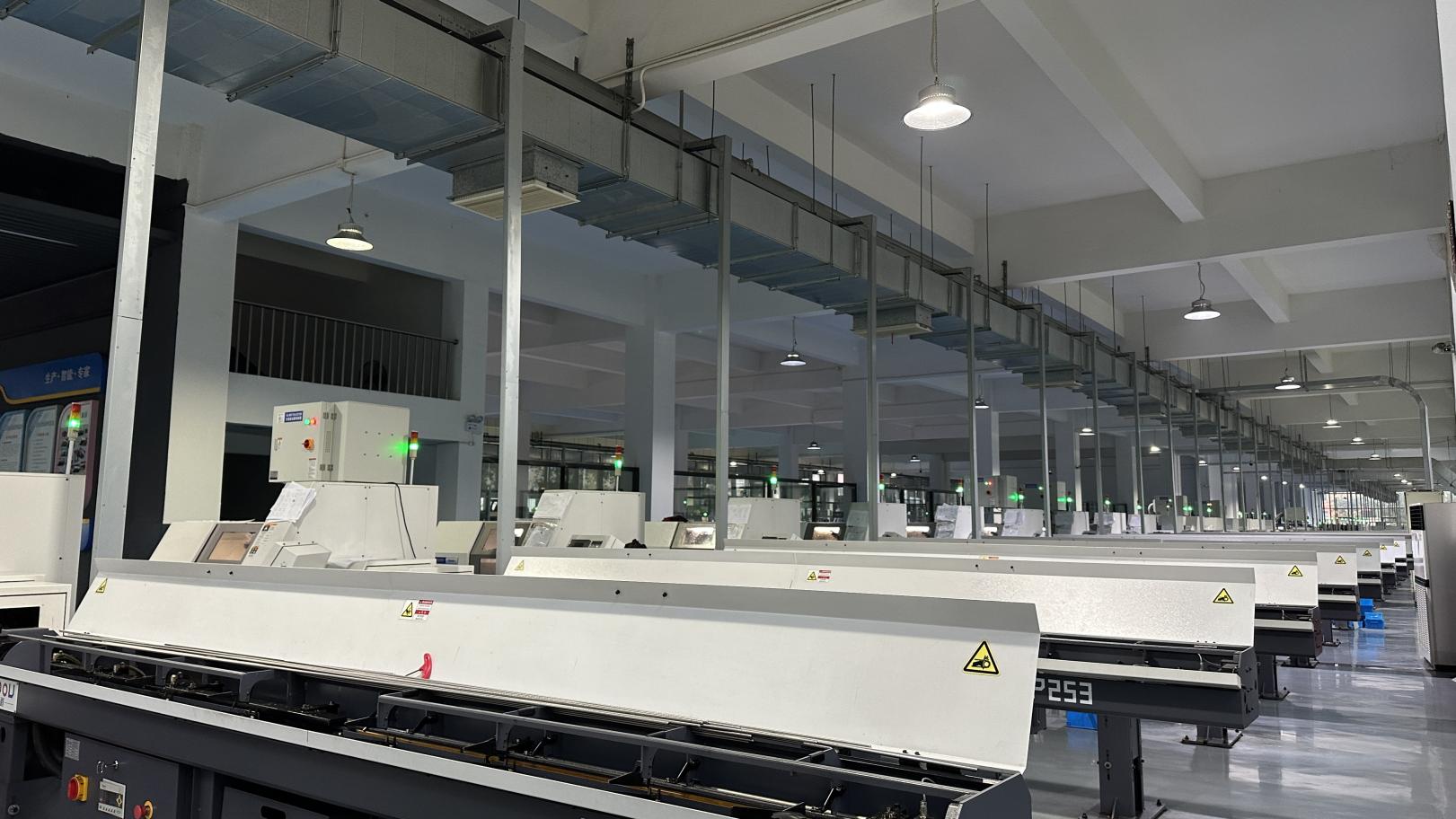
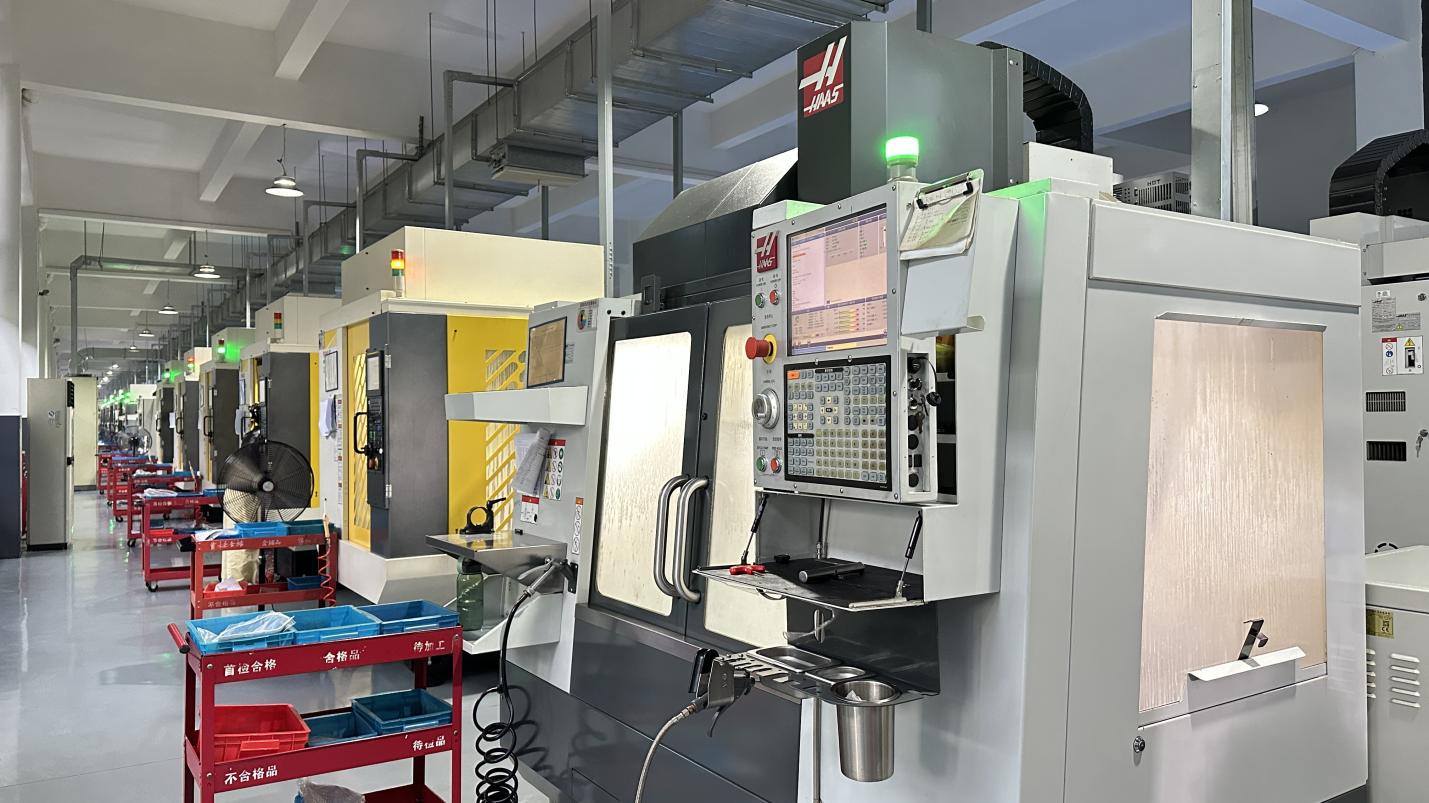
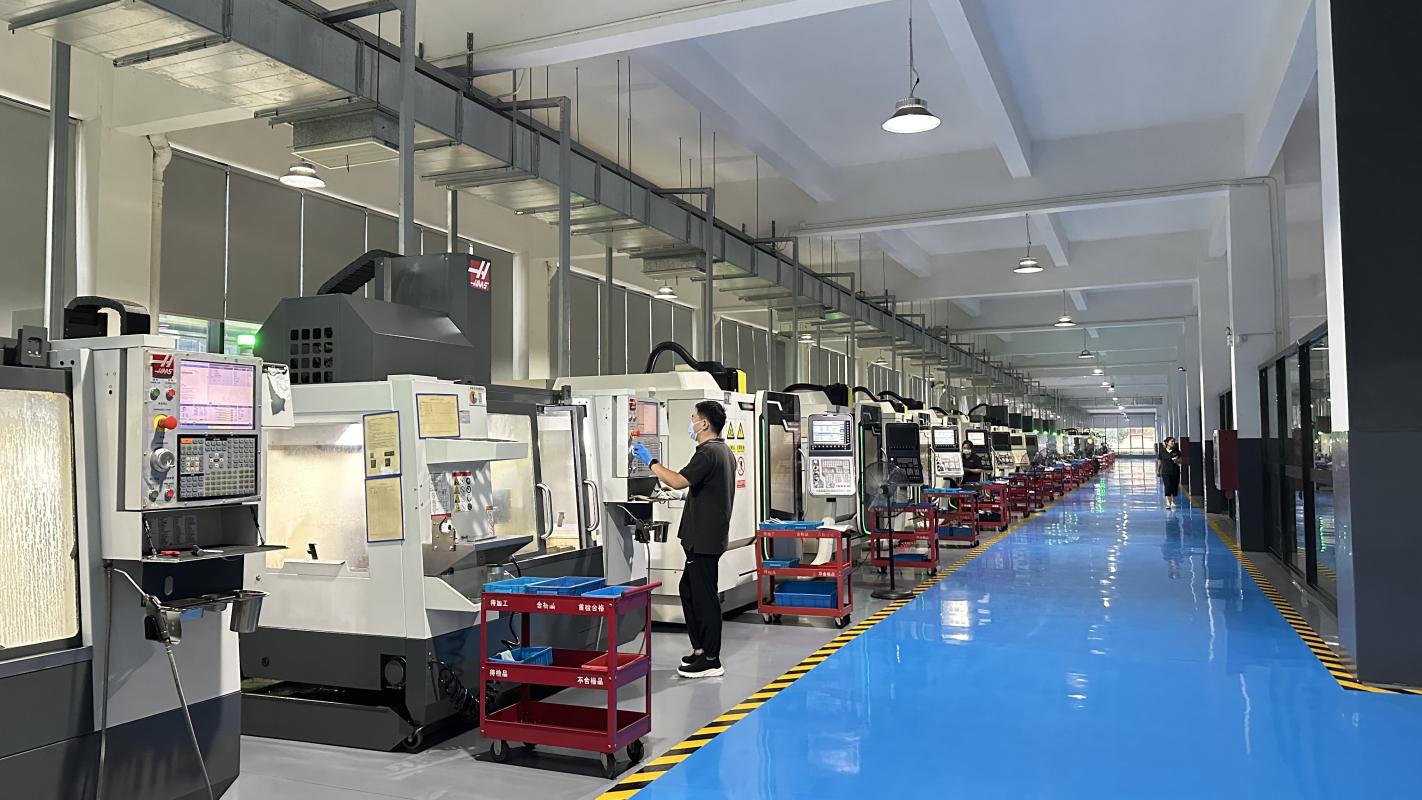
With a modern production facility covering approximately 320㎡, Bonevia maintains strict quality management standards and efficient manufacturing processes. The company records an annual export revenue of around USD 8–15 million, supported by 6 years of export experience and over 10 years of overall industry experience.
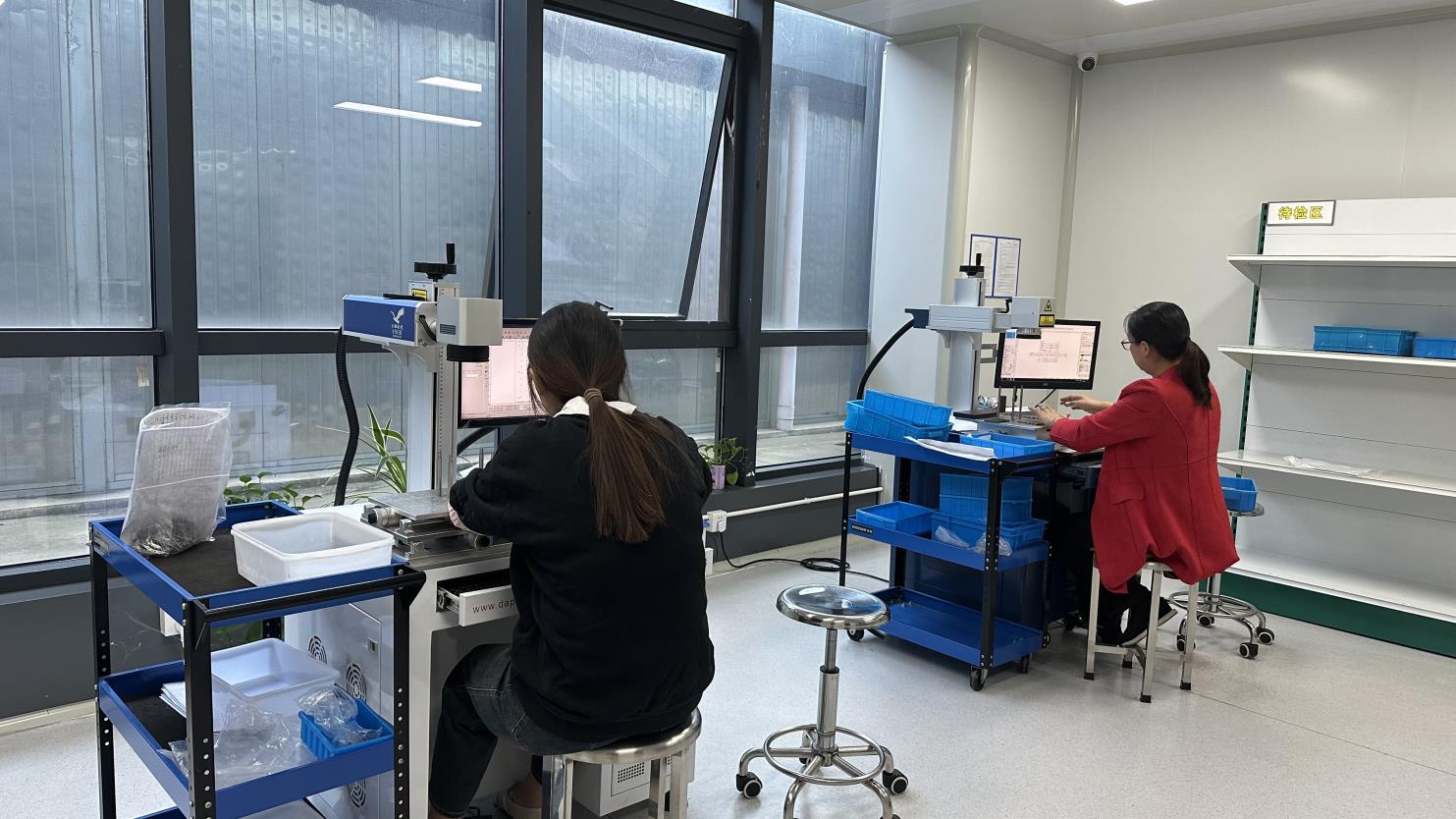
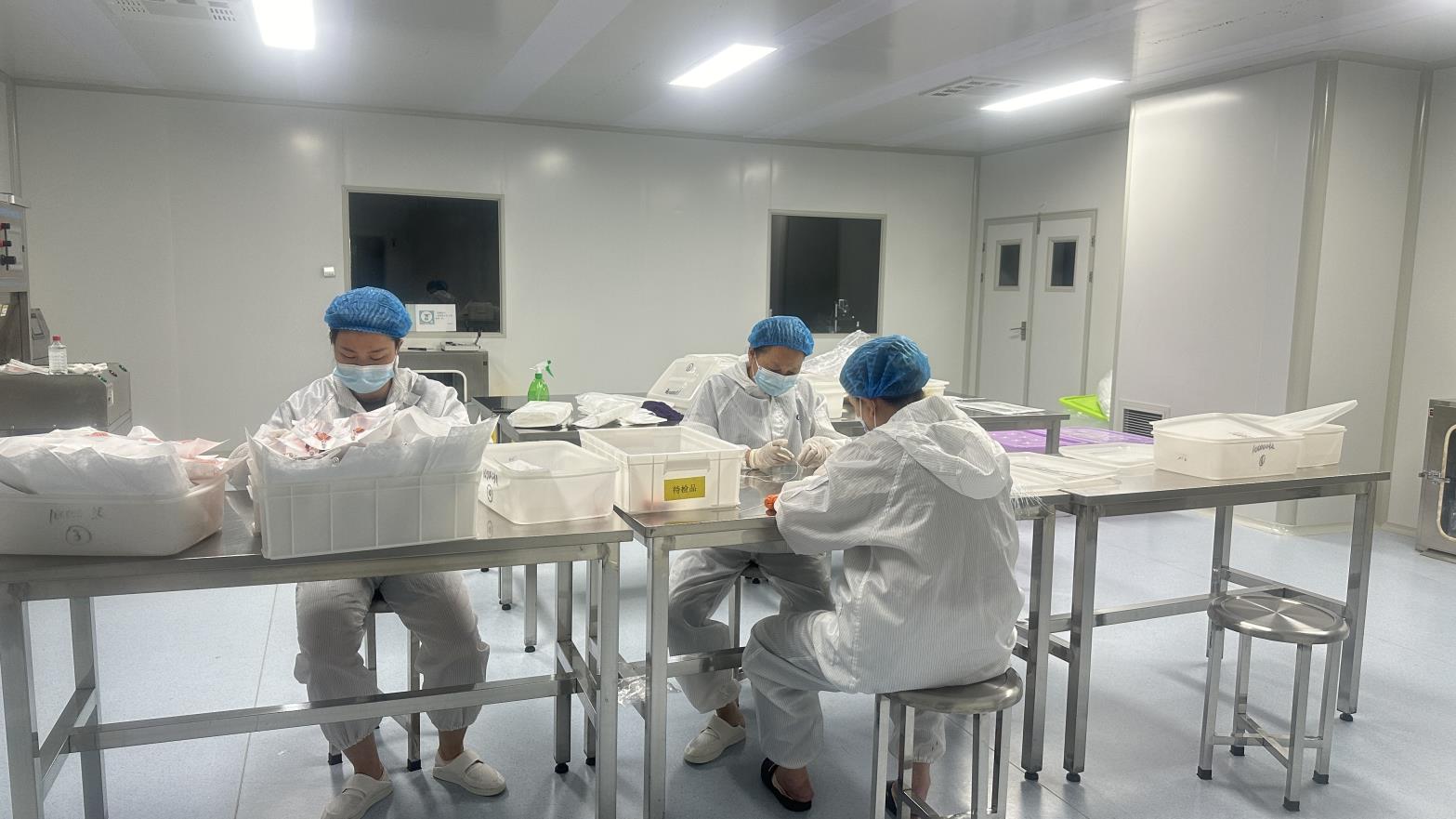
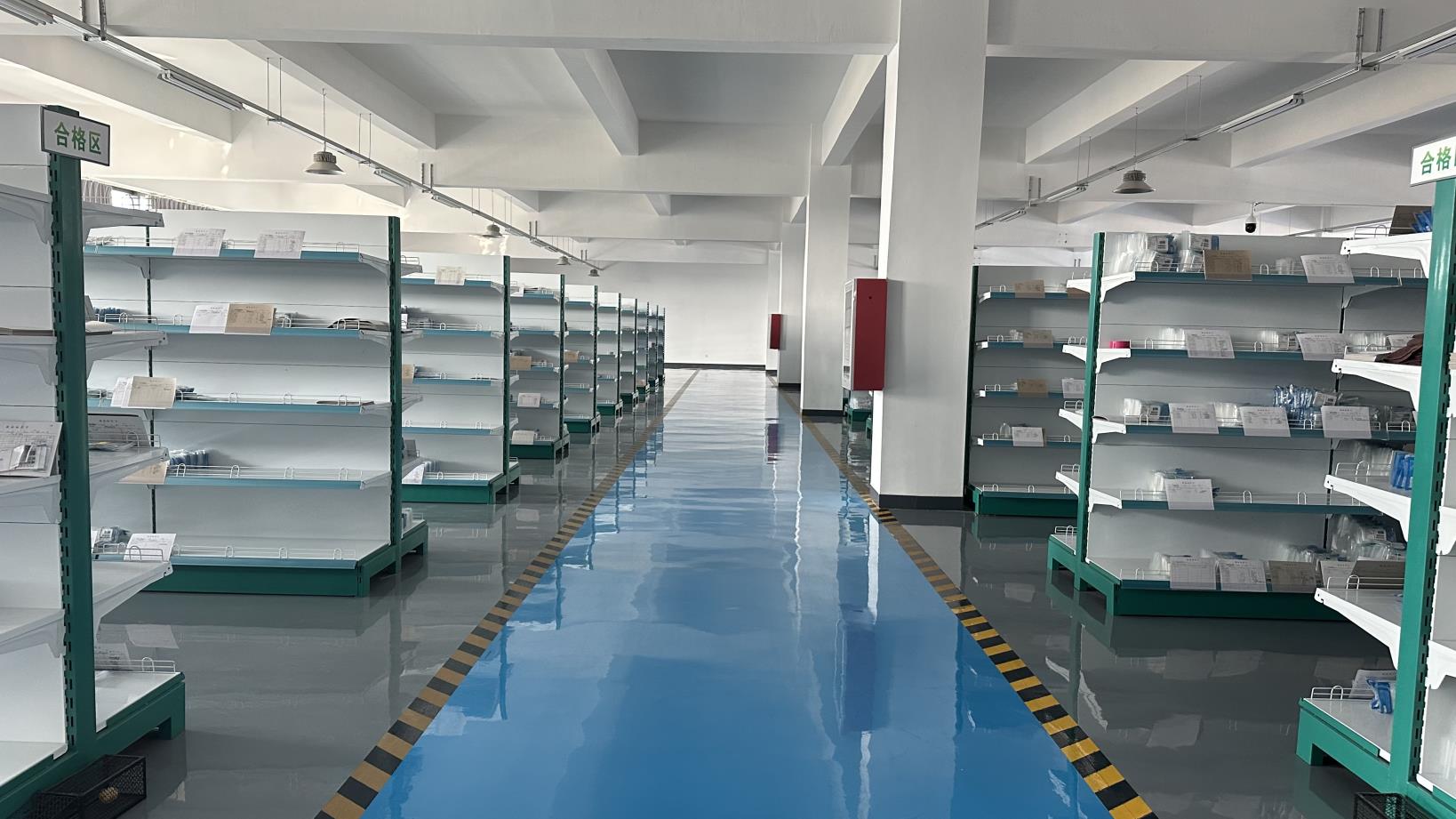
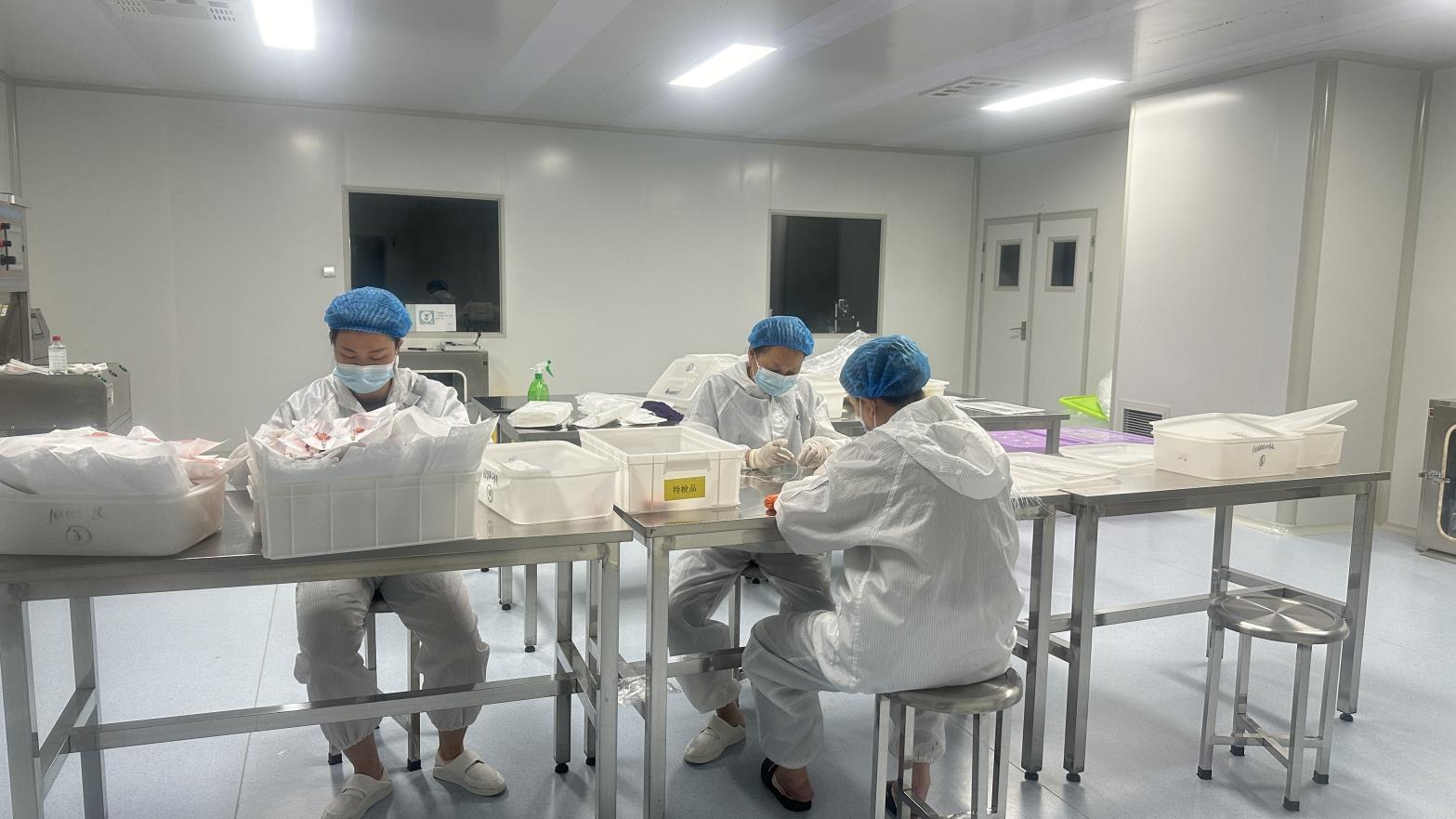
Quality assurance is a core focus at Bonevia. The company implements multiple inspection methods including incoming material inspection, in-process quality control, and final product testing, supported by a dedicated quality team of 35 professionals. This ensures all products meet international medical device standards.
Bonevia has a solid trade foundation with diversified global distribution networks, serving major markets across Europe, Southeast Asia, the Middle East, and South America. Its supply chain ecosystem includes more than 850 partners, enabling stable raw material sourcing and efficient production delivery.
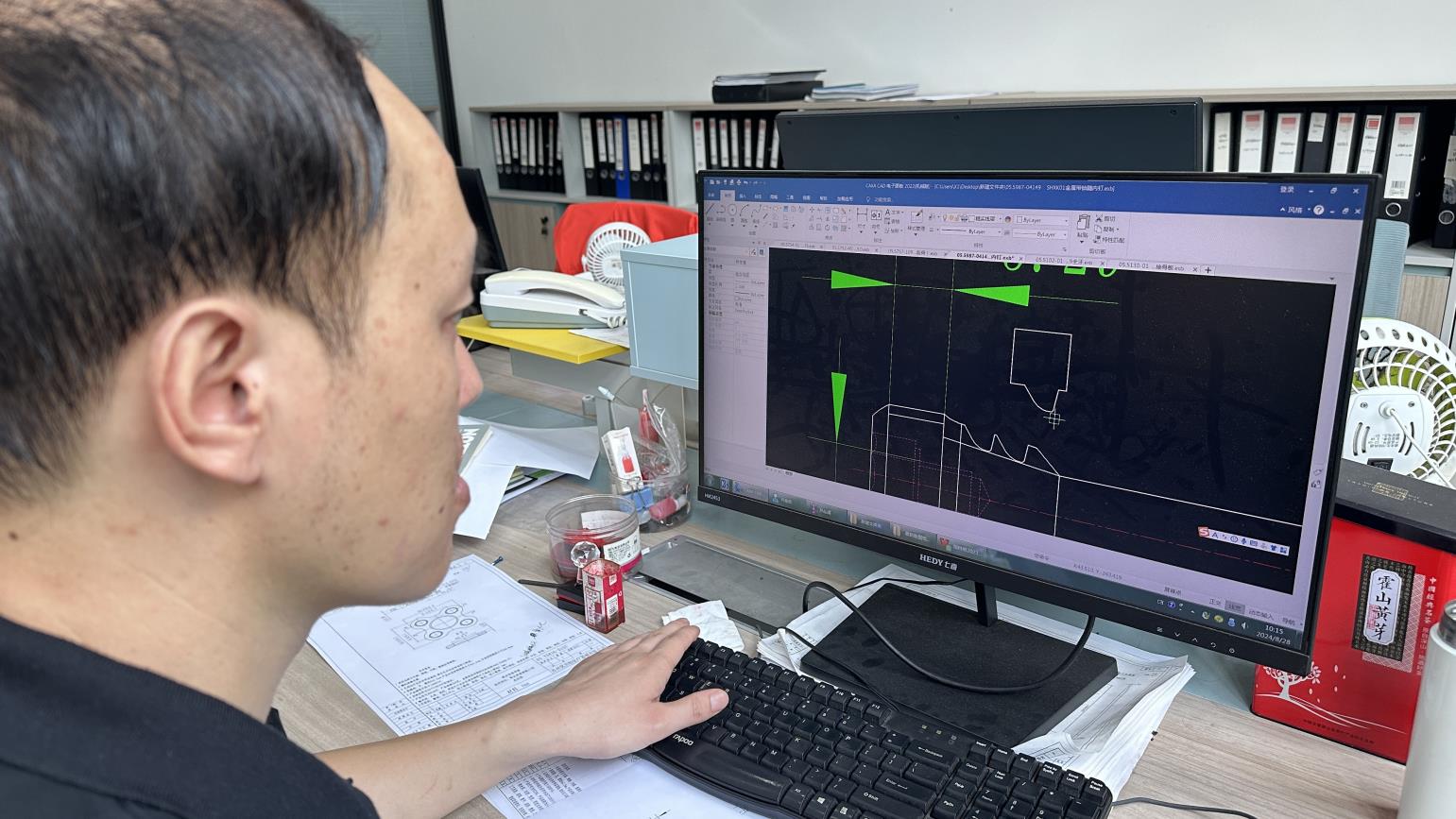
The company serves a wide range of clients, including hospitals, orthopedic clinics, surgical centers, and medical distributors. Bonevia also demonstrates strong R&D capabilities, offering OEM and ODM customization services to meet specific clinical requirements.
In the past year, Bonevia successfully launched 120 new product designs, supported by a research and development team of 85 engineers, continuously driving innovation in orthopedic implant systems and surgical instruments.
Orthopedic pathology calls for tailored solutions. Circular external fixators excel where standard plates and intramedullary nails are clinically contraindicated.
Designed for distraction osteogenesis. Threaded rods allow fine mechanical increments (typically 1mm per day divided into four increments) to stimulate physiological bone and soft-tissue regeneration.
Enables bone transport after radical debridement of infected tissues. Because the fixator resides outside the zone of active infection, the risk of hardware colonization is eliminated.
Provides rigid stability for severe open tibial fractures with soft-tissue loss, allowing continuous access for wound care, plastic flap reconstructions, and skin graft monitoring.
The evolution of external fixators focuses on minimizing patient discomfort, reducing radiation exposure during surgery, and enhancing the precision of bone segment alignments.
Replacing traditional stainless steel rings with carbon fiber composites drastically reduces the weight of the frame, improving patient comfort. Additionally, its radiolucency prevents visual obstruction during post-operative X-ray and CT imaging assessments.
Integrating computerized deformity-correction planning allows surgeons to key in patient radiographs and receive exact strut-adjustment parameters. This virtual planning reduces human error and delivers precise correction of complex multi-planar deformities.
Procuring orthopedic medical devices requires strict compliance with international regulatory frameworks. Implants must bear relevant quality certifications to guarantee patient safety and mechanical performance.
Verifies that the manufacturer operates under a comprehensive medical device quality management system, guaranteeing consistency and process validation.
Necessary for market access in Europe and other highly regulated regions, demonstrating that the structural materials and design conform to essential health safety requirements.
Ensures metal alloys do not leech harmful ions into tissues, preserving surgical site integrity and reducing the likelihood of mechanical implant failure.
Professional insights to address global B2B procurement queries, regulatory requirements, and technical specifications.