Bonevia
Bonevia
Bonevia
Explore our precision-engineered implant selection. Featuring dynamic stabilization systems, orthopedic fixation units, and trauma solutions designed to meet the rigorous physical requirements of modern surgeons.
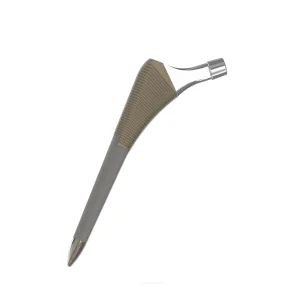
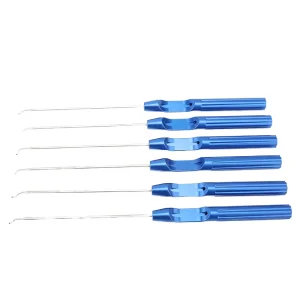
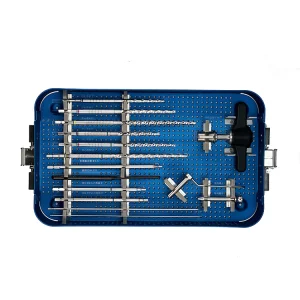
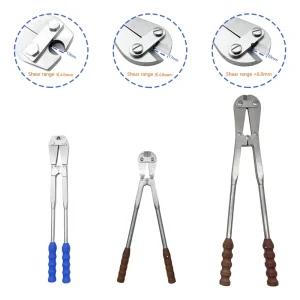
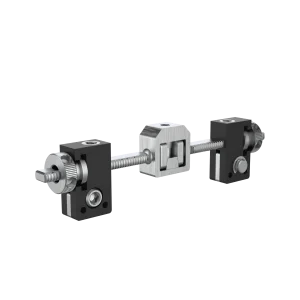
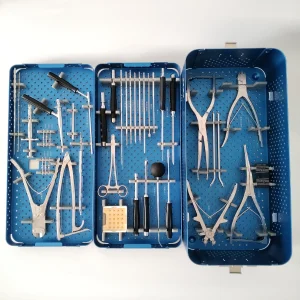
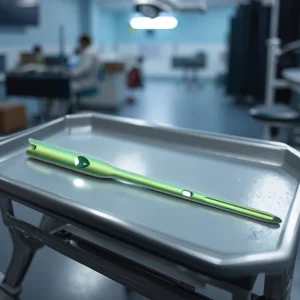
Cervical myelopathy, driven by pathologies such as ossification of the posterior longitudinal ligament (OPLL), congenital spinal stenosis, and multilevel degenerative disc disease, presents complex surgical challenges. Over the past few decades, posterior decompression via cervical laminoplasty has emerged as a premier motion-preserving technique compared to radical laminectomy or multi-level anterior cervical discectomy and fusion (ACDF). The biomechanical goal of laminoplasty is simple yet mechanically precise: expand the narrow spinal canal to relieve spinal cord compression while retaining the posterior musculature and osseous stabilizers to prevent post-operative kyphosis and adjacent segment disease (ASD).
The stabilization of the open-door (Hirabayashi technique) or double-door (Kurokawa technique) lamina hinges relies heavily on internal fixation systems. Without structured support, the elevated laminae run a high risk of premature closure, construct collapse, or hinge fracture, which could lead to re-compression of the delicate spinal cord. Modern laminoplasty plates serve as rigid mechanical struts. These implants bridge the osteotomy gap, acting as a load-bearing spacer that maintains the patency of the expanded canal throughout the osteointegration process.
Recent retrospective studies indicate that low-profile plate geometry (typically under 1.5mm thickness) reduces postoperative soft tissue irritation, muscle disruption, and downstream axial neck pain. Ensuring that plates are anatomically pre-bent and rounded prevents localized contact stress on surrounding soft tissues, allowing for smoother postoperative recovery.
From an engineering standpoint, these plates must manage a delicate balance of physical properties. The plate must possess high fatigue strength to withstand the dynamic forces of neck extension and rotation, while keeping a low stiffness to prevent stress-shielding at the bone-screw interface. Sourcing materials from authorized titanium mills (meeting ASTM F136 specifications) ensures that the implants offer high biocompatibility and excellent post-operative MRI compatibility, making them suitable for long-term clinical safety.
Bonevia Orthopedic Technology Co., Ltd. is a professional manufacturer specializing in orthopedic implants and surgical solutions, dedicated to advancing innovation in trauma, spine, and joint reconstruction products. Since its establishment in 2015, the company has grown steadily into a trusted supplier in the global orthopedic industry.
With a modern production facility covering approximately 320㎡, Bonevia maintains strict quality management standards and efficient manufacturing processes. The company records an annual export revenue of around USD 8–15 million, supported by 6 years of export experience and over 10 years of overall industry experience.
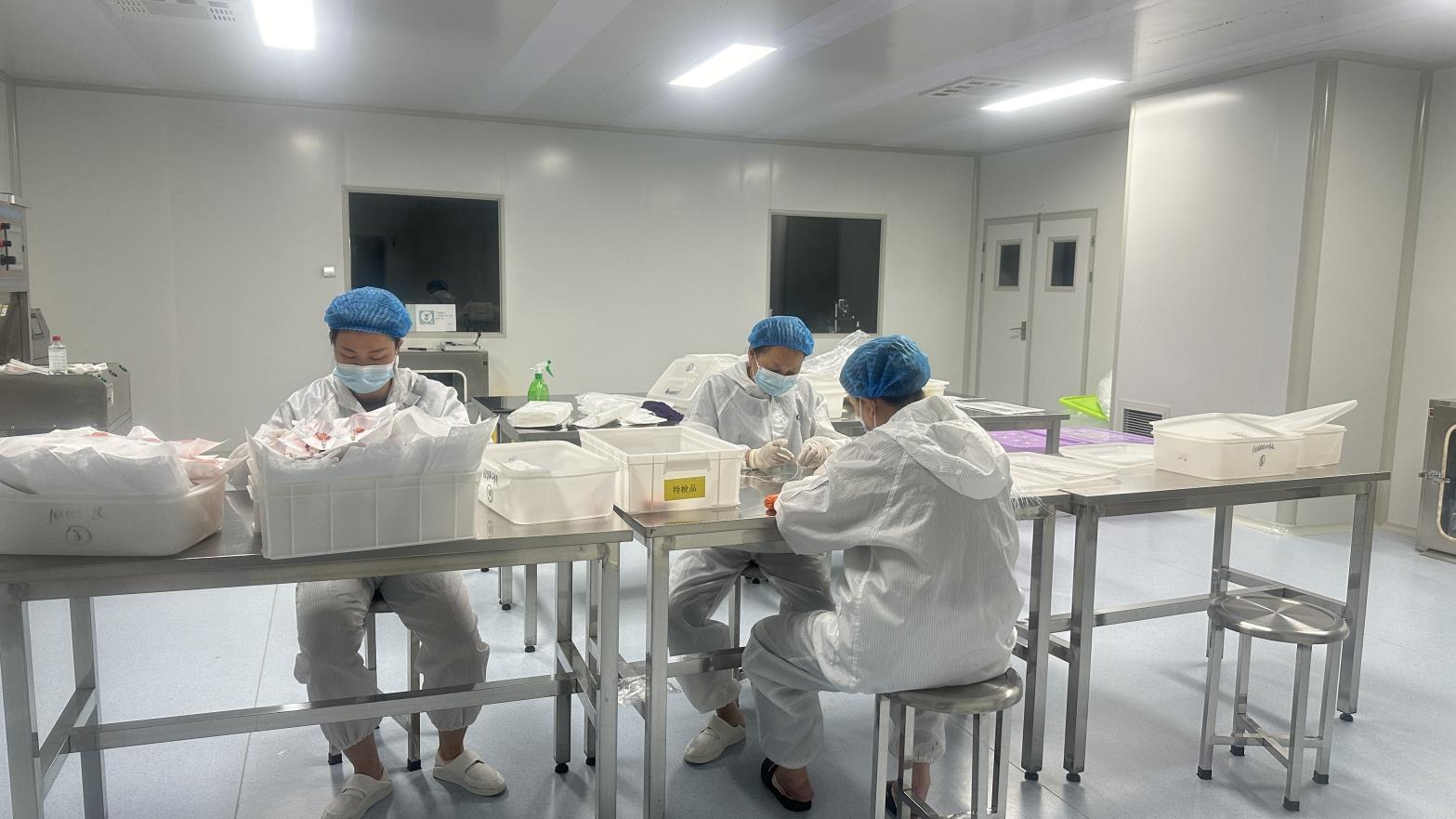
Quality assurance is a core focus at Bonevia. The company implements multiple inspection methods including incoming material inspection, in-process quality control, and final product testing, supported by a dedicated quality team of 35 professionals. This ensures all products meet international medical device standards.
Bonevia has a solid trade foundation with diversified global distribution networks, serving major markets across Europe, Southeast Asia, the Middle East, and South America. Its supply chain ecosystem includes more than 850 partners, enabling stable raw material sourcing and efficient production delivery.
The company serves a wide range of clients, including hospitals, orthopedic clinics, surgical centers, and medical distributors. Bonevia also demonstrates strong R&D capabilities, offering OEM and ODM customization services to meet specific clinical requirements.
In the past year, Bonevia successfully launched 120 new product designs, supported by a research and development team of 85 engineers, continuously driving innovation in orthopedic implant systems and surgical instruments.
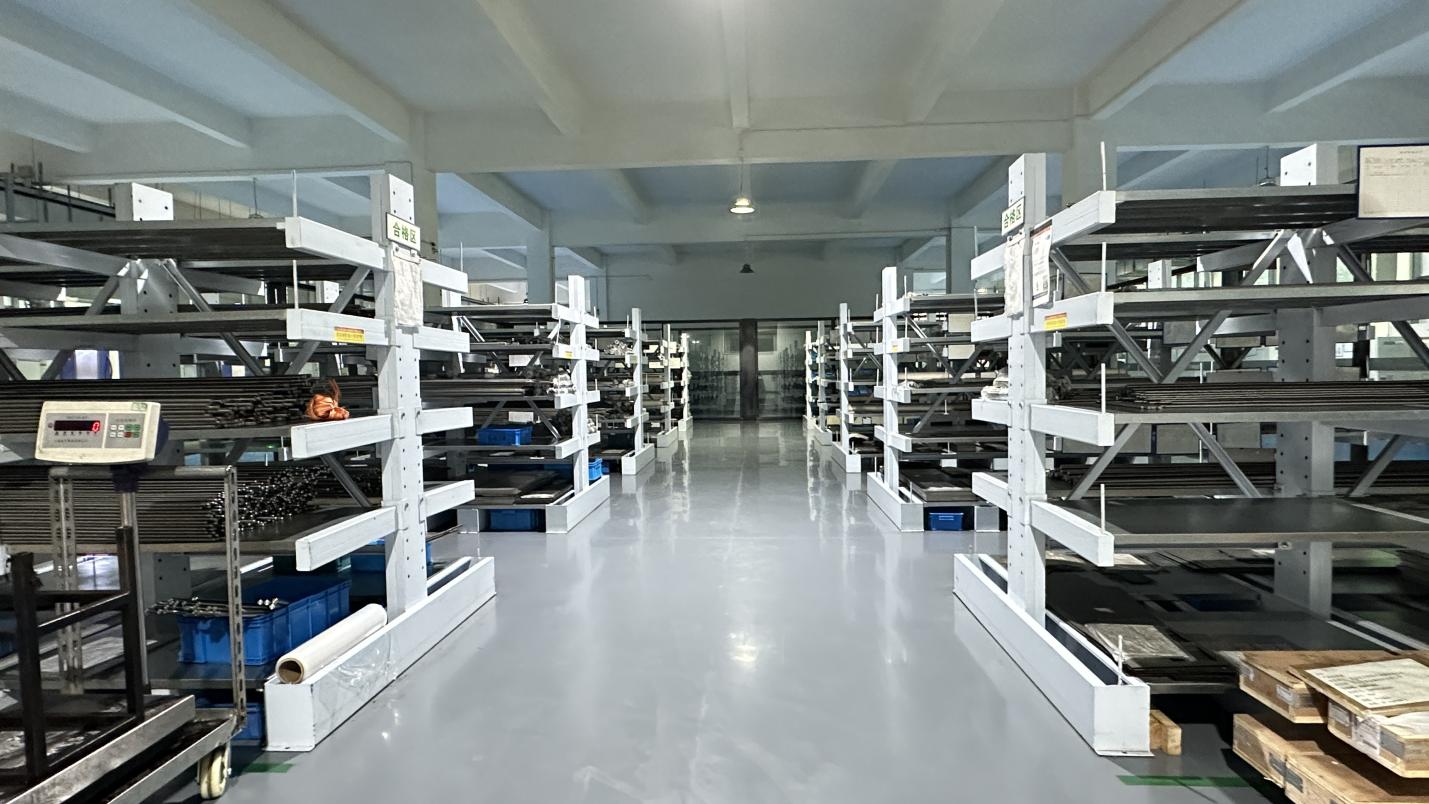
The production lifecycle of Bonevia orthopedic implants is managed using advanced equipment. From raw material slitting and multi-axis CNC machining to wire-cutting, laser marking, and cleanroom packaging, each stage is monitored for compliance with international standards.
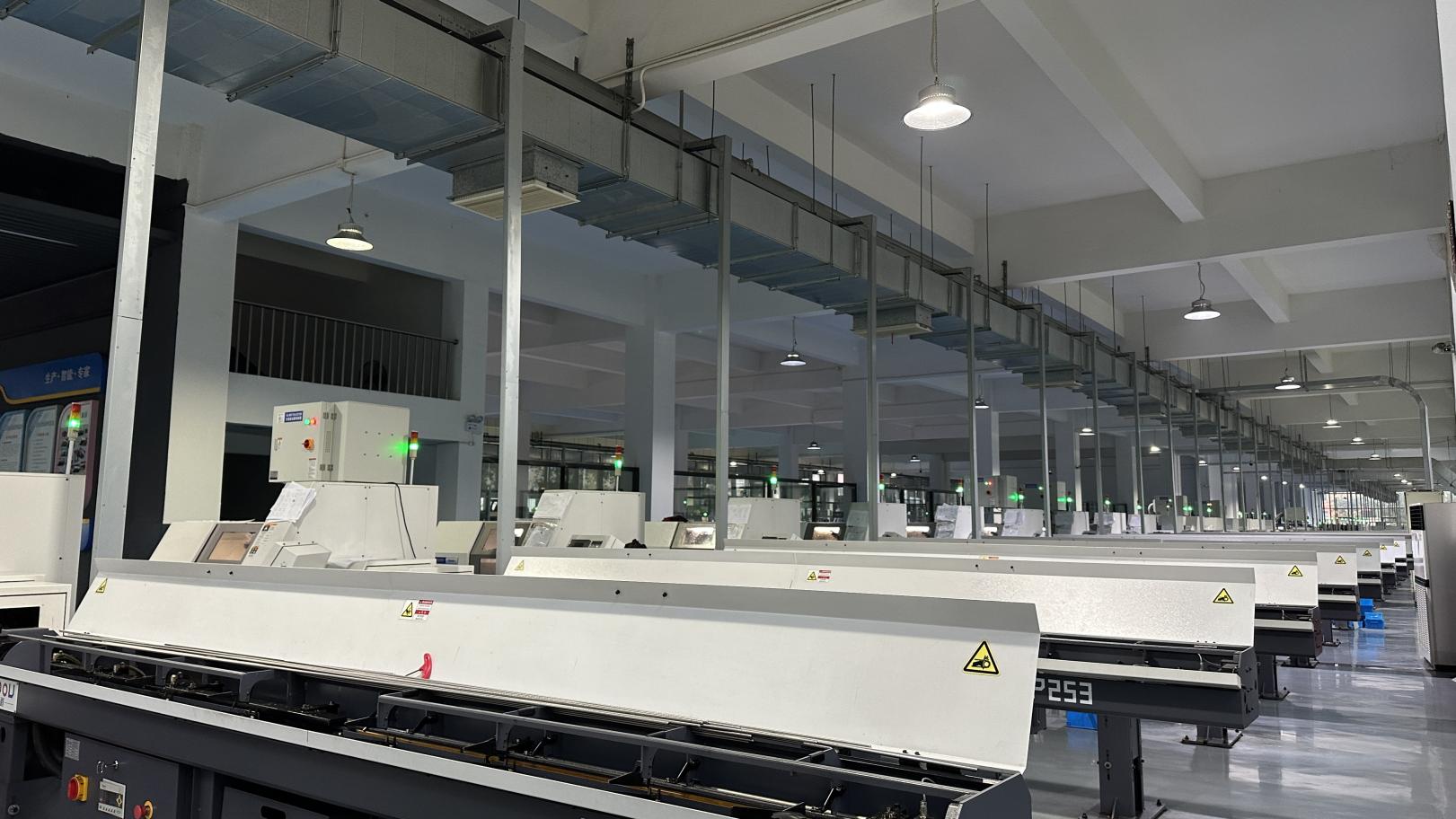
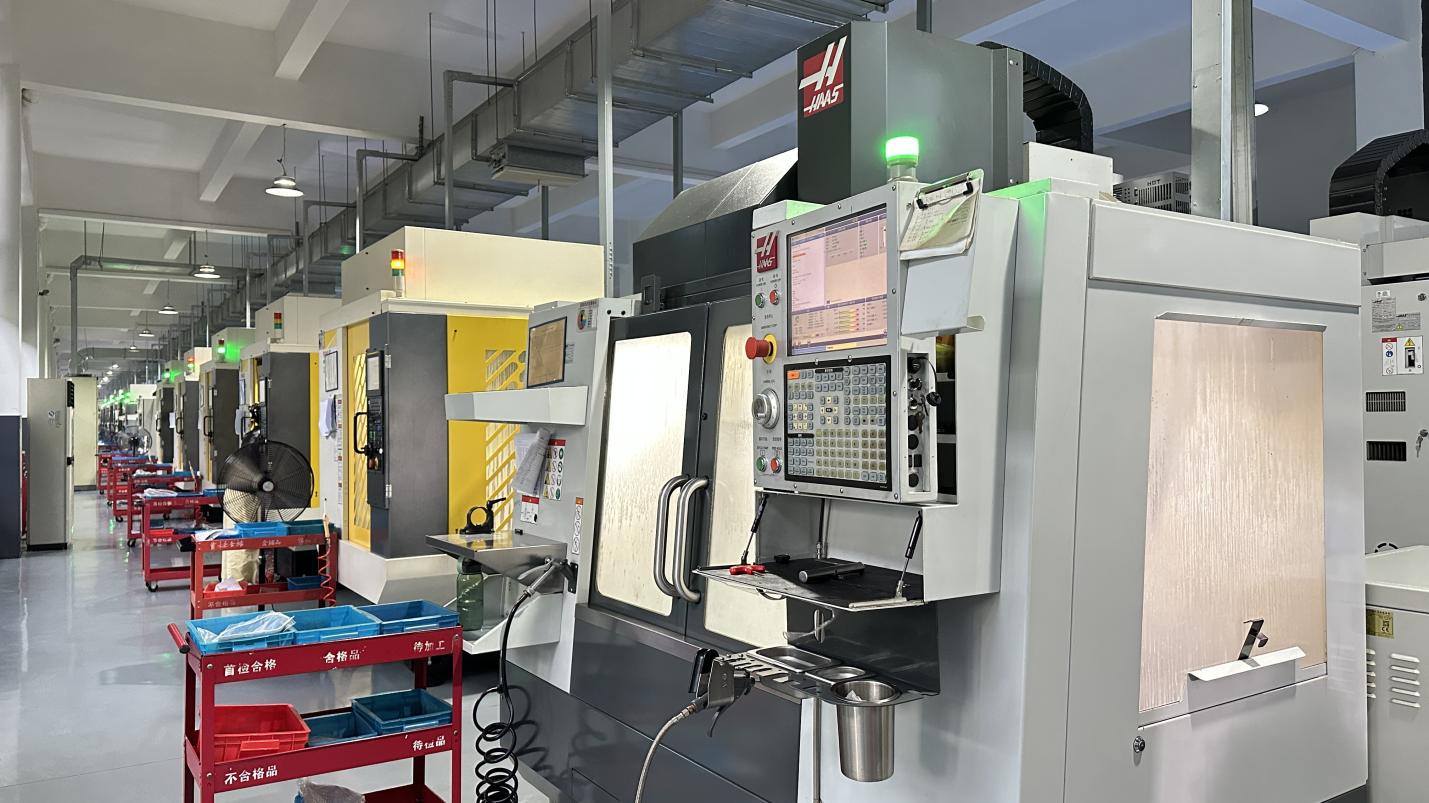
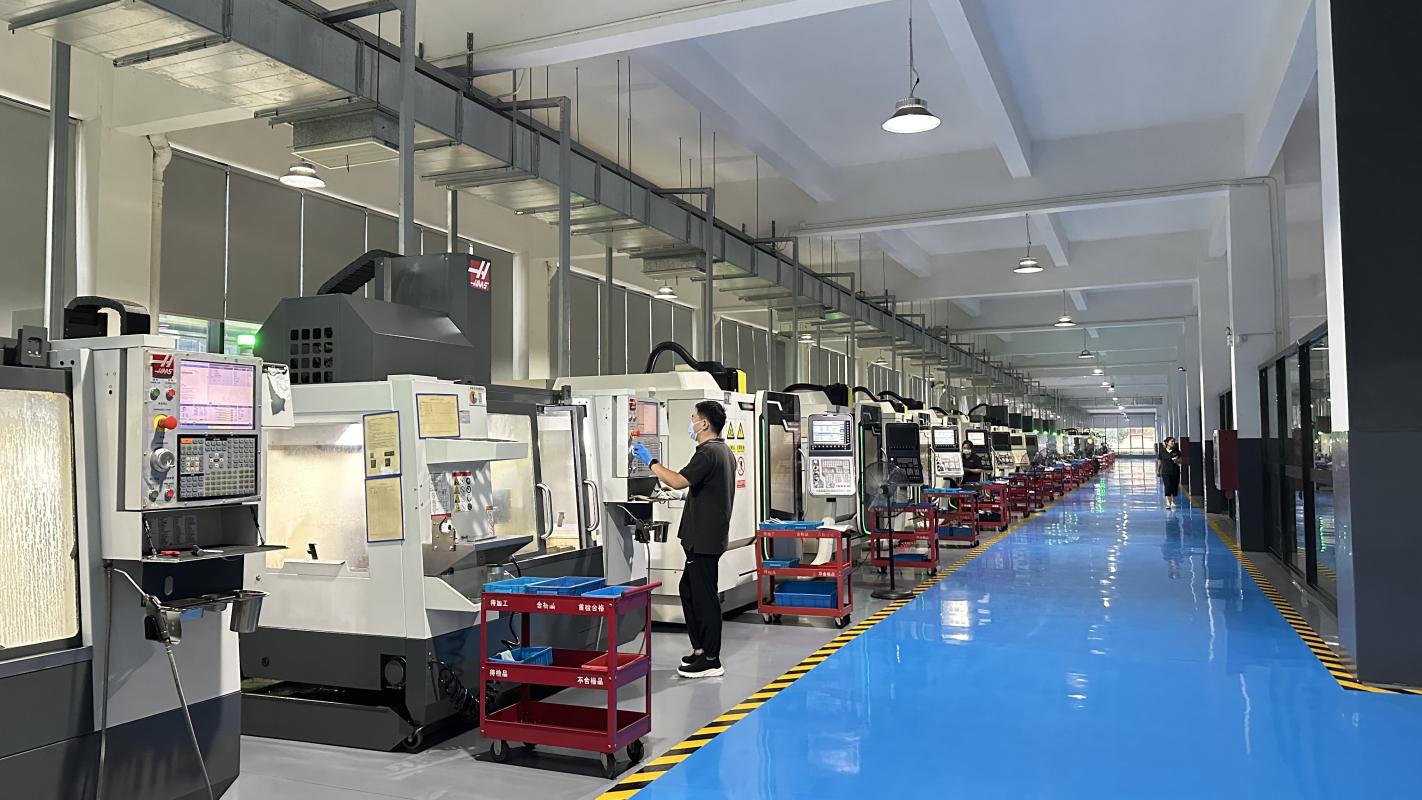
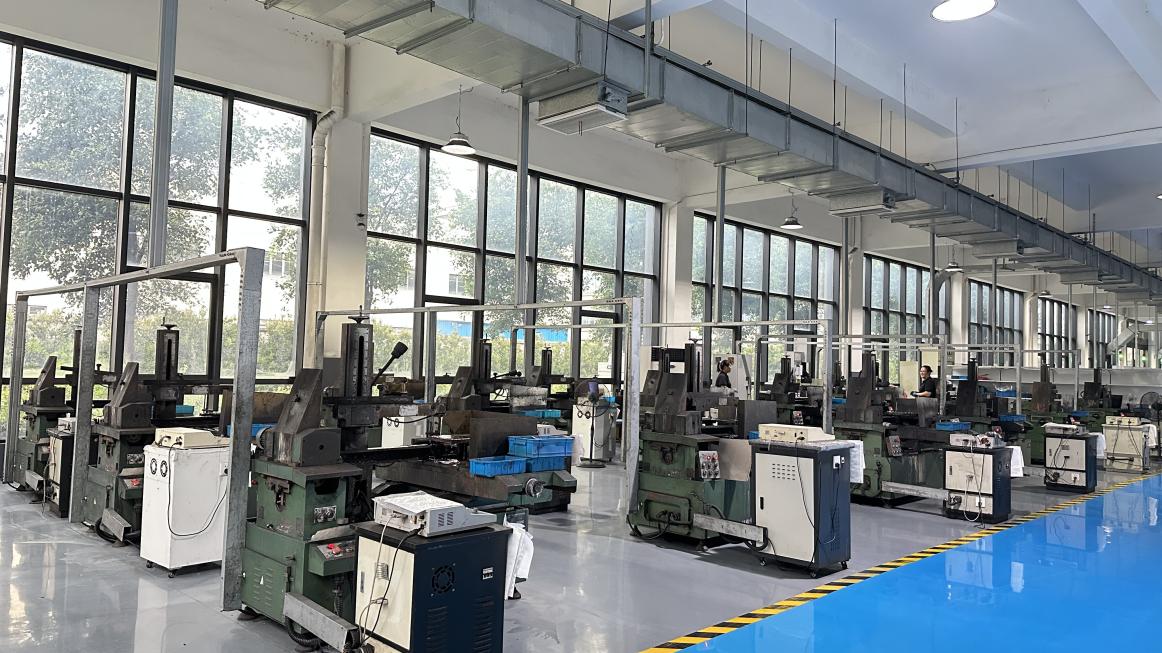
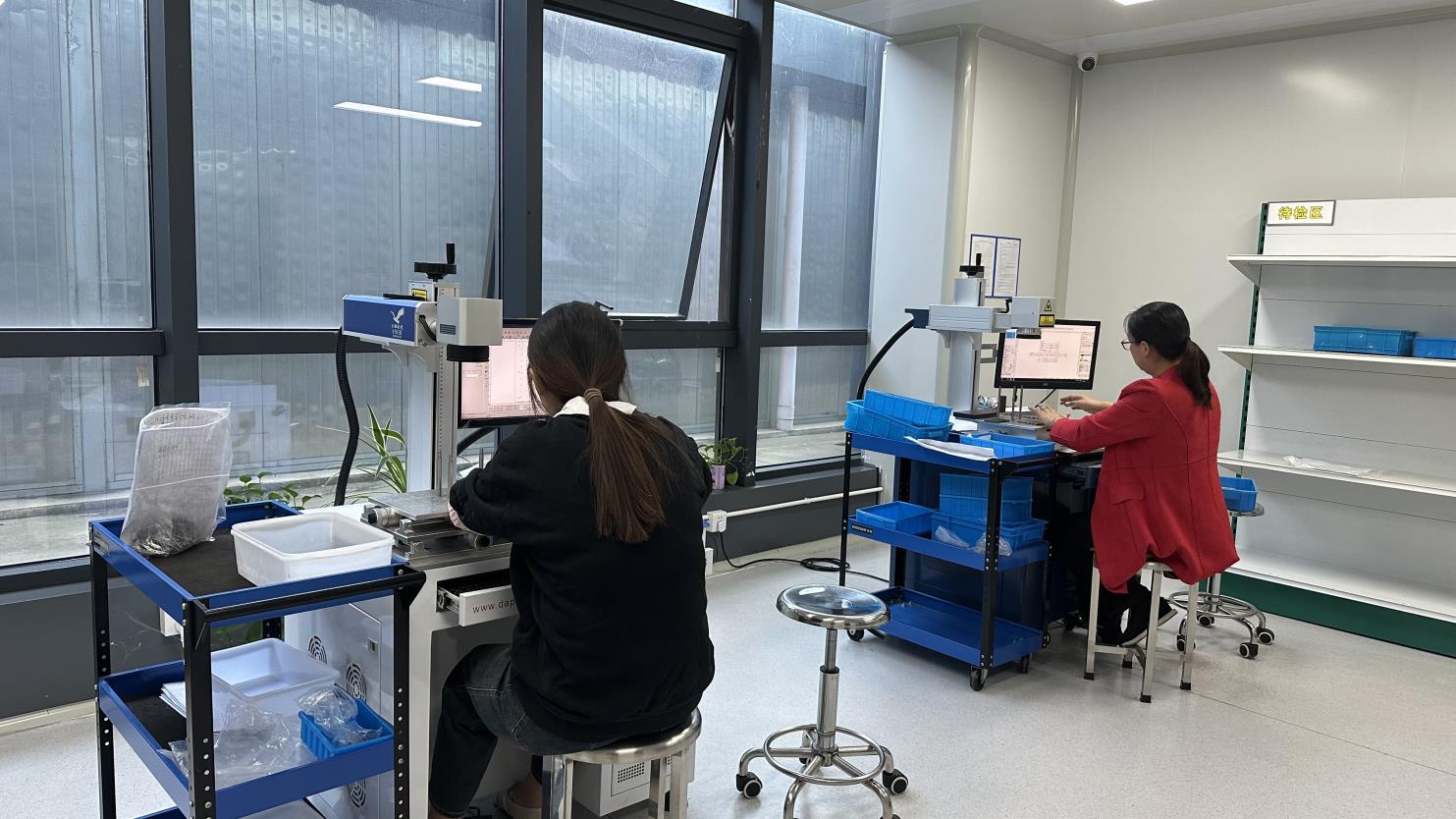
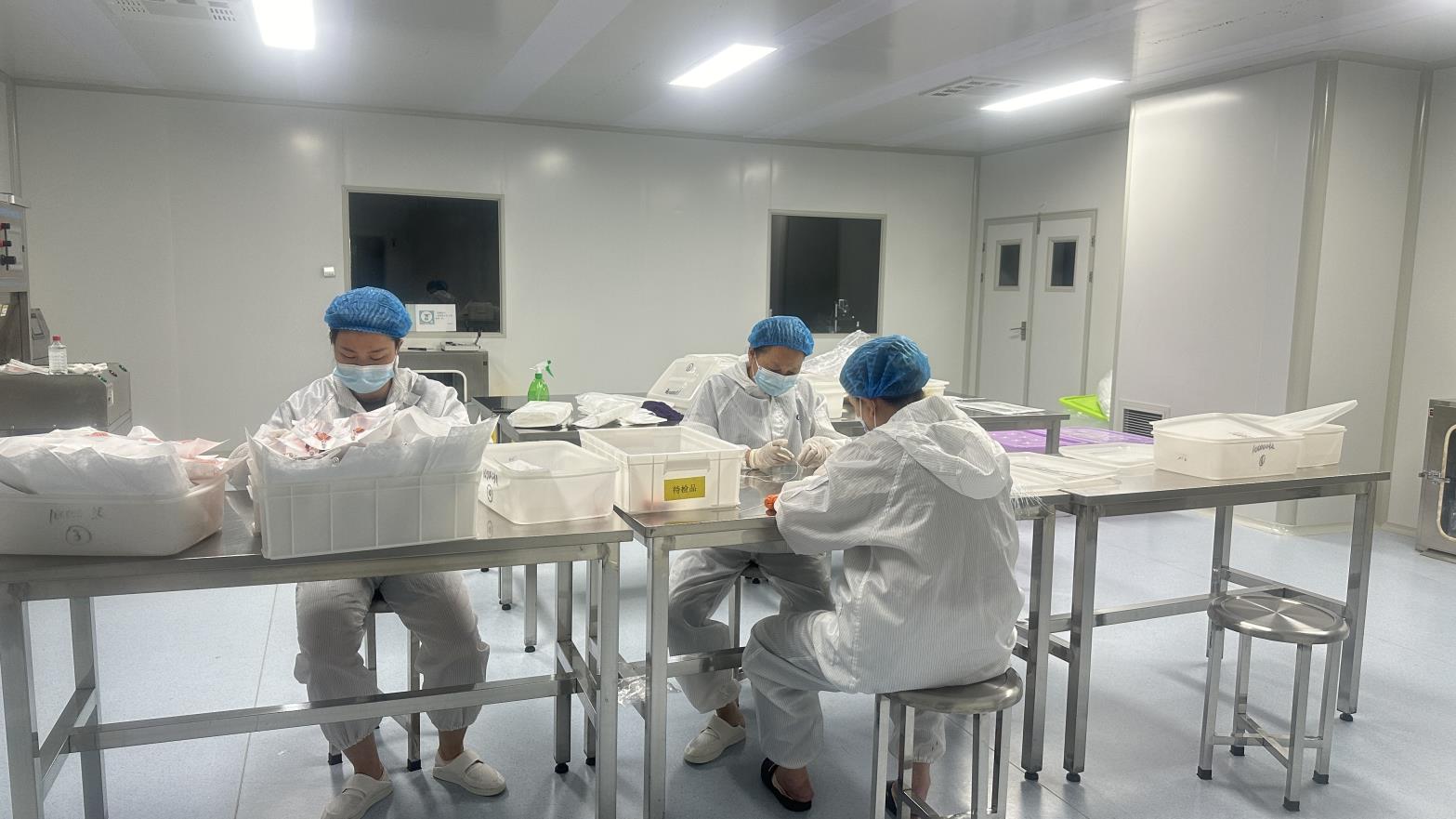

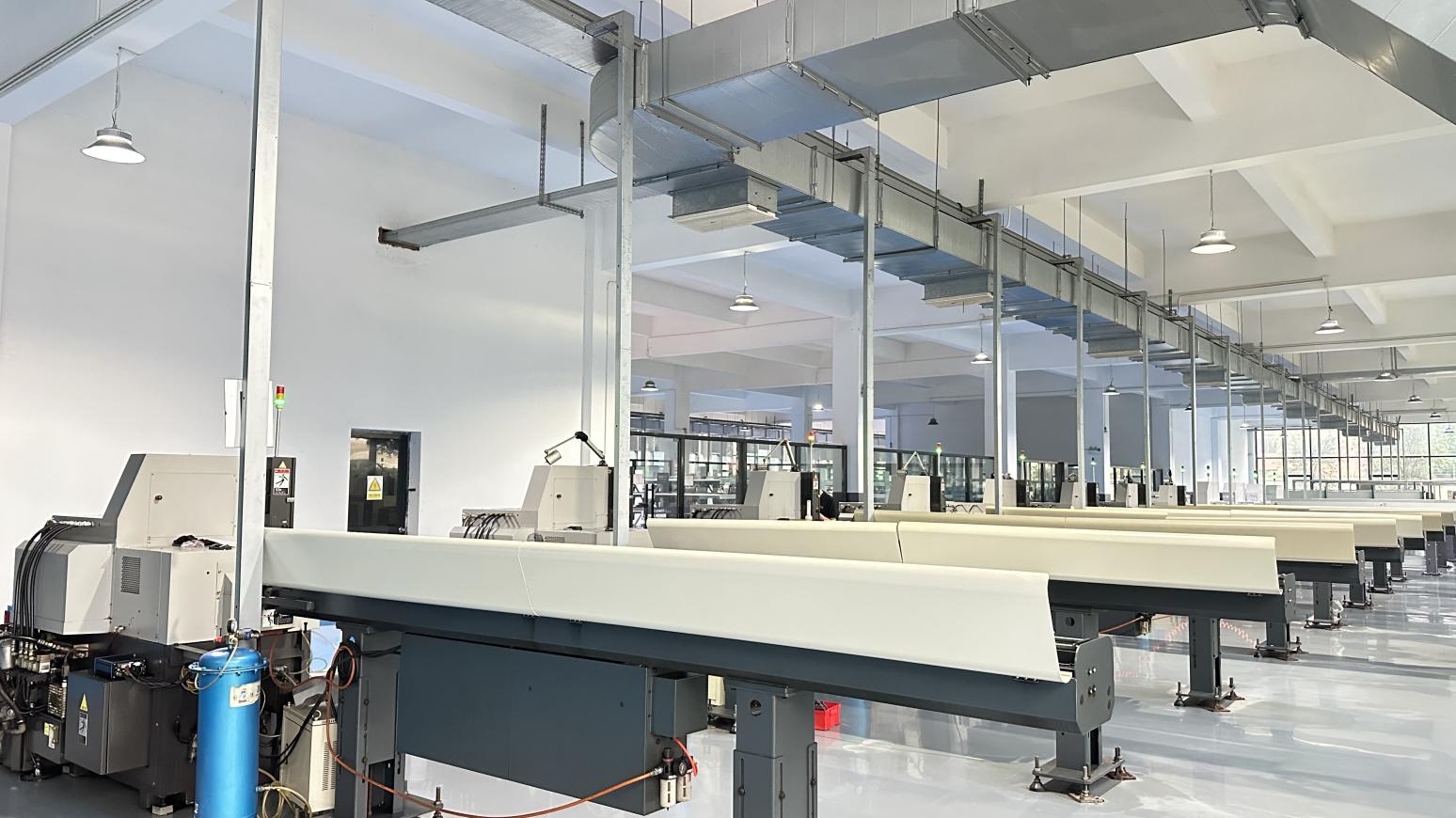
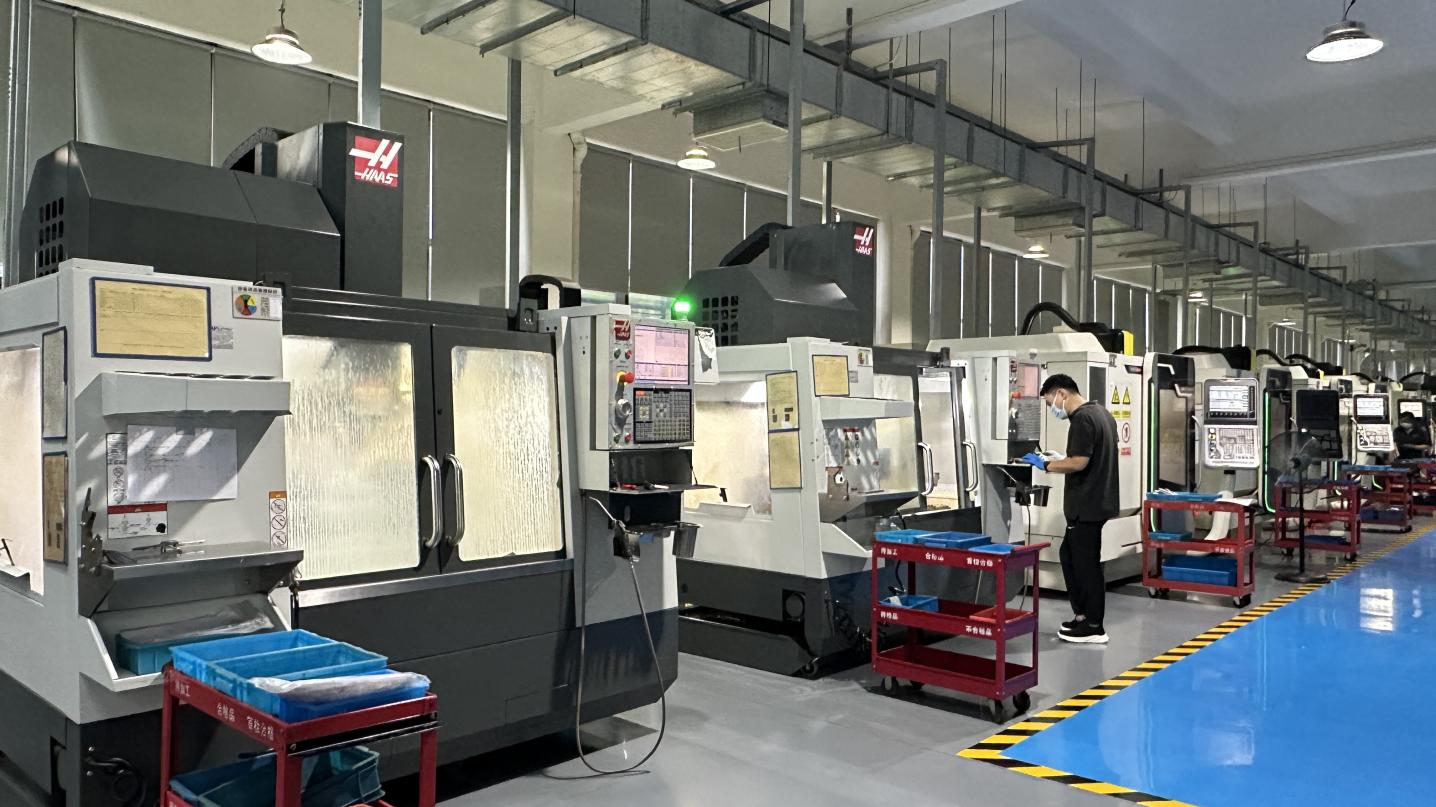
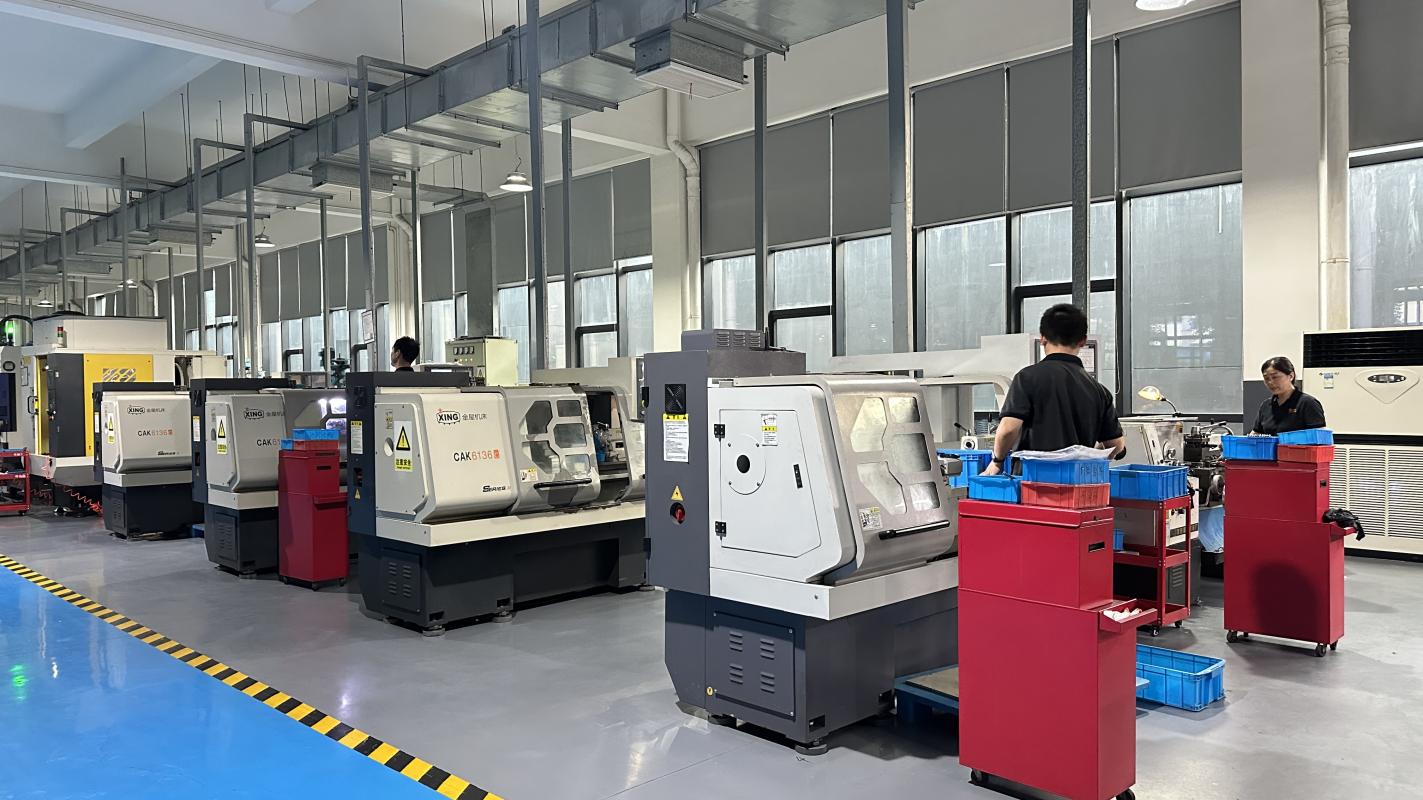
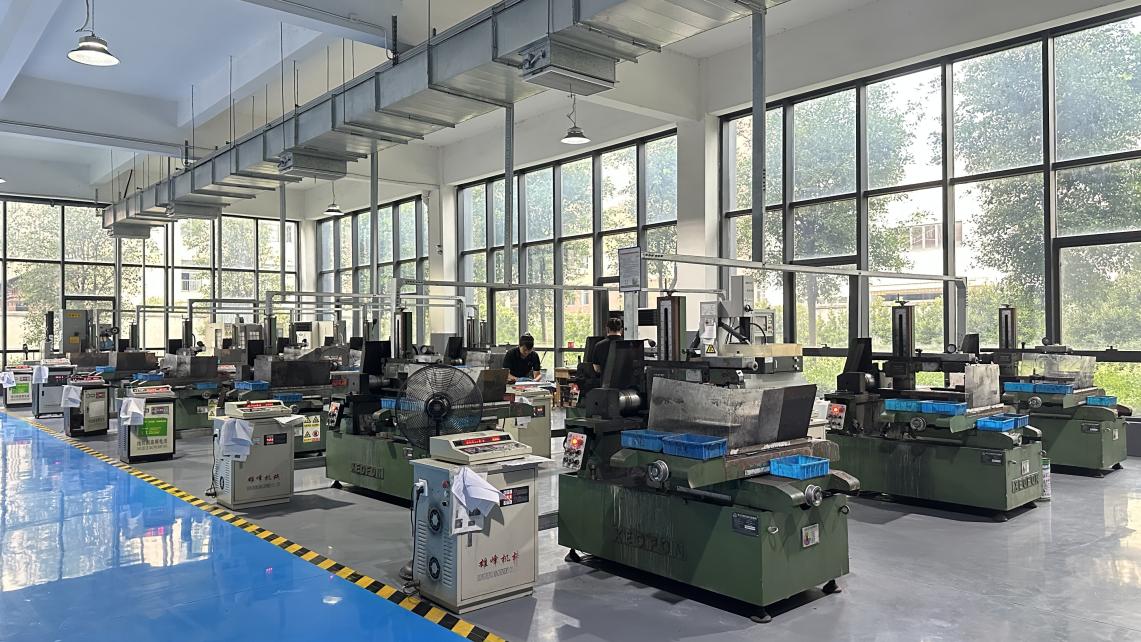
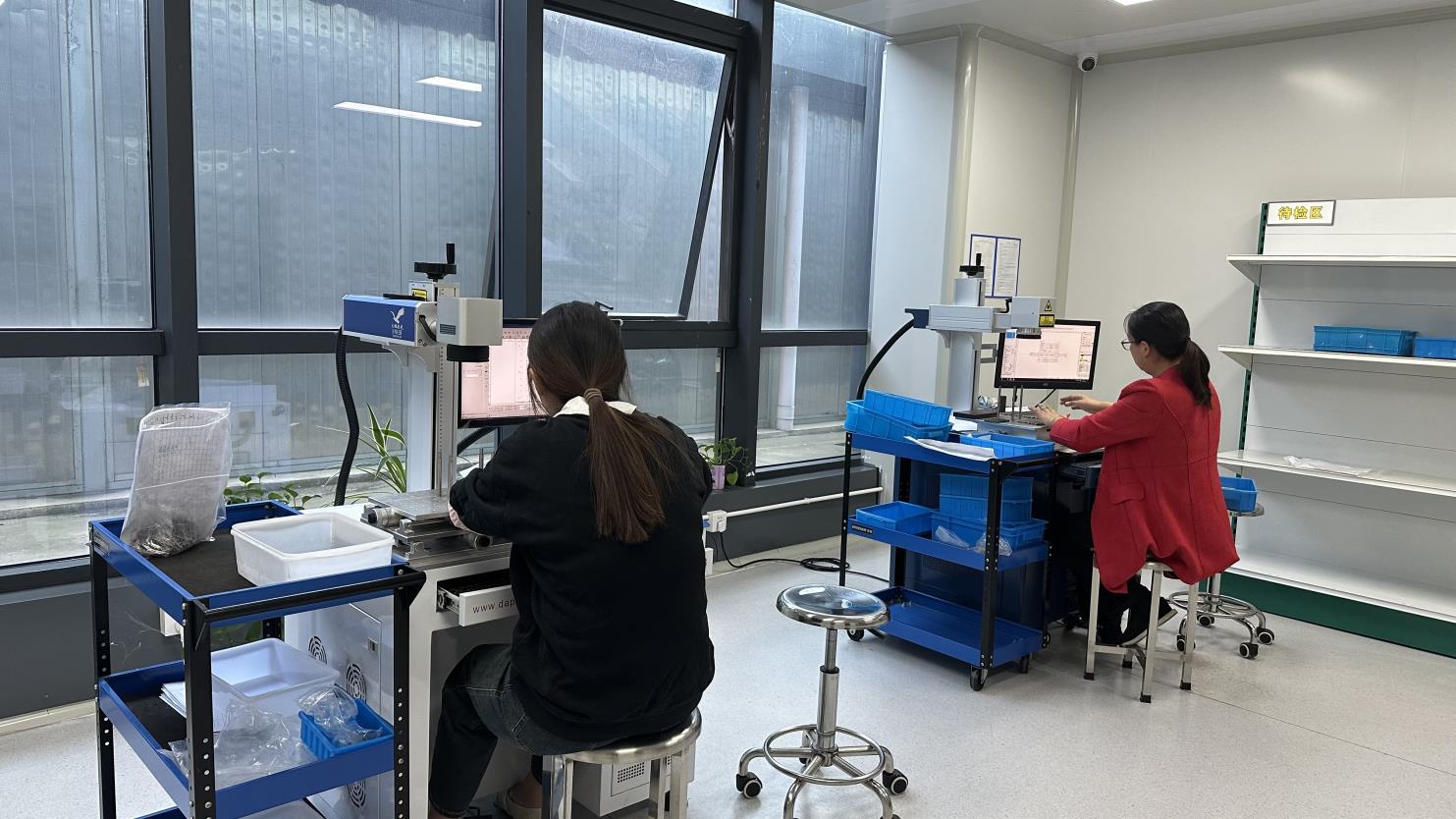
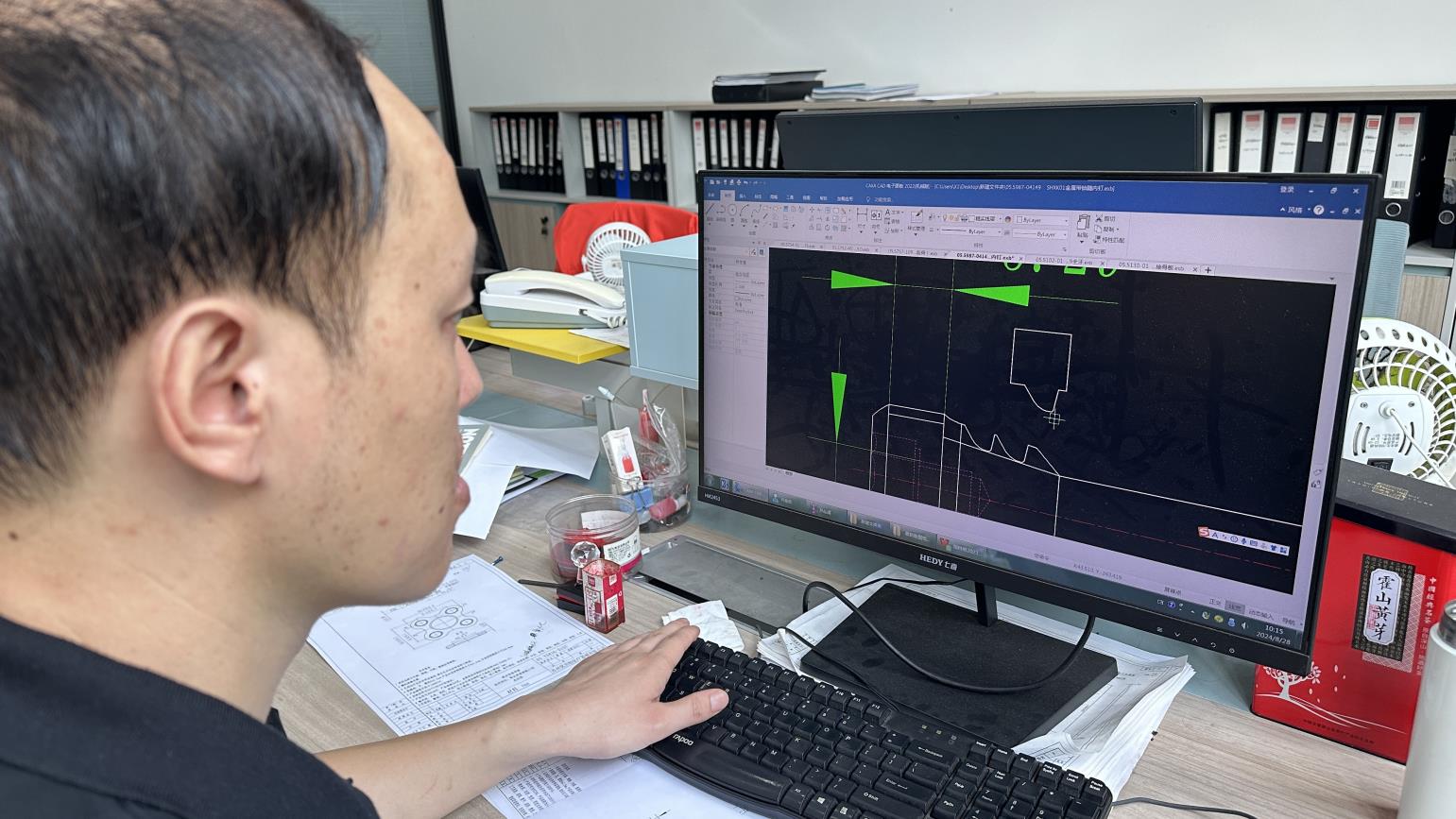
Developing spinal implants requires precise mechanical and material engineering. Bonevia's engineering teams follow a structured development cycle for cervical reconstruction platforms to ensure compliance with surgical requirements and long-term durability.
Our laminoplasty plates are manufactured from premium medical-grade titanium alloy (Ti-6Al-4V ELI) according to ASTM F136. This material provides an optimal strength-to-weight ratio, biocompatibility, and magnetic resonance imaging (MRI) compatibility to minimize artifacts in post-operative diagnostic imaging.
Plates are engineered with a profile thickness of 1.2mm to 1.5mm to minimize contact with soft tissues and surrounding muscle groups. Pre-bent configurations match the posterior cervical anatomy, reducing the need for intraoperative contouring and saving surgical prep time.
Our designs feature a locking mechanism that secures the bone screws to the plate, reducing the risk of screw backout. Self-tapping, thread-optimized screws allow for secure purchase in the bone structure, even when bone quality is less than optimal.
Implant surfaces undergo Type II anodization, which improves fatigue life and resistance to fretting corrosion. The color-coded surface design aids in quick implant identification during surgeries, streamlining the operating room workflow.
Navigating global healthcare logistics requires medical device manufacturers to maintain regulatory compliance and supply chain traceability. Sourcing spinal implants and surgical systems from China requires clear documentation, material certification, and strict quality control protocols.
Bonevia manages product safety and logistical efficiency through a structured quality control system:
By coordinating with over 850 partners globally, we help healthcare distributors secure competitive pricing while maintaining high quality standards. This support helps our partners win public tenders and supply surgical centers reliably.
Here are answers to common questions about sourcing, quality control, and clinical applications for our orthopedic implants and spinal plating systems.
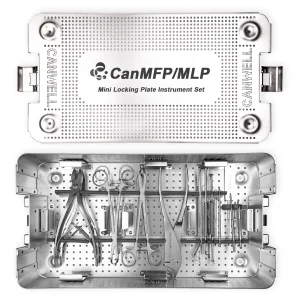
Review our second collection of high-precision orthopedic instruments, micro locking plate systems, and trauma revision tools. These items are built to withstand heavy use in clinical and surgical environments.