Bonevia
Bonevia
Bonevia
Explore our professional surgical power tools, joint replacement prostheses, and sports medicine implant systems manufactured under strict ISO 13485 cleanroom regulations.
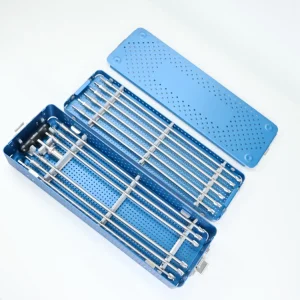
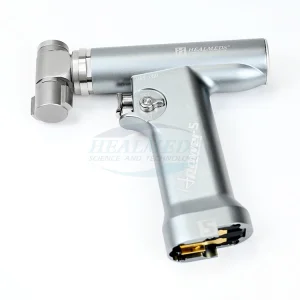
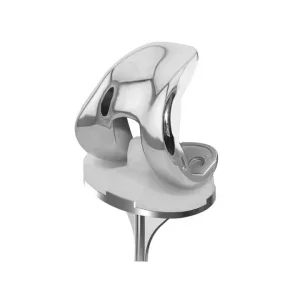
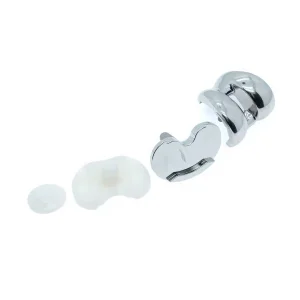
The global joint reconstruction landscape is undergoing massive clinical and structural shifts. Within total knee arthroplasty (TKA), the patellofemoral interface remains one of the most mechanically complex areas. Patellar components—the specialized resurfacing implants placed on the articulating surface of the kneecap—are critical to ensuring natural range of motion, reducing anterior knee pain, and mitigating overall revision rates. According to international arthroplasty registry data, patellofemoral complications account for up to 10% of overall postoperative complications if tracking, implant sizing, or materials are sub-optimal.
Currently, the market features two main strategies: all-polyethylene (All-Poly) and metal-backed patellar components. The industry has witnessed a dominant migration back toward all-polyethylene designs due to historical failure rates associated with the metal-backed variants, such as polyethylene wear-through, metal-on-metal contact, and severe osteolysis. The commercial demand for durable, biomimetic, and highly oxidation-resistant polymeric implants is surging, driven by an aging global population and the rising frequency of TKA procedures in younger, active patients.
Clinical Insight: Advanced orthopedic design focus has transitioned from simple flat-surfaced patellar replacements to anatomical and highly cross-linked (XLPE) components that simulate natural knee tracking, minimizing contact stress across deep flexion ranges.
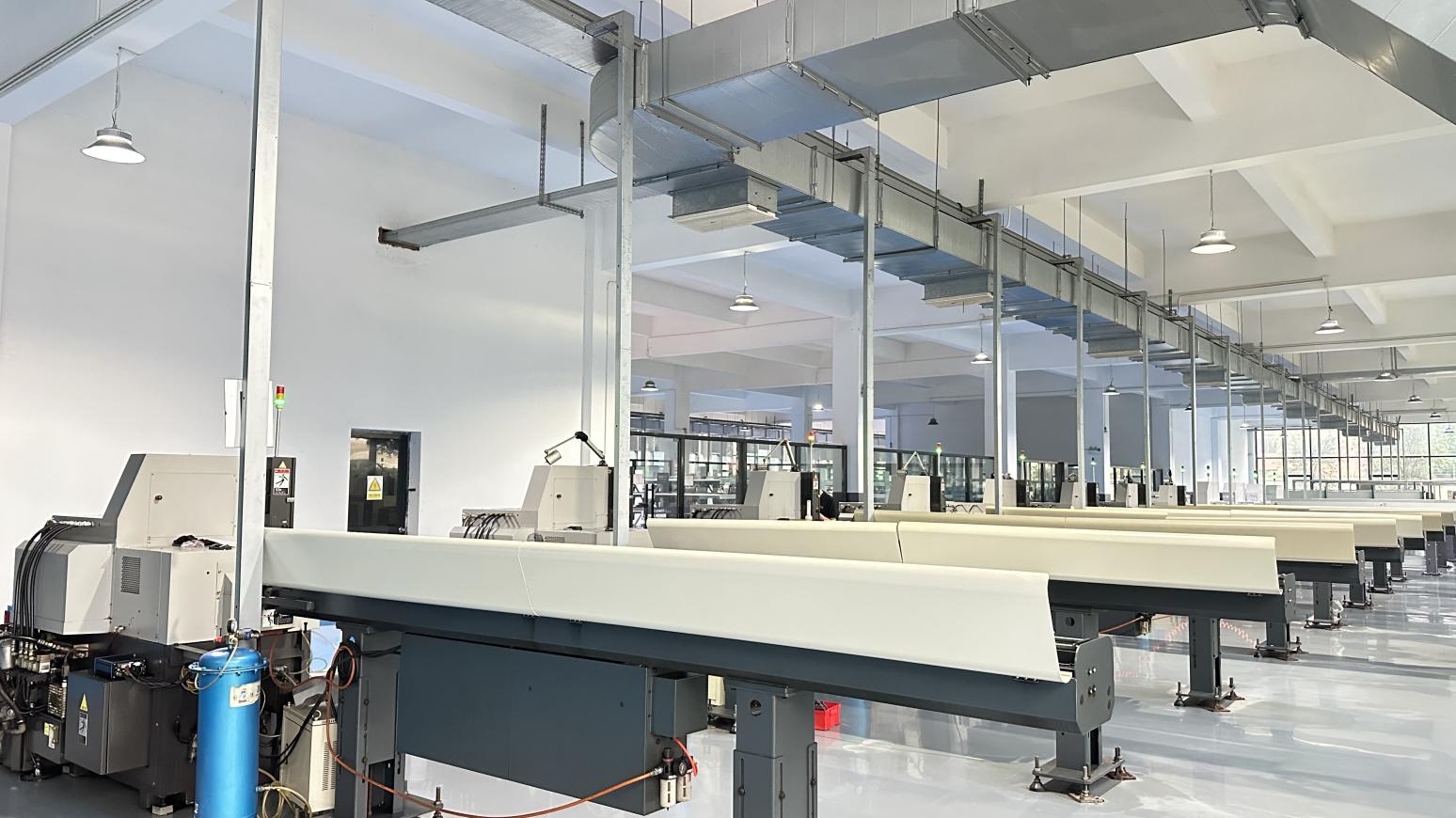
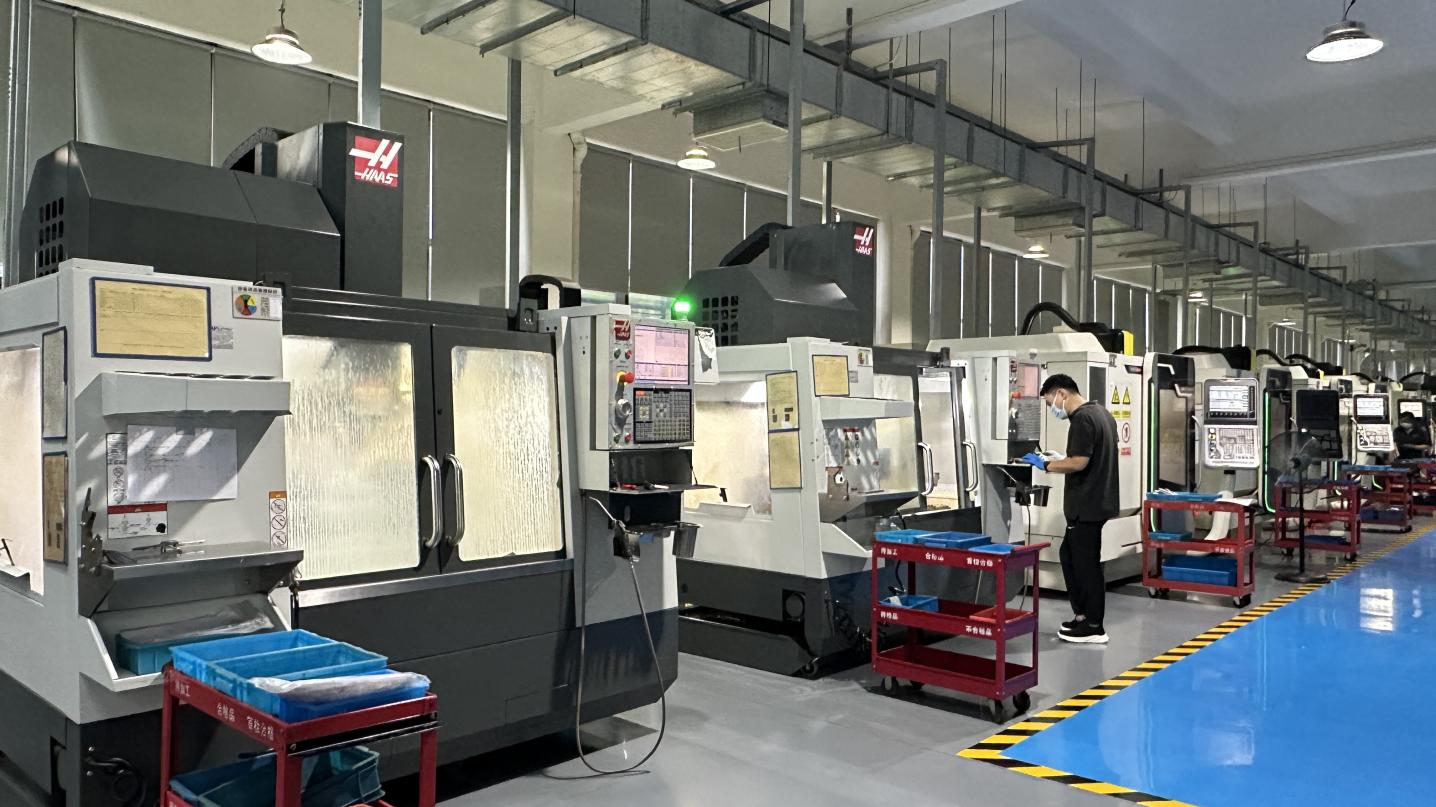
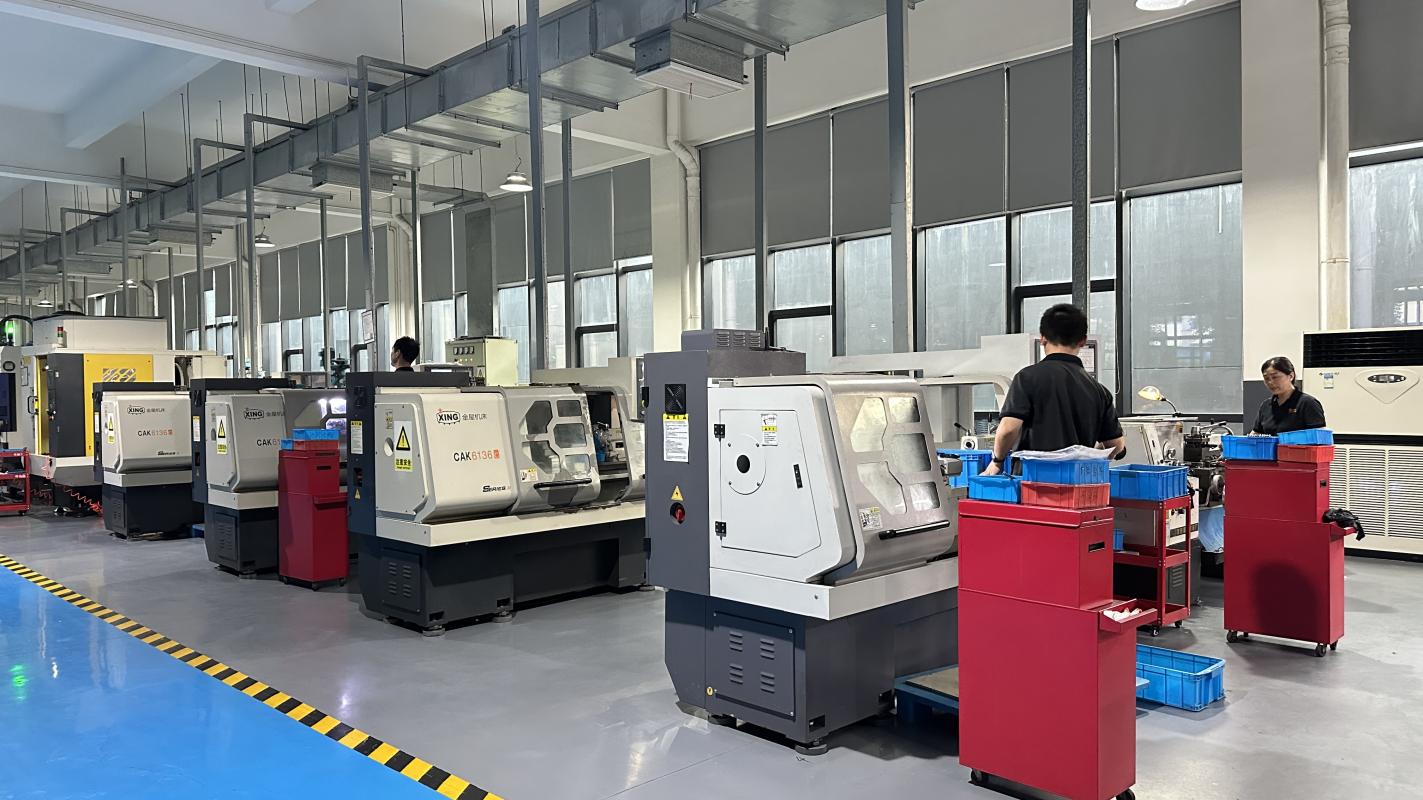
Purchasing managers, clinical distributors, and OEM buyers are increasingly turning to advanced Chinese contract manufacturers to secure high-quality knee implant systems. By leveraging optimized raw material supply chains (including medical-grade UHMWPE sourced from global leaders) and utilizing state-of-the-art CNC multi-axis milling machines, Chinese suppliers deliver surgical implants that match Western biomechanical performance at competitive cost structures. This cost-efficiency allows hospital networks globally to optimize clinical outcomes while adhering to strict healthcare cost containment constraints.
The clinical longevity of patellar components depends directly on design geometry and material characteristics. The evolutionary technical roadmap centers around three primary axes:
Standard Ultra-High-Molecular-Weight Polyethylene (UHMWPE) is subject to oxidation when exposed to oxygen in vivo, resulting in polymer chain degradation and mechanical failure. Modern advancements incorporate Highly Cross-Linked Polyethylene (XLPE) that is cross-linked using electron beam or gamma radiation. To eliminate free radicals generated during this process, components are either remelted or infused with natural antioxidants like Vitamin E (alpha-tocopherol). Vitamin E infusion maintains mechanical strength while offering exceptional wear and oxidation resistance.
Modern implant sets offer surgeons flexibility through diverse shapes:
The mechanical fixation between bone and implant is crucial. Onset components sit on the resected surface of the patella, usually featuring three fixation pegs to distribute shear stresses. Inset components are embedded directly into a prepared circular pocket in the patella bone. This reduces the overall construct thickness, minimizing the risk of overstuffing the patellofemoral joint.
Founded in 2015, Bonevia Orthopedic Technology Co., Ltd. has established itself as an innovative manufacturer specializing in orthopedic implants, trauma solutions, spinal fixations, and joint reconstruction systems. Over the past decade, Bonevia has grown to become a trusted supplier in the international medical device community.
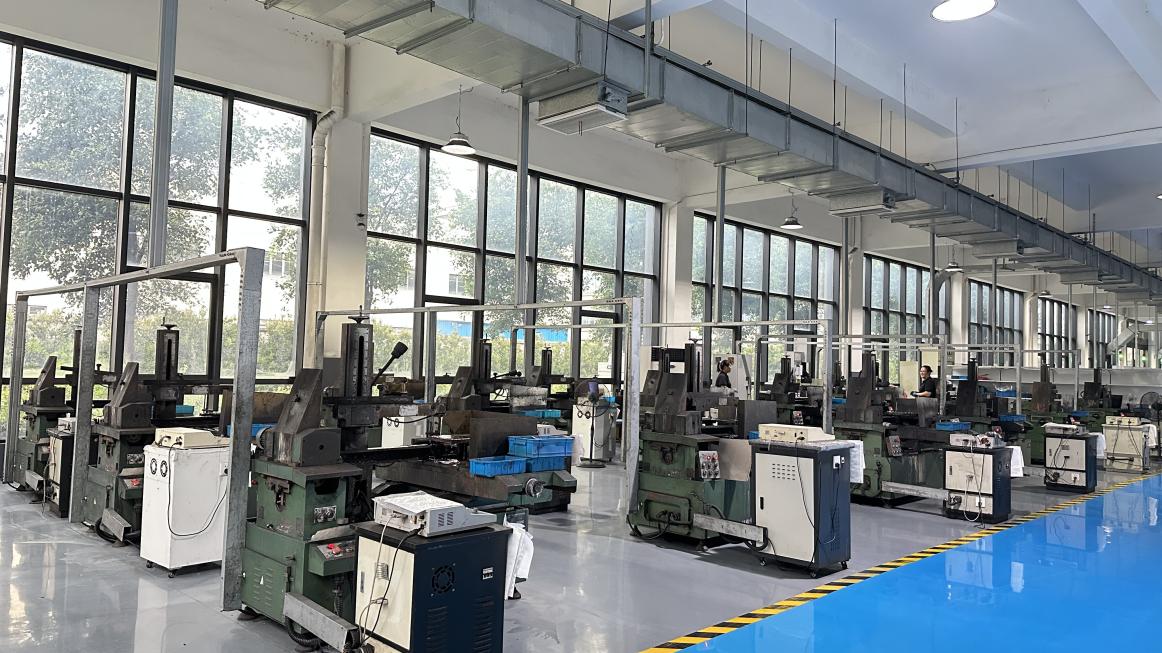
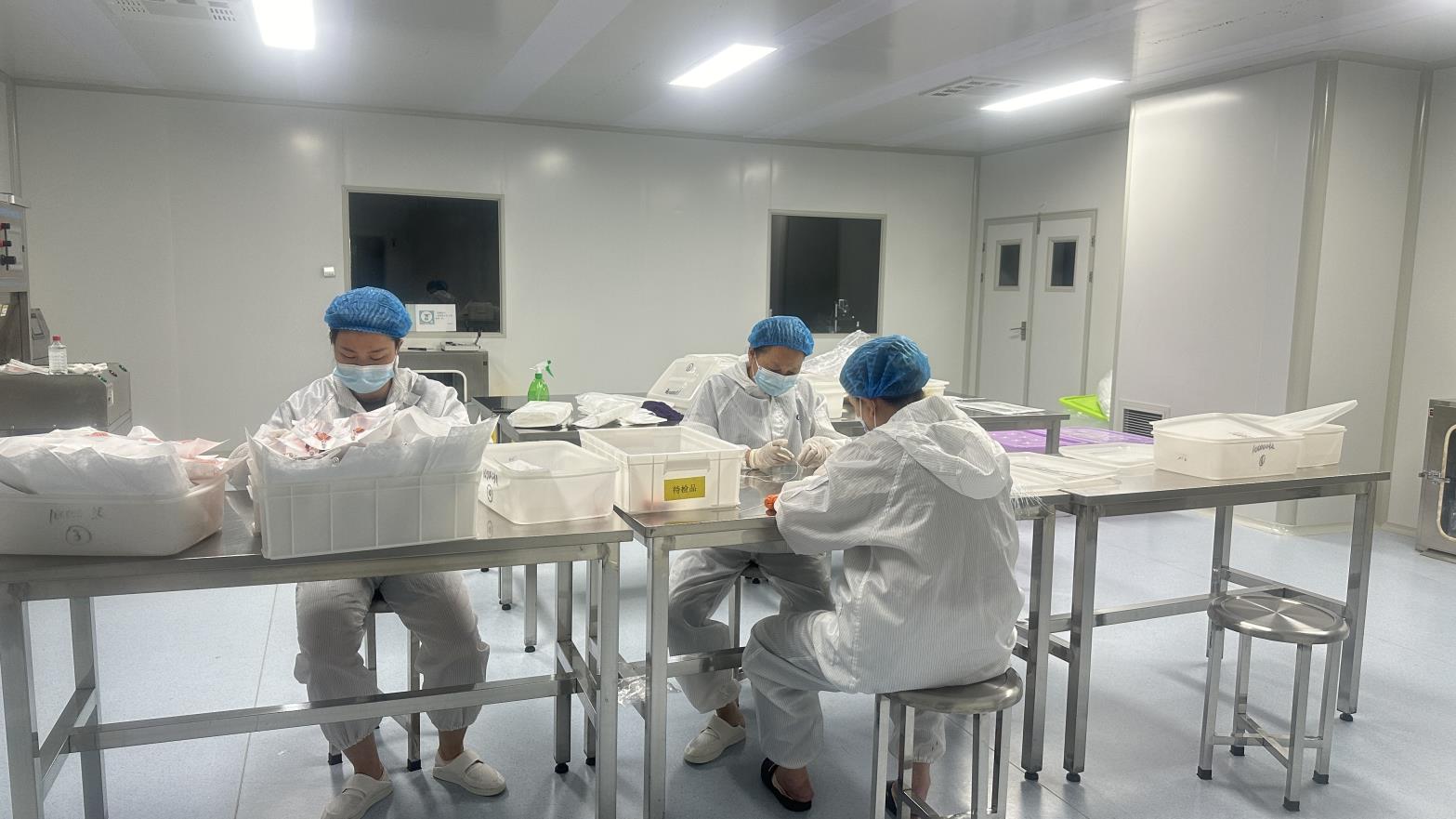
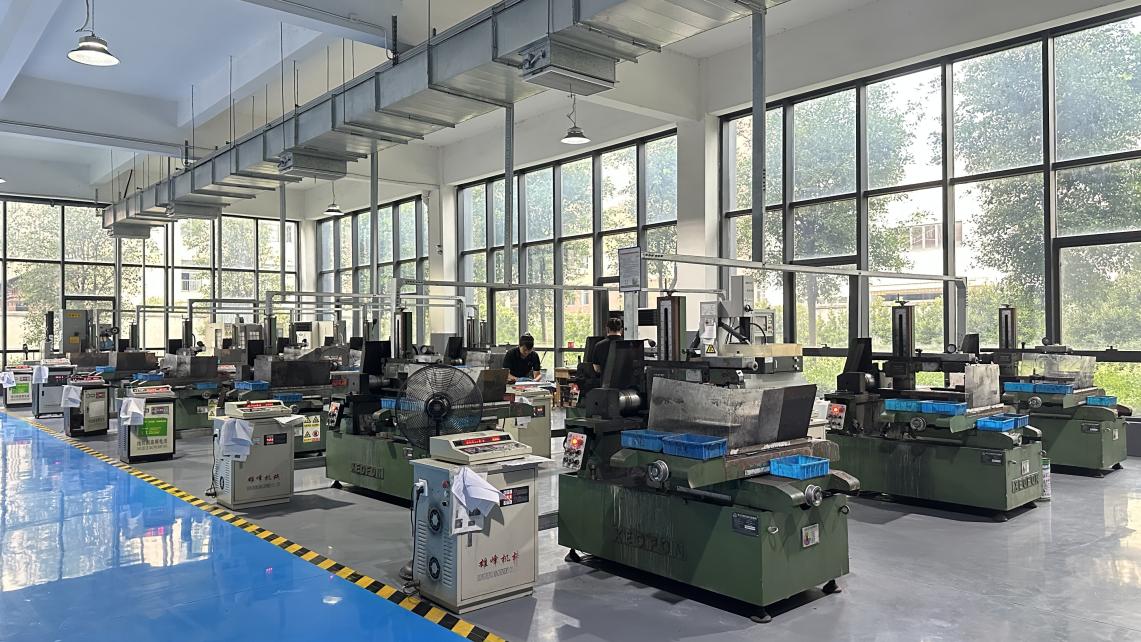
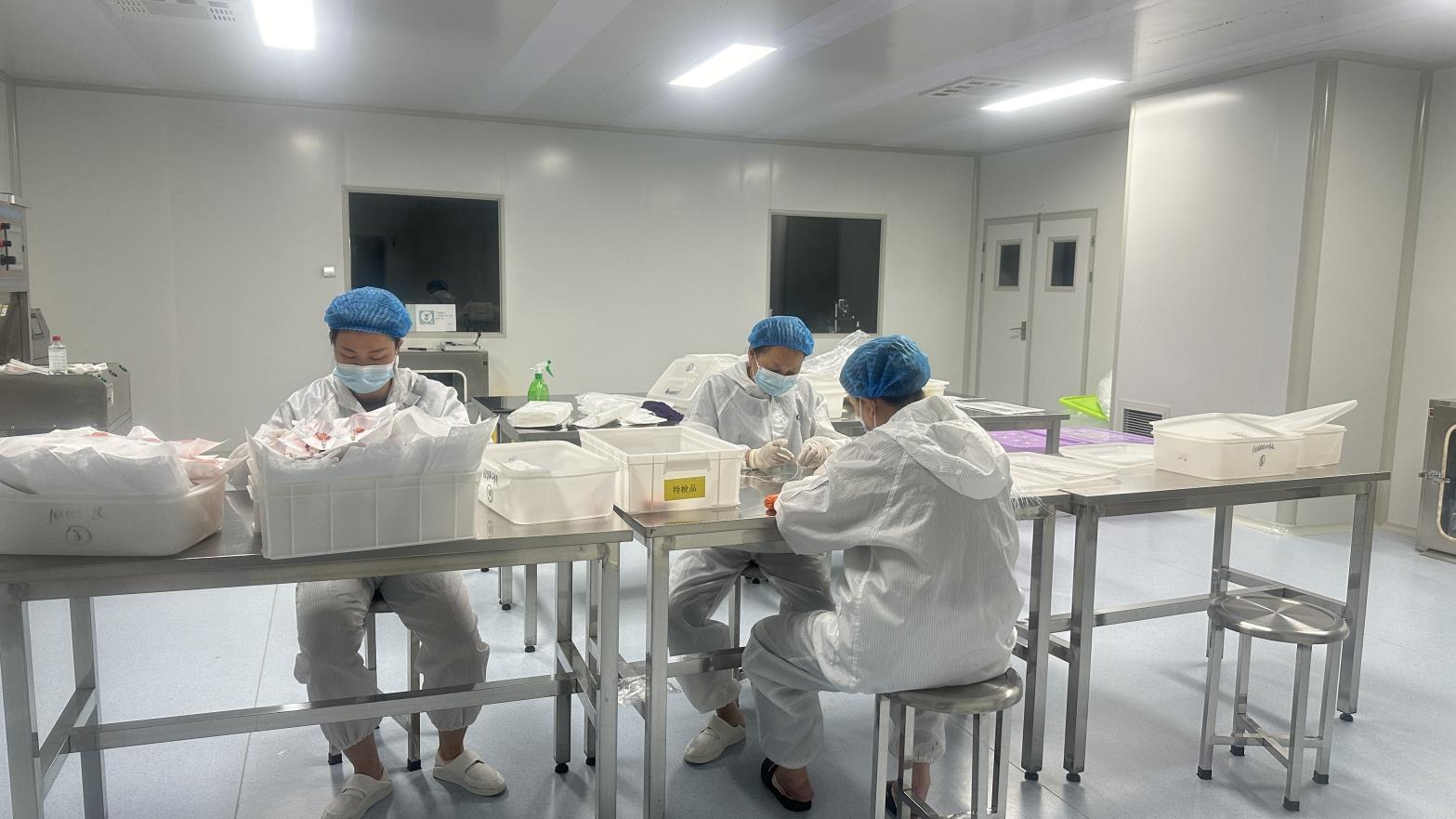
Operated under strict cleanroom conditions, our precision machining facilities span approximately 320㎡ of cleanroom-grade and high-tolerance milling areas, ensuring all raw materials are processed with minimal particulate contamination. Backed by 10+ years of overall industry experience and 6 years of export operations, the company maintains stable annual export revenues of USD 8–15 million, distributing implants across major networks in Europe, Southeast Asia, the Middle East, and South America.
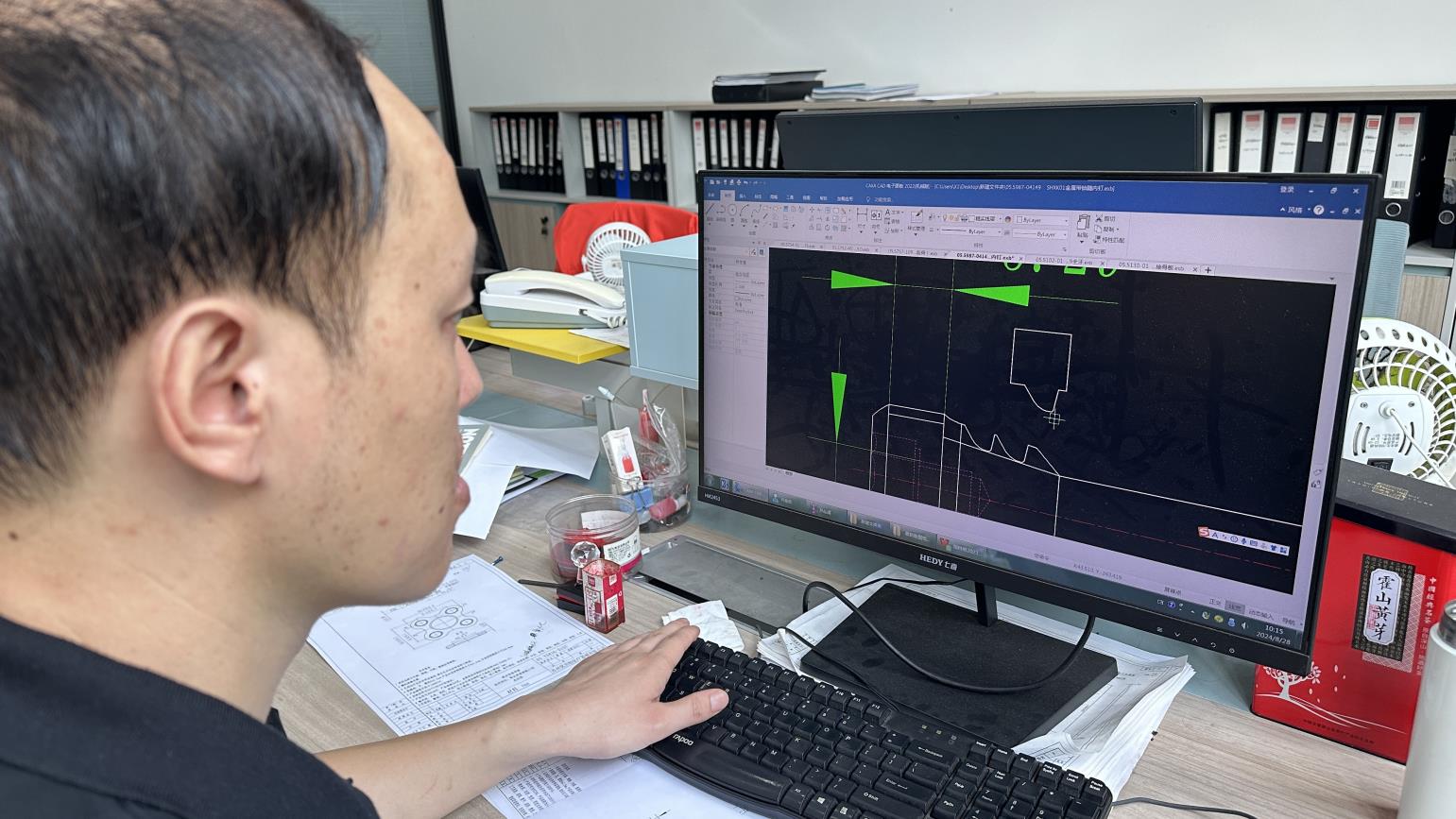
With an R&D force of 85 engineers, Bonevia introduced 120 new product designs last year alone, keeping pace with evolving surgical methods and offering custom OEM/ODM services for global clinical brands.
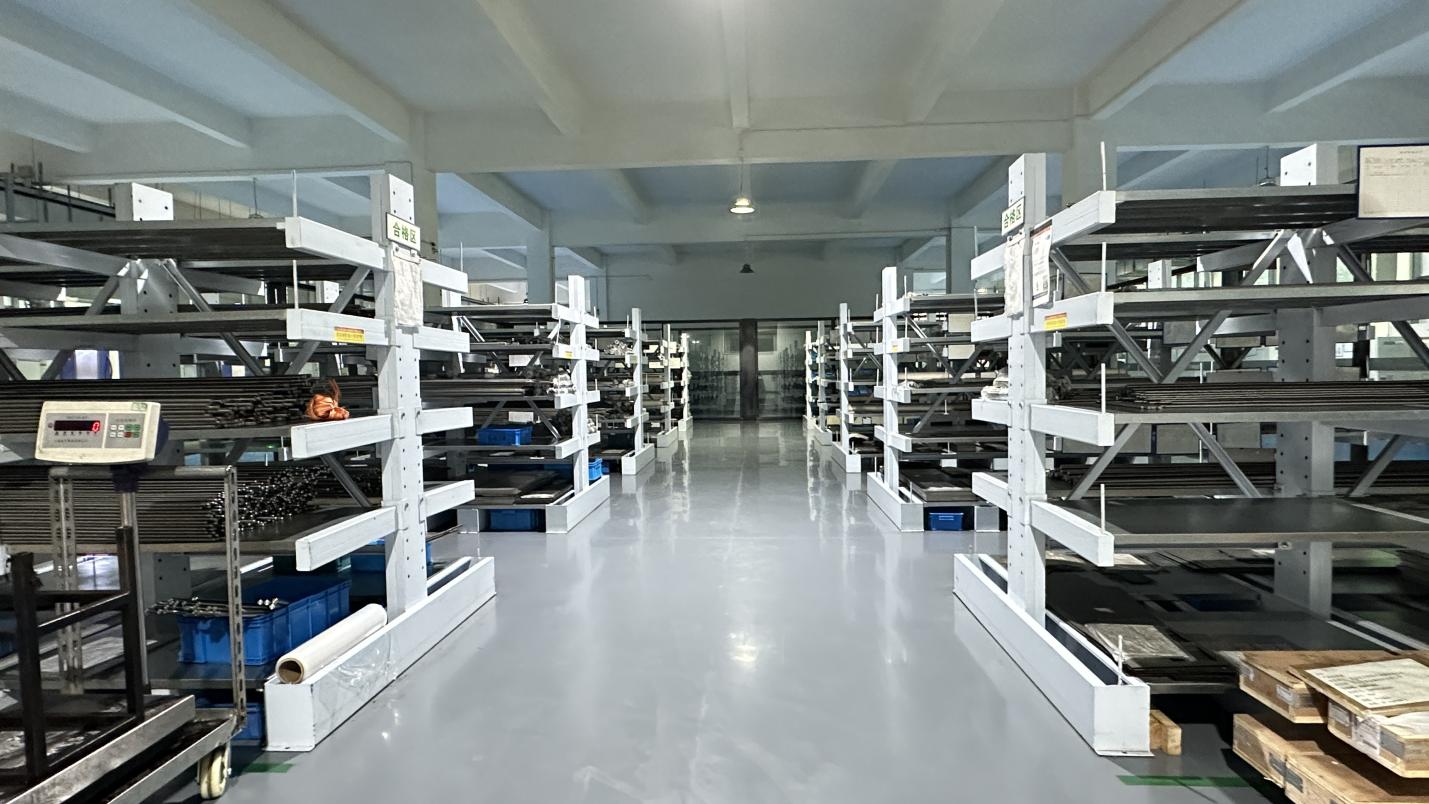
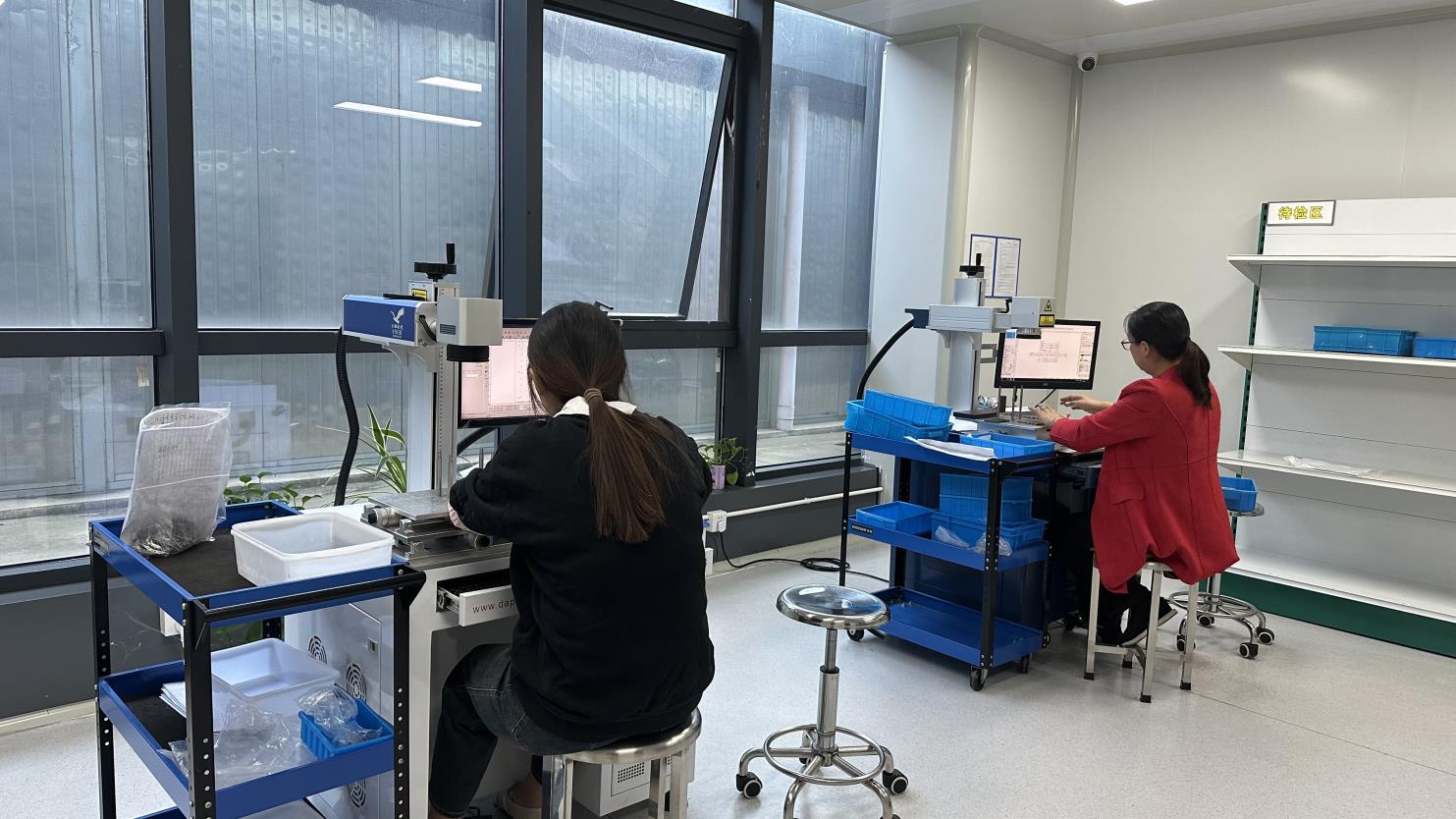
From raw material selection to final sterilization packaging, we document every step of our manufacturing workflow to ensure complete batch traceability and compliance with ISO 13485 regulations.
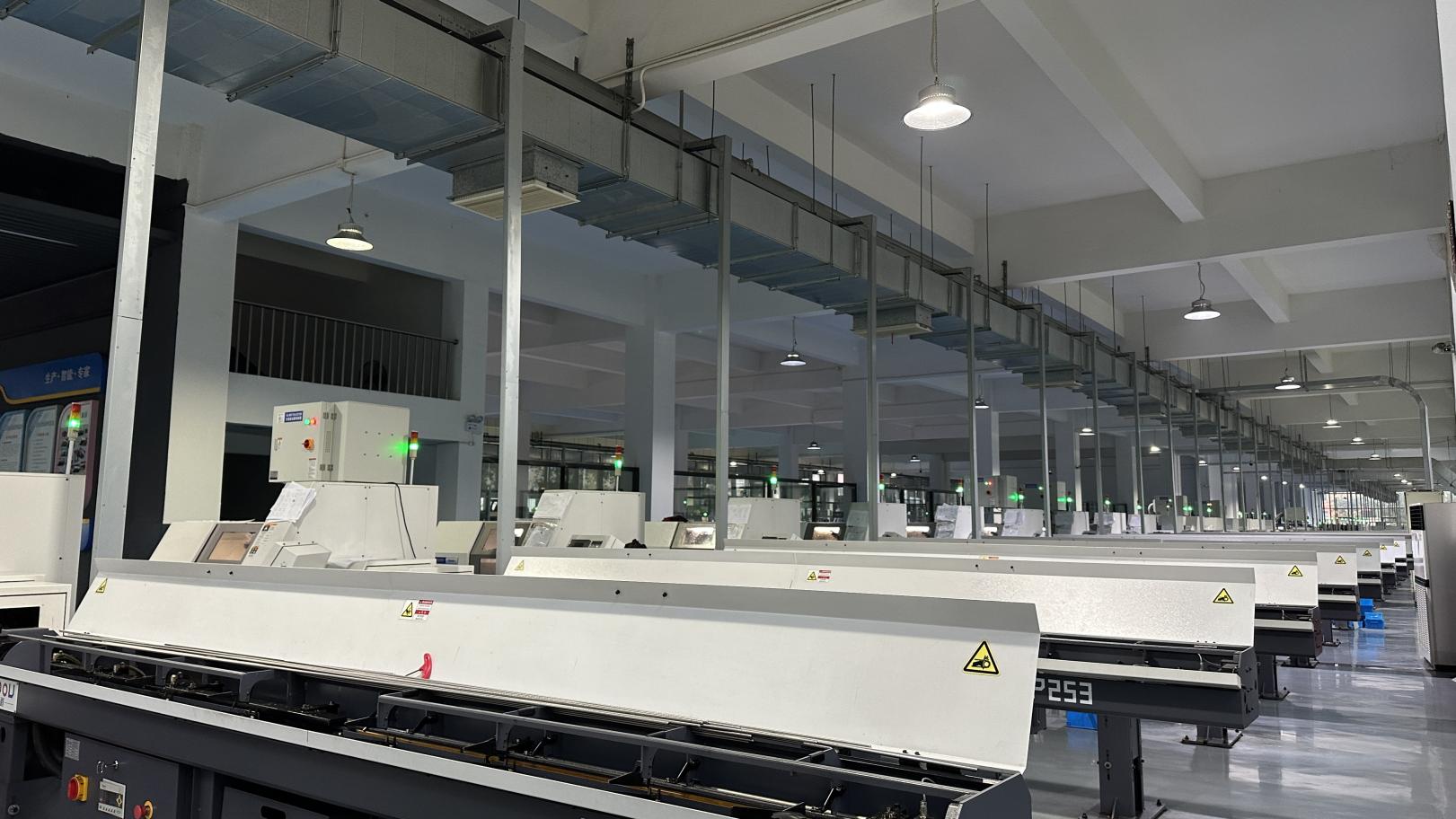
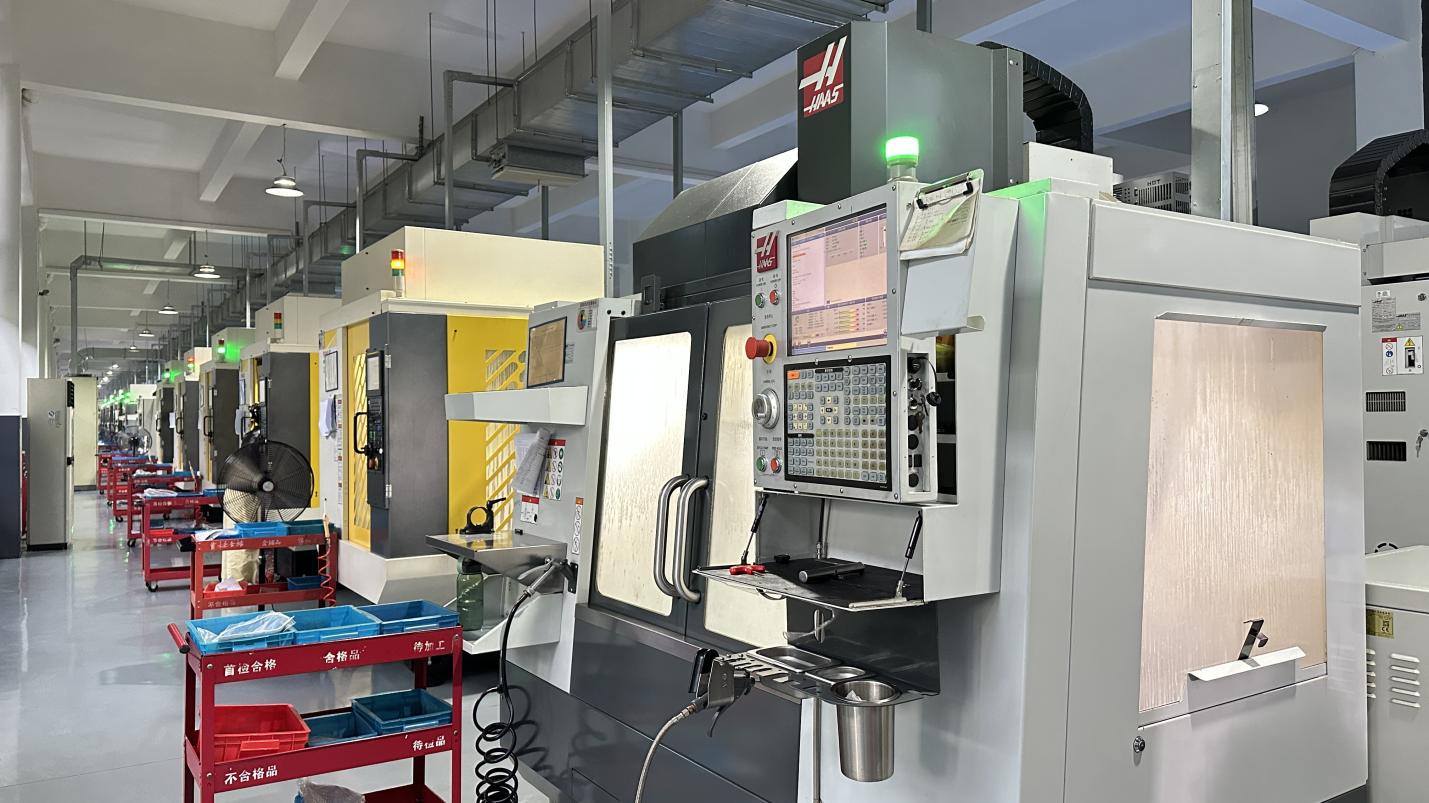
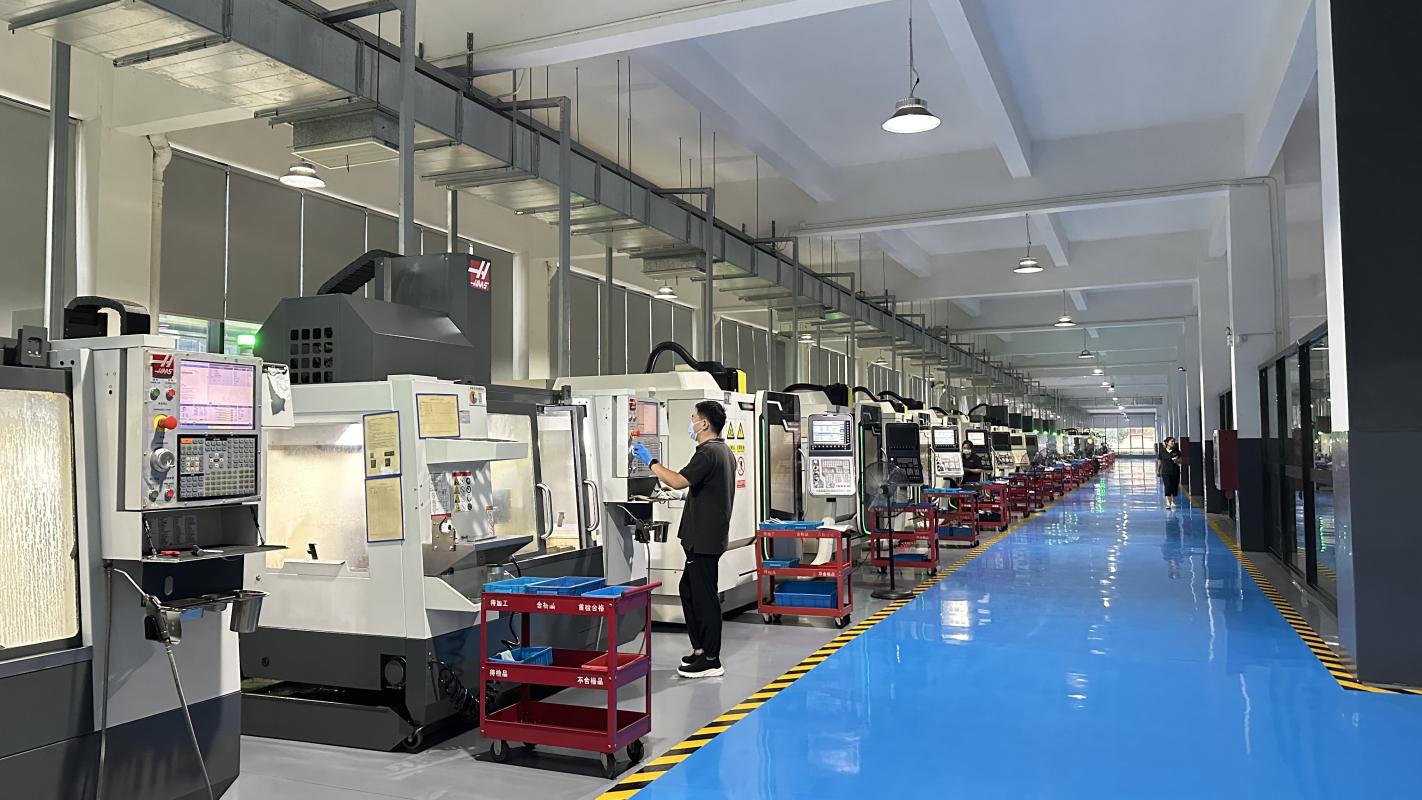

In clinical practice, a patellar component must not be treated as an isolated element. It operates within a complex biomechanical system comprising the femoral condyle, the tibial insert, and the surrounding soft tissue envelope (the quadriceps tendon, patellar tendon, and retinaculum). Bonevia Orthopedic provides complete system solutions that match the patellar component geometry to the trochlear groove of our femoral components. This reduces patellar tilt and subluxation while maintaining optimal contact area across a wide range of motion.
For standard primary total knee arthroplasty, our Class III FDA-equivalent implants are engineered to function seamlessly with anatomical knee systems. Featuring highly polished femoral surfaces and cross-linked patellar polyethylene surfaces, these implants reduce friction coefficients, preventing debris-induced osteolysis and ensuring long-term construct stability.
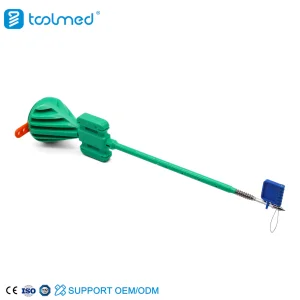
The veterinary market is expanding rapidly, requiring precise joint replacement systems for canine and feline patients. Bonevia offers veterinary orthopedic components—including suture anchors, small-displacement knee joints, and specialized micro-power instrumentation—to address ligamentous instabilities and degenerative joint diseases in companion animals.
We provide medical device distributors with comprehensive private labeling and customization services. Our team of 85 R&D engineers utilizes 3D printing and precise multi-axis CNC milling to manufacture custom sizing, custom peg configurations, and custom polymer thicknesses. This helps distributors meet the unique requirements of their localized surgeon networks.
Detailed technical, regulatory, and engineering responses for orthopedic procurement managers, engineers, and surgical consultants.
Bonevia uses medical-grade Ultra-High-Molecular-Weight Polyethylene (UHMWPE) that meets ISO 5834-2 and ASTM F648 standards. For applications requiring superior wear resistance, we supply Highly Cross-Linked Polyethylene (XLPE) components, which can be infused with Vitamin E to provide long-term oxidation resistance.
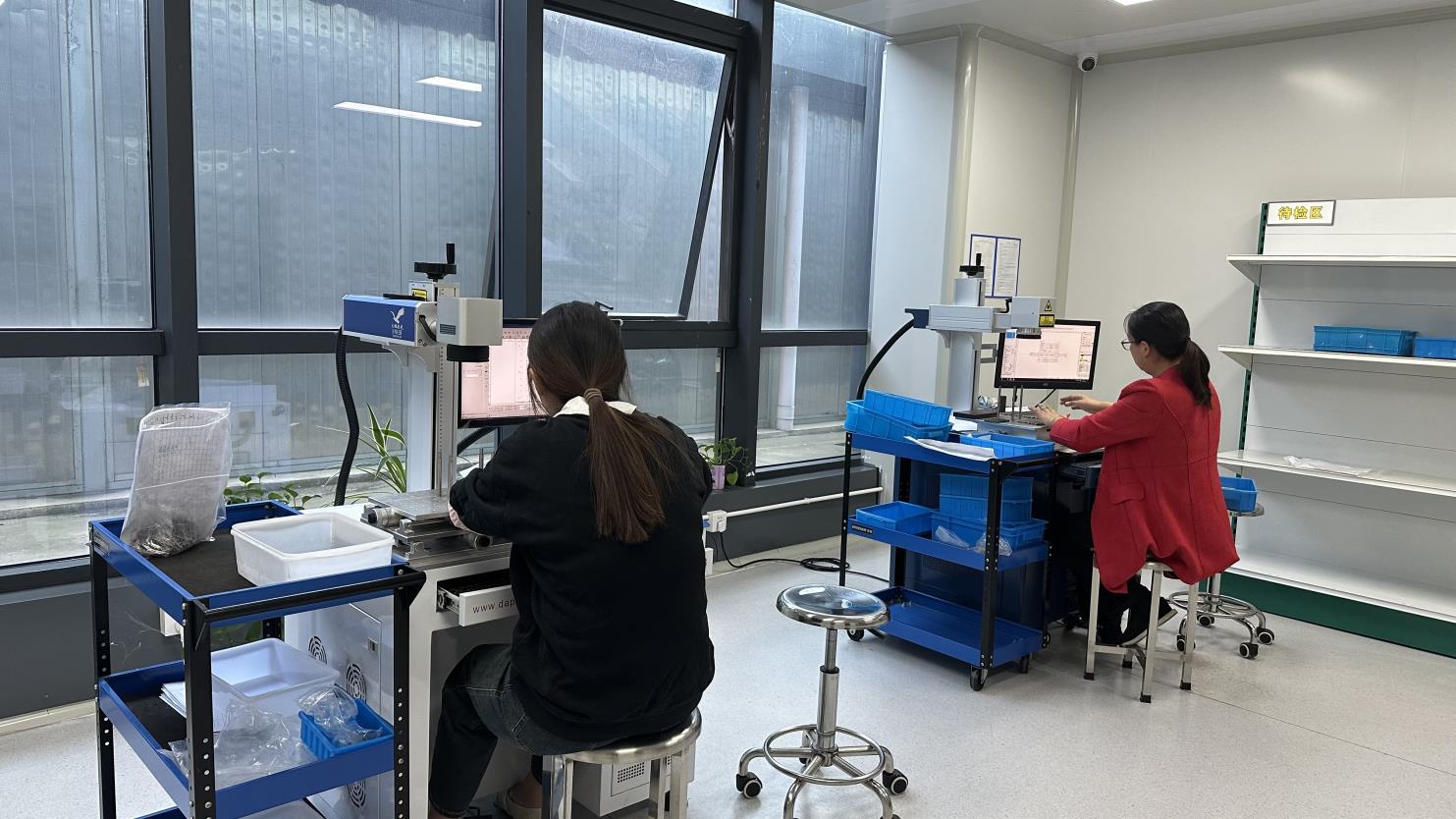
All final machining, ultrasonic cleaning, and primary packaging are conducted in our Class 10,000 (ISO Class 7 equivalent) cleanrooms. Our manufacturing flow incorporates laser marking, coordinate measuring machine (CMM) dimensional checks, and double-sterile barrier packaging prior to sterilization via Gamma Irradiation or Ethylene Oxide (EtO).
Yes. Supported by 85 R&D engineers, we provide complete OEM and ODM design-to-manufacture services. We can customize peg diameters, spacing, thickness, and profile diameters to match your existing instrumentation and knee systems.
Our facilities and operations comply with the ISO 13485 quality system for medical devices. Our implant lines are manufactured using certified surgical-grade materials (titanium alloys, UHMWPE, PEEK) that meet ASTM and ISO standards, ensuring compliance across major global markets.
Standard implants in stock can be prepared for dispatch within 5–10 business days. For customized OEM production runs, lead times typically range between 30 and 45 days, depending on mechanical verification, cleanroom scheduling, and sterilization batch approvals.
Explore our professional surgical instrument kits, external fixators, and orthopedic implants for spine, sports medicine, and veterinary surgery.