Bonevia
Bonevia
Bonevia
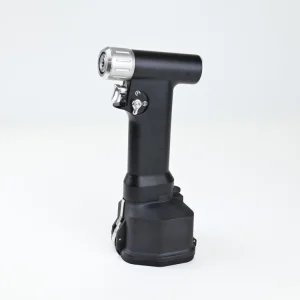
Advanced instruments and medical devices manufactured under rigorous international quality standards for global orthopedic distribution.
Mapping the future of orthopedic reconstruction through clinical efficacy, material science, and global demand dynamics.
The transition from traditional metal-on-polyethylene bearing surfaces to Highly Cross-linked Polyethylene (HXLPE) and advanced Ceramic-on-Polyethylene (CoP) composites has significantly lowered wear rates. As a premier China exporter, we keep track of global demand shifts toward ultra-low-wear materials that prolong implant lifespan, preventing early revision surgeries in younger, more active patient demographics.
Press-fit, cementless systems utilizing titanium plasma spray (TPS), hydroxyapatite (HA) coatings, and 3D-printed porous structures are experiencing exponential demand growth. These biological fixation technologies promote rapid osteointegration, establishing reliable secondary stability. Our exports strictly cater to this demand, offering both anatomical and straight stem profiles with cutting-edge porous surfaces.
Modern surgical suites rely heavily on navigation systems and robotics-assisted orthopedics. Modern hip implant configurations must coordinate seamlessly with digital templating. By exporting surgical tools that sync with computer-assisted surgery (CAS) platforms, Chinese manufacturers ensure implants fit perfectly according to customized patient anatomies.
Bonevia Orthopedic Technology Co., Ltd. – Engineering Reliability in Trauma, Spine, and Joint Reconstruction
Bonevia Orthopedic Technology Co., Ltd. is a professional manufacturer specializing in orthopedic implants and surgical solutions, dedicated to advancing innovation in trauma, spine, and joint reconstruction products. Since its establishment in 2015, the company has grown steadily into a trusted supplier in the global orthopedic industry.
With a modern production facility covering approximately 320㎡, Bonevia maintains strict quality management standards and efficient manufacturing processes. The company records an annual export revenue of around USD 8–15 million, supported by 6 years of export experience and over 10 years of overall industry experience.
Quality assurance is a core focus at Bonevia. The company implements multiple inspection methods including incoming material inspection, in-process quality control, and final product testing, supported by a dedicated quality team of 35 professionals. This ensures all products meet international medical device standards.
Bonevia has a solid trade foundation with diversified global distribution networks, serving major markets across Europe, Southeast Asia, the Middle East, and South America. Its supply chain ecosystem includes more than 850 partners, enabling stable raw material sourcing and efficient production delivery.
The company serves a wide range of clients, including hospitals, orthopedic clinics, surgical centers, and medical distributors. Bonevia also demonstrates strong R&D capabilities, offering OEM and ODM customization services to meet specific clinical requirements.
In the past year, Bonevia successfully launched 120 new product designs, supported by a research and development team of 85 engineers, continuously driving innovation in orthopedic implant systems and surgical instruments.
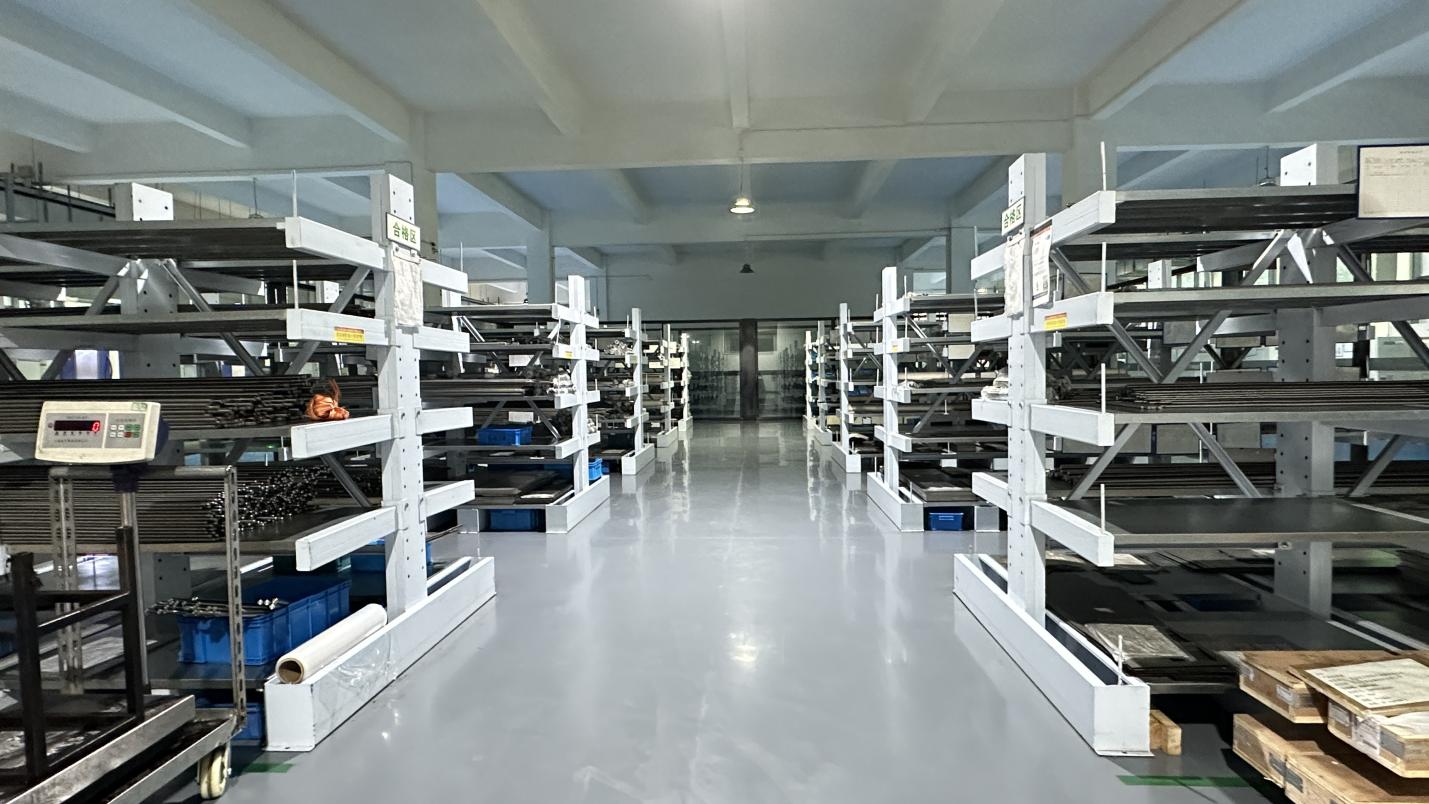
An inside look at our standardized orthopedic production process, ensuring complete traceablity and precision engineering.
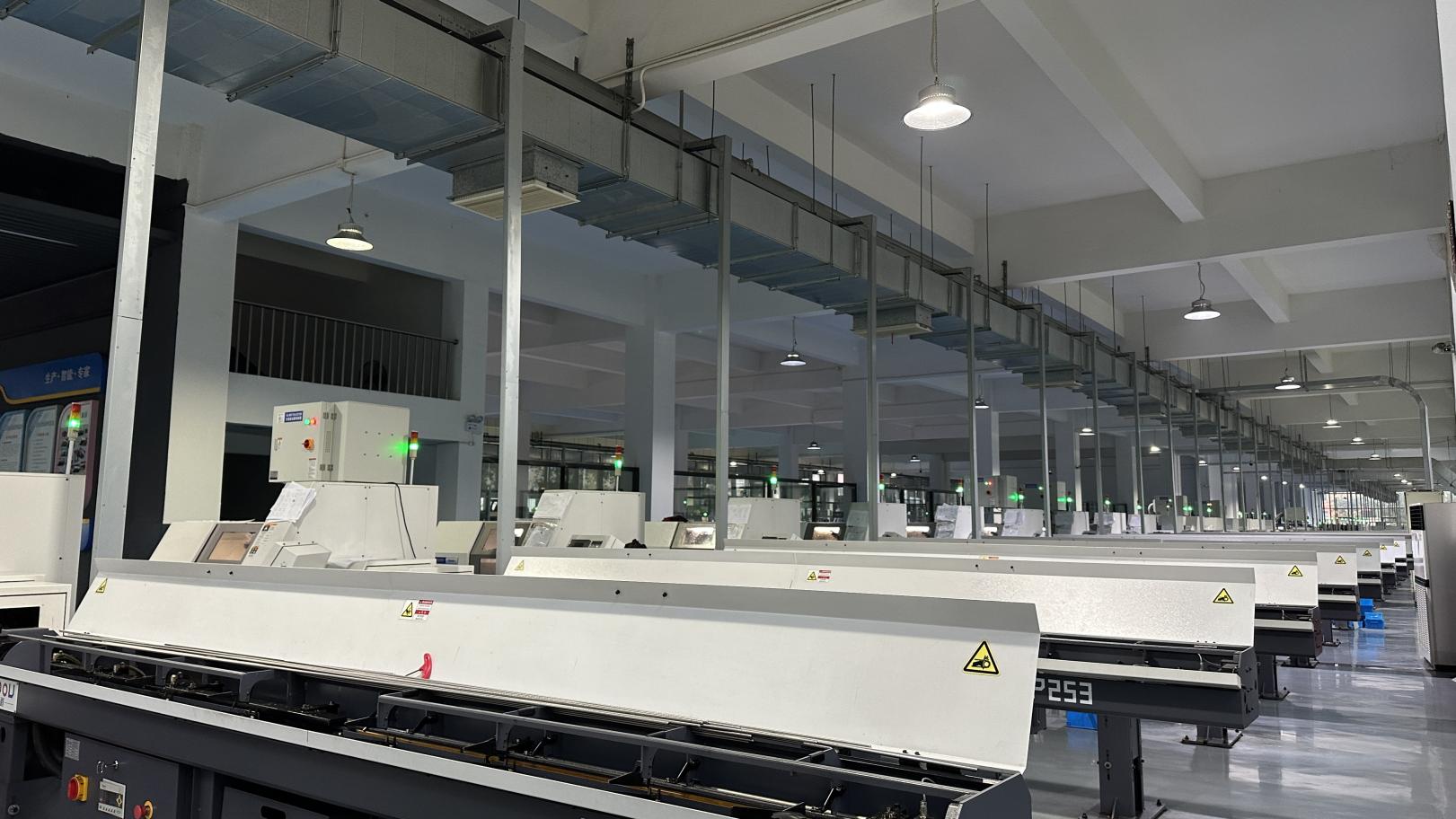
1. Material Selection
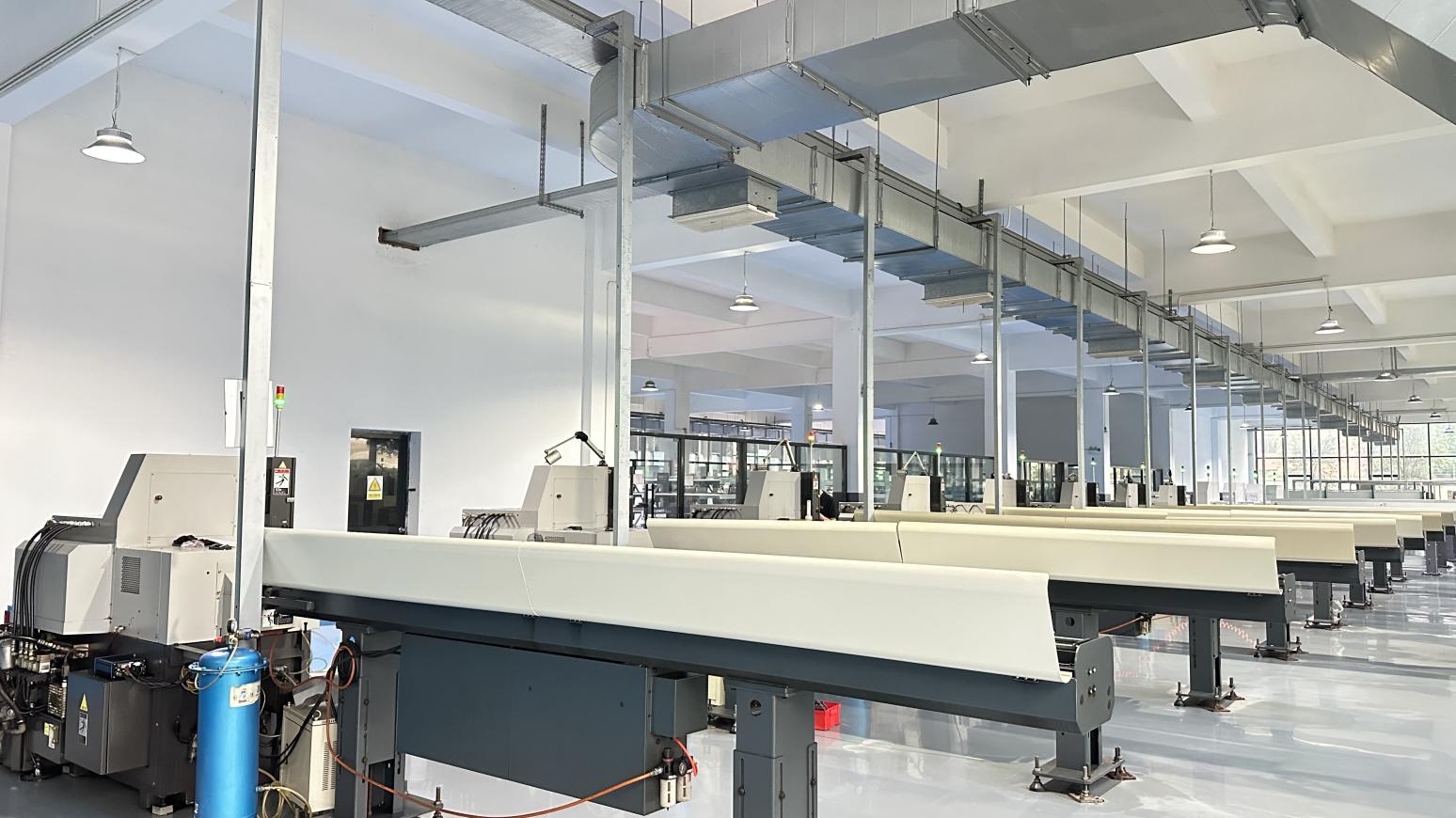
2. Raw Material Slitting
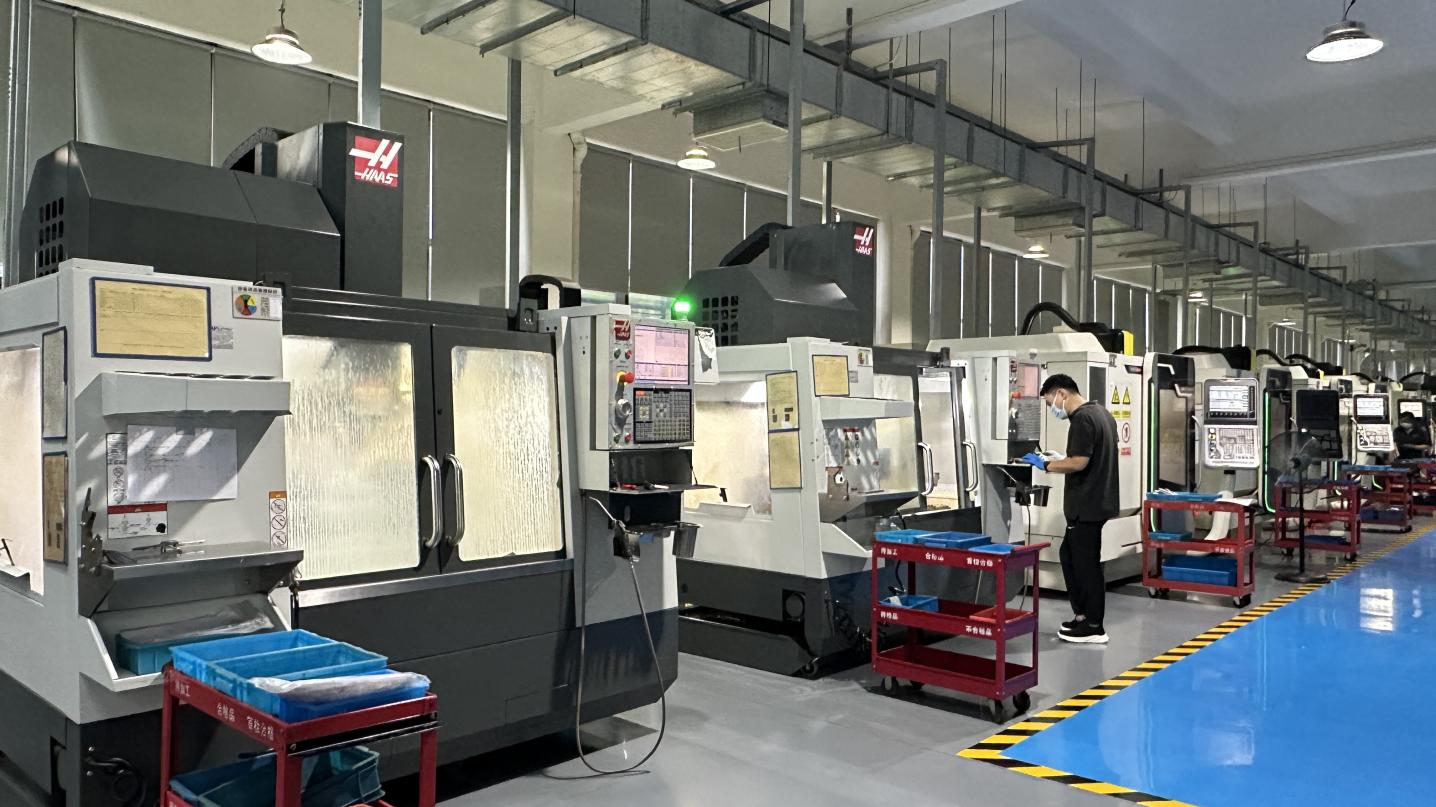
3. CNC Machining Center
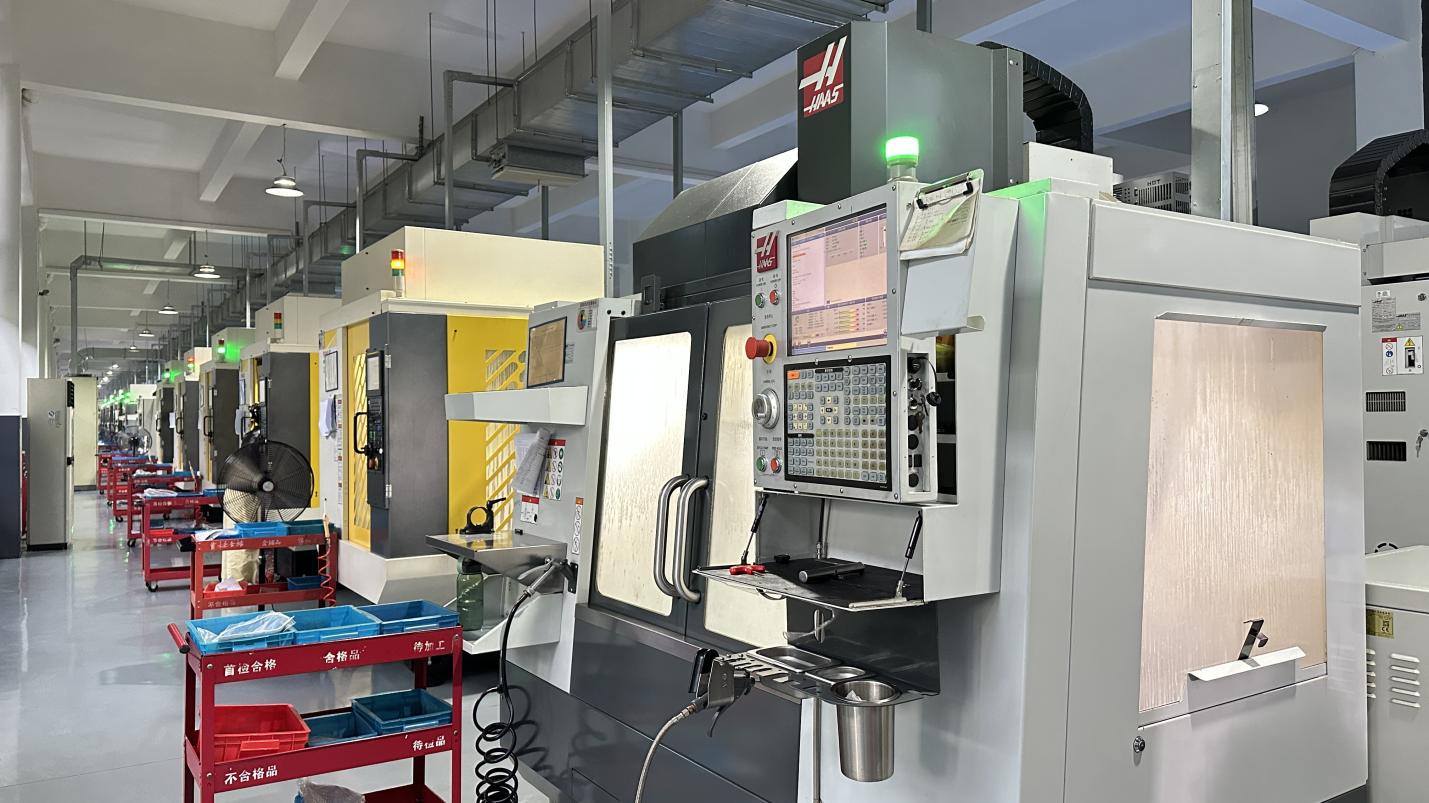
4. High-Precision Lathe Work
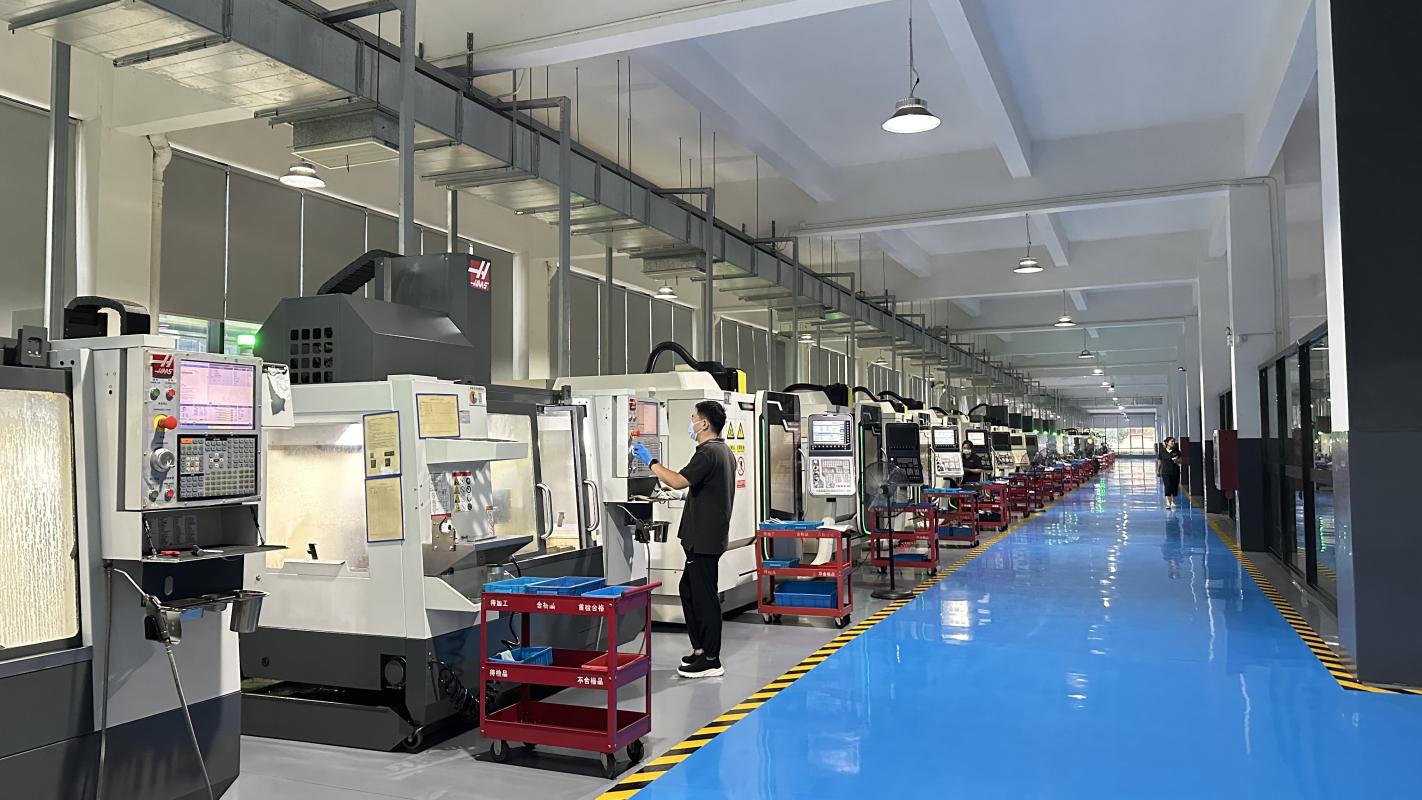
5. Precision Milling
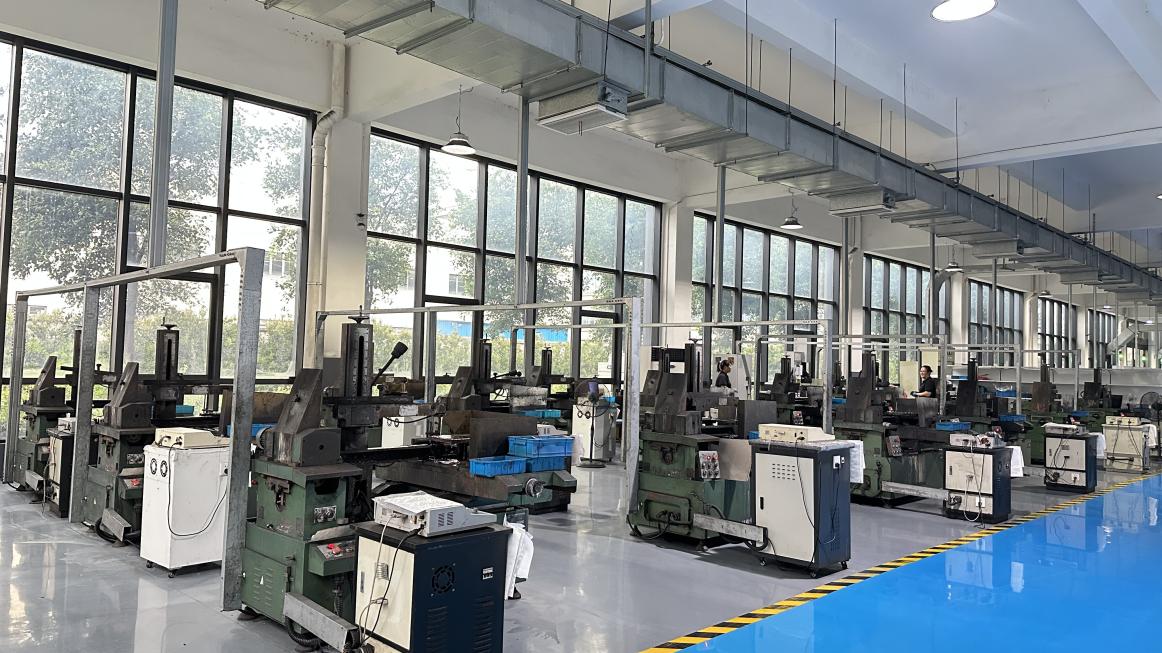
6. EDM Wire-cutting
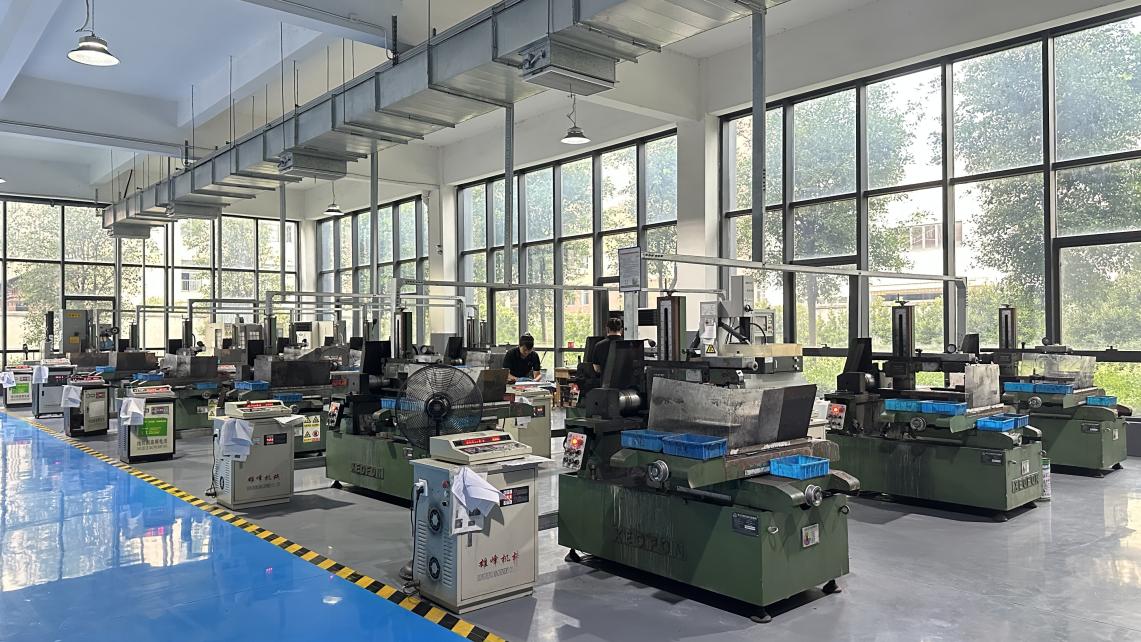
7. Micro-structural Geometry
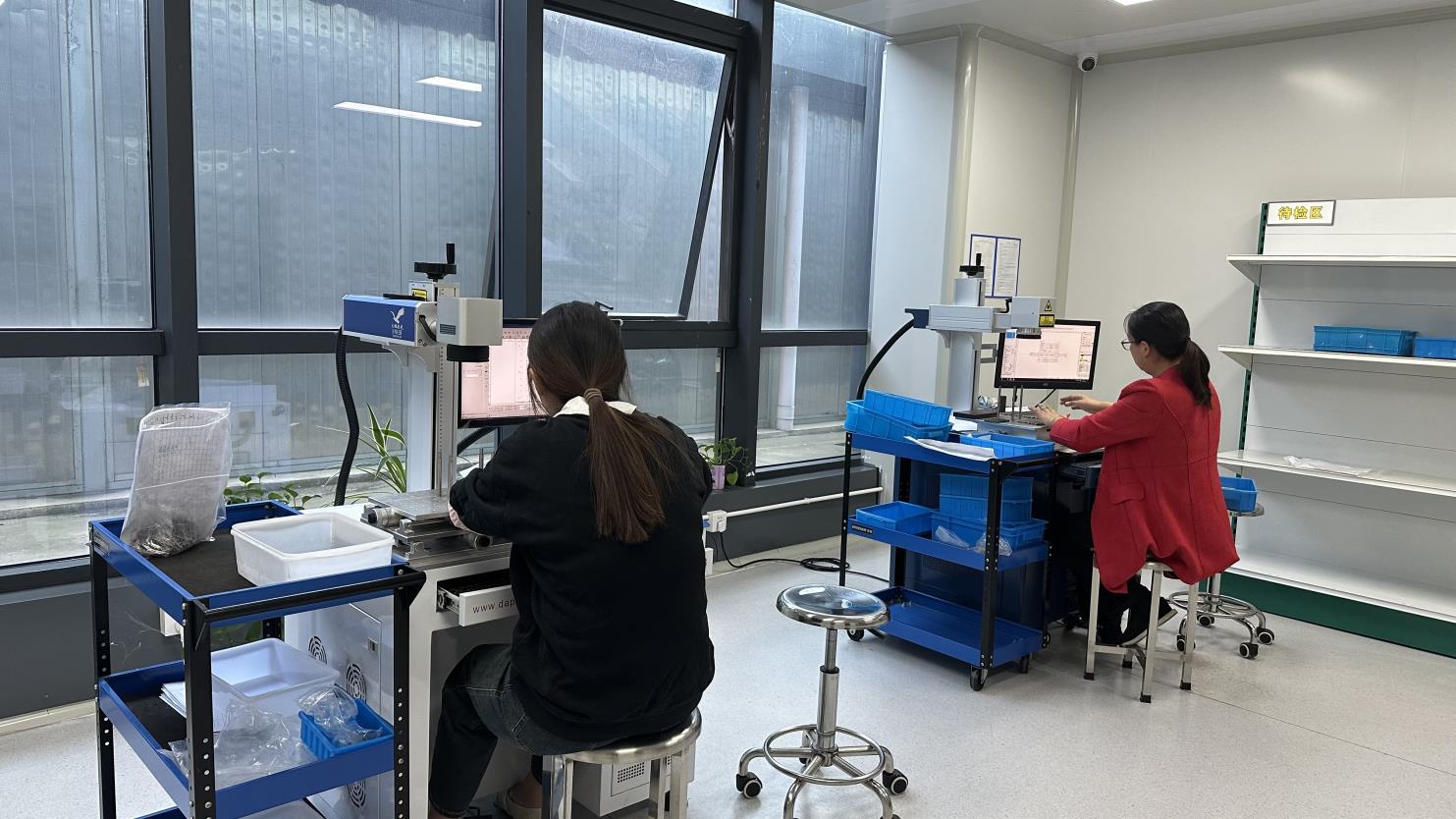
8. Laser UDI Coding
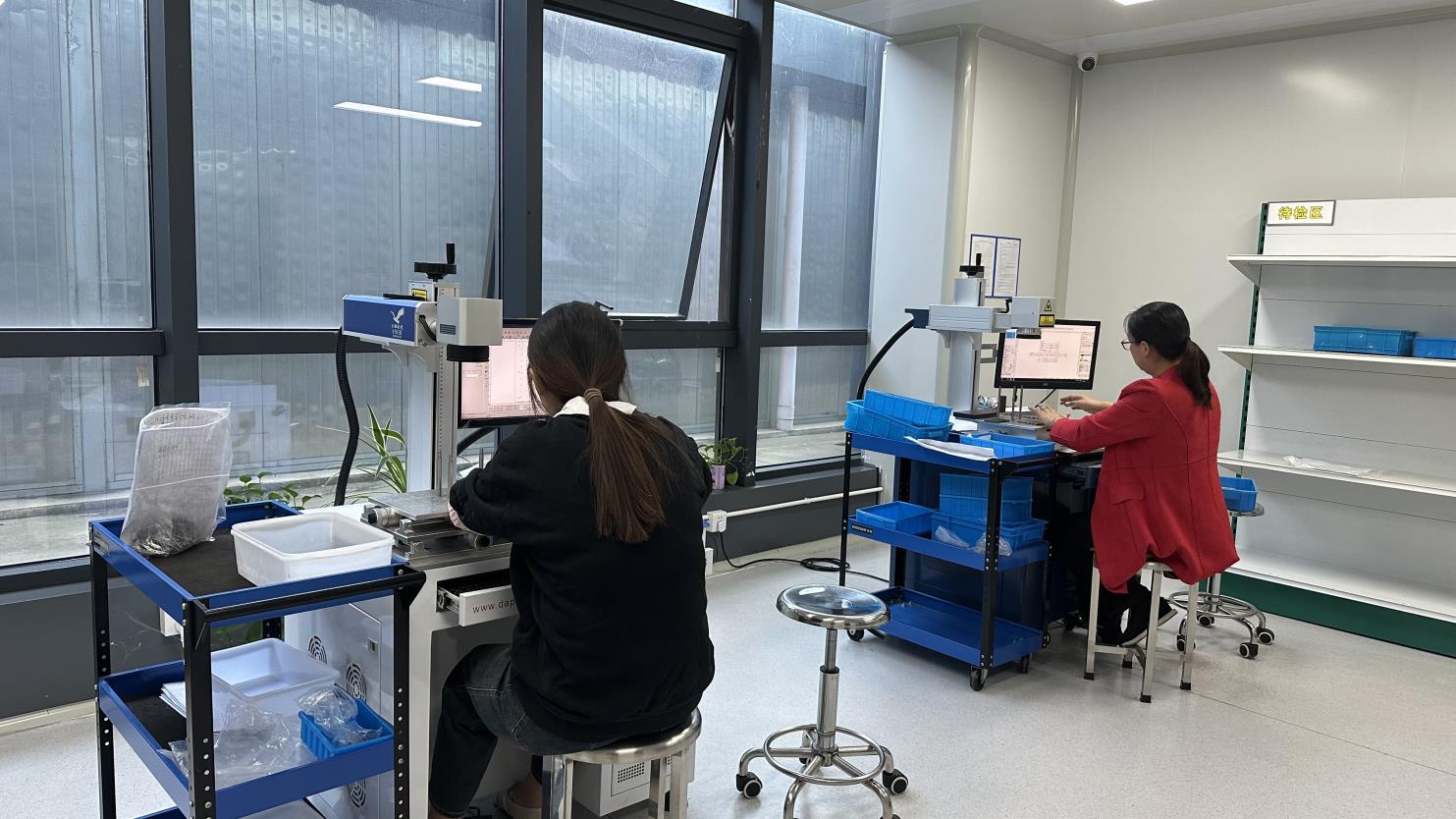
9. Permanent Etching
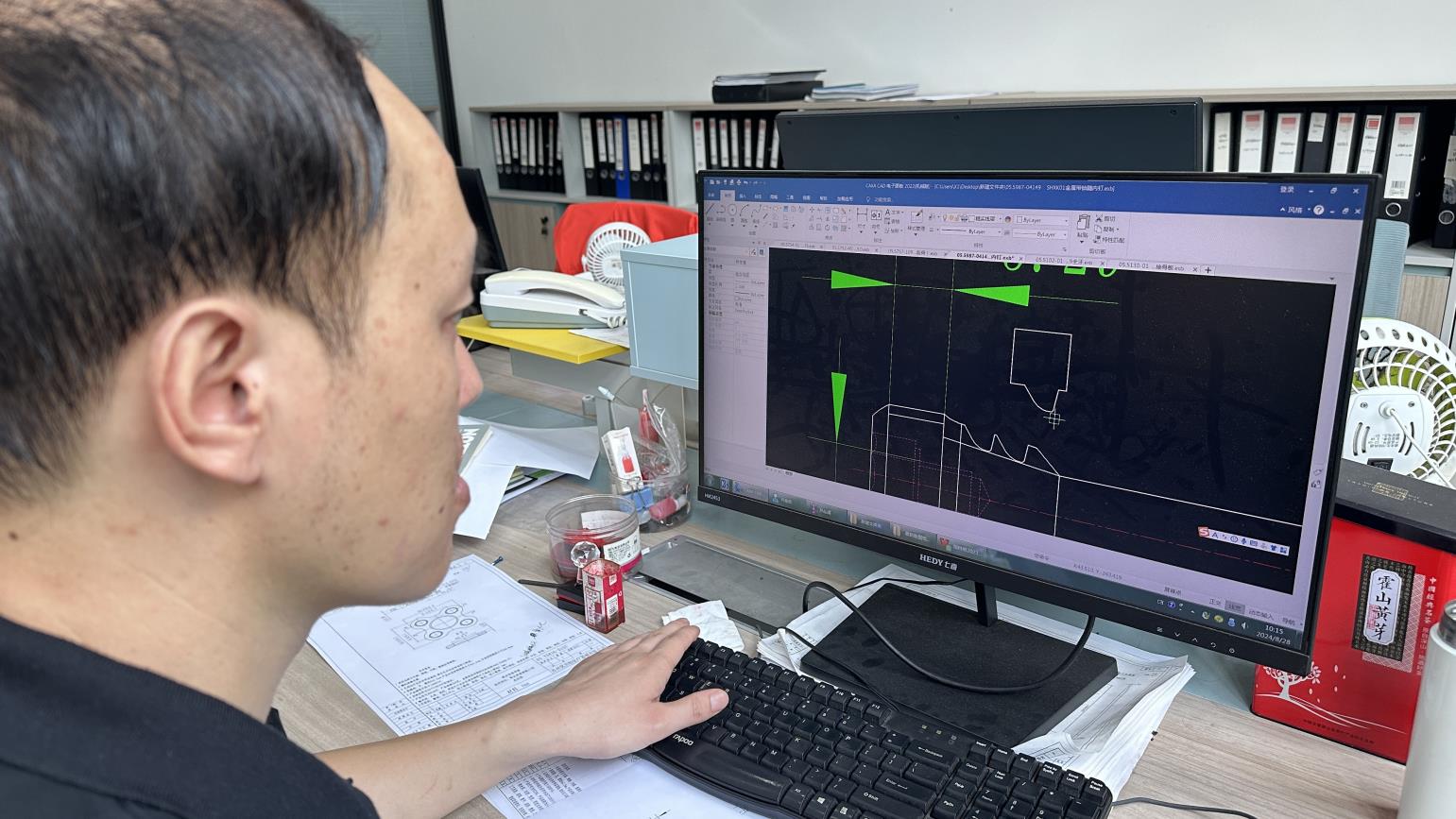
10. CAD/CAM Modeling
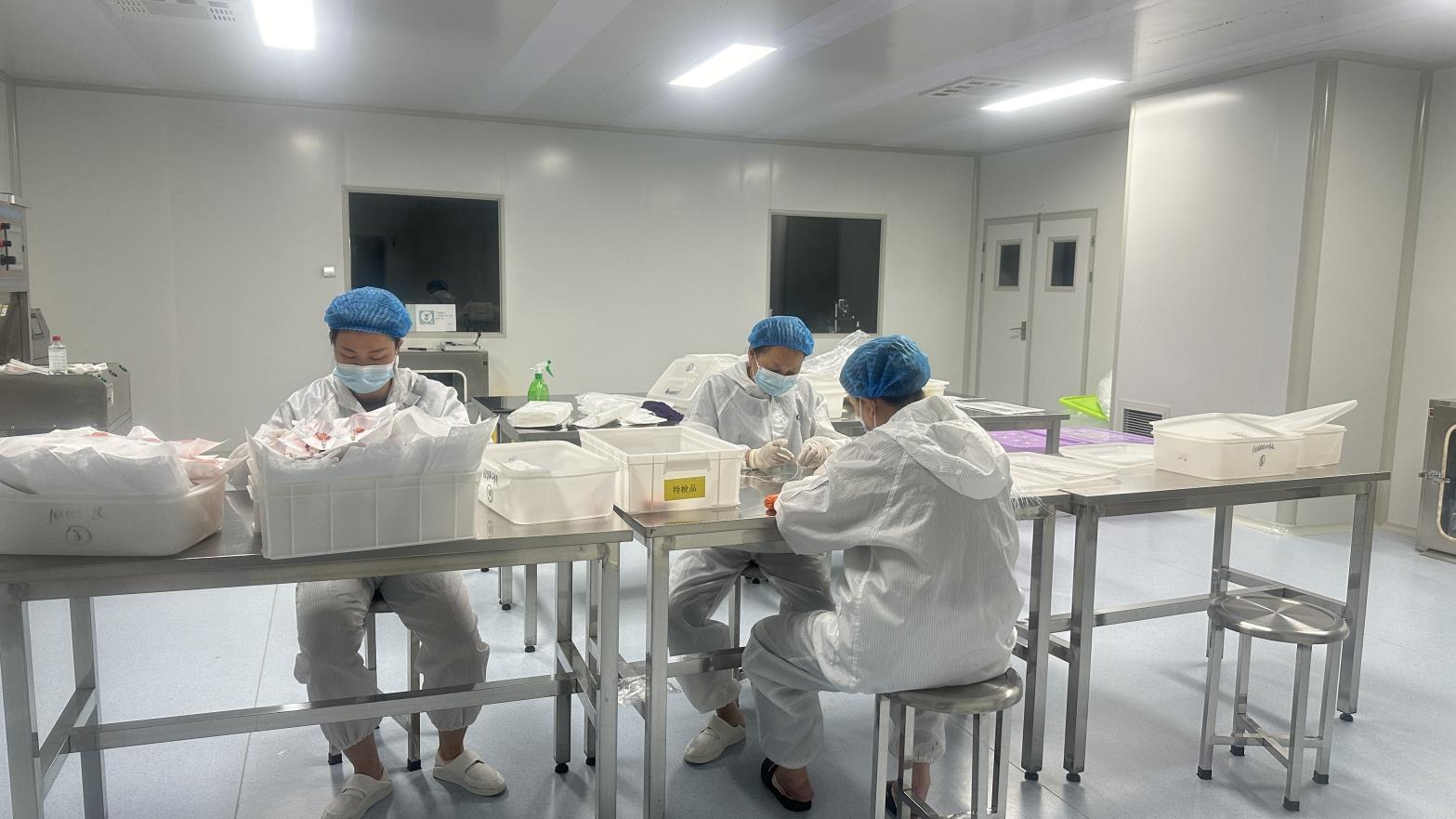
11. Metrology Verification
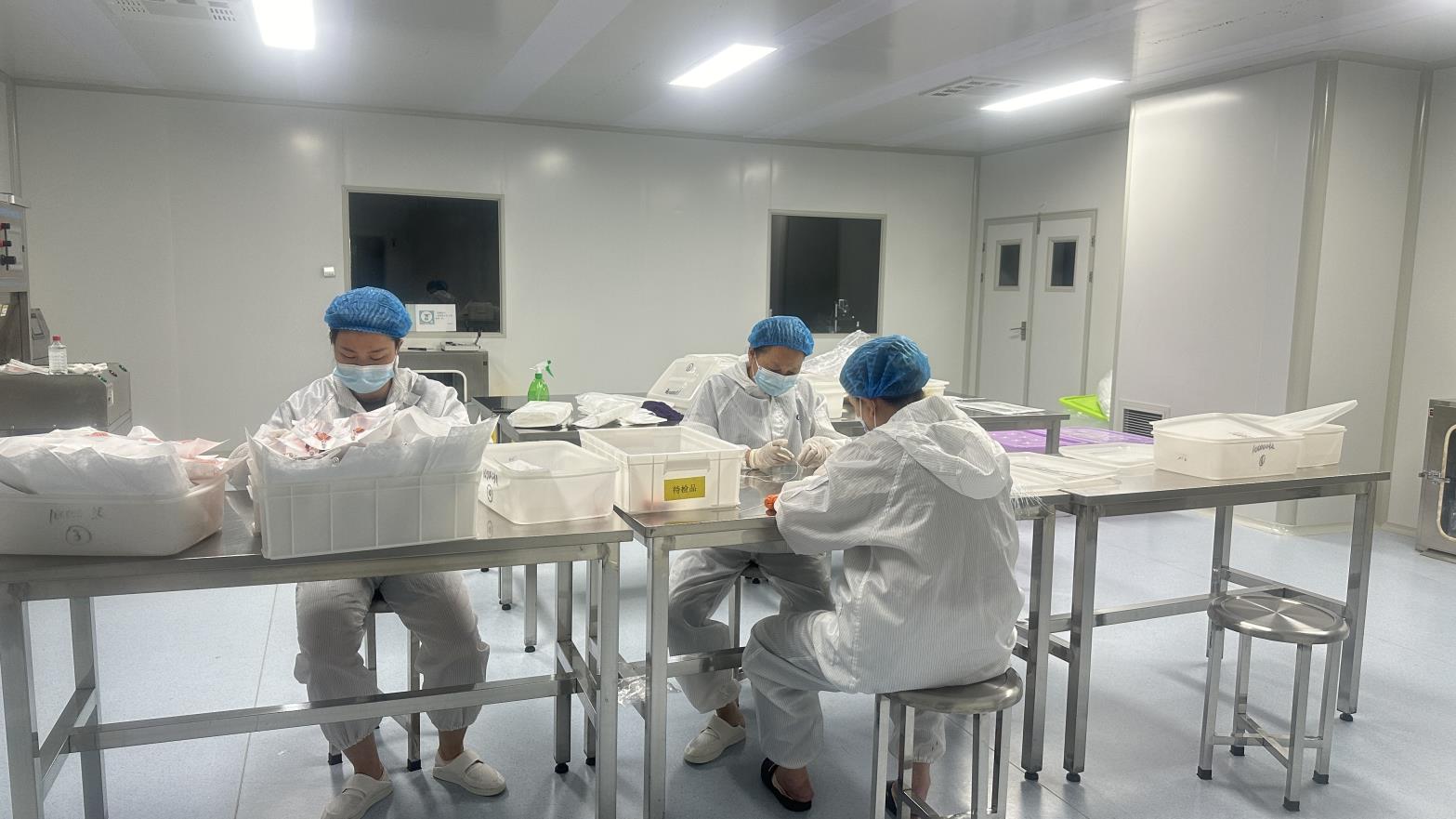
12. Cleanroom Packing

13. Sterile Logistics Control
Standardizing the supply chain process for global medical institutions, tenders, and distributors.
Sourcing orthopedic implants internationally demands absolute regulatory clarity. Bonevia maintains strict compliance with ISO 13485 quality systems and offers CE-certified products. We provide full technical documentation, including raw material certificates (medical-grade Titanium and UHMWPE), sterilization validation logs, and clinical trial evaluations required for local registration.
Managing inventory across multiple continents requires predictable lead times. Utilizing our 850+ global partner network, Bonevia provides robust manufacturing capacity, avoiding supply gaps. Whether supplying government tenders or hospital groups, we provide customized labeling (UDI compliance) and specialized logistics for orthopedic implants.
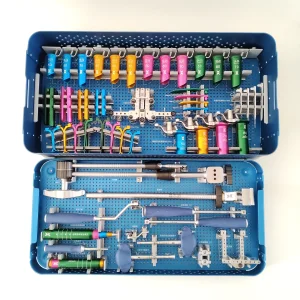
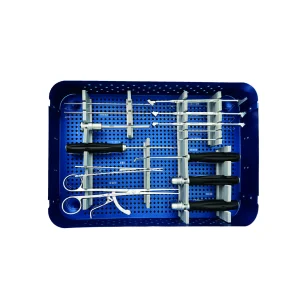
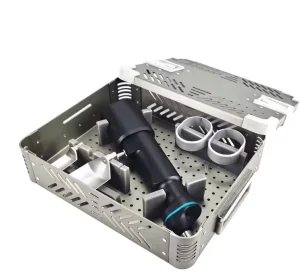
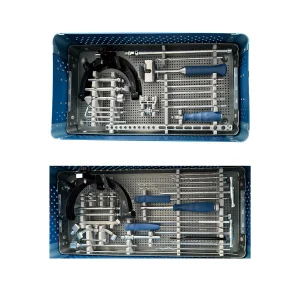
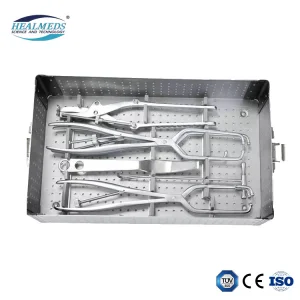
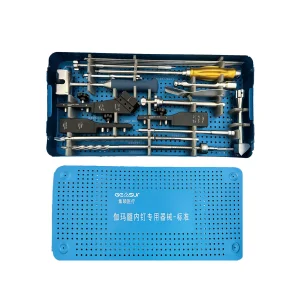
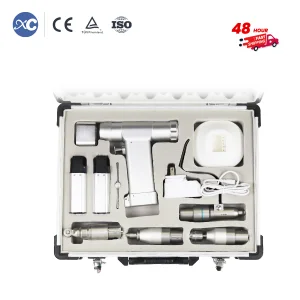
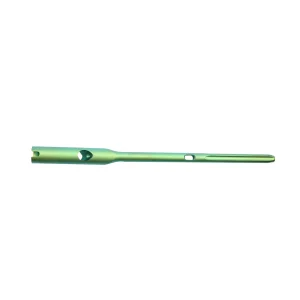
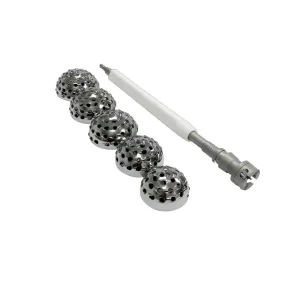
A joint implant system is only as good as the instruments used to place it. Bonevia provides integrated surgical systems, exporting both total hip implants and their corresponding instrument sets (acetabular reamers, trial heads, insertion shafts, and retractors). This integrated sourcing model reduces training times and prevents surgical complications.
How China's leading orthopedic exporters are pioneering technologies for the next generation of patient care.
Traditional coating methods (plasma spray) are transitioning to Additive Manufacturing (3D printing). By utilizing electron beam melting (EBM) and direct metal laser sintering (DMLS), we can produce trabecular metal structures that mimic natural human cancellous bone. This maximizes bone ingrowth, creating unmatched primary and secondary implant stability.
Periprosthetic joint infection (PJI) is a severe complication in joint replacement. Future product designs incorporate silver-doped or antibiotic-eluting coatings alongside traditional hydroxyapatite. These coatings release targeted antimicrobial ions during the critical early post-operative stages, significantly reducing infection risk.
We are researching micro-sensor integration within the femoral neck/stem body. These bio-inert sensors monitor local load distribution, temperatures, and micro-motion in real-time, transmitting diagnostic data wirelessly to physicians to detect implant loosening or infection prior to clinical symptoms.
Answers to critical questions from orthopedic distributors, procurement managers, and hospital directors.
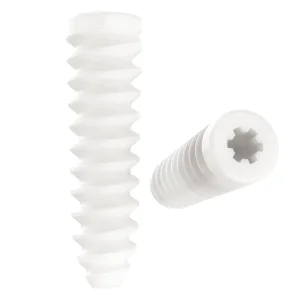
We source titanium alloys conforming strictly to ASTM F136 / ISO 5832-3 standards. For bearing surfaces, we utilize Ultra-High-Molecular-Weight Polyethylene (UHMWPE) and Highly Cross-linked Polyethylene (HXLPE) to ensure high wear resistance. Ceramic components are sourced from validated, medical-grade alumina/zirconia composite manufacturers.
We maintain a regulatory affairs department that works closely with global distributors. We provide technical dossiers, ISO 13485 certification, sterilization validation (Gamma/EO), and biocompatibility data. If required, we can coordinate with local agents to assist with national health authority registration.
Yes. With our R&D team of 85 engineers, we provide OEM and ODM customization. This includes custom sizing for unique anatomical demographics, customized instrument configuration, and tailored branding and packaging options for regional distributors.
Quality control is managed by a team of 35 QA specialists. We utilize incoming material inspection (spectral analysis), in-process dimensional control using precision CNC metrology, and final optical/surface testing. All implants undergo post-sterilization inspection inside class 100,000 cleanrooms before shipping.
For standard catalog items, shipments can be dispatched within 15–30 days. For custom modifications, production lead times average 45–60 days. Our inventory management systems coordinate with 850+ supply partners to ensure consistent delivery timelines for critical tenders.
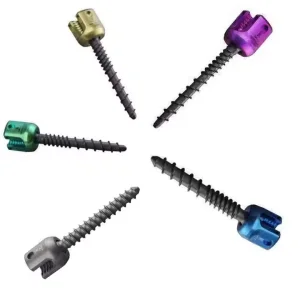
Engineered to deliver high precision, anatomical alignment, and reliable fixation in clinical settings.