Bonevia
Bonevia
Bonevia
Explore our foundational range of precision-manufactured implants and surgical instrumentation designed for clinical excellence.
Addressing Degenerative Disc Disease (DDD) through cutting-edge mechanical and biological design.
Anterior Cervical Discectomy and Fusion (ACDF) remains the gold standard for treating cervical disk herniations, cervical spondylotic myelopathy, and unstable degenerative disc diseases. The mechanical cornerstone of this procedure is the cervical interbody cage. Initially designed to replace structural autografts (which frequently suffered from donor-site morbidity and variable resorption rates), modern cervical cages have evolved into highly sophisticated biomechanical structures.
Today, the global orthopedic market demands cages that not only maintain the intervertebral disk space height and restore sagittal alignment but also actively foster rapid osseointegration. By introducing optimized structural geometry, varying lordotic angles, and advanced biomaterials, leading manufacturers like Bonevia Orthopedic Technology are delivering critical information gain to clinical developers and purchasing managers globally.
Surgical success in cervical spine fusion depends on minimizing mechanical failure modes. The primary clinical challenges include:
To overcome these challenges, Bonevia engineered its product matrix using highly porous interfaces, biological windows for bone graft placement, and optimized elastic moduli that match the host bone, dramatically reducing long-term subsidence rates.
A detailed breakdown of materials engineering and geometric configurations in modern spine surgery.
The choice of material for cervical interbody cages dictates the biological response and mechanical stability at the fusion site. Historically, the spine industry has transitioned from titanium alloys to polyetheretherketone (PEEK), and is currently witnessing a hybridization of both materials through 3D printing and surface functionalization.
| Material Type | Elastic Modulus (GPa) | Radiolucency | Osseointegration Capability | Primary Clinical Application |
|---|---|---|---|---|
| PEEK (Polyetheretherketone) | 3.6 (Close to cortical bone) | Excellent (allows clear CT/X-Ray visualization) | Hydrophobic / Inert (requires graft window) | Standard degenerative disc disease (DDD) ACDF |
| Machined Titanium (Ti-6Al-4V) | 110 (High rigidity) | Poor (produces scattering artifacts) | Good (proven bone-affinity) | Trauma and tumor reconstruction cases |
| 3D-Printed Porous Titanium | 2.0 - 5.0 (Trabecular match) | Moderate (semi-radiolucent porous layout) | Superior (active capillary migration & growth) | High-risk patients (osteoporosis, revisions) |
A cervical cage must do more than just act as a spacer. Correct restoration of cervical lordosis is paramount to prevent adjacent segment disease (ASD). Bonevia’s design team incorporates fixed and variable lordotic configurations (ranging from 4° to 8° or custom angles via OEM services) to perfectly restore the natural curvature of the spine. Dual-taper designs allow for easier insertion without compromising the integrity of the vertebral endplate during distraction.
A global leader in high-performance orthopedic and spine implants.
Bonevia Orthopedic Technology Co., Ltd. is a professional manufacturer specializing in orthopedic implants and surgical solutions, dedicated to advancing innovation in trauma, spine, and joint reconstruction products. Since its establishment in 2015, the company has grown steadily into a trusted supplier in the global orthopedic industry.
With a modern production facility covering approximately 320㎡, Bonevia maintains strict quality management standards and efficient manufacturing processes. The company records an annual export revenue of around USD 8–15 million, supported by 6 years of export experience and over 10 years of overall industry experience.
Quality assurance is a core focus at Bonevia. The company implements multiple inspection methods including incoming material inspection, in-process quality control, and final product testing, supported by a dedicated quality team of 35 professionals. This ensures all products meet international medical device standards.
Bonevia has a solid trade foundation with diversified global distribution networks, serving major markets across Europe, Southeast Asia, the Middle East, and South America. Its supply chain ecosystem includes more than 850 partners, enabling stable raw material sourcing and efficient production delivery.
The company serves a wide range of clients, including hospitals, orthopedic clinics, surgical centers, and medical distributors. Bonevia also demonstrates strong R&D capabilities, offering OEM and ODM customization services to meet specific clinical requirements.
In the past year, Bonevia successfully launched 120 new product designs, supported by a research and development team of 85 engineers, continuously driving innovation in orthopedic implant systems and surgical instruments.
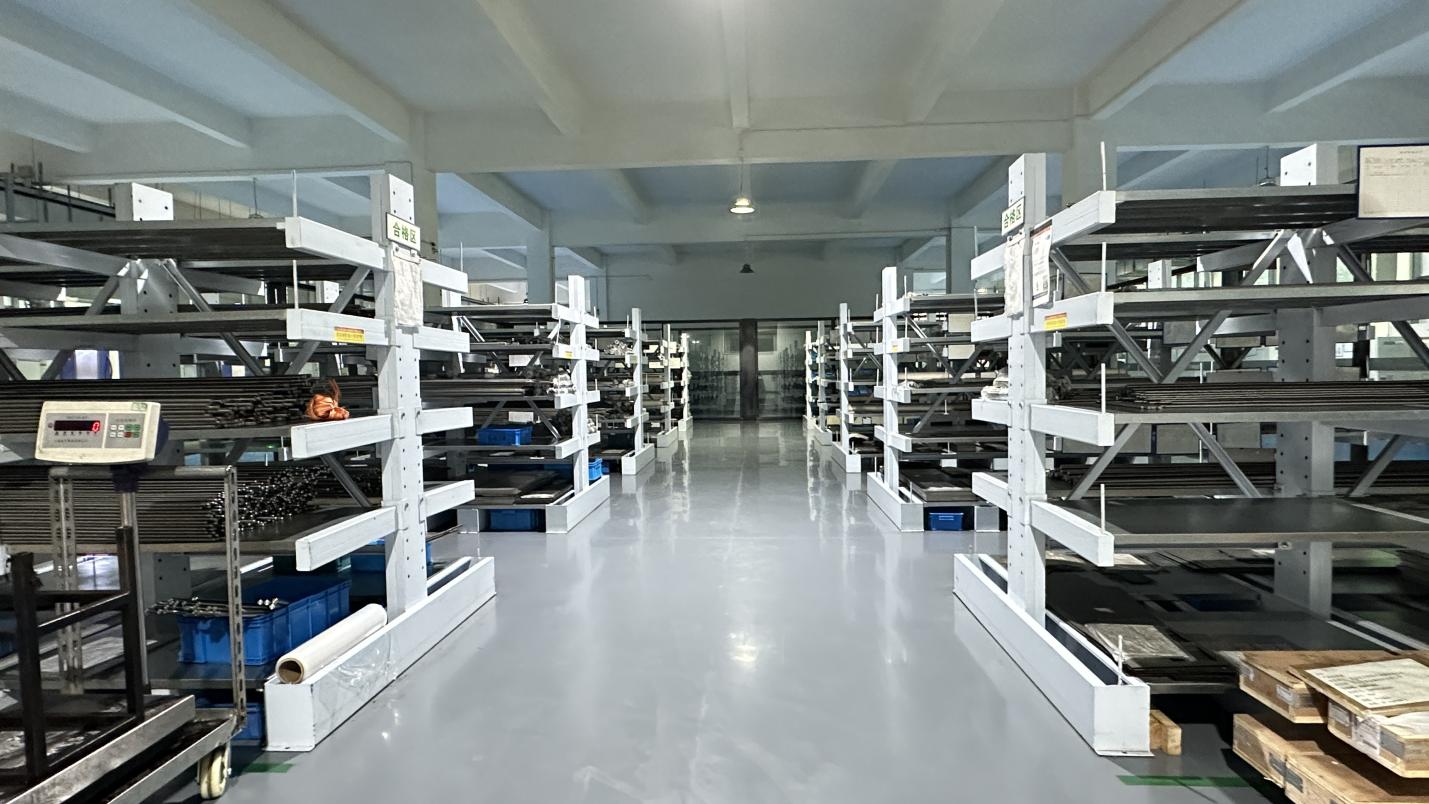
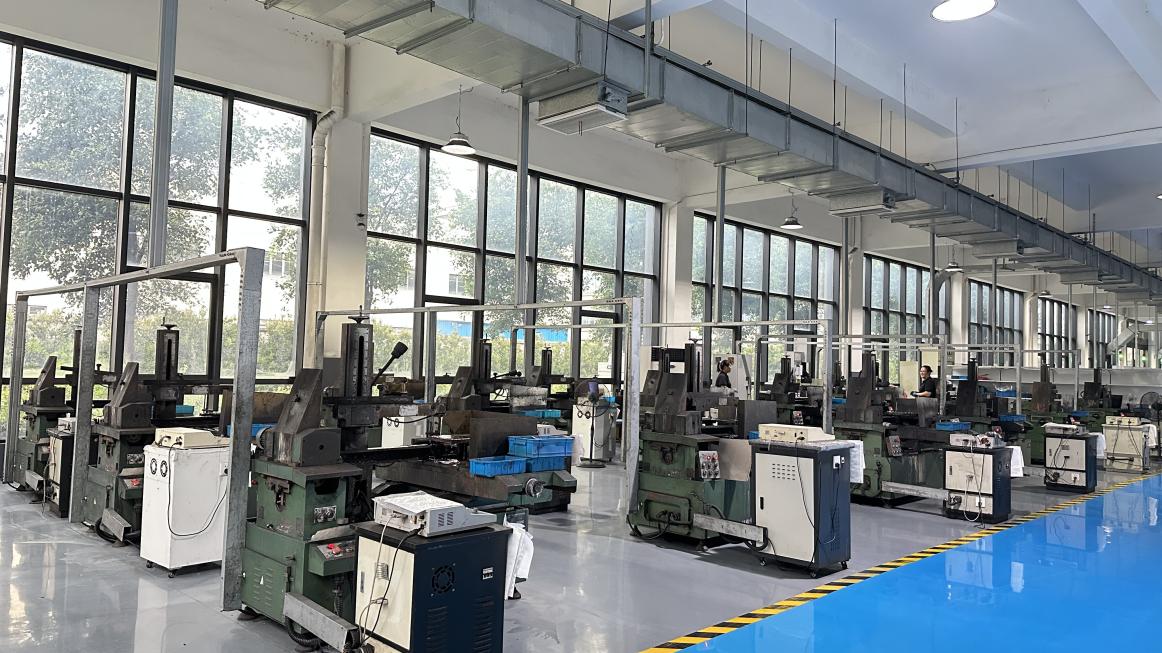
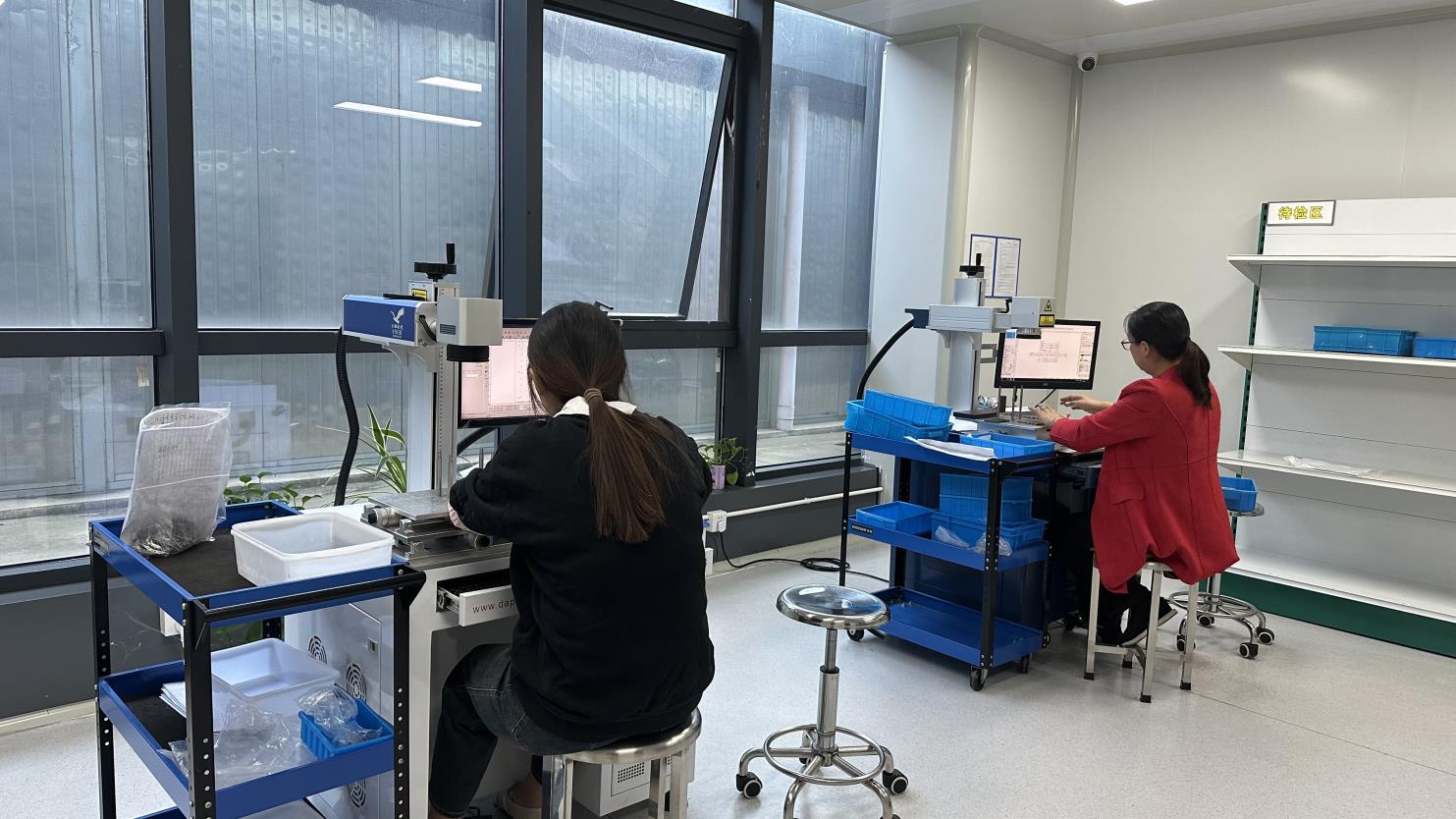
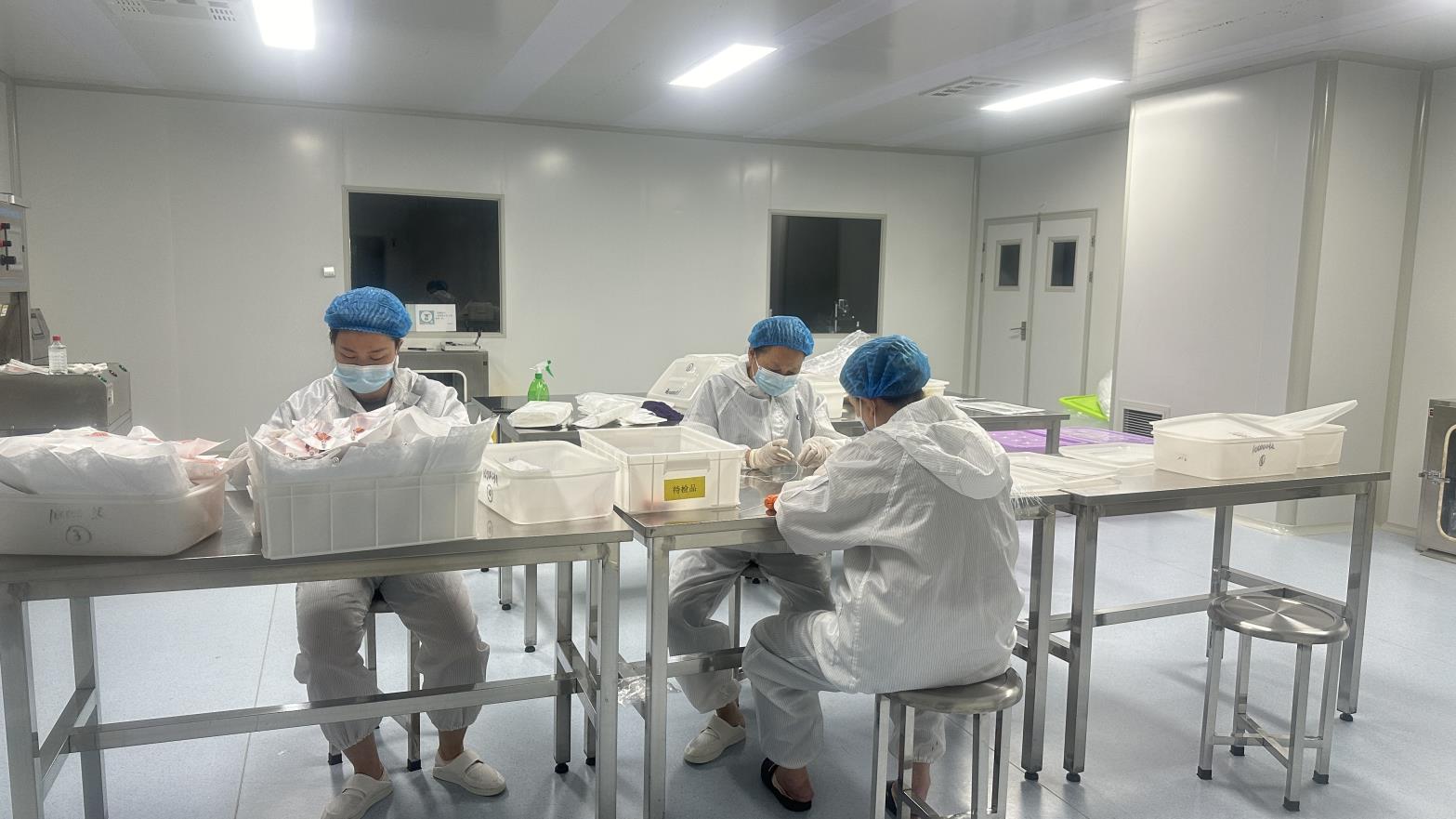
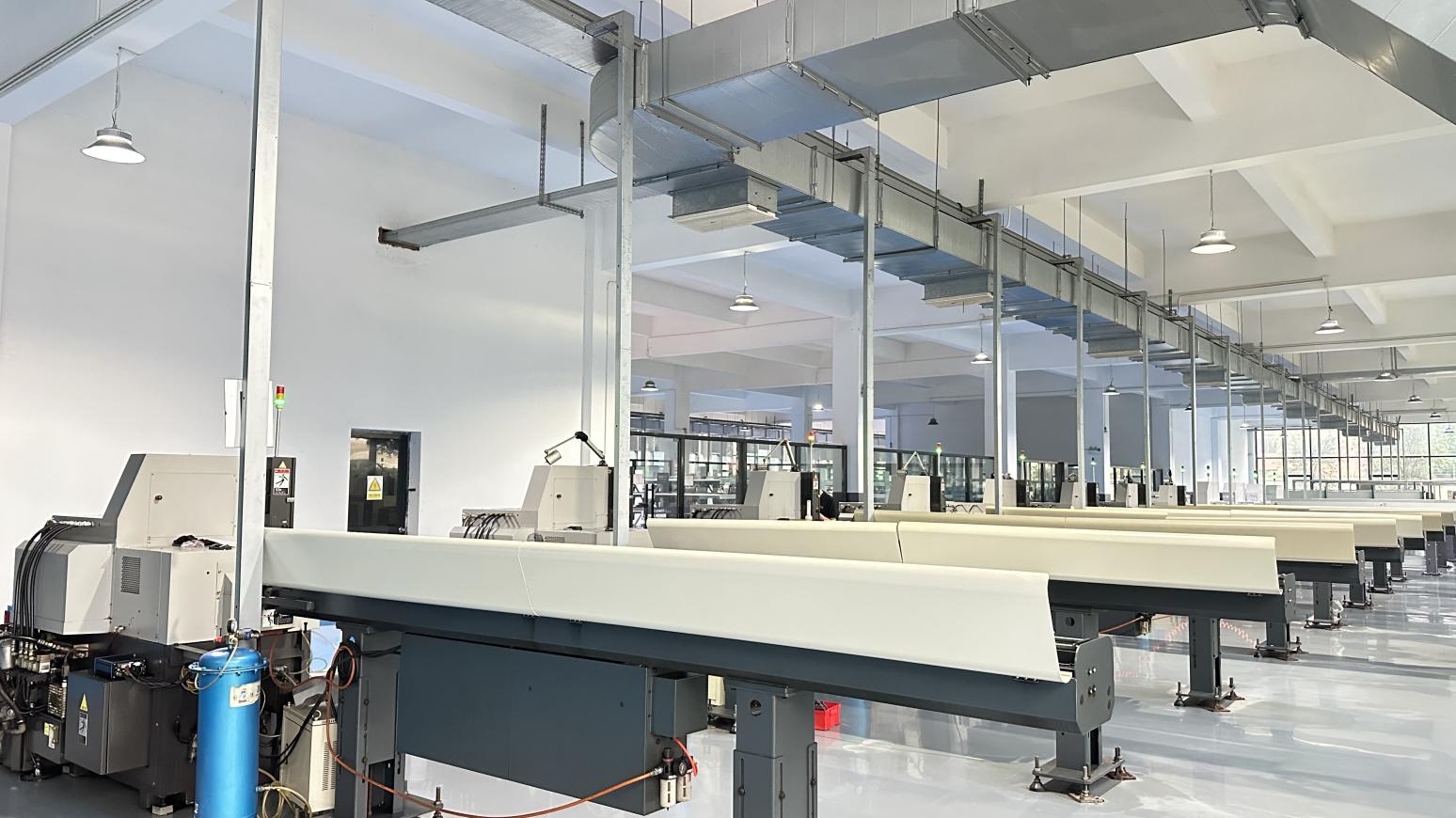
Step-by-step documentation of our CNC, Wire-cutting, Laser-marking, and Quality Inspection facilities.
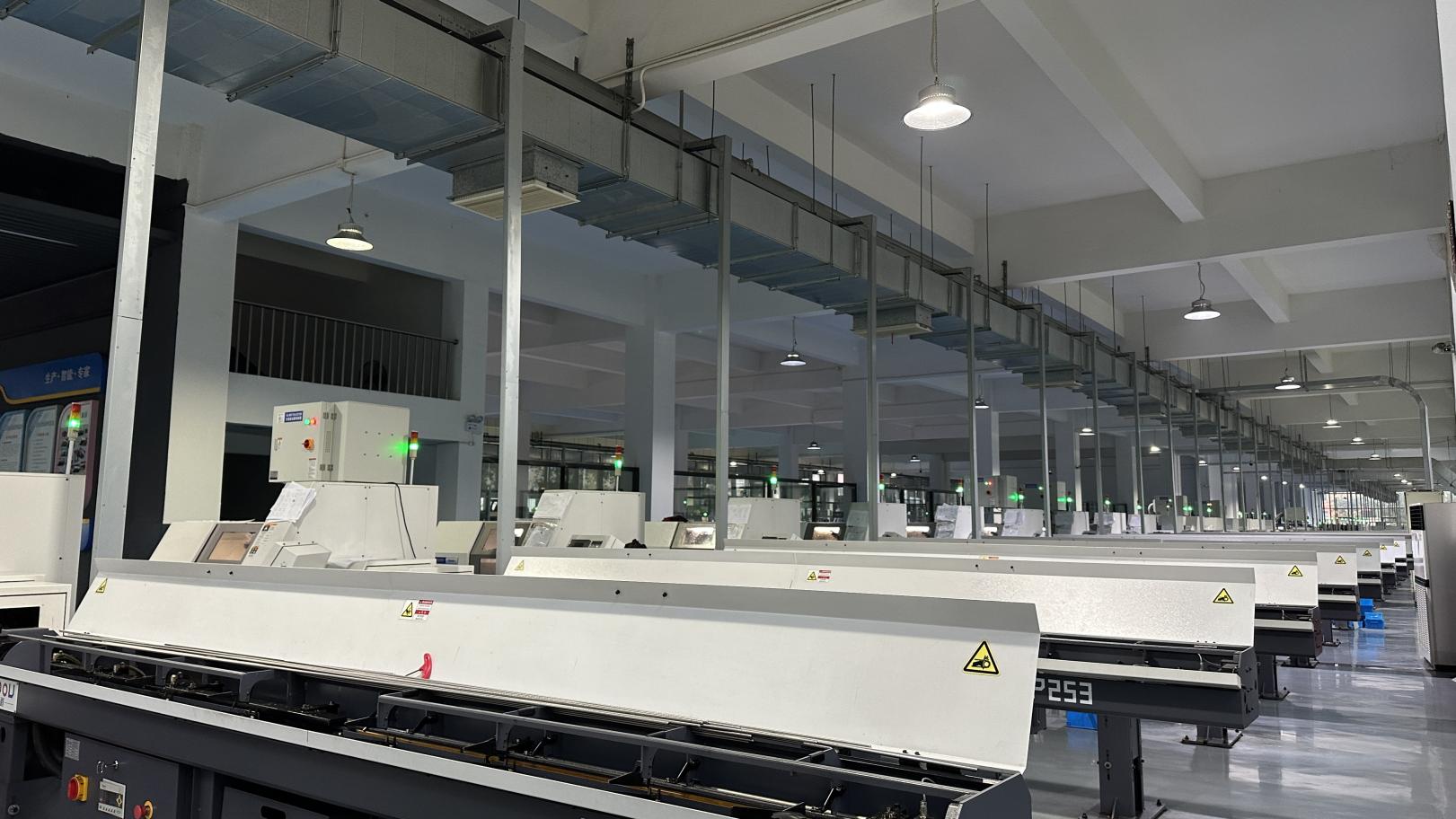
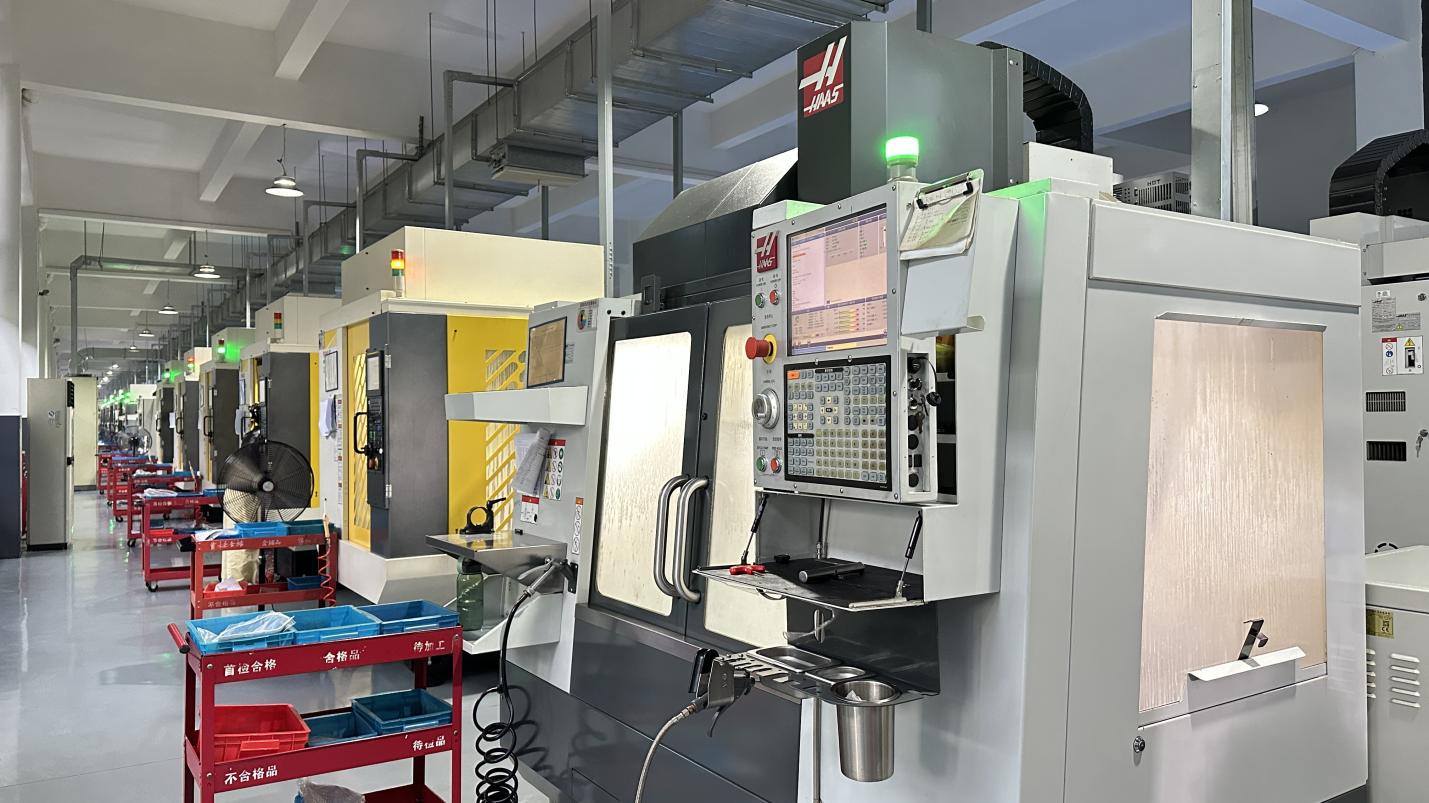
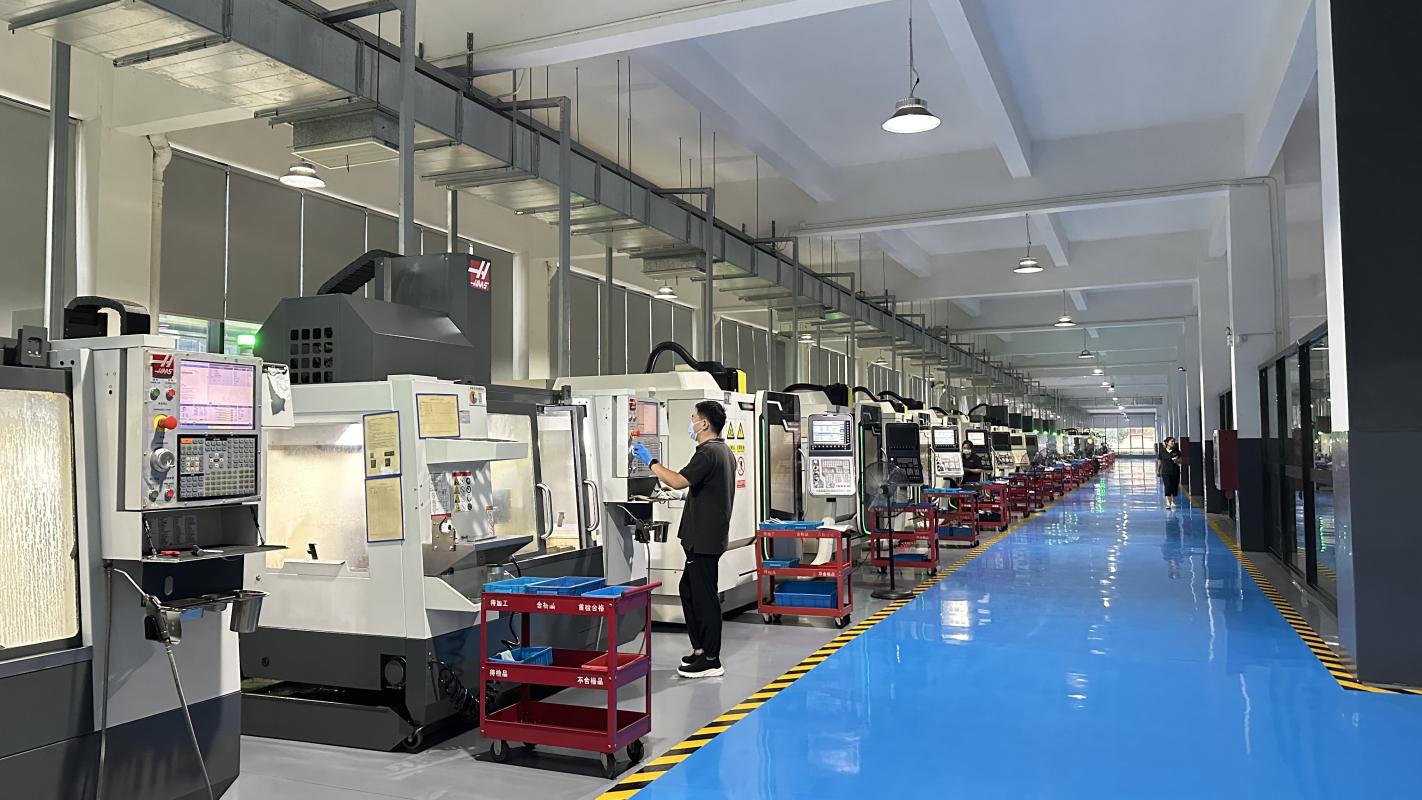

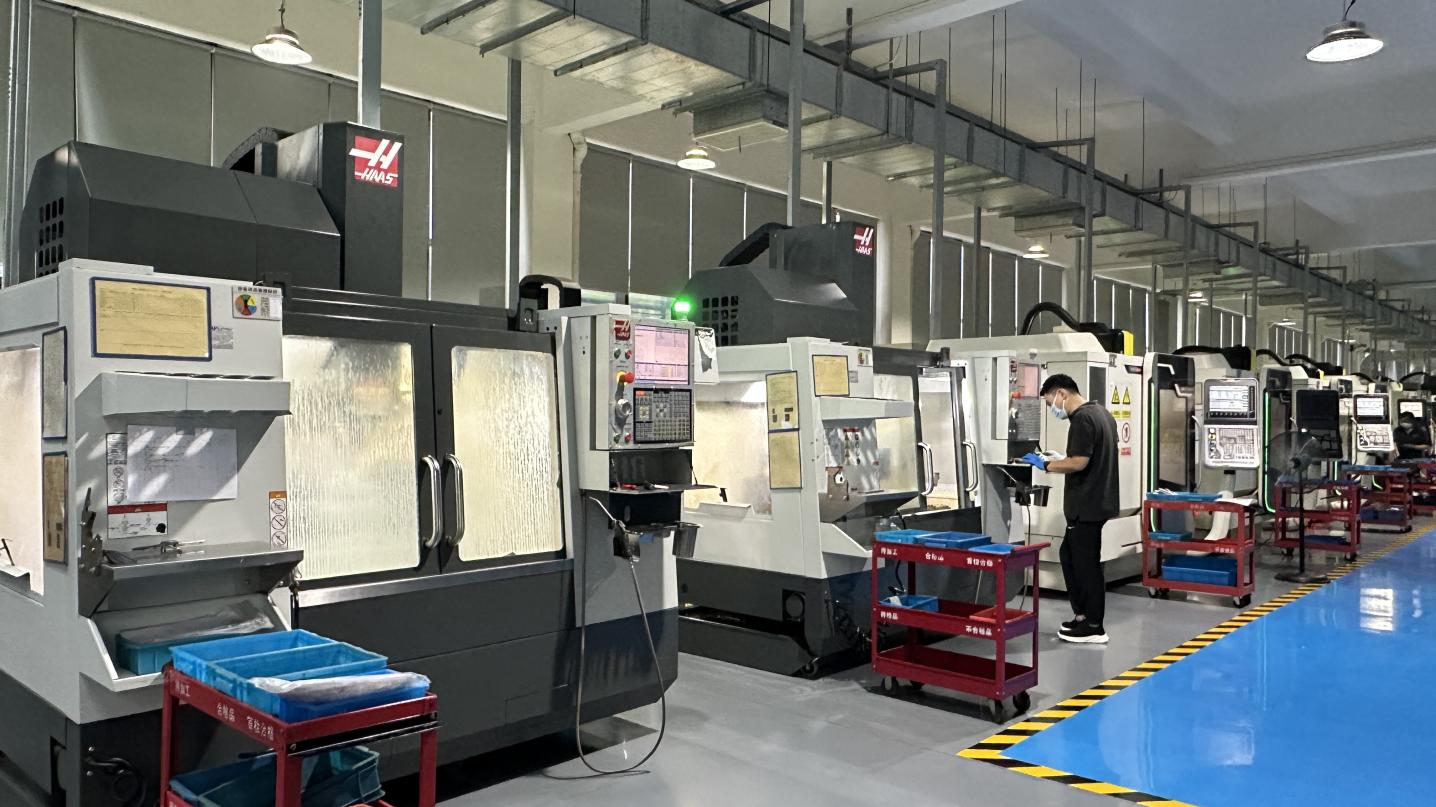
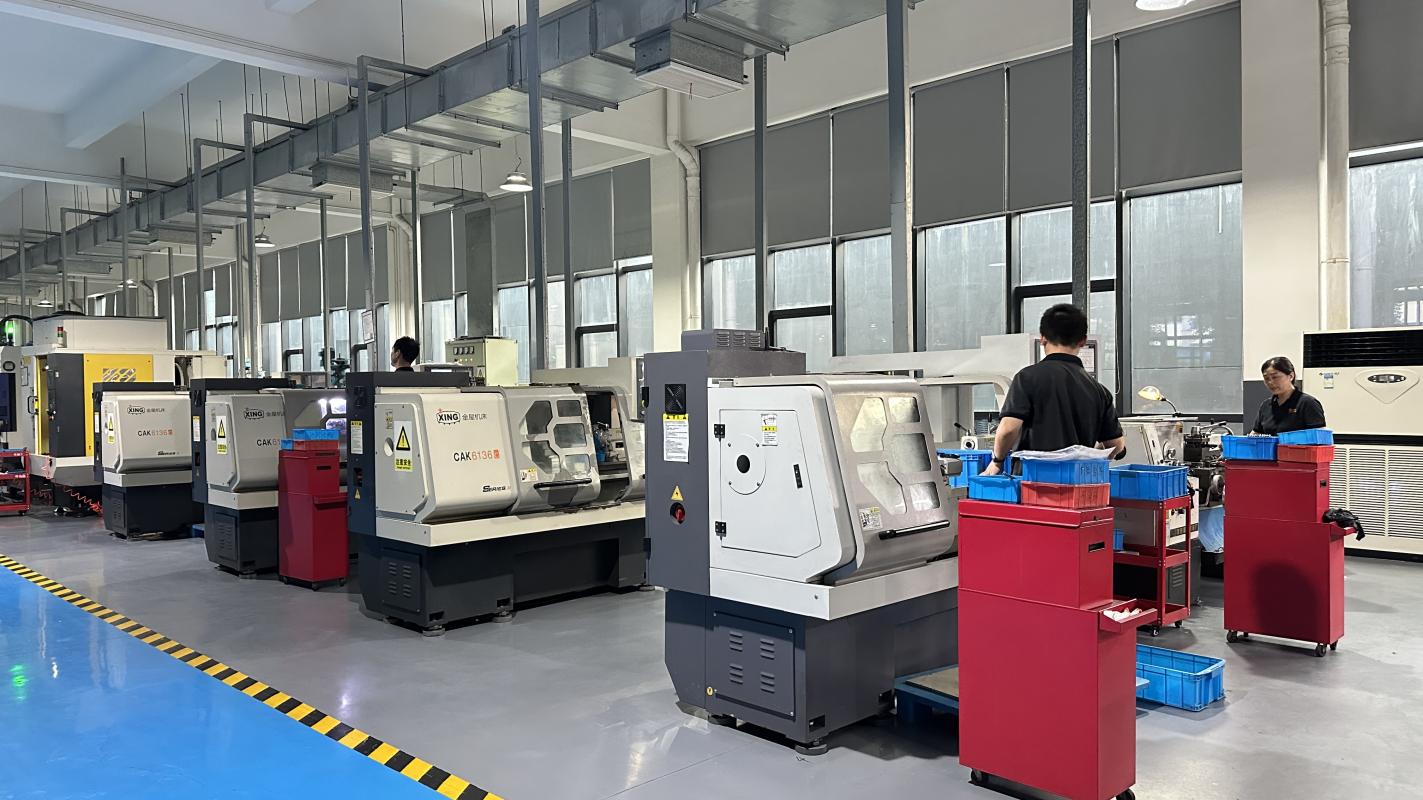
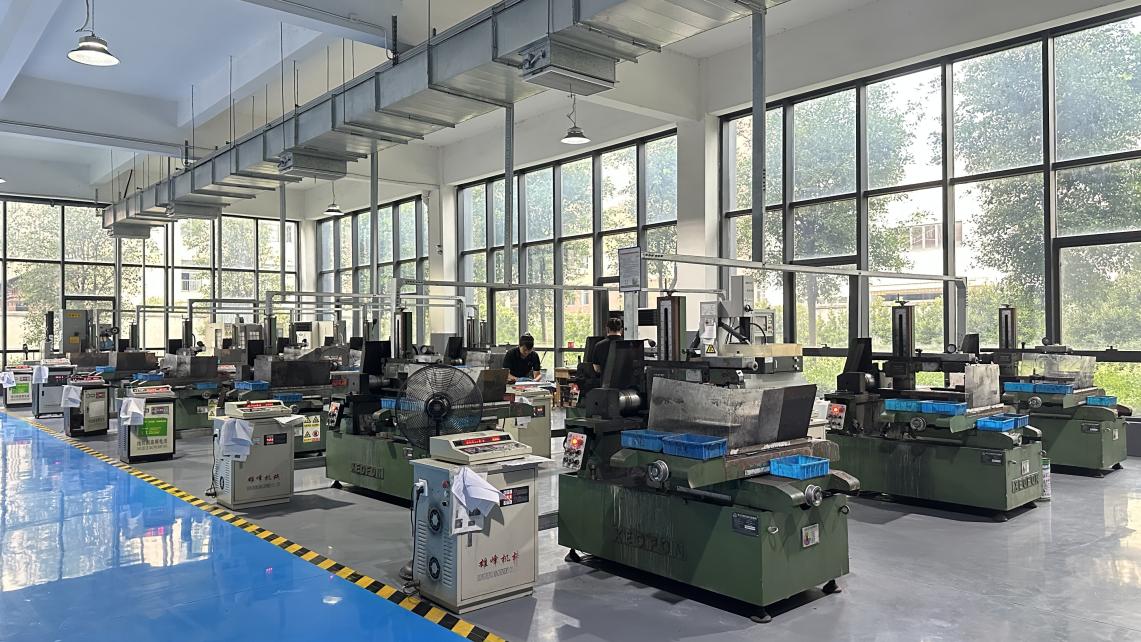
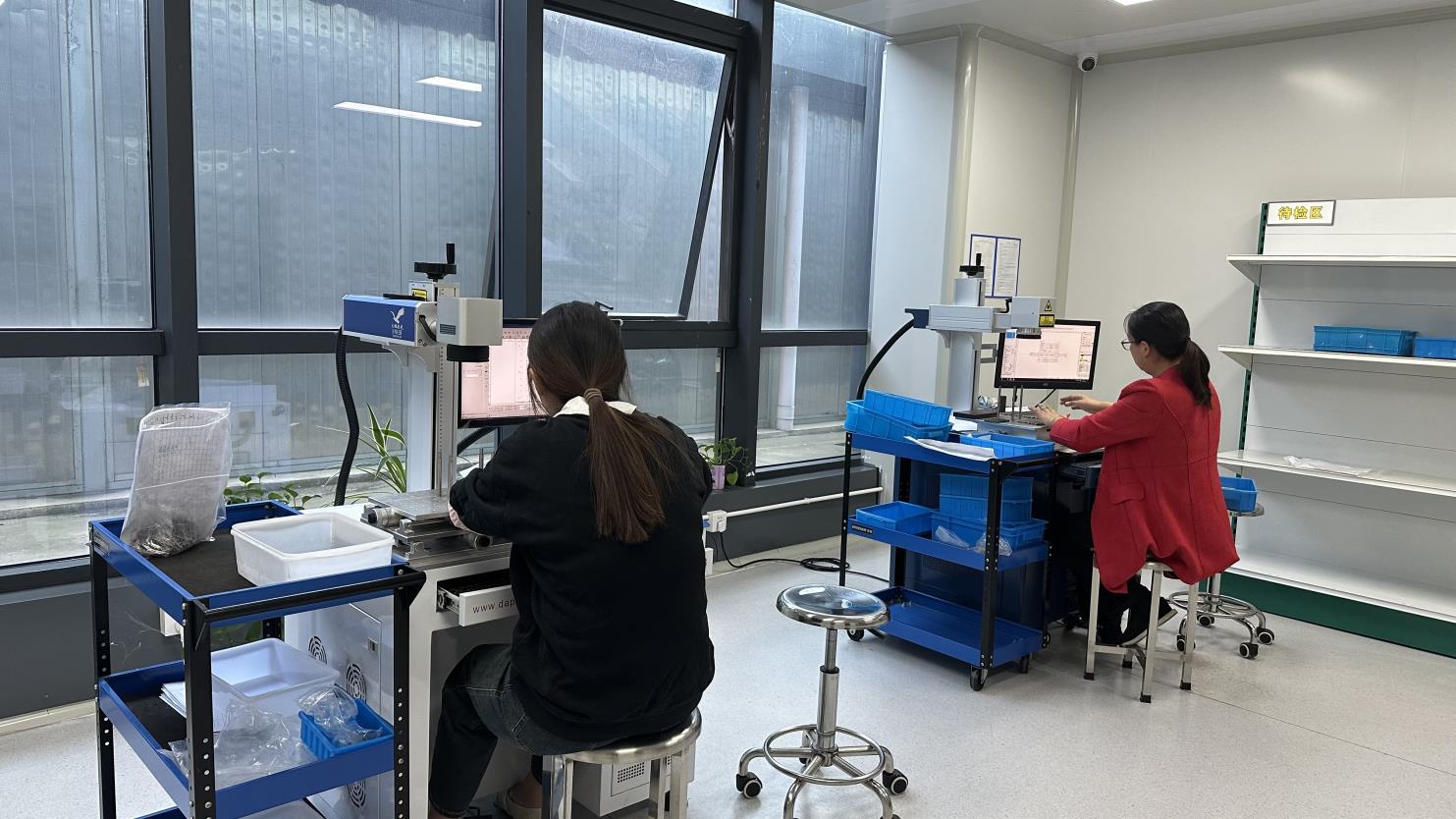
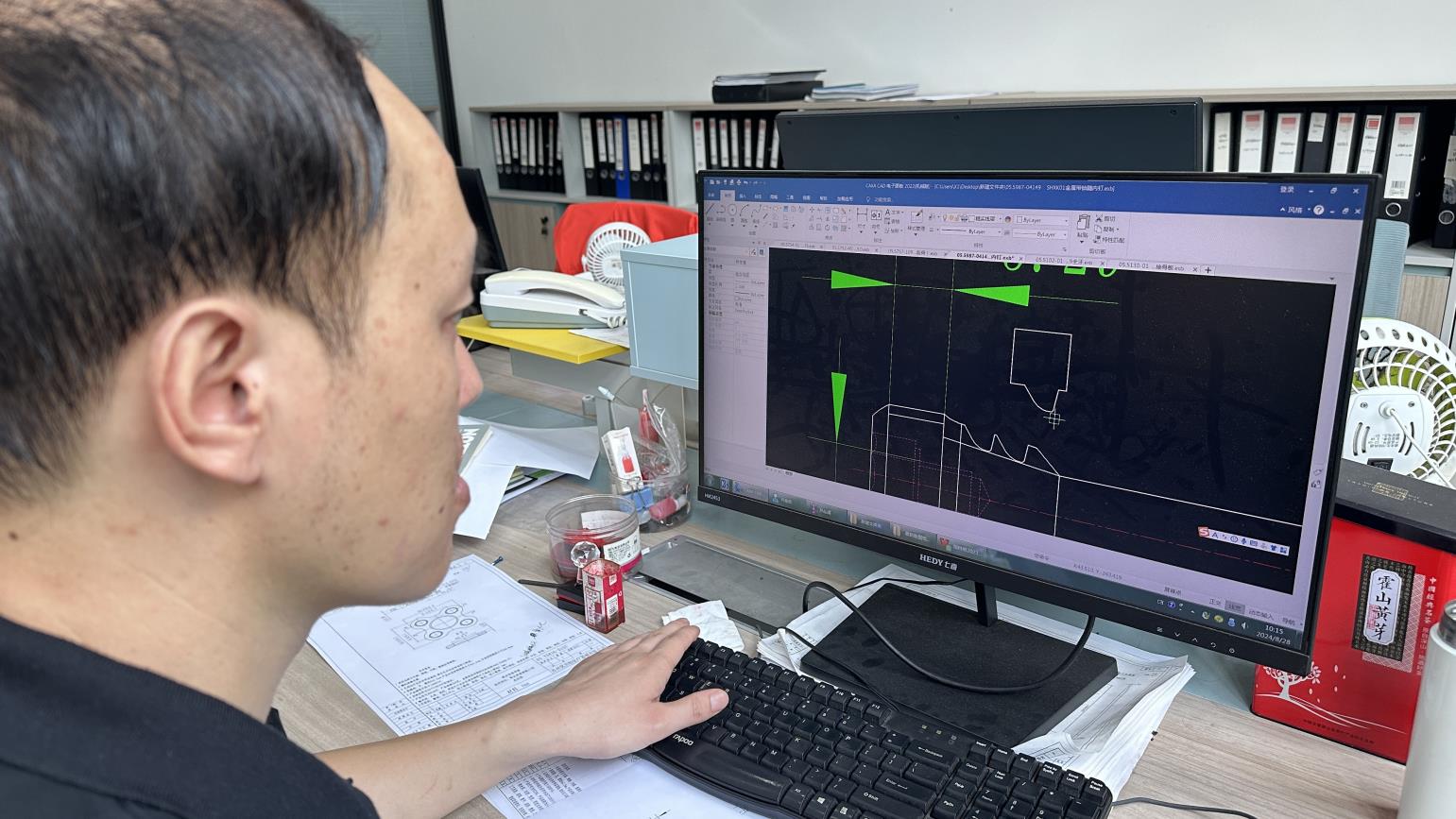
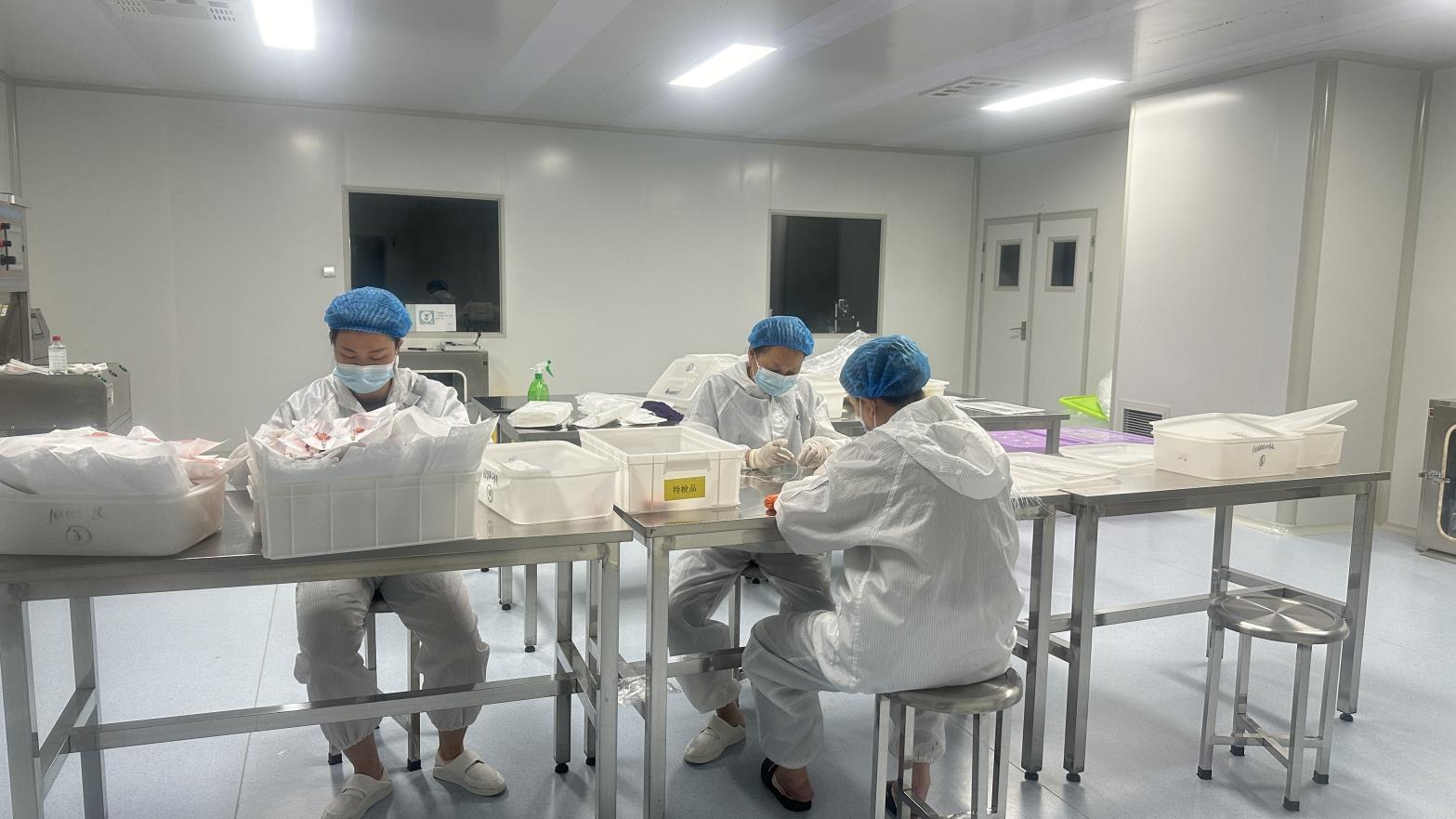
Ensuring absolute compliance with FDA, CE MDR, and specialized clinical surgical centers globally.
Under international health authorities (such as the FDA in the United States and the European Medicines Agency under CE MDR guidelines), cervical interbody cages are classified as high-risk Class III medical devices. Compliance requires comprehensive technical documentation, including biological safety evaluations (ISO 10993) and static and dynamic compression fatigue testing (ASTM F2077 / ASTM F2267) to simulate long-term physiological cycles.
At Bonevia, our 35 quality specialists manage a closed-loop quality assurance system. From incoming raw material verification (certifying PEEK polymer structures or titanium grade chemistry) to final sterilization packaging (ISO 11607 compliant cleanrooms), every single batch is fully traceable. This dedication allows our medical distributor partners to quickly clear localized registration processes across Europe, the Middle East, and Latin America.
Cervical spinal reconstruction varies across clinical environments. Modern orthopedics requires tailored systems:
The engineering horizon: Smart implants, bioactive coatings, and bioresorbable polymers.
The future of interbody fusion lies in biochemical osteogenesis. Standard PEEK has long faced criticism due to its hydrophobic nature and tendency for fibrous encapsulation. Bonevia's research department is developing bioactive surface coatings. By depositing micro-layers of Hydroxyapatite (HA) or Silicon Nitride (Si3N4) onto PEEK substrates, future designs will promote direct chemical bonding with host bone tissues without altering the desirable radiolucency and low modulus of PEEK.
With the integration of nanoscale sensors, future orthopedic cages will monitor real-time biomechanical strains, pH changes, and inflammatory markers at the graft site. This diagnostic data will be wirelessly transmitted to clinicians, providing non-invasive confirmation of solid fusion. This technology will allow patients to safely accelerate their physical rehabilitation programs without relying on multiple high-dose CT scans.
Detailed technical answers for spine surgeons, hospital procurement directors, and international distributors.
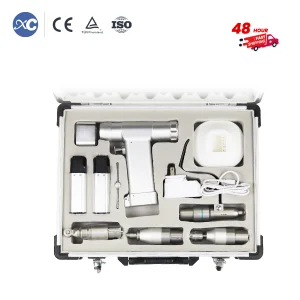
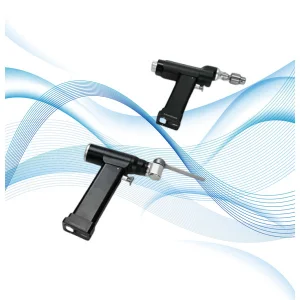
Explore our highly integrated plate systems, reconstructive devices, and high-precision power tools.