Bonevia
Bonevia
Bonevia
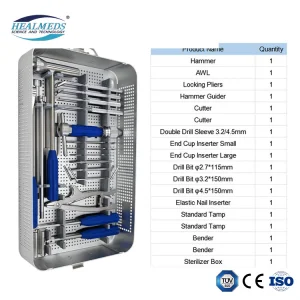
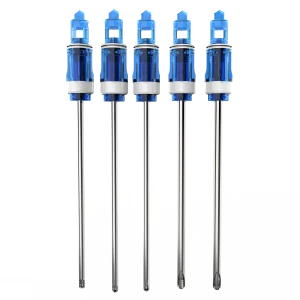
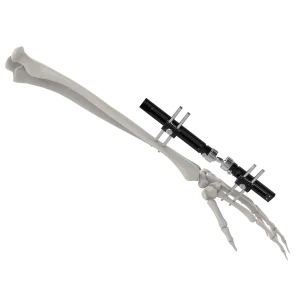
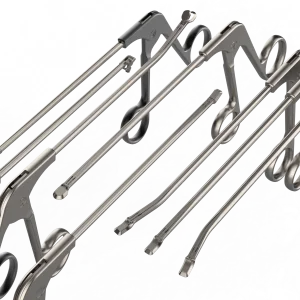
In global reconstructive orthopedics, Circular External Fixators—predominantly established upon the physiological tenets of the Ilizarov method—stand as the gold standard for treating complex non-unions, osteomyelitis, angular deformities, and severe limb length discrepancies. Unlike traditional unilateral frames, circular fixators offer multiplanar stability that accommodates early weight-bearing, facilitating distraction osteogenesis under controlled mechanical micro-strain. This biomechanical dynamic initiates structural bone regeneration via target distraction rates typically calibrated to 1mm per day.
The contemporary global commercial ecosystem demand for circular external fixators spans critical high-energy trauma infrastructure, pediatric corrective institutions, and military medical services. Medical professionals demand materials and structural configurations capable of tolerating intense mechanical stresses. To achieve this, leading exporters must bridge advanced metallurgical material science with high-precision manufacturing. Structural elements like rings, transfixion wires, half pins, and dynamic telescopic struts require micro-tolerance engineering to eliminate structural slippage during correction protocols.
Circular ring configurations distribute axial loads symmetrically across the mechanical axis, transforming shear forces into beneficial compressive strains that stimulate cortical osteogenesis.
High-grade Titanium alloy (Ti-6Al-4V ELI) and carbon fiber rings reduce frame weight significantly, minimizing patient fatigue while ensuring complete radiolucency for clear radiographic checks.
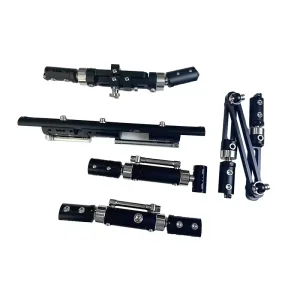
Modular hardware arrays, such as hinges, half rings, olive wires, and click-adjustable struts, support custom configurations tailored to unique structural patient anatomies.
Bonevia Orthopedic Technology Co., Ltd. is a professional manufacturer specializing in orthopedic implants and surgical solutions, dedicated to advancing innovation in trauma, spine, and joint reconstruction products. Since its establishment in 2015, the company has grown steadily into a trusted supplier in the global orthopedic industry.
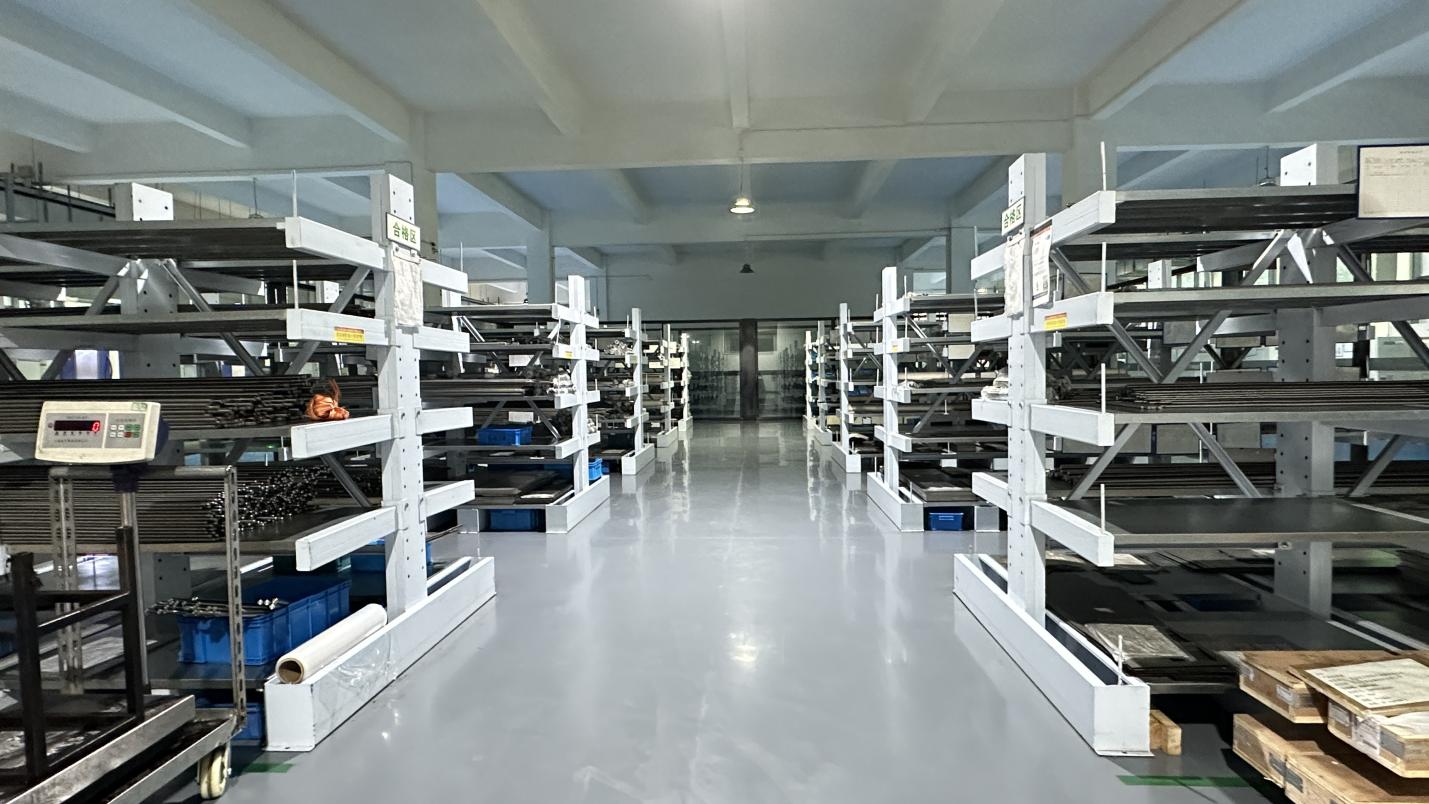
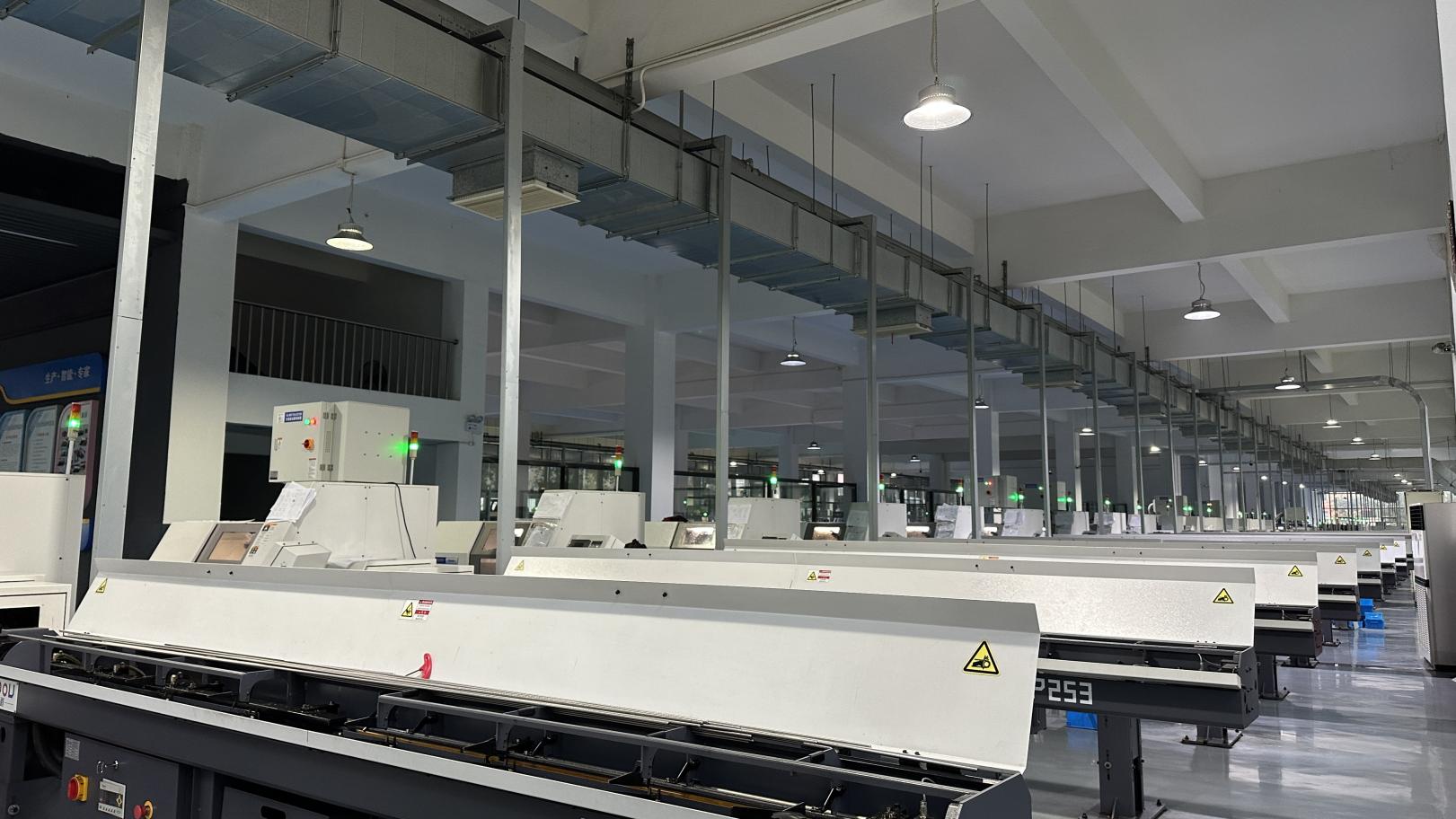
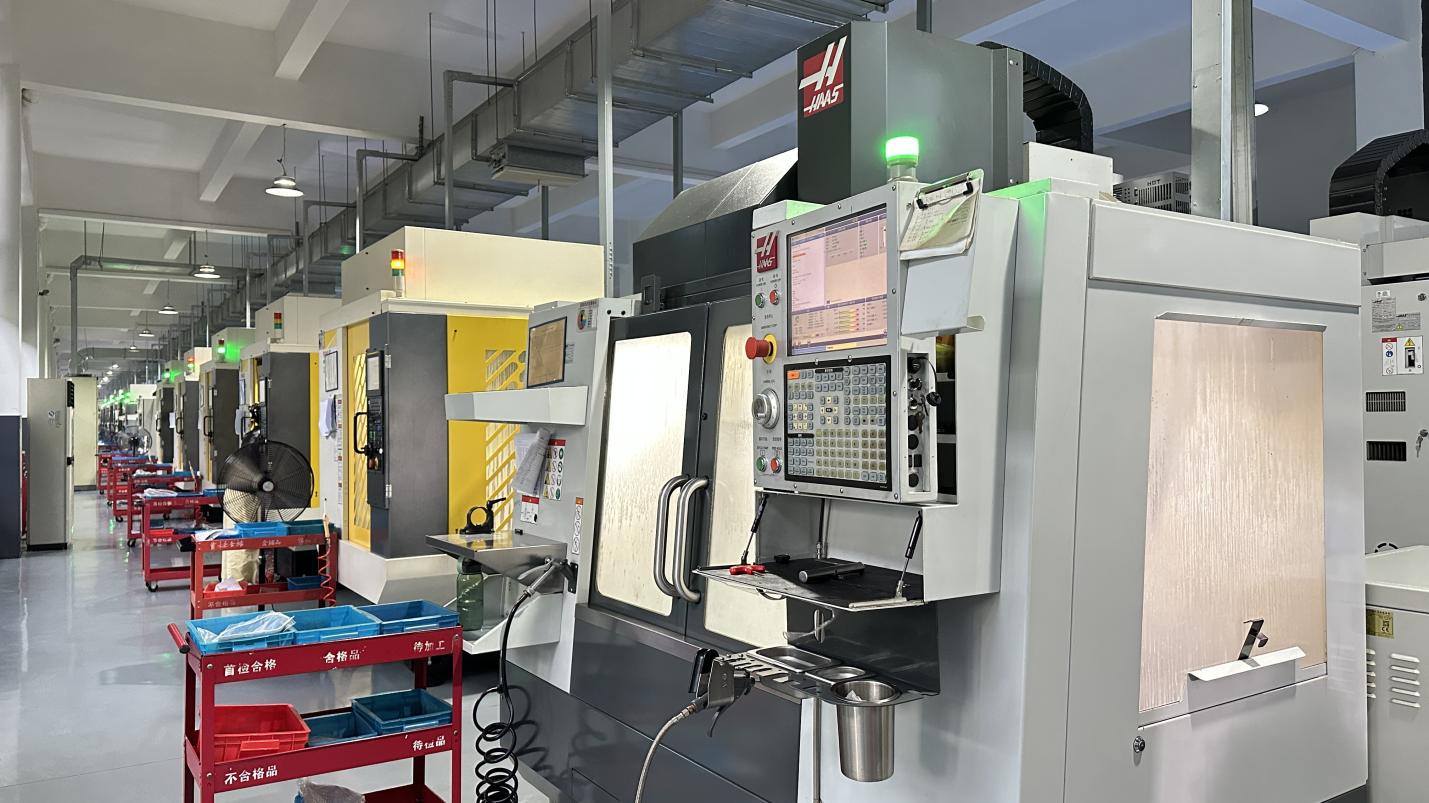
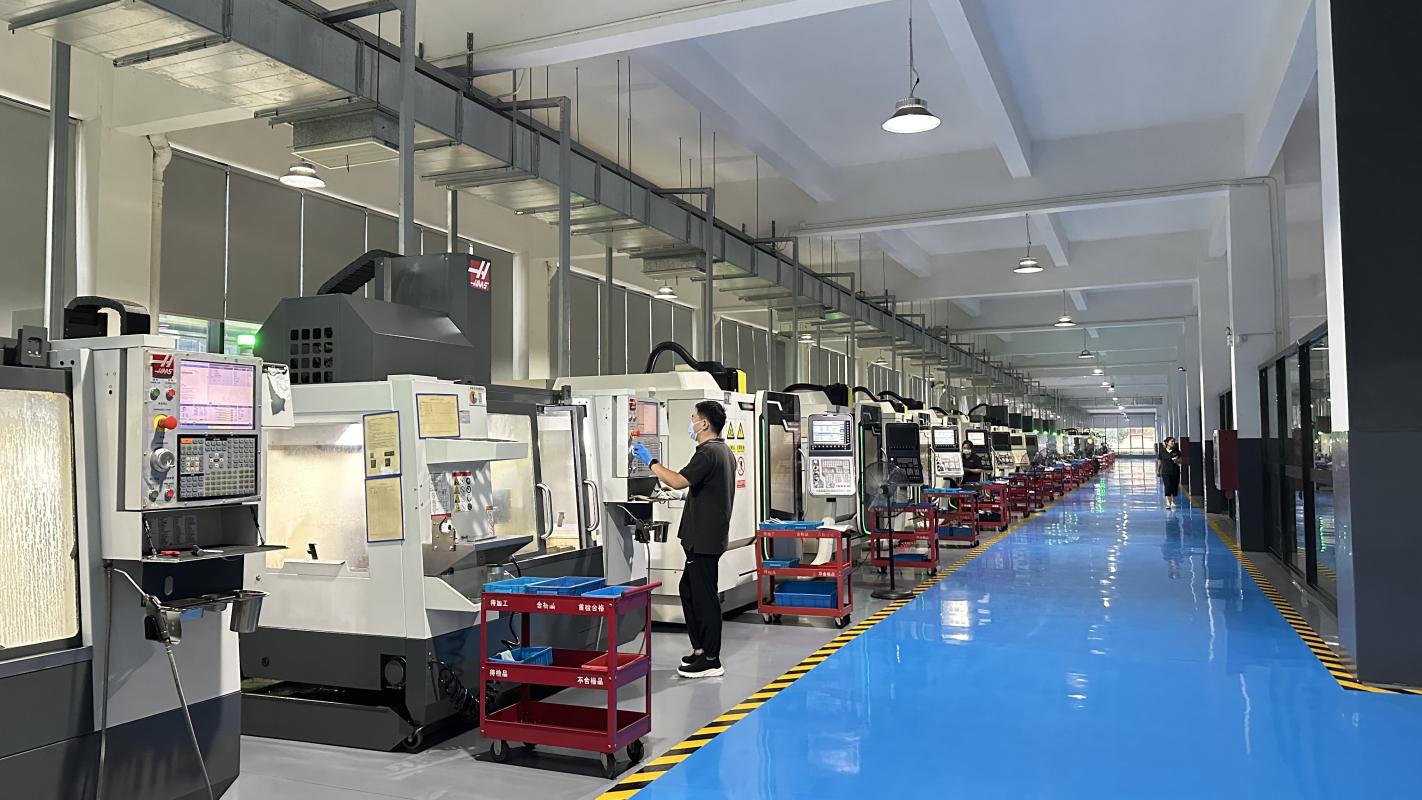
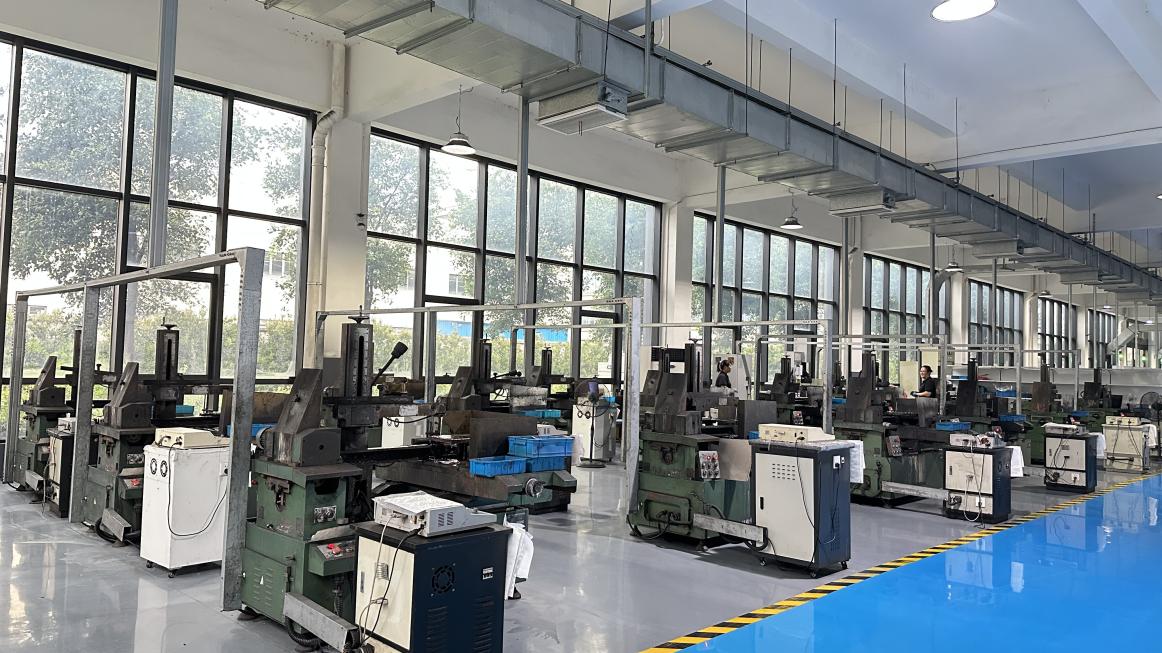
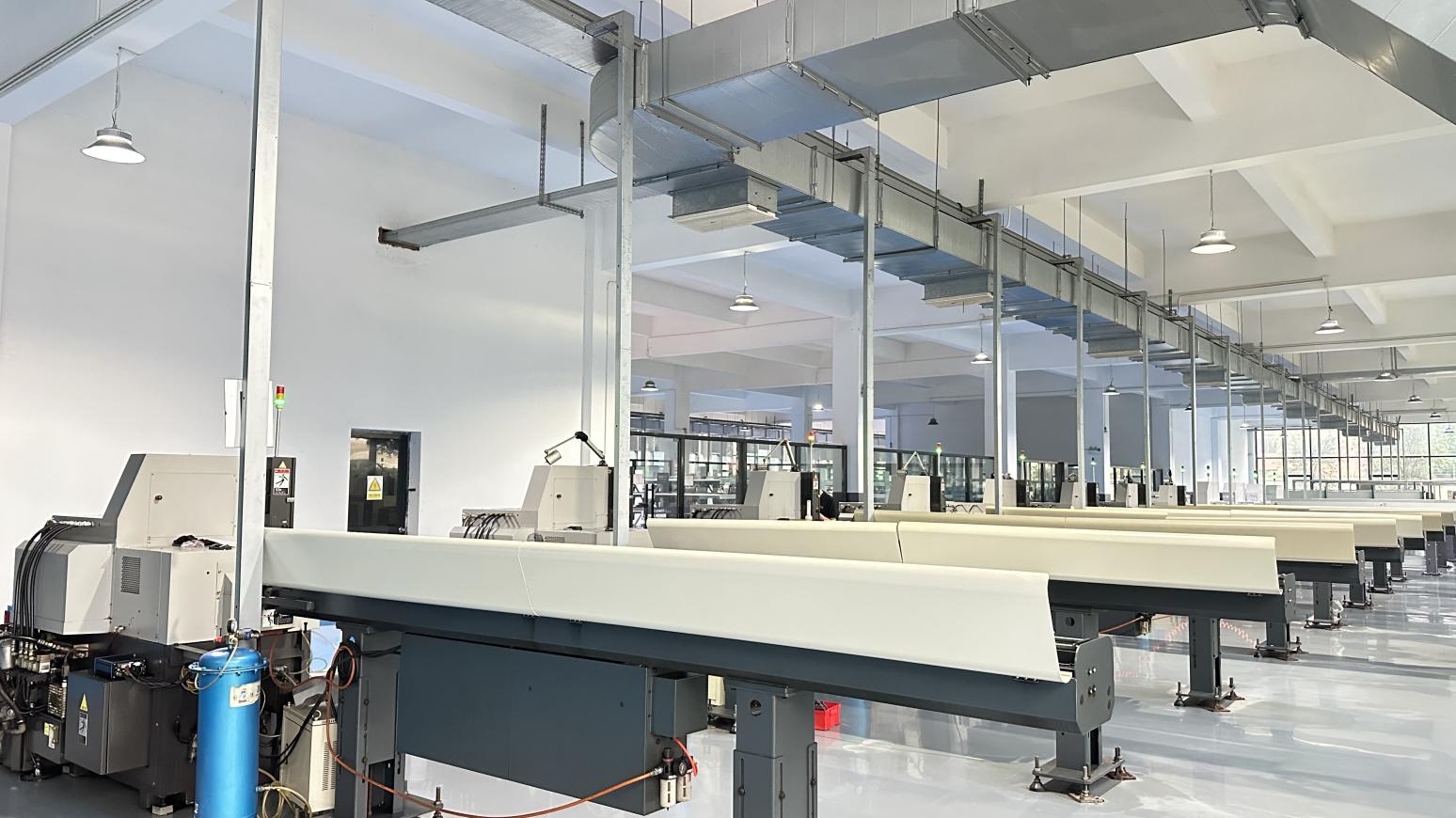
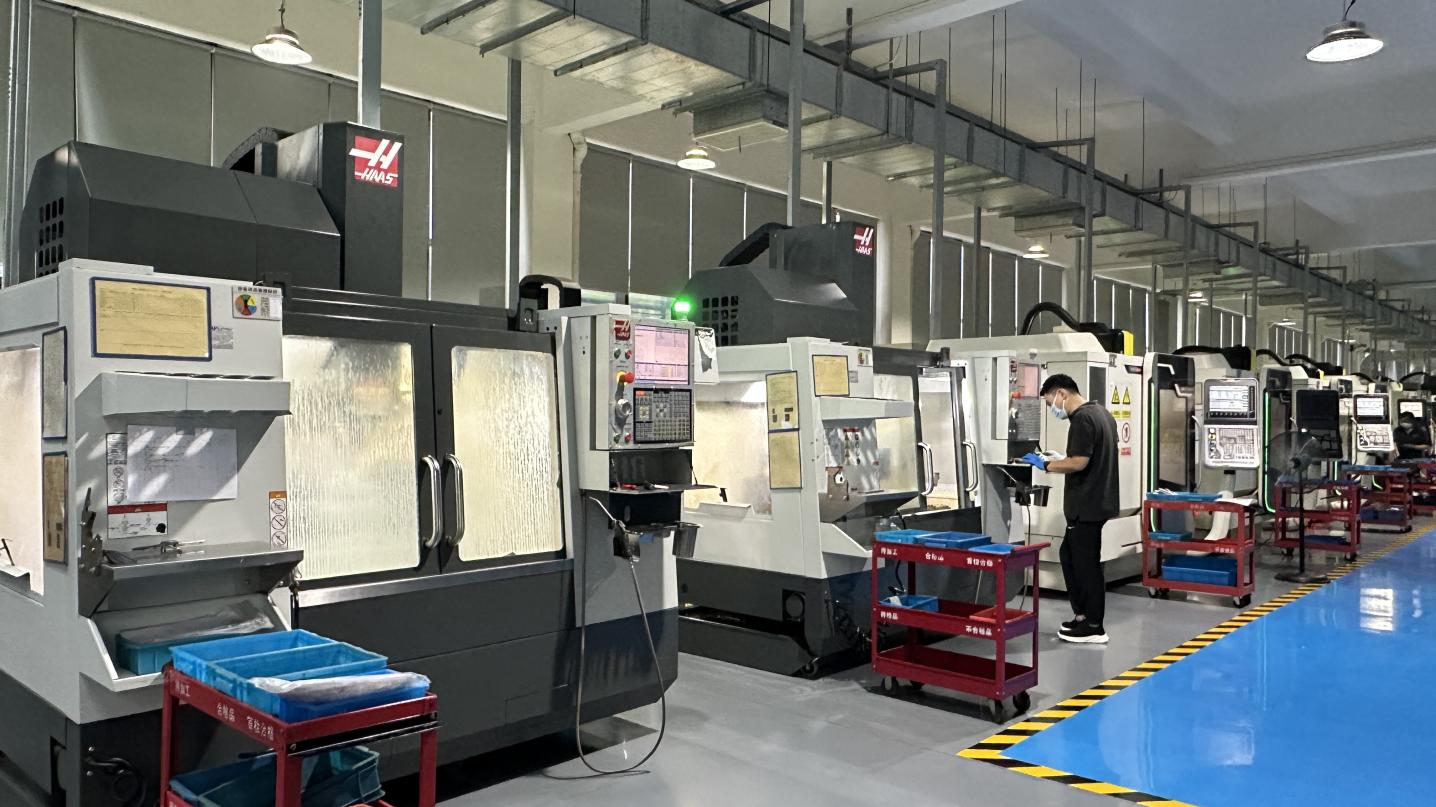
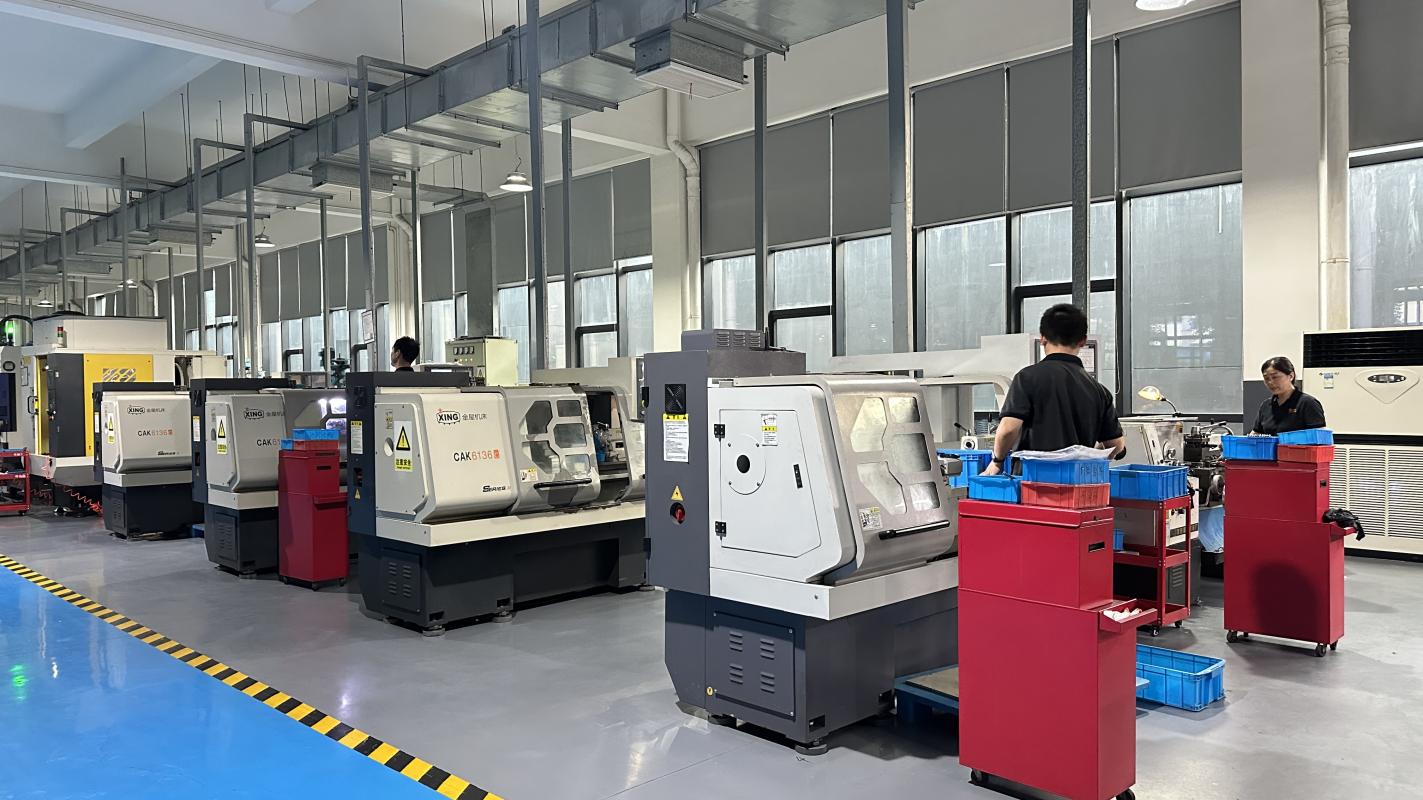
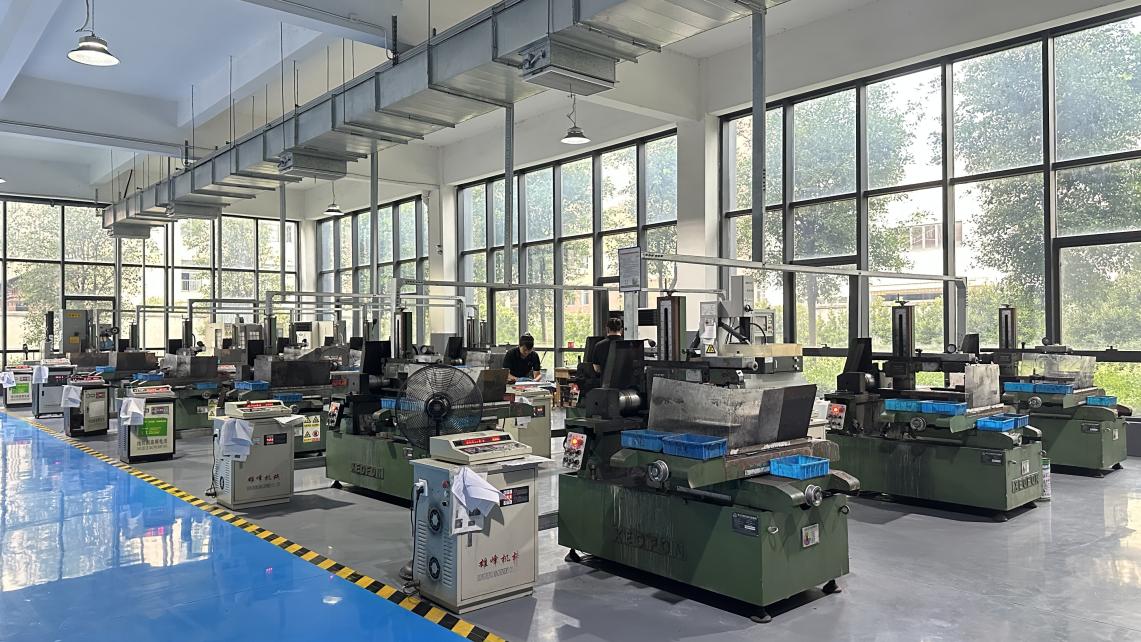
With a modern production facility covering approximately 320㎡, Bonevia maintains strict quality management standards and efficient manufacturing processes. The company records an annual export revenue of around USD 8–15 million, supported by 6 years of export experience and over 10 years of overall industry experience.
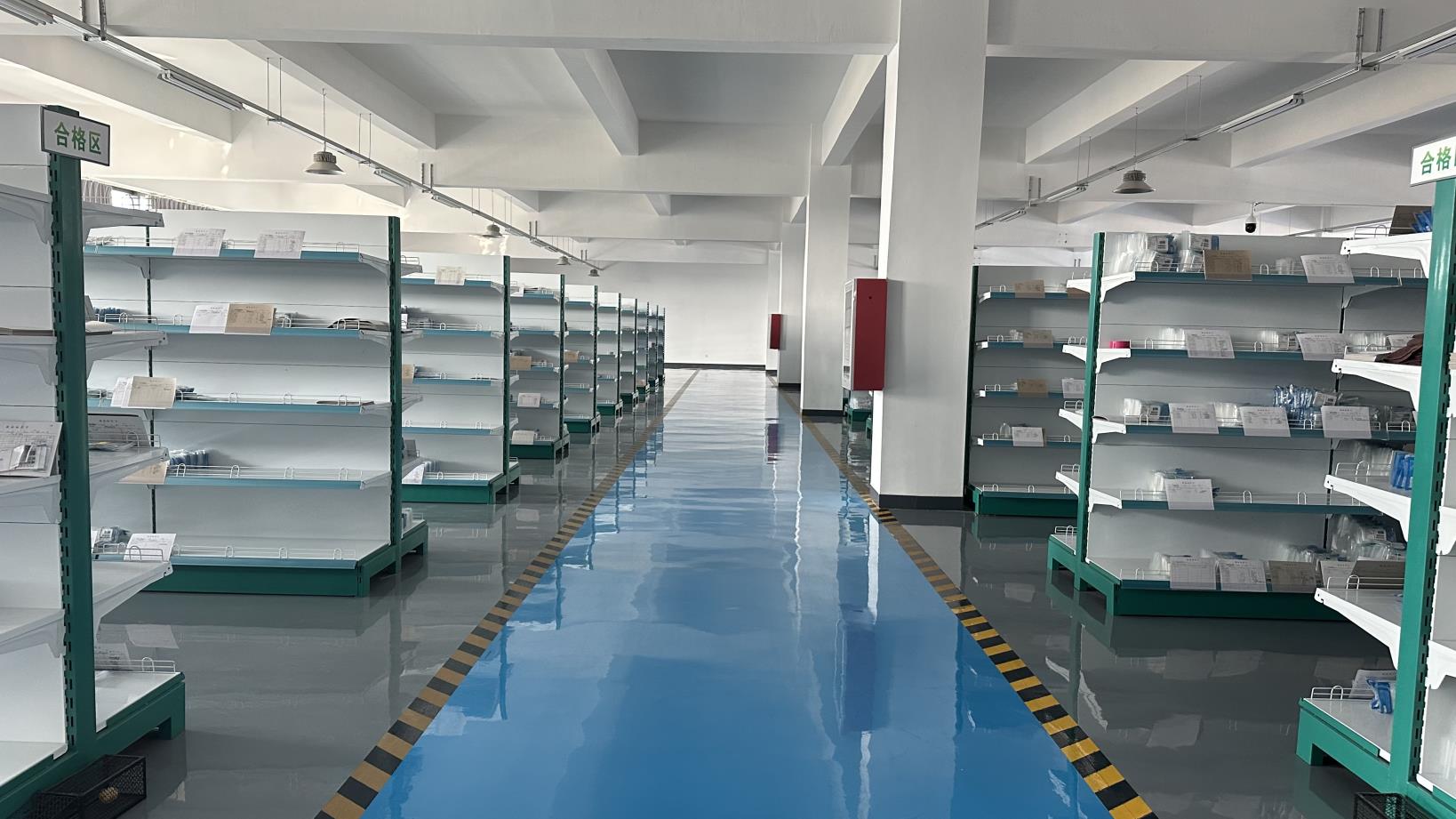
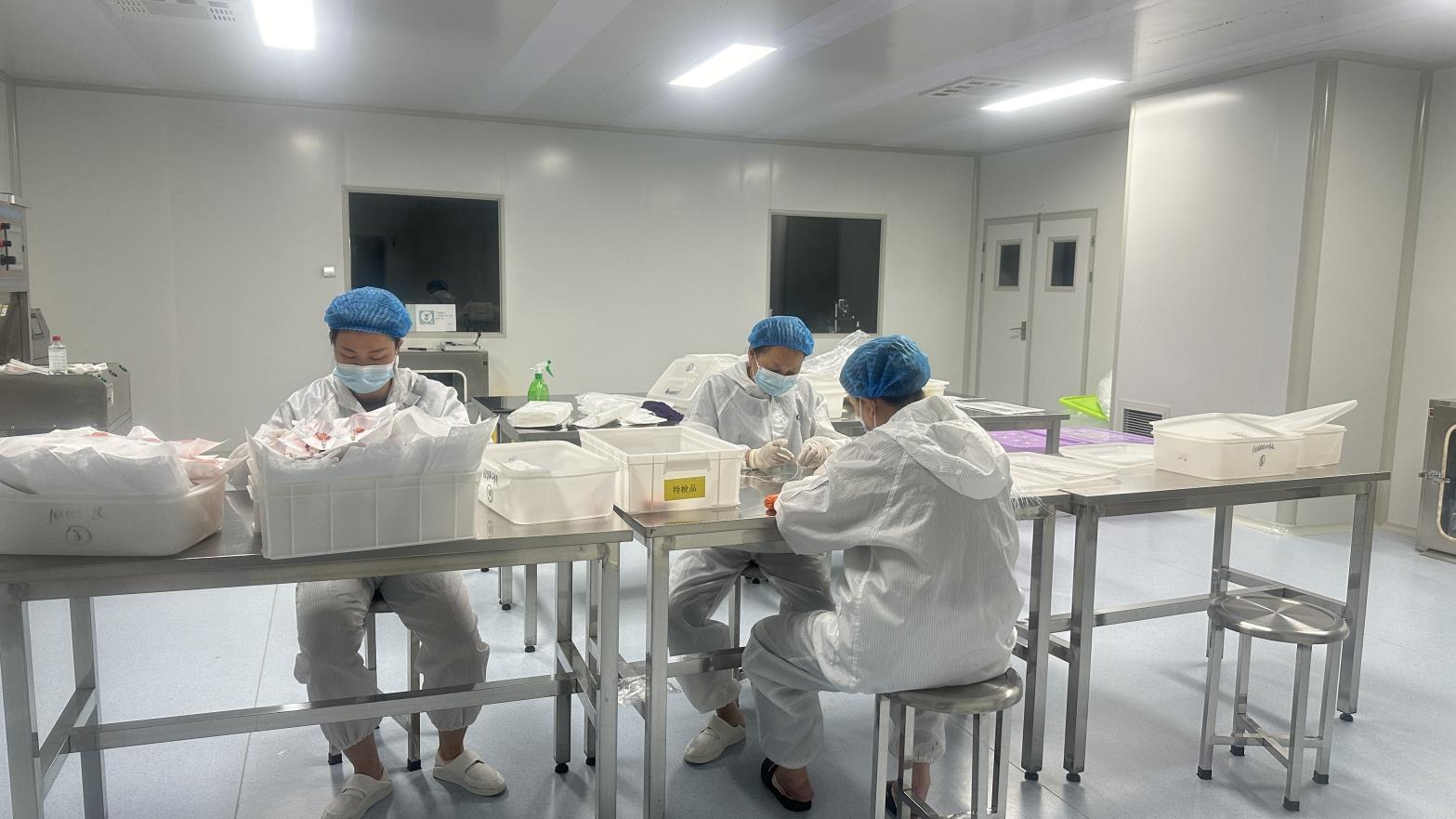
Quality assurance is a core focus at Bonevia. The company implements multiple inspection methods including incoming material inspection, in-process quality control, and final product testing, supported by a dedicated quality team of 35 professionals. This ensures all products meet international medical device standards.
Bonevia has a solid trade foundation with diversified global distribution networks, serving major markets across Europe, Southeast Asia, the Middle East, and South America. Its supply chain ecosystem includes more than 850 partners, enabling stable raw material sourcing and efficient production delivery.
The company serves a wide range of clients, including hospitals, orthopedic clinics, surgical centers, and medical distributors. Bonevia also demonstrates strong R&D capabilities, offering OEM and ODM customization services to meet specific clinical requirements. In the past year, Bonevia successfully launched 120 new product designs, supported by a research and development team of 85 engineers, continuously driving innovation in orthopedic implant systems and surgical instruments.
The application of circular external fixators varies significantly across international markets, dictated by regional clinical demands, localized healthcare structures, and specific patient demographics. Understanding these localized environments enables Bonevia to customize orthopedic systems for direct integration into surgical settings worldwide.
In regions experiencing rapid industrialization and high traffic density, high-energy open tibia fractures and multi-fragmented bone trauma are common. Bonevia's modular rings support fast stabilization, matching acute trauma center demands.
Post-infectious non-unions, osteomyelitis, and congenital bone defects demand long-term stability. The stability of Titanium circular frames allows patients to tolerate month-long distraction cycles while reducing infection rates compared to internal plates.
Blast injuries, severe bone defects, and crush injuries require radical bone transport. Bonevia's circular fixators facilitate progressive translation and bone lengthening, aiding limb salvage under challenging post-operative conditions.
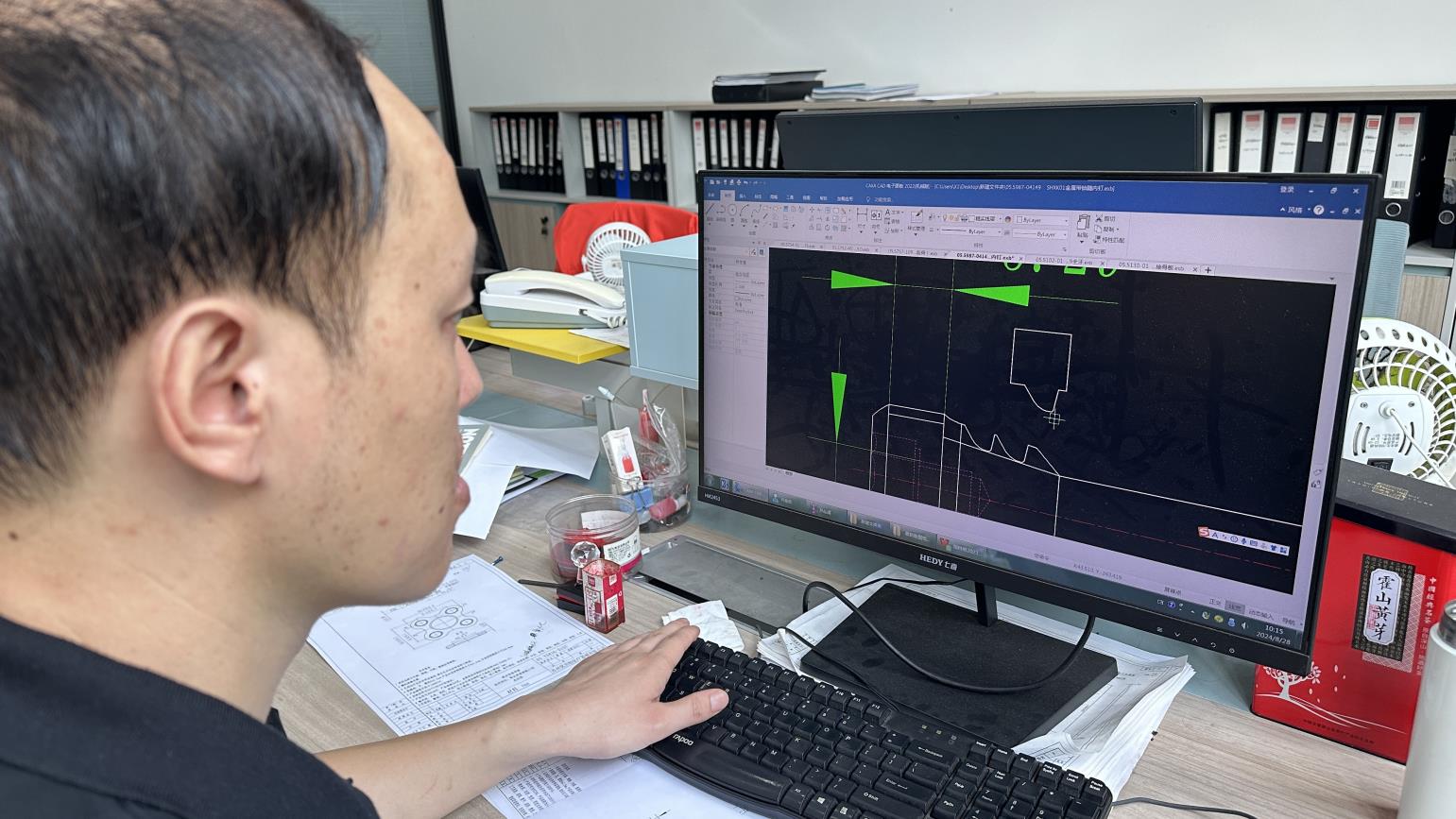
The field of circular external fixation is evolving rapidly from manual frame calculations to digital, patient-specific reconstruction methods. Bonevia's R&D path focuses on integrating biomechanical structures with digital tools:
Integrating 6-strut spatial frame hardware with proprietary planning software. Surgeons input radiological parameters to generate precise daily strut-adjustment schedules, improving correction outcomes.
Integrating micro-strain sensors into telescopic struts to measure real-time load sharing. This data provides objective insights into regenerate bone stiffness, indicating safe timelines for frame removal.
R&D trials for 3D-printed Titanium and PEEK external components. These customized frames are tailored to patient anatomy, shortening surgical duration and optimizing clinical workflows.
Bonevia leverages China's specialized industrial clusters to optimize cost, quality, and delivery speed. Sourcing raw titanium from key metallurgical centers like Baoji ensures stable access to medical-grade materials, shielding global buyers from price volatility.
Our integrated manufacturing model combines raw processing, heat treatment, anodization, and sterile packaging within a unified regional ecosystem. Supported by over 850 supply partners, we maintain steady delivery timelines. Our 85-engineer R&D division accelerates prototyping, reducing the design-to-delivery cycle for custom OEM orders compared to Western manufacturers.
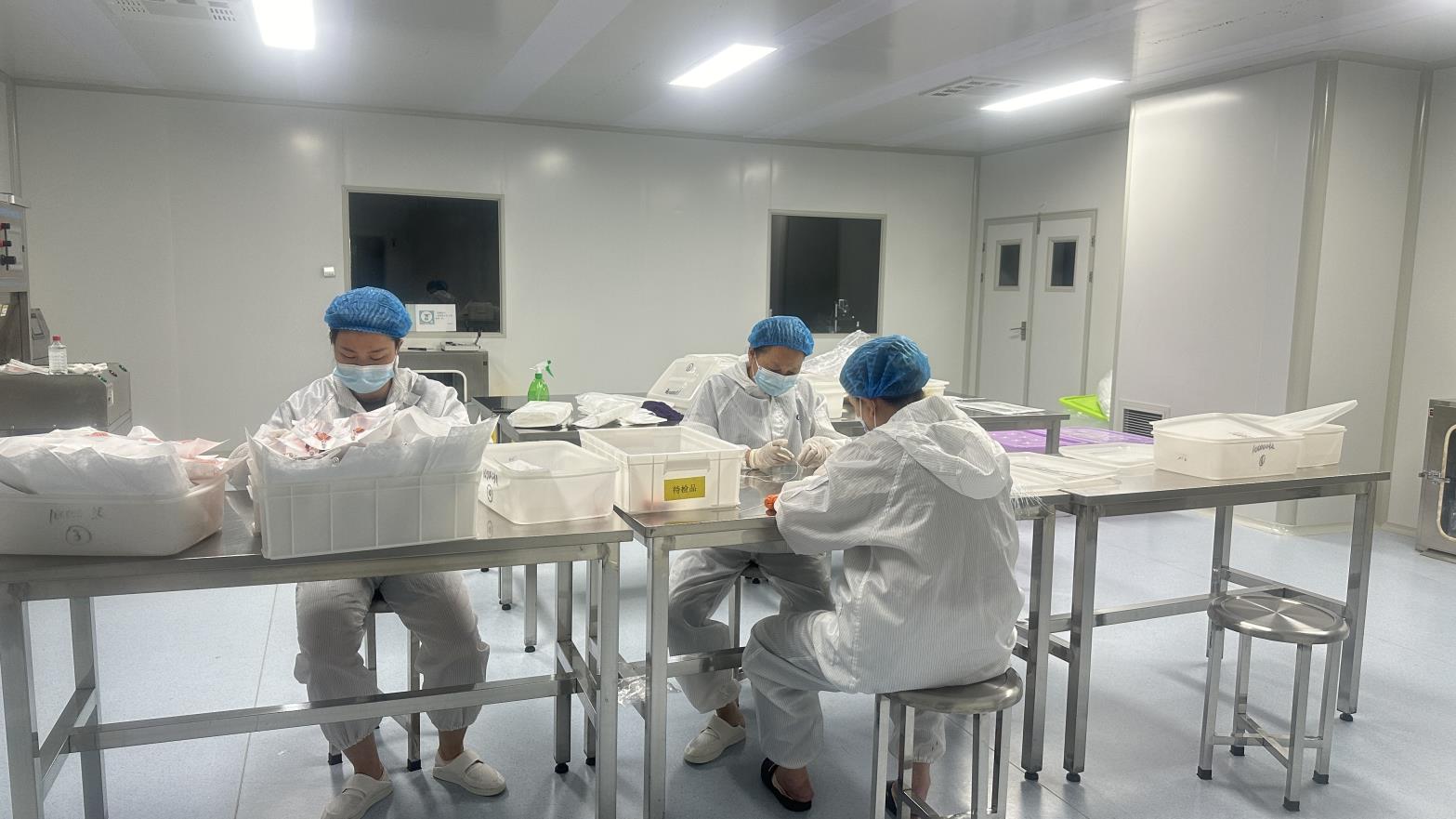
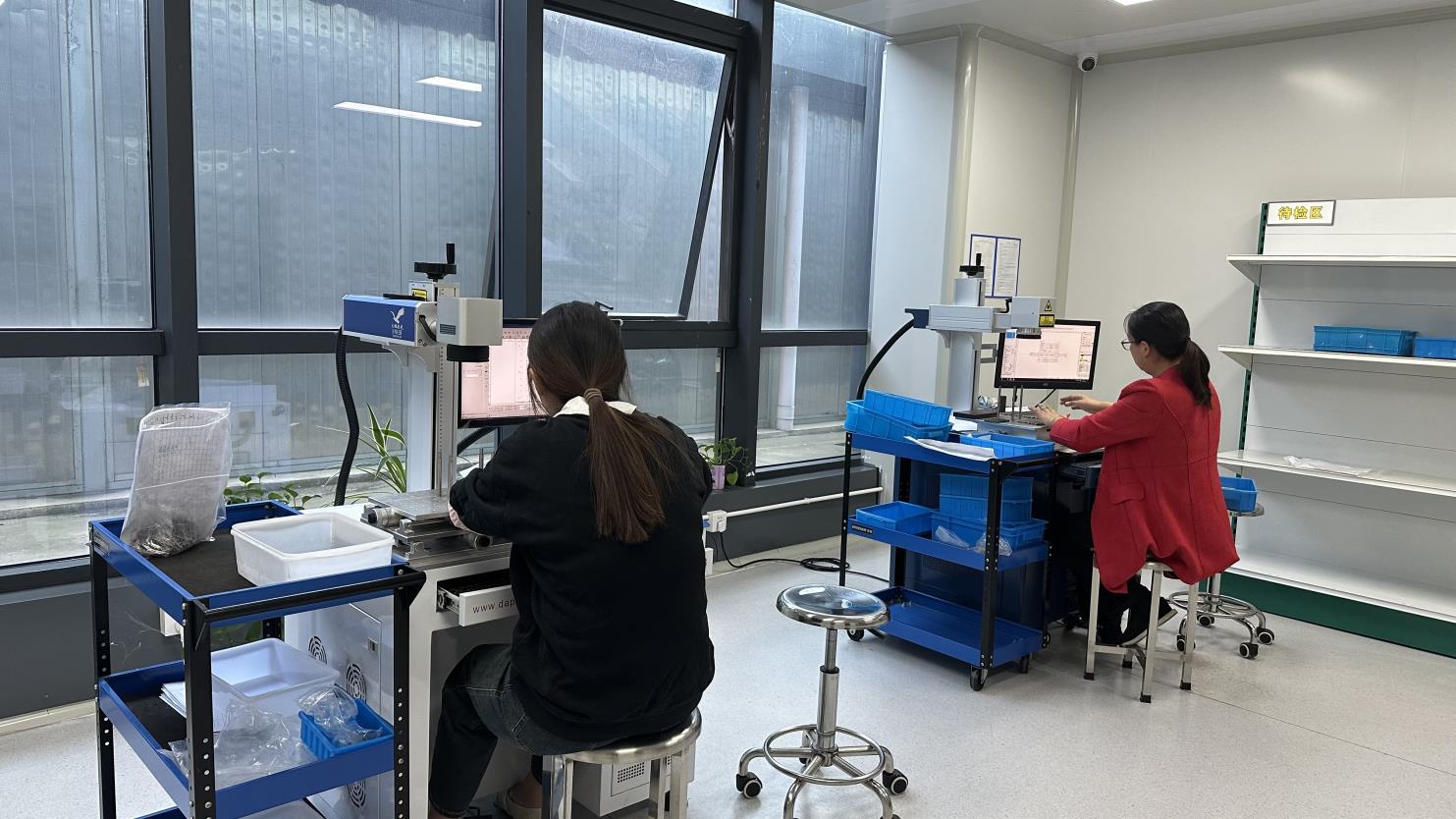
Exporting orthopedic hardware requires rigorous compliance. Bonevia operates under ISO 13485 quality systems, implementing multi-stage testing covering raw materials, machining processes, and final cleanroom checks.
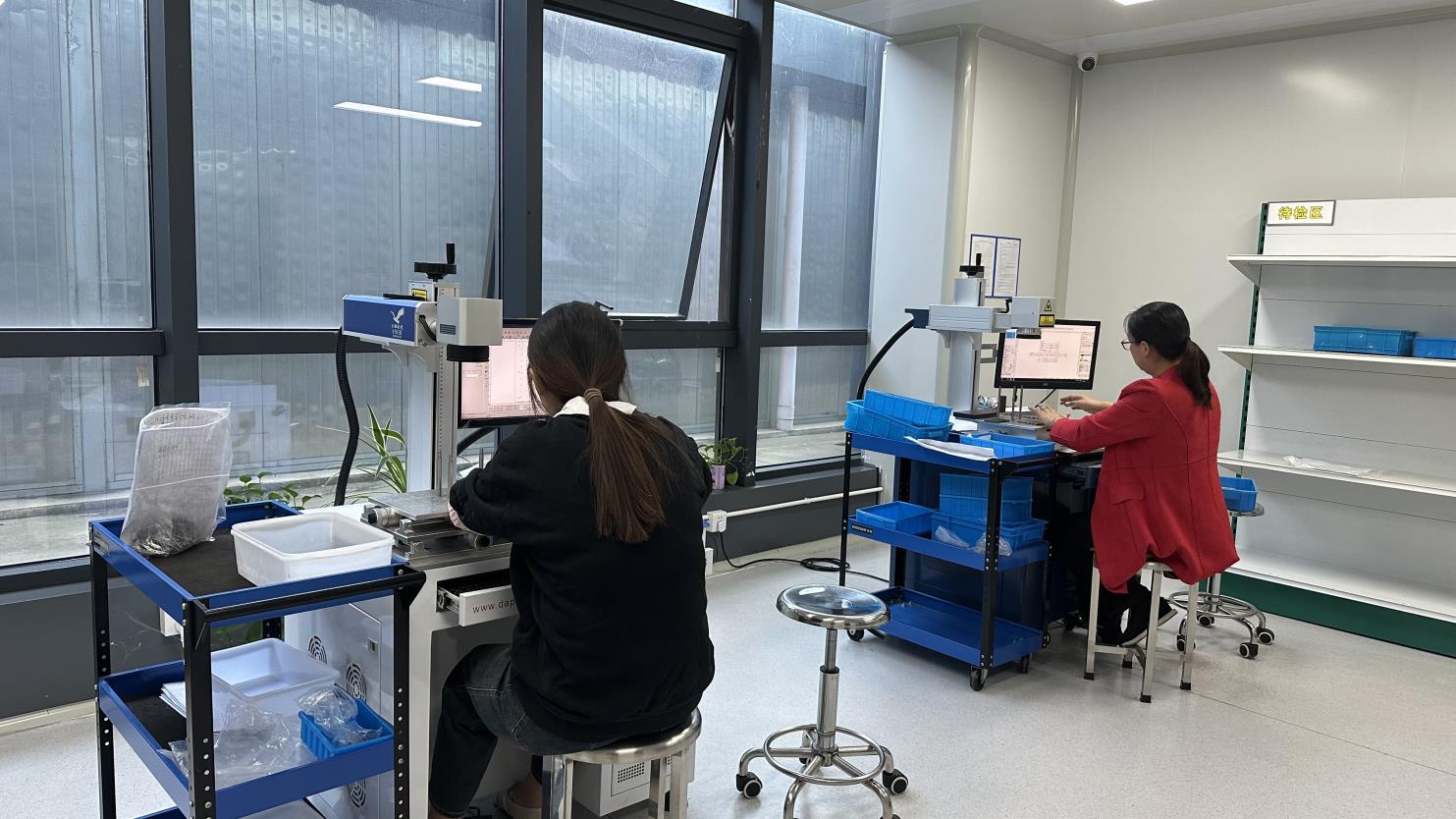
We provide comprehensive registration documentation (including technical dossiers and biocompatibility certificates) to streamline customs entry in Europe, Southeast Asia, the Middle East, and South America. Each batch features laser-etched UDI codes, ensuring complete traceability from manufacturing through clinical use.
Titanium alloy (Ti-6Al-4V ELI) rings provide superior mechanical strength and structural durability, essential for complex load-bearing setups. Carbon fiber rings offer radiolucency, allowing unobstructed X-ray monitoring of bone healing, and are lighter, which improves patient comfort during long treatment cycles.
Our 35-person quality team monitors every stage of production. Raw materials undergo spectroscopic validation, and machining uses automated CNC programs with tight tolerances. Laser marking creates unique device identification (UDI) for full traceability, followed by final dimensional checks.
We supply complete technical documentation, including ISO 13485 certificates, material mill sheets, biocompatibility analysis, cleanroom validation, and instruction manuals. These files help distributors secure local health authority registrations.
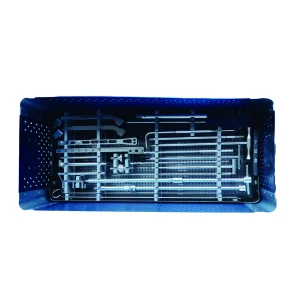
Yes. Backed by 85 engineers, our R&D division offers OEM and ODM services. We design custom ring configurations, dedicated instrument trays, and specialized surgical tools to meet target regional specifications.