Bonevia
Bonevia
Bonevia
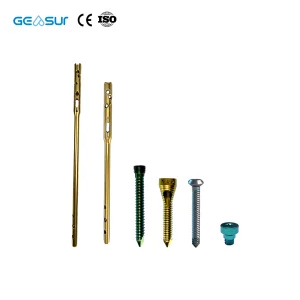
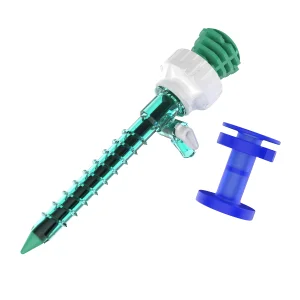
Spinal deformity corrections demand fixation systems that balance biomechanical rigidity with ease of reduction. Modern Reduction Pedicle Screws have revolutionized the treatment of severe spondylolisthesis, scoliosis, and thoracic-lumbar fractures.
Traditional pedicle screw placement in deformed or displaced vertebrae often requires auxiliary orthopedic reducers, which can increase operating time and mechanical stress on the bone-screw interface. Reduction pedicle screws mitigate this by integrating extended breakaway tabs. This feature provides surgeons with a direct mechanical path to progressively pull the spinal rod into the tulip head, ensuring anatomical alignment with controlled, micro-adjustable force.
As clinical requirements shift toward minimally invasive surgery (MIS), global healthcare systems prioritize manufacturers capable of producing high-integrity implants that resist tab deformation under torque and guarantee seamless break-offs without leaving metallic debris.
The global spine surgery market is undergoing significant transitions. Rising geriatric populations, increasing prevalence of degenerative disc diseases, and a global shift toward ambulatory surgical centers (ASCs) drive the demand for low-profile, highly customizable spinal instrumentation systems. Strategic buyers, including medical device distributors, regional hospital networks, and contract design groups, look for partners who can deliver clinical-grade reliability at a sustainable cost structure.
Every micron determines biomechanical stability. Strict tolerance levels prevent cross-threading and internal tulip wear.
Class III CE and FDA 510(k) clearances are non-negotiable for target markets, demanding comprehensive trace documents.
OEM/ODM capacity must adapt dynamically, offering custom screw pitches, lengths, and specialized surgical tooling kits.
| Screw Variant | Common Indications | Reduction Depth | Biomechanical Performance | Surgical Advantage |
|---|---|---|---|---|
| Standard Polyaxial Screw | Degenerative Disc, Spinal Stenosis | 0 - 5 mm | Optimal angular range of 40-50° | Easy rod placement in mild alignments |
| Extended Tab Reduction Screw | High-grade Spondylolisthesis, Severe Scoliosis | 15 - 30 mm | Reinforced outer sleeves prevents tab flare | Facilitates progressive anatomical alignment |
| Cannulated Reduction Screw | Percutaneous MIS, Degenerative Deformities | 10 - 20 mm | Optimal core thickness for guide-wire stability | Reduces soft-tissue disruption and blood loss |
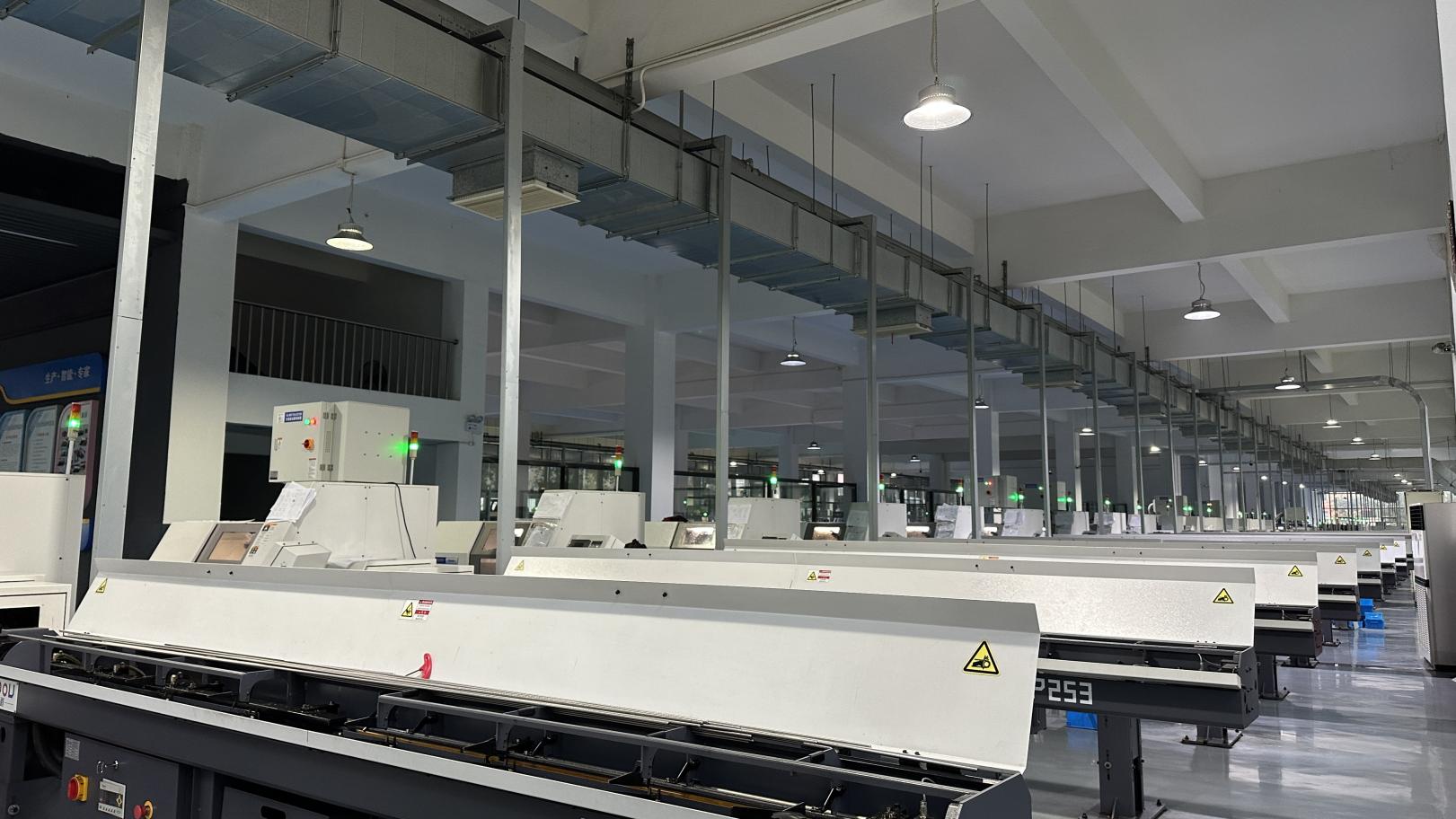
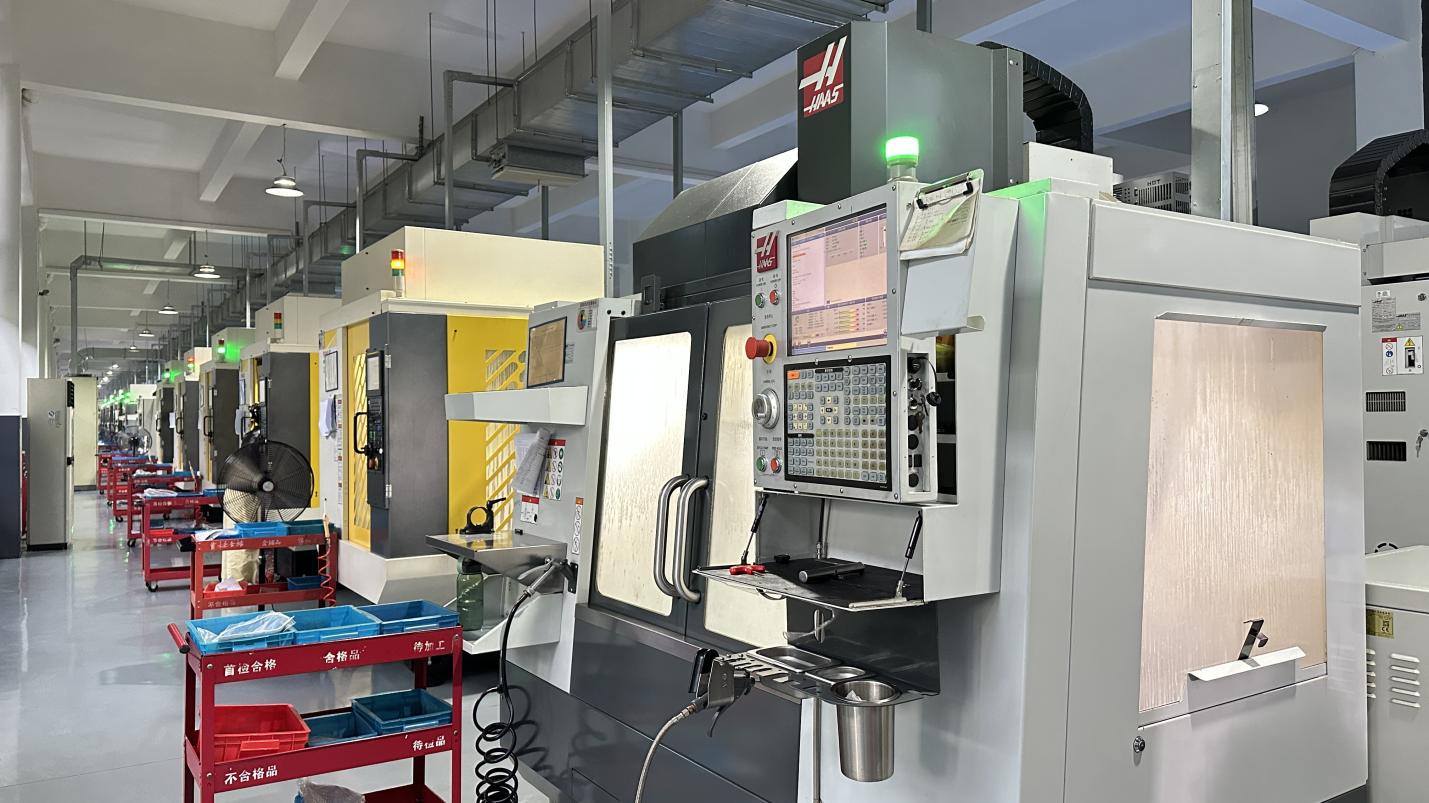
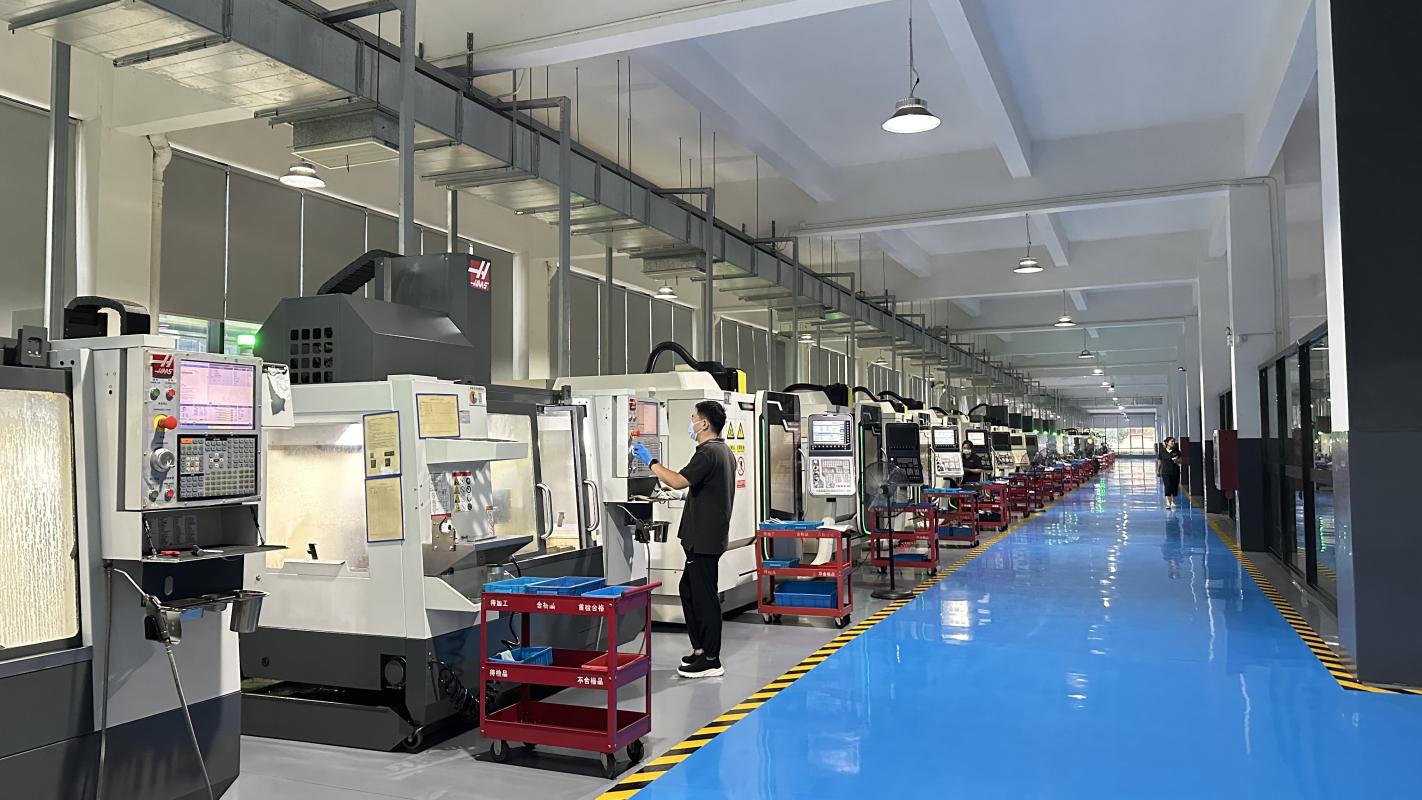
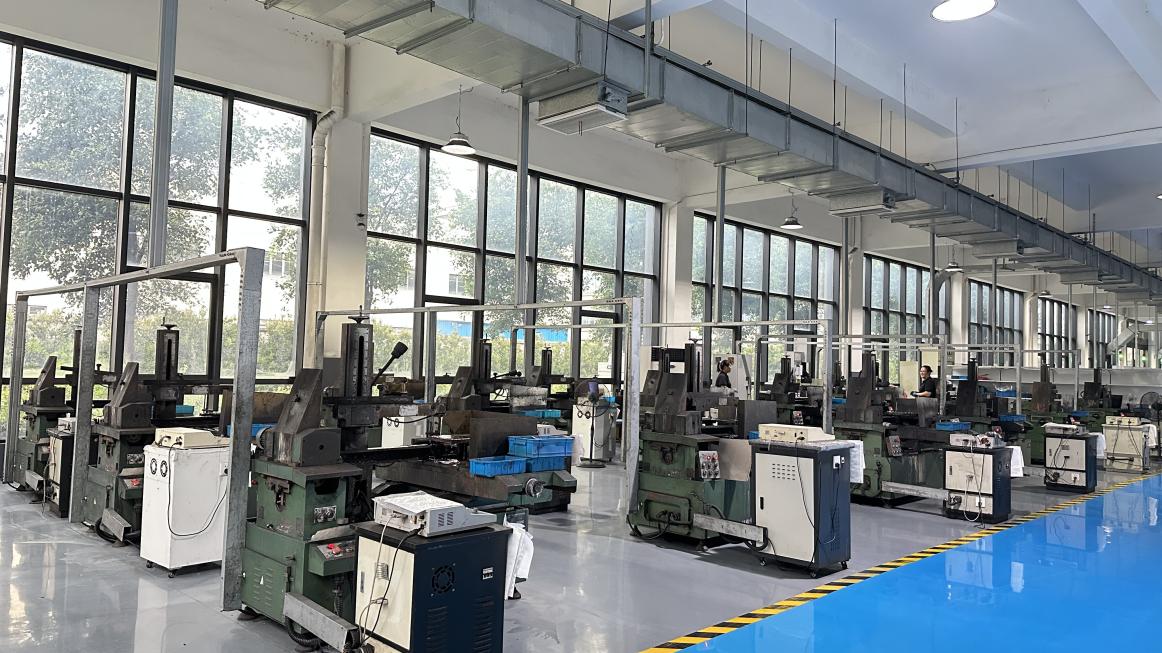
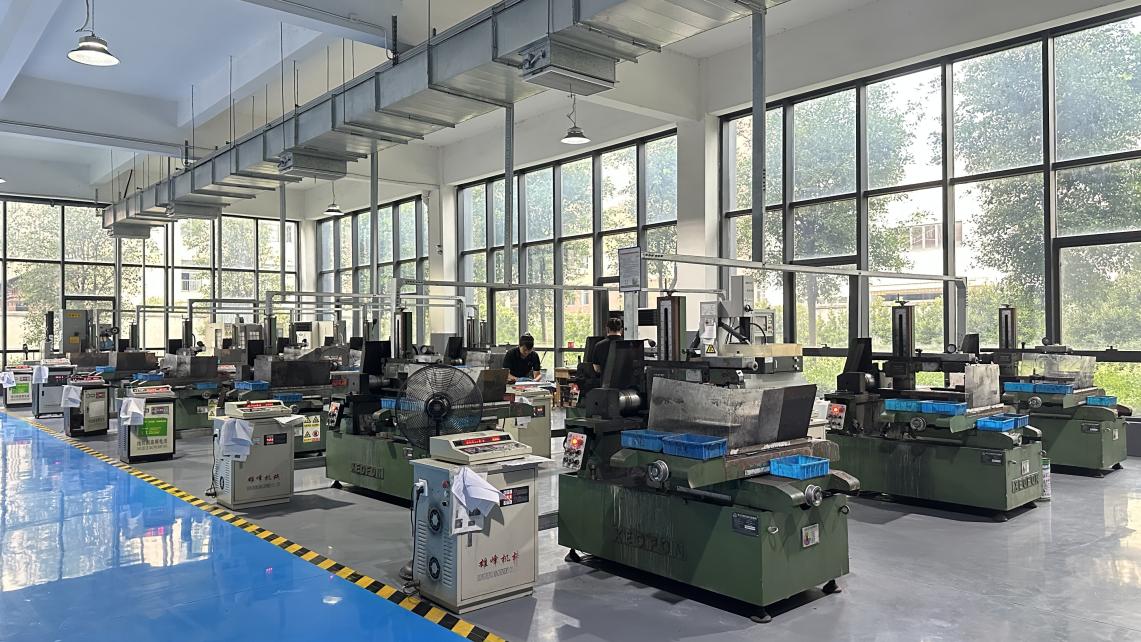
Established in 2015, Bonevia Orthopedic Technology Co., Ltd. has developed into a trusted supplier in the global orthopedic manufacturing sector. Spanning a highly efficient, specialized modern production facility of 320㎡, Bonevia combines clinical research with advanced metallurgical engineering to manufacture orthopedic implants and surgical instrumentation systems.
With an annual export revenue of USD 8–15 million, backed by 6 years of focused export operations and over 10 years of overall medical manufacturing experience, Bonevia supports surgical clinics, orthopedic hospitals, and global distributors with customized implants that meet international healthcare standards.
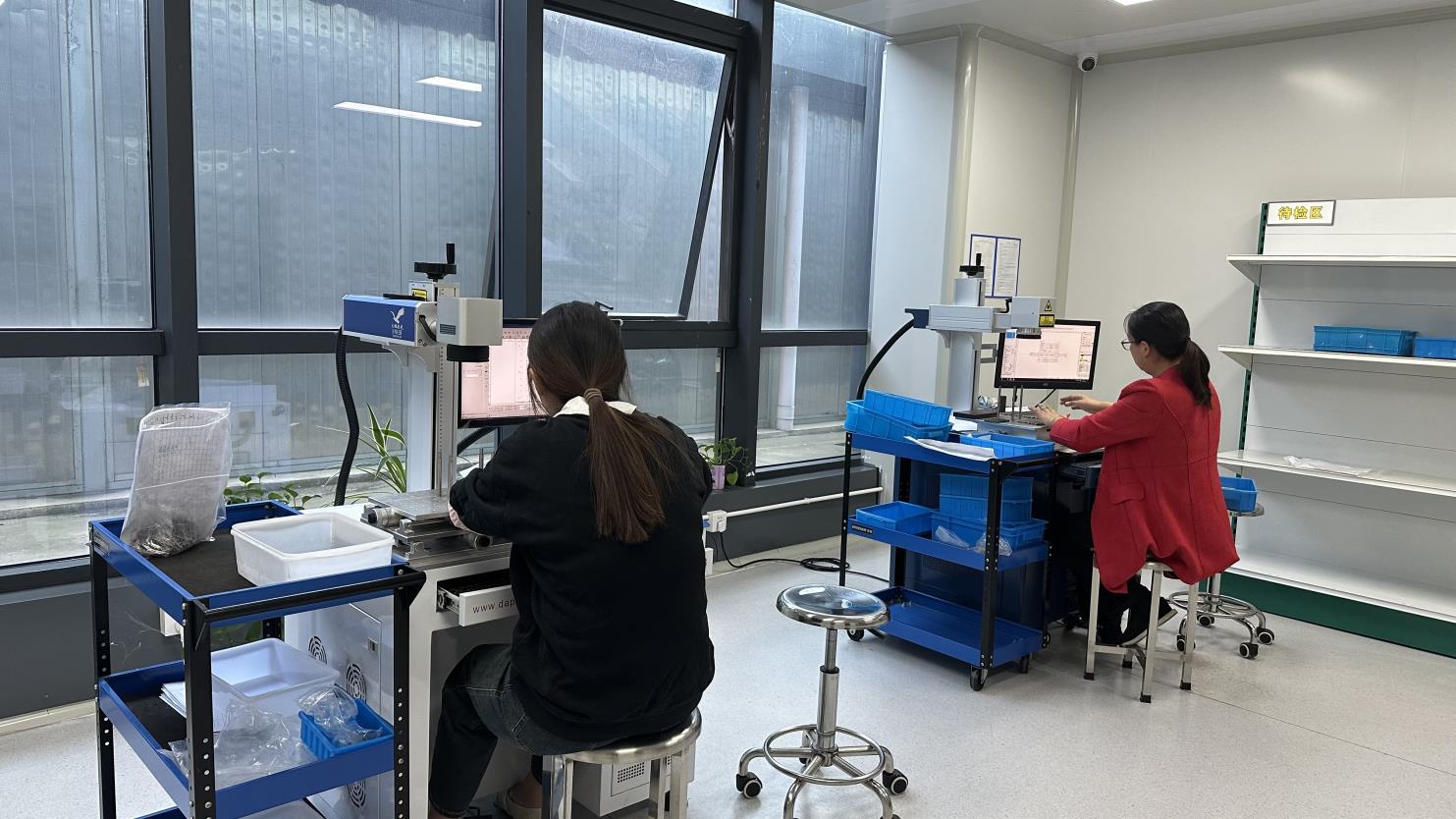
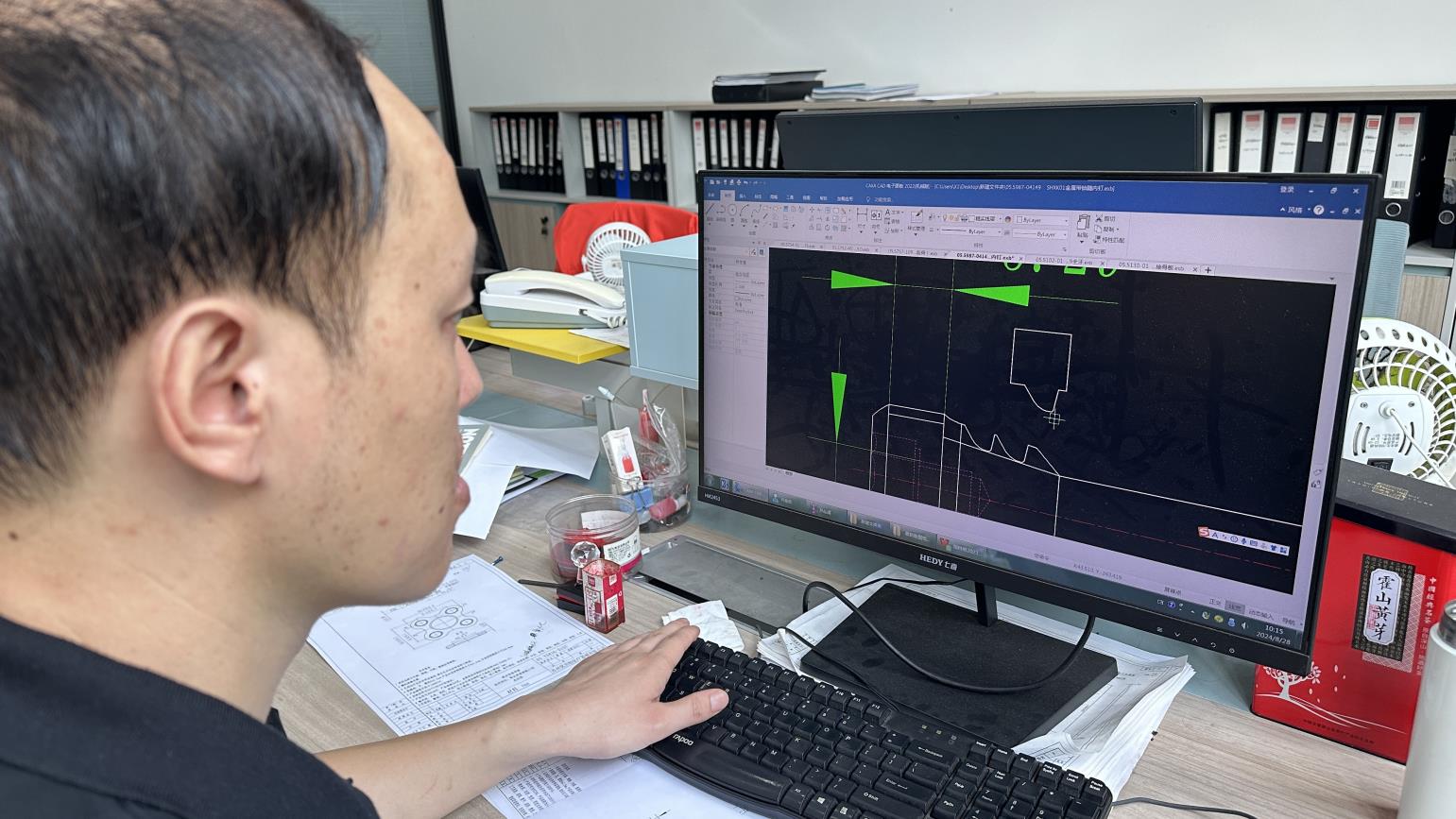
Accelerated R&D Capabilities: Over the past fiscal year, our engineering team designed and deployed 120 new product designs. We leverage advanced multi-axis CNC milling, high-precision laser marking, and rigorous simulation testing to shorten the validation cycle for new implant concepts.
Bonevia implements strict quality control pathways across every stage of fabrication. Our process, from incoming raw materials to final packaging, is designed to satisfy ISO 13485 and Class III medical device regulations.
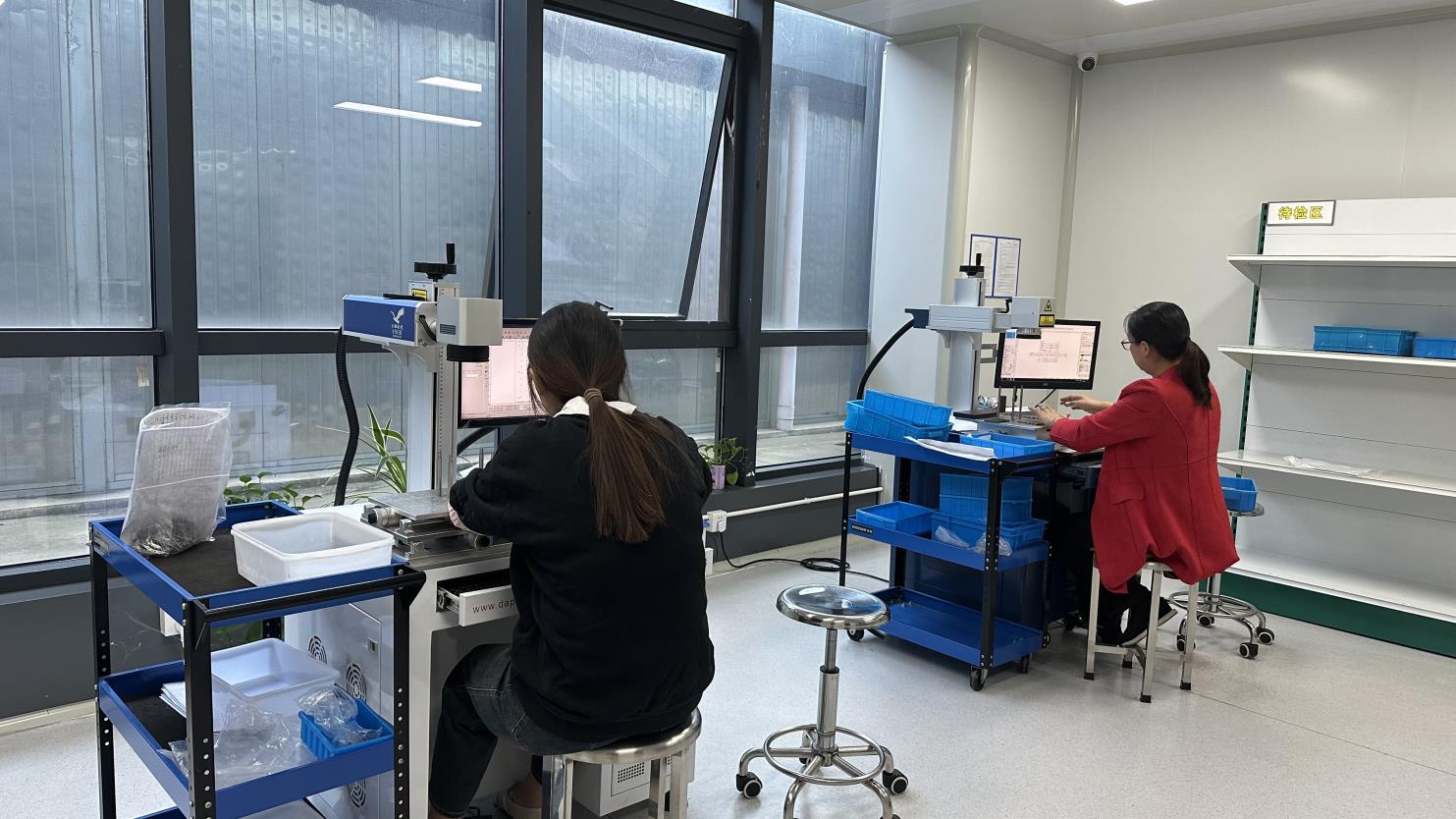
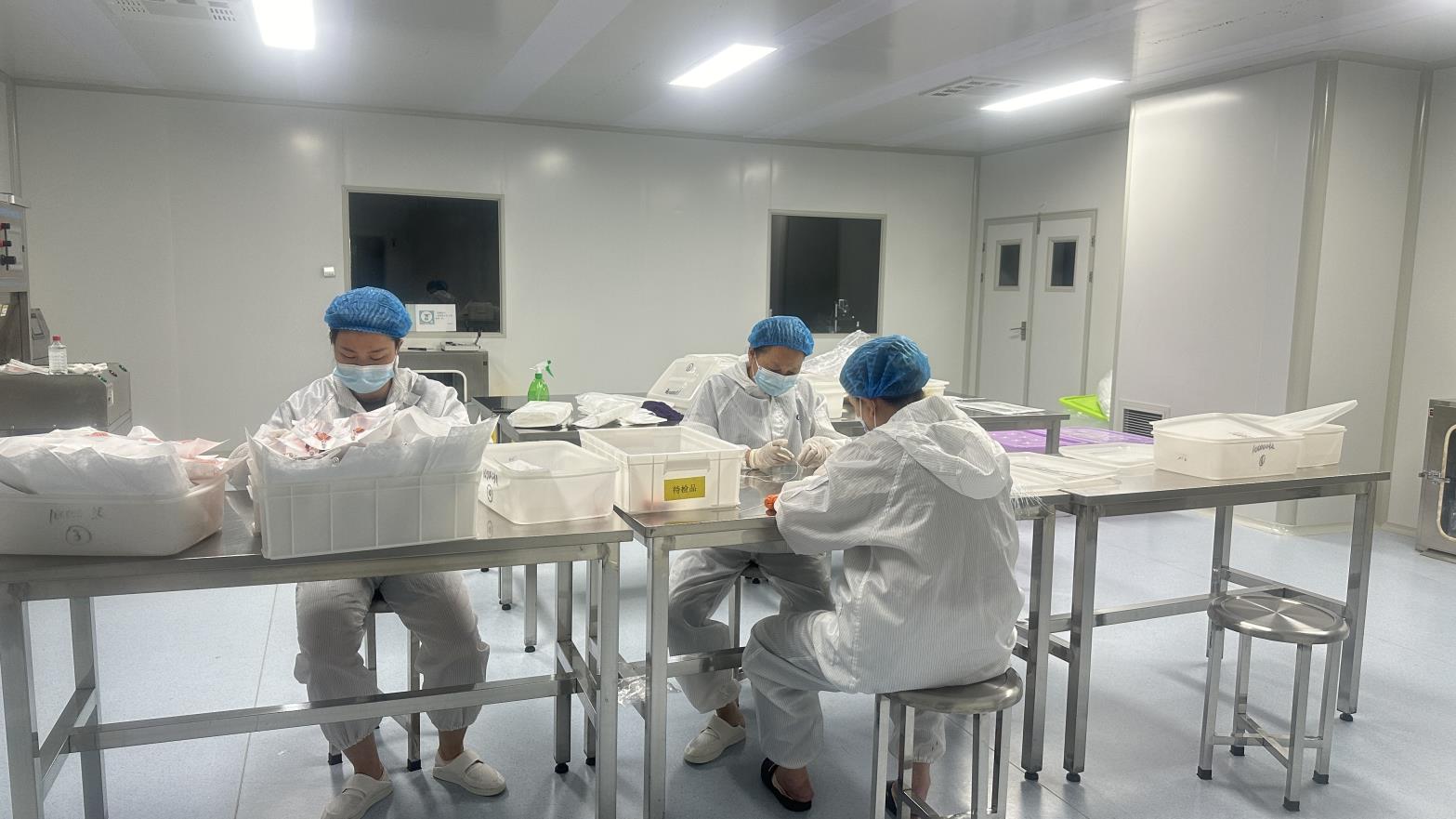

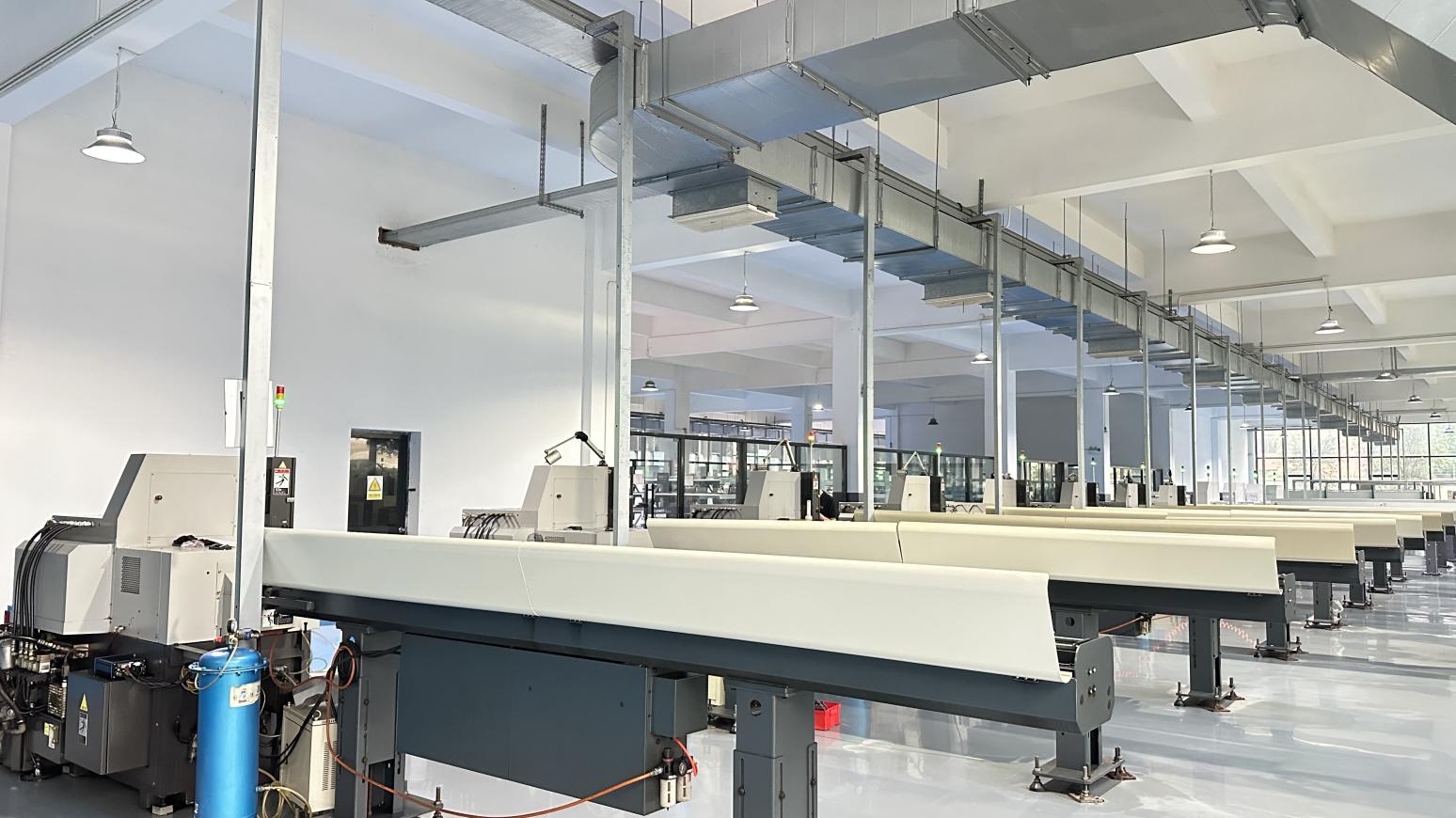
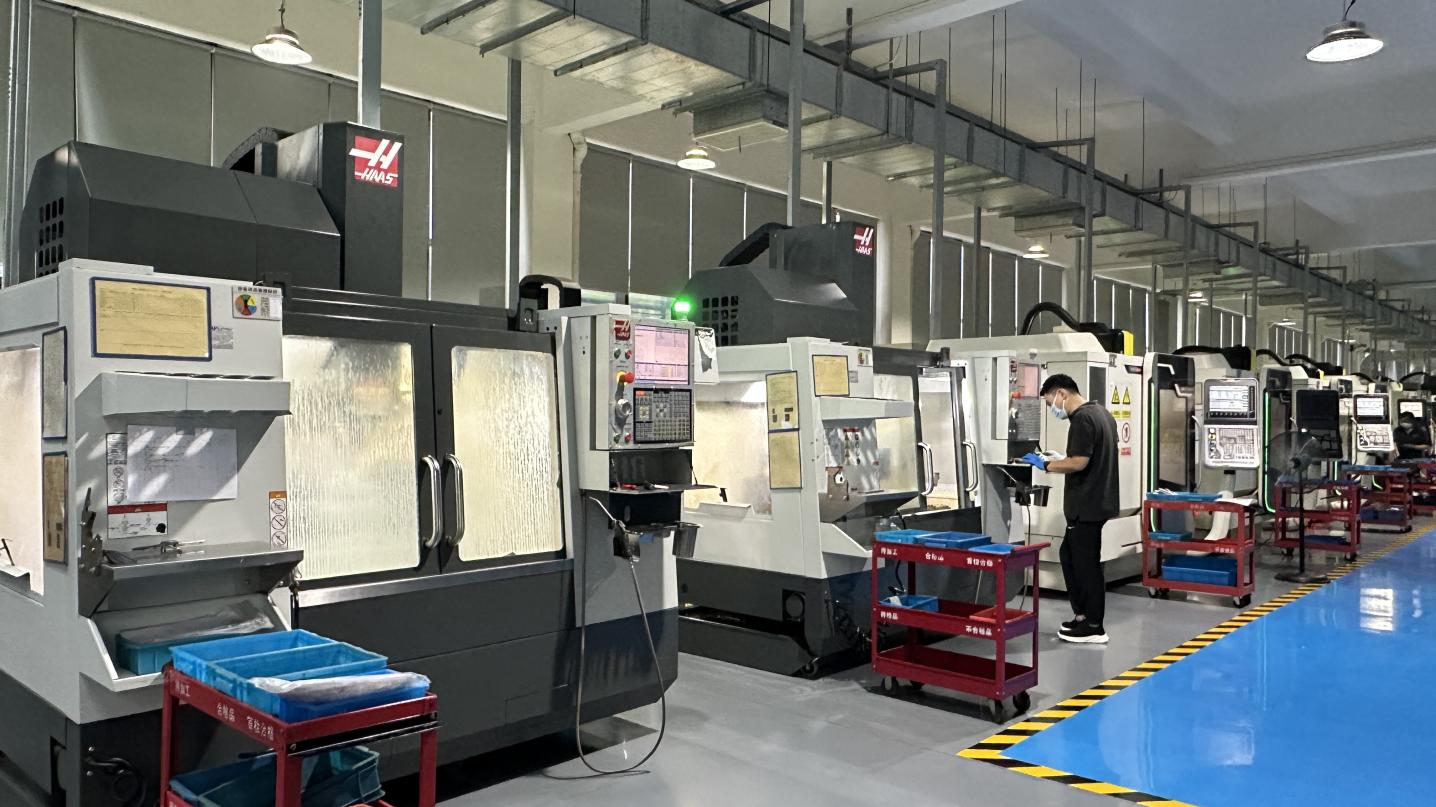
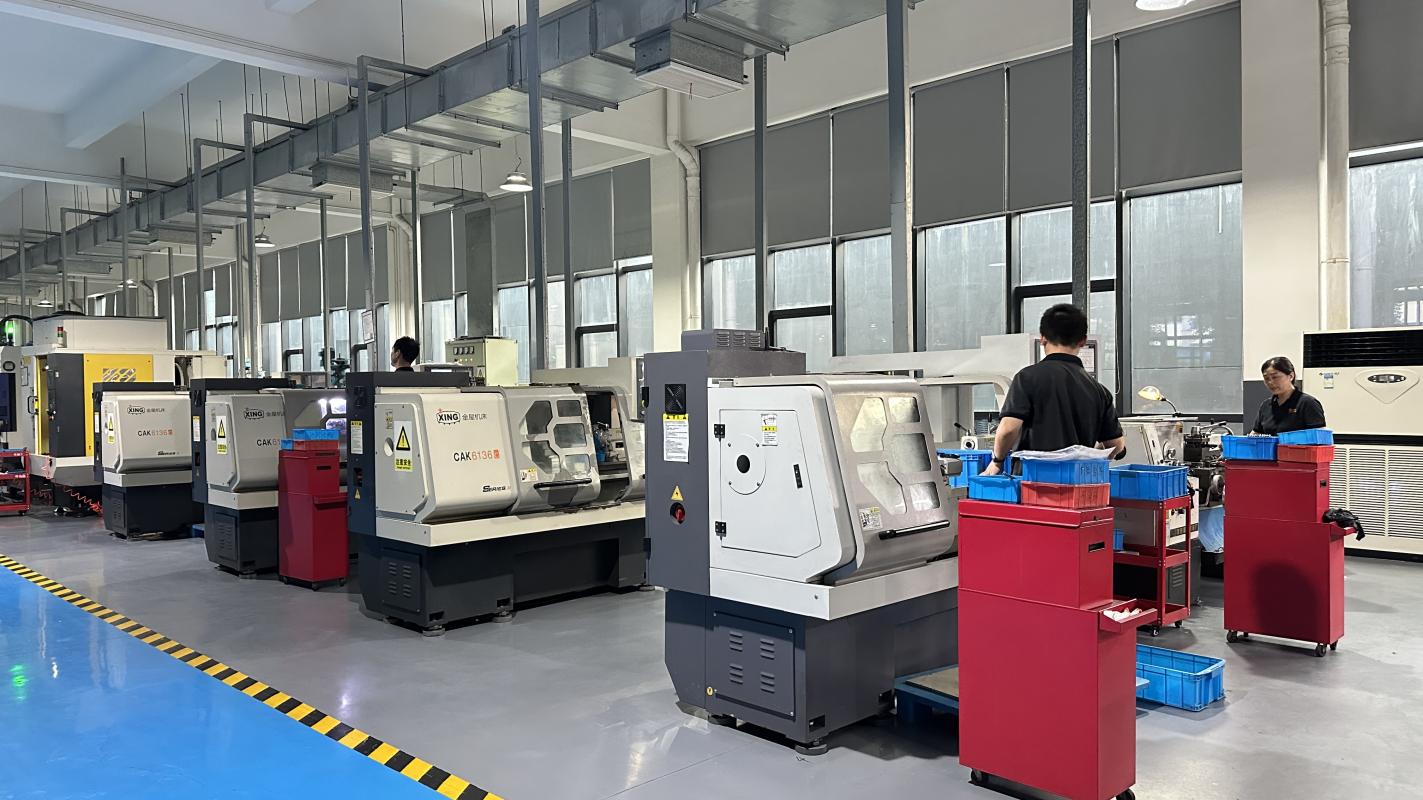
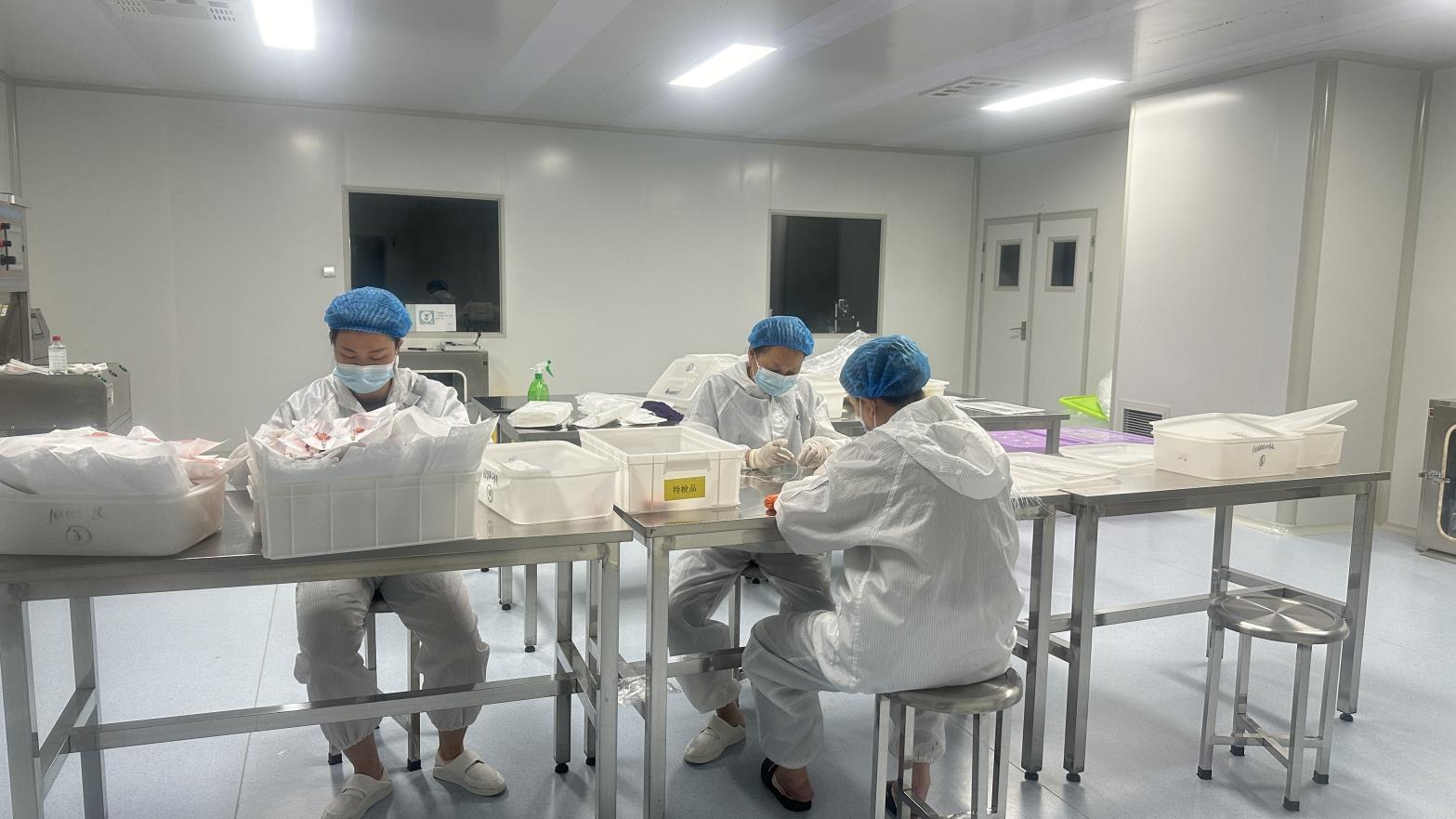
Procuring spinal and trauma implants requires strict alignment with localized medical device authorities. Bonevia supports partners with robust logistical handling and regulatory document submission.
We maintain a network of over 850 partners to secure premium grade medical metals and raw materials. Our supply system helps offset international logistics delays, ensuring stable inventory replacement levels for medical distributors in Europe, Southeast Asia, South America, and the Middle East.
Whether you need low-volume custom modifications for clinical trials or high-volume hospital contract runs, our flexible production lines scale without compromising dimensional tolerances or clinical efficacy.
We assist our clients through complex registration and importation pathways. Bonevia provides access to detailed technical files, biocompatibility analyses, ISO 13485 quality control sheets, and certified cleaning protocols.
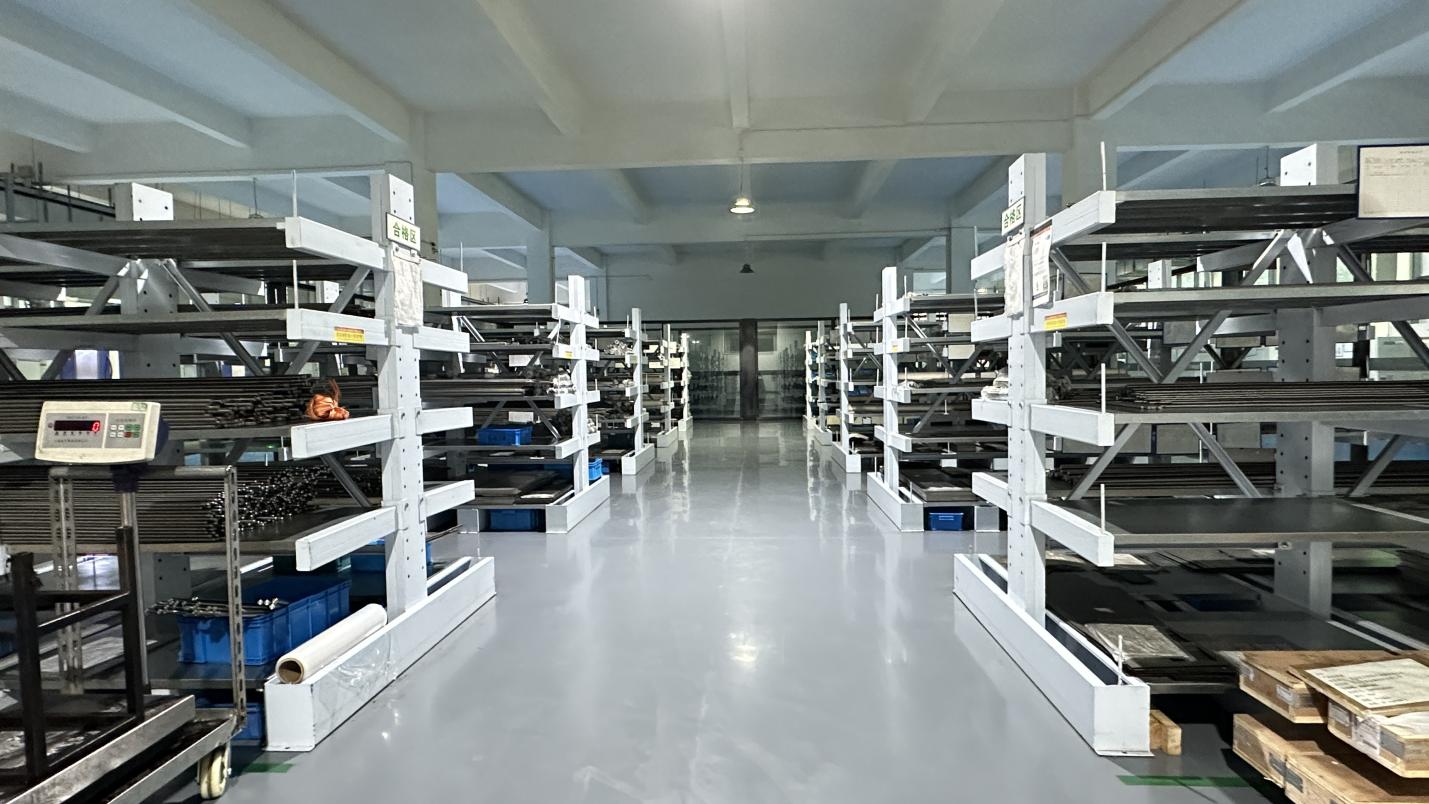
Bonevia’s engineering teams focus on improving structural design and surface modification technologies to enhance post-surgical patient recovery rates.
Our R&D division is optimizing anodic oxidation methods to produce porous oxide layers on pedicle screw interfaces. This process improves bone-implant fixation and accelerates osseointegration, which is crucial for patients with osteoporotic bone conditions.
Our future design iterations focus on developing screw drive connections that integrate with computer-aided surgical navigation systems. These modifications will help surgeons achieve optimal trajectory planning during minimally invasive procedures.
Common technical and commercial questions about our spinal implant manufacturing and distribution services.