Bonevia
Bonevia
Bonevia
Engineered for small animal trauma, sports medicine, joint reconstruction, and complex spinal stabilization.
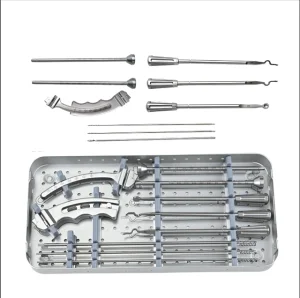
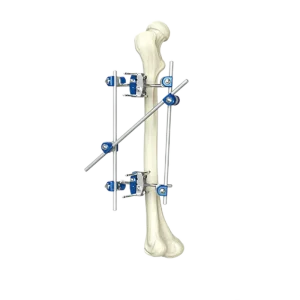
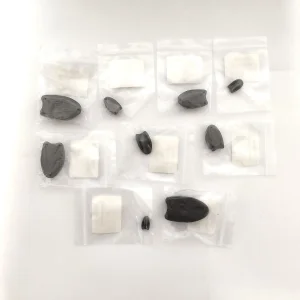
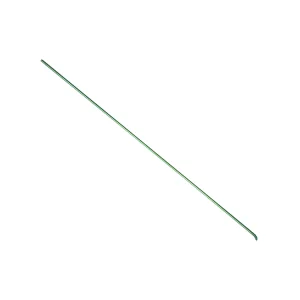
The global veterinary orthopedics market has evolved from using repurposed human medical surplus to a highly specialized, dedicated segment of animal healthcare. Rapid advances in veterinary science, coupled with the increasing "humanization of pets," are driving unprecedented demand for implants, bone plates, and fixators explicitly designed for diverse animal anatomies. Today, veterinary orthopedic implants represent a significant sub-sector of the global biomedical device market. This growth is powered by pet owners seeking advanced medical solutions and progressive veterinary hospitals performing complex operations like Tibial Plateau Leveling Osteotomy (TPLO), Patellar Groove Replacement (PGR), and spinal reconstructions.
Industrialization within this sector requires stringent quality certifications comparable to human medical standards. Veterinary surgeons demand high biocompatibility, superior fatigue resistance, and absolute precision. Alloys such as ASTM F136 Titanium (Ti-6Al-4V ELI) and high-performance polymers like PEEK have become standard. Because animals subject implants to uncontrolled, immediate post-operative load-bearing forces, these materials must perform under extreme, dynamic stress without mechanical failure.
Several macro-environmental forces are reshaping the competitive landscape for suppliers and exporters:
Global manufacturer of specialized veterinary & human orthopedic implants since 2015.
Established in 2015, Bonevia Orthopedic Technology Co., Ltd. has developed into a trusted developer, manufacturer, and exporter in the global orthopedic industry. Focused on pushing boundaries in trauma, spine, and joint reconstruction, the company balances human surgical expertise with dedicated veterinary product portfolios.
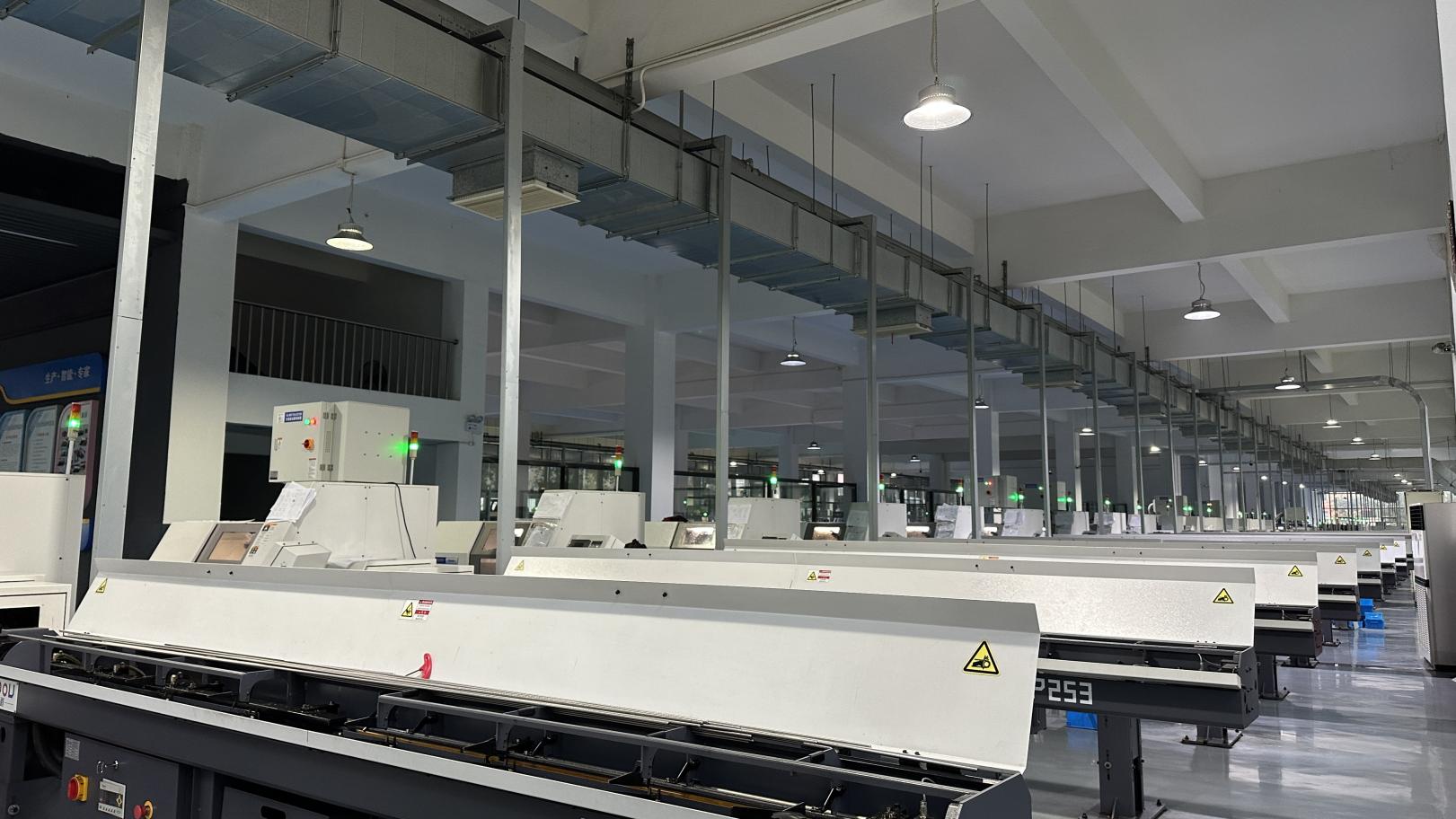
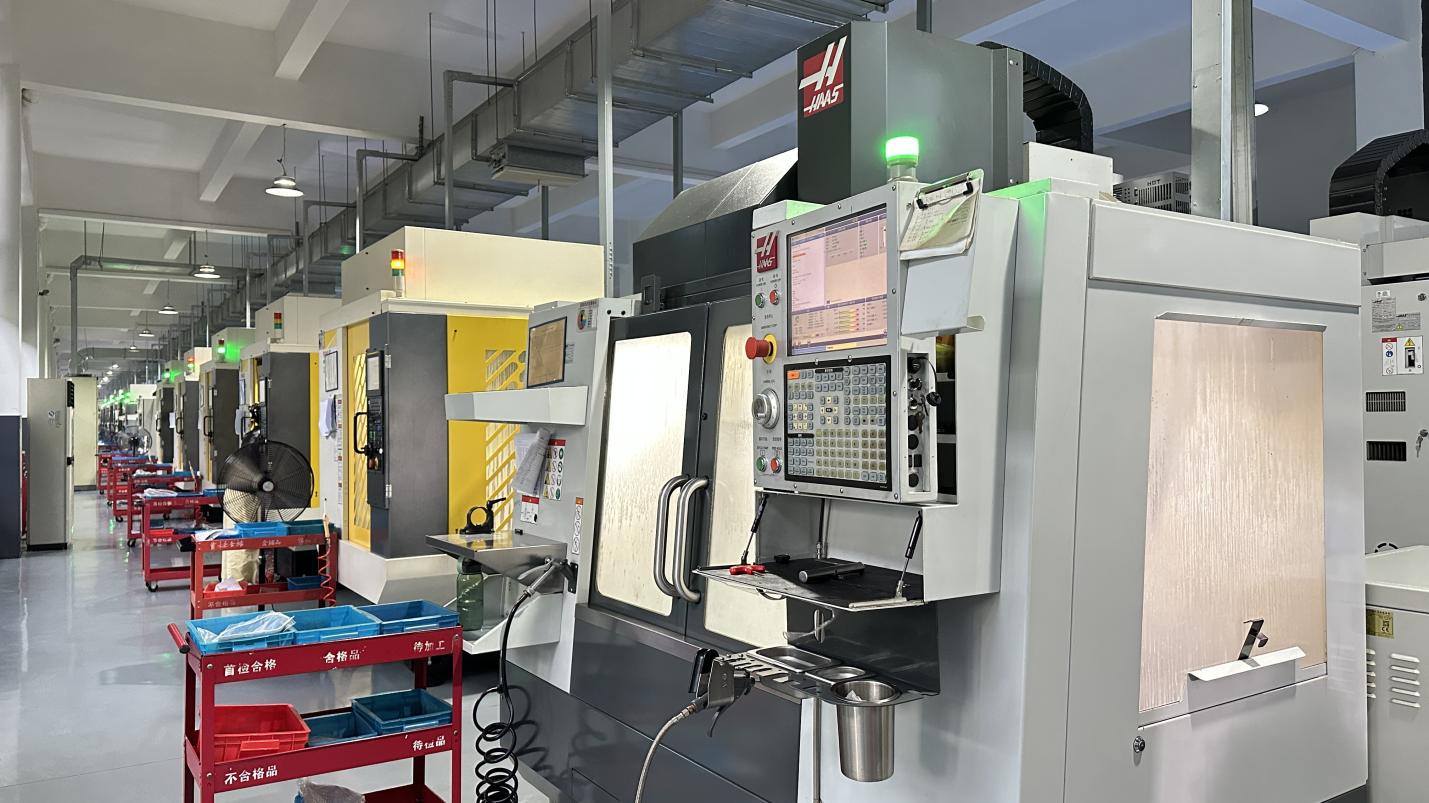
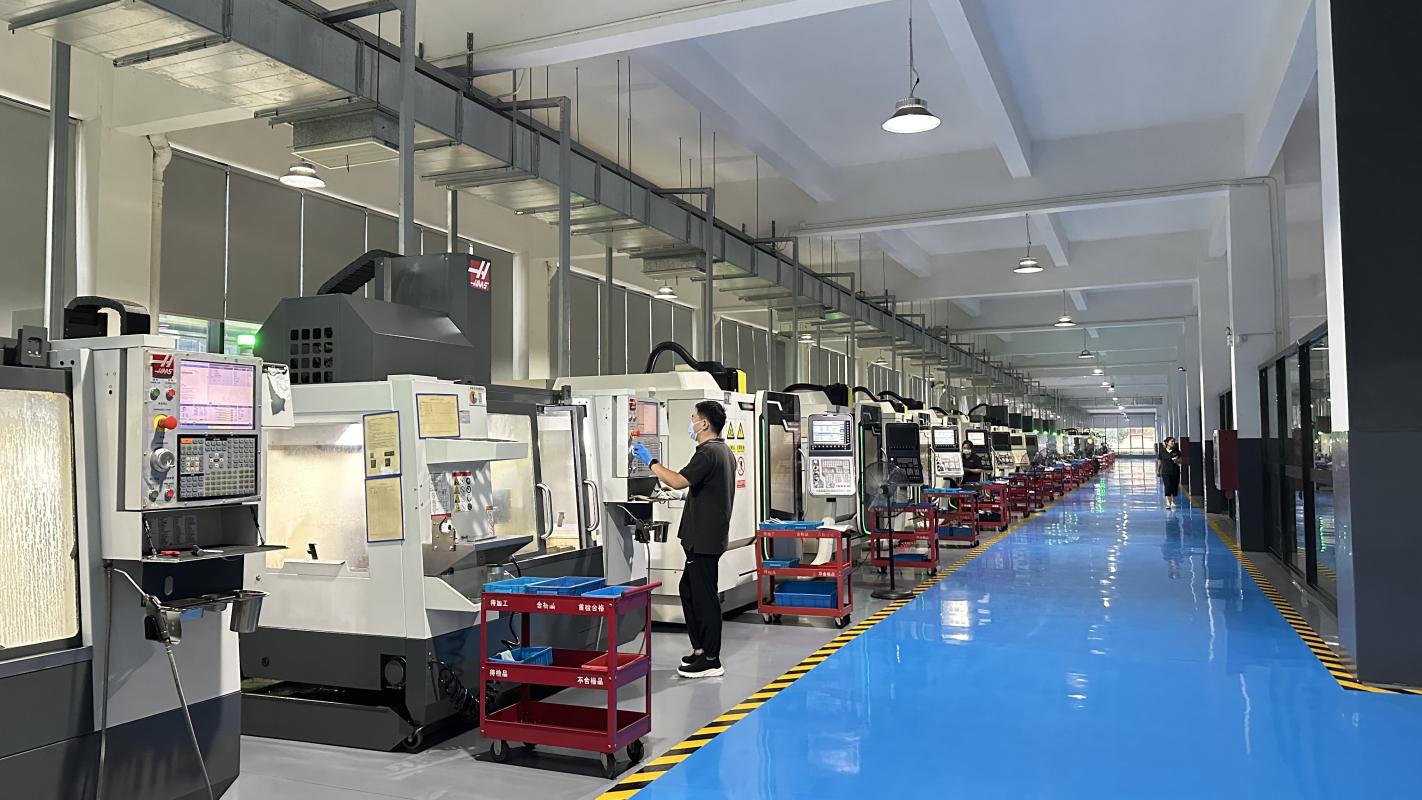
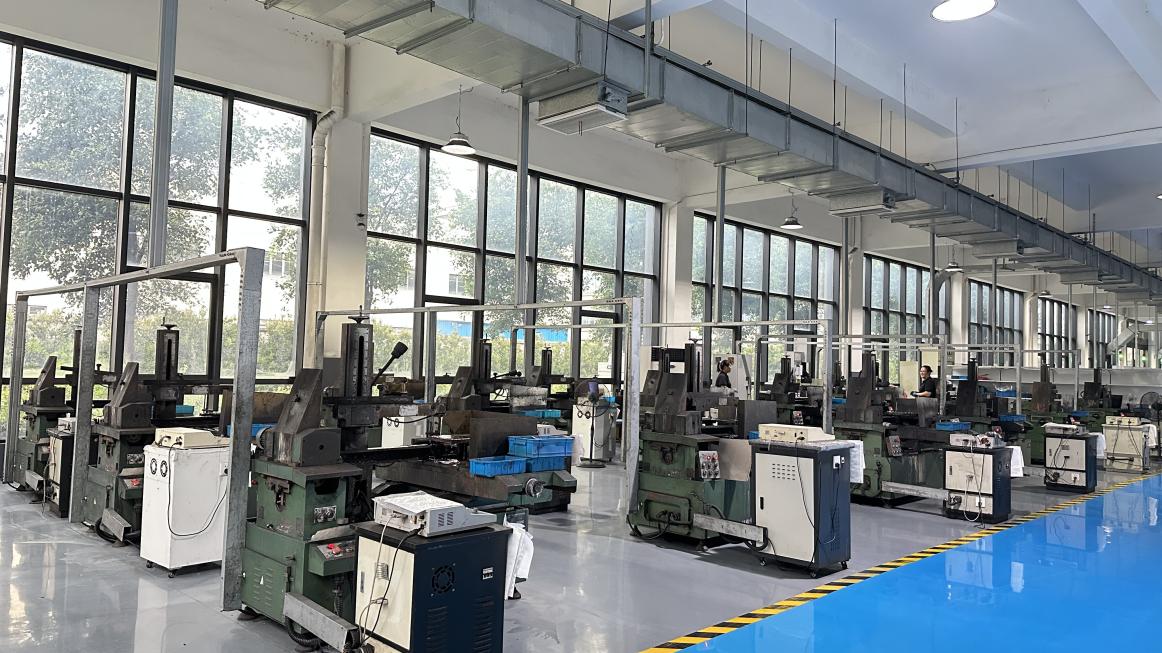
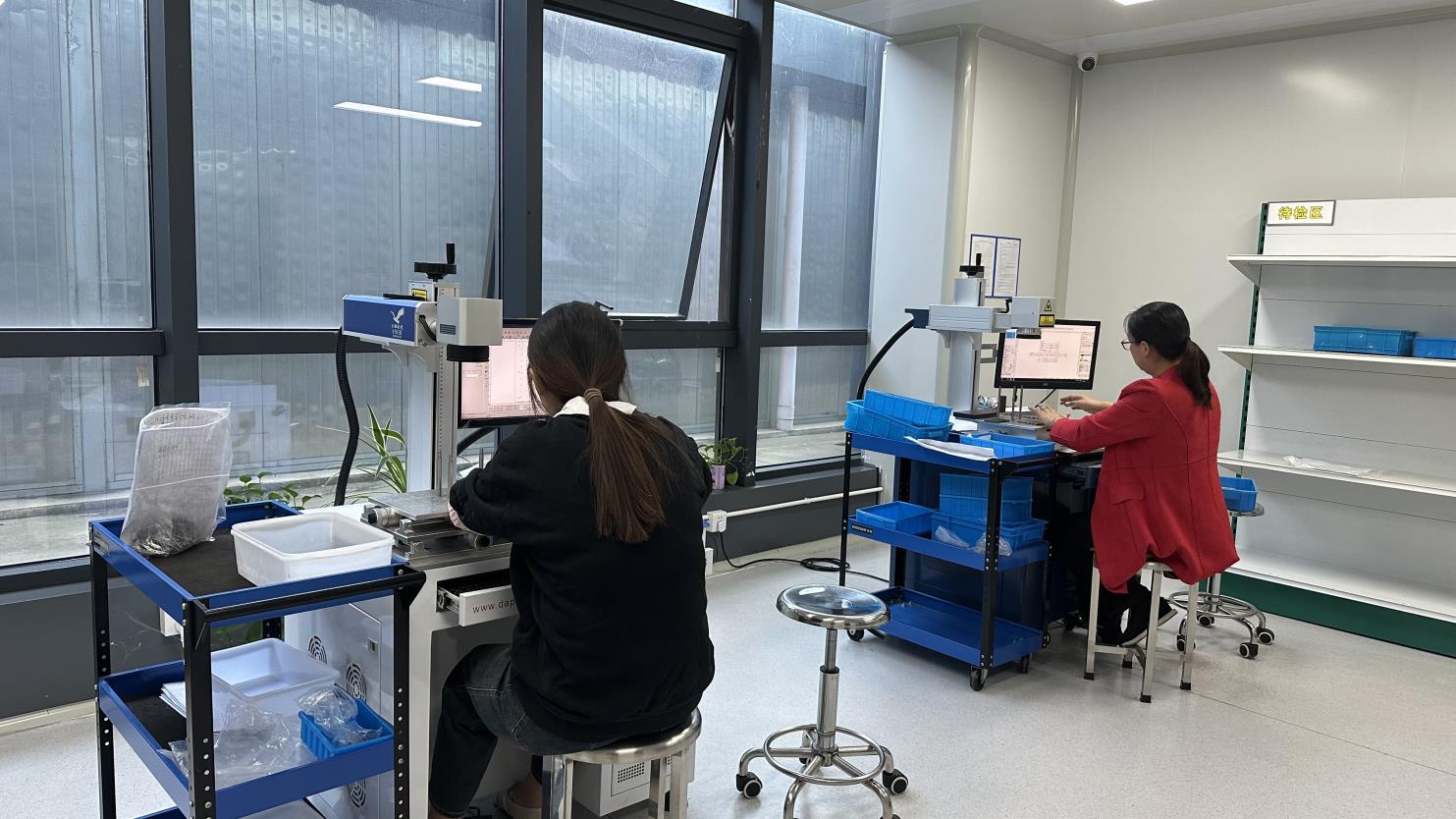
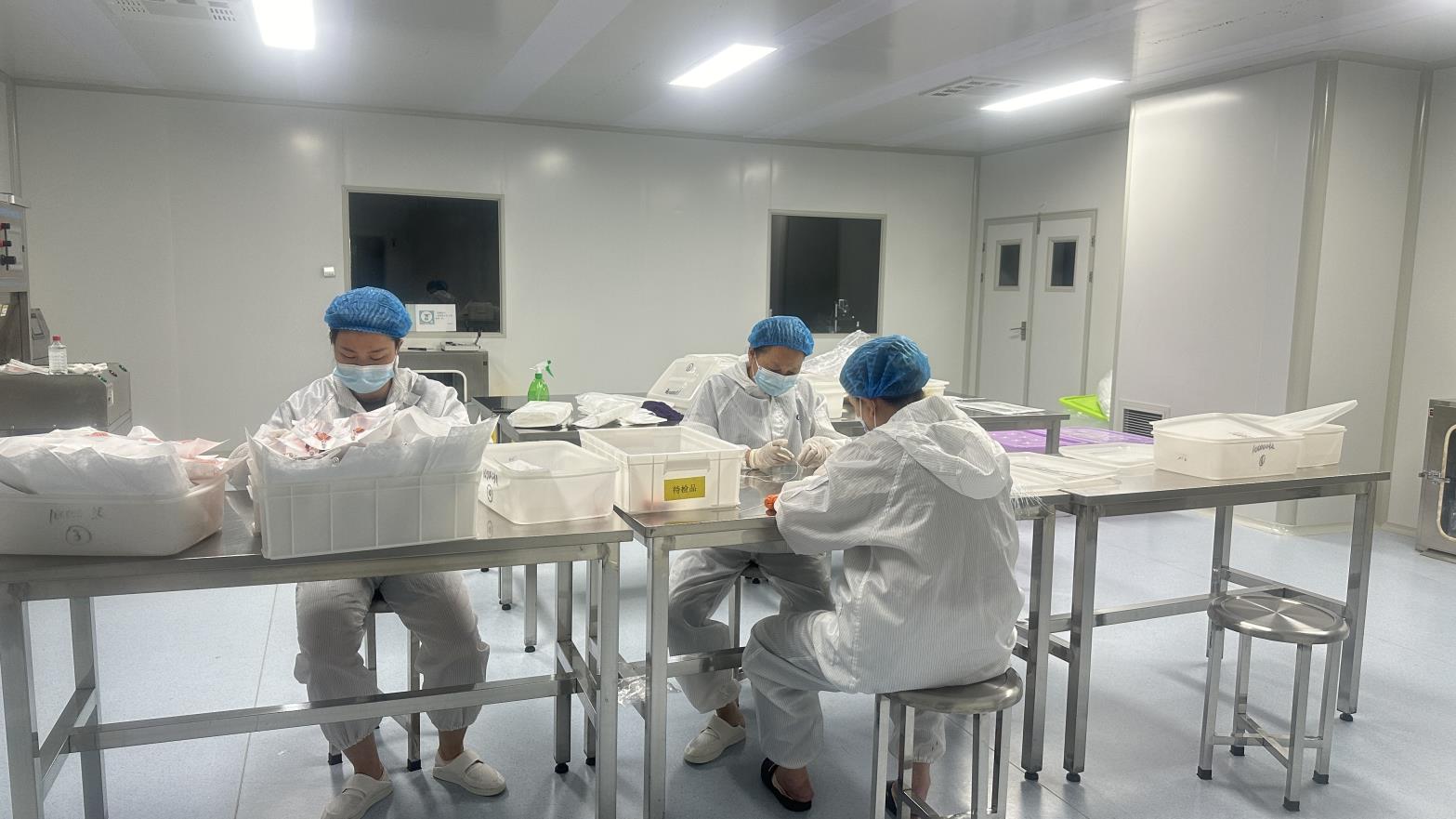
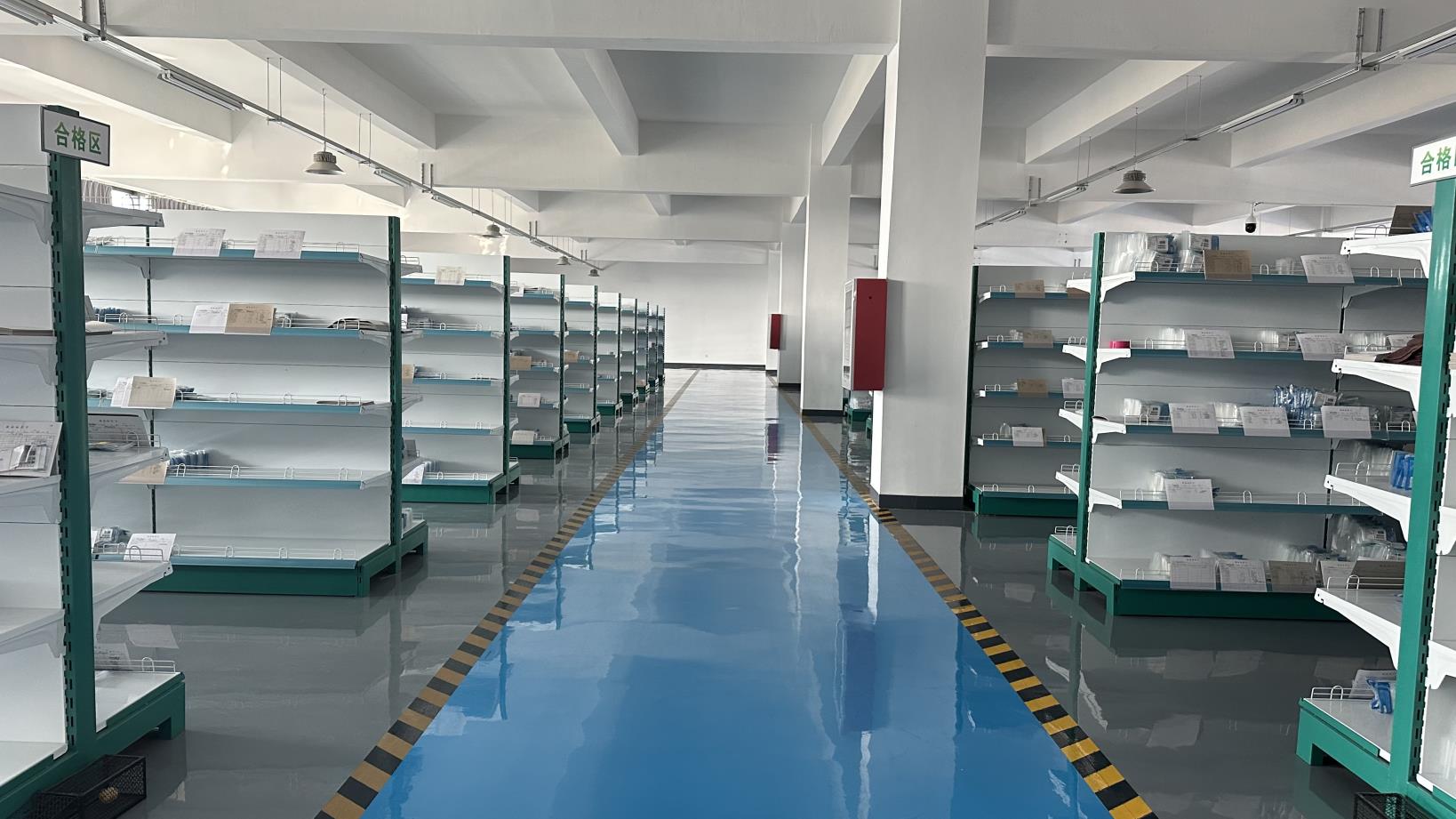
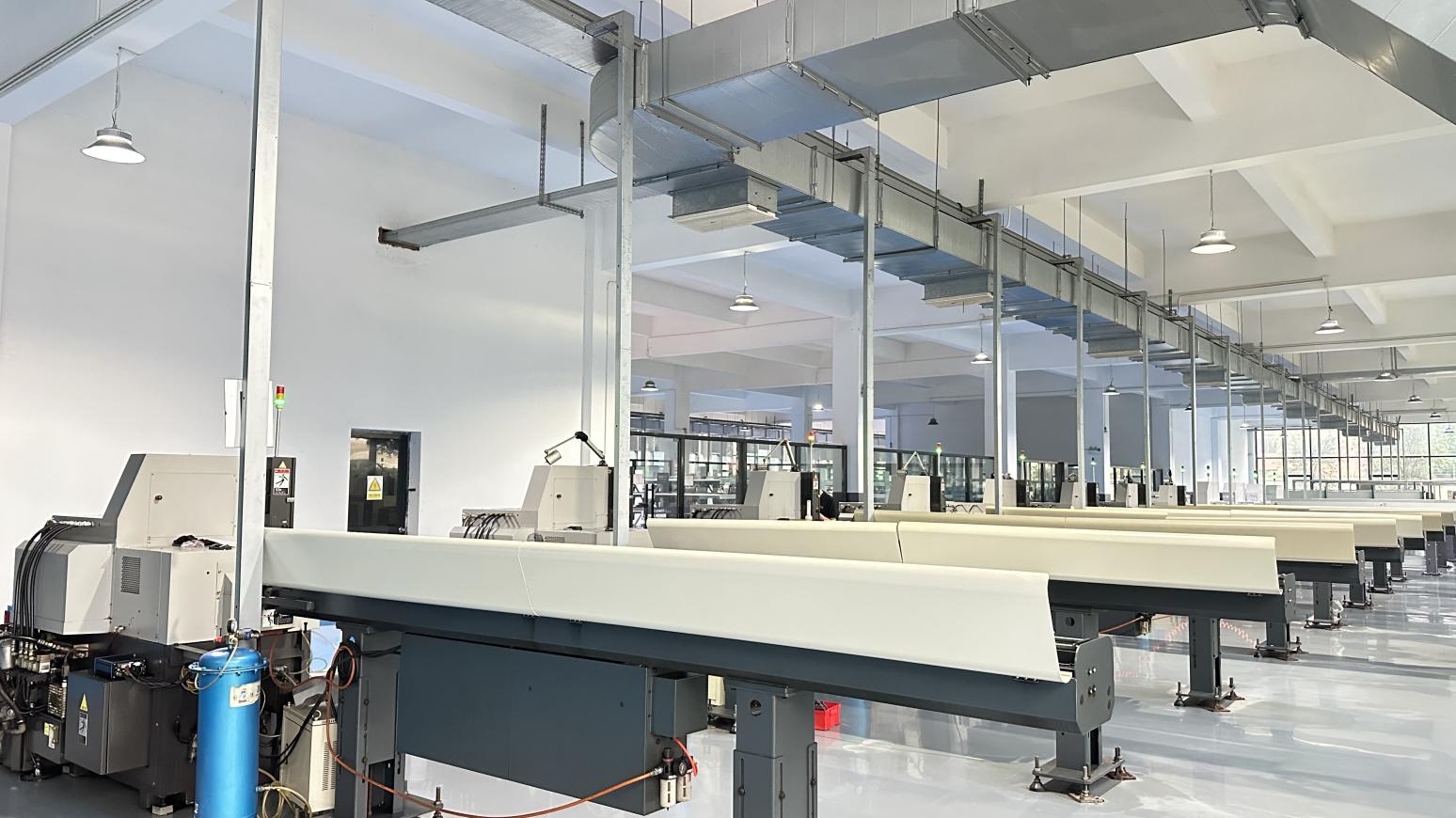
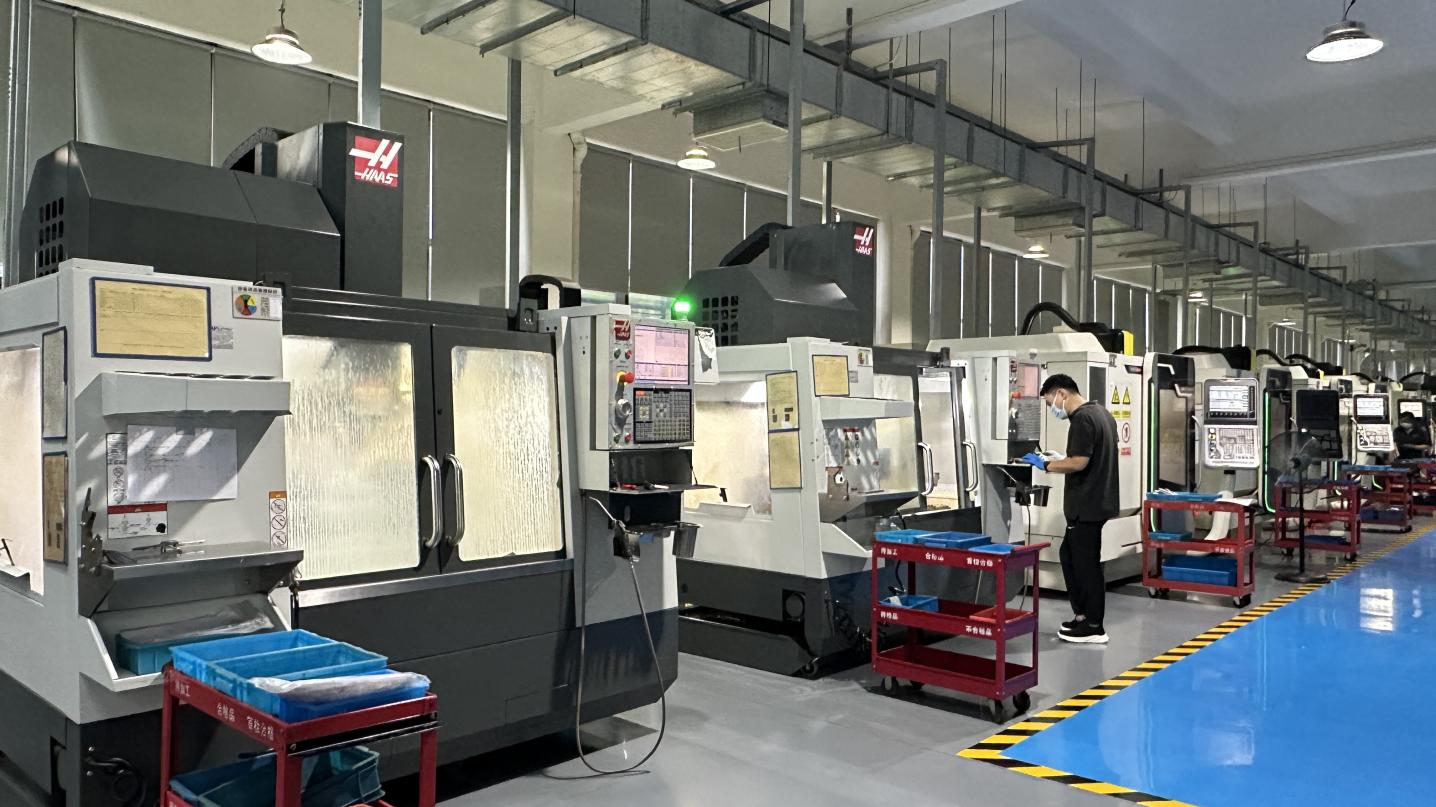
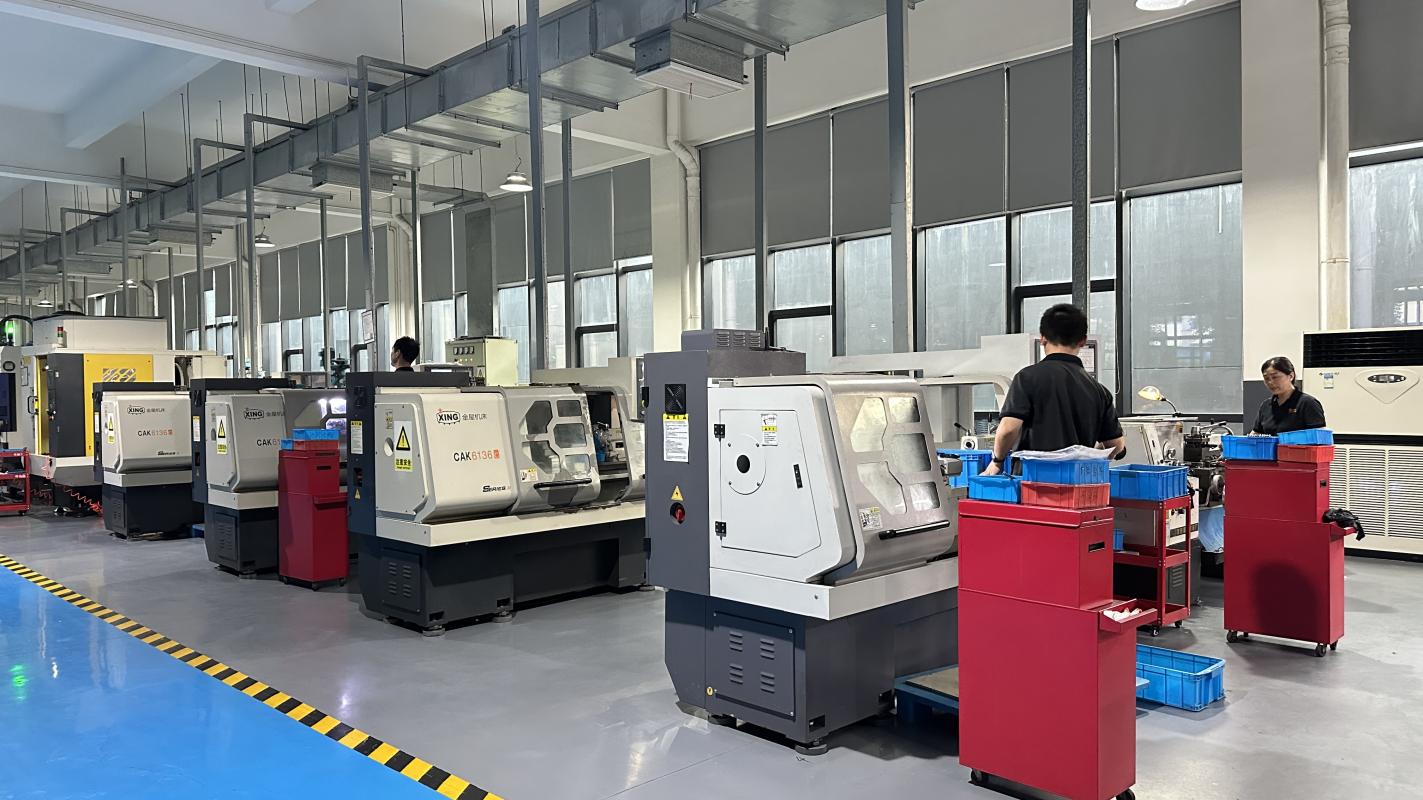
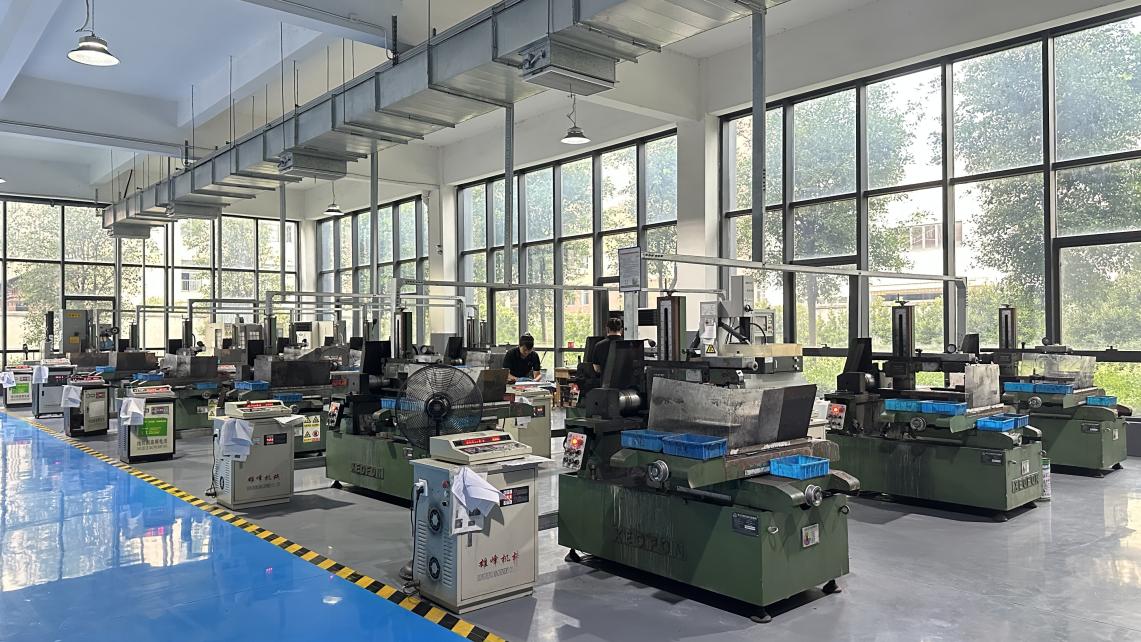
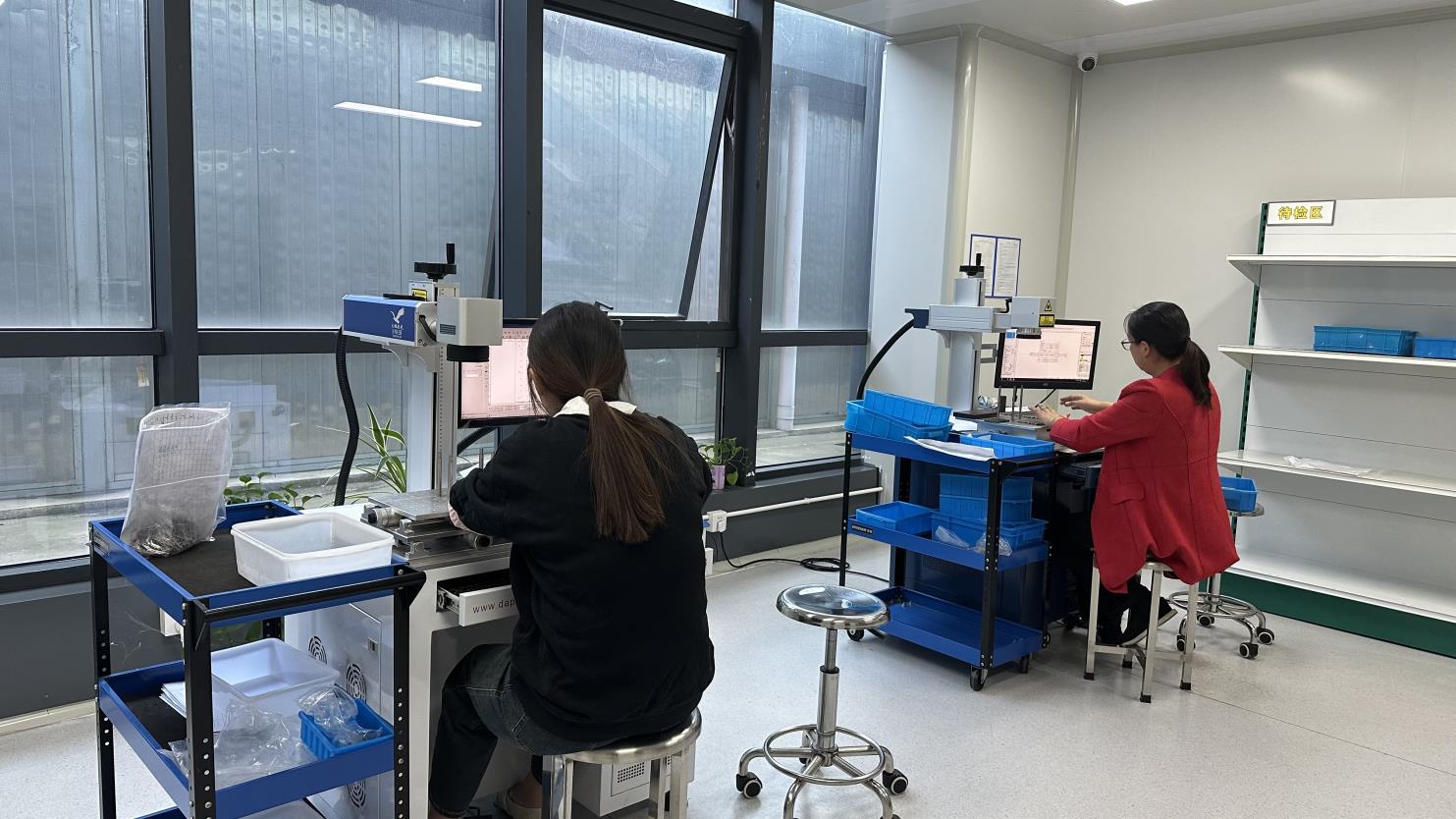
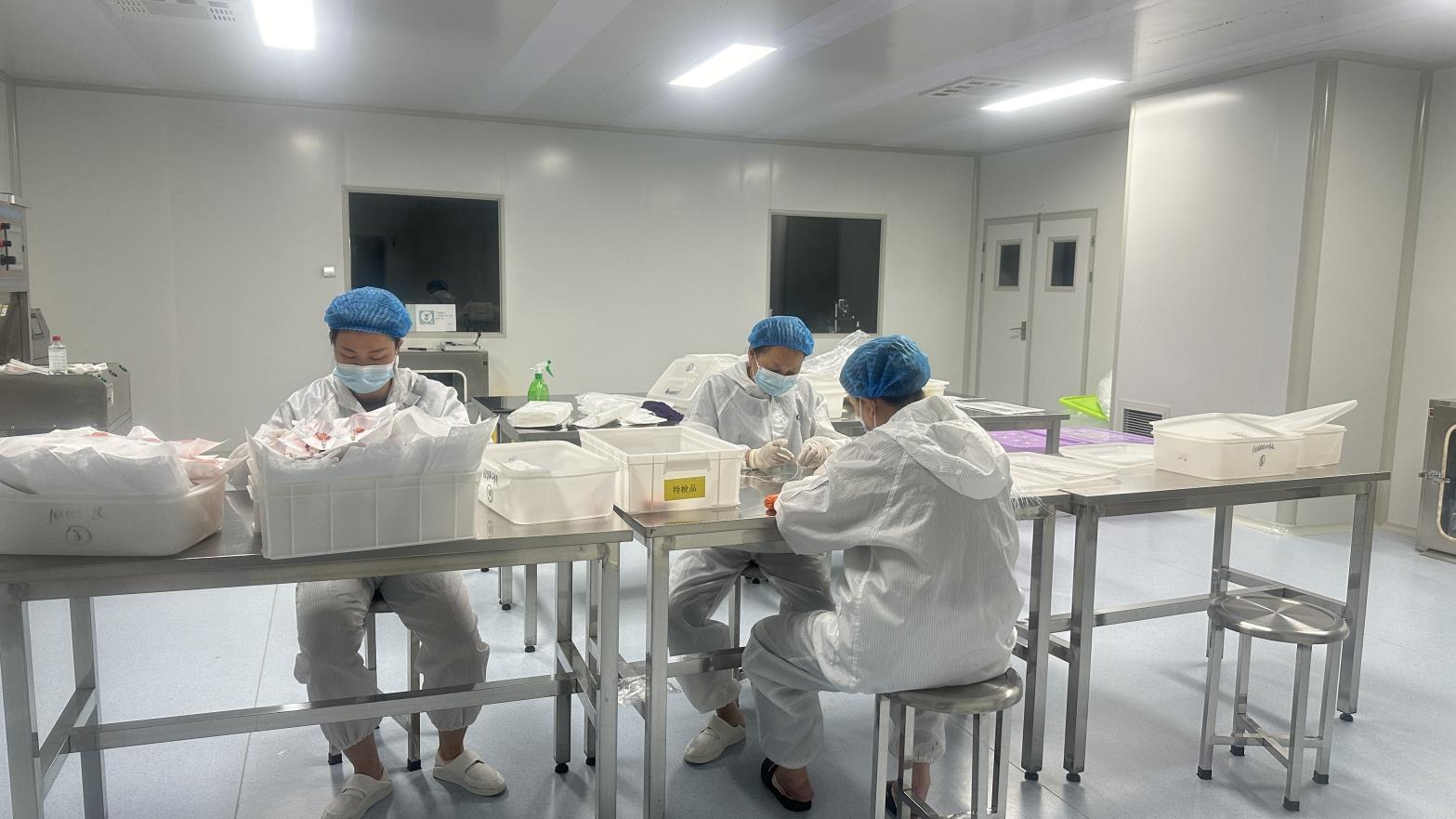
Equipped with a modern specialized clean production facility of approximately 320㎡, Bonevia implements strict, multi-stage quality control mechanisms. Operating at an annual export volume of USD 8–15 million, the company combines over 10 years of overall orthopedic industry expertise with 6 years of specialized export experience, ensuring stable supply chains and smooth custom clearances across Europe, Southeast Asia, the Middle East, and South America.
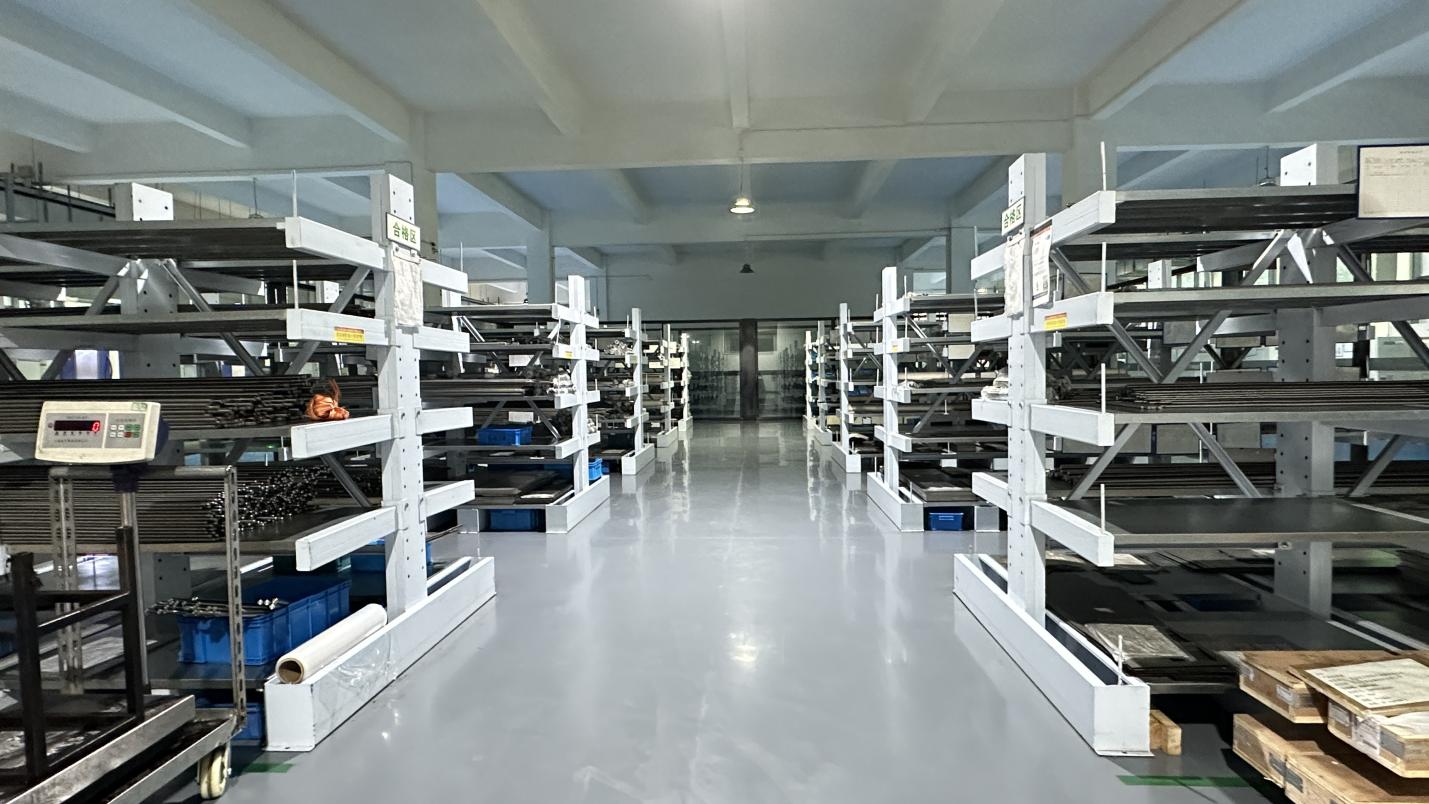
Traceable manufacturing processes from raw materials to final sterilization and packaging.
Unlike human patients, veterinary patients cannot be instructed to restrict their activities post-surgery. As a result, the demands placed on mechanical fixations are incredibly high. Each surgical approach relies on specialized equipment configurations:
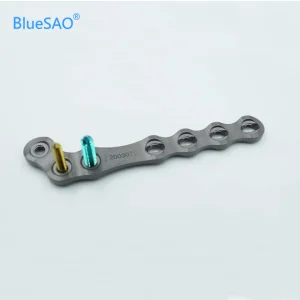
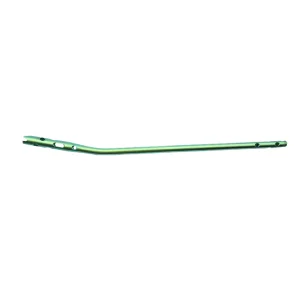
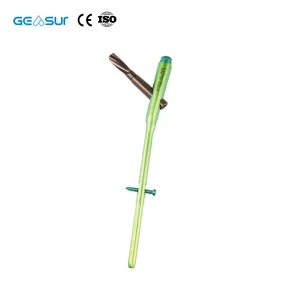
High-energy impact injuries, like falls or motor vehicle accidents, commonly cause fractures in feline and canine patients. For simple transverse fractures, interlocking intramedullary nails—such as the Geasure Class III Titanium Alloy Interlocking Intramedullary Nails—offer excellent biomechanical load-sharing. By aligning directly along the neutral axis of the bone, they resist bending forces while minimizing disruption to the periosteal blood supply, promoting faster healing. For complex comminuted fractures, surgeons rely on locking reconstruction plates, such as the BlueSAO 5mm L-Shape Reconstruction Locking Plate. The locking mechanism forms a stable fixed-angle construct that maintains fracture alignment without compressing the plate against the periosteum, protecting vital local micro-circulation.
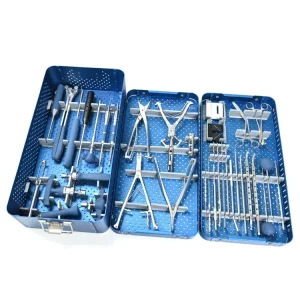
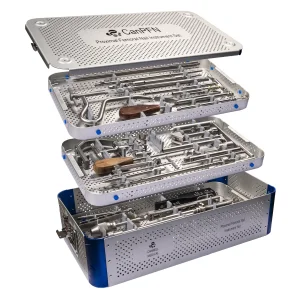
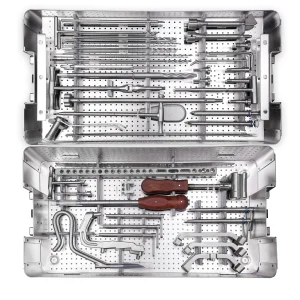
Patellar luxation is a frequent orthopathic disorder in small animal practices, leading to cartilage wear and chronic osteoarthritis. The PGR System Instrument Set (Patellar Groove Replacement) is designed to replace the worn-out trochlear groove. These titanium prostheses feature a low-friction design and bio-compatible coatings that encourage rapid bone growth into the implant surface, restoring pain-free joint function and normal gait patterns.
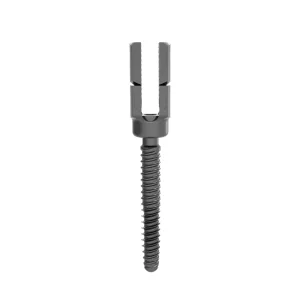
In cases of canine spinal instability, disk extrusion, or fractures, pedicle screw fixation provides rigid, stable support. The CANWELL Price Spine Titanium Pedicle Screws are designed for minimally invasive spine fixation (MIS). These micro-pedicle systems allow veterinary surgeons to secure the unstable vertebral segments while minimizing soft tissue trauma, helping to prevent neurological degradation in toy and medium dog breeds.
How cutting-edge research is redefining veterinary orthopedics.
Utilizing high-resolution CT scans to fabricate patient-specific titanium mesh implants and osteotomy guides. This ensures optimal anatomical fit for complex deformities and severe bone loss cases.
Developing magnesium and polymer-based materials that dissolve safely in the body over time. This eliminates the need for secondary surgeries to retrieve implants, reducing patient risk and owner costs.
Applying nanoscale titanium plasma-sprayed and hydroxyapatite coatings. These finishes accelerate bone cell growth onto the implant surface, creating a stronger permanent bond between the bone and prosthesis.
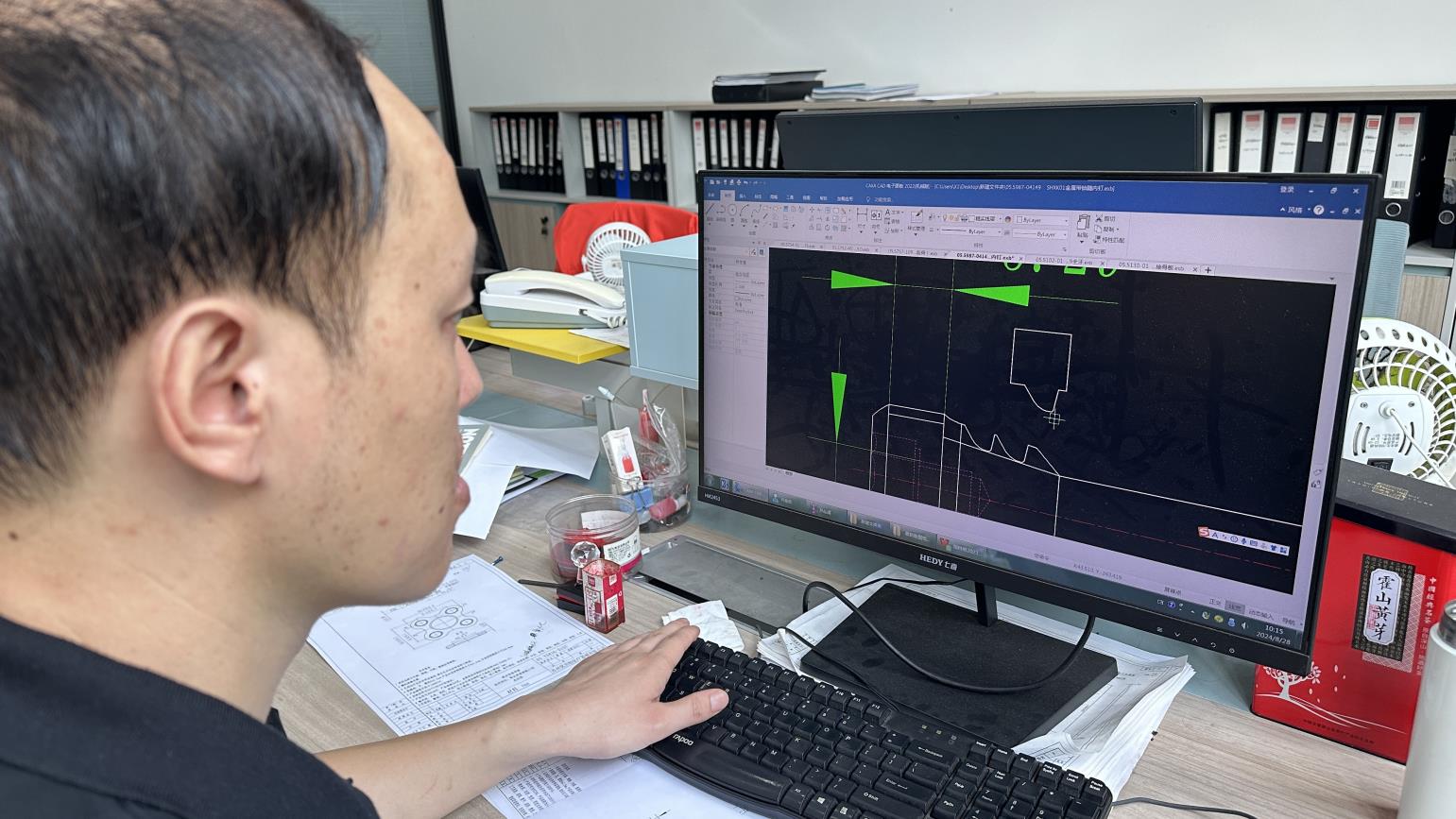
For medical distributors, research facilities, and large veterinary hospital networks, procuring off-the-shelf implants is not always sufficient. Bonevia bridges this gap with comprehensive OEM (Original Equipment Manufacturer) and ODM (Original Design Manufacturer) services. Backed by 85 R&D engineers, we transform specialized surgical feedback into tailored implant systems.
Our OEM/ODM services cover everything from design adjustments for exotic animal implants to customized instrument sets for orthopedic procedures. Every project undergoes a strict verification phase, ensuring our customized components meet the mechanical and chemical requirements of demanding clinical applications.
Expert answers regarding materials, regulatory standards, and supply chain logistics.
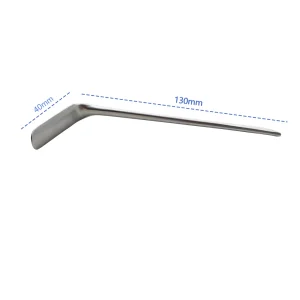
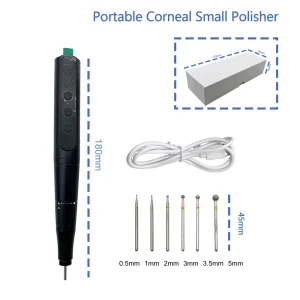
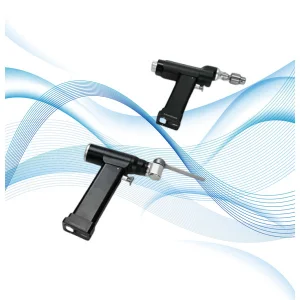
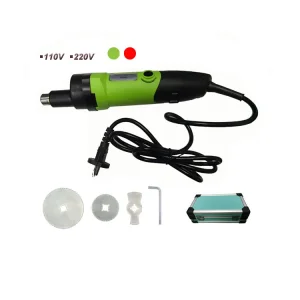
Premium instrumentation, power tools, and specialized surgical equipment for veterinary orthopedic theaters.