Bonevia
Bonevia
Bonevia
Engineered for high load-bearing stability, compliance with ANVISA guidelines, and precise fitment in critical trauma interventions.
Brazil, as the largest economy and population center in Latin America, presents a unique demographic configuration. With a rapidly aging population and a high incidence of motor-vehicle and industrial trauma incidents, the clinical demand for reliable internal fixation devices has surged exponentially. The unified health system, SUS (Sistema Único de Saúde), handles approximately 75% of orthopedic procedures in the country, emphasizing cost-effectiveness, clinical longevity, and high structural reliability in implant procurement. Meanwhile, the private sector (ANS-regulated supplement healthcare) demands cutting-edge biomaterial technology and minimally invasive delivery systems.
In the domain of trauma management, fractures of the femoral neck, tibial plateau, calcaneus, and distal humerus require precise reduction and stable compression. Cannulated screws have become the gold standard in these procedures due to their ability to be inserted over a guide wire, minimizing soft-tissue disruption and ensuring exact spatial placement. However, the commercial environment in Brazil is highly regulated and cost-sensitive, requiring manufacturers to not only deliver exceptional mechanical properties but also ensure absolute regulatory compliance and localized supply stability.
“For Brazilian medical device distributors and hospital chains, importing implants is not merely a purchasing decision; it is a complex navigation through regulatory standards, biomaterial certification, and supply-chain risk management.”
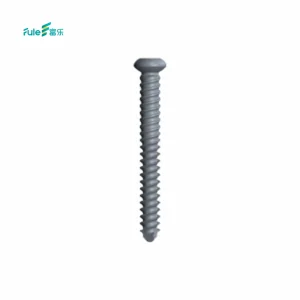
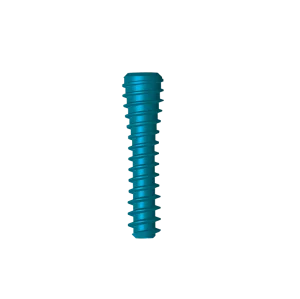
The clinical efficacy of cannulated screws depends on their mechanical configuration and raw material purity. At Bonevia Orthopedic Technology, we process medical-grade titanium alloy (Ti-6Al-4V ELI) conforming to ASTM F136 standards. The inclusion of an internal channel (cannulation) demands extreme concentricity and dimensional tolerance during deep-hole drilling to prevent mechanical eccentricity. This eccentricity could cause structural failure under rotational stress or bending loads inside the bone.
The threads must feature optimized pitch configurations: coarse threads for cancellous bone regions to maximize pull-out strength, and fine threads for cortical anchors. Our manufacturing protocols involve precise thread-rolling and CNC swiss-turning to guarantee that transition zones do not act as stress concentrators. When these implants are deployed in Brazilian operating theaters, they must withstand immediate post-operative physiological weight-bearing forces without micromotion or osteolysis.
Combining precise manufacturing engineering with strong quality controls, Bonevia is a trusted OEM/ODM partner for orthopedic implants.
Bonevia Orthopedic Technology Co., Ltd. is a professional manufacturer specializing in orthopedic implants and surgical solutions, dedicated to advancing innovation in trauma, spine, and joint reconstruction products. Since its establishment in 2015, the company has grown steadily into a trusted supplier in the global orthopedic industry.
With a modern production facility covering approximately 320㎡, Bonevia maintains strict quality management standards and efficient manufacturing processes. The company records an annual export revenue of around USD 8–15 million, supported by 6 years of export experience and over 10 years of overall industry experience.
Quality assurance is a core focus at Bonevia. The company implements multiple inspection methods including incoming material inspection, in-process quality control, and final product testing, supported by a dedicated quality team of 35 professionals. This ensures all products meet international medical device standards. Its supply chain ecosystem includes more than 850 partners, enabling stable raw material sourcing and efficient production delivery to major markets across Europe, Southeast Asia, the Middle East, and South America.
Our vertically integrated production process ensures complete traceablity and consistent dimensional accuracy for every orthopedic implant.
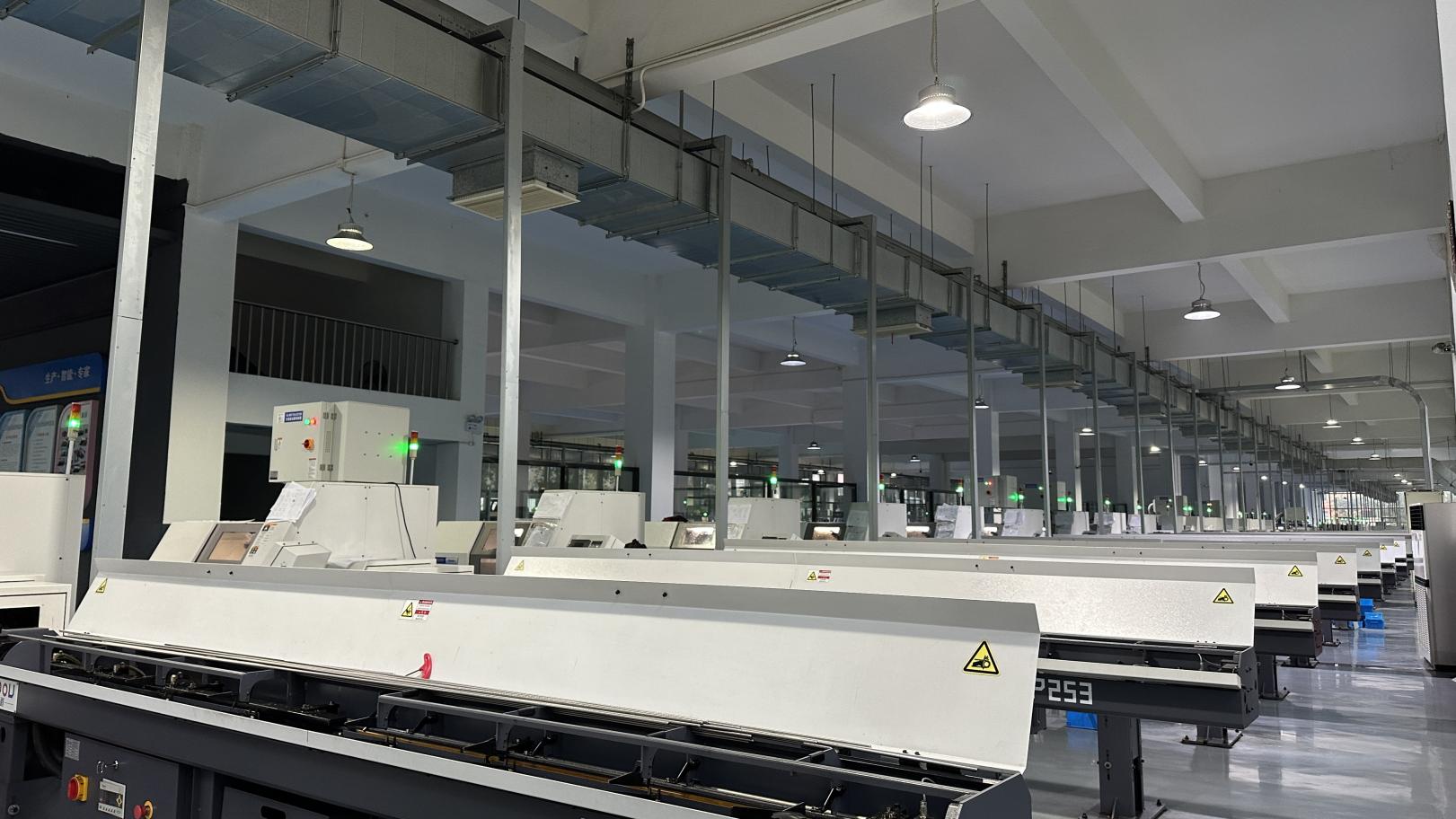
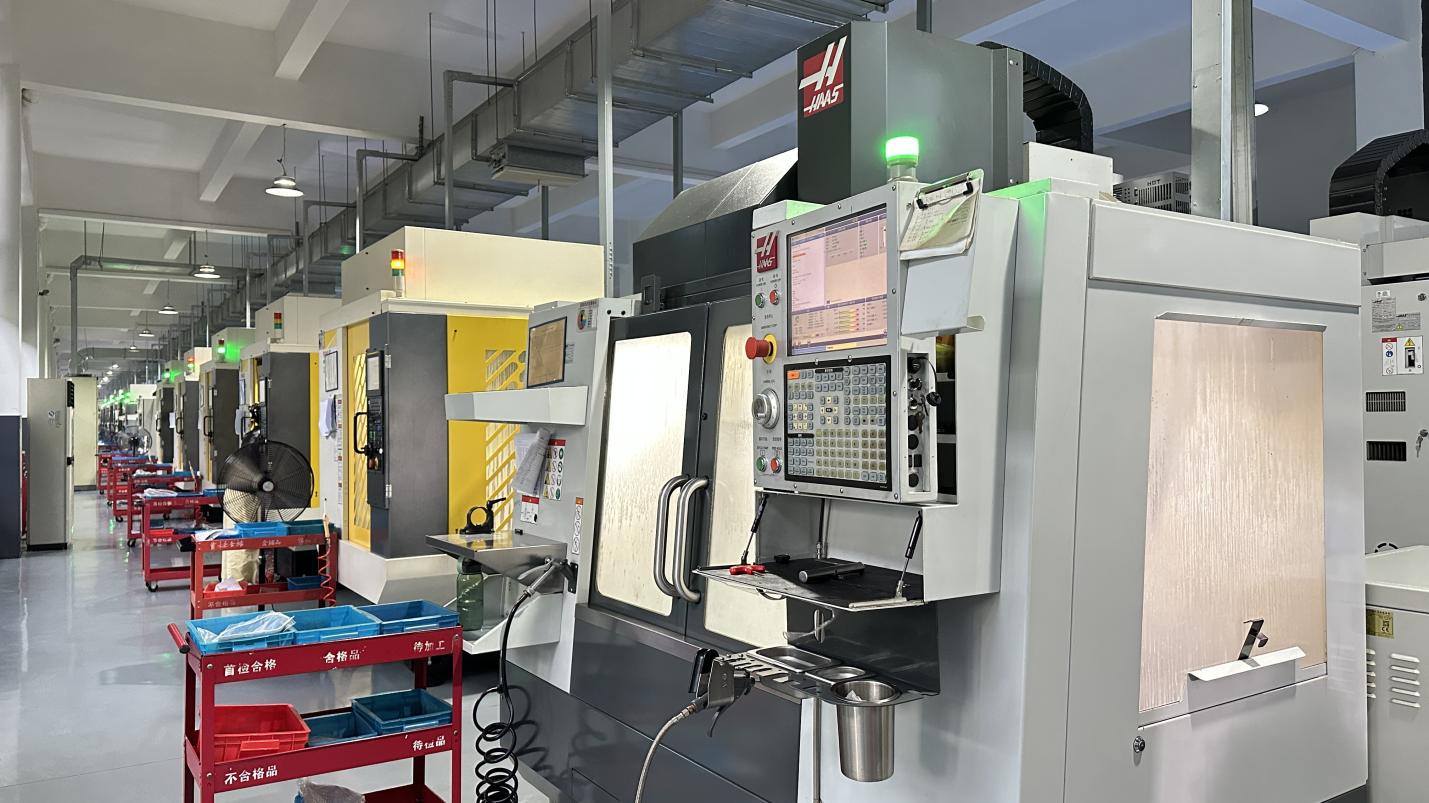
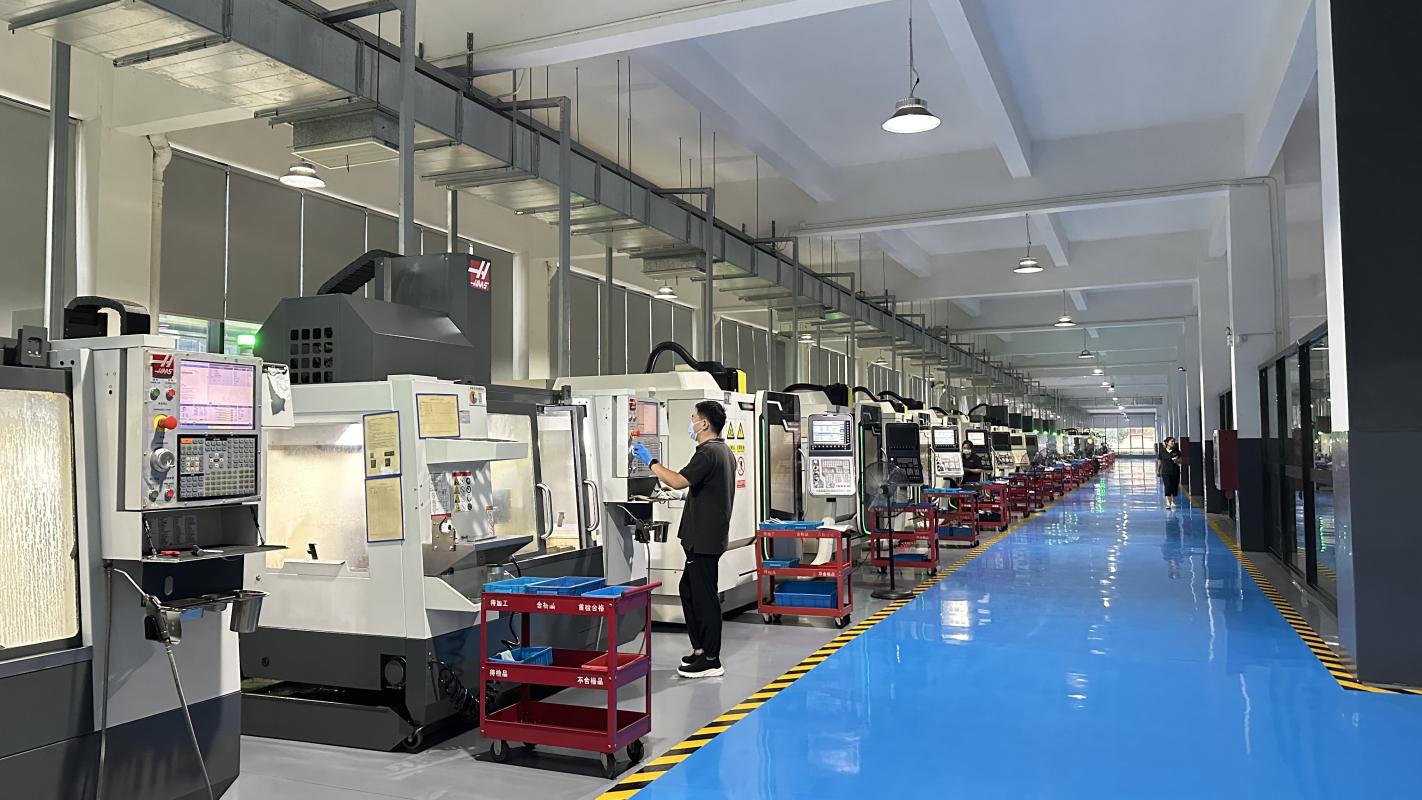
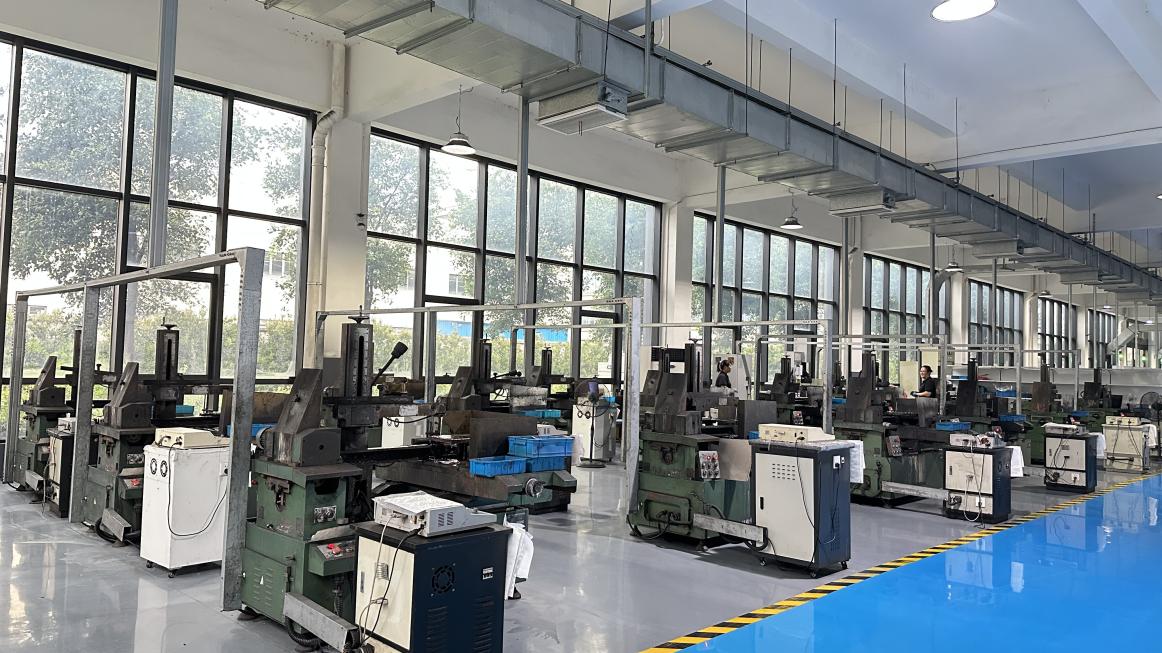
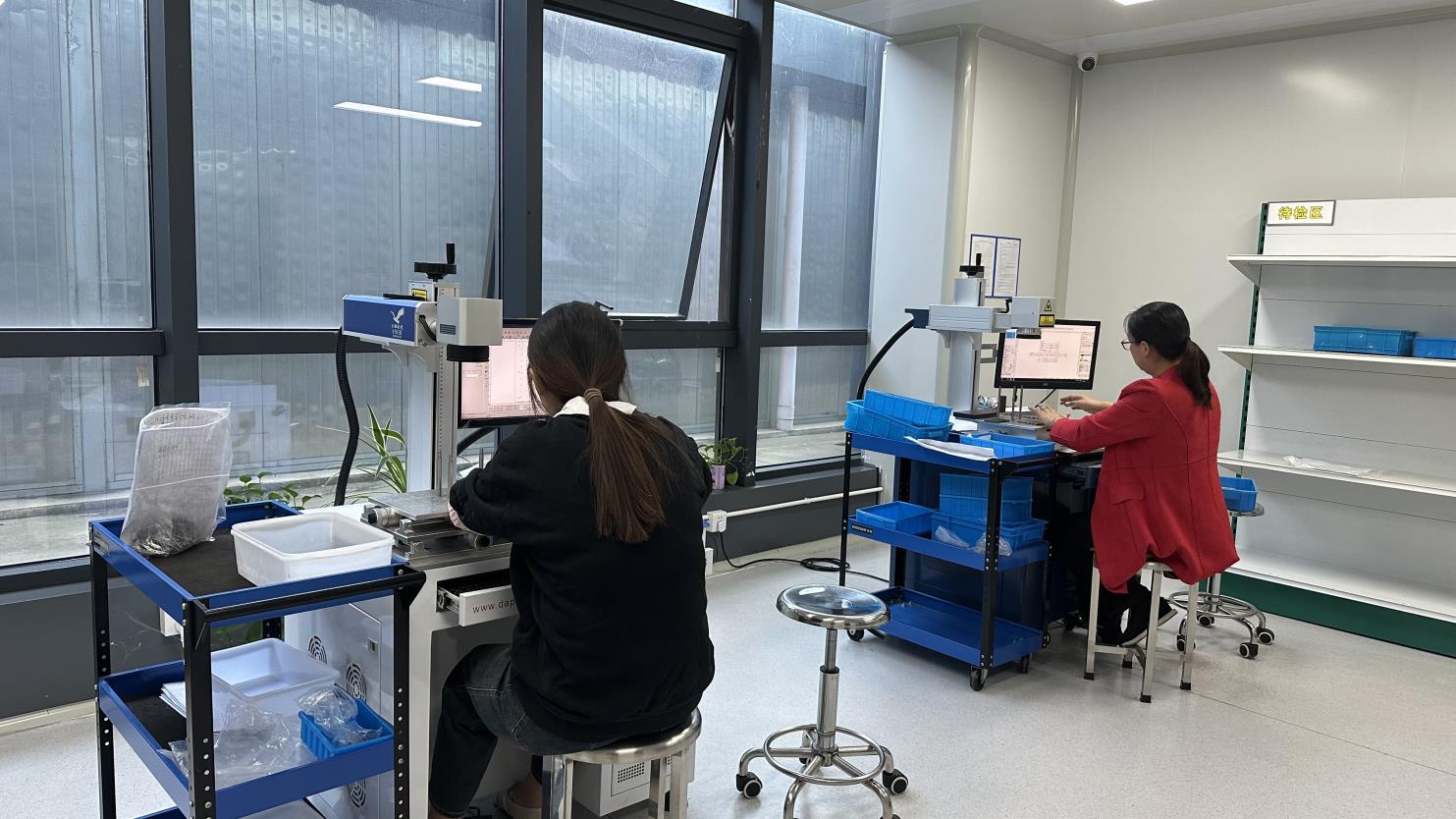
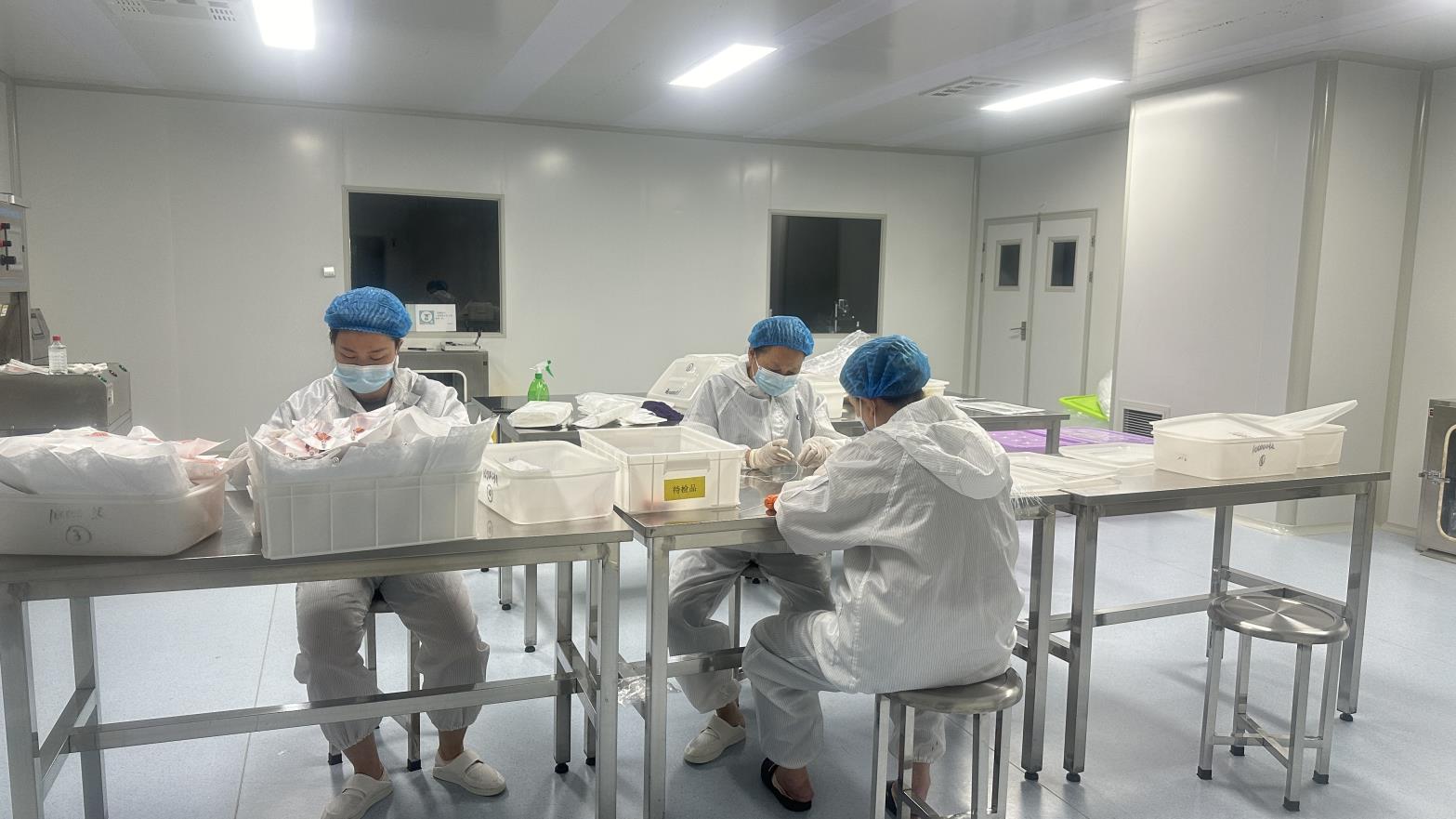

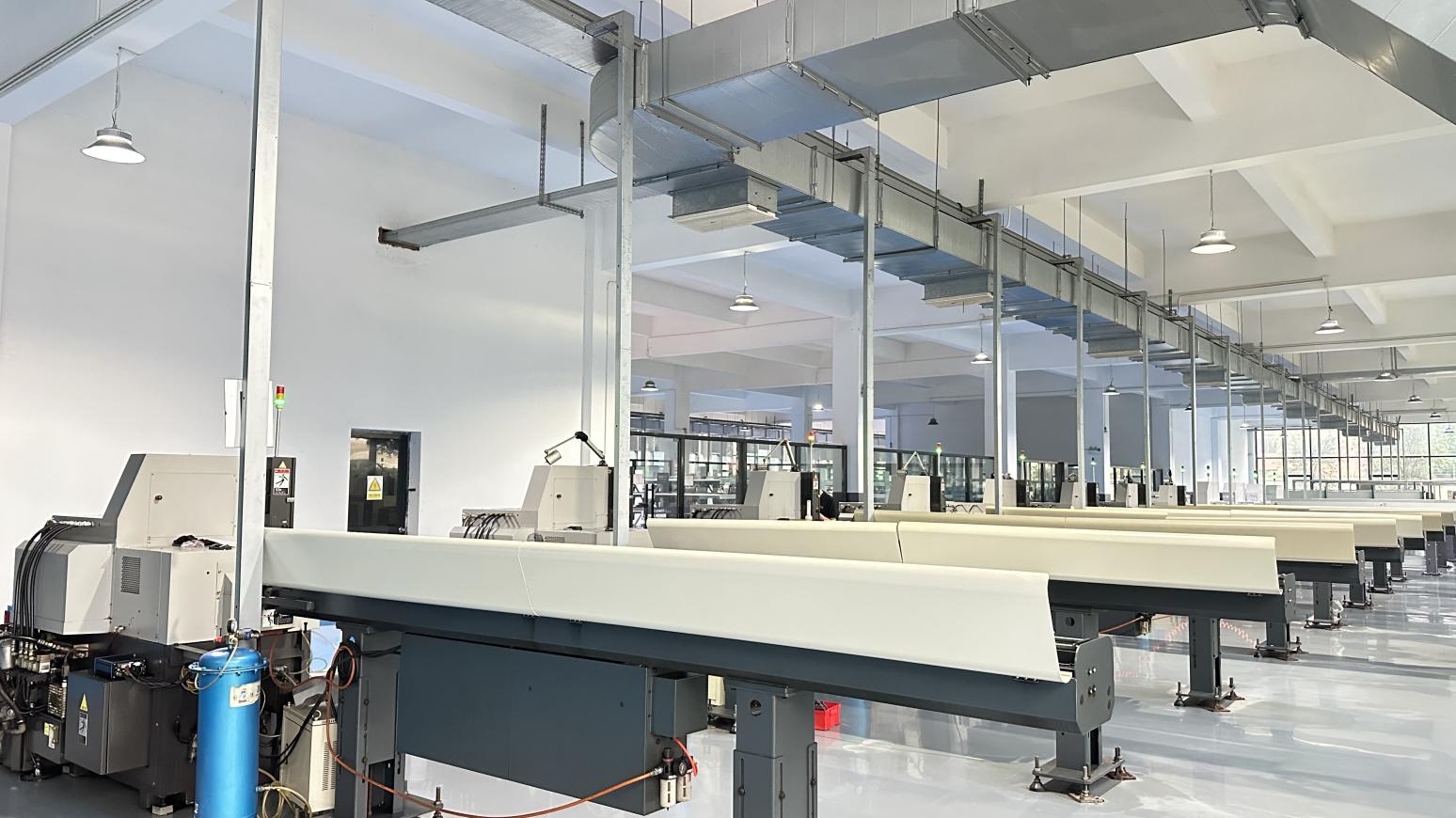
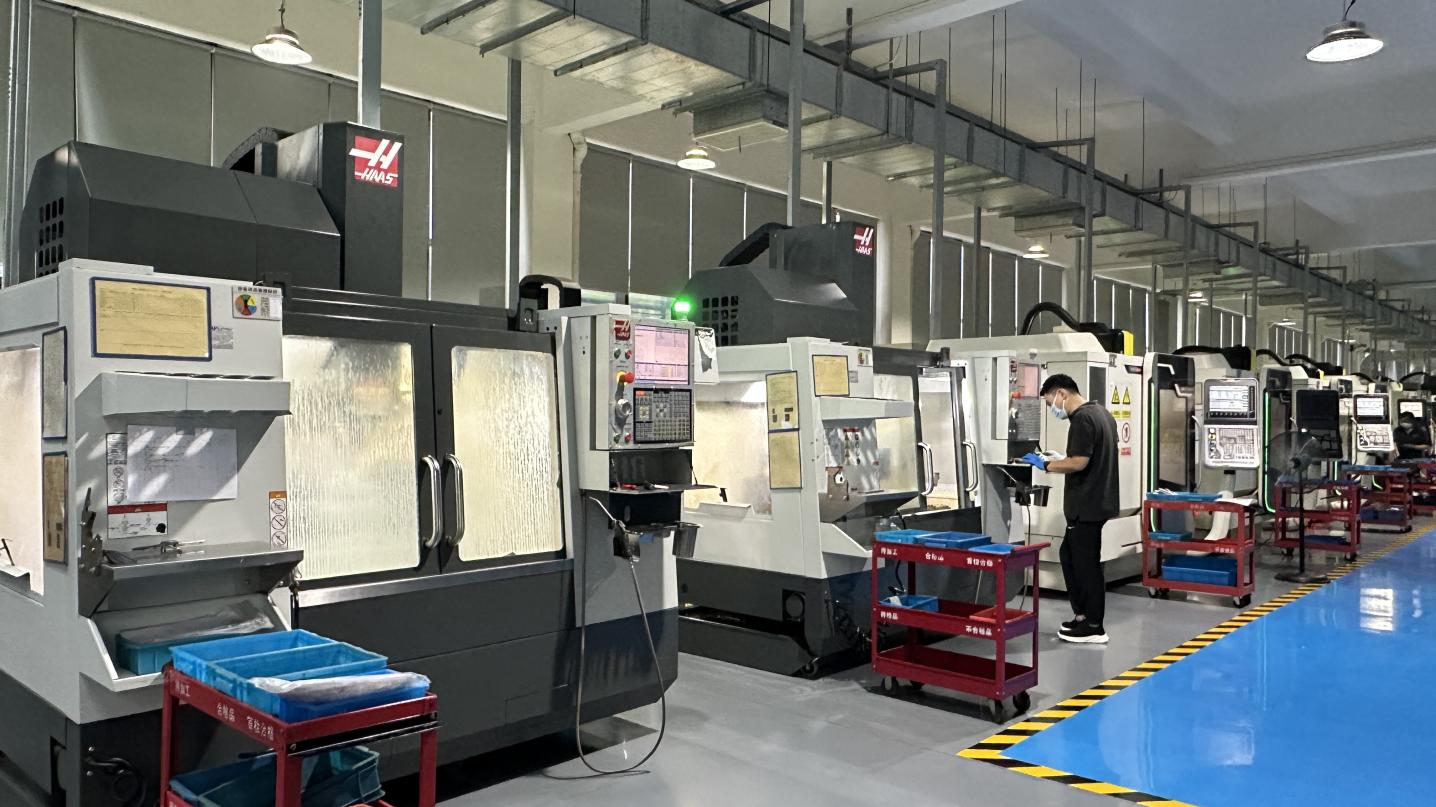
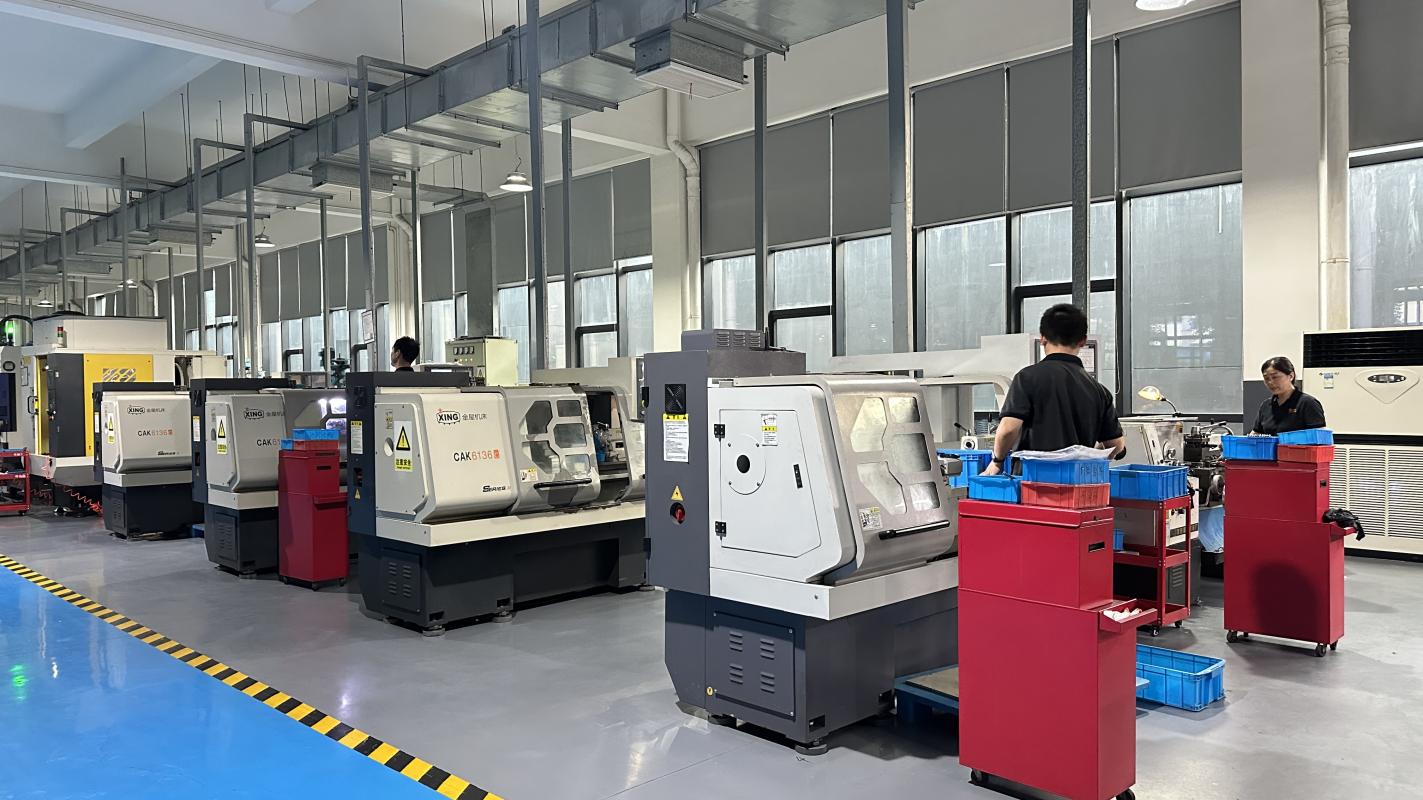
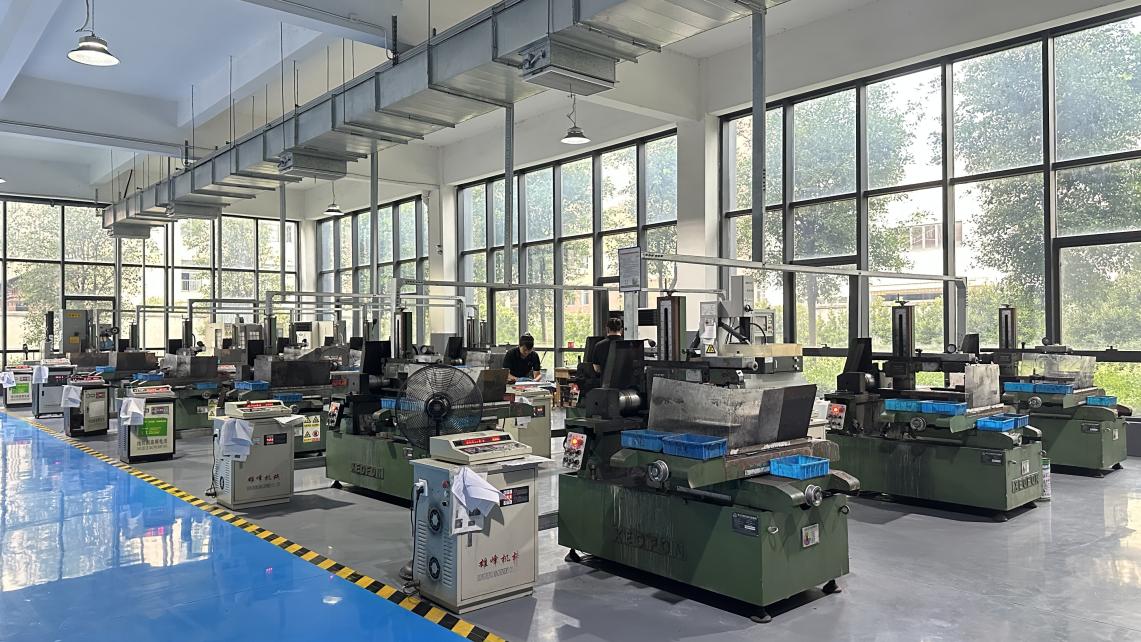
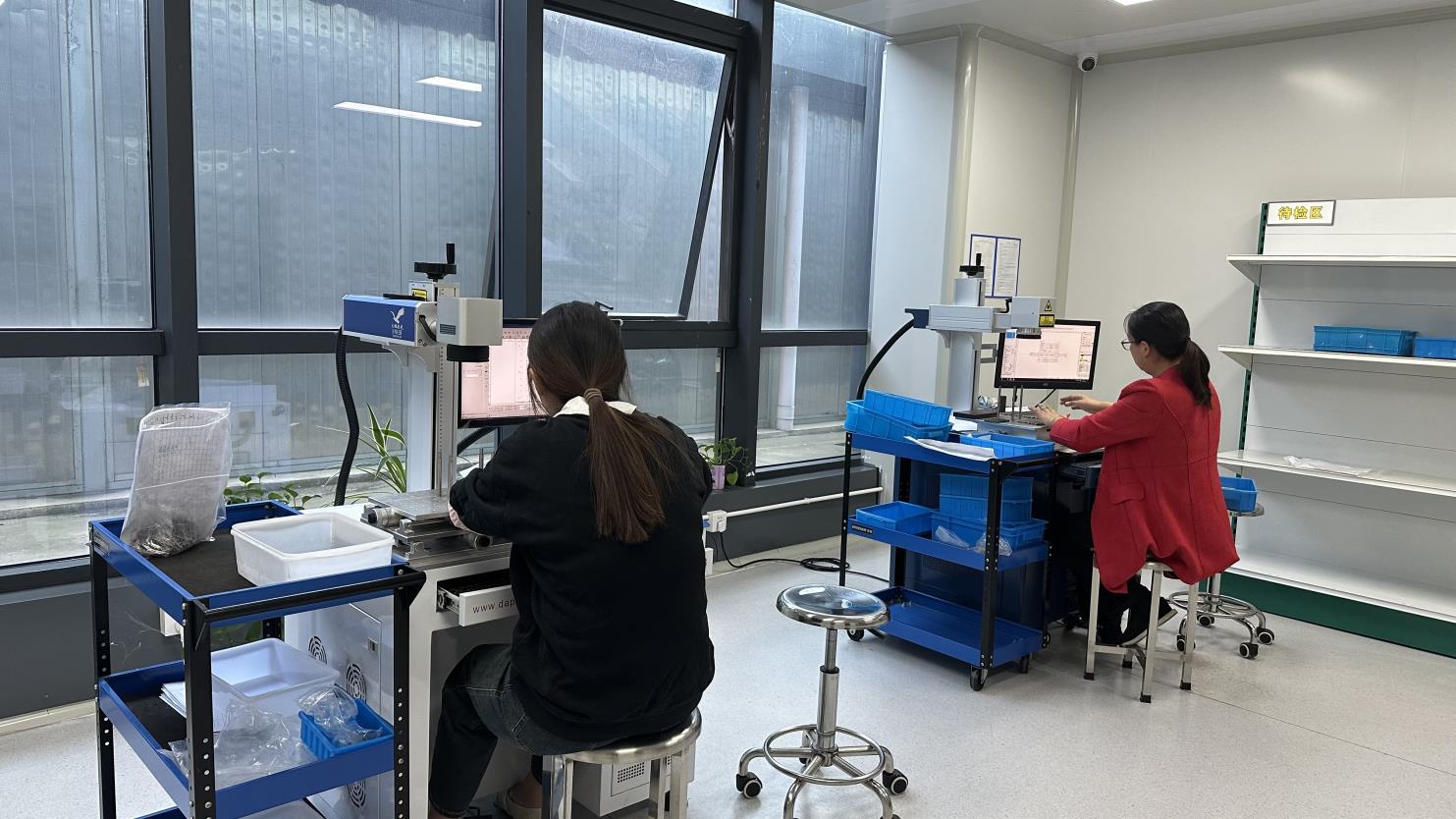
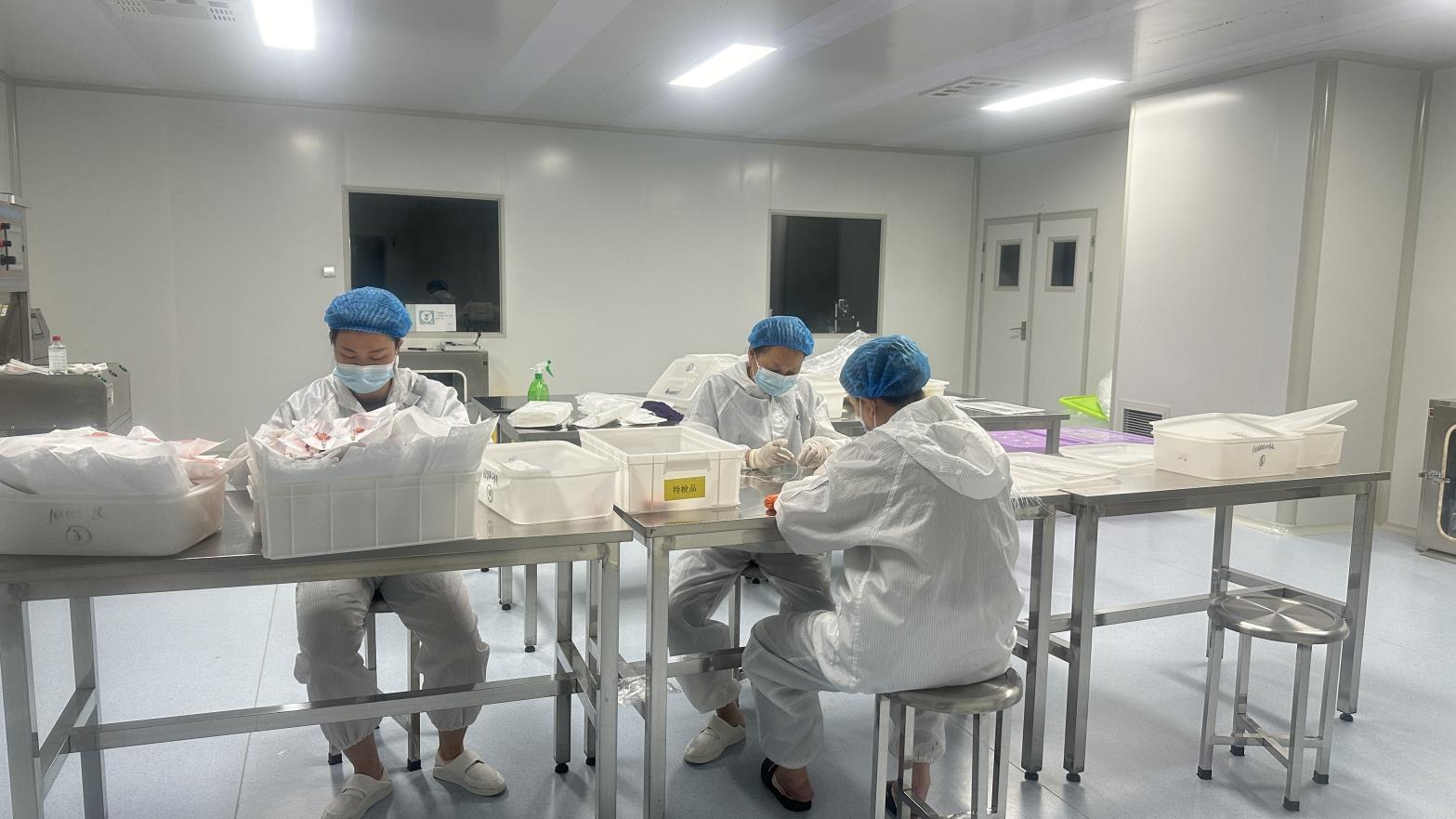
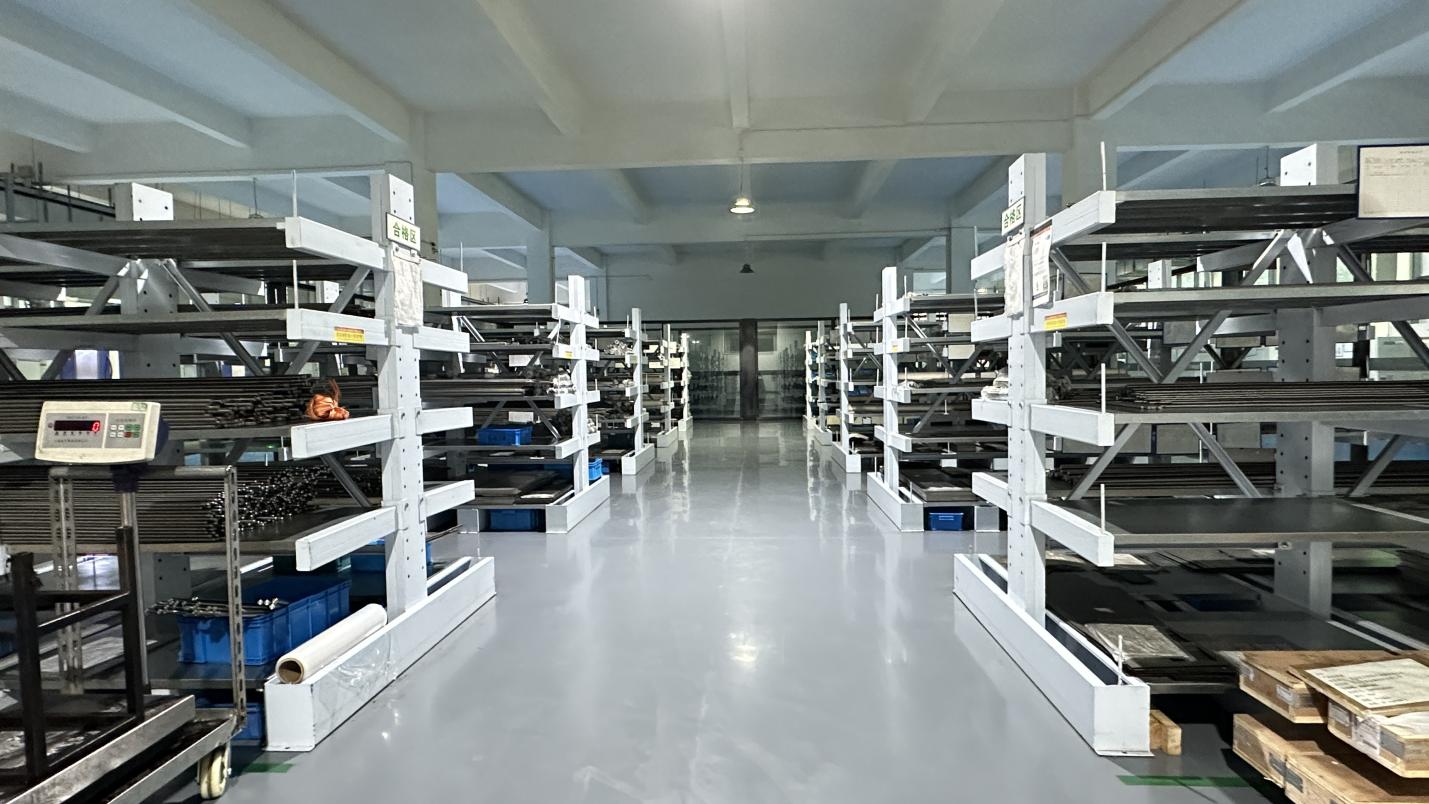
Our facility is optimized for manufacturing high-precision titanium implants. Equipped with multi-axis CNC machines and automated testing instruments, we ensure every production run meets international orthopedic parameters.
For Brazilian distributors, the regulatory pathway governed by the Agência Nacional de Vigilância Sanitária (ANVISA) represents a significant barrier to entry. Orthopedic implants, classified as high-risk medical devices (Class III/IV), are subject to rigorous evaluation. This requires comprehensive documentation under RDC 751/2022 (which replaced RDC 185/2001) and strict adherence to Brazilian Good Manufacturing Practices (BGMP) audits.
Bonevia Orthopedic Technology provides a complete technical dossier package designed to facilitate this certification. Our documentation includes detailed design history files, biocompatibility testing certificates (ISO 10993), raw material analysis reports, and dynamic fatigue test data (ASTM F2193 or equivalent). We work closely with our partners' Host Country Representatives (BRH - Brazilian Registration Holders) to streamline submission processes, significantly reducing time-to-market compared to standard manufacturing timelines.
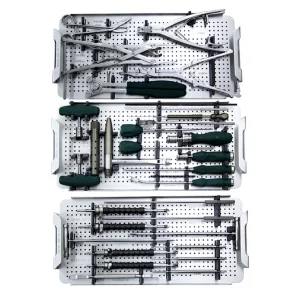
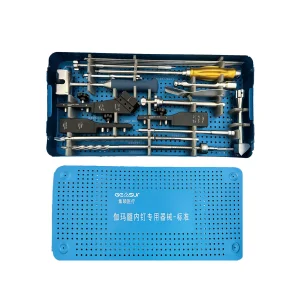
A key differentiator for Bonevia is our strong R&D team of 85 engineers. We understand that clinical preferences can vary; for example, surgical preferences in São Paulo may differ from those in Porto Alegre in terms of screw head geometries, driver connections (e.g., Torx vs. Hexagonal), and instrument tray configurations. Our production lines offer full OEM and ODM customization services, enabling Brazilian distributors to supply custom instrument trays and custom implants tailored to local clinical preferences.
From rapid 3D CAD modeling and prototype generation to titanium anodizing and sterile-ready packaging, our manufacturing workflow is designed to support custom developments. We work with our partners through every step of the development cycle, ensuring that new products are delivered on-schedule and in compliance with regulatory standards.
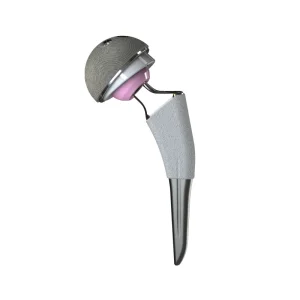
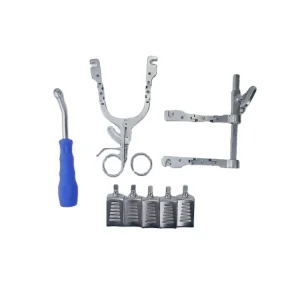
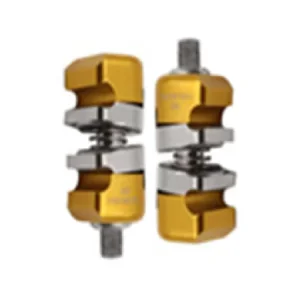
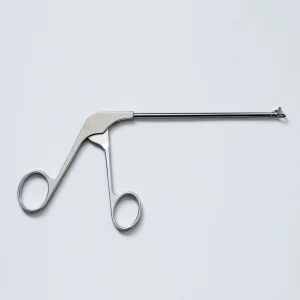
High-quality surgical instruments, specialized plates, and joint reconstruction implants designed for modern orthopedic workflows in Brazil.
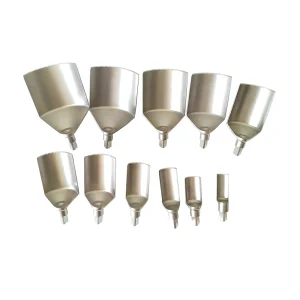
The orthopedic industry is transitioning from passive implant interfaces to bioactive and patient-specific solutions. Our technical roadmap focuses on two main developments:
By investing in these technologies, Bonevia provides our distribution partners in Latin America with access to advanced implant solutions, helping them maintain a competitive edge in their local markets.
Key information regarding regulatory support, manufacturing parameters, logistics, and commercial cooperation.
Discuss your clinical specifications, request sample components, or start the ANVISA registration dossier process with our engineering team today.
Send Inquiry Now