Bonevia
Bonevia
Bonevia
Engineered for extreme biomechanical stability and anatomical conformity.
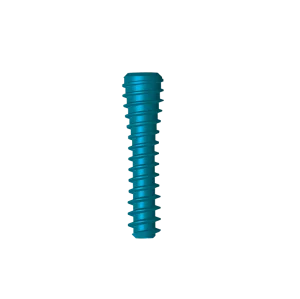
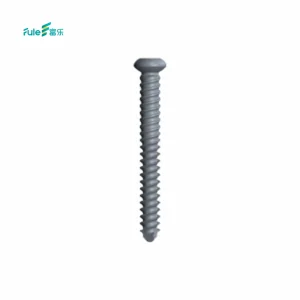
In the United States, the demand for orthopedic internal fixation devices continues to scale rapidly. The shift towards Minimally Invasive Surgery (MIS), coupled with the rapid growth of Ambulatory Surgery Centers (ASCs), has reshaped the purchasing criteria for orthopedic implants. Cannulated screws, which allow for percutaneous insertion over a guide wire, are now foundational in resolving femoral neck fractures, distal tibia fractures, and severe ankle-foot trauma.
However, US buyers—ranging from hospital purchasing groups (GPOs) to boutique distributors—face strict requirements. Products must adhere strictly to ASTM F136 ELI (Extra Low Interstitial) Titanium Alloy or ASTM F138 316L Stainless Steel specifications to ensure maximum fatigue limit, superior biocompatibility, and adequate torsional yield strength.
Bonevia's cannulated screws feature precise thread pitches (partially or fully threaded configurations), self-tapping and self-drilling tip profiles, and standardized star or hex drive sockets. These design criteria minimize surgical times while maximizing pull-out strength in osteoporotic bone—crucial metrics for US Joint Commission (TJC) accredited operating suites.
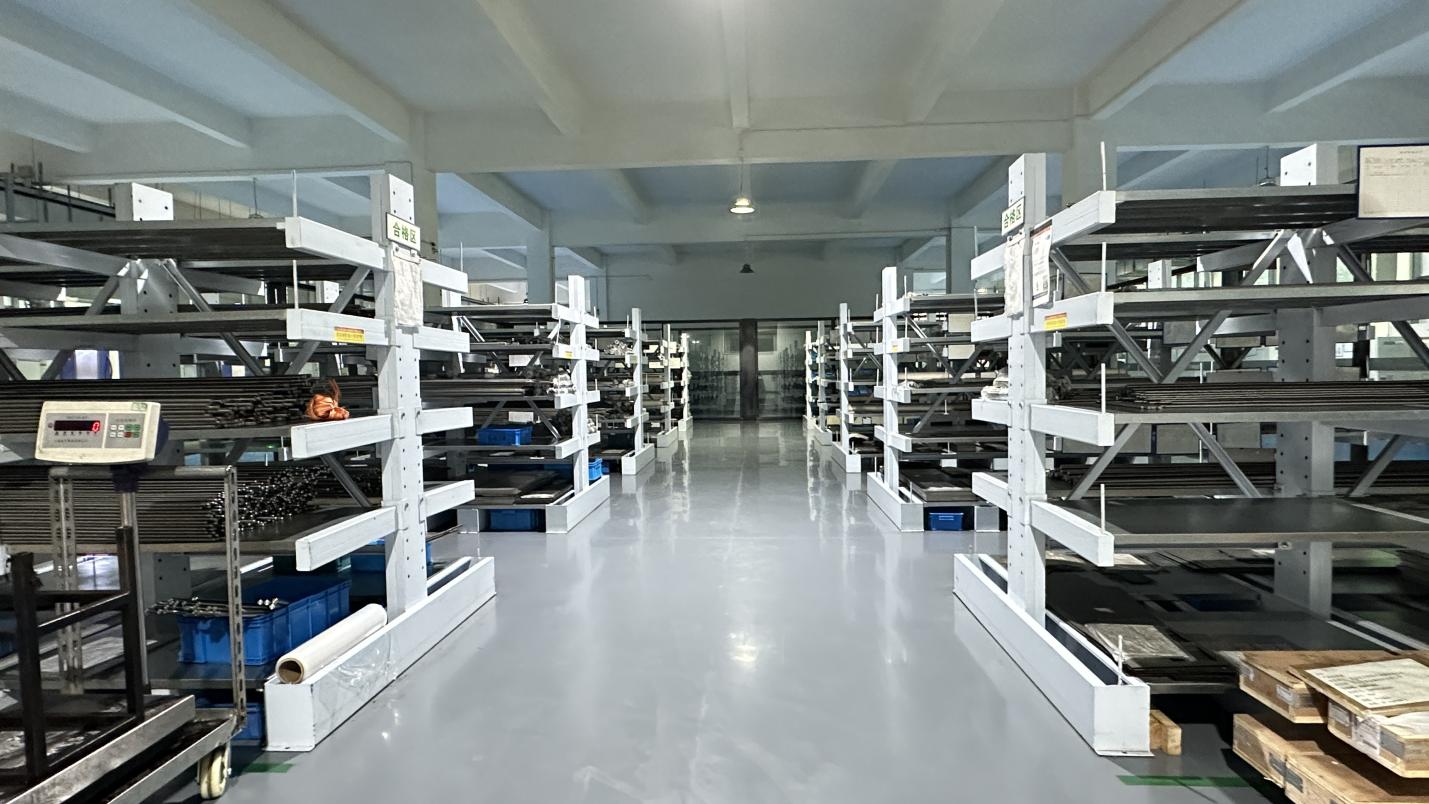
Bridging Chinese Manufacturing Scale with US Market Compliance Since 2015
Established in 2015, Bonevia Orthopedic Technology Co., Ltd. has grown from a specialized manufacturer into a global medical supply partner. Operating a state-of-the-art facility optimized for high-precision machining, we generate an annual export revenue of USD 8–15 million. Supported by 6 years of export operations and over 10 years of domestic manufacturing experience, Bonevia is positioned to fulfill OEM, ODM, and contract manufacturing contracts for US clients.
Quality assurance is the core pillar of our manufacturing plant. Every production run undergoes a rigorous multi-stage verification framework: Incoming Material Inspection (X-ray spectroscopy verification of titanium grade), In-Process Statistical Process Control (SPC), and Final Product Tensile and Dimensional Testing. Managed by our 35 dedicated QC professionals, our testing lab guarantees that every screw shipped to North American shores conforms fully to clinical tolerances.
From raw medical titanium bars to sterile-ready orthopedic implants.
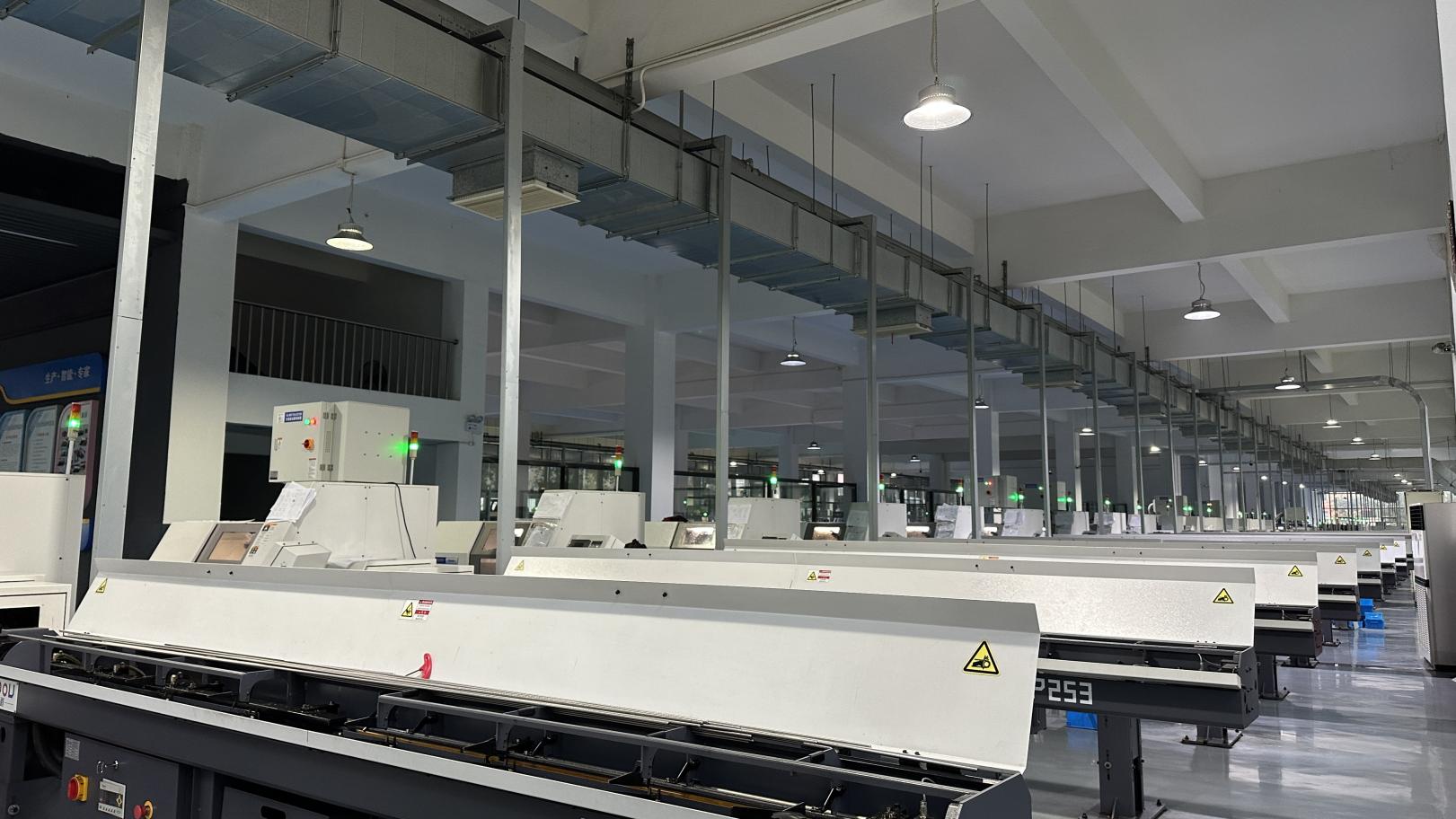
Imported medical-grade ASTM F136 Titanium Alloy rods and ISO 5832 stainless steel wire stocks.
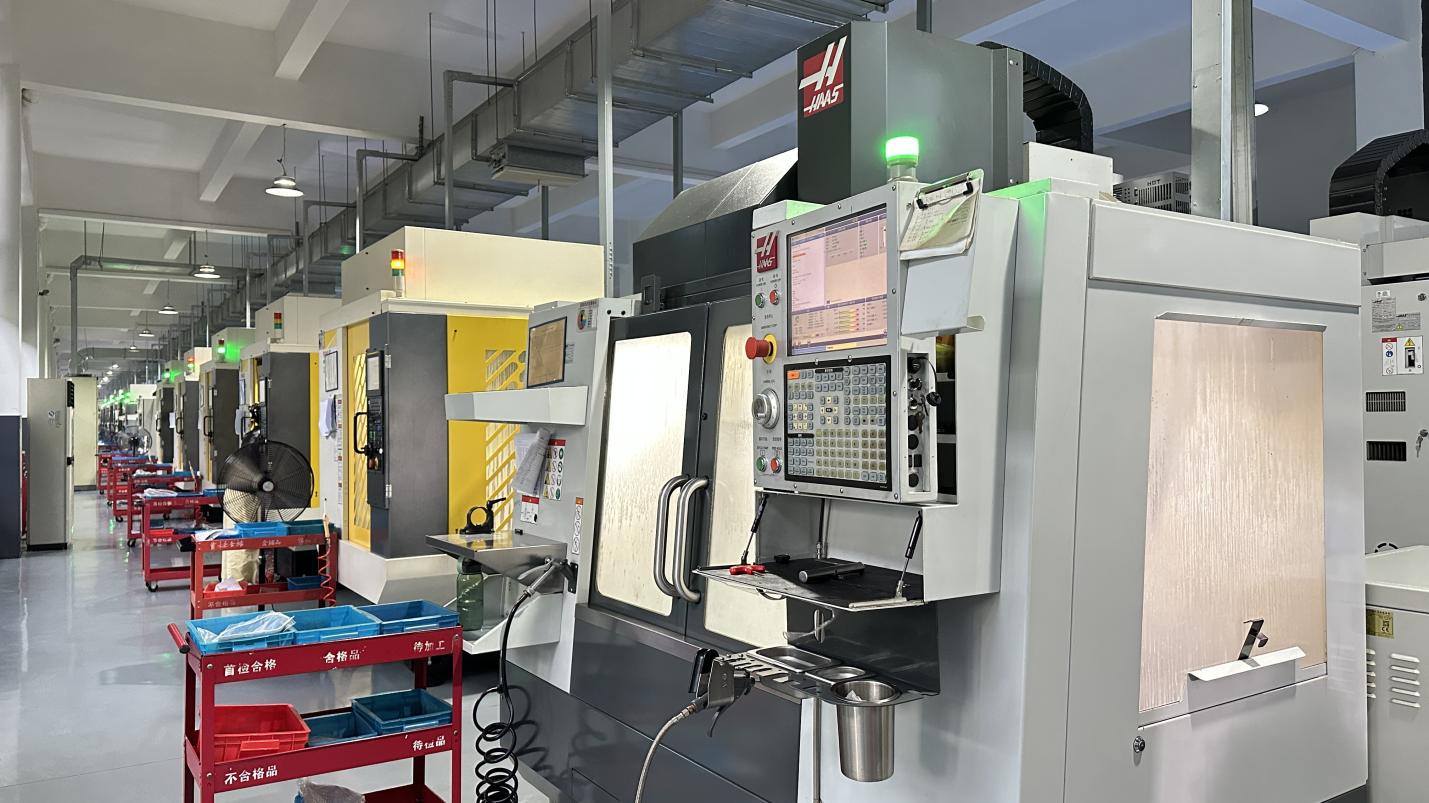
High-speed cutting and bar feed preparation for dimensional uniformity across batches.
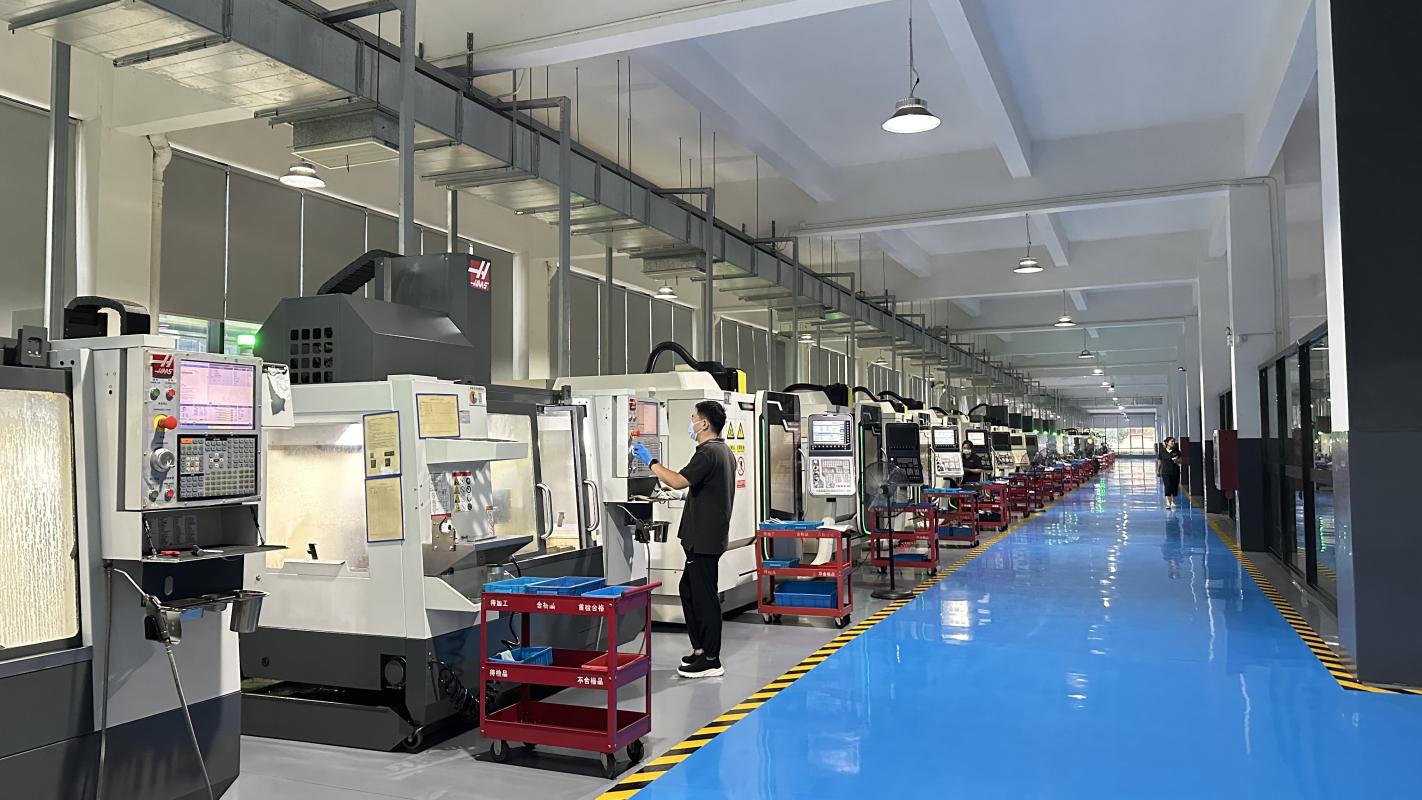
Turning and primary shaft machining using advanced multi-axis CNC centers.
Precision gun-drilling processes creating concentric inner lumens for guide wire insertion.
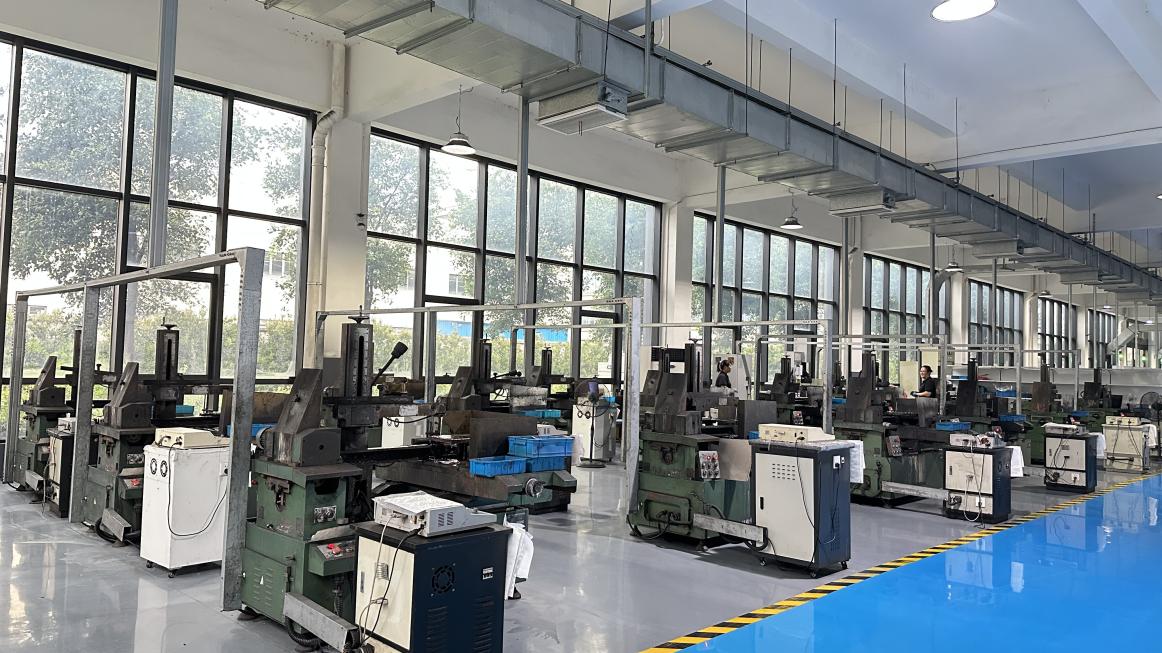
Electro-discharge machining for high-tolerance surgical instrument interfaces.
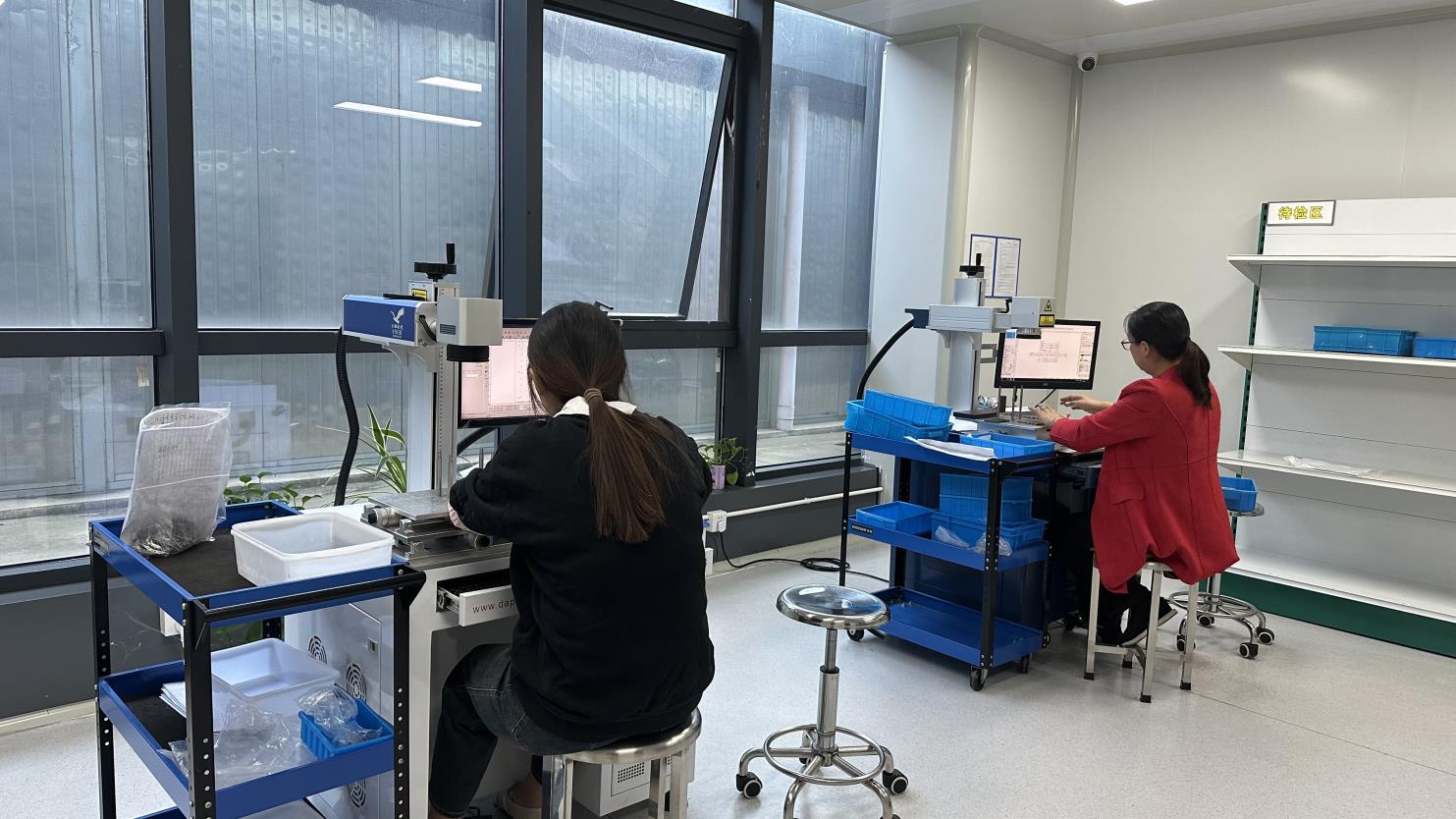
Clear, permanent laser marking for Unique Device Identification (UDI) compliance.

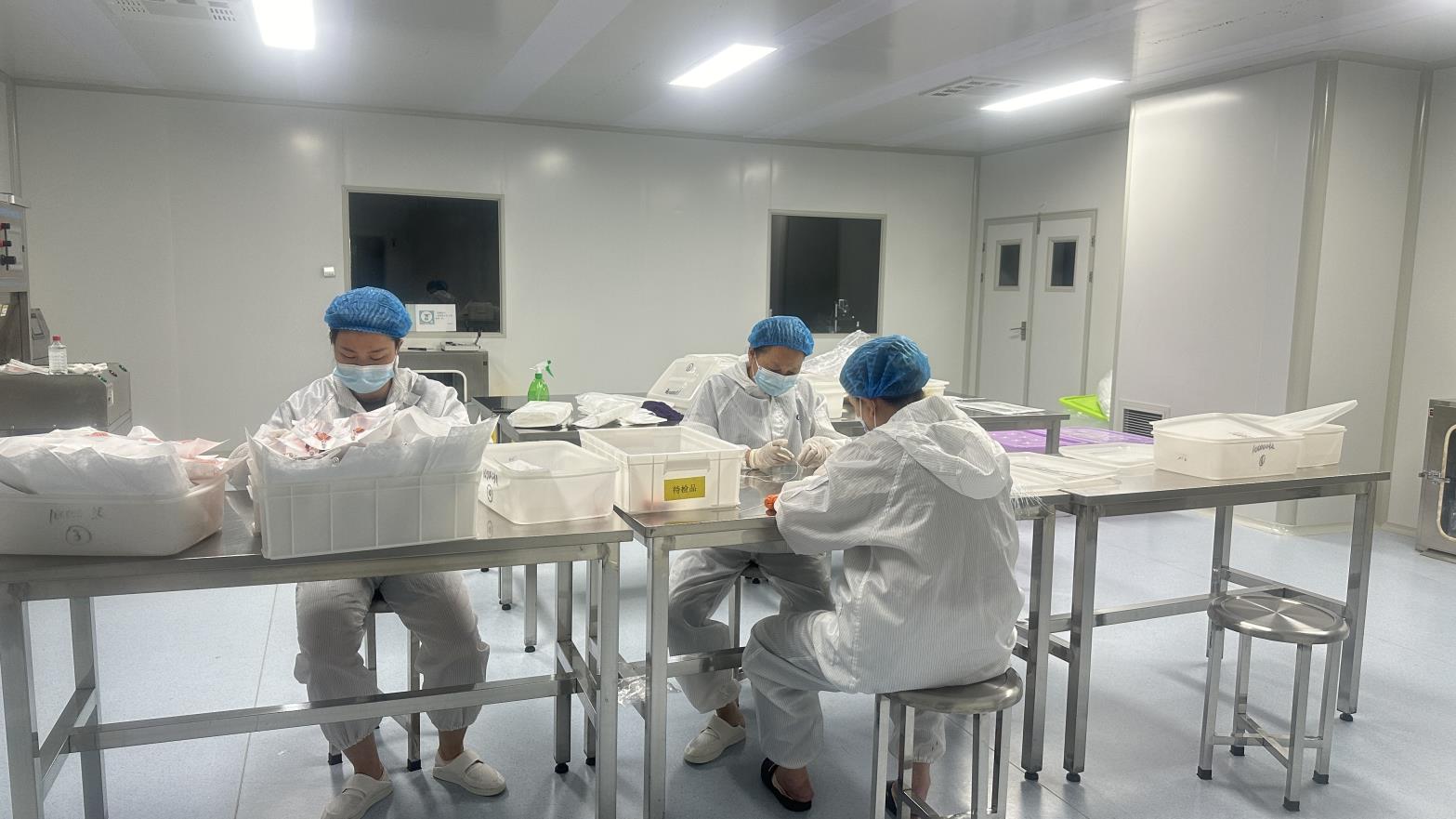
Microscopic evaluation followed by medical packaging ready for sterilization.
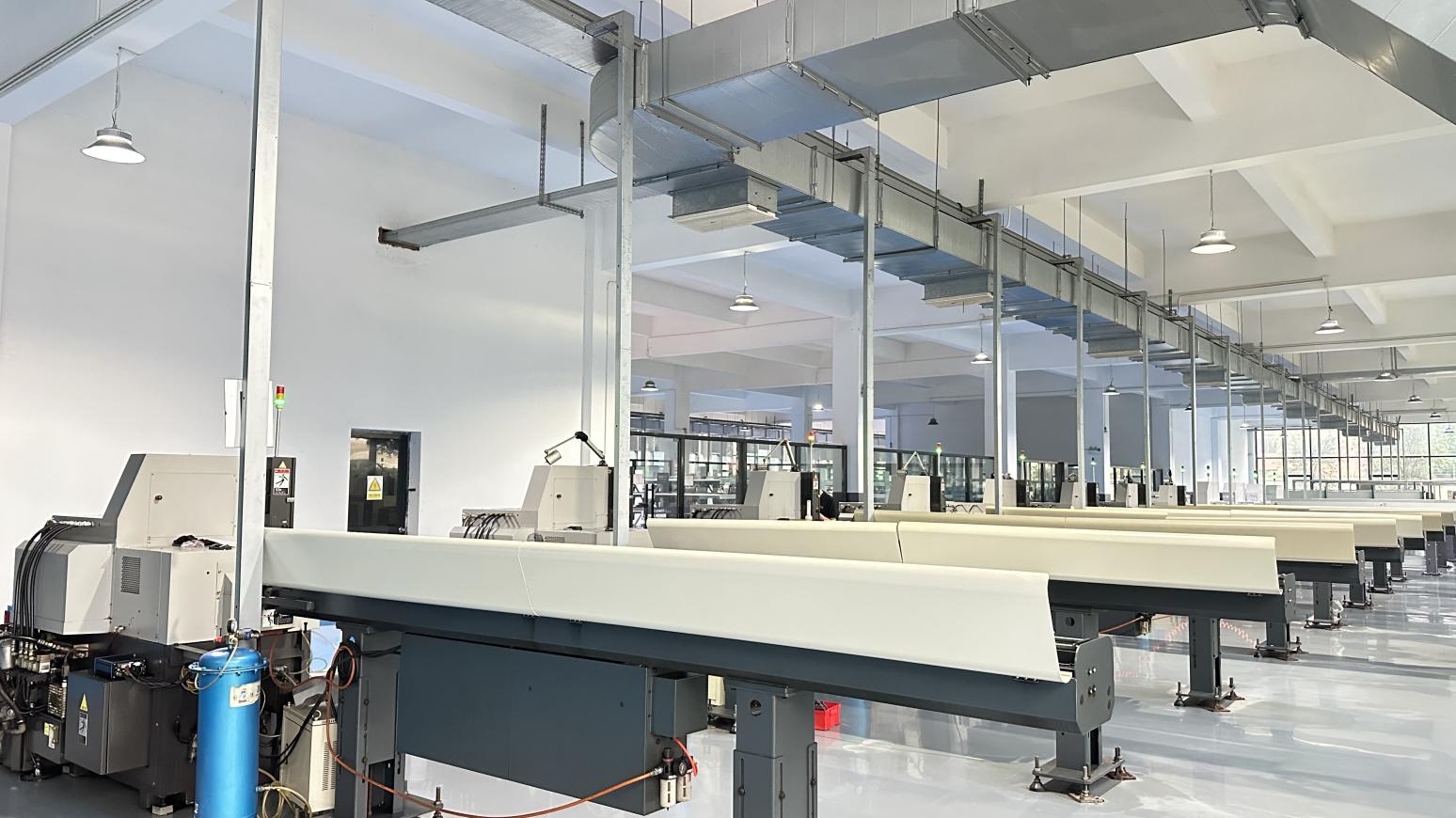
Humidity and temperature-controlled storage keeping sterile integrity before transport.
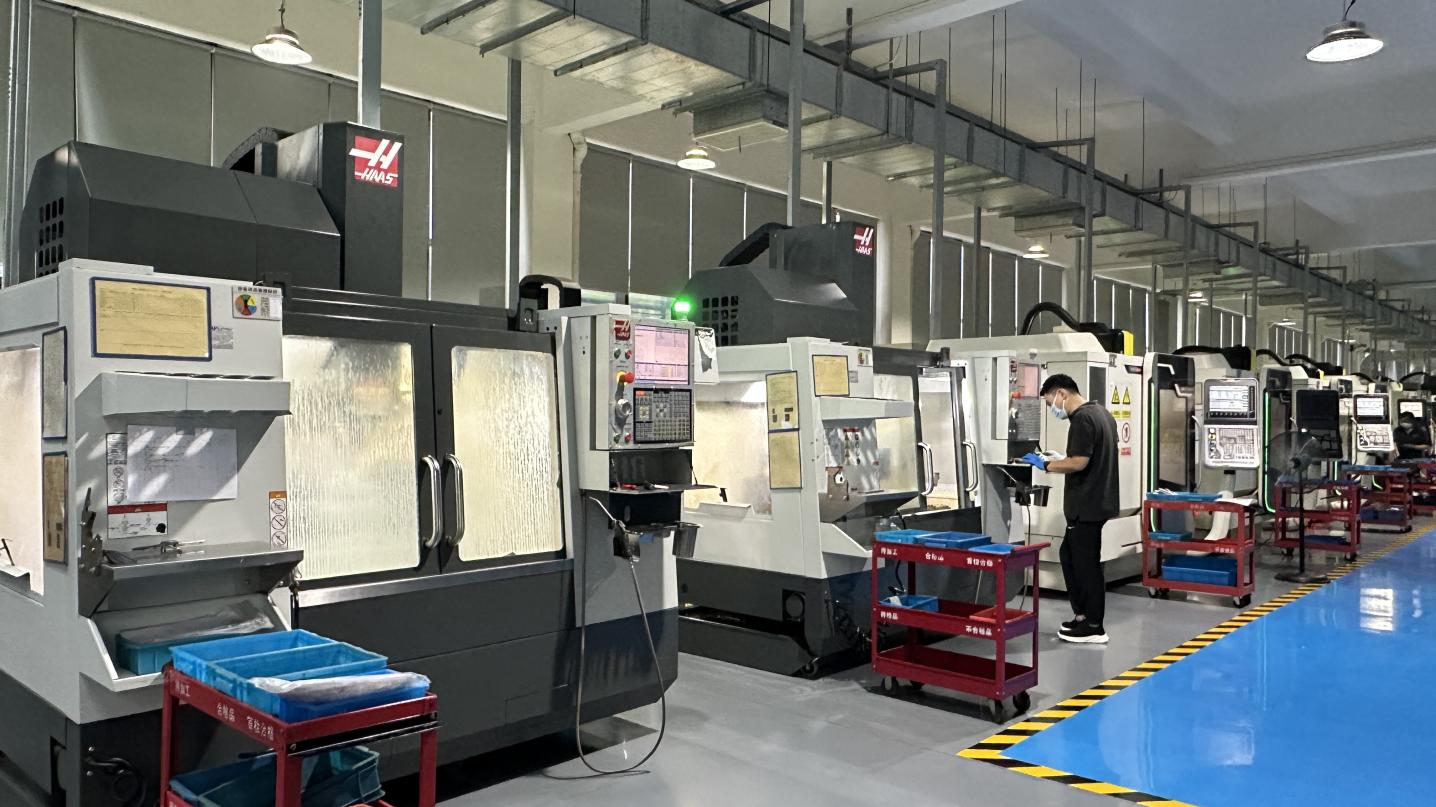
Automated machinery feeding continuous alloy stock into the machining lines.
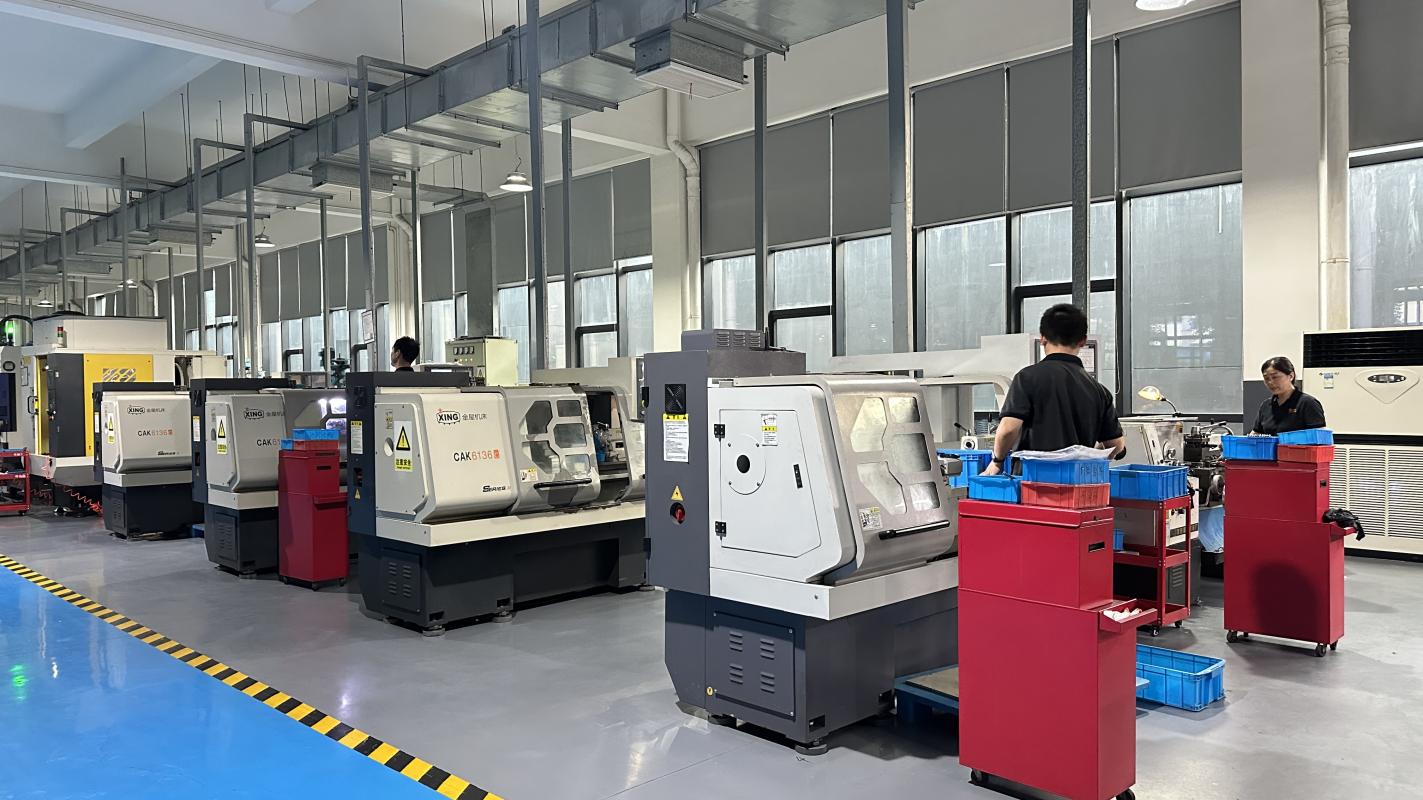
Advanced lathes executing fine-threaded profiles on cannulated bone screws.
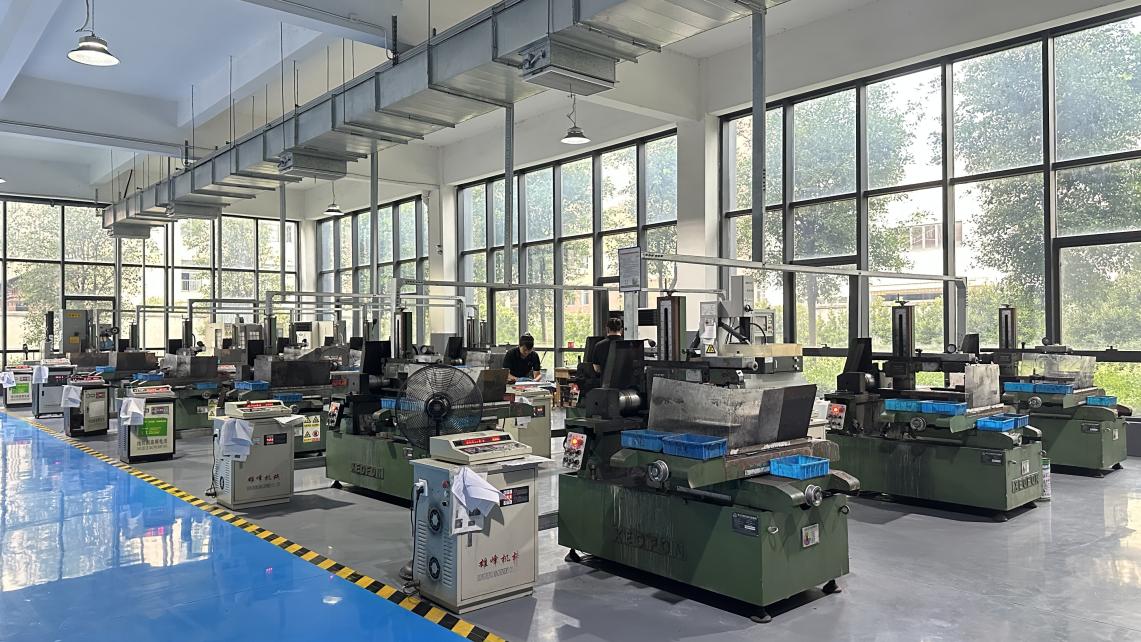
Secondary metalwork and tool fabrication machines operating alongside CNC lines.
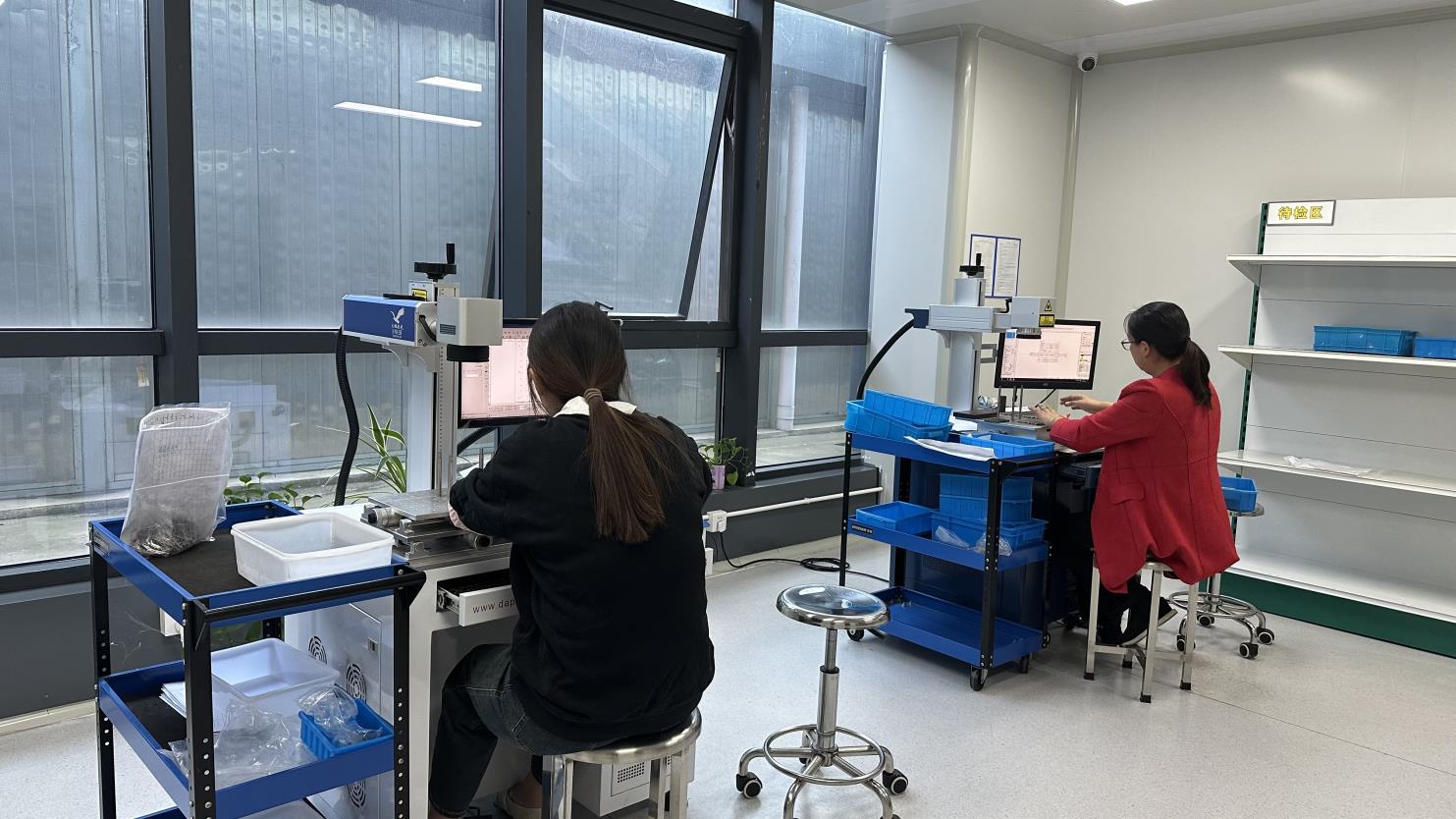
Highly-calibrated wire cutting systems for micro-geometry screw designs.
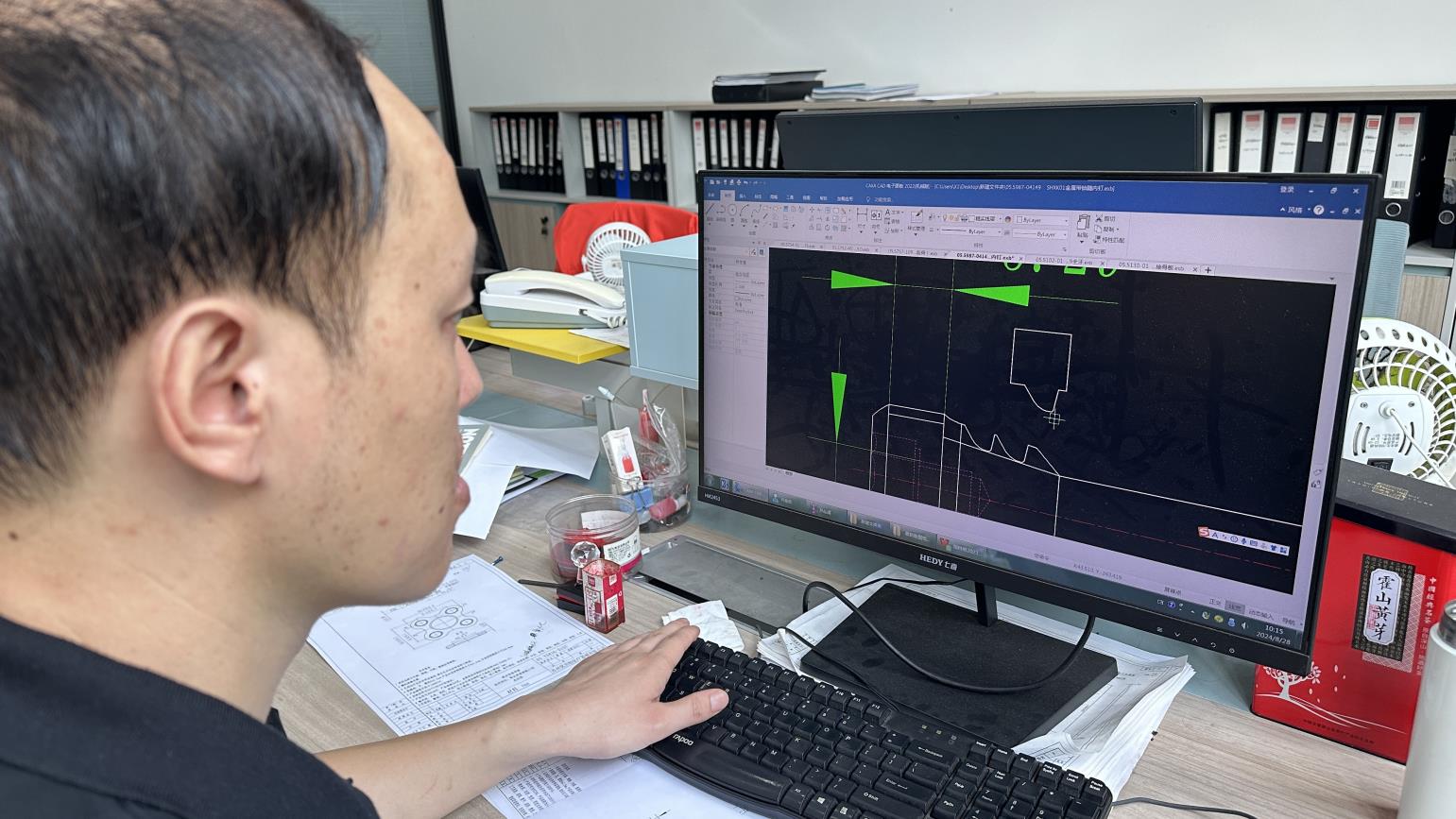
Fitted with clean-room extraction to prevent trace carbon surface contamination.
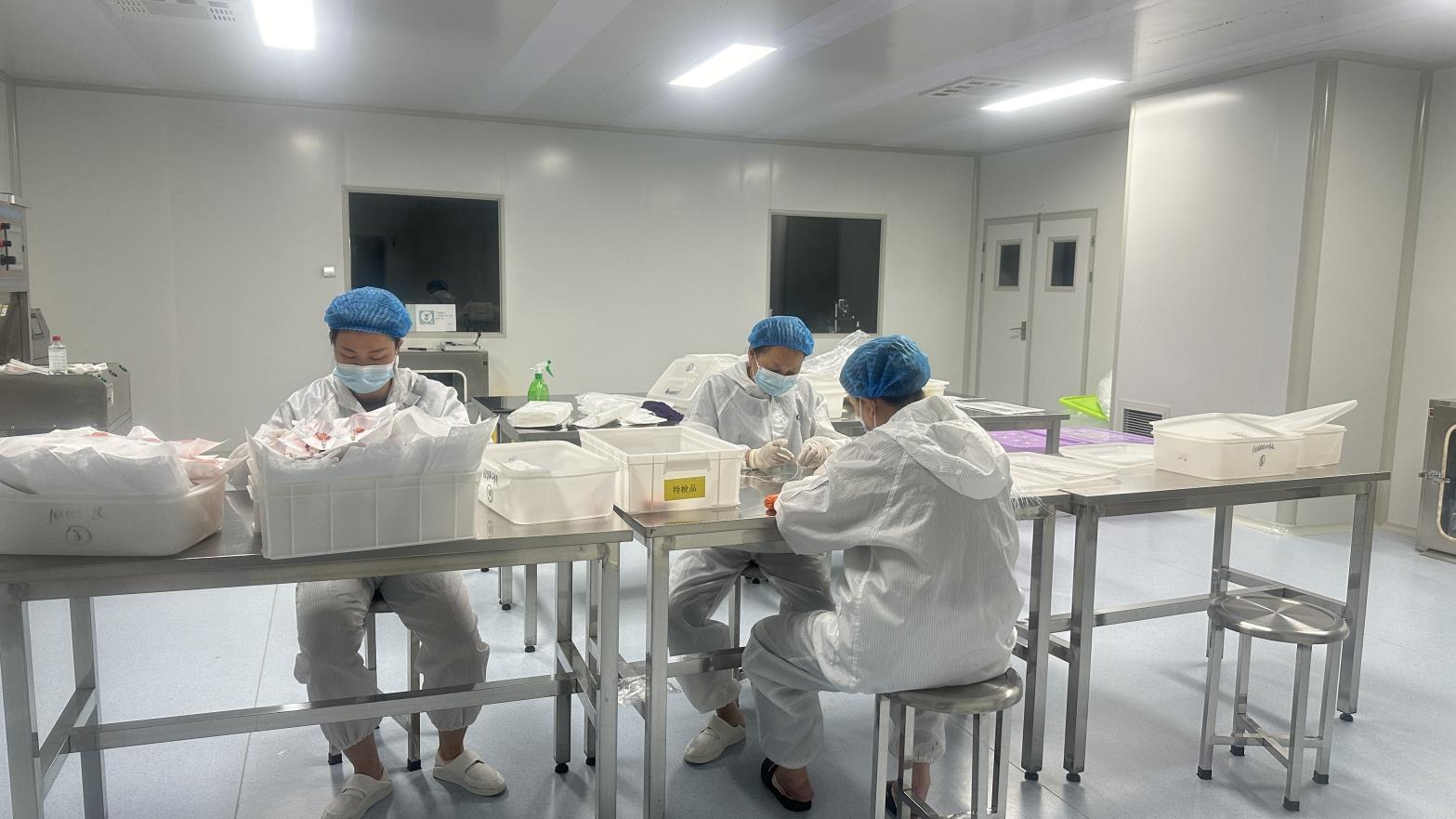
Biomedical engineering staff utilizing FEA modeling to simulate implant stresses.
Utilizing non-contact vision measurement systems to certify dimensional accuracy.
For cannulated bone screws, mechanical performance determines patient outcomes. During fracture compression, a screw is subjected to severe shear stress and cyclic loads. Bonevia implants are optimized to prevent two primary failure modes: guide wire binding during insertion and screw head shearing under compression.
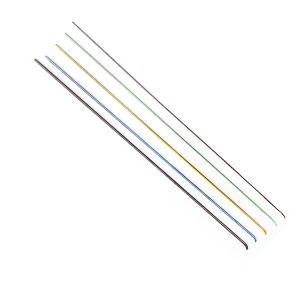
Any deviation in the runout of the inner cannulated pathway can result in the guide wire binding, or worse, splintering during surgical placement. By employing modern deep-hole gun drilling technologies under strict coolant pressure controls, Bonevia maintains a concentricity tolerance of within ±0.05 mm. This guarantees smooth advancement over standard Kirschner wires (K-wires).
We apply Type II anodization to our medical-grade titanium alloy implants. This electrochemical process not only builds a bio-stable, inert oxide layer on the screw’s surface (preventing metal ion leaching into biological tissue) but also permits color-coding of screw diameters (e.g., 2.4mm, 3.0mm, 4.5mm, 6.5mm). This facilitates intraoperative organization in the sterile field.
To support the next generation of patient care, our R&D roadmap focuses on:
1. Bio-absorbable Magnesium Alloys: Eliminating the need for secondary hardware removal operations.
2. PEEK Suture Anchors: Optimizing soft-tissue to bone repair structures for sports medicine clinics.
3. 3D-Printed Porous Titanium Interfaces: Encouraging rapid osseointegration on spinal and joint prosthetic surfaces.
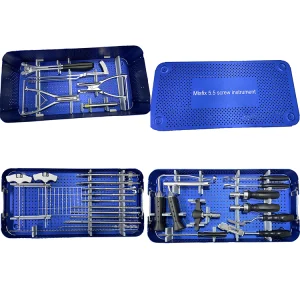
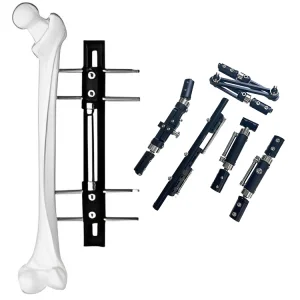
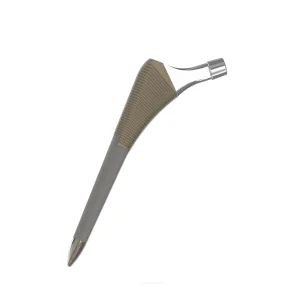
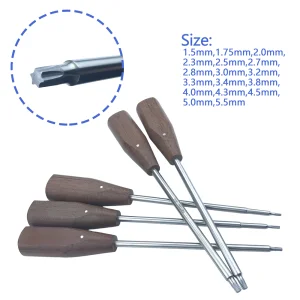
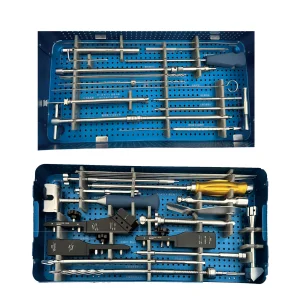
Complete trauma sets, reconstruction nails, external fixators, and specialized surgical tools.
Reducing logistics risks and ensuring product validation at the port of entry.
Navigating global supply chains requires reliable partners. Over the past 6 years, Bonevia has optimized its global distribution networks. We understand the requirements of US customs, including FDA import codes and shipping documentation, ensuring smooth clearance.
Our logistics workflow includes:
Answers to common regulatory, metallurgical, and sourcing questions.
Secure your orthopedic supply chain with high-tolerance implants that meet standard clinical specifications. Reach out to our engineering team today.