Bonevia
Bonevia
Bonevia
Engineered for absolute stability in complex skeletal trauma cases. Explore our primary external fixation assemblies imported directly to major Pakistan medical distributors and hospitals.
Pakistan's healthcare system experiences an escalating demand for reliable orthopedic external fixation systems due to high rates of road traffic accidents, industrial mishaps, and congenital musculoskeletal deformities. Primary healthcare centers and tertiary teaching hospitals, such as Mayo Hospital in Lahore, Jinnah Postgraduate Medical Centre (JPMC) in Karachi, and Pakistan Institute of Medical Sciences (PIMS) in Islamabad, treat thousands of compound fractures daily that require immediate, rigid stabilization.
Historically, the Pakistani surgical supply chain has relied on two main sourcing channels: local manufacturers based in the Sialkot surgical instrument cluster, and international importers. However, a significant technological divergence exists between these two channels, creating a unique challenge for orthopedic surgeons demanding premium quality implants.
Understanding the structural differences in quality control, material composition, and biomechanical safety.
*Chinese medical manufacturing clusters combine scale, precision metallurgy, and international certifications, offering a critical resource for Pakistan's healthcare infrastructure.
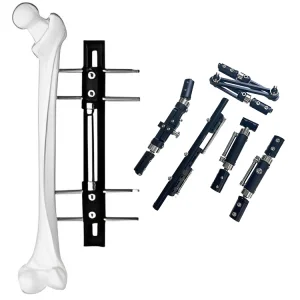
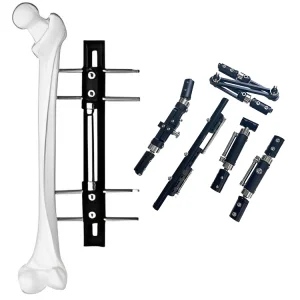
External fixators must balance weight, radiolucency, and structural rigidity. Our devices utilize advanced medical metallurgy engineered to prevent construct failure during patient mobilization.
| Component Type | Material Option | Biomechanical Advantages | Clinical Application in Pakistan |
|---|---|---|---|
| Connecting Rods | Carbon Fiber / Grade 5 Titanium (Ti-6Al-4V) | Exceptional strength-to-weight ratio, complete radiolucency for clear X-ray tracking. | Rapid stabilization of tibia and femur open fractures in high-volume trauma clinics. |
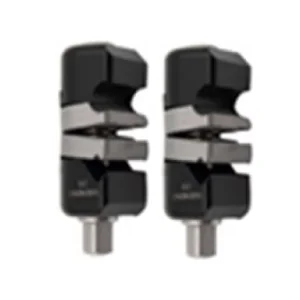
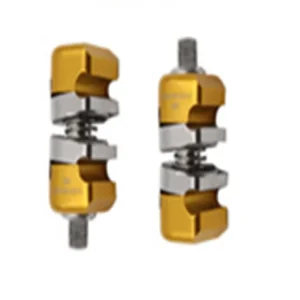
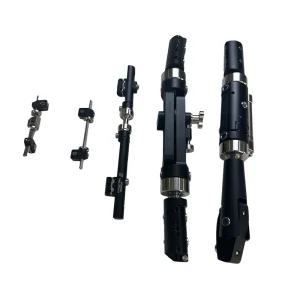
| Pin-to-Rod Clamps | Aircraft-grade Aluminum / Titanium Alloy | Dual-axis adjustability, serrated gripping interfaces to prevent slippage. | Adjustable Hoffmann-style construct assembly for complex ankle and wrist fractures. |
| Schanz Pins & Half Pins | 316LVM Stainless Steel / Titanium | Self-drilling, self-tapping thread profiles with optimized core-to-thread ratios to prevent heat necrosis. | Secure bone anchorage in osteopenic and traumatized diaphyseal/metaphyseal bone. |
| Joint Adjusters | Medical Grade Stainless Steel | Micrometric distraction and compression features for precise alignment. | Distraction osteogenesis and bone lengthening procedures at reconstructive centers. |
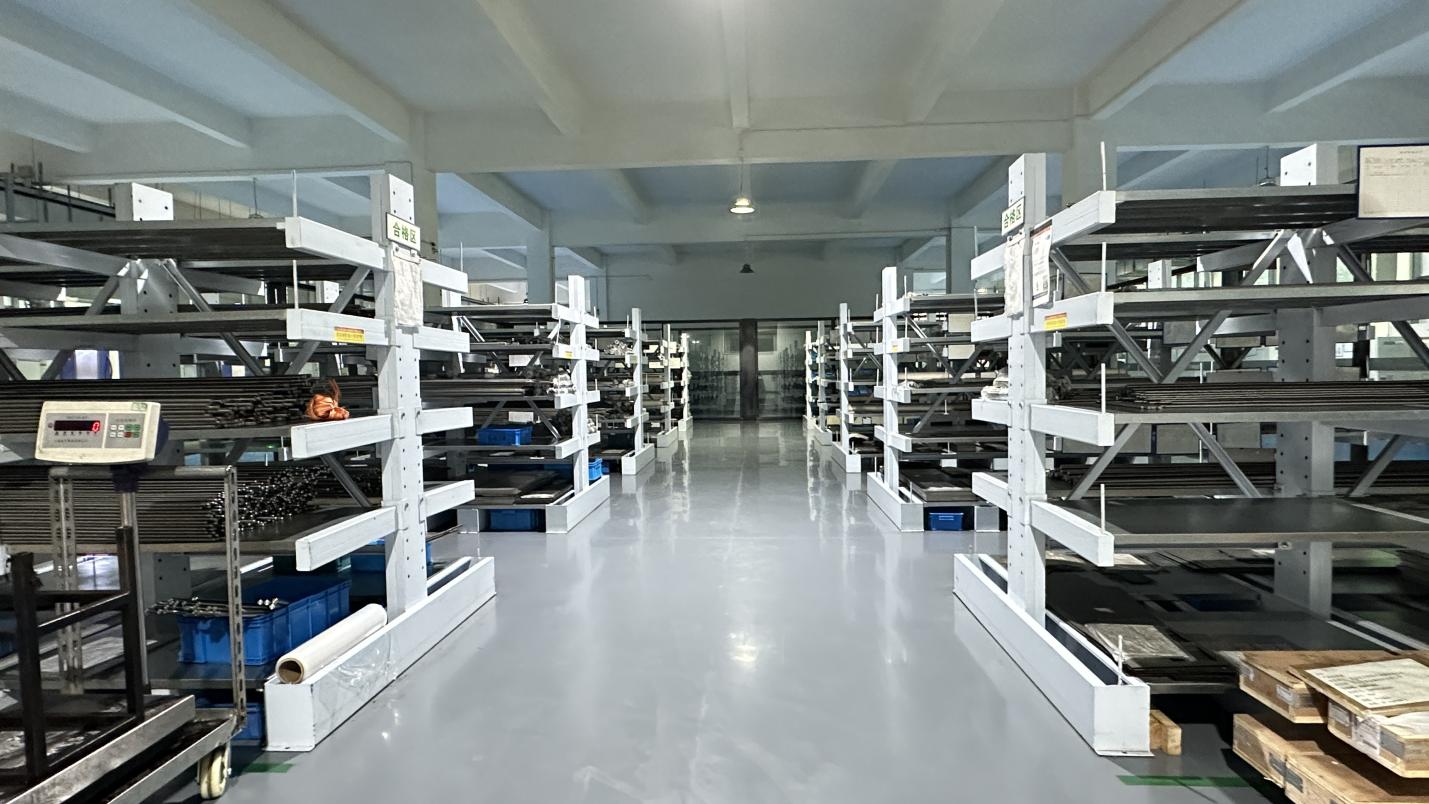
Every batch of raw titanium and stainless steel undergoes rigorous incoming material inspection, chemical composition mapping, and mechanical tensile testing to guarantee structural reliability.
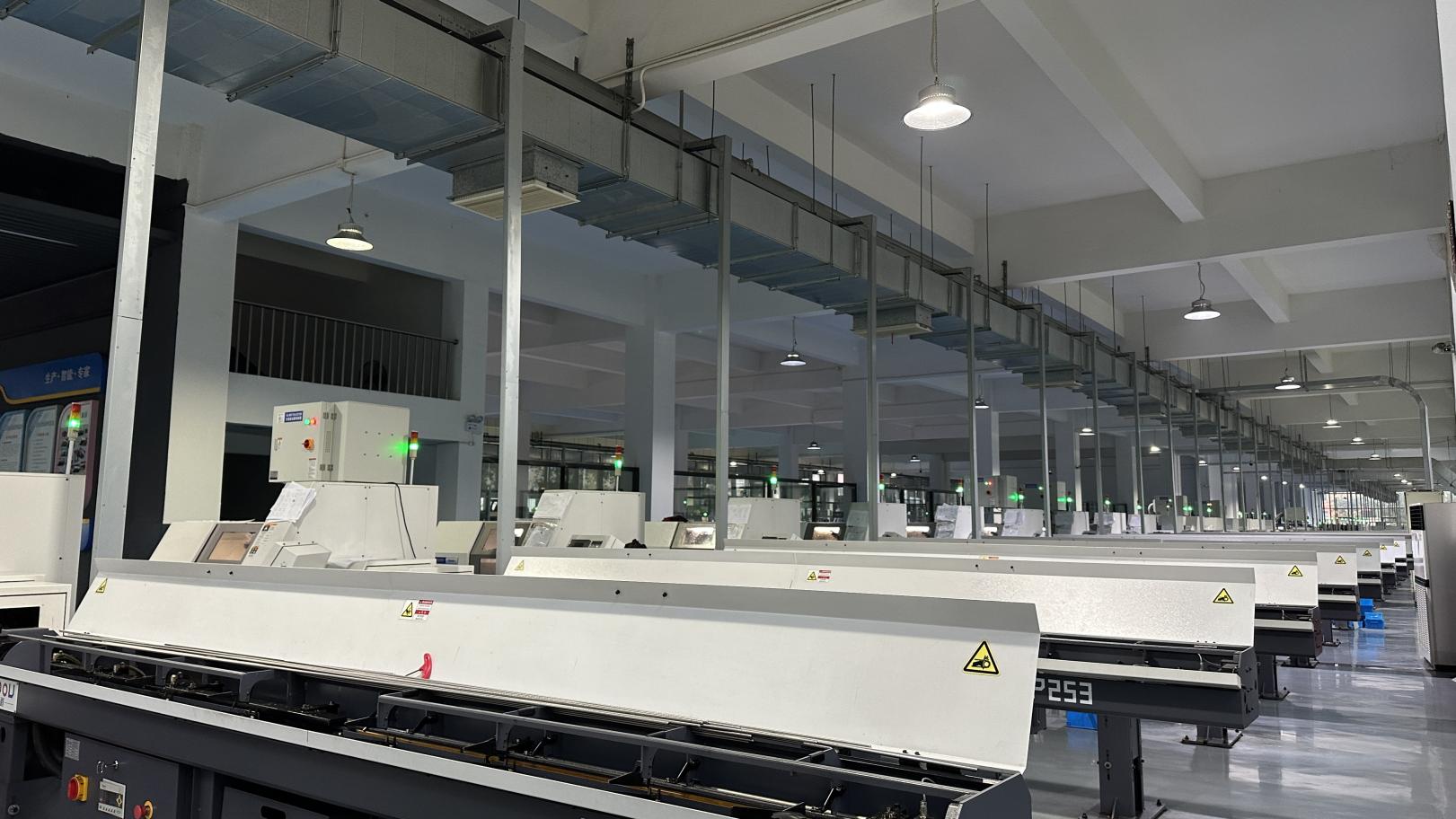
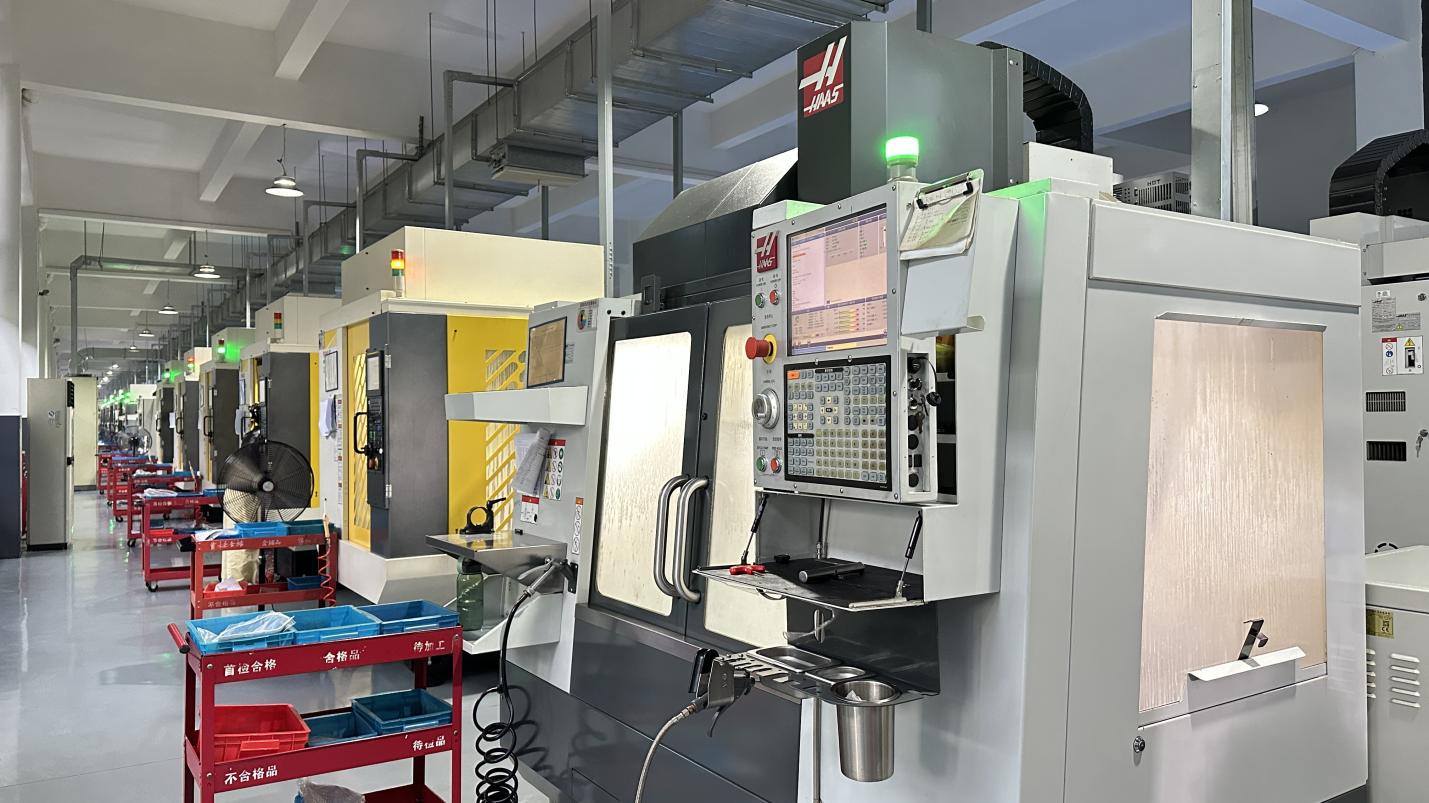
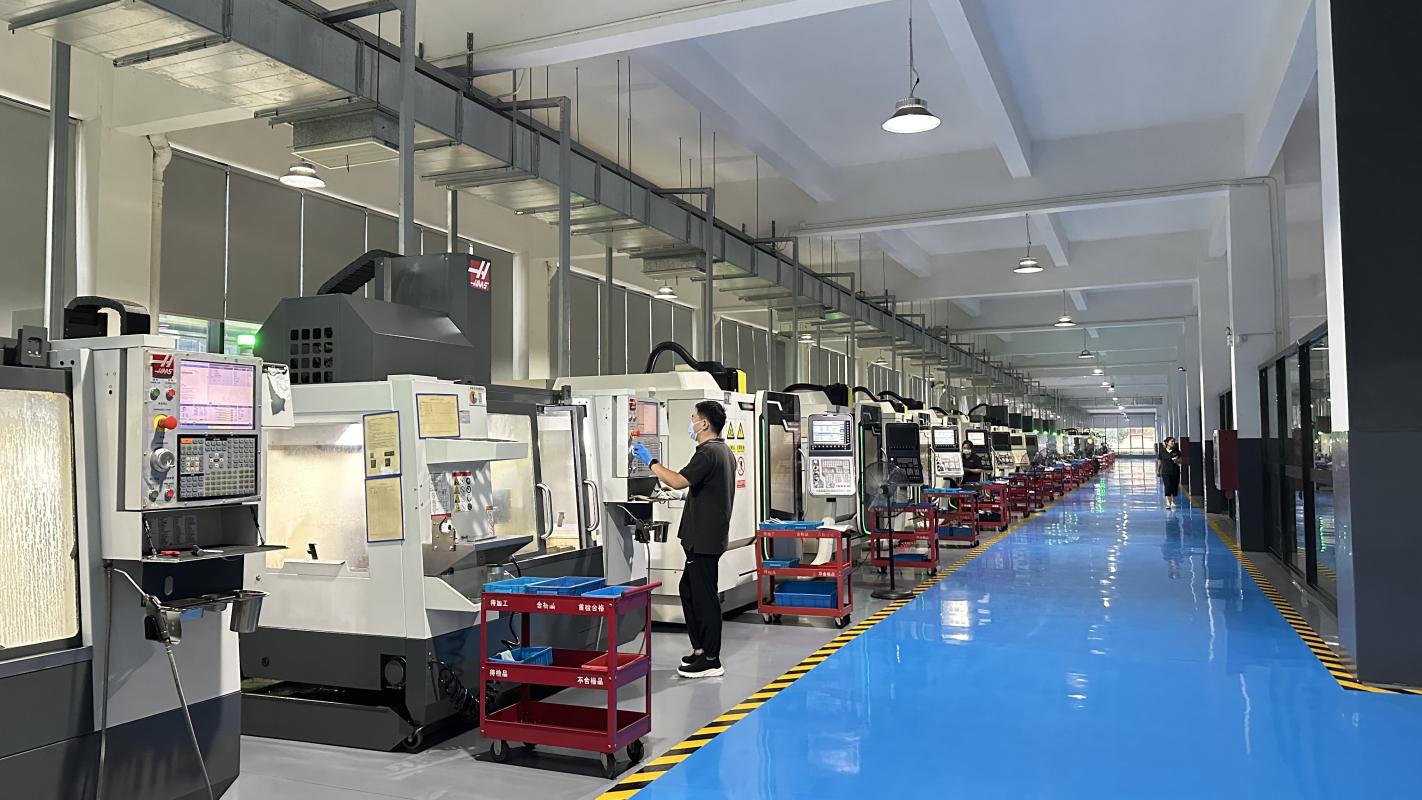
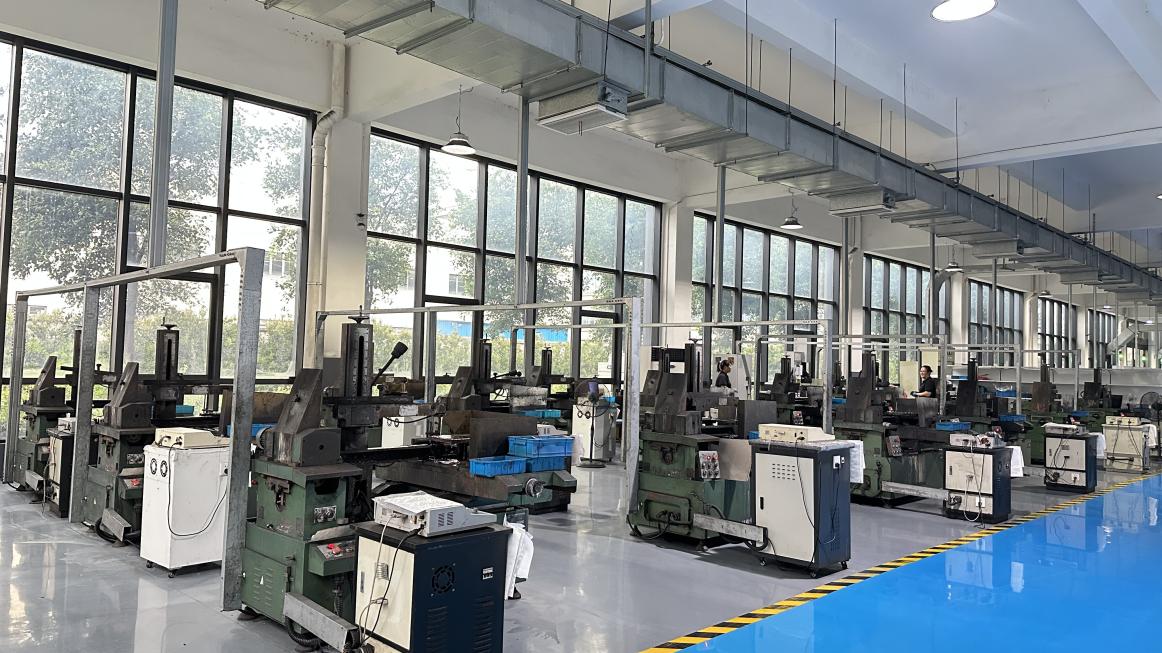
Using advanced multi-axis CNC machines and Swiss-type lathes to ensure dimensional tolerances within ±0.01mm. This extreme precision ensures compatibility between all modular rods and clamps.
Proprietary surface treatment protocols enhance electrochemical corrosion resistance, reduce bacterial adhesion, and simplify identification in the operating theater through color coding.
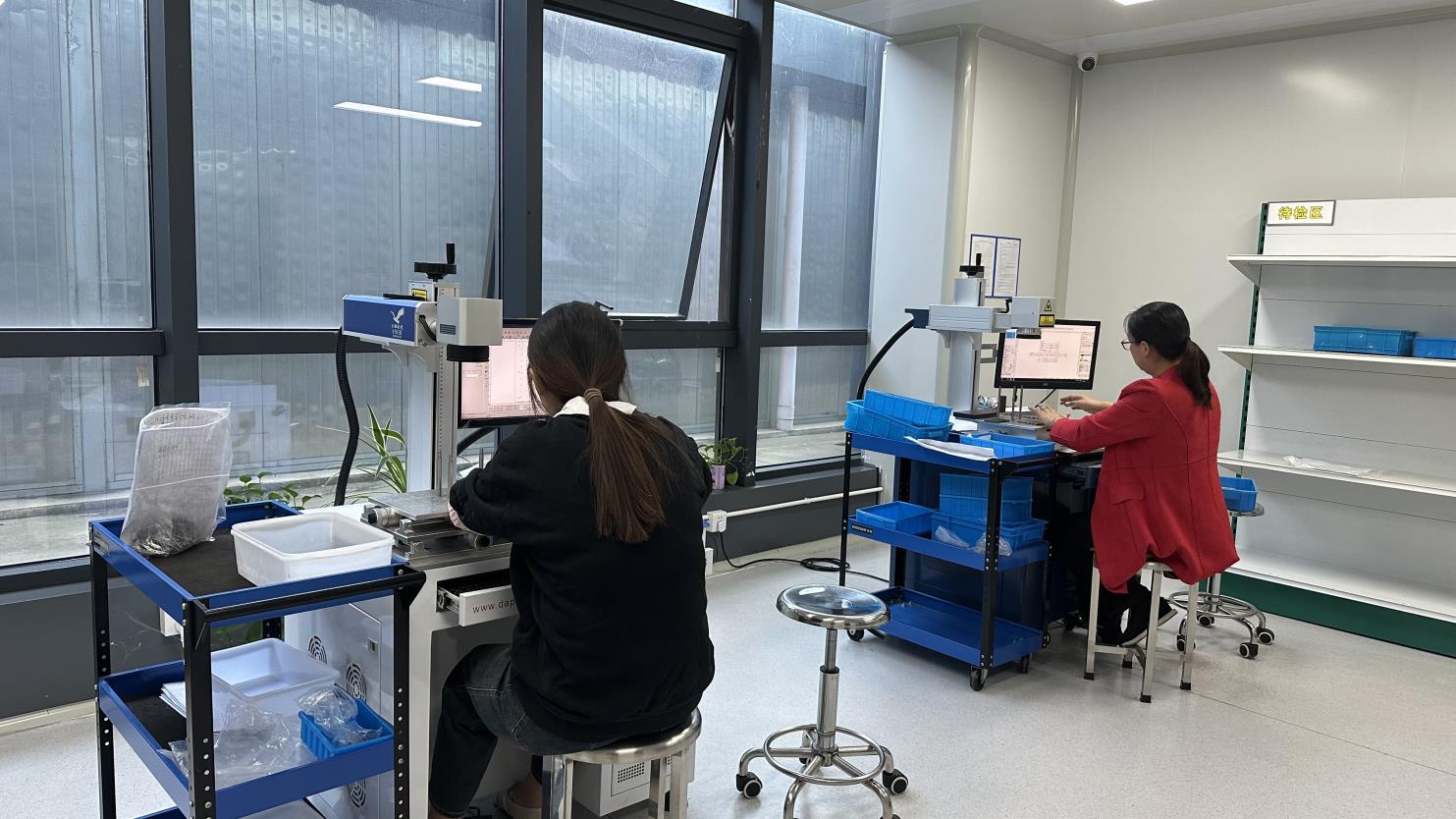
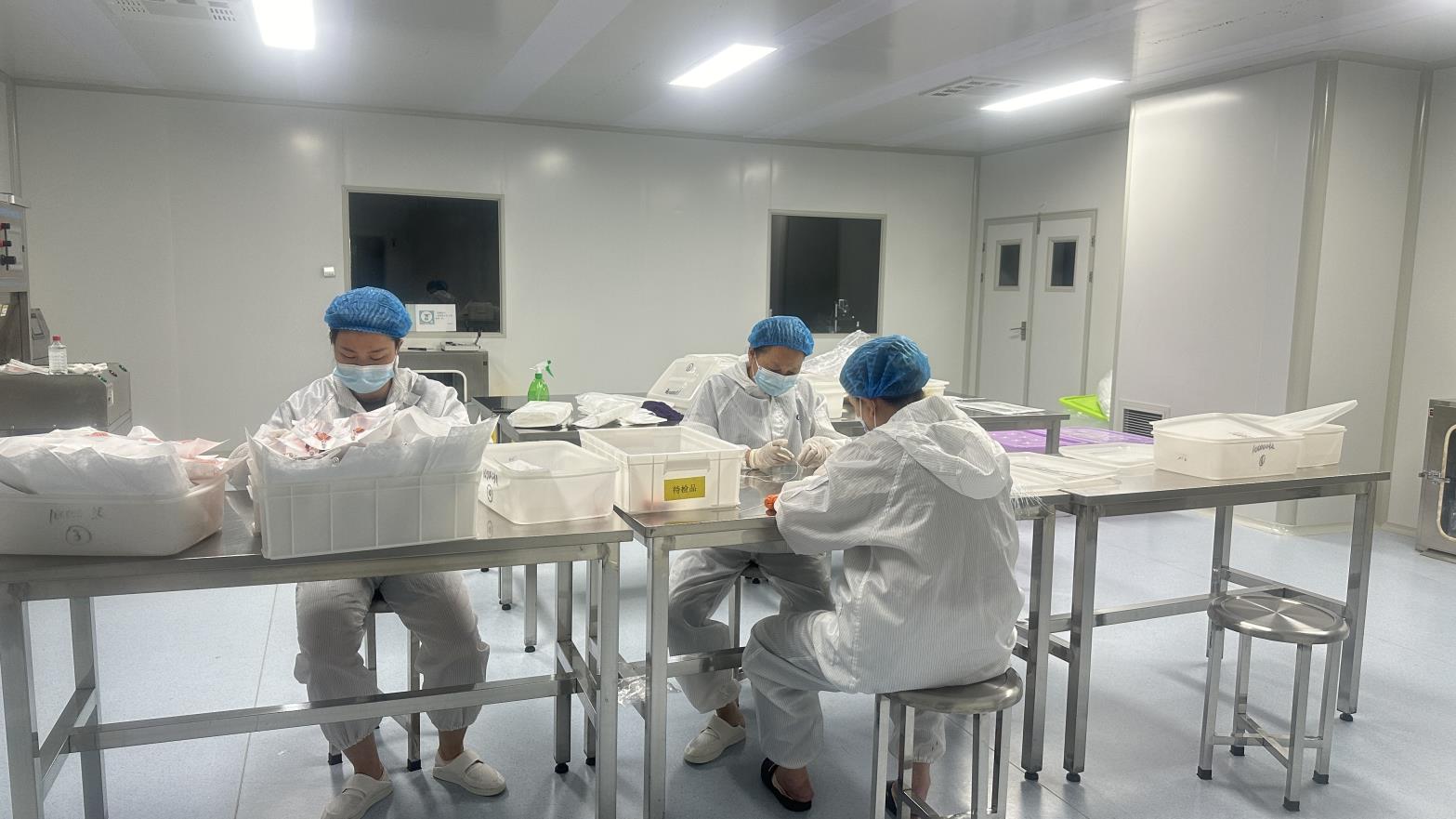
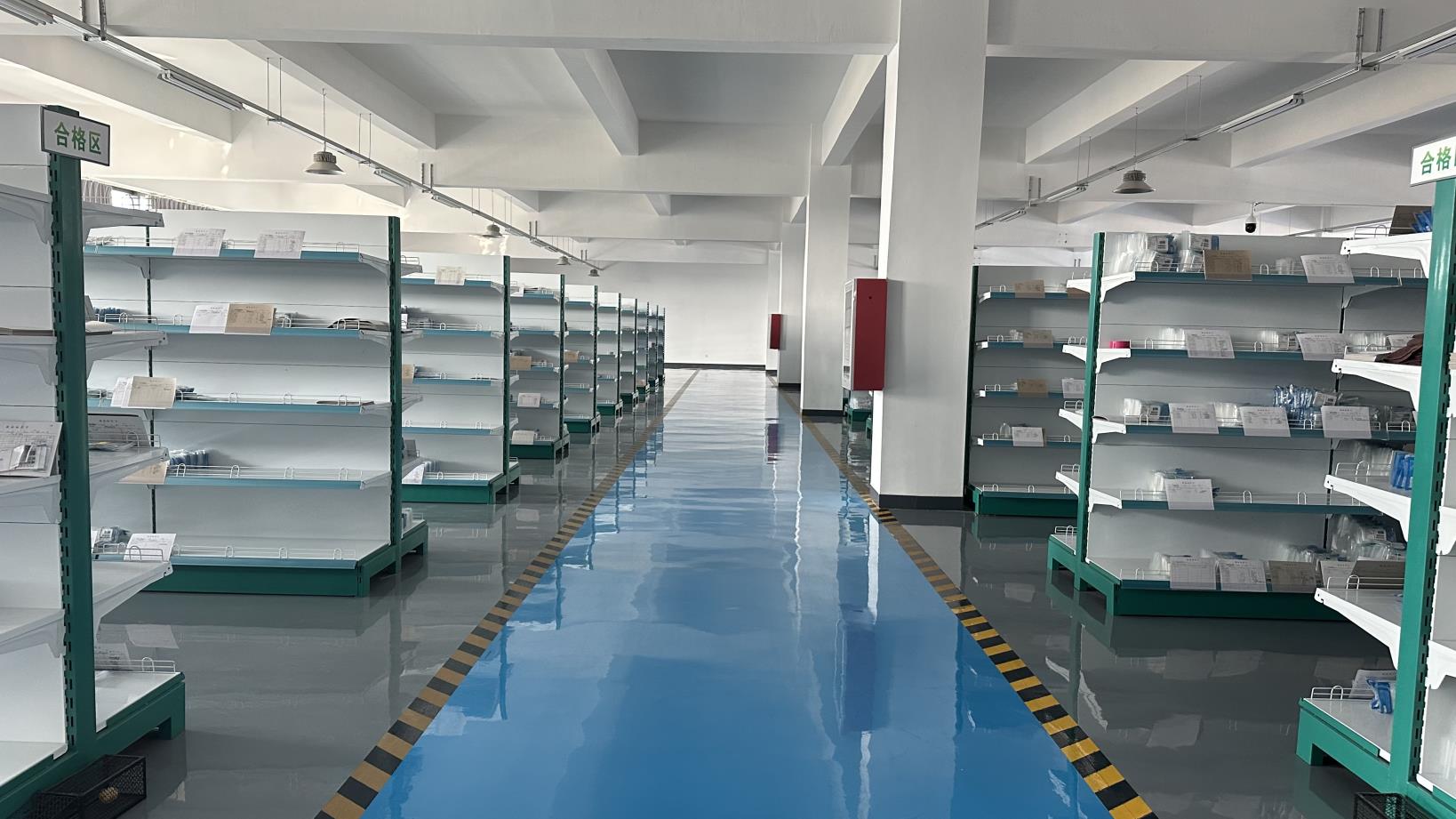
Trace the lifecycle of our medical devices—from incoming raw material inspection through high-precision machining, laser marking, and cleanroom packaging.
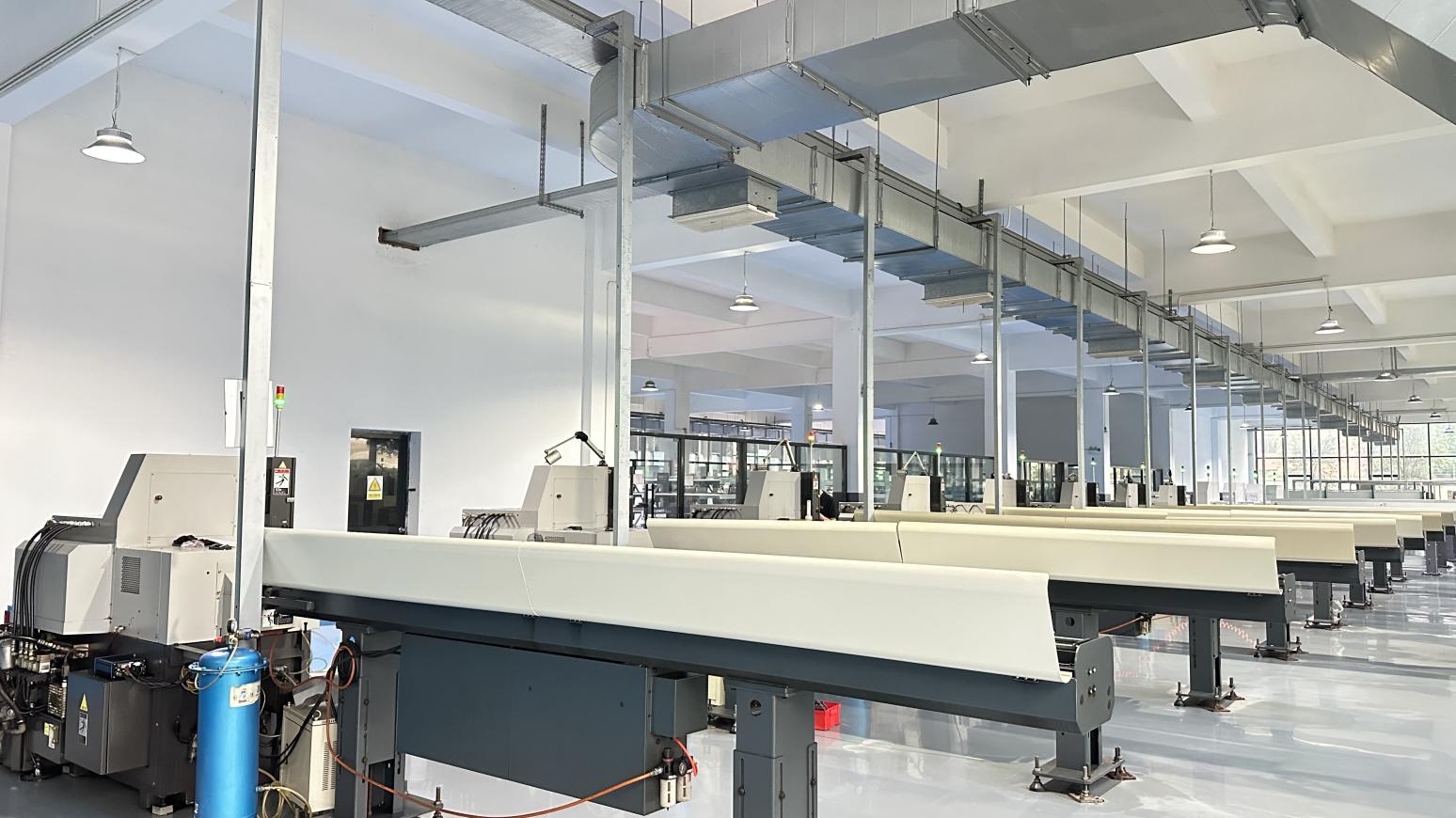
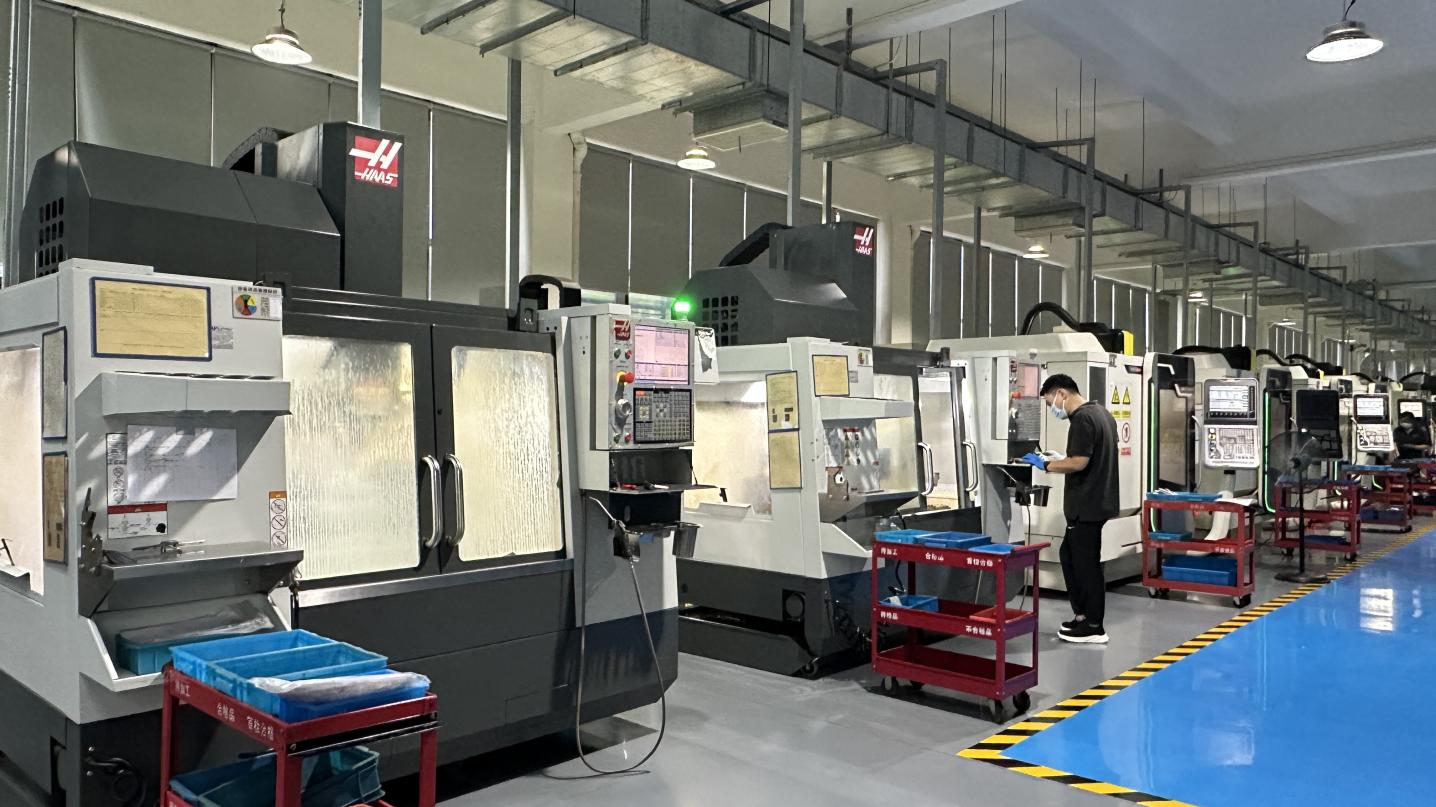
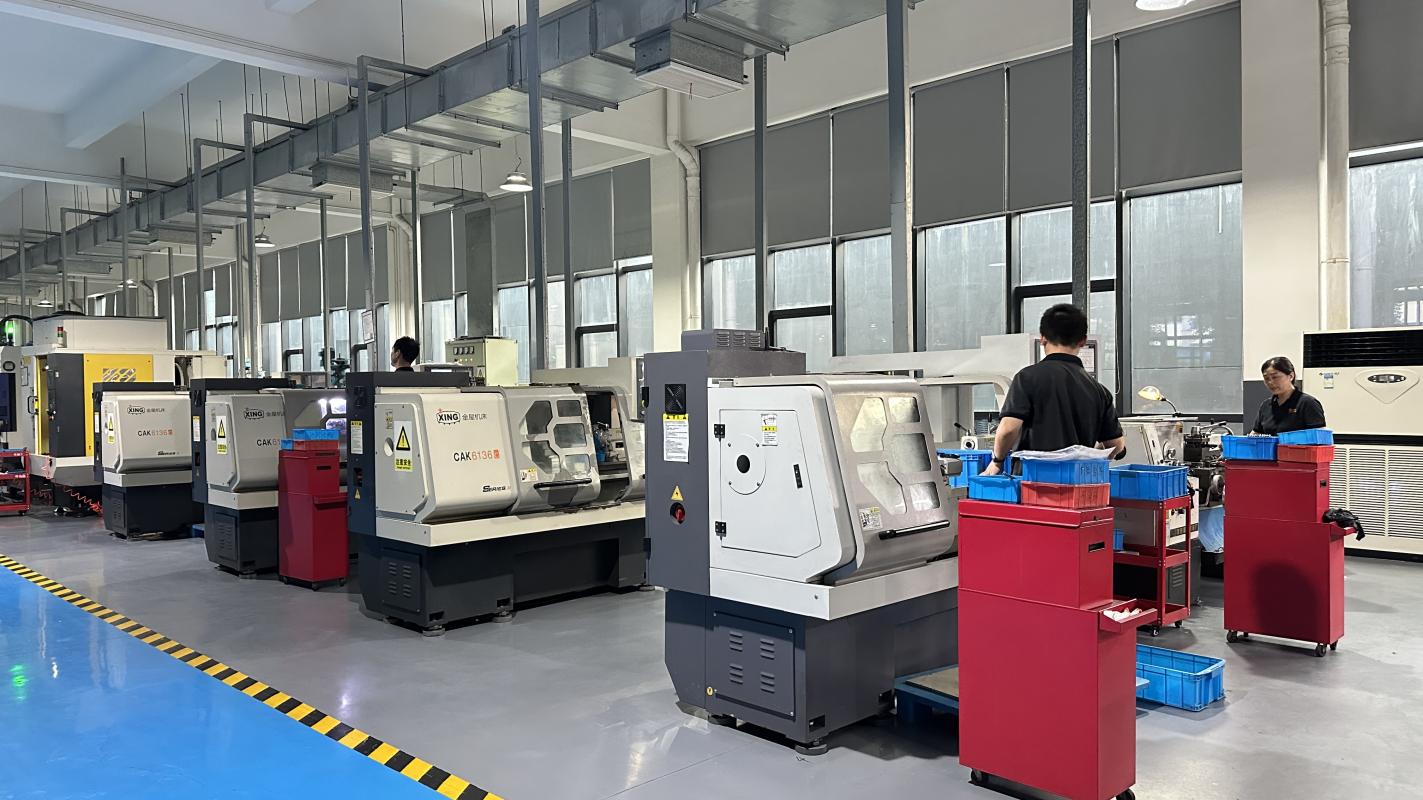
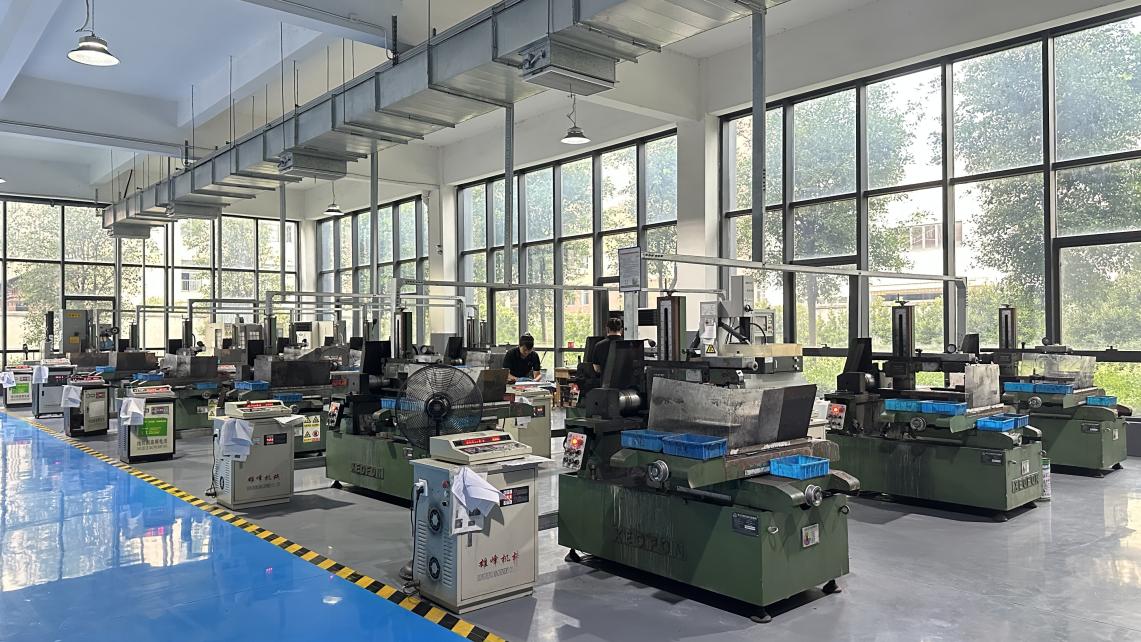
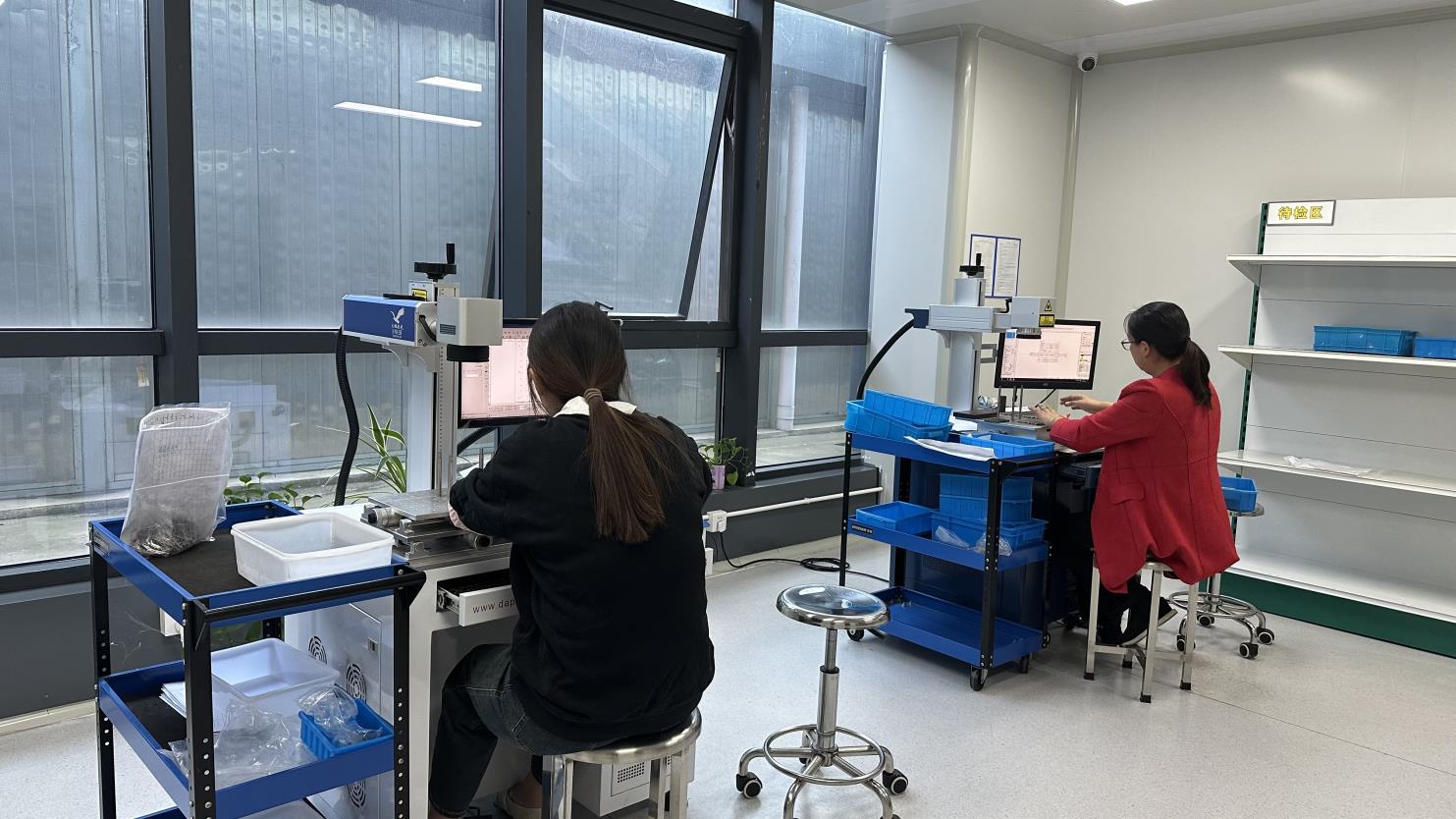
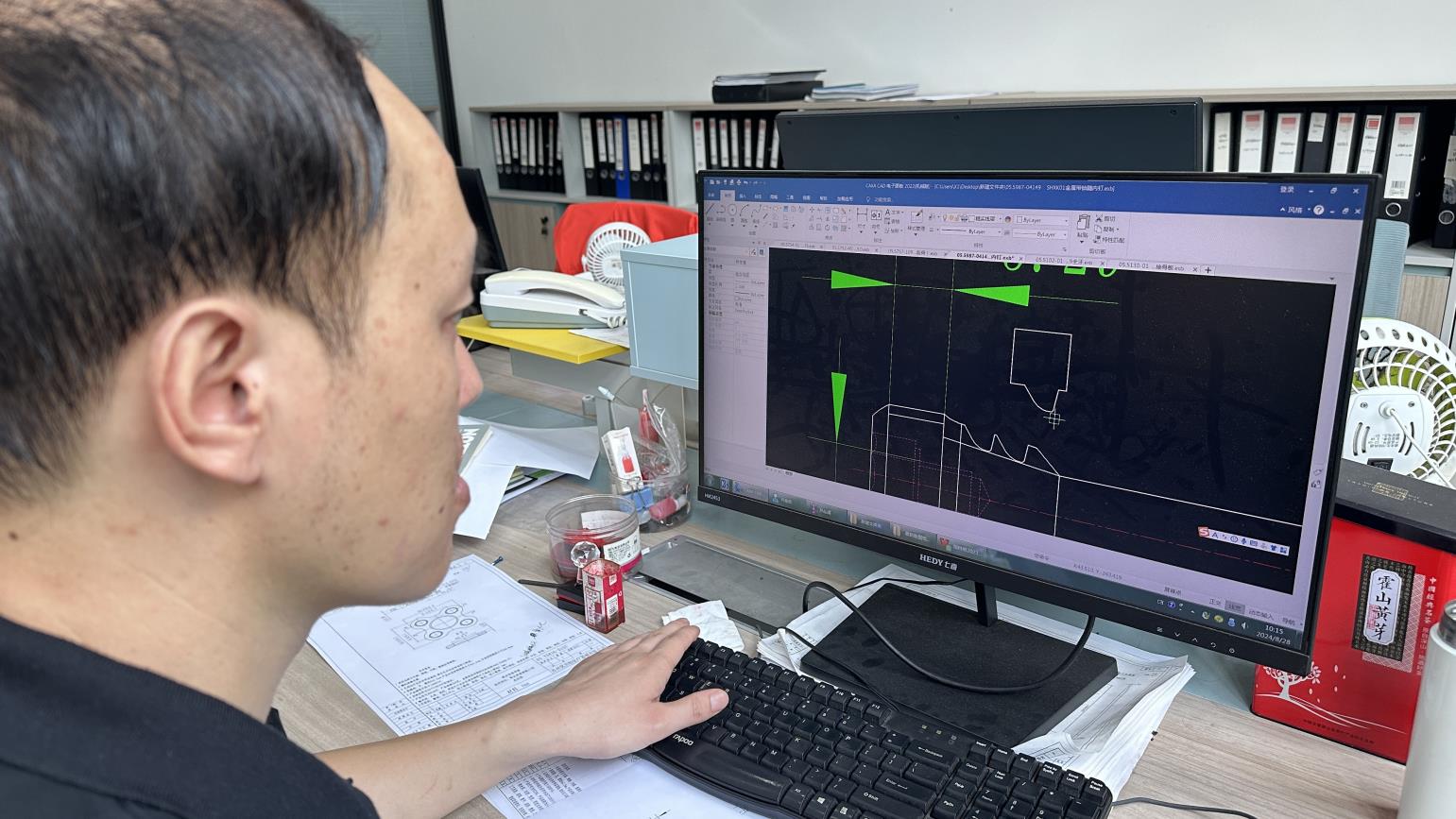
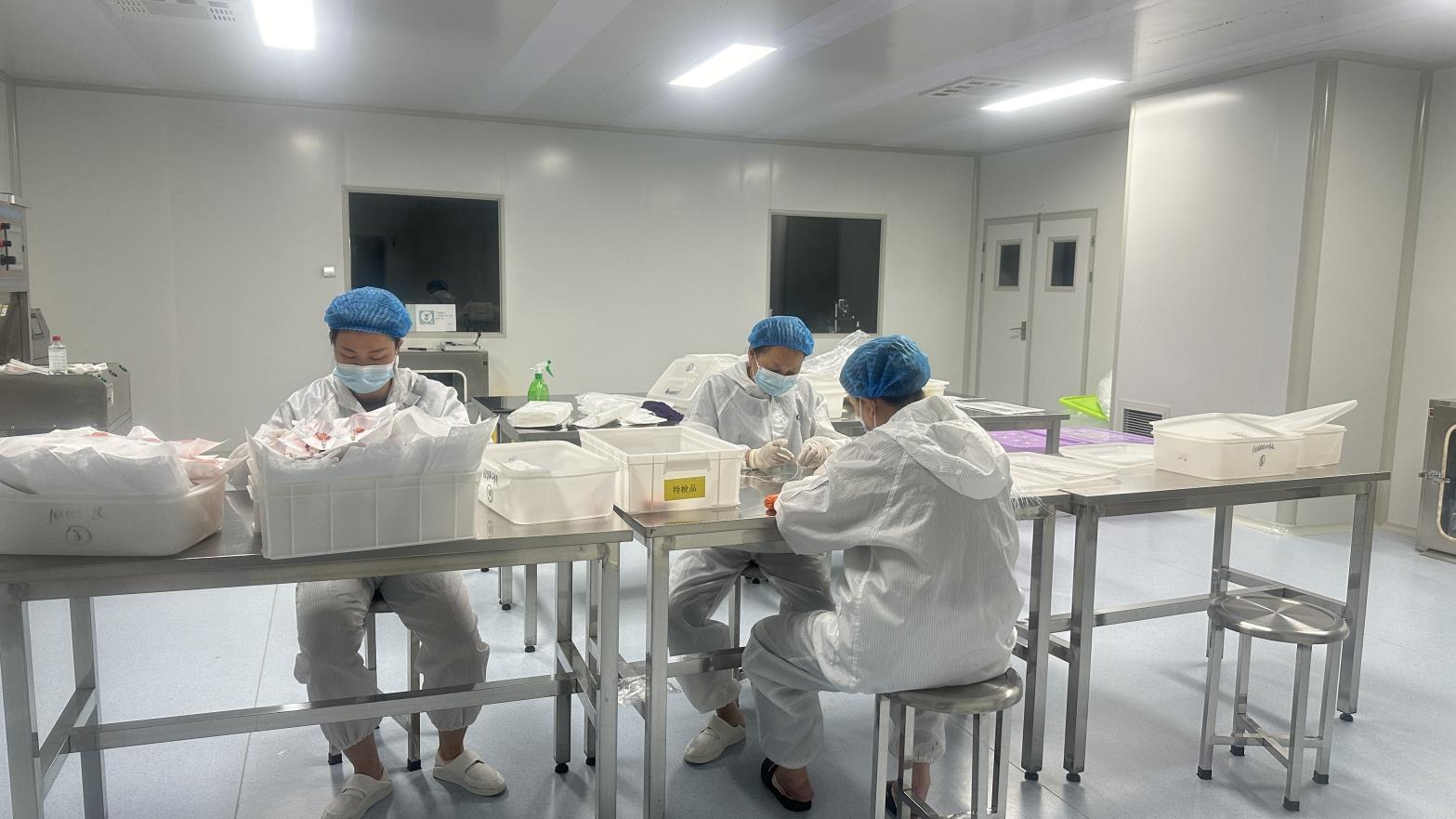
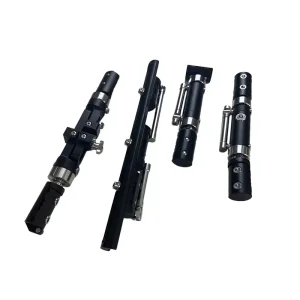
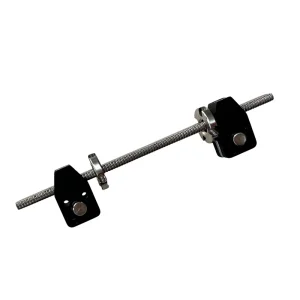
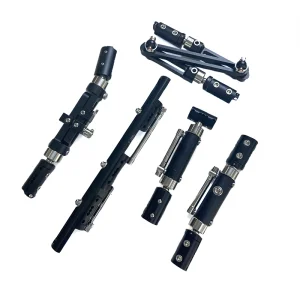
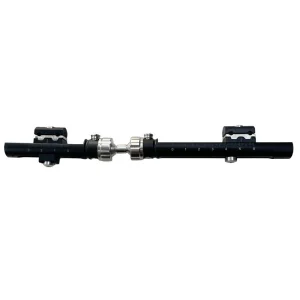
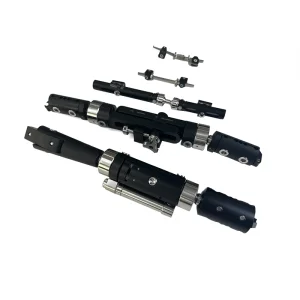
Our extended range of orthopedic instruments supports a variety of procedures, from hand and wrist reconstruction to heavy-duty femur and tibia lengthening.
Bonevia Orthopedic Technology Co., Ltd. is a professional manufacturer specializing in orthopedic implants and surgical solutions, dedicated to advancing innovation in trauma, spine, and joint reconstruction products. Since its establishment in 2015, the company has grown steadily into a trusted supplier in the global orthopedic industry.
With a modern production facility covering approximately 320㎡, Bonevia maintains strict quality management standards and efficient manufacturing processes. The company records an annual export revenue of around USD 8–15 million, supported by 6 years of export experience and over 10 years of overall industry experience.
Quality assurance is a core focus at Bonevia. The company implements multiple inspection methods including incoming material inspection, in-process quality control, and final product testing, supported by a dedicated quality team of 35 professionals. This ensures all products meet international medical device standards.
Bonevia has a solid trade foundation with diversified global distribution networks, serving major markets across Europe, Southeast Asia, the Middle East, and South America. Its supply chain ecosystem includes more than 850 partners, enabling stable raw material sourcing and efficient production delivery.
The company serves a wide range of clients, including hospitals, orthopedic clinics, surgical centers, and medical distributors. Bonevia also demonstrates strong R&D capabilities, offering OEM and ODM customization services to meet specific clinical requirements.
In the past year, Bonevia successfully launched 120 new product designs, supported by a research and development team of 85 engineers, continuously driving innovation in orthopedic implant systems and surgical instruments.
For hospital purchase managers and medical distributors in Lahore, Karachi, and Peshawar: Bonevia offers consolidated container shipping, flexible regulatory registration documentation (Dossier support for DRAP applications), and personalized OEM brand etching options.
From acute battlefield trauma and vehicular road injuries to chronic non-union corrections, our external fixation configurations adapt to diverse clinical demands.
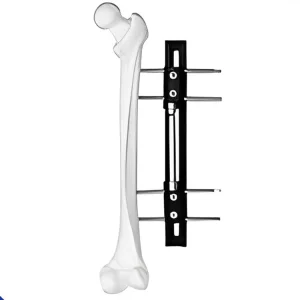
In scenarios with extensive soft-tissue injury (Gustilo Grade III), internal plating risks infection. A multi-pin unilateral external fixator provides immediate axial and bending stability while enabling open wound access for microvascular debridement and skin grafts.
For post-traumatic bone defects or congenital discrepancies, our linear and ring fixator systems provide stable distraction forces of 1mm per day, stimulating new bone formation (neogenesis) across the distraction gap safely.
Using light, mini-fixation clamps and rods designed for children, pediatric surgeons can correct angular limb deformities with minimally invasive technique, reducing recovery times and preventing joint subluxations.
Get answers to critical technical and logistical questions when importing orthopedic systems into Pakistan.
Partner with Bonevia to secure reliable orthopedic implant supply lines. Contact our export sales engineering team for detailed product catalogs, compliance certifications, and pricing packages customized for the Pakistani market.
Send Inquiry Now