Bonevia
Bonevia
Bonevia
Engineered to meet the stringent standards of Class II & Class III clinical applications in Dublin, Cork, and regional trauma networks.
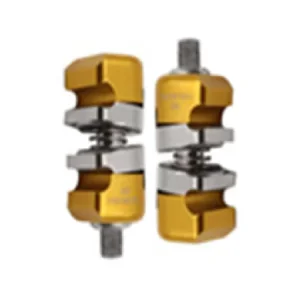
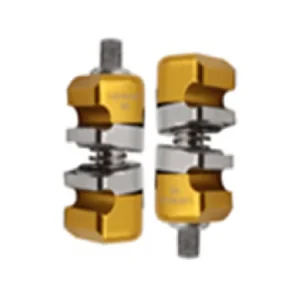
In the modern clinical landscape of Ireland, orthopaedic trauma management requires a highly sophisticated balance between state-of-the-art medical technology, robust regulatory compliance, and economic viability. Ireland’s health service model, spearheaded by the Health Service Executive (HSE), operates under rigorous fiscal controls while demanding zero compromise on patient outcomes. For acute hospital wards, major trauma centres like the Mater Misericordiae University Hospital in Dublin and Cork University Hospital (CUH), and specialized orthopaedic units, sourcing reliable external fixation devices is a foundational pillar of orthopedic care.
This comprehensive document explores the commercial, industrial, and clinical dimensions of supplying external fixation systems to Ireland. We examine the regulatory protocols mandated by the Health Products Regulatory Authority (HPRA), outline the technical parameters required for multi-axial reconstruction, and detail how strategic global supply chains can optimize surgical outcomes and procurement budgets across Irish healthcare networks.
Ireland has seen a significant evolution in its traumatic injury profiling over the last decade. A growing, aging demographic combined with active lifestyles has led to an increase in complex fracture presentations. The National Trauma Strategy of Ireland focuses heavily on consolidating trauma care into specialized networks. This centralized model increases the volume of complex open fractures, non-unions, and limb-lengthening procedures handled by Major Trauma Centres (MTCs) and Local Emergency Hospitals (LEHs).
External fixation systems serve as the initial line of defense in damage control orthopaedics (DCO). In high-energy trauma cases, such as road traffic accidents or farm injuries common in rural Ireland, temporary or definitive stabilization using modular frames is critical to preserve soft tissue viability and restore mechanical alignment. However, procurement managers face continuous pressure to optimize spending under the HSE National Financial Frameworks. Bypassing traditional distribution markups to buy directly from specialized manufacturers who conform to European standards provides a viable path to reduce the cost-per-procedure while maintaining surgical safety margins.
The global orthopaedic implant market relies on highly precise manufacturing ecosystems. For external fixators, which consist of intricate pin-to-rod clamps, carbon fiber rods, Schanz screws, and ring-based constructs, maintaining tight manufacturing tolerances is non-negotiable. Sourcing directly from advanced manufacturing units in Asia, backed by structured regulatory oversight, allows Irish hospitals to build resilient stockpiles of emergency trauma frames.
At Bonevia Orthopedic Technology Co., Ltd., we bridge the gap between high-precision production and local clinical needs. Operating a modern facility and exporting between USD 8 million to 15 million annually, we are familiar with the supply continuity demands of the European market. Sourcing titanium alloys and medical-grade stainless steel from certified suppliers guarantees that our implants possess the tensile strength and bio-compatibility required for long-term clinical configurations.
The deployment of external fixation devices in Irish clinical practice varies across specific anatomical regions:
Under the new EU Medical Devices Regulation (MDR 2017/745), tracking and compliance requirements for orthopedic implants have tightened significantly. Implants and instruments entering the Irish market must feature clear traceability, biocompatibility certifications, and pass rigorous quality control testing.
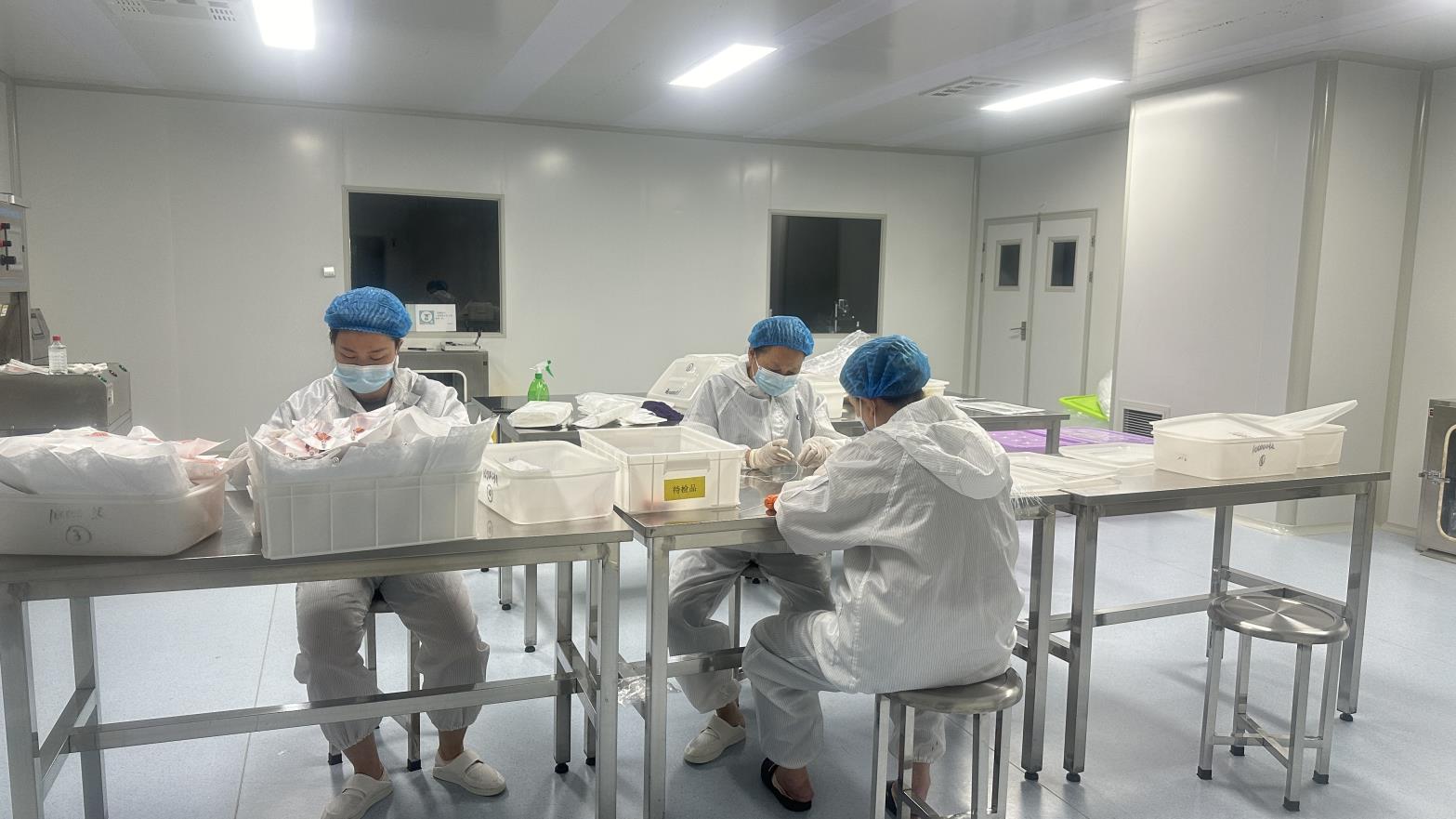
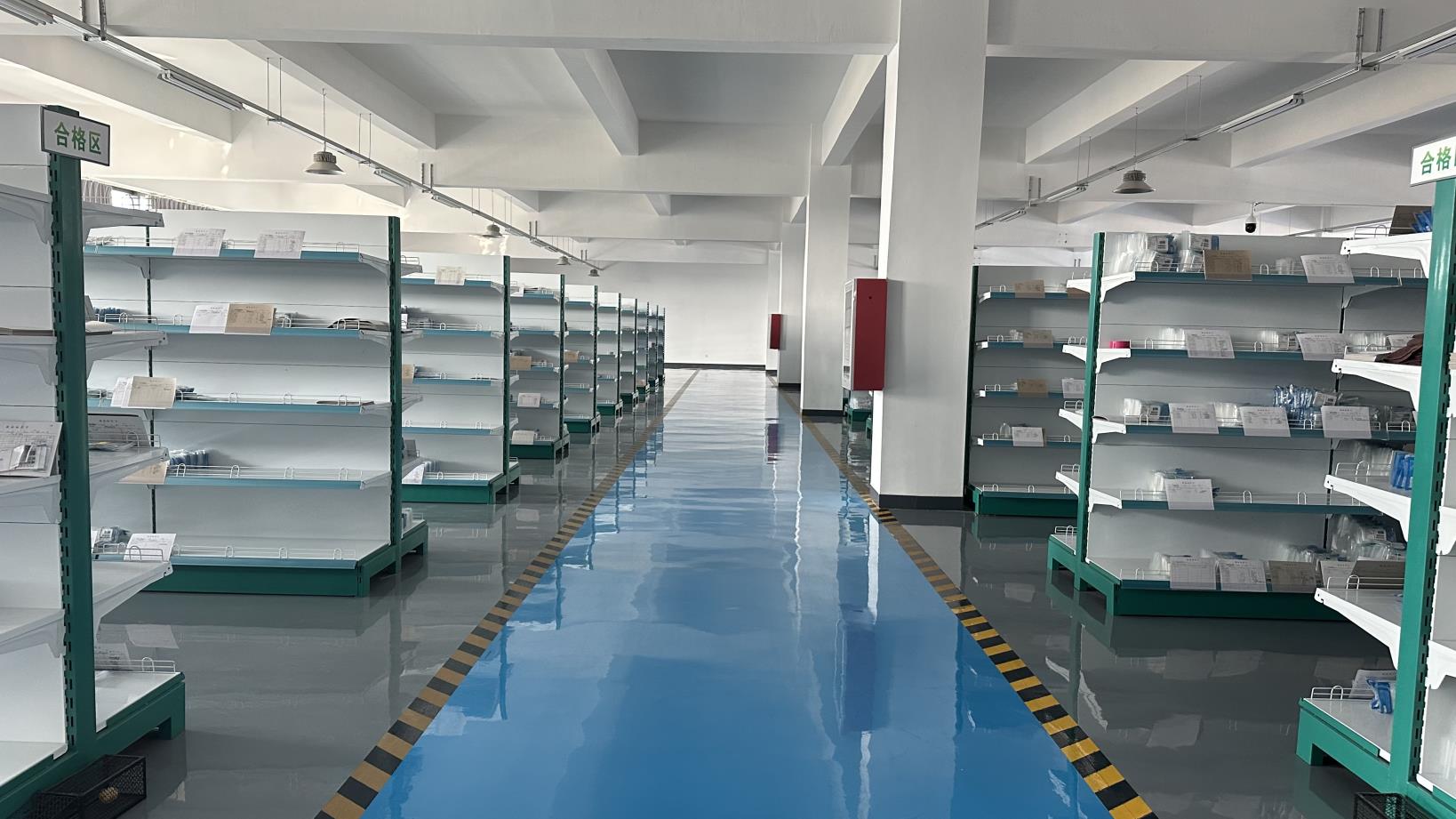
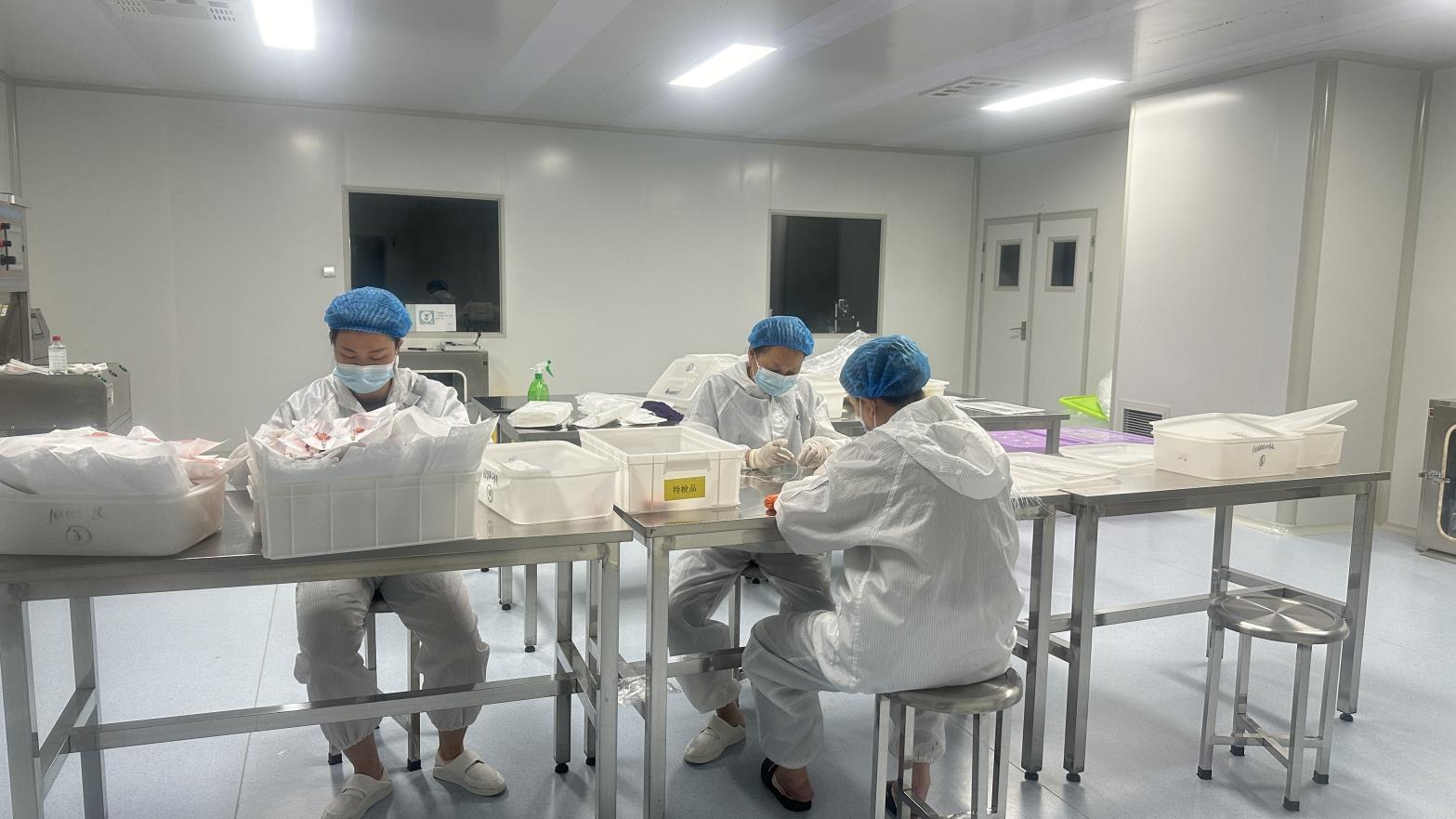
Our quality management workflow comprises 35 specialized QC inspectors supervising production stages:
Every batch of raw material—whether Grade 5 Titanium (Ti-6Al-4V ELI) or 316LVM implant-grade stainless steel—undergoes chemical composition verification and tensile strength testing. This prevents premature component fatigue under physiological loading.
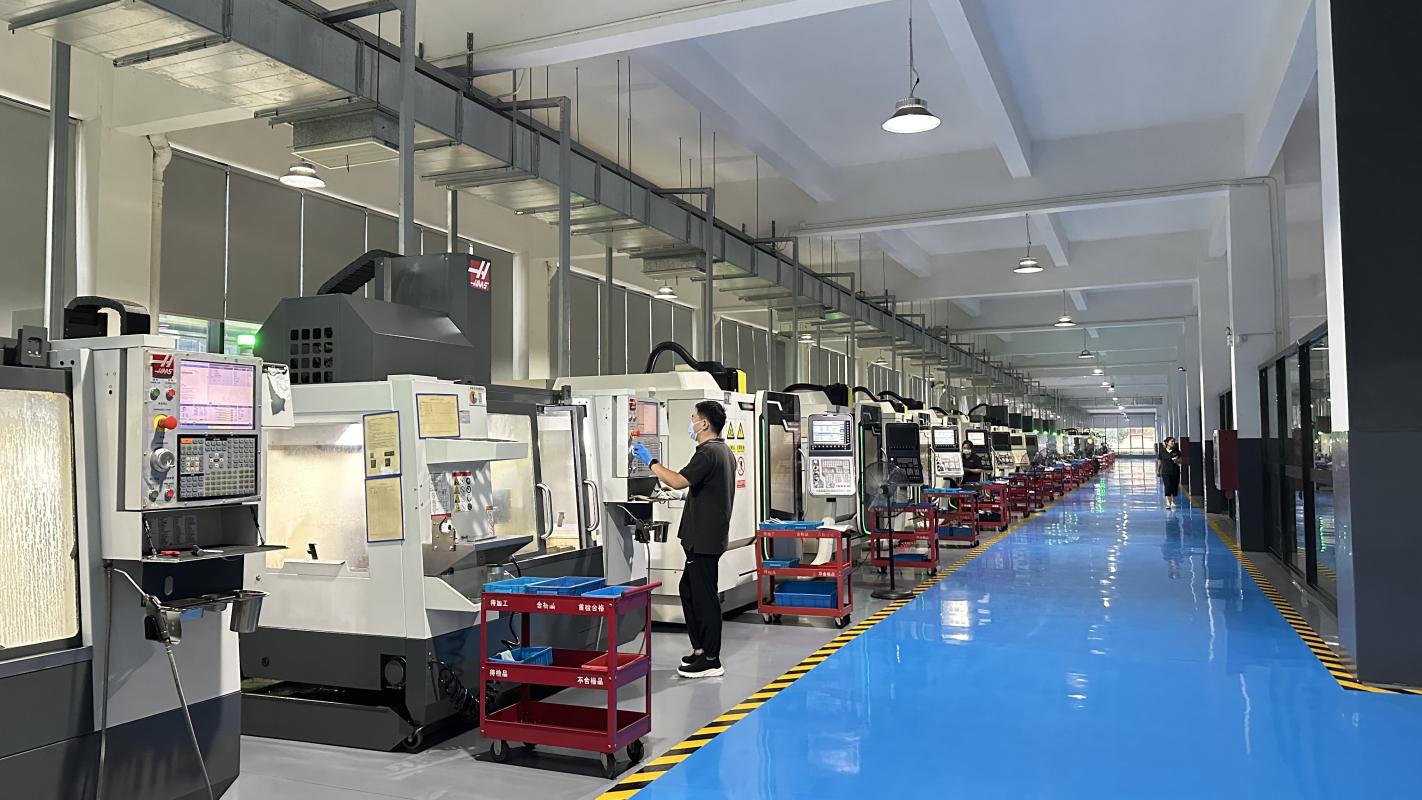
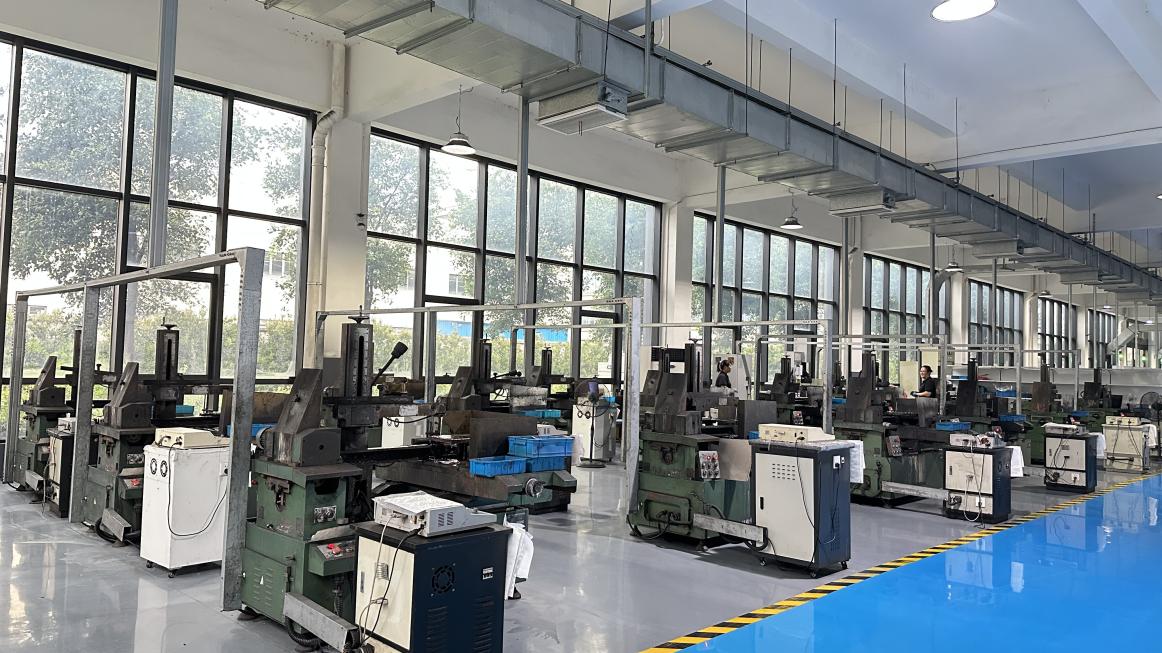
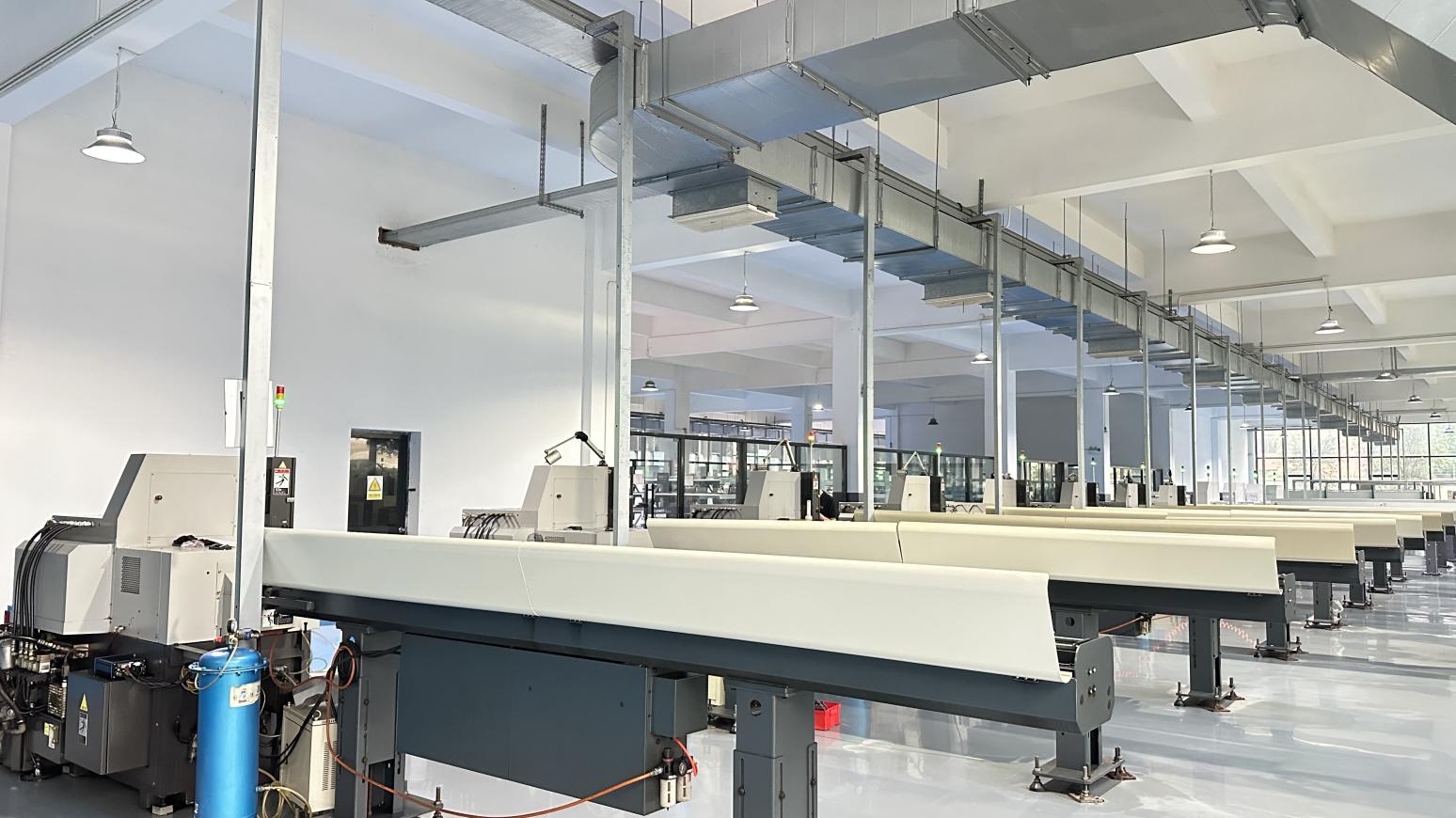
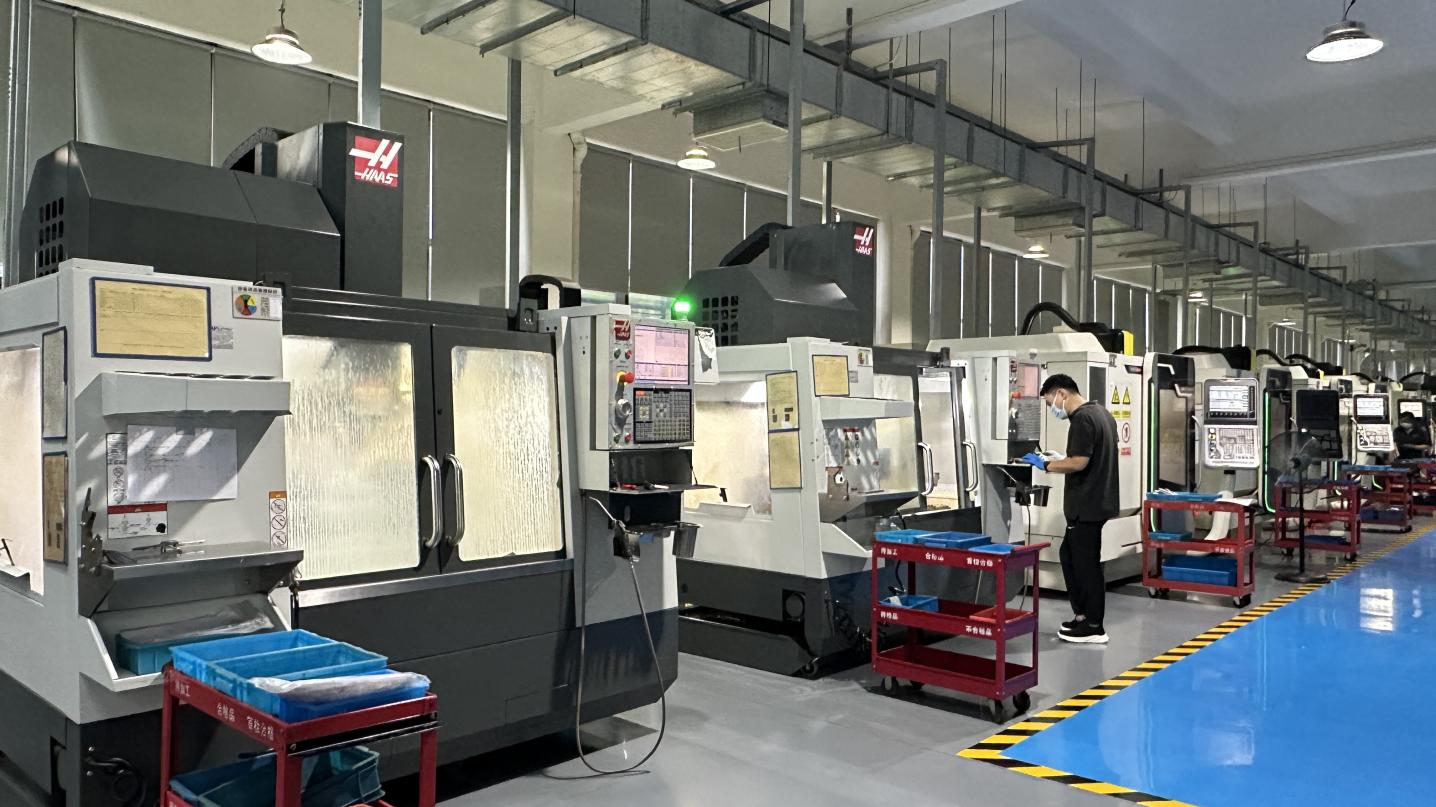
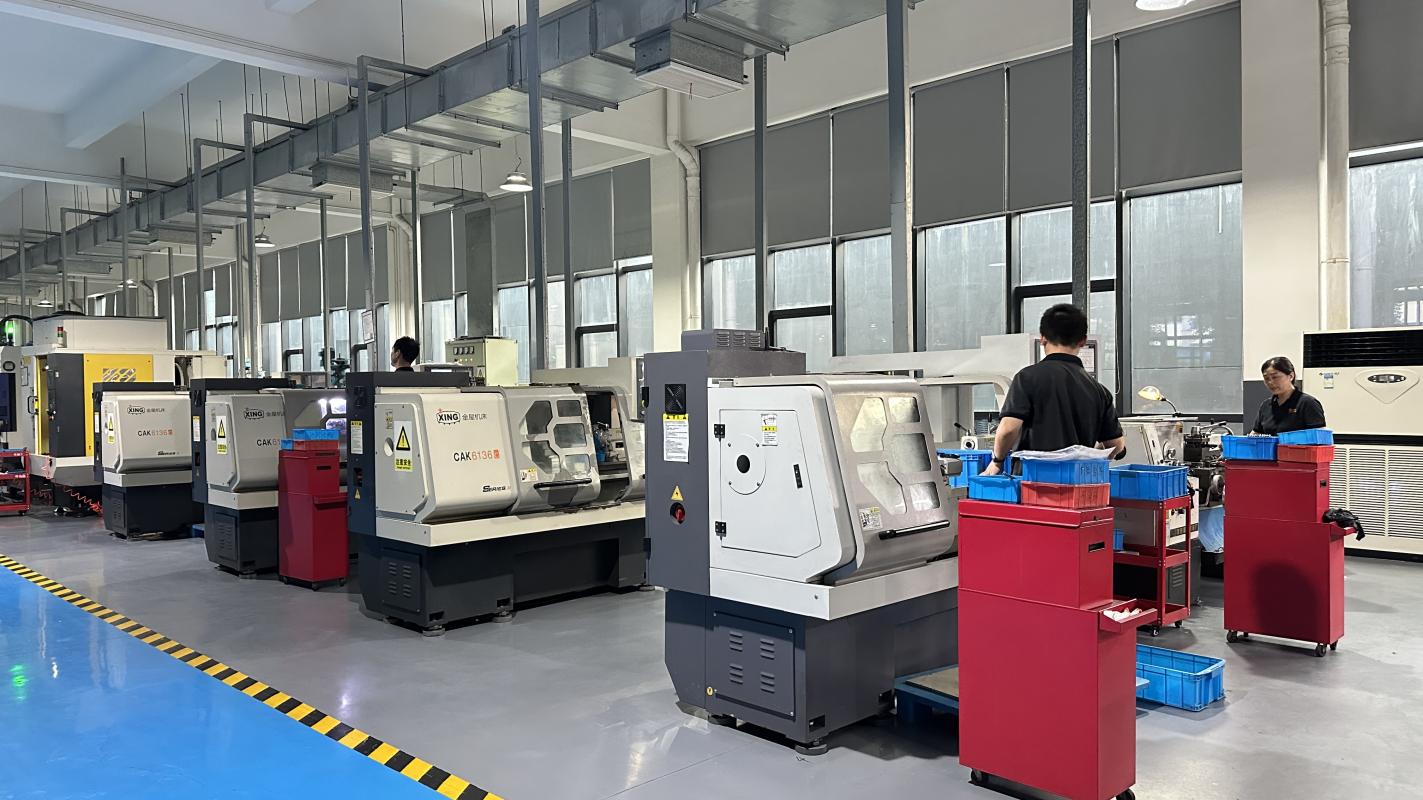
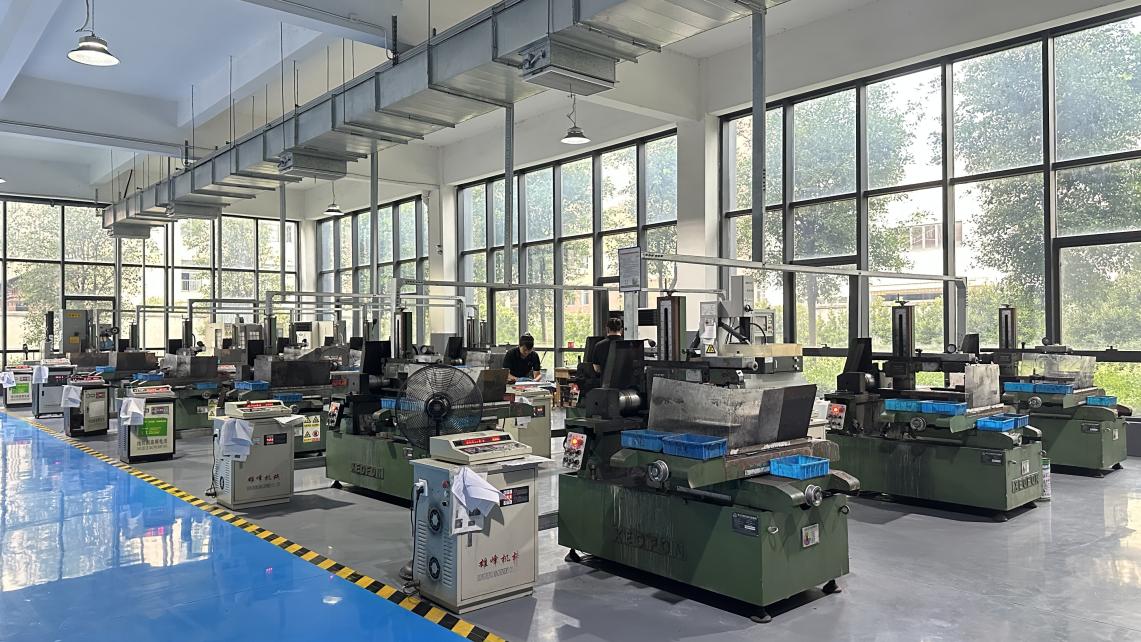
Our CNC machining centers maintain manufacturing tolerances within microns, ensuring that every pin-to-rod clamp provides reliable holding force, eliminating slip risk in the clinical environment.
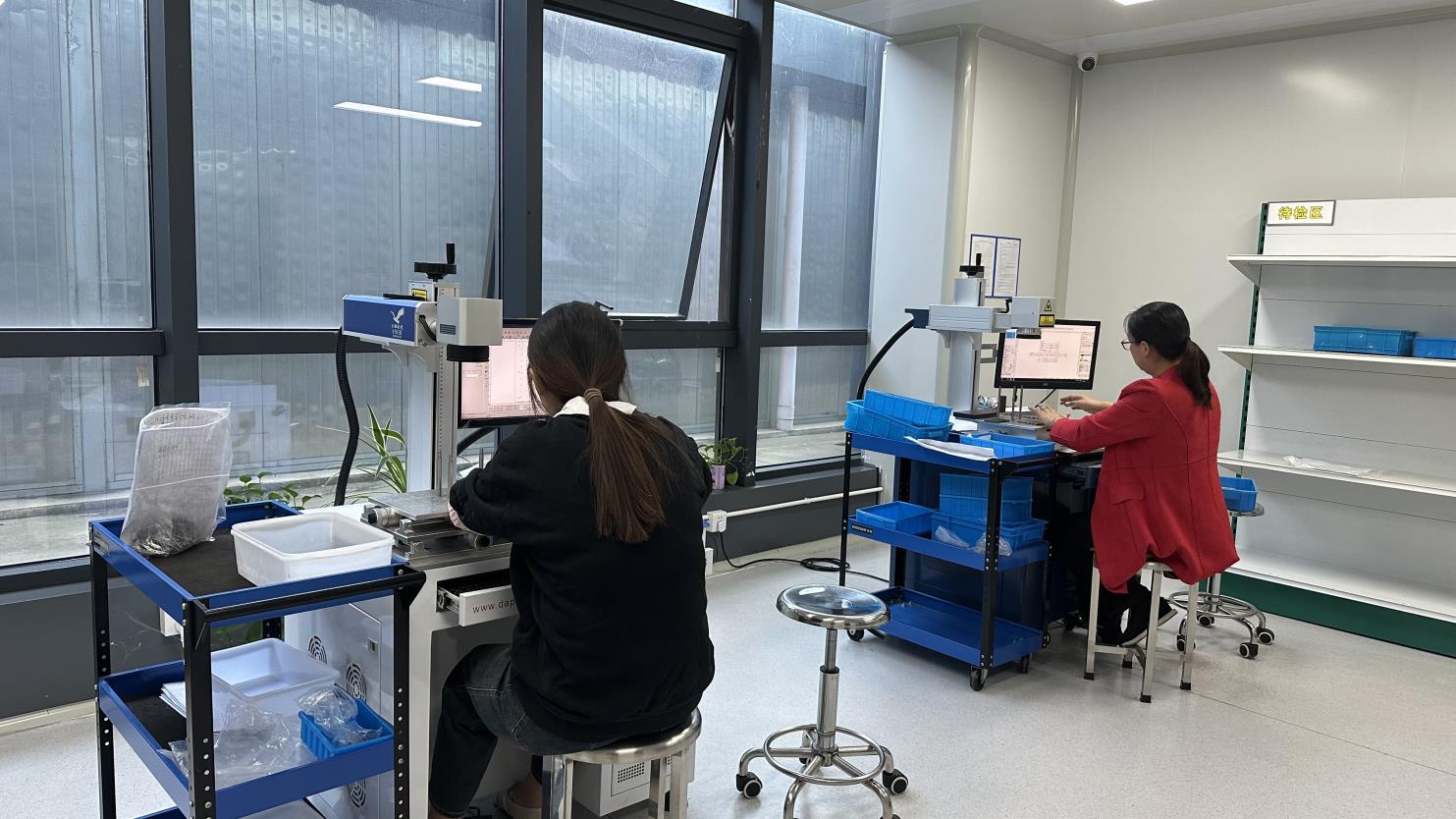
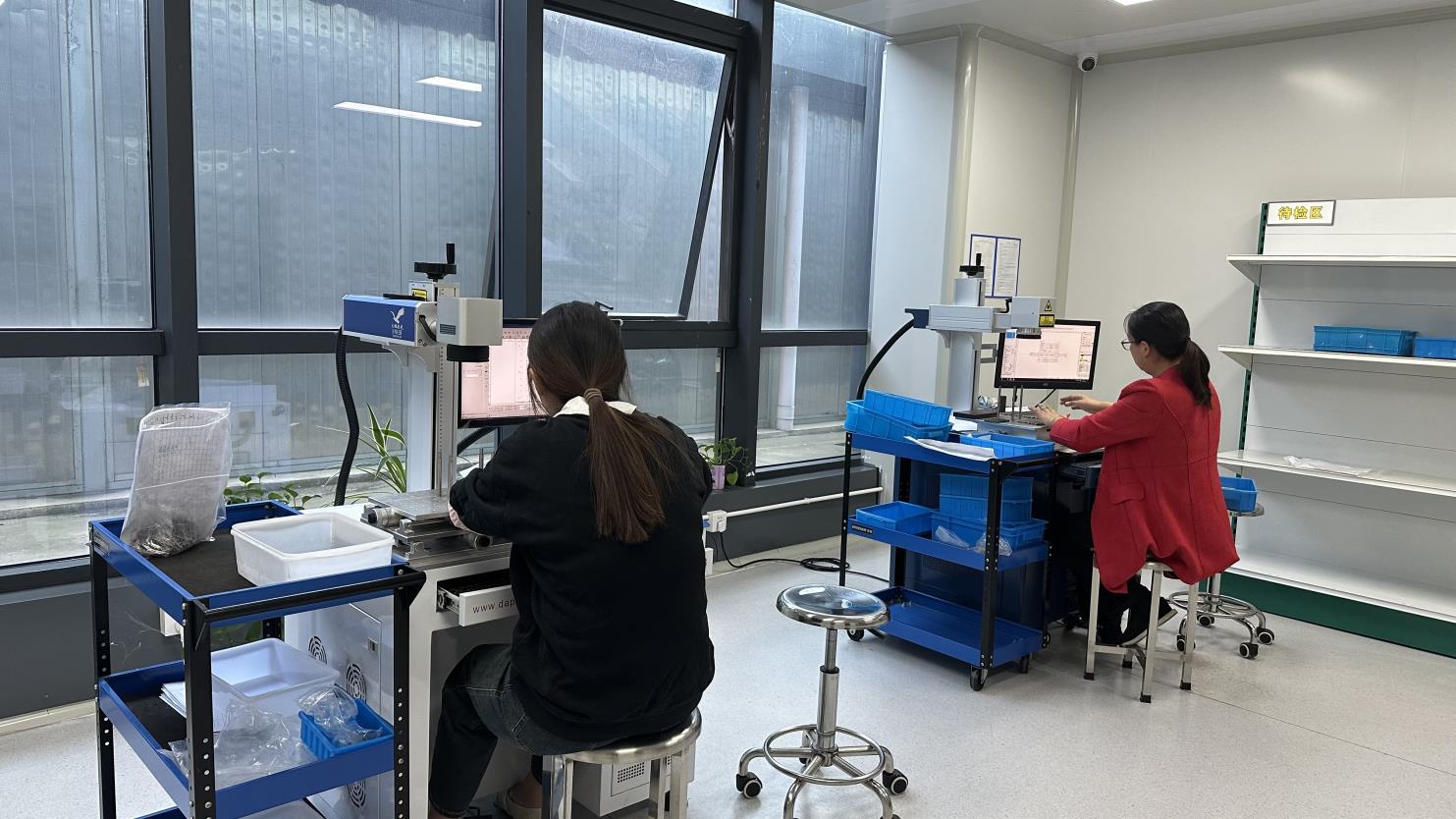
Additionally, all devices feature permanent laser-marked UDI (Unique Device Identification) codes, allowing CSSD (Central Sterile Services Department) staff in Irish hospitals to track each instrument and implant through its entire usage lifecycle.
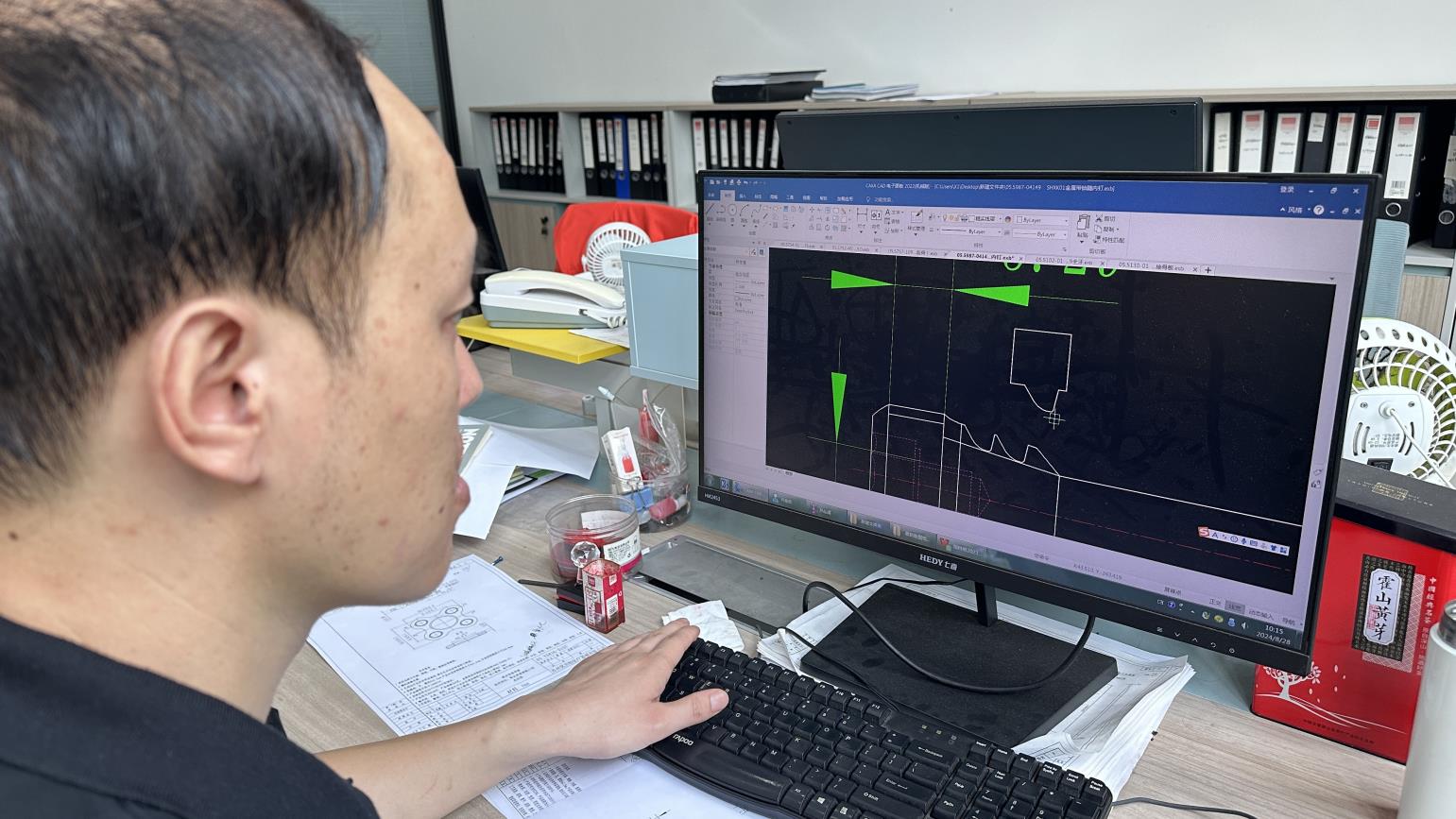
A look into our specialized manufacturing processes, ensuring clinical reliability for Irish medical professionals.
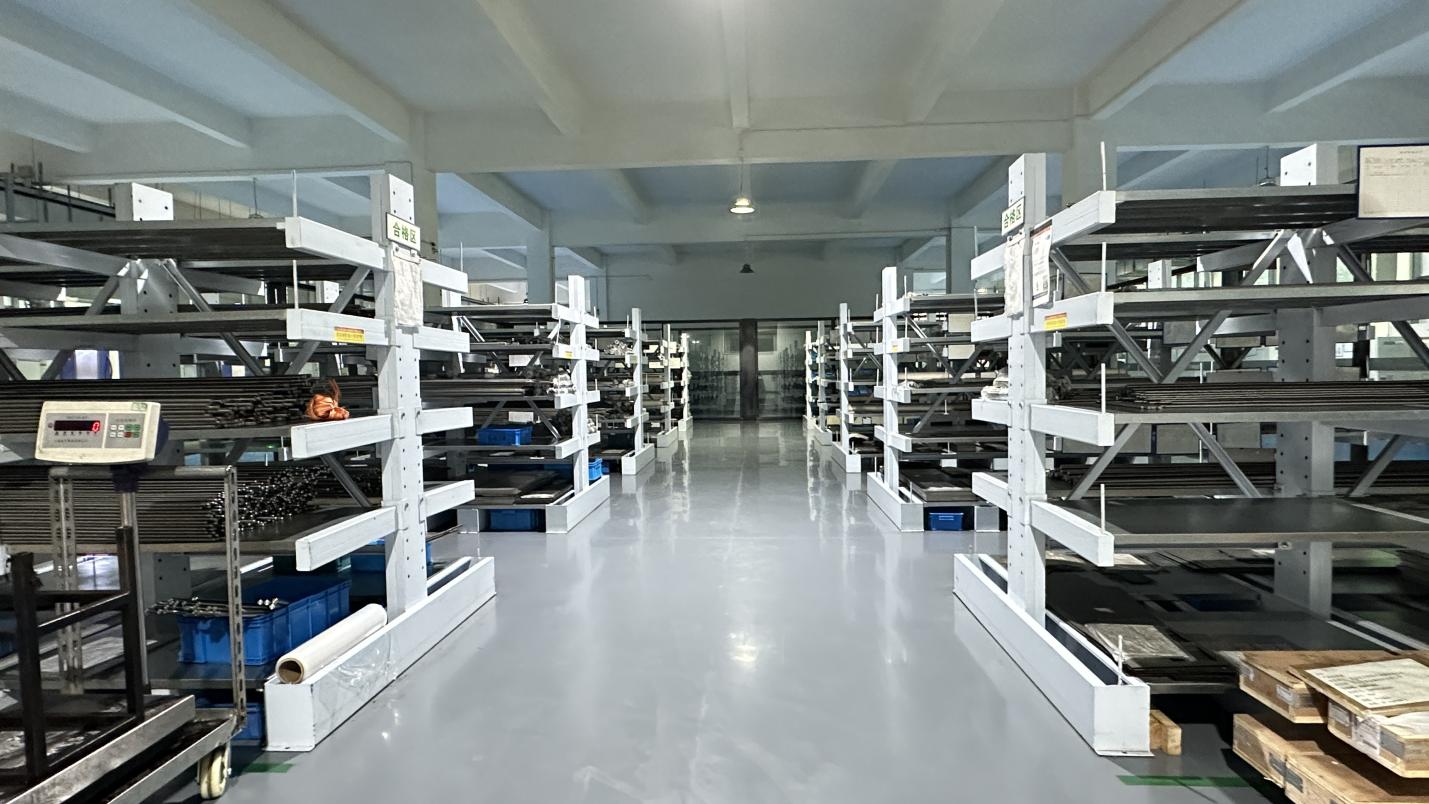
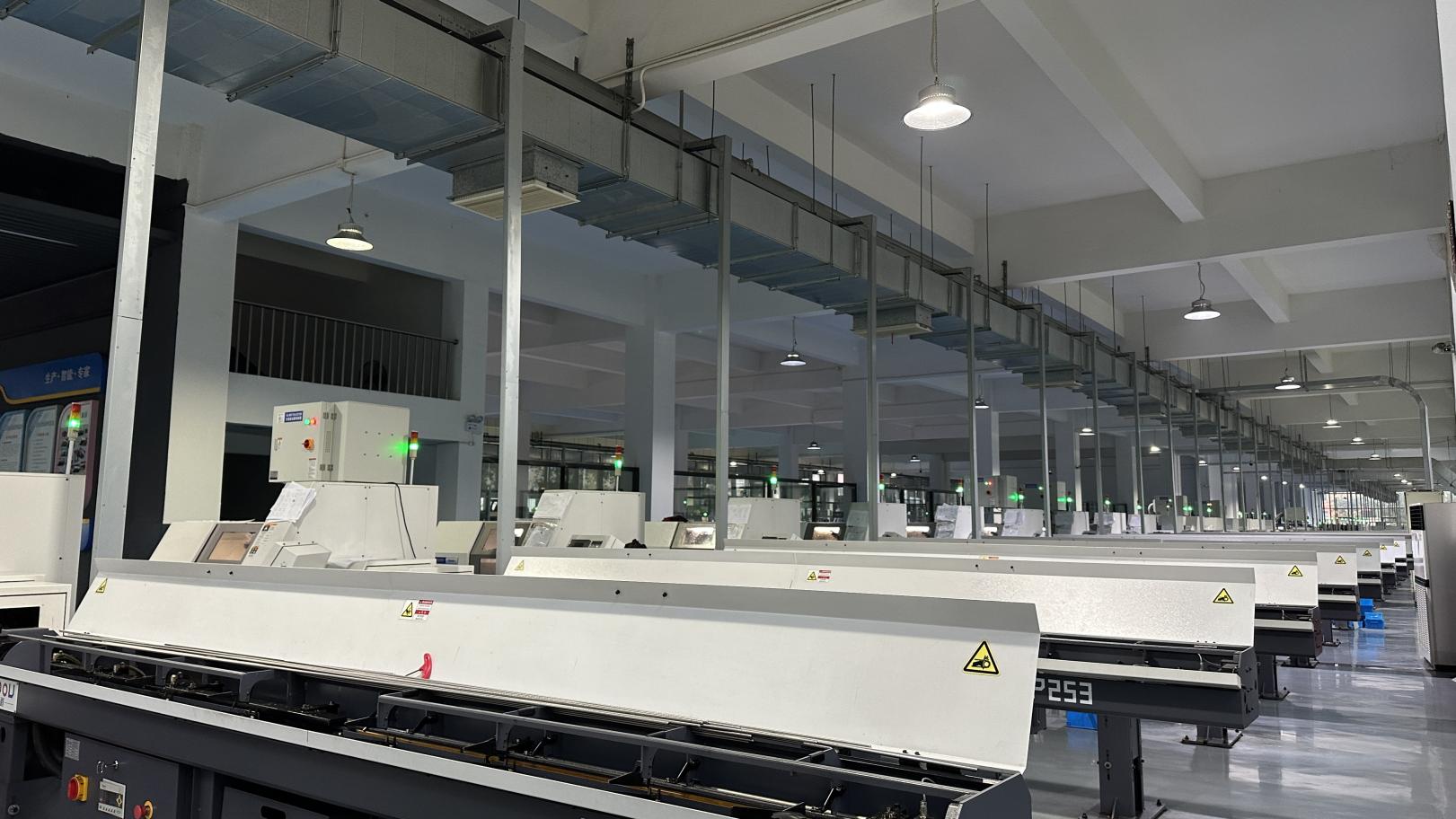
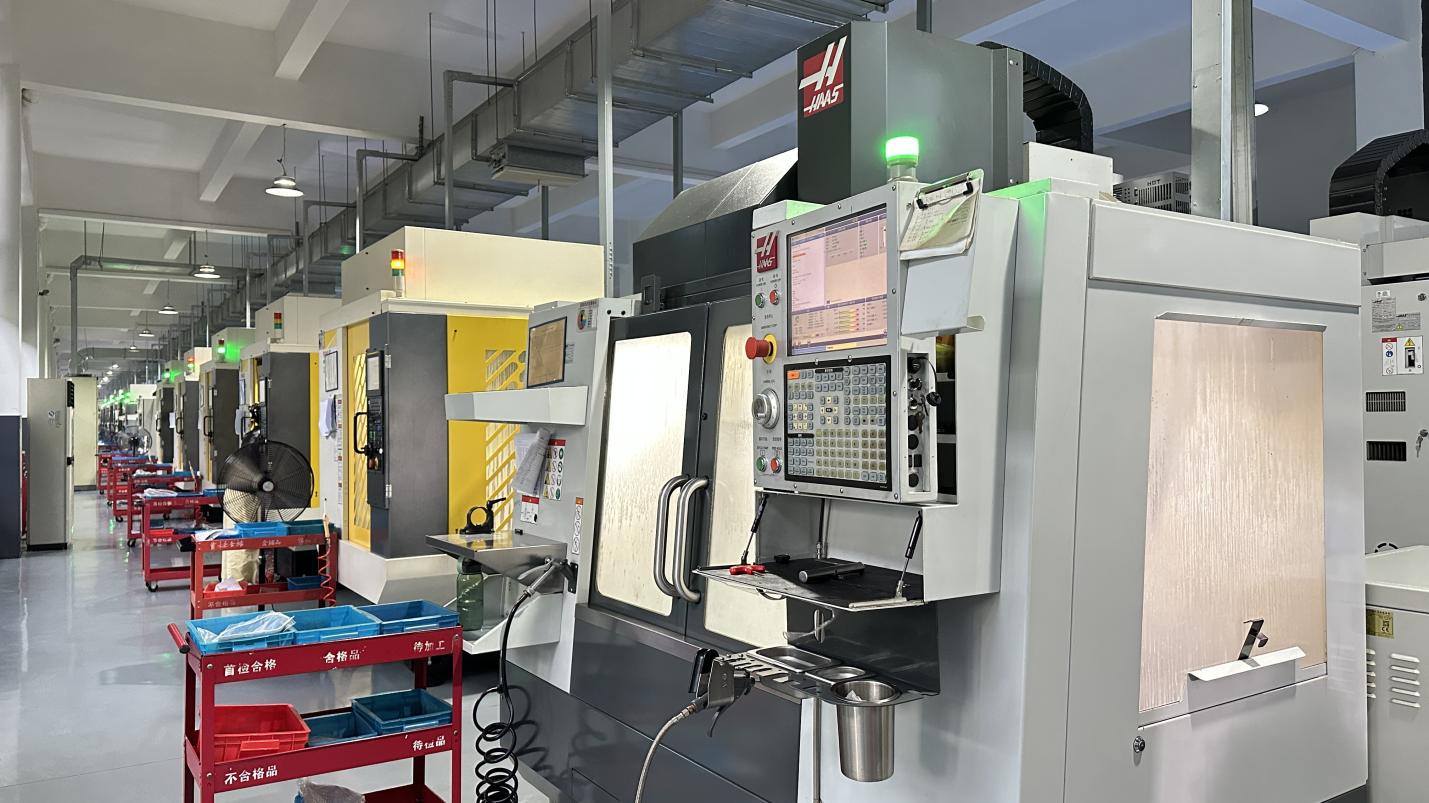
The field of external fixation is evolving rapidly, driven by advanced imaging, smart sensor integration, and composite materials science. Sourcing strategies in Ireland must anticipate these trends to prevent product obsolescence over multi-year procurement cycles.
Standard metallic frames can introduce scattering artifacts during postoperative X-ray or CT scans, complicating the assessment of callosal bridging and bone union. Future product updates focus on expanding our carbon-fiber-reinforced polymer (CFRP) and polyetheretherketone (PEEK) component ranges. These materials combine mechanical rigidity with radiolucency, giving surgical teams clear visibility of the fracture gap during follow-ups.
We are currently researching the integration of micro-strain sensors into carbon fiber rods. These sensors measure real-time micro-movements and load distribution variations at the fracture site. When connected to a clinical app, this data can help orthopaedic consultants monitor healing progress remotely and customize load-bearing timelines, supporting early mobilization and shorter hospital stays.
For complex cranio-maxillofacial trauma or severe pelvic reconstruction, off-the-shelf clamps may not match unique patient anatomy. Our research and development department is developing hybrid production pathways. These allow surgeons to combine standardized modular rods with 3D-printed custom clamps, based on pre-operative CT scans, to address complex clinical geometry.
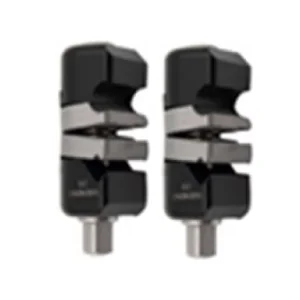
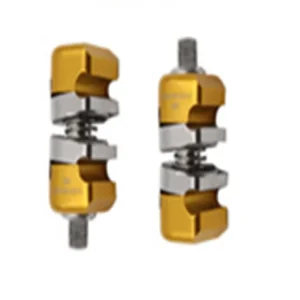
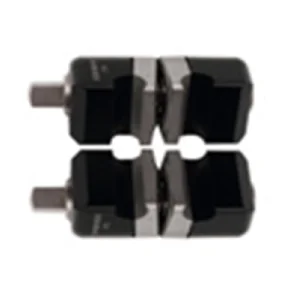
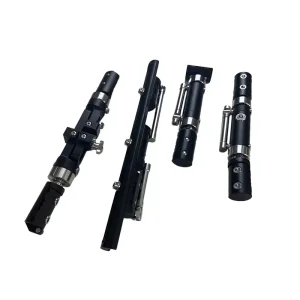
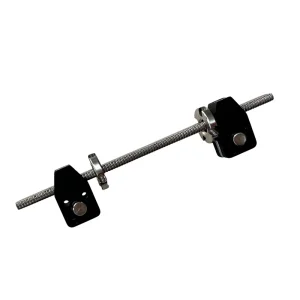
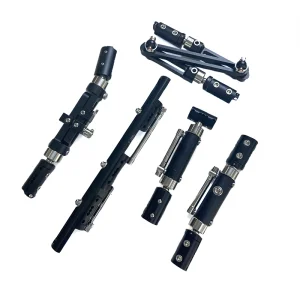
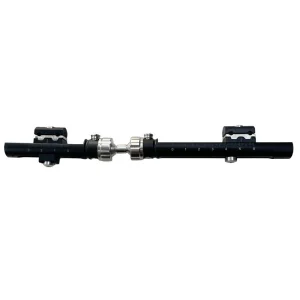
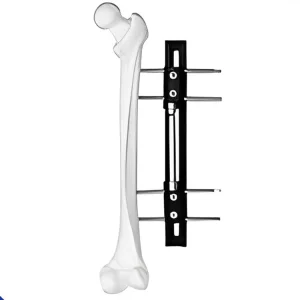
Explore our full line of external fixator components, clamps, systems, and instrument sets designed for reliable trauma management.
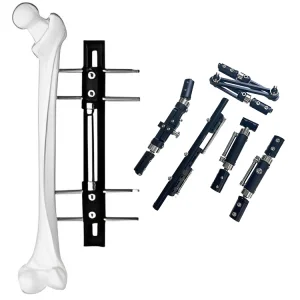
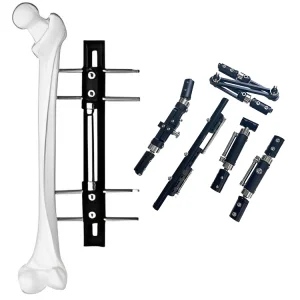
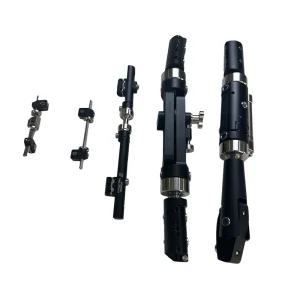
Essential compliance, logistical, and technical insights for Irish procurement departments and clinical distributors.
Optimize your orthopedic trauma procurement, secure supply continuity, and customize implants to your clinical requirements. Contact our international trade division today to request customized physical samples, test reports, and factory-direct pricing catalogs.
Send Inquiry Now