Bonevia
Bonevia
Bonevia
Engineered for urgent skeletal stabilization in high-energy trauma cases, our systems provide the modularity and mechanical integrity demanded by surgeons at major clinical hubs in Addis Ababa and beyond.
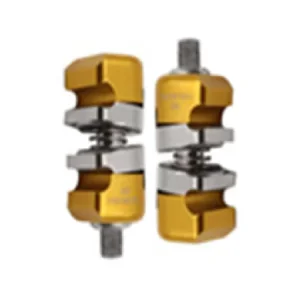
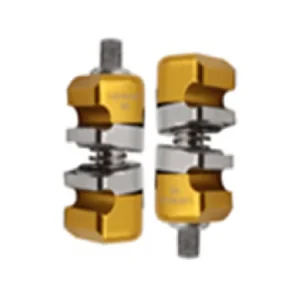
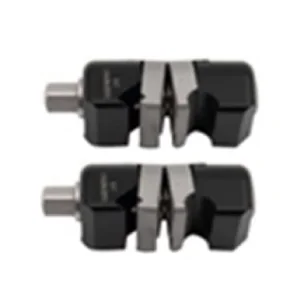
Trauma management stands as one of the most critical elements of public healthcare and emergency response systems in rapidly growing developing nations. In the Federal Democratic Republic of Ethiopia, where infrastructural expansion, urban transformation, and industrial growth intersect, orthopaedic clinics encounter unique pathological profiles daily. As traffic density increases on transport corridors like the Addis-Adama Expressway and agricultural mechanization advances in regions such as Oromia and Amhara, clinical hubs face a rising incidence of high-energy musculoskeletal trauma.
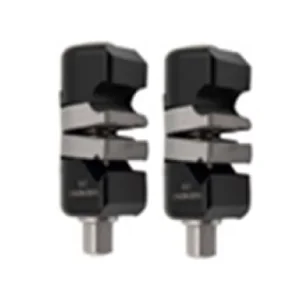
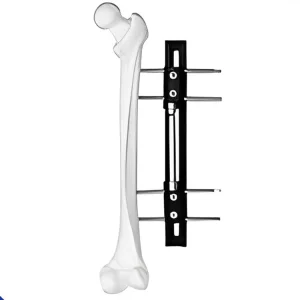
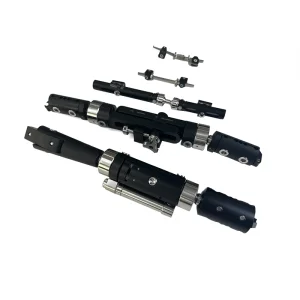
Bonevia Orthopedic Technology Co., Ltd. addresses this demand by designing and manufacturing advanced, high-performance external fixators, pins, clamps, and related instrumentation designed to meet the rigorous clinical and logistical requirements of the Ethiopian healthcare market.
Ethiopia's healthcare network is undergoing a structural transition. According to national health planning guidelines, referral institutions such as Tikur Anbessa (Black Lion) Specialized Hospital, ALERT Center in Addis Ababa, and regional university hospitals (e.g., in Bahir Dar, Hawassa, Mekelle, and Gondar) are expanding their tertiary traumatology capacities. However, these facilities operate under distinct macroeconomic conditions, including limited foreign exchange reserves and extended procurement cycles. These realities create a clear clinical need: medical hardware must combine long-term durability with material safety and cost-effectiveness.
Because external fixators are often utilized in open fractures (Gustilo-Anderson Grade II, IIIa, IIIb, and IIIc), non-unions, and infection-prone trauma environments, the equipment must withstand repetitive autoclave sterilization without structural degradation. In contrast to single-use plates and screws, modular external fixator frames (rods, couplings, pin clamps) represent a reusable capital investment for hospitals. High-tensile stainless steel and aerospace-grade titanium alloy components from Bonevia provide the structural integrity required to maintain alignment over months of weight-bearing and soft-tissue reconstruction.
For procurement managers at the Ethiopian Pharmaceuticals Supply Service (EPSS) and private clinical groups, the total cost of ownership (TCO) of orthopedic frames is a primary consideration. Fixators must endure high autoclave cycles (typically at 134°C for at least 4 minutes under high pressure) without undergoing galvanic corrosion or losing clamping torque capacity.
Operating a global medical manufacturing line requires strict compliance with international standards, such as ISO 13485 quality systems, CE certification, and US FDA regulation guidelines. Bonevia translates these global quality baselines into direct support for local importing partners and distributors in Ethiopia. We guide clients through the registration protocols of the Ethiopian Food and Drug Authority (EFDA), providing full technical dossiers, material certificates, and biocompatibility documentation (ISO 10993 standards).
Additionally, we understand the logistical constraints of importing through ports such as Djibouti and the subsequent road transit to Modjo Dry Port. Our logistics coordination includes custom export packaging, tropicalized moisture-barrier wrapping, and precise customs declaration paperwork. This thorough approach minimizes delays, ensuring that vital orthopedic trauma products reach clinical facilities where they are needed most.
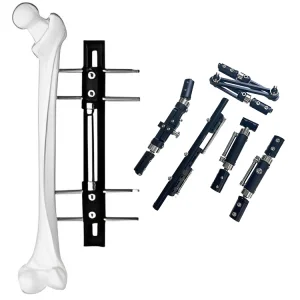
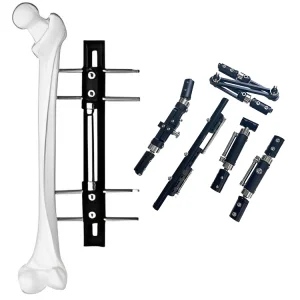
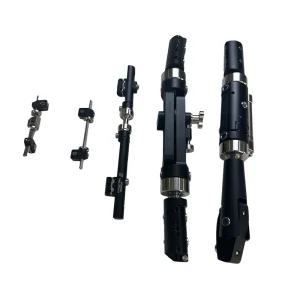
The following micro-fixation and bone reconstruction components are optimized for delicate upper extremity stabilizing and gradual osteogenesis procedures in regional trauma wards:
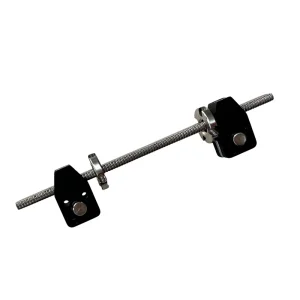
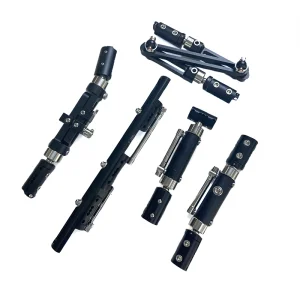
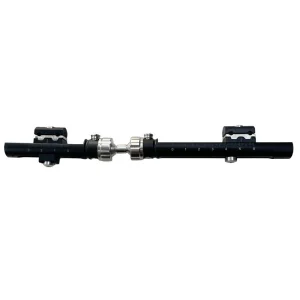
Different orthopaedic indications require specific biomechanical parameters to support optimal recovery. Our external fixation range is designed to cover three distinct application tiers:
The field of external fixation is moving rapidly toward lightweight, radiolucent, and MRI-compatible structures. High-strength carbon fiber composite rods represent a major design improvement. These rods are radiolucent under intraoperative fluoroscopy and post-operative X-ray imaging, allowing surgeons to monitor bone healing and alignment without visual interference from metal components.
Additionally, our engineering team is refining the surface characteristics of our self-tapping Schanz pins. By optimizing the thread profiles and applying hydroxyapatite (HA) coatings, we improve the bone-to-pin interface, which helps reduce pin loosening and pin-tract infections—two common complications in challenging clinical environments.
Established in 2015, Bonevia Orthopedic Technology Co., Ltd. has grown into a trusted global supplier, integrating advanced engineering with strict quality control systems.
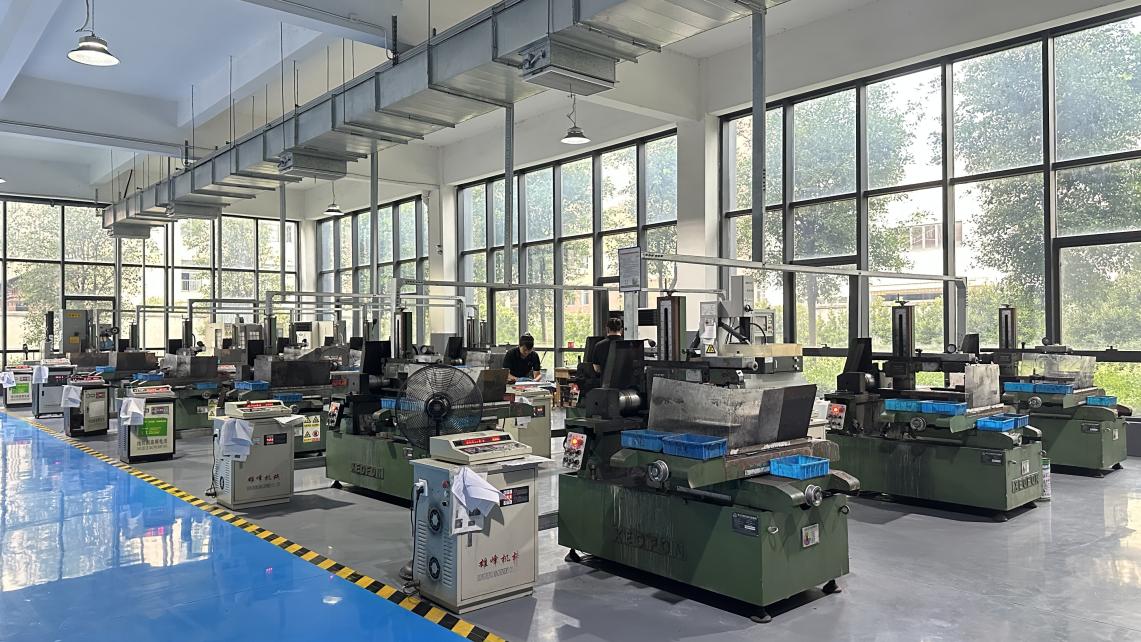
Bonevia Orthopedic Technology Co., Ltd. is a professional manufacturer specializing in orthopedic implants and surgical solutions, dedicated to advancing innovation in trauma, spine, and joint reconstruction products. Since its establishment in 2015, the company has grown steadily into a trusted supplier in the global orthopedic industry.
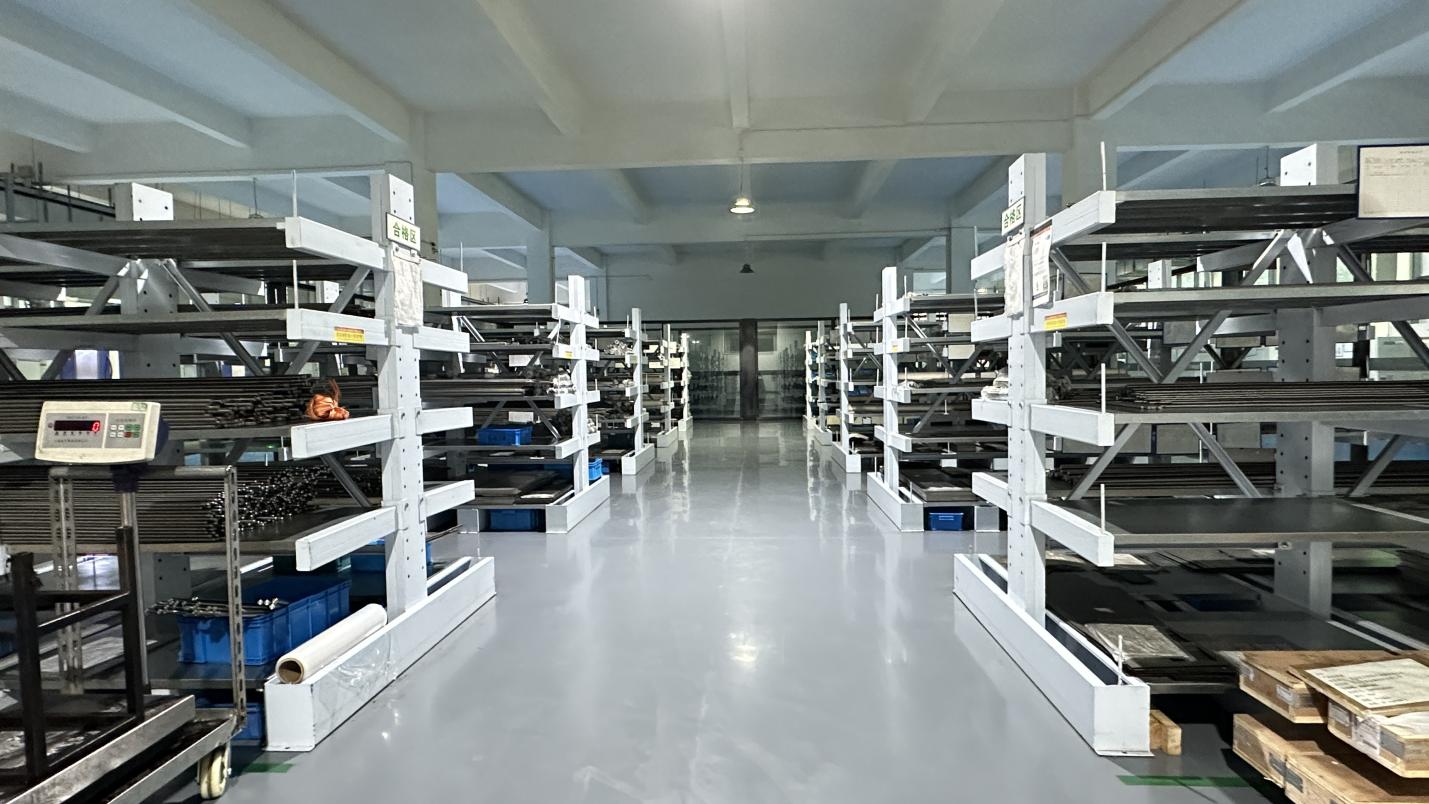
With a modern production facility covering approximately 320㎡, Bonevia maintains strict quality management standards and efficient manufacturing processes. The company records an annual export revenue of around USD 8–15 million, supported by 6 years of export experience and over 10 years of overall industry experience.
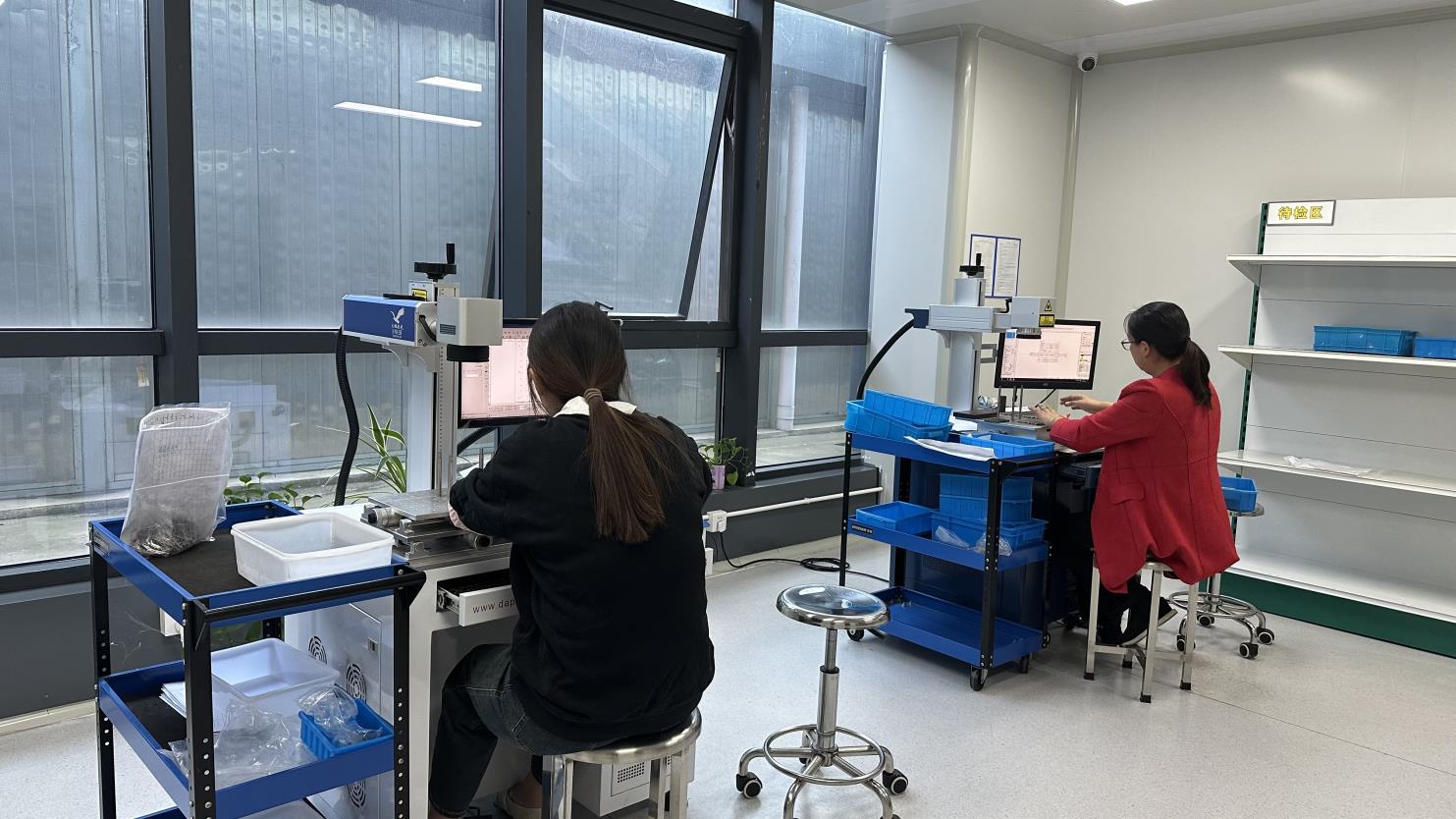
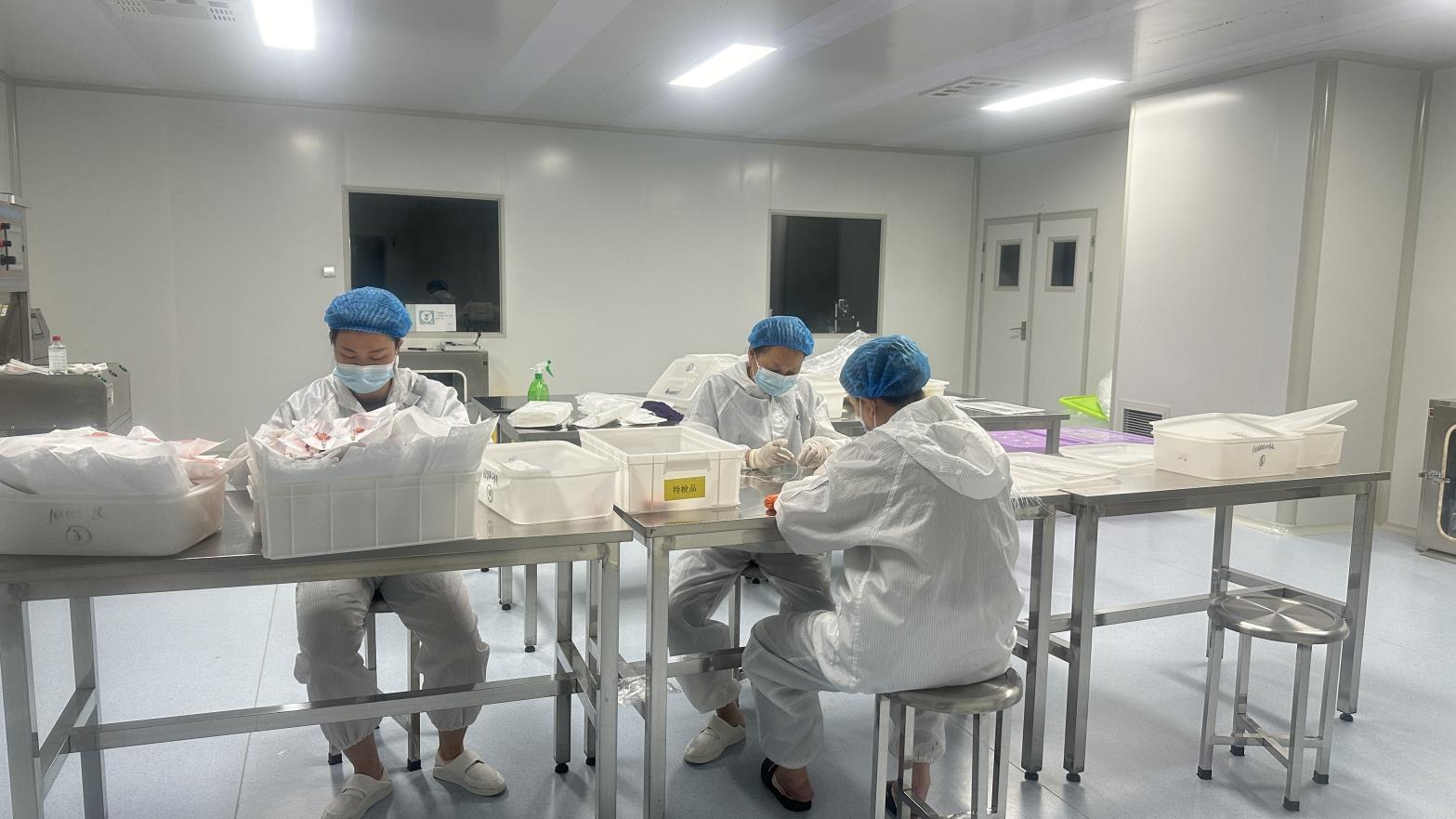
Quality assurance is a core focus at Bonevia. The company implements multiple inspection methods including incoming material inspection, in-process quality control, and final product testing, supported by a dedicated quality team of 35 professionals. This ensures all products meet international medical device standards.
Bonevia has a solid trade foundation with diversified global distribution networks, serving major markets across Europe, Southeast Asia, the Middle East, and South America. Its supply chain ecosystem includes more than 850 partners, enabling stable raw material sourcing and efficient production delivery.
The company serves a wide range of clients, including hospitals, orthopedic clinics, surgical centers, and medical distributors. Bonevia also demonstrates strong R&D capabilities, offering OEM and ODM customization services to meet specific clinical requirements.
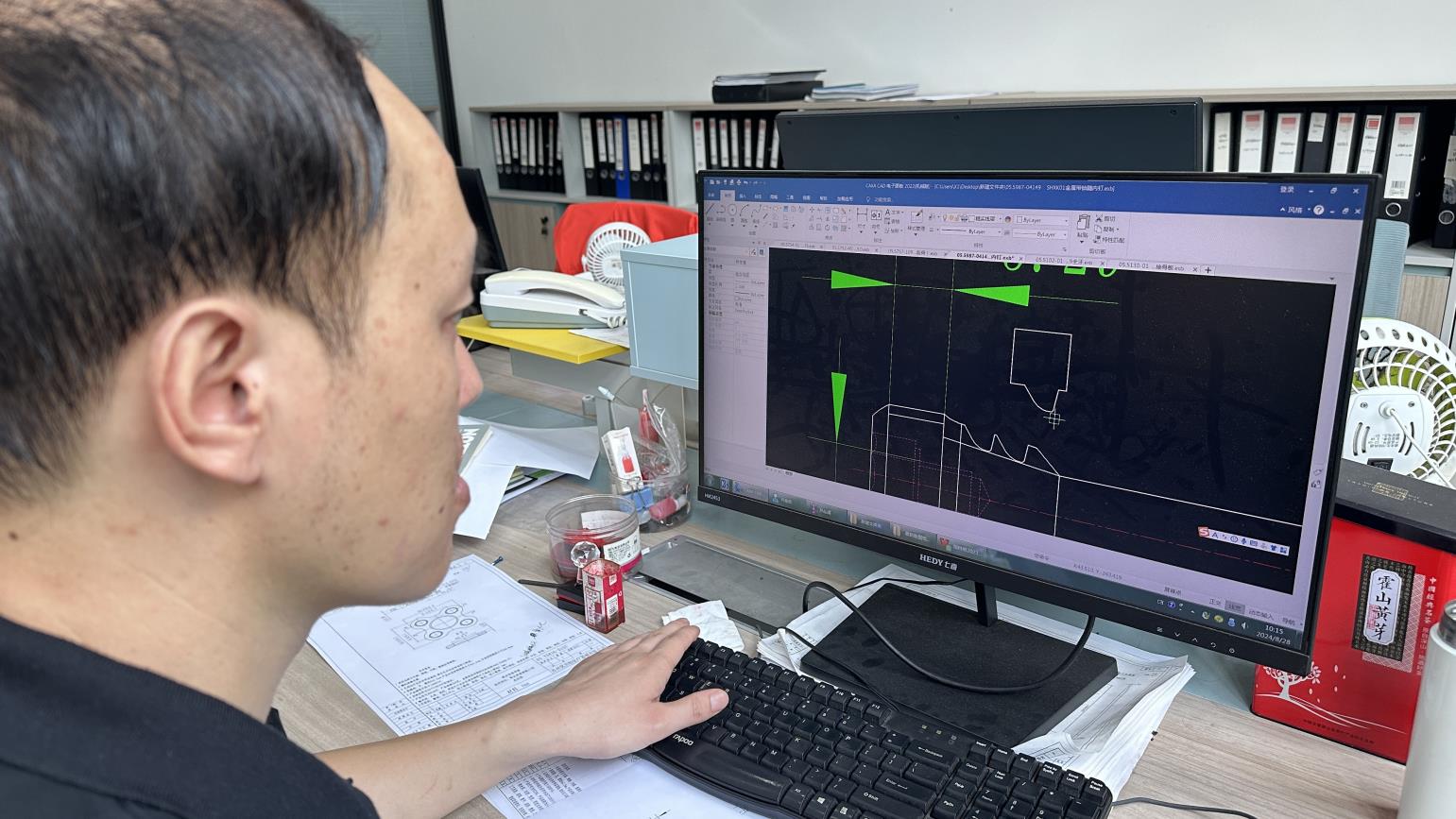
In the past year, Bonevia successfully launched 120 new product designs, supported by a research and development team of 85 engineers, continuously driving innovation in orthopedic implant systems and surgical instruments.
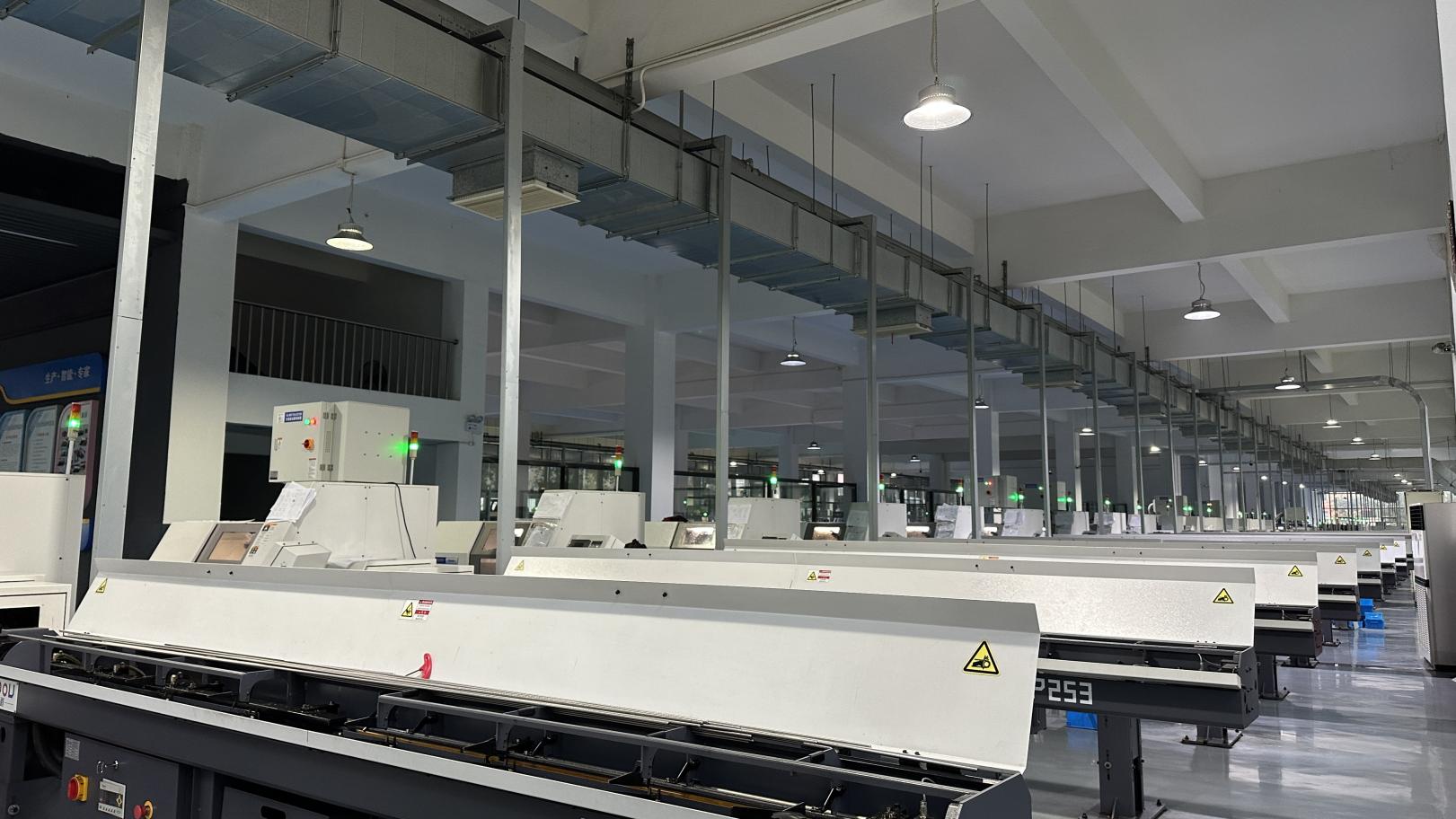
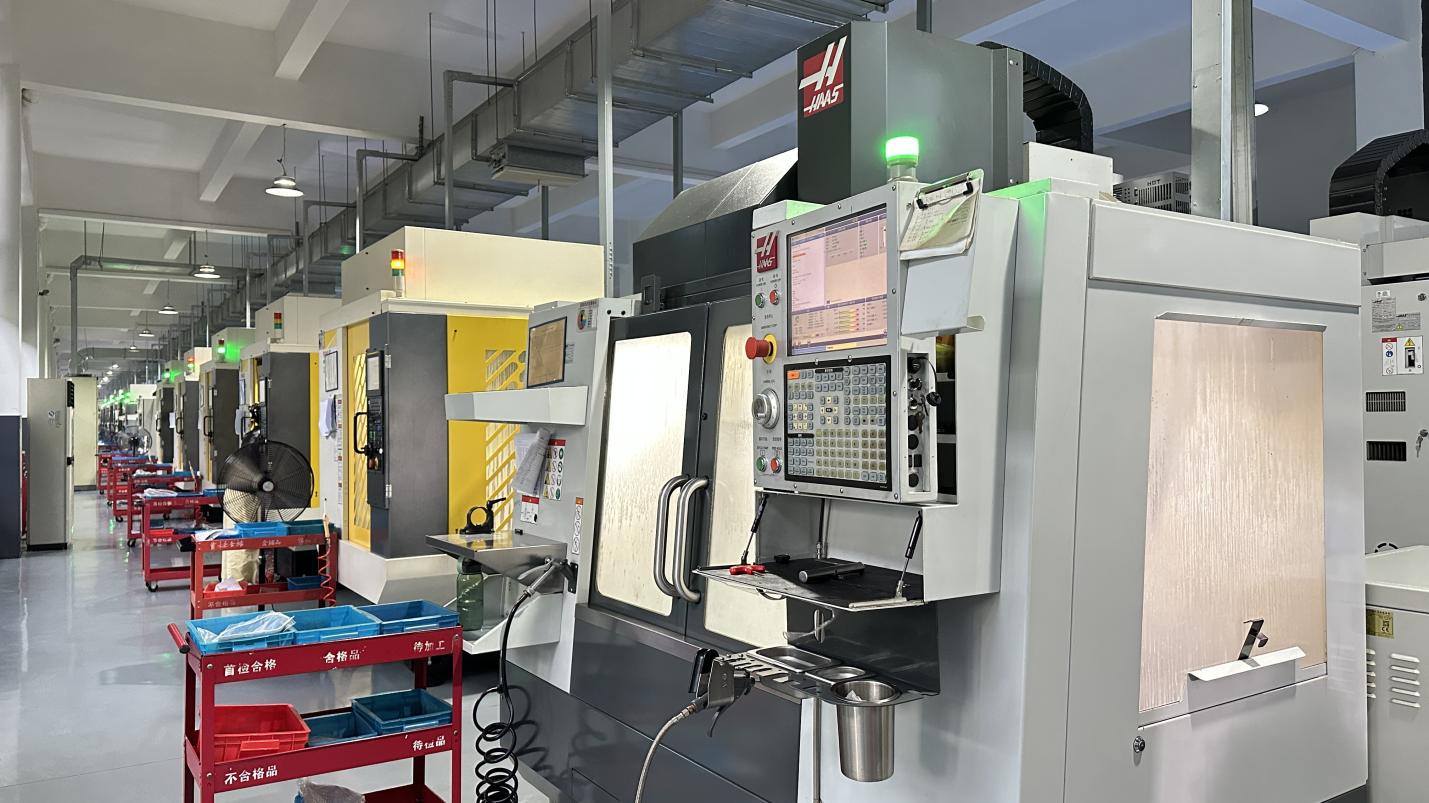
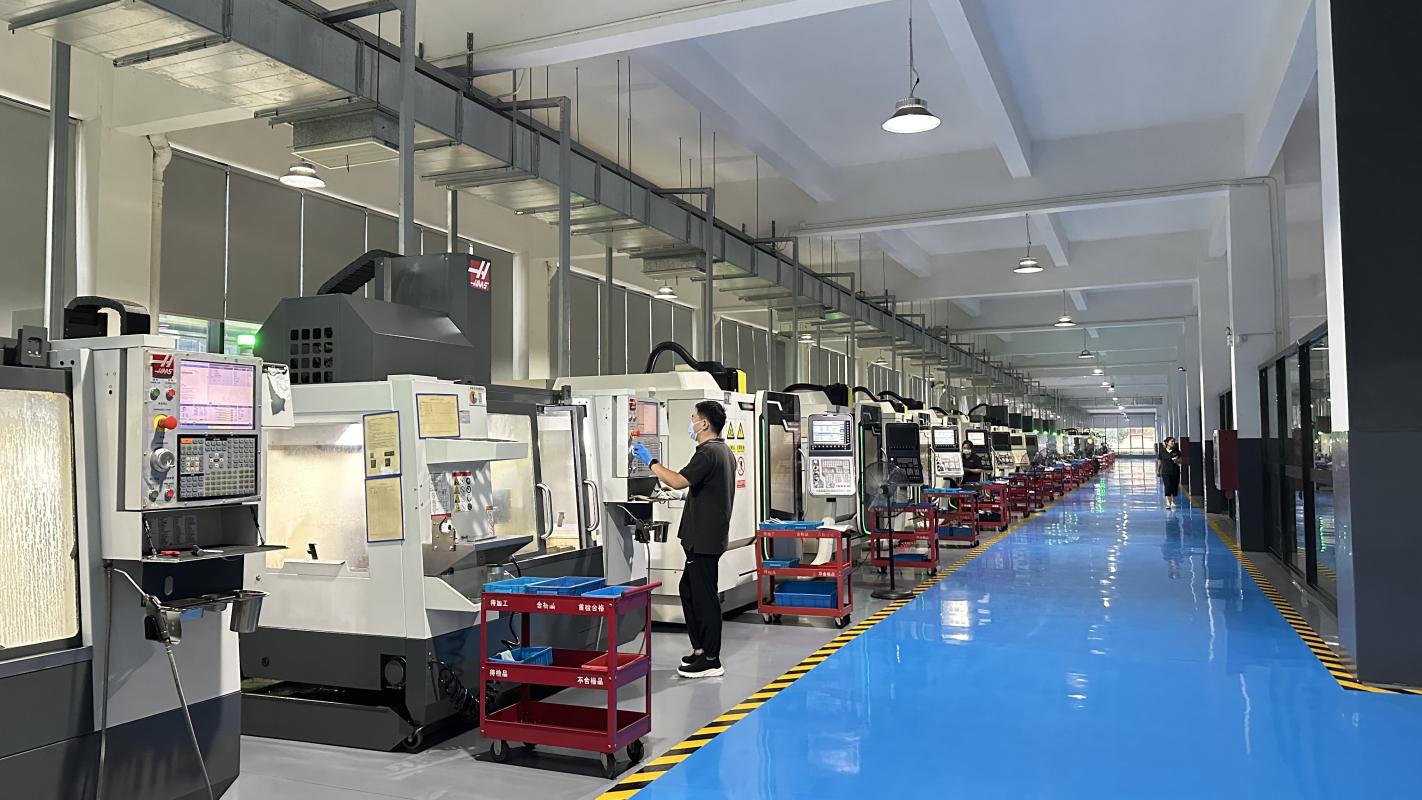
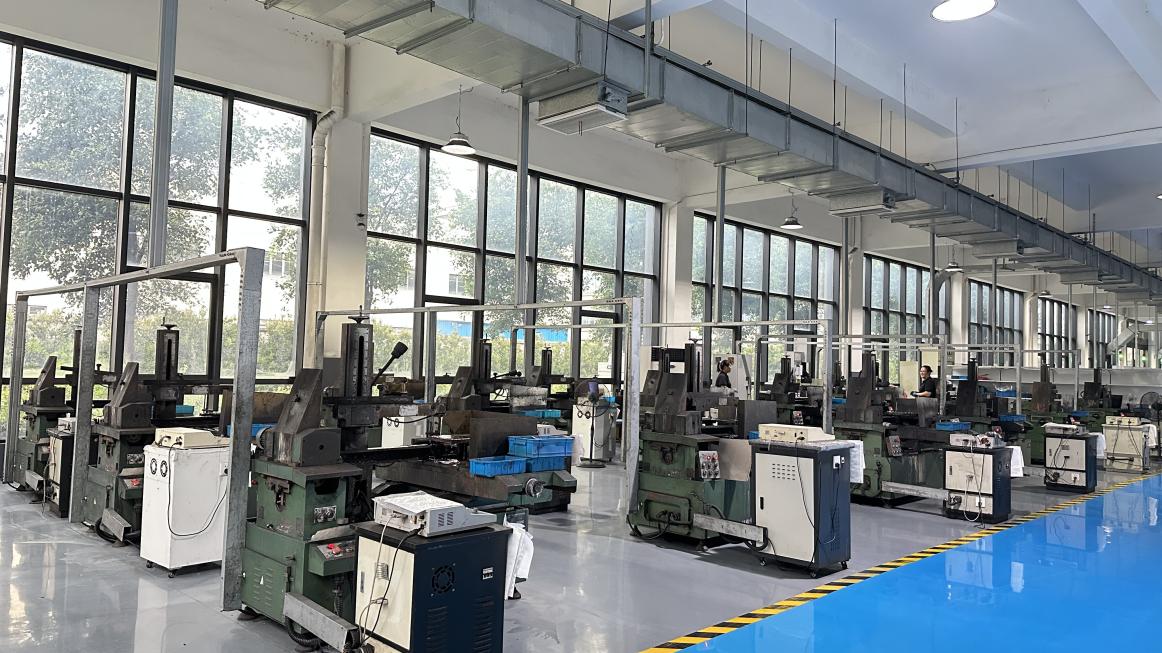
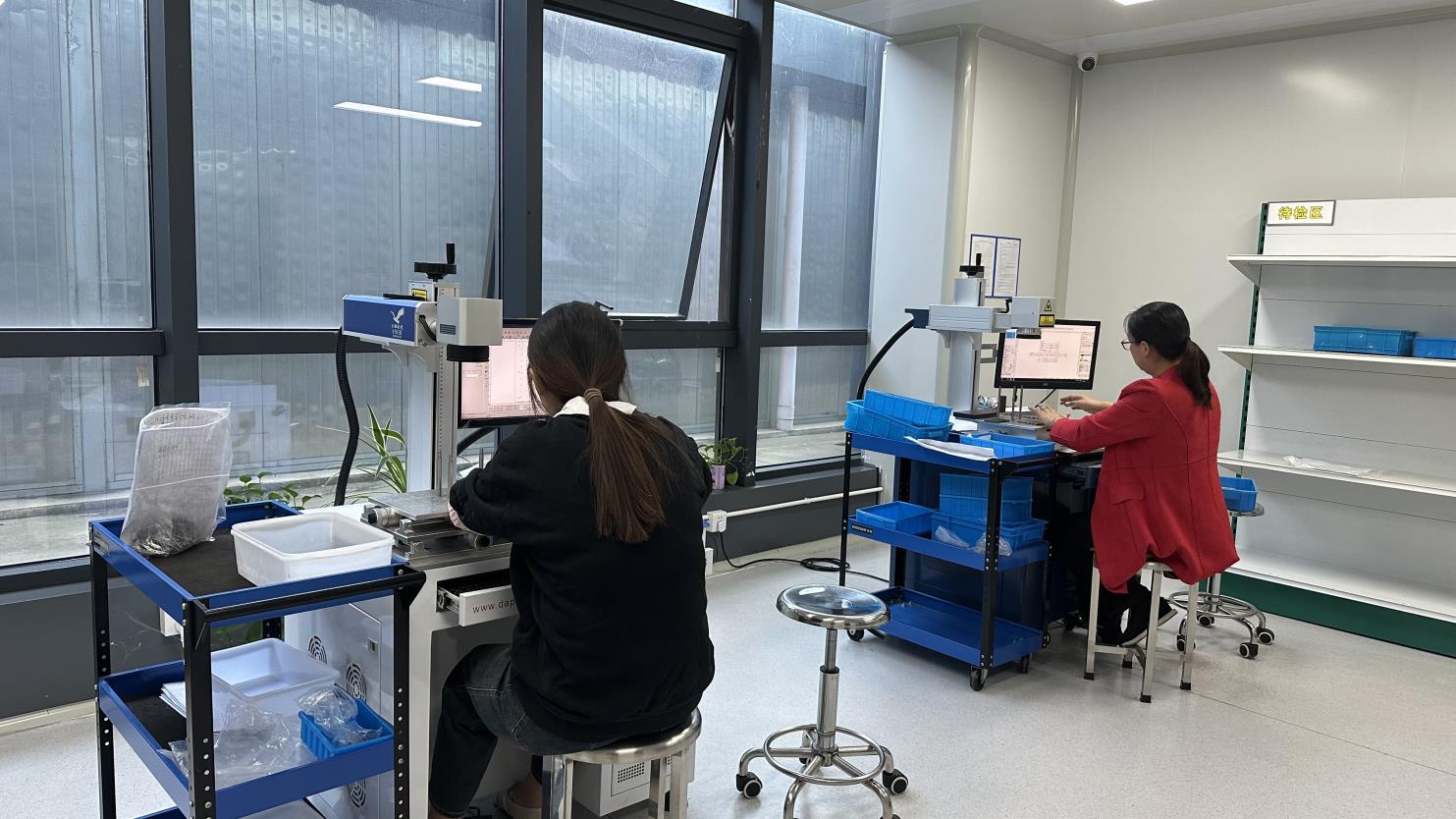
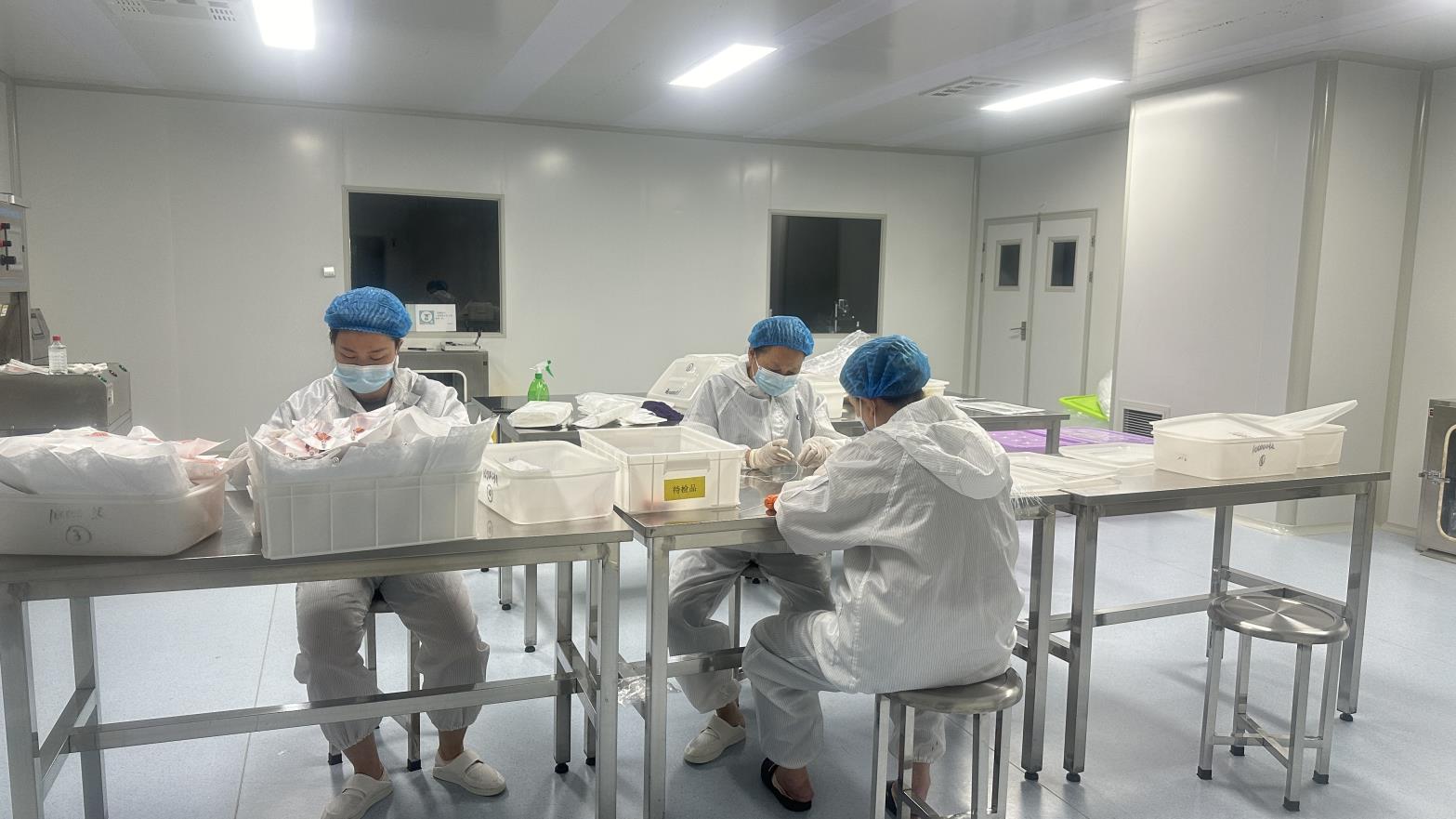
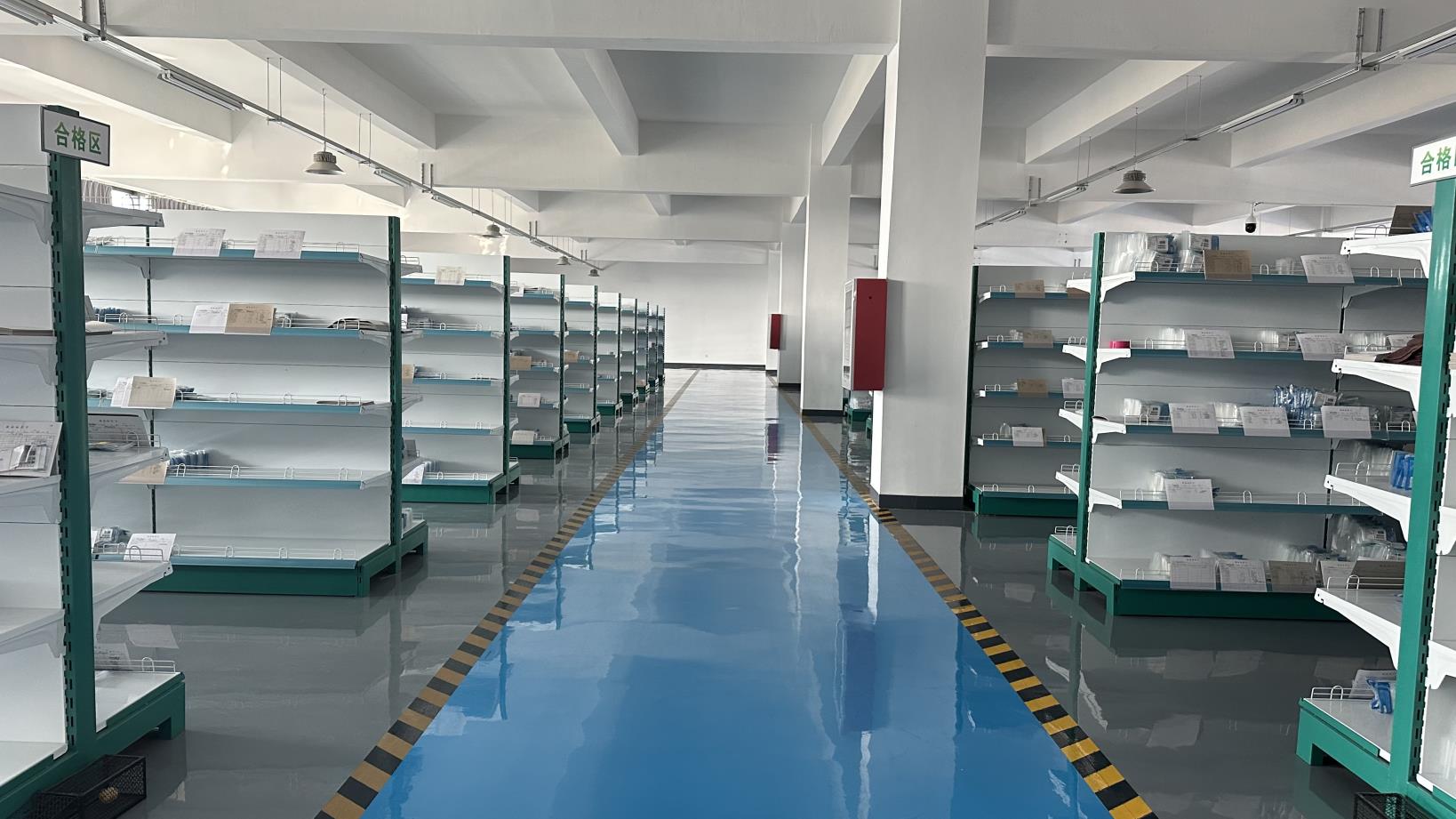
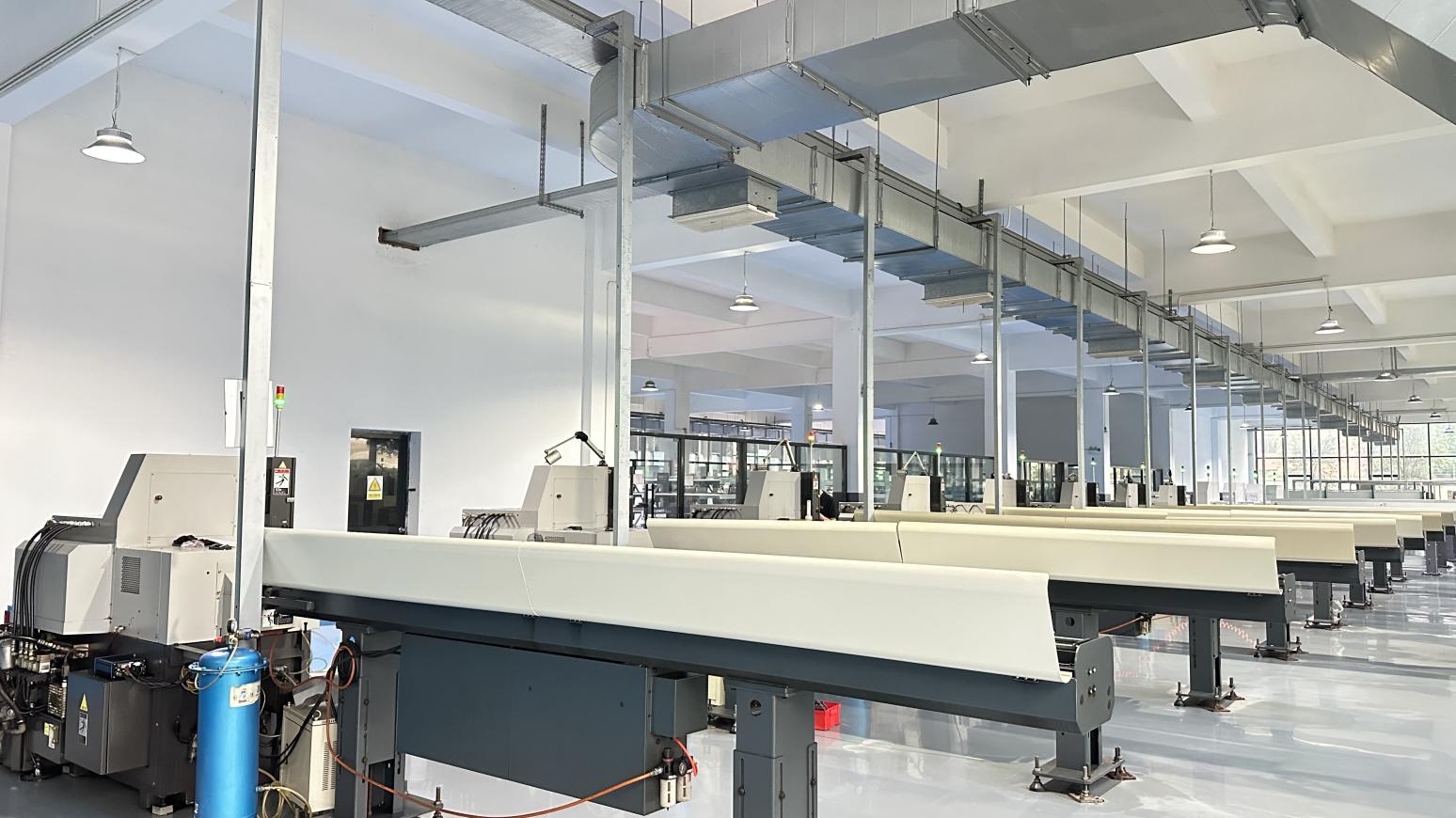
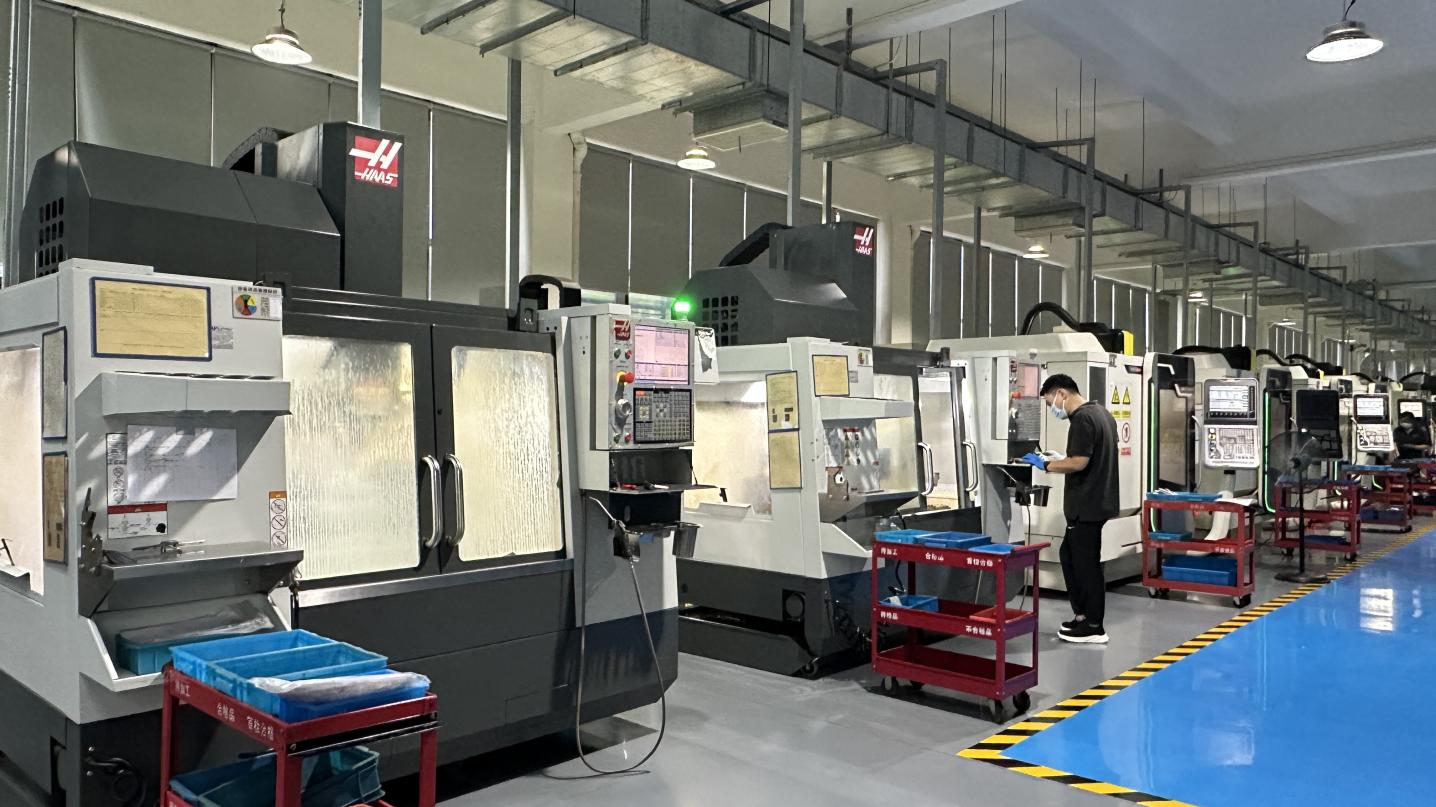
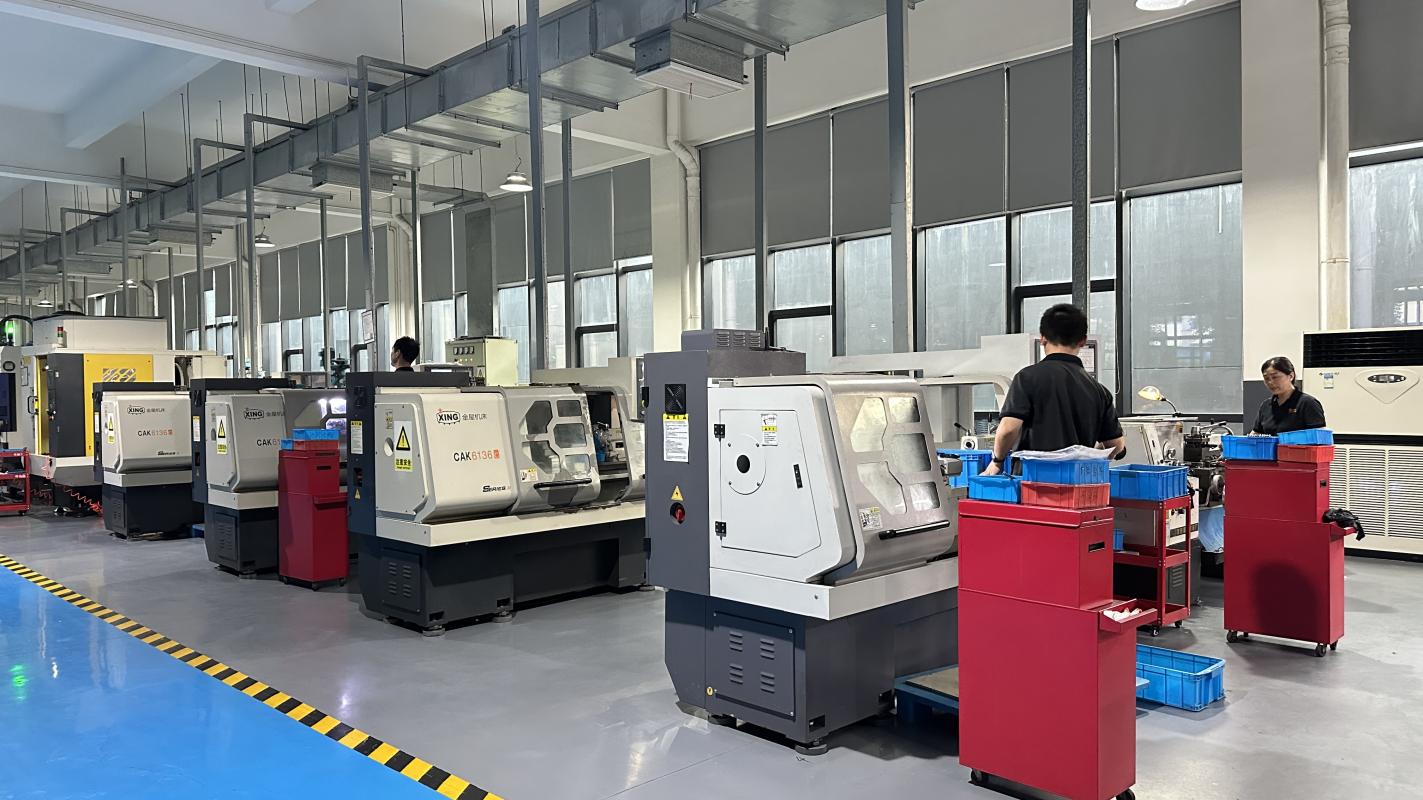
We provide specialized orthopaedic systems that meet international medical device standards, ensuring performance, reliability, and clinical safety.
Send Inquiry NowOur core clinical assemblies offer reliable biomechanical performance for fracture reduction, joint arthrodesis, and bone reconstruction.
Clear answers regarding regulatory compliance, material specifications, and logistics coordination for Ethiopian distributors and surgeons.
Yes. Bonevia supports our local distribution partners in Ethiopia by providing full documentation for the EFDA registration process. This includes ISO 13485 quality management certificates, CE compliance declarations, sterilization reports, and biocompatibility studies (ISO 10993). We supply all required files to ensure smooth import clearance.
We manufacture implants in two main medical-grade options: Class III biocompatible Titanium Alloy (Ti-6Al-4V ELI conforming to ASTM F136/ISO 5832-3) and surgical-grade Stainless Steel (316LVM conforming to ASTM F138/ISO 5832-1). Our titanium alloy components and carbon fiber rods are MRI-safe under defined conditions, which helps minimize imaging artifacts during follow-up scans.
Standard manufacturing runs take 15 to 30 days, depending on order volume and customization requirements. Shipments are typically sent by ocean freight to the Port of Djibouti, followed by road transit to the Modjo Dry Port (total transit time: 25–40 days). Urgent clinical orders can be sent via air cargo directly to Addis Ababa Bole International Airport (ADD) within 5–7 days.
Yes. With our R&D team of 85 engineers, we offer full OEM/ODM services. We can design customized sterilization containers, engrave hospital logos, and modify pin lengths and clamp configurations to meet the specific requirements of your surgical teams.
Equip your clinical teams with robust, high-precision external fixation frames built to meet international medical standards. Get in touch with our export team today for pricing, technical catalogs, and local registration support.