Bonevia
Bonevia
Bonevia
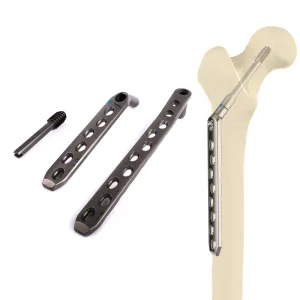
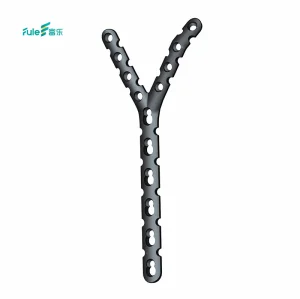
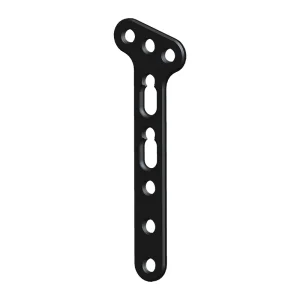
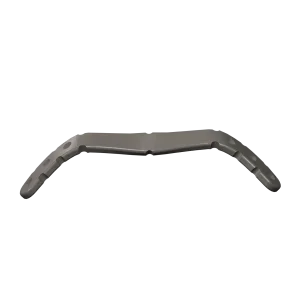
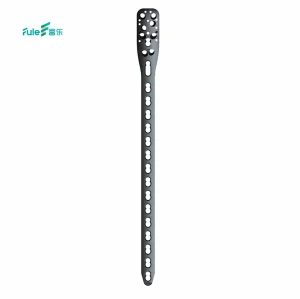
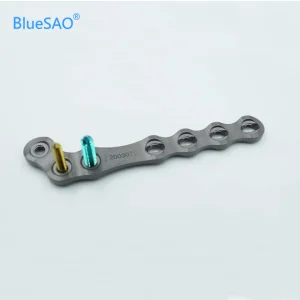
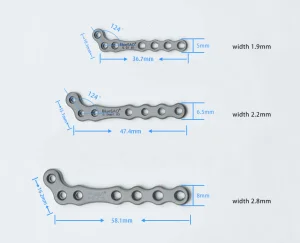
Advanced fixation plates engineered for high anatomical conformity and mechanical stability in demanding clinical cases.
The Greek healthcare landscape, comprised of the National Healthcare System (ESY) and an expanding network of private medical groups, faces unique demands in trauma management. With an aging demographic trend matching Southern Europe's median trajectory and a massive seasonal influx of millions of tourists, public hospital trauma units in cities like Athens, Thessaloniki, Heraklion, and Patras experience high variability in orthopedic admissions. High-energy trauma resulting from vehicle accidents, coupled with osteoporotic fragility fractures in the senior demographic, necessitates robust supply chains for osteosynthesis devices.
Historically, Greek distributors and hospitals relied heavily on expensive multinational brands. However, recent economic dynamics and public hospital centralized tenders managed by EKAPY (the National Central Authority of Health Procurements) have shifted the focus toward value-based procurement. Orthopedic trauma surgeons require implants that provide comparable bio-mechanical stability, anatomical contouring, and instrumentation precision, but at a price point that respects the budgetary ceilings of modern European healthcare systems. Consequently, importing high-tier CE-marked medical devices directly from specialized manufacturers has emerged as a primary growth strategy for Hellenic medical distributors.
To successfully access this competitive landscape, manufacturers must satisfy both the surgeon's clinical expectations and the distributor's business imperatives. This means offering comprehensive trauma solutions—ranging from distal radius plates to femoral intramedullary nails—that feature high biocompatibility profiles, ease of insertion, and complete conformity with the European Medical Devices Regulation (EU MDR).
Global medical procurement directors evaluating partnerships for orthopedic trauma implants focus on three key variables: supply chain predictability, regulatory risk mitigation, and the Total Cost of Ownership (TCO). In the Greek context, where distributor margins are compressed by public tender dynamics and reimbursement delays, sourcing directly from an established exporter like Bonevia provides a vital financial cushion.
By utilizing high-grade titanium alloys (Ti-6Al-4V ELI) and advanced manufacturing techniques, our implants reduce the risk of revision surgeries, which is a key metric evaluated during clinical audits in Greece. Our structural support package includes:
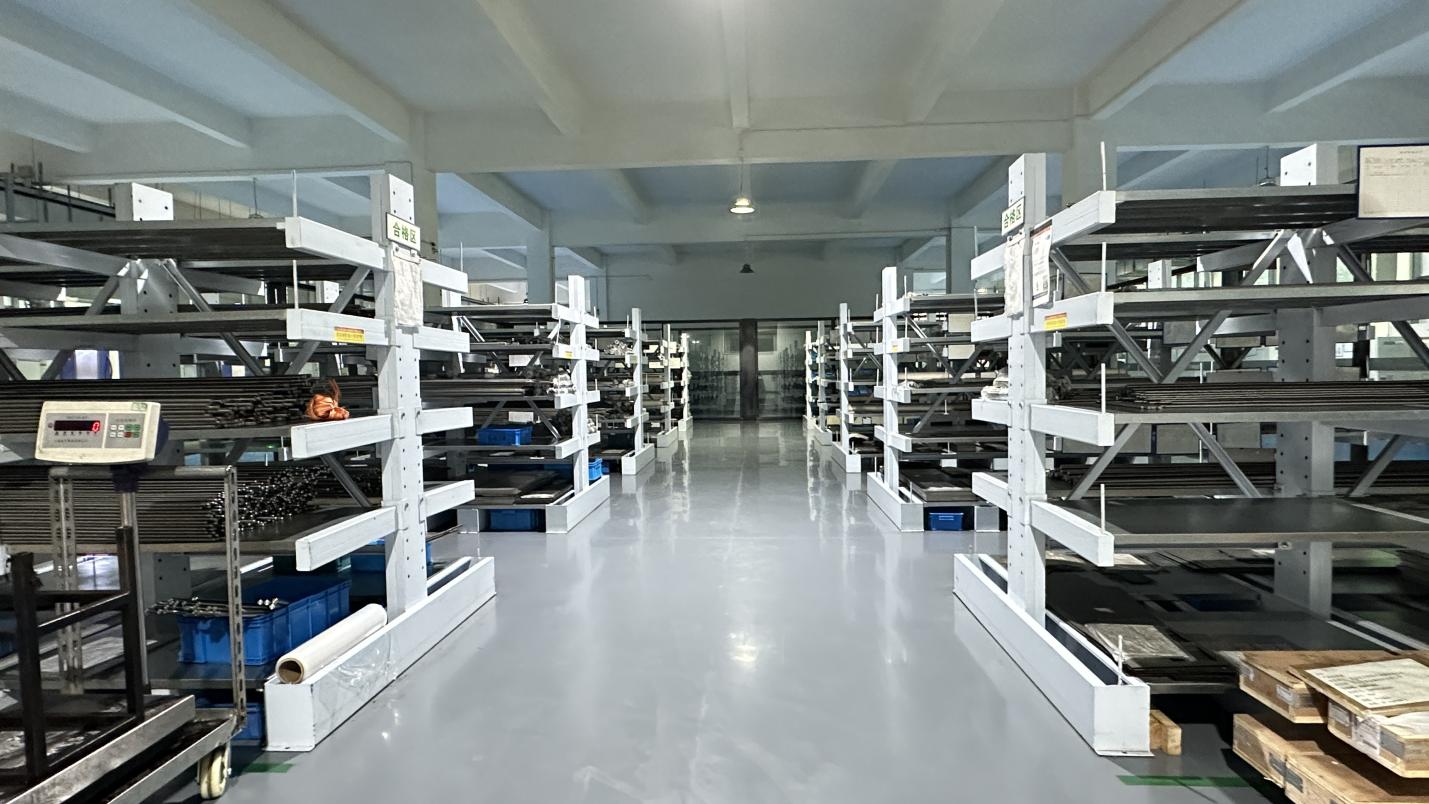
Bonevia Orthopedic Technology Co., Ltd. is a professional manufacturer specializing in orthopedic implants and surgical solutions, dedicated to advancing innovation in trauma, spine, and joint reconstruction products. Since its establishment in 2015, the company has grown steadily into a trusted supplier in the global orthopedic industry.
With a modern production facility covering approximately 320㎡, Bonevia maintains strict quality management standards and efficient manufacturing processes. The company records an annual export revenue of around USD 8–15 million, supported by 6 years of export experience and over 10 years of overall industry experience.
Quality assurance is a core focus at Bonevia. The company implements multiple inspection methods including incoming material inspection, in-process quality control, and final product testing, supported by a dedicated quality team of 35 professionals. This ensures all products meet international medical device standards.
Bonevia has a solid trade foundation with diversified global distribution networks, serving major markets across Europe, Southeast Asia, the Middle East, and South America. Its supply chain ecosystem includes more than 850 partners, enabling stable raw material sourcing and efficient production delivery.
The company serves a wide range of clients, including hospitals, orthopedic clinics, surgical centers, and medical distributors. Bonevia also demonstrates strong R&D capabilities, offering OEM and ODM customization services to meet specific clinical requirements.
In the past year, Bonevia successfully launched 120 new product designs, supported by a research and development team of 85 engineers, continuously driving innovation in orthopedic implant systems and surgical instruments.
Request OEM Factory CatalogStep-by-step documentation of our advanced production lines, from certified raw material sourcing to cleanroom packaging.
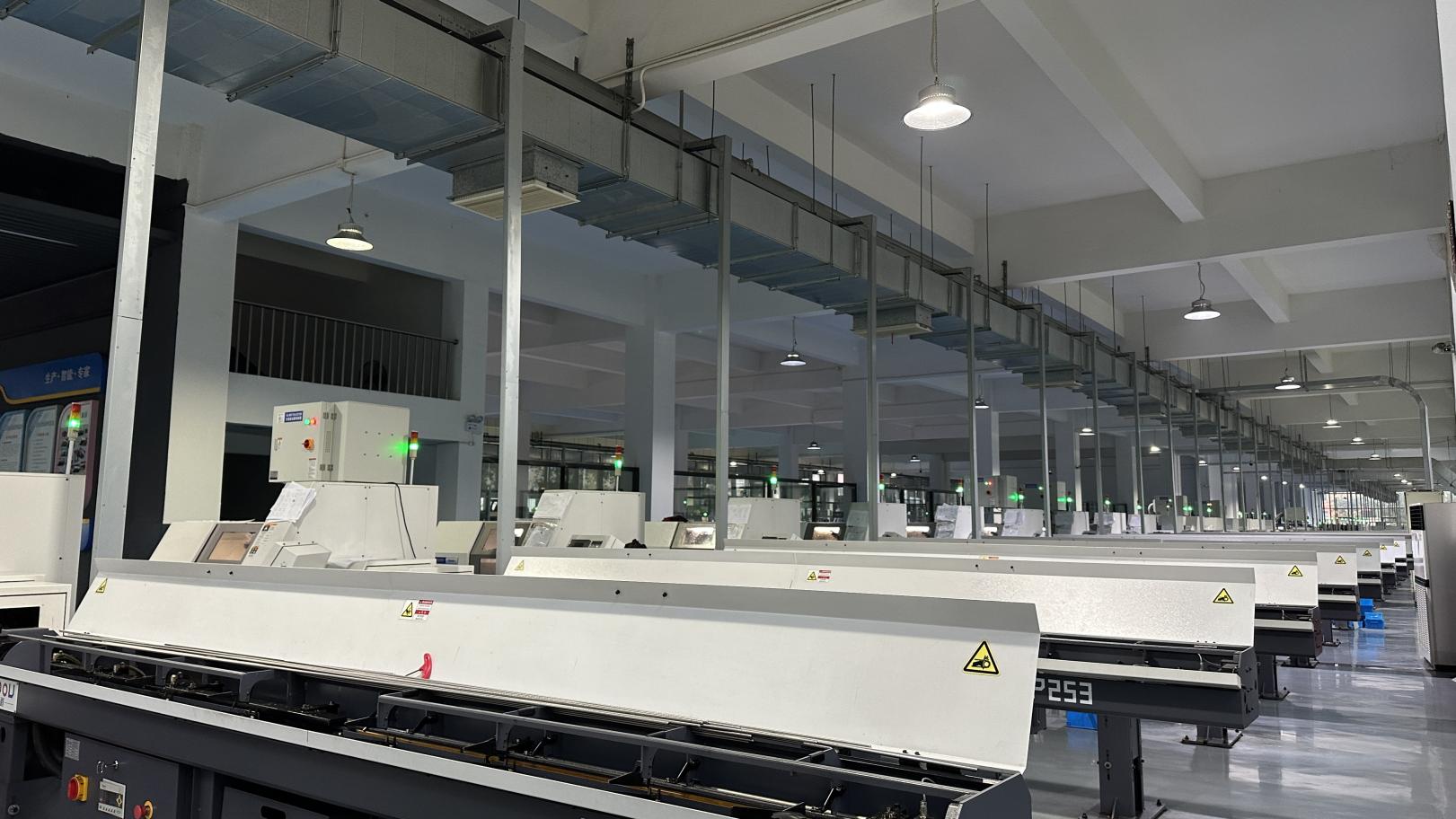
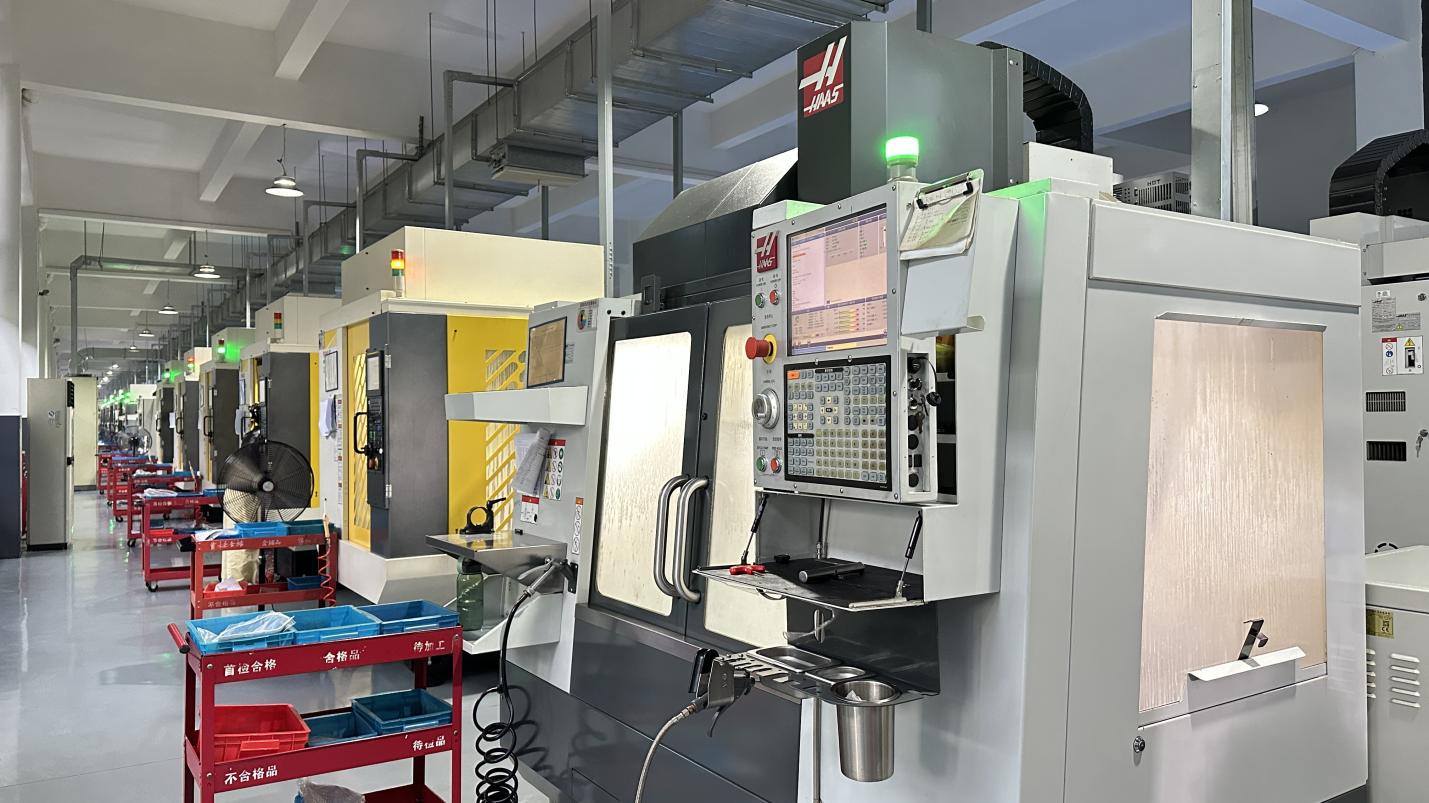
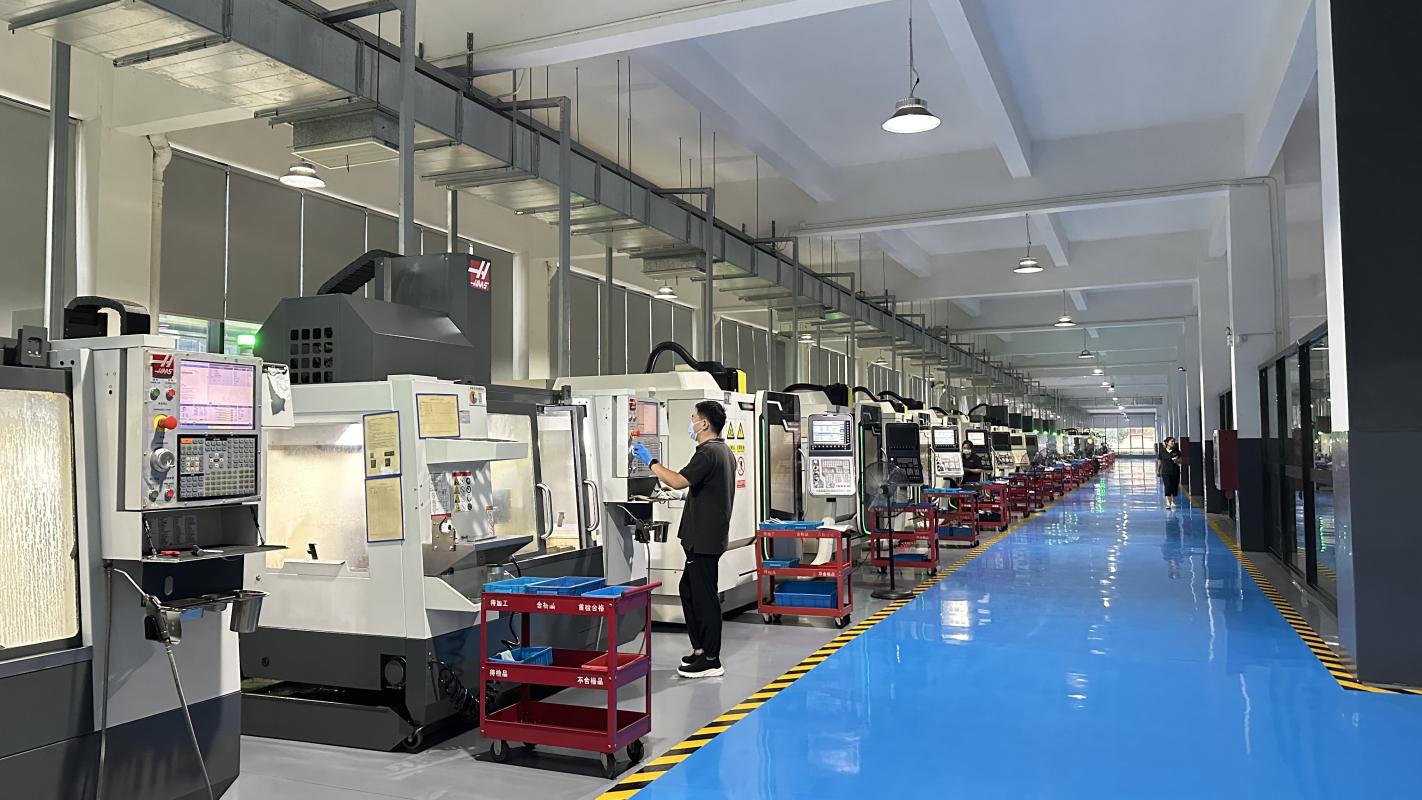
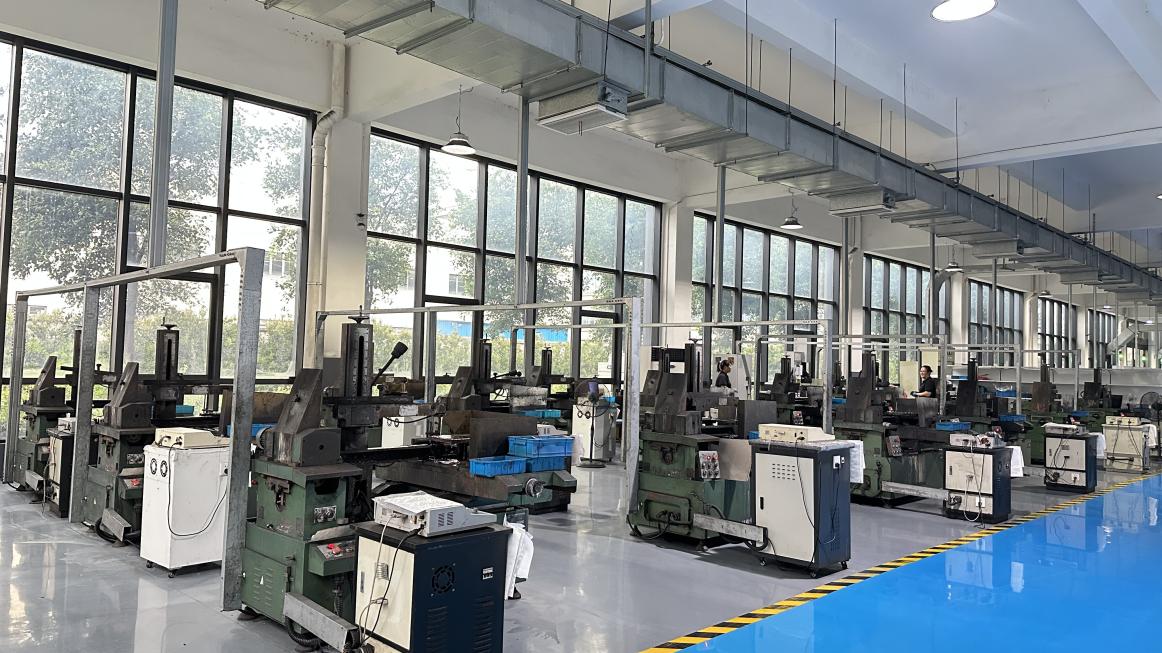
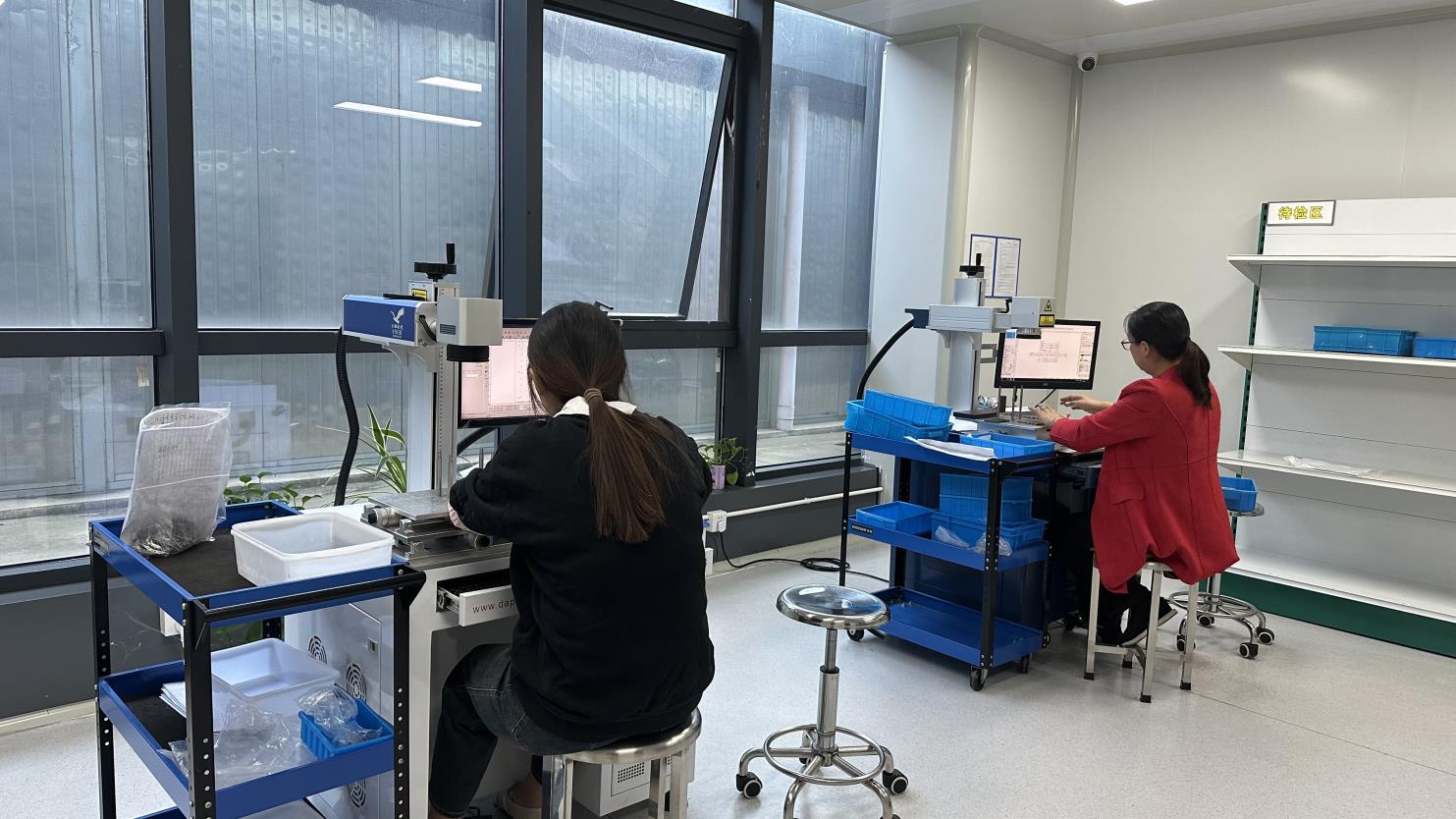
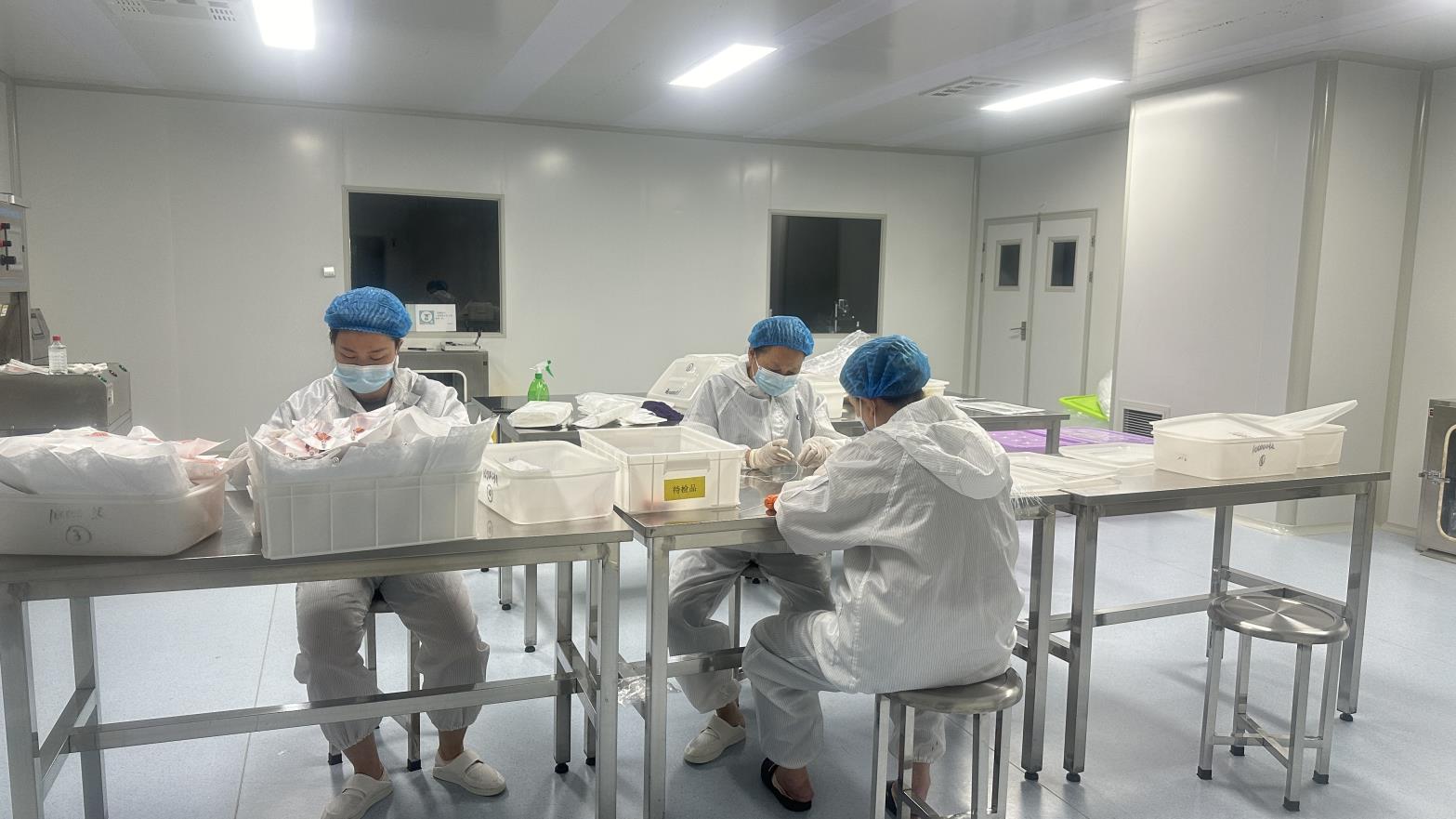
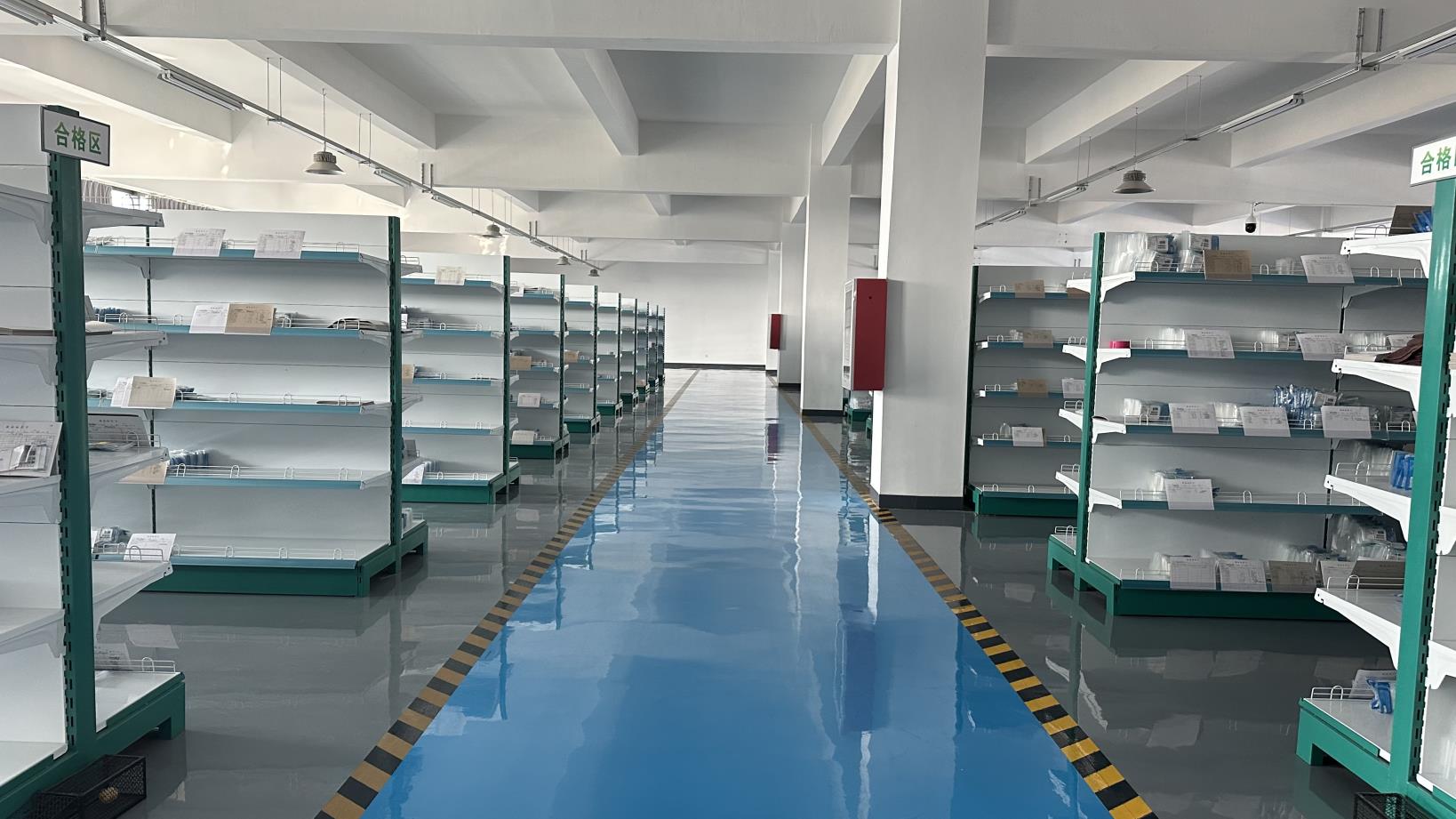
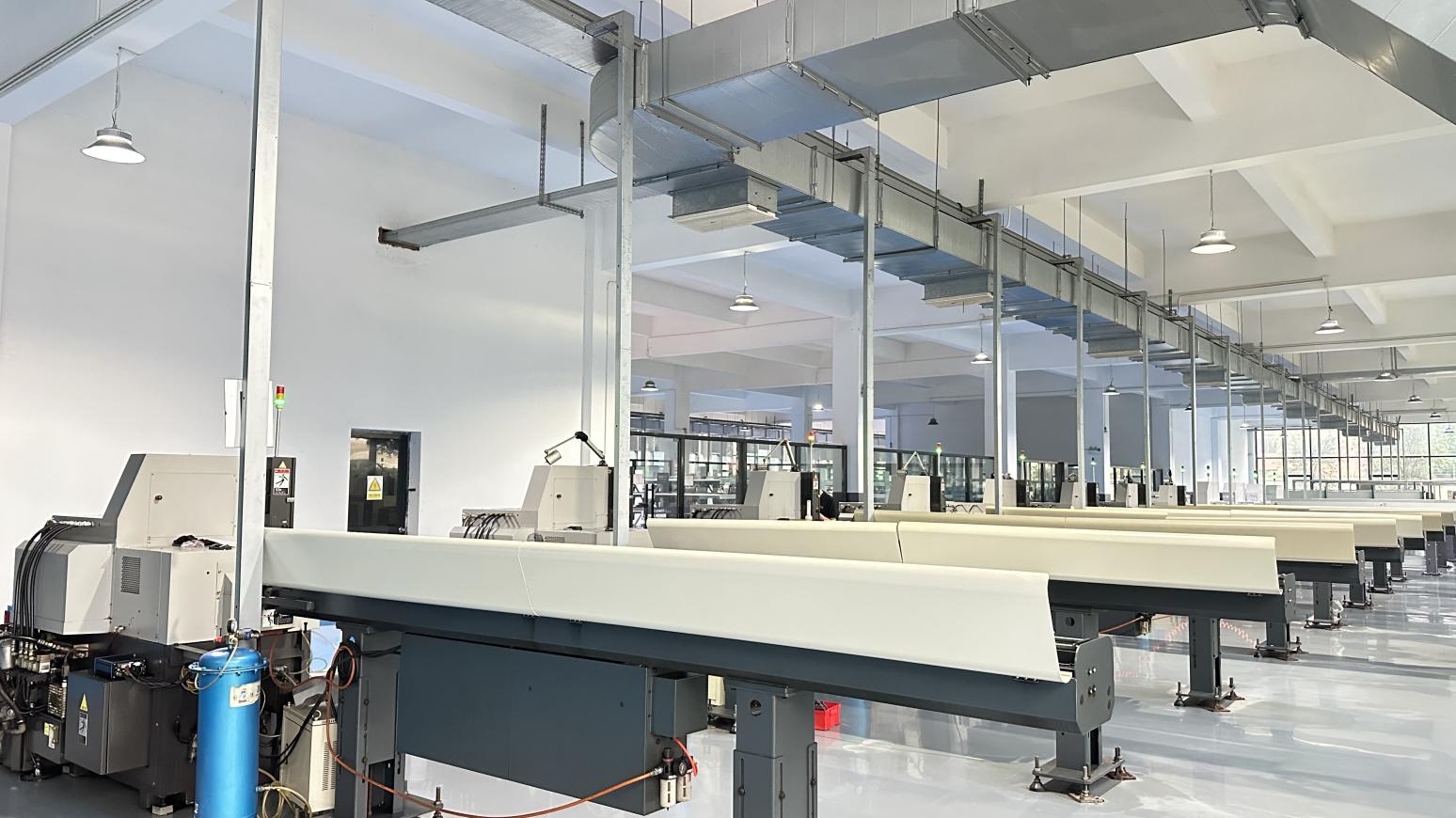
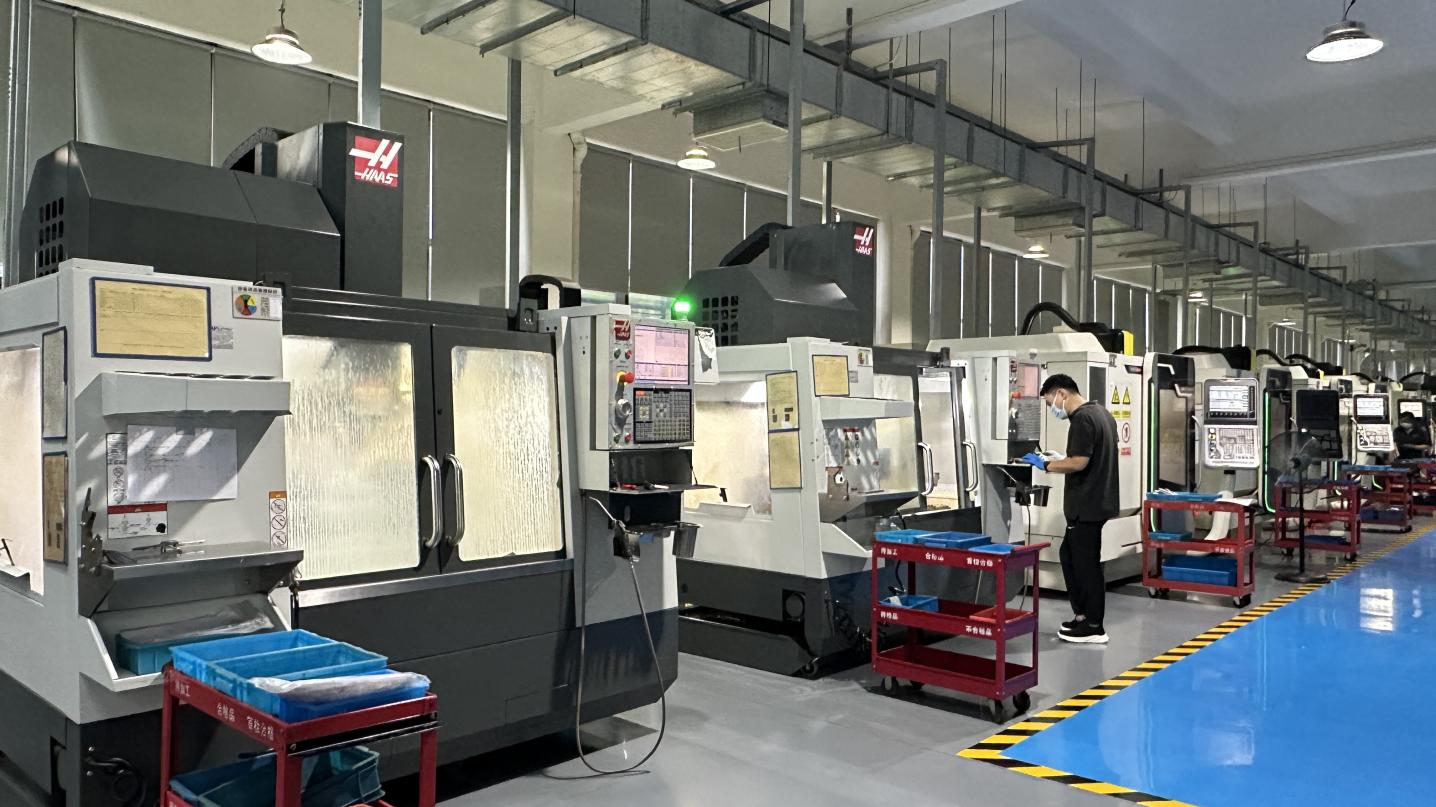
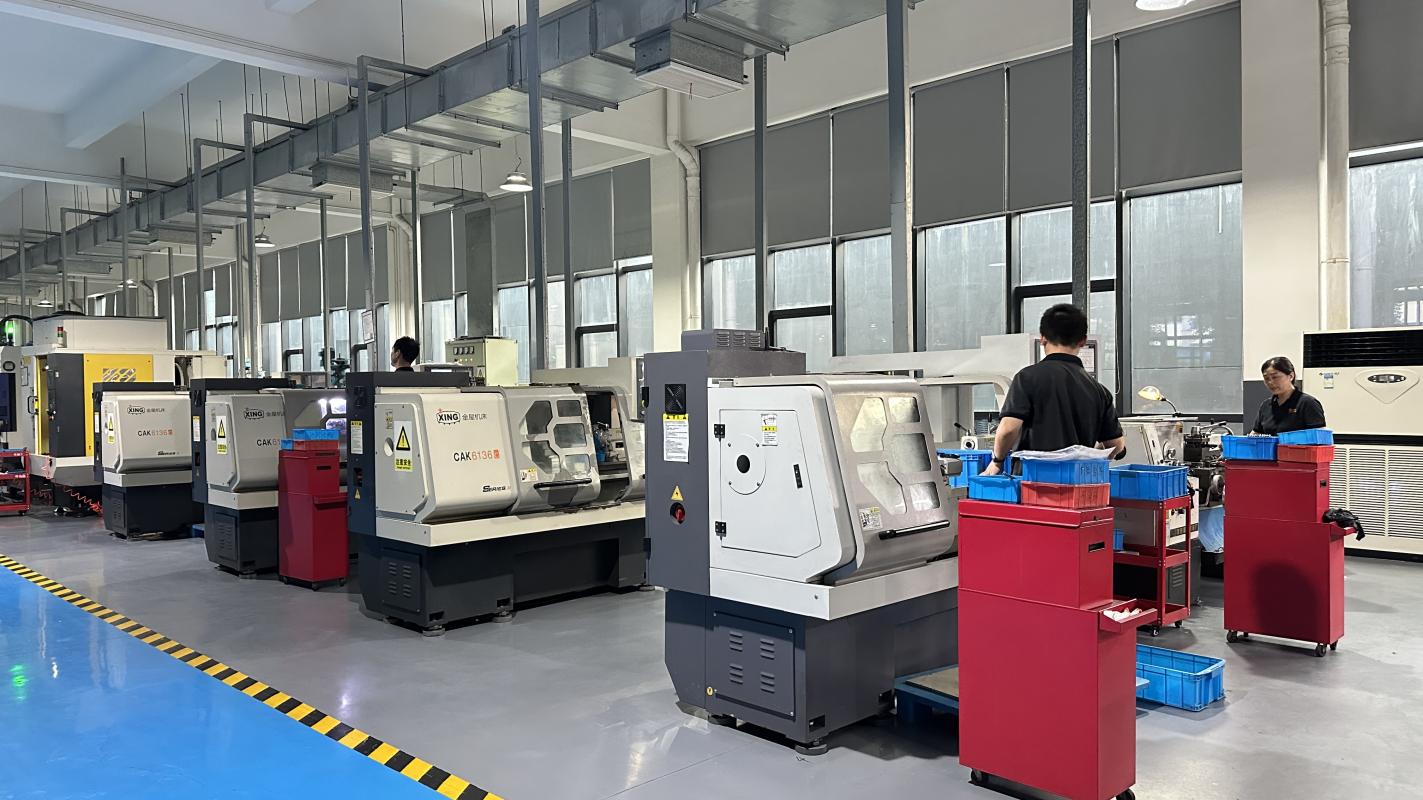
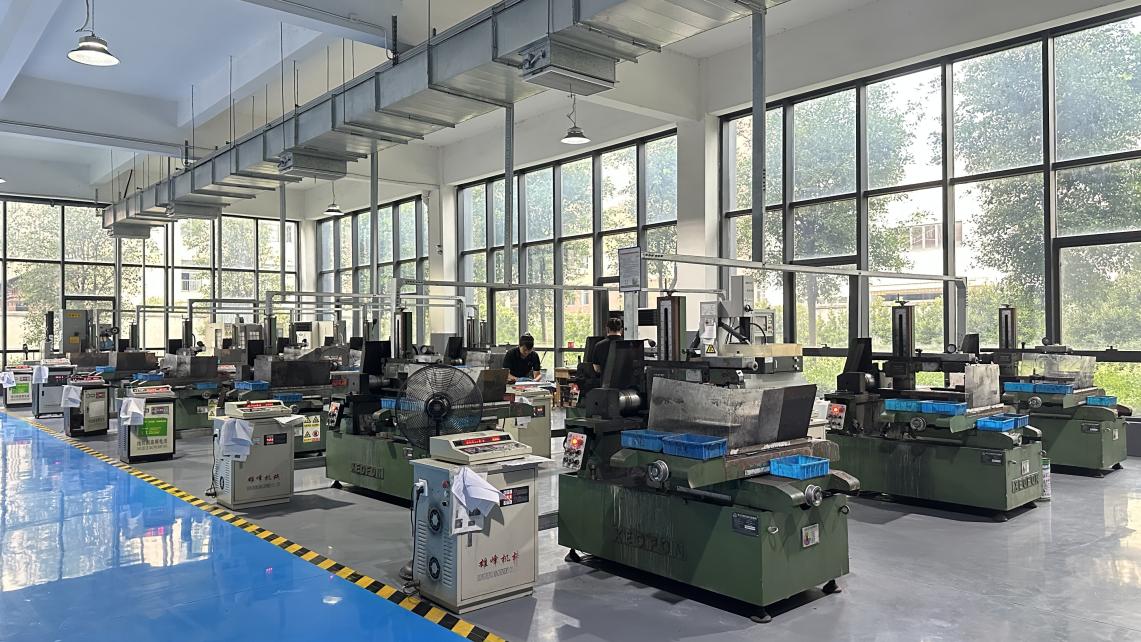
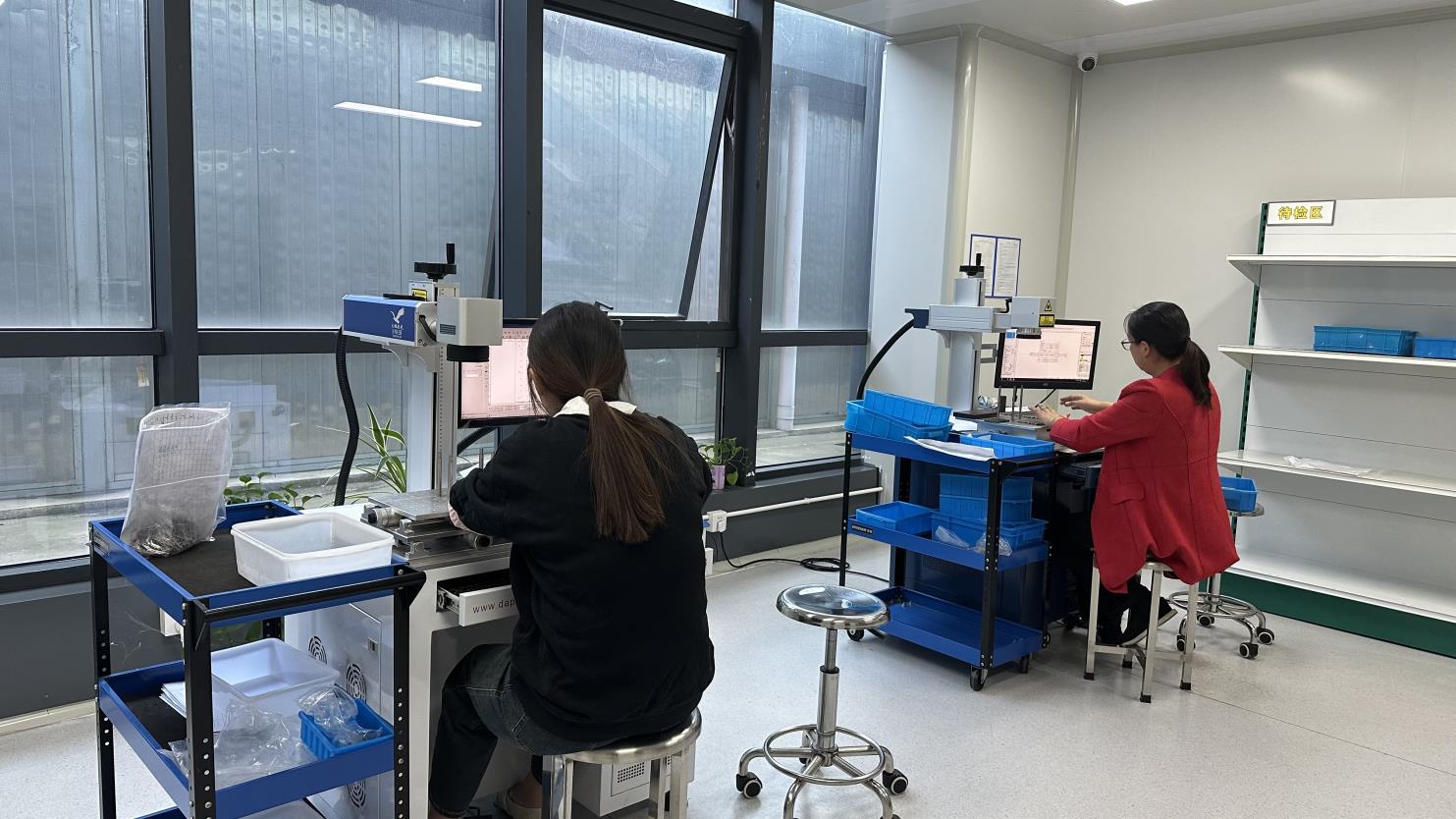
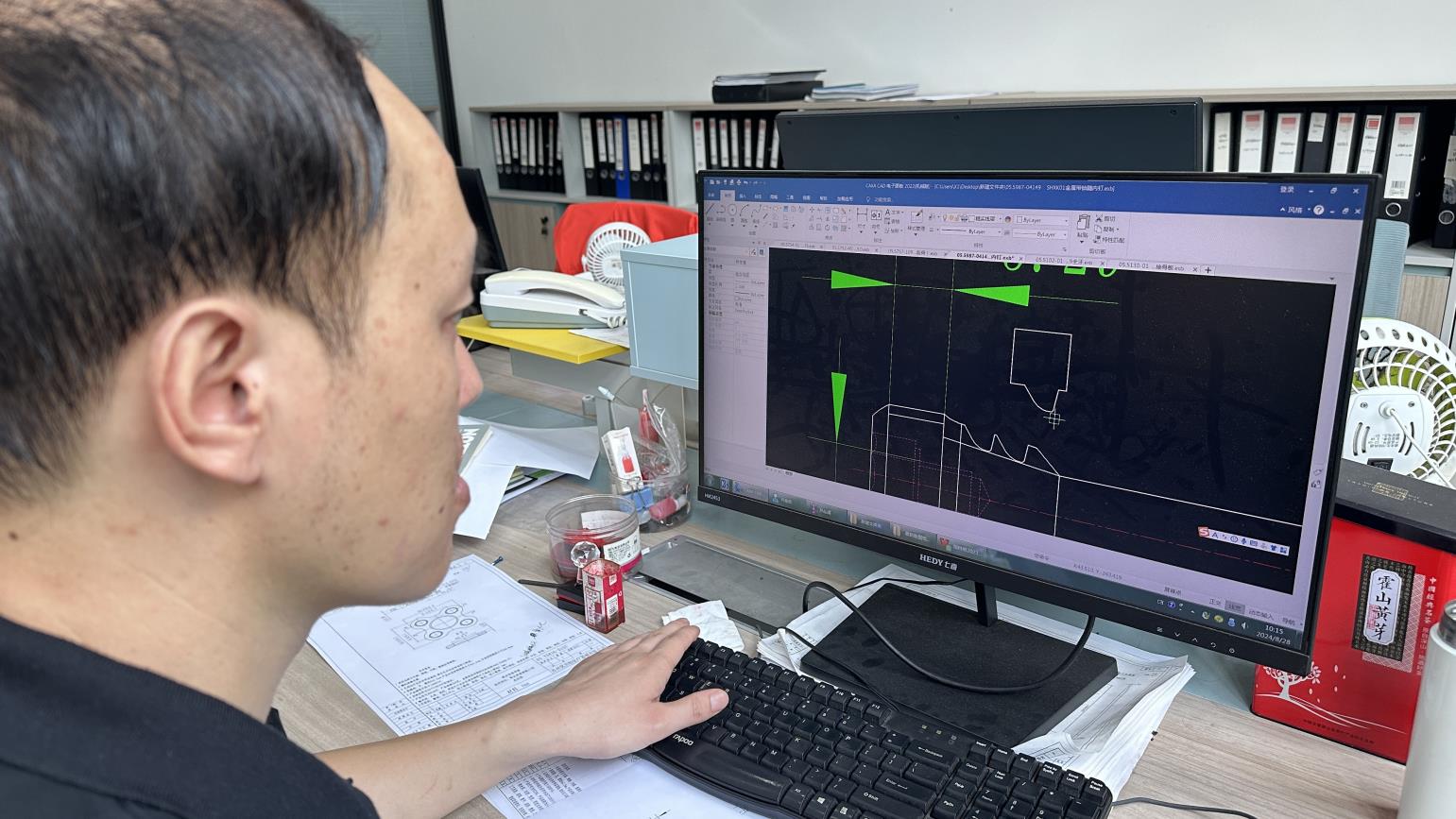
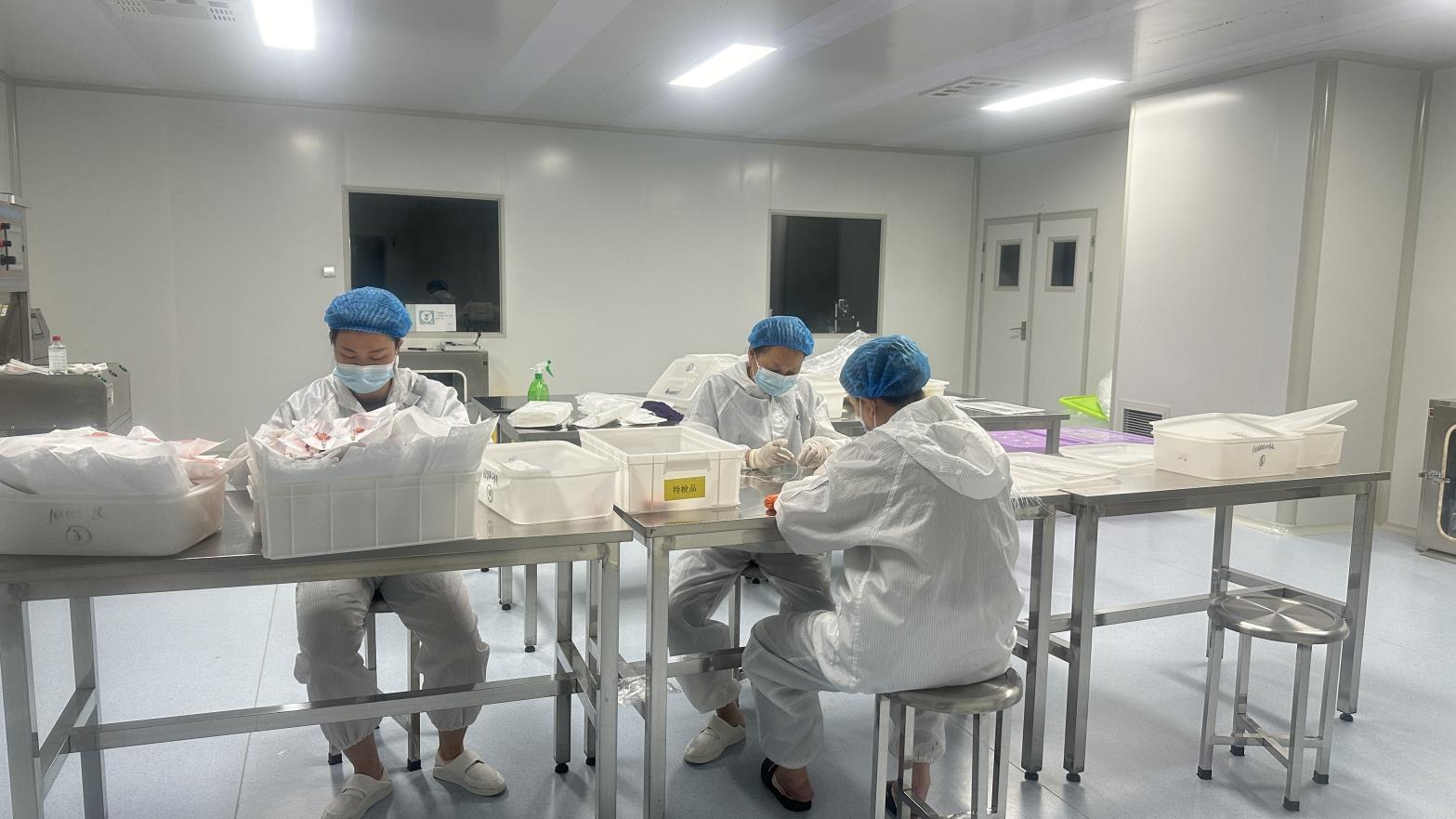
The European Union's transition to the Medical Device Regulation (EU MDR 2017/745) has fundamentally altered the importation landscape for osteosynthesis implants. Technical documentation demands, clinical evaluation reports (CERs), and post-market surveillance (PMS) pathways are now subject to rigorous auditing by European Notified Bodies. Bonevia has proactively structured its production processes and technical dossiers to ensure seamless transition and compliance, minimizing regulatory risks for Greek medical distributors.
Each implant series is fully traceable via Unique Device Identification (UDI) marking, which is etched onto the implants using non-reactive fiber laser systems. Our raw materials—sourced from ISO-certified mills—undergo exhaustive metallurgical analyses, including chemical composition tests and mechanical strain evaluations. The final implants exhibit high biocompatibility indices, low friction coefficients, and optimal osseointegration properties, meeting both European standards and the clinical requirements of Hellenic health authorities.
Additionally, Bonevia supports distributors in managing the Greek National Registry of Medical Devices (EKAPY registration) by providing comprehensive technical datasets, sterilization validations, and biocompatibility verification reports (including ISO 10993 compliance certificates). This collaborative support guarantees that our trauma portfolios can be registered and approved for public hospital tenders quickly.
Explore our extended range of pelvic, femoral, veterinary, and micro-fixation systems engineered for complex reconstruction procedures.
The field of osteosynthesis is undergoing a transition driven by smart engineering and surface modifications. In collaboration with university clinics and orthopedic engineering centers, Bonevia's research team is developing next-generation implants that actively promote bone healing.
Key innovations on our technical roadmap include:
For Greek healthcare providers, these innovations translate to lower overall revision rates, improved clinical outcomes, and a solid foundation for winning both public tenders and private hospital supply contracts.
Clear answers to common questions about international shipping, regulatory compliance, and customized OEM services for Greece.
We provide a complete documentation package, including CE certificates, ISO 13485 quality credentials, UDI coding data, and biocompatibility evaluation reports. Our regulatory affairs team coordinates directly with your import agents to facilitate listing in the Greek National Registry of Medical Devices (EKAPY).
For standard CE-marked implant configurations, products are shipped from our sterile warehouse within 10 to 15 business days. Customized OEM designs requiring specialized CNC tooling run on a 4-to-6 week production schedule. Air cargo from our logistics centers to Athens International Airport takes approximately 3 to 5 days.
We manufacture our trauma plates and screws from Grade 5 Titanium Alloy (Ti-6Al-4V ELI) and Grade 2 Pure Titanium, in strict compliance with ASTM F136 and ISO 5832-3 standards. These materials offer high biocompatibility, corrosion resistance, and fatigue life.
Yes, Bonevia designs and manufactures matching surgical instrument cases for all trauma lines. These surgical instrument trays are designed for repeat steam sterilization cycles and feature intuitive color-coded guides to streamline workflows inside the operating room.
Our quality control division runs three stages of checking: Incoming raw materials verification, in-process dimension checks utilizing high-precision optical gauges, and final mechanical load-testing. Every batch is traceable through unique laser-etched serial numbers.
Integrate our CE-marked, high-performance trauma portfolios into your distribution network. Secure competitive pricing and OEM customization support.
Send Inquiry Now