Bonevia
Bonevia
Bonevia
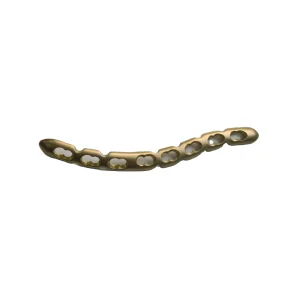
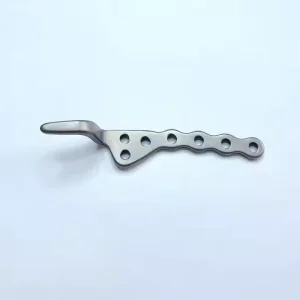
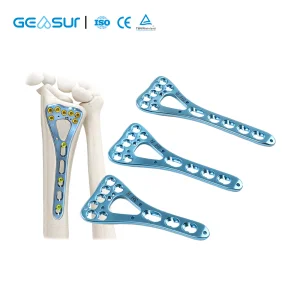
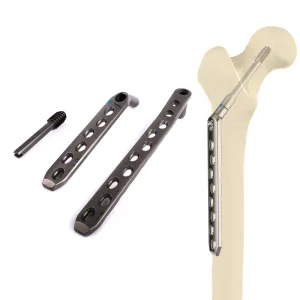
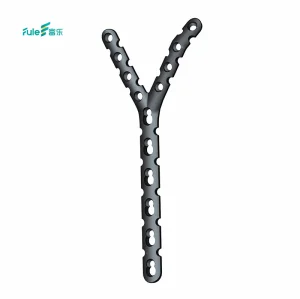
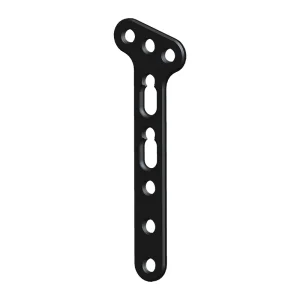
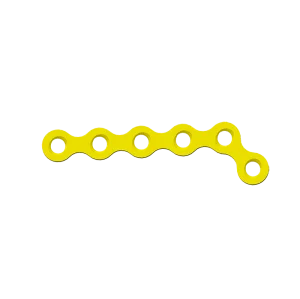
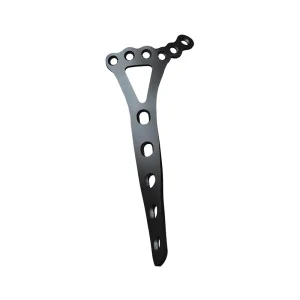
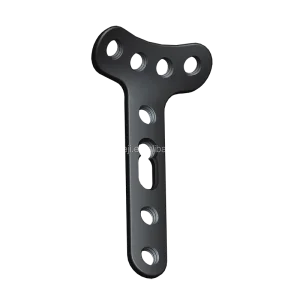
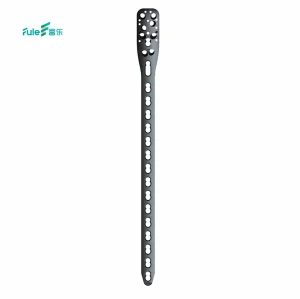
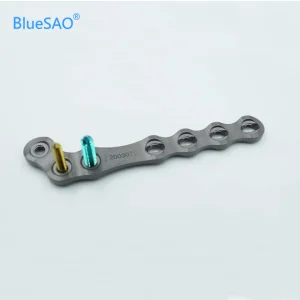
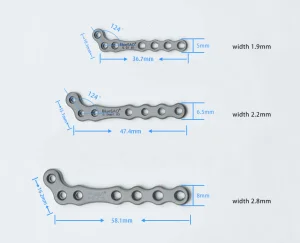
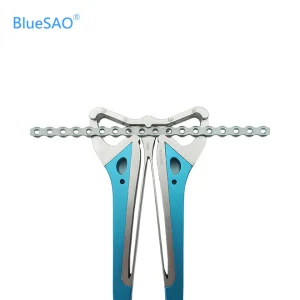
Engineered from biocompatible Grade 5 titanium, these flagship anatomical reconstruction plates deliver rigid internal fixation and optimized biomechanical stability.
Toronto, as the anchor of Canada's largest metropolitan area, features one of the most sophisticated healthcare landscapes in North America. Medical facilities such as the University Health Network (UHN), St. Michael's Hospital, and Sunnybrook Health Sciences Centre—which houses Canada’s largest regional adult trauma center—operate under stringent quality and budgetary constraints. Sourcing orthopedic implants for fracture fixation in Ontario is not merely about finding products; it is about complying with rigorous clinical safety requirements managed by Health Canada while negotiating the fiscal limits imposed by the Ontario Health Insurance Plan (OHIP) and localized group purchasing organizations (GPOs).
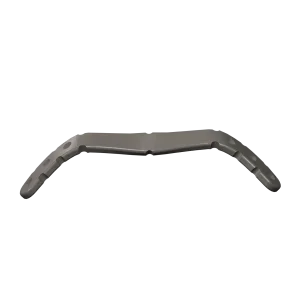
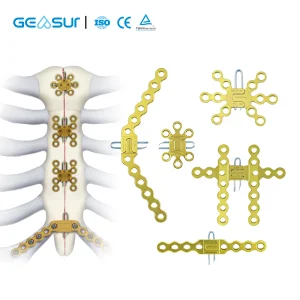
Our orthopedic trauma implants are engineered to bridge this gap. By utilizing state-of-the-art manufacturing facilities, we deliver anatomical reconstruction systems that align perfectly with the expectations of Canadian orthopedic surgeons. The demands of high-volume trauma clinics necessitate implants that reduce operating room time—which is why our plates feature precise, pre-contoured profiles that fit the native anatomy of patients, minimizing the need for manual intraoperative bending.
Established in 2015, Bonevia has grown to become a global leader in high-performance trauma, spine, and joint reconstruction manufacturing solutions.
Bonevia Orthopedic Technology Co., Ltd. is a professional manufacturer specializing in orthopedic implants and surgical solutions, dedicated to advancing innovation in trauma, spine, and joint reconstruction products. Since its establishment in 2015, the company has grown steadily into a trusted supplier in the global orthopedic industry.
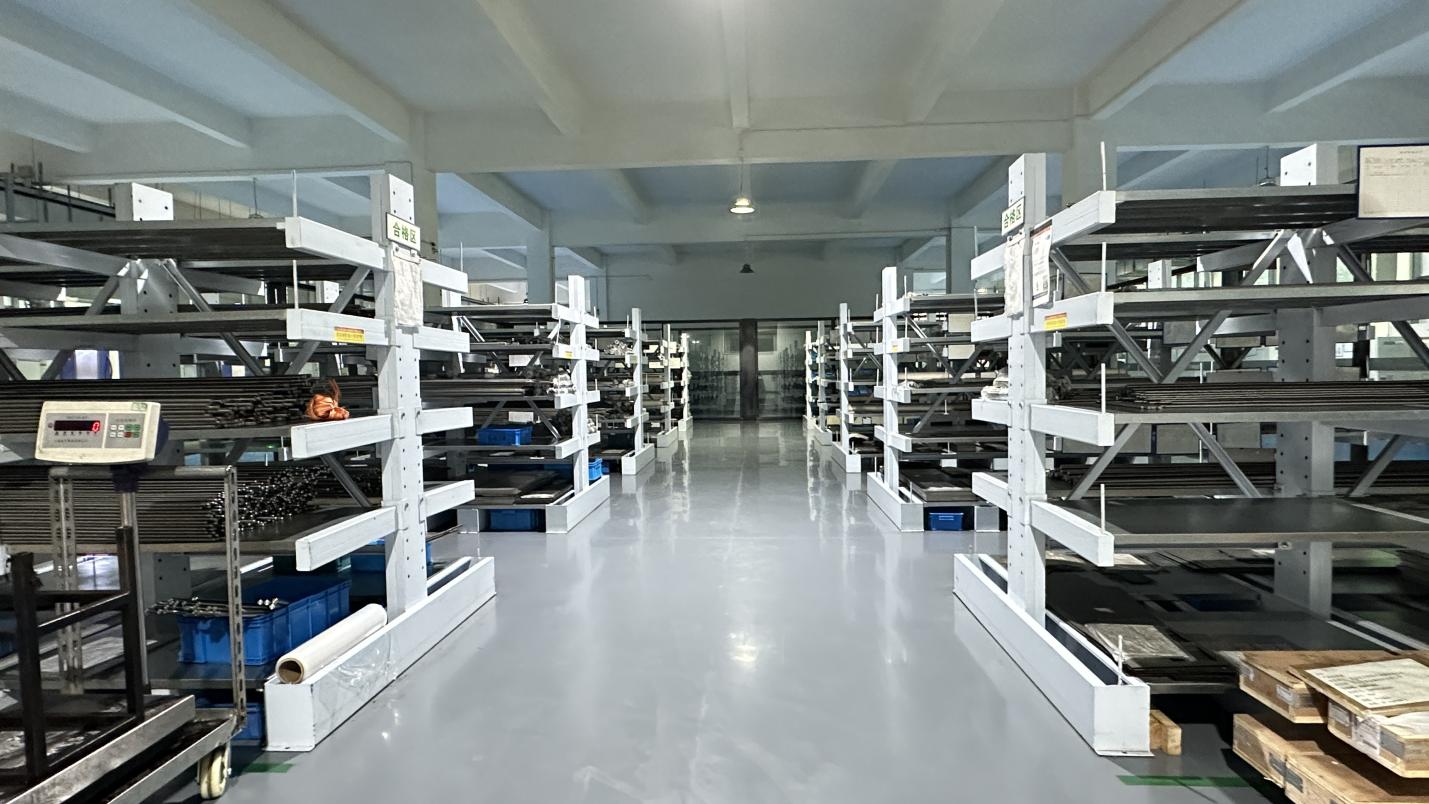
With a modern production facility covering approximately 3200㎡, Bonevia maintains strict quality management standards and efficient manufacturing processes. The company records an annual export revenue of around USD 8–15 million, supported by 6 years of export experience and over 10 years of overall industry experience.
Quality assurance is a core focus at Bonevia. The company implements multiple inspection methods including incoming material inspection, in-process quality control, and final product testing, supported by a dedicated quality team of 35 professionals. This ensures all products meet international medical device standards. Our supply chain ecosystem includes more than 850 partners, enabling stable raw material sourcing and efficient production delivery to distributors, surgical centers, and clinics in Toronto and beyond.
How optimized industrial clustering, raw material vertical integration, and advanced Swiss CNC machining yield superior value for North American medical organizations.
The global medical supply chain is undergoing structural shifts. Historically, hospital procurement departments in Ontario relied on domestic or US-based OEMs, which frequently carried significant premiums due to inflated overhead costs. Today, leading Chinese industrial clusters in provinces like Jiangsu—where Bonevia leverages local materials, talent, and processing technologies—have matched or exceeded Western manufacturing quality while maintaining a 30% to 50% cost advantage.
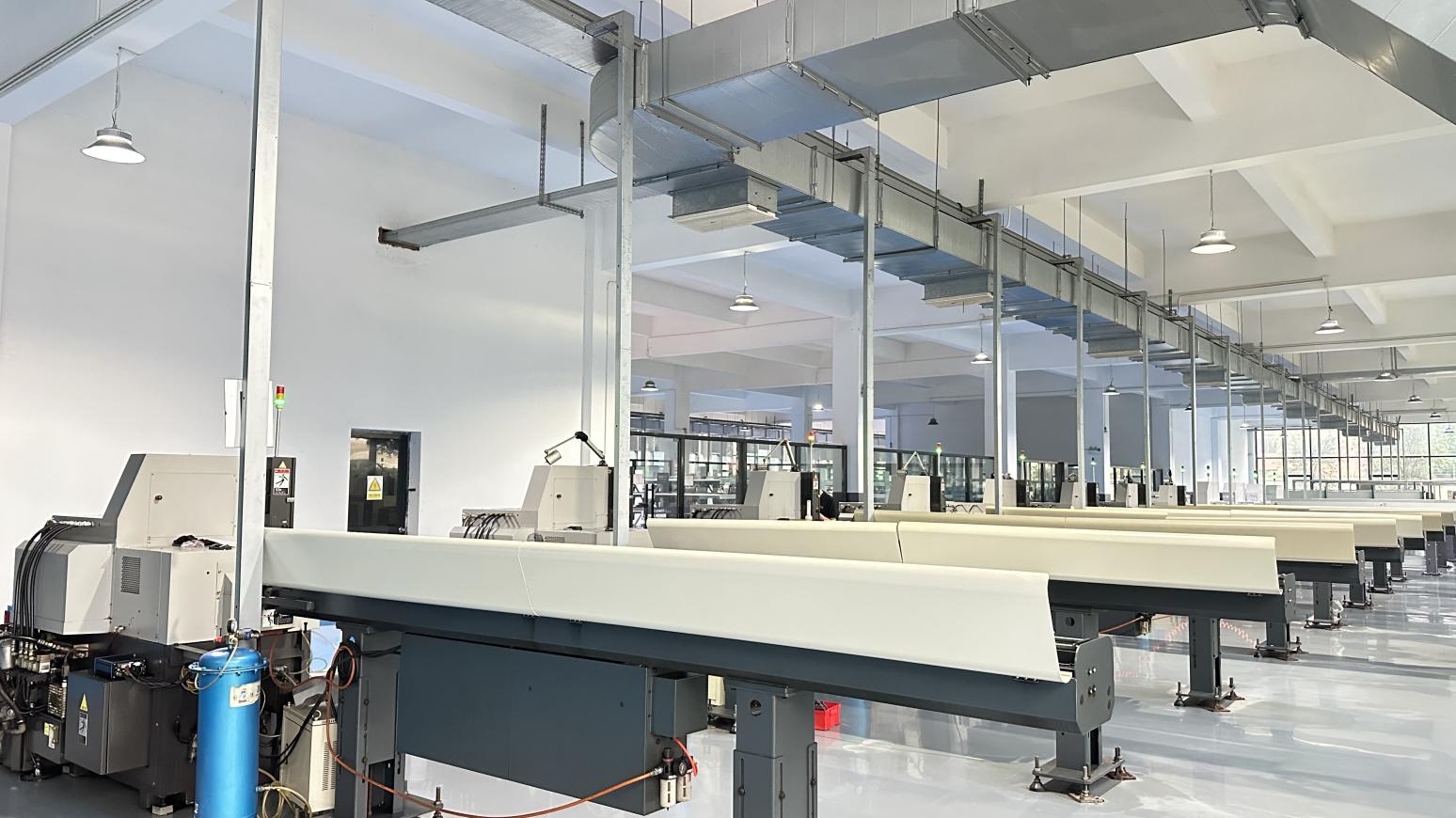
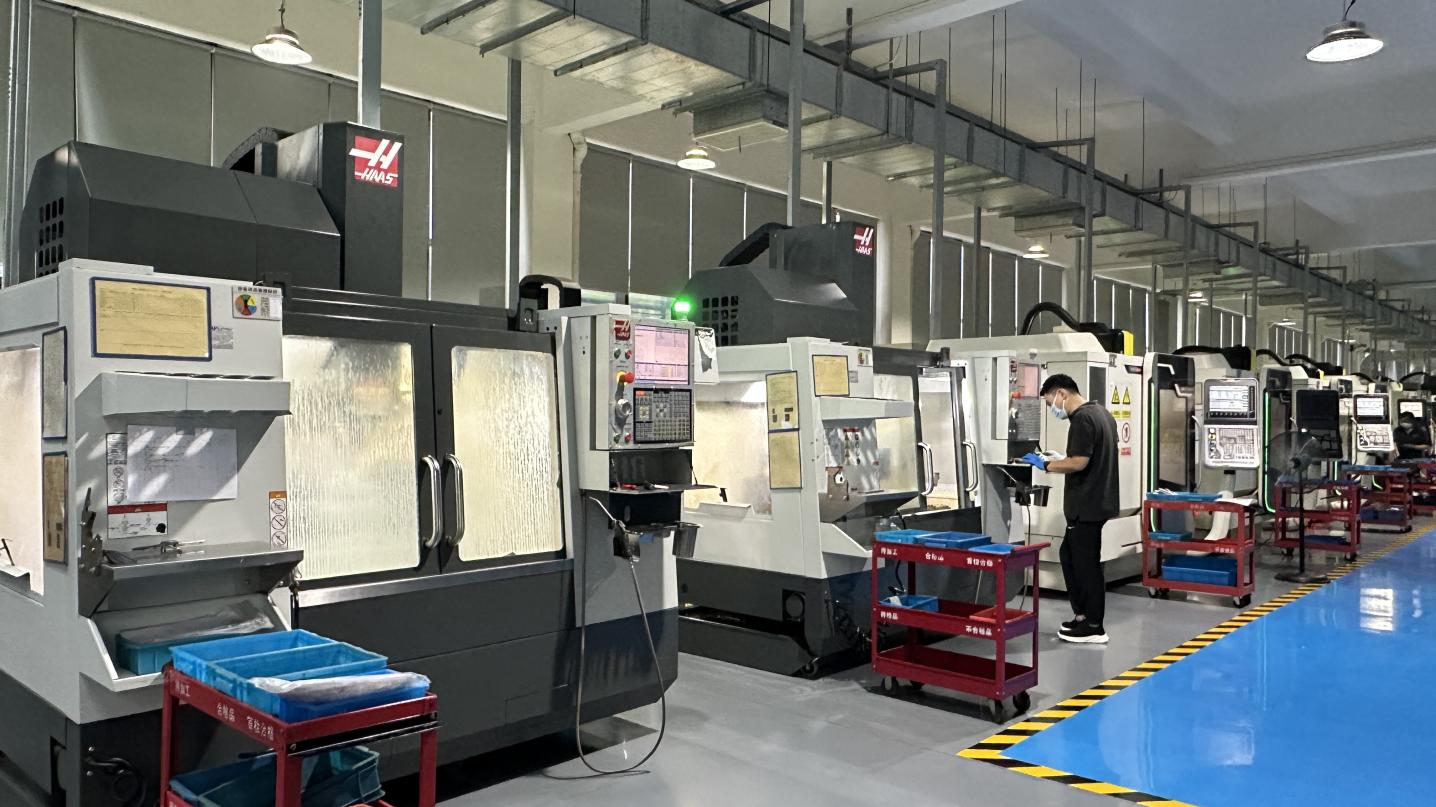
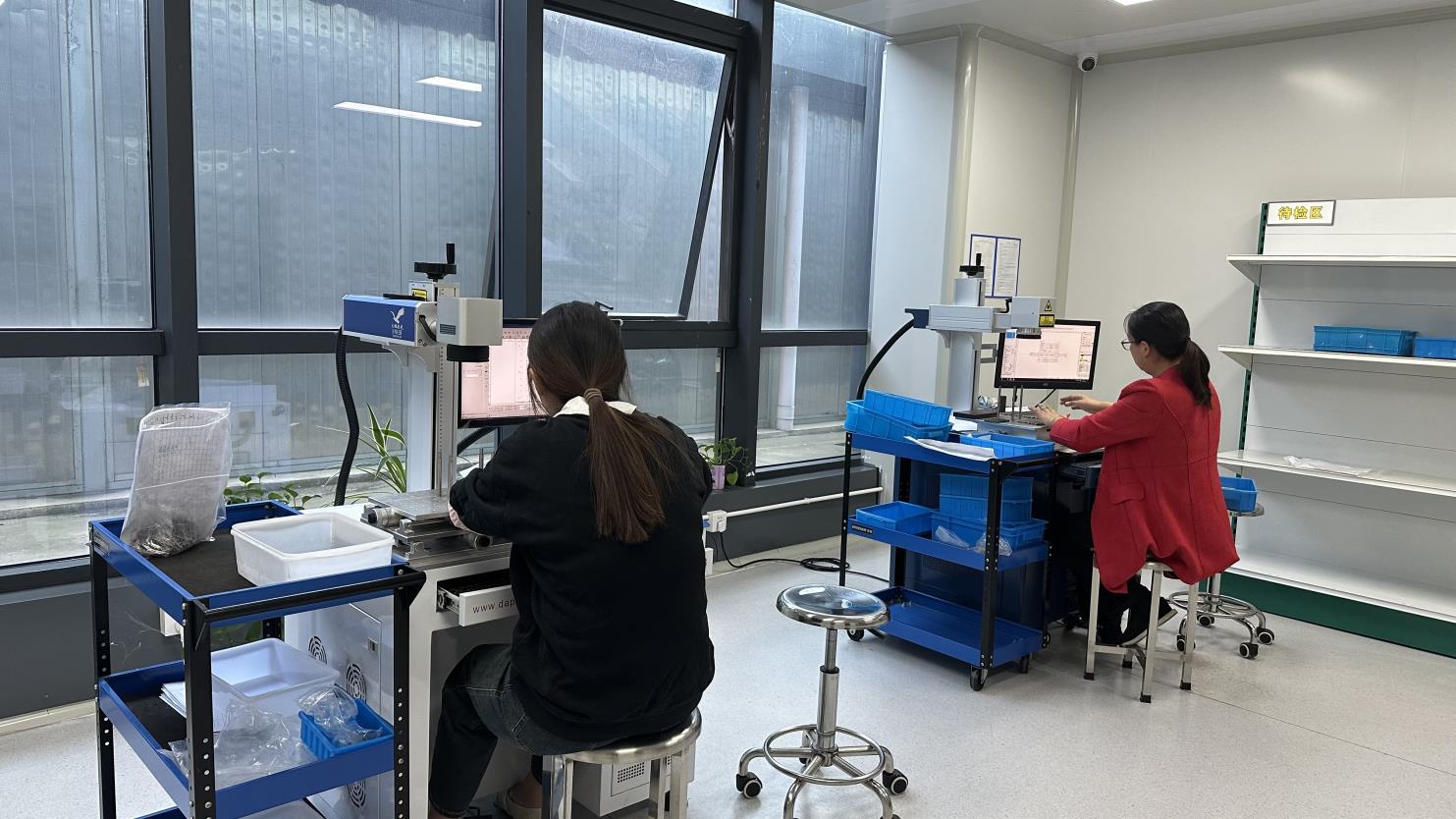
Our facility utilizes ultra-precision Swiss Tornos CNC sliding headstock lathes and German DMG MORI multi-axis machining centers. This high-end capital investment minimizes human error, ensures sub-micron dimensional tolerances, and speeds up production throughput. For procurement directors in Toronto, this translates to stable bulk supply, predictable lead times, and lower unit costs for premium Grade 5 titanium products that perform identically to name-brand options in clinical settings.
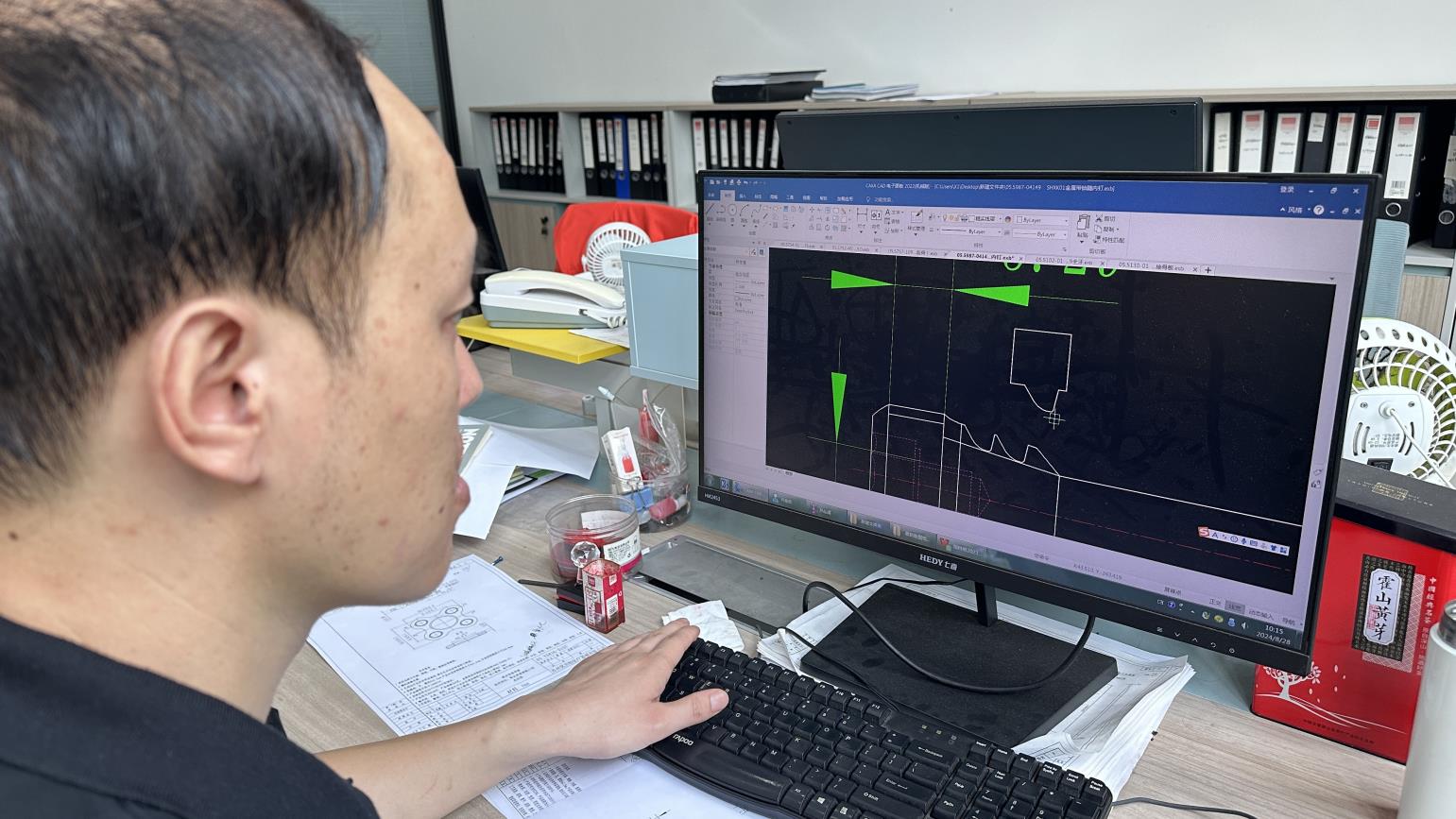
Additionally, our active R&D division consists of 85 veteran biomedical engineers who work closely with orthopedic trauma units to continuously iterate designs. In the past year alone, we introduced 120 new products, featuring upgraded self-tapping thread geometries and low-profile plating layouts that respect soft-tissue preservation during surgical execution.
| Feature / Benefit | Bonevia Standards |
|---|---|
| Raw Material | Medical Grade Ti-6Al-4V ELI (ASTM F136) |
| Dimensional Tolerance | Within ± 0.005 mm (sub-micron precision) |
| Surface Treatment | Type II Anodization (anti-cold welding) |
| Regulatory Conformity | CE Mark, ISO 13485:2016 Certification |
| Annual R&D Output | 120 New Designs annually |
| Export Logistical Channels | Direct to YYZ (Toronto Pearson Airport) |
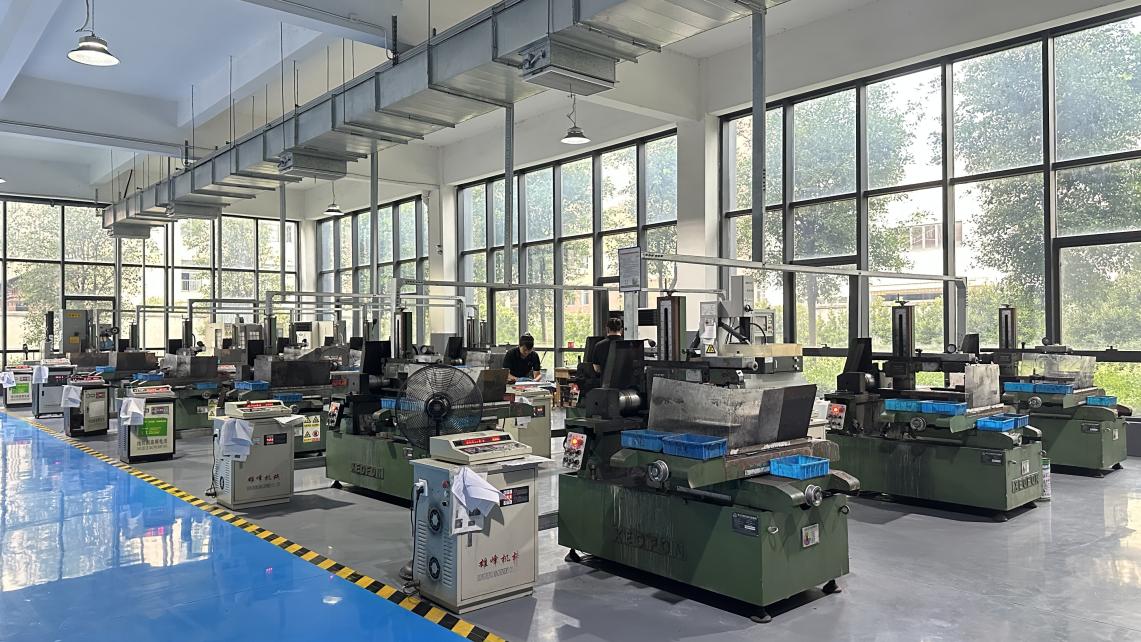
From raw bar stock selection to class 10,000 cleanroom packaging, explore every phase of our manufacturing process.
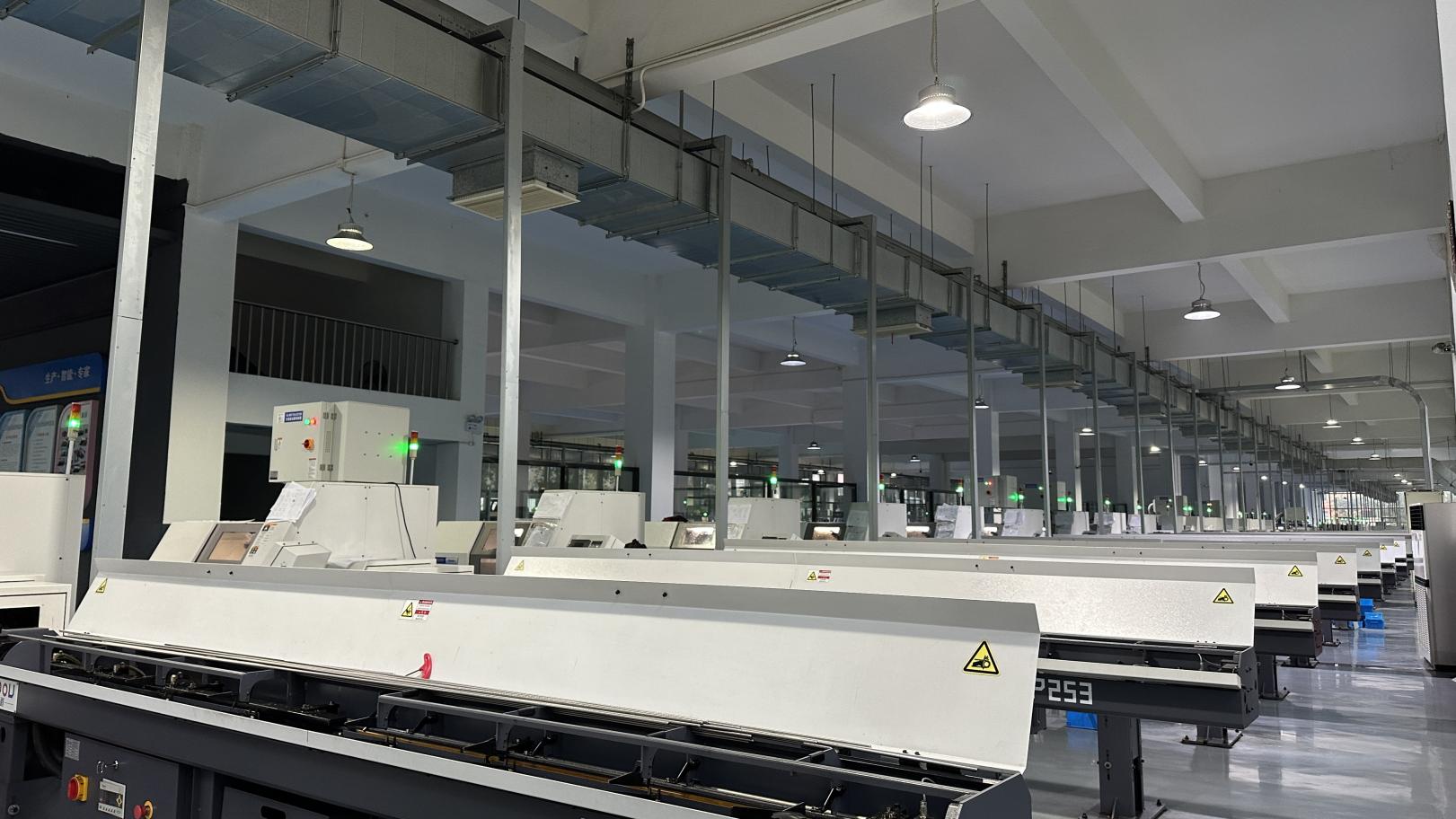
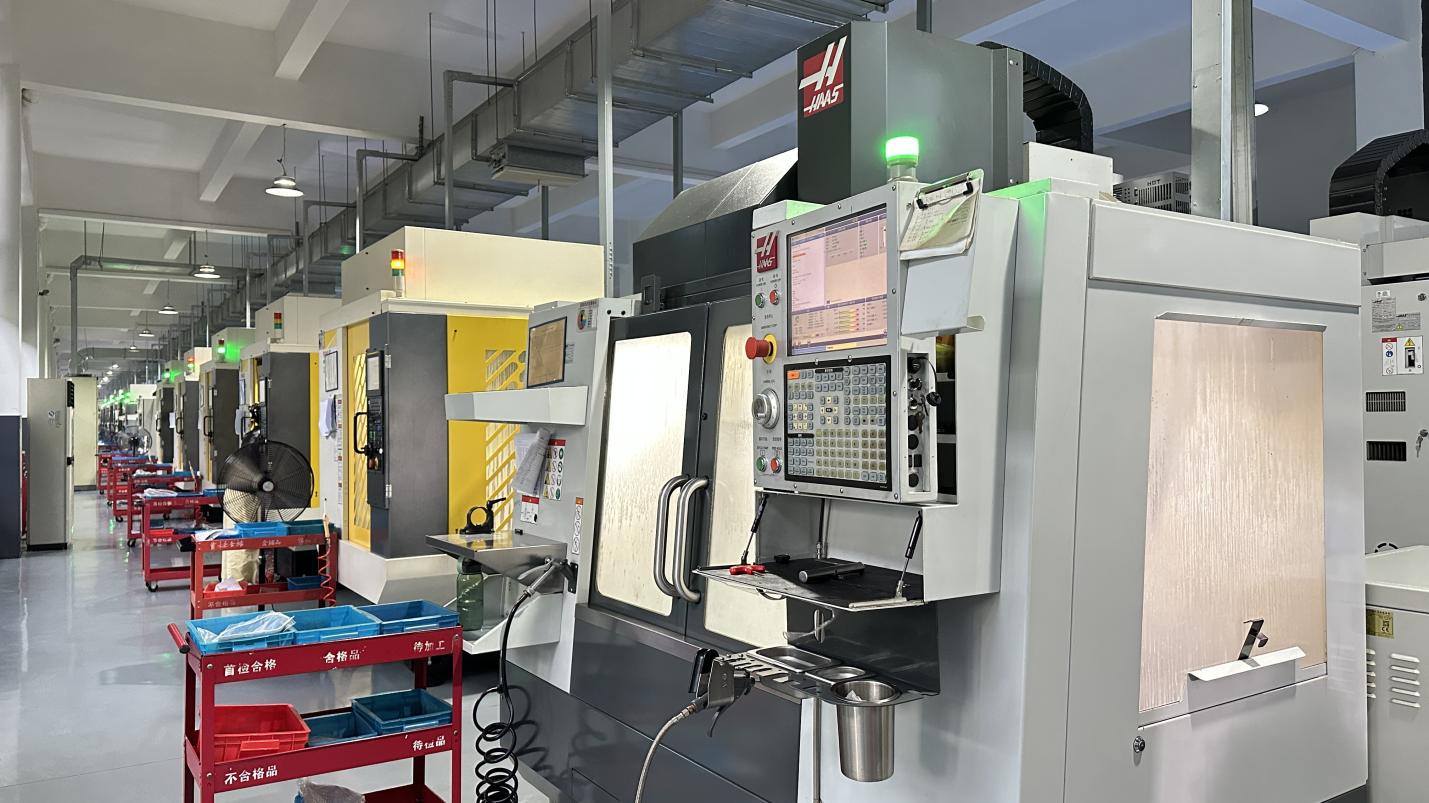
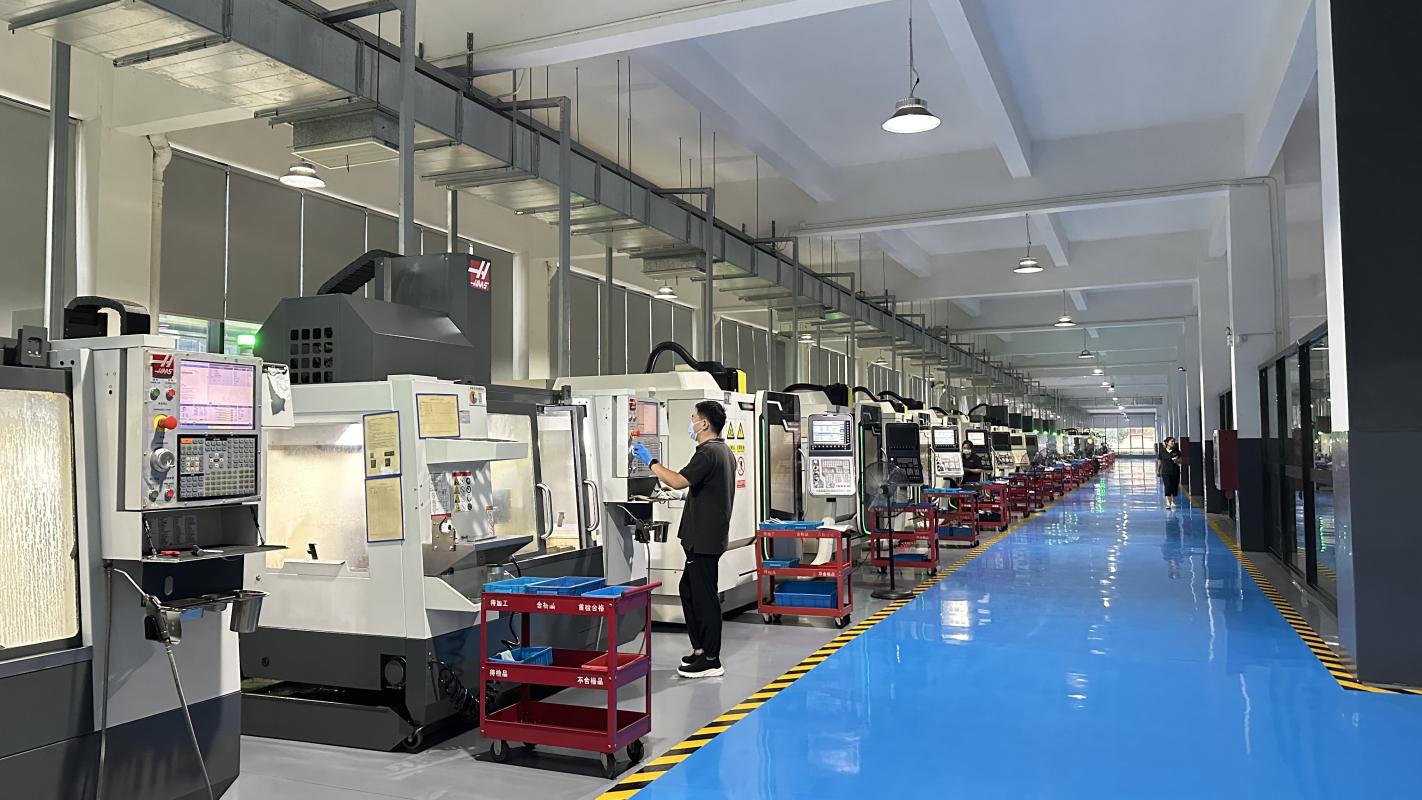
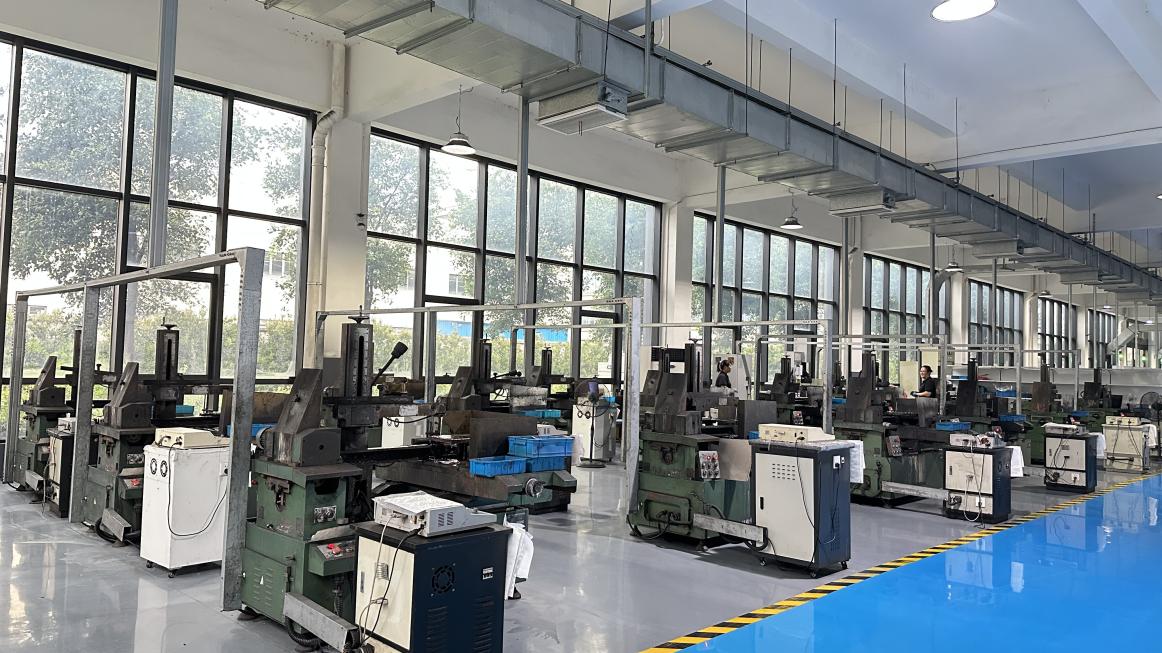
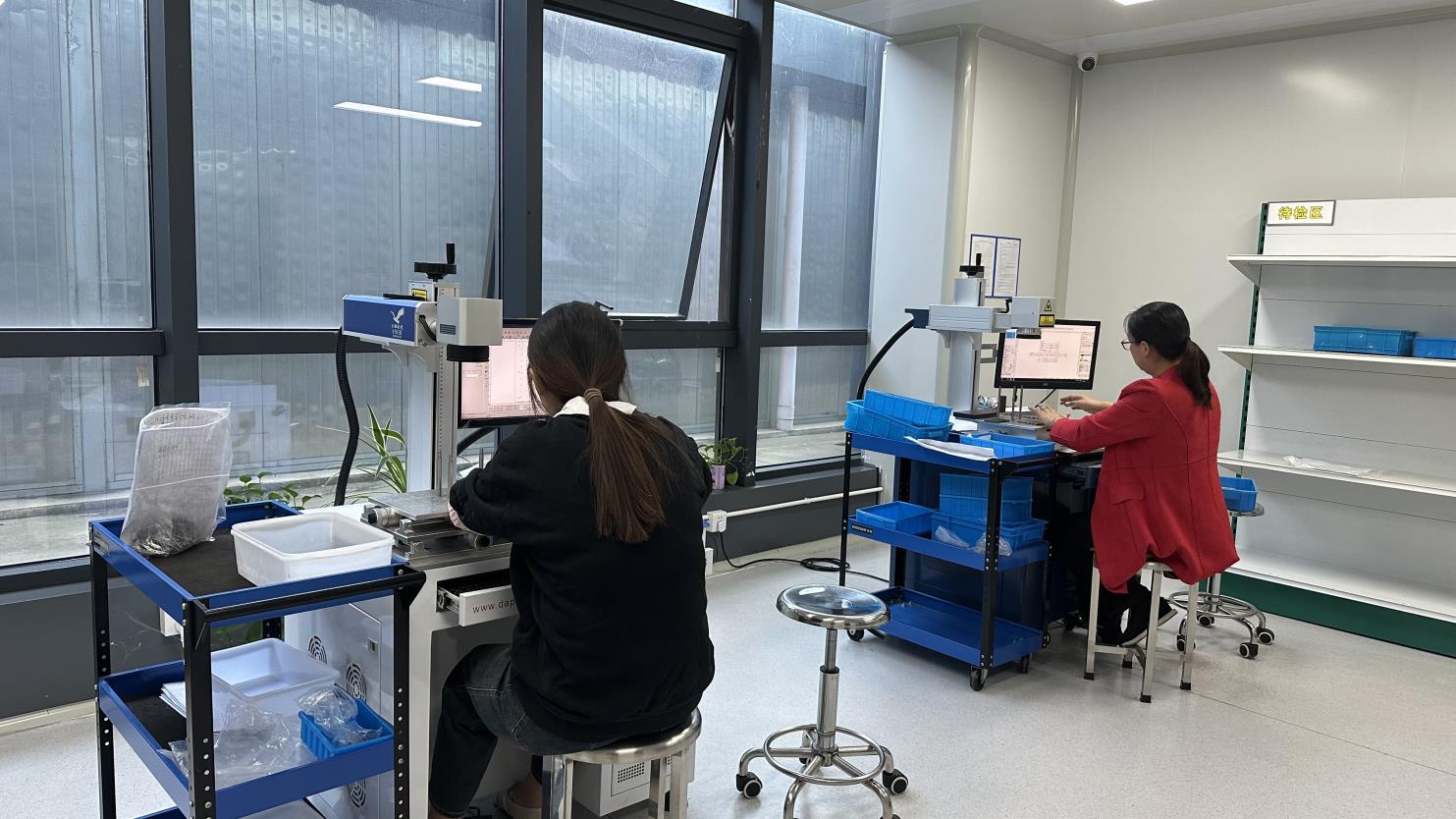
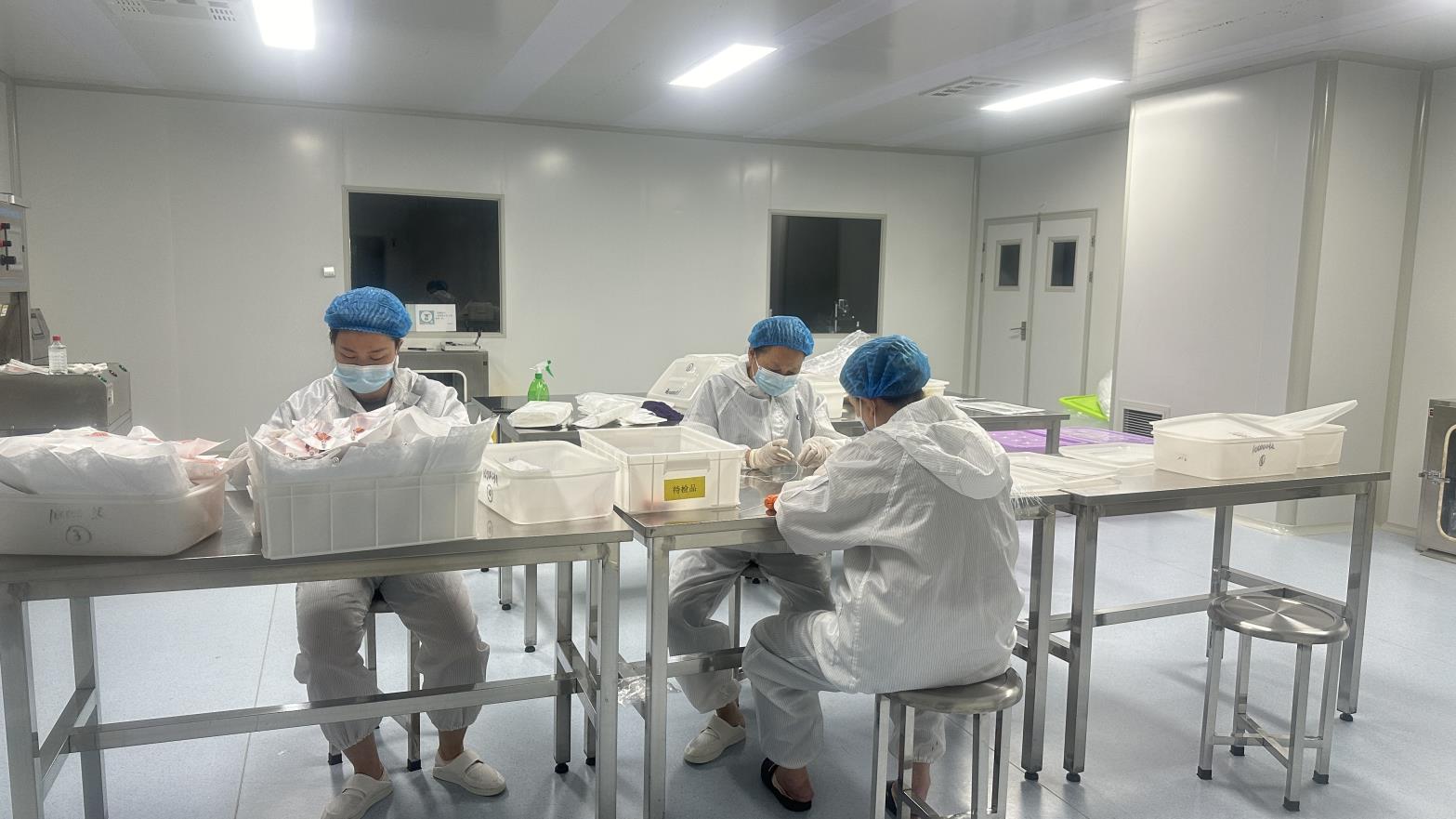
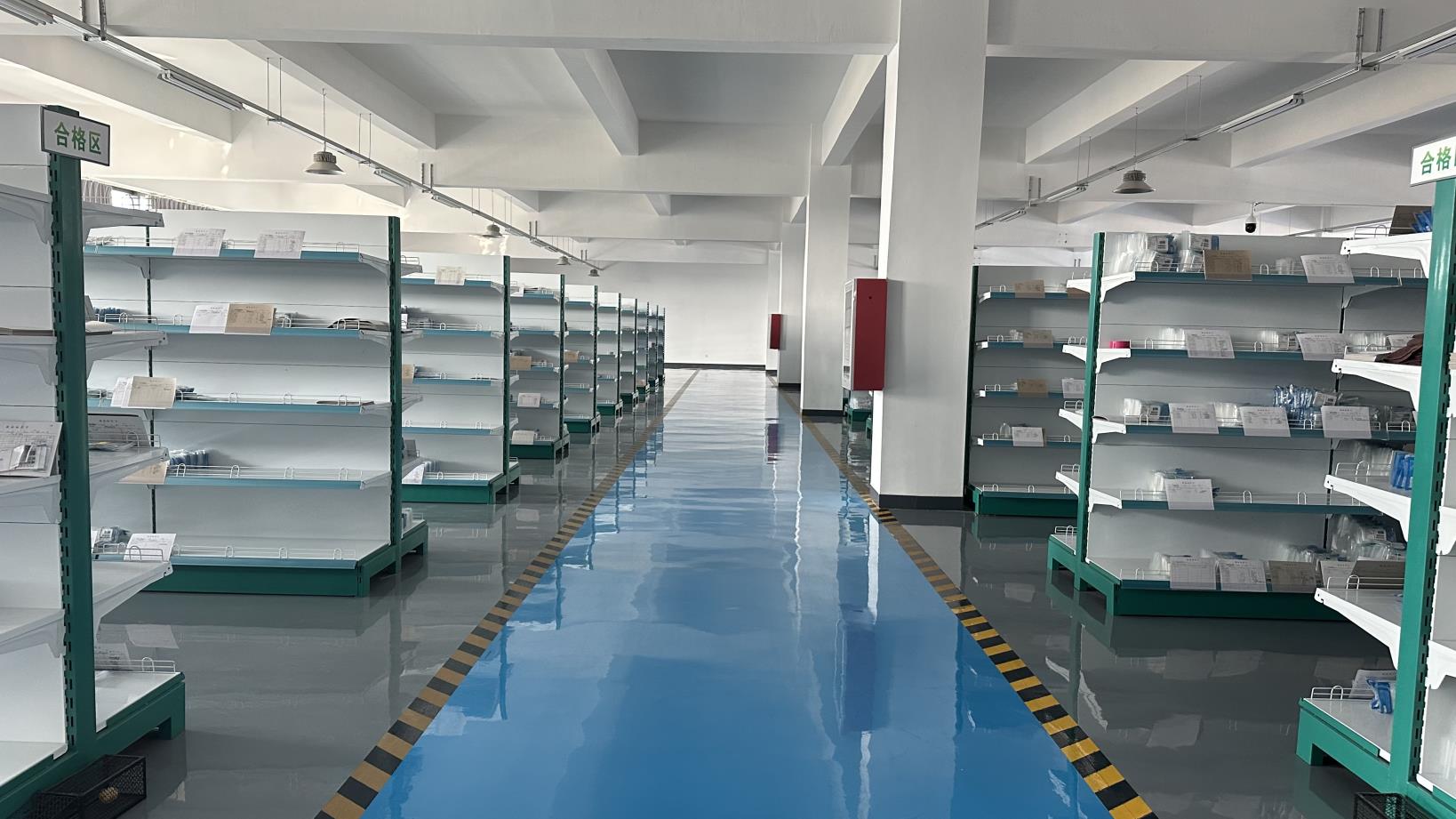
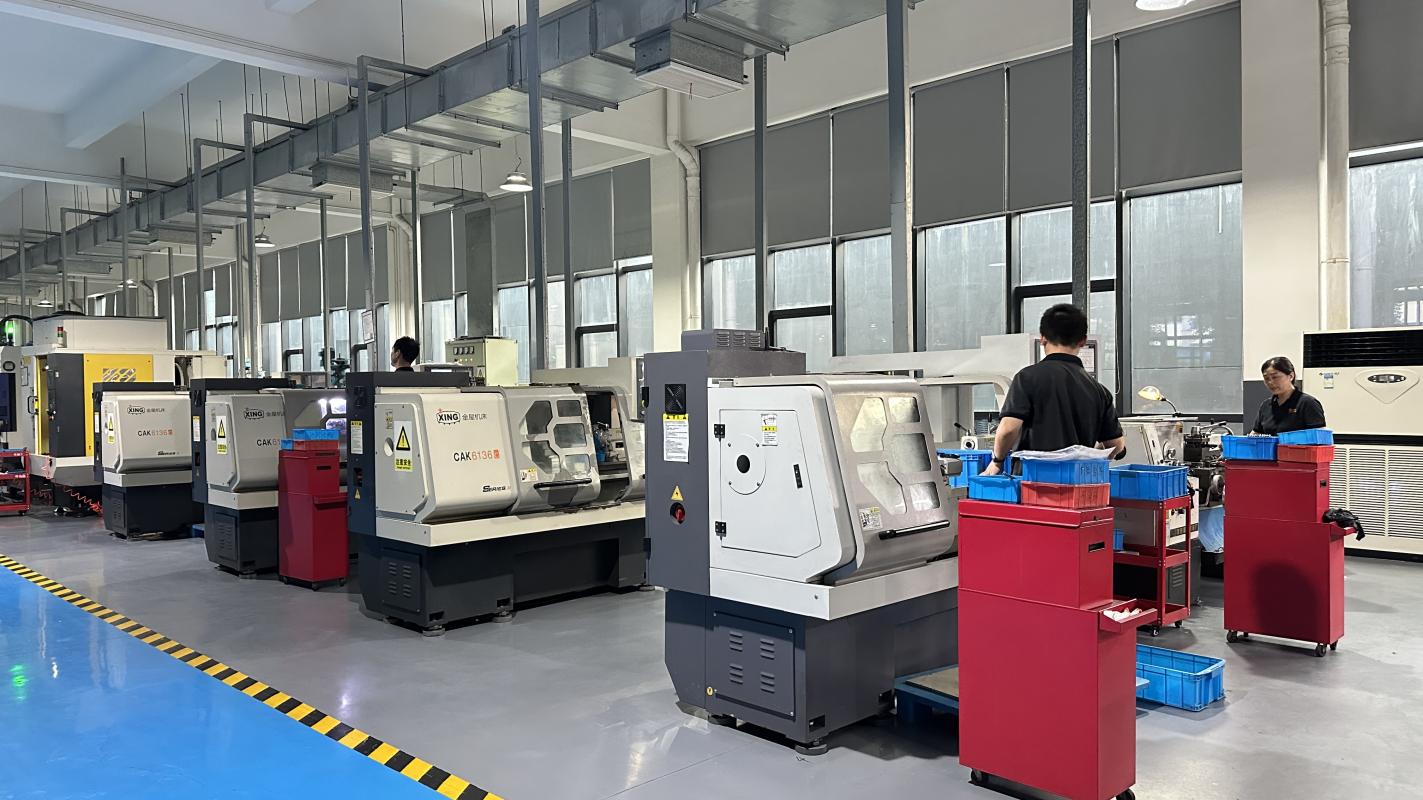
Engineered for long-term implantation, Bonevia plates and screws employ strict material parameters and precise finishing processes.
We source only extra-low interstitial (ELI) Grade 5 titanium. This variant delivers superior yield strength, fatigue resistance, and biocompatibility compared to standard titanium grades.
Our electro-chemical passivation anodization process forms a uniform oxide layer that decreases friction coefficients, prevents cold-welding of locking screws, and limits ion release.
Every production batch includes full material traceability heat numbers, coordinate measuring machine (CMM) dimensional checks, and micro-crack eddy-current testing.
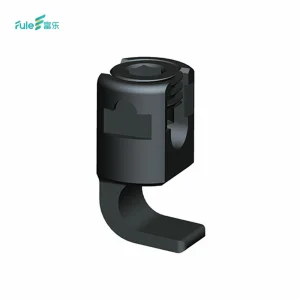
A complete portfolio of locking and compression hardware designed for trauma surgery clinics and animal orthopedic centers in the Greater Toronto Area.
Navigating the import process for medical devices entering Canada requires comprehensive regulatory documentation. The Therapeutic Products Directorate (TPD) of Health Canada categorizes orthopedic plates and locking screws under Class III medical devices, demanding rigorous pre-market review and evidence of a Medical Device Single Audit Program (MDSAP) or ISO 13485:2016 quality management framework.
Bonevia operates a validated cleanroom production setup that matches International Standard ISO 14644-1. Our Class III certifications, paired with detailed biocompatibility study files (ISO 10993 series), ensure smooth regulatory review. For medical distributors in Ontario, we provide extensive documentation dossiers—including mechanical fatigue test reports, corrosion evaluation metrics, and sterilization validation reports (gamma irradiation or ethylene oxide processes)—ensuring complete transparency for your internal quality audits and regional licensing procedures.
Furthermore, our logistics network provides end-to-end cargo visibility. We coordinate directly with major customs brokers at Toronto Pearson International Airport (YYZ) and regional container terminals, ensuring rapid customs clearance and secure delivery to your local distribution depots.
Technical, regulatory, and logistics answers for hospital purchasing managers and medical device distributors in Ontario.
Our trauma implants are manufactured exclusively from Medical Grade Ti-6Al-4V ELI (Extra-Low Interstitial) Titanium Alloy, conforming to ASTM F136 and ISO 5832-3 standards. This material delivers high mechanical fatigue resistance, reduced elastic modulus (closer to native bone compared to stainless steel), and exceptional biocompatibility, making it ideal for permanent or long-term internal fixation.
Yes. All Bonevia trauma plates, screws, and intramedullary nail systems carry CE marking (Class III) and are manufactured in facilities certified under the ISO 13485:2016 quality management framework. We undergo regular third-party audits to verify compliance with international medical device standards, ensuring that all products shipped to Toronto are safe for human surgical applications.
Absolutely. Backed by our R&D group of 85 biomedical engineers and 10+ years of manufacturing experience, we offer extensive OEM/ODM manufacturing options. We can adjust plate profiles, variable-angle hole distributions, and surface anodization specifications based on custom CAD models or clinical parameters. We also manufacture dedicated surgical instrumentation kits to match your proprietary implant configurations.
To mitigate the risk of galling or cold-welding between locking screws and plates (which can complicate future implant removals), we utilize Type II Anodization (grey anodization) on our plates. This process forms a hardened oxide layer that lowers friction, increases wear resistance, and ensures predictable torque limits during intraoperative insertion and extraction.
For in-stock configurations, products can be prepared and dispatched within 7–10 working days. Custom OEM orders generally require 30–45 days for tool setup, machining, passivation, and QA verification. Shipments destined for Ontario are usually sent via premium air freight (directly landing at Toronto Pearson Airport, YYZ) for rapid transit, or via ocean freight to the Port of Montreal/Toronto for large inventory stock replenishments.
We supply both sterile (packaged in medical-grade blister packs validated for shelf-life stability) and non-sterile configurations. Non-sterile plates are packed in protective cleanroom bags and must be autoclaved at the hospital or clinic using standard steam sterilization protocols prior to use in the operating room.