 Bonevia
Bonevia
Bonevia
Anatomically contoured locking compression plate systems optimized for the bone morphology of Asian populations, ensuring mechanical stability and minimizing soft tissue irritation.
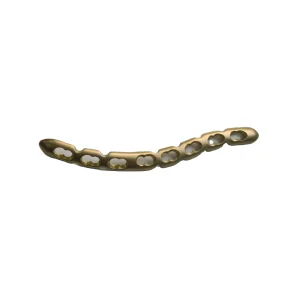
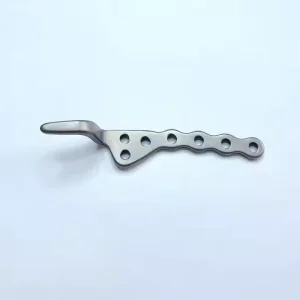
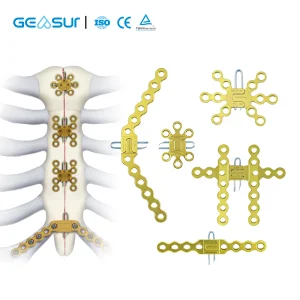
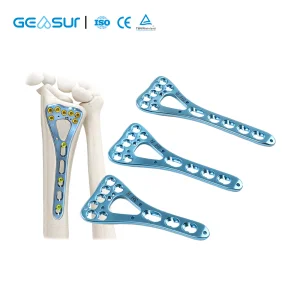
Japan is globally recognized for its super-aging society, with over 29% of its population aged 65 or older. This demographic landscape has profoundly altered clinical priorities in the orthopedic domain. Fragility fractures—most notably distal radius fractures, proximal femoral fractures, and humeral fractures—have witnessed an unprecedented surge, necessitating robust, highly stable fixation systems that accommodate osteoporotic bone tissue.
Japanese orthopedic surgeons require implants that ensure rigid fixation while keeping profile heights to a minimum. Bonevia's advanced orthopedic implants address this specific clinical demand. By utilizing medical-grade titanium alloy and incorporating low-profile, anatomical contours, our systems facilitate stable osteosynthesis even in patients with severely degraded bone mineral density.
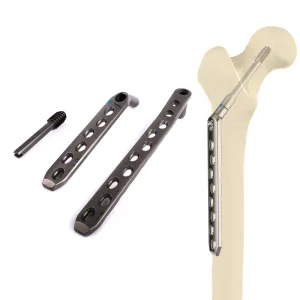
Furthermore, the shift toward minimally invasive surgery (MIS) in Japanese hospitals mandates specialized instruments and implants that can be introduced percutaneously. Bonevia has invested heavily in R&D to refine plate geometries, offering distal radius and hip screw systems that simplify implantation workflows while accelerating post-operative rehabilitation timelines.
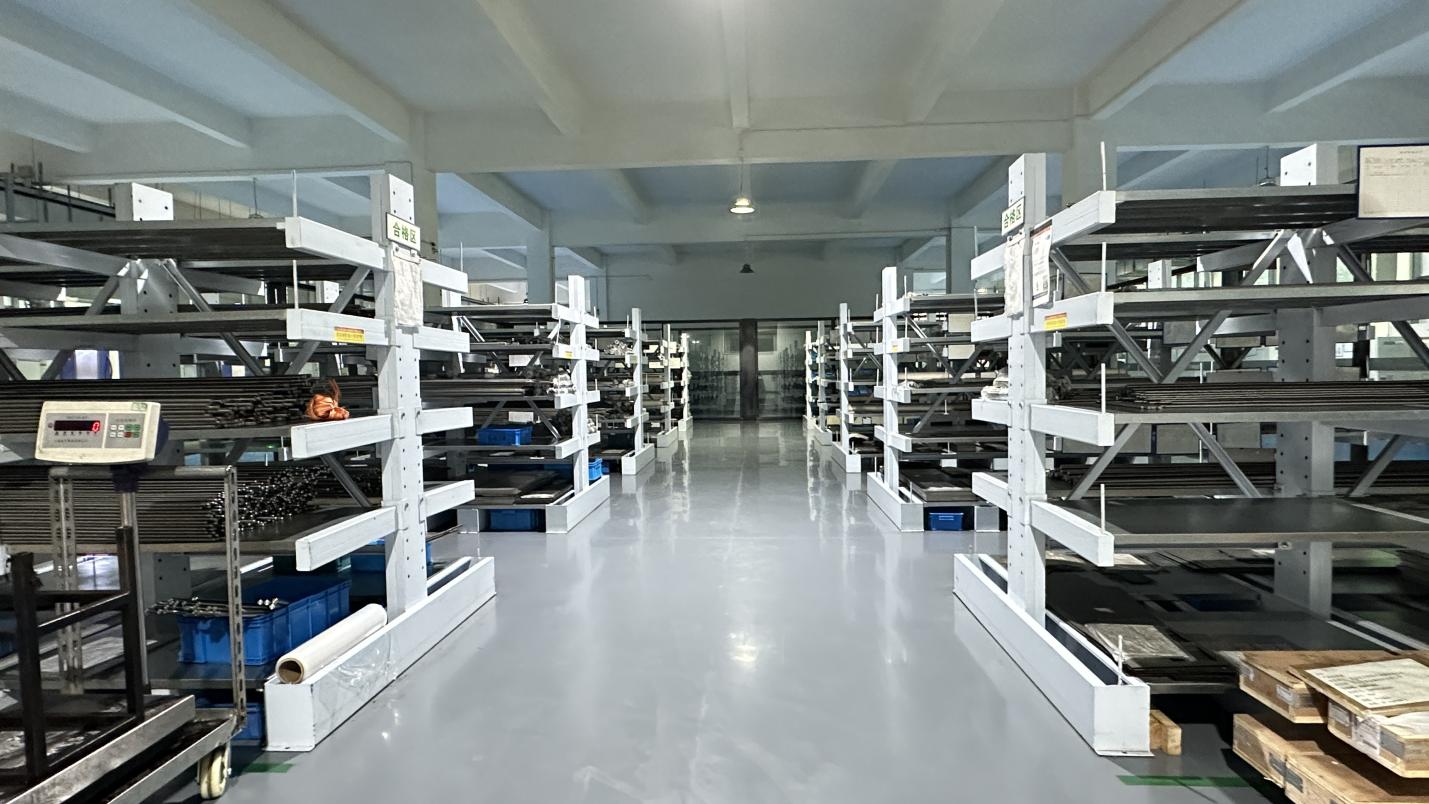
Combining the industrial speed and cost-efficiencies of a massive supply chain ecosystem with the precision engineering requirements of the Japanese medical market.
With over 10 years of overall industry experience and 6 years of dedicated global export capability, Bonevia has refined its manufacturing processes to align with the stringent requirements of the Japanese PMDA (Pharmaceuticals and Medical Devices Agency) and ISO 13485 quality systems.
As the Japanese Ministry of Health, Labour and Welfare (MHLW) continually reviews reimbursement pricing (Shokan Kakaku), medical distributors face margins pressure. Bonevia offers an optimal solution: premium medical-grade titanium alloy implants manufactured in a state-of-the-art Chinese facility, delivering exceptional mechanical performance at a price point that protects distributor margins.
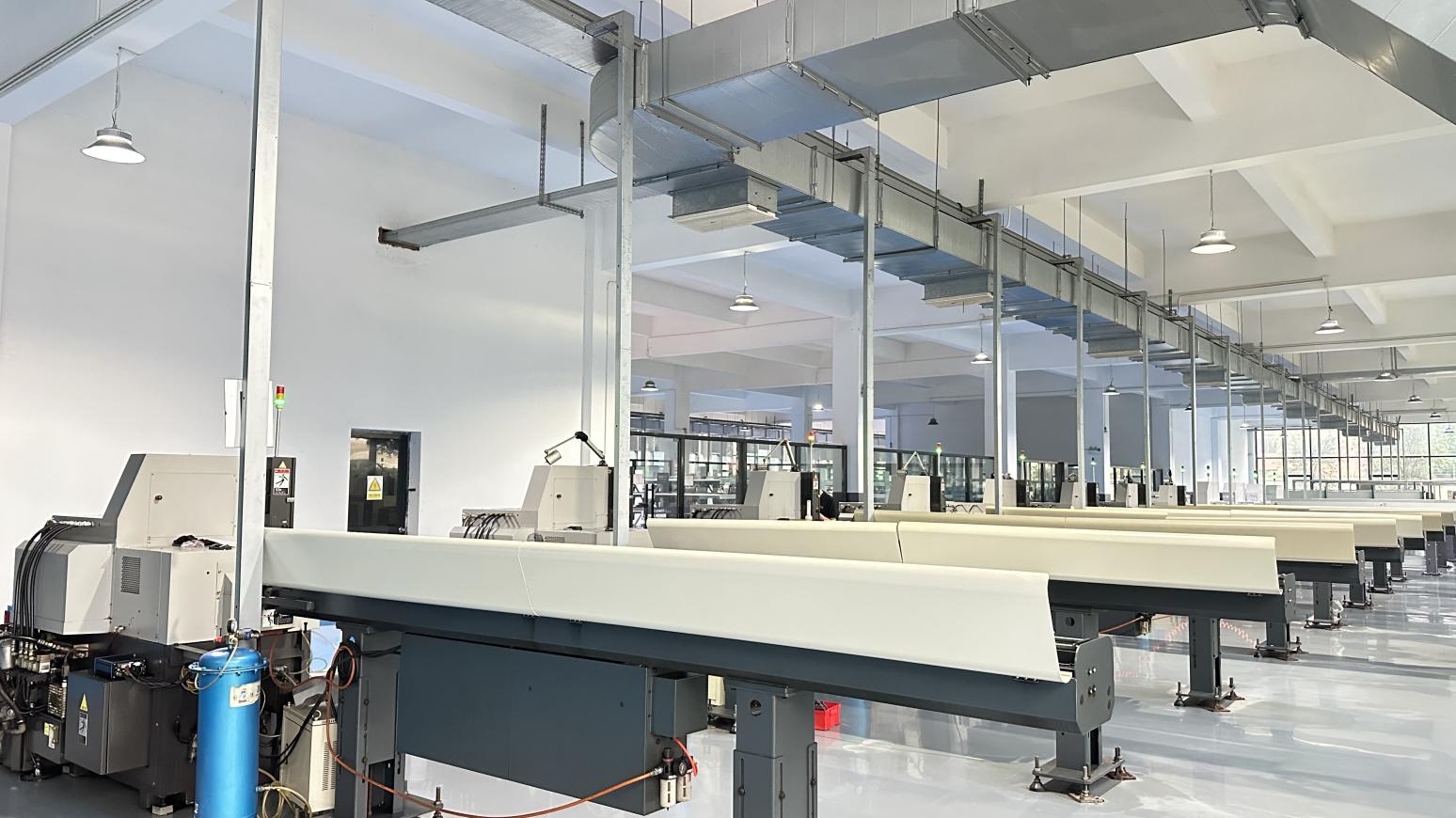
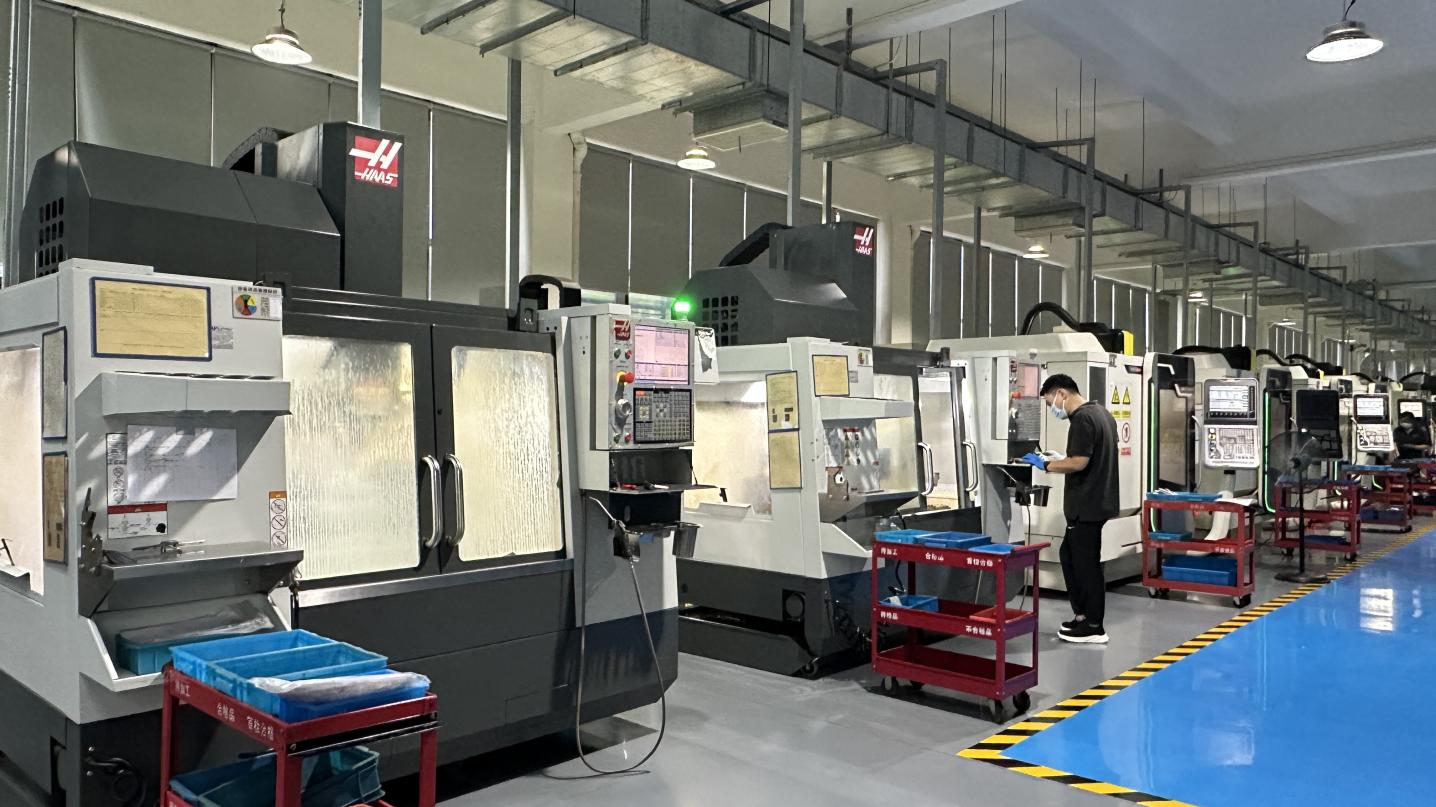
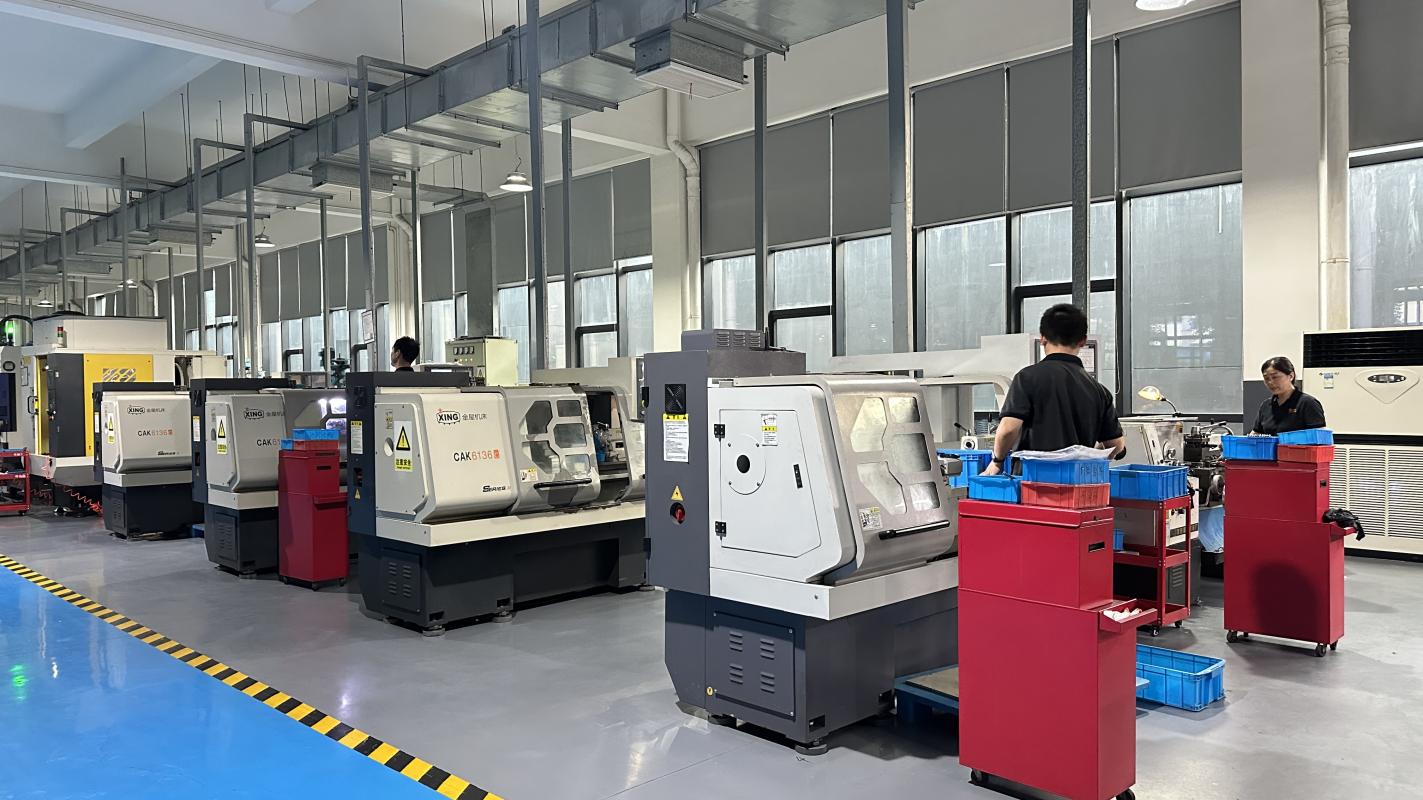
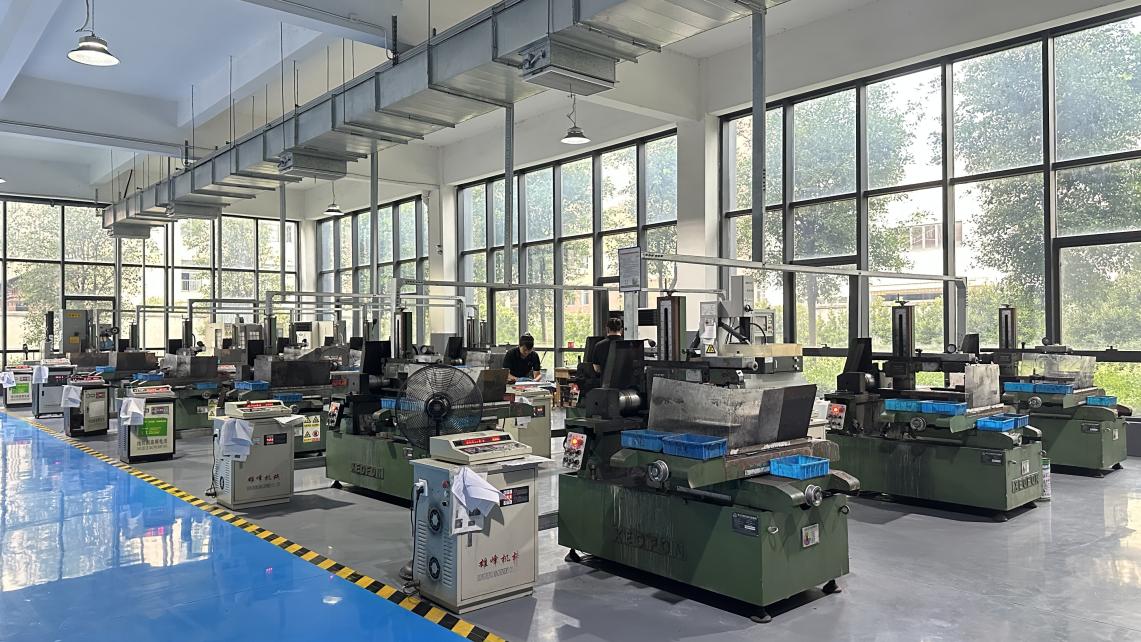
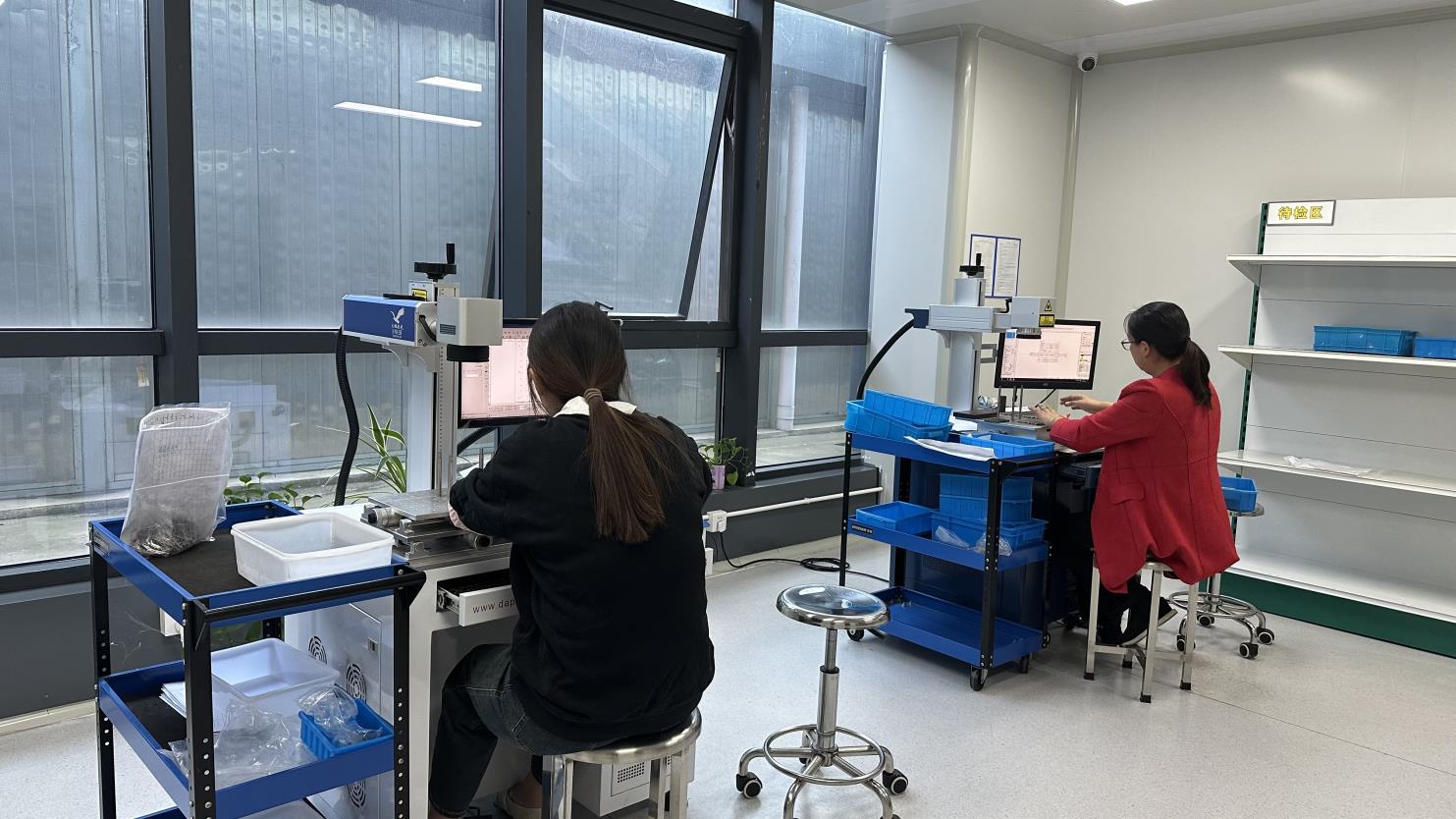
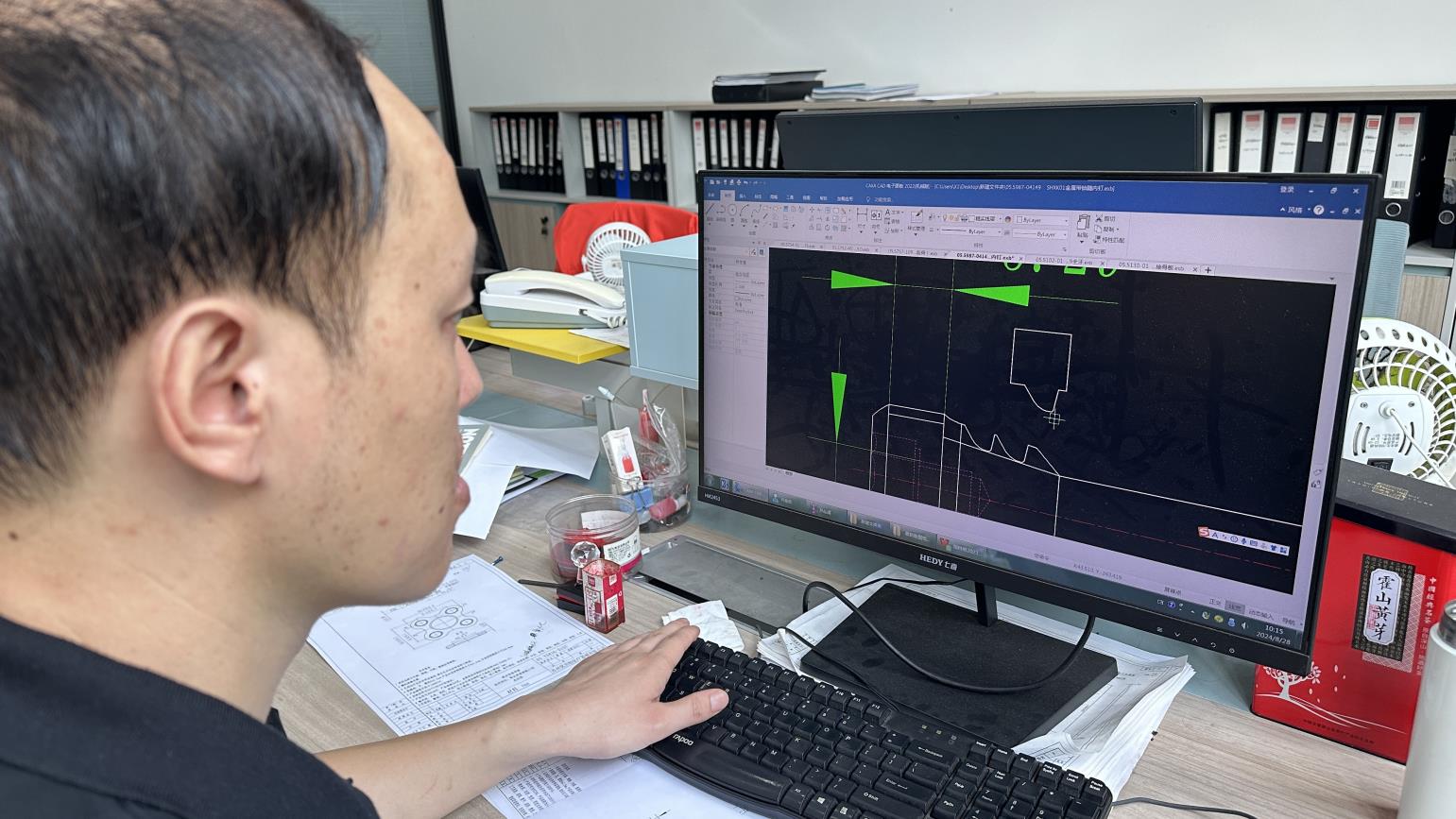
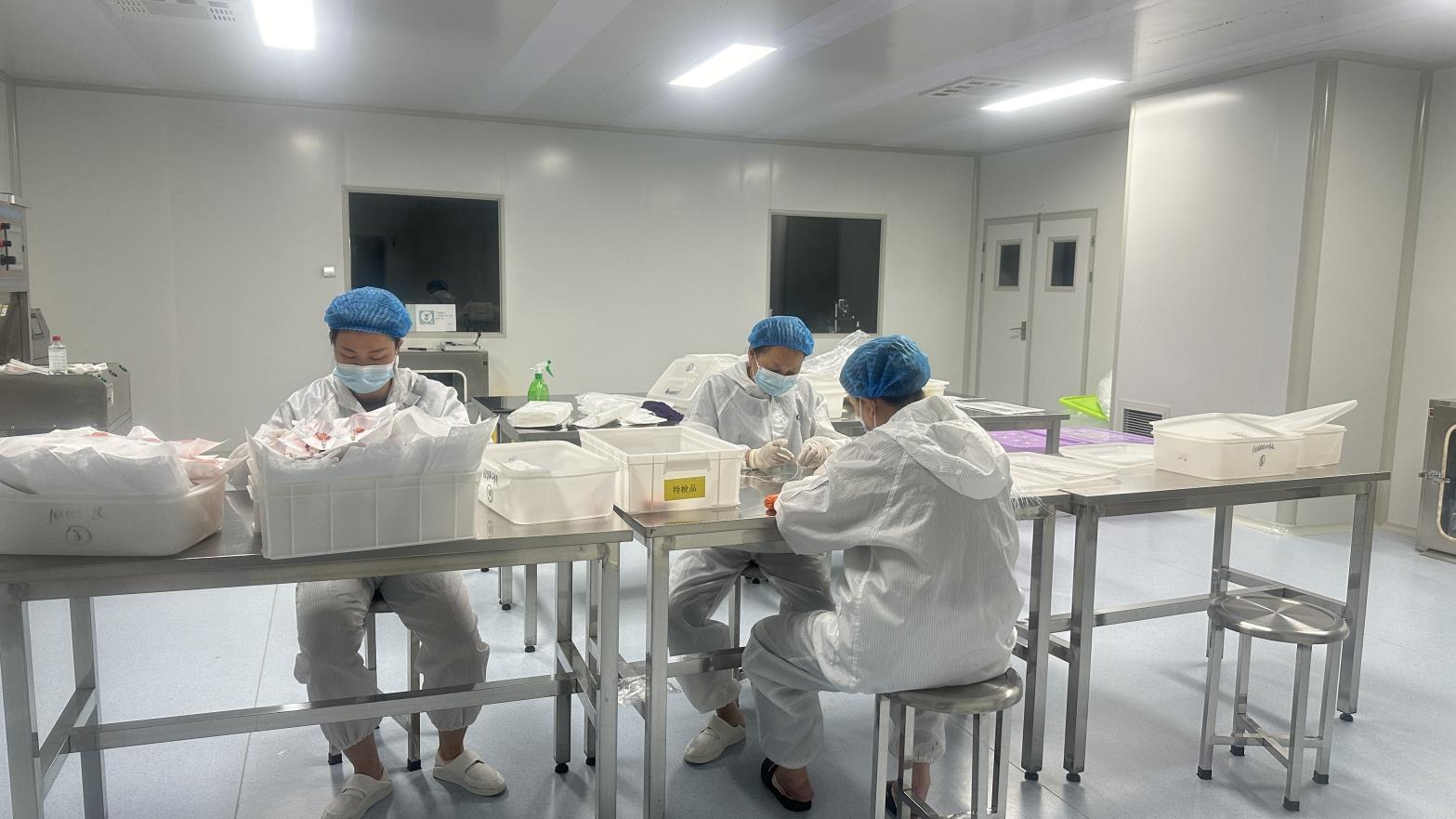
Take a look inside our 320㎡ modern production facility. We ensure absolute traceable control from premium raw titanium materials to the final packaged sterile orthopedic implants.
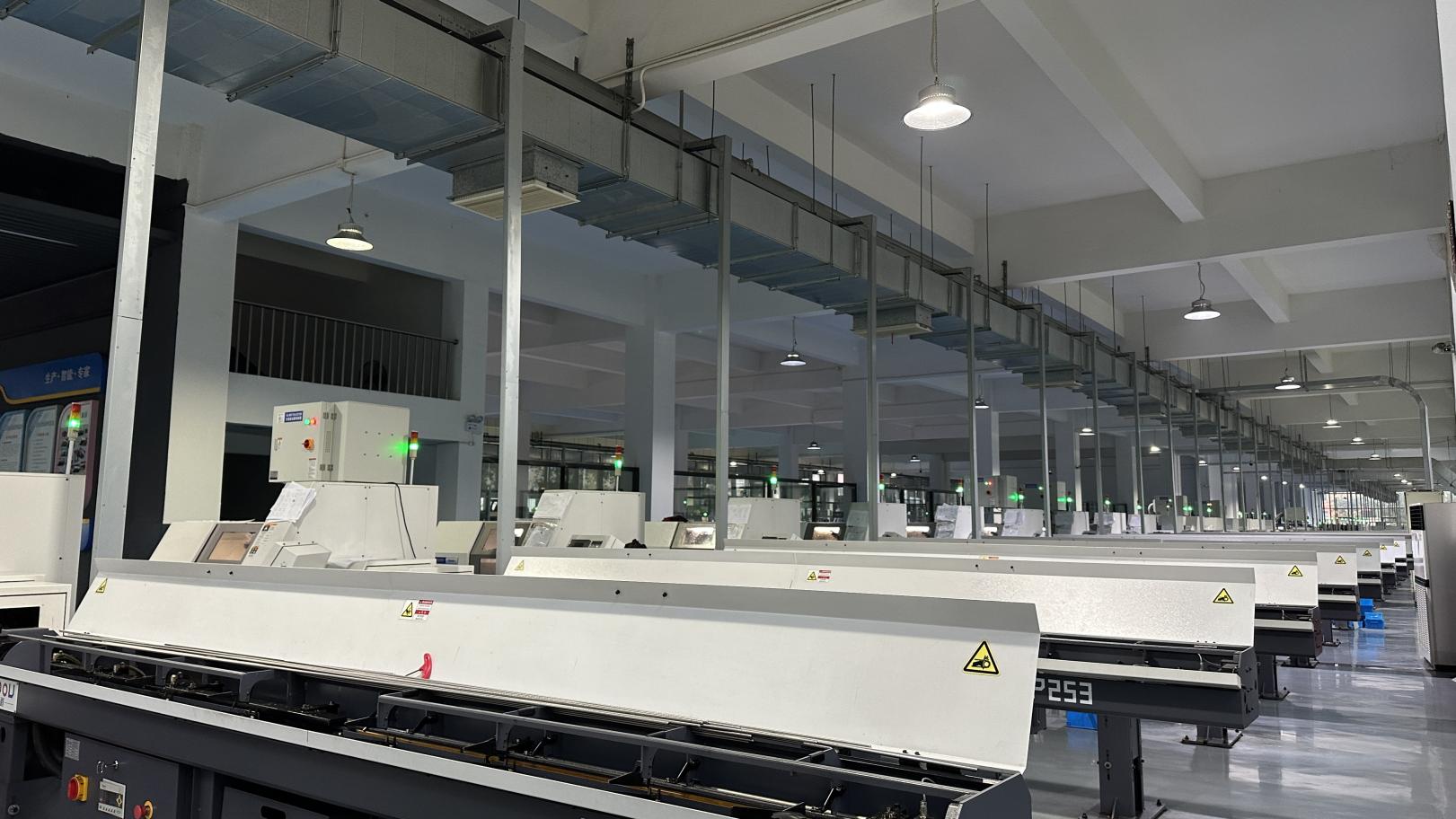
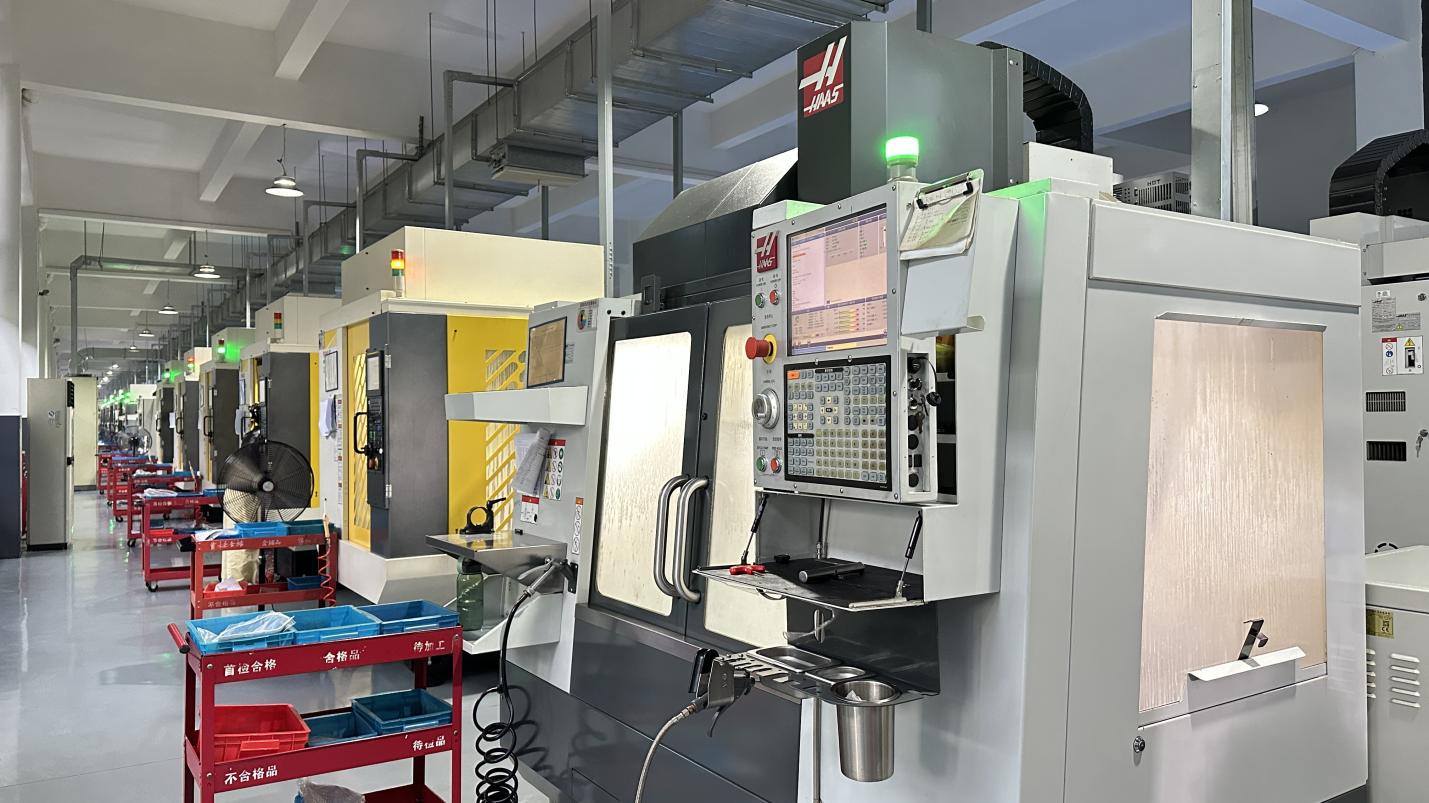
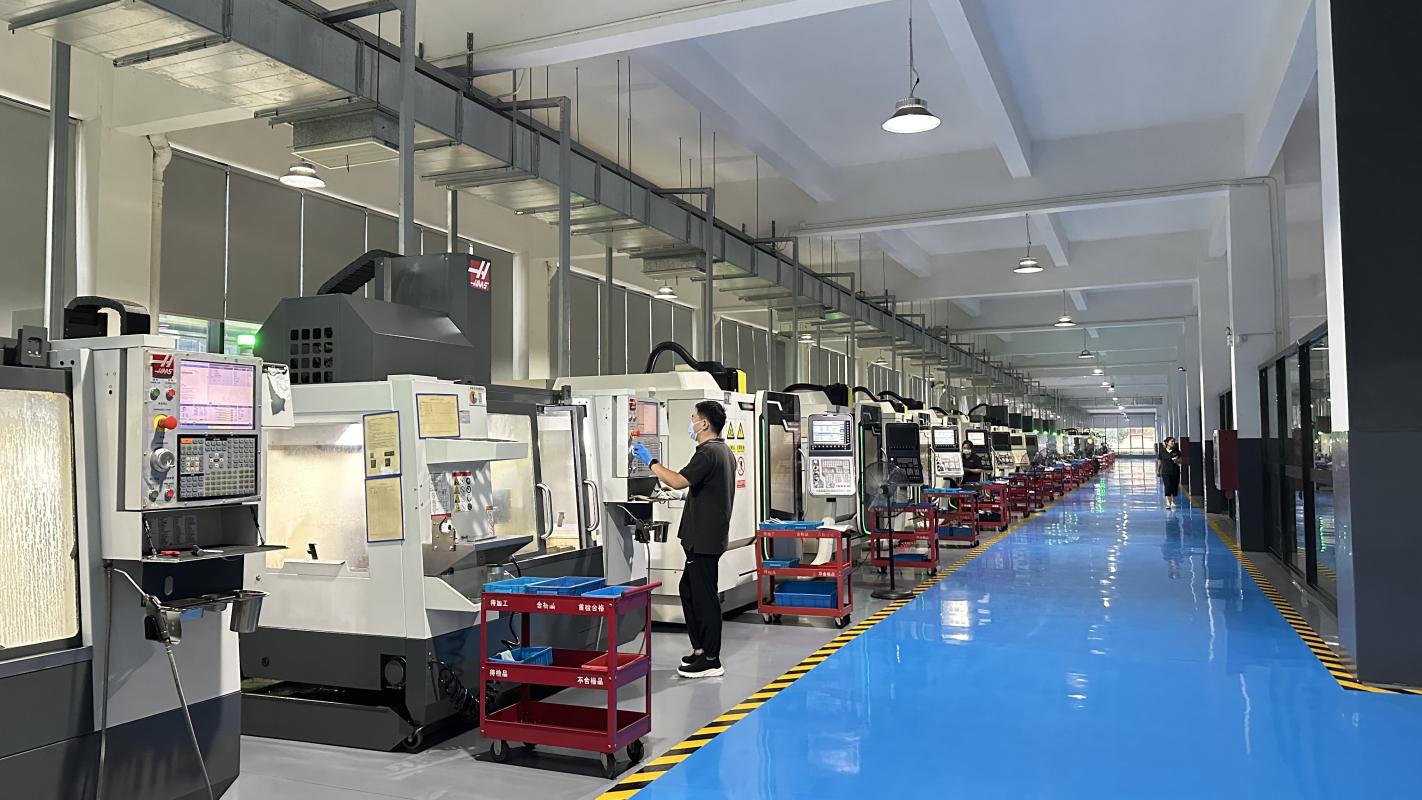
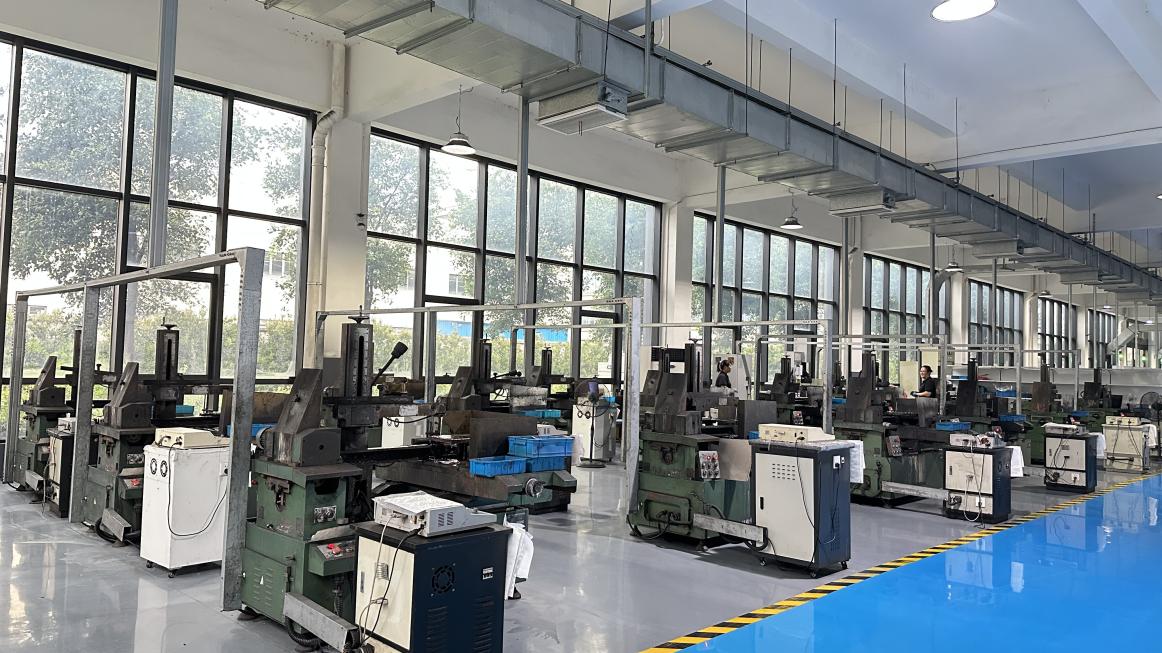
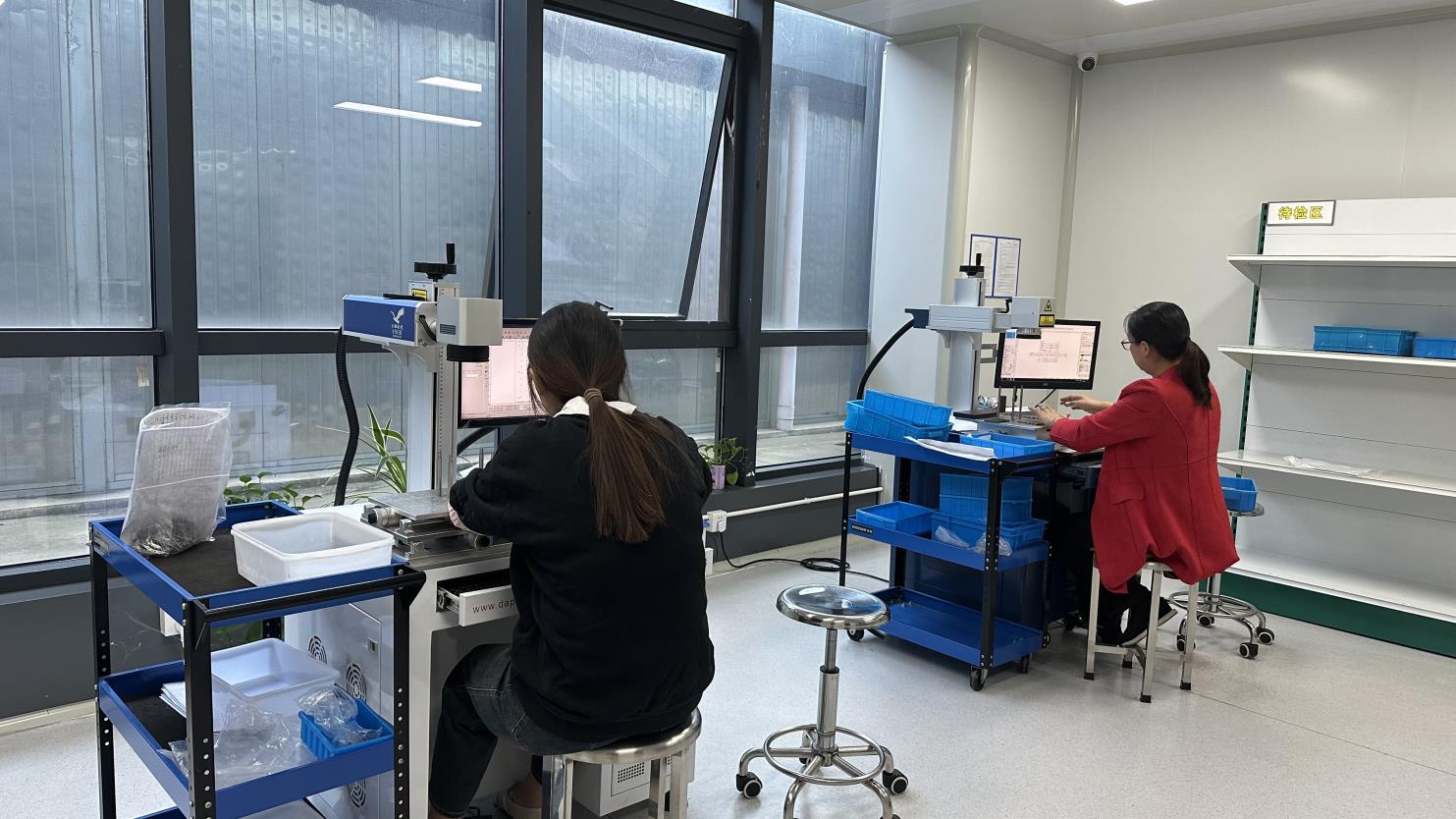
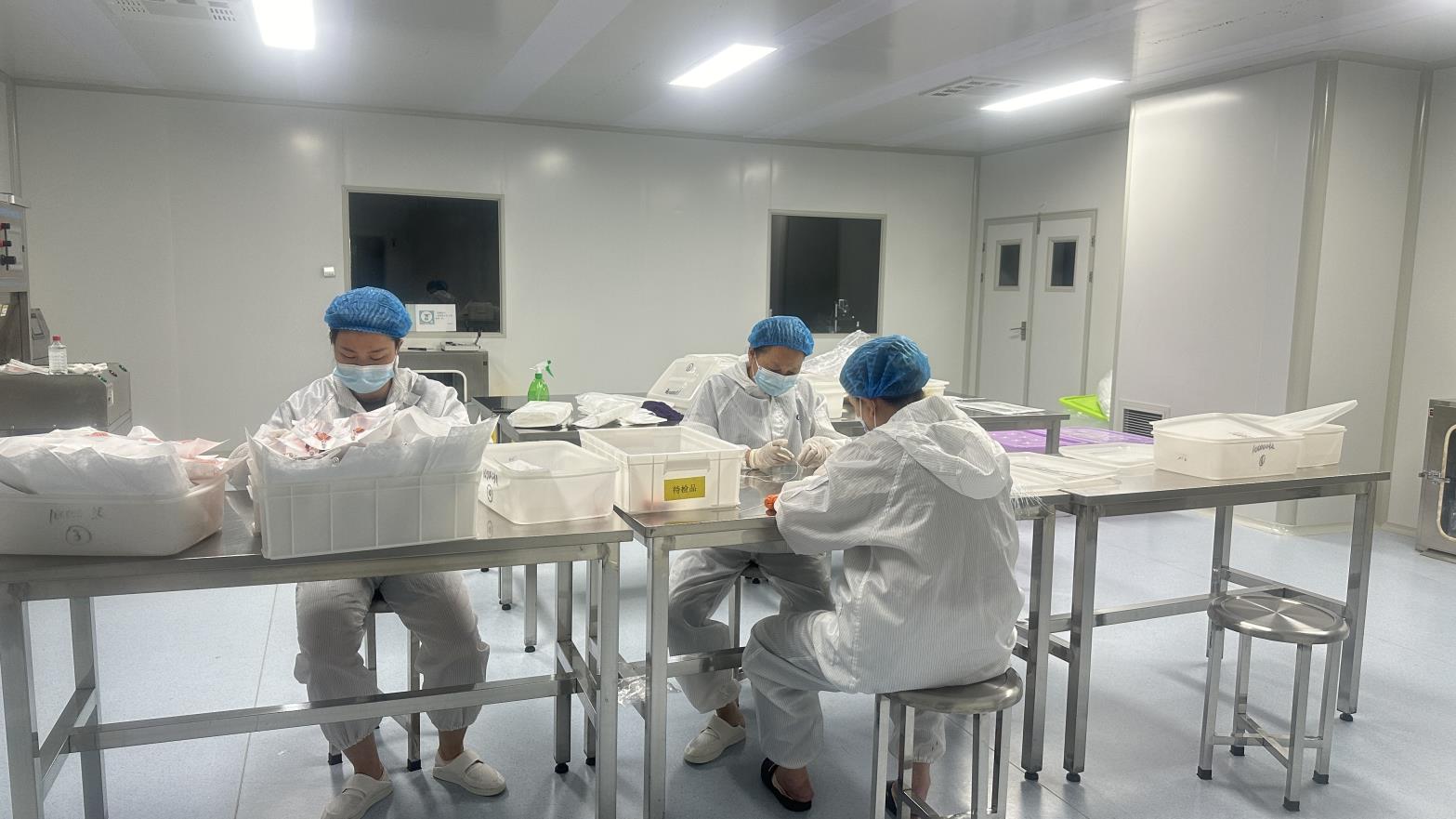
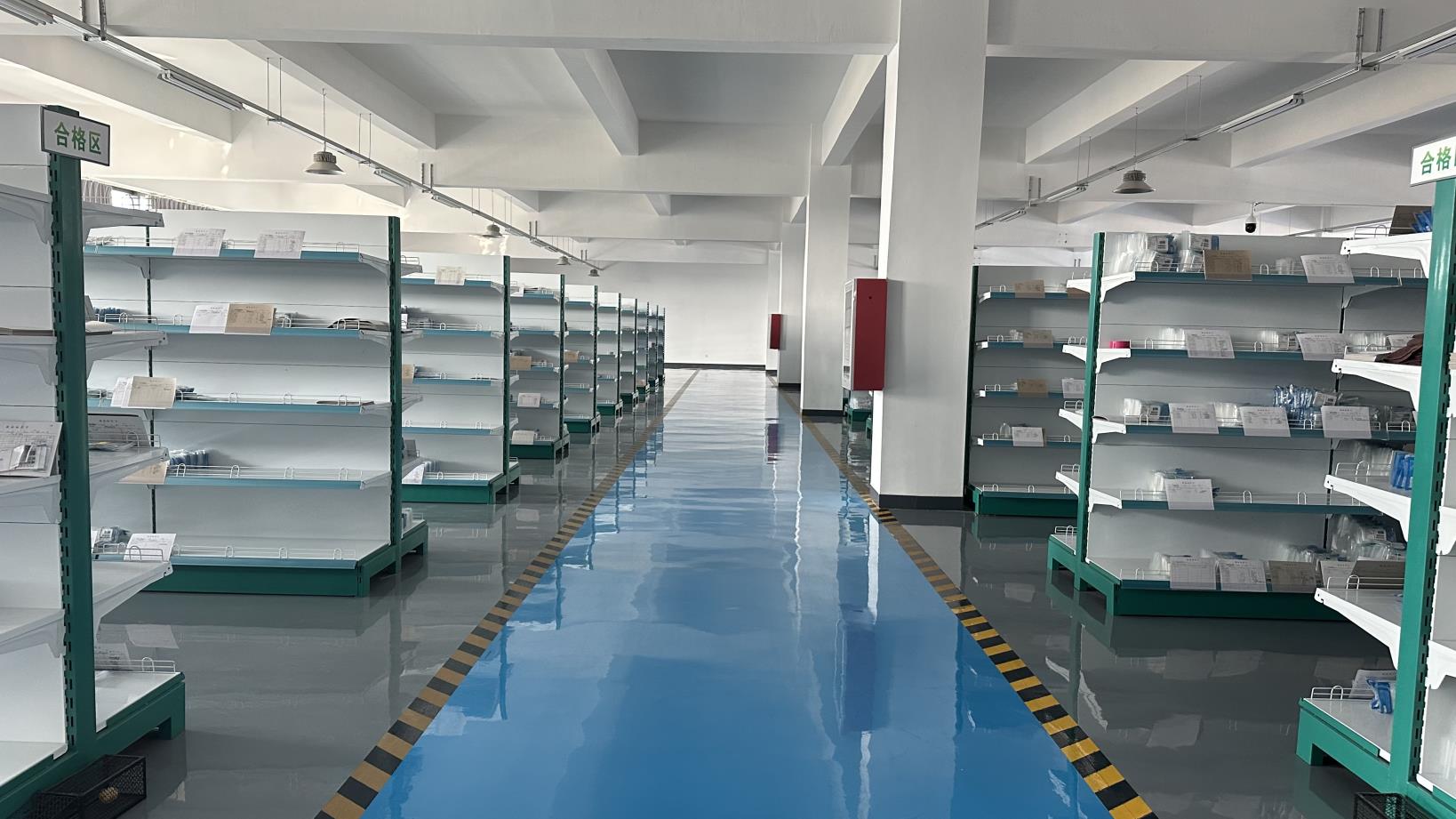
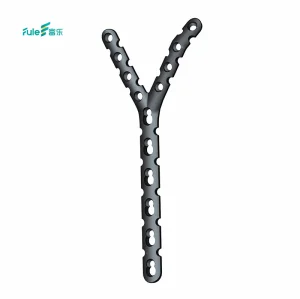
Engineered using premium Ti6Al4V ELI (grade 23) biocompatible alloys to deliver optimal biomechanical properties. Fully validated with international certifications.
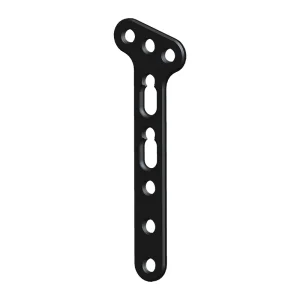
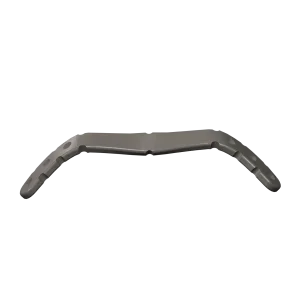
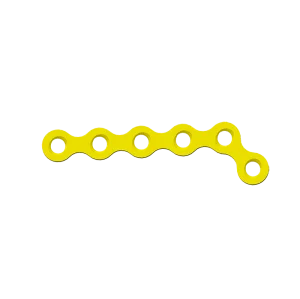
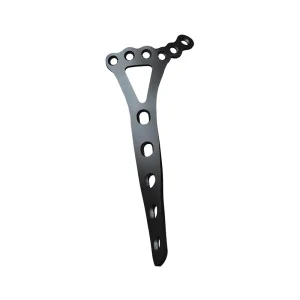
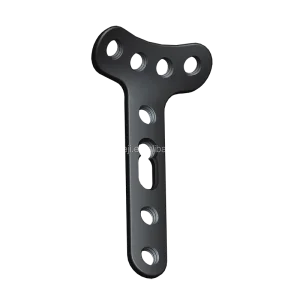
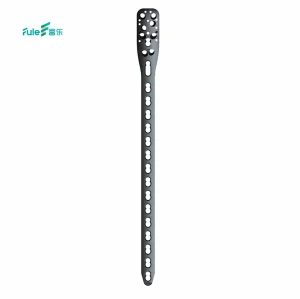
Navigating the Japanese Pharmaceuticals and Medical Devices Act (PMD Act) requires clean traceability, robust clinical evaluation, and absolute material purity. At Bonevia, we utilize strict incoming inspection methodologies to guarantee that all titanium, titanium alloy, and stainless steel stocks strictly adhere to ASTM F136 and ISO 5832-3 / 5832-1 standards.
Our quality management division utilizes advanced metrology equipment to inspect tolerances down to the single-micron level. Critical fatigue testing and torque validations are continuously executed to guarantee that every locking screw and osteosynthesis plate can withstand the dynamic physiological loading forces encountered in patient mobilization.
To support our Japanese OEM/ODM partners and distributors, Bonevia provides comprehensive Technical Files, including biocompatibility documentation (ISO 10993 series), sterilization validation protocols, and comprehensive risk analysis reports (ISO 14971) to streamline the PMDA registration pathway.
Expanding clinical support to spinal reconstruction challenges and fast-growing veterinary orthopedic surgery requirements in the Japanese market.
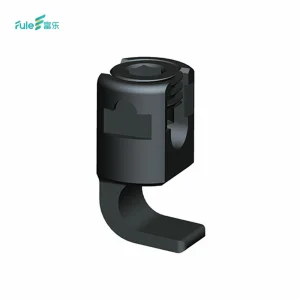
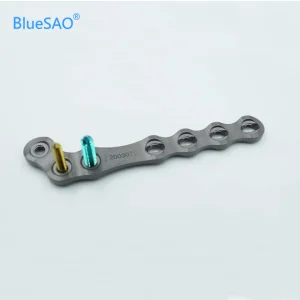
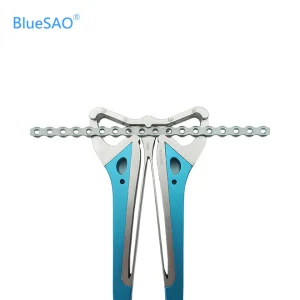
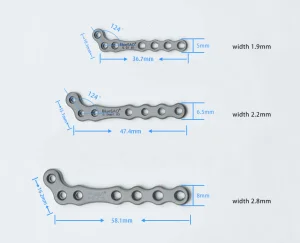
Objective material properties and design engineering data for clinical evaluation.
| Feature / Specification | Bonevia Titanium Alloy Implants | Standard Orthopedic Implants | Clinical Advantage in Japan |
|---|---|---|---|
| Base Raw Material | Ti-6Al-4V ELI (Grade 23) / ISO 5832-3 | Standard Ti Grade 5 / Stainless 316L | Superior biocompatibility, higher fatigue resistance, reduced risk of metal ion release. |
| Surface Finishing | Type II Anodization (Grey/Color coded) | Standard Chemical Passivation | Reduces cold-welding risk between screws and plates; easier post-healing removal. |
| Profile Thickness | Low-profile (1.2mm - 2.8mm depending on anatomical area) | Standard profile (>3.0mm) | Minimizes soft tissue irritation, critical for elderly patients with thin skin coverage. |
| Screw Thread Geometry | Self-tapping with optimized pitch angle | Standard self-tapping screw threads | Ease of insertion, high pull-out strength in osteoporotic trabecular bone structure. |
| Traceability System | 100% Unique Laser Serial Coding & batch tracking | Simple batch coding | Conforms to MHLW traceability regulations and hospital implant logistics demands. |
Find technical and regulatory answers regarding importing Bonevia implants into Japan.