Bonevia
Bonevia
Bonevia
Explore our premium orthopedic trauma implants engineered for precise anatomical fit, mechanical performance, and rapid osteosynthesis.
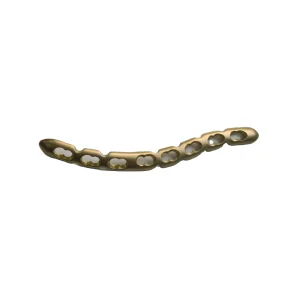
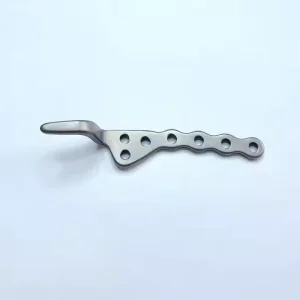
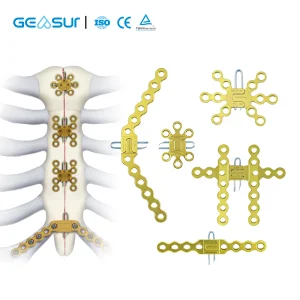
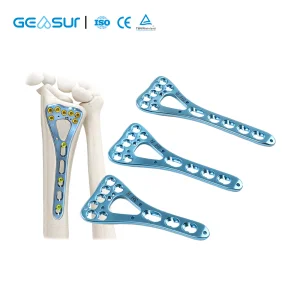
Sydney stands as the focal hub of healthcare delivery within New South Wales (NSW), characterized by world-class trauma centers such as Royal Prince Alfred Hospital, Westmead Hospital, and Liverpool Hospital. Within this highly sophisticated clinical ecosystem, orthopedic surgeons demand implants that satisfy strict biomechanical thresholds and regulatory approvals managed by the Therapeutic Goods Administration (TGA).
The industrial demand in Sydney revolves around reducing surgical times, lowering post-operative complication rates, and assuring a seamless supply chain. With the rise of minimally invasive surgeries, anatomical plating systems designed to match specific regional populations have shifted from being a luxury to a baseline requirement. Our products address these acute demands by providing micro-engineered, sterile, and biologically inert fixation systems designed for immediate surgical readiness.
How modern material science and digital design paradigms are reshaping the future of internal fixation systems globally.
Globally, the shift from stainless steel to medical-grade titanium alloys is well established due to titanium's superior fatigue strength, lower elastic modulus (which reduces stress shielding), and outstanding MRI compatibility. Advanced implant designs are incorporating Variable-Angle (VA) locking technology, permitting up to 15 degrees of screw deviation, giving surgeons unparalleled versatility in managing complex intra-articular fractures.
Looking to the next decade (2025–2035), the orthopedic trauma sector is trending towards bioactive surface coatings (such as hydroxyapatite and silver nano-coatings) to actively prevent surgical site infections while stimulating early osteoblastic activity. Additionally, the integration of 3D printing (additive manufacturing) allows for patient-specific implants (PSI) to transition seamlessly from pre-operative CT scans directly to the sterile surgical tray.
Built on solid engineering metrics, international certifications, and transparent performance data.
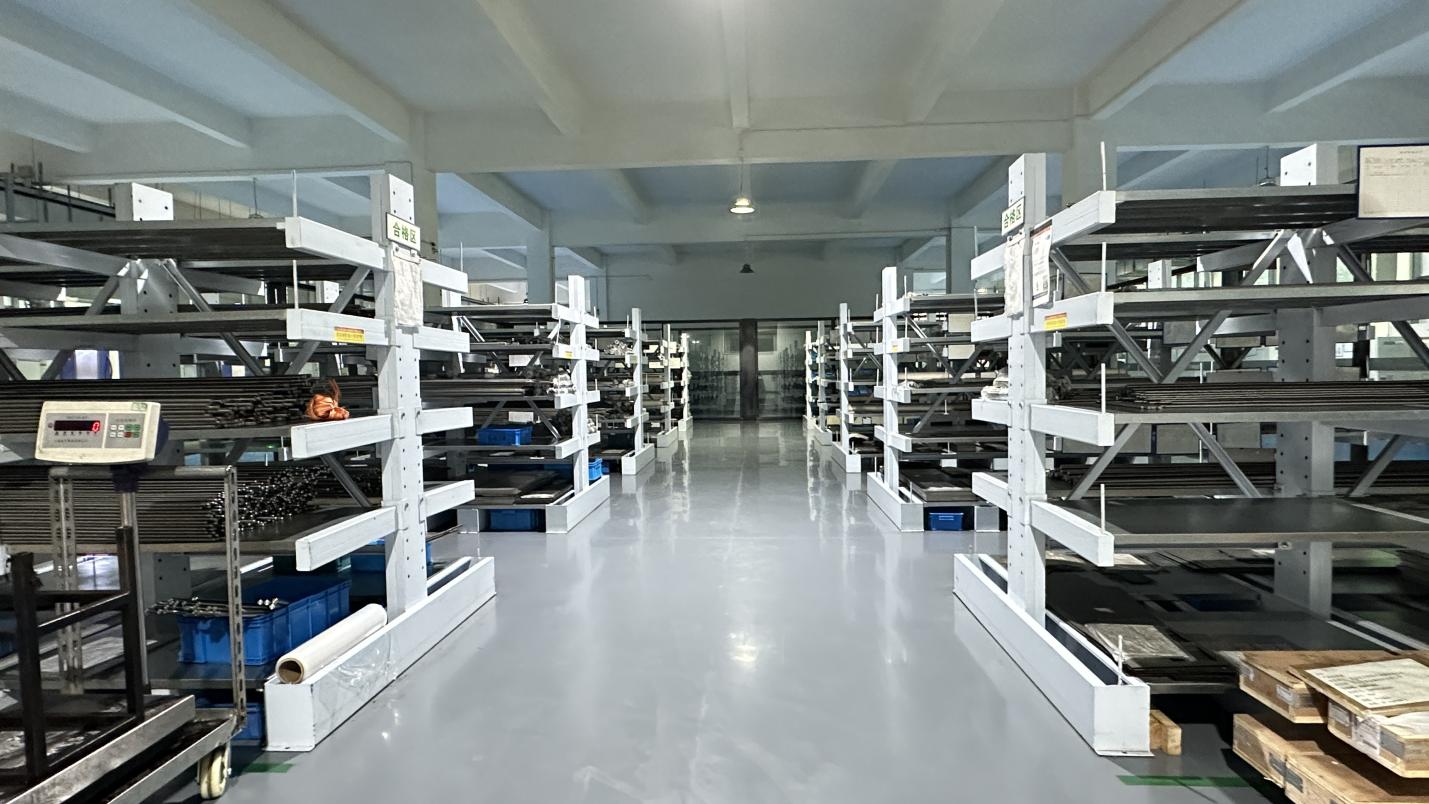
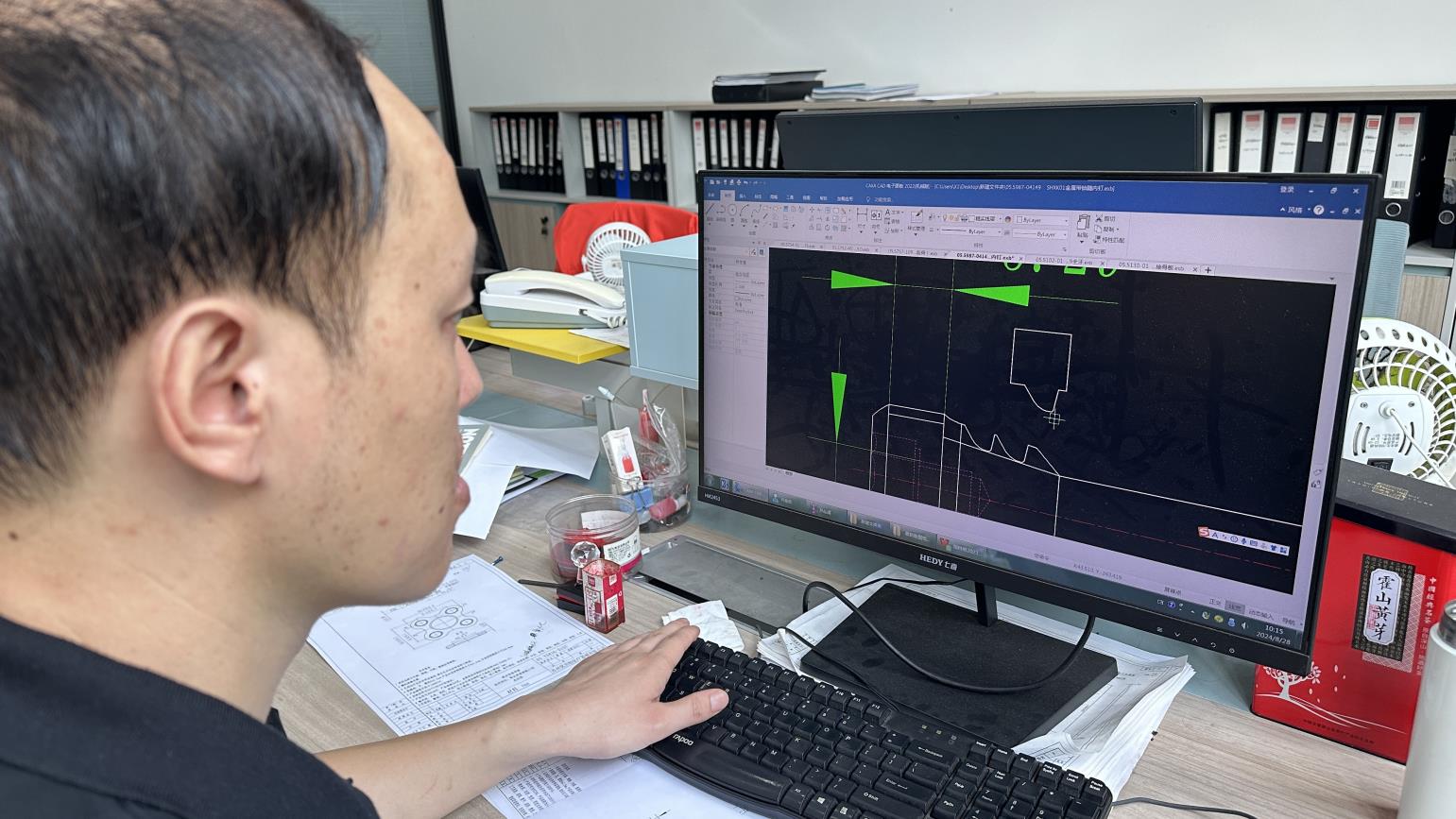
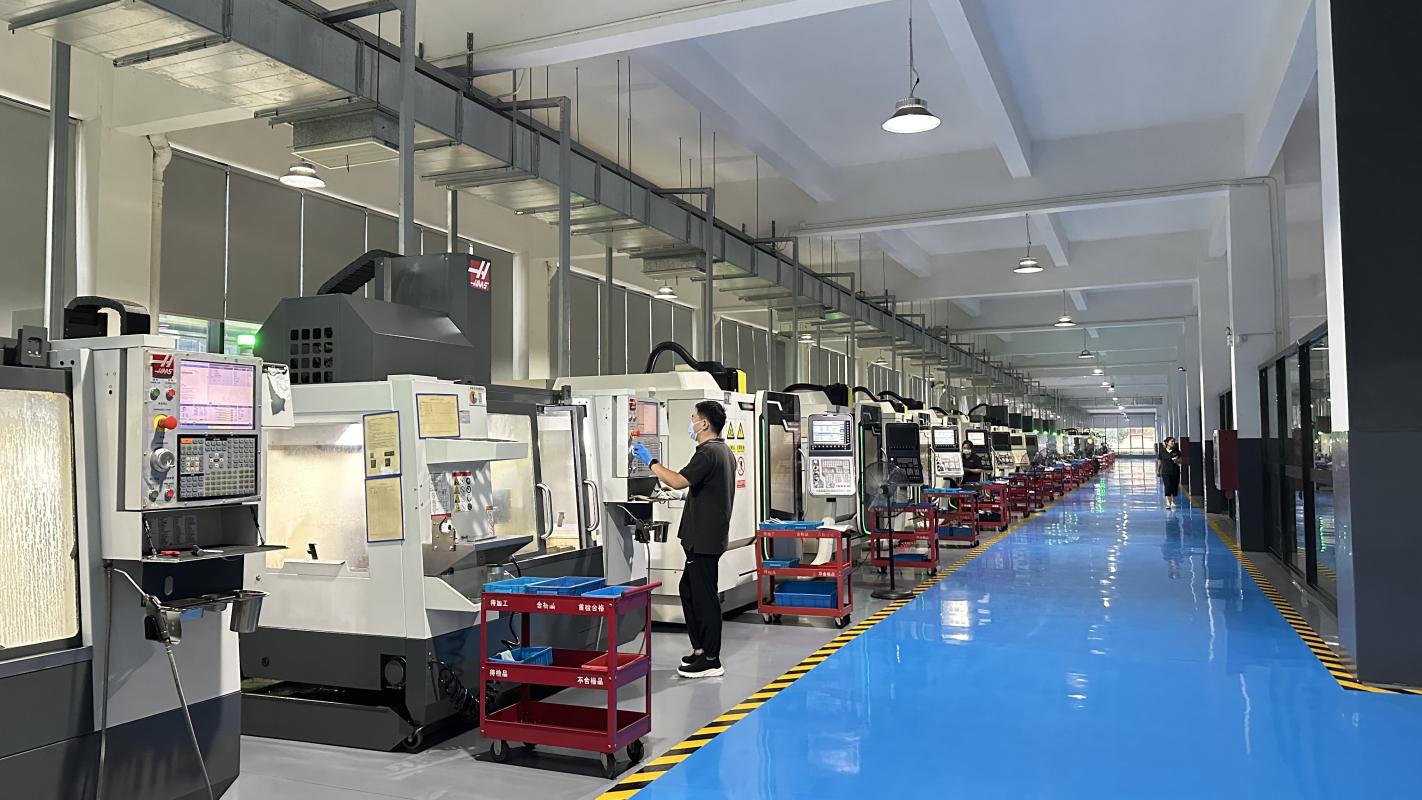
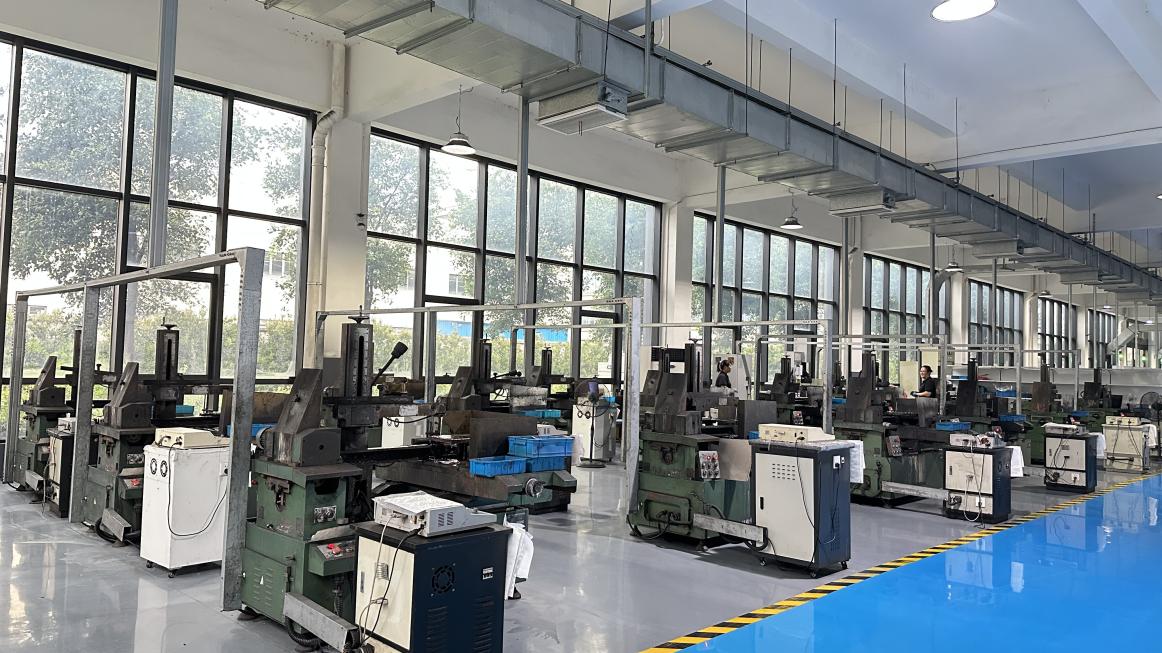
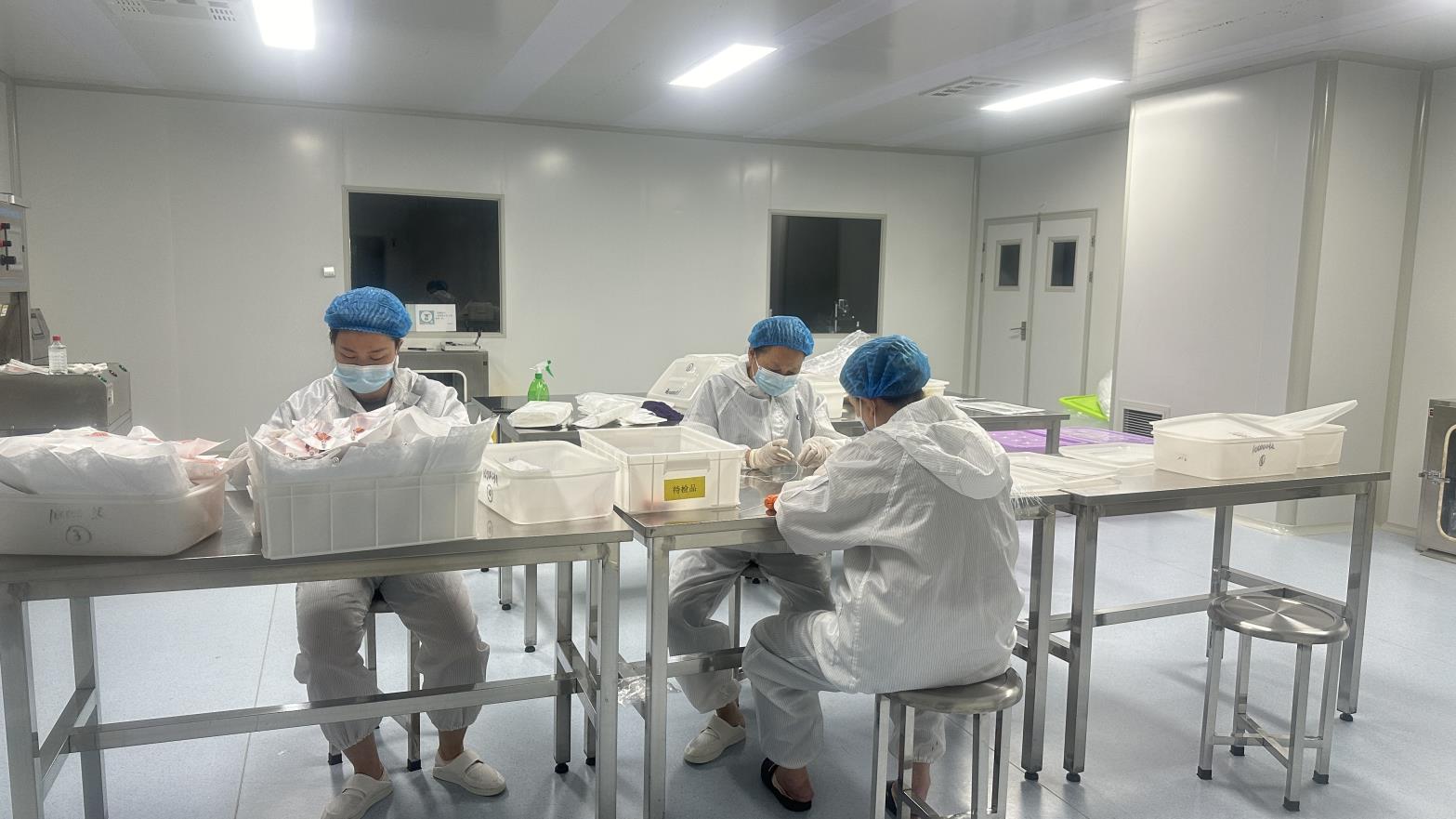
Bonevia Orthopedic Technology Co., Ltd. enforces strict inspection protocols encompassing incoming material verification, in-process control, and end-of-line functional performance trials. Backed by an annual export performance of USD 8–15 million, we ensure our global partners receive only certified, elite-grade devices.
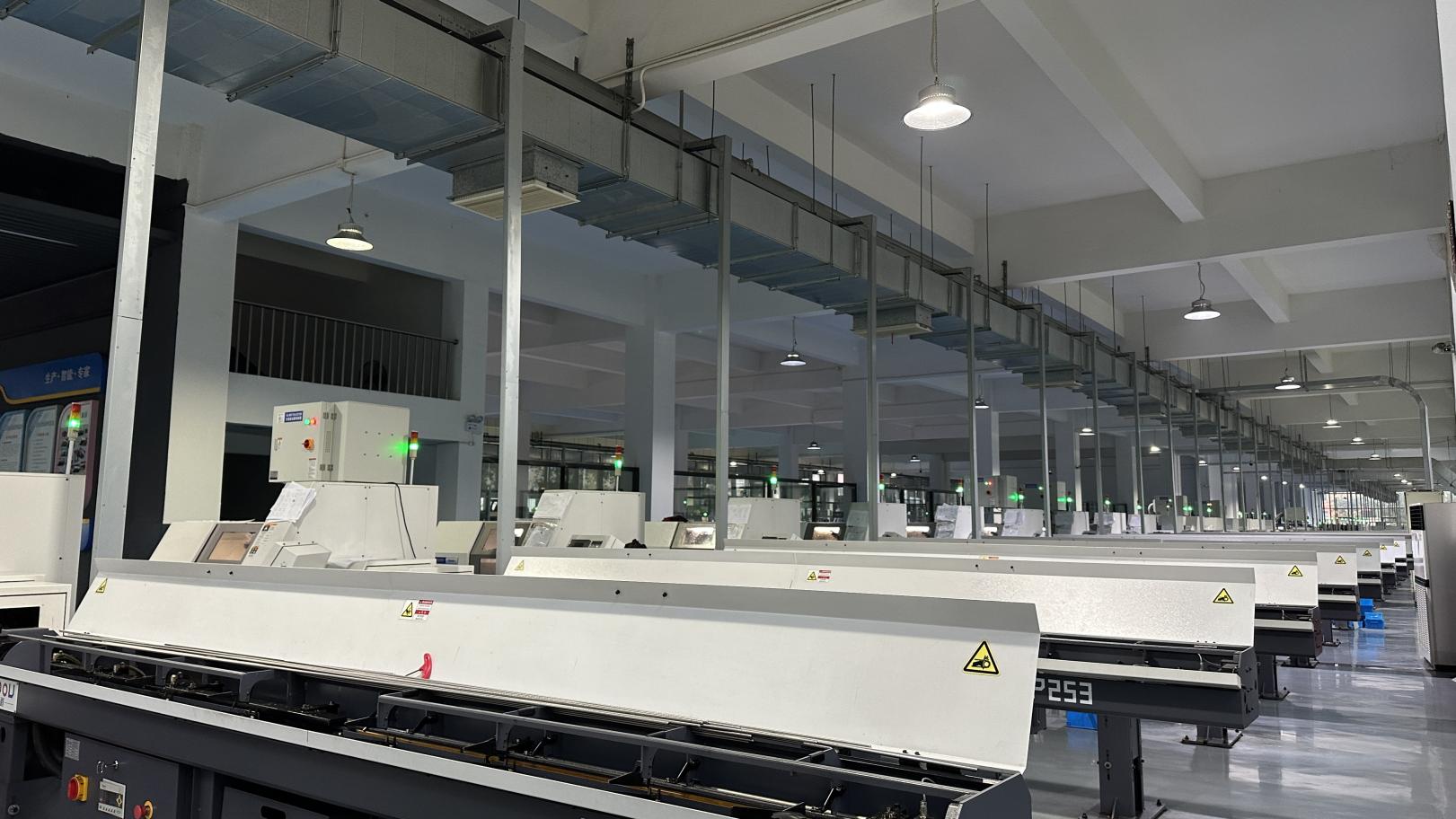
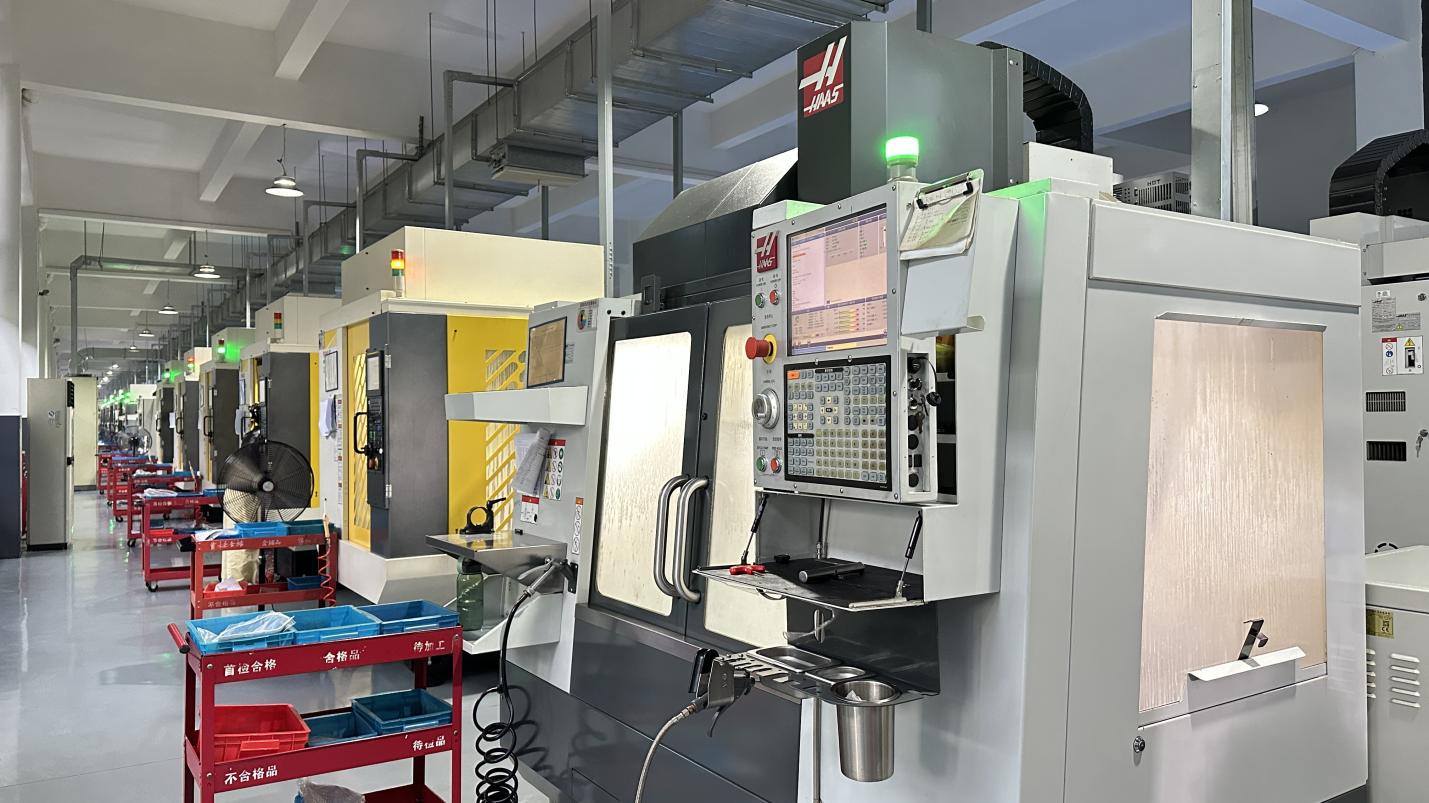
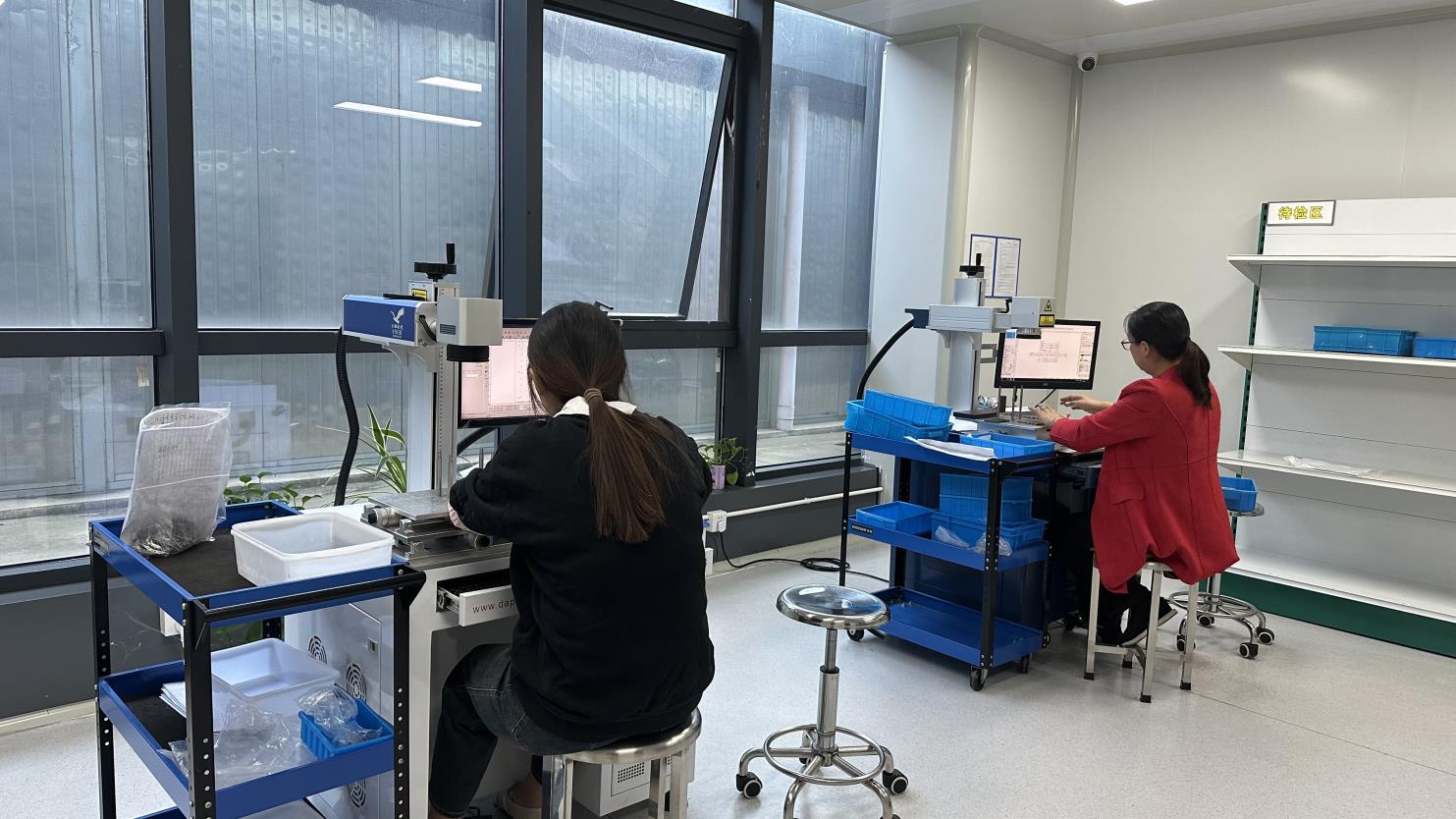
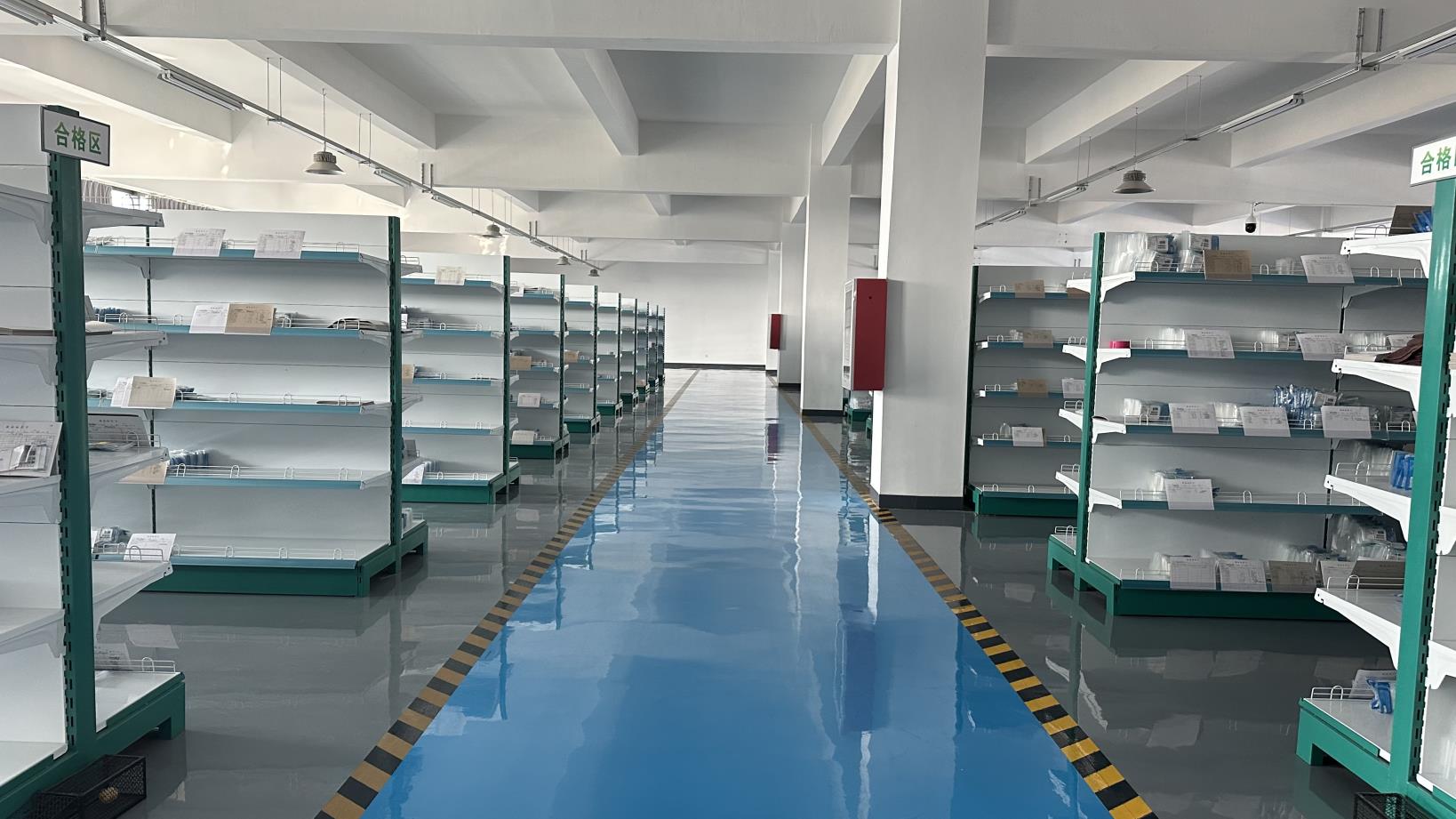
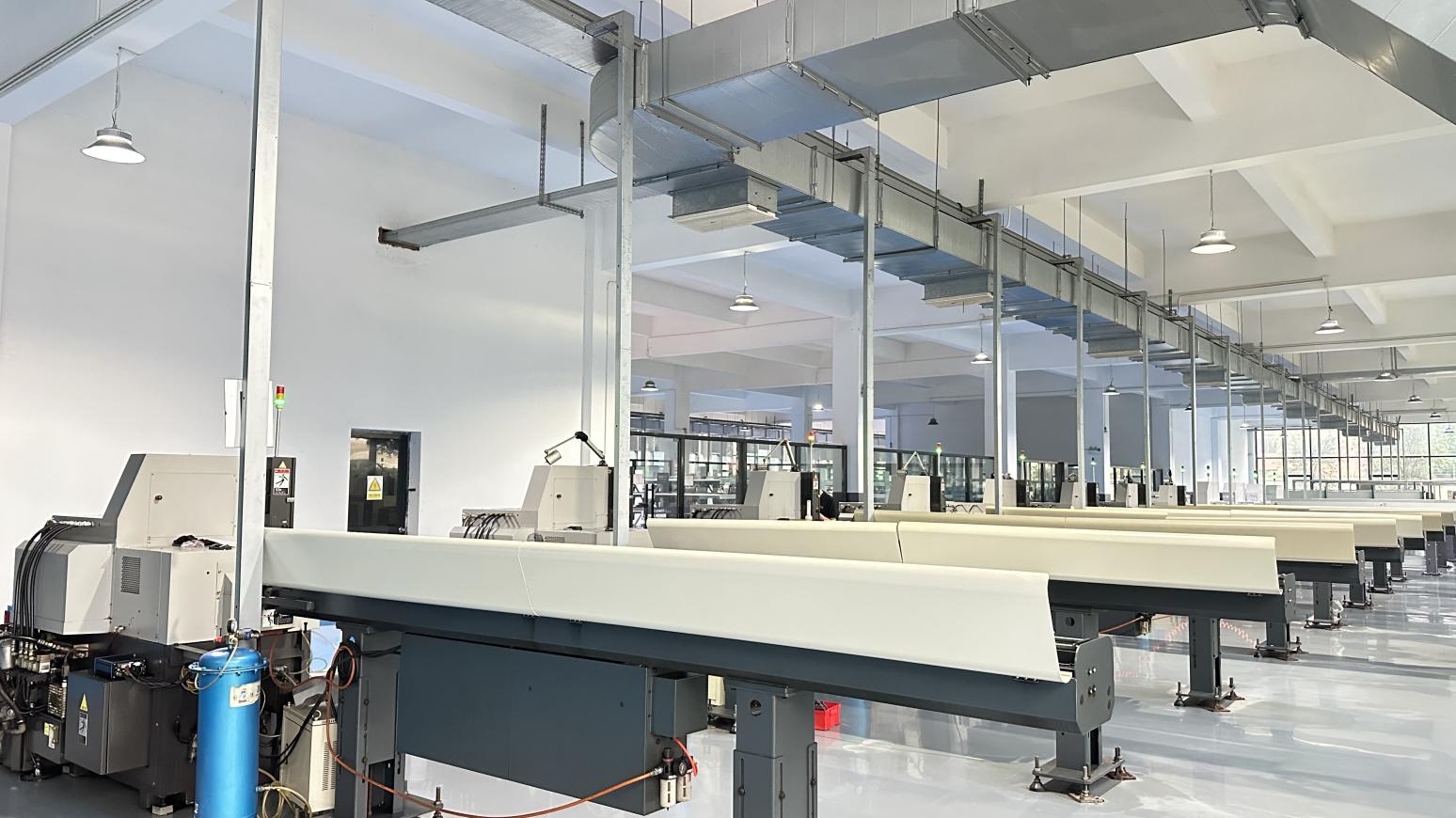
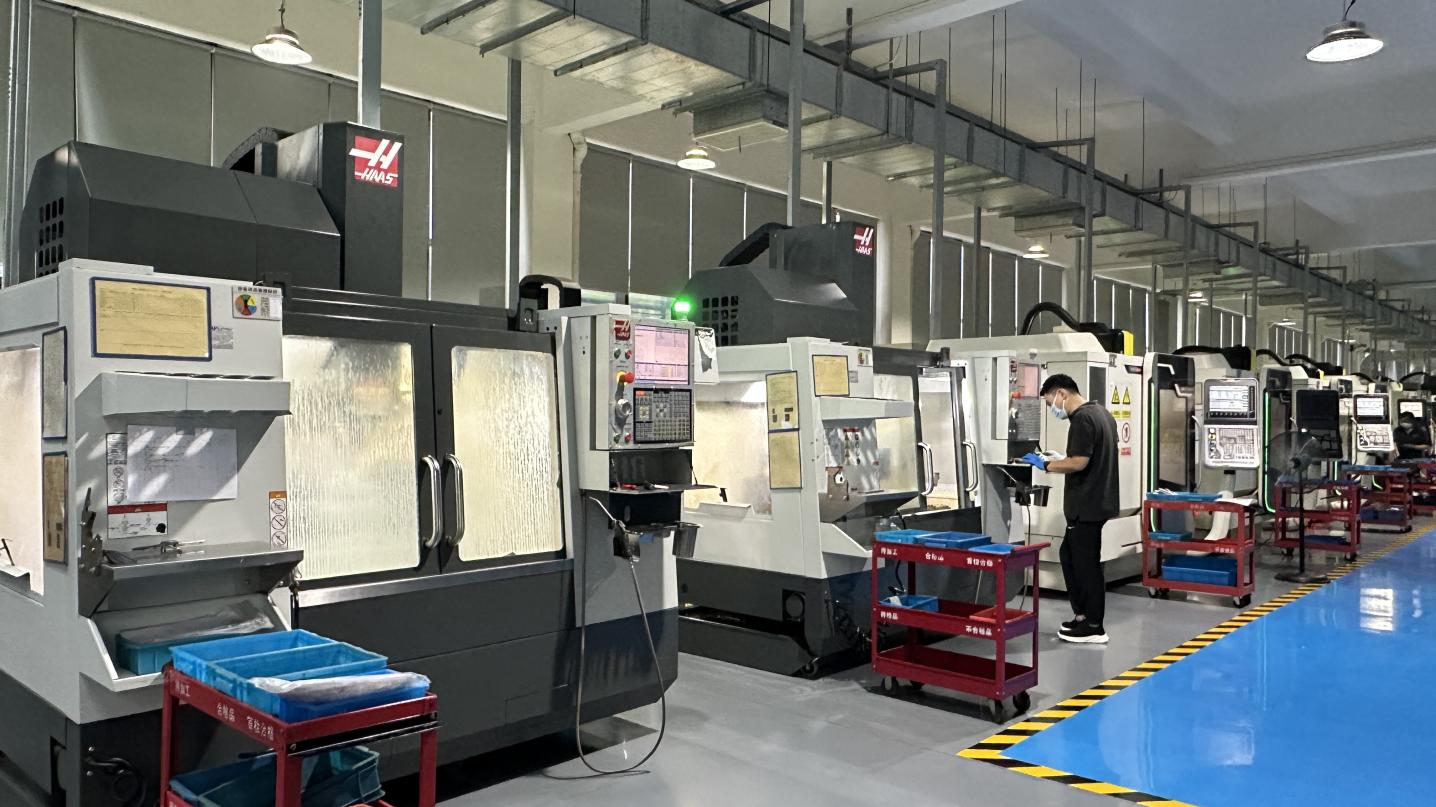
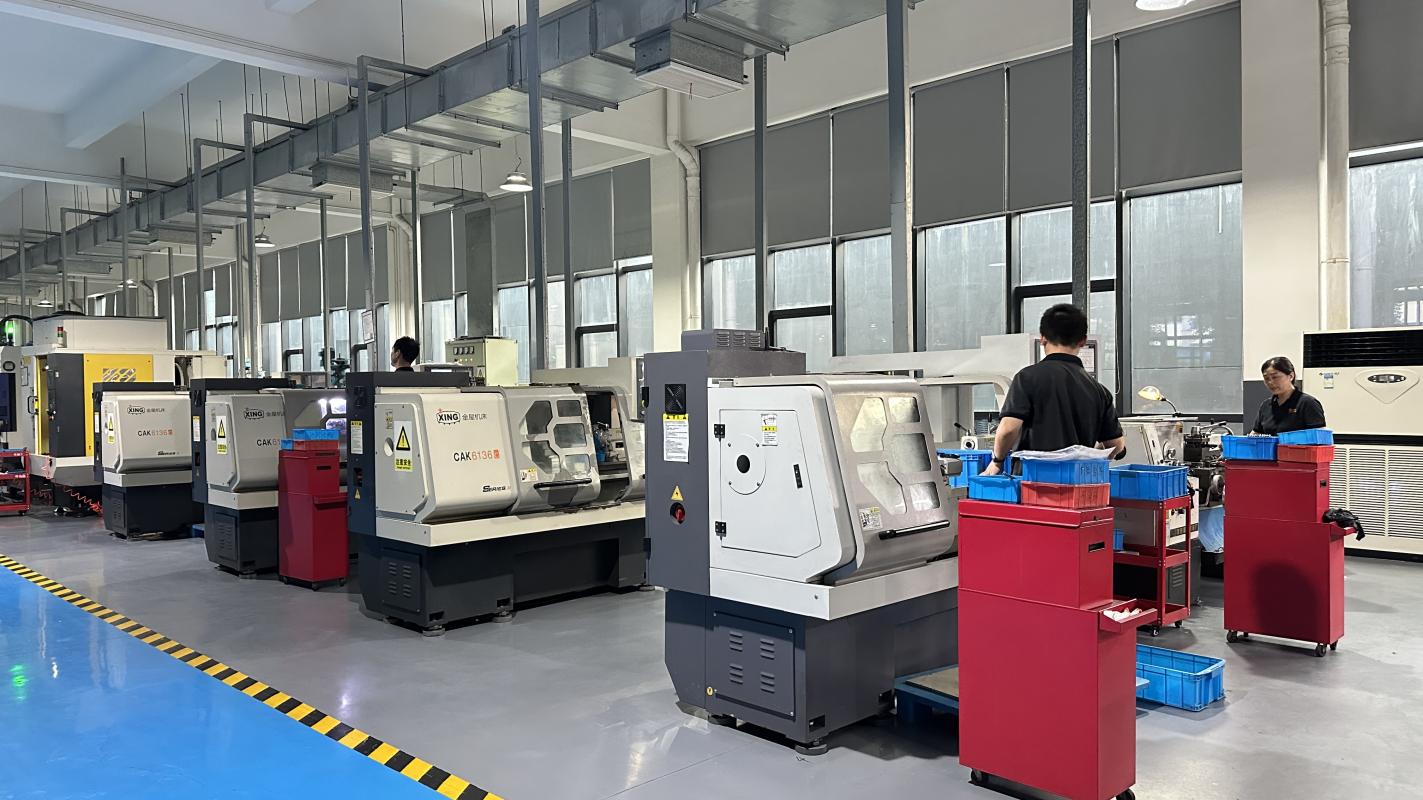
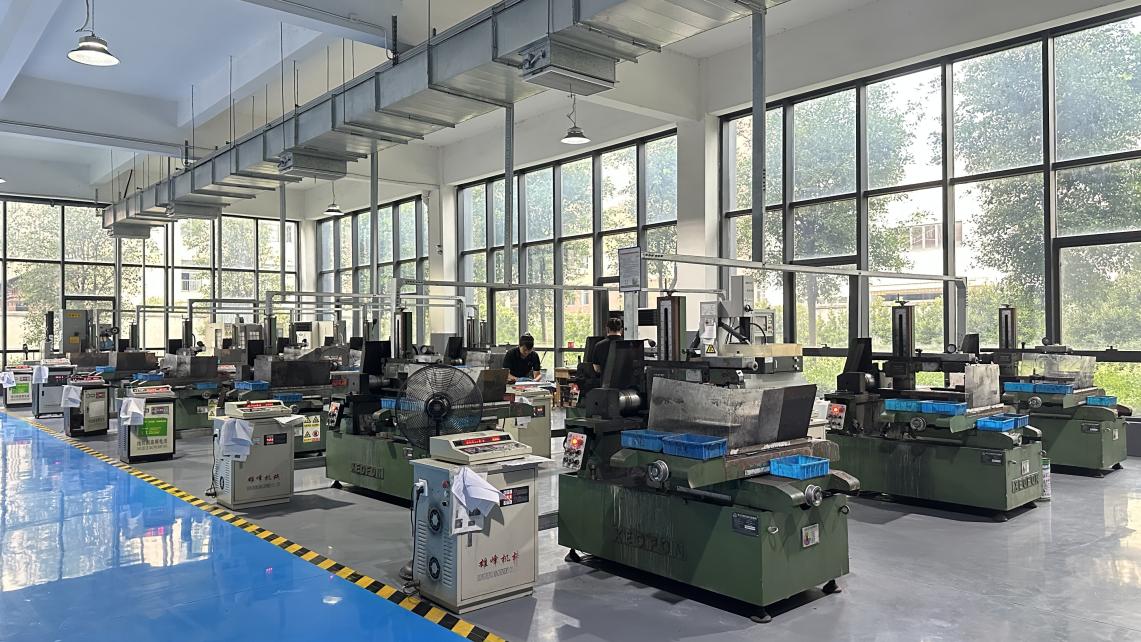
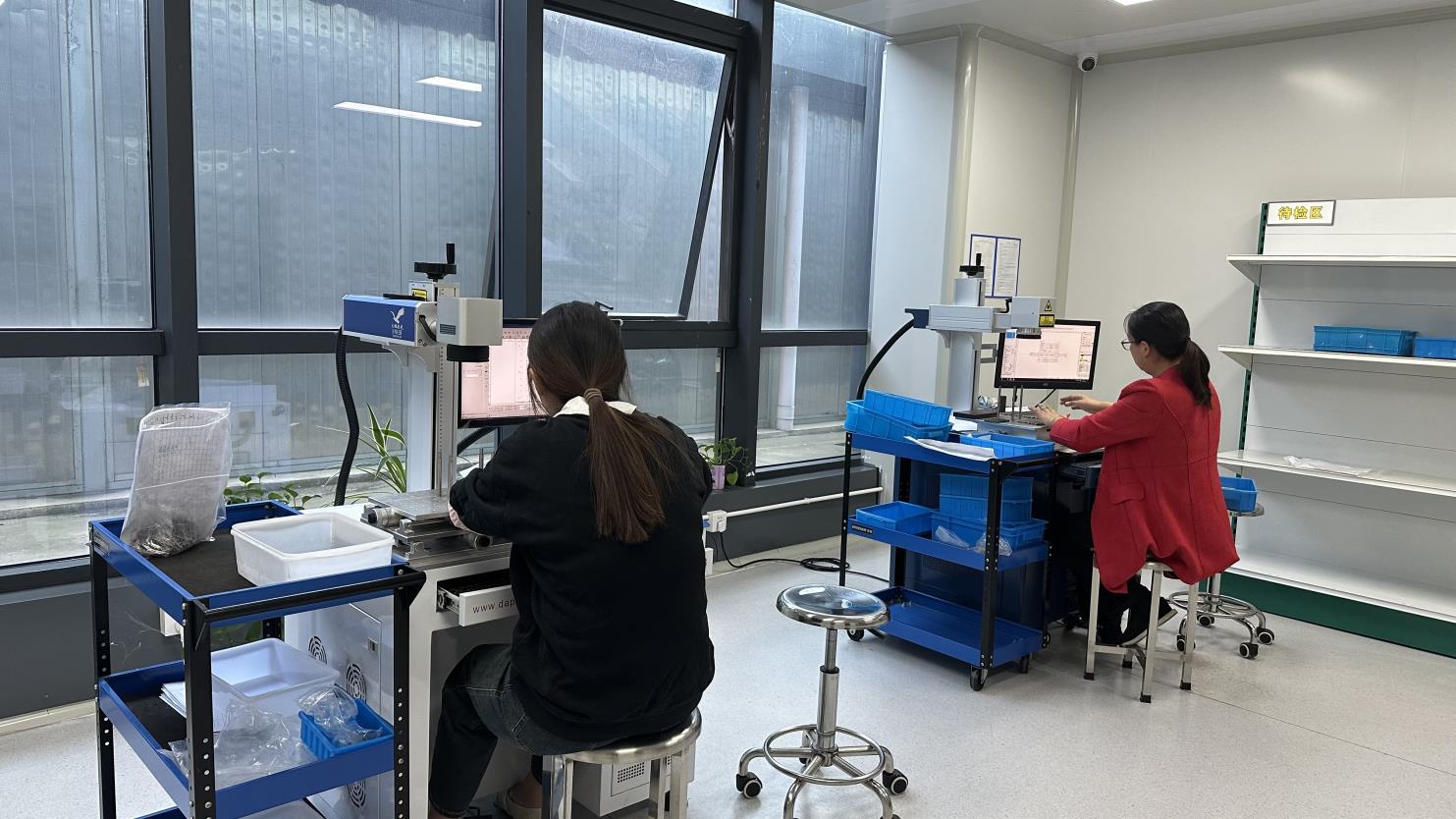
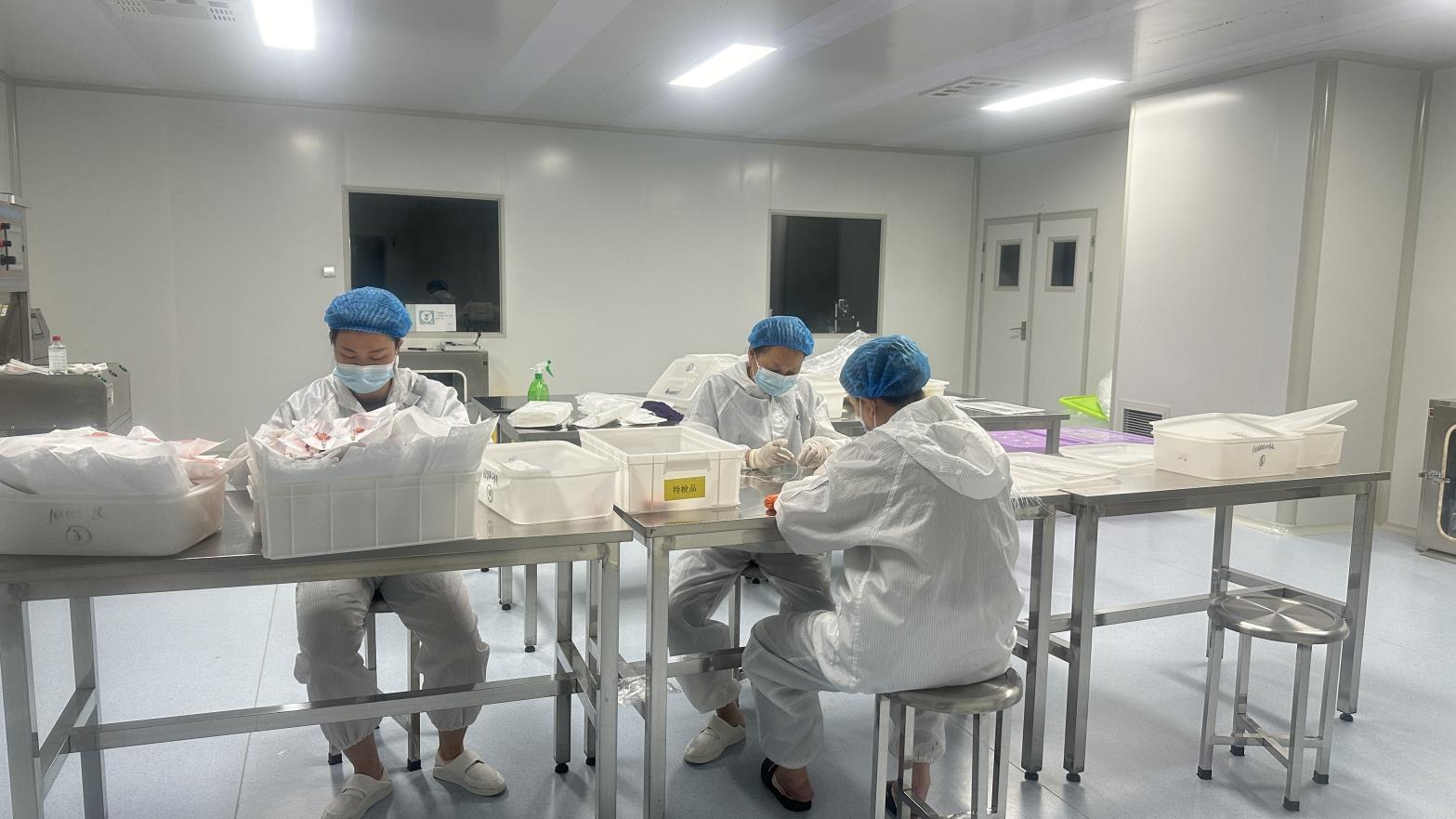
A closer look inside Bonevia's advanced fabrication facility, housing state-of-the-art multi-axis CNC machines, wire-cutters, and cleanroom packaging spaces.
Company Profile – Bonevia Orthopedic Technology Co., Ltd.
Bonevia Orthopedic Technology Co., Ltd. is a professional manufacturer specializing in orthopedic implants and surgical solutions, dedicated to advancing innovation in trauma, spine, and joint reconstruction products. Since its establishment in 2015, the company has grown steadily into a trusted supplier in the global orthopedic industry.
With a modern production facility covering approximately 320㎡, Bonevia maintains strict quality management standards and efficient manufacturing processes. The company records an annual export revenue of around USD 8–15 million, supported by 6 years of export experience and over 10 years of overall industry experience.
Quality assurance is a core focus at Bonevia. The company implements multiple inspection methods including incoming material inspection, in-process quality control, and final product testing, supported by a dedicated quality team of 35 professionals. This ensures all products meet international medical device standards.
Bonevia has a solid trade foundation with diversified global distribution networks, serving major markets across Europe, Southeast Asia, the Middle East, and South America. Its supply chain ecosystem includes more than 850 partners, enabling stable raw material sourcing and efficient production delivery.
The company serves a wide range of clients, including hospitals, orthopedic clinics, surgical centers, and medical distributors. Bonevia also demonstrates strong R&D capabilities, offering OEM and ODM customization services to meet specific clinical requirements.
In the past year, Bonevia successfully launched 120 new product designs, supported by a research and development team of 85 engineers, continuously driving innovation in orthopedic implant systems and surgical instruments.
Comprehensive orthopedic logistics and engineering support tailored for distributors and surgical centers in Sydney and greater NSW.
We supply critical hospital operations with flexible, customizable trauma systems. Whether supplying to private orthopedists in Macquarie Park or managing public inventory for NSW Health tenders, our flexible volume and design processes guarantee smooth integration. We offer comprehensive surgical instrumentation sets, custom screw diameters, and locking configuration alterations to support distinct patient demographics.
Our global partnership base, spanning over 850 distributors and clinics, relies on our capacity to scale production swiftly without sacrificing quality. From mechanical modeling and prototype development down to mechanical stress test reporting, we ensure every new device behaves predictably under physiological loads.
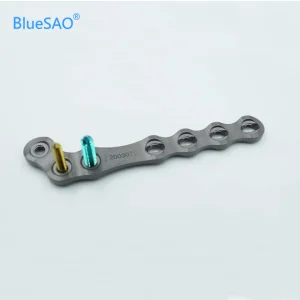
Micro-grained Titanium Matrix: Resists micro-motion and implant migration under dynamic stress loads.
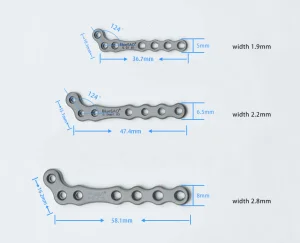
Anatomical Low-Profile Outline: Eliminates soft tissue irritation post-operation, removing the necessity of subsequent hardware removals.
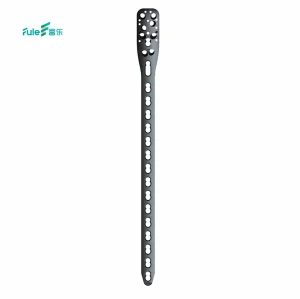
Dynamic Compression: Combined locking and compression holes provide anatomical stability and adjustable osteotomy compression values.
Detailed insight into material behaviors, fatigue resistance, and micro-locking mechanism dynamics for clinicians.
One of the primary concerns in trauma implant design is mitigating stress shielding. Stress shielding occurs when a metallic implant carries a disproportionate amount of physical load, leaving the adjacent bone structure un-stimulated, which leads to bone resorption. In comparison to traditional stainless steel (316L, elastic modulus ~200 GPa), titanium alloy (Ti-6Al-4V ELI, elastic modulus ~110 GPa) offers a profile closer to cortical bone (~10-30 GPa). This enables healthy micro-strain transfers during post-operative weight-bearing, which stimulates bone remodeling and faster consolidation.
Traditional compression plates rely on friction between the bone surface and the plate, generated by screw tightening. In contrast, locking plates create a fixed-angle construct where the screw head threads directly into the plate hole. This eliminates the necessity of compressing the plate to the bone, preserving periosteal vascularity, which is crucial for early fracture healing. In osteopenic or highly comminuted bone fragments where traditional screw purchase is weak, the locking construct acts as an external fixator internally, dispersing shear stresses across the entire length of the construct and preventing hardware failure.
Clear, direct answers for procurement coordinators, clinic directors, and trauma specialists regarding compliance, quality, and ordering.
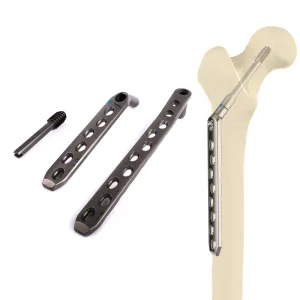
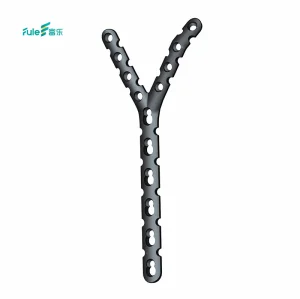
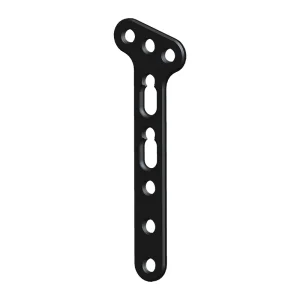
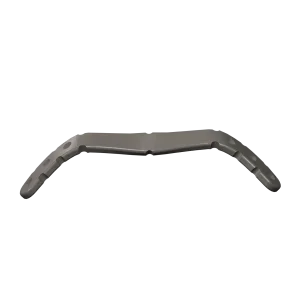
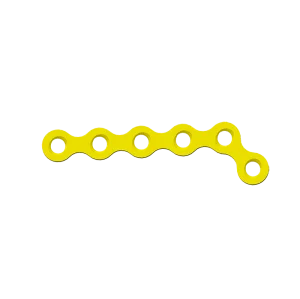
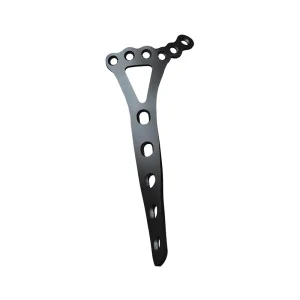
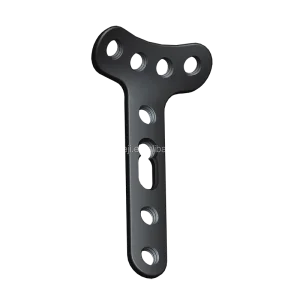
Explore the full range of bone plates, dynamic hip screw systems, and specialized extremity implants certified for trauma fixation.