 Bonevia
Bonevia
Bonevia
Explore our premium selection of medical-grade trauma fixation systems specifically optimized to meet the anatomical fit and clinical standards demanded by South Korea's advanced orthopedic surgical centers.
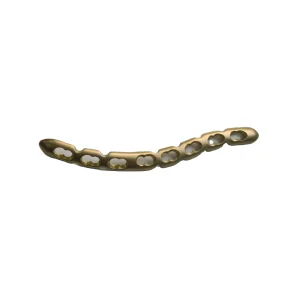
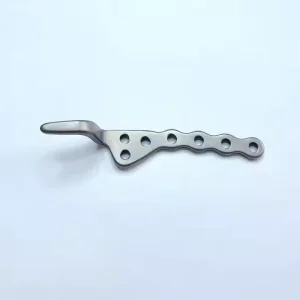
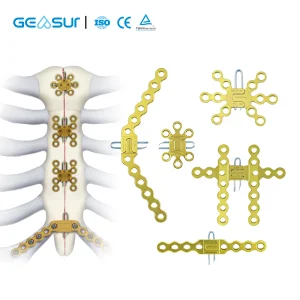
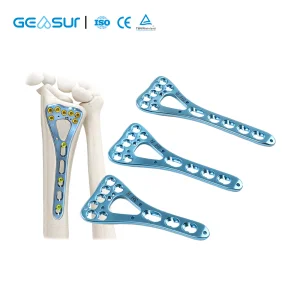
South Korea represents one of the most technologically advanced and rapidly aging medical device markets globally. The demand for orthopedic trauma implants has seen steady, compounding growth, driven by a demographic shift towards a super-aged society (where individuals aged 65 and above represent over 20% of the total population). Clinicians in South Korean orthopedic centers, including prominent tertiary care institutions like Seoul National University Hospital (SNUH), Asan Medical Center, and Severance Hospital, expect implants that combine mechanical resilience with extreme anatomical accuracy.
In the South Korean trauma ecosystem, internal fixation solutions using titanium alloy plate systems must address specific clinical challenges. With osteoporotic bone fractures on the rise, primary demands center on advanced stabilization systems. Polyaxial and variable-angle locking technologies are highly sought after by local surgeons to enable customized screw placement through damaged metaphyseal bone sections without compromising biomechanical pull-out strength.
Furthermore, South Korea's Ministry of Food and Drug Safety (MFDS) regulates orthopedic implants strictly as Class II and Class III medical devices. Importers and global partners must demonstrate robust Quality Management Systems (QMS) matching KGMP (Korea Good Manufacturing Practice) provisions, highlighting the value of working with manufacturers that run under strict global quality control standardizations.
By aligning our high-end manufacturing facility with international medical criteria, we deliver consistent quality that meets both Korean clinical expectations and strict international regulatory guidelines.
Technology integration is driving the modernization of the Korean orthopedic sector. Key developments include:
1. Anatomy-Specific Contoured Designs: Modern surgical trends dictate minimal intraoperative bending of plates. Anatomic pre-contouring minimizes soft-tissue irritation, shortens operation times, and lowers the risk of hardware failure. Our systems are engineered using anatomical datasets to guarantee optimal fitting on Asian bone structures.
2. Biocompatibility and Surface Enhancements: Micro-anodization processes are standard for high-performance titanium implants to mitigate cold welding risk and enhance tissue integration. Type II anodization provides a hardened surface structure, minimizing friction and metallic wear particle release.
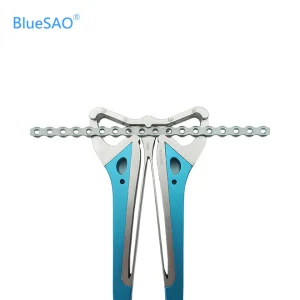
3. Minimally Invasive Percutaneous Osteosynthesis (MIPO) Support: Radiotranslucent carbon fiber target guides and low-profile plate tips allow surgeons to slip implants beneath soft tissue layers easily. This preserves the local blood supply around fractured bones, speeding up overall healing rates.
Procurement directors and commercial medical supply distributors looking to enter or scale in the South Korean market prioritize suppliers offering comprehensive regulatory documentation. This includes material certification sheets (Grade 5 Titanium / Ti-6Al-4V ELI conforming to ASTM F136), cleanroom validation reports conforming to ISO 14644 (Class 10,000 / ISO Class 7 cleanrooms), fatigue testing certifications conforming to ASTM F382 standards, and full supply chain traceability from raw ingot to sterilized container.
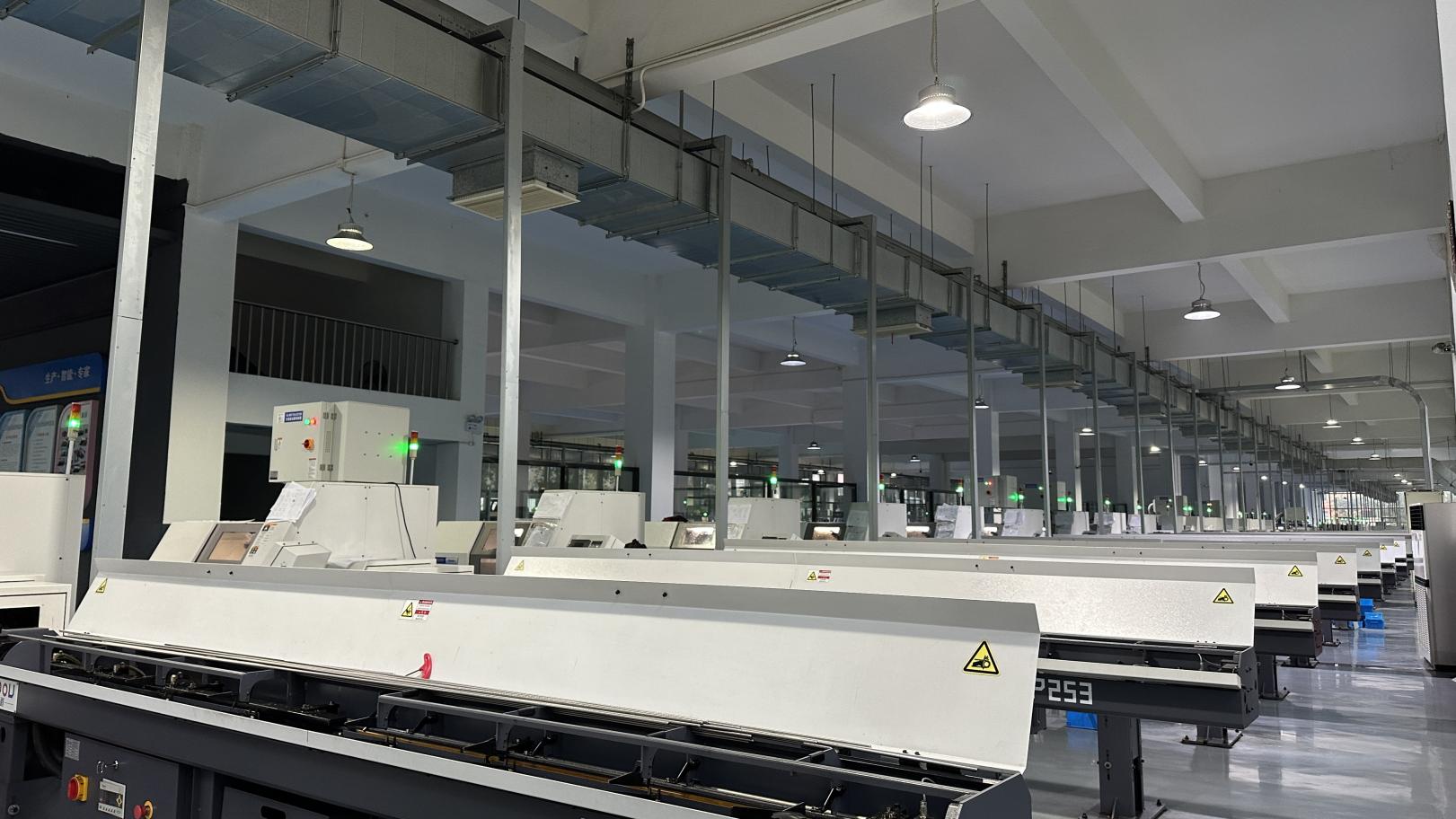
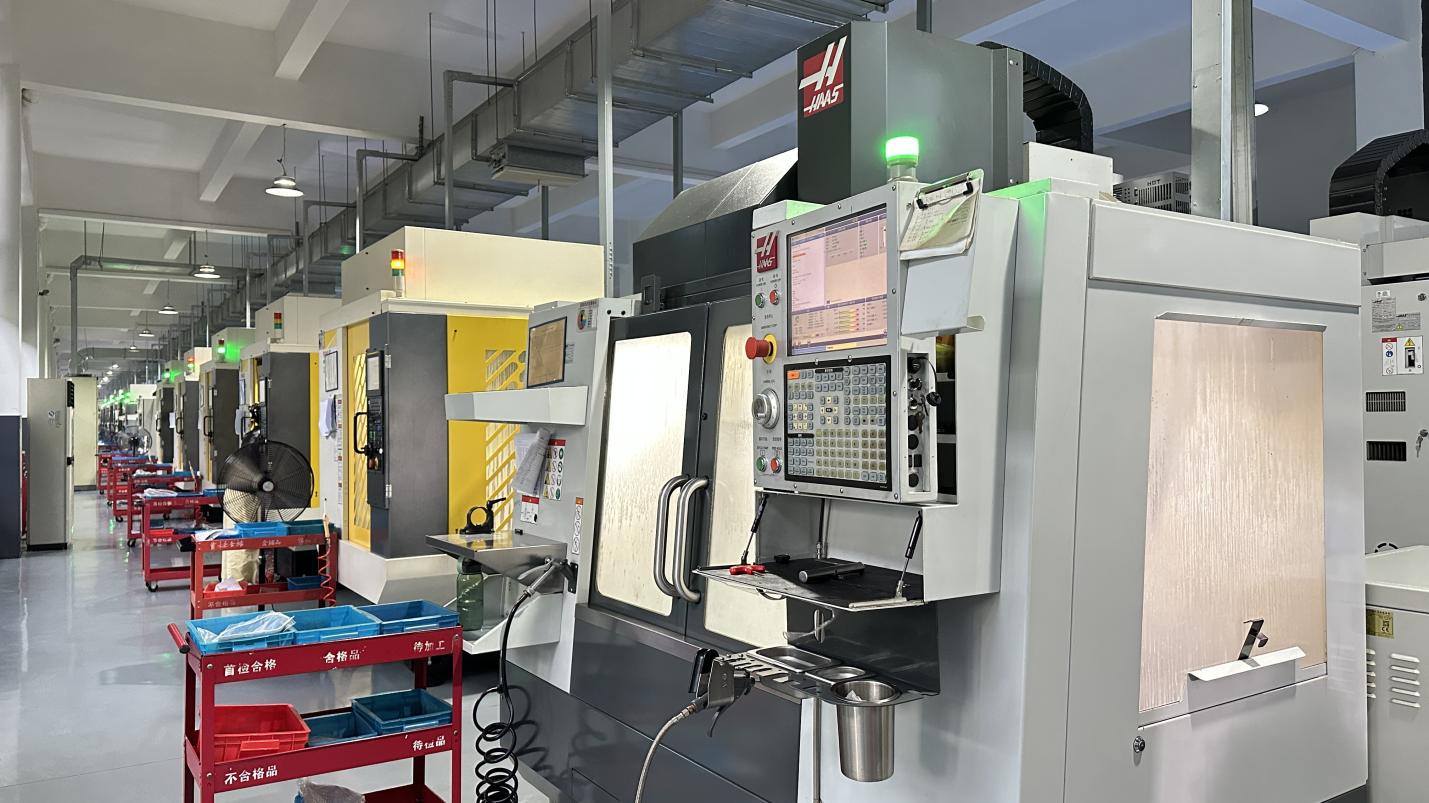
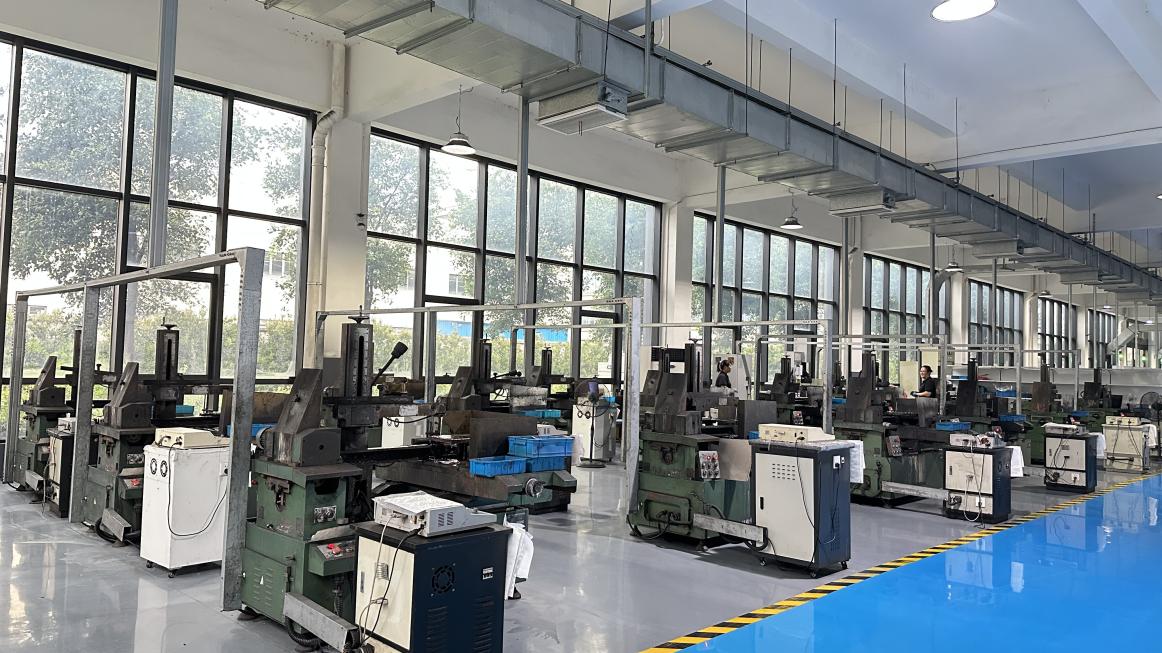
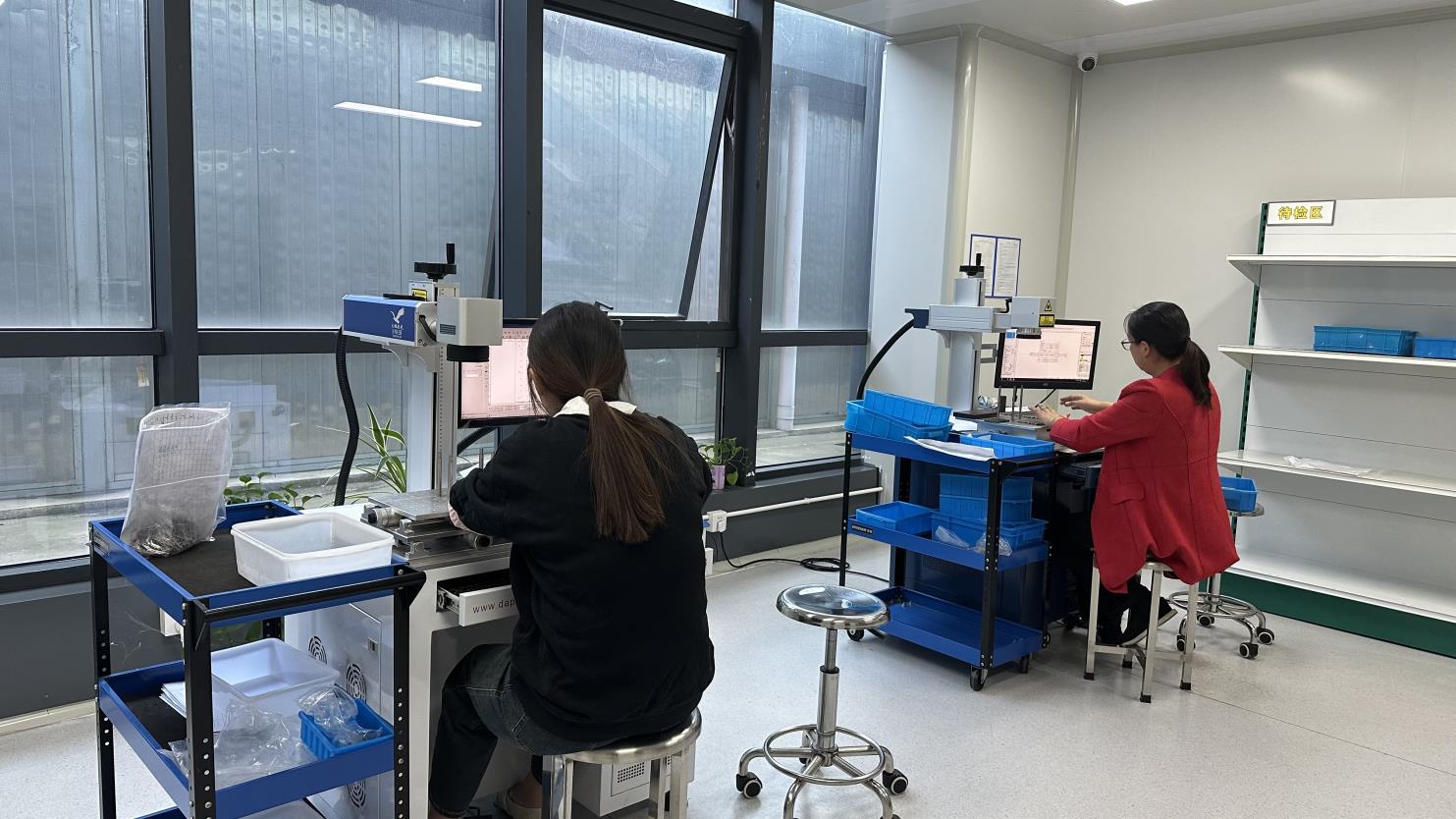
Our state-of-the-art facility utilizes automated CNC lines, wire cutting, and rigorous inspections to yield trauma plates and surgical instruments of exceptional dimensional accuracy and structural integrity.
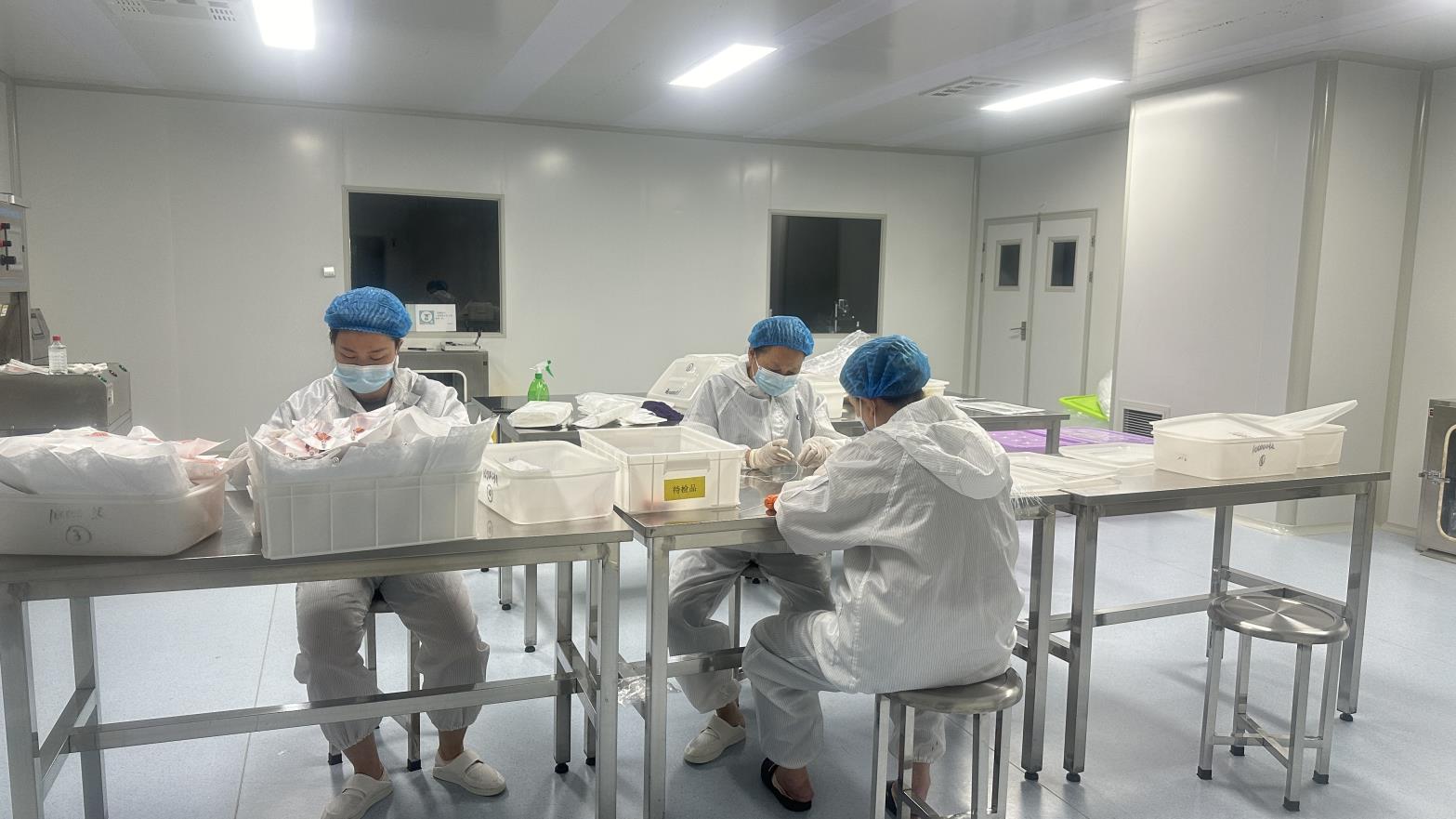
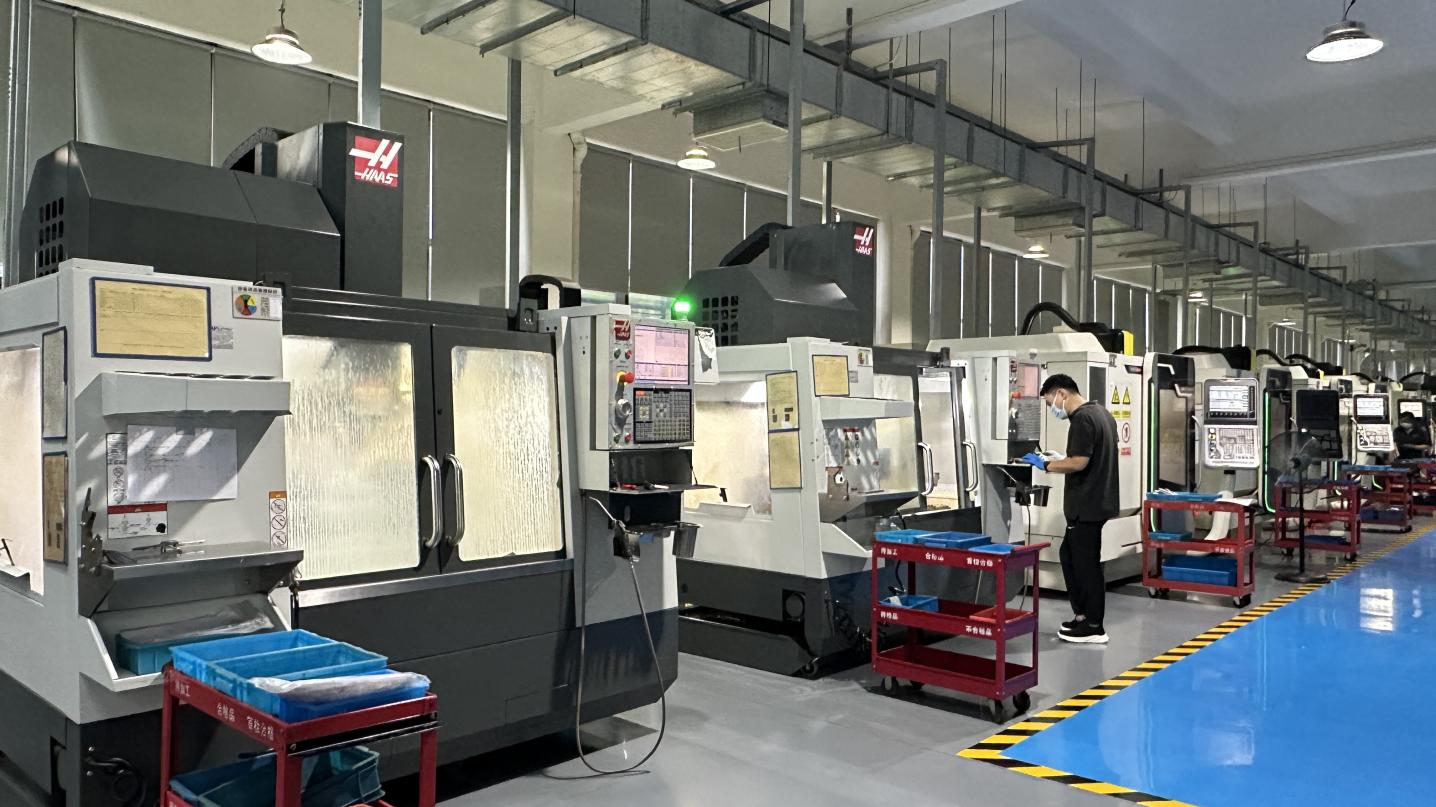
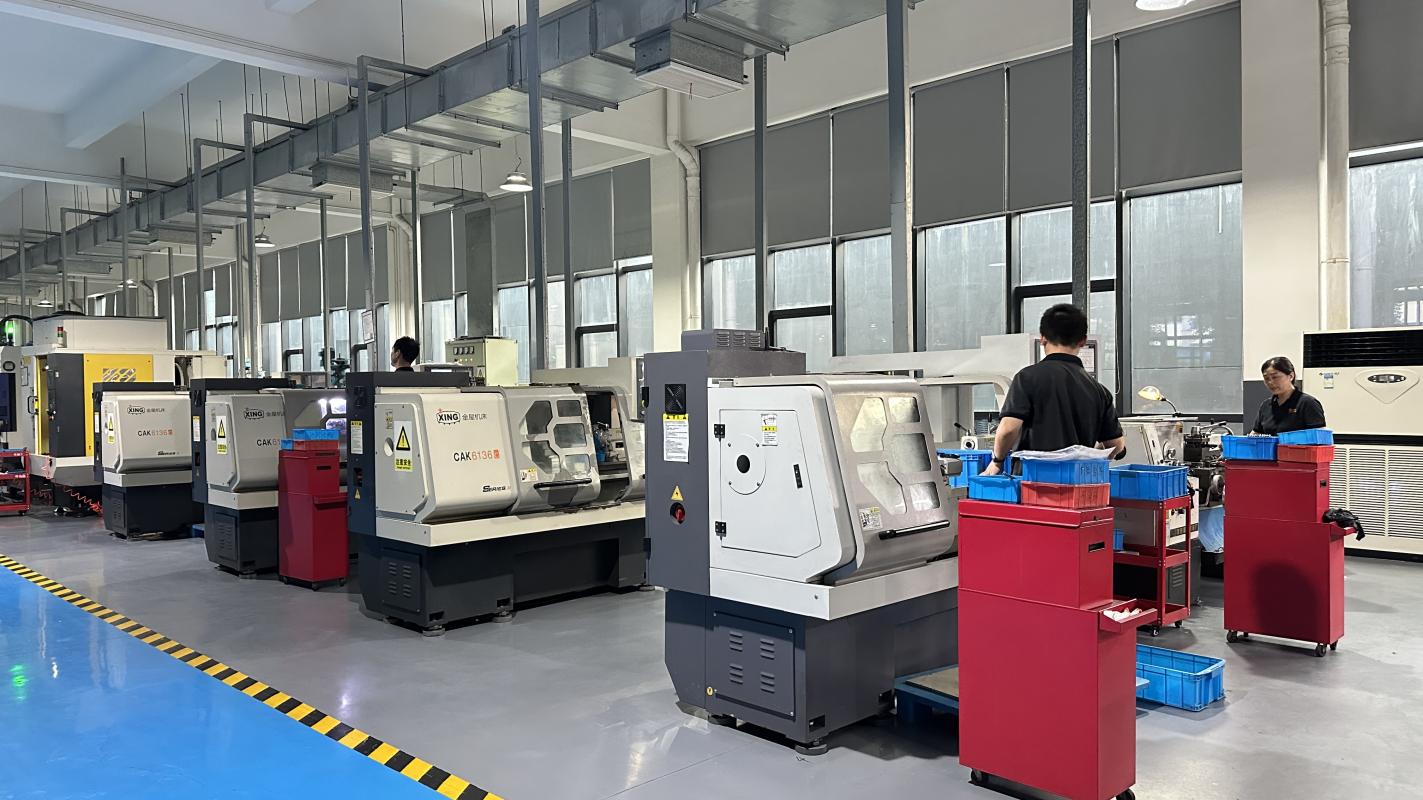
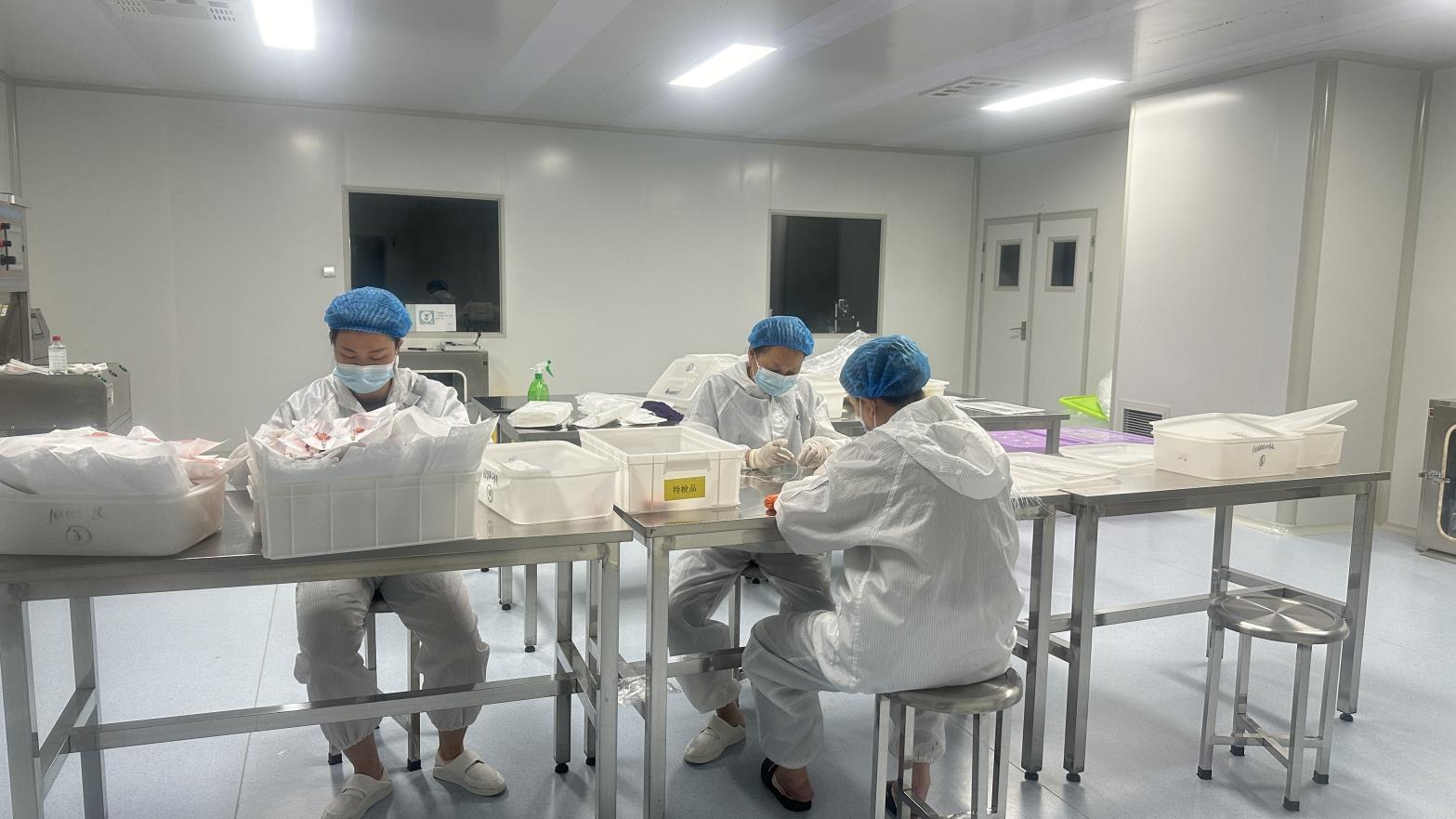
Bonevia Orthopedic Technology Co., Ltd. is an ISO 13485-certified manufacturer specializing in high-precision orthopedic implants and surgical solutions. We are dedicated to advancing innovation in trauma osteosynthesis, spine stabilization, and joint reconstruction. Since our establishment in 2015, Bonevia has grown into a trusted global supplier for healthcare providers, clinical distributors, and OEM/ODM partners.
With a modern production facility spanning over 3,200 m² (including controlled-environment cleanrooms), Bonevia integrates advanced manufacturing technology with stringent quality assurance processes. We record an annual export revenue of USD 8–15 million, backed by 6 years of specialized medical device export operations and over 10 years of clinical industry experience.
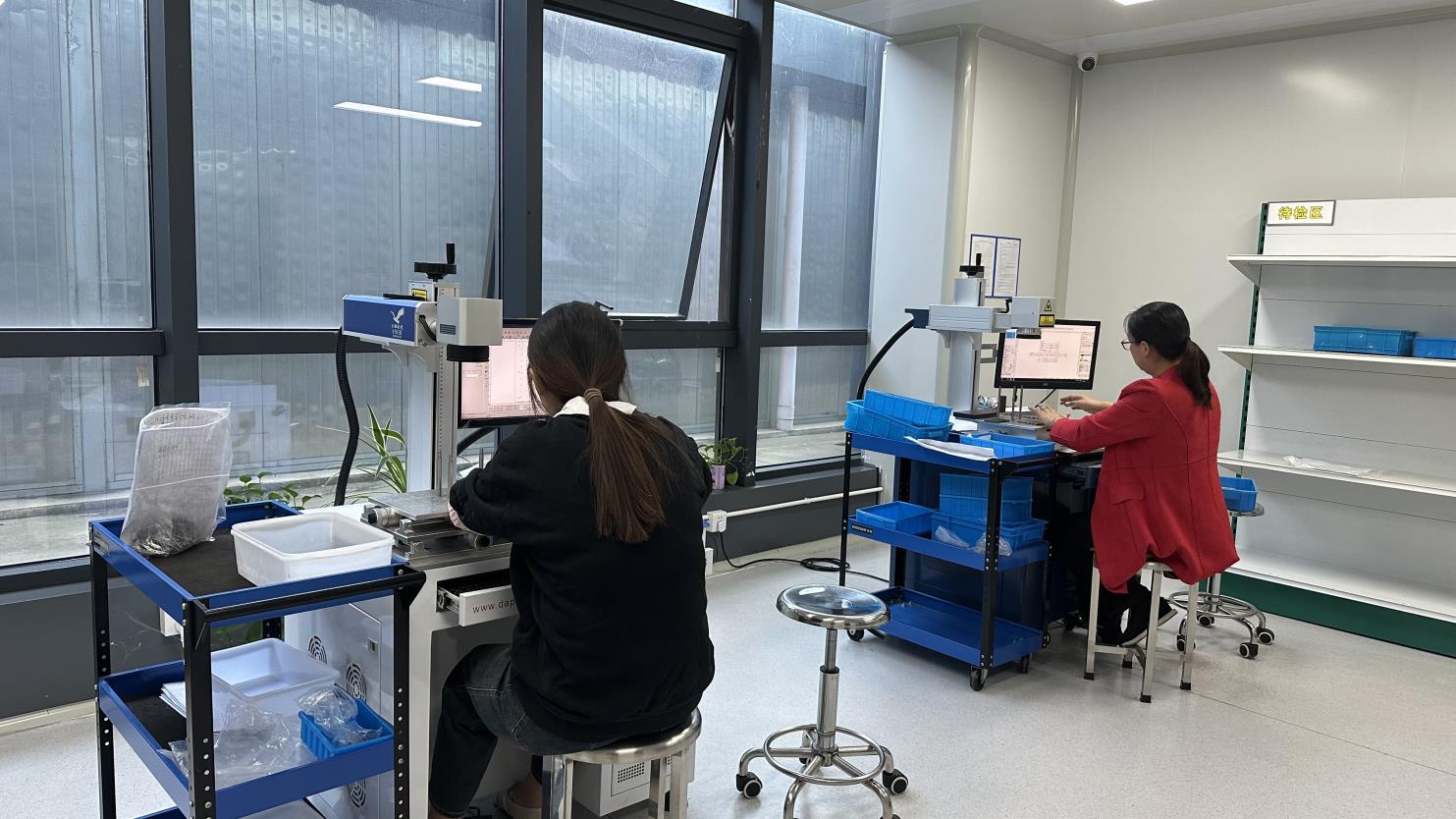
Quality control is central to our operations. Our QC team of 35 professionals conducts incoming raw material inspection, in-process quality control (IPQC), and final validation testing. With a specialized R&D team of 85 engineers, Bonevia introduced 120 new product designs last year alone, demonstrating our commitment to clinical and technological advancement.
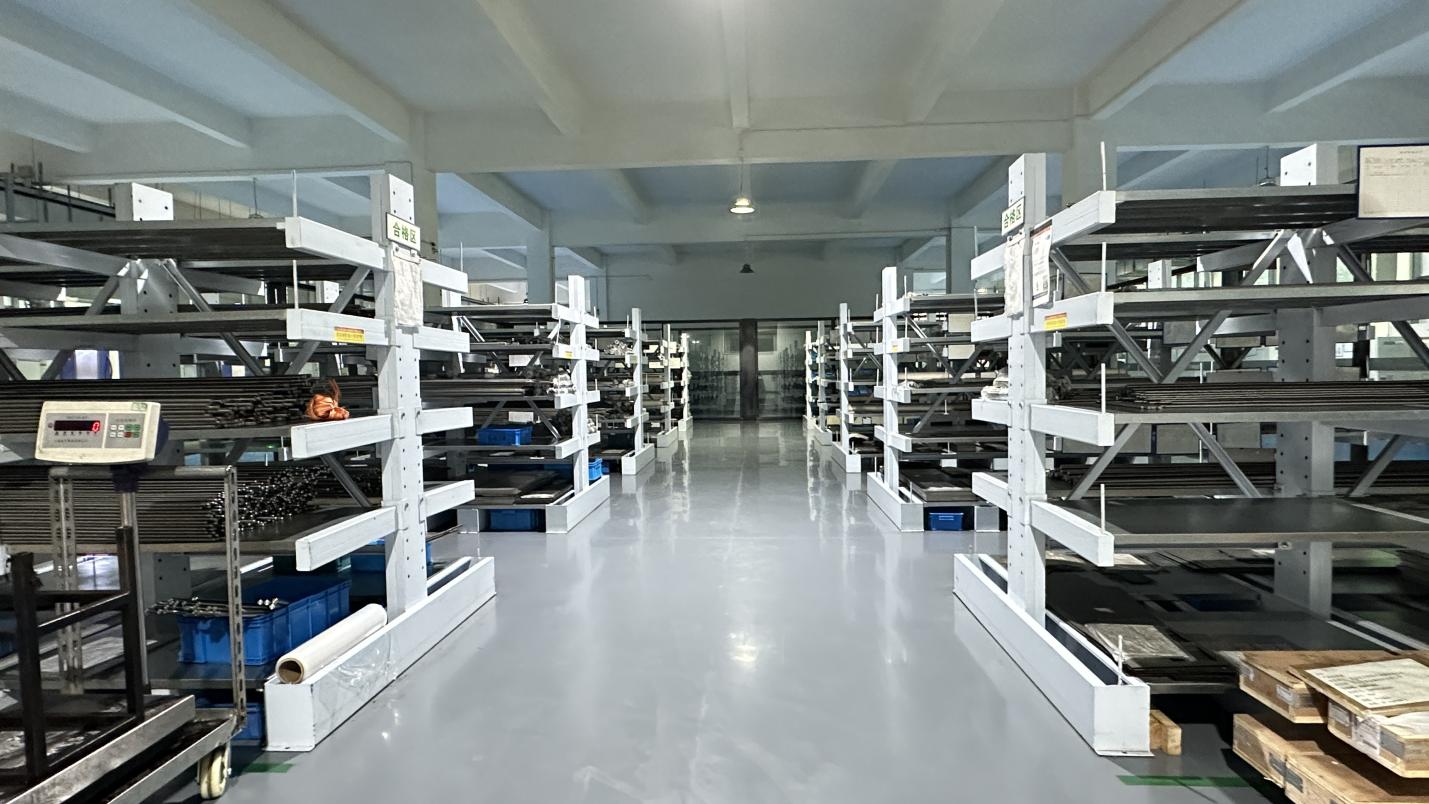
Our manufacturing floor features multi-axis CNC machines and automated wire-cutting equipment capable of producing intricate geometries and high-tolerance locking screw-plate interfaces. This precision is essential for matching the high clinical and regulatory standards of the South Korean market.
Our quality management protocols require every production lot to undergo optical comparator verification, coordinate measuring machine (CMM) testing, and automated roughness testing. Our anodization lines apply protective oxide barriers to the titanium implants, ensuring excellent biocompatibility, corrosion resistance, and safety during long-term skeletal integration.
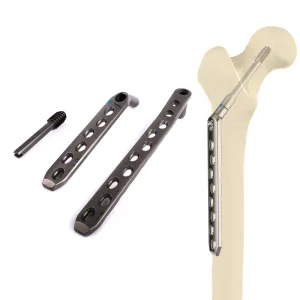
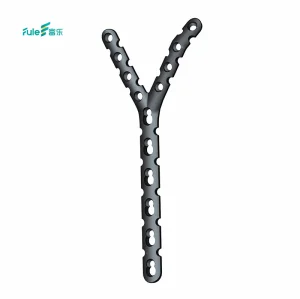
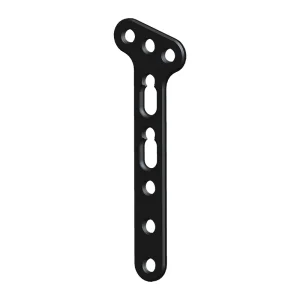
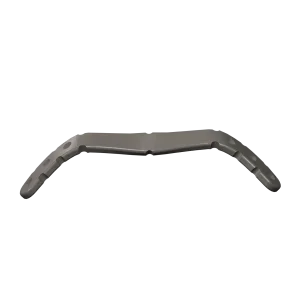
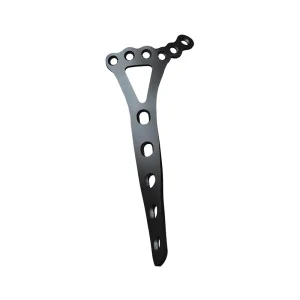
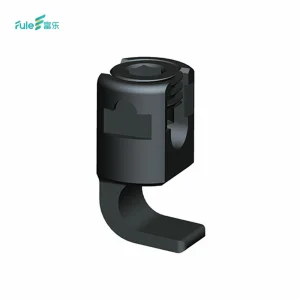
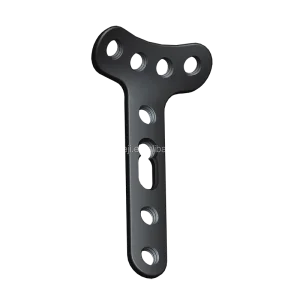
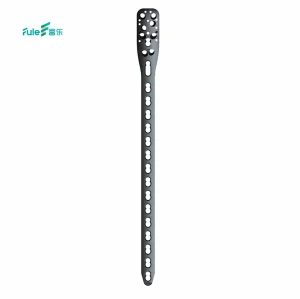
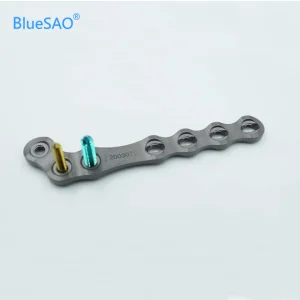
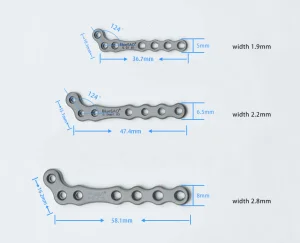
Browse our range of anatomical locking plates, hip fracture fixation devices, and veterinary implants designed to meet international orthopedic standards.

Successfully introducing orthopedic implants into South Korea's medical device supply chain requires adherence to local regulatory frameworks. The regulatory process, overseen by the Ministry of Food and Drug Safety (MFDS), involves several key requirements:
1. Local License Holder (L-Holder Representative): Foreign manufacturers must work with a licensed local distributor or register through an authorized third-party representative based in South Korea. This partner is responsible for submitting registration dossiers, managing KGMP audits, and monitoring post-market surveillance.
2. KGMP (Korea Good Manufacturing Practice) Certification: The manufacturing facility must pass KGMP audits, which align with ISO 13485 but include specific requirements for local clinical safety documentation and trace analysis reporting. Our facility is prepared to supply the necessary technical files and process validations for these audits.
3. Standard Technical Documentation (STED): Registration dossiers for Class III implants must use the Summary Technical Documentation format. This file requires raw mechanical testing data, biological safety evaluations (ISO 10993 biocompatibility suite), stability data, and clinical efficacy literature.
Bonevia's continuous R&D program focuses on advancing trauma fixation technology to support complex clinical needs:
1. Bio-absorbable Magnesium Alloys: We are researching biodegradable metals that gradually transfer load to healing bone tissue, reducing the need for secondary hardware removal surgeries.
2. Smart Locking Mechanics: Developing sensor-integrated locking plates to monitor bone strain and healing progress in real-time, providing clinicians with objective recovery data.
3. Additive Manufacturing (3D Printing): Expanding our production capabilities to offer patient-matched, 3D-printed titanium implants for complex structural reconstructions.
Get direct answers to key questions about quality compliance, materials, and international logistics for South Korean imports.
Connect with our R&D and regulatory compliance specialists to discuss your clinical requirements, request product samples, or schedule a technical review.
Send Inquiry Now