Bonevia
Bonevia
Bonevia
Specifically engineered to meet clinical requirements across Romanian public hospitals and regional emergency medical complexes (Spitalele Județene de Urgență).
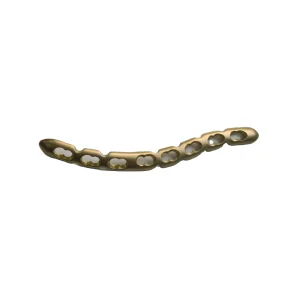
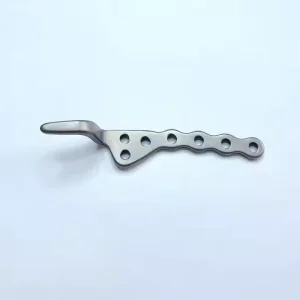
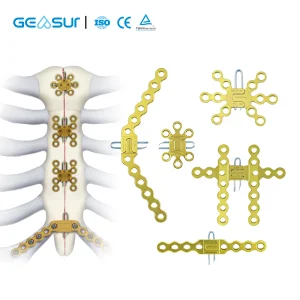
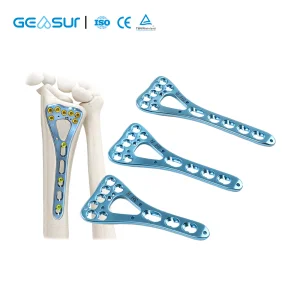
The medical device landscape in Romania is undergoing a rapid modernization phase, propelled by the integration of EU healthcare mandates and the modernization of public hospitals under the National Recovery and Resilience Plan (PNRR). Historically reliant on localized distributors, Romanian clinical purchase networks (acting on behalf of major regional units like Spitalul Clinic de Urgență București Floreasca or Spitalul Județean Timișoara) are increasingly demanding direct manufacturer-to-distributor channels to optimize procurement budgets while maintaining strict regulatory benchmarks.
Within this dynamic, the demand for CE-marked titanium locking plate systems has grown exponentially. As trauma procedures represent the majority of emergency orthopedic surgeries in Romania—driven in part by infrastructural expansion and rising geriatric fracture cases—procurement managers are focusing on dual benchmarks: absolute clinical biocompatibility and cost-efficiency. Under the Casa Națională de Asigurări de Sănătate (CNAS) reimbursement framework, hospitals face strict cost ceilings per surgical case, making direct supply from experienced exporters like Bonevia a strategic imperative.
The contemporary standard of care for long and flat bone fracture fixation dictates the utilization of anatomically pre-contoured locking plates. This mitigates intraoperative plate-bending times and reduces the clinical risk of primary reduction loss. Bonevia's R&D department prioritizes three foundational pillars in implant mechanics:
Utilizing high-resolution CT-scan datasets of European bone morphologies, our engineers optimize plate profiles to achieve a close match with native bone surfaces, reducing soft tissue irritation and hardware prominence in vulnerable sites like the clavicle, distal radius, and ankle.
Incorporating smart combi-holes, our trauma systems allow surgeons the clinical flexibility to insert locking screws at variable angles (up to 15 degrees deviation) for targeted articular fragment stabilization without compromising construct rigidity.
Implants undergo type II anodization (micro-arc oxidation), which results in a denser, highly biocompatible titanium oxide layer. This limits cold welding between screws and plates, facilitates implant removal when necessary, and decreases bacterial colonization rates.
Bonevia Orthopedic Technology Co., Ltd. is a professional manufacturer specializing in orthopedic implants and surgical solutions, dedicated to advancing innovation in trauma, spine, and joint reconstruction products. Since its establishment in 2015, the company has grown steadily into a trusted supplier in the global orthopedic industry.
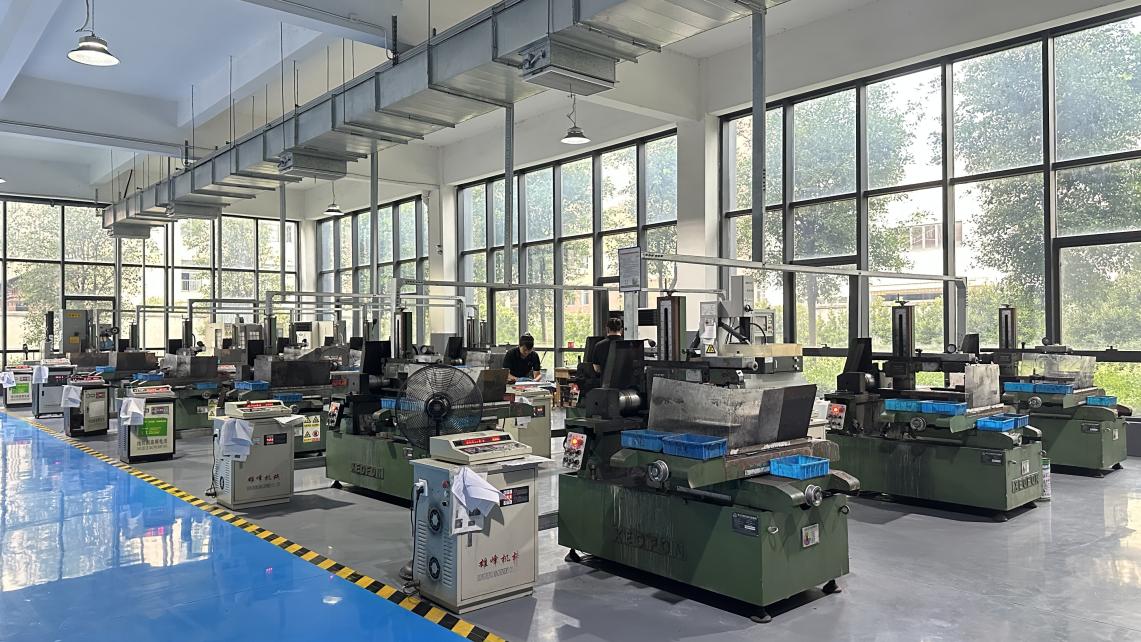
With a modern production facility covering approximately 320㎡, Bonevia maintains strict quality management standards and efficient manufacturing processes. The company records an annual export revenue of around USD 8–15 million, supported by 6 years of export experience and over 10 years of overall industry experience.
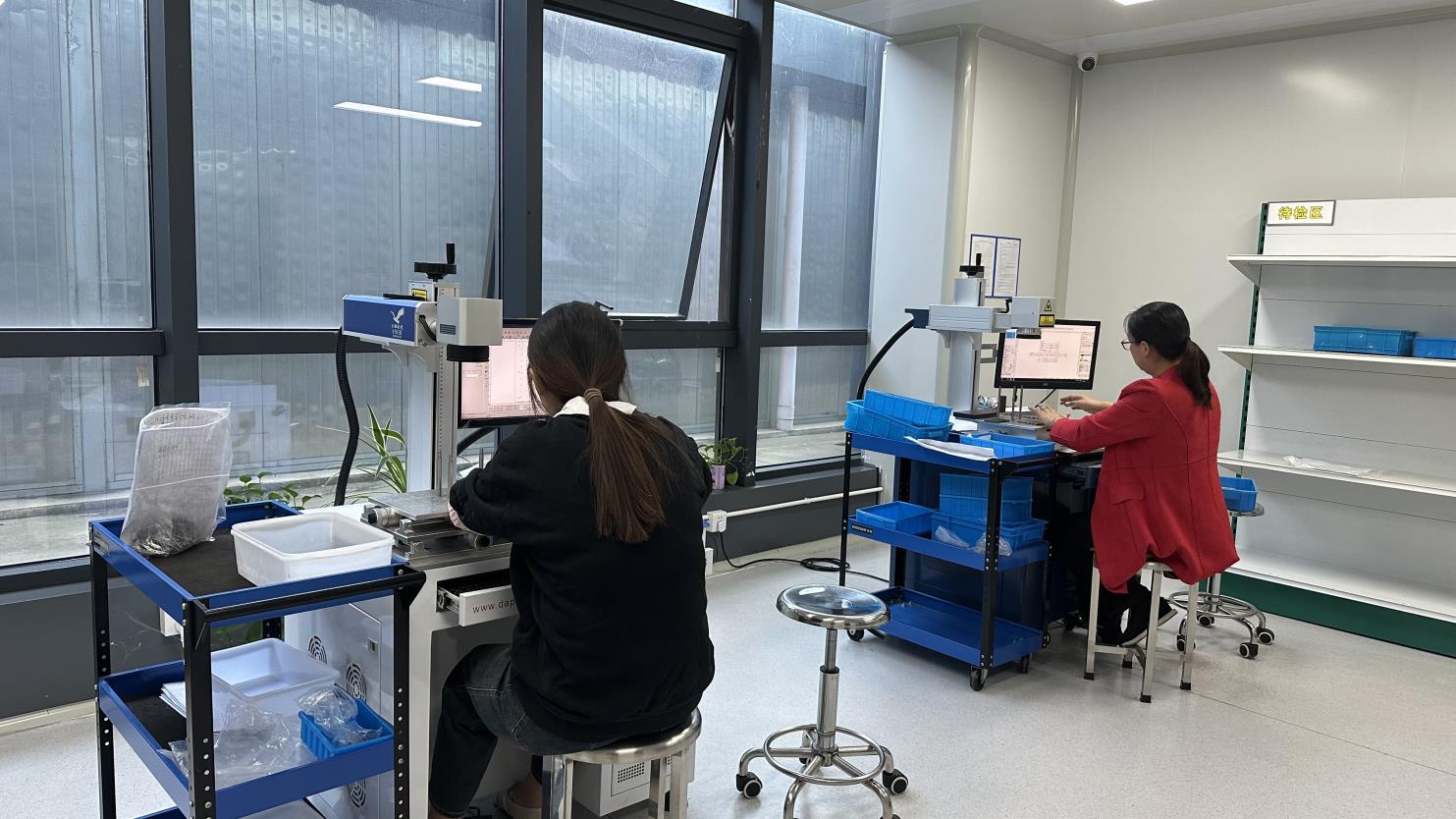
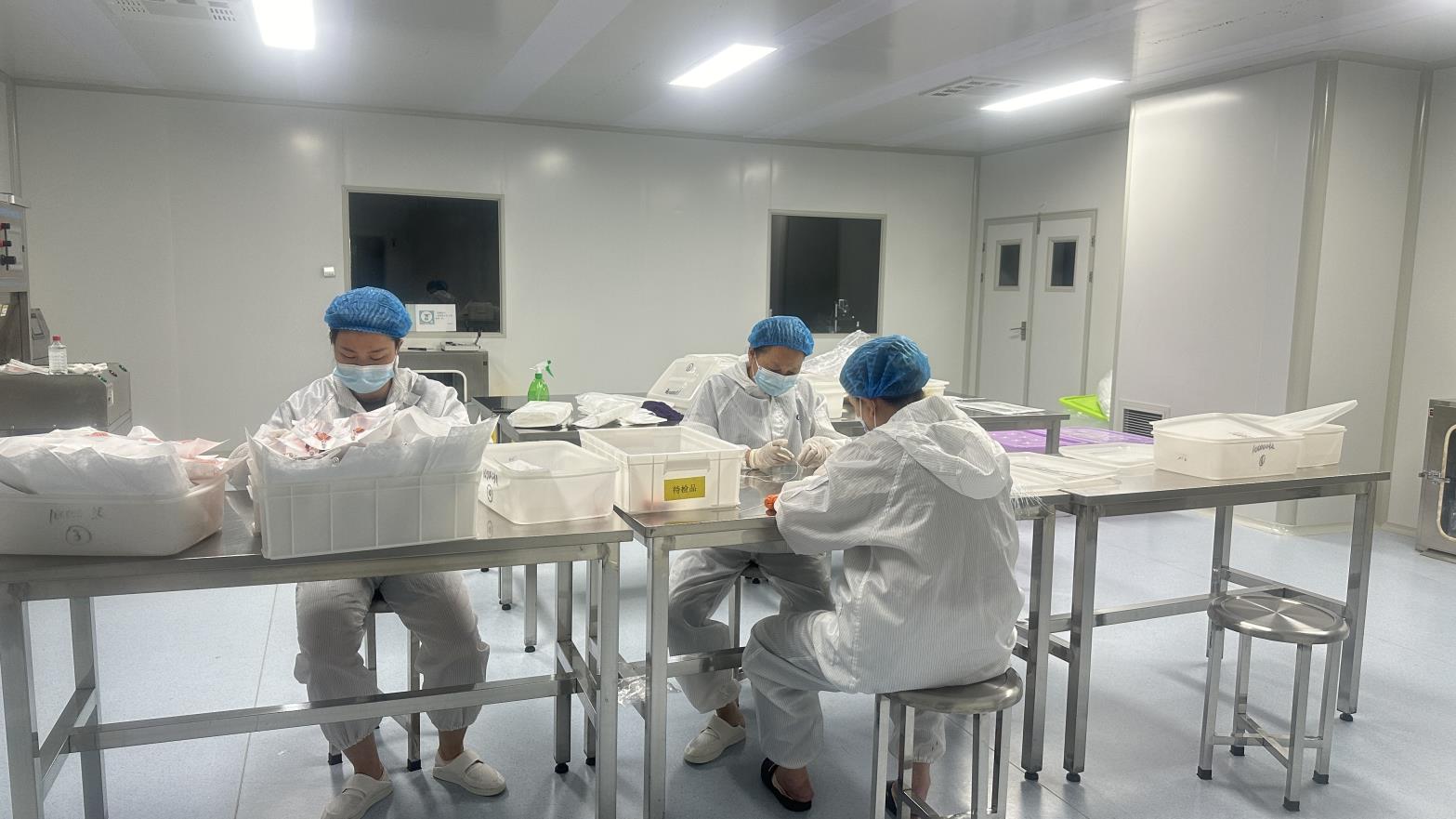
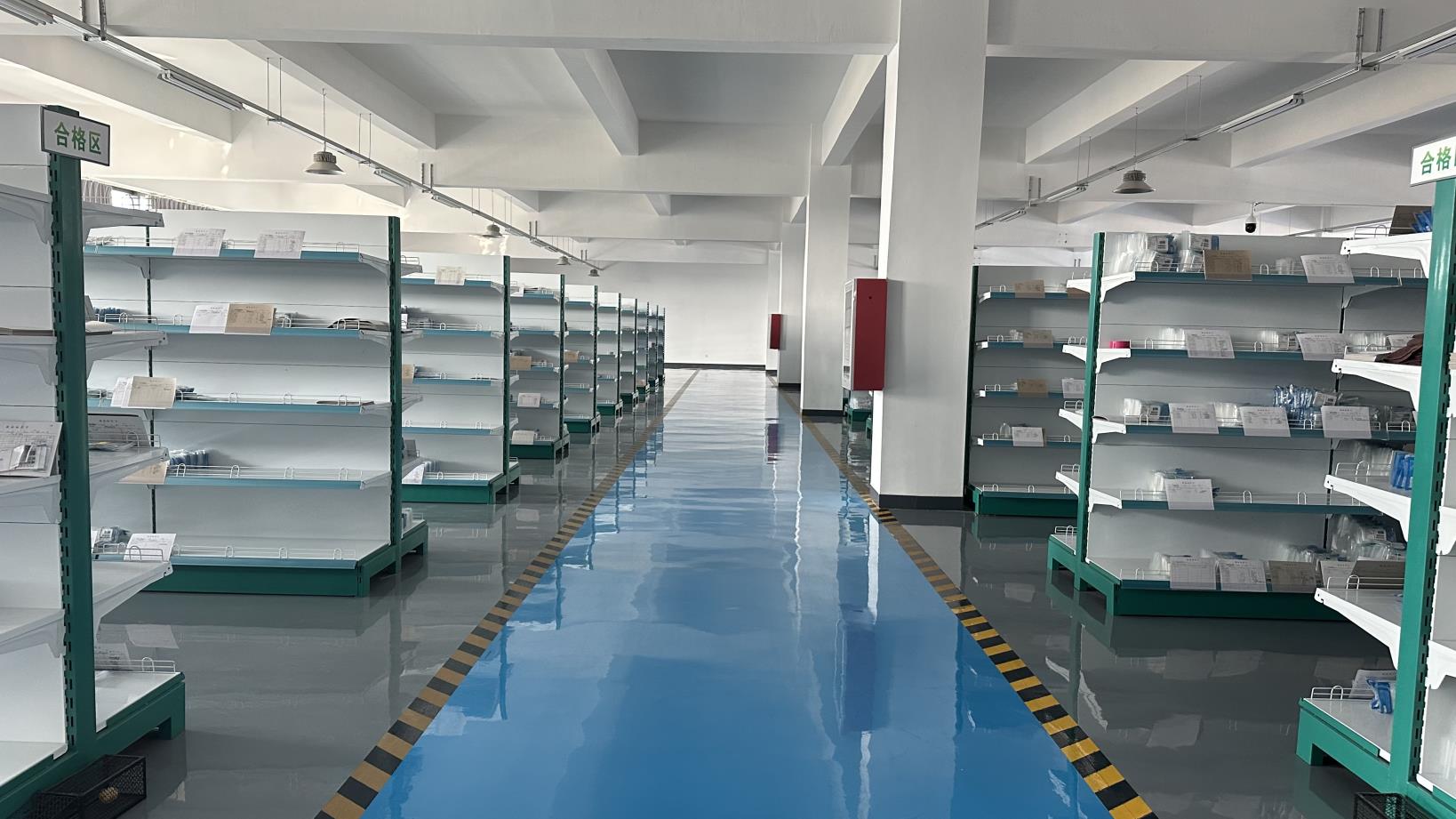
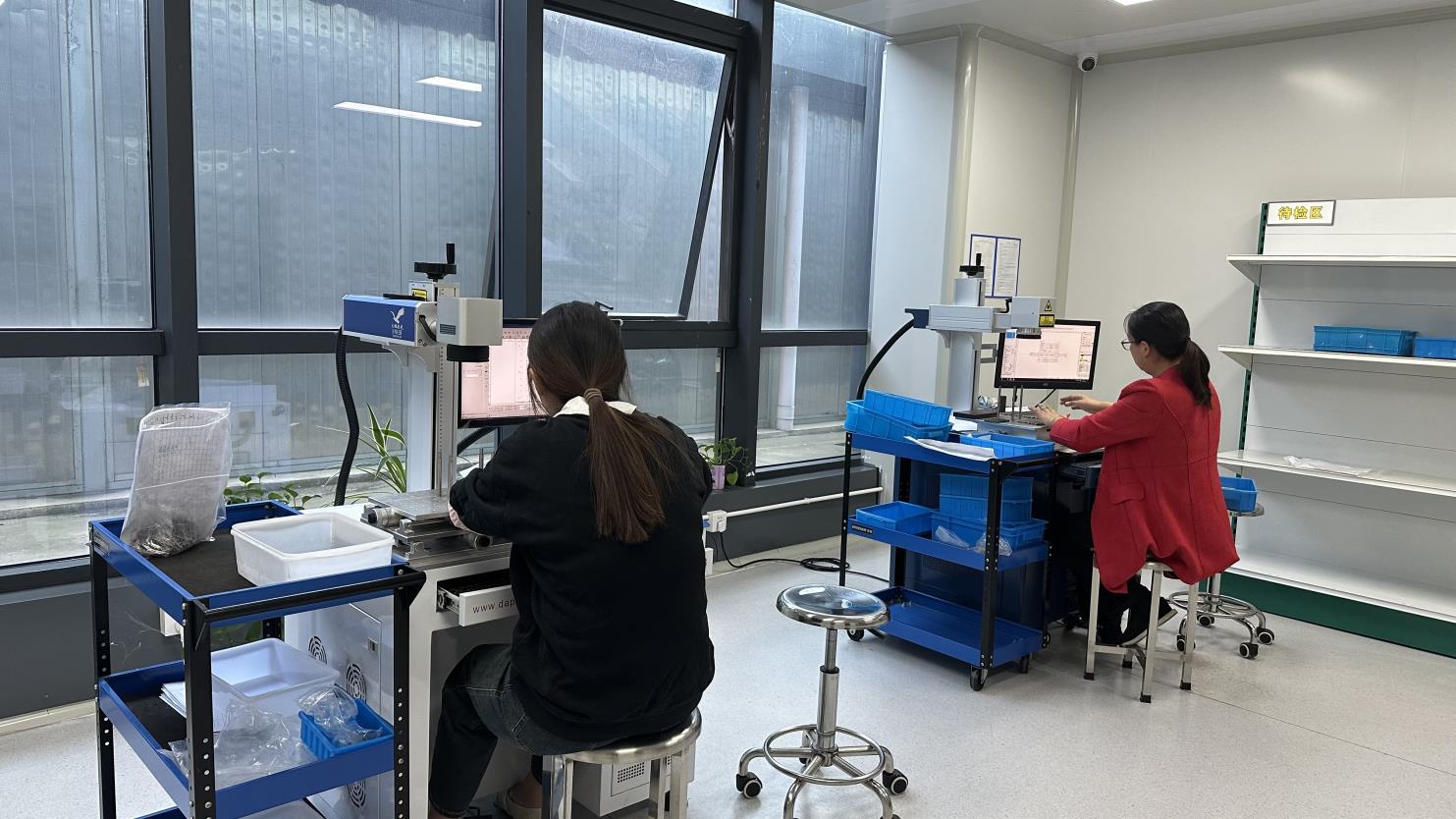
Quality assurance is a core focus at Bonevia. The company implements multiple inspection methods including incoming material inspection, in-process quality control, and final product testing, supported by a dedicated quality team of 35 professionals. This ensures all products meet international medical device standards.
Bonevia has a solid trade foundation with diversified global distribution networks, serving major markets across Europe, Southeast Asia, the Middle East, and South America. Its supply chain ecosystem includes more than 850 partners, enabling stable raw material sourcing and efficient production delivery.
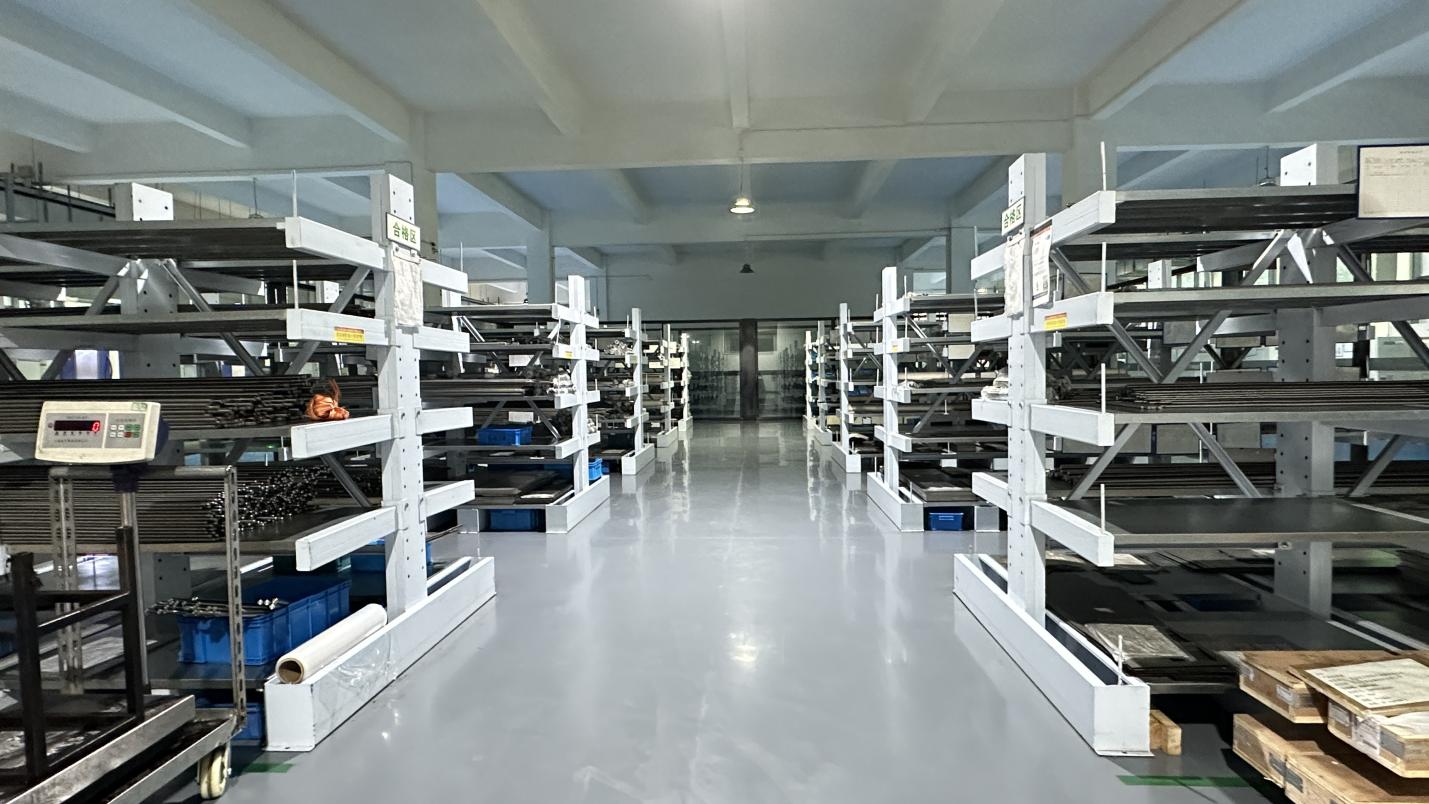
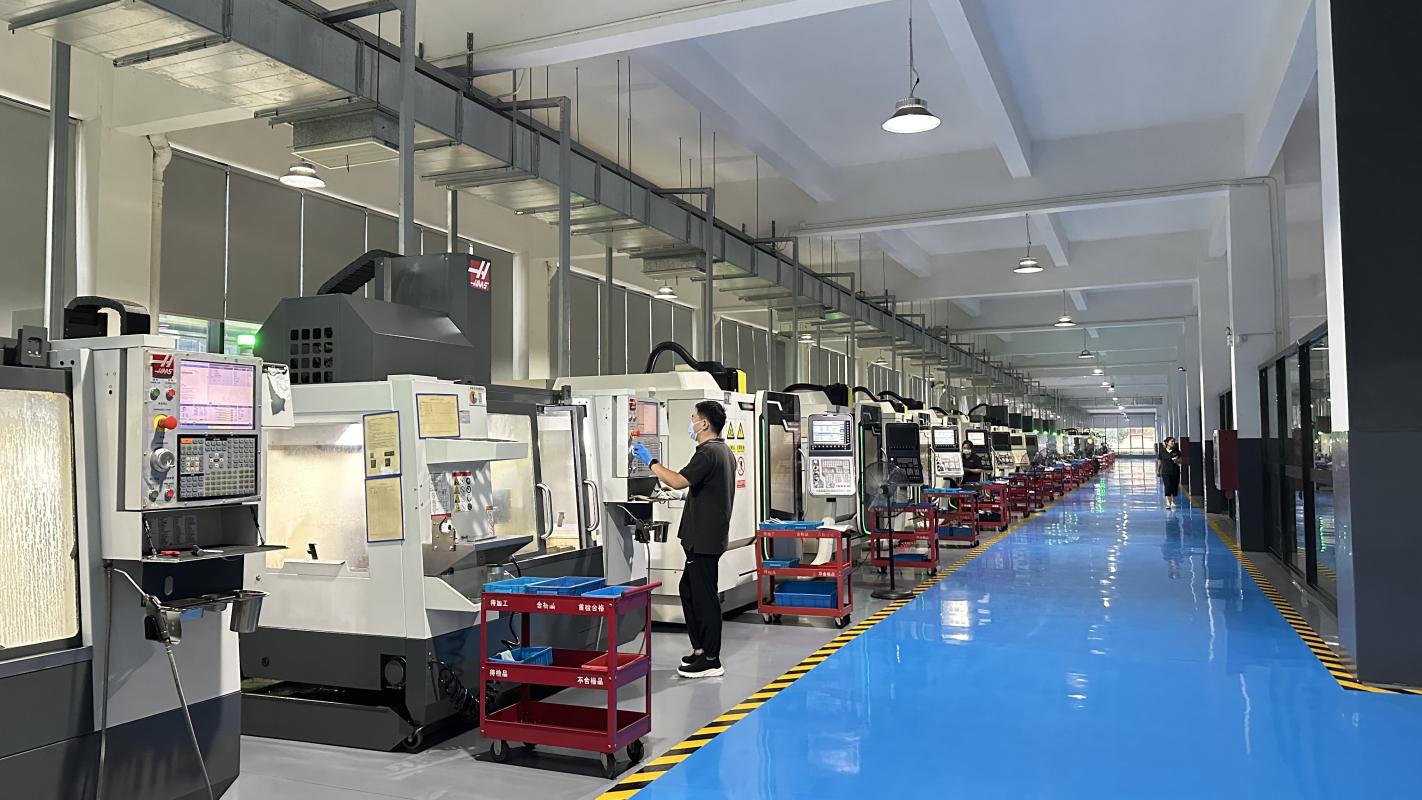
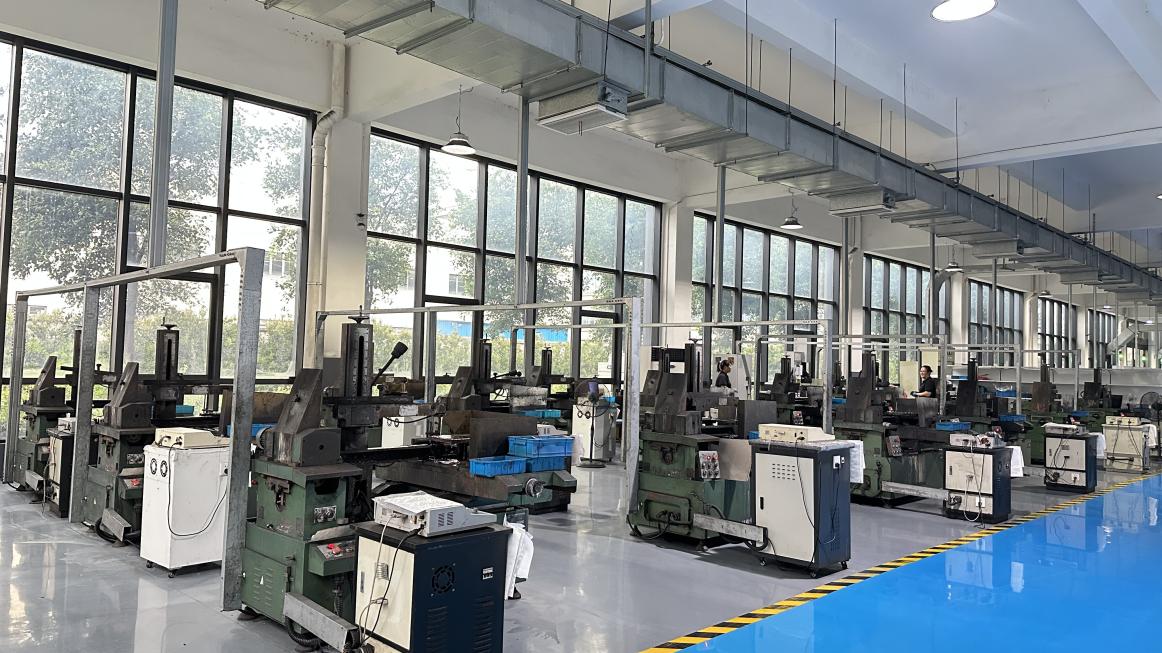
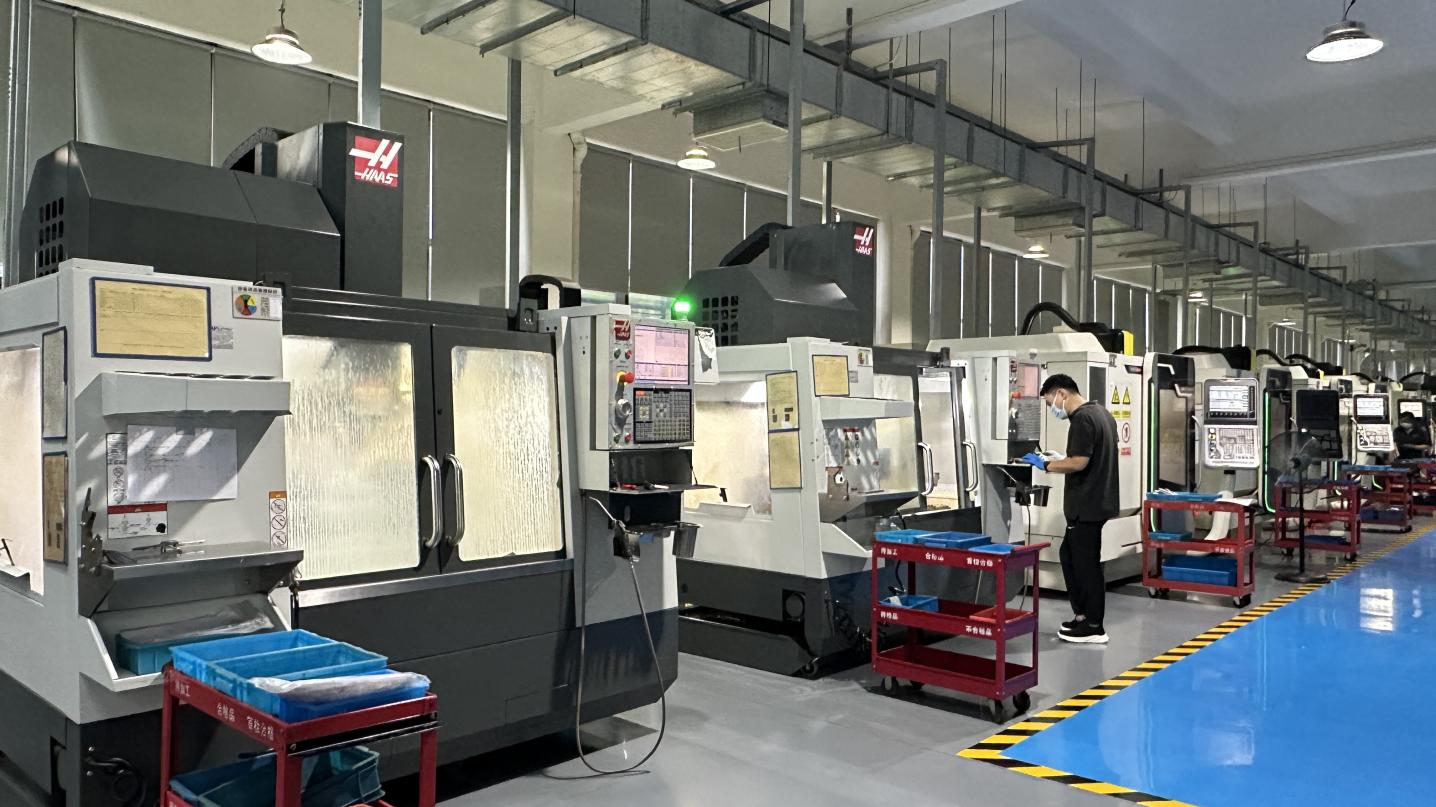
A fully traceable, CNC-driven manufacturing workflow guarantees that each batch of plates and screws exported to Romania exhibits absolute micro-dimensional tolerance consistency.
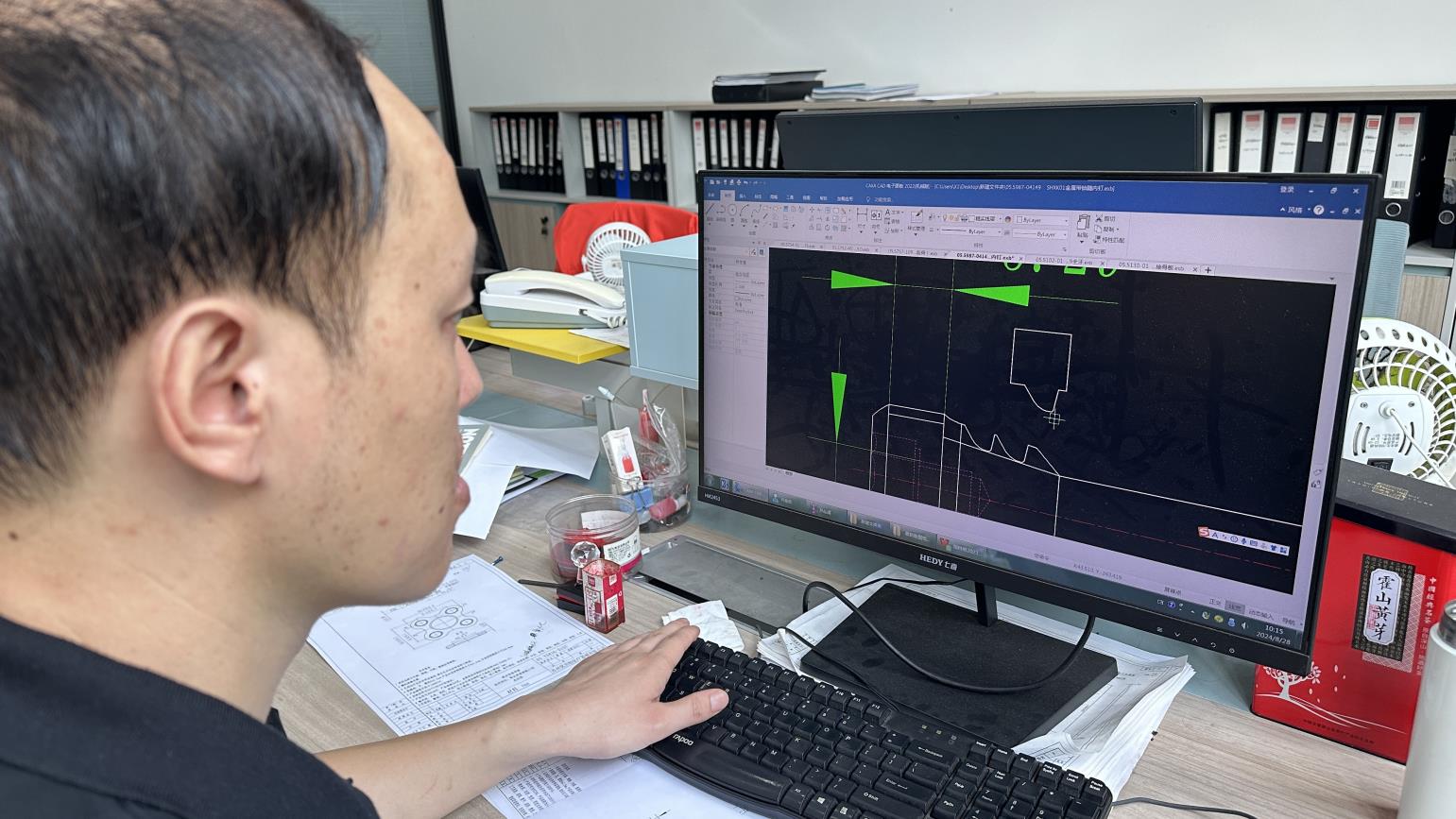
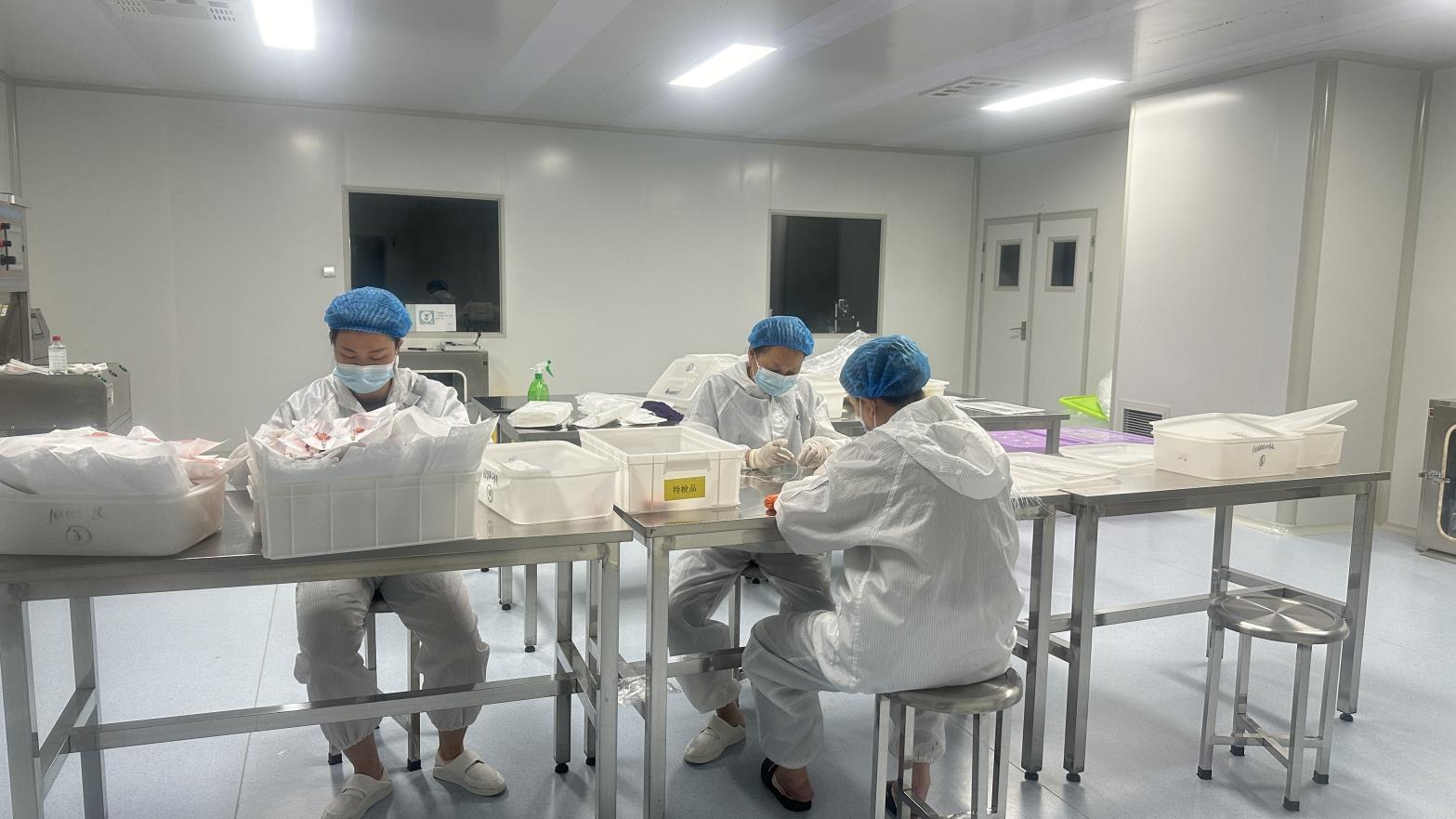
We understand that purchasing committees and private surgical centers in Bucharest, Cluj-Napoca, and Iași have different priorities. While public sectors prioritize standardized pricing and high inventory availability during seasonal winter trauma spikes, private healthcare operators like Regina Maria or MedLife look for complete surgical instrument kit optimization and custom branding options.
Supported by our research and development team of 85 engineers, Bonevia offers deep customization of trauma systems. If a specific hospital chain requires modification of screw thread pitches, plate thickness profiles, or unique anatomical curvature variations for regional patient demographics, our facility can output production prototypes within accelerated timelines.
Navigating the Romanian National Agency for Medicines and Medical Devices (ANMDMR) database registration can be complex. Bonevia facilitates seamless importation by supplying detailed technical files (TD), clinical evaluation reports (CER), and certification documentation matching EU regulatory standards.
Romania’s private veterinary practice sector has experienced substantial growth, leading to increased demand for specialized implant systems for small animals. Bonevia provides advanced clinical-grade veterinary locking systems to address this market, utilizing the same manufacturing standards applied to human implants.
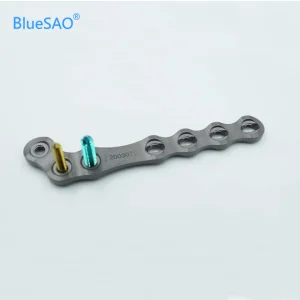
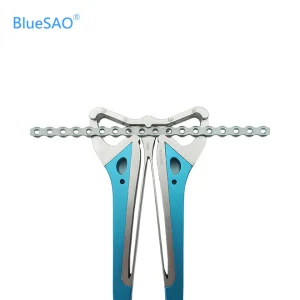
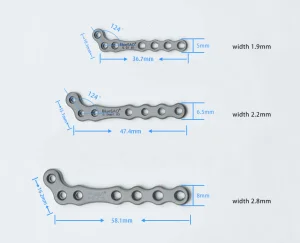
A comprehensive array of anatomical plates, screws, and spinal reconstruction components, certified for clinical distribution in the Romanian market.
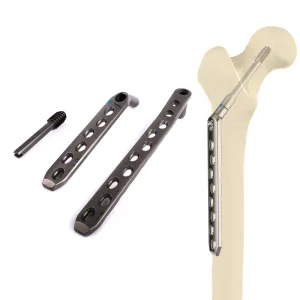
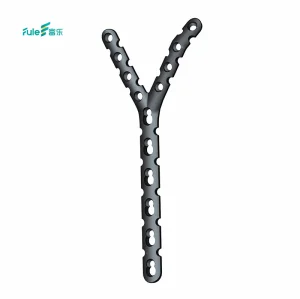
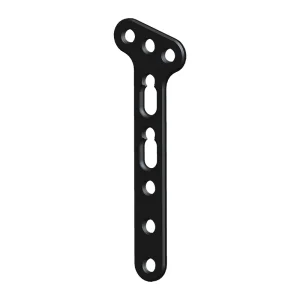
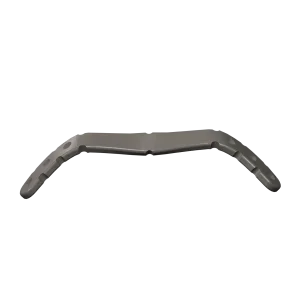
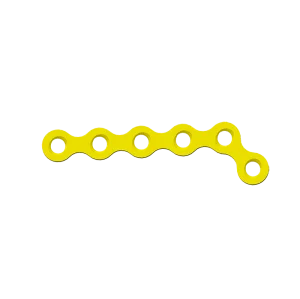
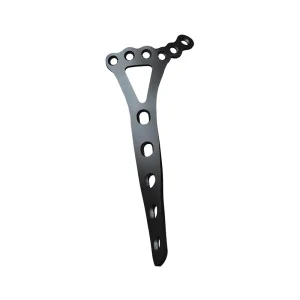
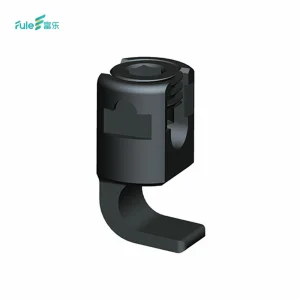
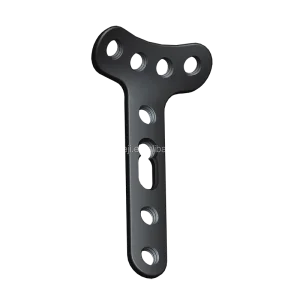
Designed for complex high-load femoral and tibial reconstructions, these implants prioritize construct rigidity to allow for early weight-bearing and patient rehabilitation.
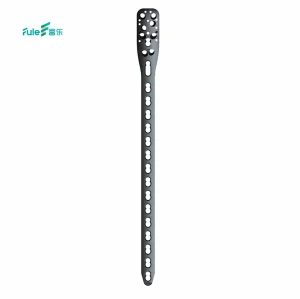
Our 4.5 mm system features a limited contact design. By reducing the contact area between the plate and the underlying periosteum, it minimizes bone vascular damage, promoting faster cortical healing and reducing the incidence of local osteoporosis beneath the plate.
Request Sample Kit & CataloguesBonevia aligns manufacturing processes with the requirements of the global orthopedic sector, offering transparency in documentation and materials testing.
Every titanium sheet and bar stock receives a unique heat number tracing back to the raw material supplier, with mechanical and chemical testing certificates provided for each batch.
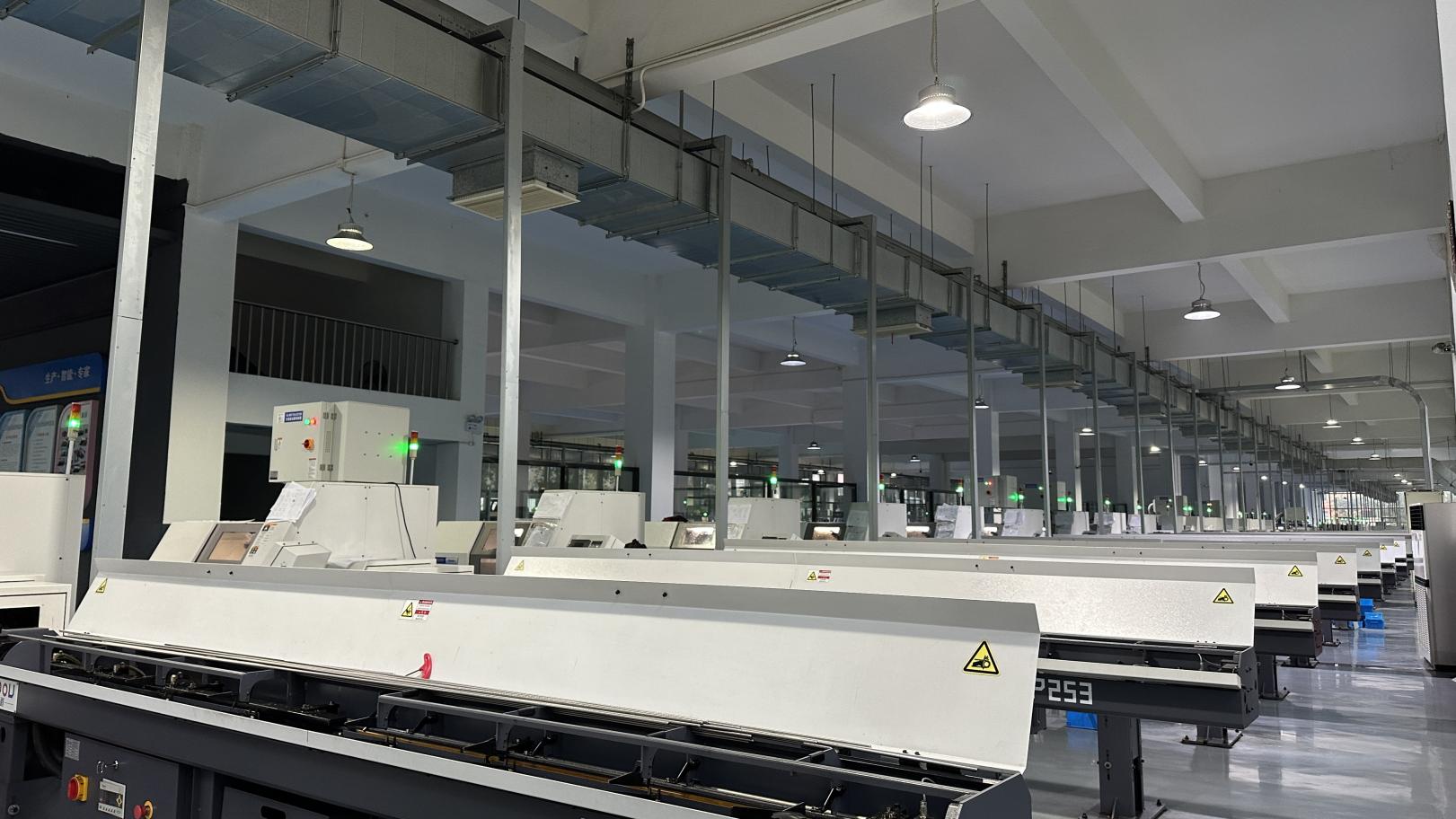
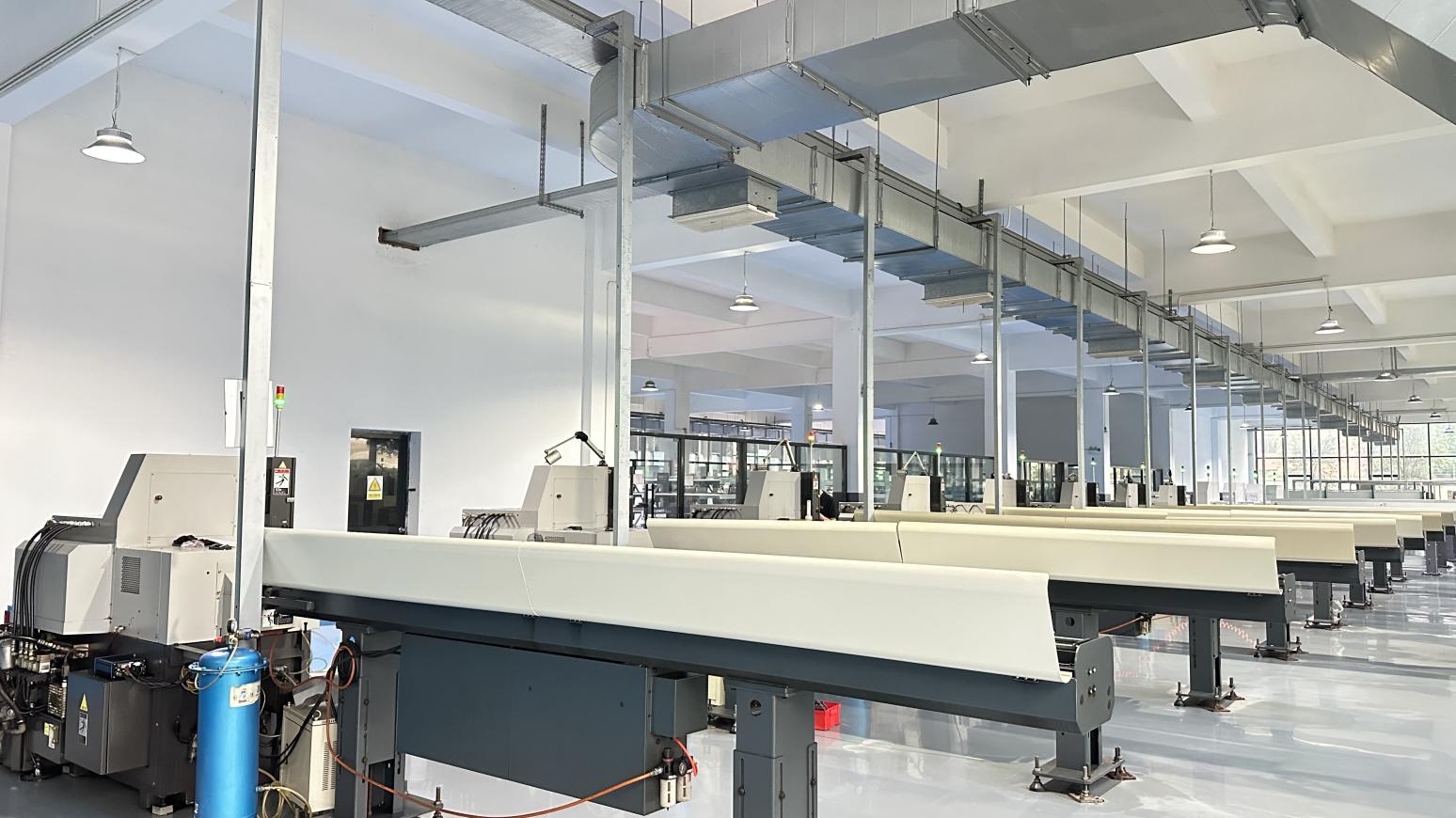
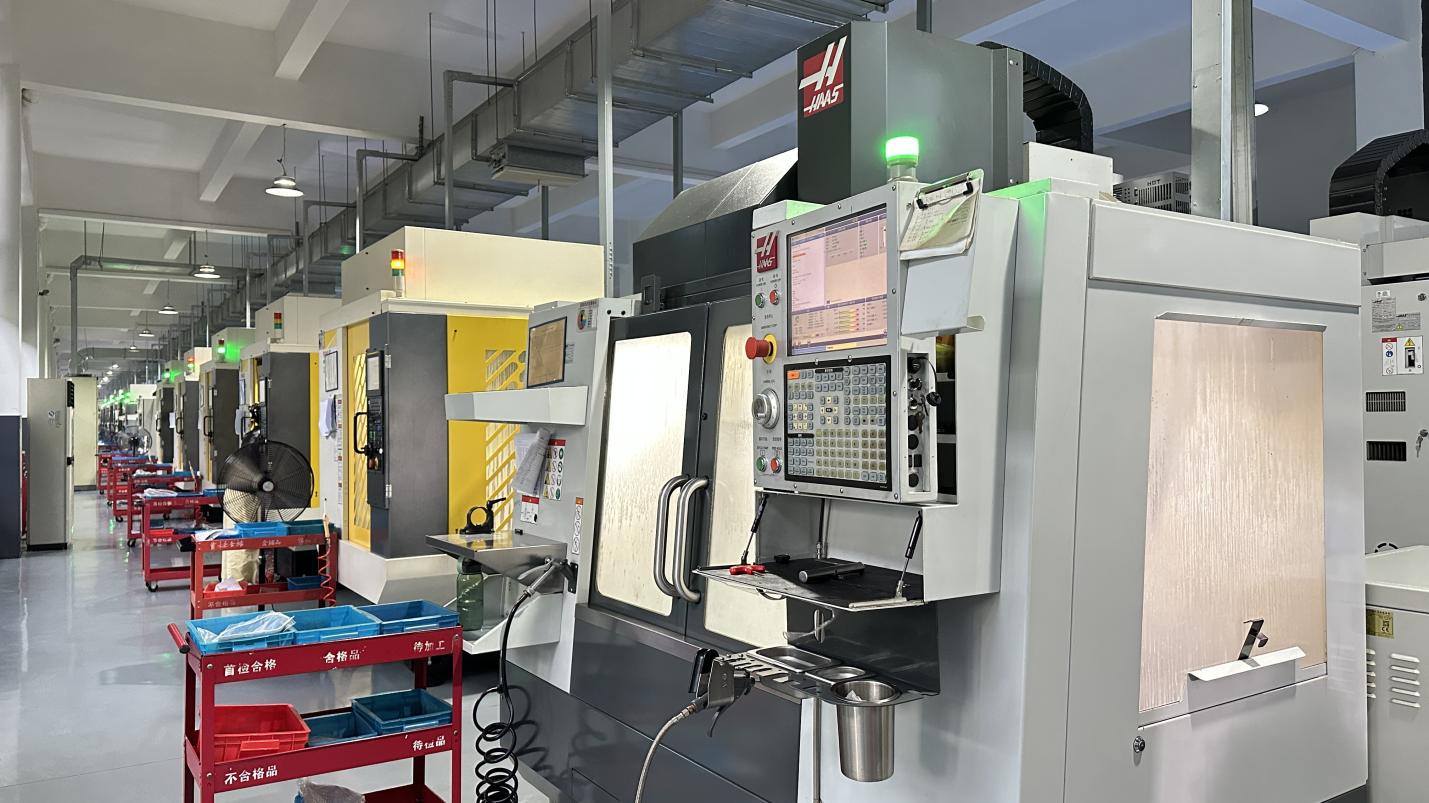
Leveraging multi-axis CNC machines, we control manufacturing tolerances within micrometers, ensuring standard interface compatibility between our screws, locking components, and surgical tools.
We offer implants in both non-sterile bulk configurations and sterile double-barrier Tyvek packaging systems, matching local operating room protocols and logistics requirements in Romania.
Key regulatory, shipping, and clinical procurement answers for Romanian medical device distributors and hospital purchasing groups.
Seeking a direct-factory partnership for orthopedic trauma implants? Get in touch to request our latest catalog, samples, and wholesale pricing details.
Send Inquiry Now