Bonevia
Bonevia
Bonevia
Engineered for high mechanical stability and biocompatibility, matching the rigorous requirements of Algerian orthopedic centers.
An in-depth white paper analysis of local market evolution, global implant technology shifts, and supply chain efficiencies.
The healthcare landscape in Algeria is witnessing a rapid structural transition driven by the Ministry of Health, Population and Hospital Reform (MSPRH). Key university hospitals, including CHU Mustapha Pacha in Algiers, CHU Ben Badis in Constantine, and CHU Oran, are experiencing a substantial surge in demand for orthopedic procedures. This demand is primarily propelled by a young demographic with high rates of sports participation—particularly in association football and athletics—which translates into a high incidence of anterior cruciate ligament (ACL/PCL) ruptures, meniscal tears, and shoulder labrum damage.
Historically, Algeria heavily relied on Western European imports for orthopedic implants. However, the national push toward optimizing healthcare budgets and achieving self-sufficiency has compelled public healthcare distributors and private clinics to seek high-quality, CE-certified manufacturing alternatives. The Algerian National Social Security Fund (CNAS) and CASNOS are progressively demanding cost-effective clinical options that do not compromise patient safety. Under local regulations, all imported orthopedic medical devices must obtain registration files (dossier d'enregistrement) with the Algerian Agency of Pharmaceutical Products (ANPP). To establish market entry, implants must meet rigorous standards: strict biocompatibility profiles, traceability certifications, and validation of sterilization cycles.
Globally, sports medicine is shifting from open joint reconstructions to highly advanced arthroscopic, minimally invasive surgeries (MIS). This shift minimizes hospital stay durations, reduces post-operative complications, and accelerates rehabilitation timelines. Crucial to this trend is the material science powering modern implants:
Bonevia Orthopedic Technology Co., Ltd. addresses the dual demands of high-quality and price-sensitive healthcare markets like Algeria. Established in 2015, our modern production facility operates with precise quality control across its manufacturing processes. Our key competitive advantages include:
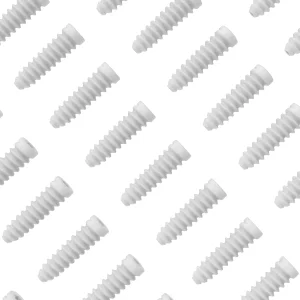
In the operating rooms of Constantine, Oran, and Algiers, the workflow reliability of orthopedic implants is critical. During an arthroscopic ACL reconstruction, the combination of Bonevia's Titanium Endobutton Plate and PLGA Interference Screw provides an optimized clinical solution. The Endobutton serves as a secure cortical fixation on the femoral side, utilizing a simplified flipping mechanism that prevents cortical blow-out. Concurrently, the PLGA Interference Screw secures the soft-tissue graft within the tibial tunnel, promoting rapid osseous integration.
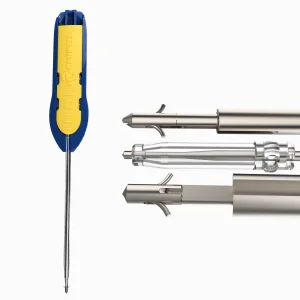
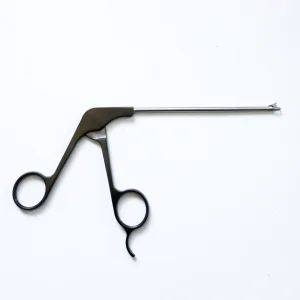
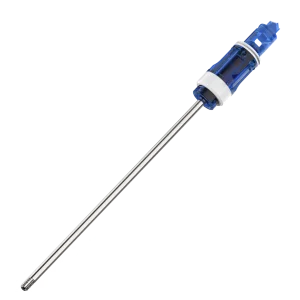
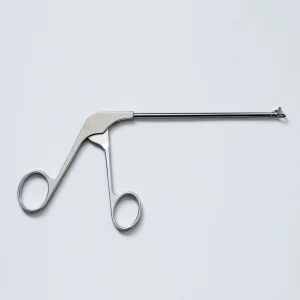
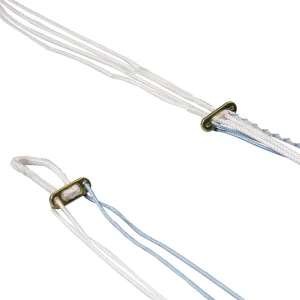
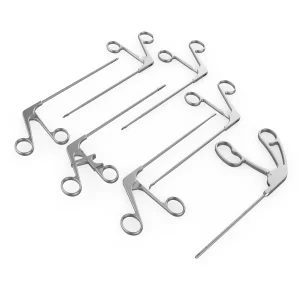
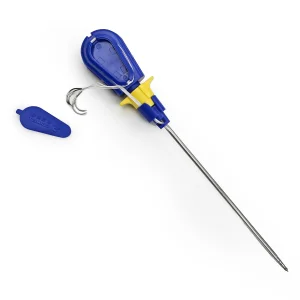
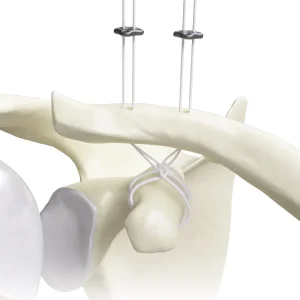
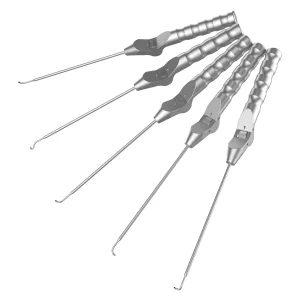
For shoulder pathologies like Bankart or Rotator Cuff lesions, Algerian orthopedic specialists benefit from Bonevia's PEEK and Titanium Suture Anchors. These anchors, coupled with multi-colored UHMWPE sutures, enable surgeons to execute double-row repair techniques. The color differentiation ensures clear suture management, reducing operating time. Additionally, the ergonomics of Bonevia's customized Shoulder Instruments and Suture Passers ensure precise suture passage through tight joint capsules, facilitating reliable arthroscopic procedures.
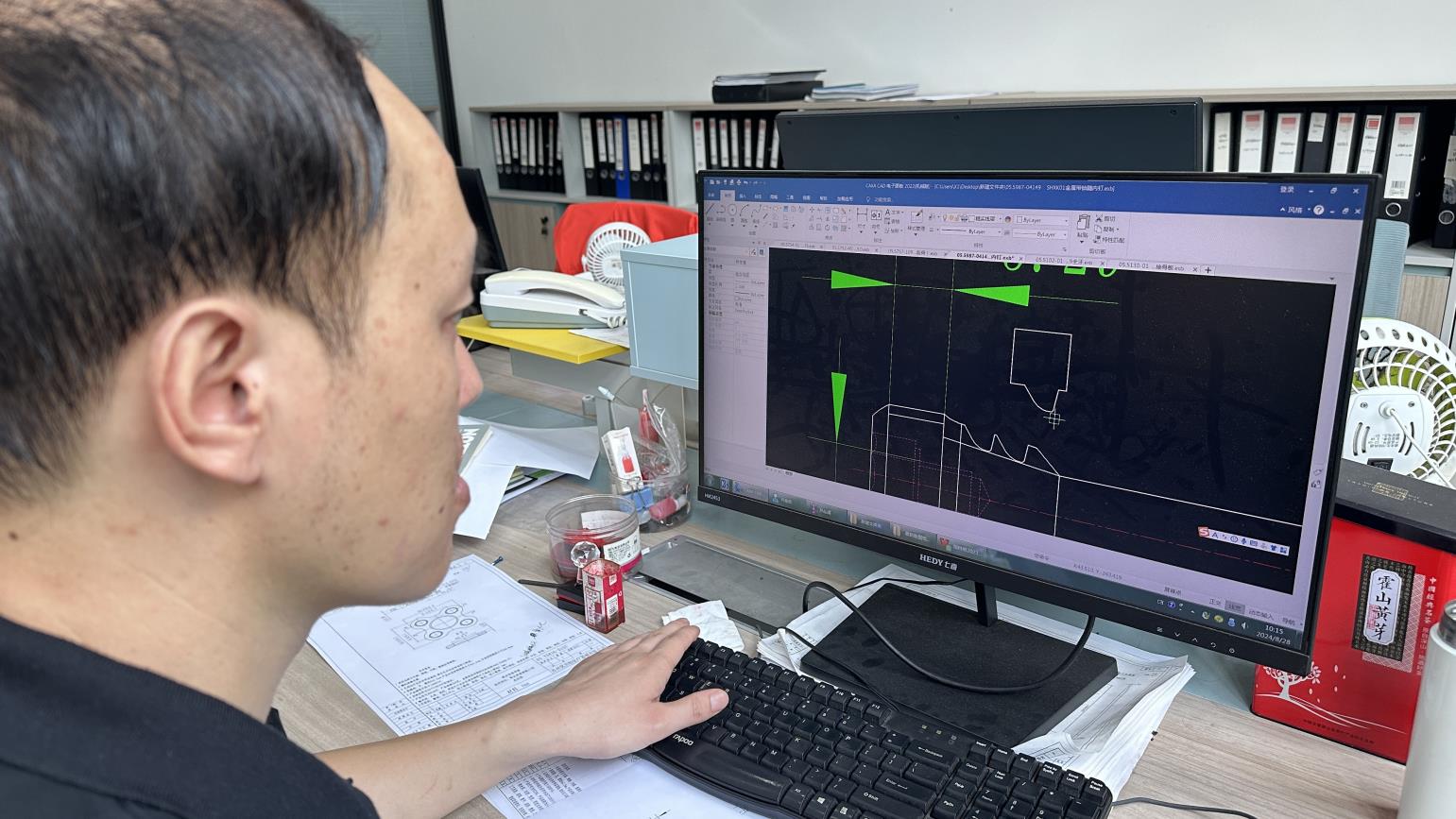
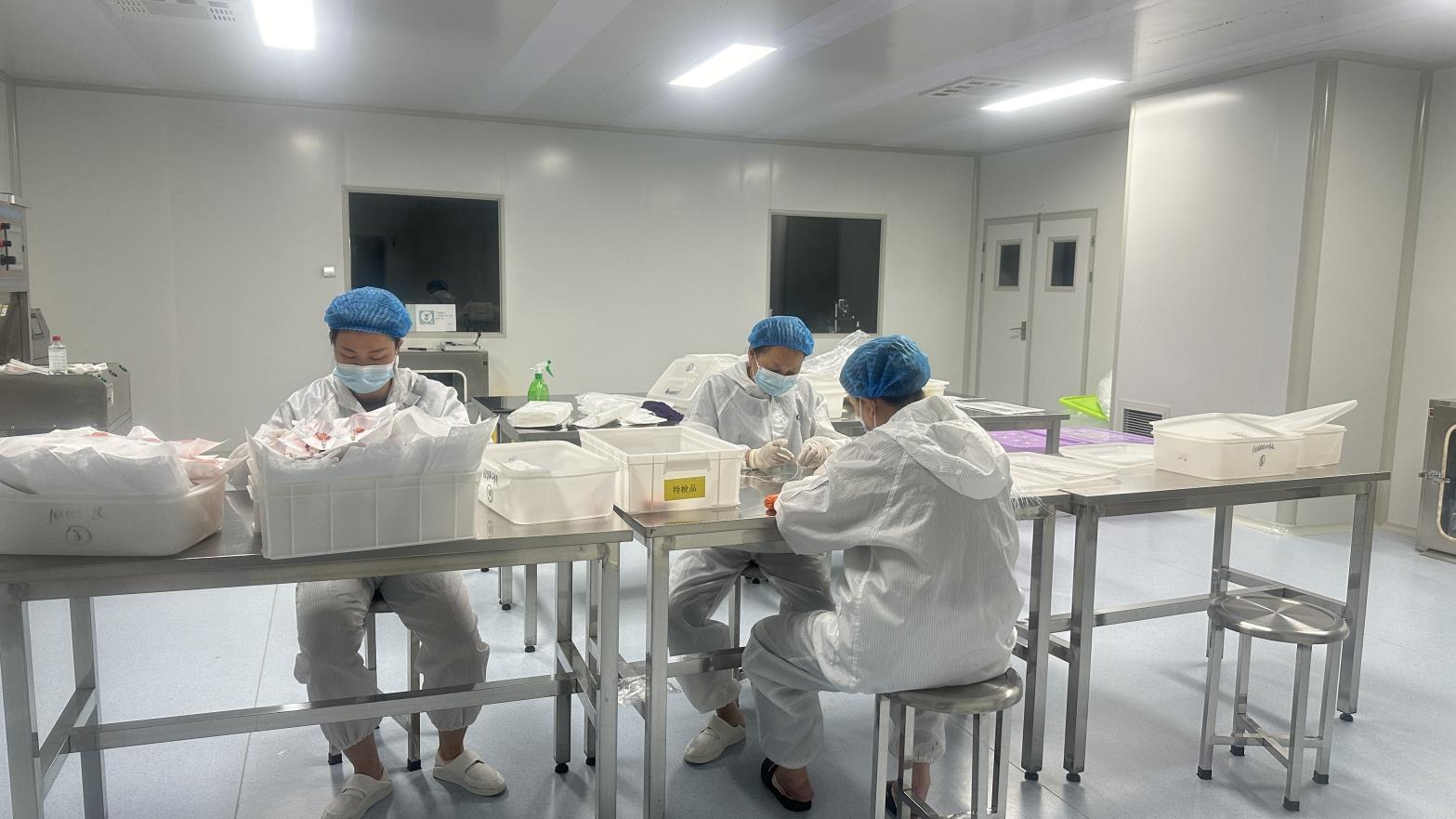
Step-by-step visual representation of our manufacturing capability, quality checkpoints, and technological machinery.
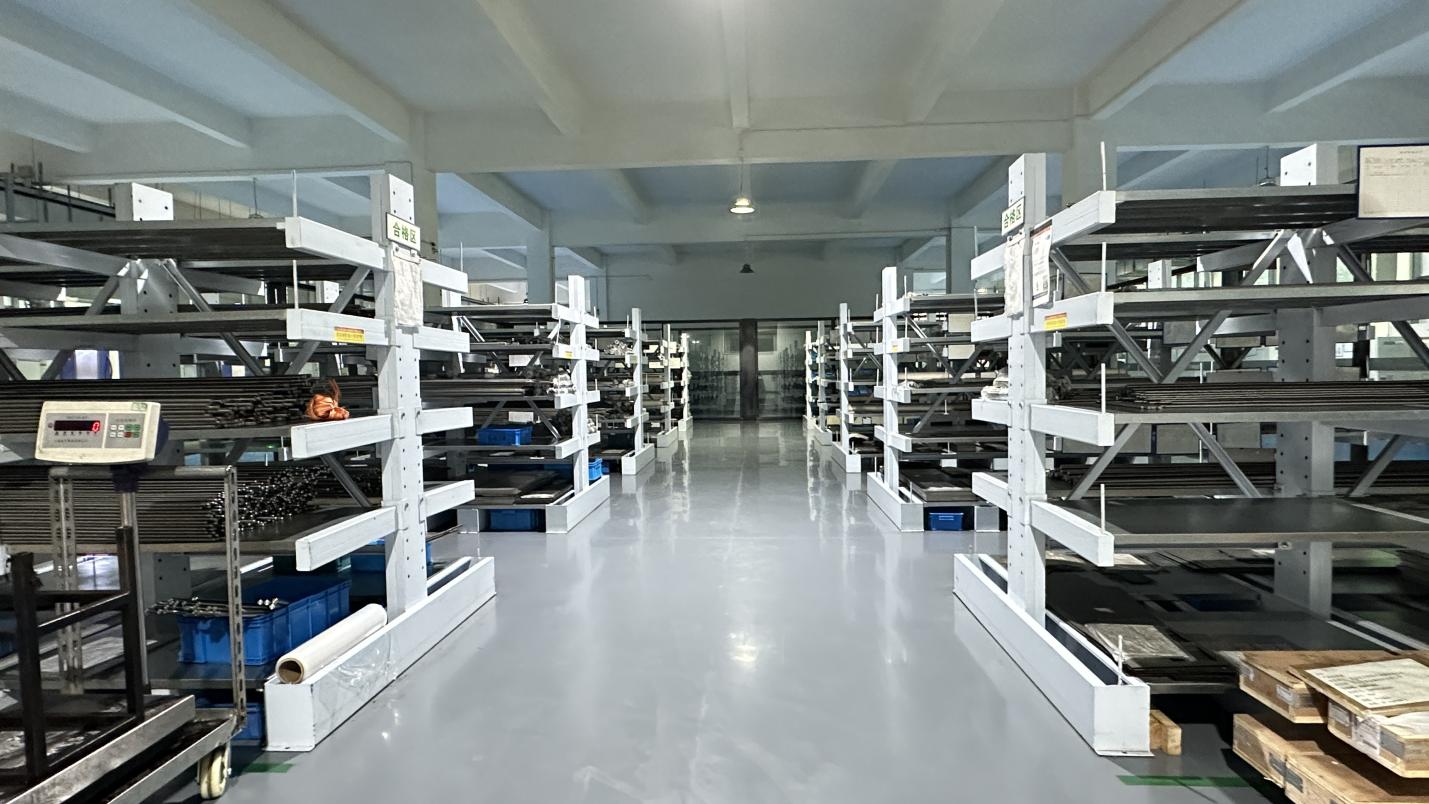
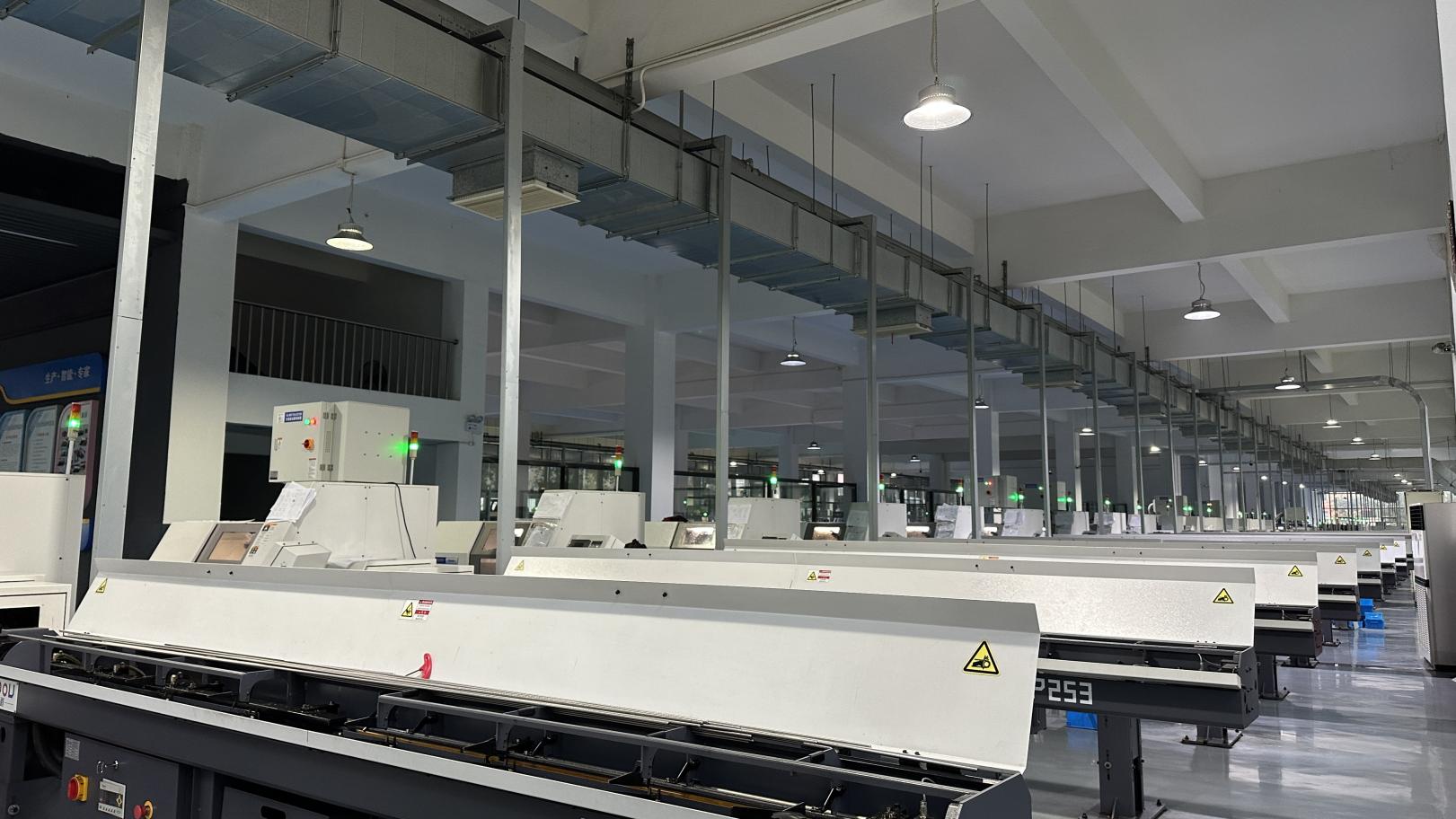
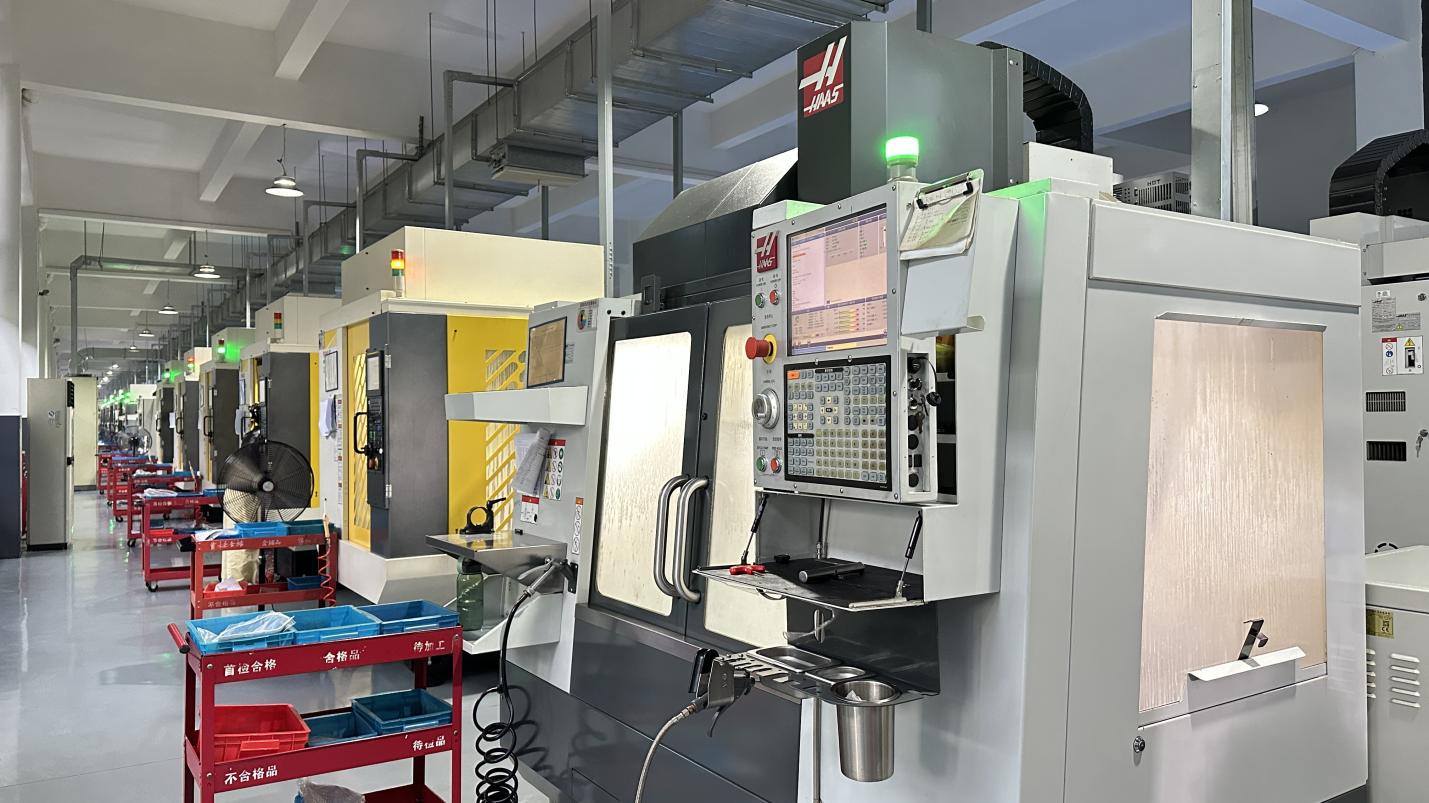
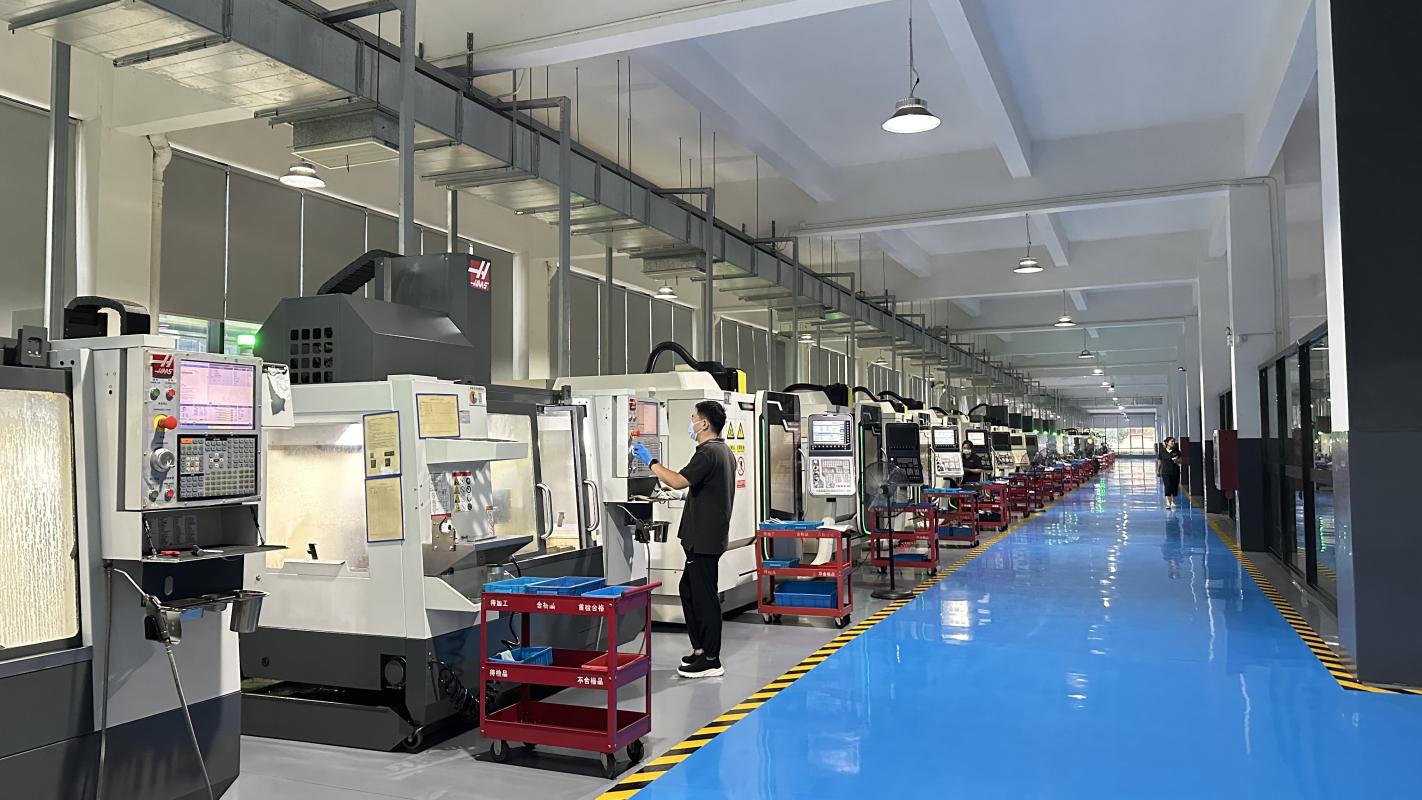
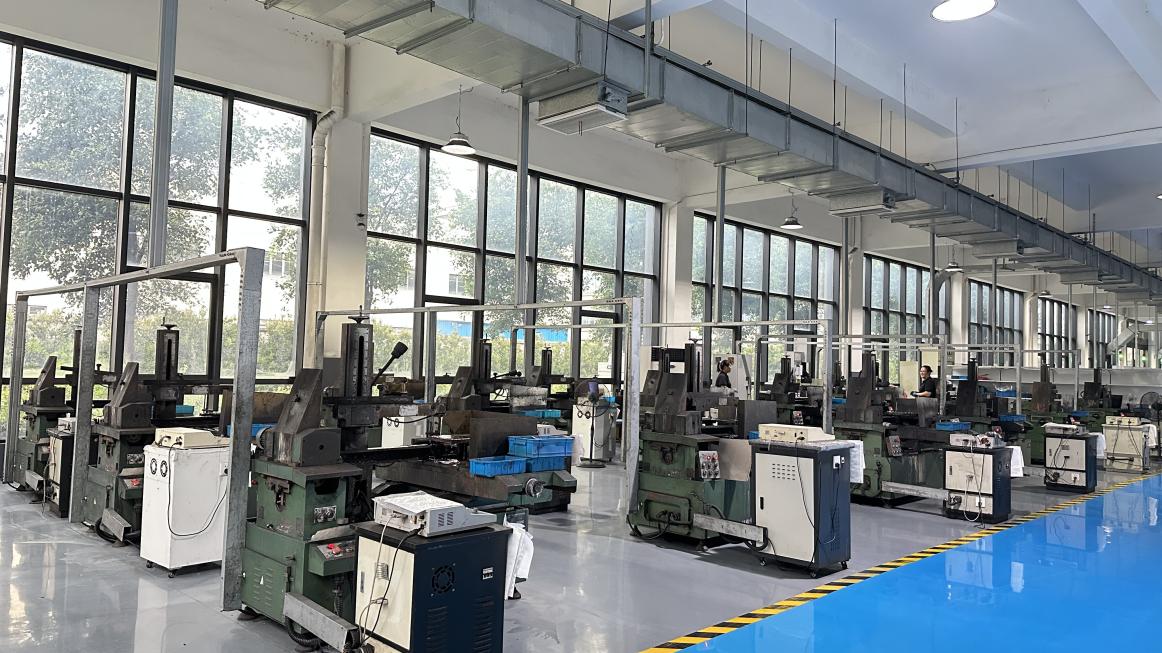
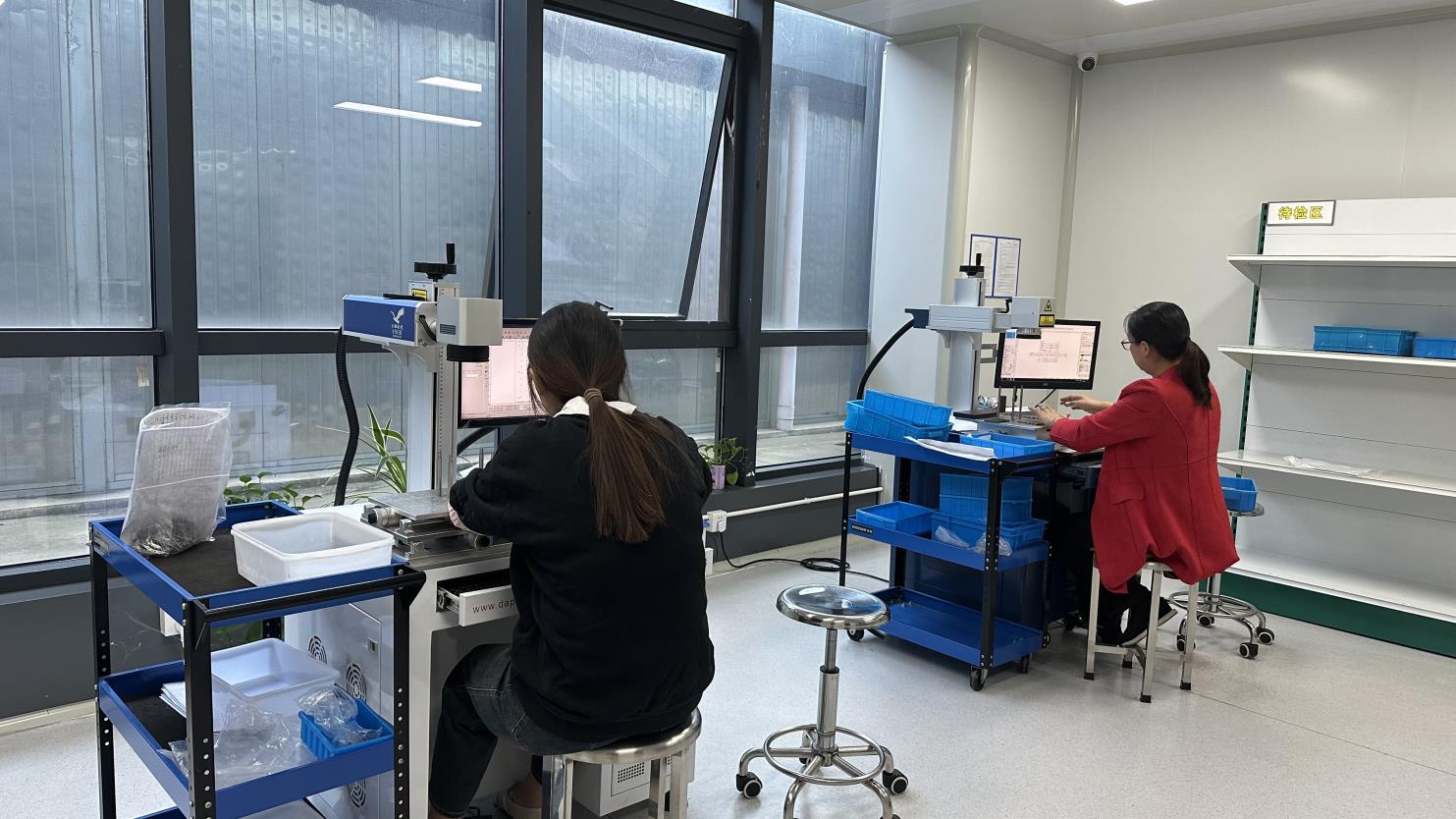
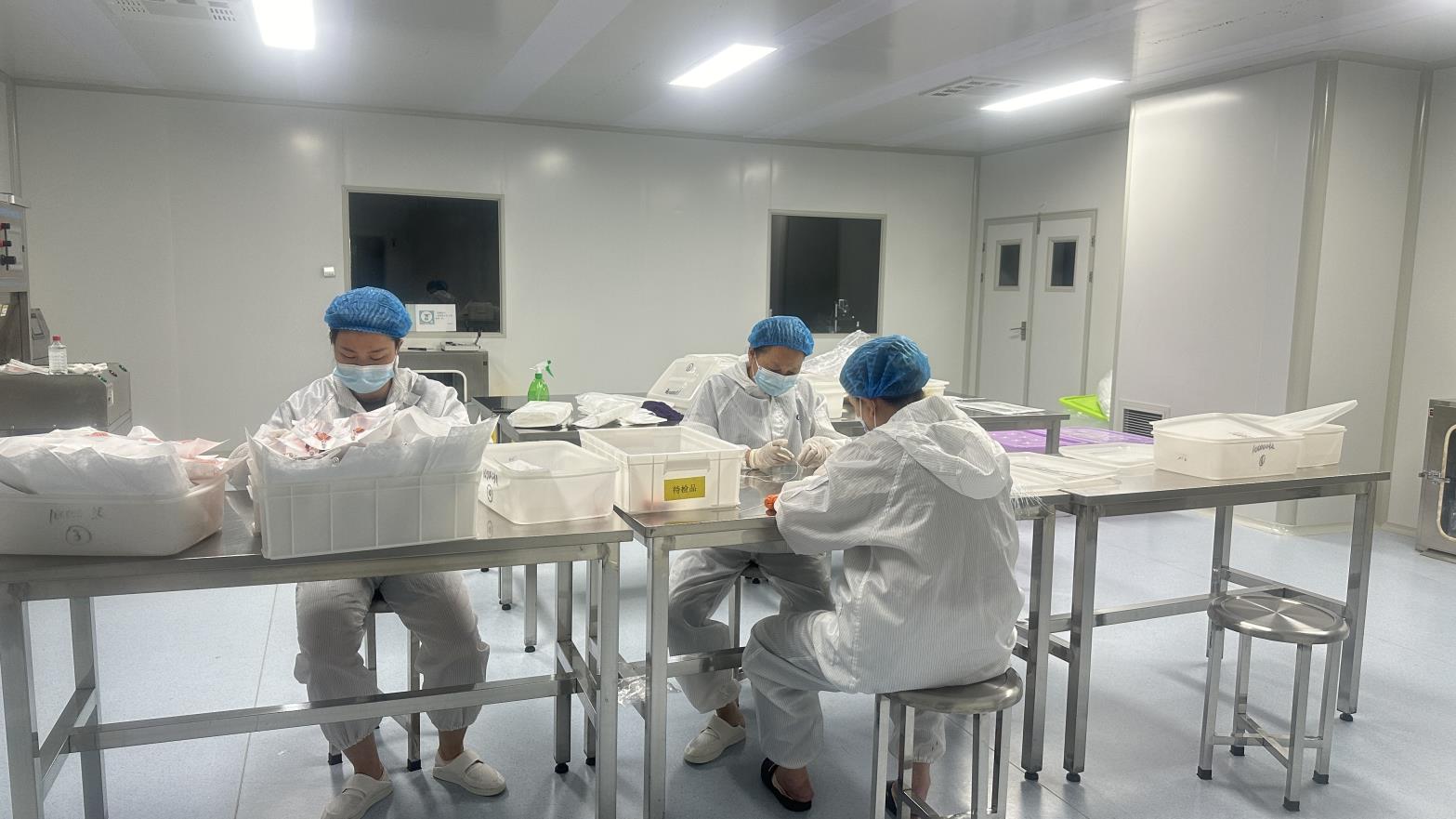
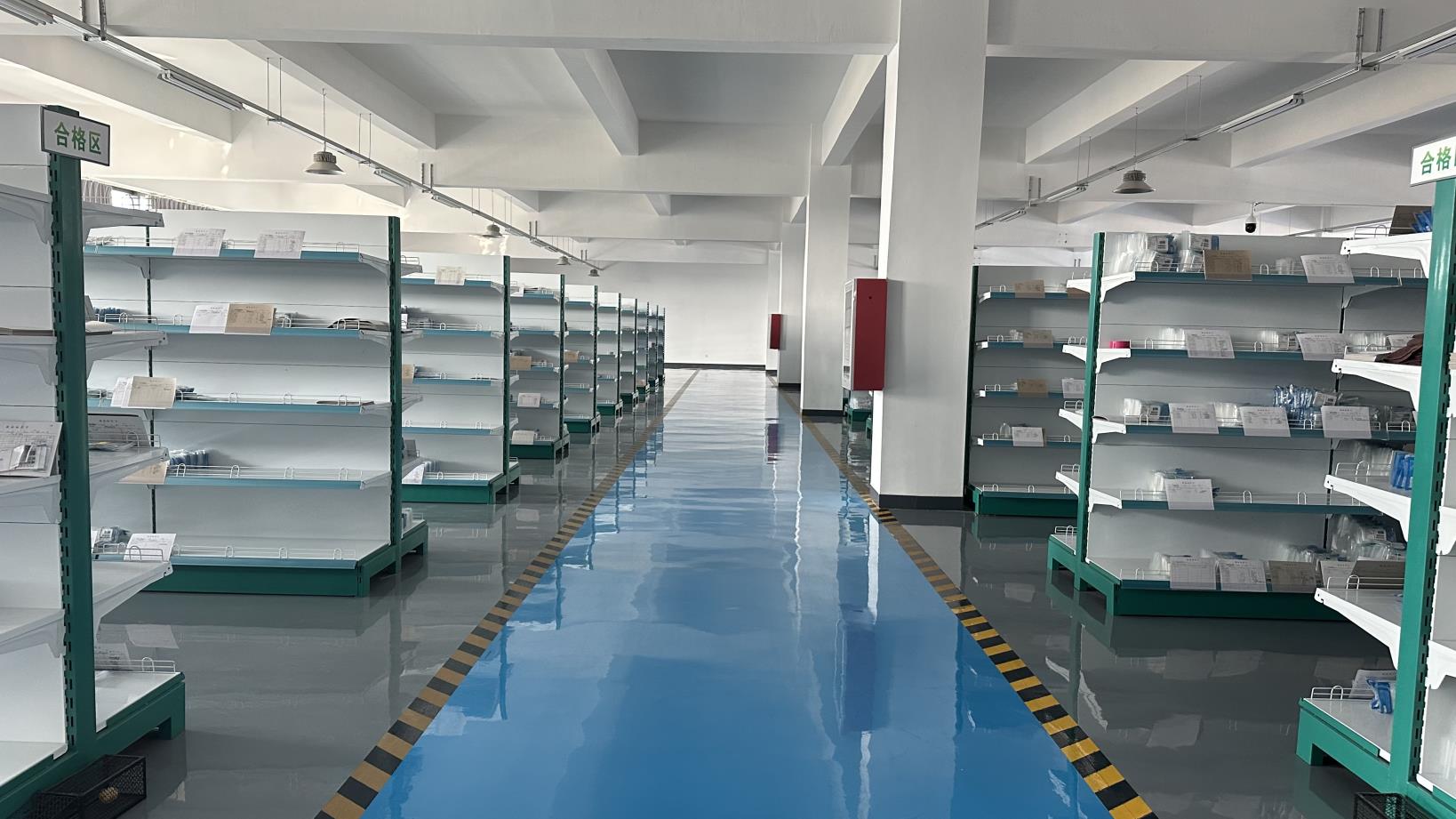
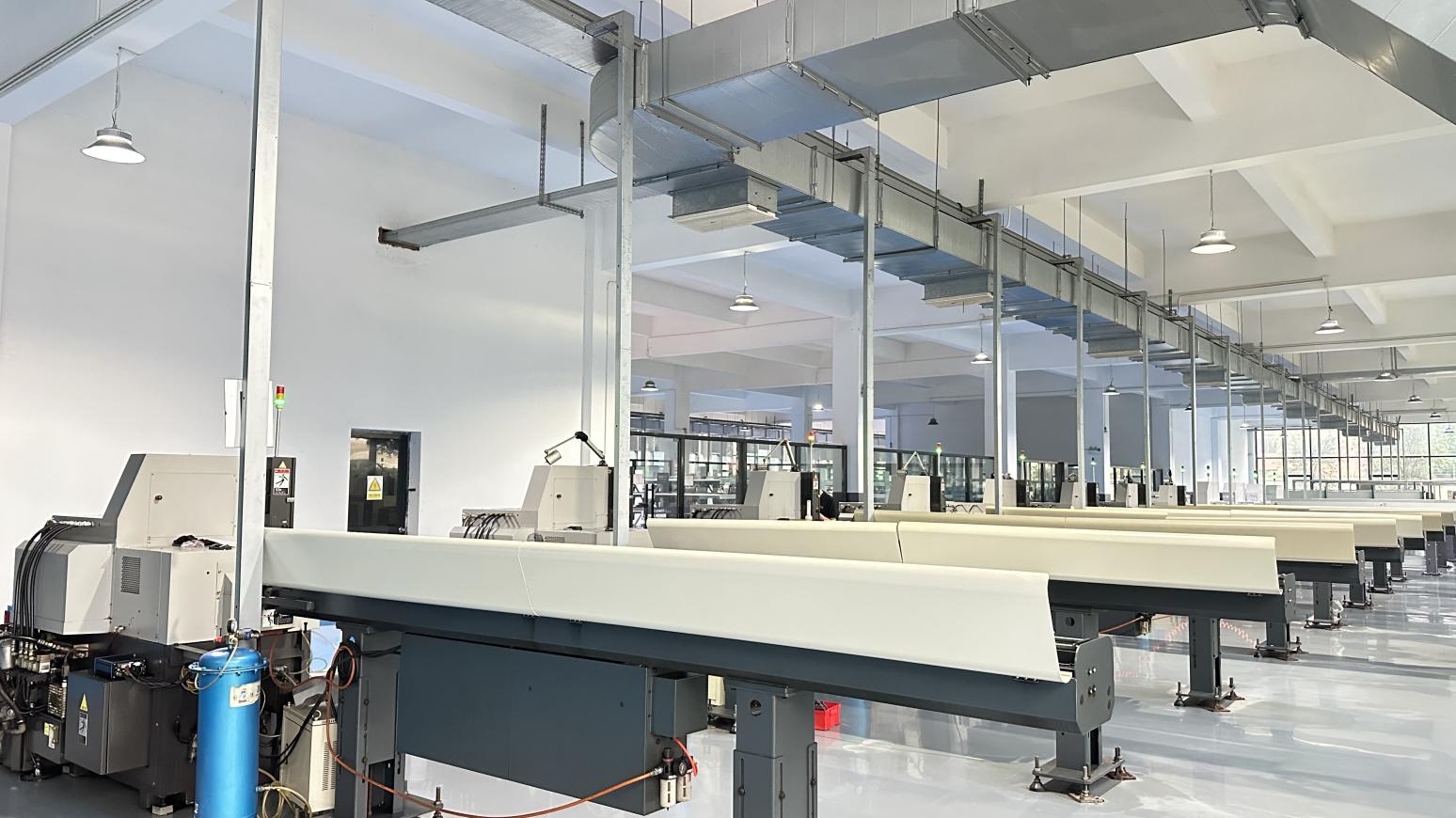
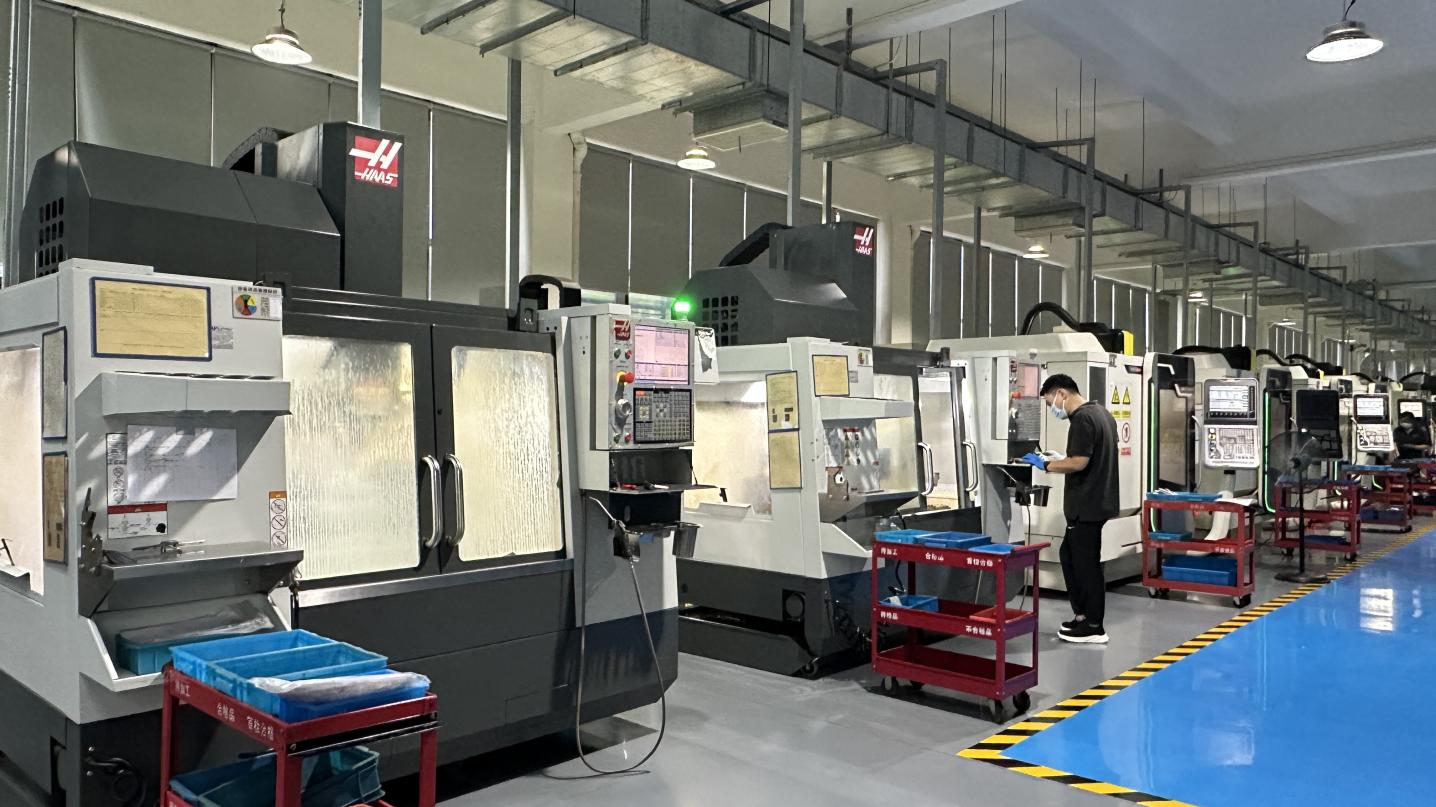
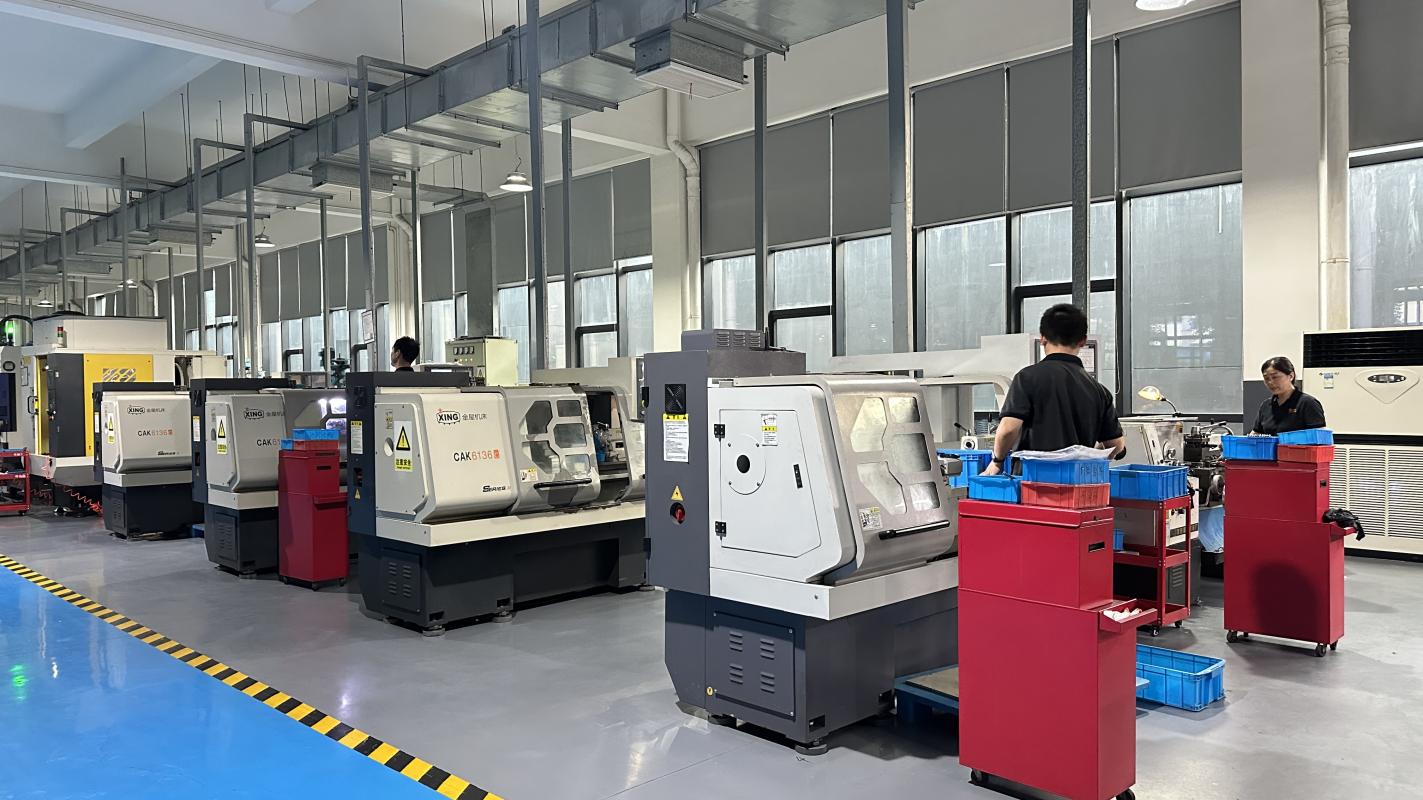
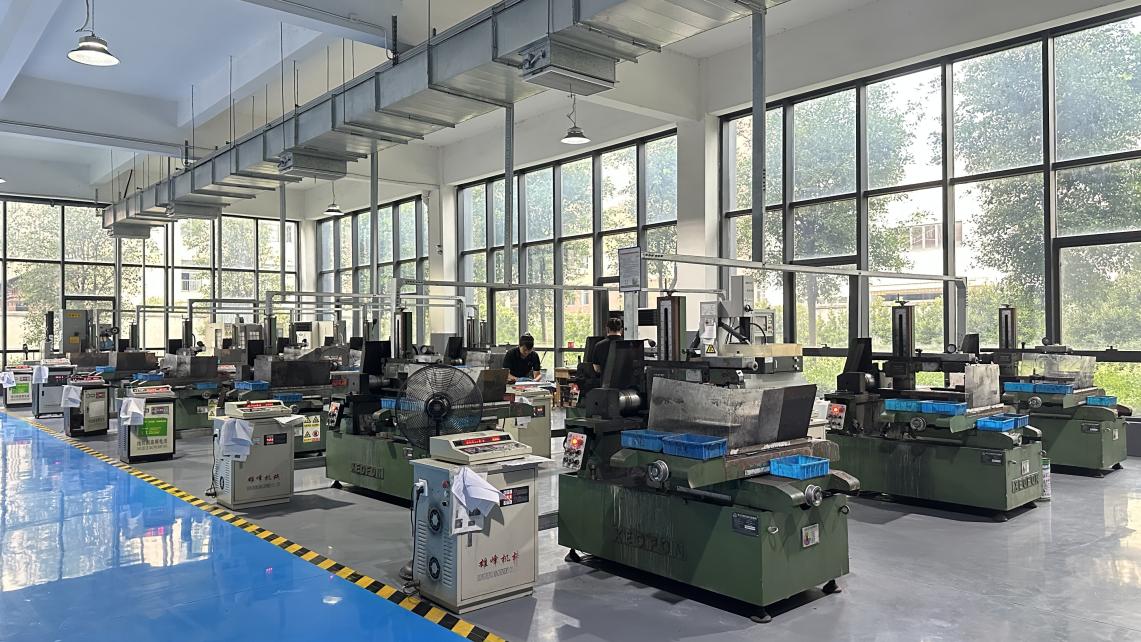
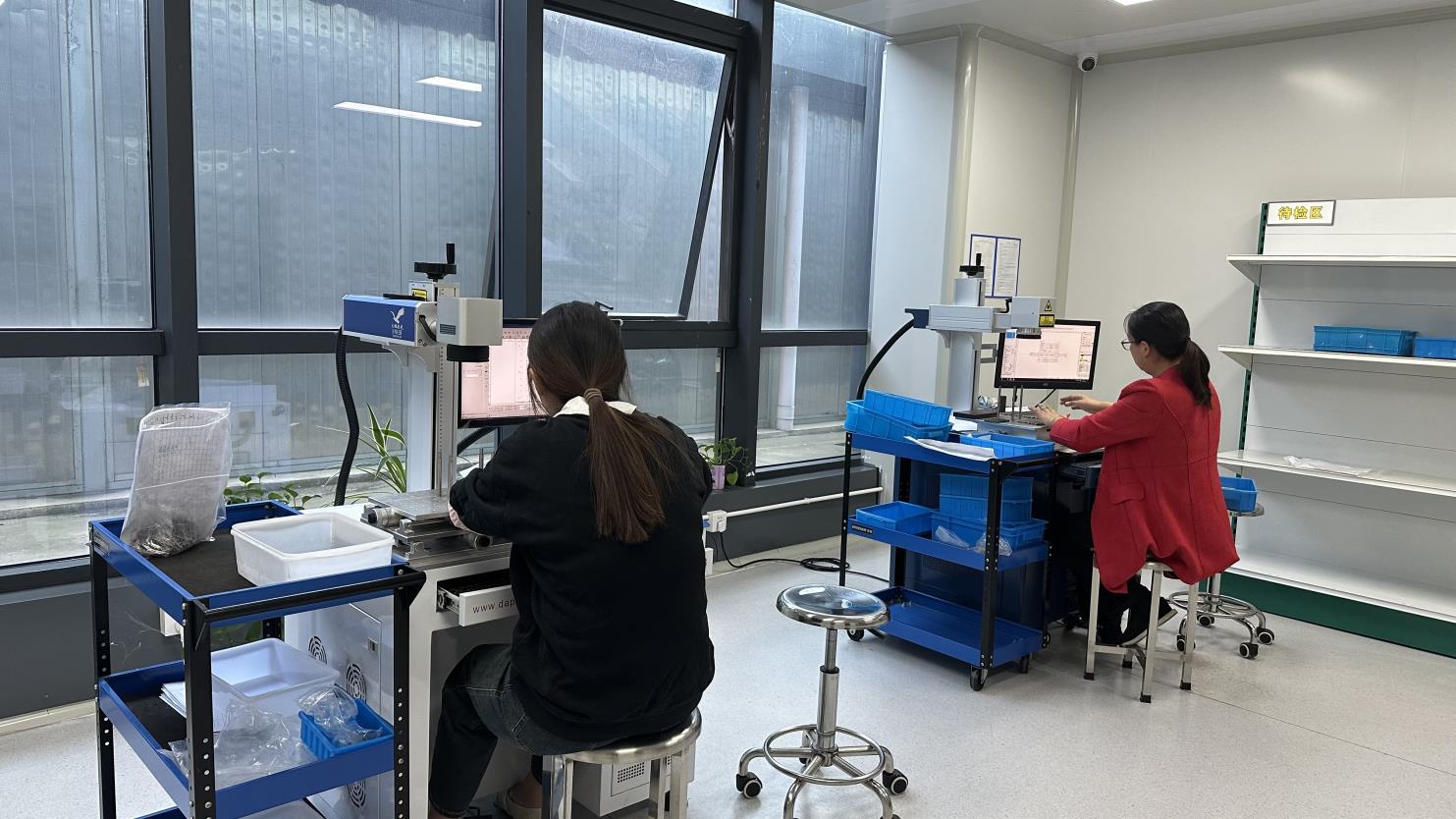
Demonstrating global industry experience and precision medical manufacturing scale.
Innovative arthroscopic suturing systems, meniscus repair systems, and surgical power blades.
Essential guidance on importing regulatory requirements, customs, logistics, and quality assurance for the North African market.
To import medical devices into Algeria, products must be registered with the Algerian Agency of Pharmaceutical Products (ANPP) under the MSPRH guidelines. Bonevia provides complete dossier packs, including ISO 13485 certifications, CE Declaration of Conformity, raw material biocompatibility analysis certificates (ASTM F136 / ISO 5832-3), and Ethylene Oxide (EO) sterilization validation test reports, ensuring smooth customs processing and registration.
Standard manufacturing times range from 30 to 45 days, depending on batch volumes. For urgent clinical tenders, shipping is routed via airfreight to Houari Boumediene Airport in Algiers. For bulk distribution stock, sea container transport is managed through the Port of Algiers, Port of Oran, or Port of Skikda, with transit times averaging 25-35 days from China ports.
Yes. Supported by our 85 R&D engineers, we offer comprehensive OEM and ODM solutions. We design custom-tailored sterilization packaging, localized surgical manuals in French or Arabic, and custom laser-marked brand logos, ensuring conformity with the bidding requirements of the Central Pharmacy of Algerian Hospitals (PCH).
Our premium raw material batches are imported from certified global medical polymer producers. Every batch is cataloged by our 35-person QC department. Our testing protocol includes mechanical testing, fatigue limits, and infrared spectroscopy to verify composition consistency before processing. All PEEK suture anchors and PLGA bioabsorbable interference screws are produced in ISO Class 7 cleanrooms to ensure compliance with strict bioburden limits.
In compliance with Algerian bank import regulations, we accept payment structures utilizing Irrevocable Letters of Credit (L/C at sight) and Document Against Payment (D/P) via local Algerian commercial banks, as well as standard Telegraphic Transfers (T/T). Contact our sales specialists to coordinate compliant financing documentation.
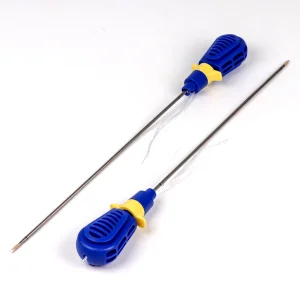
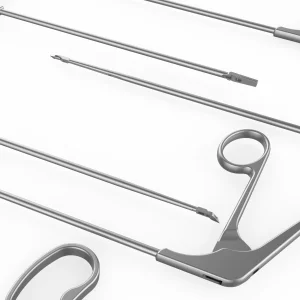
Explore our main clinical line of anchors, arthroscopy forceps, interference screws, and meniscus suturing tools.
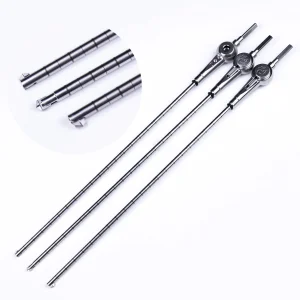
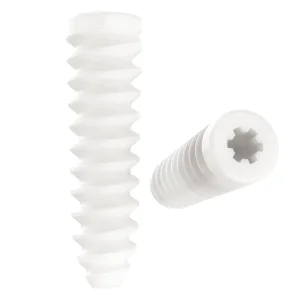
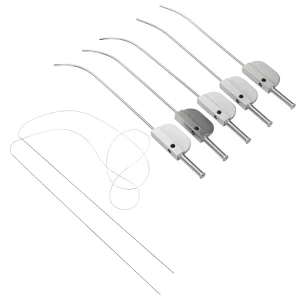
Register as our distribution partner, obtain technical whitepapers, and receive competitive price listings tailored for hospital tenders.
Send Inquiry Now