Bonevia
Bonevia
Bonevia
Highly engineered orthopedic implants manufactured from premium titanium materials, meeting rigorous safety standards for surgical execution in public and private clinics.
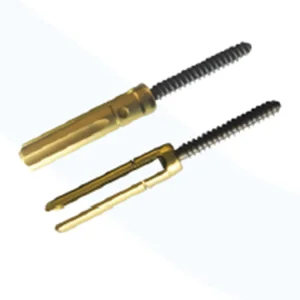
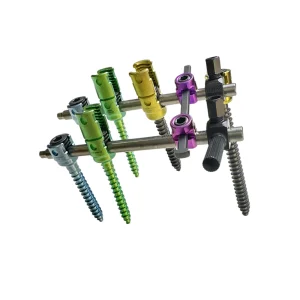
The orthopedic device landscape in Portugal has experienced a structural evolution over the past decade. With the national demographic showing a continuous shift toward an older median age (Portugal has the fourth oldest population in the European Union), the clinical demand for spinal fusion systems, cervical fixations, and minimally invasive surgical (MIS) materials has reached historic highs.
Key healthcare infrastructure organizations, such as the Serviço Nacional de Saúde (SNS) and dynamic private hospital networks (including CUF, Luz Saúde, and Lusíadas Saúde), demand high-performance titanium implant sets that reduce postoperative recovery cycles. The Portuguese spine surgery framework heavily prioritizes biomechanical reliability and strict material sourcing, forcing healthcare distributors to source from manufacturers capable of guaranteeing flawless production transparency and long-term track records.
How modern material innovations and European clinical directives are reshaping global procurement models for spinal implant hardware.
The global spinal implant industry has moved decidedly toward advanced surface treatments on titanium alloys (Ti-6Al-4V ELI) and PEEK. Sandblasting, acid-etching, and porous coatings stimulate optimal osseointegration, ensuring that the bone-to-implant interface is secure and permanent. This minimizes implant loosening and revision rates, a critical parameter assessed in national orthopedic registries.
European regulatory updates have replaced the former Medical Devices Directive (MDD 93/42/EEC) with the stringent Medical Devices Regulation (MDR 2017/745). This change requires comprehensive clinical data, post-market surveillance (PMS), and active tracking. For exporters serving Portugal, having a strong regulatory framework and traceable documentation is essential for passing Infarmed audits.
Rising costs in European healthcare have motivated purchasing consortia to bypass traditional layers of intermediaries. Hospital chains now establish direct relationships with ISO 13485 certified manufacturers who offer customization, OEM/ODM development, and comprehensive orthopedic instrument sets alongside bulk implant supplies.
Bonevia Orthopedic Technology Co., Ltd. is a professional manufacturer specializing in orthopedic implants and surgical solutions, dedicated to advancing innovation in trauma, spine, and joint reconstruction products. Since its establishment in 2015, the company has grown steadily into a trusted supplier in the global orthopedic industry.
With a modern production facility covering approximately 3,200㎡, Bonevia maintains strict quality management standards and efficient manufacturing processes. The company records an annual export revenue of around USD 8–15 million, supported by 6 years of export experience and over 10 years of overall industry experience.
Quality assurance is a core focus at Bonevia. The company implements multiple inspection methods including incoming material inspection, in-process quality control, and final product testing, supported by a dedicated quality team of 35 professionals. This ensures all products meet international medical device standards.
Bonevia has a solid trade foundation with diversified global distribution networks, serving major markets across Europe, Southeast Asia, the Middle East, and South America. Its supply chain ecosystem includes more than 850 partners, enabling stable raw material sourcing and efficient production delivery.
"In the past year, Bonevia successfully launched 120 new product designs, supported by a research and development team of 85 engineers, continuously driving innovation in orthopedic implant systems and surgical instruments."
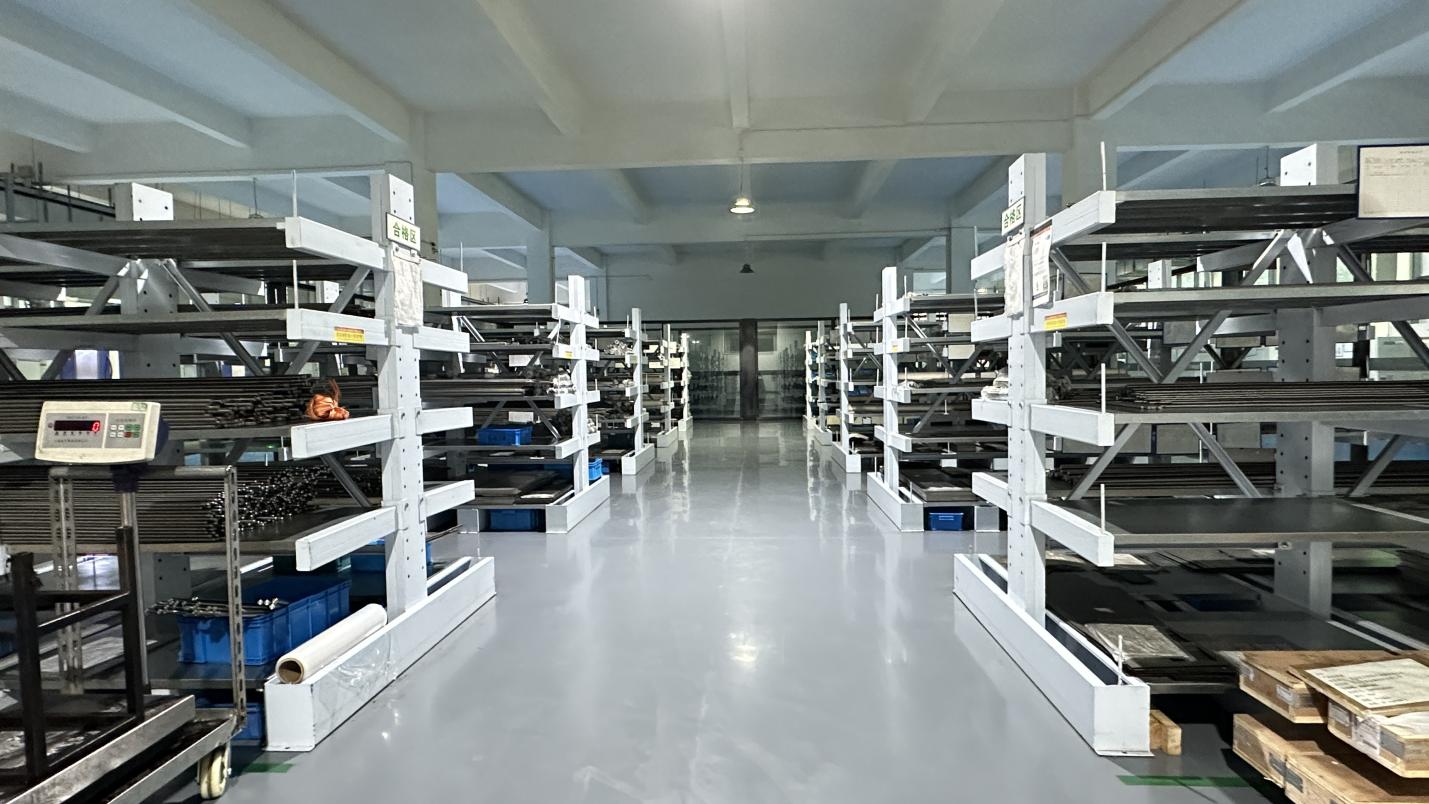
How we ensure complete traceability and high-precision tolerances for our spinal systems from raw stock to sterilized packaging.
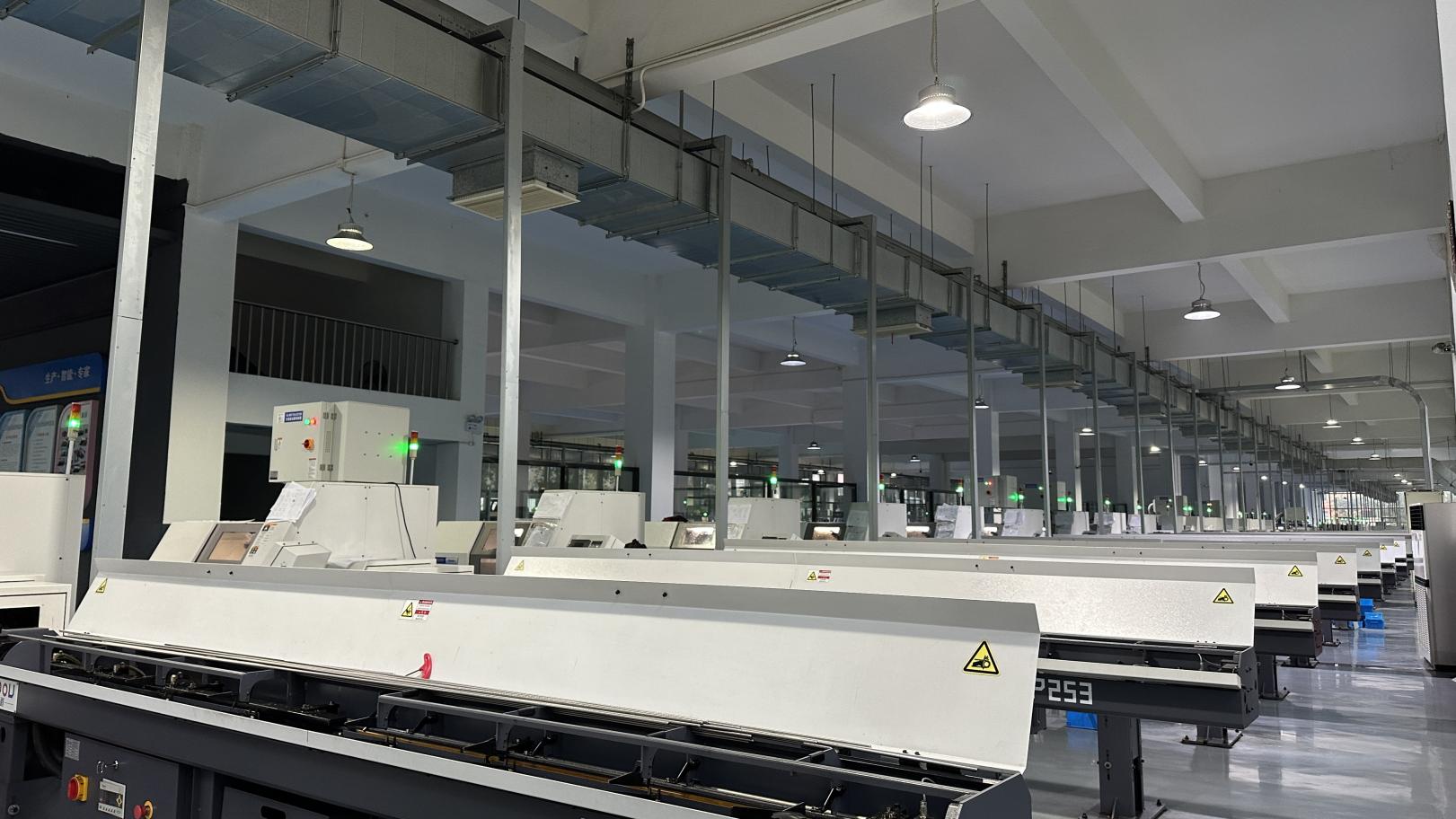
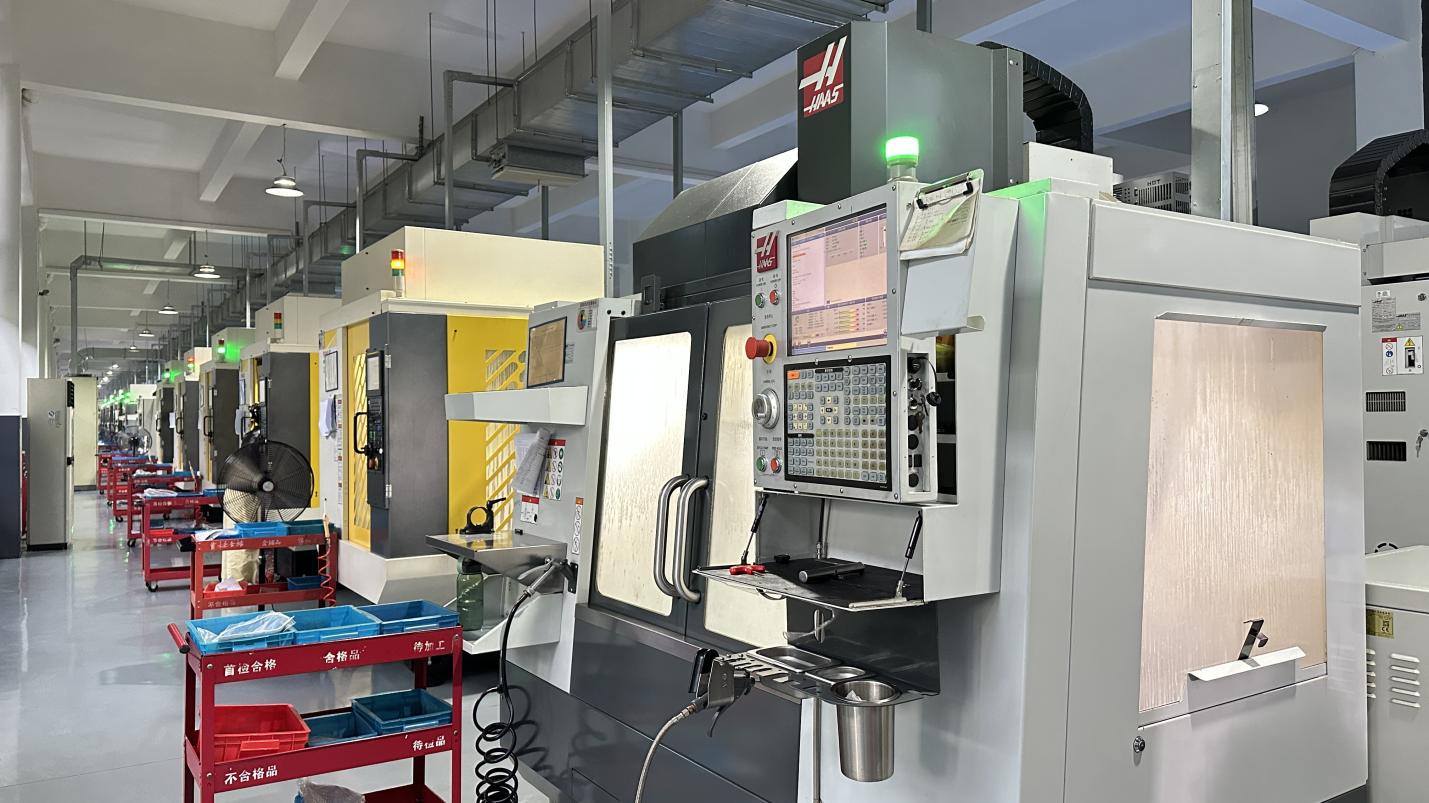
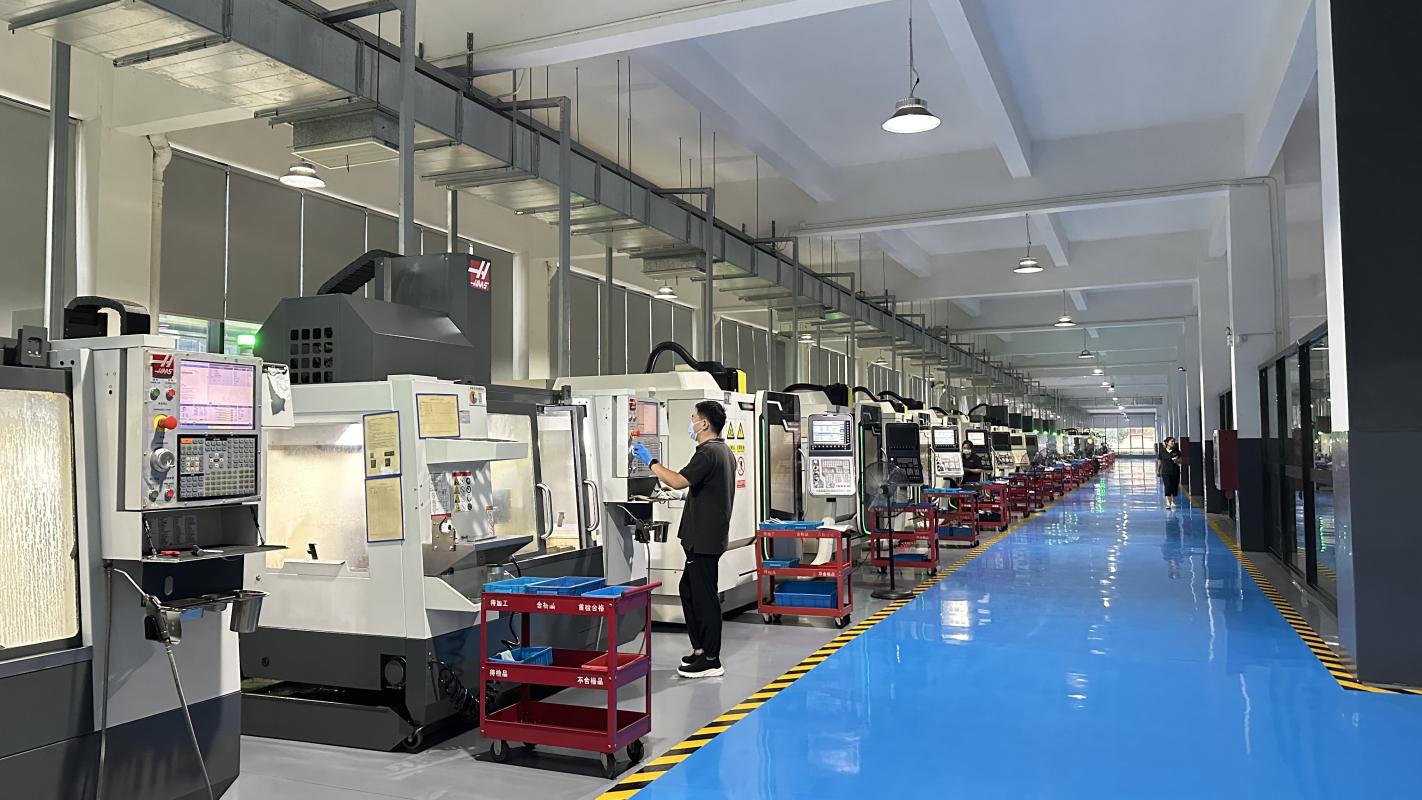
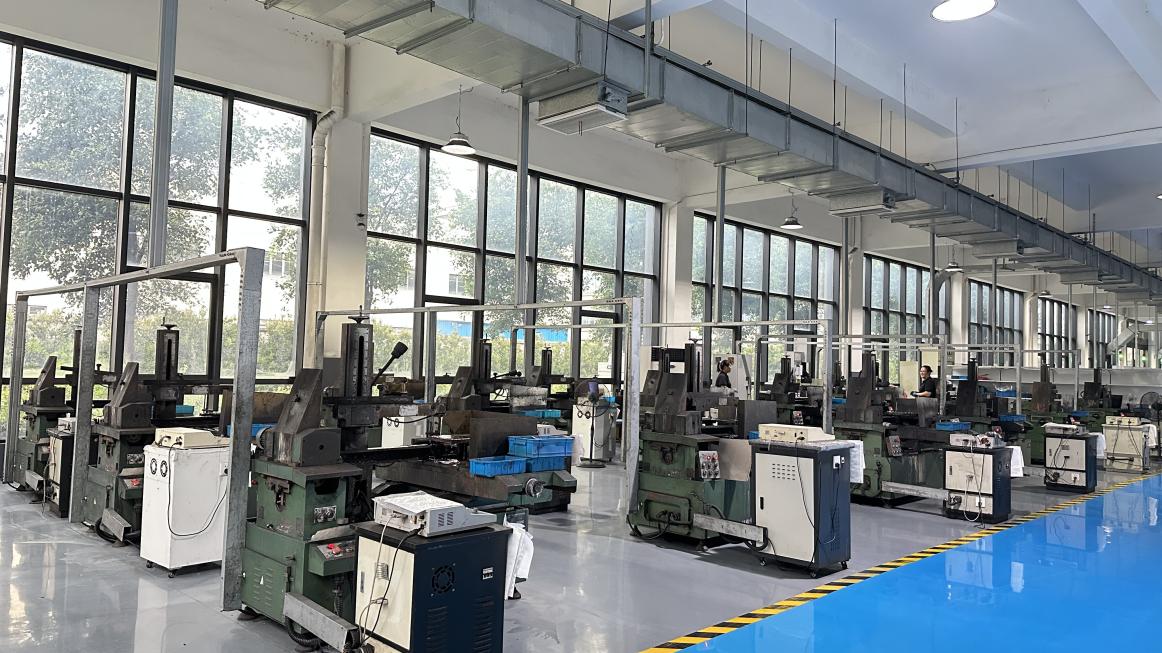
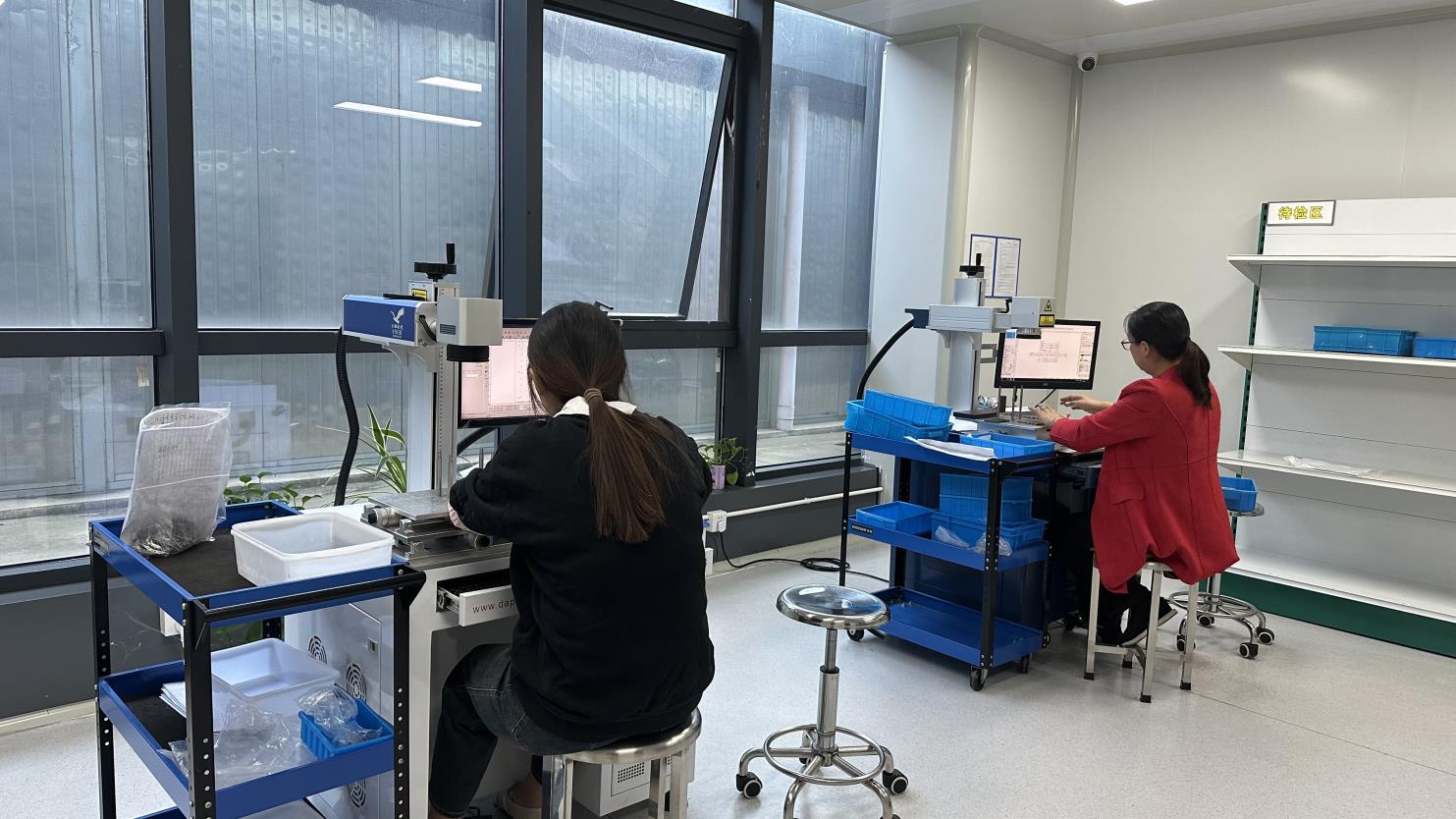
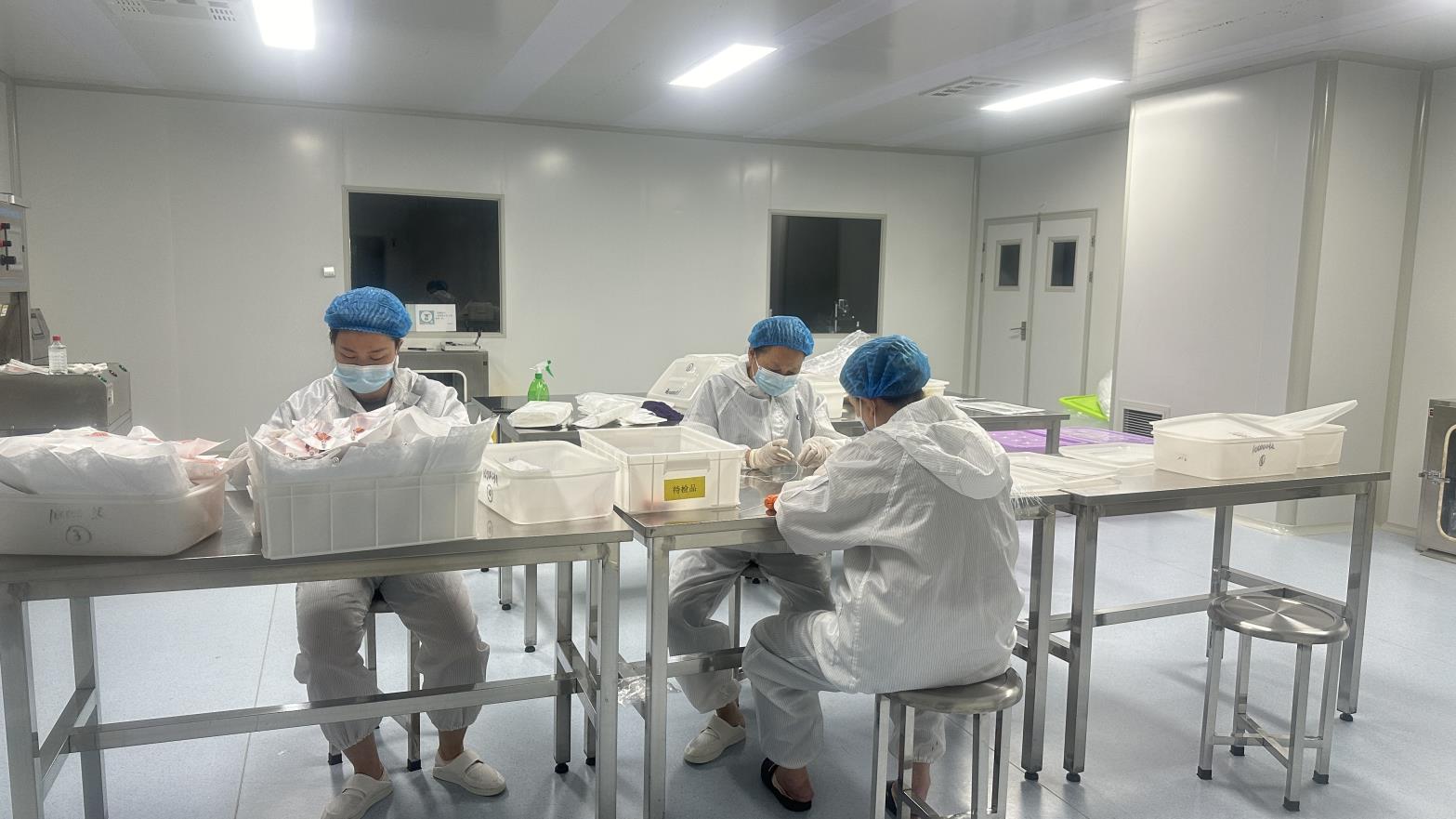

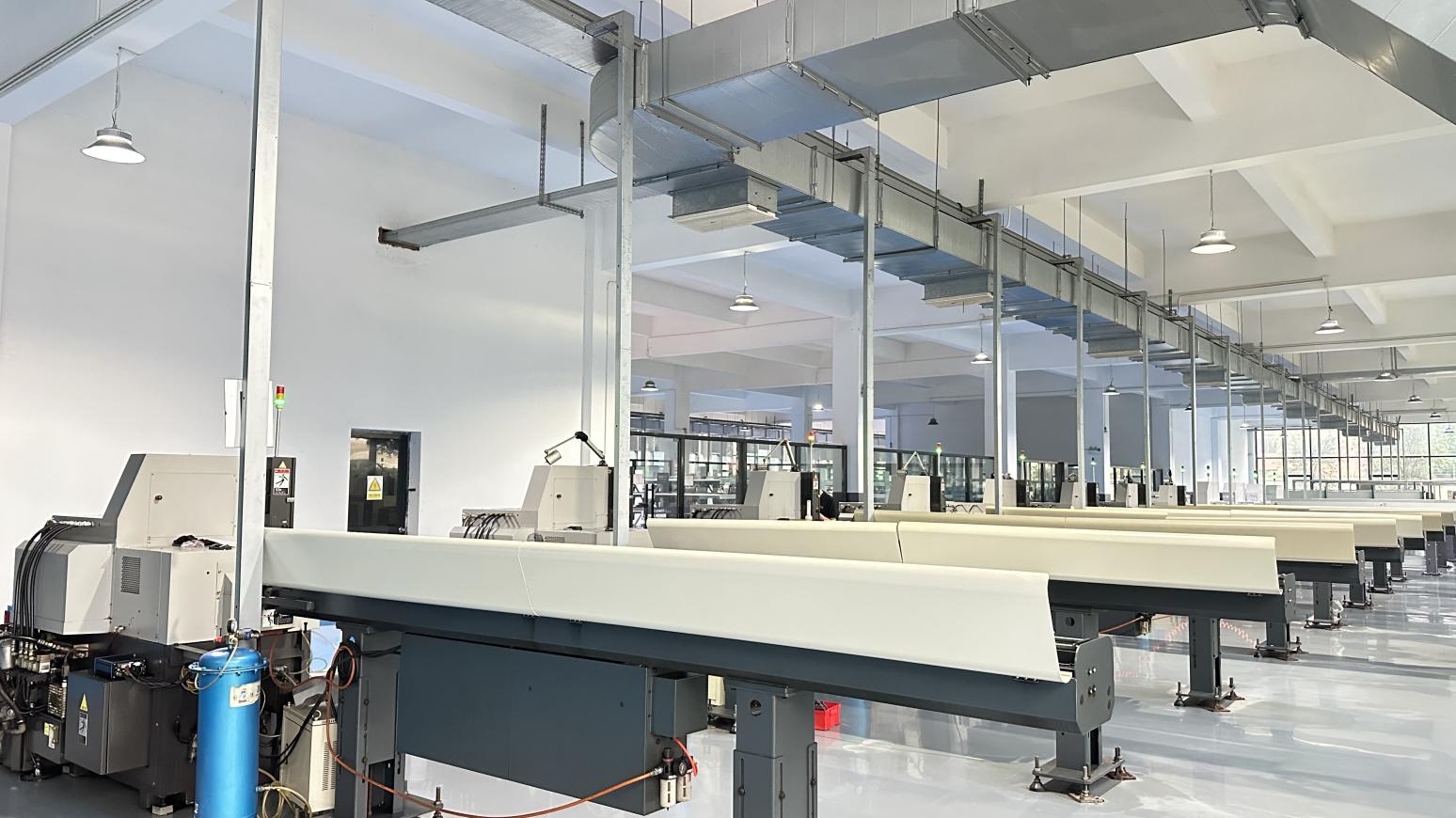
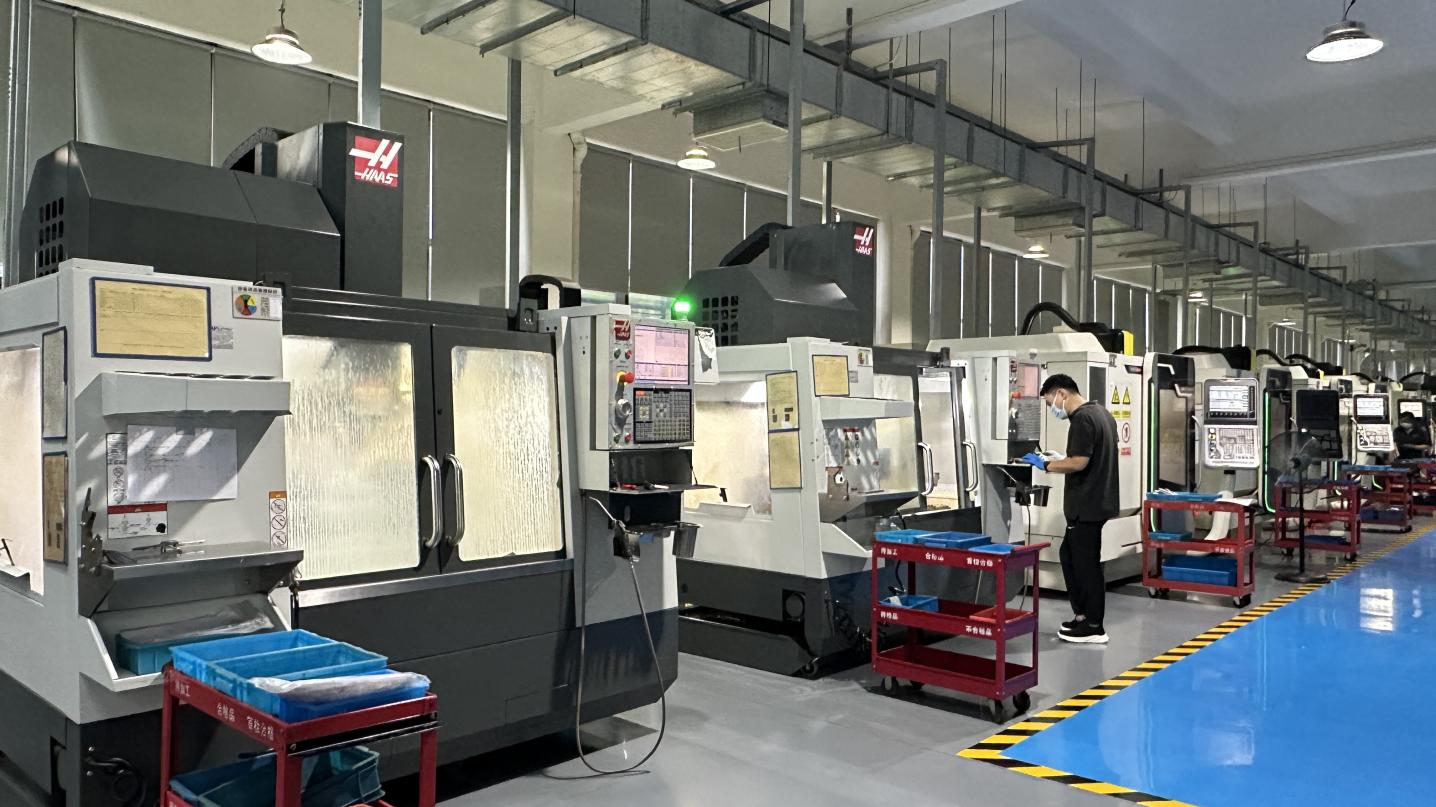
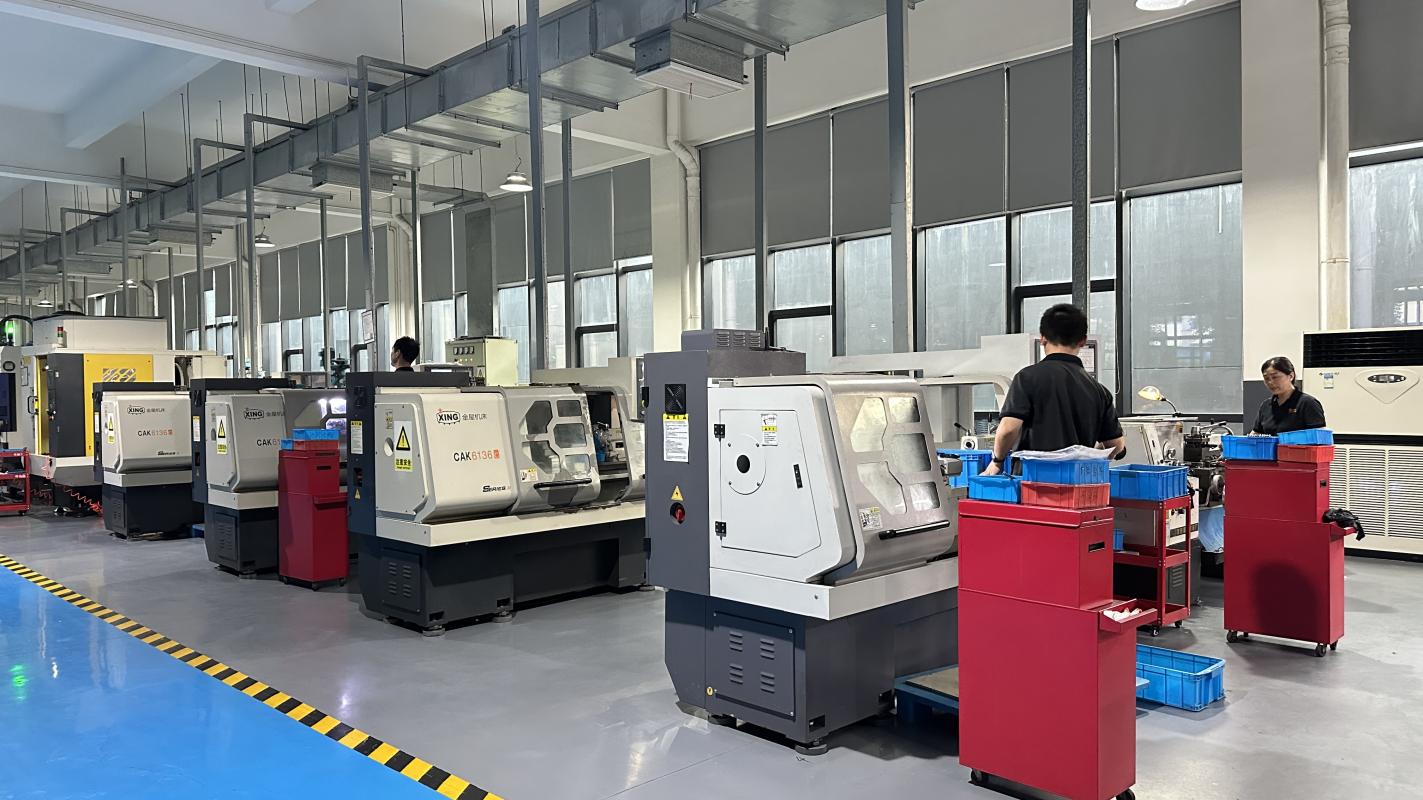
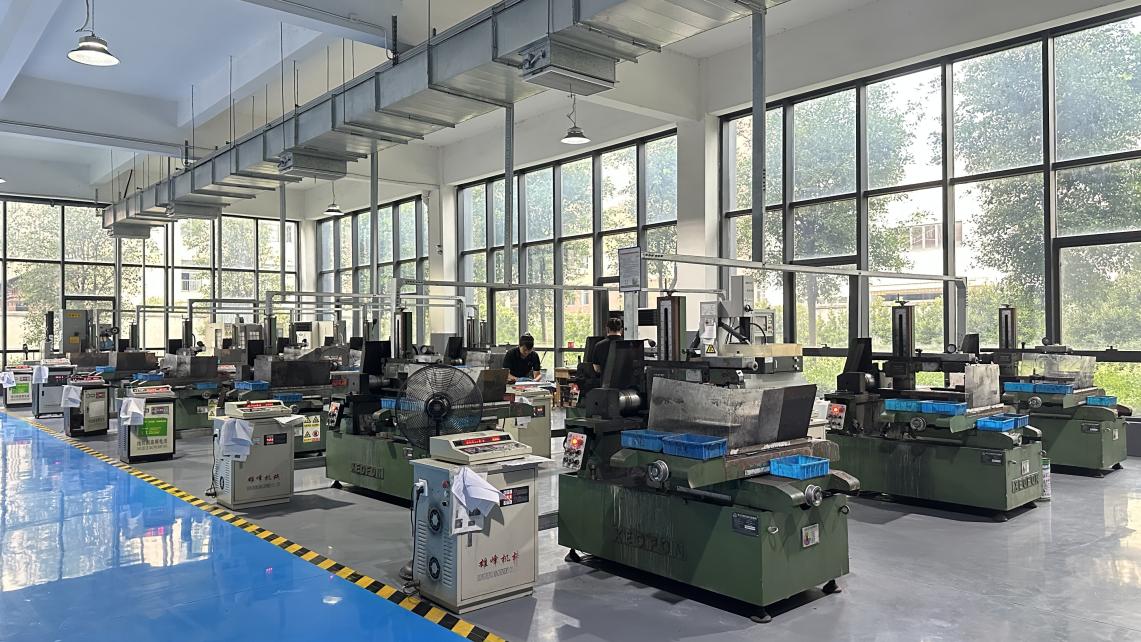
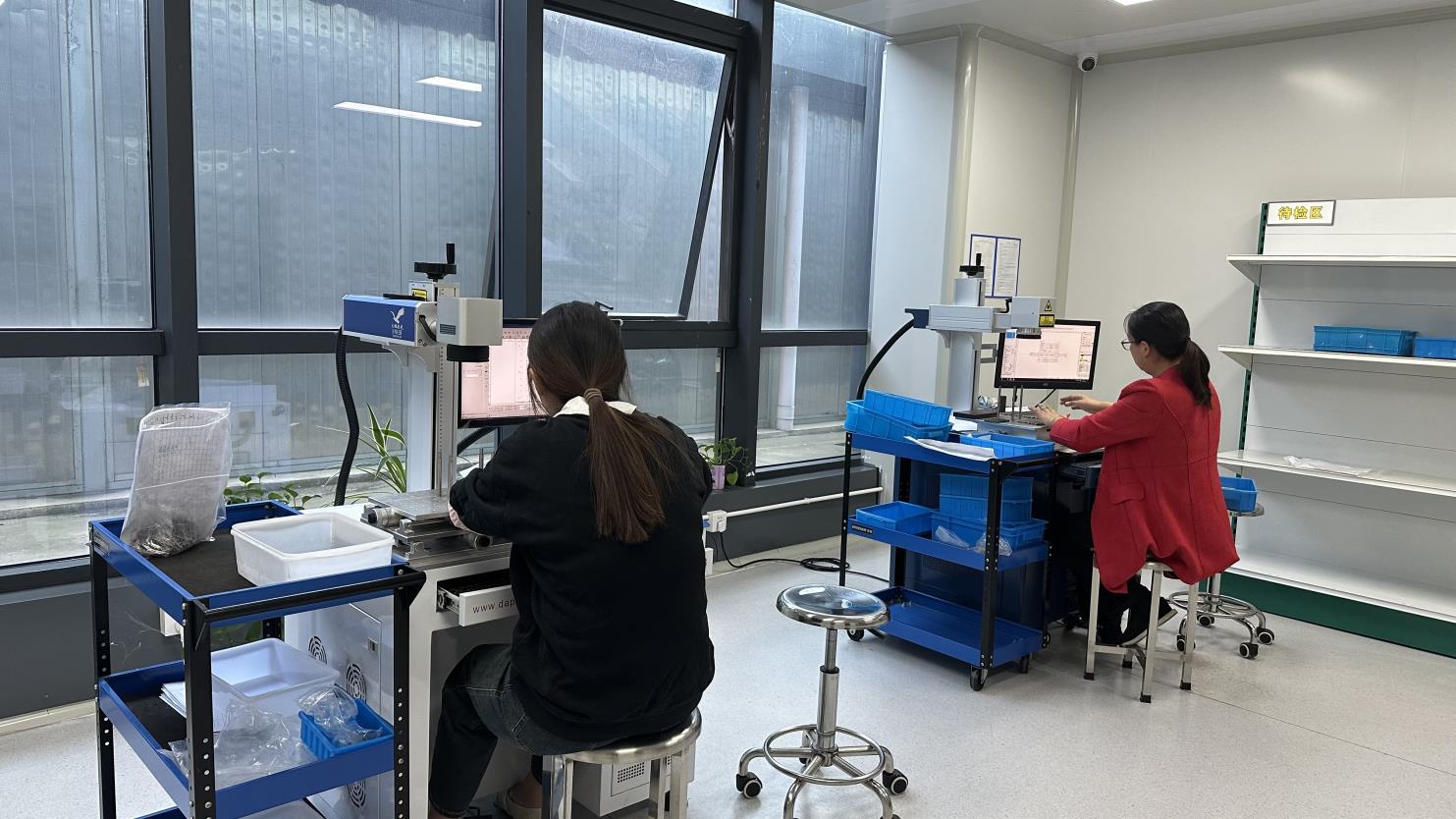
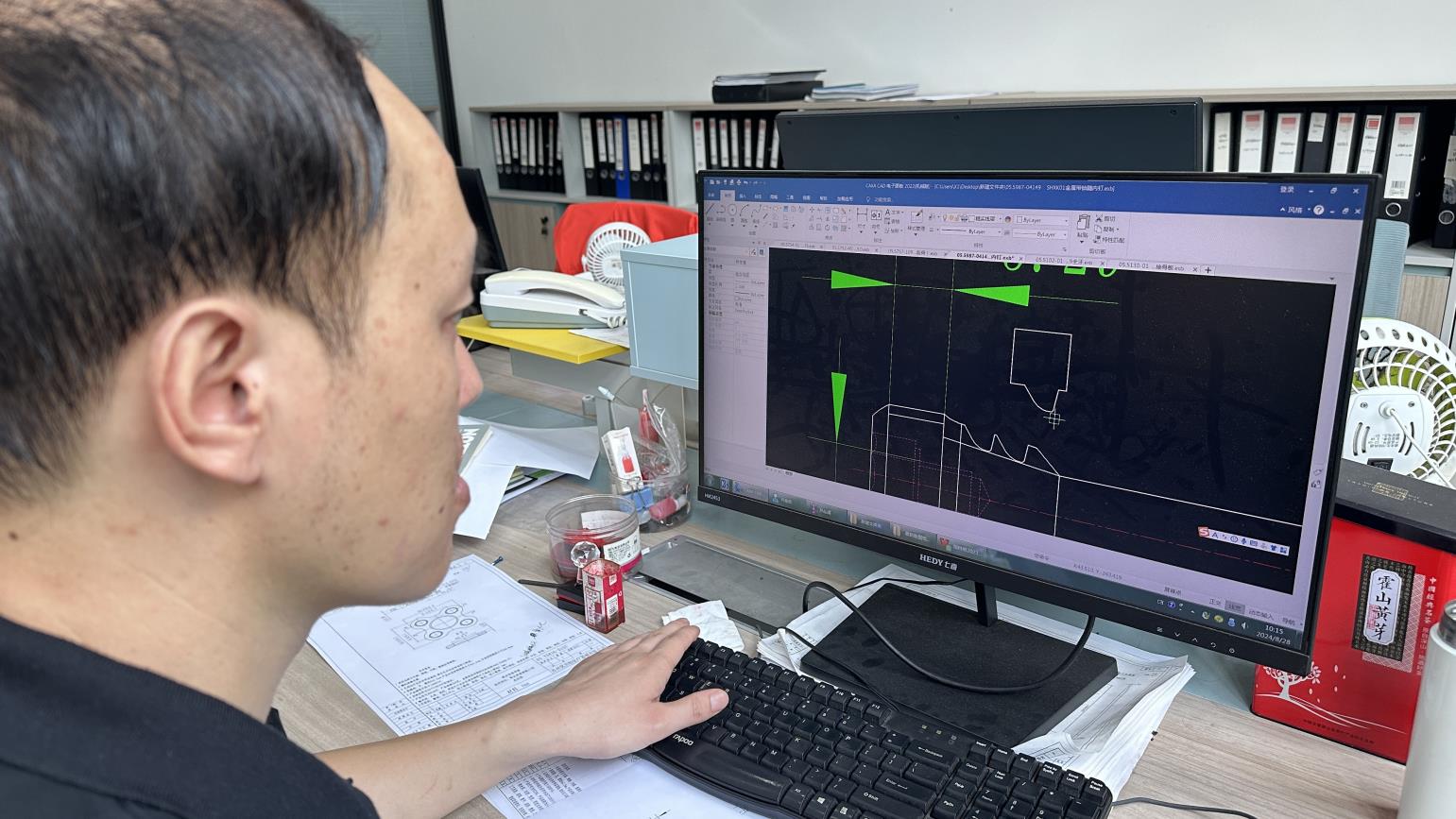
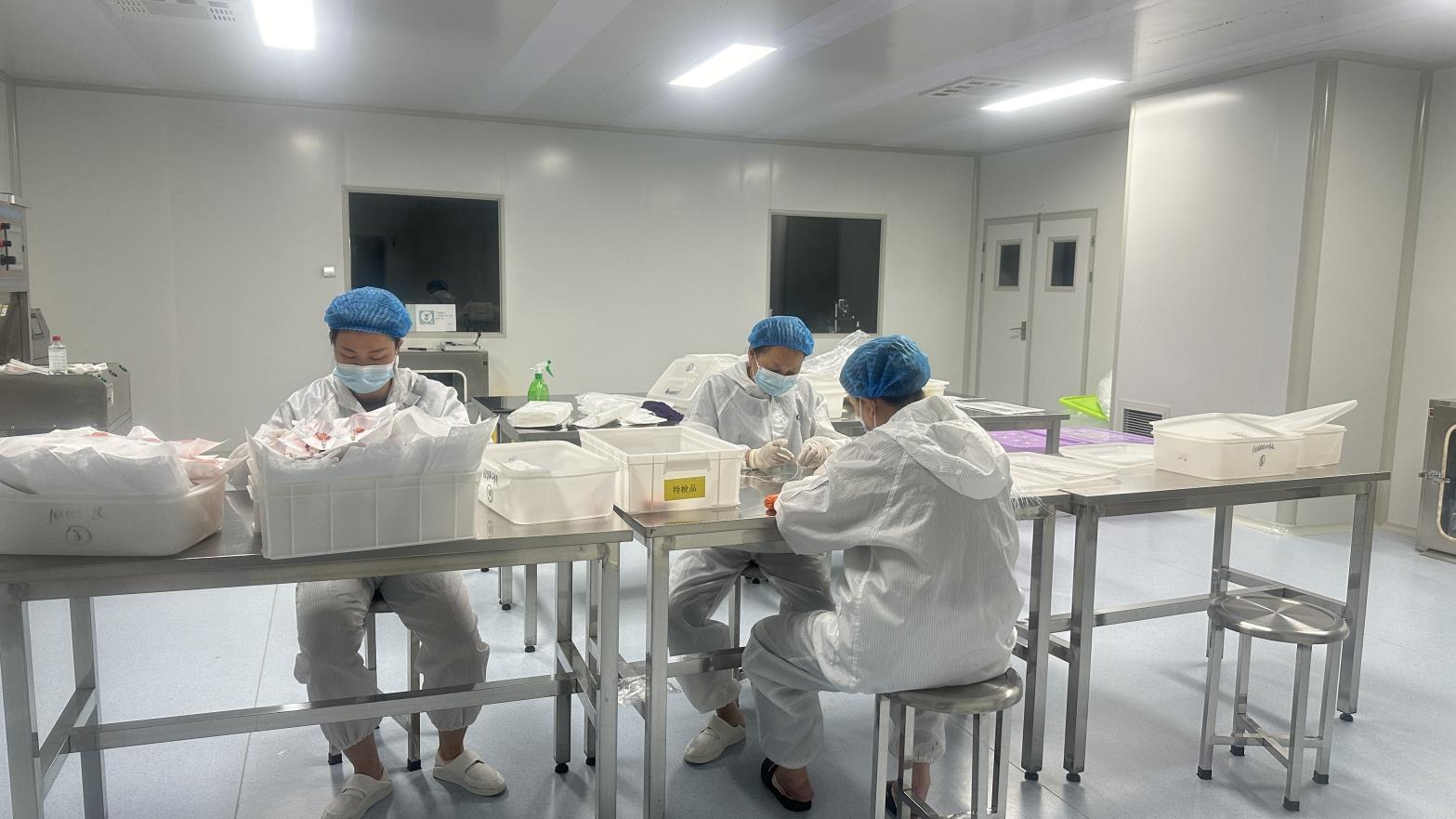
Entering the Portuguese medical distribution pipeline requires more than just high-quality implants. At Bonevia, we have optimized our internal compliance processes to support partners working within the Iberian market. Our regulatory affairs department maintains dossiers mapped directly to the expectations of INFARMED (Autoridade Nacional do Medicamento e Produtos de Saúde, I.P.).
Every shipment destined for Lisbon, Porto, Coimbra, or Faro is accompanied by certificates of conformity, localized packing lists, and structured device labels that feature clean, standardized symbols in accordance with EN ISO 15223-1. Our logistics team handles consolidated shipping routes, reducing delays through customs clearance checkpoints.
As a forward-looking exporter, Bonevia is committed to investing in the next wave of orthopedic spine technologies:
Key information regarding ordering, customization, regulatory approvals, and shipping protocols for the Portuguese orthopedic sector.
Yes. Bonevia is actively transitioning all product lines to comply with the European Medical Device Regulation (MDR 2017/745). We maintain robust technical documentation and clinical evaluation reports (CER) to assist our distributors in satisfying national healthcare requirements in Portugal.
We use premium medical-grade Titanium Alloy (specifically Ti-6Al-4V ELI / Grade 5 conforming to ASTM F136). This ensures excellent mechanical strength, fatigue resistance, and biocompatibility profile essential for long-term internal fixation.
Yes. Backed by our R&D facility with 85 engineers, we offer customized solutions for orthopedic implants. We can tailor dimensions, screw profiles, and set configurations based on clinical trial needs or municipal tender demands.
For standard configurations, orders are processed and prepared for shipping within 15–30 days. Trans-European logistics or sea freight to Port of Lisbon/Leixões typically takes 30-40 days. Critical air freight solutions are available for accelerated schedules.
Our quality assurance team of 35 specialists performs strict incoming material inspections on all titanium and PEEK stocks. We run optical emission spectrometry, hardness testing, and microstructural analysis to verify alloy purity prior to machining.
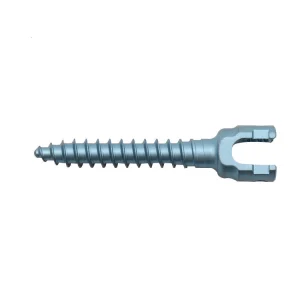
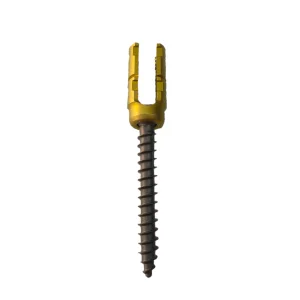
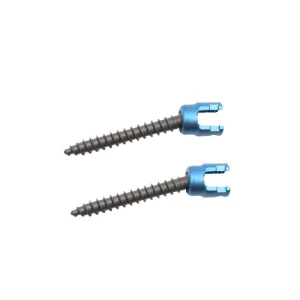
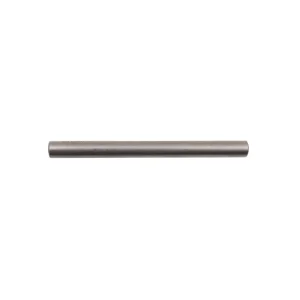
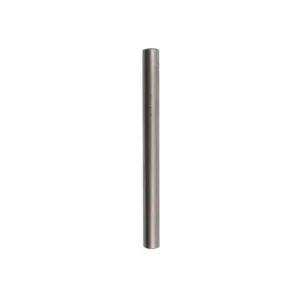
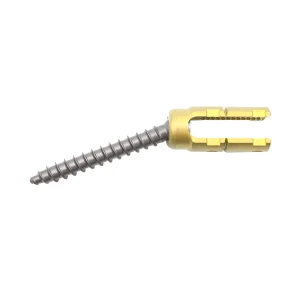
Browse our extensive selection of high-precision orthopedic screws, straight rods, and minimally invasive instrumentation ready for global export.
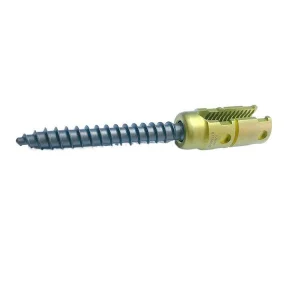
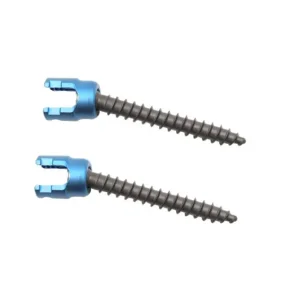
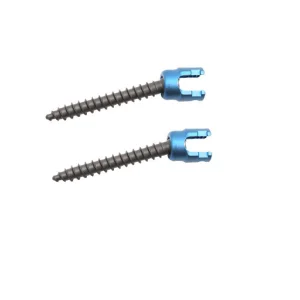
Are you looking to expand your spinal hardware catalog in Portugal? Our expert regulatory and technical team is ready to provide all necessary compliance documentation, dynamic quotes, and physical samples to satisfy your local market needs.
Send Inquiry Now →