 Bonevia
Bonevia
Bonevia
Advanced titanium fixation modules designed to meet the rigorous mechanical safety parameters of modern Scandinavian orthopedic standards.
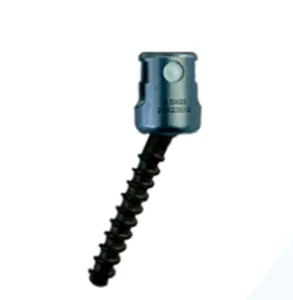
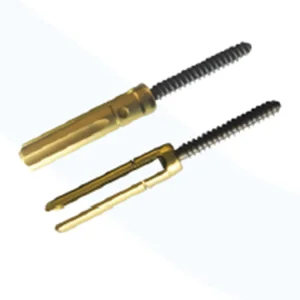
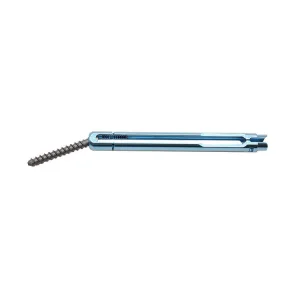
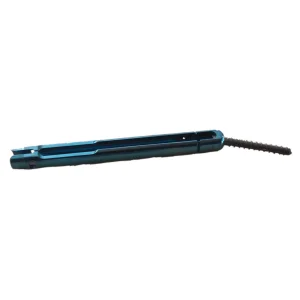
The Norwegian orthopedic and spinal implant market operates under a unique administrative framework characterized by public centralization and uncompromising quality thresholds. Headed by the regional health authorities (De regionale helseforetakene such as Helse Sør-Øst, Helse Vest, Helse Midt-Norge, and Helse Nord), procurement is strictly managed via centralized tender portals like Sykehusinnkjøp HF.
For spinal implant factories looking to capture market share, understanding this infrastructure is critical. Norway's clinical guidelines require implants constructed from high-grade biocompatible materials that show zero wear-debris under long-term cyclical stress. The market is shifting rapidly from open spinal fusion toward motion preservation and Minimally Invasive Surgery (MIS) techniques.
Supply chain reliability is another crucial metric in Norway. Hospitals expect just-in-time delivery of sterile instrument sets and back-up implants. To navigate this, foreign manufacturers must work with robust local medical distributors who possess deep relationships with major university hospitals like Oslo Universitetssykehus (OUS) and Haukeland Universitetssjukehus.
Furthermore, Norway is not an EU member but is part of the EEA. This means it enforces the European Medical Device Regulation (EU MDR 2017/745) through the Norwegian Medical Products Agency (Direktoratet for medisinske produkter). Any spinal implant factory serving this market must prove comprehensive clinical evaluations and class III MDR registration status.
Exploring the convergence of material science, digital navigation, and manufacturing agility in modern spinal care.
Standard solid titanium alloy (Ti-6Al-4V ELI) remains the workhorse of posterior fixation. However, the future belongs to porous structures that mimic human trabecular bone. Our R&D is focused on 3D-printed titanium cages and screw coating interfaces that enhance osseointegration and reduce the risk of implant subsidence in osteoporotic bone.
We are exploring surface engineering innovations such as anodic oxidation and silicon-doped hydroxyapatite coatings. These treatments accelerate early stage cellular attachment. Looking forward to 2030, integrated strain-gauge micro-sensors are being researched to remotely monitor bone healing and detect early spinal construct failure.
Modern spinal surgeries in Oslo and Bergen heavily utilize intraoperative CT navigation and robotic guidance. Implant design must adapt. Bonevia's newer implant systems feature optimized head geometries compatible with top-tier surgical navigation rings, ensuring high accuracy during pedicle screw insertion.
Founded in 2015, Bonevia Orthopedic Technology Co., Ltd. has established itself as an innovative, trust-driven manufacturer of high-precision orthopedic implants and customized surgical instruments. Over the last decade, we have developed robust OEM and ODM pathways to satisfy clinical demands globally.
Operating a modern production facility of 320㎡, we practice hyper-efficient manufacturing protocols tailored for high-mix, low-volume specialized implant systems. Our operation records an annual export revenue of USD 8–15 million, backed by a strong network of over 850 global supply chain partners.
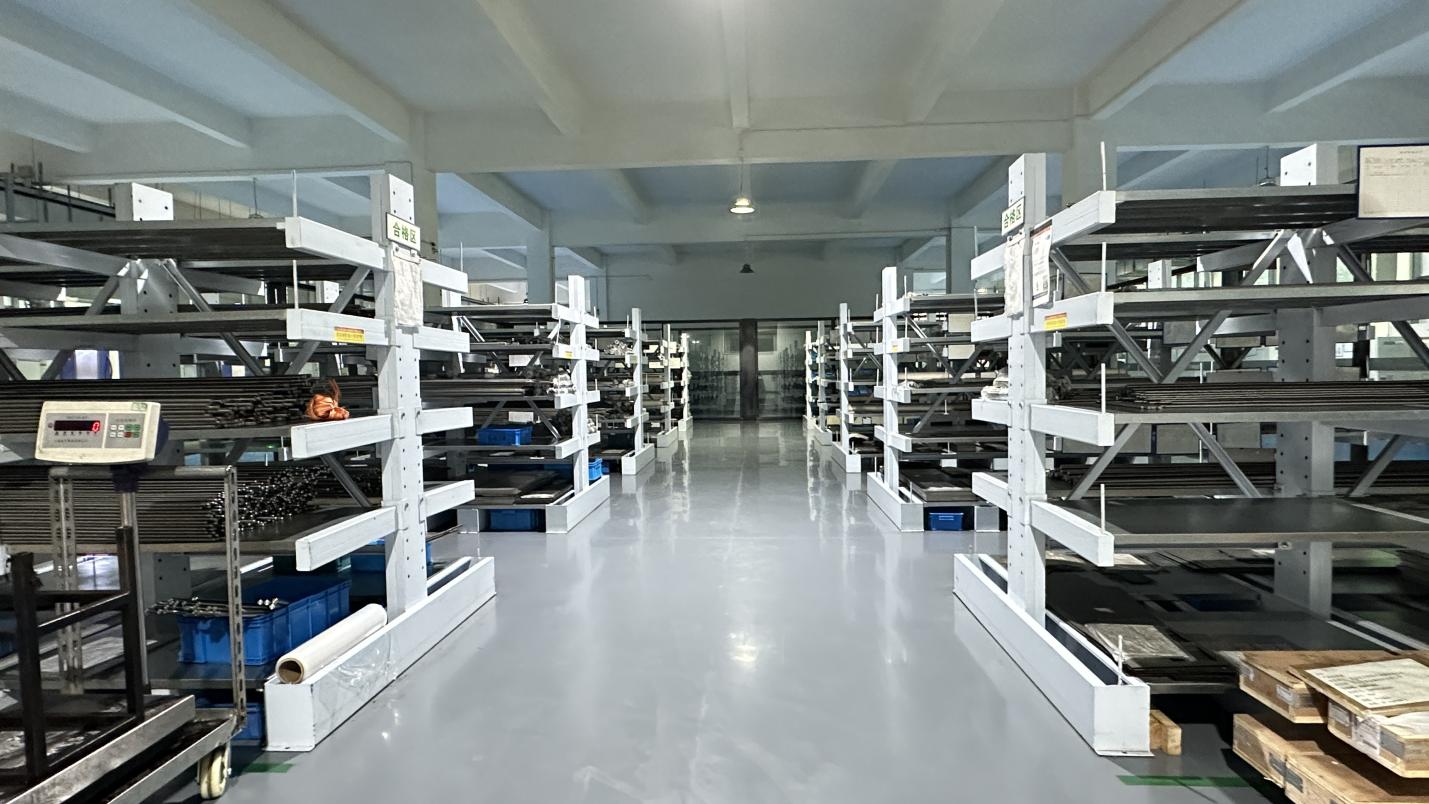
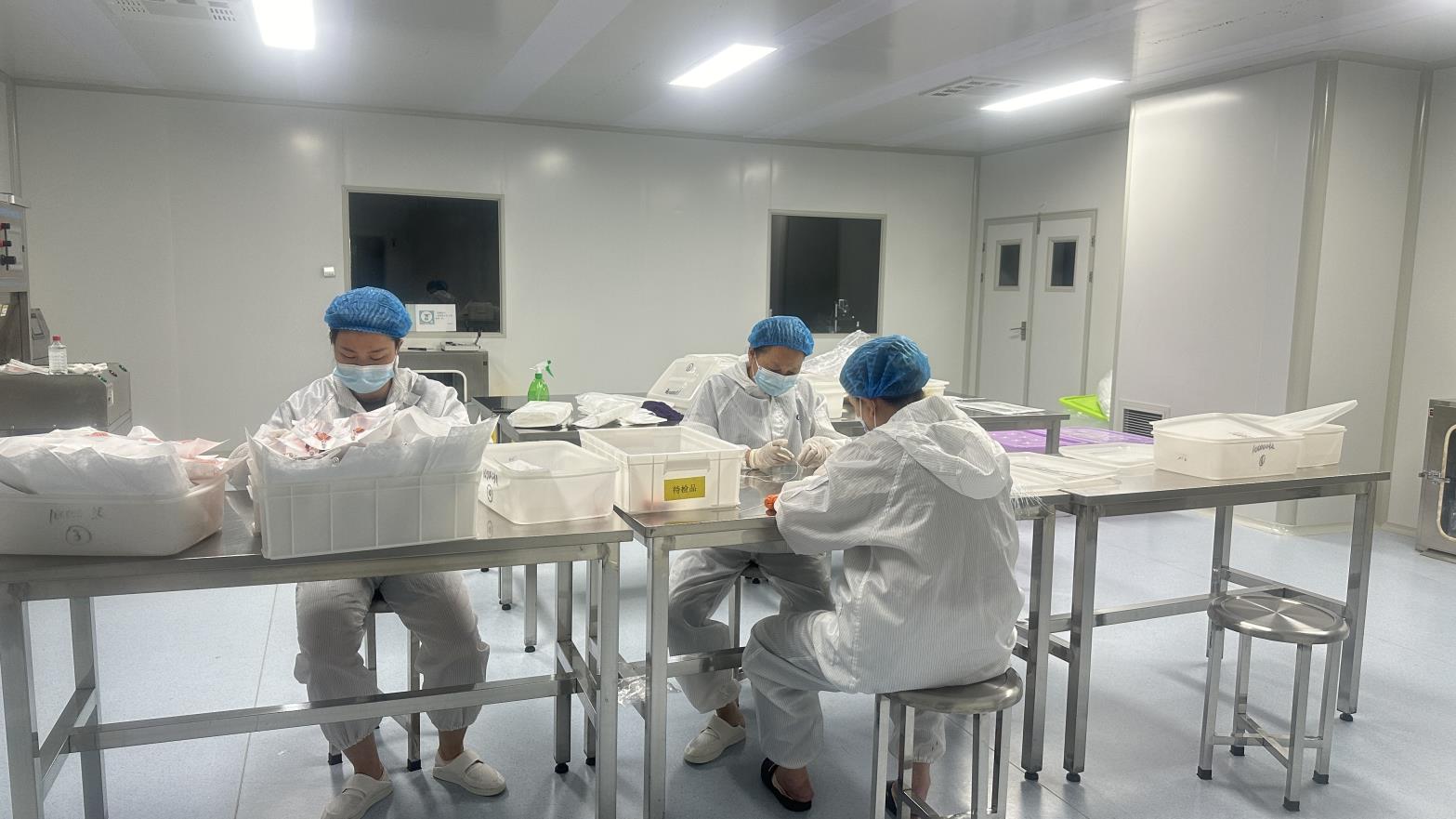
From raw material bars to fully inspected and trace-marked sterile implants. Our cleanrooms and machining zones conform to high international standards.
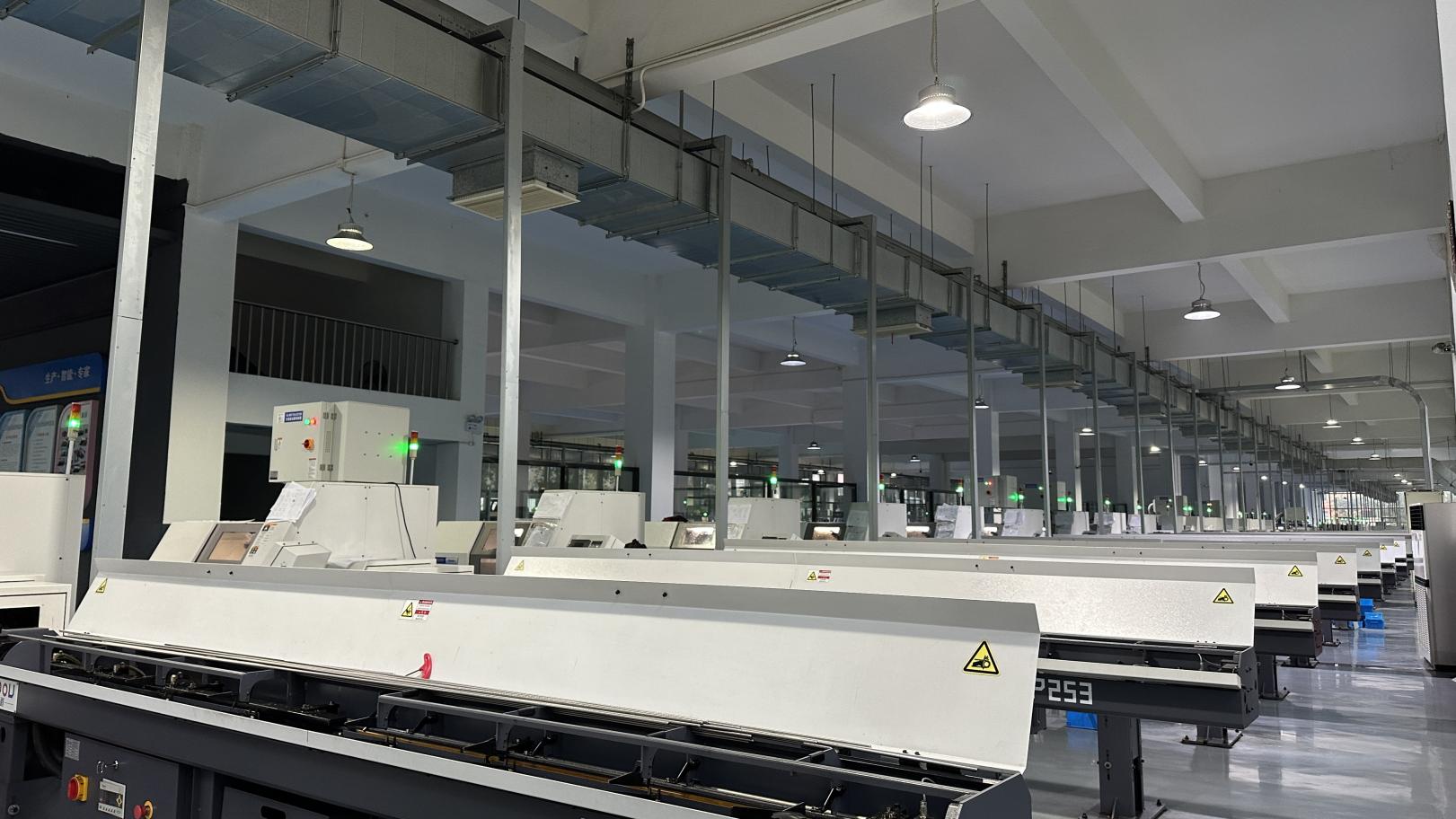
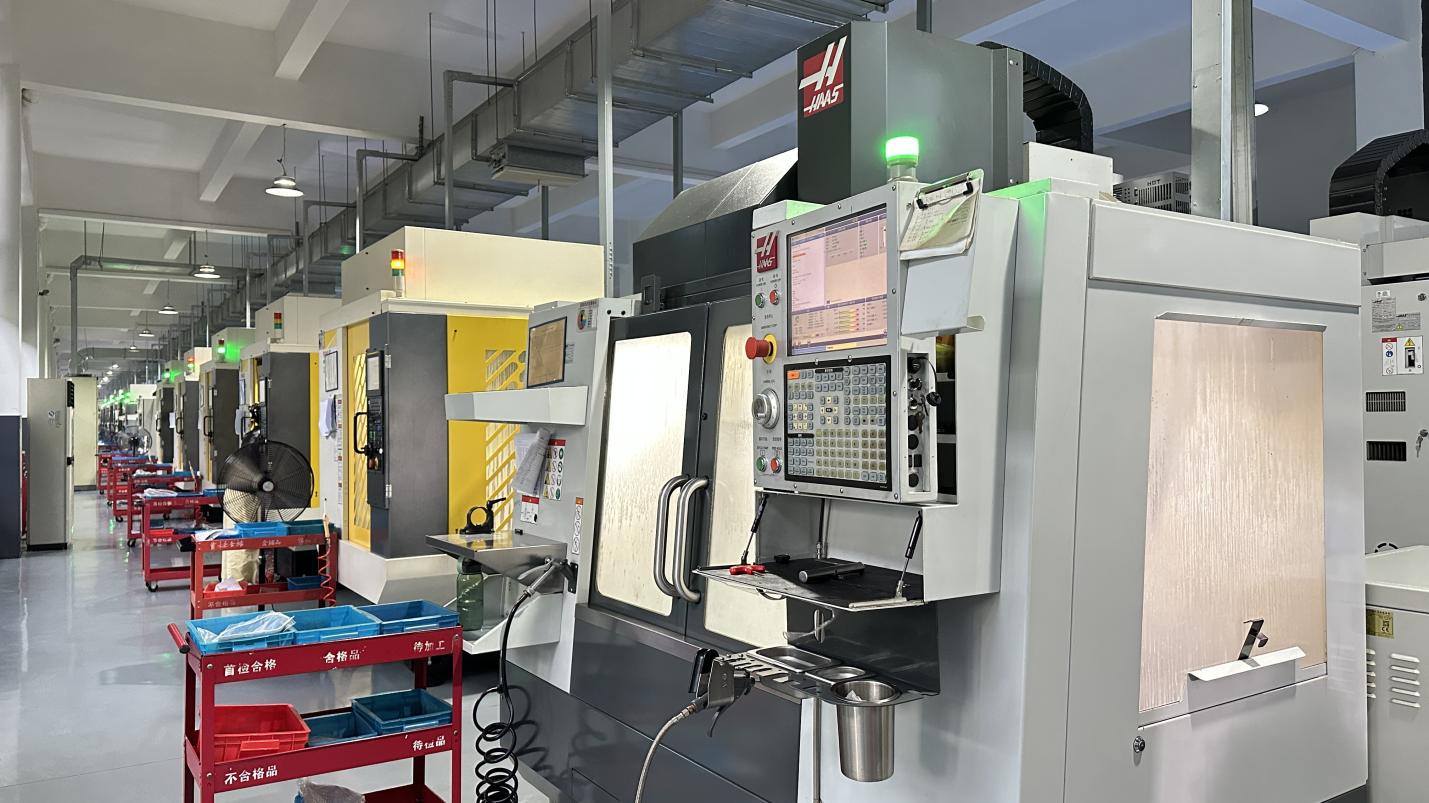
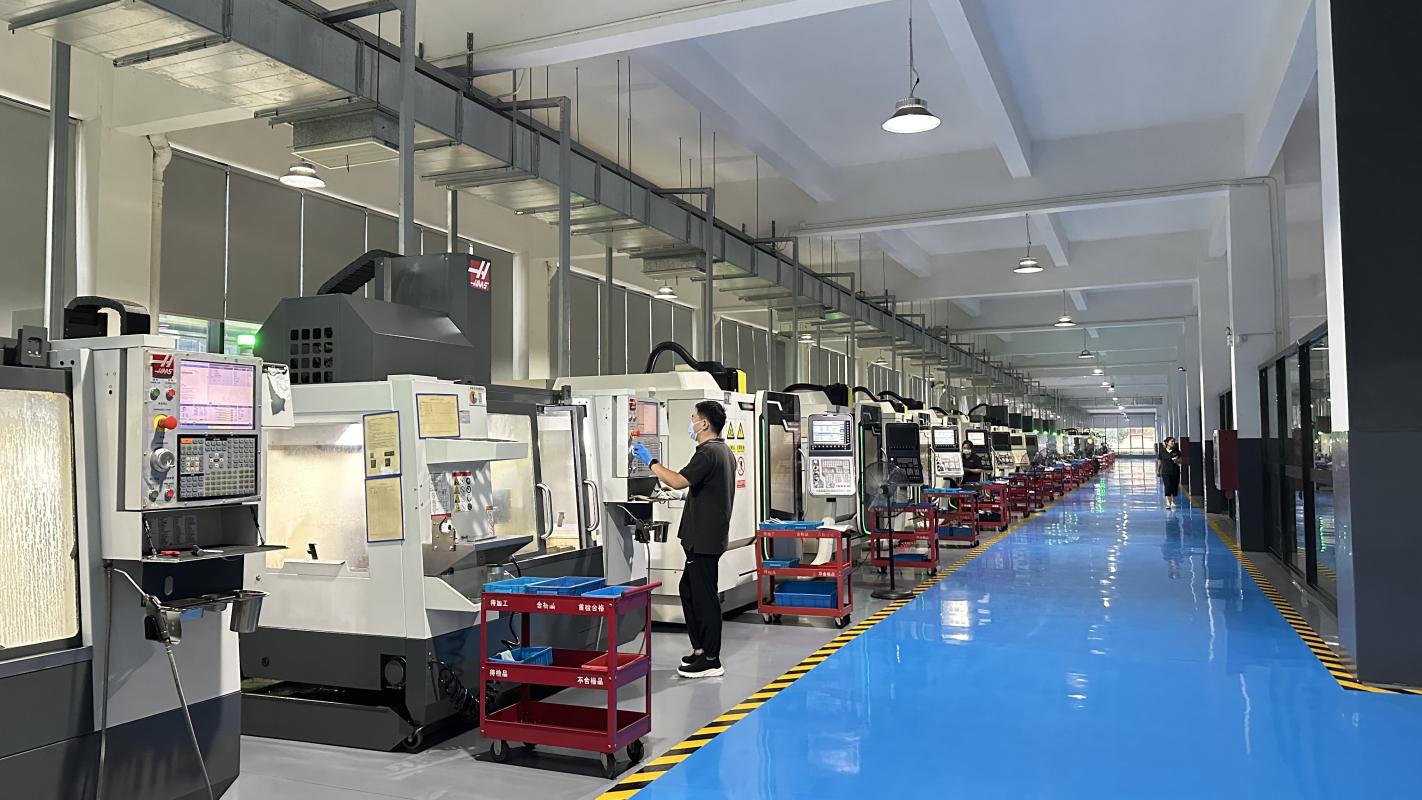
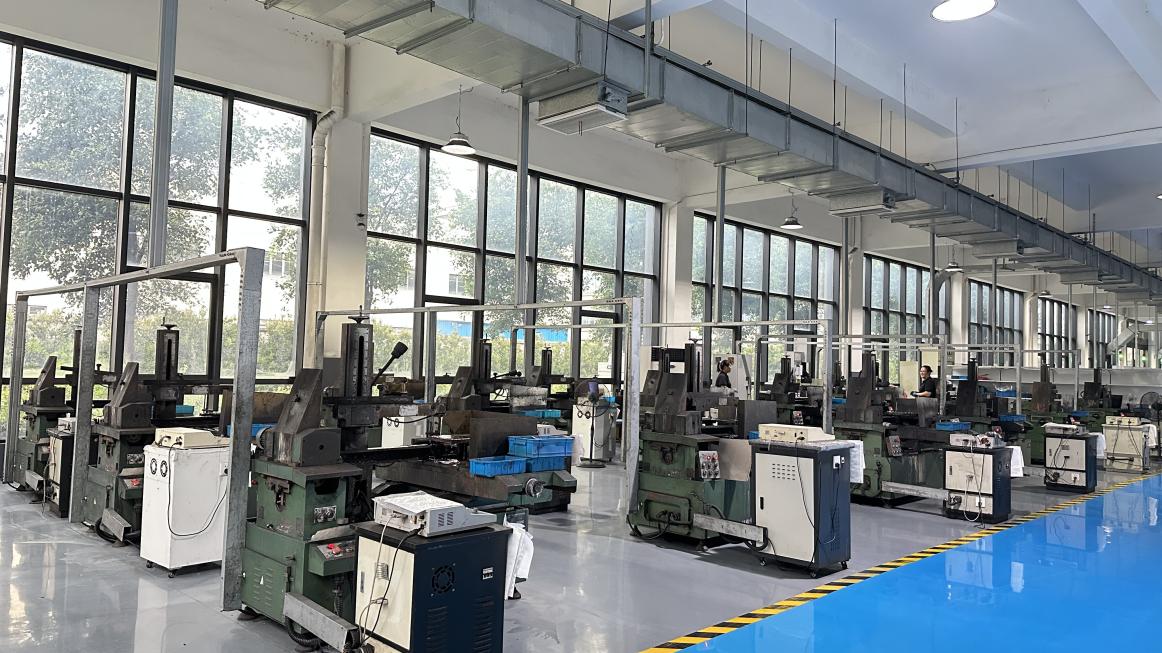
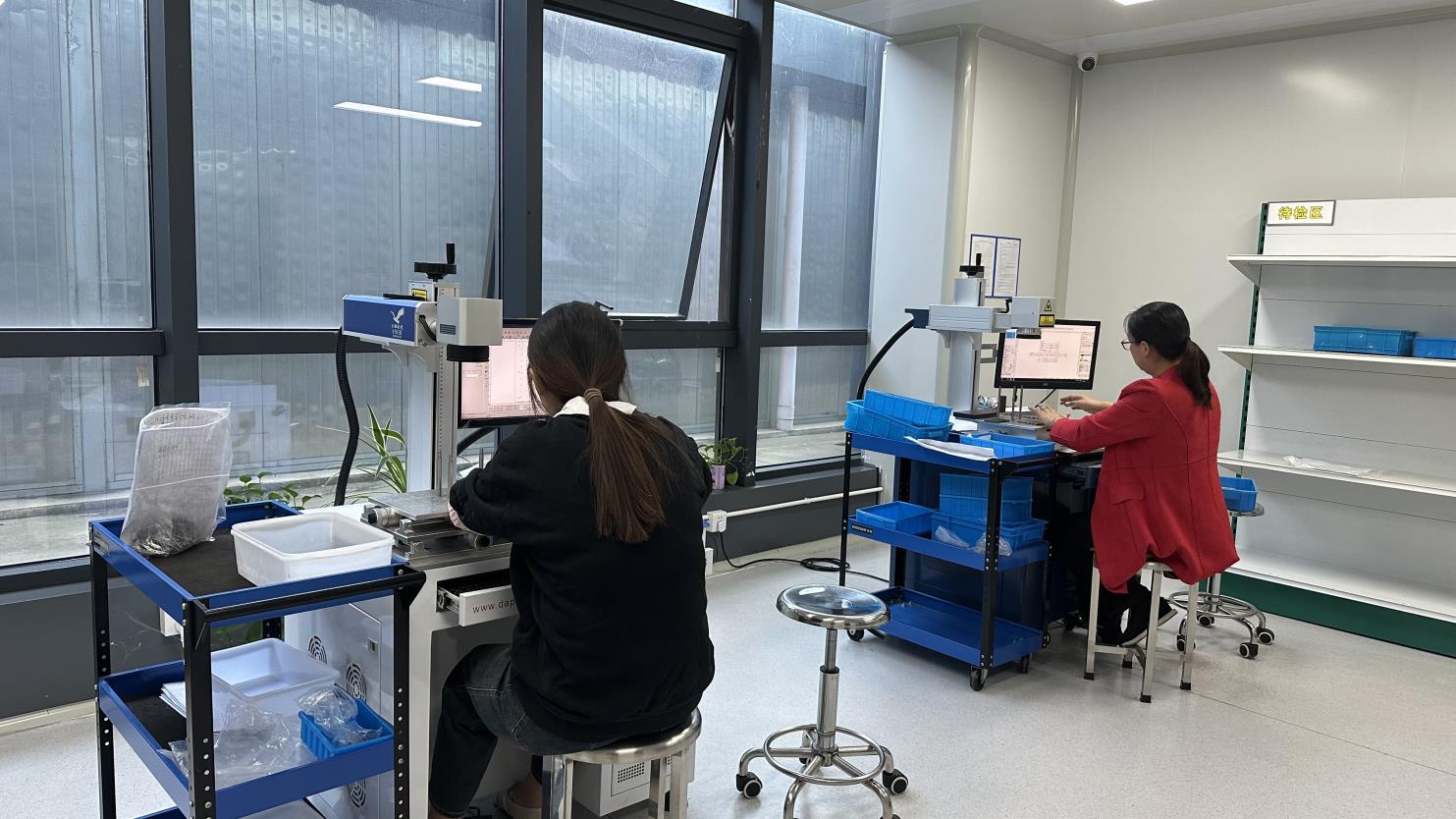
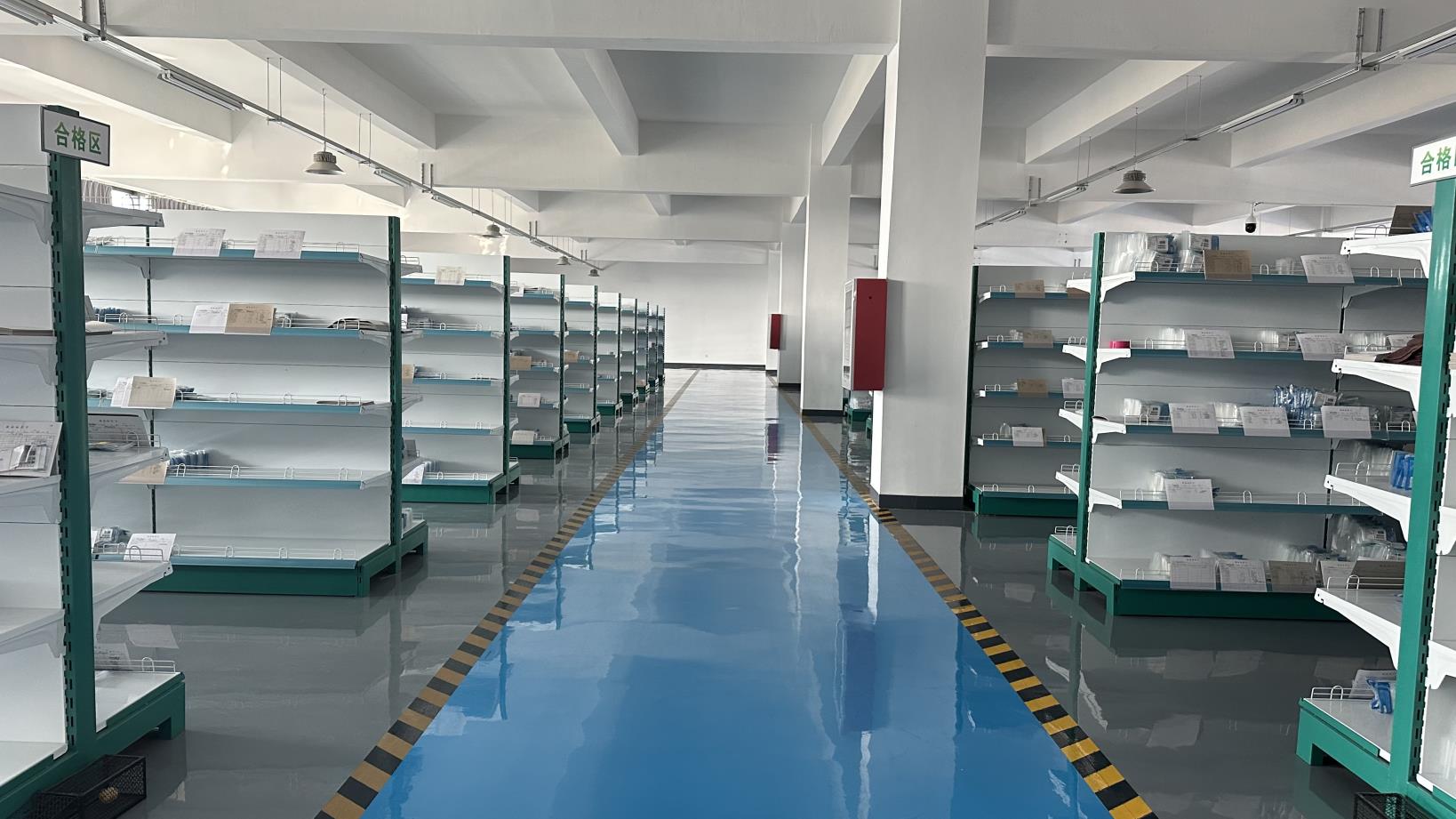
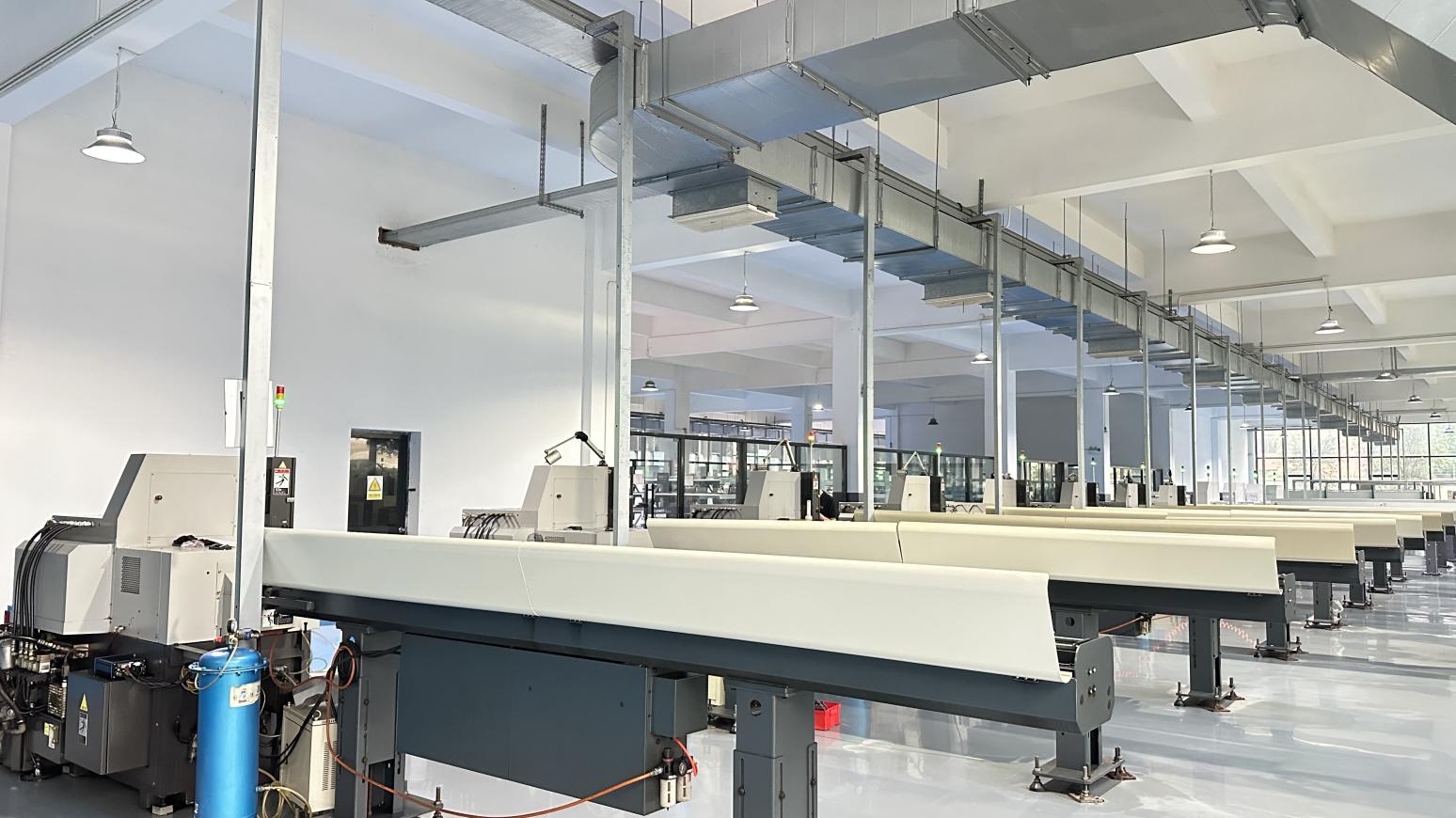
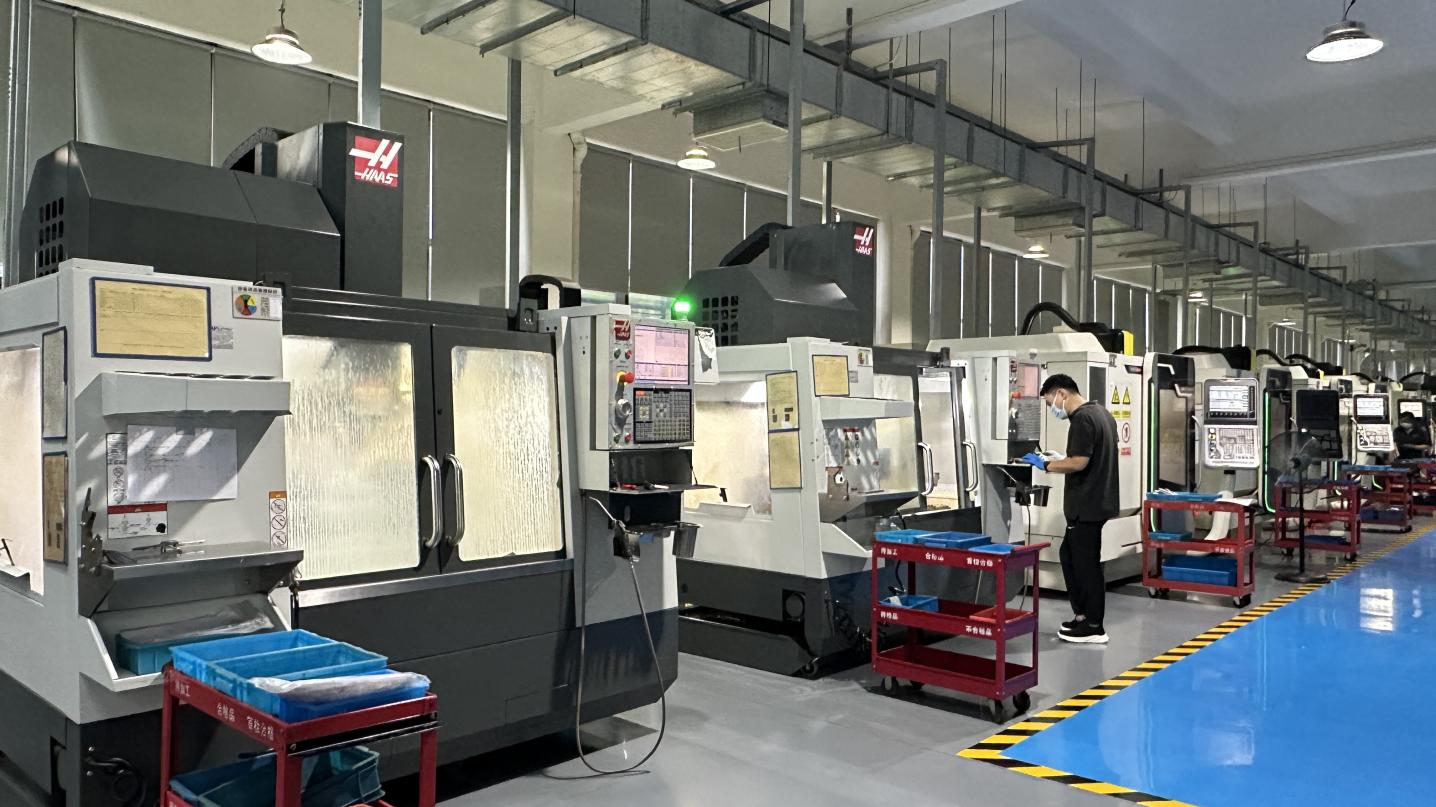
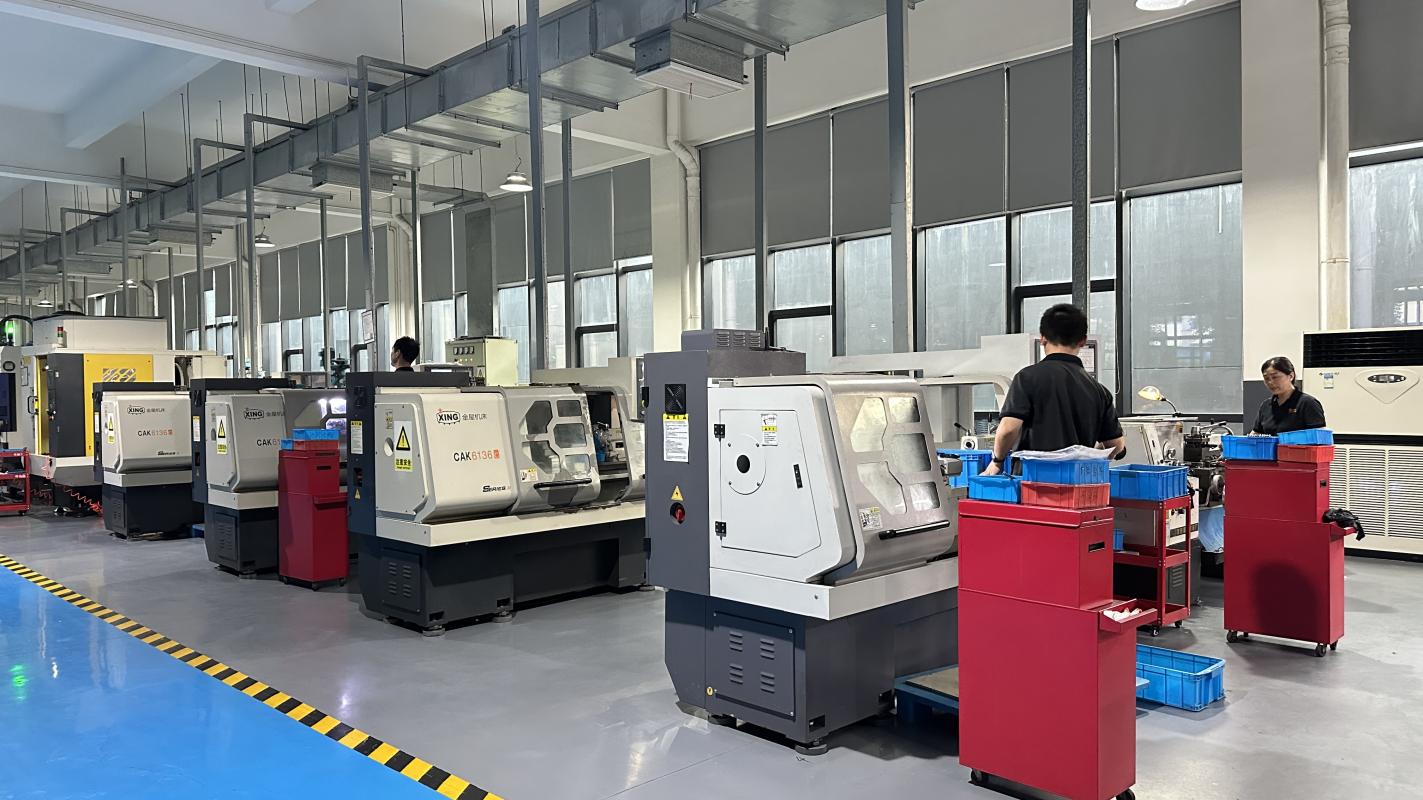
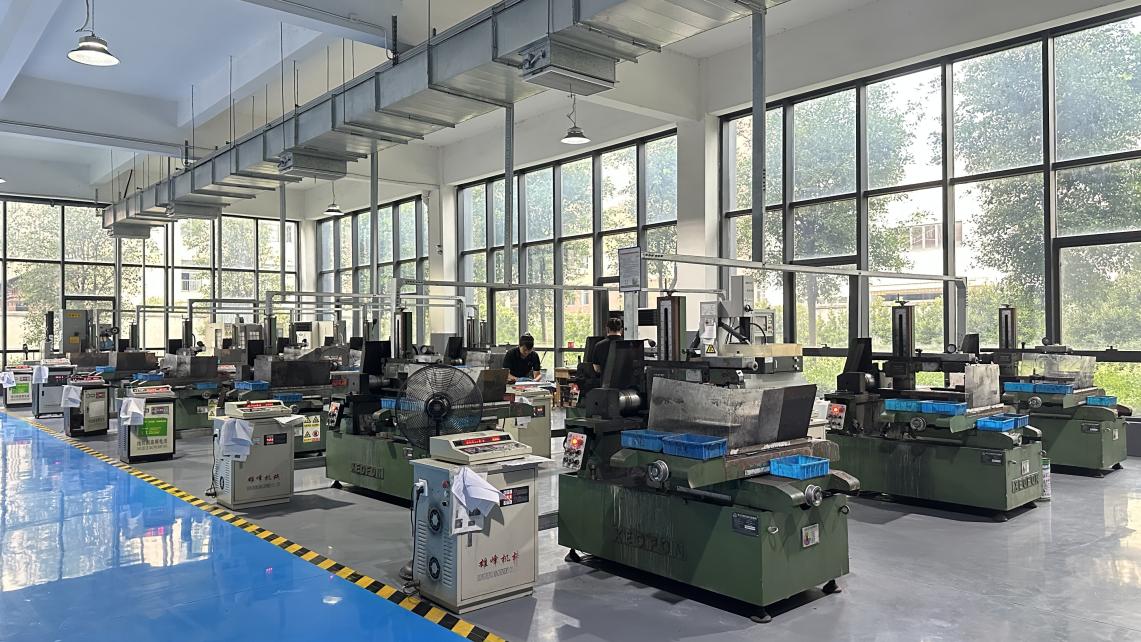
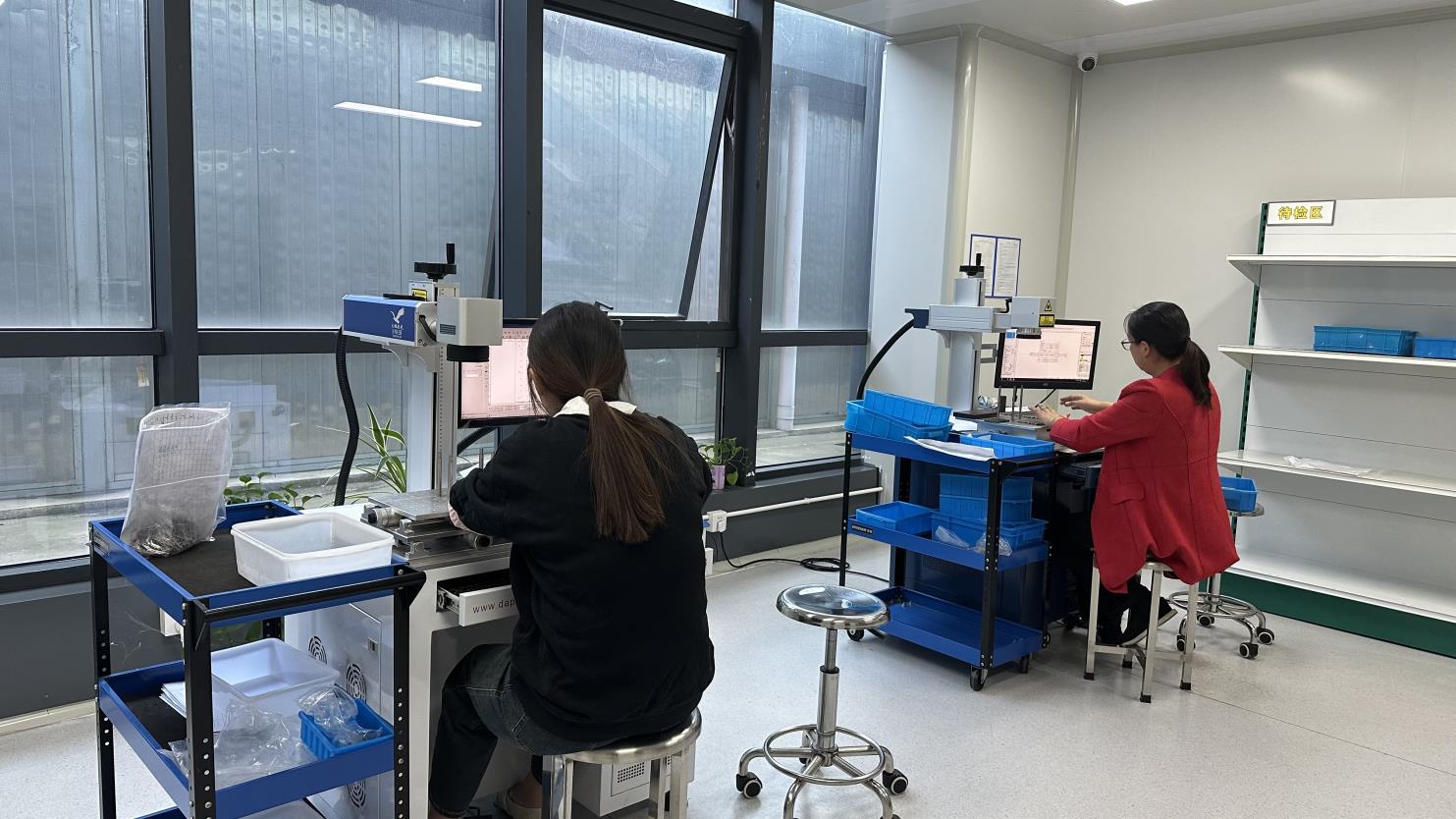
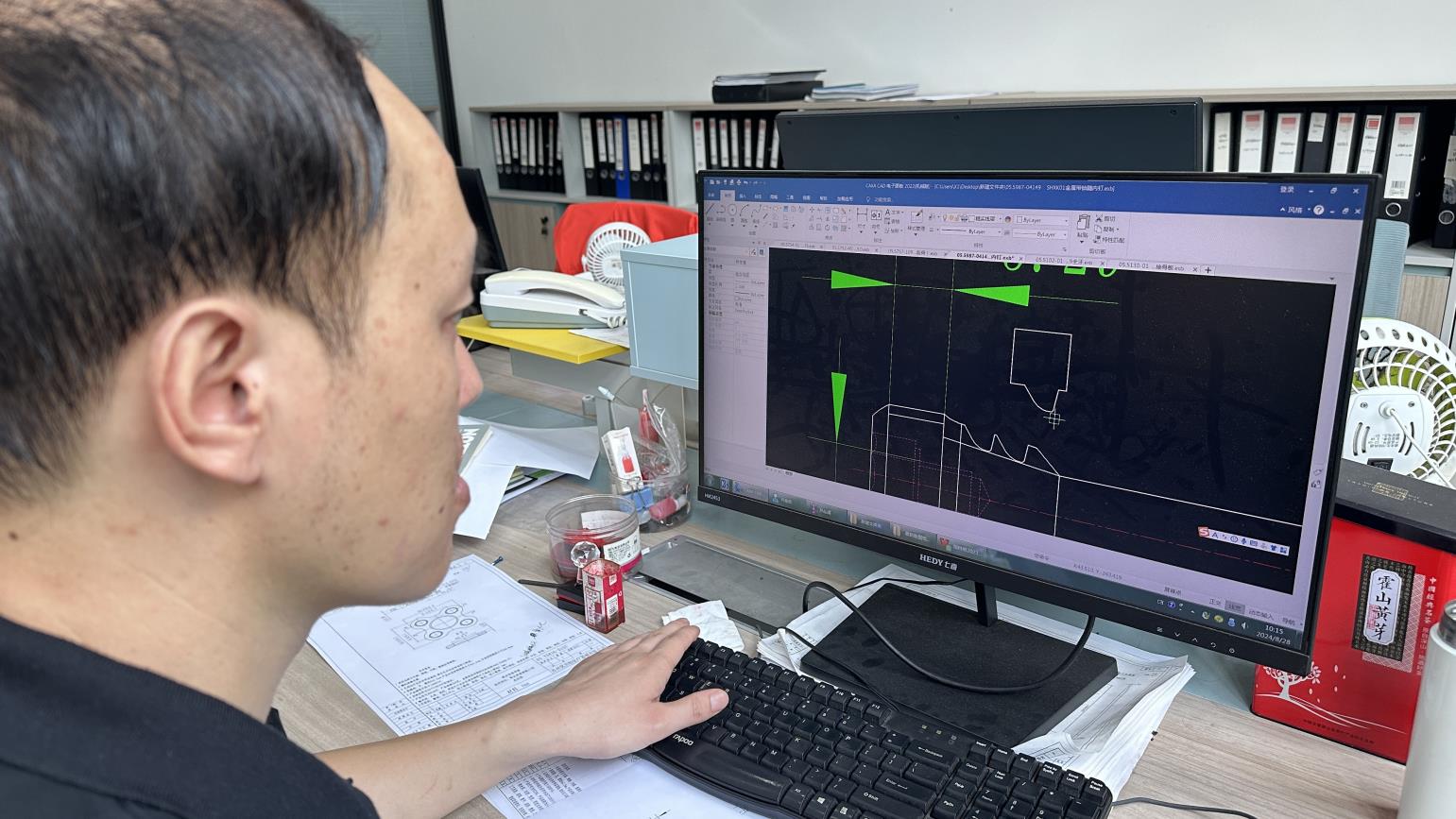
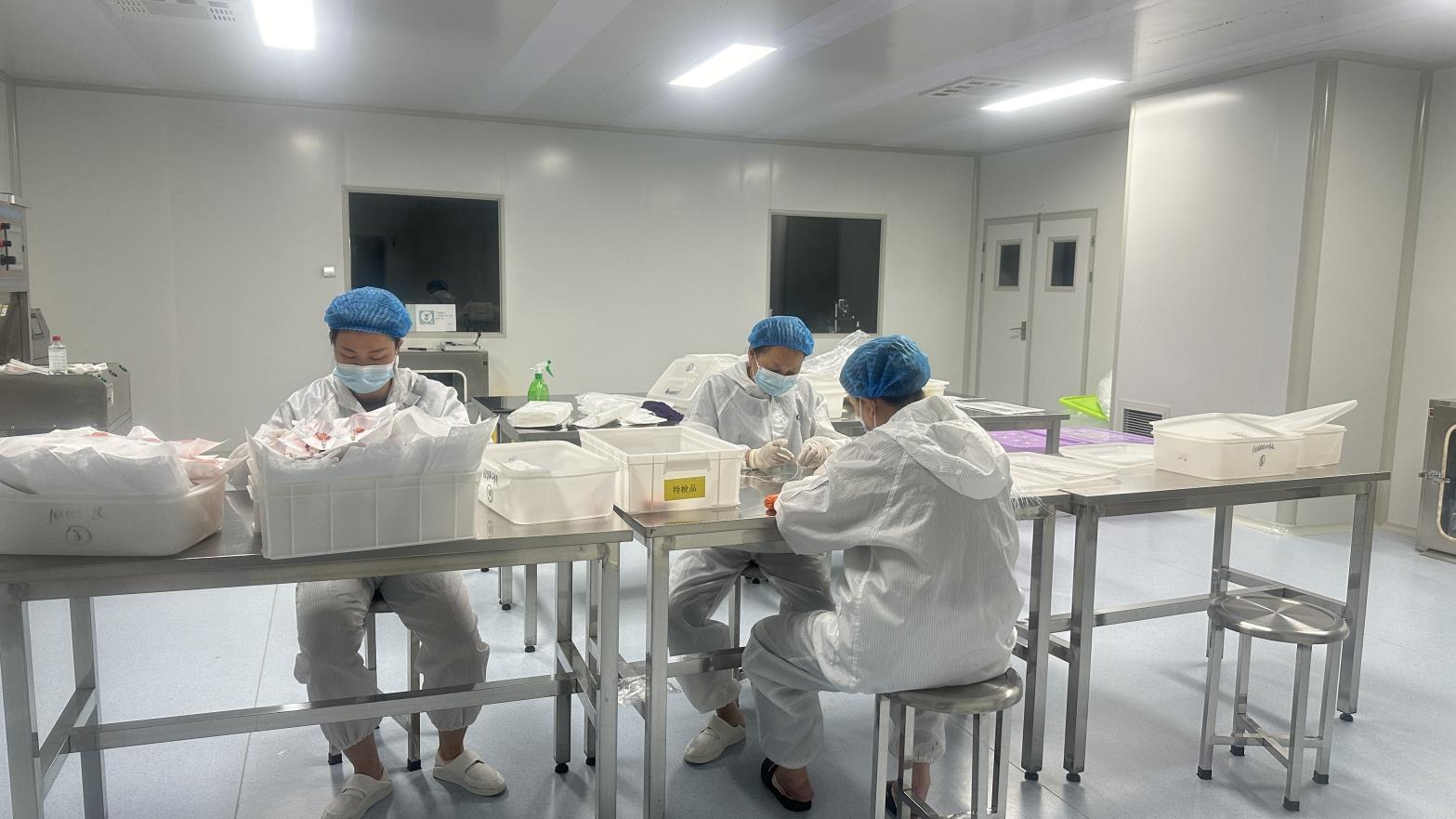
In the wake of global inflation, rising raw material costs, and logistics disruptions, Norwegian hospital group buyers demand both cost control and supply chain stability. The convergence of China's automated manufacturing capability—known as Factory 4.0—and strict ISO 13485 control systems provides a robust answer.
At Bonevia, we utilize raw titanium stock sourced from certified premium suppliers. Our CNC centers run automated tool-path algorithms that reduce human error to negligible rates. The efficiency gains are passed directly to our customers, giving them a strong competitive edge in public health tenders.
How does Bonevia secure trust in the demanding Northern European territory? Through direct transparency and open regulatory dossiers. We handle full raw material testing (metallurgical reports, chemical composition analysis) and provide mechanical test profiles (fatigue, static shear, and torsion tests) conforming to ASTM F136 and ISO 5832-3. This technical documentation ensures that distributors are prepared for any registration queries from local medical regulatory boards.
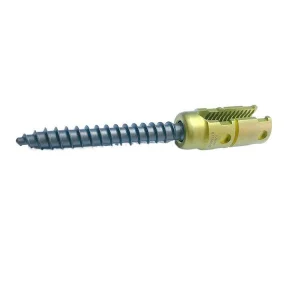
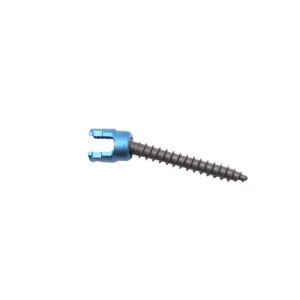
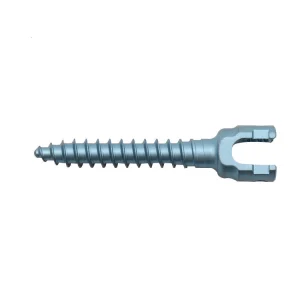
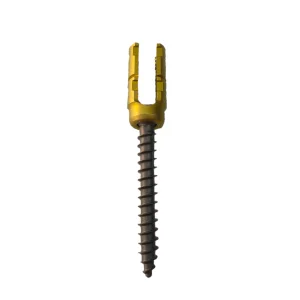
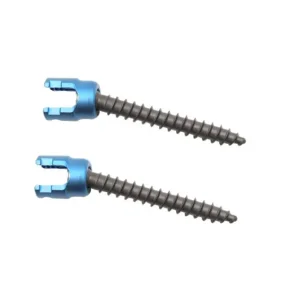
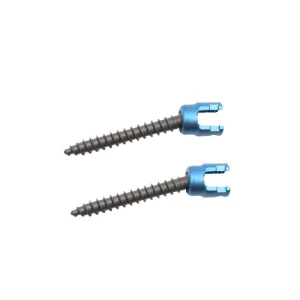
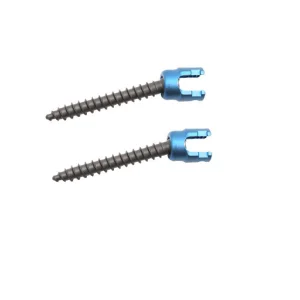
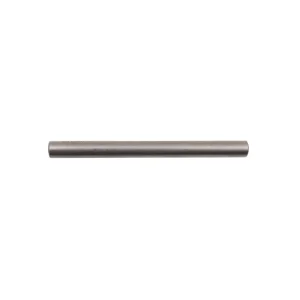
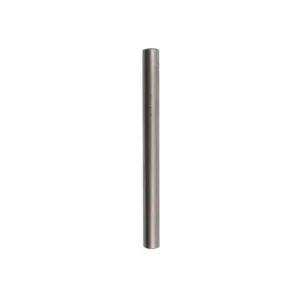
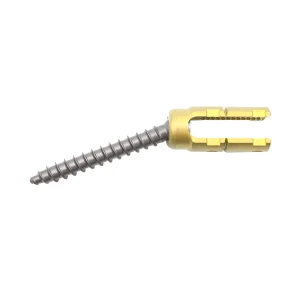
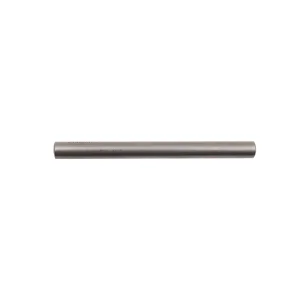
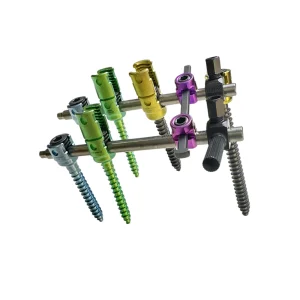
Explore our full line of polyaxial and monoaxial pedicle screws, titanium stabilization rods, and minimally invasive implant systems.
Ensuring full alignment with EEA regulations, hospital purchasing protocols, and patient safety criteria.
Under the EEA agreement, Norway enforces strict CE marked class III device documentation. All Bonevia spinal implants are supported by detailed Technical Files, clinical evaluation reports (CER), and biological compatibility documentation (ISO 10993) to enable fast local registration.
We work closely with local Nordic medical device partners to facilitate direct customer service. From providing dedicated surgical demo kits to assisting in public tenders for regional health authorities, we offer prompt backend support.
Our quality management system is audited for manufacturing medical orthopedic implants. Every step, from CNC tool configuration to cleanroom packing, is fully logged and retrievable, minimizing potential recall liability.
Addressing technical, commercial, and regulatory inquiries for Norwegian orthopedic importers and clinical teams.
We exclusively manufacture our spinal pedicle screws and fixation rods from high-grade biocompatible titanium alloy (typically Ti-6Al-4V ELI conforming to ASTM F136 and ISO 5832-3). This medical-grade material provides exceptional mechanical strength, a low modulus of elasticity close to human bone, and excellent biocompatibility, ensuring long-term stable performance in the patient.
Yes. Norway participates in the European market regulatory framework through the EEA agreement. All medical devices imported must comply with the European Medical Device Regulation (EU MDR 2017/745). Bonevia has structured its quality management system and clinical evaluation processes to support compliance, offering comprehensive technical dossiers and documentation required by the Norwegian Medical Products Agency (Direktoratet for medisinske produkter).
For standard catalog items, the production cycle typically ranges between 30 to 45 days, depending on batch volume. Transit via air freight to Oslo Airport (OSL) takes approximately 5 to 7 business days. For customized OEM/ODM projects requiring design adjustments, the timeline will adjust based on custom prototyping and verification protocols.
Yes. Supported by a research and development team of 85 engineers, we provide complete OEM and ODM design solutions. We can adapt thread pitches, screw profile dimensions, and instrument kit layouts to meet specific clinical preferences or the unique requirements of particular hospital systems in Scandinavia.
We deploy a multi-stage quality control process managed by 35 QA professionals. This system includes: incoming raw material verification (spectrometric chemical composition testing), in-process dimensional control during CNC milling, post-machining surface roughness measurement, final automated optical inspection, and bio-burden testing prior to cleanroom packing.
Gain a competitive edge in Norwegian public health tenders. Access premium medical devices, complete regulatory support, and resilient factory-direct supply lines.
Send Inquiry Now