Bonevia
Bonevia
Bonevia
Explore our advanced orthopedic spinal fixation systems. Engineered with micro-tolerance precision, these assemblies comply with the demanding mechanical standards of ASTM F1717 for Canadian spine surgery centers.
Canada's single-payer healthcare system, managed primarily by provincial health authorities (such as Ontario Health, Alberta Health Services, and Vancouver Coastal Health), demands a strict balance between uncompromised patient safety and fiscal sustainability. With an aging demographic, the prevalence of degenerative disc diseases, spondylolisthesis, and complex spinal deformities has steadily climbed. As a result, public hospital systems and private surgical facilities across Canada face growing waitlists and rising procurement costs for implant hardware.
For medical device distributors and hospital procurement coordinators operating in provinces from British Columbia to Quebec, sourcing high-grade spinal implants involves navigating stringent regulatory oversight. Health Canada classifies spinal implant assemblies—including pedicle screws, rods, and cervical systems—as Class III medical devices. To gain market access, manufacturers must not only secure a Medical Device License (MDL) but also maintain compliance with the Medical Device Single Audit Program (MDSAP). Under this framework, implant manufacturers must guarantee strict traceabilities from raw titanium alloy bar stock down to the individual serial number on the surgical tray.
Aligns with Health Canada Class III specifications, certified via MDSAP pathways to meet Canadian clinical audits.
Mechanical testing protocols verified under ASTM F1717 and ASTM F2193 static/dynamic fatigue guidelines.
Exclusively manufactured from certified biocompatible materials for optimal osseointegration and long-term stability.
Engineered for posterior internal fixation, these systems deliver exceptional intraoperative flexibility and anatomical security for thoracic, lumbar, and sacral spine stabilization.
In the global spinal implant market, traditional brands face complex challenges: high production costs, lengthy lead times, and lack of customization flexibility. To mitigate these risks, hospital purchase groups (GPOs) and distributors in Canada are diversifying their supply chains. Highly advanced production facilities in China, such as Bonevia Orthopedic Technology Co., Ltd., provide a viable alternative that matches Western biomechanical standards at a lower manufacturing cost.
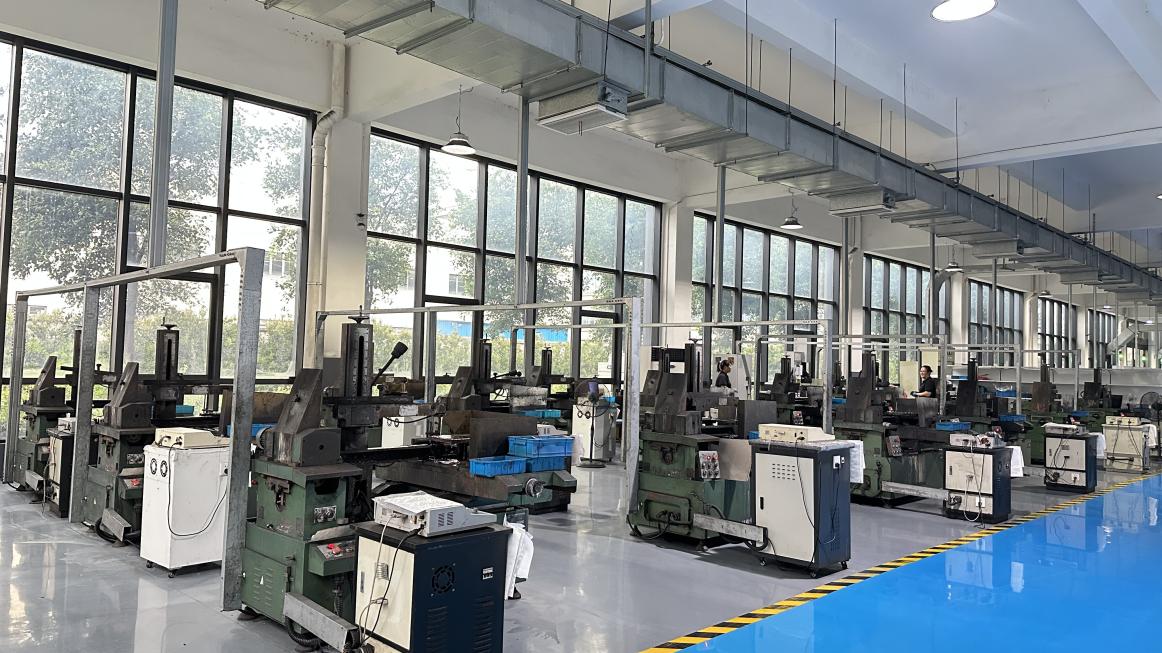
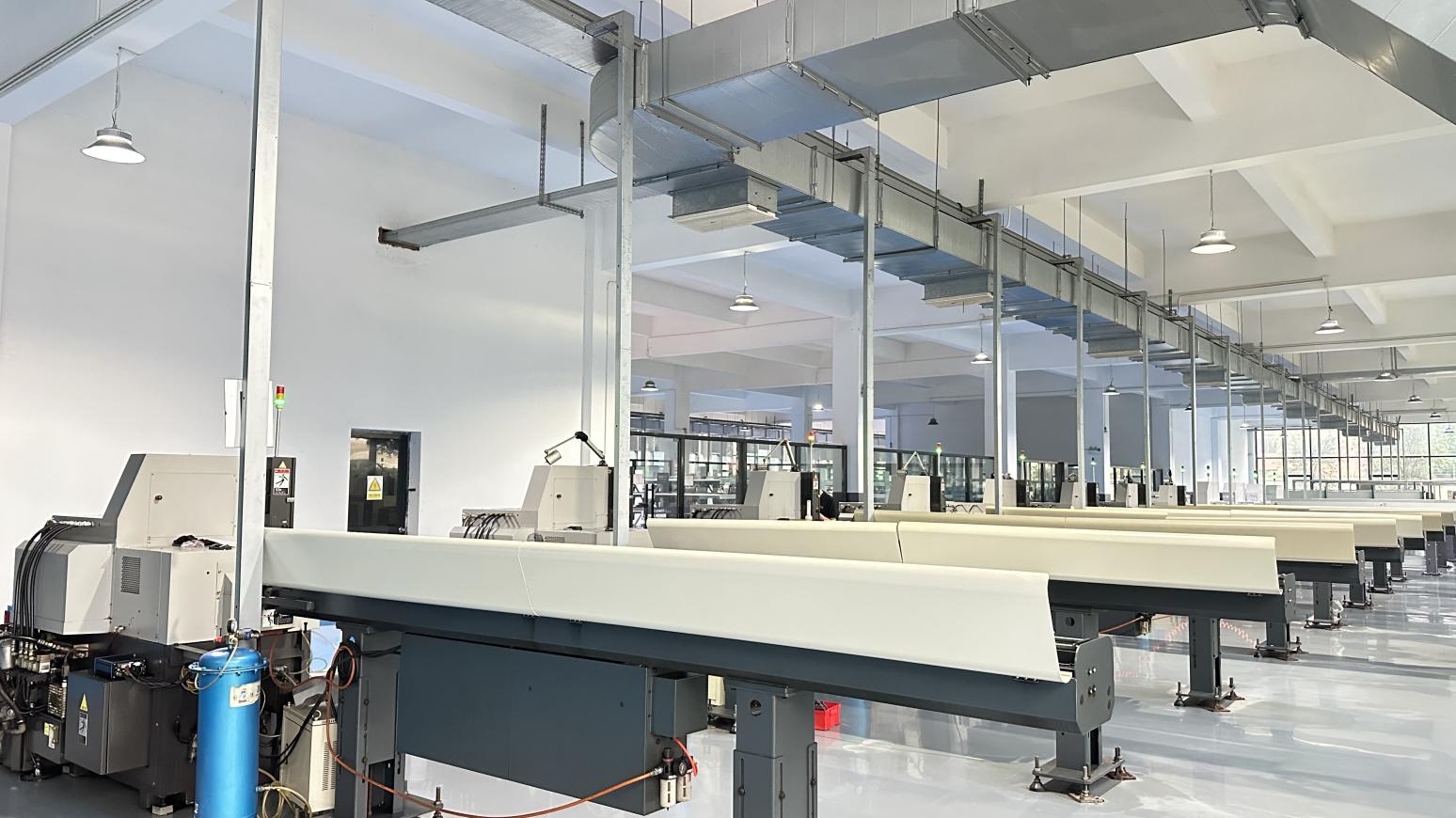
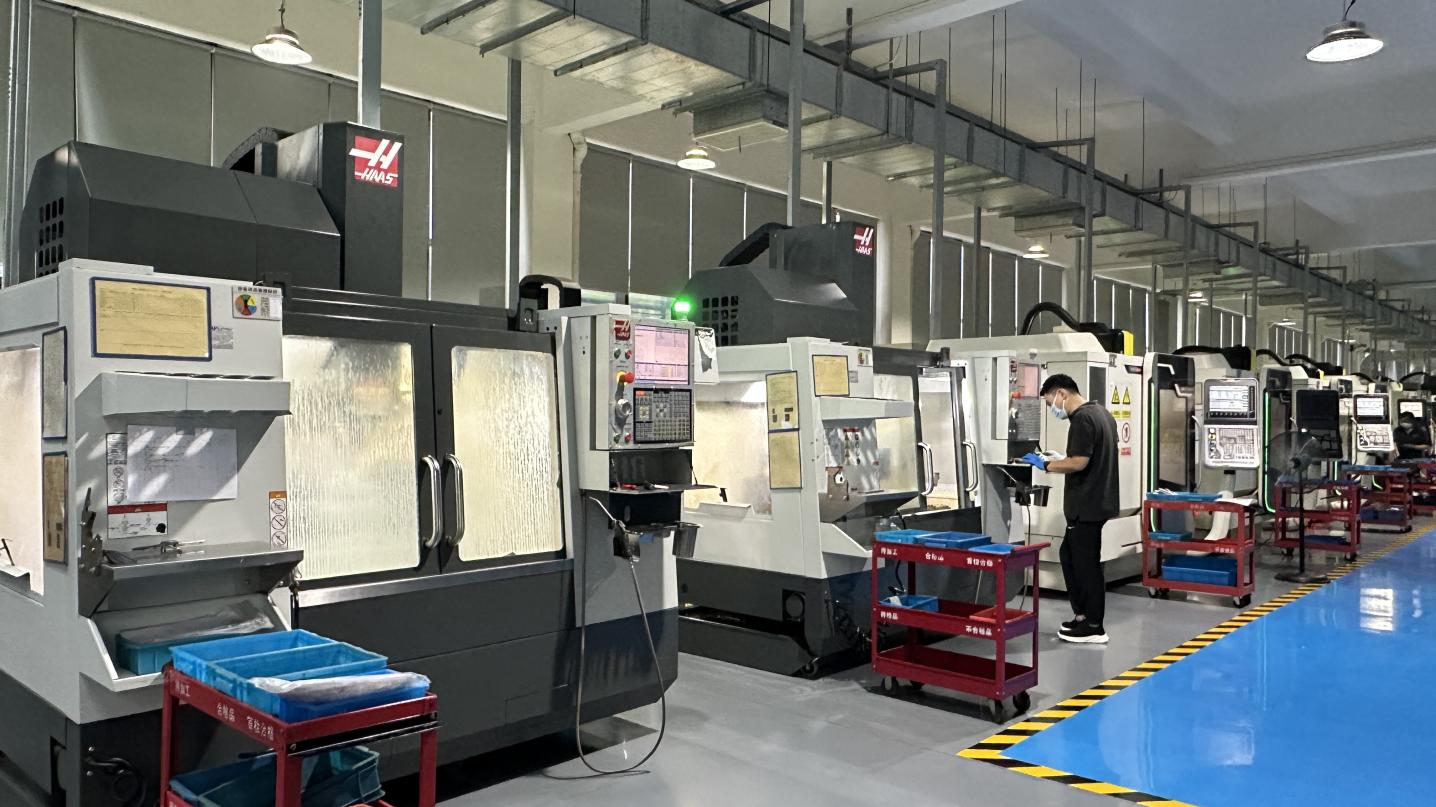
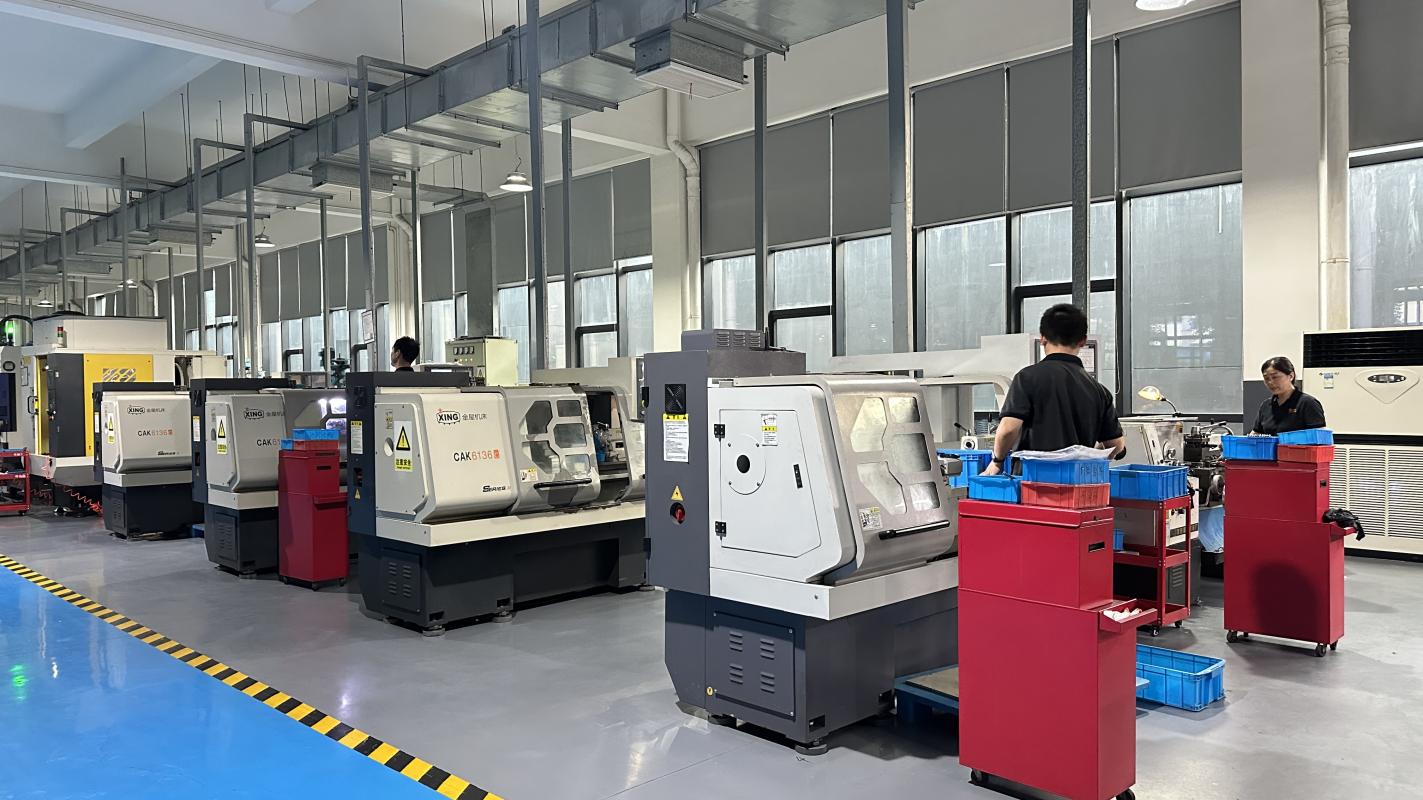
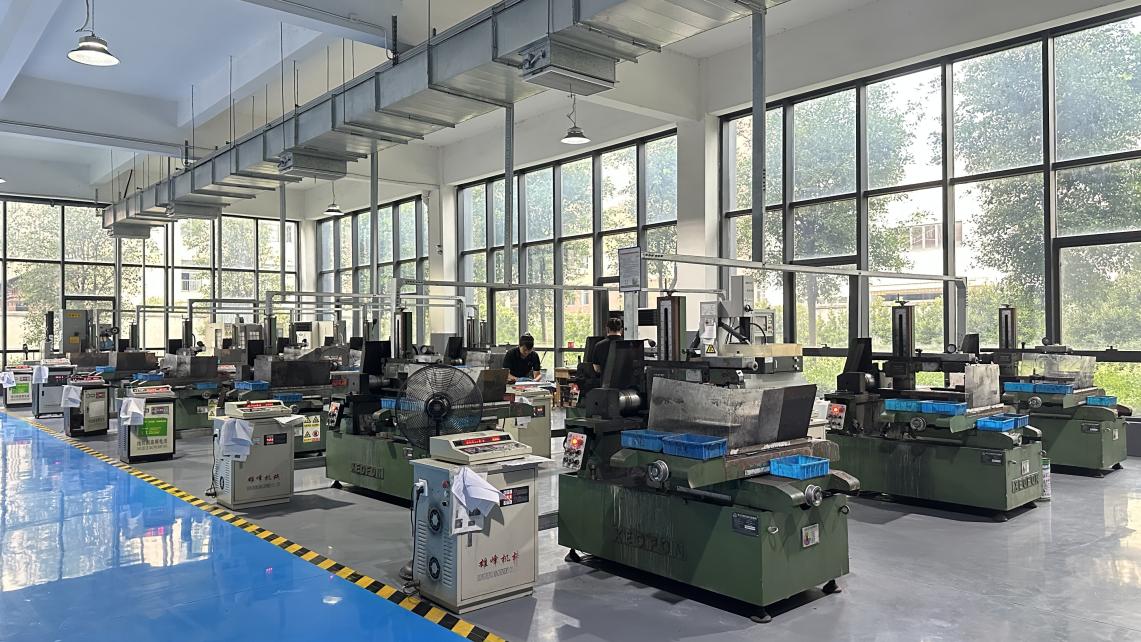
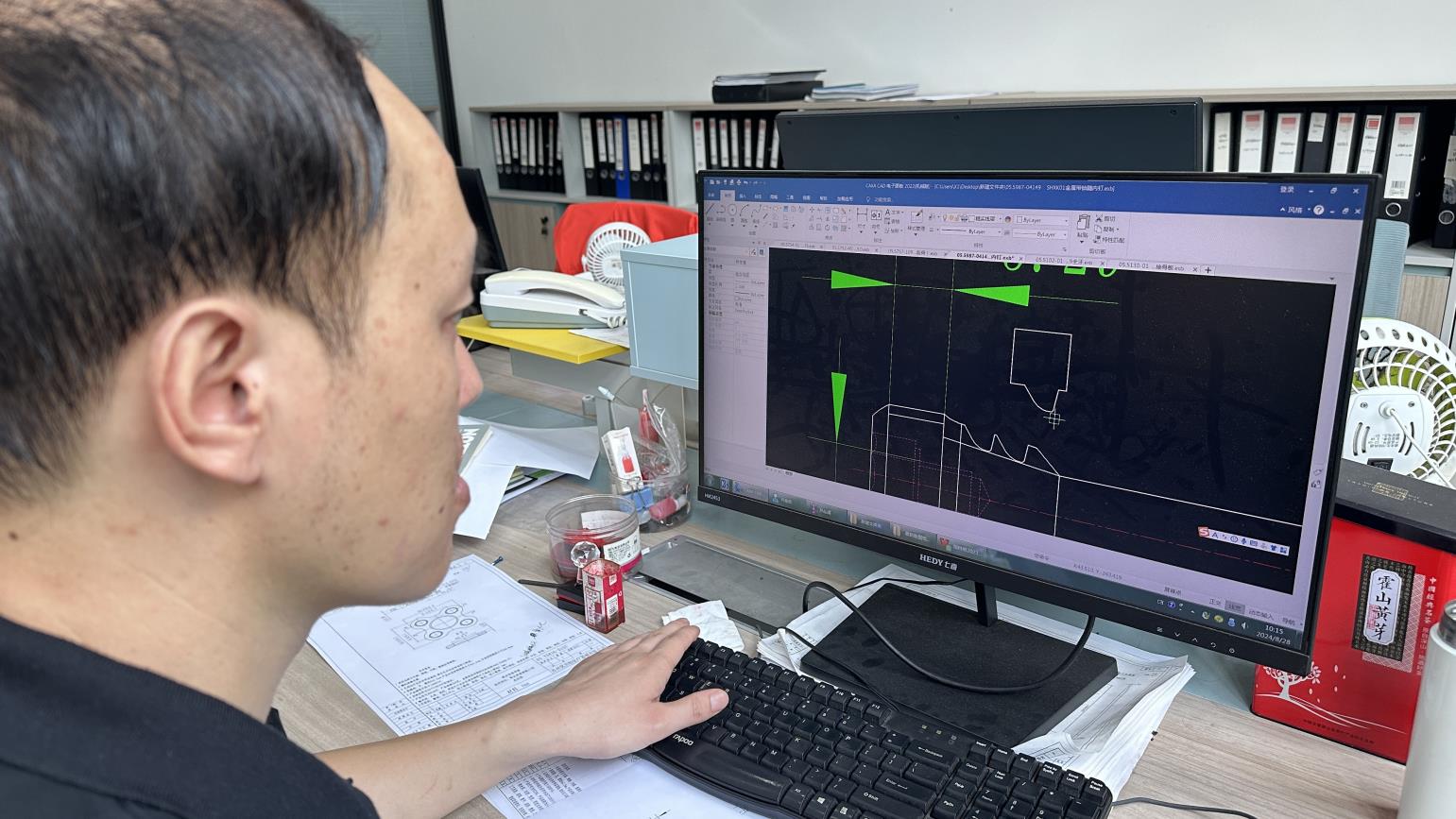
The Chinese medical device manufacturing sector has shifted from basic replication to high-precision engineering. Supported by extensive industrial infrastructure, companies like Bonevia implement advanced CNC multi-axis milling, Swiss-type lathes, and automated wire-cutting. This technology ensures that every single pedicle screw thread, dual-lead profile, and tulip design meets sub-micron tolerances, guaranteeing consistent pull-out strength and torque stability during orthopedic surgery.
R&D Engineers
QA Specialists
New Designs Annually
Global Partners
For Canadian buyers, this manufacturing efficiency translates to a robust supply chain. By utilizing highly optimized raw material sourcing (comprising certified implant-grade Ti-6Al-4V ELI and medical PEEK) and automated production lines, Bonevia maintains a reliable output. This capability supports both high-volume standardized procurement and custom OEM/ODM designs.
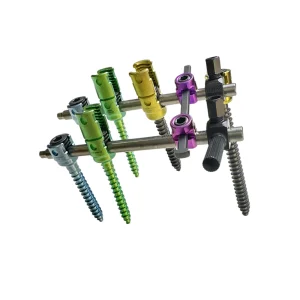
Modern spinal stabilization requires a versatile portfolio of implants to address specific pathologies:
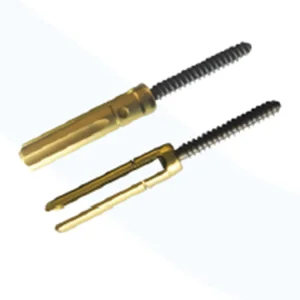
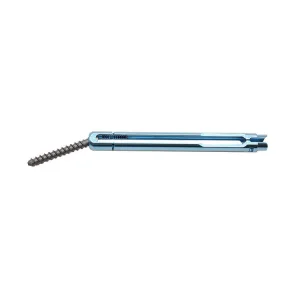
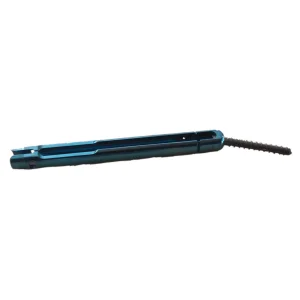
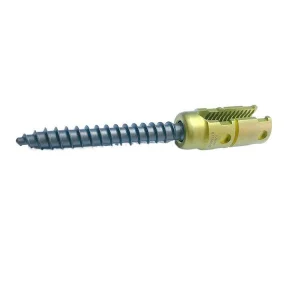
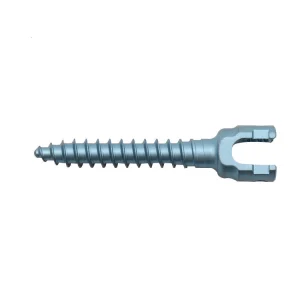
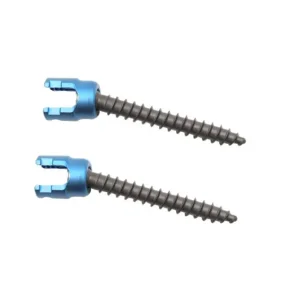
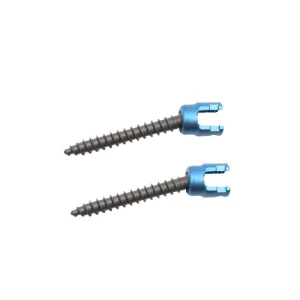
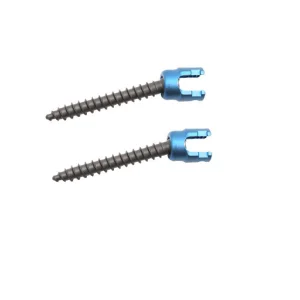
MIS pedicle screws utilize specialized percutaneous insertion shafts and self-tapping tips. This design minimizes muscle dissection, reduces intraoperative blood loss, and shortens patient recovery times in clinical centers across Canada.
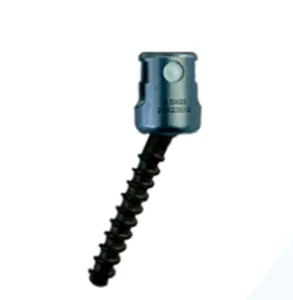
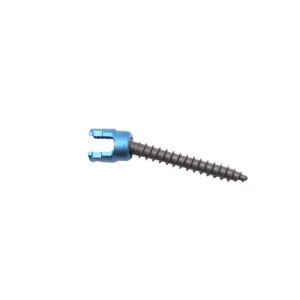
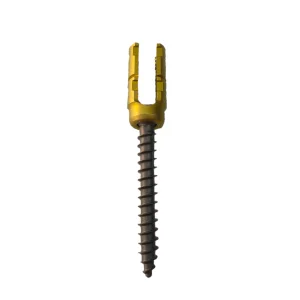
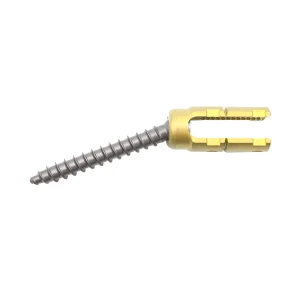
Featuring solid, multi-directional pivot mechanisms, our polyaxial screws permit angulation up to 40 degrees. This provides surgeons with greater flexibility during difficult rod alignment procedures, particularly in thoracic-lumbar deformity corrections.
Screws ranging from 3.5mm down to specialized micro-dimensions are optimized for delicate cervical spine applications. They feature low-profile head designs to prevent post-operative dysphagia and soft-tissue irritation.
Select from our list of orthopedic components. Every item is engineered for compatibility with standard surgical instrumentation trays.
Bonevia Orthopedic Technology Co., Ltd. is a professional manufacturer specializing in orthopedic implants and surgical solutions, dedicated to advancing innovation in trauma, spine, and joint reconstruction products. Since its establishment in 2015, the company has grown steadily into a trusted supplier in the global orthopedic industry.
With a modern production facility covering approximately 320㎡, Bonevia maintains strict quality management standards and efficient manufacturing processes. The company records an annual export revenue of around USD 8–15 million, supported by 6 years of export experience and over 10 years of overall industry experience.
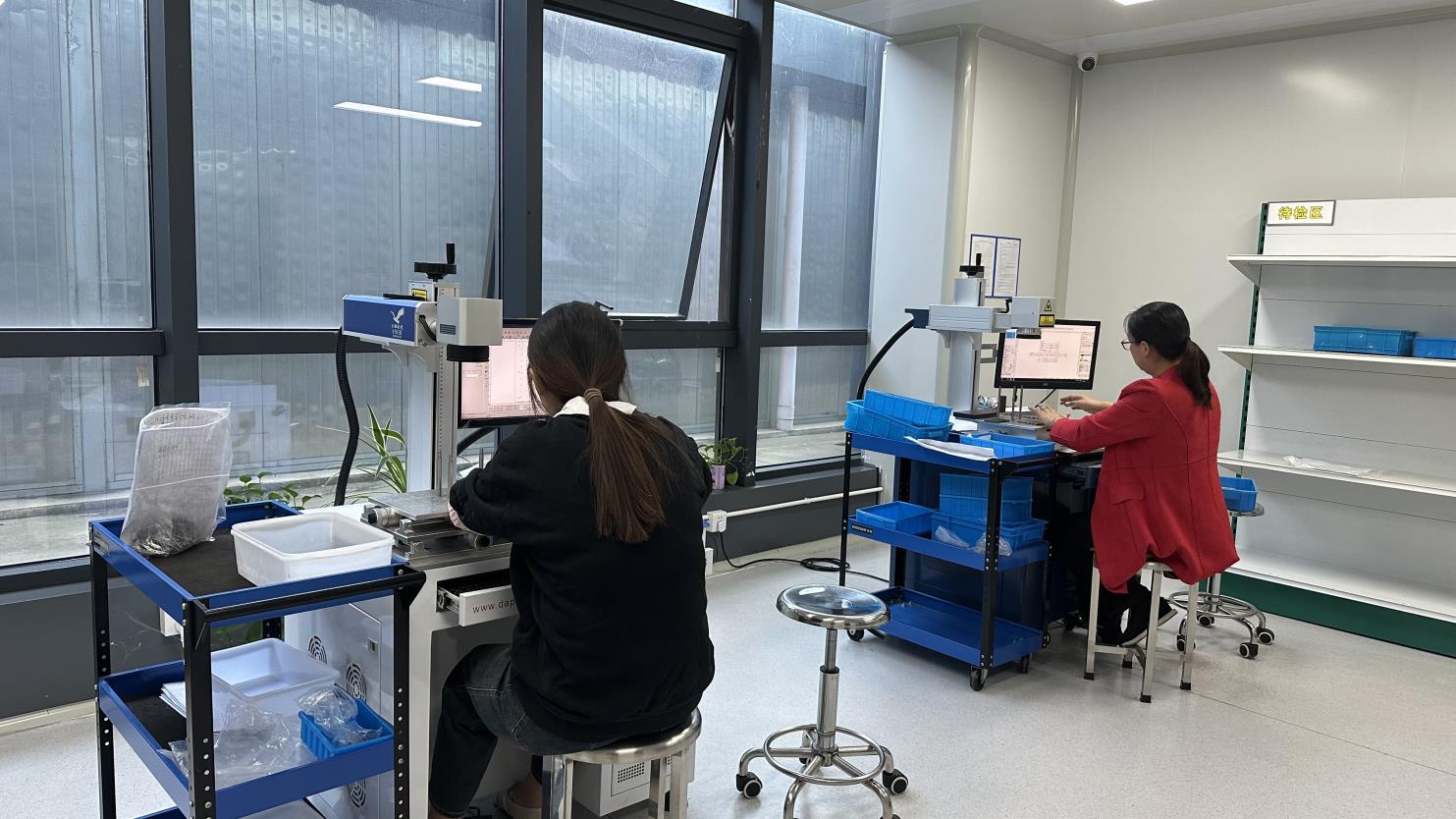
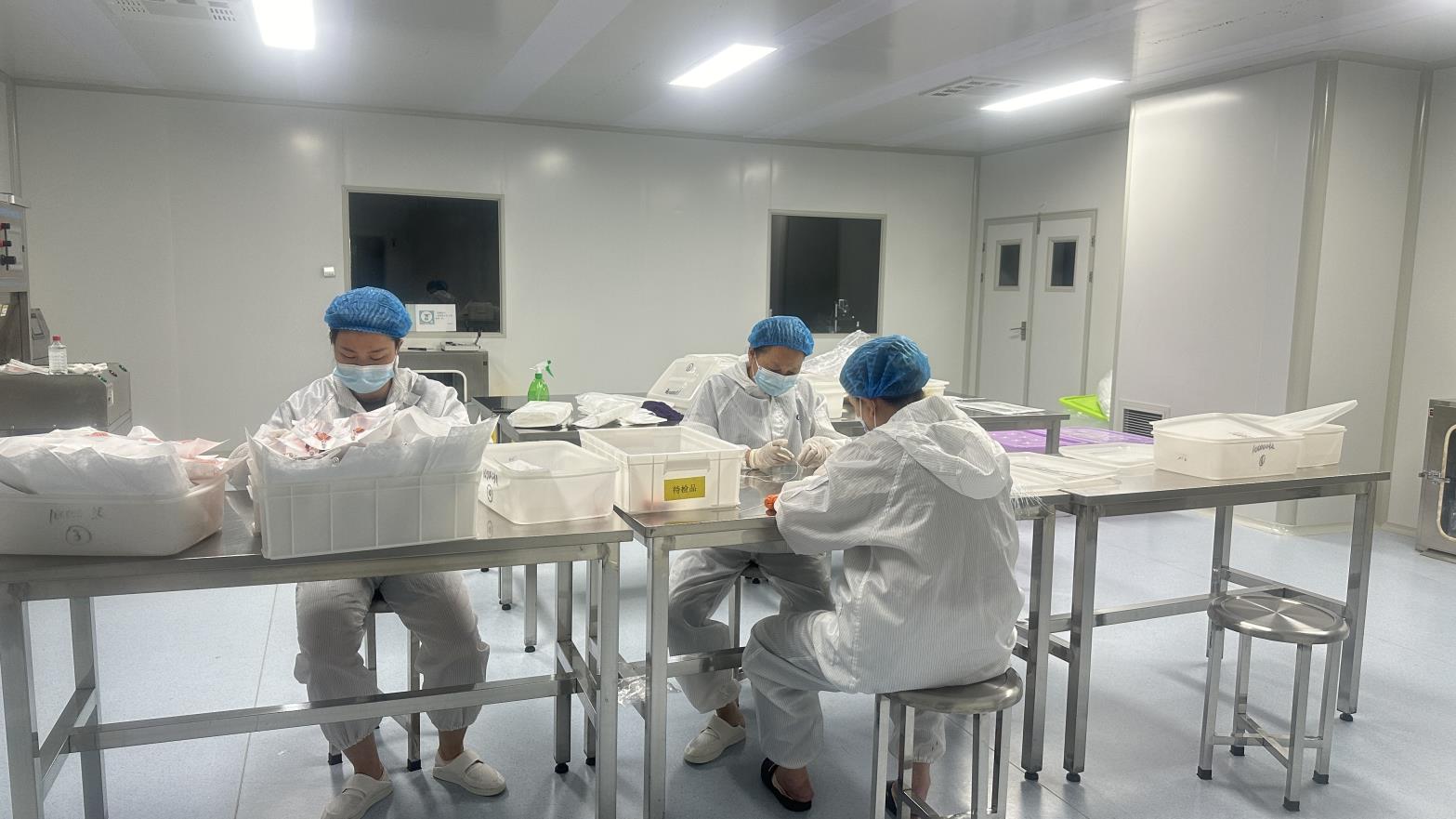
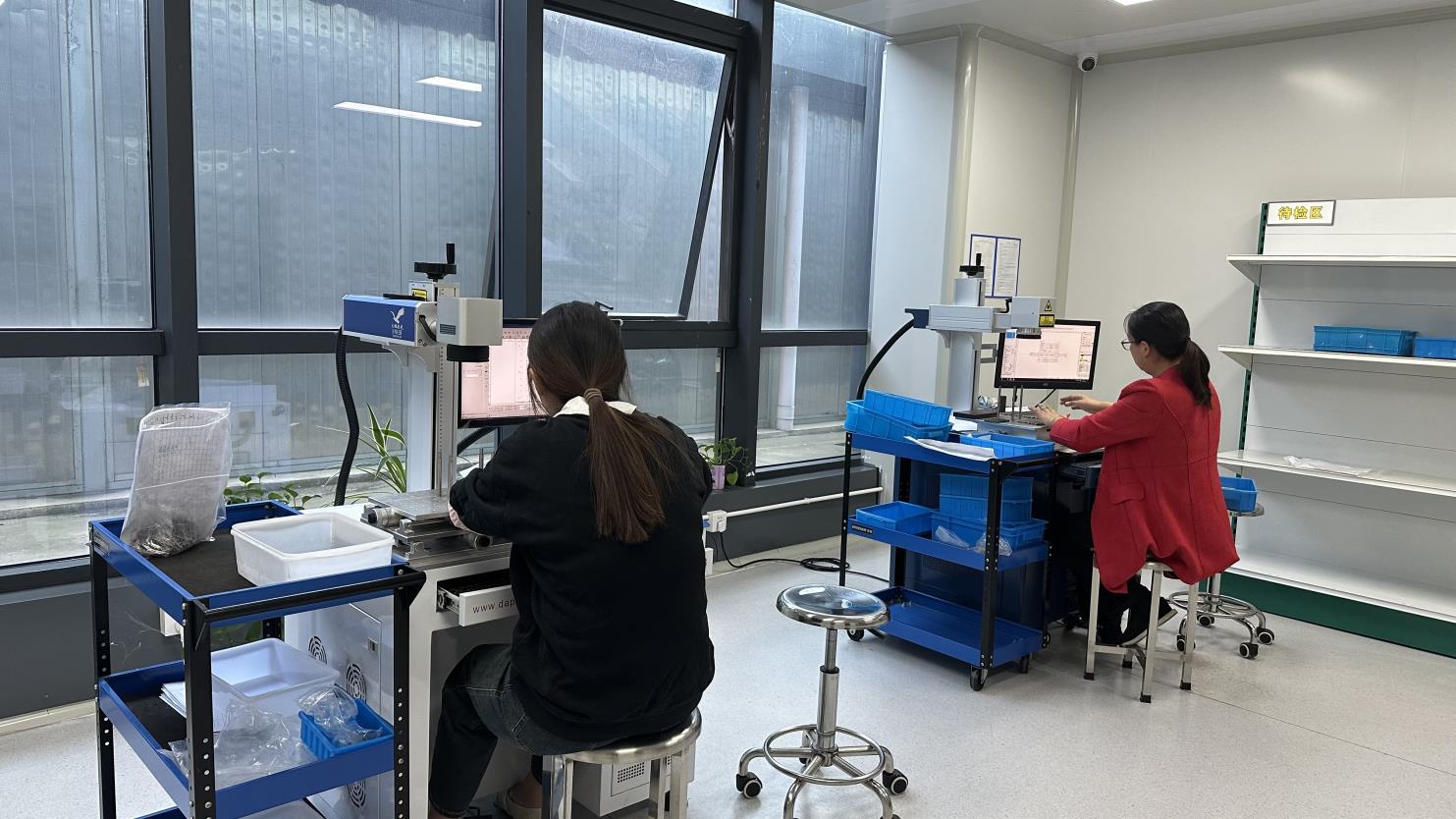
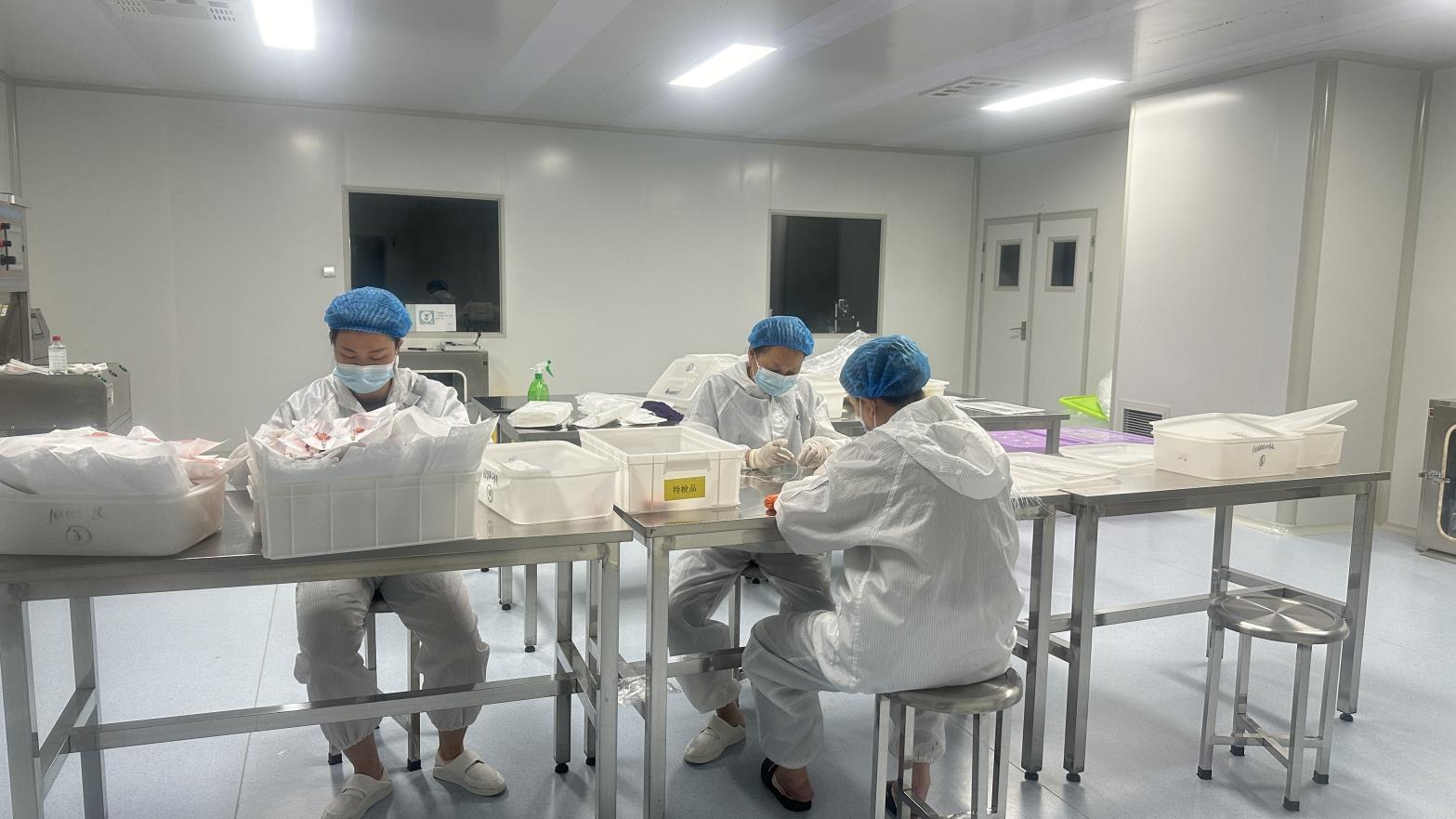
Quality assurance is a core focus at Bonevia. The company implements multiple inspection methods including incoming material inspection, in-process quality control, and final product testing, supported by a dedicated quality team of 35 professionals. This ensures all products meet international medical device standards.
Bonevia has a solid trade foundation with diversified global distribution networks, serving major markets across Europe, Southeast Asia, the Middle East, and South America. Its supply chain ecosystem includes more than 850 partners, enabling stable raw material sourcing and efficient production delivery.
The company serves a wide range of clients, including hospitals, orthopedic clinics, surgical centers, and medical distributors. Bonevia also demonstrates strong R&D capabilities, offering OEM and ODM customization services to meet specific clinical requirements.
In the past year, Bonevia successfully launched 120 new product designs, supported by a research and development team of 85 engineers, continuously driving innovation in orthopedic implant systems and surgical instruments.
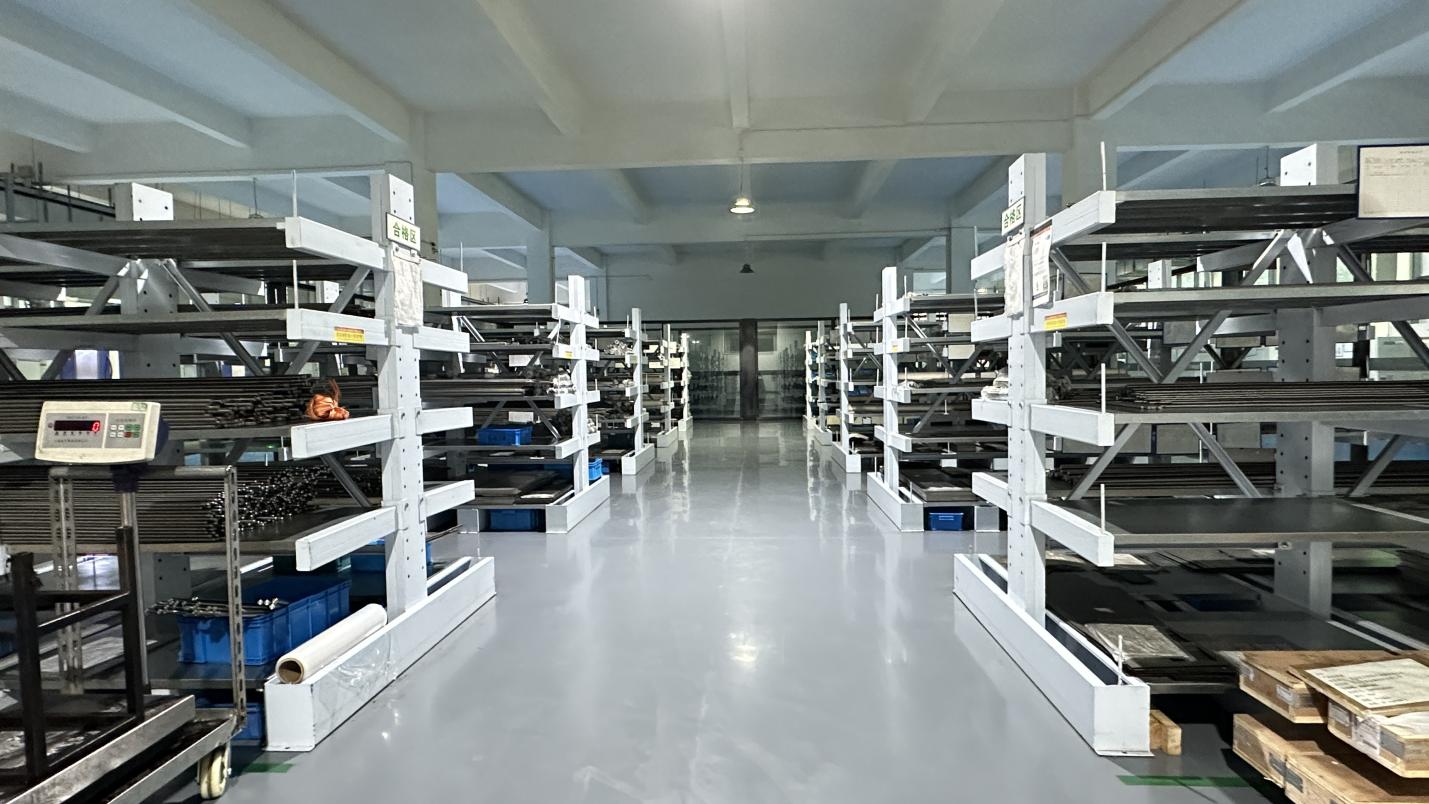
From raw implant-grade materials to sterile packaging, we maintain strict quality control throughout our manufacturing line:
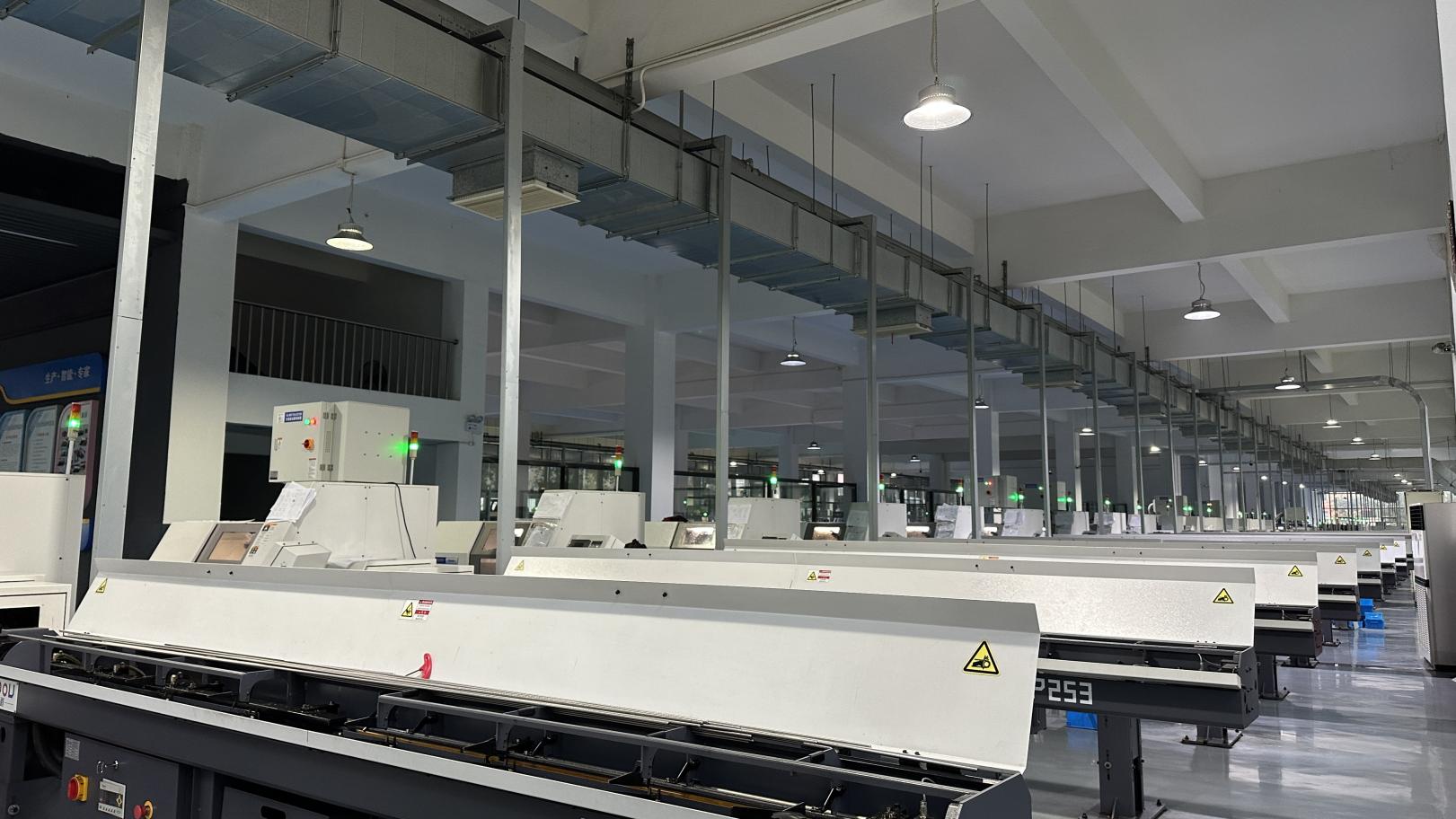
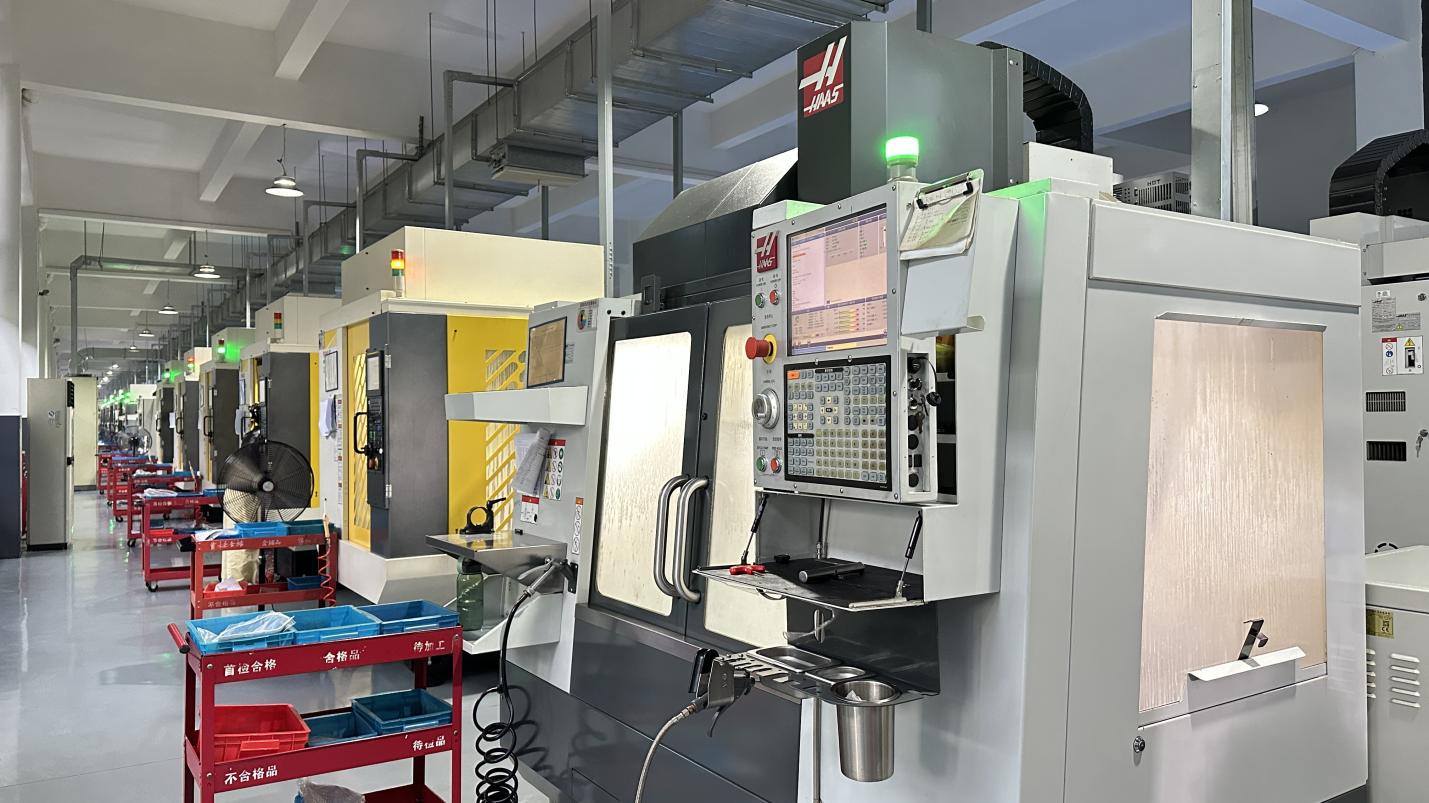
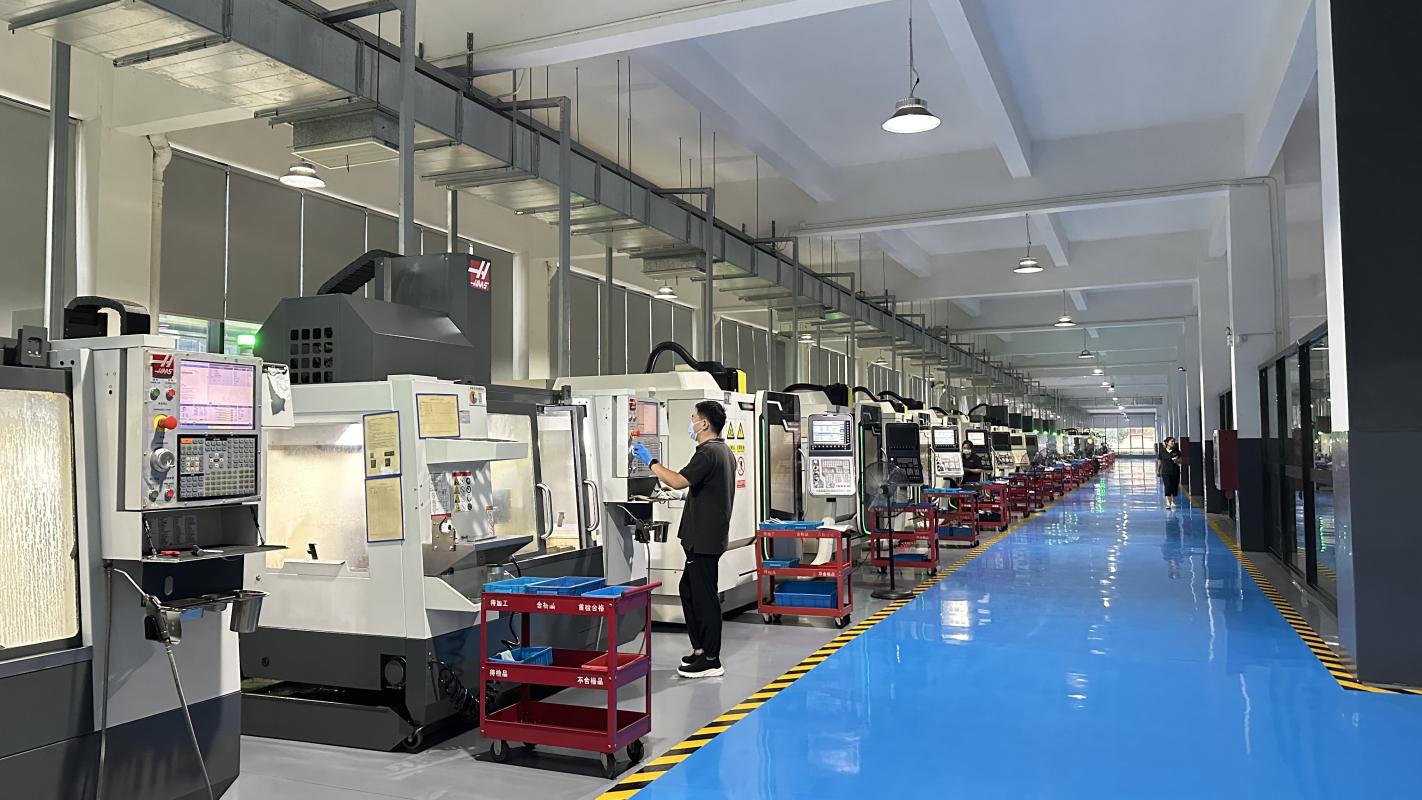

Key information regarding regulations, materials, lead times, and OEM partnerships.