Bonevia
Bonevia
Bonevia
Engineered to match the high standards of top cardiothoracic units in Thailand, facilitating rigid sternal stabilization, rapid recovery, and reduced post-operative complications.
Thailand's healthcare sector is undergoing a rapid evolution, driven by the government's ambitious strategy to solidify the country as the "Medical Hub of Asia." With this strategic direction, there is a surge in demand for advanced medical technologies, particularly in cardiothoracic and trauma surgery. Cardiovascular diseases (CVDs) remain a leading cause of hospitalization and mortality in Thailand, causing an expansion of Open-Heart Surgeries (median sternotomies), including Coronary Artery Bypass Grafting (CABG) and valvular heart surgeries.
For decades, traditional wire cerclage was the standard protocol for closing the sternum post-surgery. However, clinical research within major Thai medical institutes, such as Siriraj Hospital, King Chulalongkorn Memorial Hospital, and Ramathibodi Hospital, indicates that traditional wiring carries risks of sternal dehiscence, deep sternal wound infections (DSWI), and mediastinitis, especially in high-risk patient groups (diabetic, obese, elderly, or COPD patients). Rigid Sternal Fixation Systems, utilizing locking titanium plates and screws, have emerged as the definitive clinical solution to minimize bone micro-motion, secure immediate rigid stability, and accelerate osteosynthesis.
The structural development of sternal stabilization devices from classic stainless steel to modern biocompatible alloys and composite polymers.
Offers excellent strength-to-weight ratios and bio-inert properties. The titanium passive oxide layer ensures corrosion resistance in the harsh biological micro-environment, preventing inflammatory reactions.
Engineered to mimic the natural physiologic chest expansion during respiration. This minimizes the risk of implant fracture or bone cutting-through while maintaining mechanical compression.
Low-profile design (under 1.5mm thickness) reduces chest wall palpability and soft-tissue irritation, while optimizing imaging clarity during post-operative thoracic scans.
The next-generation technical roadmap focuses heavily on Polyether ether ketone (PEEK) Sternal Systems. PEEK’s modulus of elasticity is remarkably close to that of human cortical bone, which facilitates optimal load-sharing, prevents stress shielding, and supports fast healing. Furthermore, PEEK is completely radiolucent, allowing surgeons to evaluate sternal fusion without metal-induced artifacts on post-operative X-rays and CT scans.
Years Industry Experience
Annual Export Revenue
Quality Control Specialists
R&D Design Engineers
Systematic integration of surgical systems to minimize operational costs for procurement departments and hospitals in Thailand.
Managing inventory across multiple operating theatres in Bangkok can be highly complex. Our solution provides pre-packaged, sterile Sternal Plates and matching self-tapping locking screws in customizable procedural trays. This reduces surgical setup time, eliminates pre-operative sterilization costs at the hospital’s Central Sterile Services Department (CSSD), and guarantees the traceablity of each implant down to the patient record.
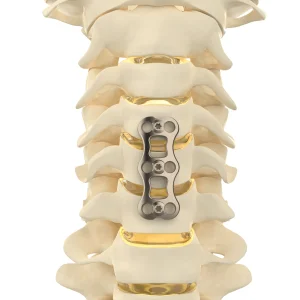
For larger healthcare networks, working with a supplier that offers a broad trauma and reconstructive portfolio is essential. Our platform integrates rib plating systems, spinal fixation plates, and joint reconstruction technologies, allowing procurement managers to consolidate vendors, lower logistics overhead, and negotiate high-volume commercial contracts.
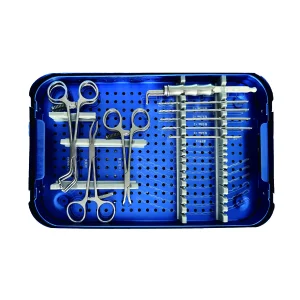
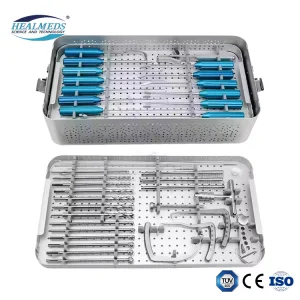
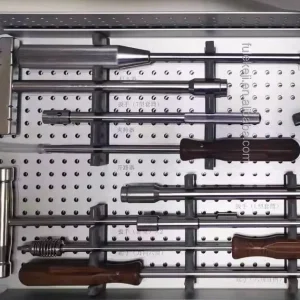
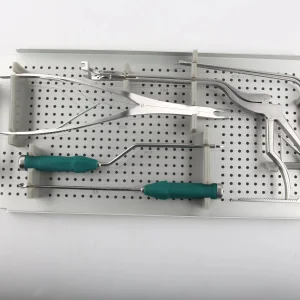
Reduced Instrument Loss: Custom modular instrumentation sets prevent displacement of valuable micro-screws and drill bits.
Interactive Surgical Training: Provision of bone models and training tools for residency programs in Thailand's teaching hospitals.
Supply Chain Continuity: Buffer stock agreements stored in regional Southeast Asian hubs ensure rapid dispatch within 48 hours.
Understanding the regulatory requirements for the importation and distribution of Class III Medical Devices in Thailand.
Importing orthopaedic and cardiothoracic implants into Thailand requires adherence to the rules enforced by the Food and Drug Administration of Thailand (TFDA). Sternal fixation systems, classified as invasive bone implants, are categorized as Class III medical devices (the highest risk level). Importers must successfully submit a Common Submission Dossier Template (CSDT) to register the device and obtain an import license.
Our regulatory affairs division provides complete support to our Thai partners. We offer comprehensive technical dossiers, including raw material biocompatibility certificates (ISO 10993), cleanroom sterilization validation reports (gamma irradiation or EO sterilization conforming to ISO 11137 / ISO 11135), fatigue testing parameters (ASTM F382 or equivalent standards for bone plates), and ISO 13485 Quality Management System documentation. This support helps accelerate local registration and simplifies TFDA review pathways.
We provide fully compiled technical dossiers in CSDT format to expedite your TFDA submission process and minimize back-and-forth queries.
Our dedicated regulatory affairs team helps local Thai distributors address TFDA queries regarding clinical trials, biocompatibility, and production sterilization.
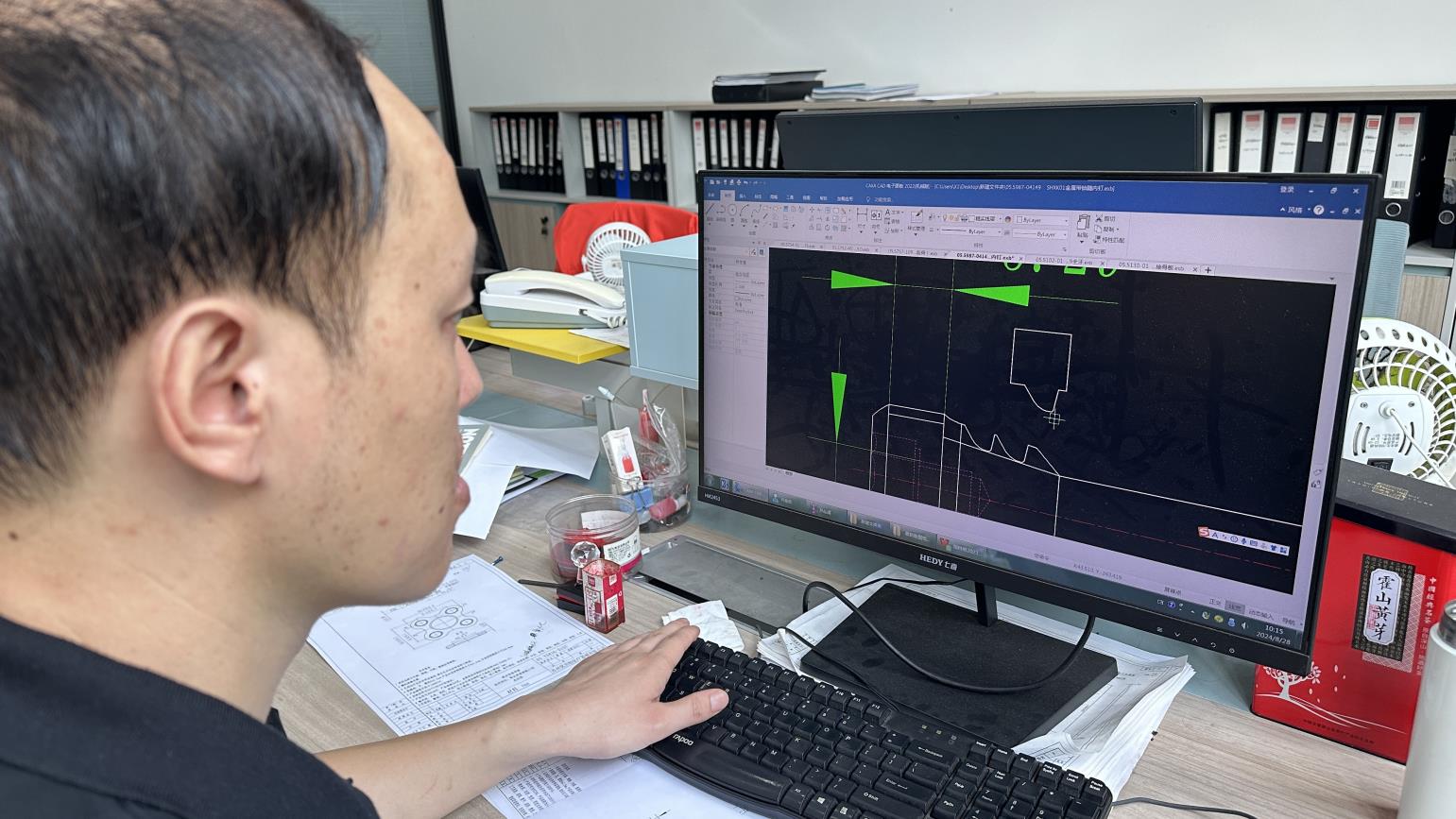
With an R&D team of 85 engineers, we customize sternal plate contours and dimensions to better fit the average thoracic anatomy of Southeast Asian populations.
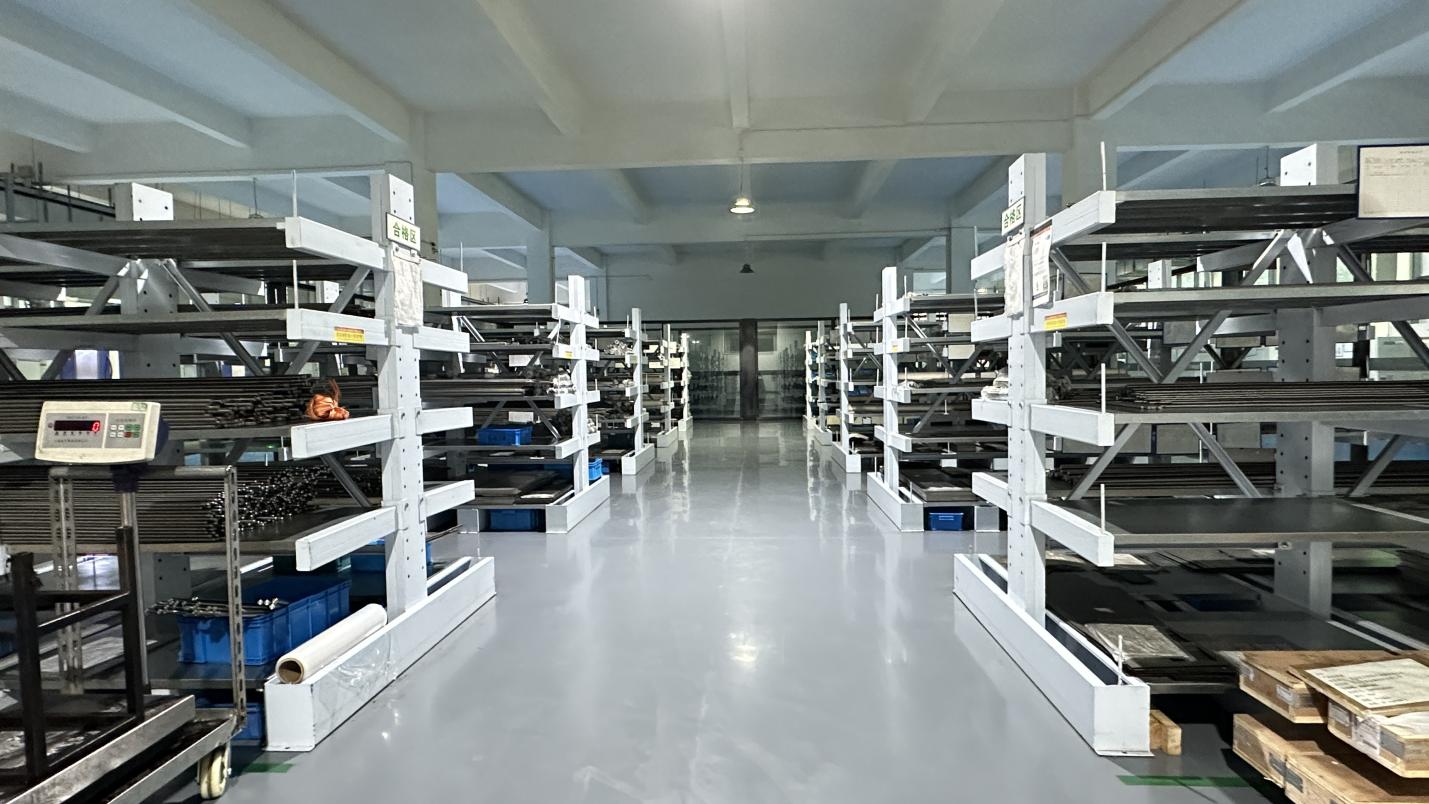
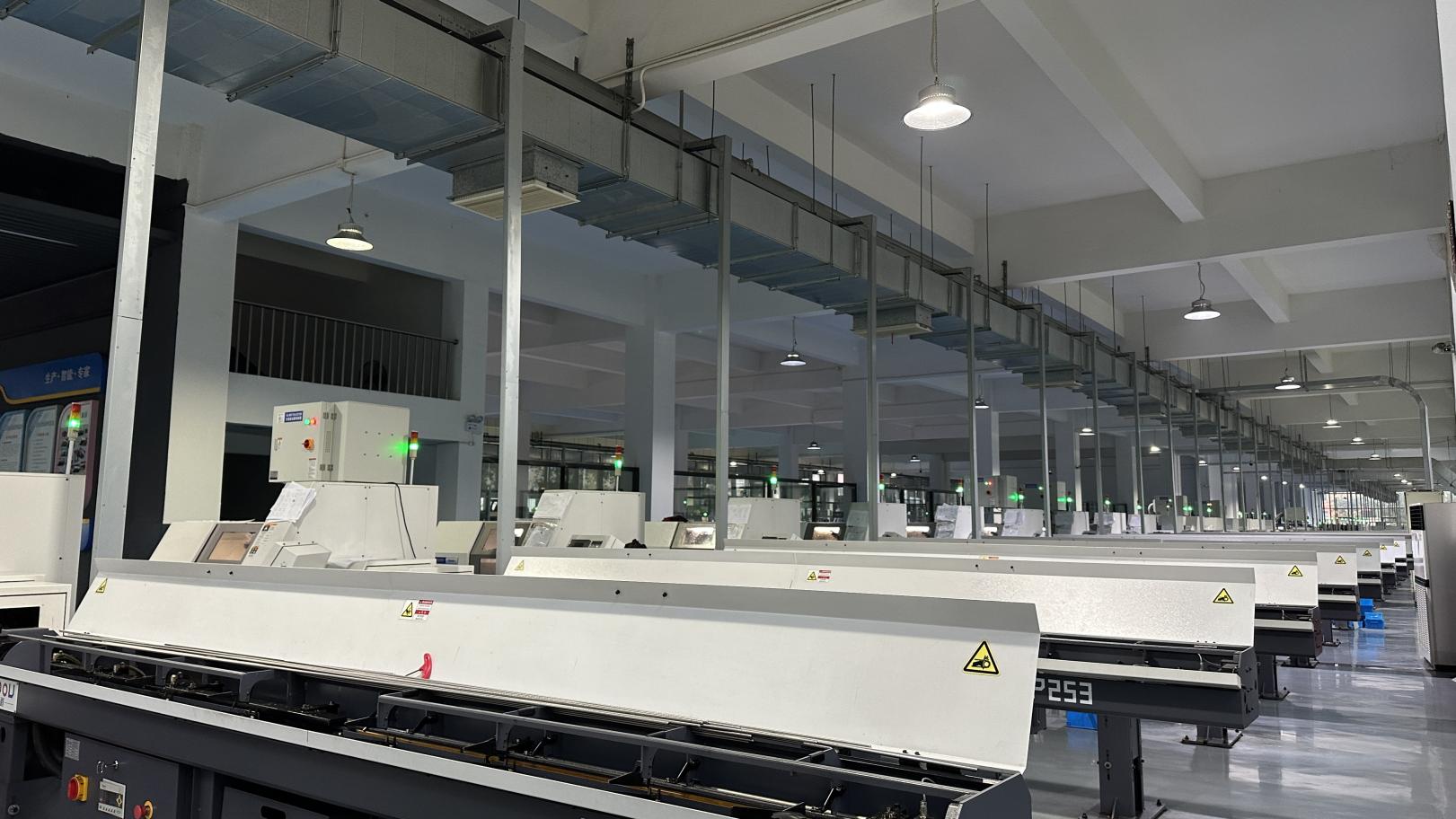
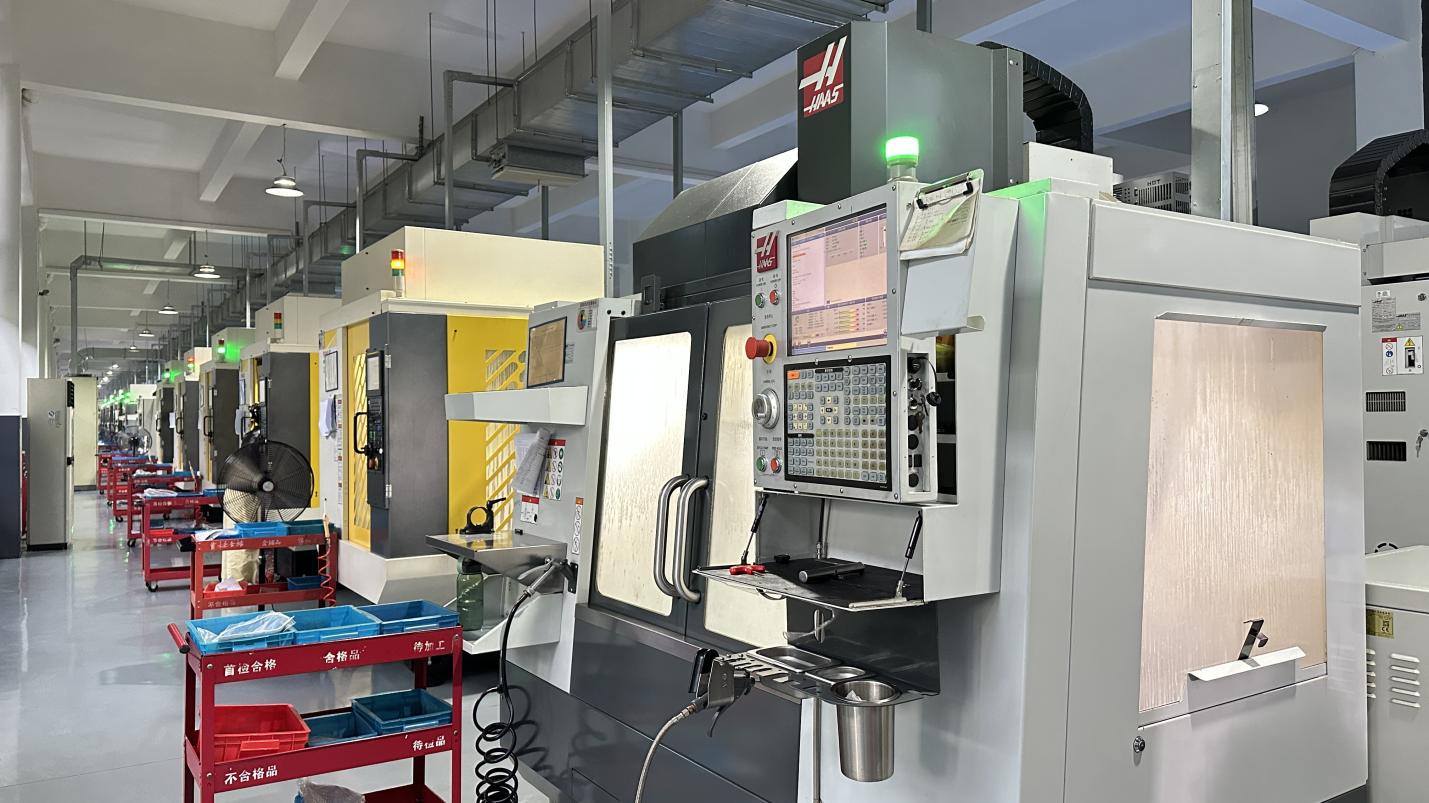
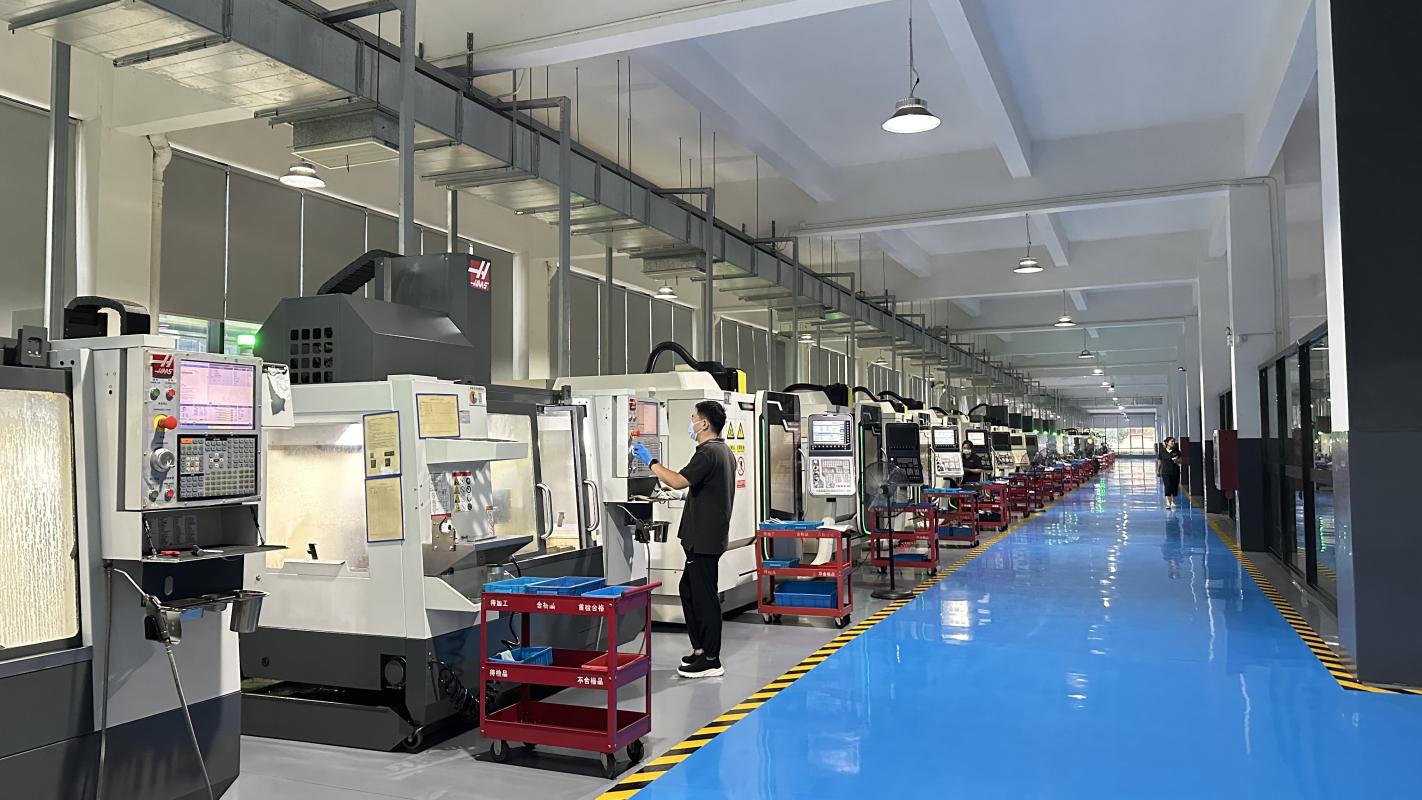
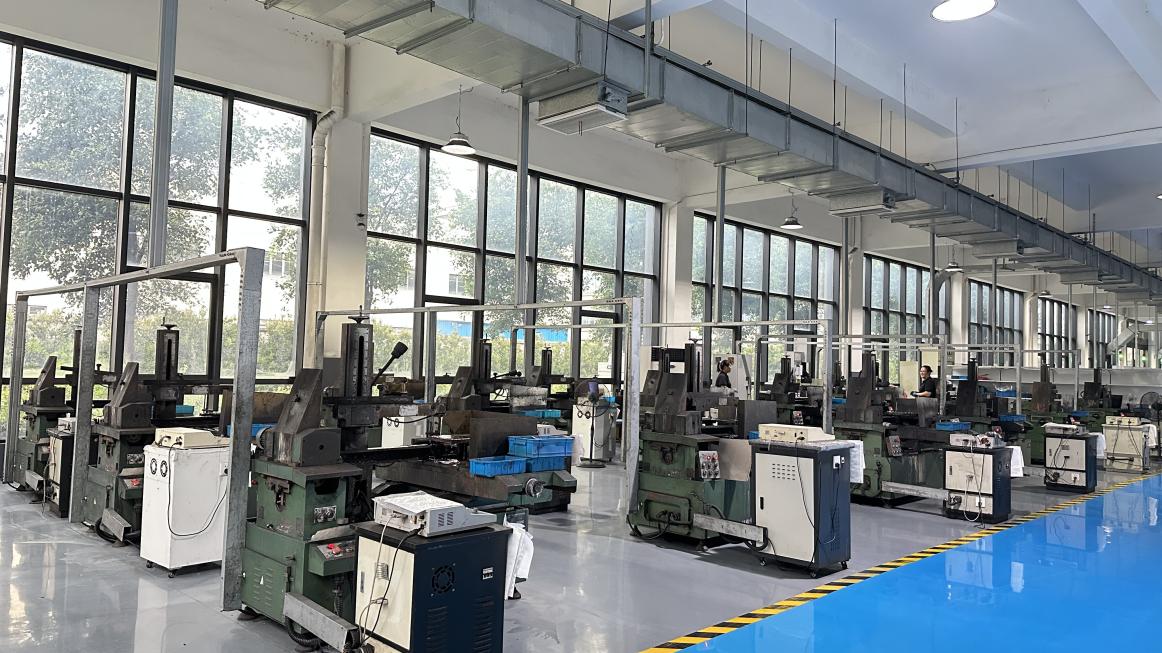
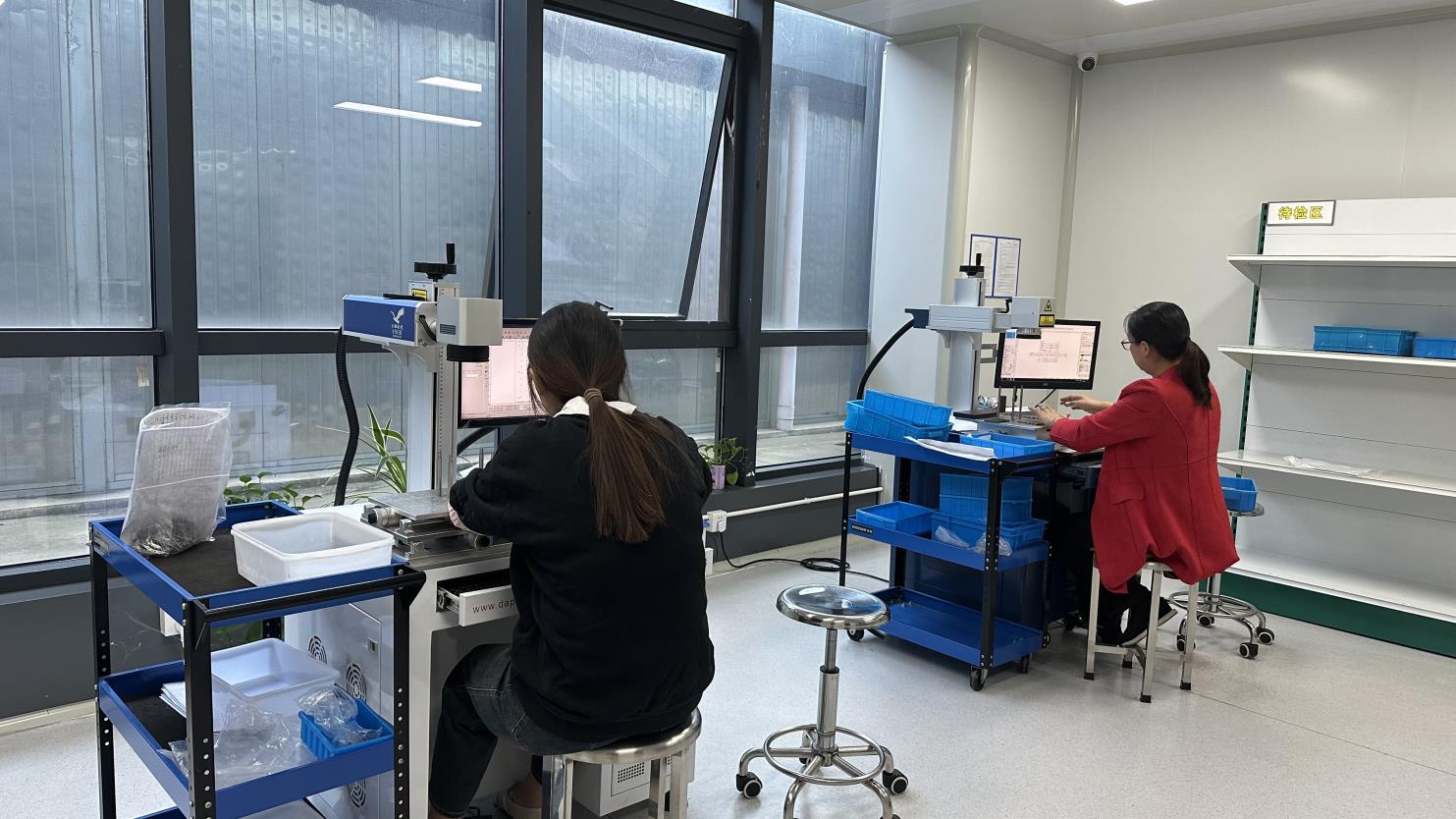
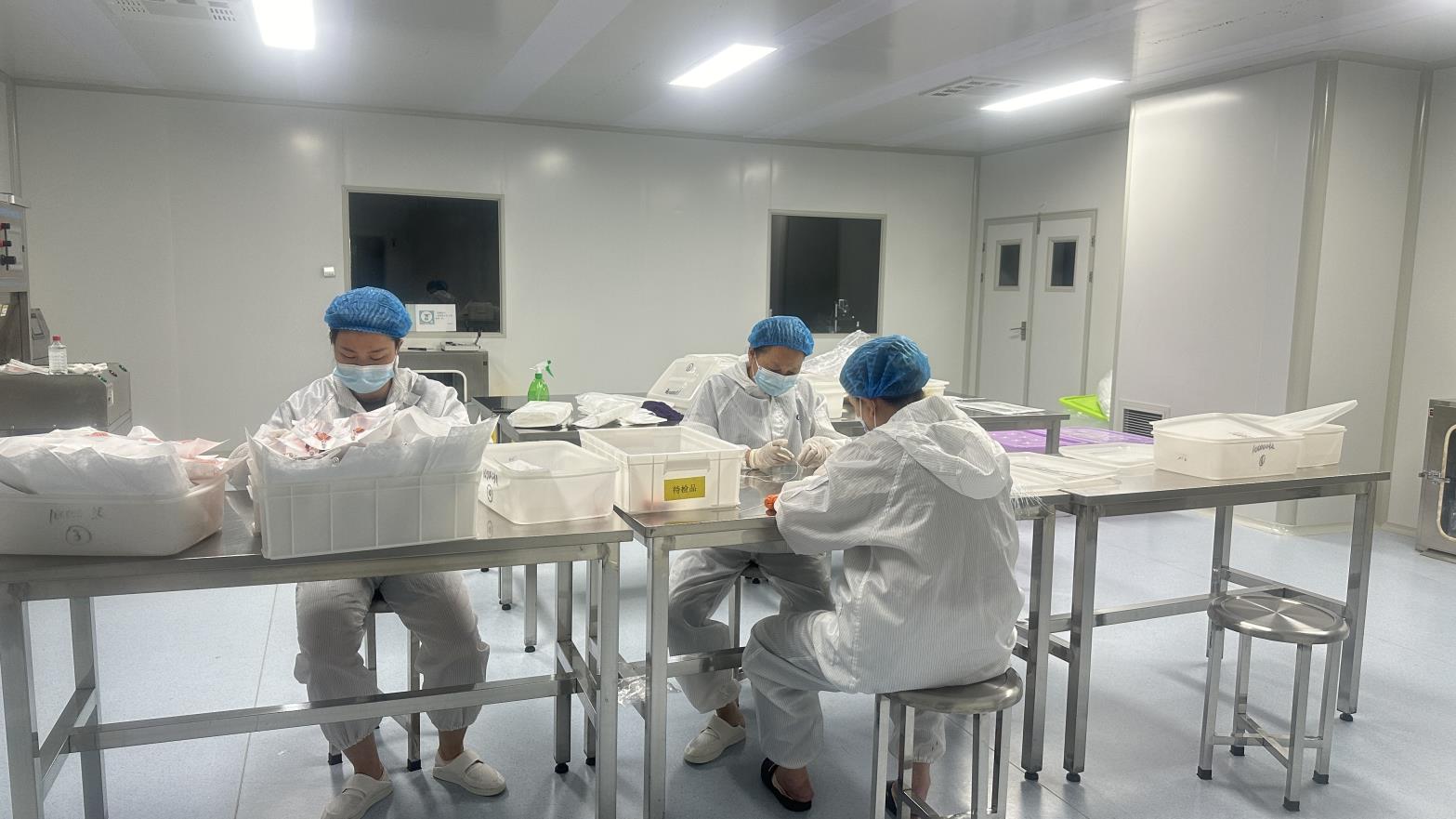
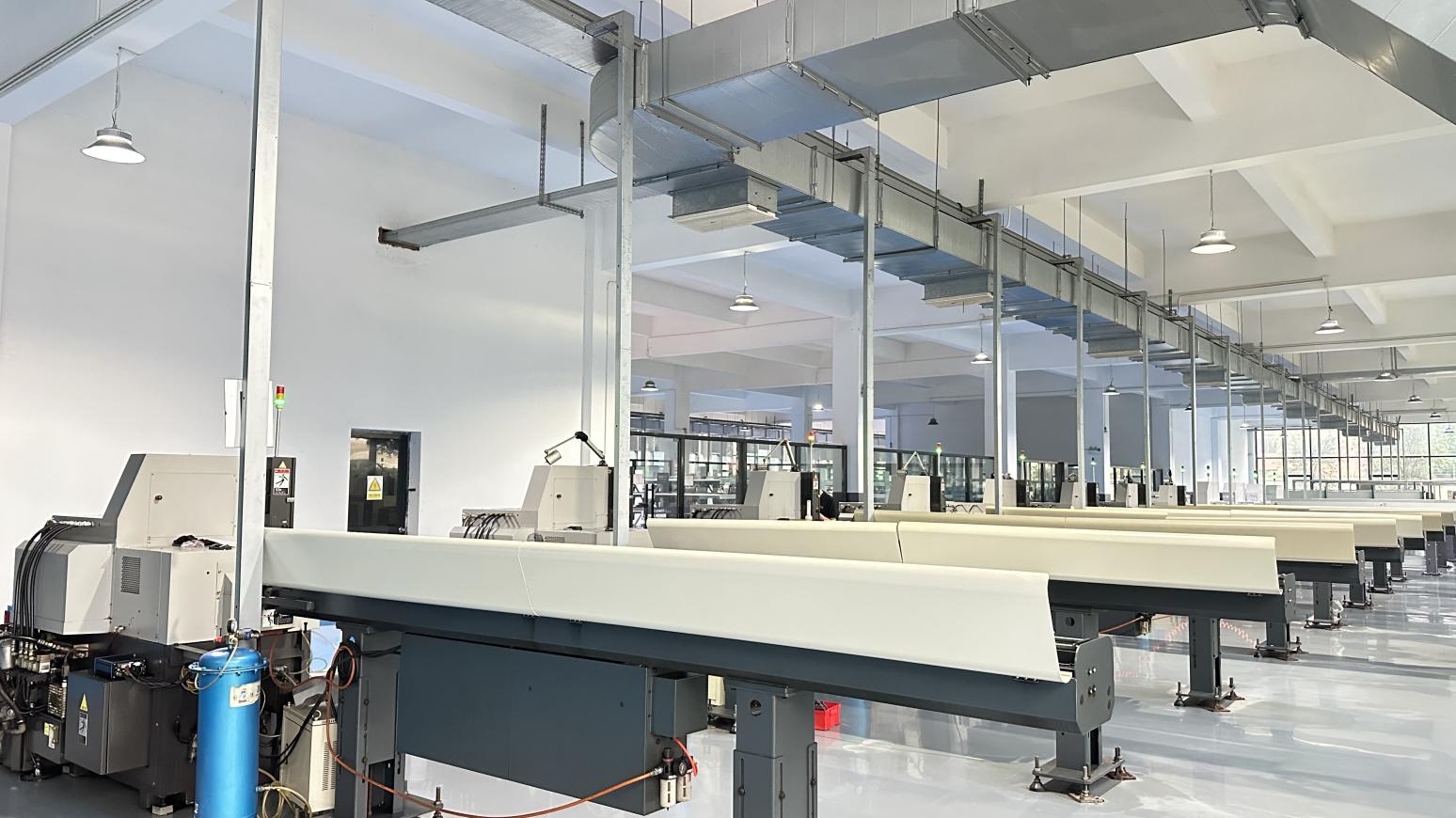
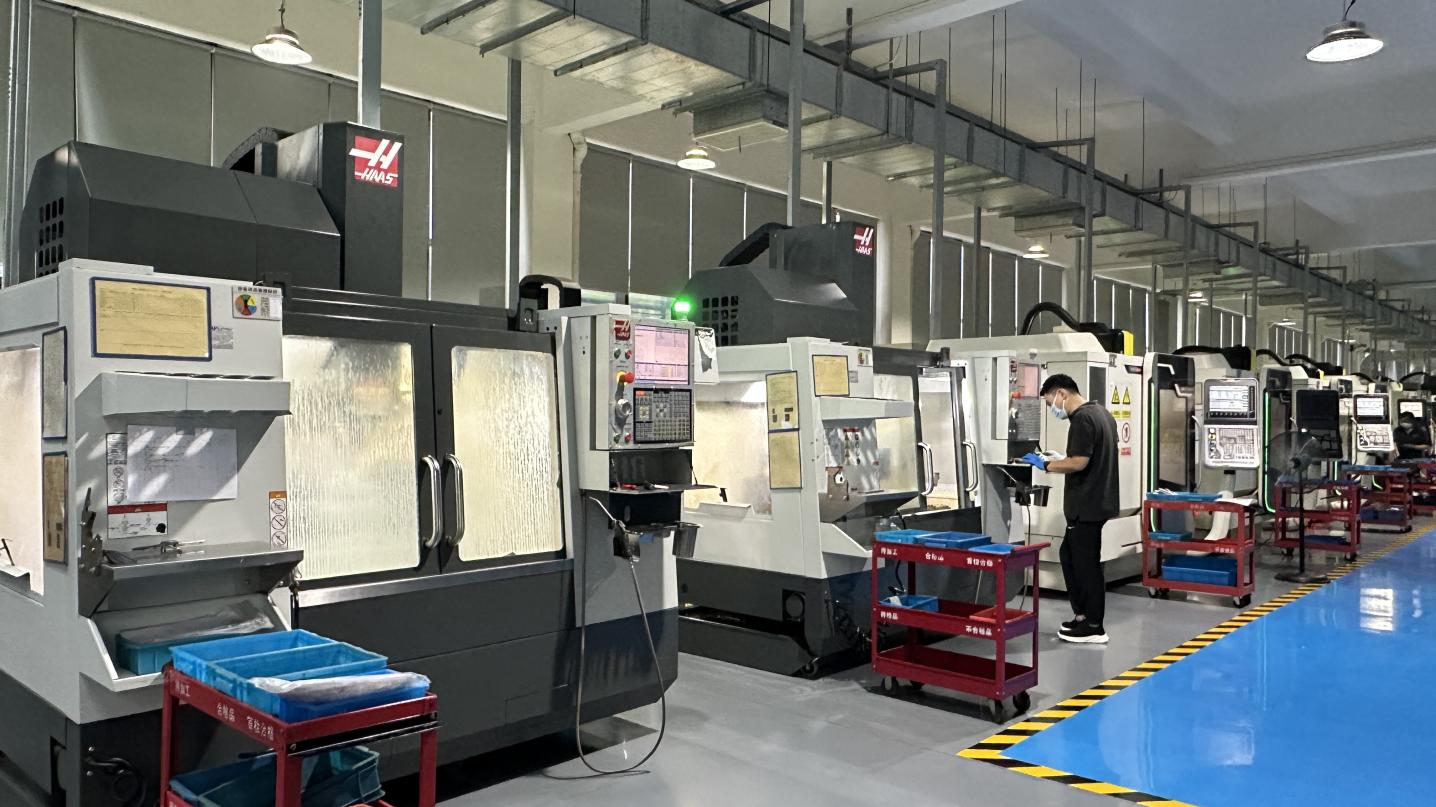
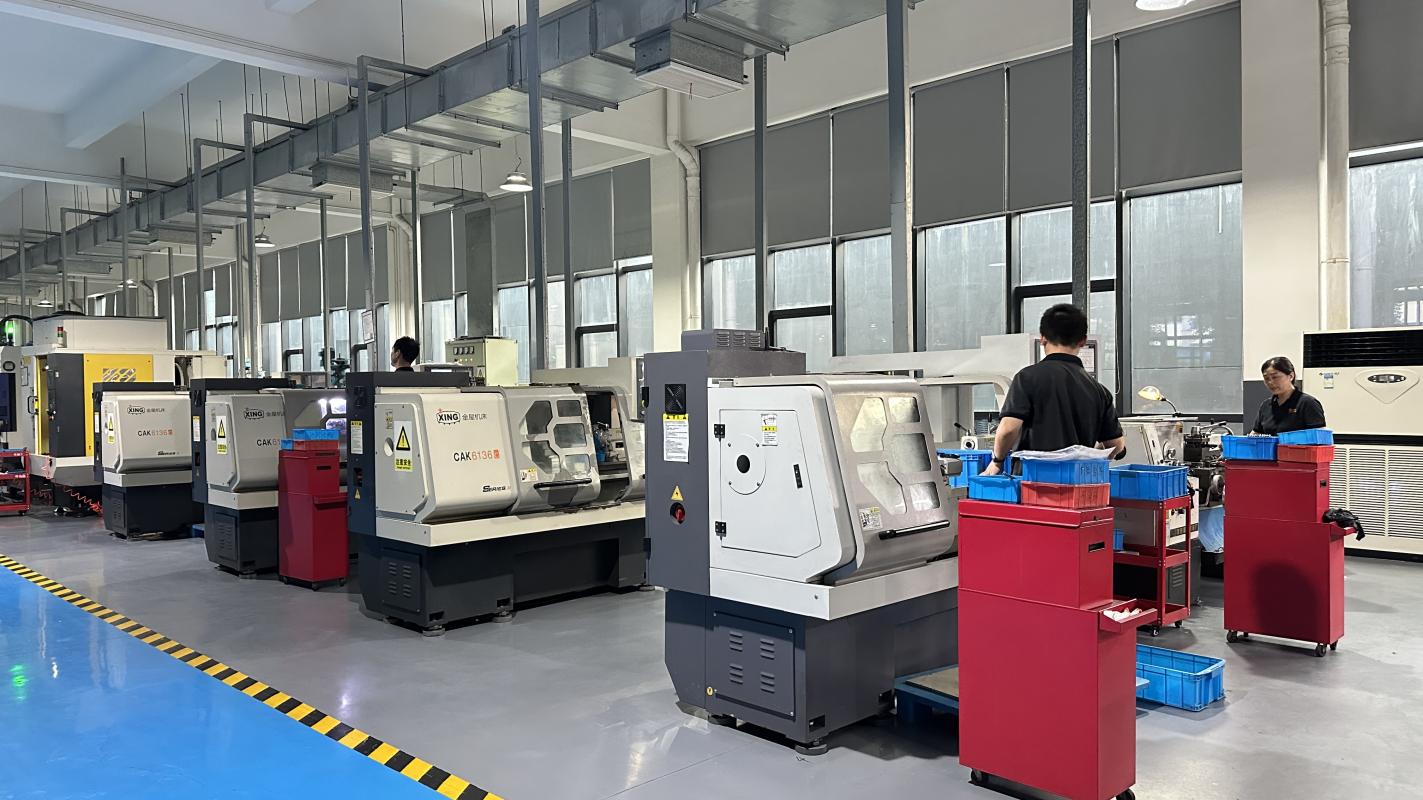
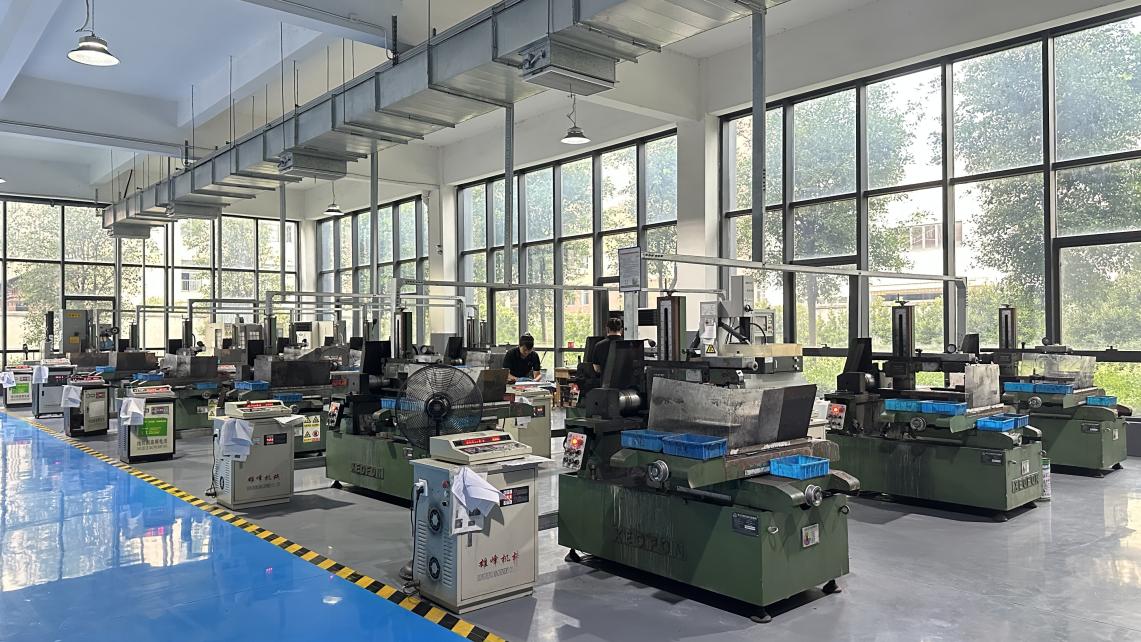
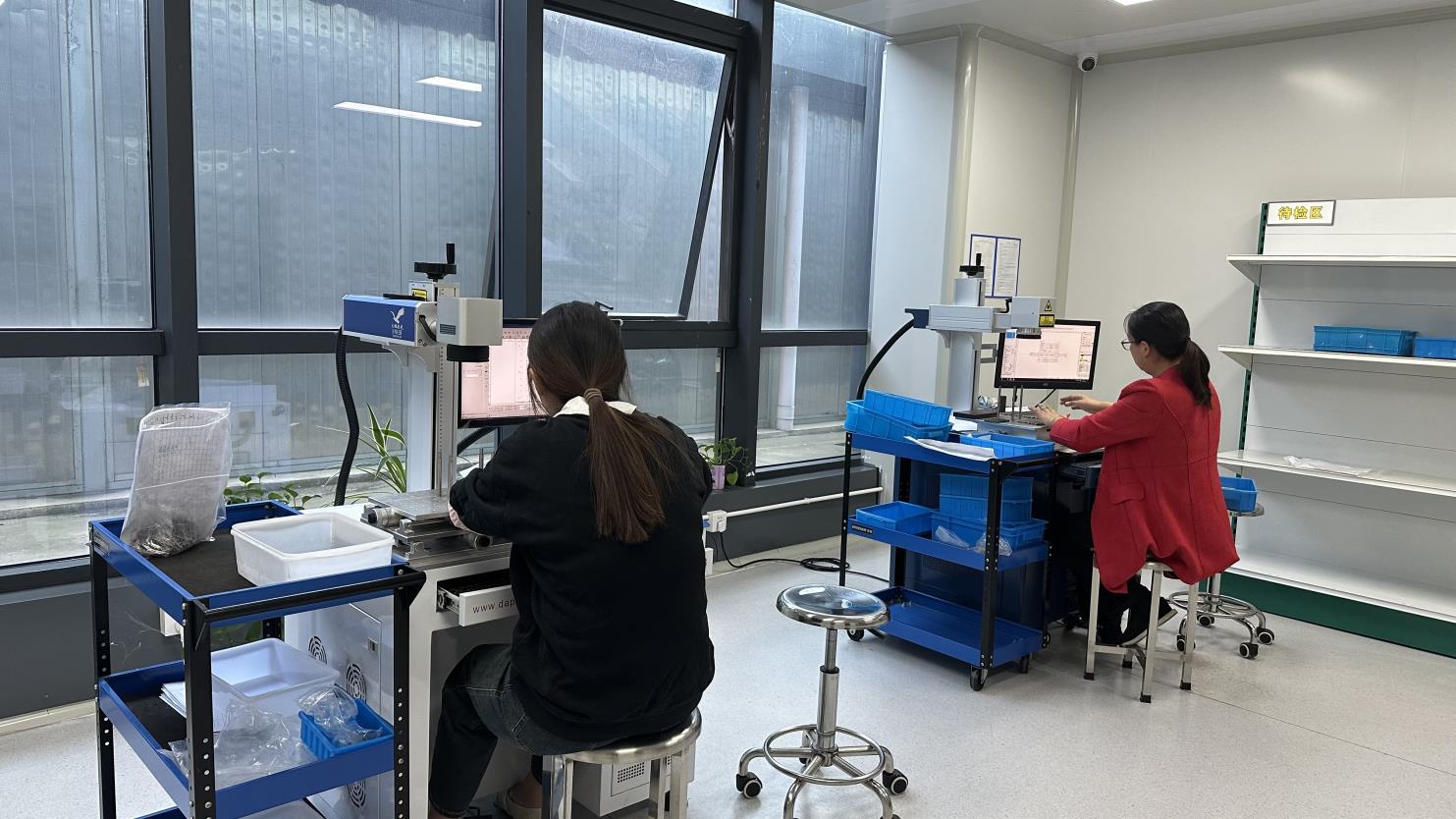
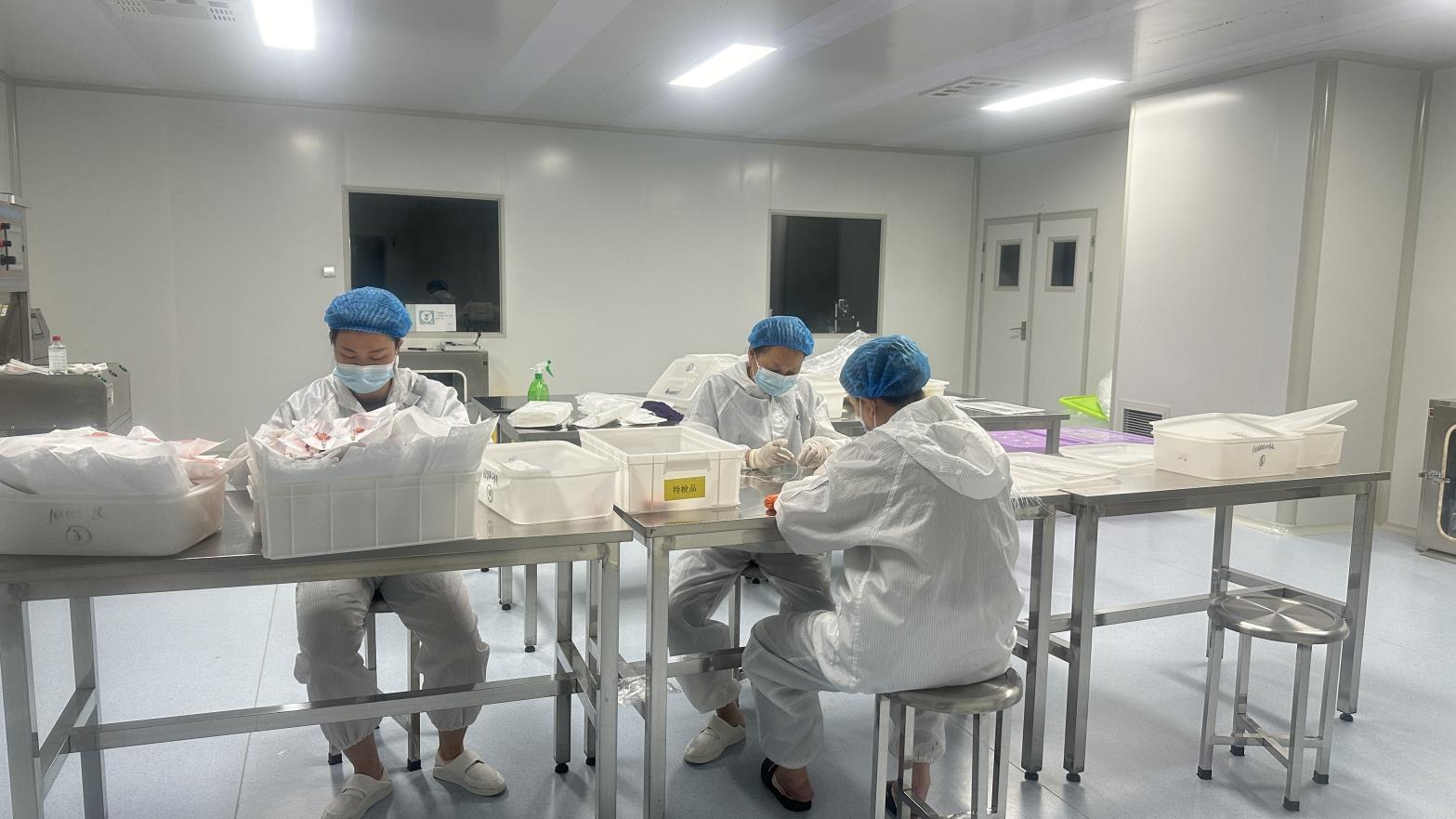
Bonevia Orthopedic Technology Co., Ltd., established in 2015, is a specialized developer and manufacturer of high-precision orthopedic implants and instrument sets. Bonevia operates an advanced manufacturing facility of approximately 320㎡, which houses an ISO Class 7 cleanroom dedicated to high-precision manufacturing, surface finishing, and quality validation.
Backed by 10 years of industrial experience and 6 years of export expertise, Bonevia serves a global client base including hospitals, trauma centers, and medical distributors in Southeast Asia, Europe, South America, and the Middle East. Our annual export volume ranges between USD 8–15 million, sustained by a robust supply network of more than 850 partners that guarantees consistent raw material availability and logistics speed.
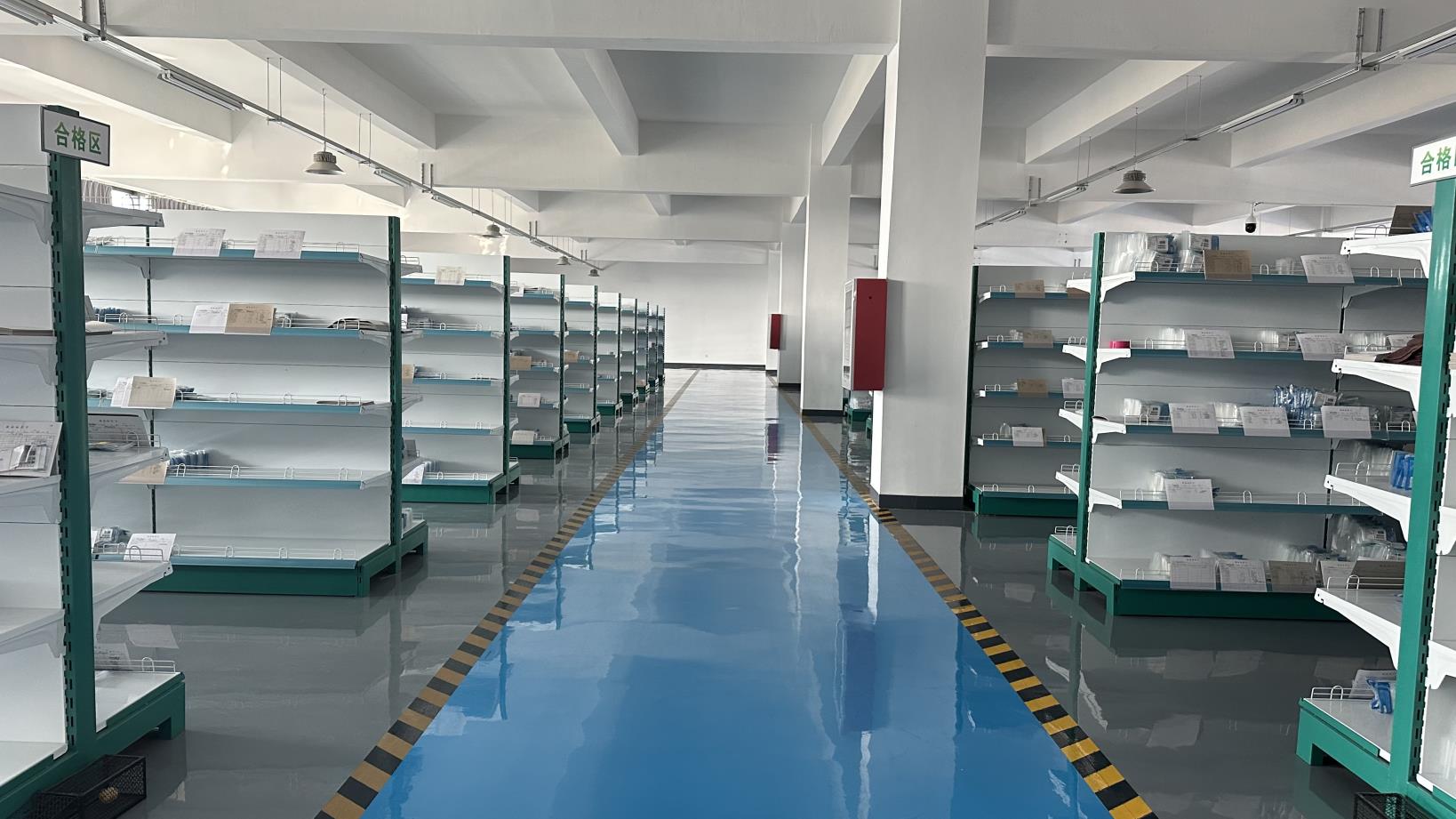
Our quality assurance protocol includes incoming raw material validation, in-process inspection, and final quality control. This system is managed by a team of 35 QA professionals, ensuring that all bone plates and instrument sets conform strictly to CE, ISO 13485, and international ASTM medical standards.
Streamlined procurement workflows for B2B buyers, medical device importers, and orthopedic distributors.
In the medical device industry, maintaining supply chain continuity is vital. A shortage of surgical implants can cause hospital delays, cancel surgeries, and disrupt patient care. As an exporter, Bonevia manages supply risks by maintaining direct partnerships with tier-one titanium alloy suppliers and implementing strict manufacturing schedules. Our R&D team releases more than 120 new product designs annually, allowing us to rapidly customize implants based on customer feedback and clinical trends.
Our global shipping processes are optimized for quick customs clearances in Southeast Asia. We provide complete documentation—including certificates of conformity, commercial invoices, detailed packing lists, and sterilization logs—to ensure smooth clearance at Thai ports, such as Laem Chabang or Suvarnabhumi Airport. B2B buyers can choose from a range of flexible procurement terms, including OEM customization, private labeling, and regional exclusivity agreements.
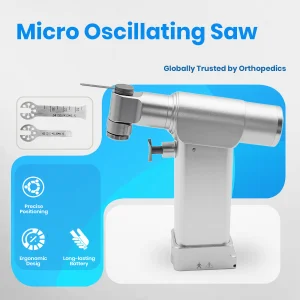
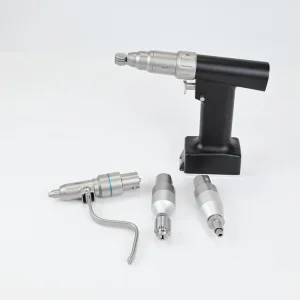
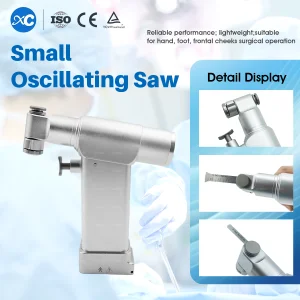
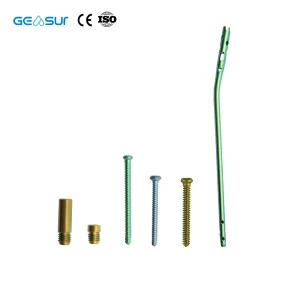
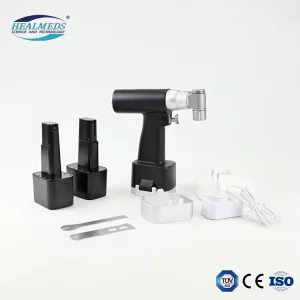
Explore our CE & ISO certified orthopedic implants, specialized instrument sets, and medical power tools.
Answers to technical, regulatory, and commercial inquiries about importing Sternal Fixation Systems into Thailand.