Bonevia
Bonevia
Bonevia
Engineered for high stability and optimal clinical outcomes in Barcelona's leading cardiothoracic and orthopedic surgery centers.
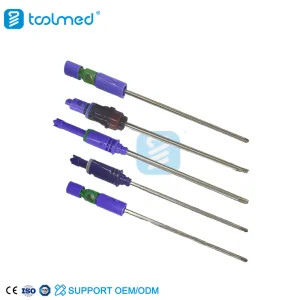
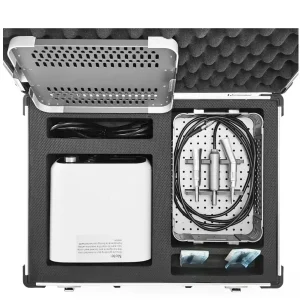
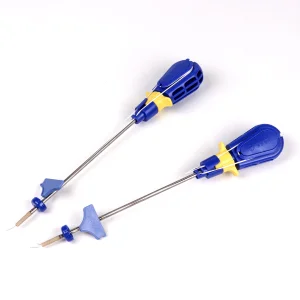
An in-depth look at medical device innovation, local procurement demands, and structural changes in thoracic closure.
Barcelona is universally recognized as the clinical heart of Southern Europe. Centered around world-class hospitals such as the Hospital Clínic de Barcelona, Hospital Universitari Vall d'Hebron, and the research clusters powered by Biocat, Catalonia represents a highly sophisticated market for cardiovascular, thoracic, and orthopaedic healthcare. Over the past decade, surgical methods here have pivoted heavily toward minimizing patient recovery times, preventing hospital-acquired complications, and adopting evidence-based technological solutions.
In open-heart and thoracic surgery, the closure of the sternum remains a critical stage. Traditional stainless steel wire cerclage, while historically standard, carries an inherent risk of bone cutting, sternal instability, and subsequent Deep Sternal Wound Infections (DSWI) or mediastinitis. This has catalyzed a massive clinical shift in Catalonia towards Rigid Sternal Fixation Systems. By utilizing anatomically contoured titanium plates and locking screws, surgeons achieve superior biomechanical stability, ensuring rapid bone healing and minimizing post-operative pain.
Rigid plate fixation distributes mechanical load over a wider surface area compared to wires, preventing bone shear and reducing the occurrence of sternal dehiscence in high-risk patients (e.g., diabetics, obese, or COPD patients).
Standardized on Pure Titanium and Grade 5 Titanium (Ti-6Al-4V ELI) conforming to ASTM F136. These materials optimize osseointegration, eliminate allergic reactions, and offer MRI compatibility.
Advanced low-profile plates that conform naturally to the sternal anatomy. The system allows rapid emergency re-entry in less than 60 seconds using specialized emergency instruments.
Bridging Chinese manufacturing scale and agility with strict European MDR regulatory compliance.
With the implementation of the European Union Medical Device Regulation (EU MDR 2017/745), health systems across Spain face critical procurement challenges. Rigorous clinical evaluation demands, administrative bottlenecks, and skyrocketing device costs have put substantial strain on hospital budgets.
As a trusted OEM/ODM manufacturer, Bonevia Orthopedic Technology Co., Ltd. addresses these hurdles directly. We offer medical-grade structural implants and surgical tools that combine rigorous international certifications (CE, ISO 13485) with highly optimized manufacturing processes. This enables European distributors and purchasing departments to maintain high standards of patient care while lowering cost-per-procedure metrics.
With an advanced cleanroom facility of 320㎡ and a manufacturing campus featuring high-precision machinery, we guarantee micrometer-level tolerance control. Our production workflow includes state-of-the-art CNC centers, laser markers, wire cutting, and inspection stations.
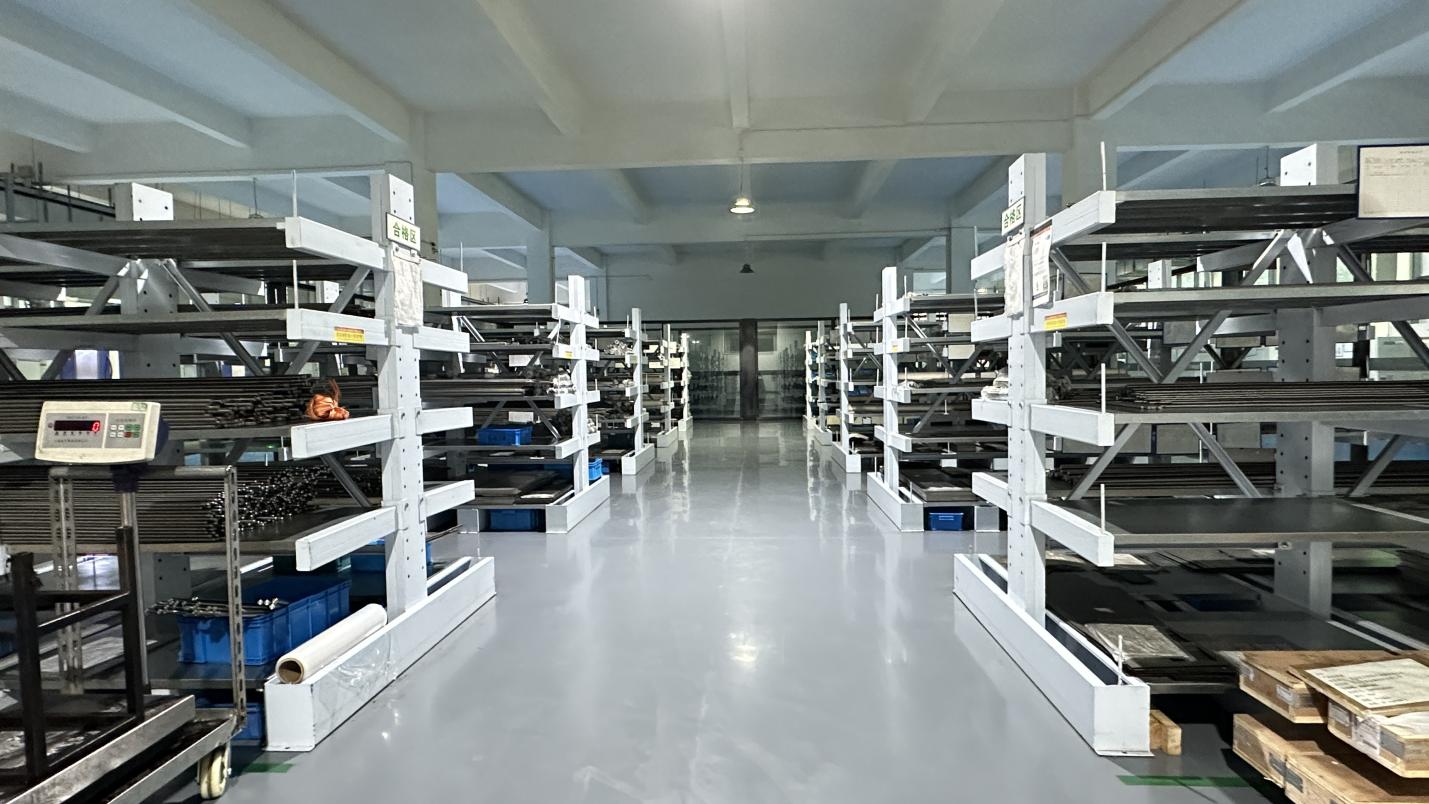
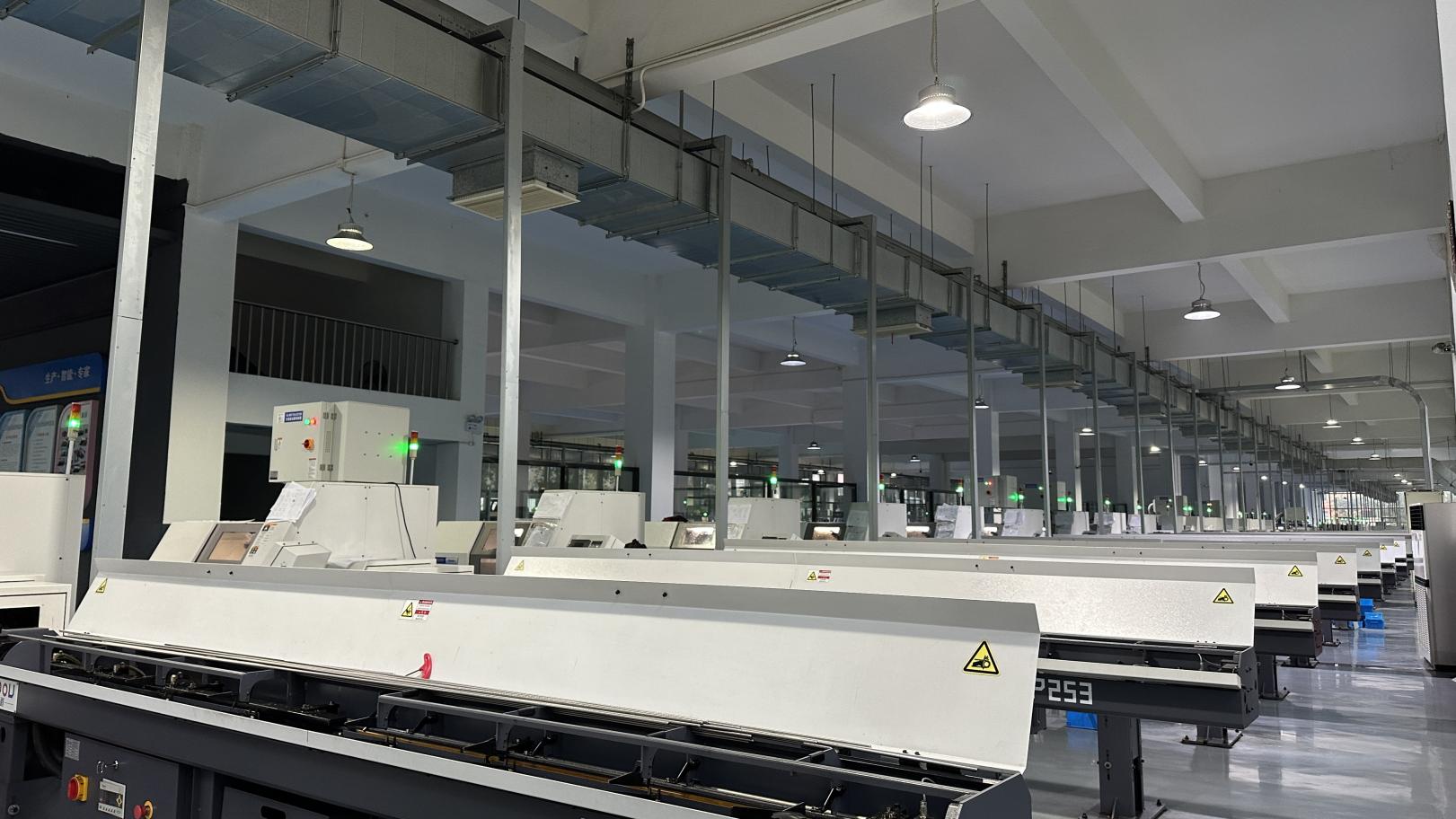
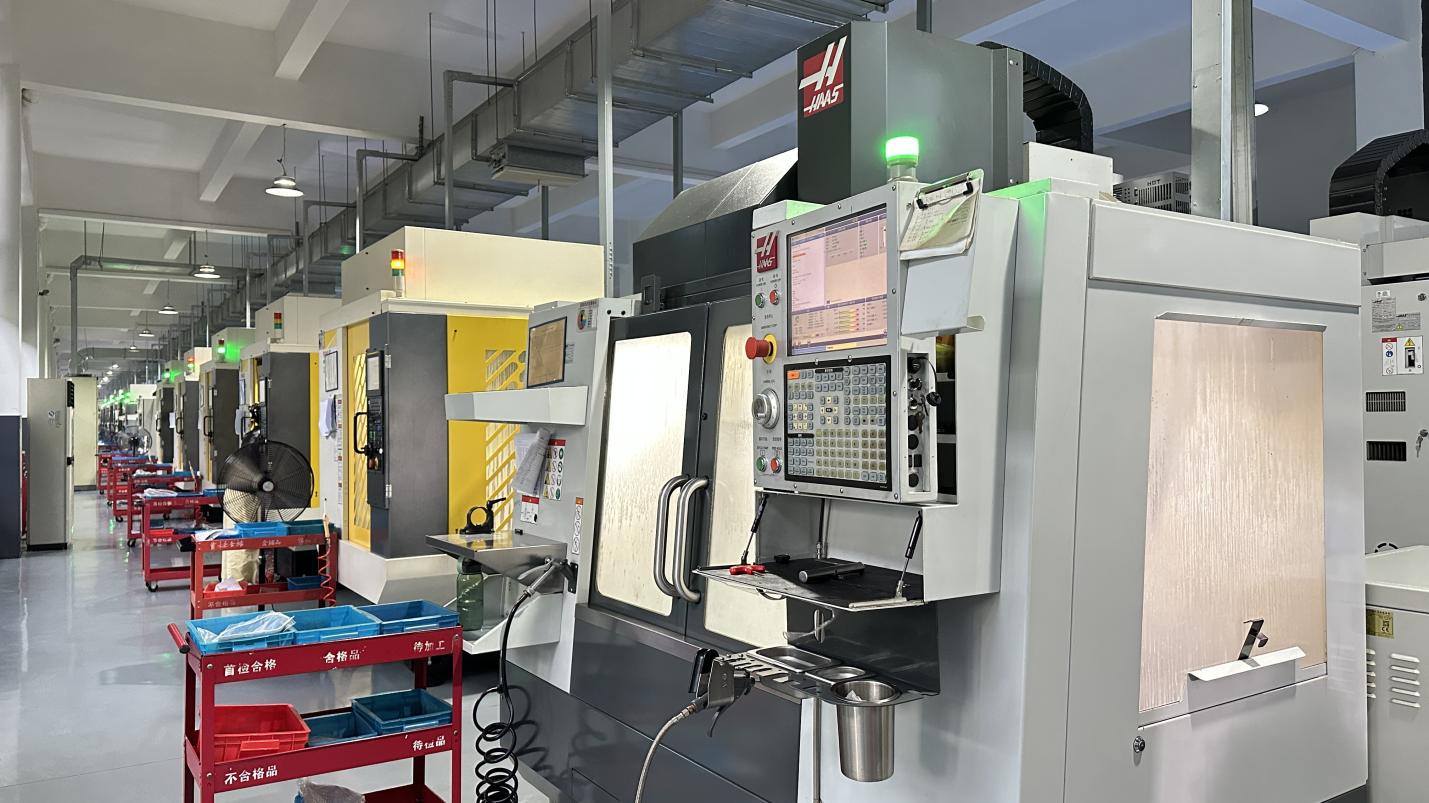
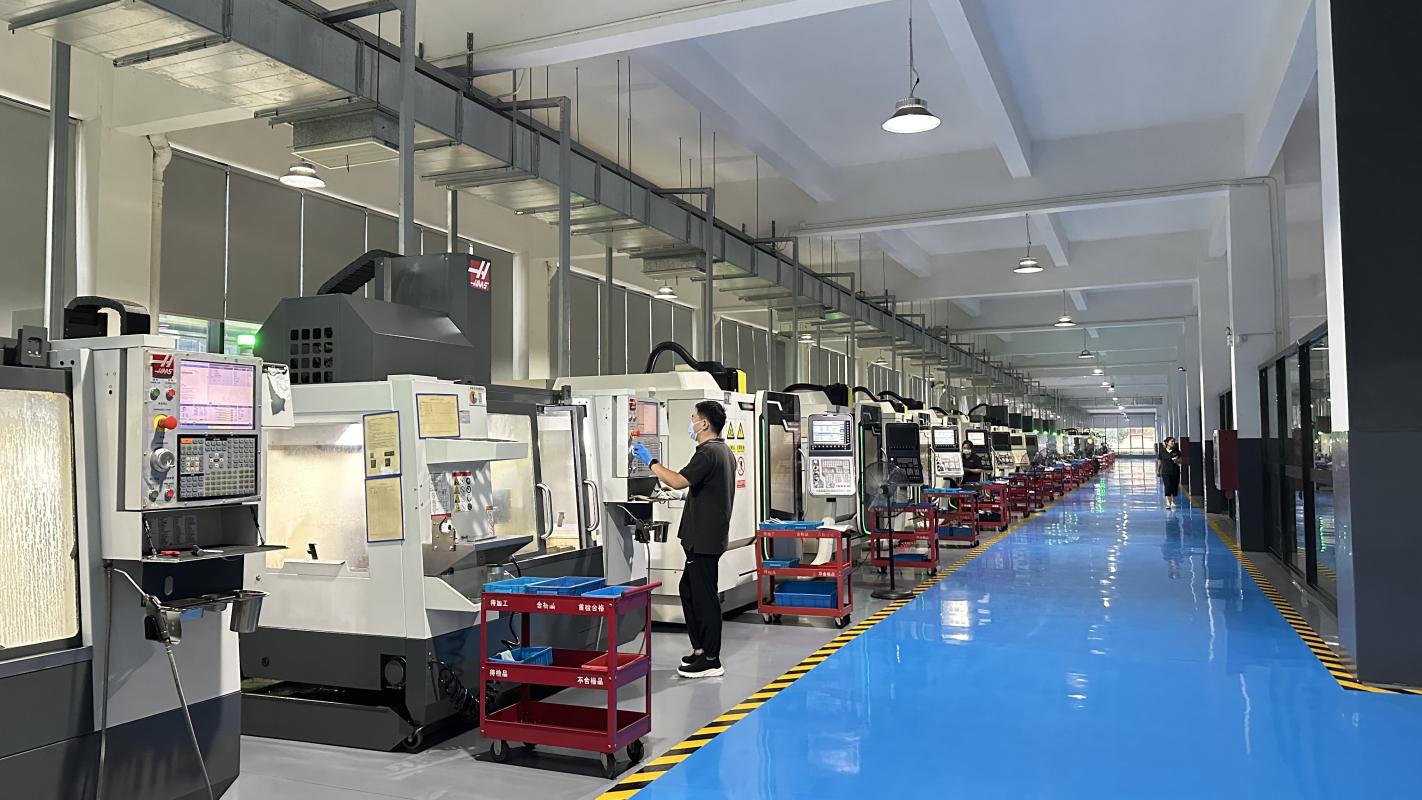
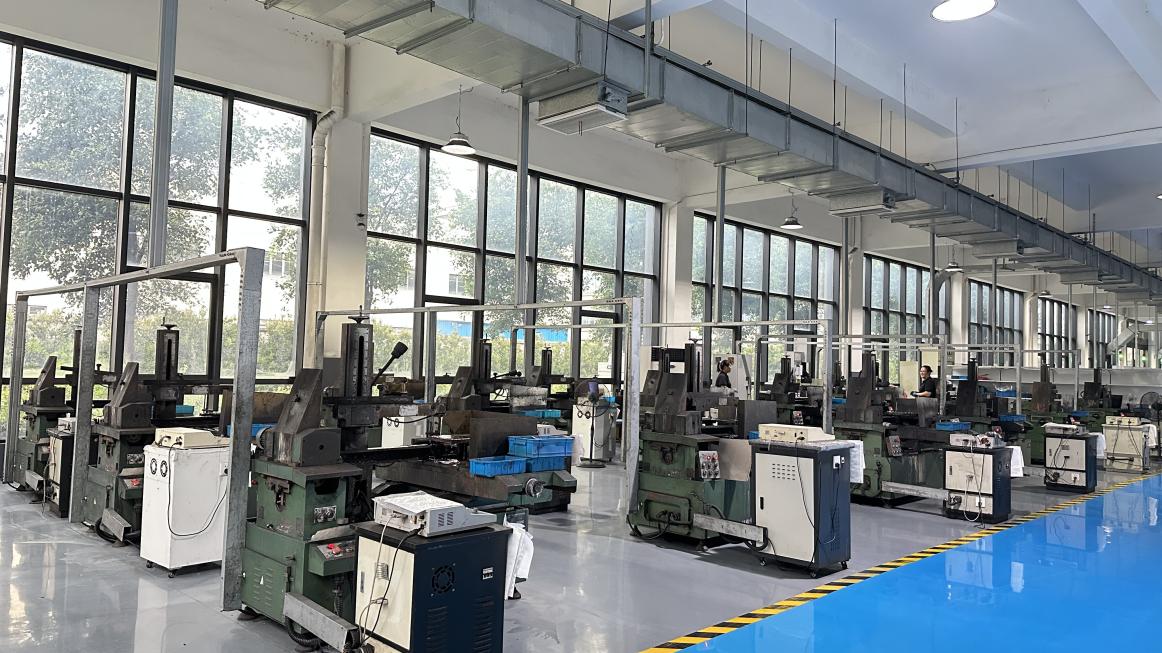
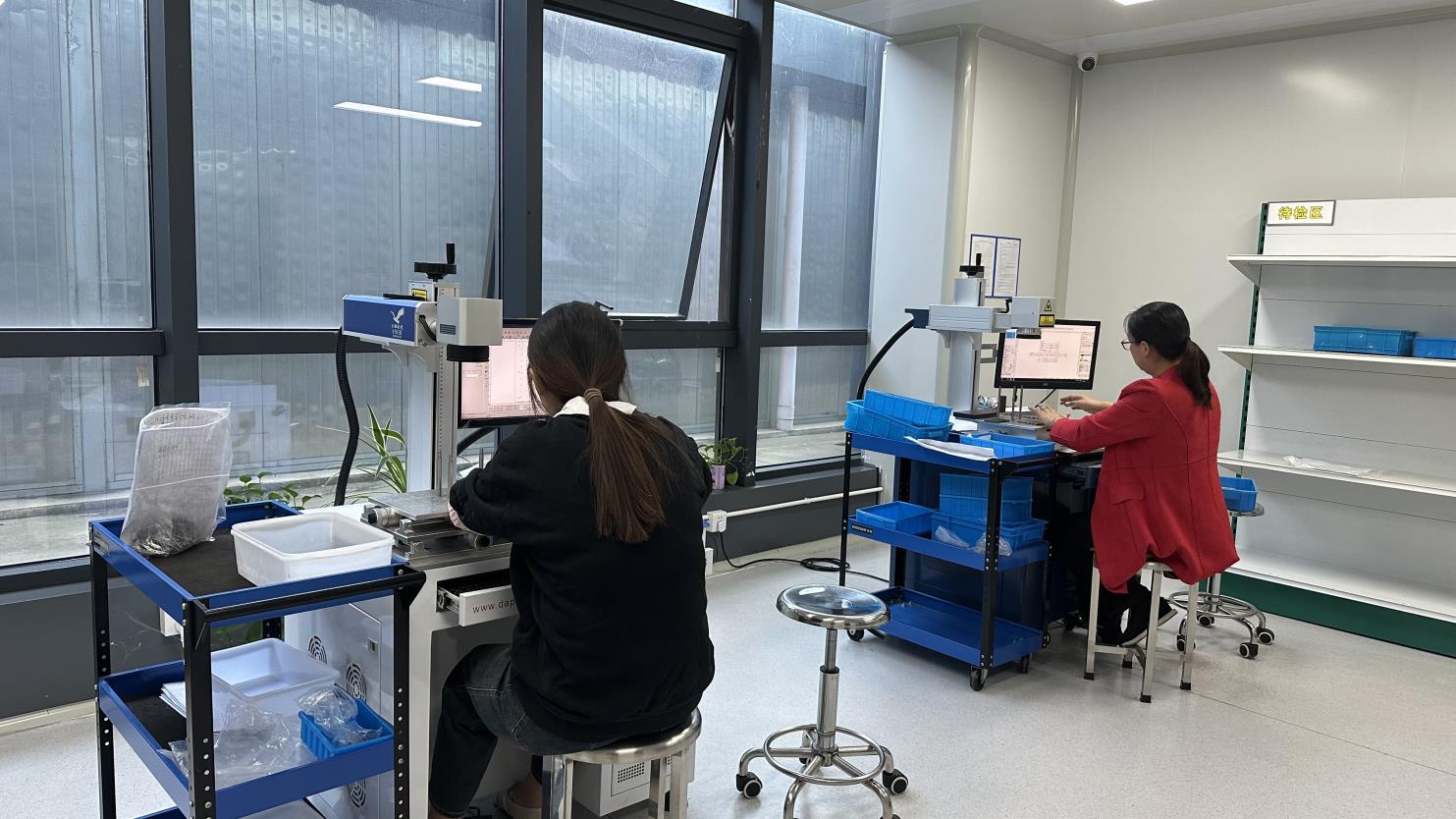
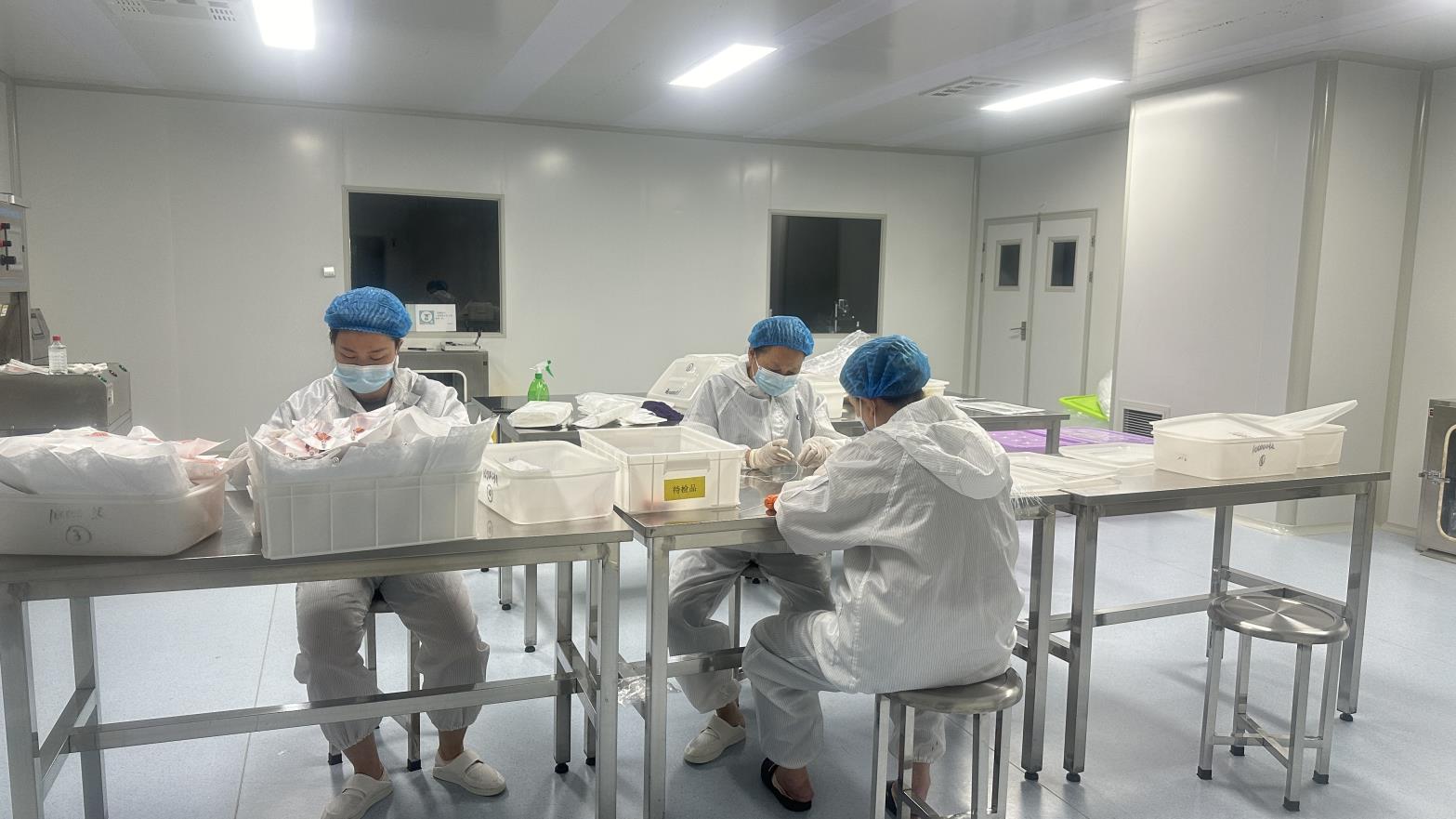
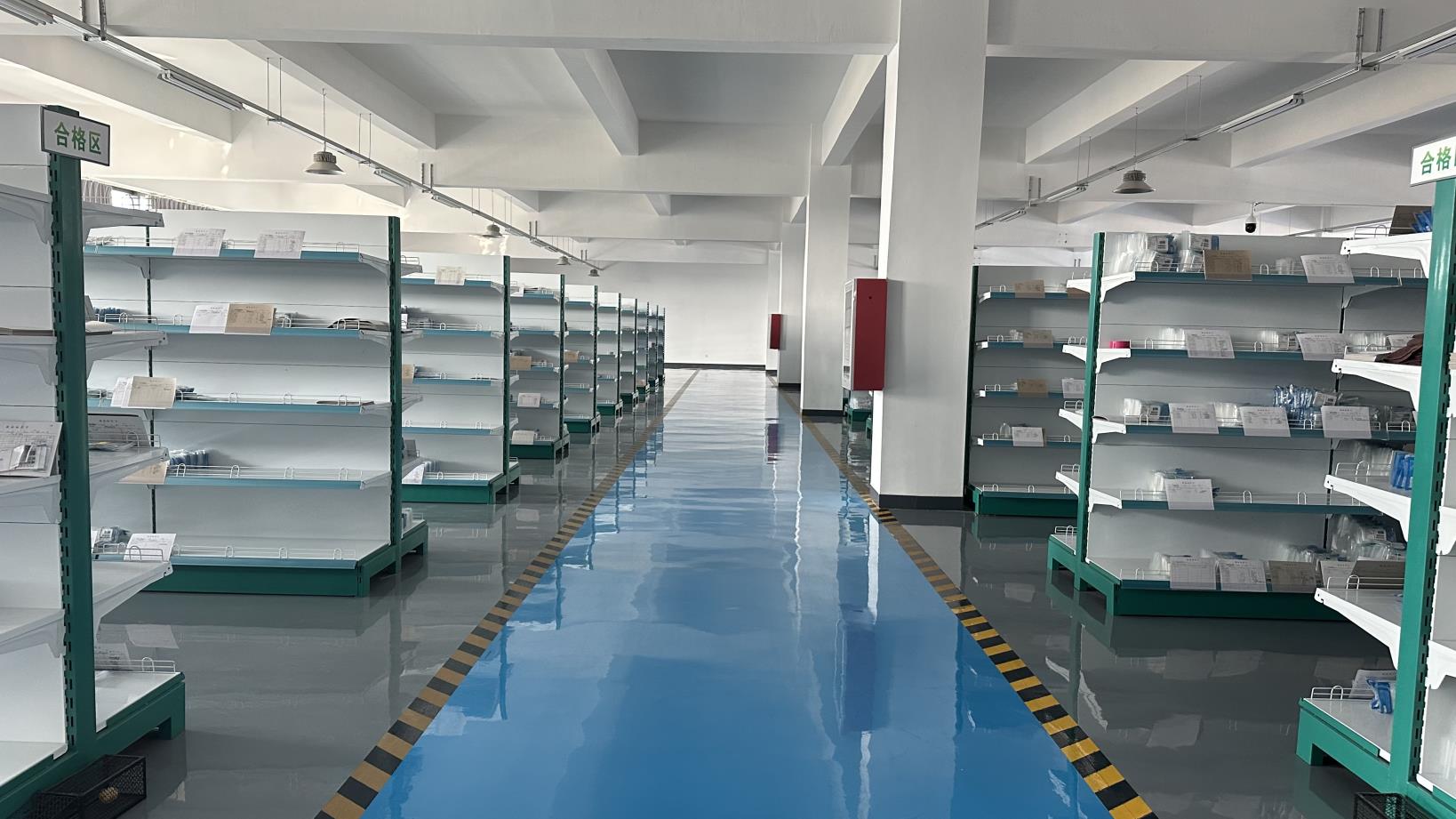
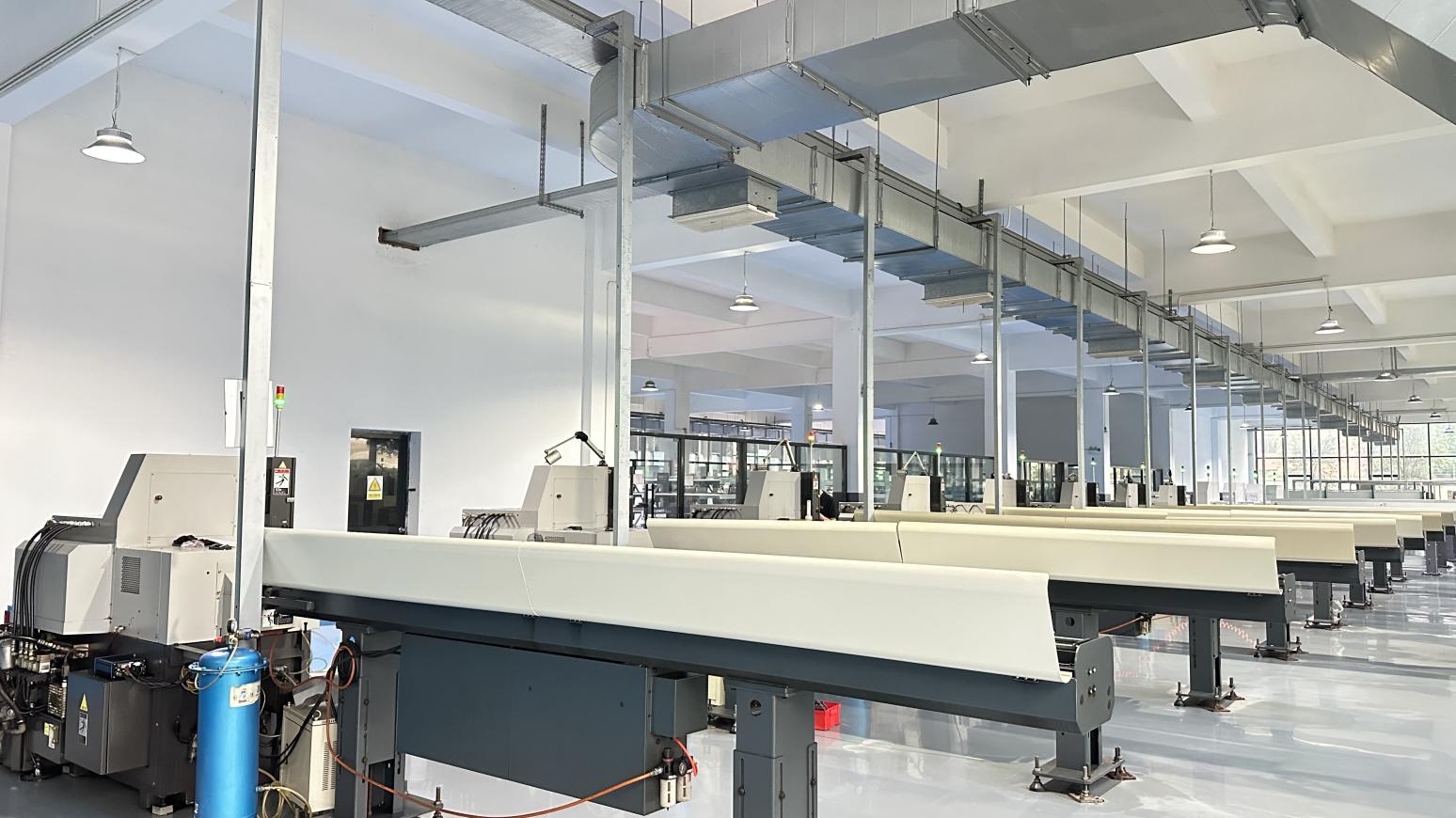
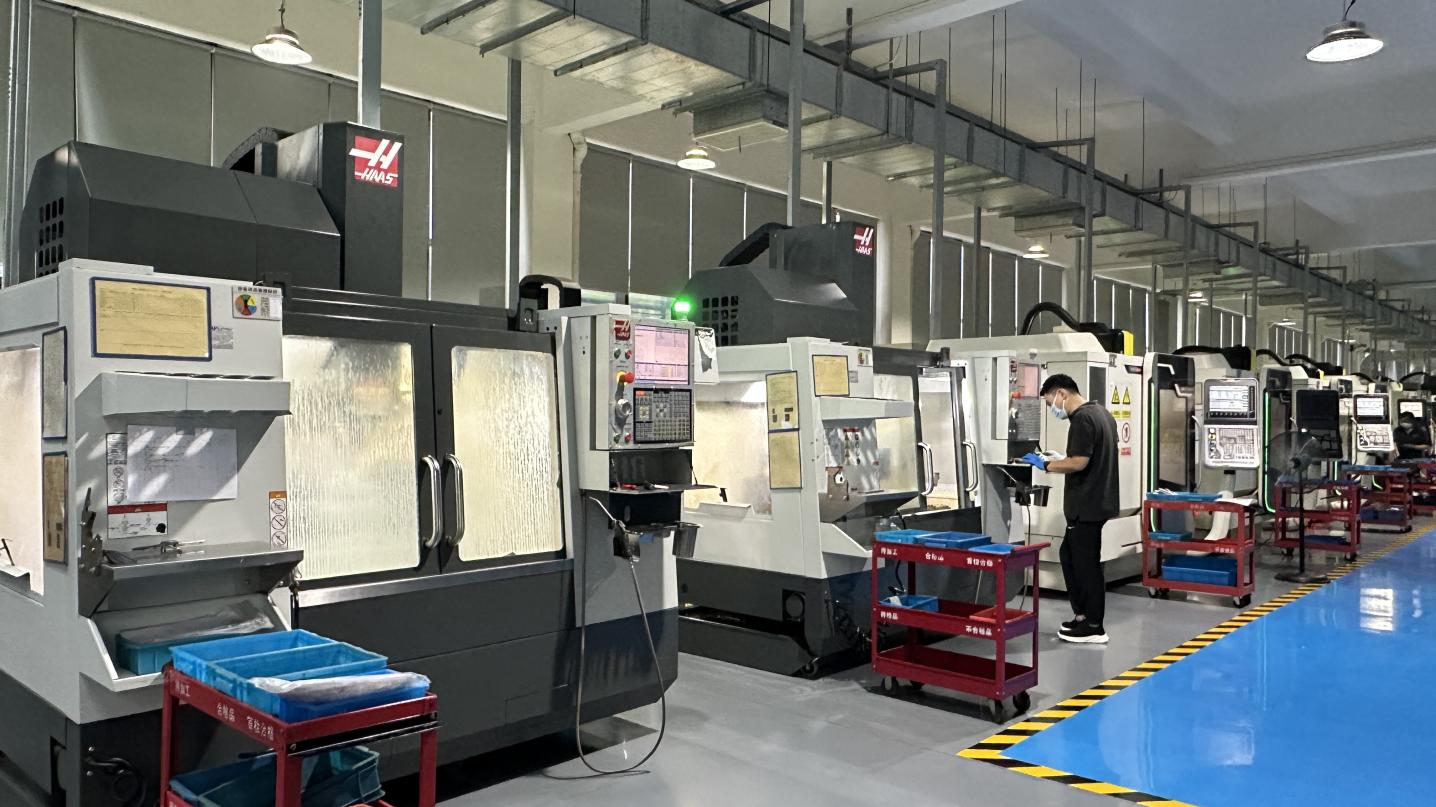
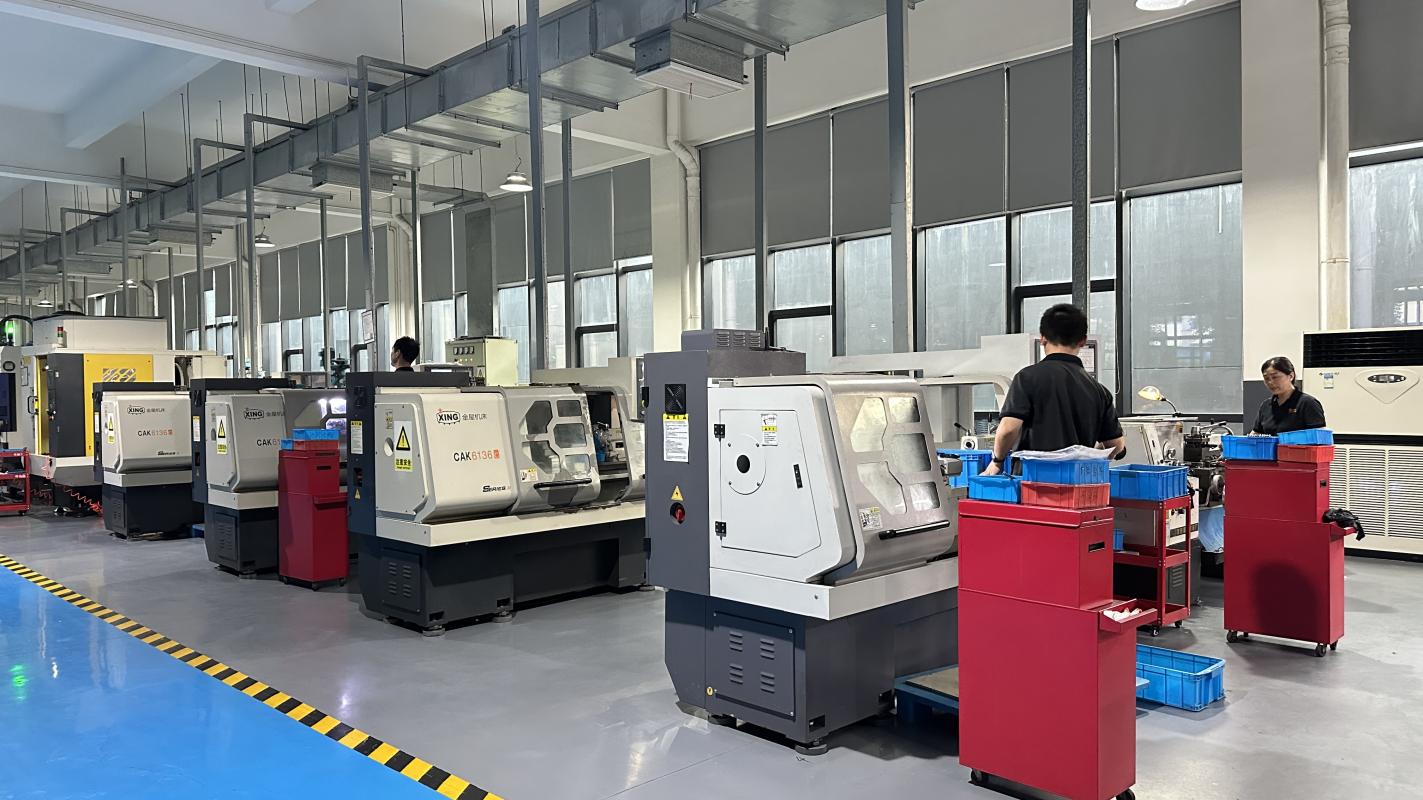
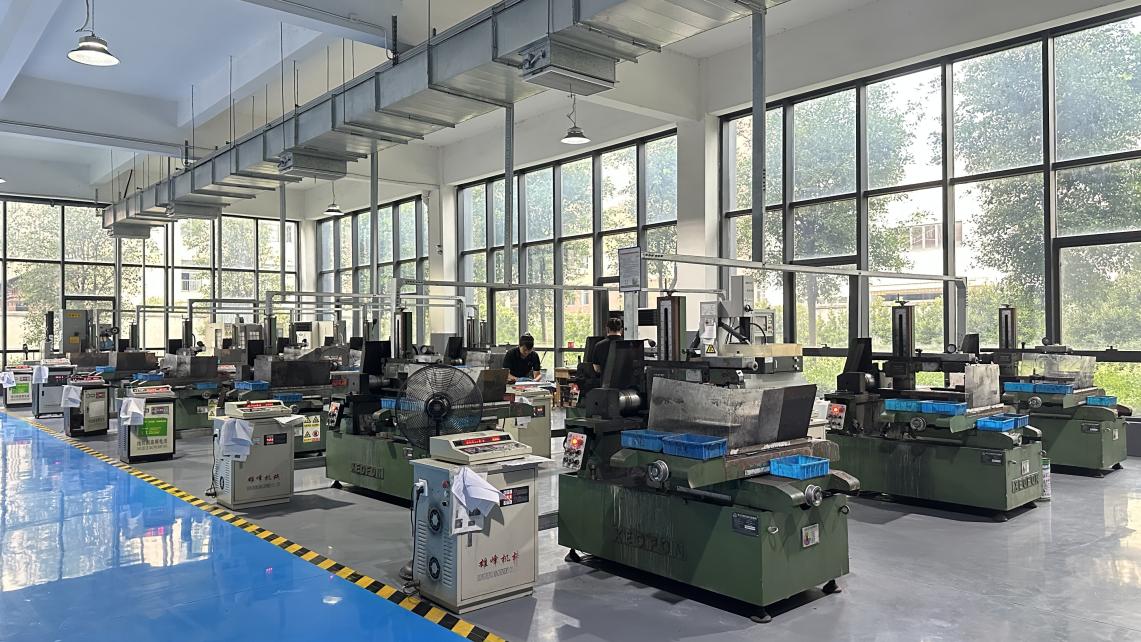
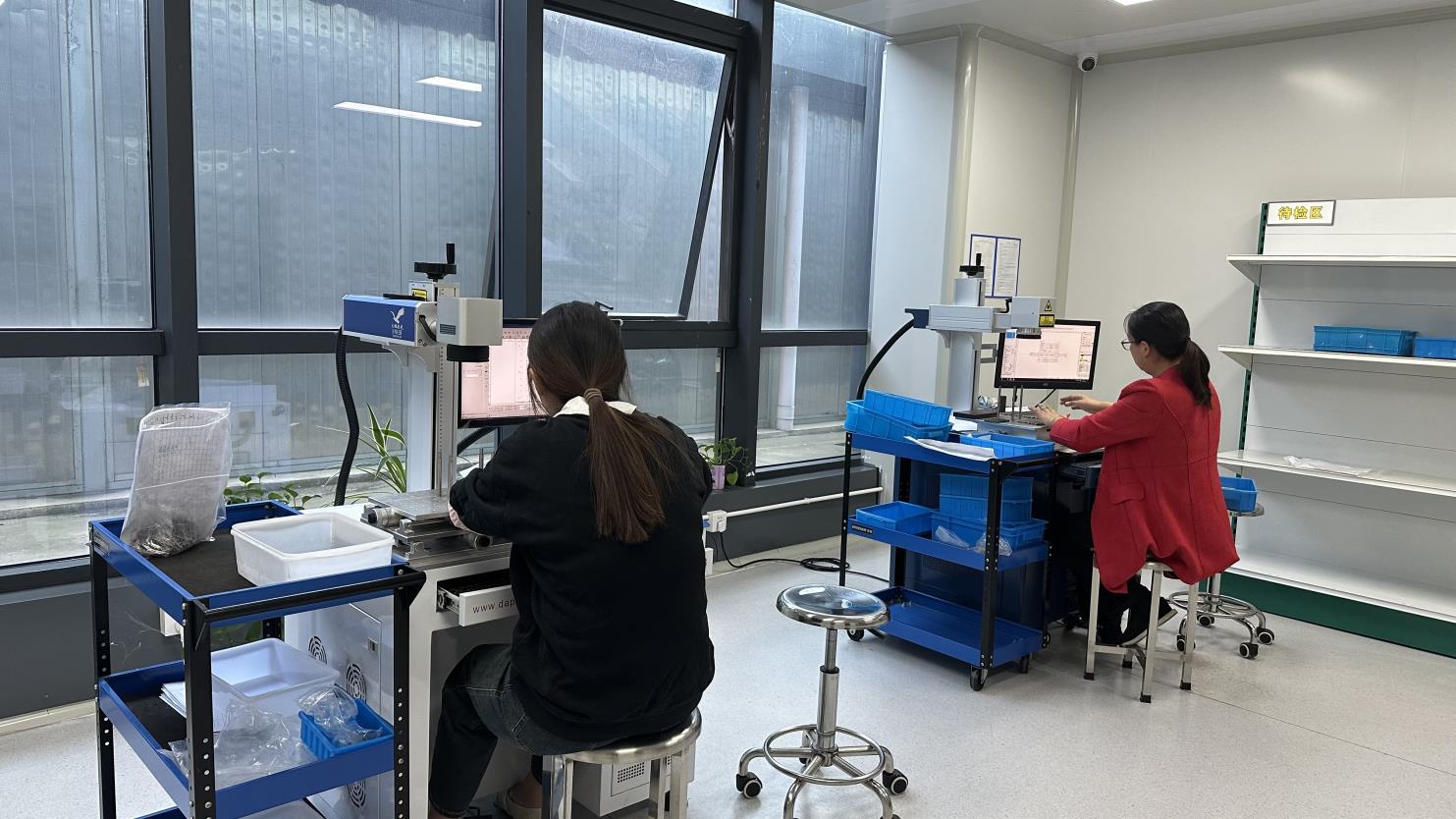
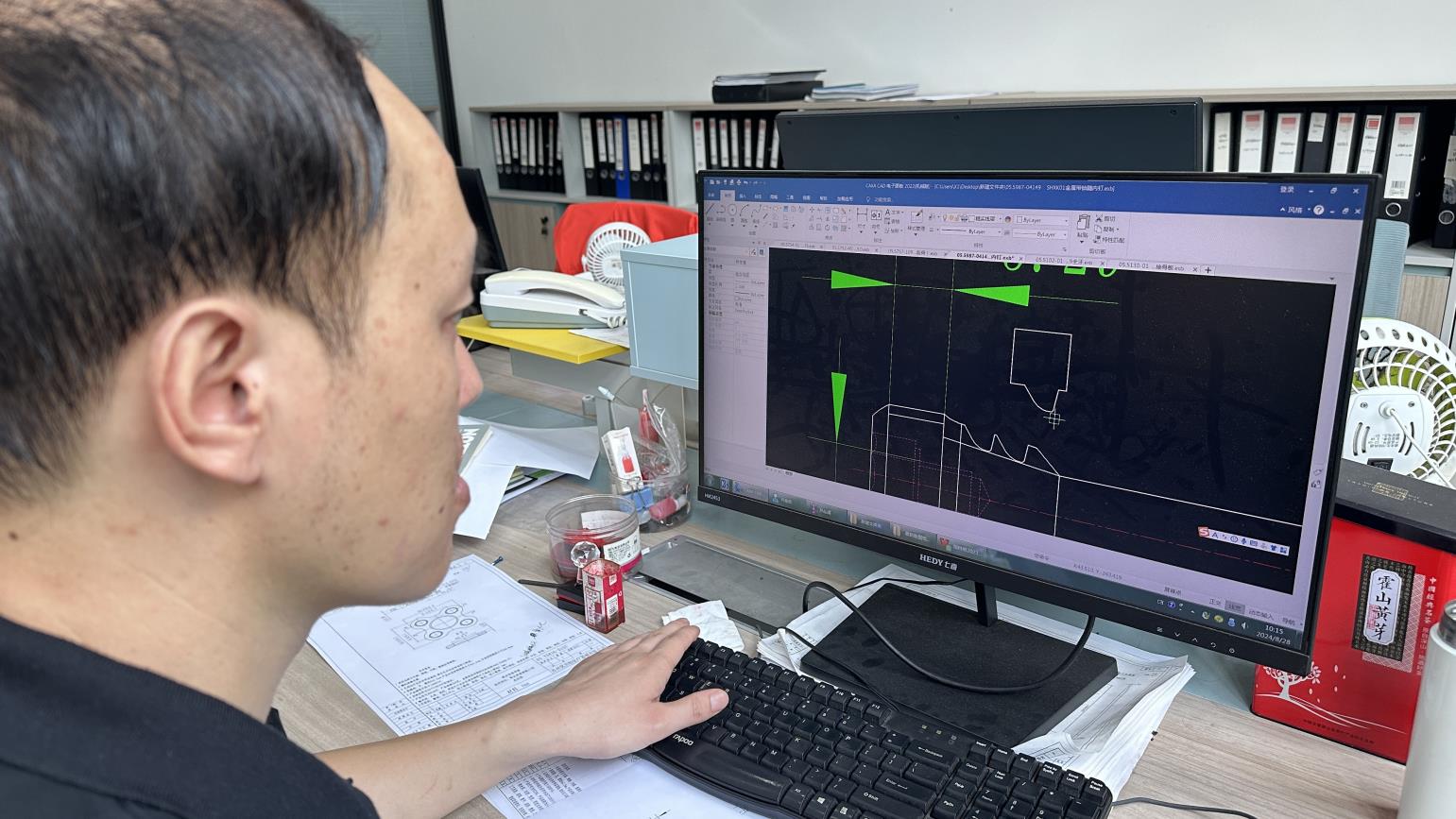
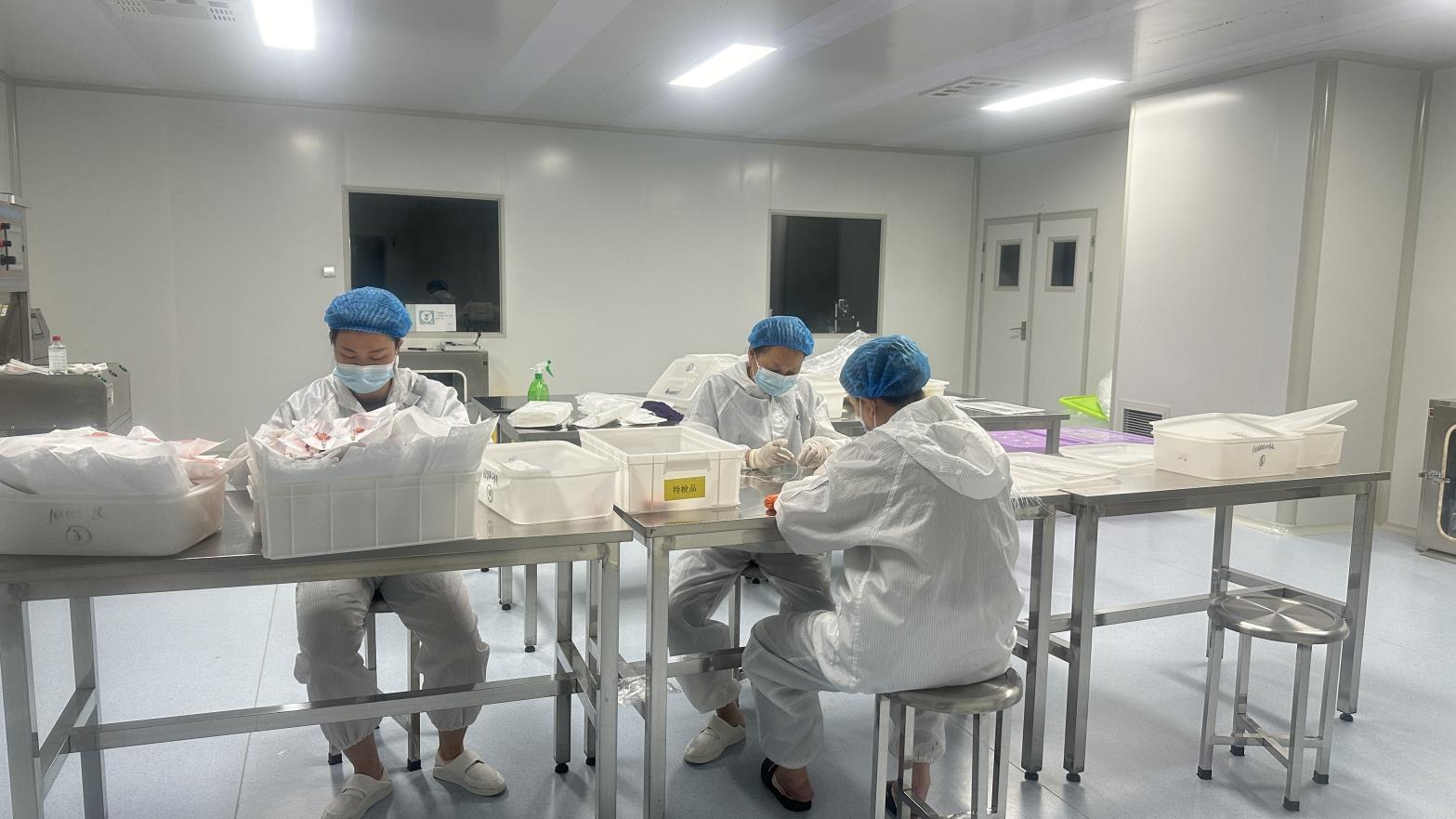
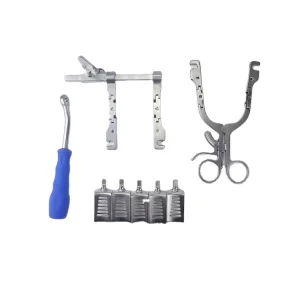
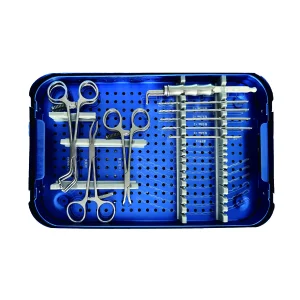
Ensuring micro-invasive access, high mechanical stability, and specialized instrumentation sets.
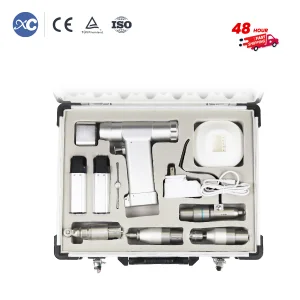
Evaluating mechanical load thresholds, sternal distraction rates, and post-operative recovery timelines.
| Clinical Parameters | Conventional Steel Wire Cerclage | Bonevia Sternal Fixation System |
|---|---|---|
| Mechanism of Action | Circumferential tension (bone-cutting risk) | Rigid plate locking fixation (load sharing) |
| Biomechanical Stability | Moderate; prone to lateral sternal movement | Excellent; locks in three dimensions |
| Sternal Distraction Rate | Higher risk under persistent cough or strain | Near 0% due to cross-screwing configuration |
| Emergency Re-entry | Requires wire cutters (quick but variable) | Emergency key tool release (< 60 seconds) |
| Osseointegration Capacity | None (foreign material encapsulation) | Excellent (grade 5 titanium micro-pore structure) |
| Post-Op Recovery Period | 6 to 12 weeks | 3 to 6 weeks |
Rigid sternal fixation reduces anterior-posterior displacement by up to 78% and lateral shear by up to 90% compared to traditional wire techniques. This structural advantage directly mitigates pain and shortens intensive care unit (ICU) stays, resulting in significant cost savings for hospital systems like those in the Barcelona metropolitan area.
Answering common integration, logistical, and compliance questions for medical purchasers.
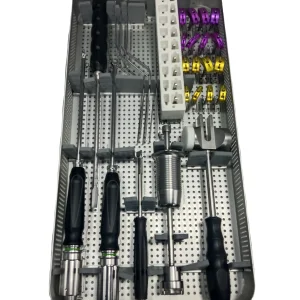
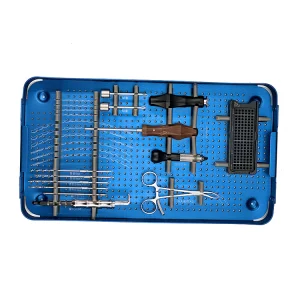
For clinical trials and regular surgical procedures at major Catalan cardiac units, Bonevia offers tailored systems designed to meet localized surgical protocols:
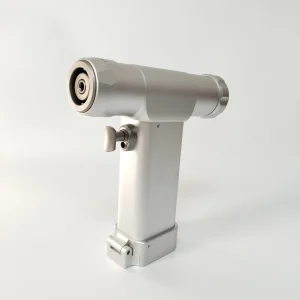
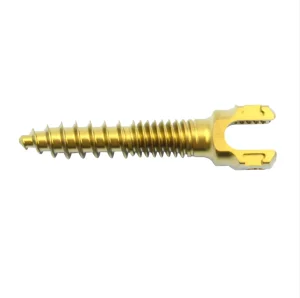
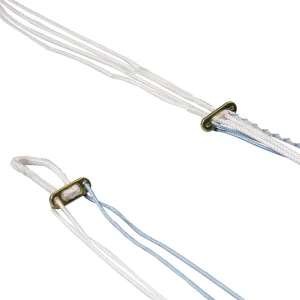
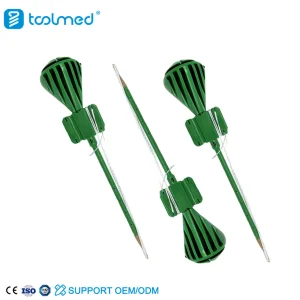
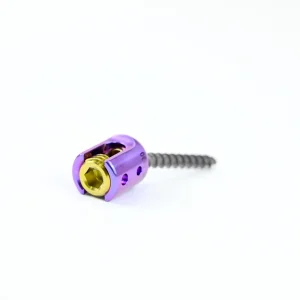
Browse our verified range of trauma implants, bone drills, suture anchors, and spine correction devices.
Connect with our commercial directors and engineering experts to request technical drawings, product samples, or customized quotes configured for Spanish hospital tender profiles.
Send Inquiry Now