Bonevia
Bonevia
Bonevia
Engineered to meet the critical regulatory standards of Istanbul's top university clinics and surgical centers.
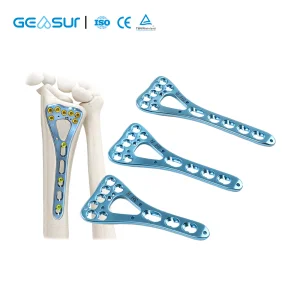
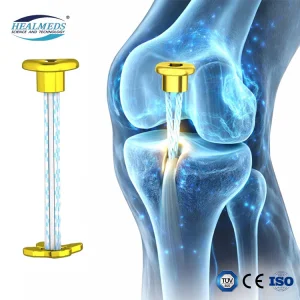
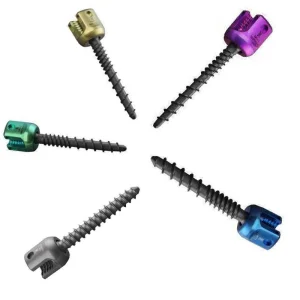
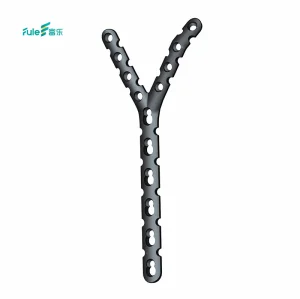
Istanbul is a fast-growing hub for advanced healthcare, acting as a bridge between European clinical standards and the high-growth markets of the Middle East, Central Asia, and North Africa. The city is home to over 220 hospitals, including prominent university clinics such as the Istanbul University-Cerrahpaşa and Koç University Hospital, where complex cardiothoracic and orthopedic surgeries are performed daily.
In cardiothoracic surgery, post-sternotomy stabilization is a critical factor in patient recovery. With a rising volume of coronary artery bypass grafting (CABG) and complex open-heart surgeries, clinical complications like sternal dehiscence and mediastinitis present significant challenges to local healthcare systems. This has shifted the local demand from traditional stainless-steel wire cerclage toward advanced rigid sternal fixation systems.
Local healthcare procurers and medical distributors in Istanbul place a high priority on sourcing implants that combine clinical performance with compliance to European Medical Device Regulations (MDR). This is where reliable global manufacturers step in to supply certified, biomechanically superior implants that reduce post-operative pain and speed up bone healing.
A comparative analysis of clinical performance and biomechanical stability in post-sternotomy procedures.
Historically, stainless steel wire loops have been the standard method for closing the sternum. However, in patients with high-risk factors such as obesity, chronic obstructive pulmonary disease (COPD), diabetes, or osteoporosis, wire loops are susceptible to cutting through the sternum, leading to lateral separation, pain, and potentially catastrophic infections. Rigid plate fixation offers a structurally sound alternative by distributing mechanical loads over a wider surface area.
| Biomechanical Feature | Traditional Wire Cerclage | Rigid Sternal Plating System | Clinical / Structural Impact |
|---|---|---|---|
| Load Distribution | Point loading (potential bone cutting effect) | Distributed loading (screw-to-plate interface) | Reduces the risk of sternal fracture in osteoporotic bone. |
| Torsional Stability | Low (allows lateral and shearing movement) | High (rigidly locks the bilateral segments) | Prevents micro-motion, accelerating bony union. |
| Biocompatibility | Typically 316L Stainless Steel | Pure Titanium / Ti-6Al-4V ELI Alloy | Minimizes adverse tissue reaction and imaging artifacts (CT/MRI). |
| Re-entry Speed | Requires wire cutters (fast, but leaves rough edges) | Requires dynamic release systems or custom screws | Crucial for emergency re-thoracotomy within critical minutes. |
| Post-op Dehiscence Rate | Varies from 2.0% to 5.0% in high-risk patients | Shown to reduce rates to < 1% in clinical trials | Significantly reduces healthcare cost per patient. |
Locking plates create a unified construct that resists physiological thoracic pressures during coughing or deep breathing, ensuring proper alignment of the cut bone.
Modern plates feature a thickness ranging from 1.0mm to 1.5mm. This prevents visibility or palpability under the skin, especially in asthenic patients.
Eliminates the need for pre-drilling in most regions of the sternum, reducing surgical steps and minimizing the risk of internal thoracic artery damage.
Bonevia Orthopedic Technology Co., Ltd. is a leading professional manufacturer specializing in high-performance orthopedic implants and advanced surgical solutions. Since our establishment in 2015, we have committed ourselves to driving innovation in trauma, spine, and joint reconstruction systems. We have expanded our distribution networks across Europe, Southeast Asia, the Middle East, and South America, becoming a trusted manufacturer in the global medical device sector.
With a dedicated R&D division housing 85 expert engineers, Bonevia launched 120 new product designs in the past year alone. This persistent focus on product enhancement allows us to provide flexible OEM and ODM services to meet specific clinical demands, hospital tenders, and national procurement protocols.
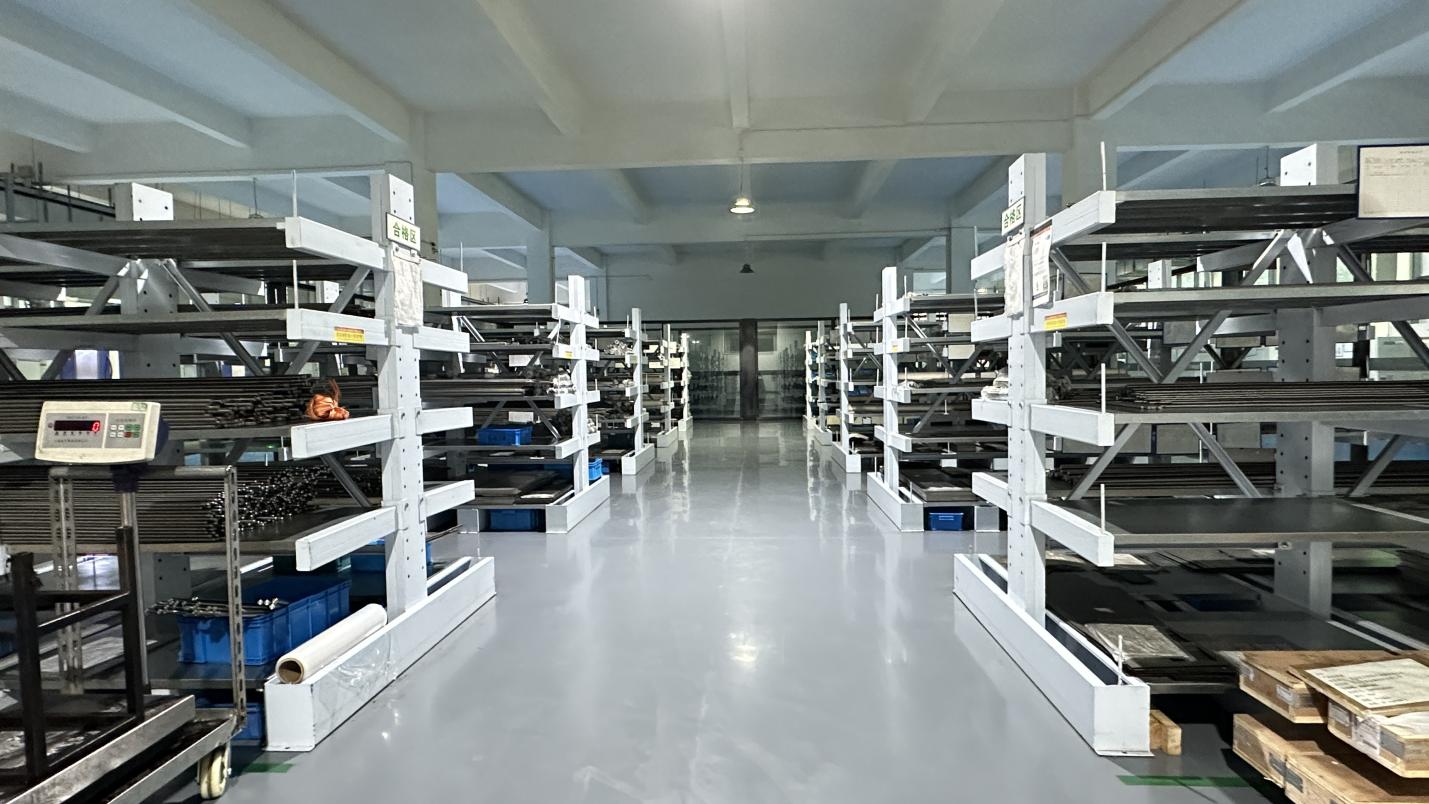
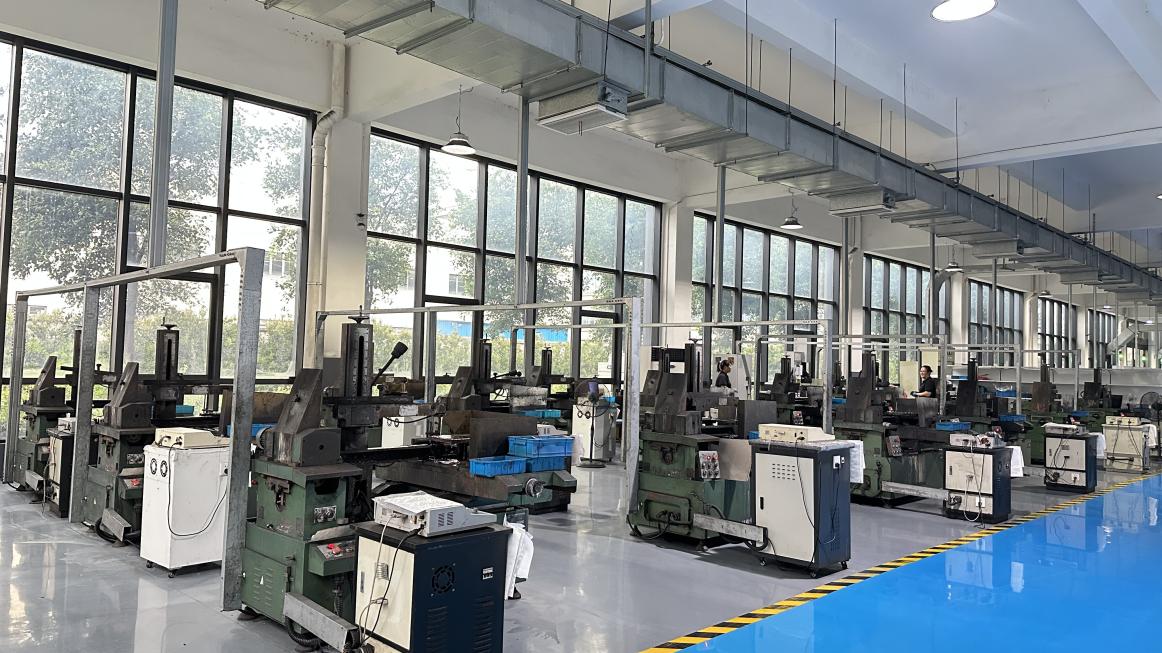
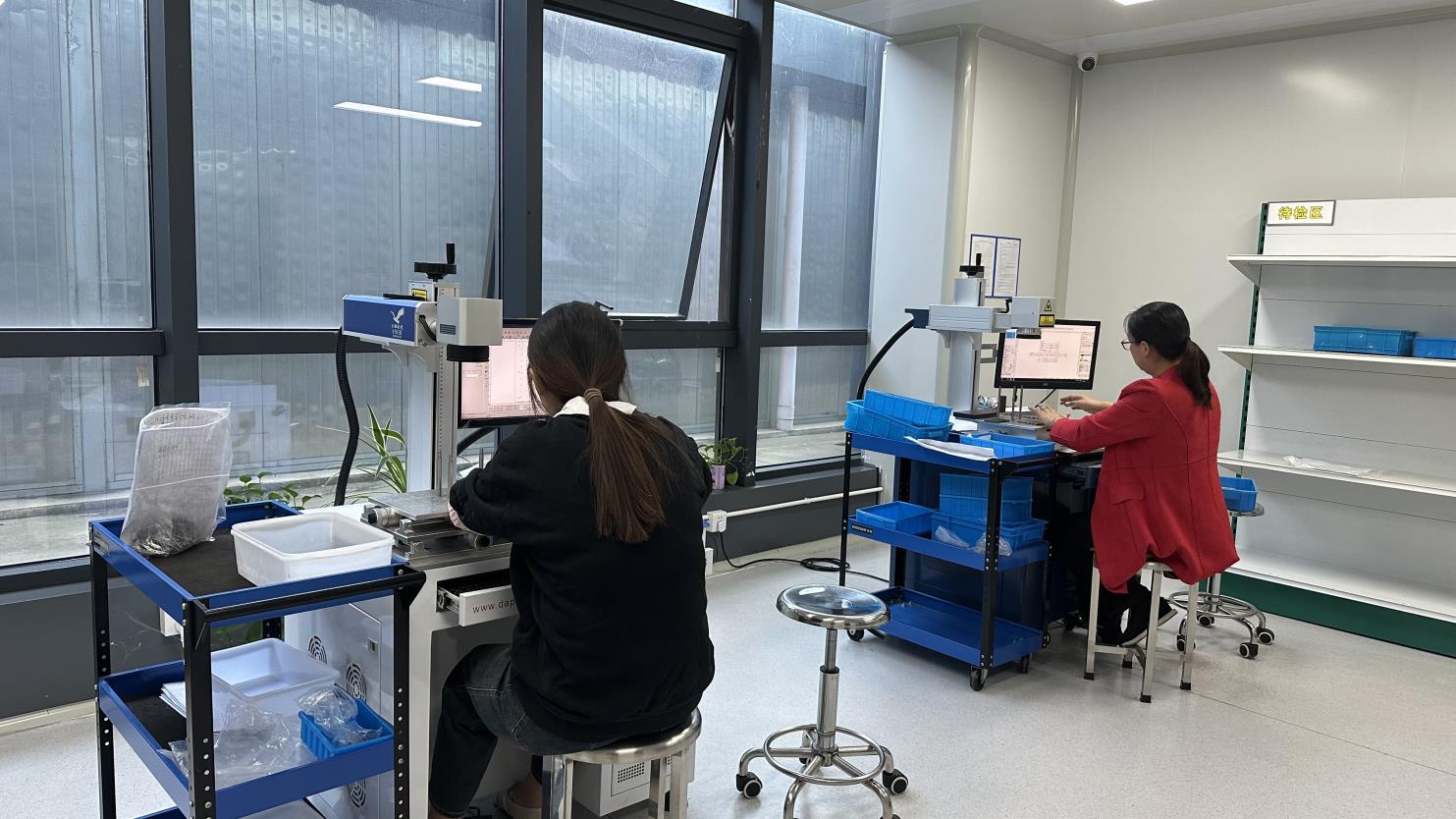
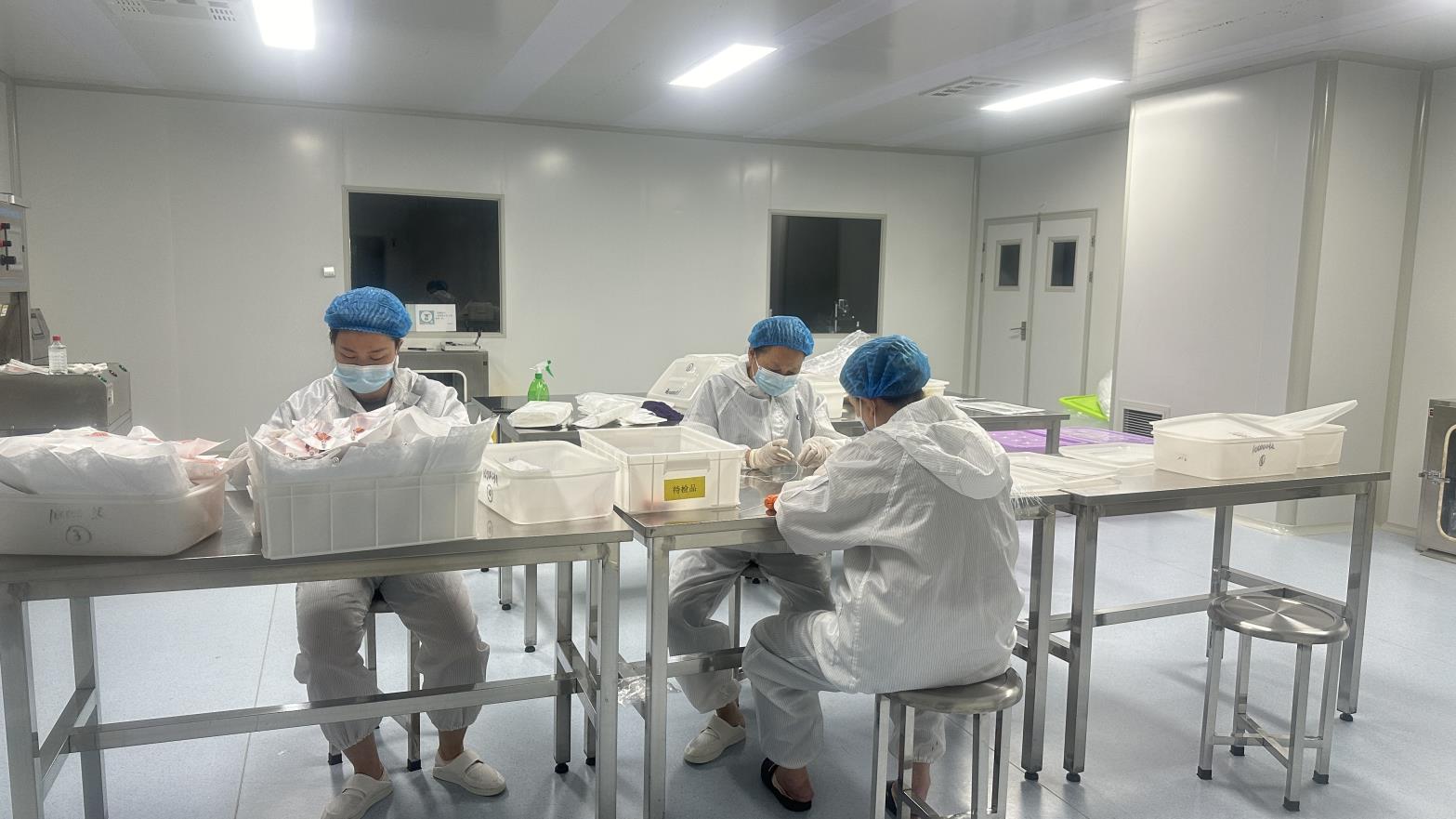
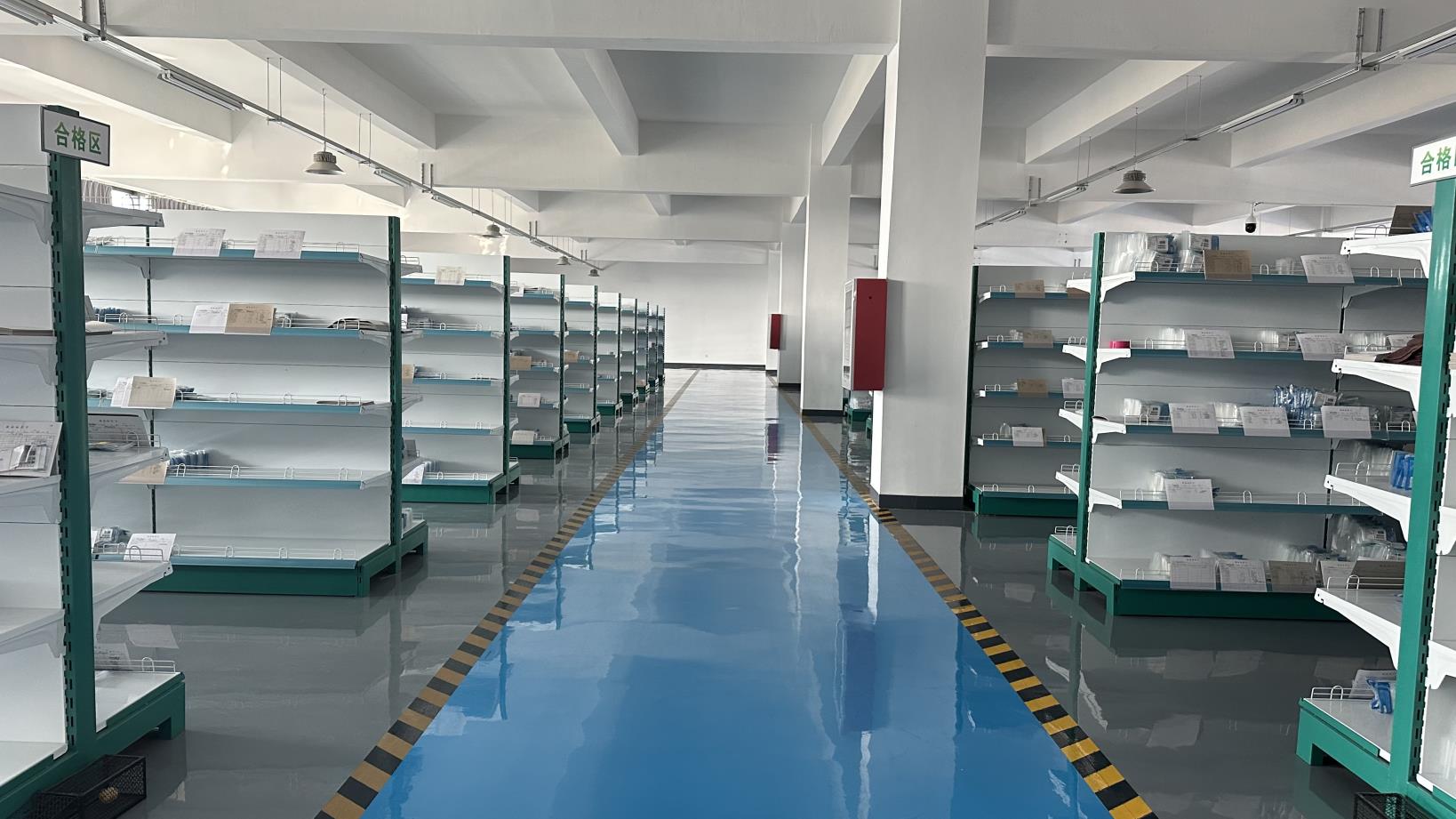
Step-by-step validation of our clinical implant manufacturing pipeline, conforming to international ISO 13485 standards.
Our production facility is equipped with state-of-the-art machinery to process medical-grade raw titanium and stainless steel alloys into life-saving medical devices. Explore each stage of our manufacturing capabilities:
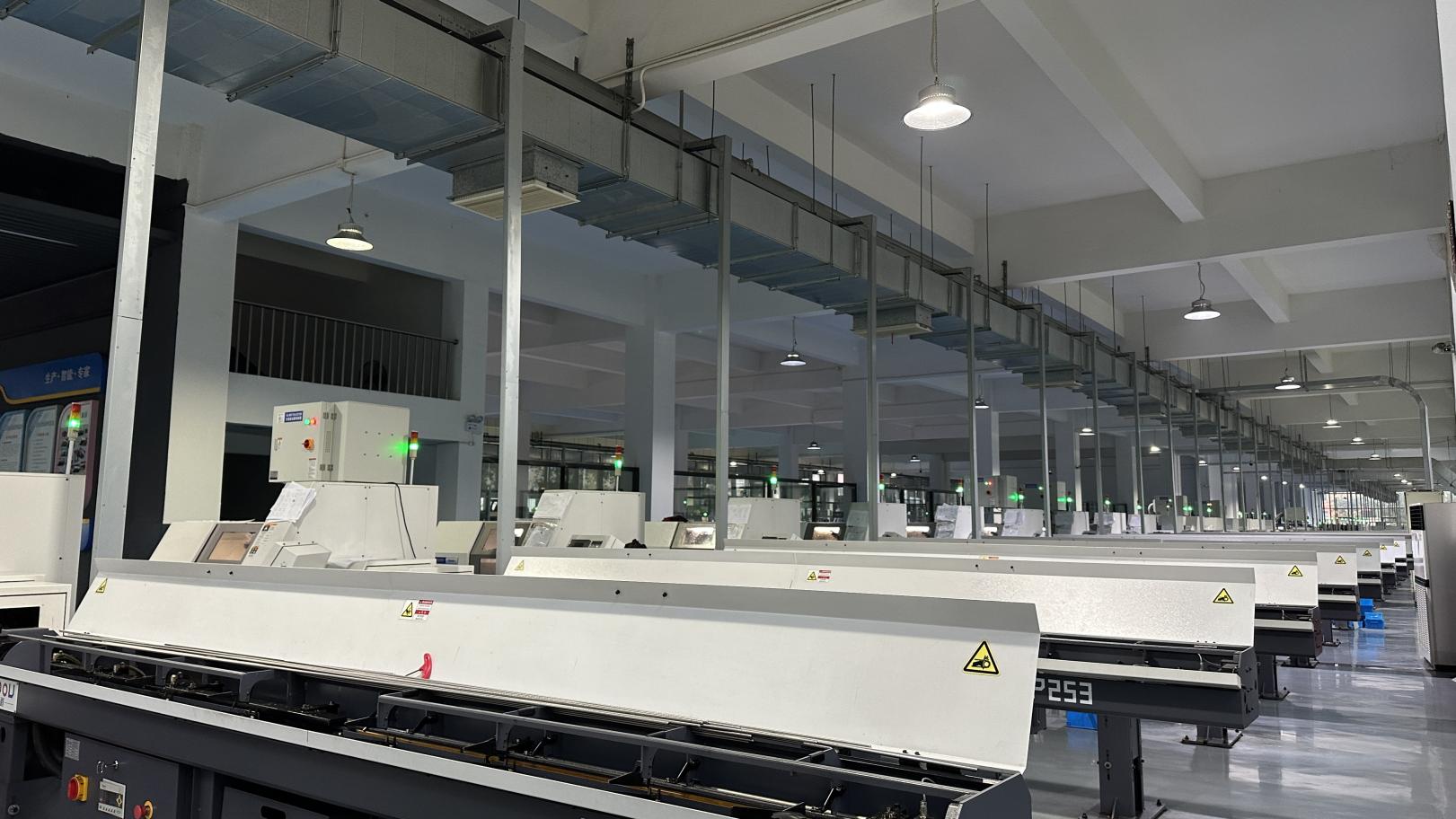
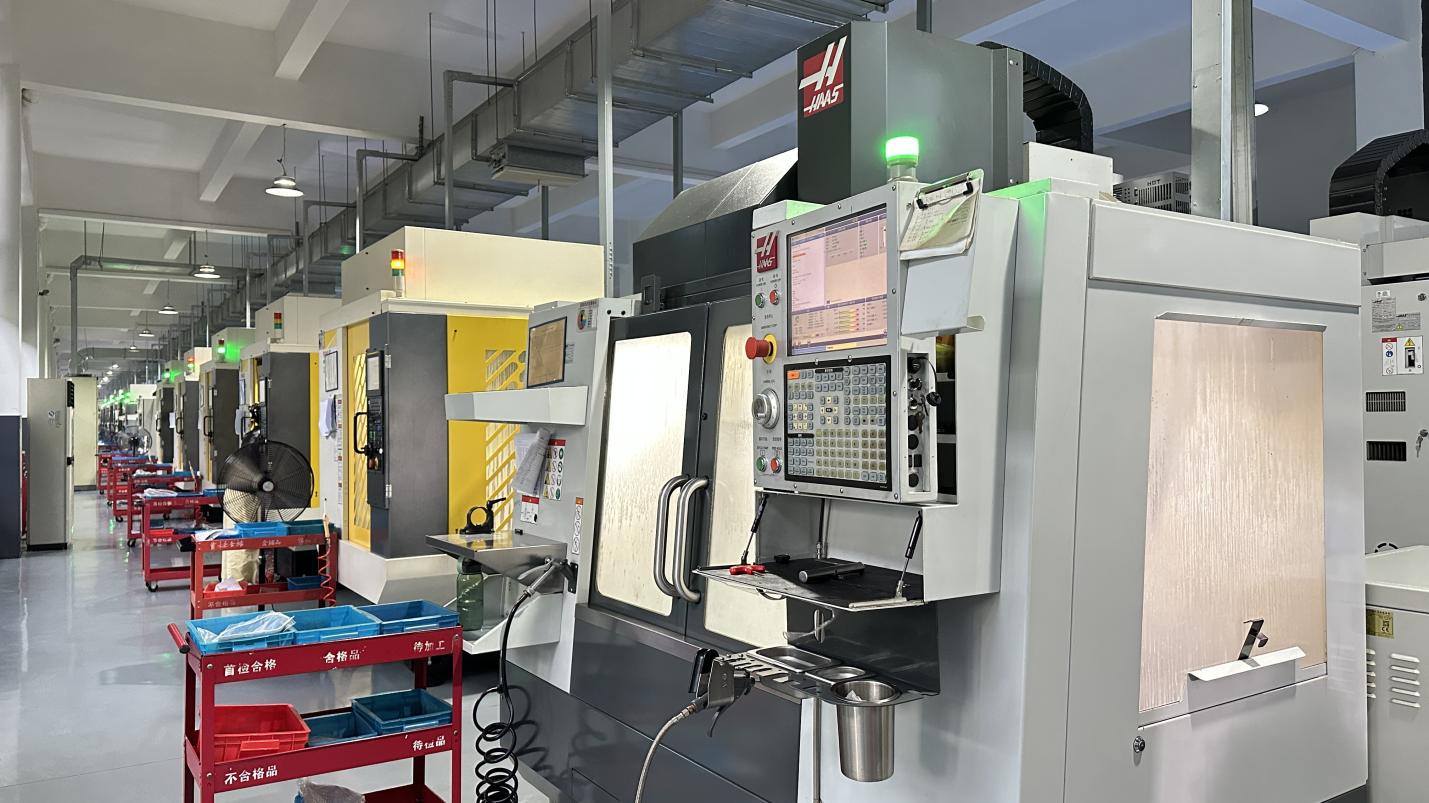
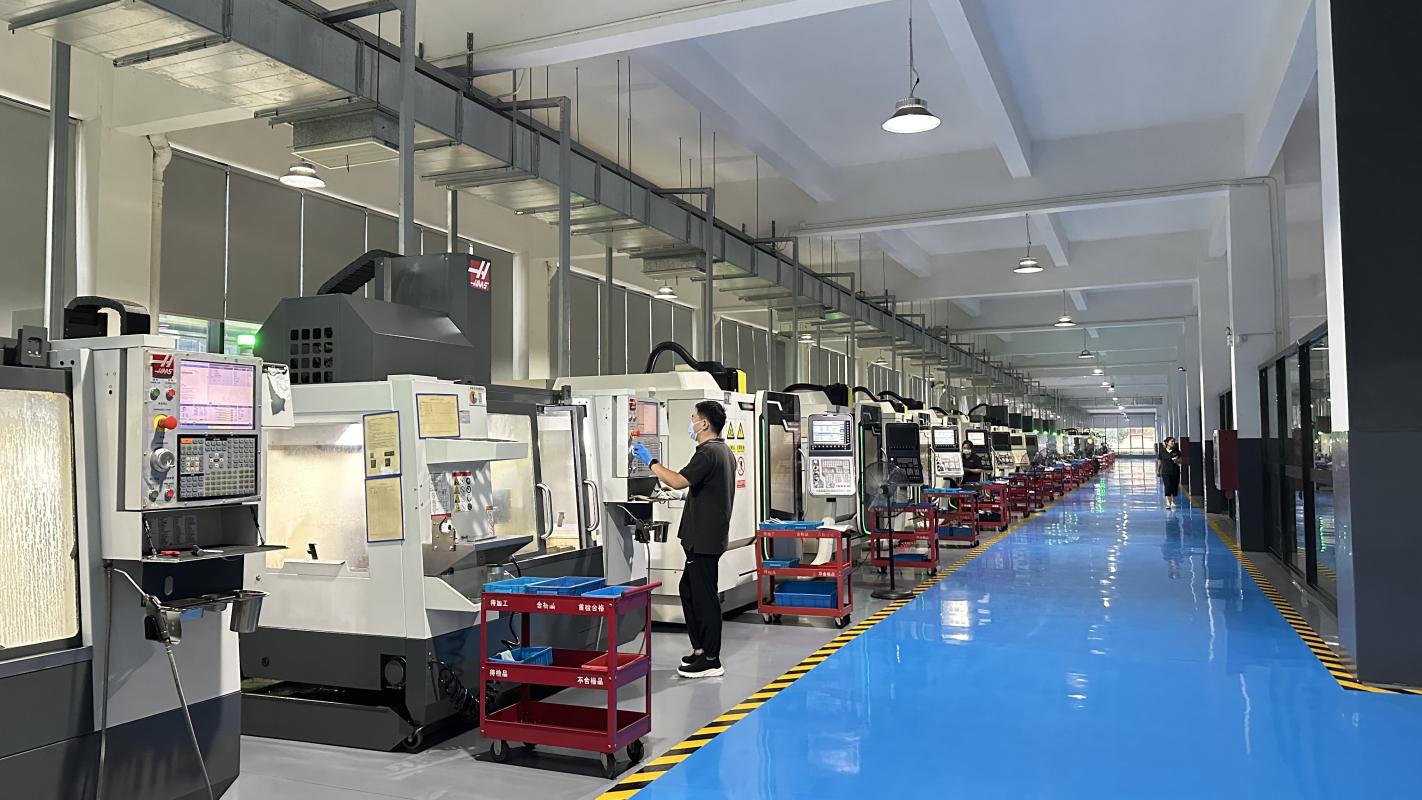
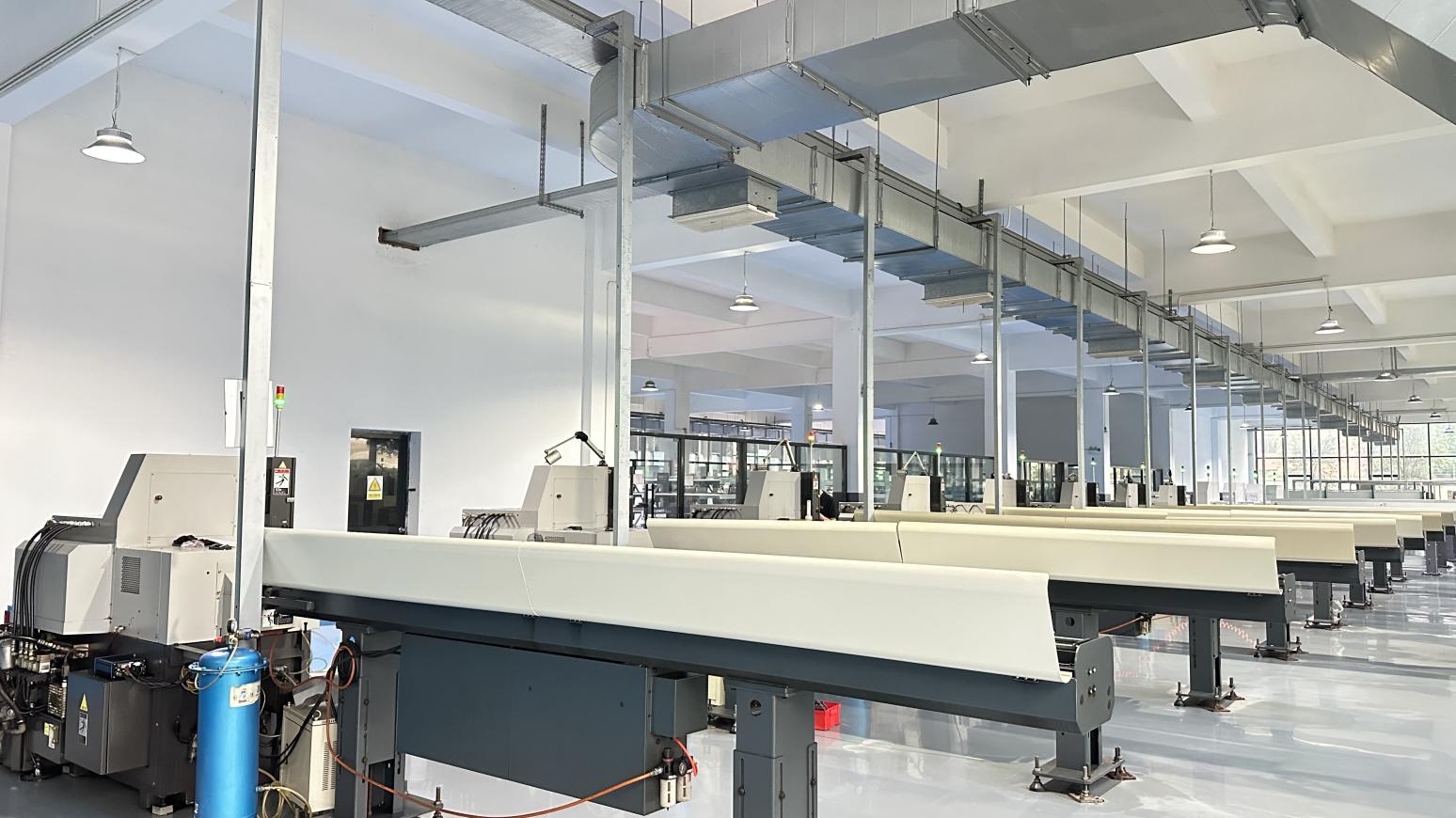
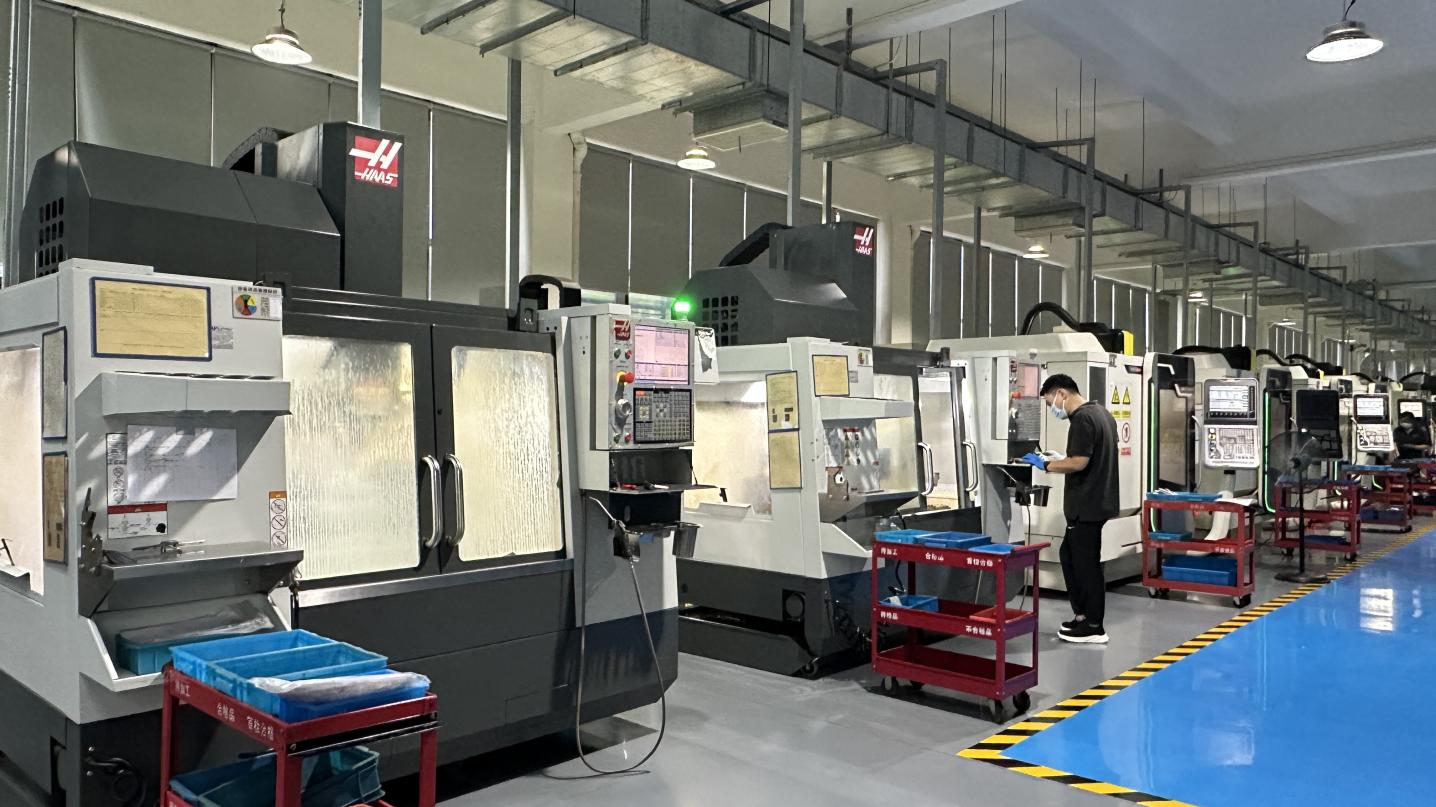
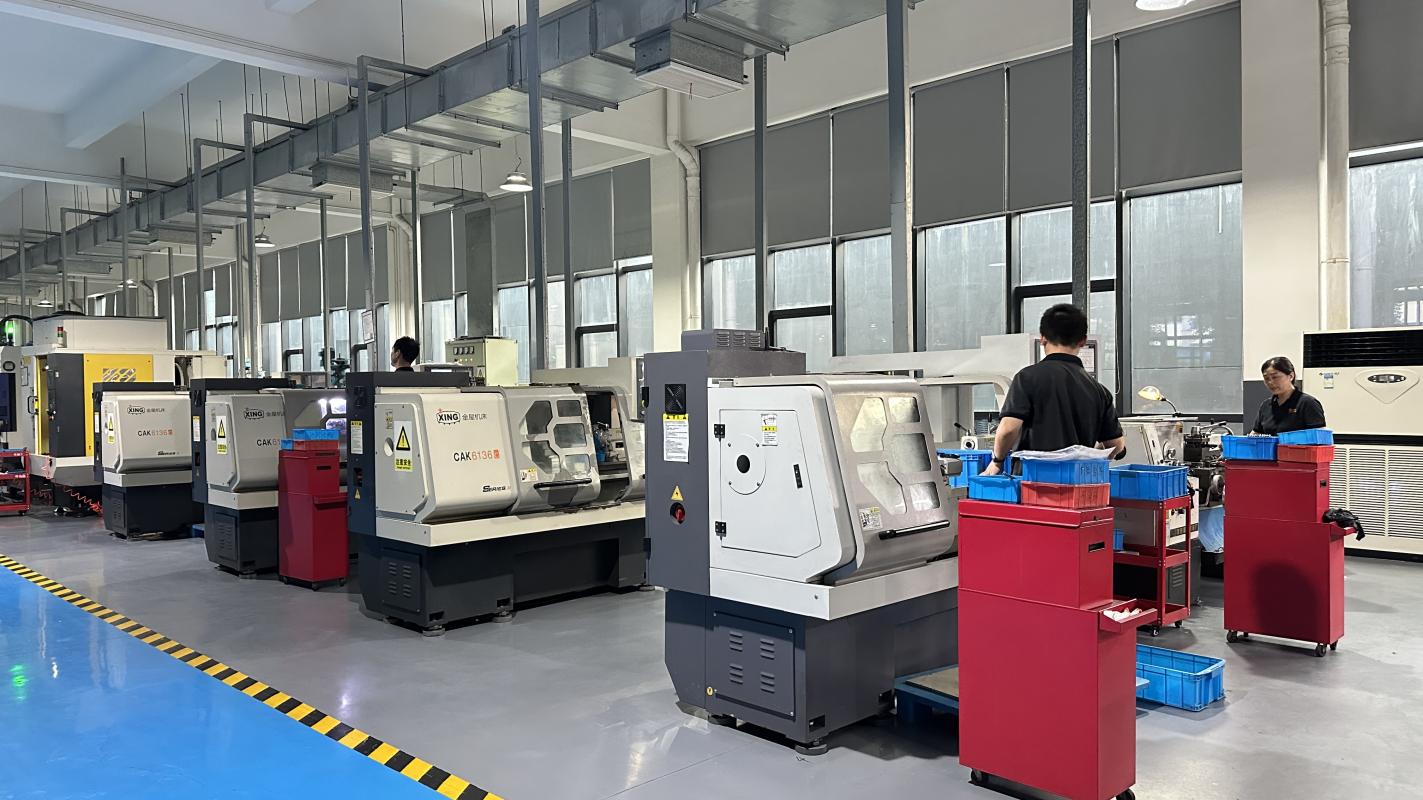
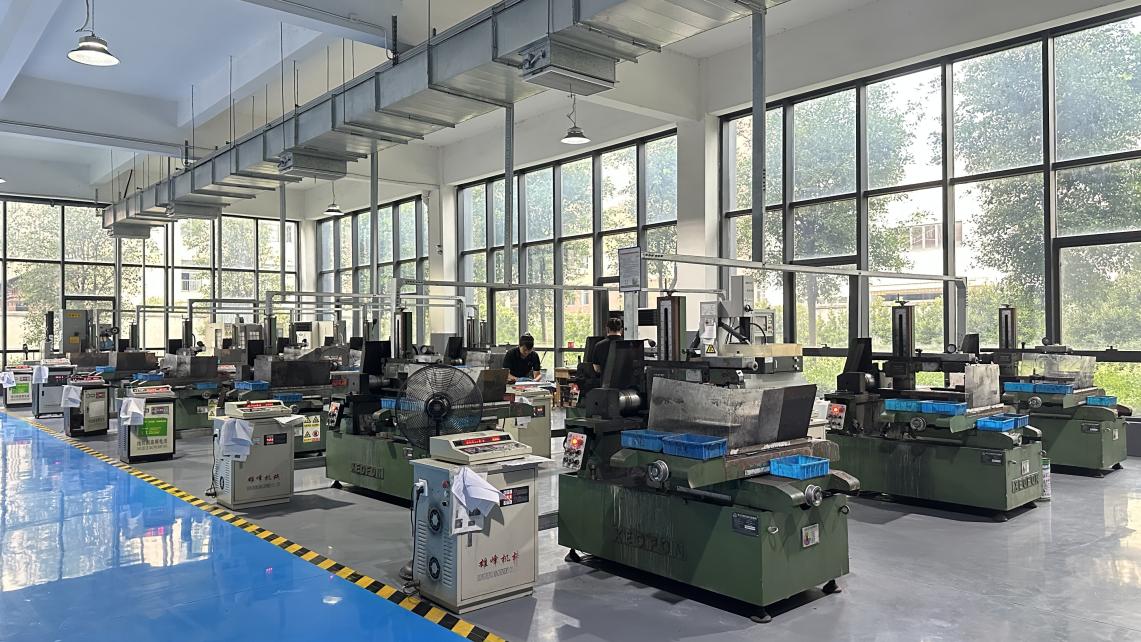
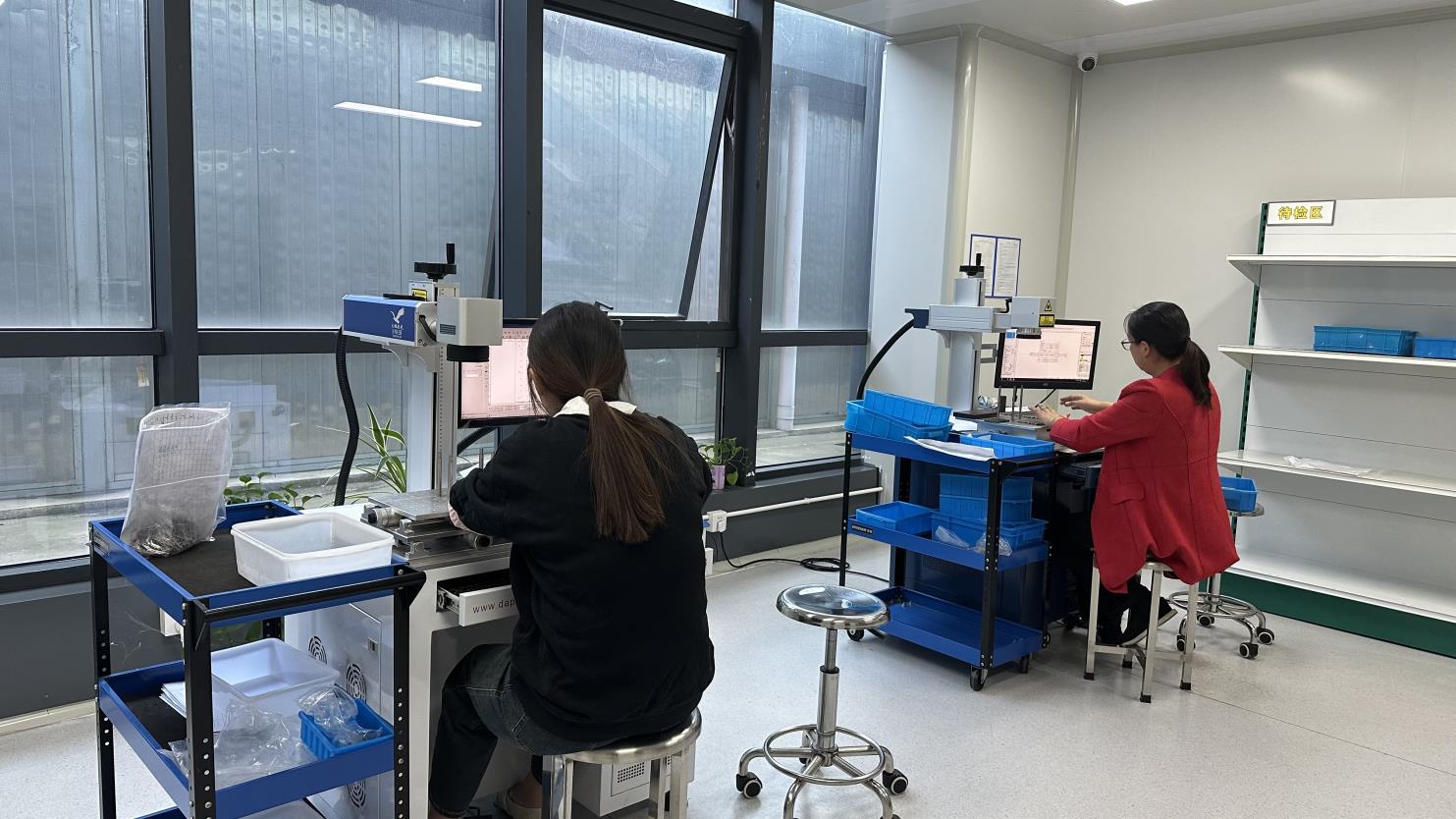
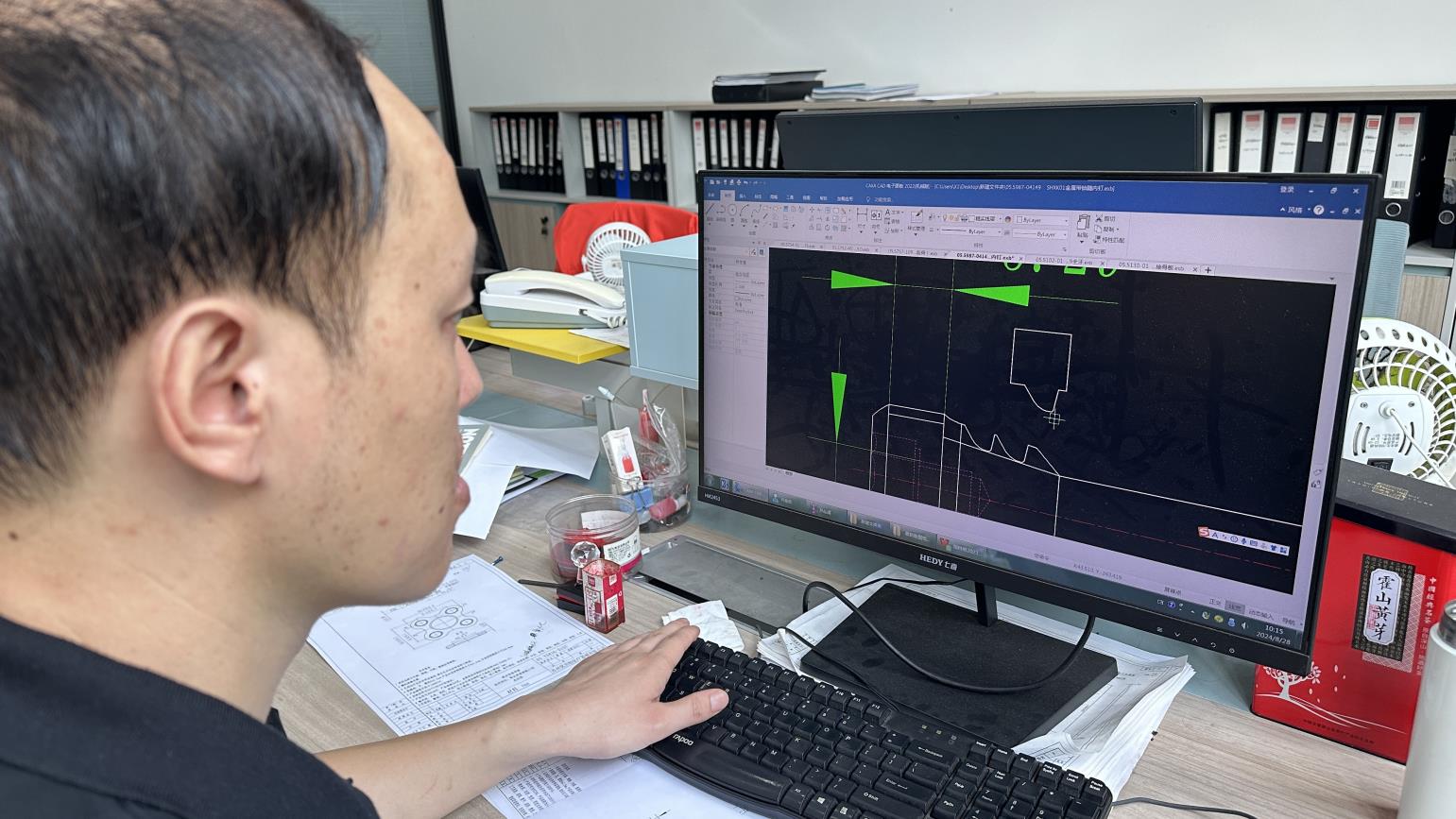
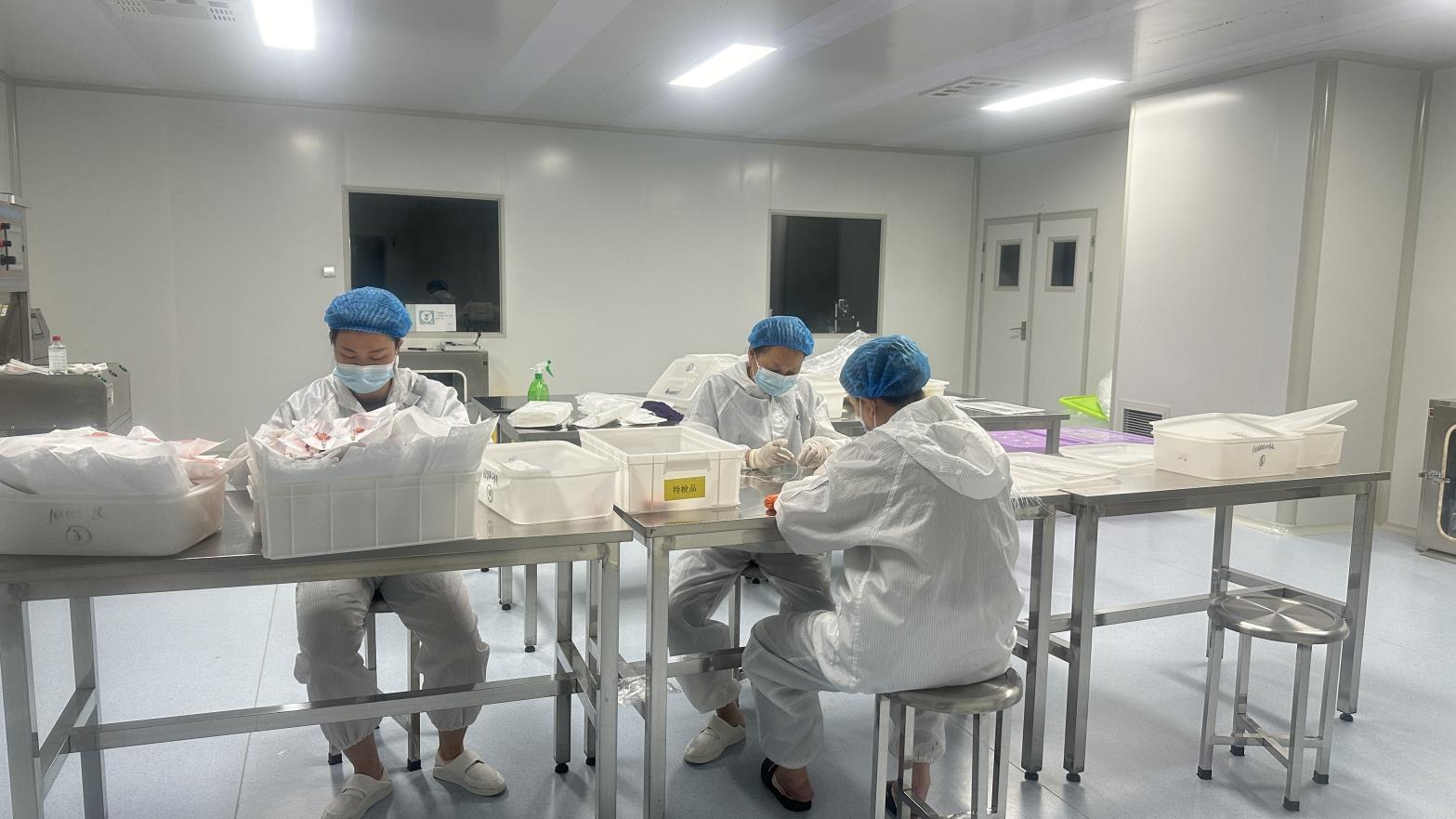
When sourcing clinical implants, distributors and hospital procurement units must verify regulatory dossiers. Bonevia employs a strict three-tier quality verification system led by our 35 quality assurance professionals:
Our products are fully compliant with ISO 13485 (Medical Devices Quality Management Systems), making our trauma and spine implants highly reliable options for municipal and private tender bids in Istanbul and surrounding regions.
Simplifying your medical supply chain with fast logistics and high manufacturing capacity.
Located at the crossroads of continents, we coordinate with localized forwarders to facilitate swift customs clearance at Istanbul Airport (IST) and Ambarlı Port, keeping delivery lead times to a minimum.
Our R&D team can adapt plate profiles, screw dimensions, and surgical instrument setups to meet custom clinical standards, local patient anatomies, or unique tender parameters.
Supported by over 850 partners globally, our supply chain ensures stable raw material sourcing. We can scale production rapidly to fulfill large hospital tenders without supply interruptions.
Direct, expert answers to key clinical and commercial inquiries for sourcing sternal and orthopedic implants.
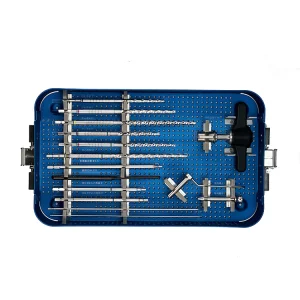
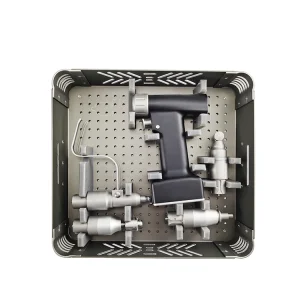
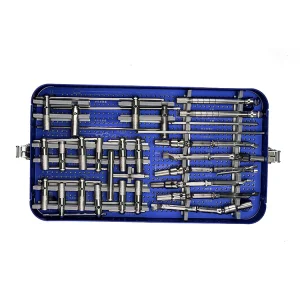
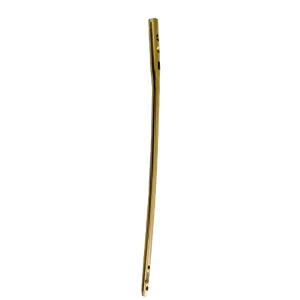
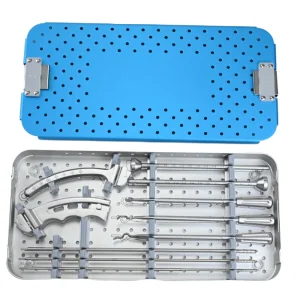
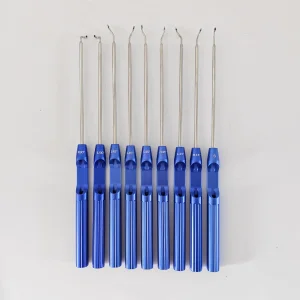
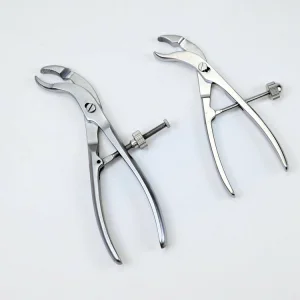
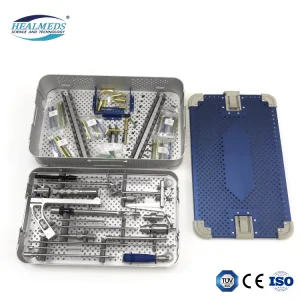
A diverse selection of CE-certified implants and precision instruments designed for clinical challenges in Istanbul's trauma centers.