Bonevia
Bonevia
Bonevia
Precision engineered orthopedic implants optimized for stability, bio-compatibility, and long-term anatomical integration.
Iraq's healthcare sector is undergoing a profound transformation. Post-conflict reconstruction, paired with a growing, aging population and high trauma rates, has exponentially increased the localized demand for orthopedic joint reconstruction solutions. Historically reliant on localized public tender networks (such as KIMADIA under the Iraqi Ministry of Health) and private medical setups in major urban centers like Baghdad, Erbil, Basra, and Mosul, the clinical community in Iraq now prioritizes implant longevity and international regulatory compliance (CE/ISO).
Our focus at Bonevia is addressing the severe supply gaps in high-quality Class III medical implants. Patients presenting with advanced degenerative joint disease (osteoarthritis) or post-traumatic secondary arthritis require prostheses that ensure swift post-operative rehabilitation, anatomical conformity, and long-term survivorship. By bridging direct manufacturing and local Iraqi logistics, we streamline the procurement chain for medical distributors, private surgical centers, and public hospital networks.
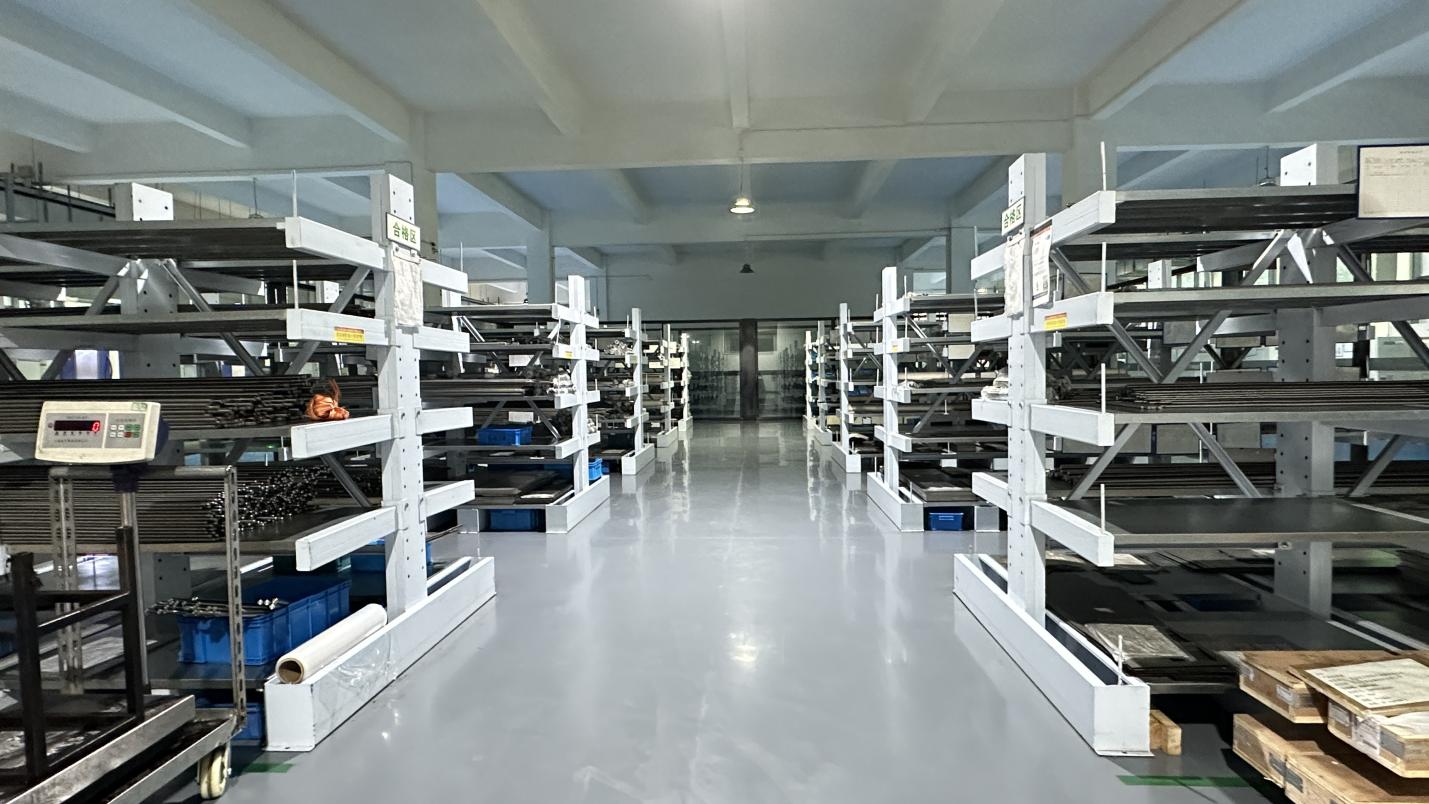
Bonevia Orthopedic Technology Co., Ltd. combines research integrity, stringent quality control, and heavy industry capitalization to deliver Class III solutions globally.
Operating with a core network of over 850 international partners, Bonevia serves key medical hubs across the Middle East, Europe, and South America. Our quality assurance system enforces multi-stage controls: Incoming material spectroscopy, in-process dimensional tolerance audits, and 100% final inspection of finished implants before cleanroom packaging.
A step-by-step visual documentation of our advanced fabrication sequence, combining raw material slitting, ultra-precision CNC milling, laser marking, and cleanroom packing.
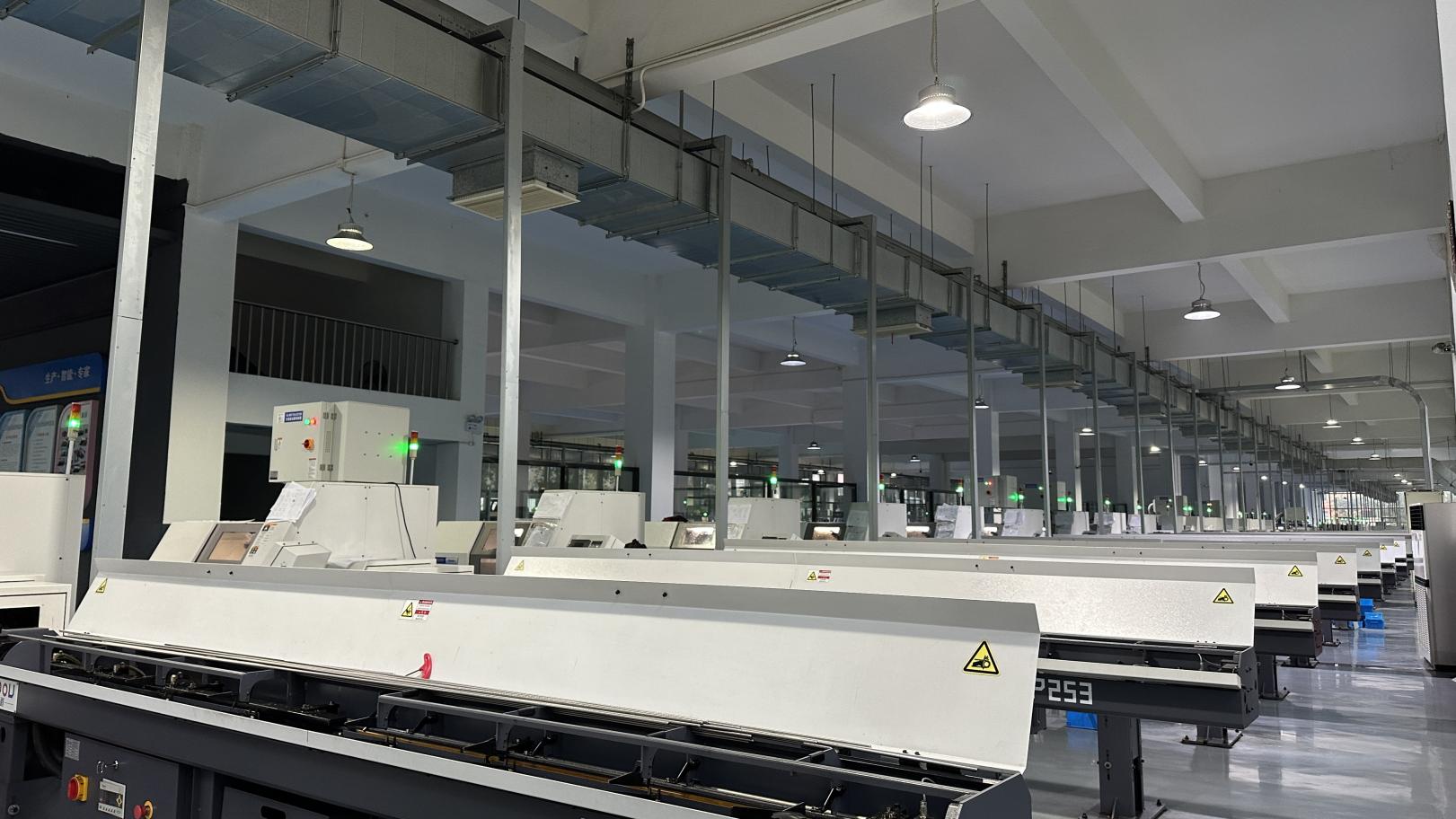
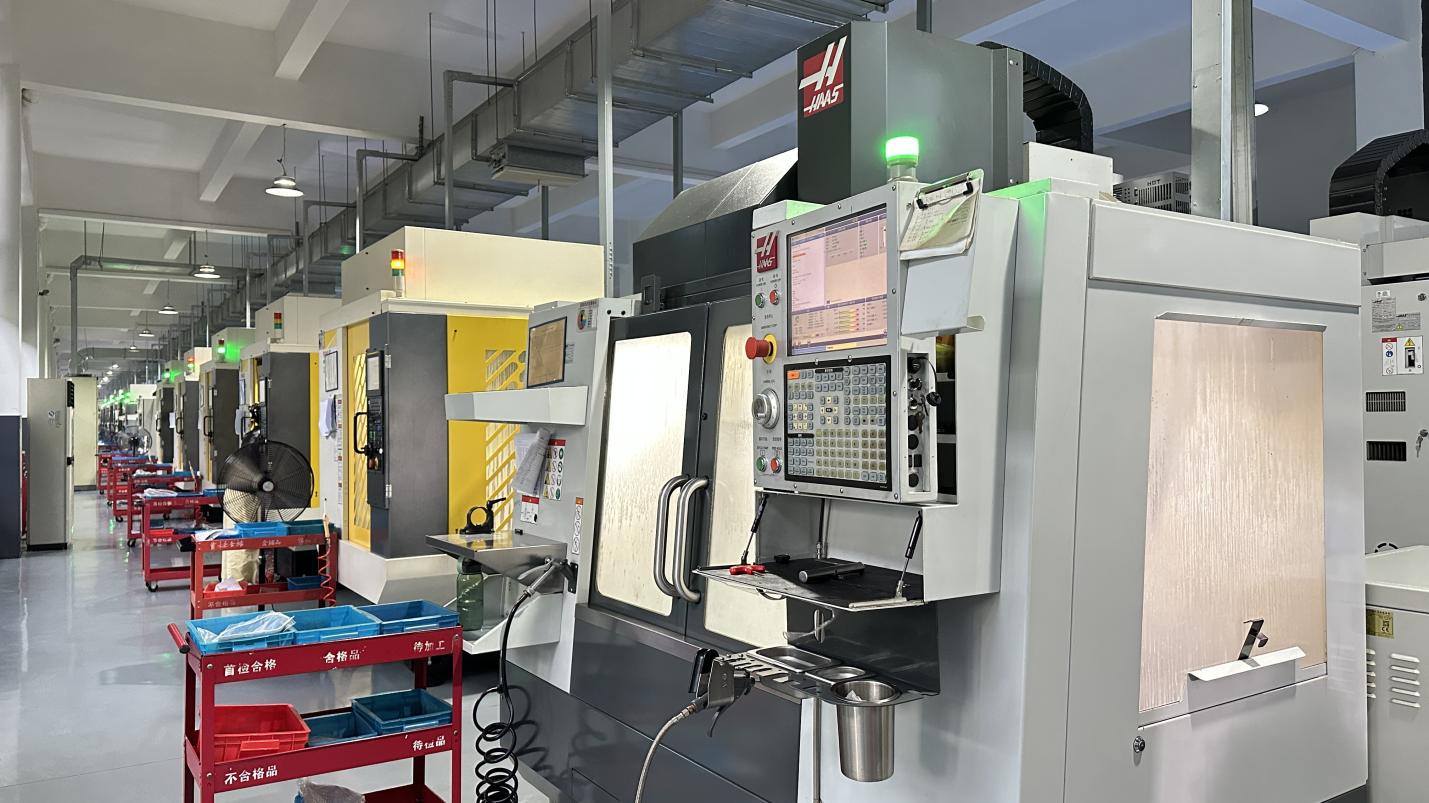
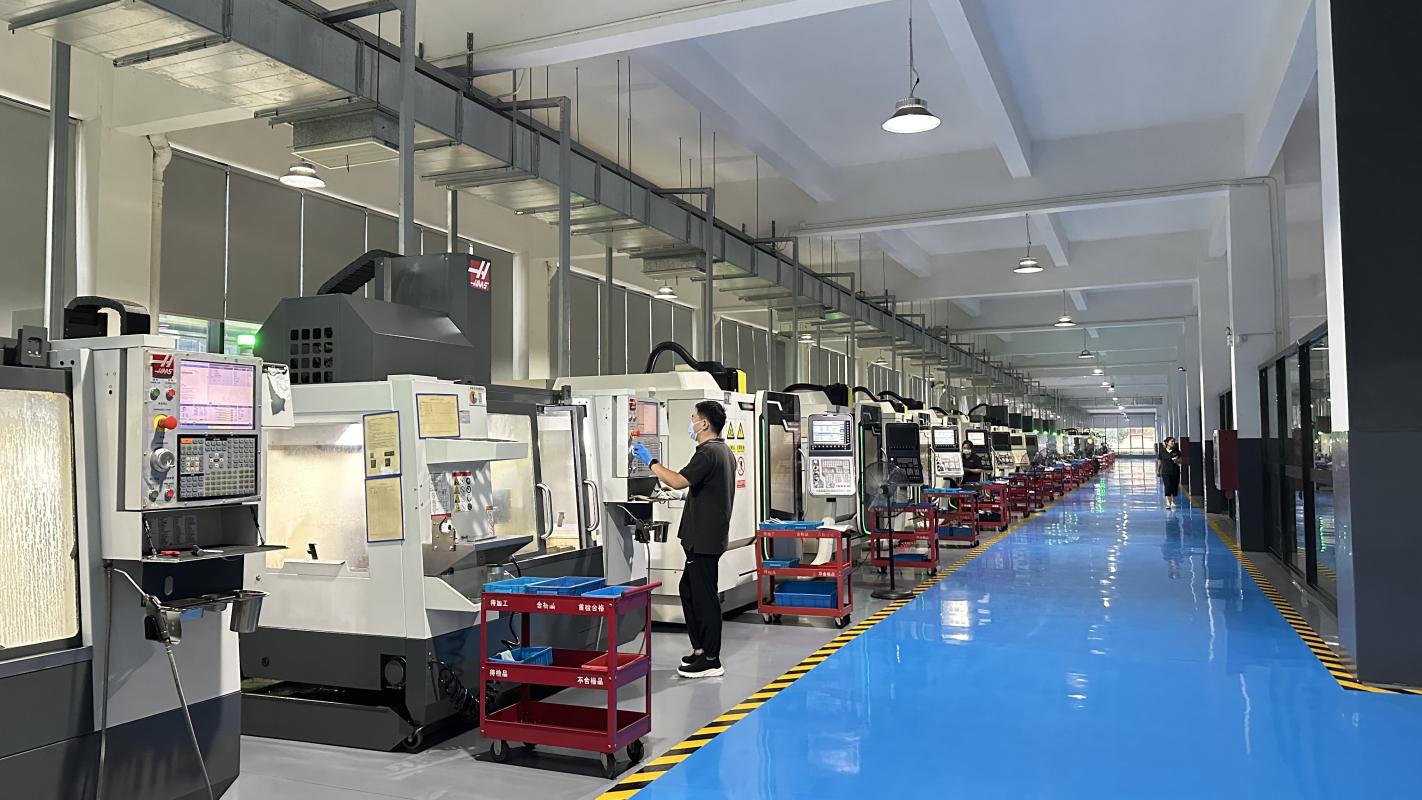
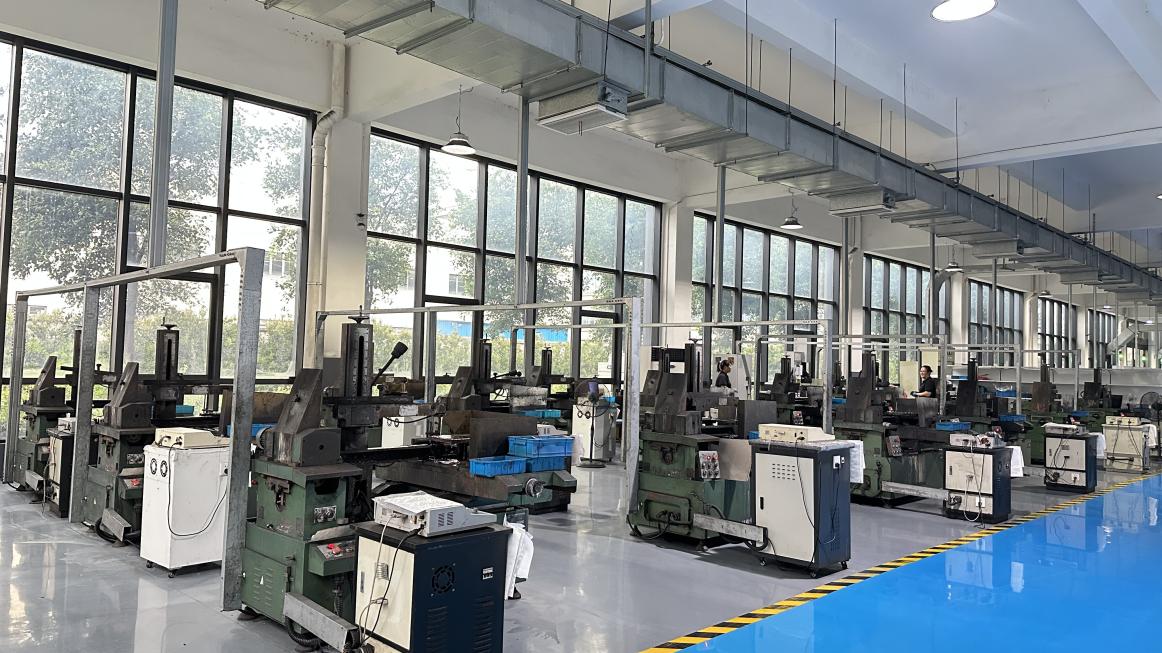
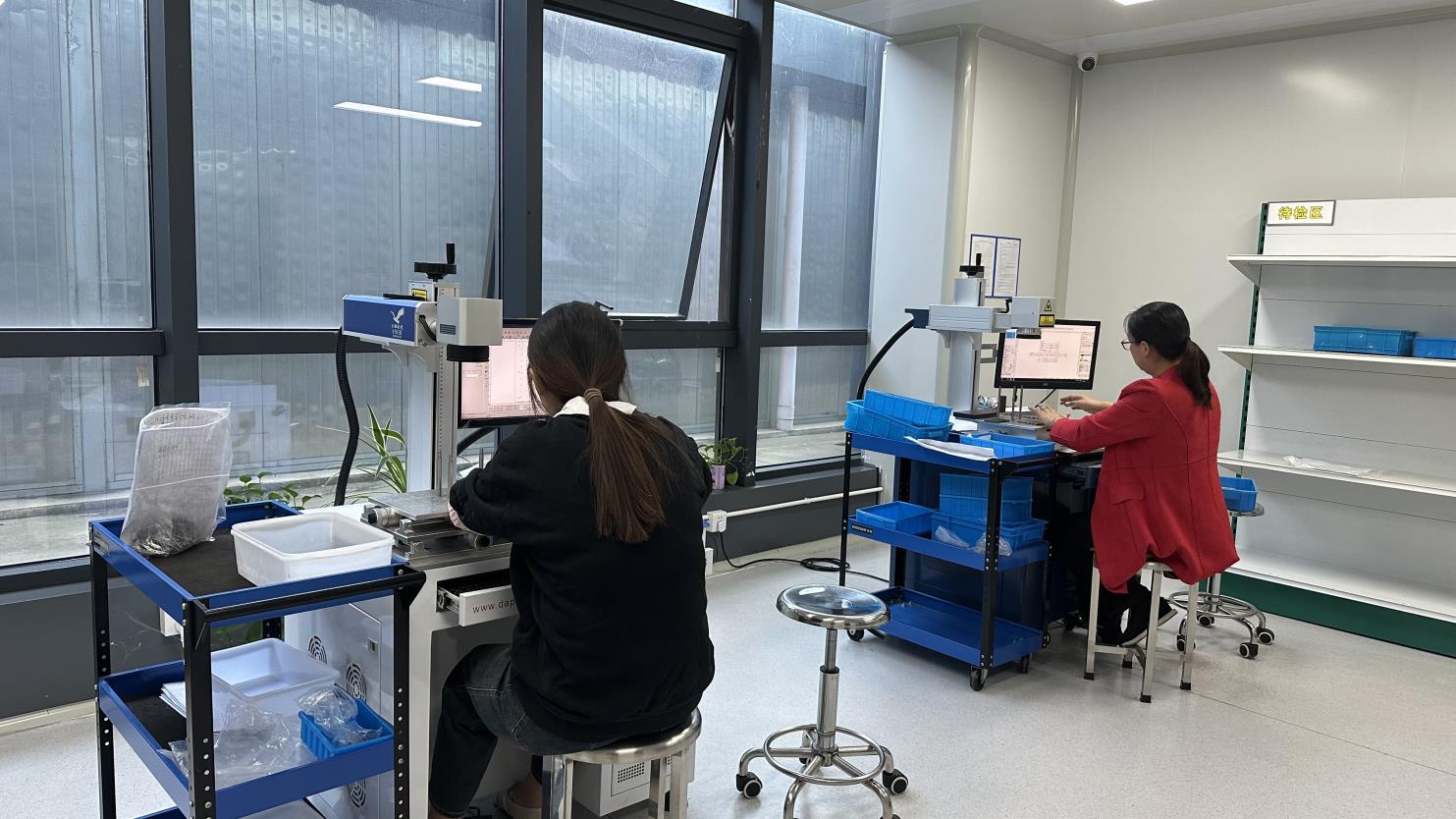
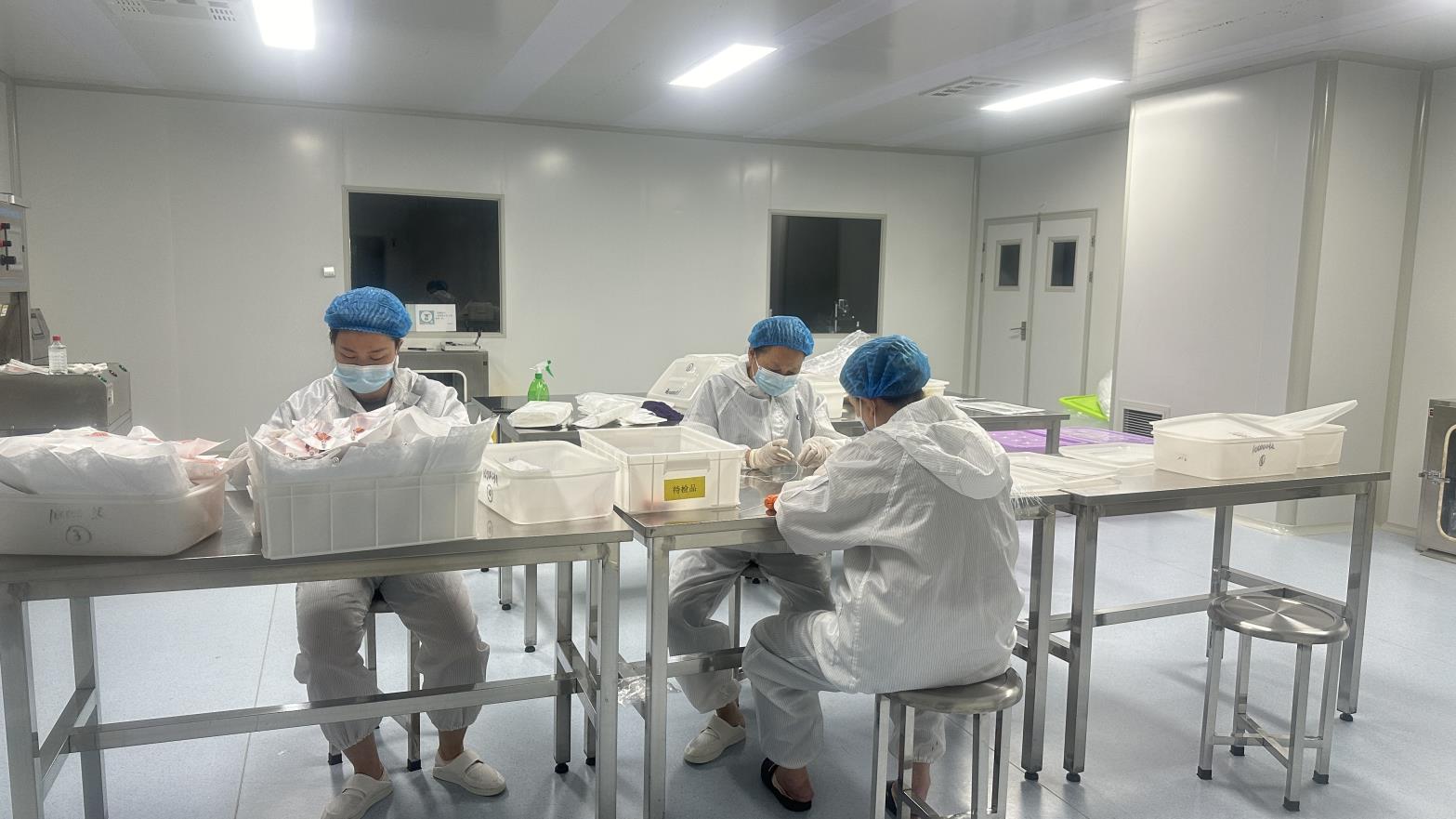
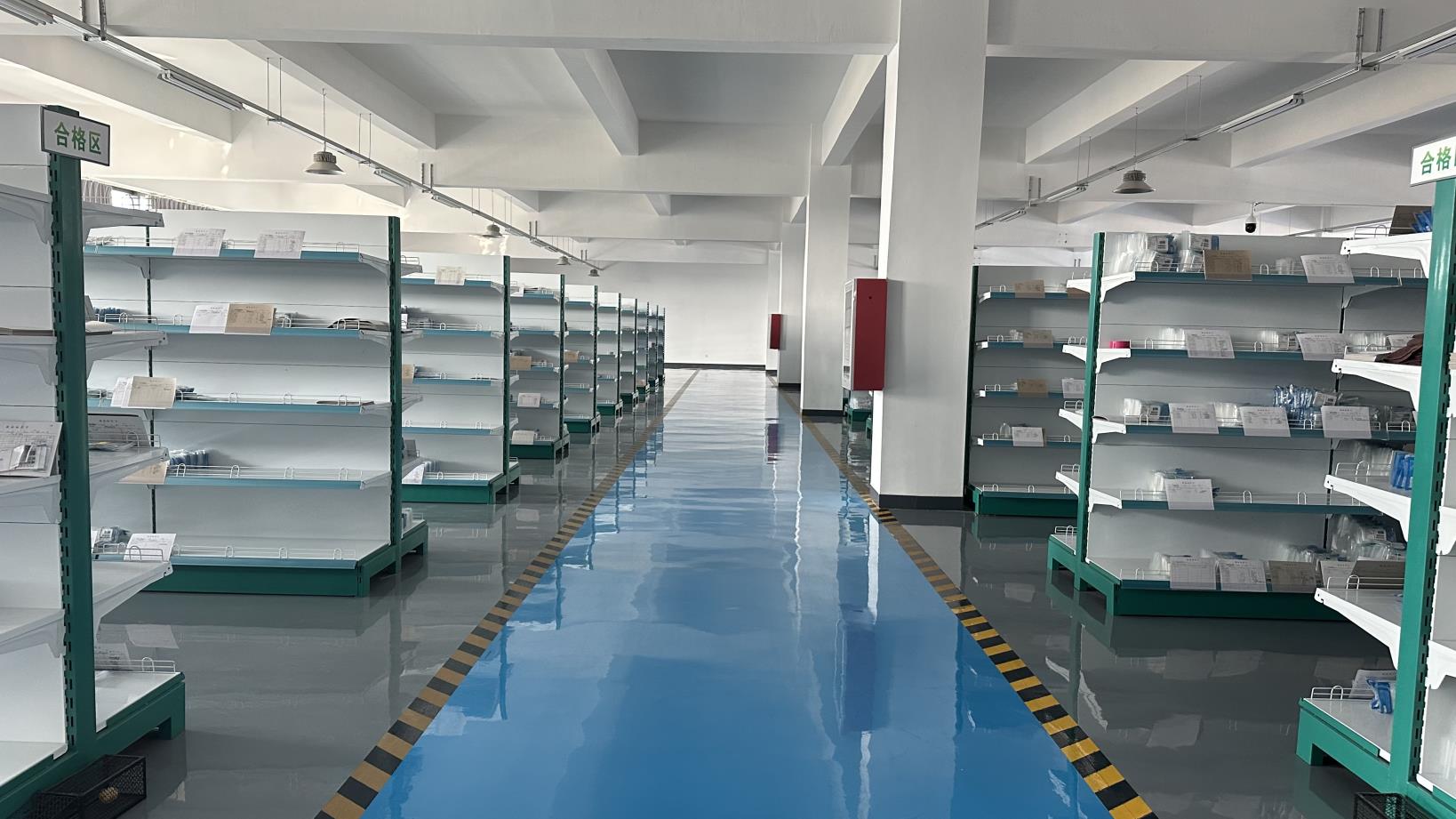
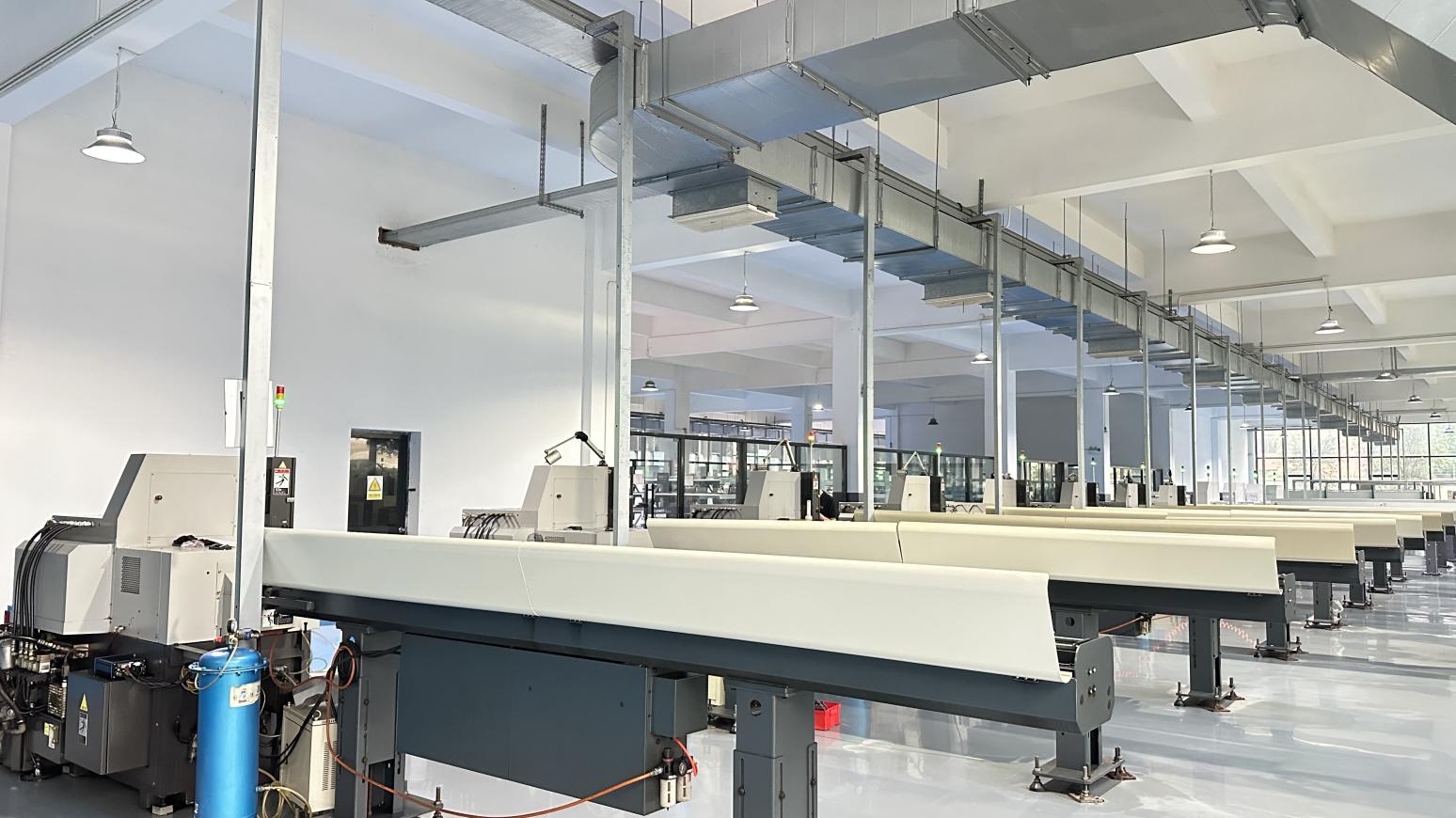
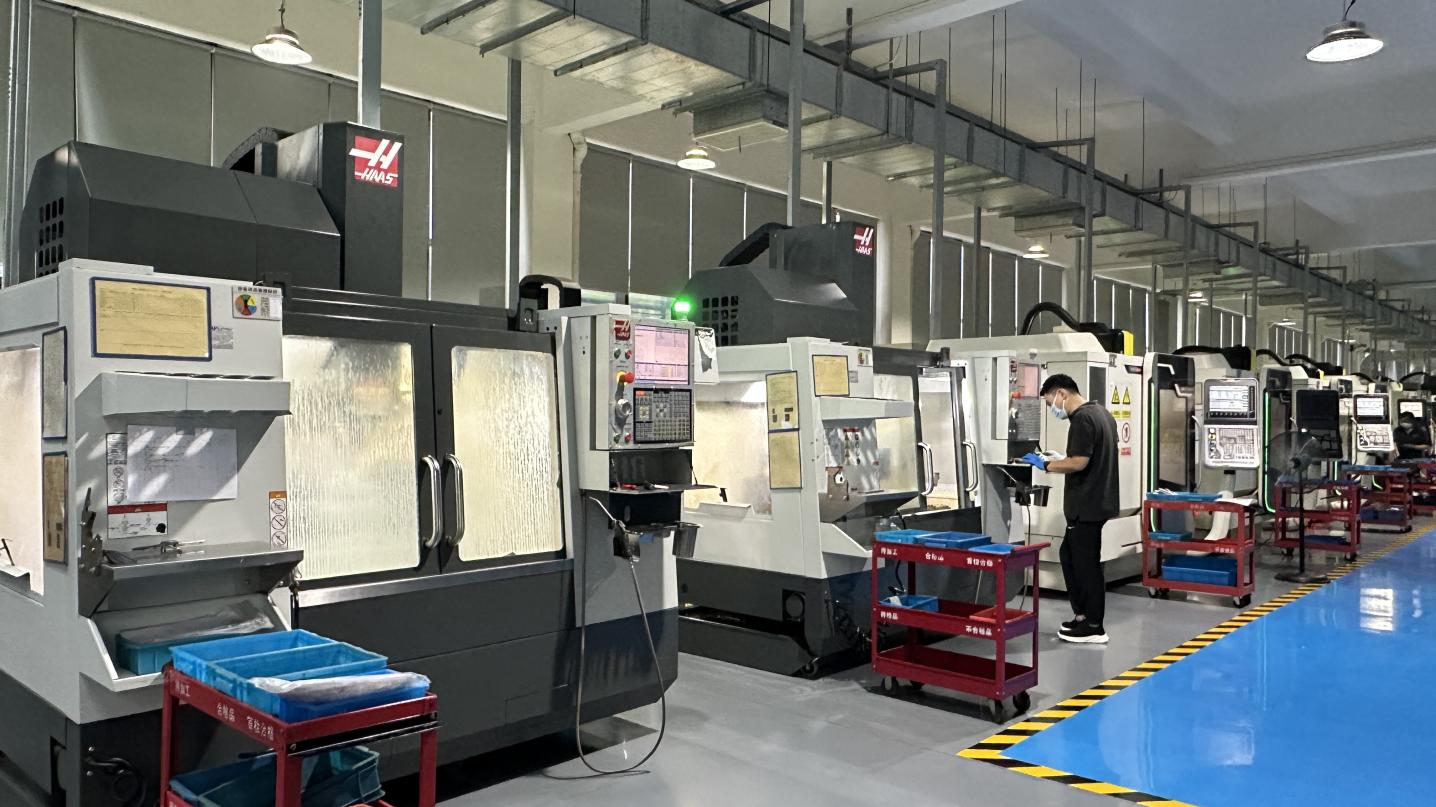
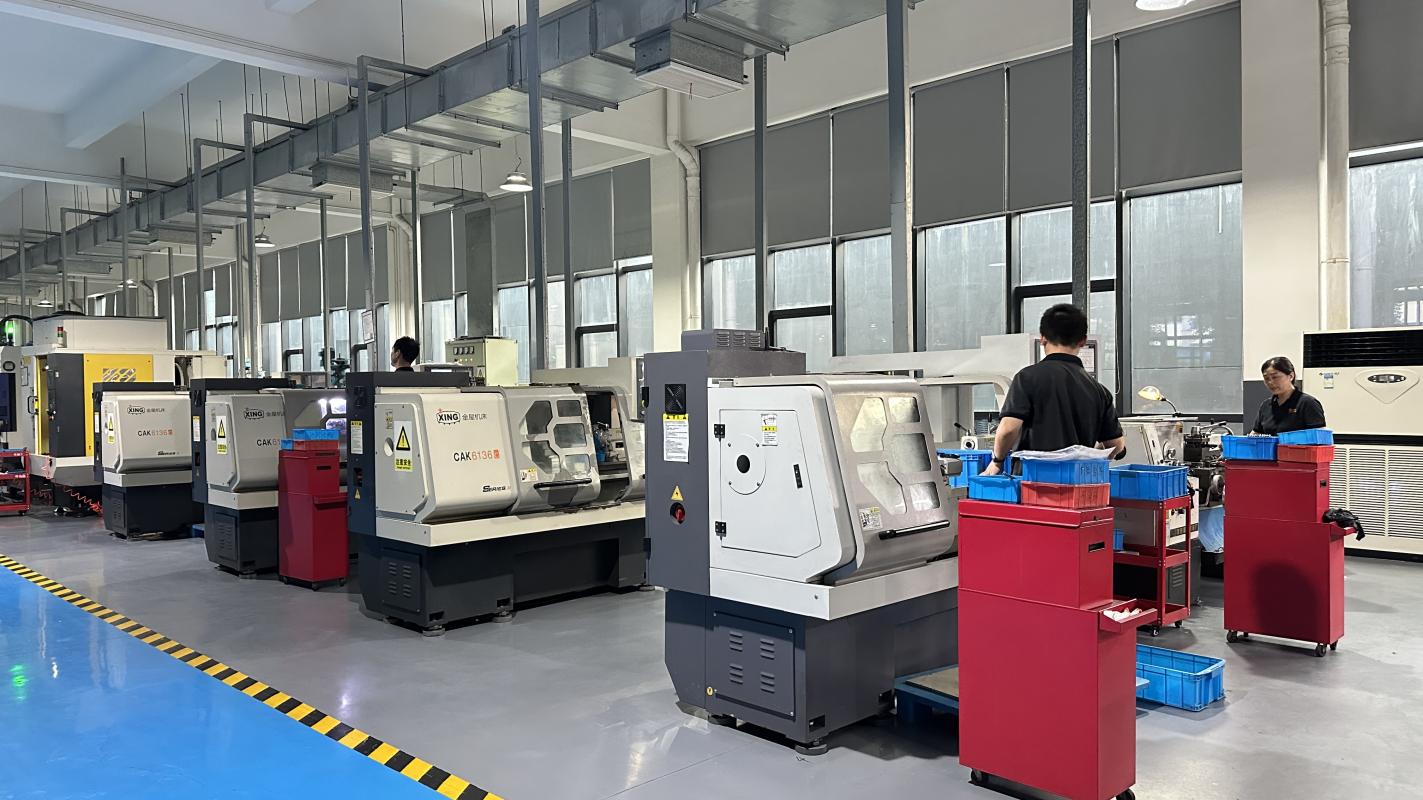
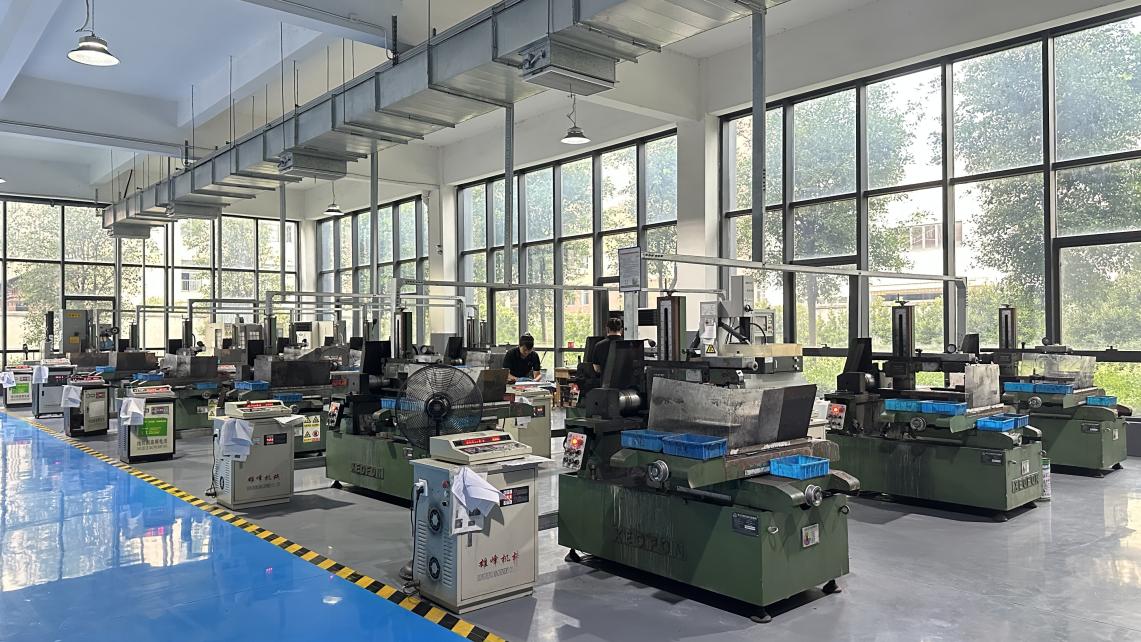
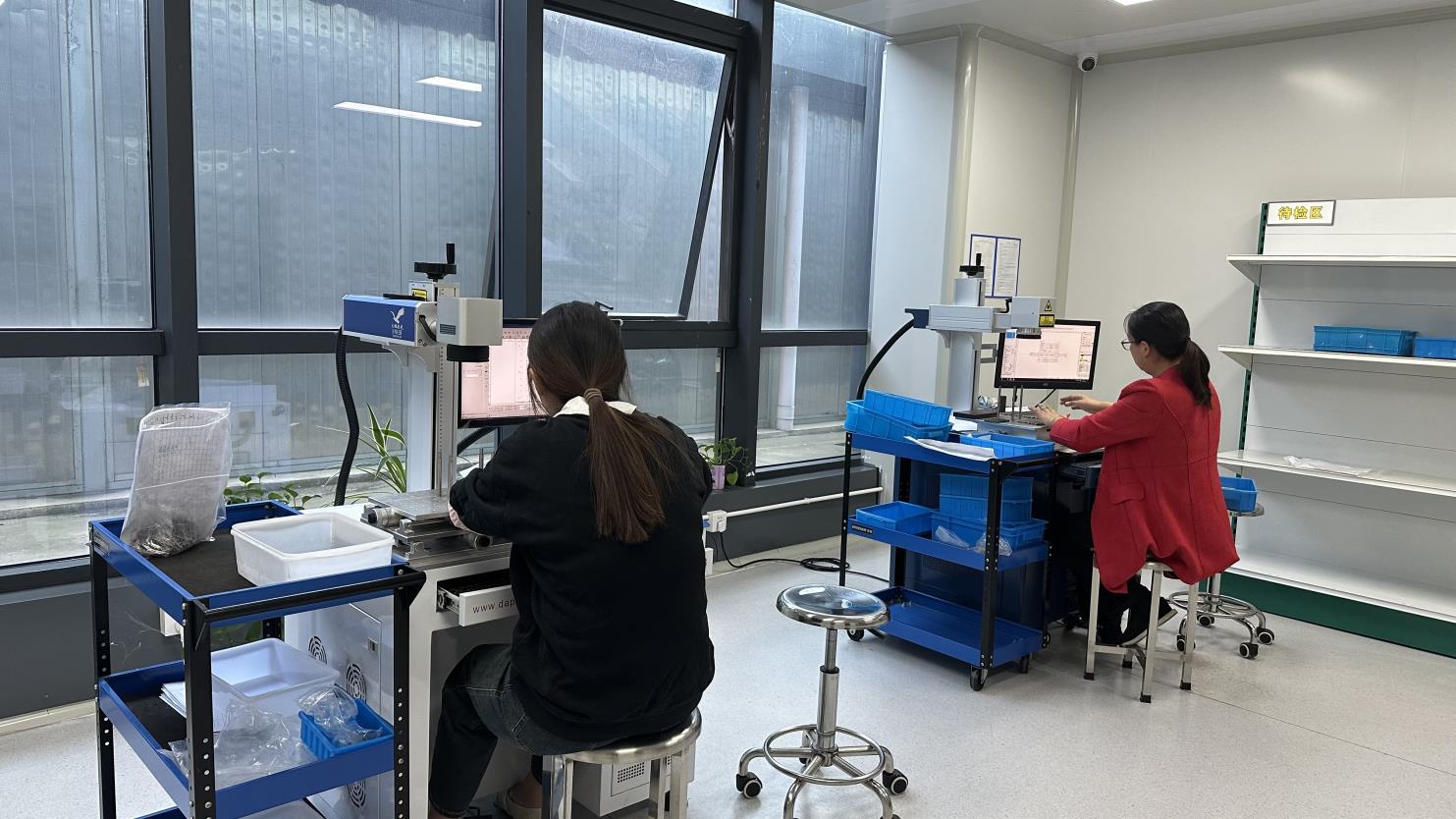
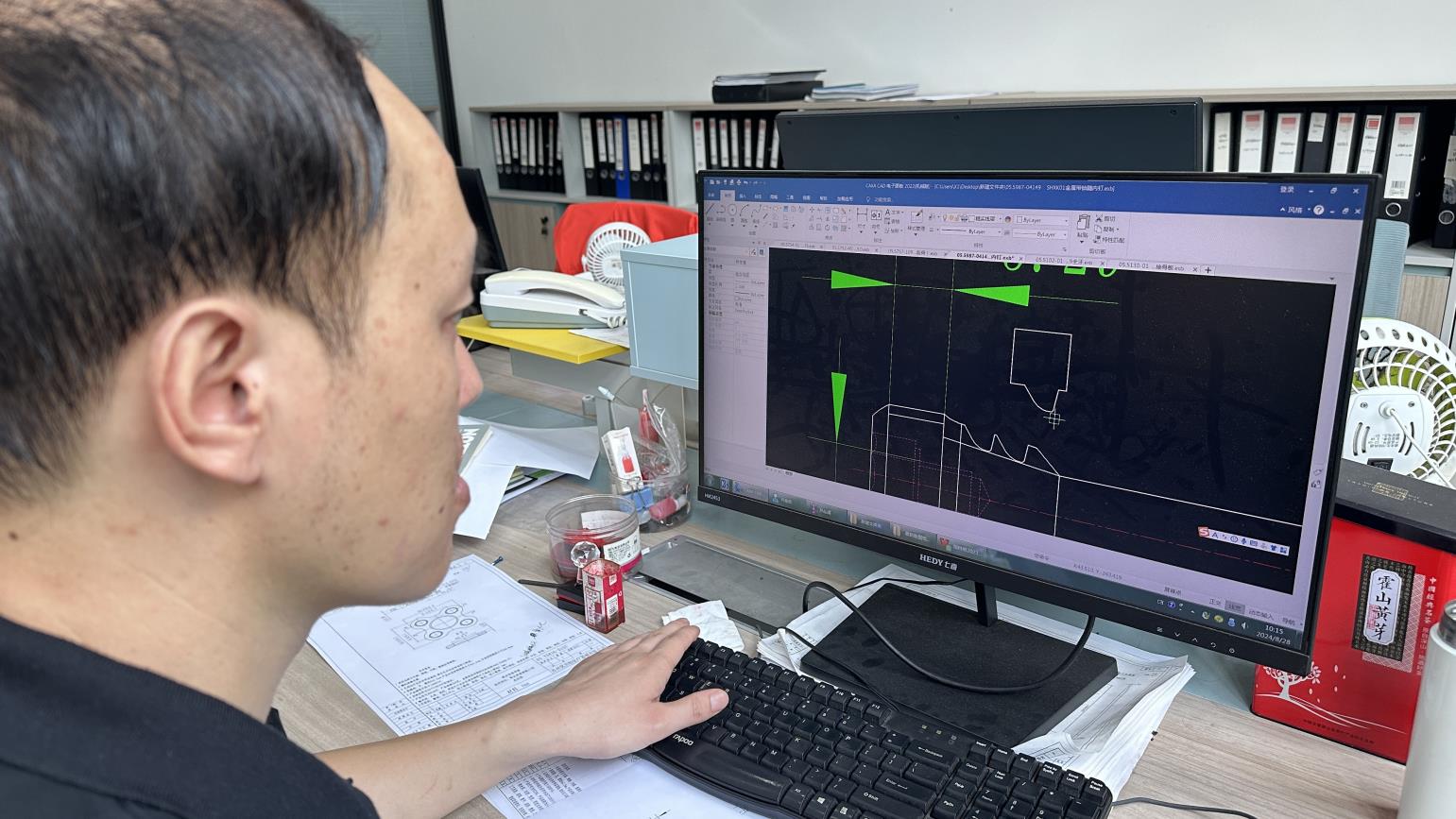
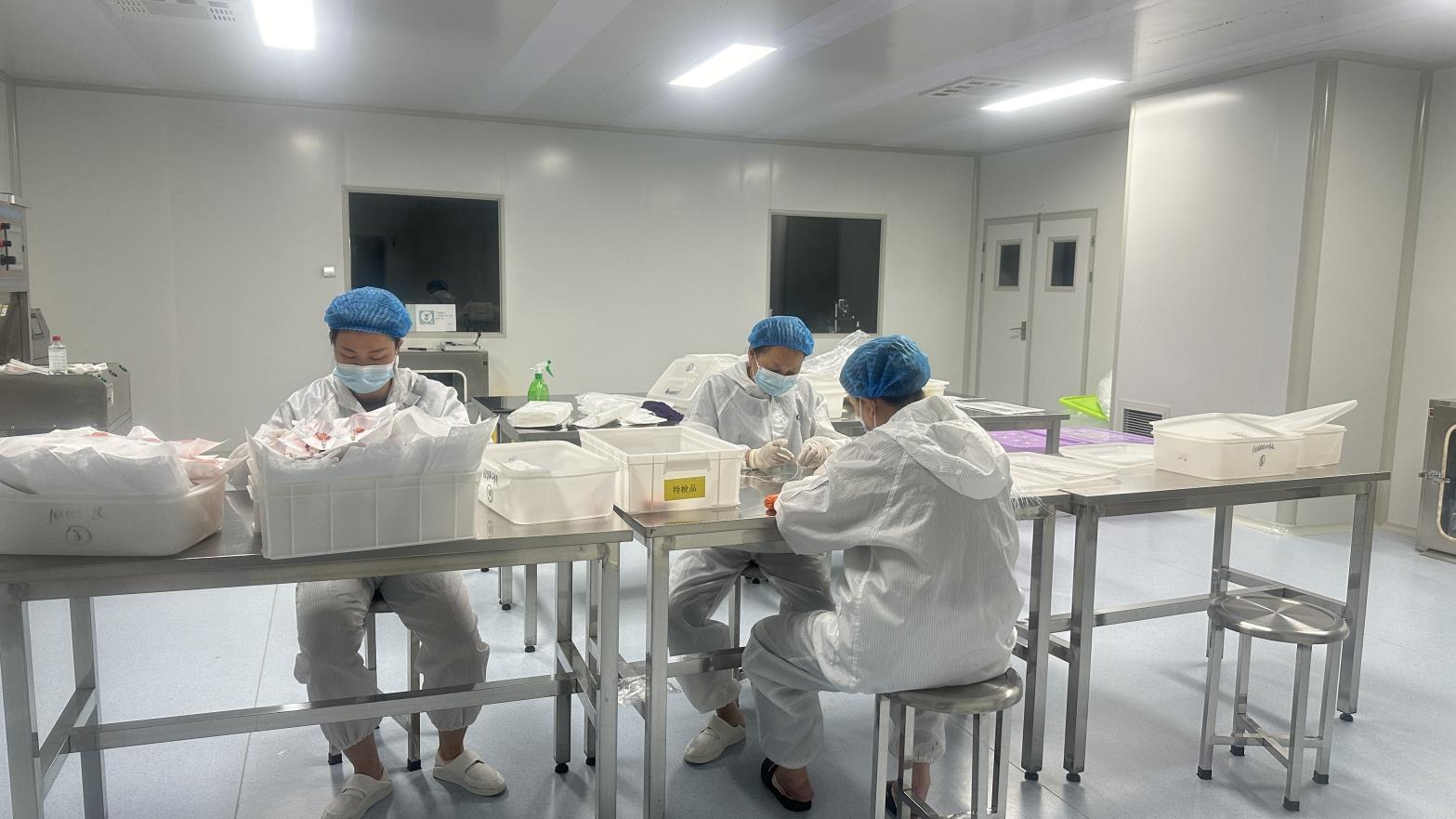
Middle Eastern clinical supply chains are highly vulnerable to global logistics disruptions, geopolitical shifts, and currency fluctuations. Traditional European and North American manufacturers often pass escalating raw material and distribution costs directly to developing healthcare markets. This is where Bonevia's Industry 4.0 production framework delivers concrete economic and clinical advantages.
By using highly automated CNC machining centers, proprietary design interfaces, and vertically integrated raw material partnerships, Bonevia drastically reduces manufacturing tolerances while optimizing throughput. Our production facilities maintain a constant supply reserve of medical-grade Titanium Alloys (Ti6Al4V ELI) and Ultra-High-Molecular-Weight Polyethylene (UHMWPE), ensuring stable production runs even during global material shortages.
Addressing patient-specific physiological demands in Erbil, Baghdad, and Southern Iraqi Governates.
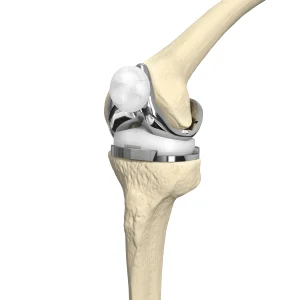
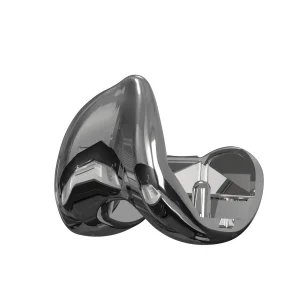
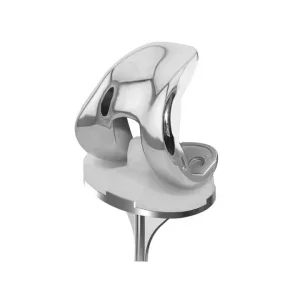
Due to cultural practices and daily habits involving deep knee flexion (such as kneeling, prayer, and sitting postures), knee implants in Iraq must support high flexion angles (up to 135°–150°) safely. Our posterior-stabilized (PS) implants accommodate this demand without increasing wear rates on the polyethylene insert.
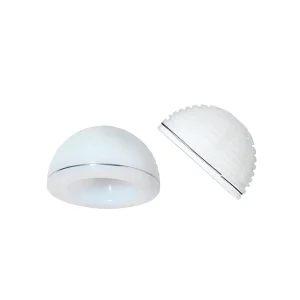
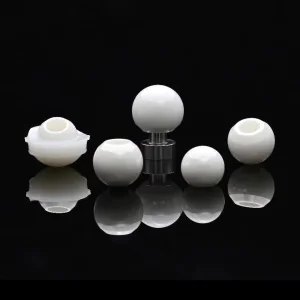
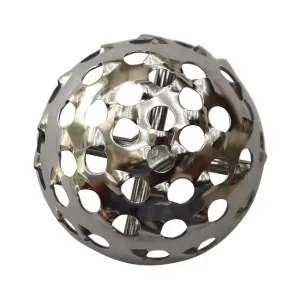
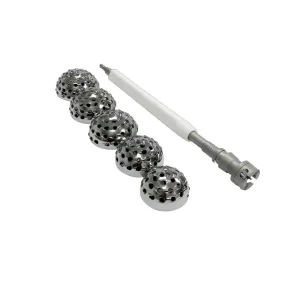
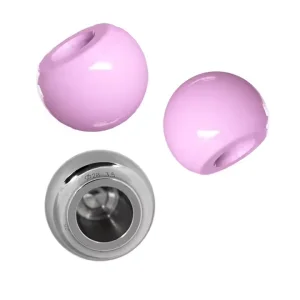
To combat high dislocation risks in aging patients or those with poor muscle tone, dual mobility acetabular systems are increasingly preferred in Iraqi private hospitals. This mechanical design offers greater range of motion and exceptional head stability, drastically lowering revision rates.
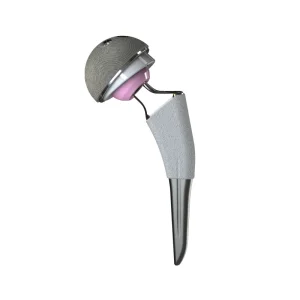
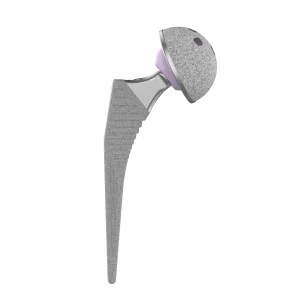
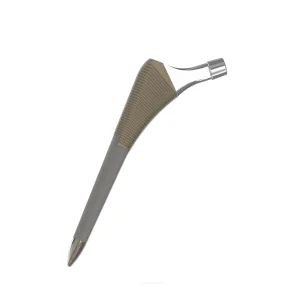
For active patients requiring biological osseointegration, our Hydroxyapatite (HA) coated titanium femoral stems provide robust press-fit stability. This design helps avoid the use of bone cement, facilitating long-term implant survival in younger cohorts.
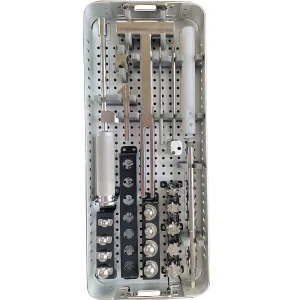
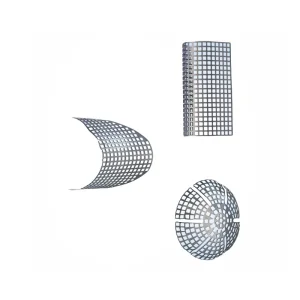
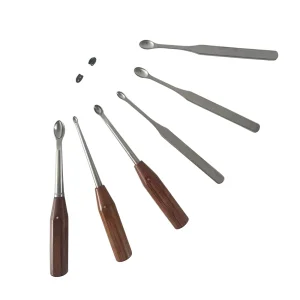
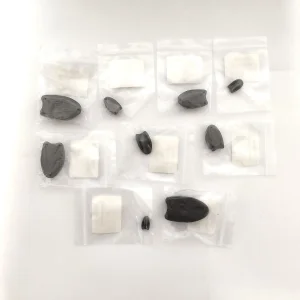
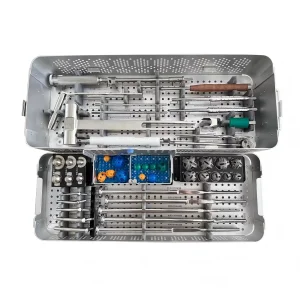
Select specialized joint replacement kits, advanced medical instrumentation, and veterinary reconstructive solutions.
Addressing standard logistical, certification, and customization questions for medical dealers and health administrators in Iraq.
Ready to initiate local registration or place a container-level order?
Send Inquiry Now