Bonevia
Bonevia
Bonevia
Clinical-grade implant assemblies engineered to meet TGA (Therapeutic Goods Administration) requirements for immediate application in Victorian joint reconstruction clinics.
Analysis of clinical pathways, procurement shifts, and patient demographic pressures in the State of Victoria.
The Melbourne metropolitan area, home to world-renowned medical institutions such as the Royal Melbourne Hospital, St Vincent's Hospital, and the Epworth HealthCare network, is experiencing unprecedented demand for reconstructive surgeries. Data from the Victorian Department of Health indicates a persistent backlog of elective orthopedic surgeries, particularly total hip arthroplasty (THA) and total knee arthroplasty (TKA). The aging demographic profile of the Victorian population, combined with rising rates of osteoarthritis and sports-induced cartilage deterioration, has intensified the need for highly durable implant materials.
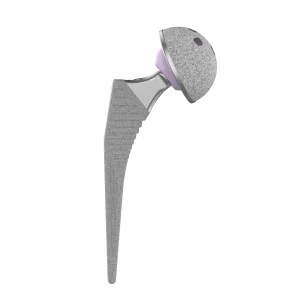
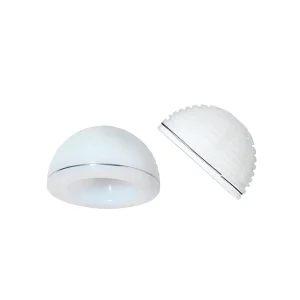
For hospital procurement managers and clinical directors in Victoria, selecting implant vendors requires a careful balance of fiscal responsibility and uncompromising clinical outcomes. Standardizing implant supply lines with CE-certified, TGA-aligned prosthetics allows Melbourne healthcare systems to address patient throughput efficiency while lowering per-procedure acquisition costs. Dual-mobility acetabular systems and hydroxyapatite (HA) coated titanium femoral stems are becoming the standard care protocol to reduce post-operative dislocation risks and secondary revision procedures.
The global orthopedics market has transitioned away from highly consolidated, localized distribution to direct-manufacturer supply channels. This shift is driven by the need for cost control, custom implant sizes, and sterile, direct-to-operating-theater packaging. Key implant alloys—primarily Titanium (Ti6Al4V ELI) conforming to ASTM F136 and Cobalt-Chromium-Molybdenum (CoCrMo) conforming to ASTM F75—must undergo highly regulated precision milling, surface blasting, and coating processes.
In response to the global implementation of the European Union Medical Device Regulation (EU MDR 2017/745) and Australia's Therapeutic Goods (Medical Devices) Regulations, manufacturers must provide extensive biological safety datasets, mechanical fatigue testing reports, and clinical evaluation portfolios. Establishing redundant, high-capacity production partnerships ensures that Melbourne distributors can secure long-term contracts without the risk of supply disruptions.
Bonevia Orthopedic Technology Co., Ltd. is a specialized manufacturer of orthopedic implants and surgical solutions, dedicated to advancing innovation in trauma, spine, and joint reconstruction products. Since our establishment in 2015, the company has built a reliable reputation in the global orthopedic supply sector.
Core Quality Infrastructure:
With a modern production facility covering approximately 320㎡, Bonevia maintains strict quality management standards and efficient manufacturing processes. Quality assurance is a core focus. The company implements multiple inspection methods including incoming material inspection, in-process quality control, and final product testing, supported by a dedicated quality team of 35 professionals. This ensures all products meet international medical device standards.
Bonevia has a solid trade foundation with diversified global distribution networks, serving major markets across Europe, Southeast Asia, the Middle East, and South America. Our supply chain ecosystem includes more than 850 partners, enabling stable raw material sourcing and efficient production delivery. We serve a wide range of clients, including hospitals, orthopedic clinics, surgical centers, and medical distributors, offering OEM and ODM customization services to meet specific clinical requirements.
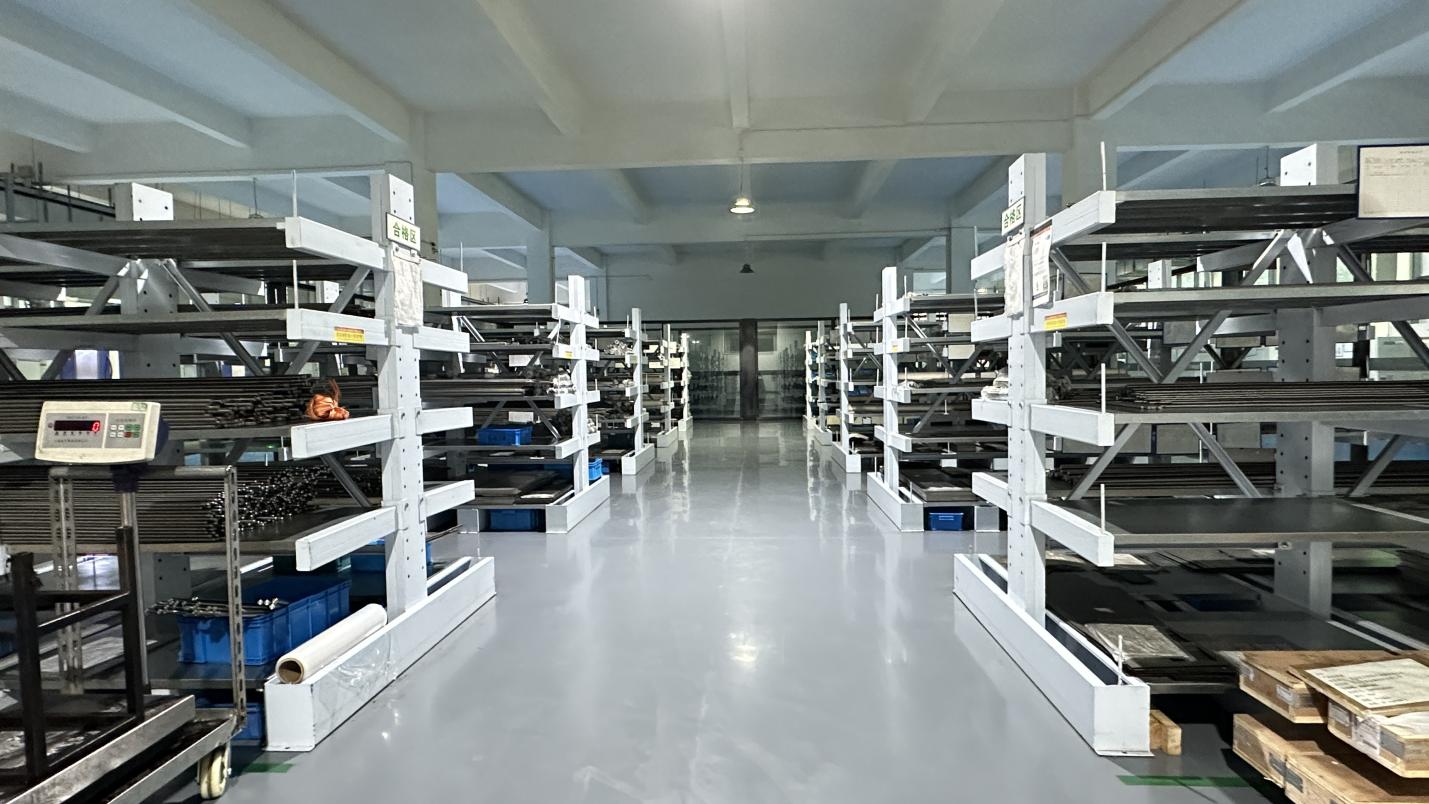
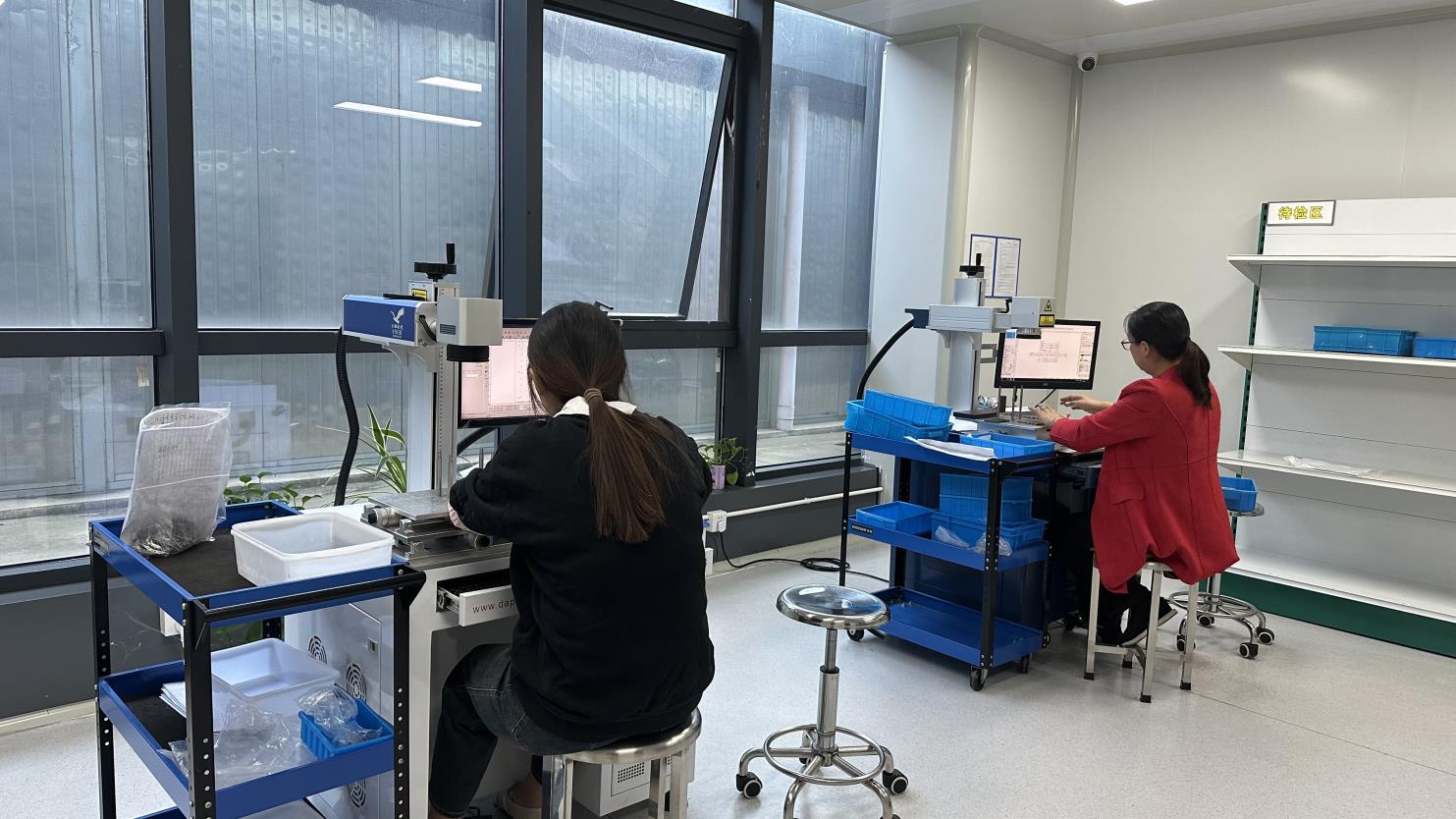
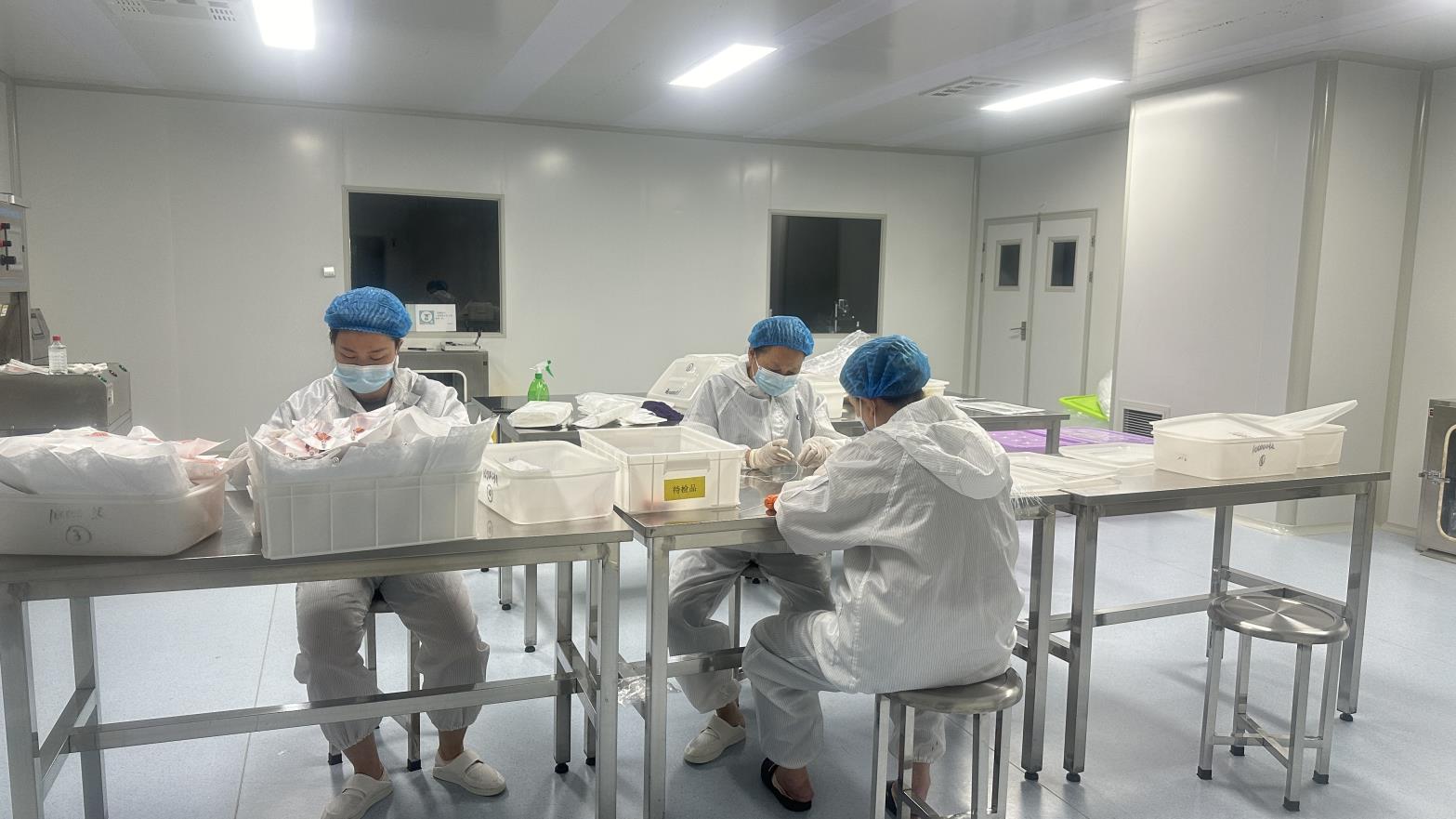
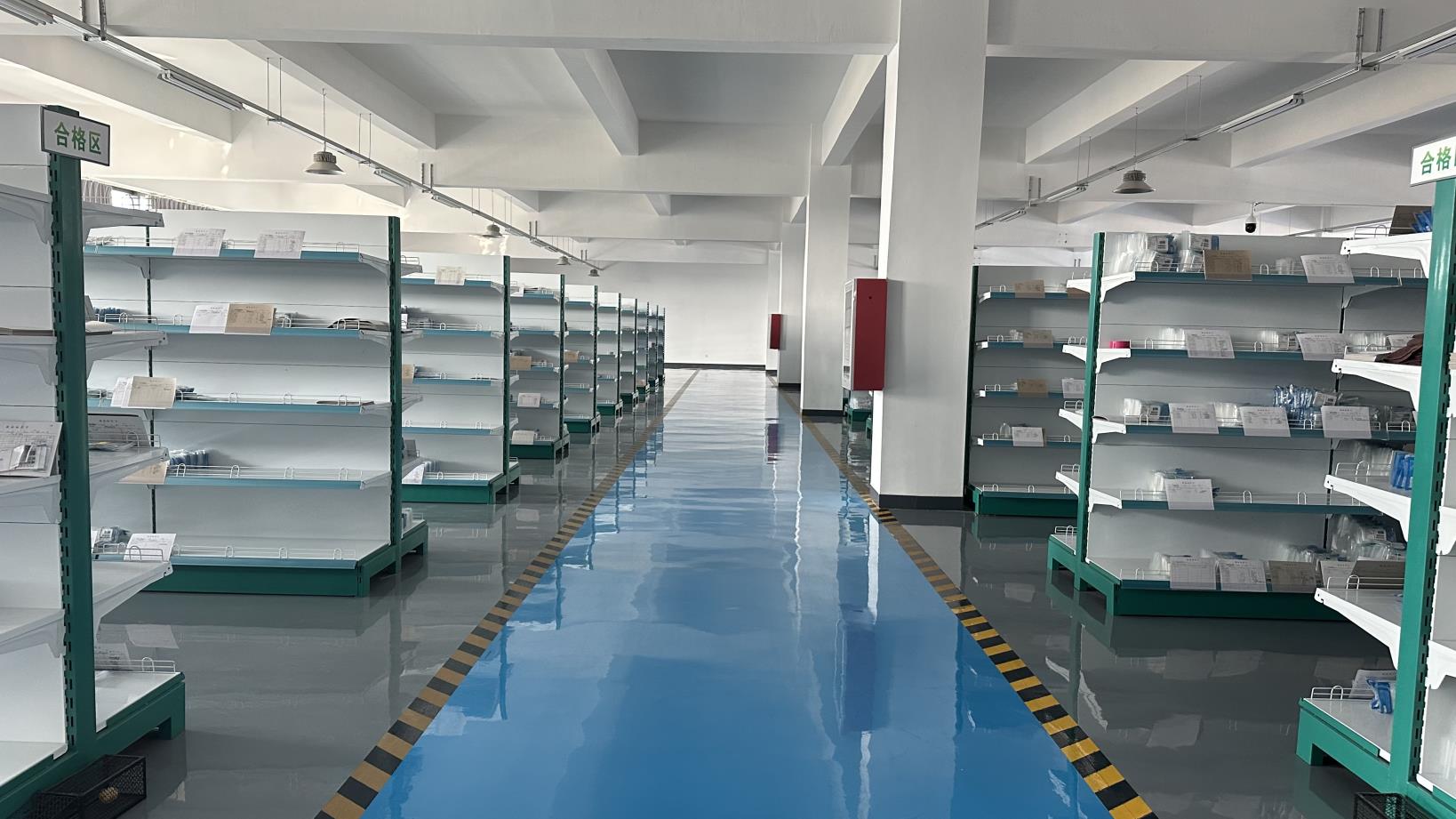
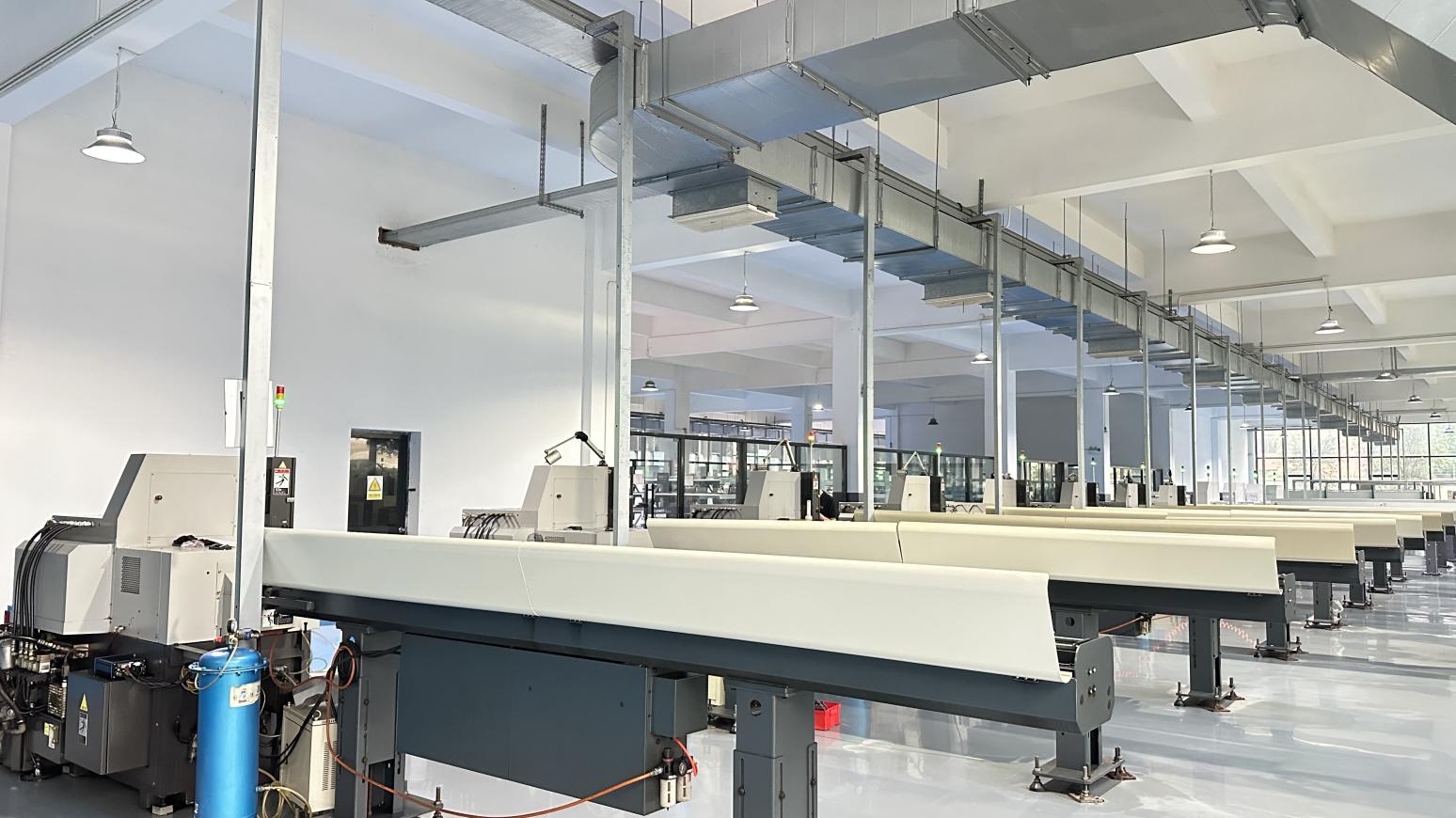
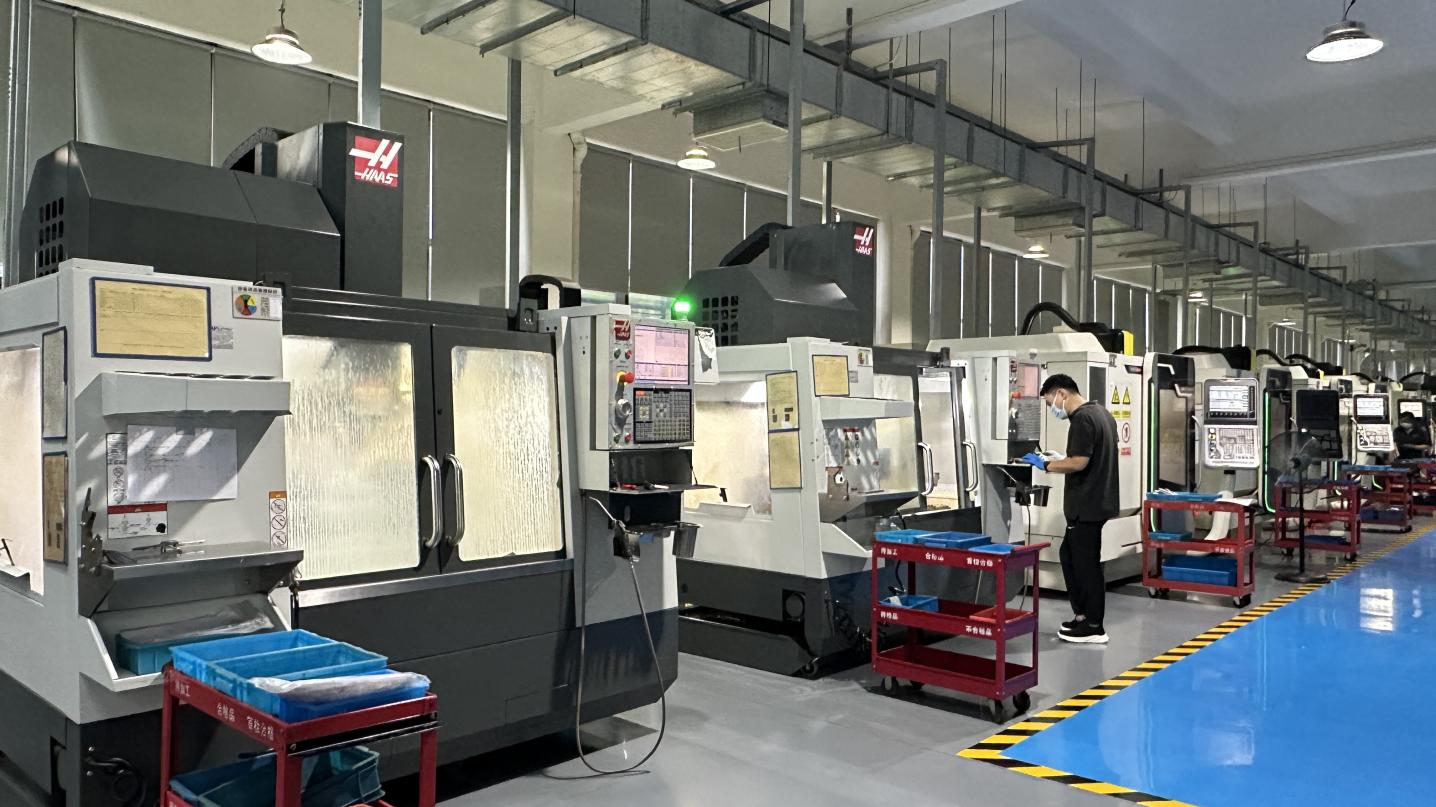
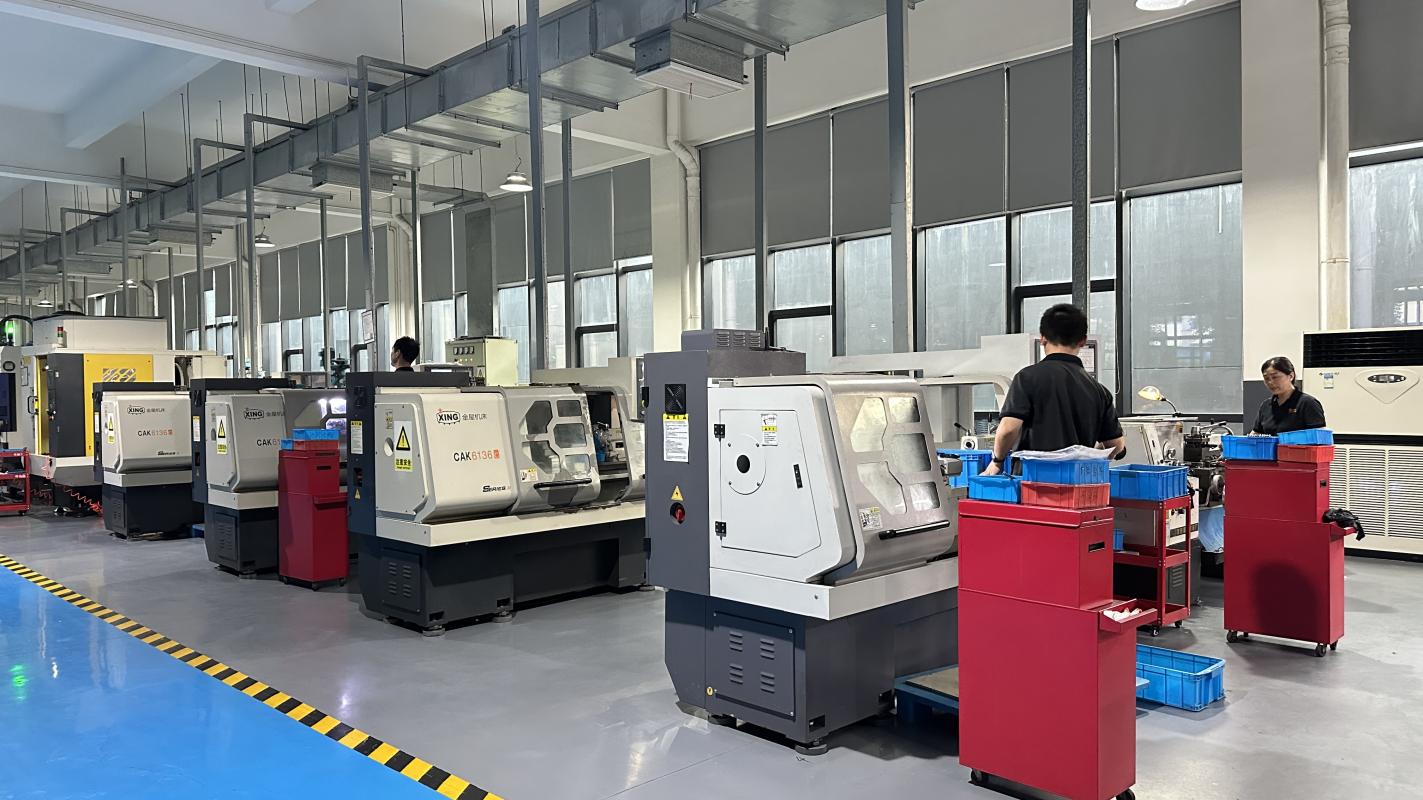
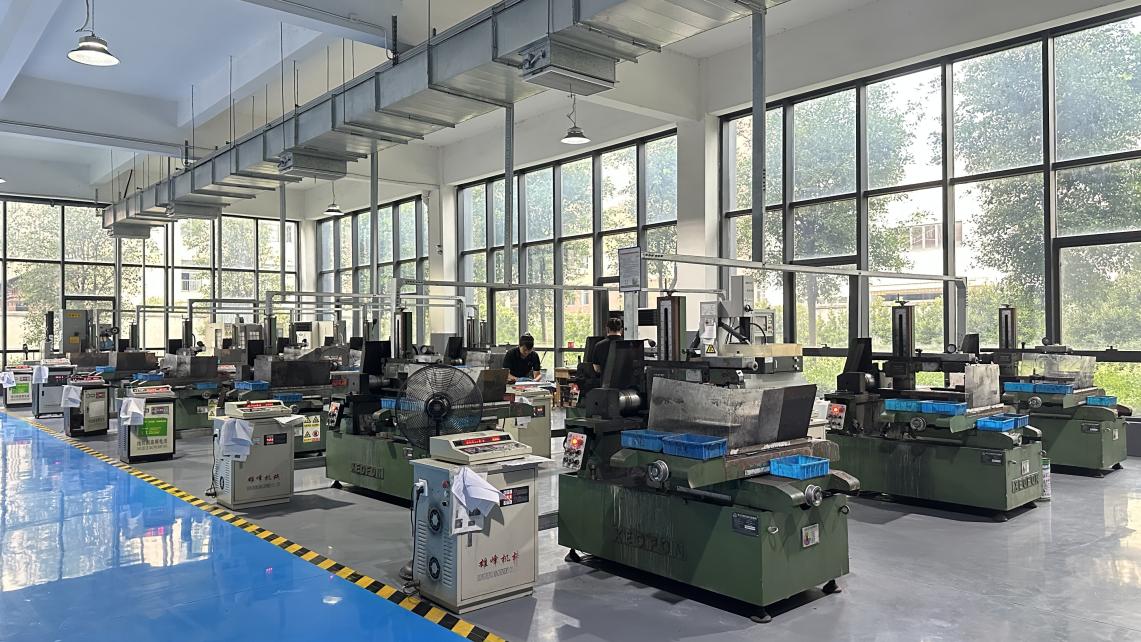
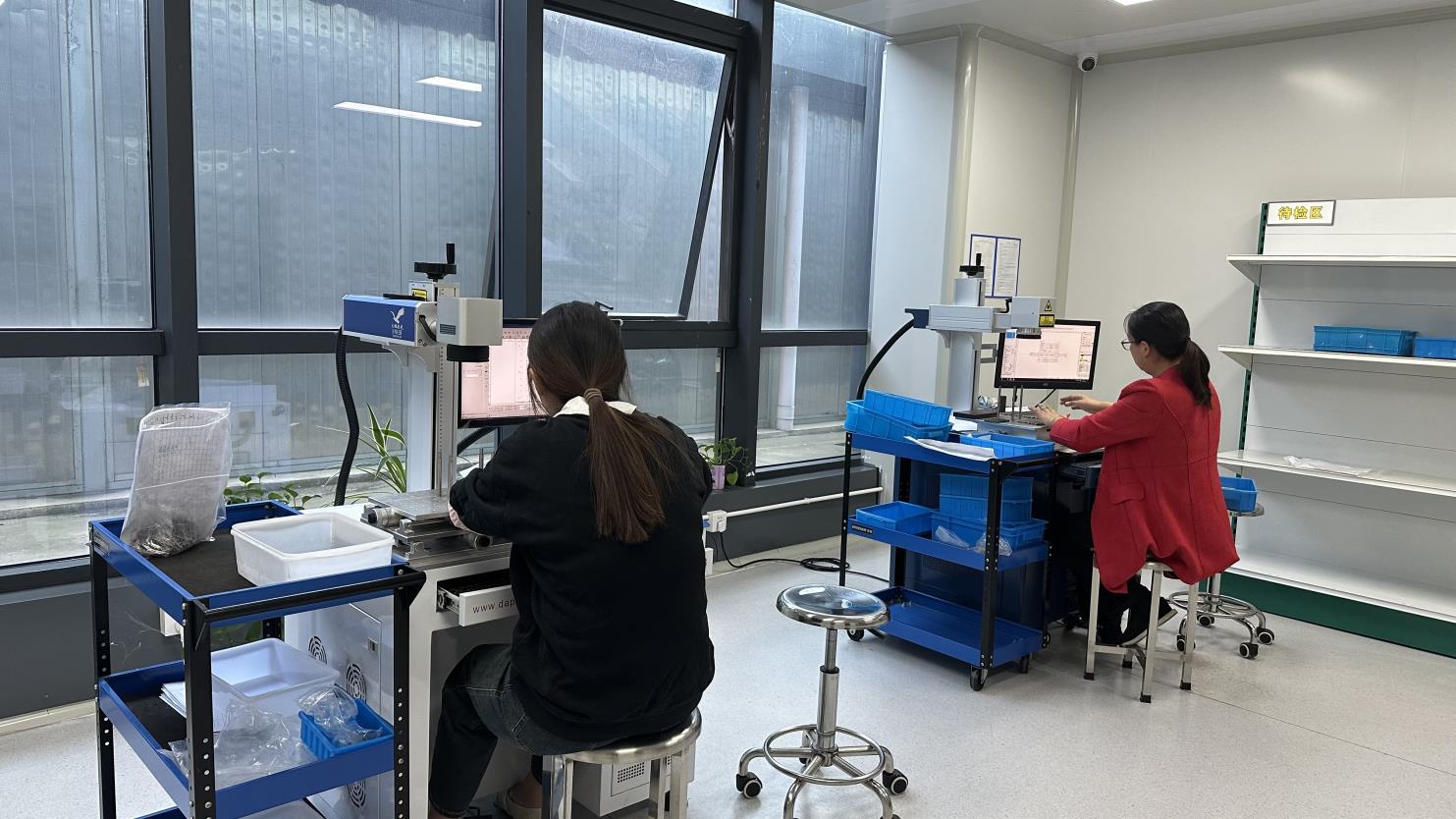
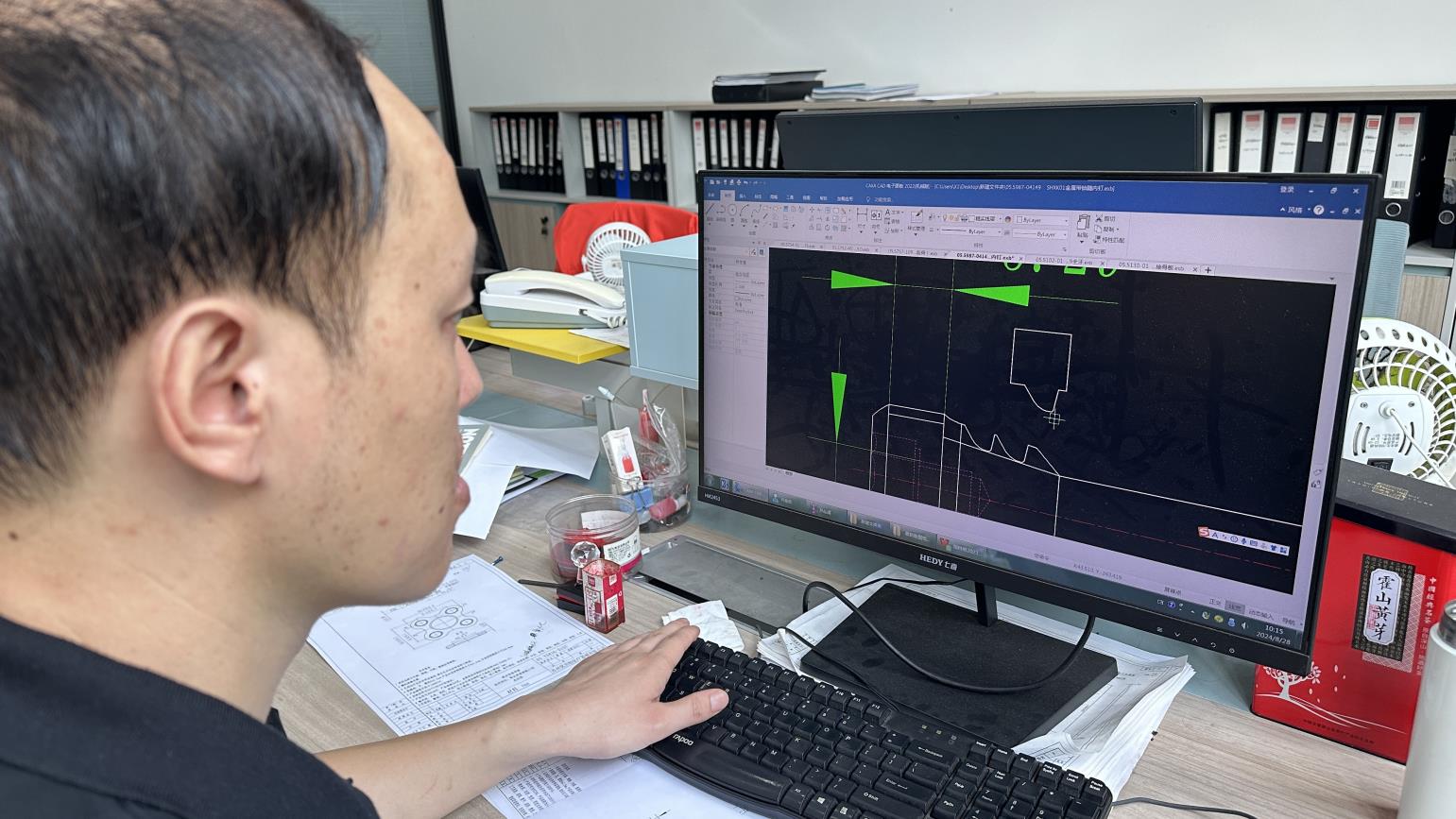
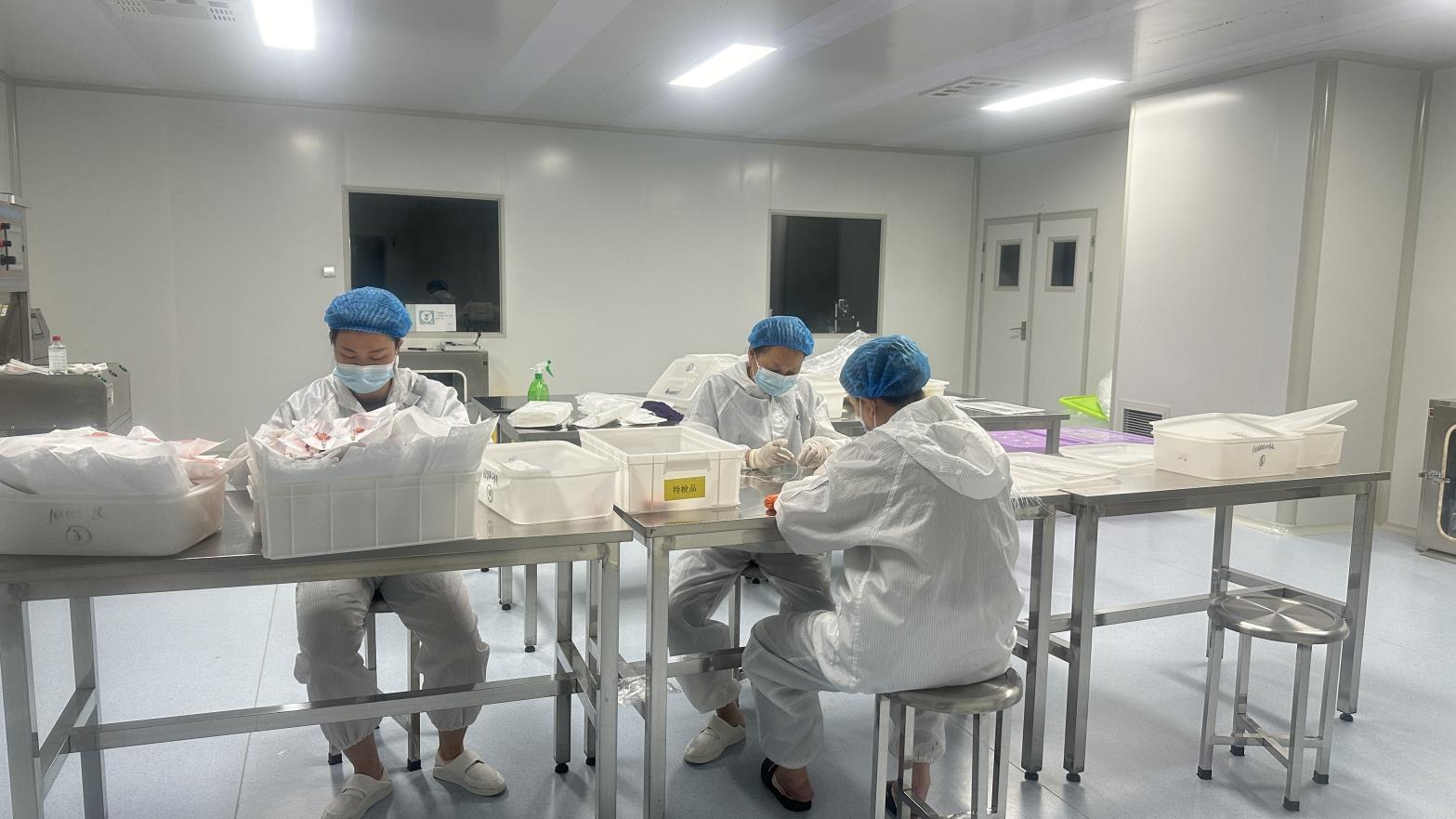
Inside the core CNC machining and cleanroom facility of Bonevia Orthopedic Technology Co., Ltd.
Step-by-step overview of our orthopedic implant manufacturing facility, executing medical-grade procedures from raw materials to final cleanroom inspection.
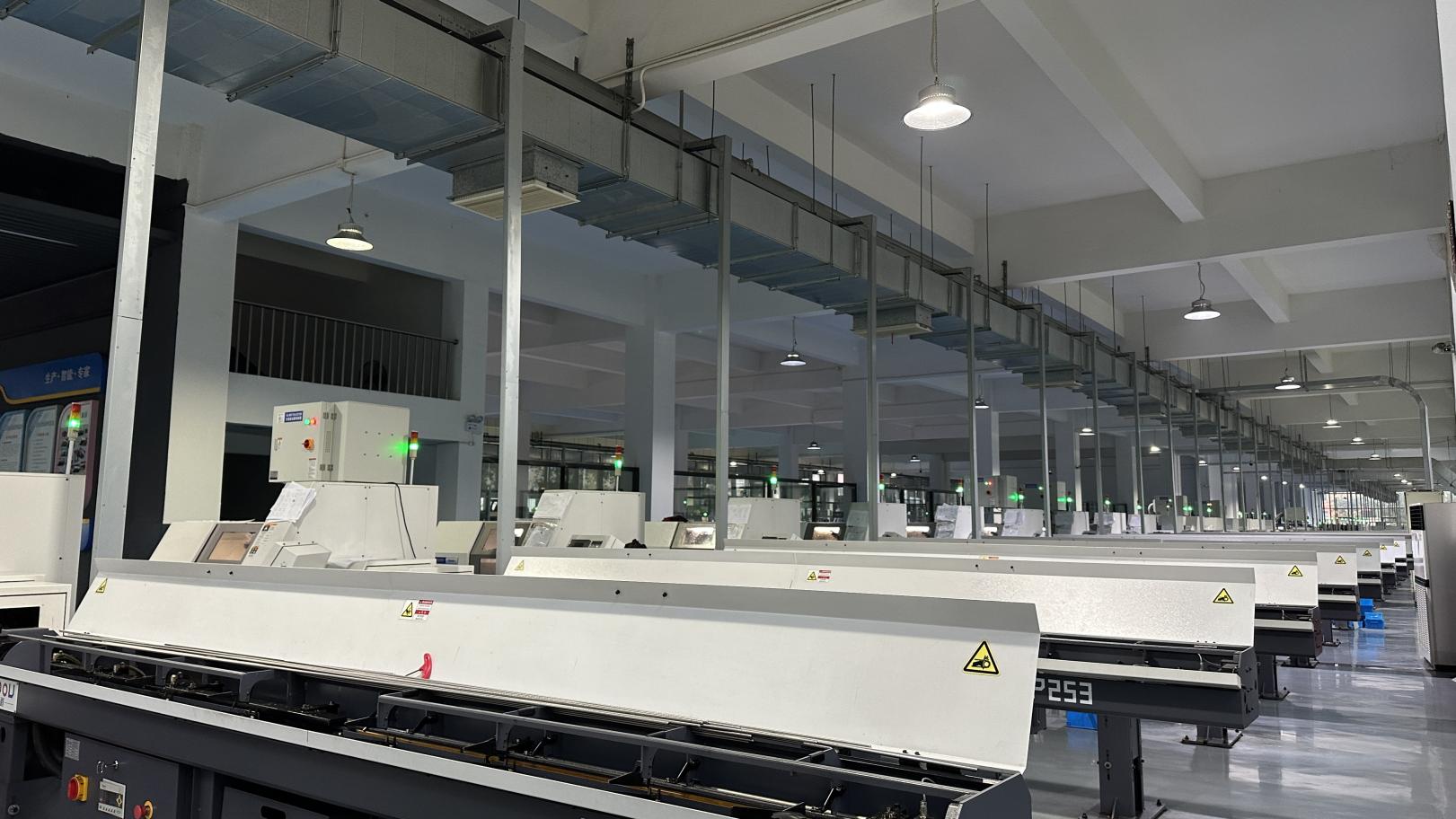
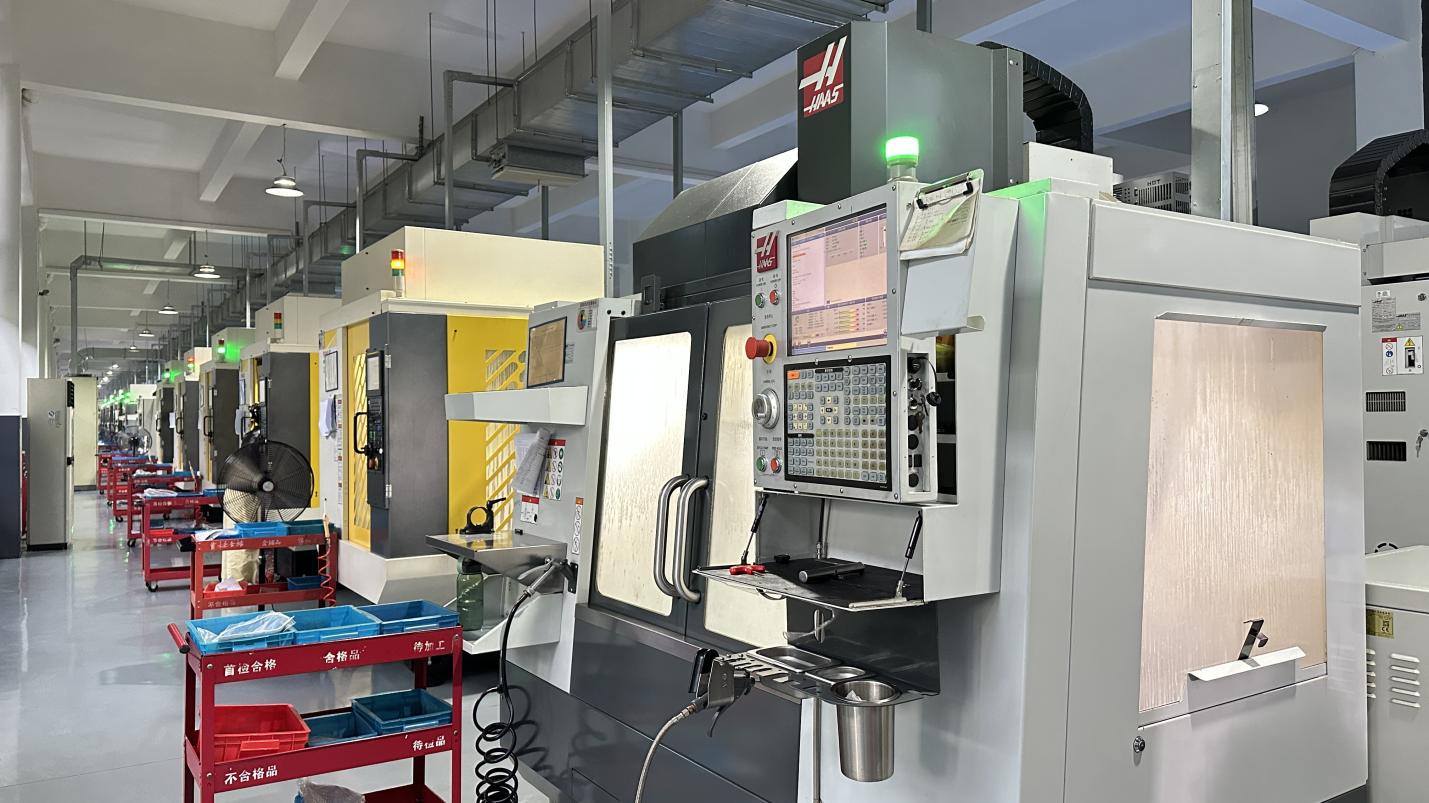
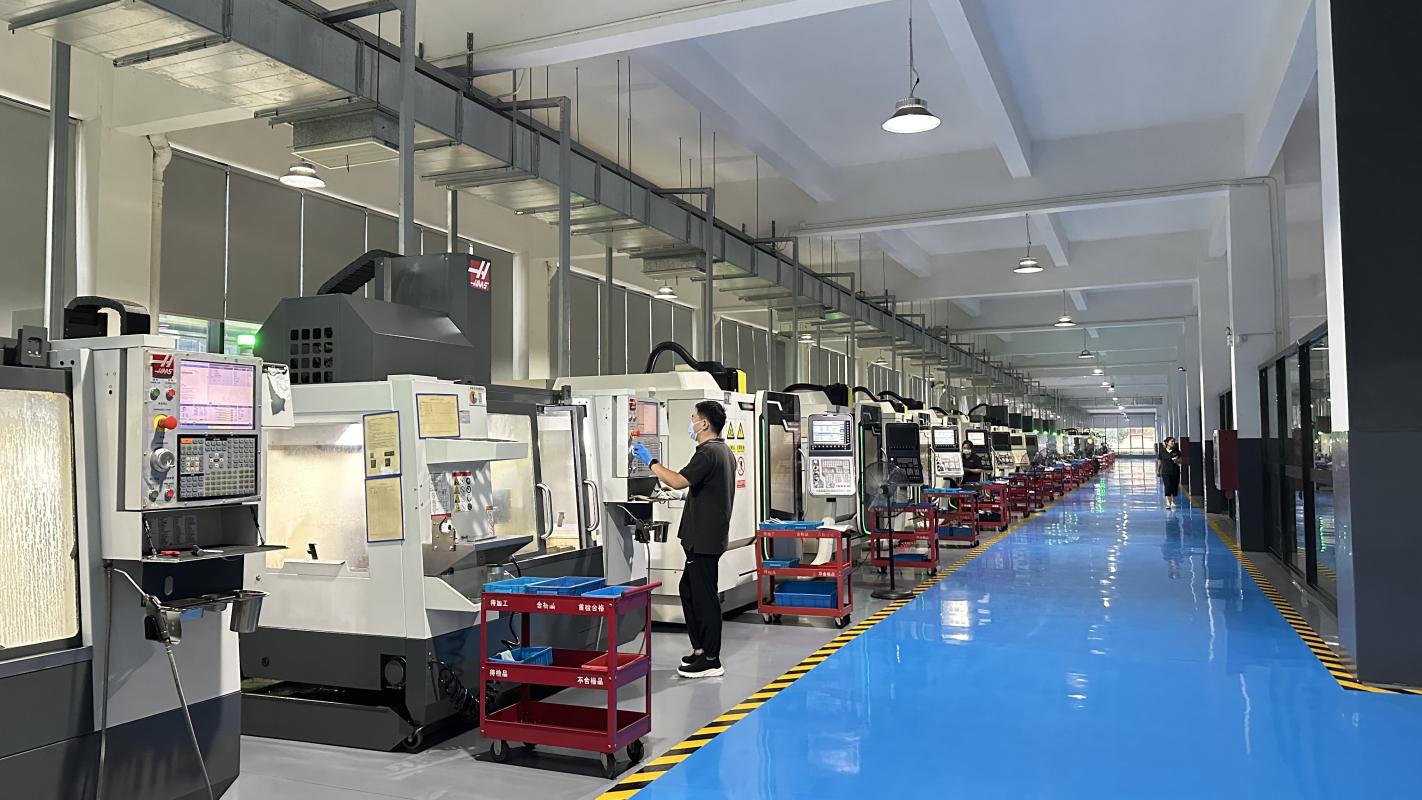
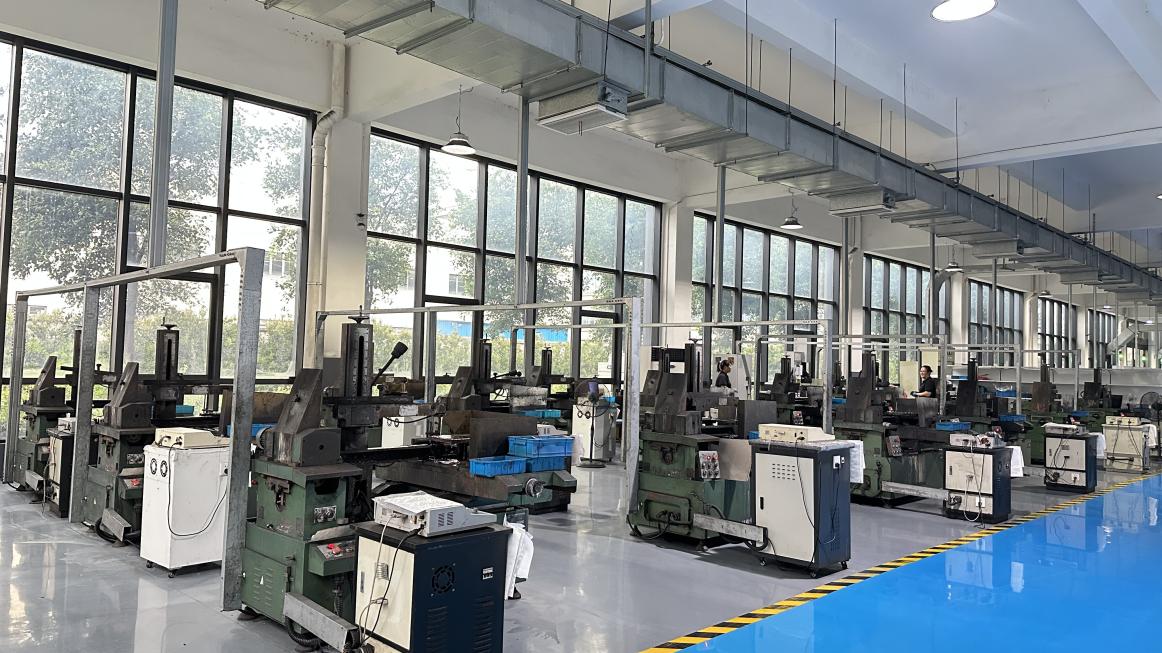
Integrating Additive Manufacturing, Bioactive Surface Integration, and Robotic-Assisted Tooling into Joint Arthroplasty Protocols.
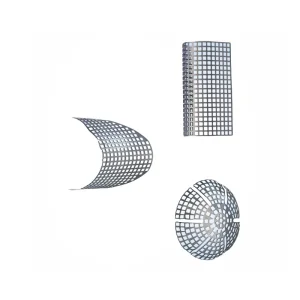
Transitioning from traditional plasma-sprayed coatings to integrated 3D-printed porous lattices. This allows for customized biomechanical elasticity (reducing stress shielding) and improves osseointegration at the implant-bone interface.
Upgrading cross-linked Ultra-High-Molecular-Weight Polyethylene (UHMWPE) with Vitamin E stabilization. This inhibits oxidation over long implantation cycles and minimizes osteolysis risks in younger, active joint recipients.
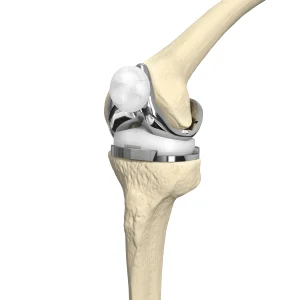
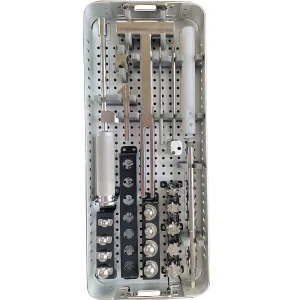
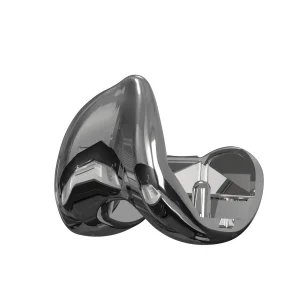
Optimizing resection guides and trial components to interface with surgical navigation and robotic arm platforms. This helps surgeons achieve precise coronal and sagittal alignment during TKR procedures.
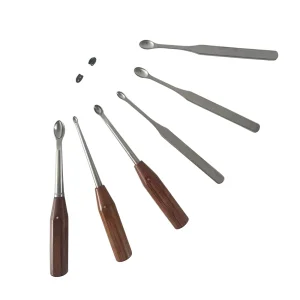
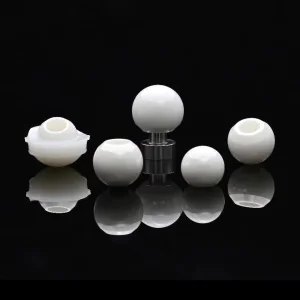
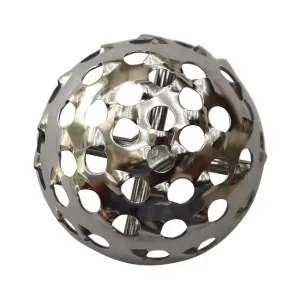
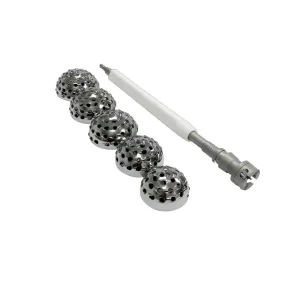
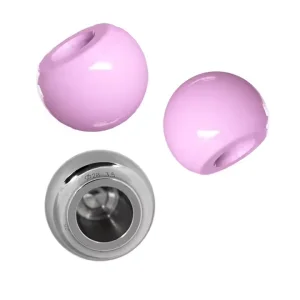
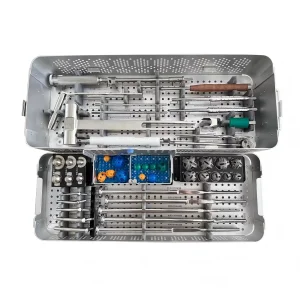
Explore our expanded clinical range, including ceramic articulations, advanced surgical tool kits, and specialized veterinary implant systems.
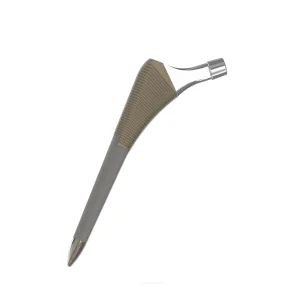
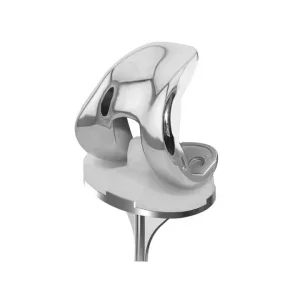
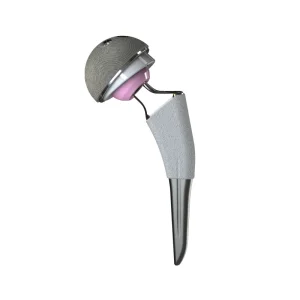
Professional insights on standards, supply chain operations, and product quality protocols for clinical buyers.
Whether you require customized OEM development, trial-phase surgical kits, or direct commercial supply contracts for Melbourne-based orthopedic clinics, our technical team is ready to assist.
Send Inquiry Now