Bonevia
Bonevia
Bonevia
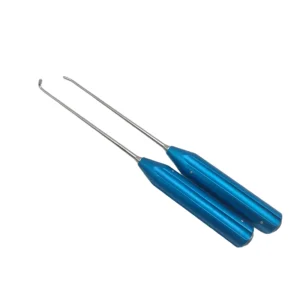
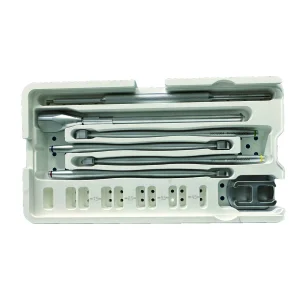
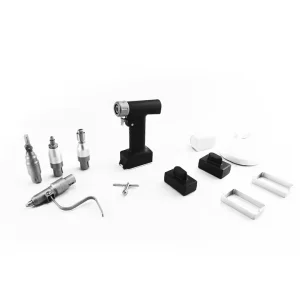
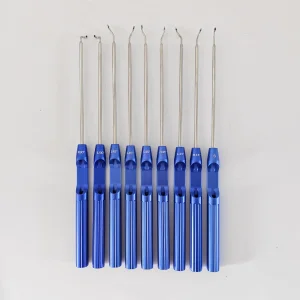
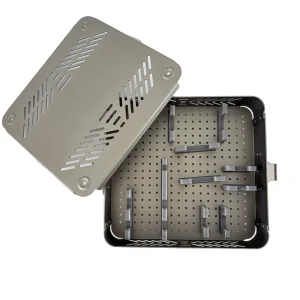
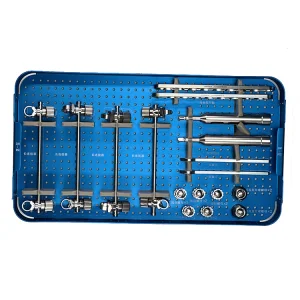
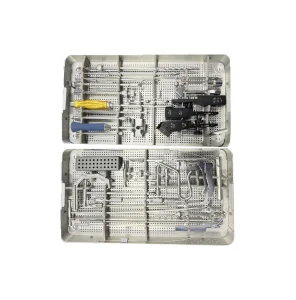
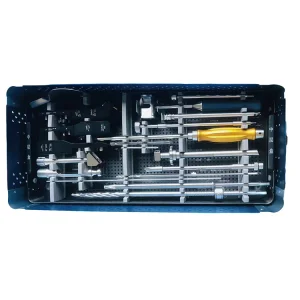
Precision-engineered surgical tools and instrument kits validating stable surgical outcomes in complex arthroplasty and reconstruction procedures.
Within total hip arthroplasty (THA), the femoral stem is the central element for weight-bearing and mechanical transduction. As a leading CE certified femoral stems manufacturer and exporter, we prioritize the metallurgy and biomechanical design of these implants to ensure long-term stability and reduce risk of failure. Stems are primarily manufactured from raw implant-grade materials such as Titanium-6Aluminum-4Vanadium ELI (Extra Low Interstitial) alloy conforming to ASTM F136 / ISO 5832-3 and Cobalt-Chromium-Molybdenum (CoCrMo) alloy conforming to ASTM F75 / ISO 5832-4.
These materials are chosen to address the biomechanical challenges of joint replacement: reducing stress shielding, minimizing wear debris, and maximizing fatigue limit. Cementless designs utilize titanium alloy due to its lower modulus of elasticity, which closely mimics human cortical bone. Cemented variants often employ high-strength CoCrMo or stainless steel alloys to withstand shear forces within the polymethyl methacrylate (PMMA) mantle.
Our designs incorporate optimized geometries, including dual-tapered configurations, lateral flares, and standard 12/14 neck tapers. This ensures modular adaptability to various femoral heads and restores correct anatomical offsets, vertical heights, and anteversion angles for diverse patient profiles.
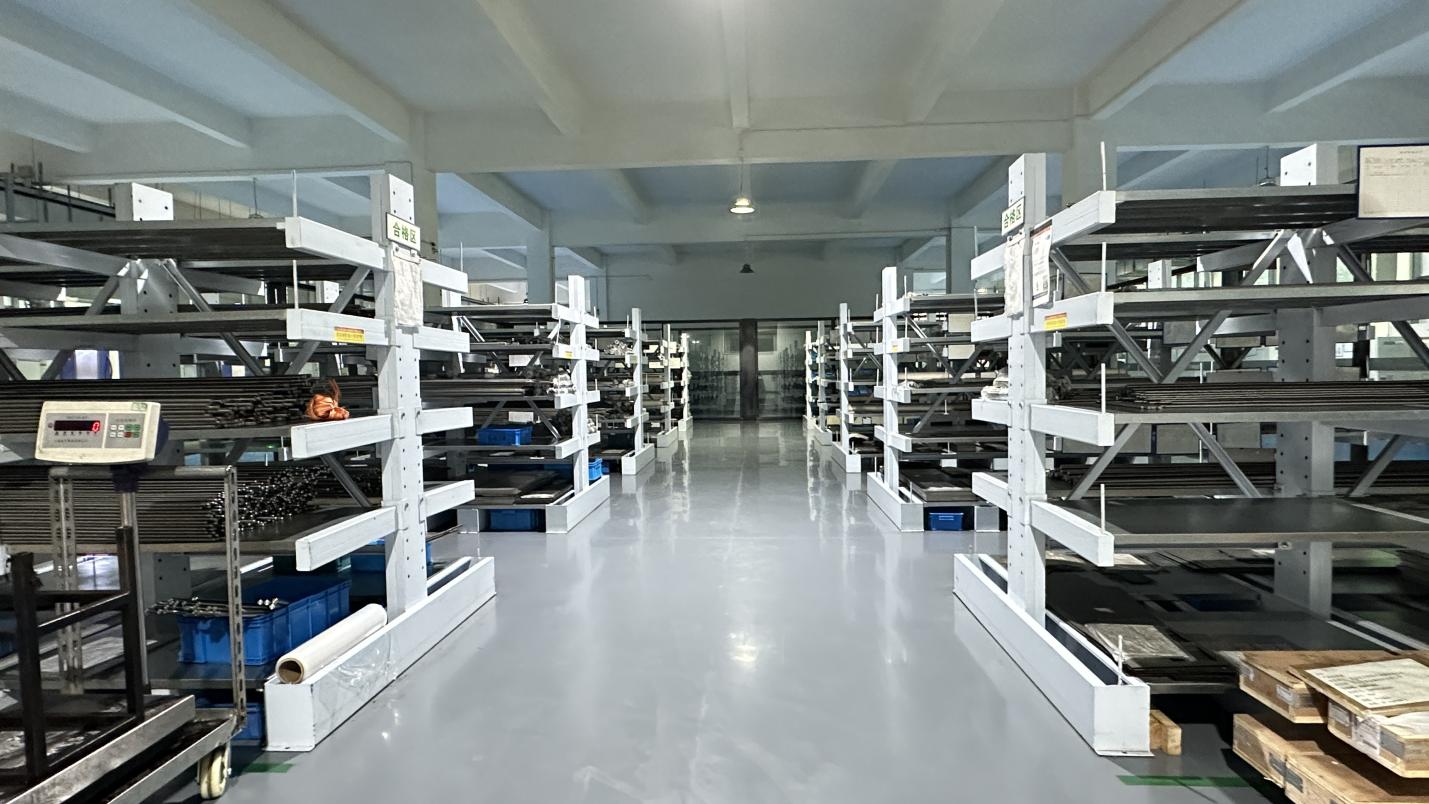
Sustaining strict international standards through infrastructure and professional expertise since 2015.
Adhering to regulatory frameworks to guarantee safety and performance in joint arthroplasty markets.
Under the new European Medical Device Regulation (EU MDR), joint replacement implants are classified as Class III (high-risk devices). Achieving CE certification requires rigorous clinical evaluation reports (CER), post-market clinical follow-up (PMCF) plans, and an active Quality Management System audited under ISO 13485.
Our raw materials and finished femoral stems undergo extensive ISO 10993 testing. This validation includes cytotoxicity, systemic toxicity, genotoxicity, and local implantation assessments, ensuring that no adverse physiological reactions occur in vivo over long-term exposure.
Implants must remain pyrogen-free. We execute validated sterilization protocols under ISO 11137 (for gamma radiation) or ISO 11135 (for Ethylene Oxide). Regular bioburden monitoring and endotoxin testing (LAL test) ensure safety and prevent aseptic loosening caused by contaminants.
Trace the industrial lifecycle of our orthopedic components, showcasing precision machinery and rigorous testing from raw materials to final packaging.
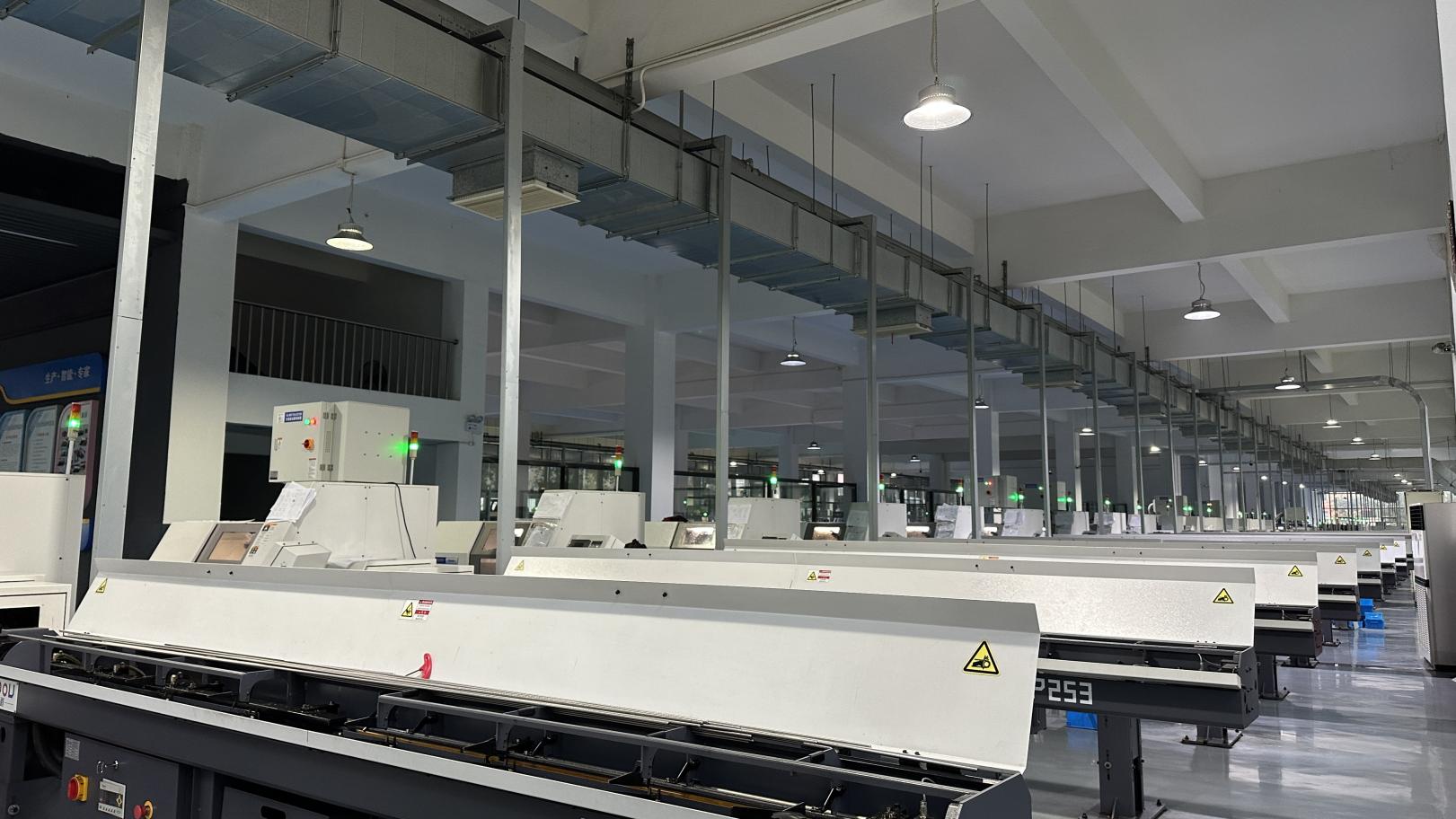
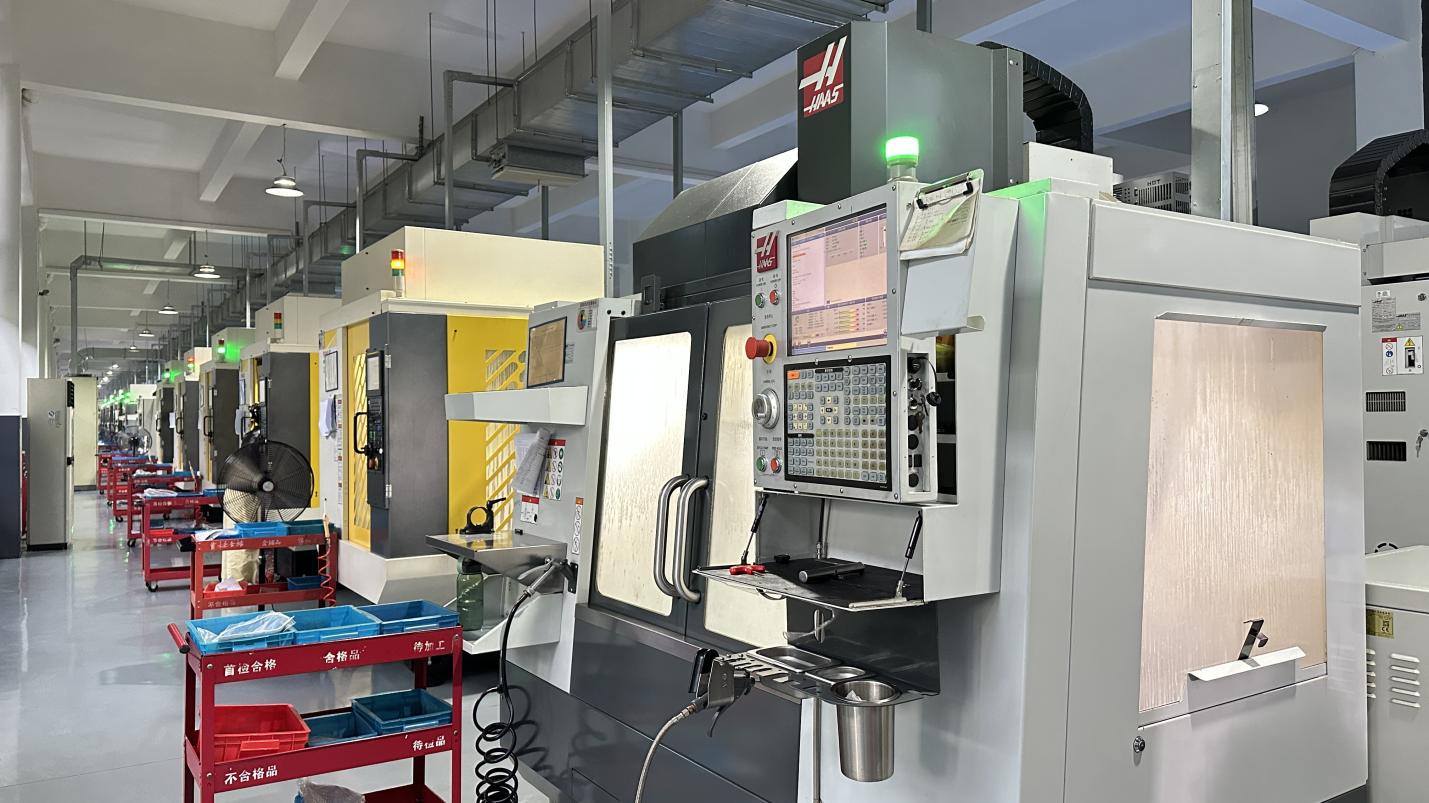
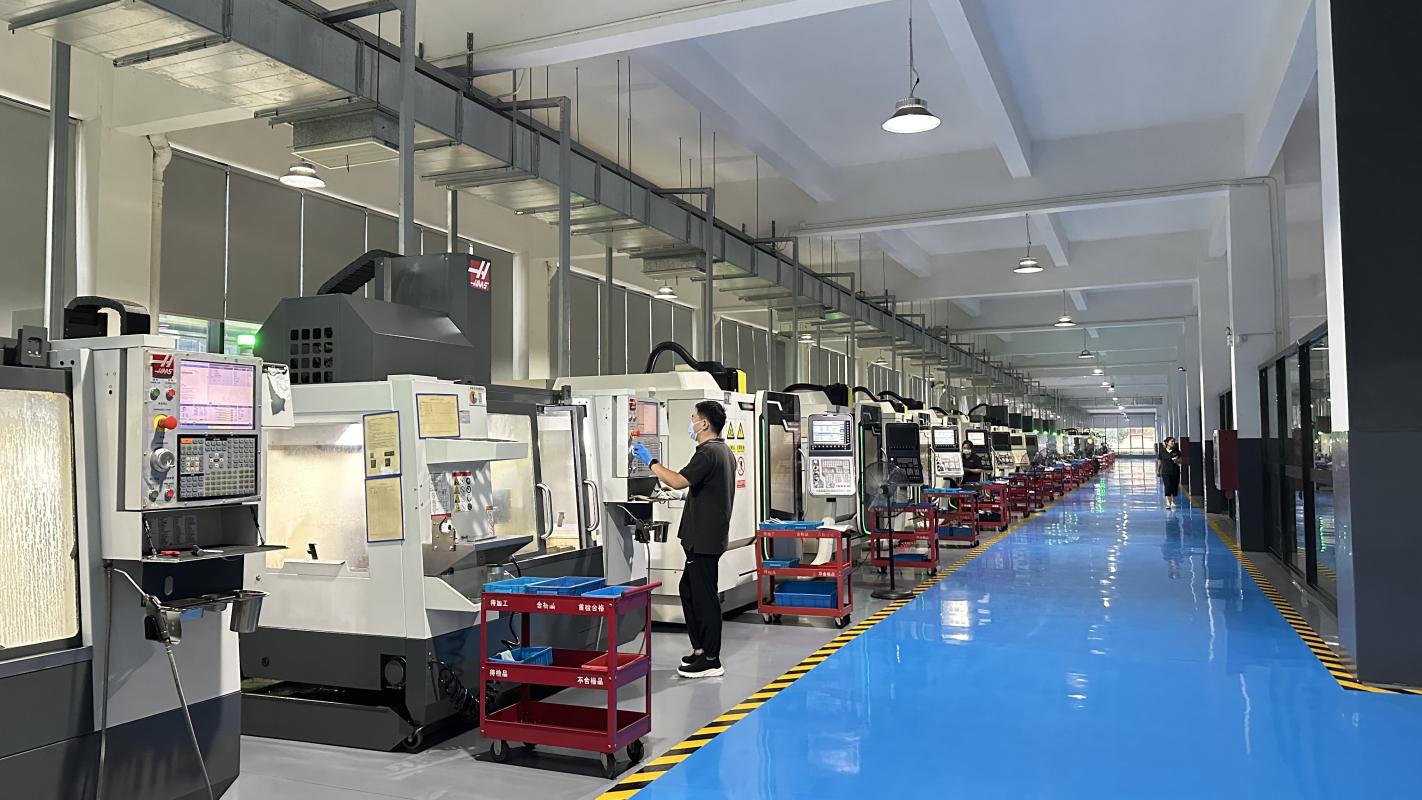
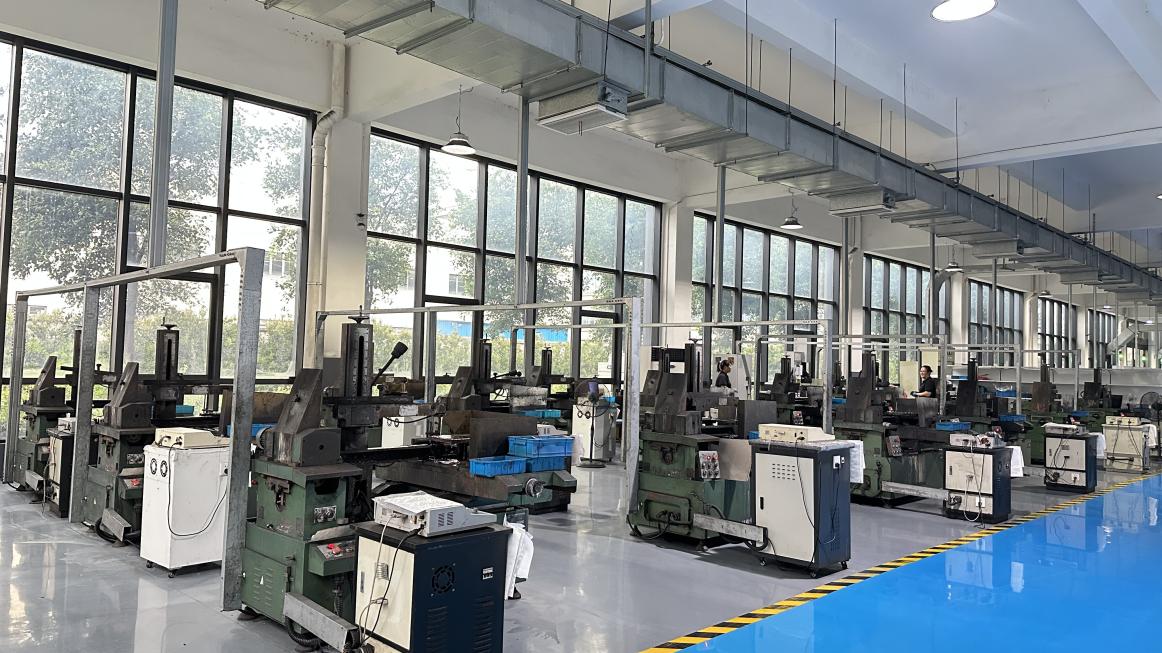
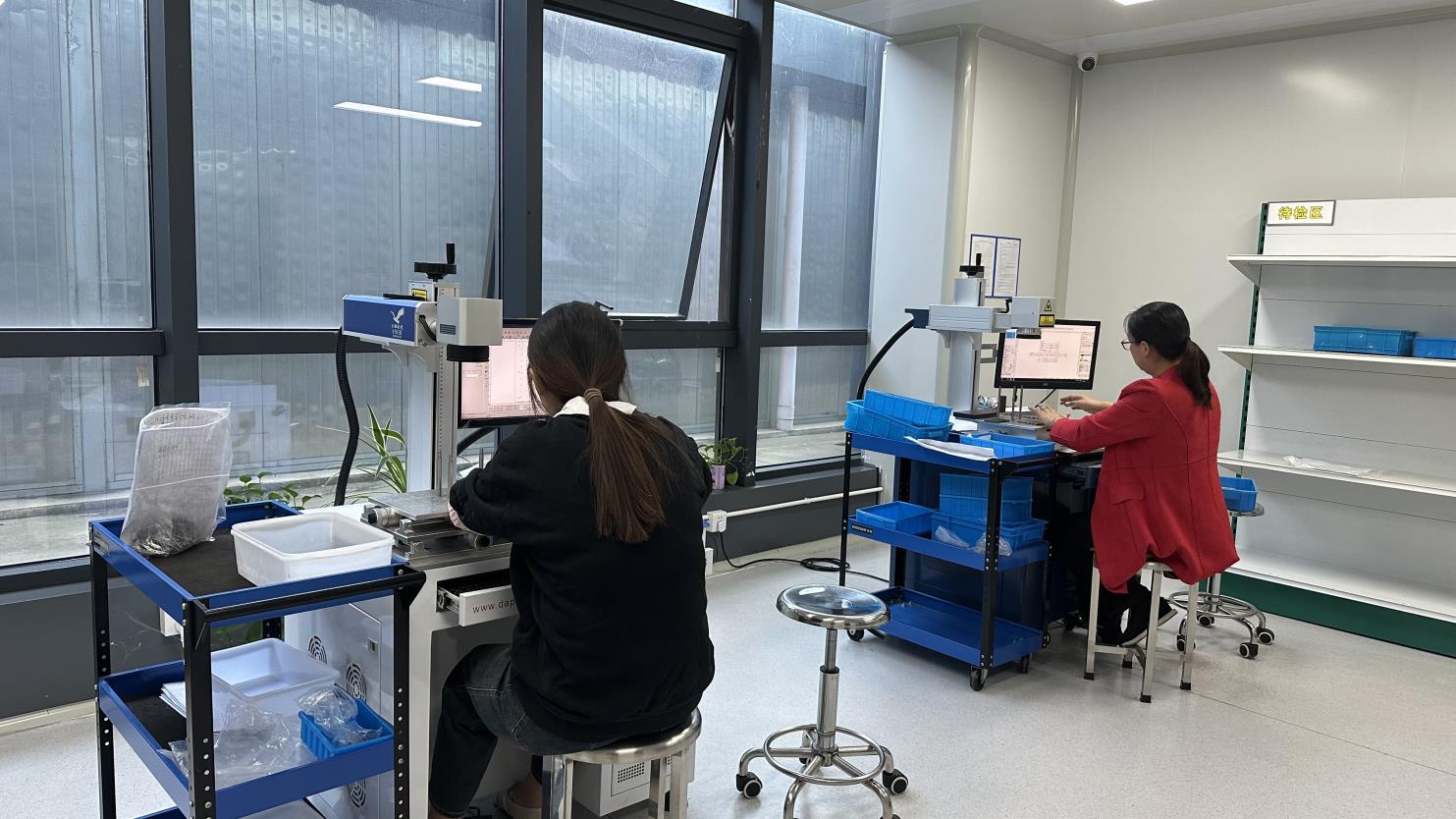
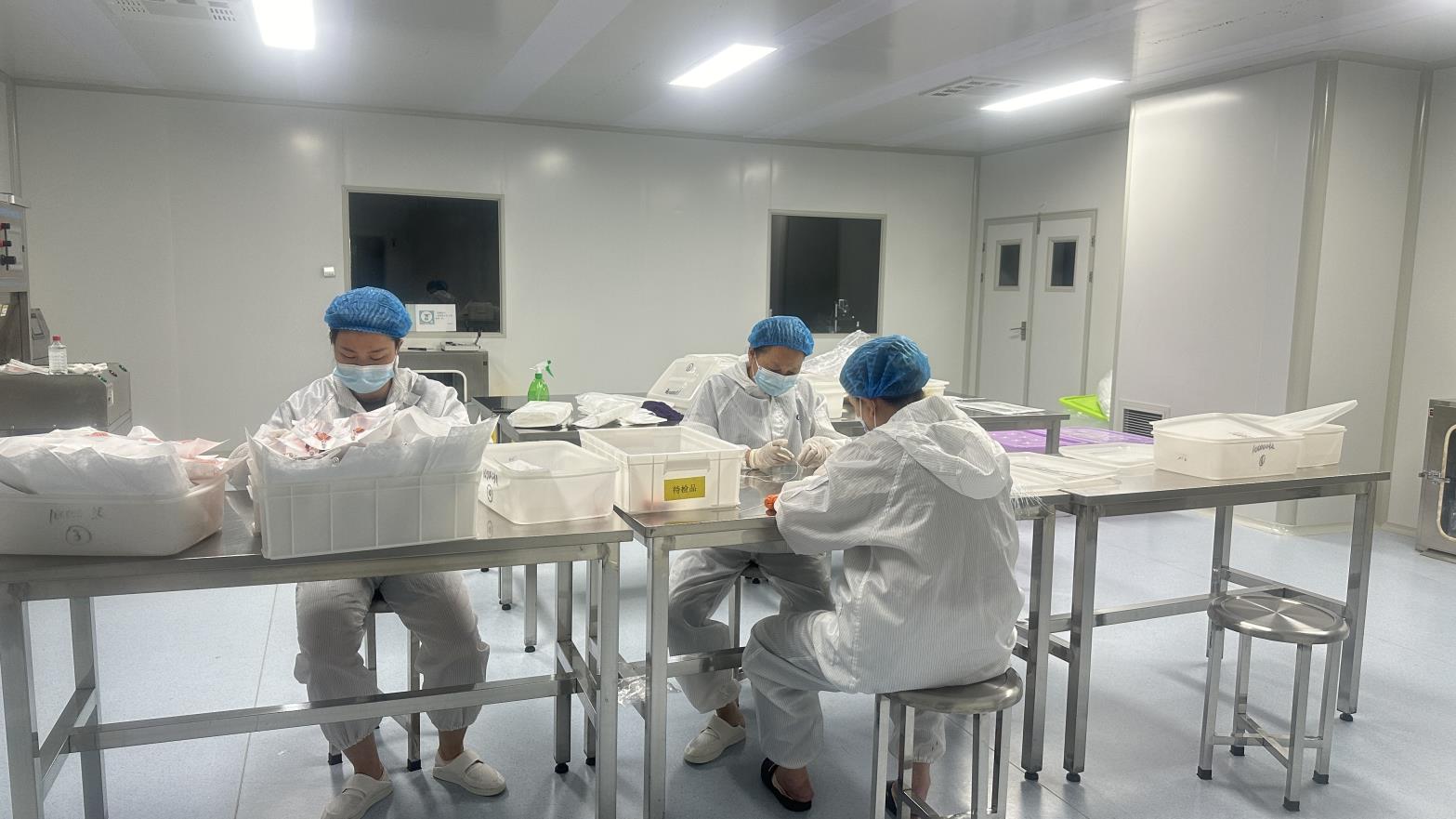

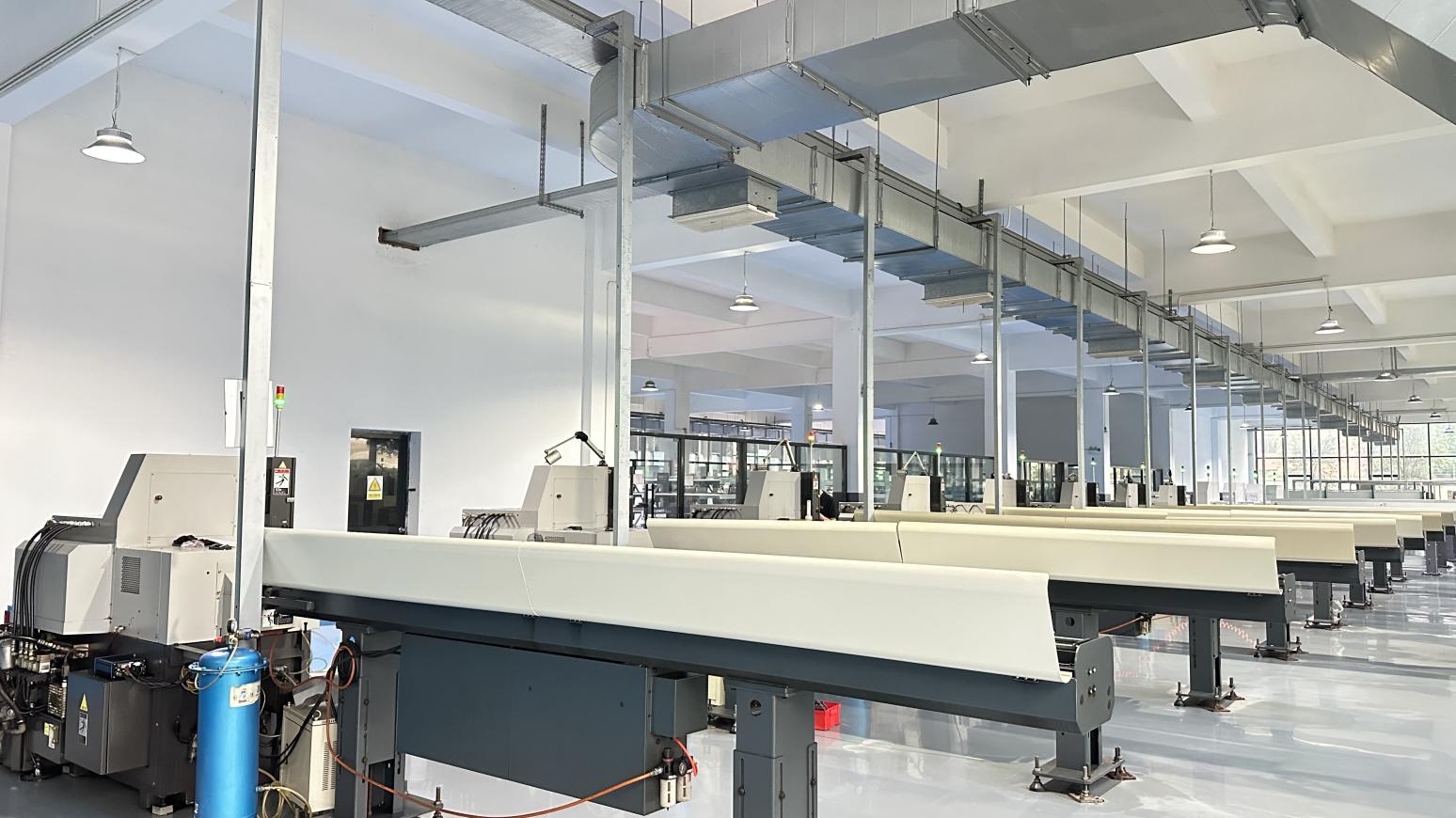
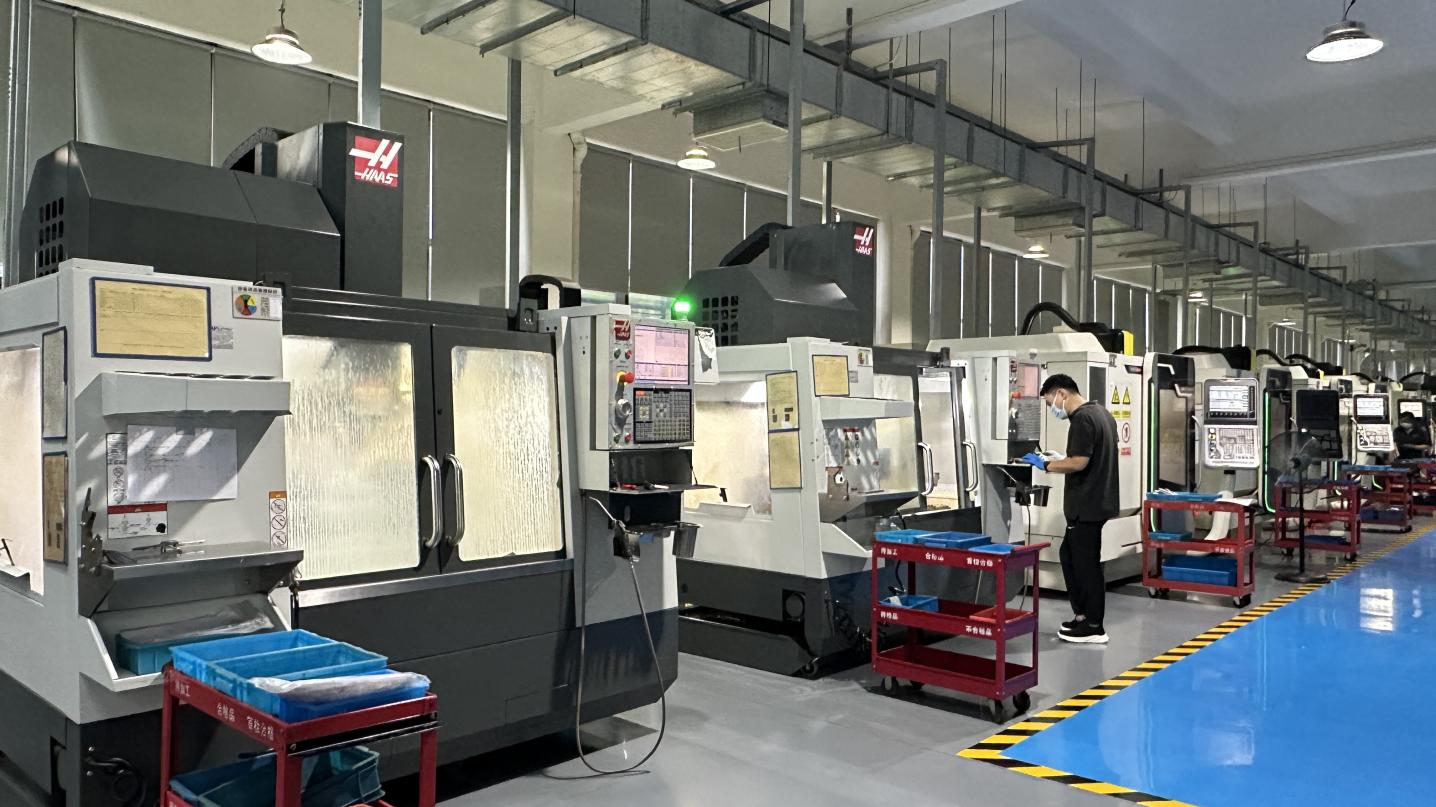
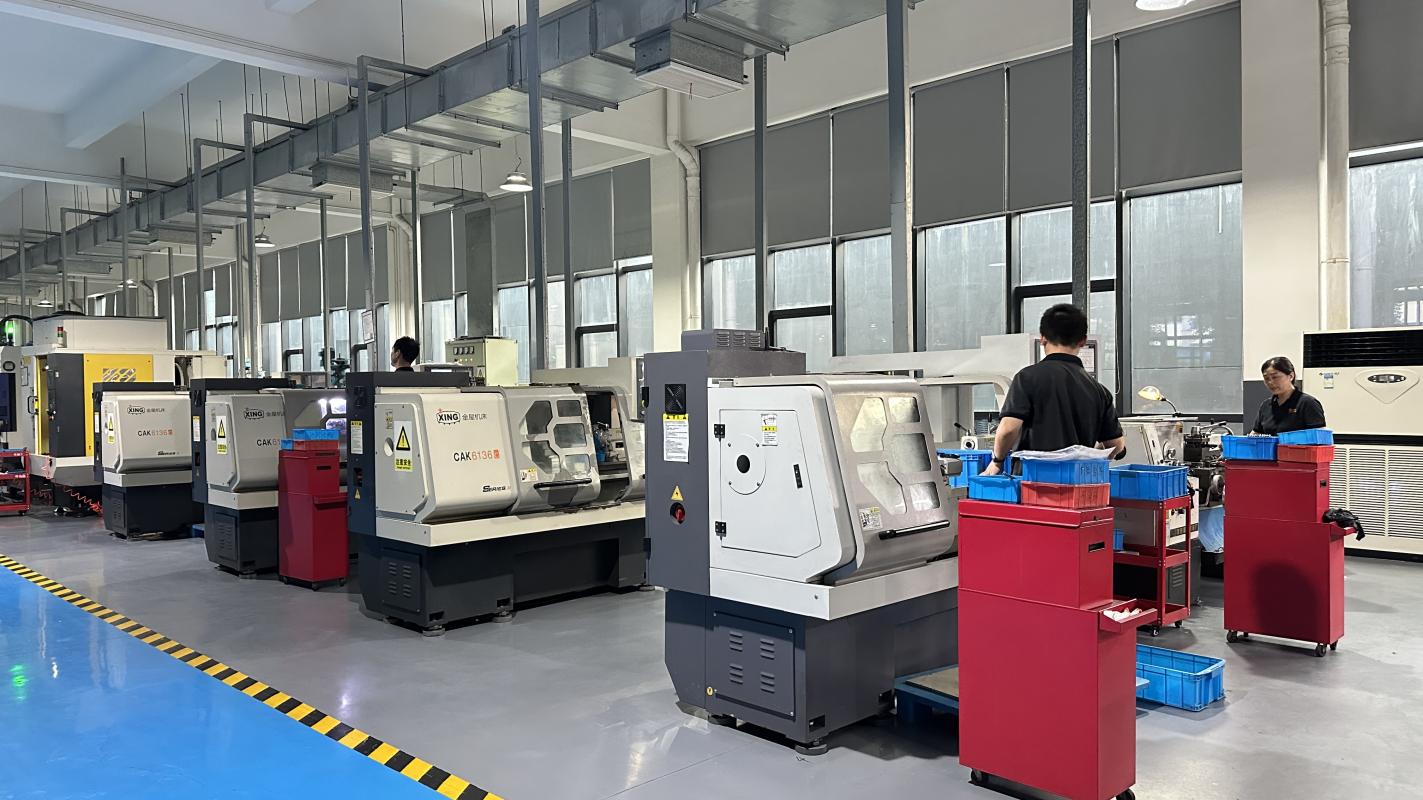
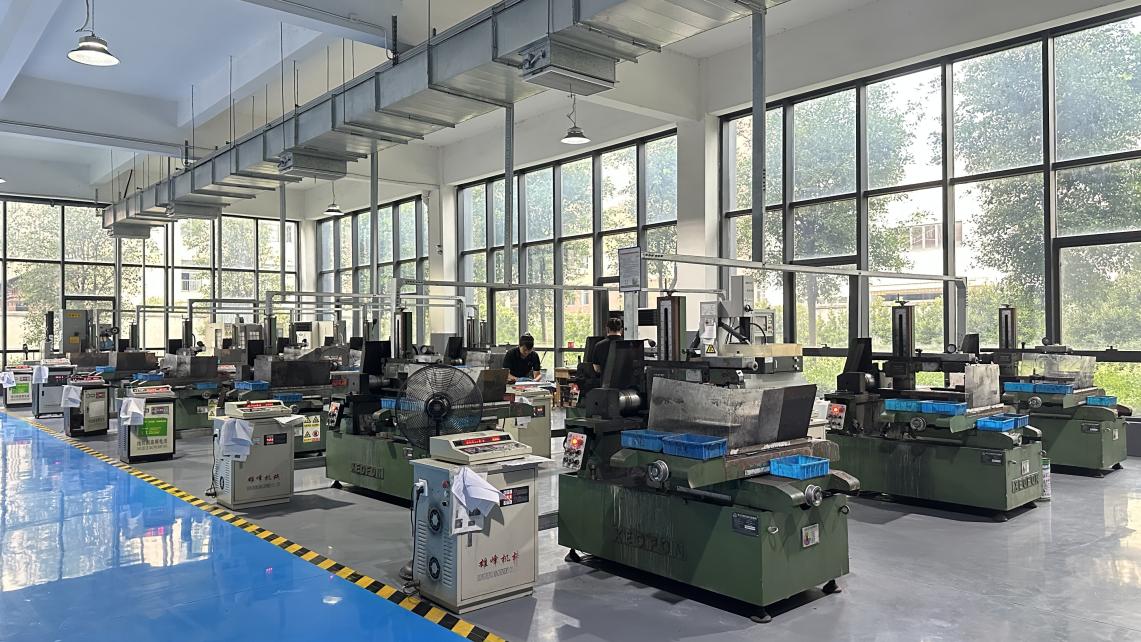
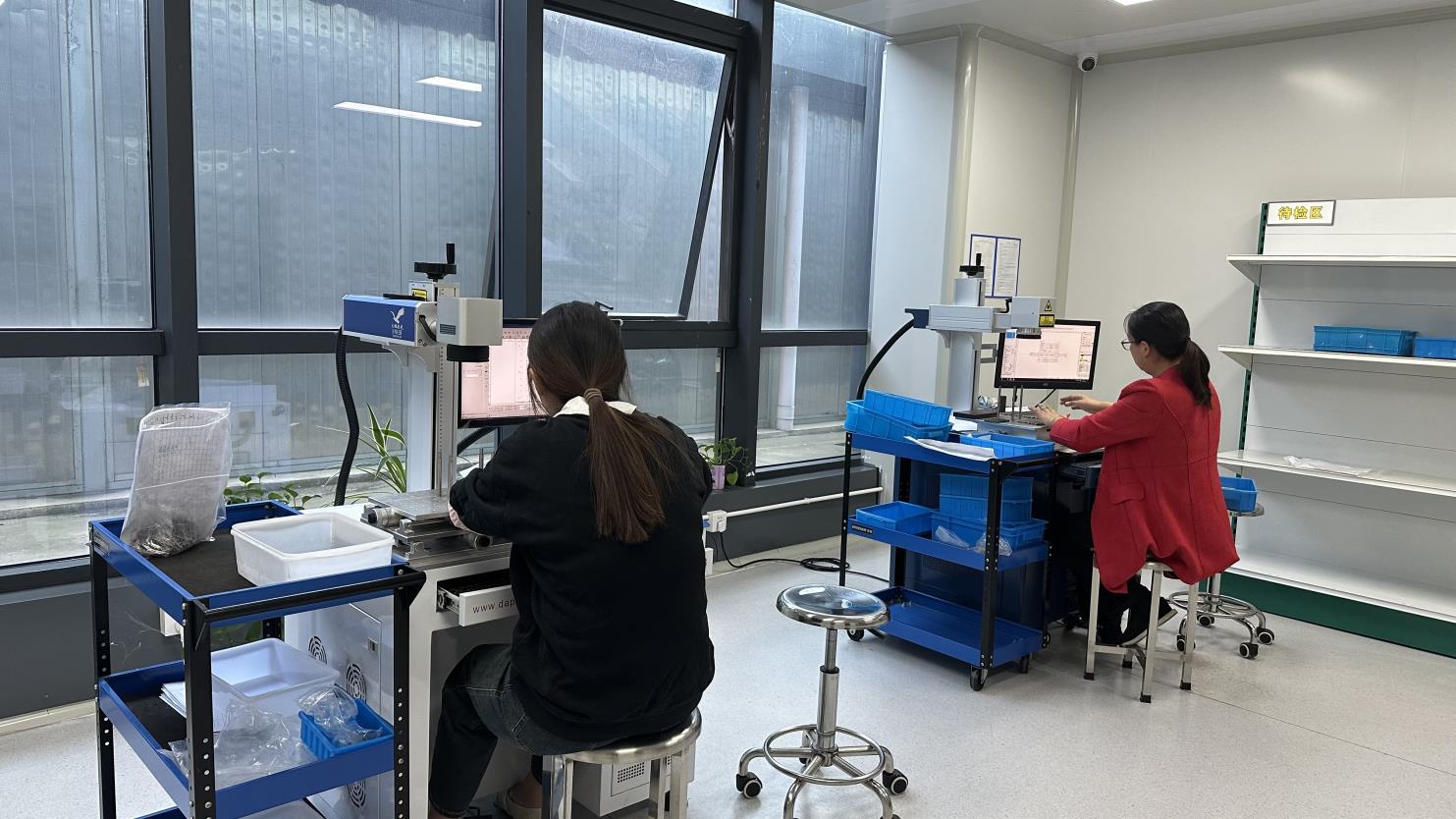
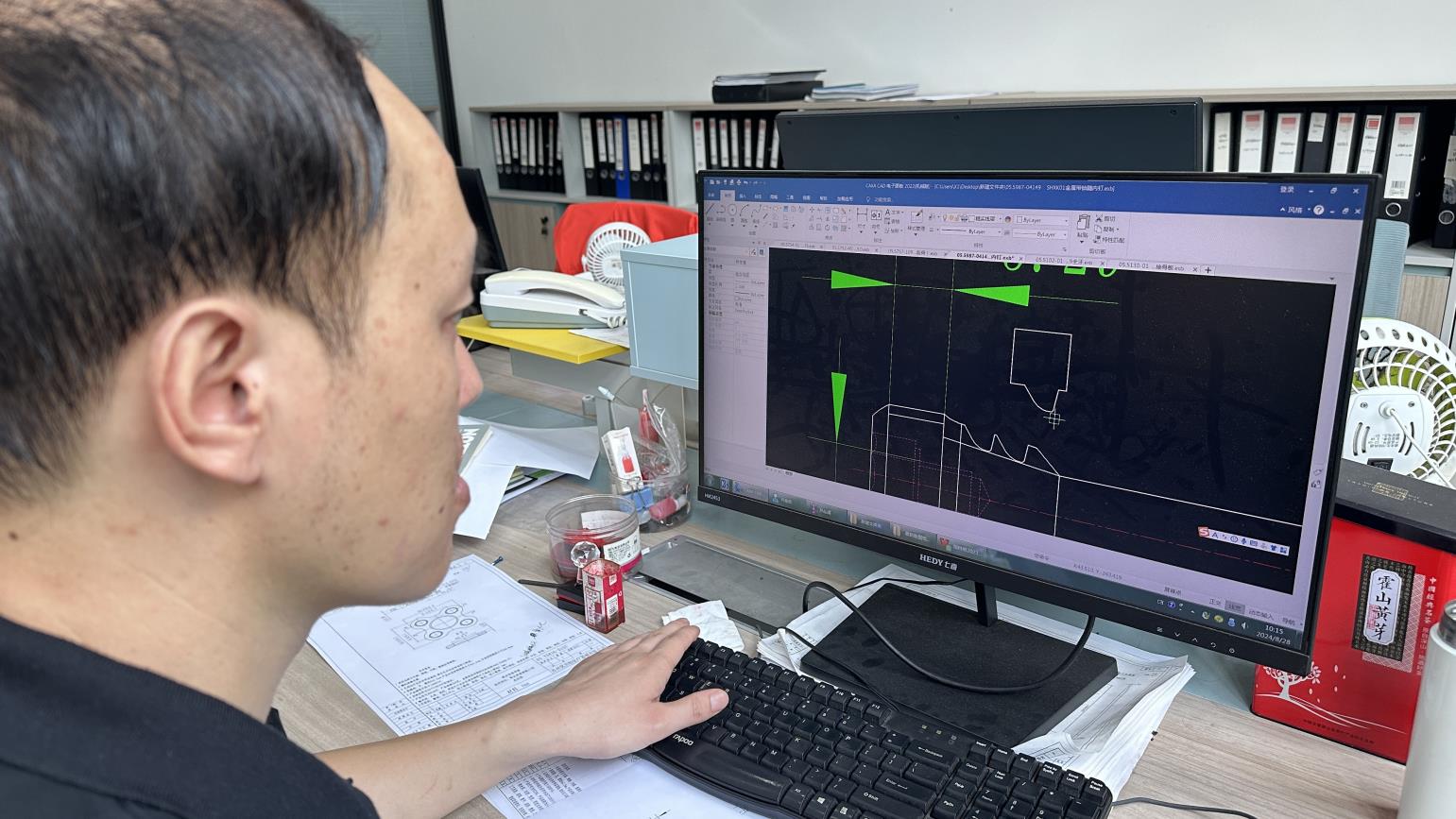
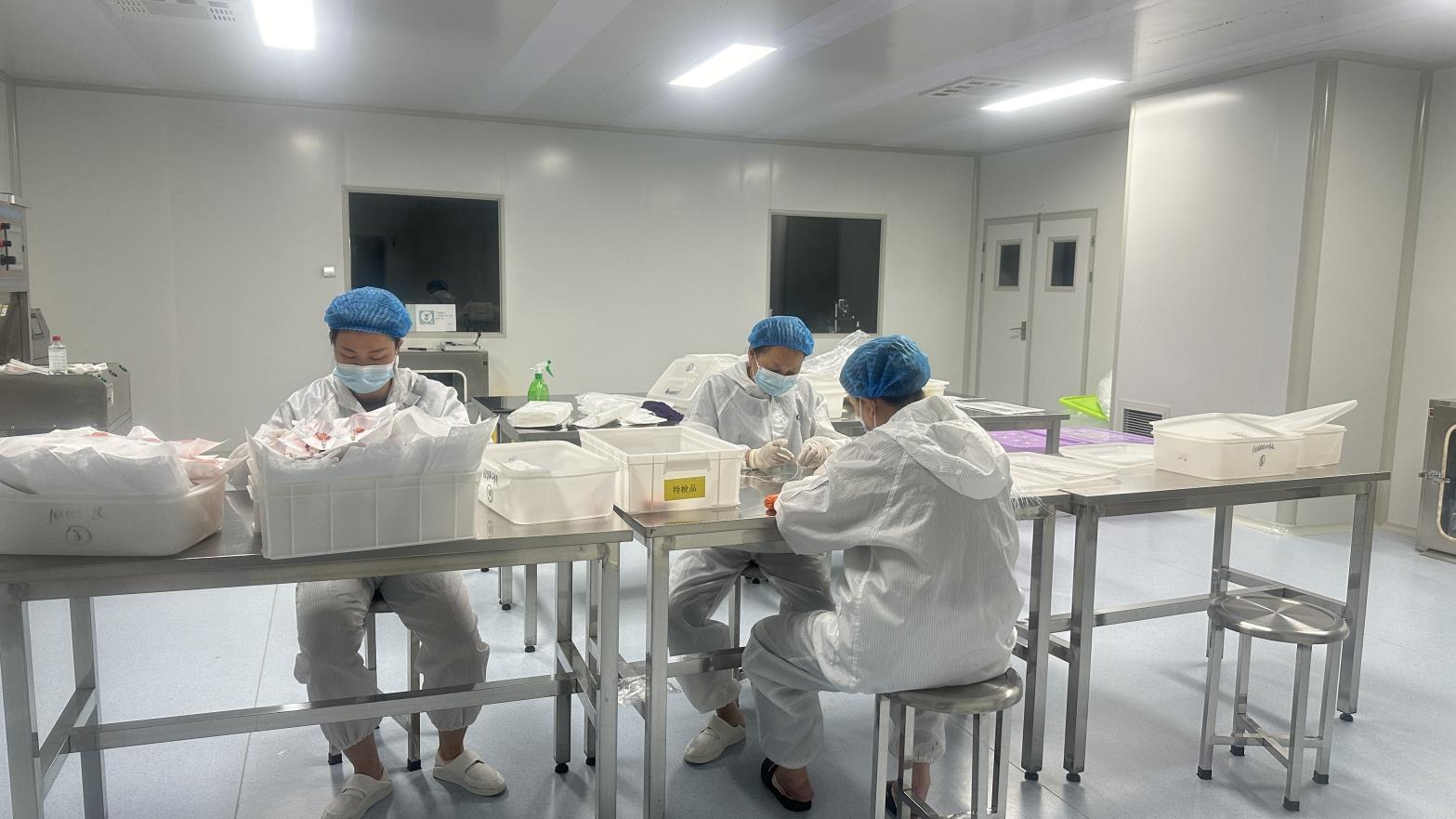
In modern medical device procurement, managing costs while meeting regulatory requirements is essential. Located in China, Bonevia Orthopedic Technology Co., Ltd. operates within a robust manufacturing cluster. This enables cost-effective logistics, access to raw materials, and streamlined manufacturing processes.
Our infrastructure delivers distinct advantages for global distributors and clinical purchasers: Stable lead times, adaptable production, and technical compliance documentation. By sourcing from a network of over 850 partners, we maintain a secure raw material pipeline. This minimizes supply chain disruptions and buffers against global titanium or cobalt-chromium shortages.
Furthermore, our 85-person R&D engineering team translates clinical feedback into customized OEM/ODM designs. Whether modifying stem geometry for local anatomical profiles or developing custom instrumentation trays, our facility bridges the gap between design and high-volume manufacturing.
Designing implants to match anatomical variations, bone quality changes, and evolving surgical approaches.
Patient bone morphology varies significantly. Our cementless femoral stem portfolio includes distinct geometries designed for Dorr Type A (thick, dense cortices), Type B (gradually thinning bone), and Type C (thin, osteoporotic bone) femurs. This ensures primary press-fit mechanical stability across varied bone densities.
Different ethnic demographics present varying femoral geometries. For example, Asian populations typically display smaller femoral canal diameters and different bowing angles compared to Western populations. We offer localized sizing matrices with adjusted proximal flares to prevent implant-bone mismatch.
The popularity of minimally invasive surgical approaches, such as the Direct Anterior Approach, requires specialized, curved, or short-stem implant geometries. These designs preserve healthy bone and soft tissue while allowing for straightforward insertion without compromising primary stability.
Modern implantology focuses on biologic fixation. Using plasma spray technology, we apply double-layered coatings of Titanium and Bioactive Hydroxyapatite (HA). This setup encourages rapid osteointegration, forming a secure biological bond with the host bone to mitigate late implant migration.
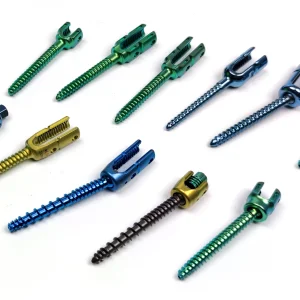
Select orthopedic implants, trauma plates, and sports medicine fixation systems engineered for long-term clinical success.
Key questions on metallurgy, certification, supply chains, and clinical implementation.
Company Profile – Bonevia Orthopedic Technology Co., Ltd.
Bonevia Orthopedic Technology Co., Ltd. is a professional manufacturer specializing in orthopedic implants and surgical solutions, dedicated to advancing innovation in trauma, spine, and joint reconstruction products. Since its establishment in 2015, the company has grown steadily into a trusted supplier in the global orthopedic industry.
With a modern production facility covering approximately 320㎡, Bonevia maintains strict quality management standards and efficient manufacturing processes. The company records an annual export revenue of around USD 8–15 million, supported by 6 years of export experience and over 10 years of overall industry experience.
Quality assurance is a core focus at Bonevia. The company implements multiple inspection methods including incoming material inspection, in-process quality control, and final product testing, supported by a dedicated quality team of 35 professionals. This ensures all products meet international medical device standards.
Bonevia has a solid trade foundation with diversified global distribution networks, serving major markets across Europe, Southeast Asia, the Middle East, and South America. Its supply chain ecosystem includes more than 850 partners, enabling stable raw material sourcing and efficient production delivery.
The company serves a wide range of clients, including hospitals, orthopedic clinics, surgical centers, and medical distributors. Bonevia also demonstrates strong R&D capabilities, offering OEM and ODM customization services to meet specific clinical requirements.
In the past year, Bonevia successfully launched 120 new product designs, supported by a research and development team of 85 engineers, continuously driving innovation in orthopedic implant systems and surgical instruments.