Bonevia
Bonevia
Bonevia
Premium class II & III medical instruments matching worldwide clinical standards
Polyaxial pedicle screws represent a fundamental evolutionary step in spinal fusion technology. Unlike monoaxial counterparts, the polyaxial design allows a wide angulation range (typically up to 60 degrees) of the screw head relative to the shaft. This multidirectional freedom accommodates complex spinal alignments, reducing intraoperative stress on the vertebrae and easing rod contouring during spinal fixation.
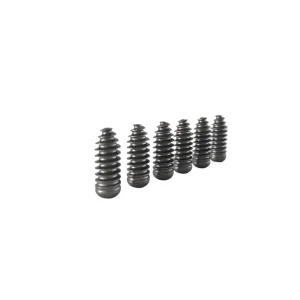
Bonevia Orthopedic Technology Co., Ltd. incorporates state-of-the-art mechanical concepts, including dual-lead threads, self-tapping tips, and optimized buttress threads to maximize pullout strength. Leveraging biocompatible medical-grade Titanium Alloys (Ti-6Al-4V ELI / ASTM F136), our screws deliver an elite balance of fatigue resistance, biomechanical strength, and magnetic resonance imaging compatibility.
A rigorous, step-by-step production ecosystem certified to international sterile and medical device guidelines

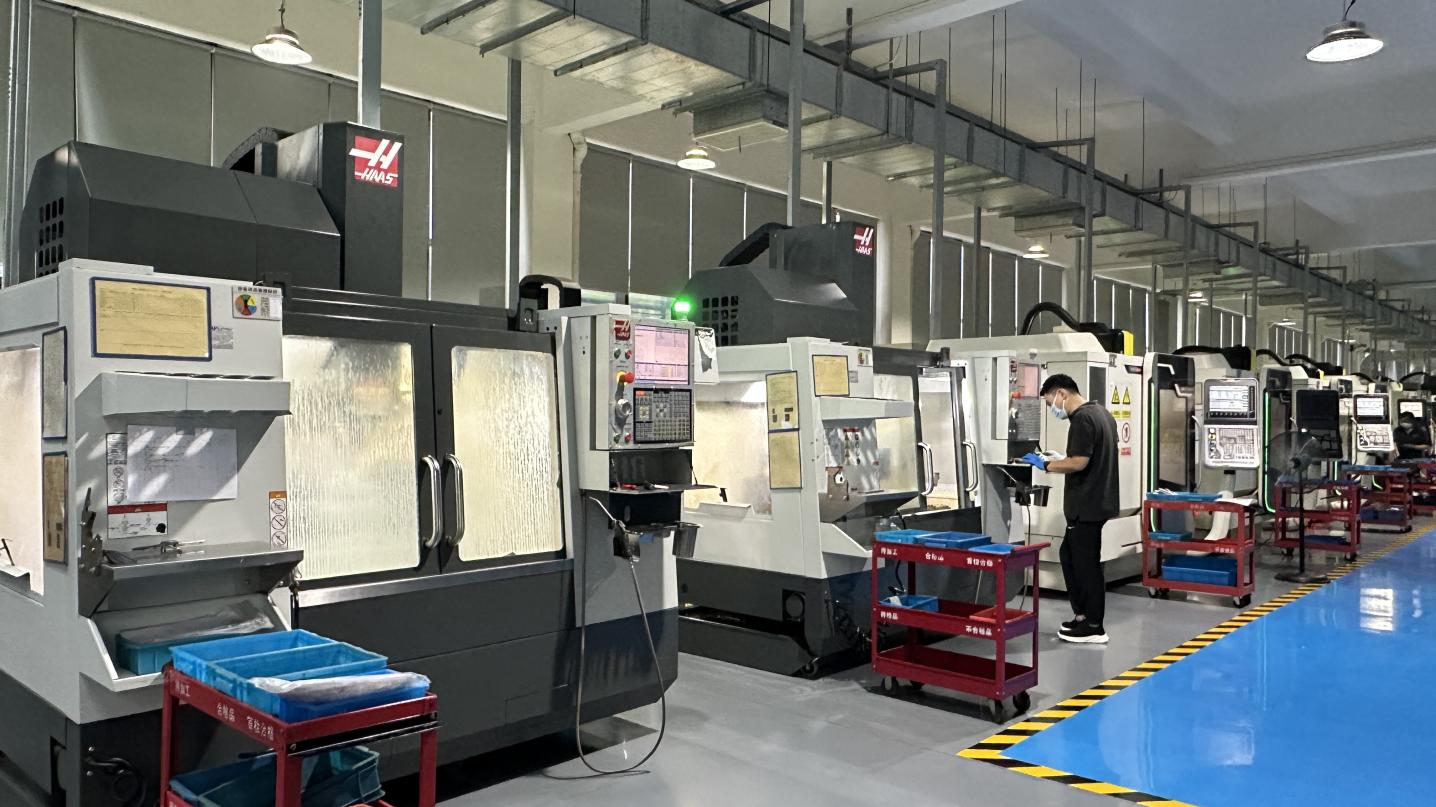
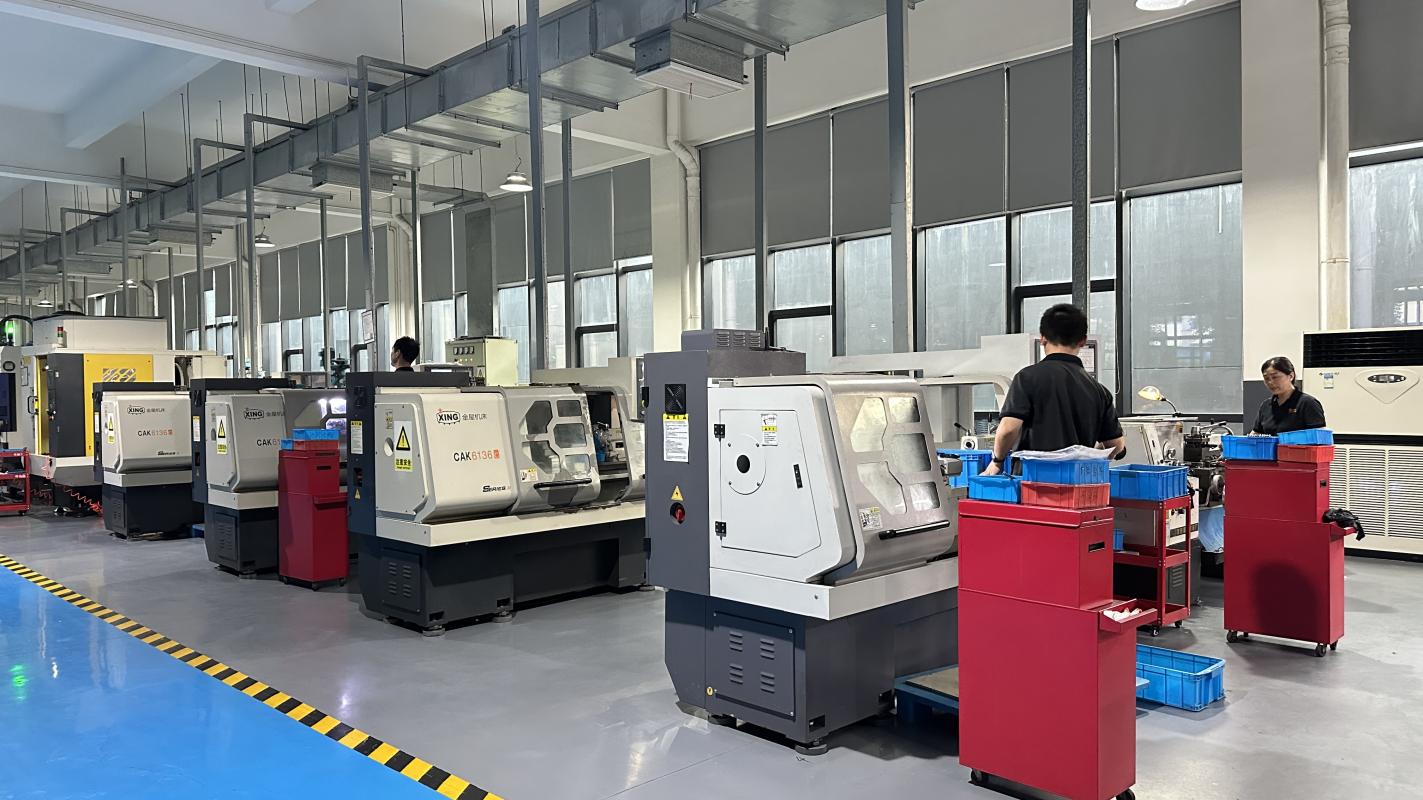
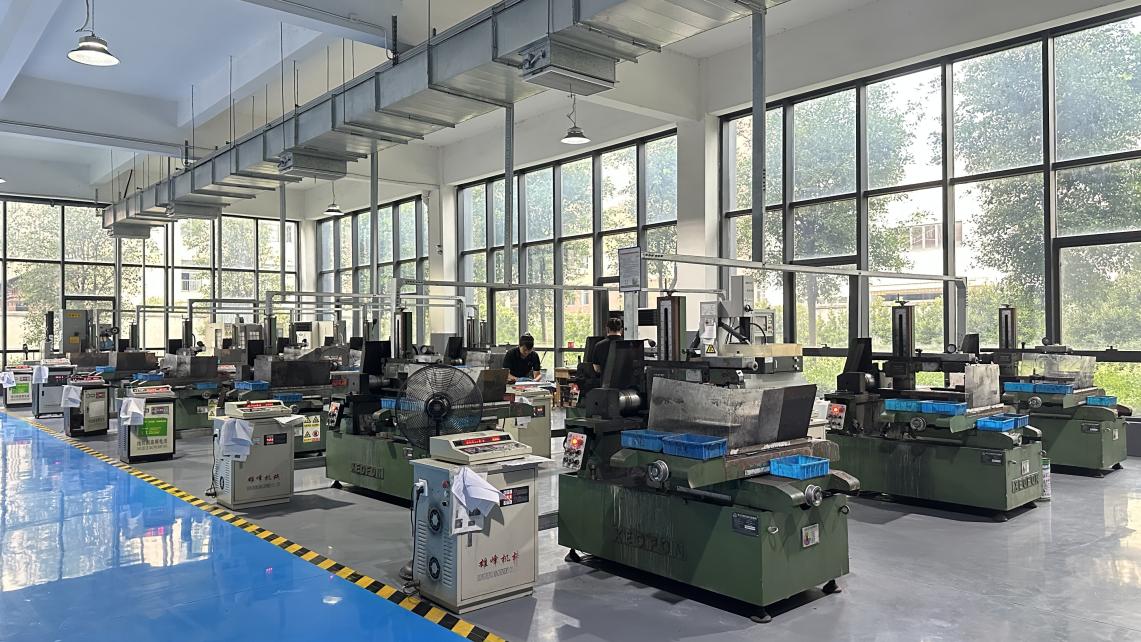
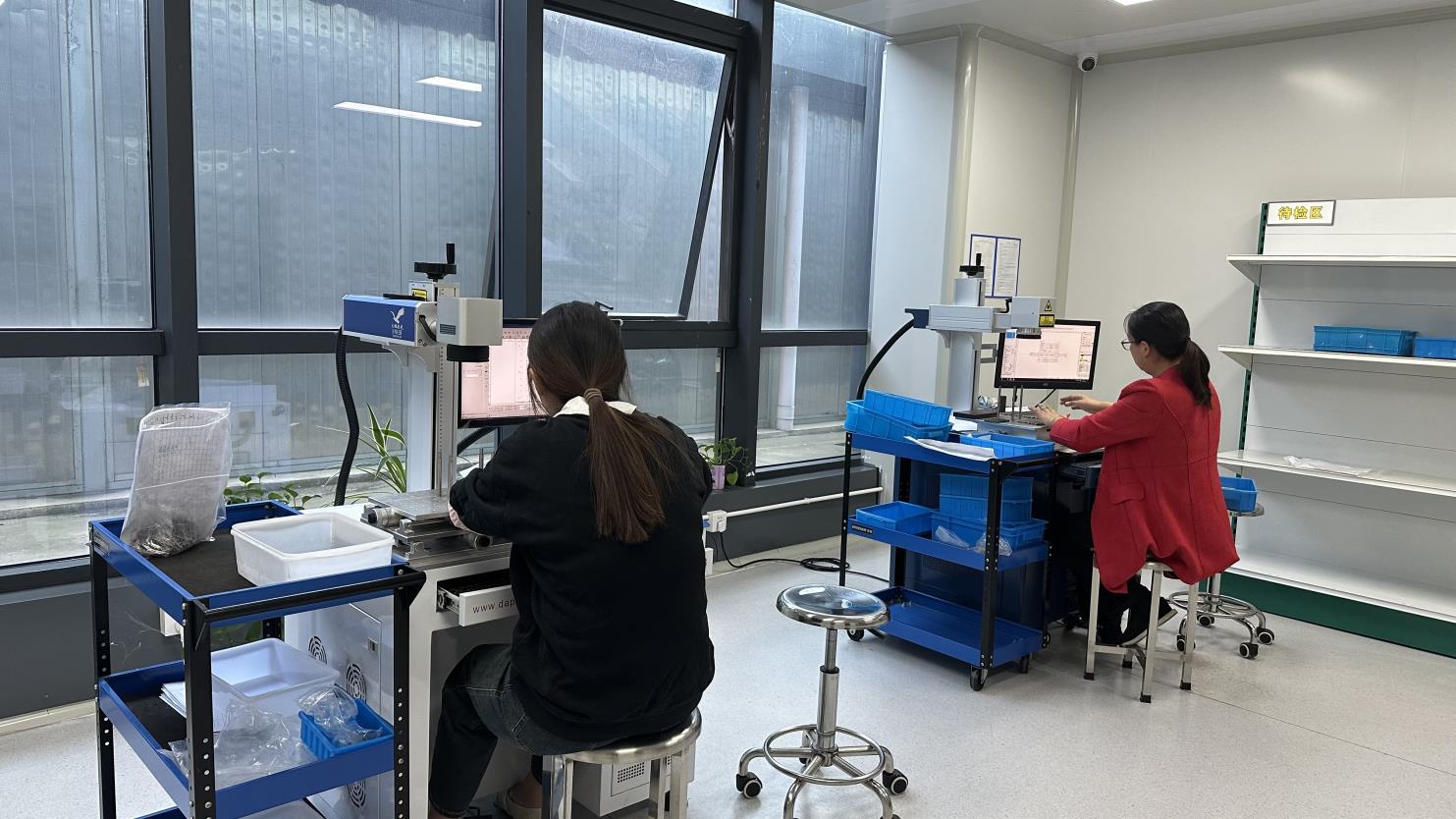
A synergistic ecosystem blending industrial scale, premium logistics, and advanced material science
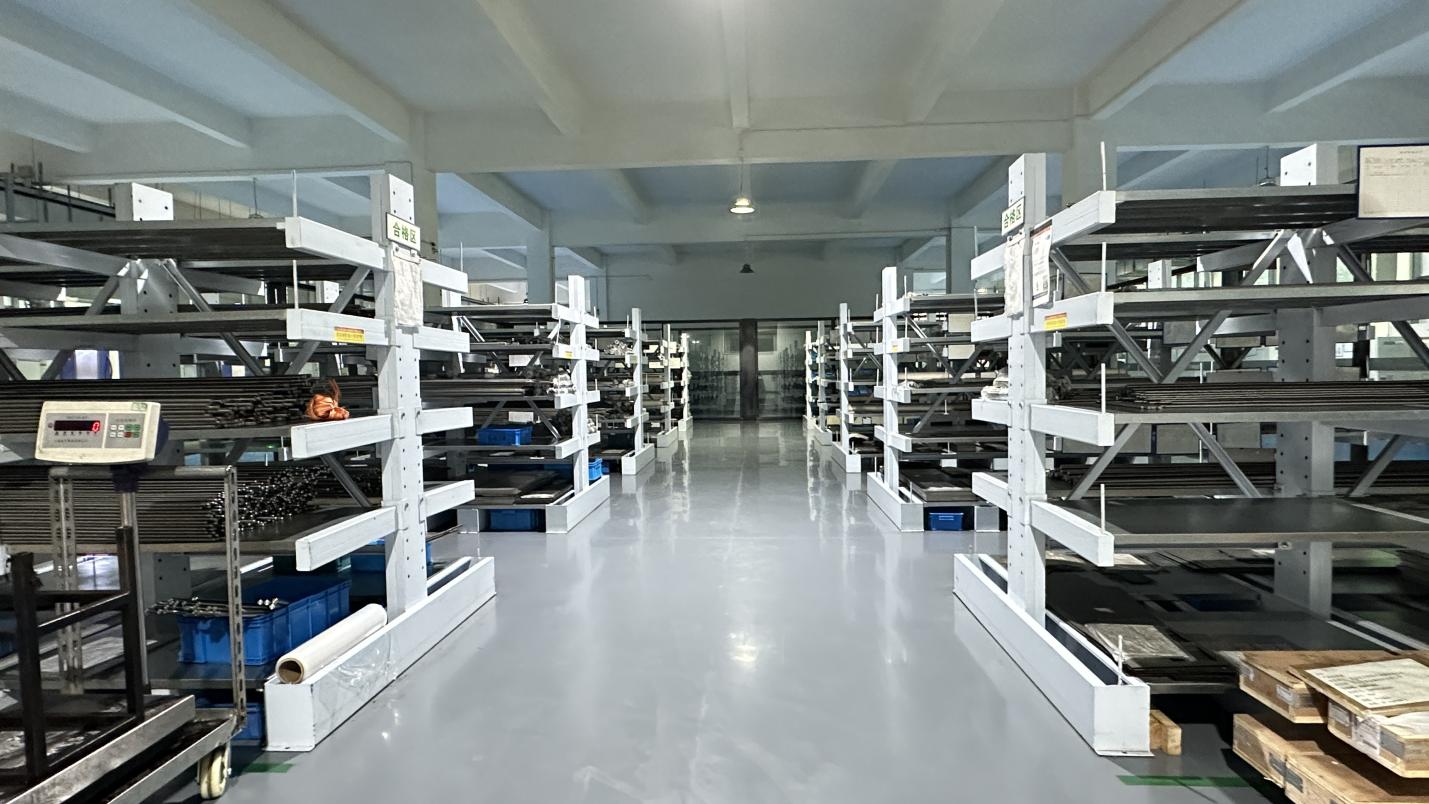
From medical-grade titanium wire drawing to sterile barrier packing, our supply cluster cuts down transit times and ensures unmatched material traceability. Bonevia maintains long-term contracts with China’s premier medical-grade titanium mills, ensuring pricing stability even in volatile market conditions.
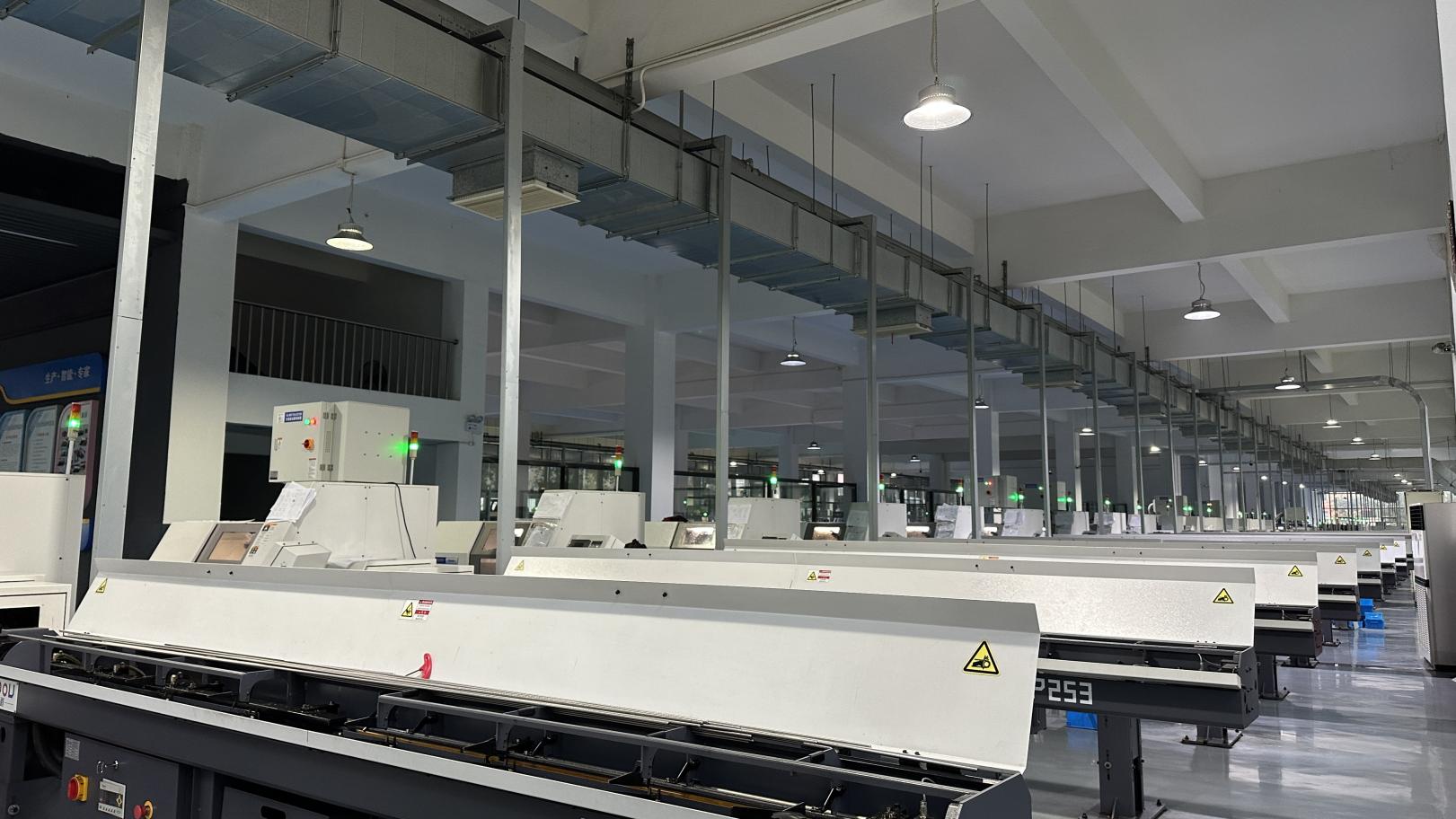
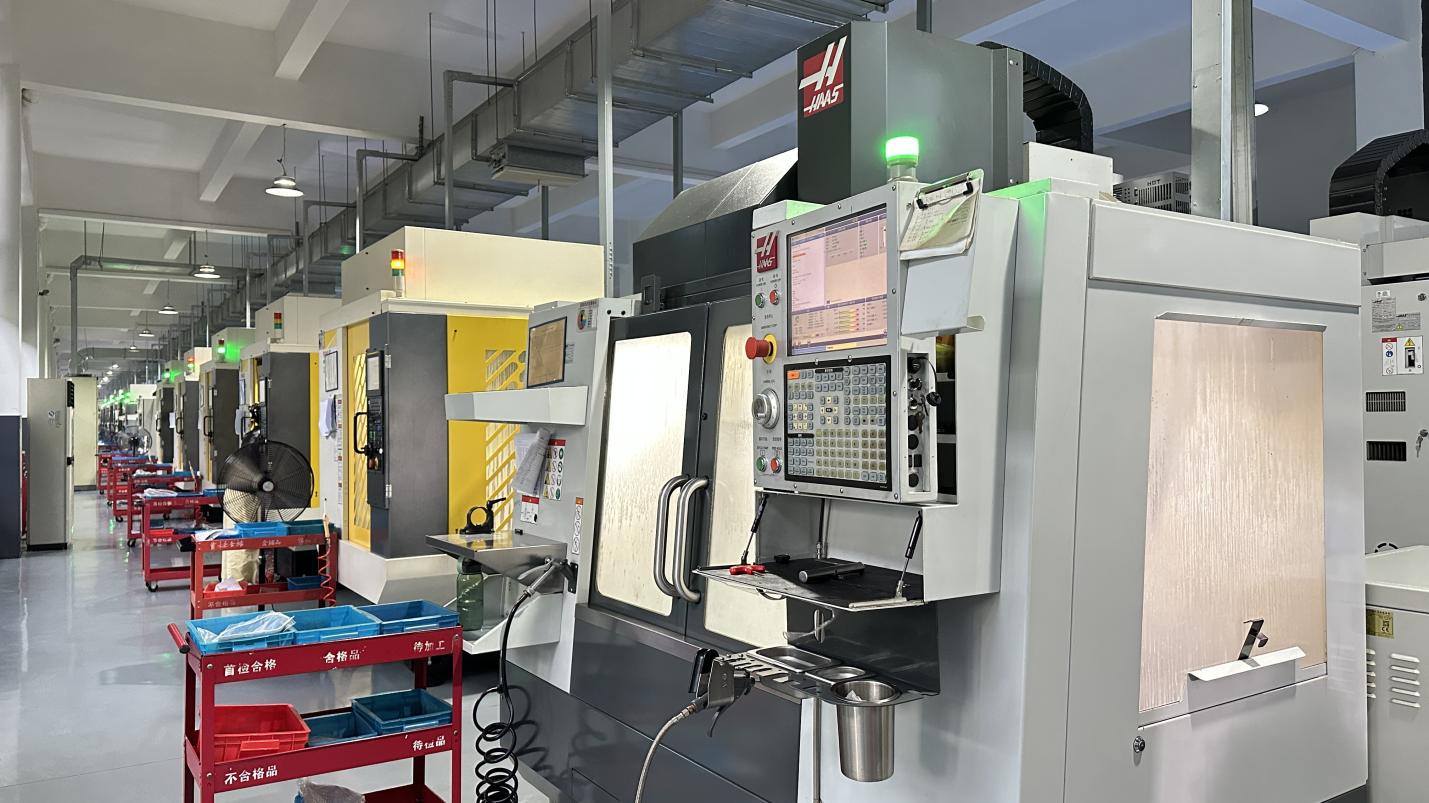
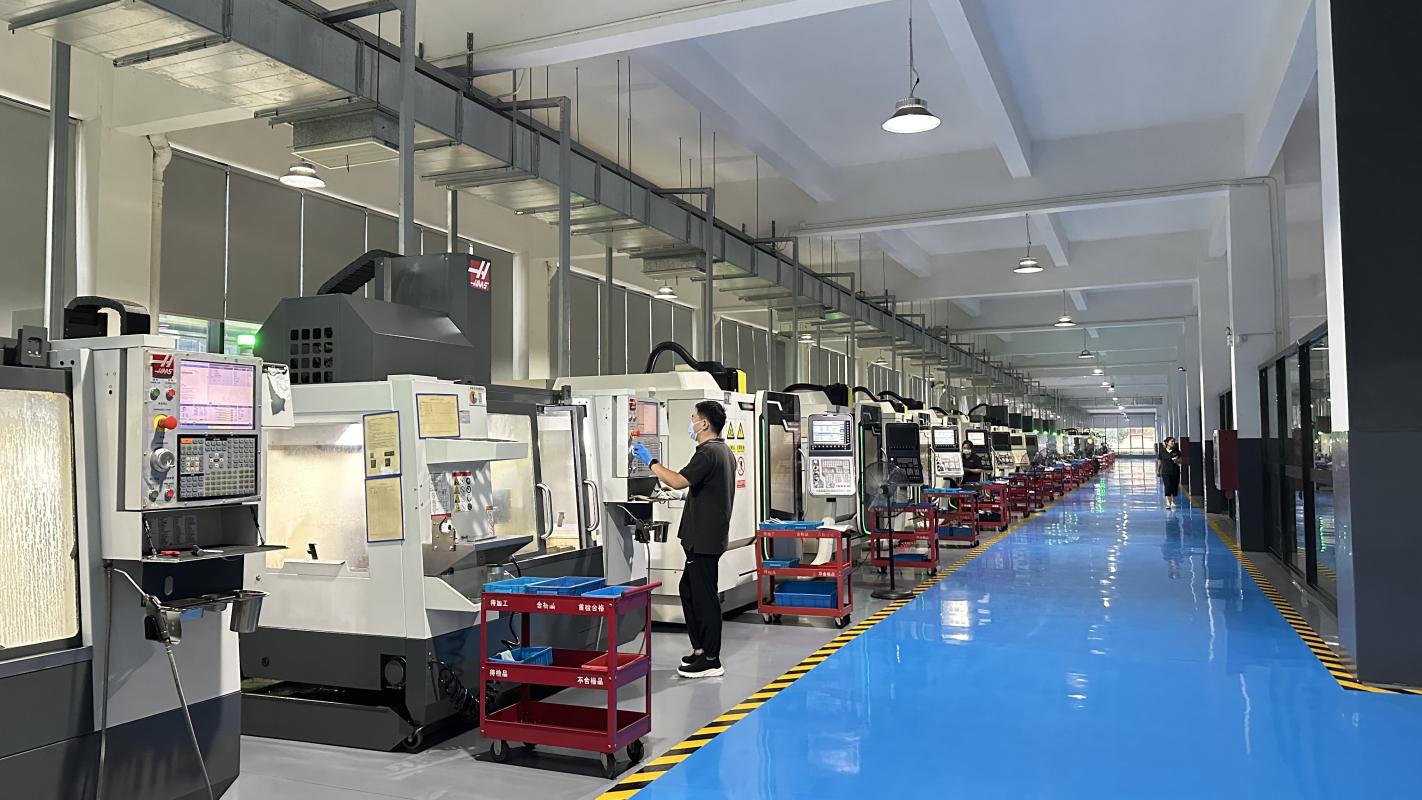
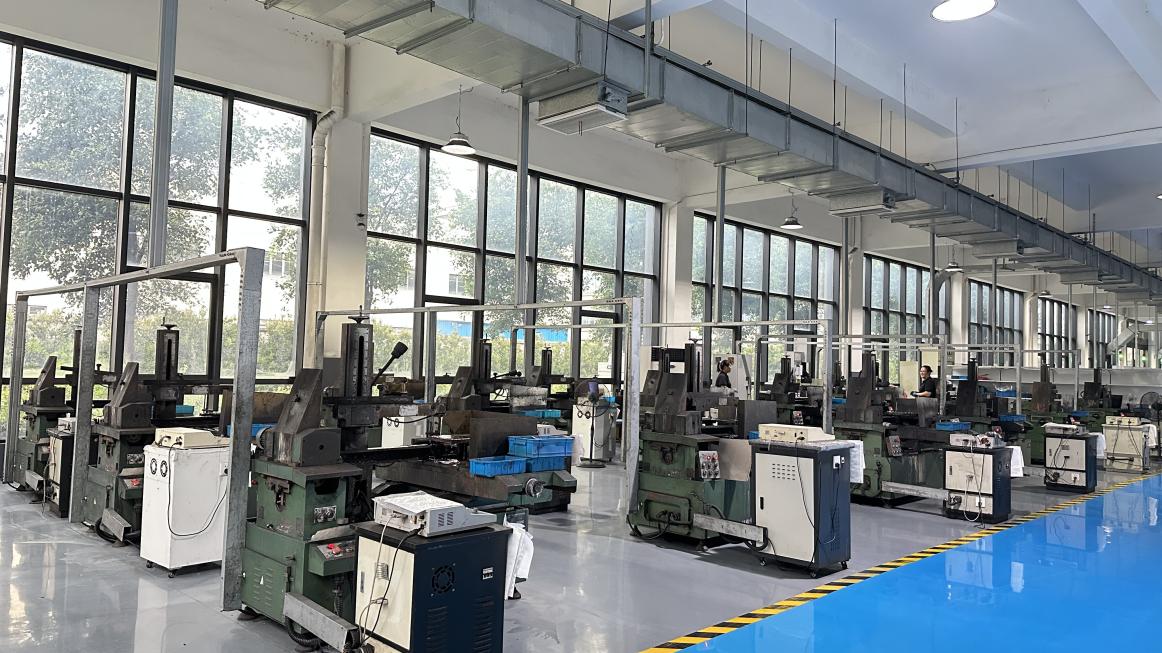
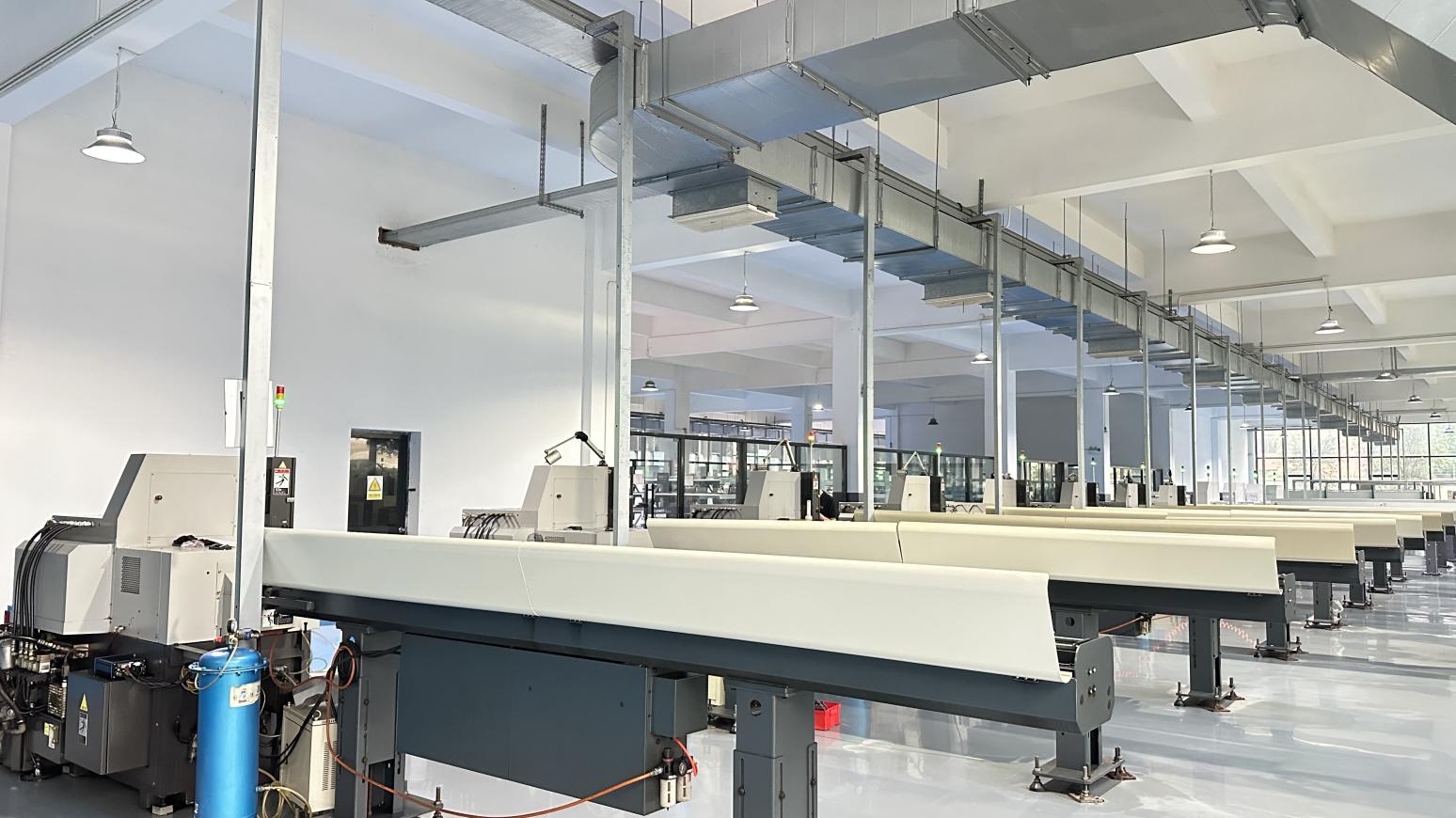
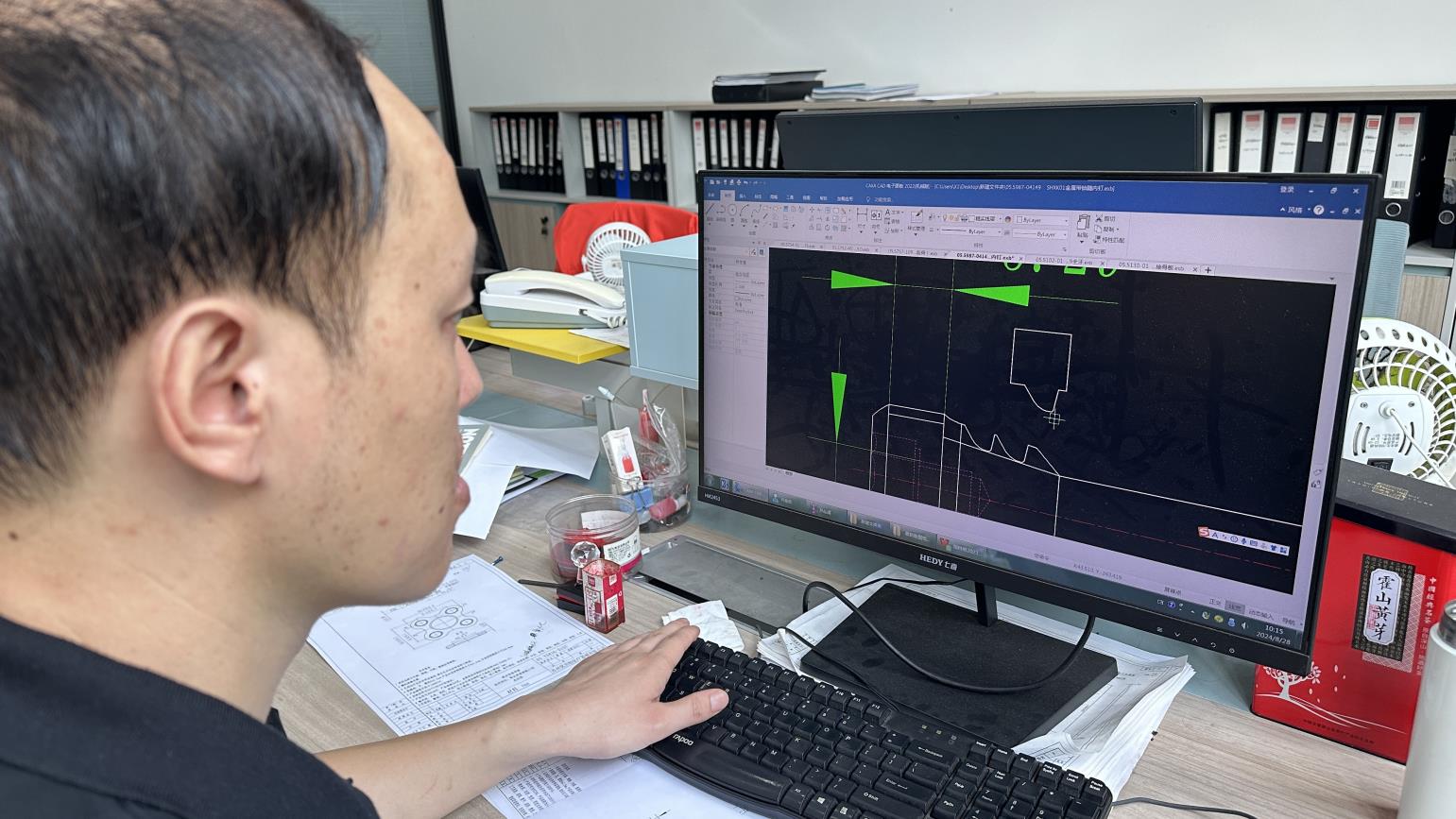
Chinese factories utilize high-end multi-axis Citizen CNC lathes and precision wire-cutting machinery. The result is micron-level tolerances that ensure smooth saddle movement and precise thread profiles. This keeps the screw insertion torque and ultimate pull-out force aligned with global expectations.
Proximity to key shipping hubs like Shanghai and Shenzhen allows efficient express courier routing, container freight options, and multi-modal air solutions. Distributors benefit from shortened transit windows, lowering inventory carrying costs and facilitating just-in-time clinical stock management.
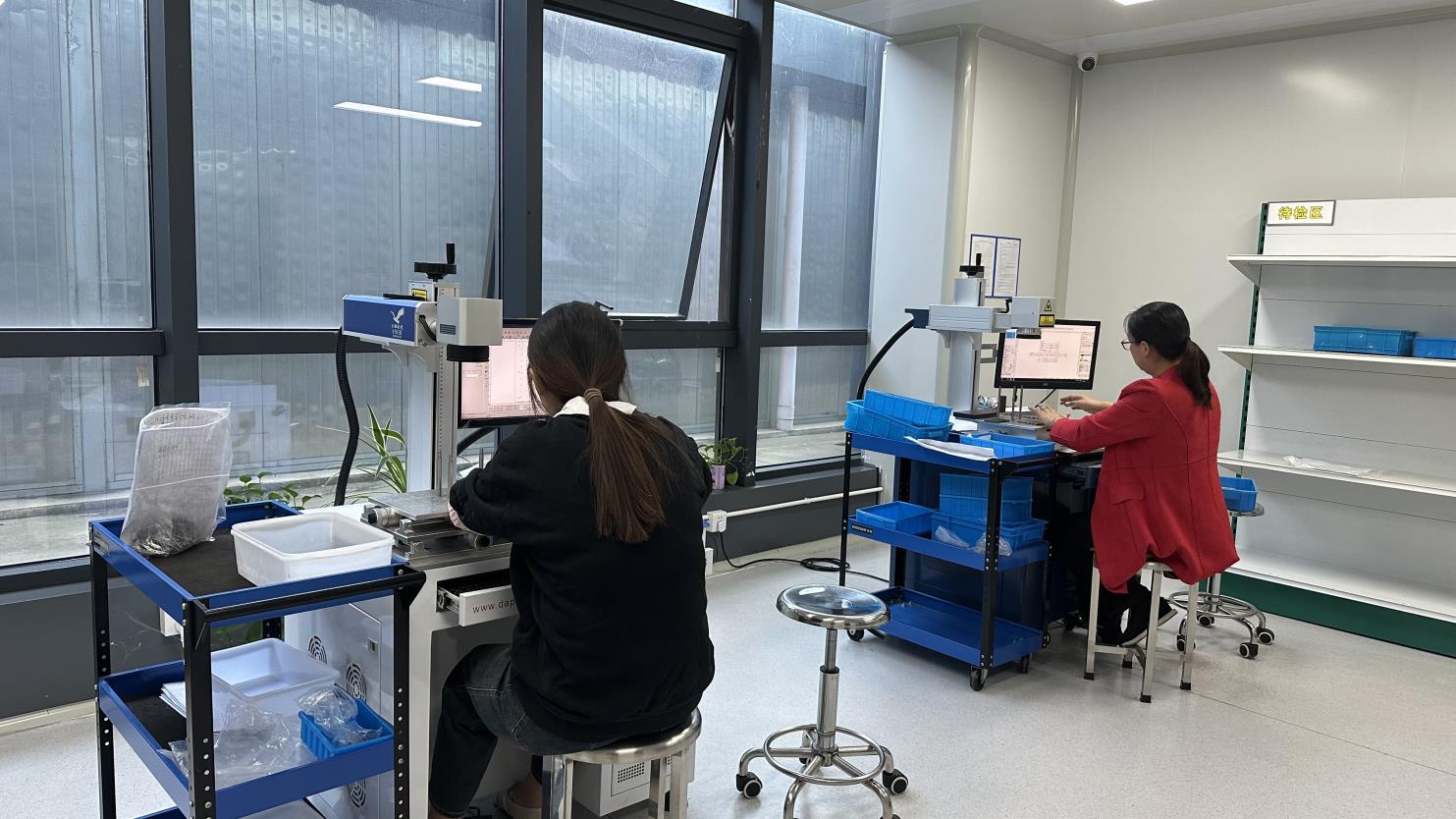
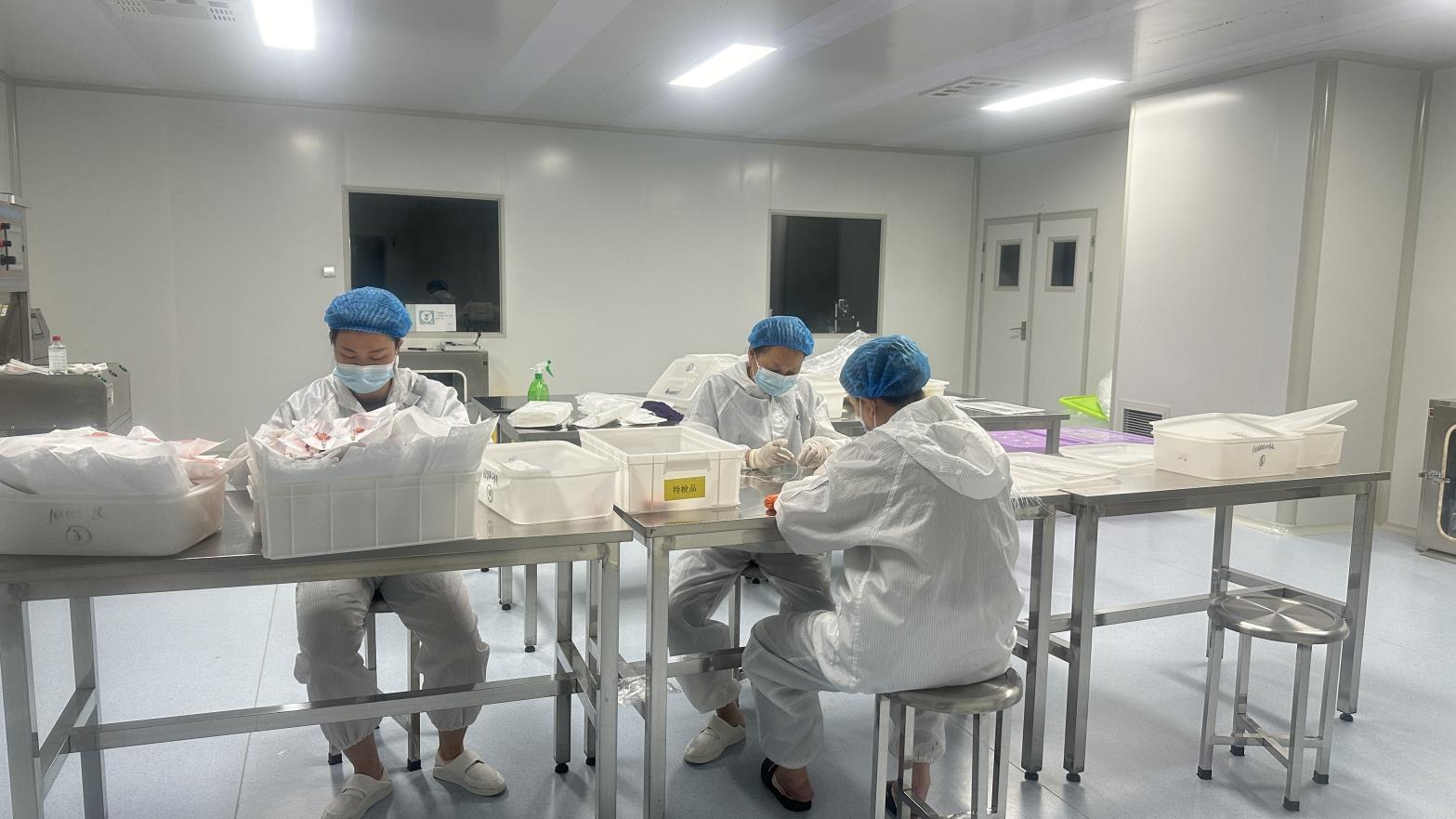
Orthopedic implants mandate the absolute peak of trust and predictability. At Bonevia Orthopedic Technology Co., Ltd., quality control is not a step at the end of the line—it is integrated into every phase. Our dedicated team of 35 quality assurance professionals oversees operations within our specialized facility.
We perform systematic structural evaluations mirroring ASTM F1717 and ISO 12189 standards, including static compression bending tests, static torsion tests, and high-cycle dynamic fatigue evaluations. With these tests, we ensure the construct handles repeated spinal load profiles over millions of cycles. Our raw titanium material undergoes incoming spectral composition analysis, ultrasonic flaw detection, and mechanical tensile validation before it is queued for slitting and machining.
Our customization capacity (both OEM and ODM) is powered by a design cell of 85 engineers. In the past year alone, we generated 120 new product designs, accommodating special anatomical needs, low-profile screw designs, and custom instrumentation kits required by surgeons across South America, Europe, the Middle East, and Southeast Asia.
Bridging language, logistics, and legal compliance barriers for smooth product onboarding
We supply extensive regulatory packages, including mechanical testing data sheets, sterilization cycle validations, biocompatibility evaluations (ISO 10993), and clinical evidence summaries. These files facilitate registration steps with local Ministries of Health and regulatory bodies.
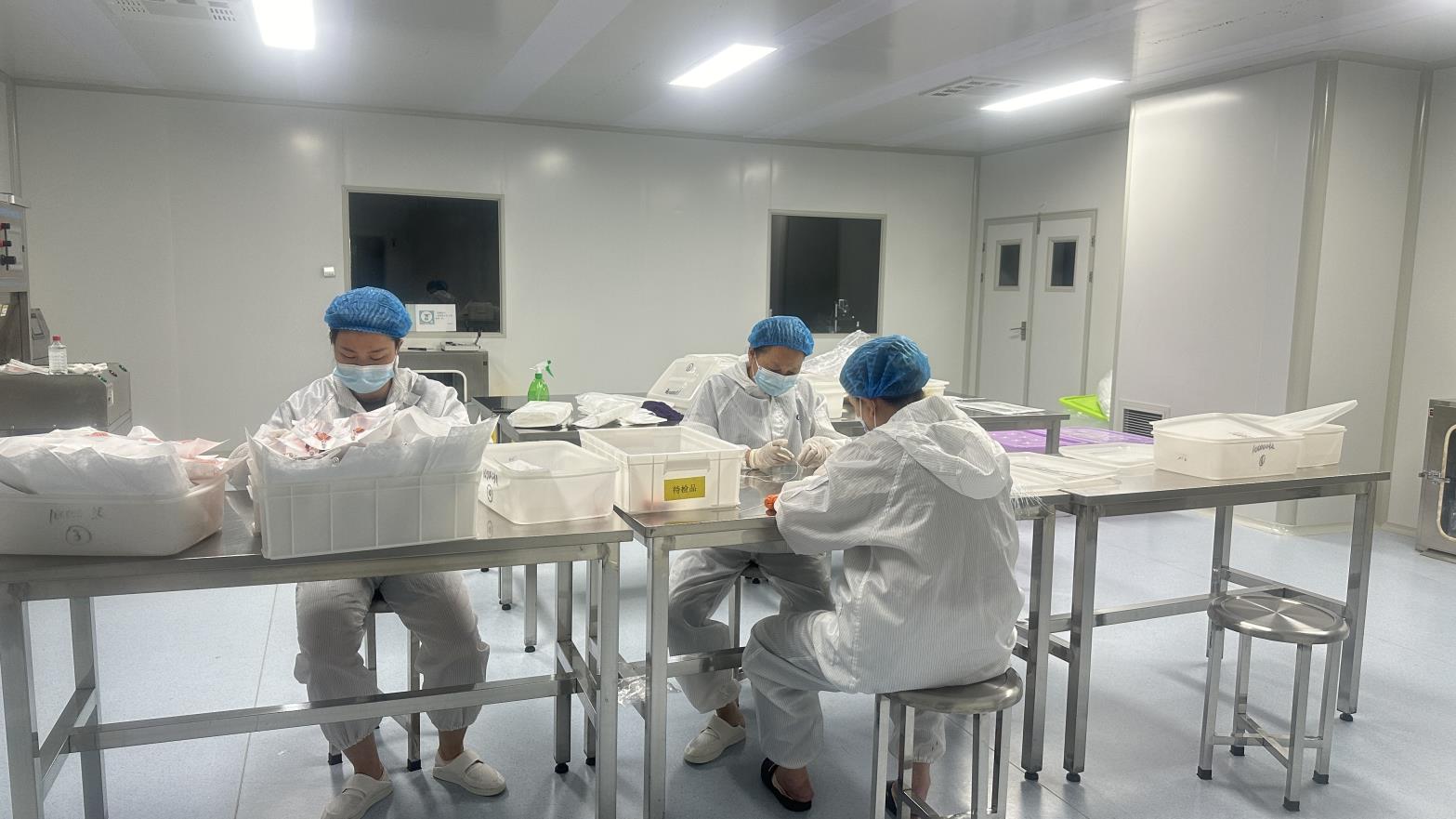
Implants can be supplied in cleanroom-packaged sterile blister cards ready for rapid clinical deployment or in bulk non-sterile batches. The latter are cleaned and processed locally by regional distributors to match custom branding profiles.
Bonevia offers technical video briefings, assembly animations for instrumentation sets, and direct consulting sessions with our engineering staff. This guarantees that your sales force and local medical advisory boards fully grasp the mechanics of our pedicle screw assemblies.
Empowering orthopedic surgeons with high surgical flexibility and robust biomechanical stability
Scoliosis causes rotational and multi-planar deformities of the vertebrae. The wide angulation scope of polyaxial screws allows the surgeon to anchor the spine firmly, avoiding complex pre-bending of the titanium rods. The screw heads adapt smoothly to the rotation, reducing mechanical pressure on the vertebral pedicle wall.
For patients suffering from listhesis (vertebral displacement), polyaxial screws enable structured reduction. Working alongside reduction instrumentation, surgeons can steadily bring the vertebrae back into horizontal alignment. This process distributes stress evenly over the sagittal plane, reducing construct fatigue.
High-energy trauma and unstable compression fractures demand rigid, fast stabilization. Self-tapping, dual-thread screws provide reliable bone purchase in challenging situations. The ease of head-rod alignment ensures the construct can be locked down rapidly, minimizing patient time under general anesthesia.
Staying at the forefront of spinal surgery innovations and orthopedic medical engineering
We are observing a shift toward percutaneous screw placements. Modern polyaxial systems feature extended screw sleeves or tabs. These guide the rod down beneath the muscle layer, minimizing tissue retraction and speeding up postoperative patient recovery.
Implants with surface treatments like hydroxyapatite (HA) coating or porous titanium structures are gaining popularity. These enhance osseointegration at the bone-screw interface, reducing the risk of screw loosening in osteoporotic or geriatric patients.
Computer-assisted navigation systems and robotic guides require high tolerances for implant mating connections. Bonevia’s strict quality metrics guarantee compatibility with standard surgical templates and optical tracking markers.
Answering key structural and regulatory questions for biomedical buyers and distributors
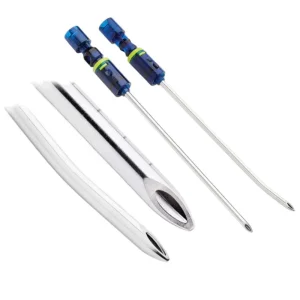
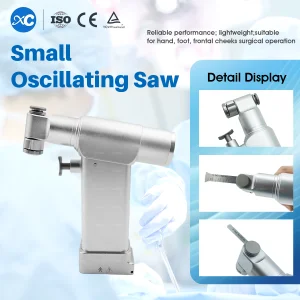
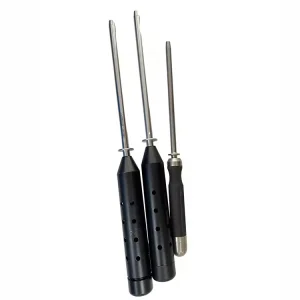
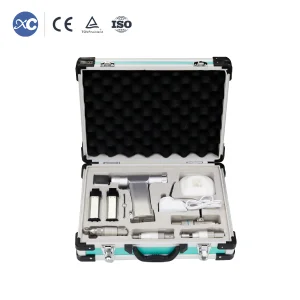
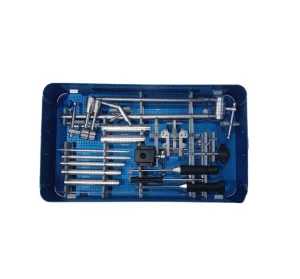
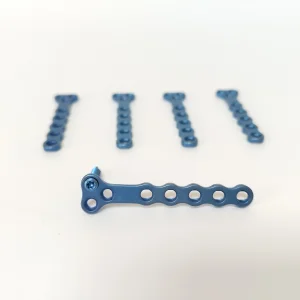
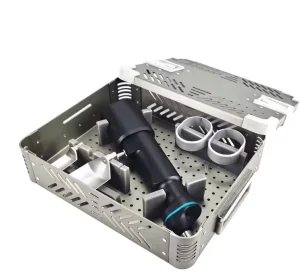
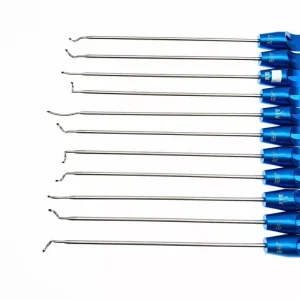
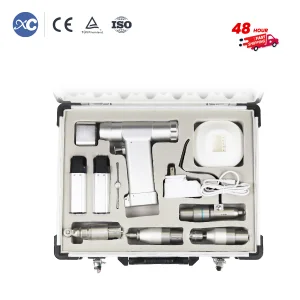
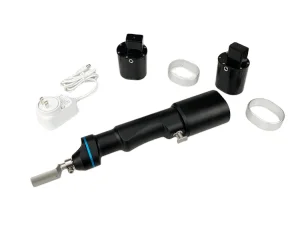
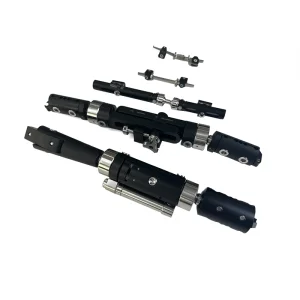
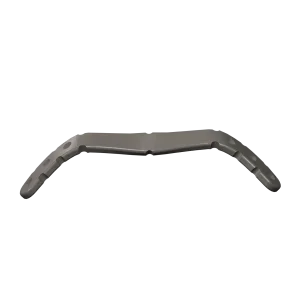
Premium trauma systems, micro-instruments, and power tools supporting hospital and clinical demands