Bonevia
Bonevia
Bonevia
Explore our certified orthopedic solutions engineered for trauma, spine, joint reconstruction, and sports medicine. Engineered for clinical accuracy and high performance.
Humeral intramedullary nails represent a critical cornerstone in modern orthopaedic trauma fixation. Indicated primarily for unstable humeral shaft fractures, pathological fractures, non-unions, and impending osteoporotic failures, intramedullary nailing offers significant biomechanical advantages over traditional open plate fixation. By acting as an intramedullary load-sharing device, it preserves the periosteal blood supply, minimizes soft-tissue dissection, and provides superior torsional and axial stability through dynamic locking mechanisms.
On a global industrial level, the market for humeral nails is witnessing robust growth, driven by an aging population susceptible to fragility fractures, a rise in high-energy trauma incidents, and the rapid shift towards minimally invasive surgeries (MIS). Globally, hospitals, surgical centers, and orthopaedic clinics demand implant designs that offer anatomical adaptability, simplified targeting systems, and optimal biocompatibility (utilizing medical-grade alloys such as Ti-6Al-4V ELI or Cobalt-Chromium).
OEM customization has emerged as a key strategic growth vector. With varying skeletal anatomy across regional demographics, international medical device distributors and multinational orthopedic brands require tailored implants that feature optimized insertion angles, multiple distal locking hole configurations, and advanced surface treatments such as anodization to facilitate osseointegration and reduce hardware removal difficulties.
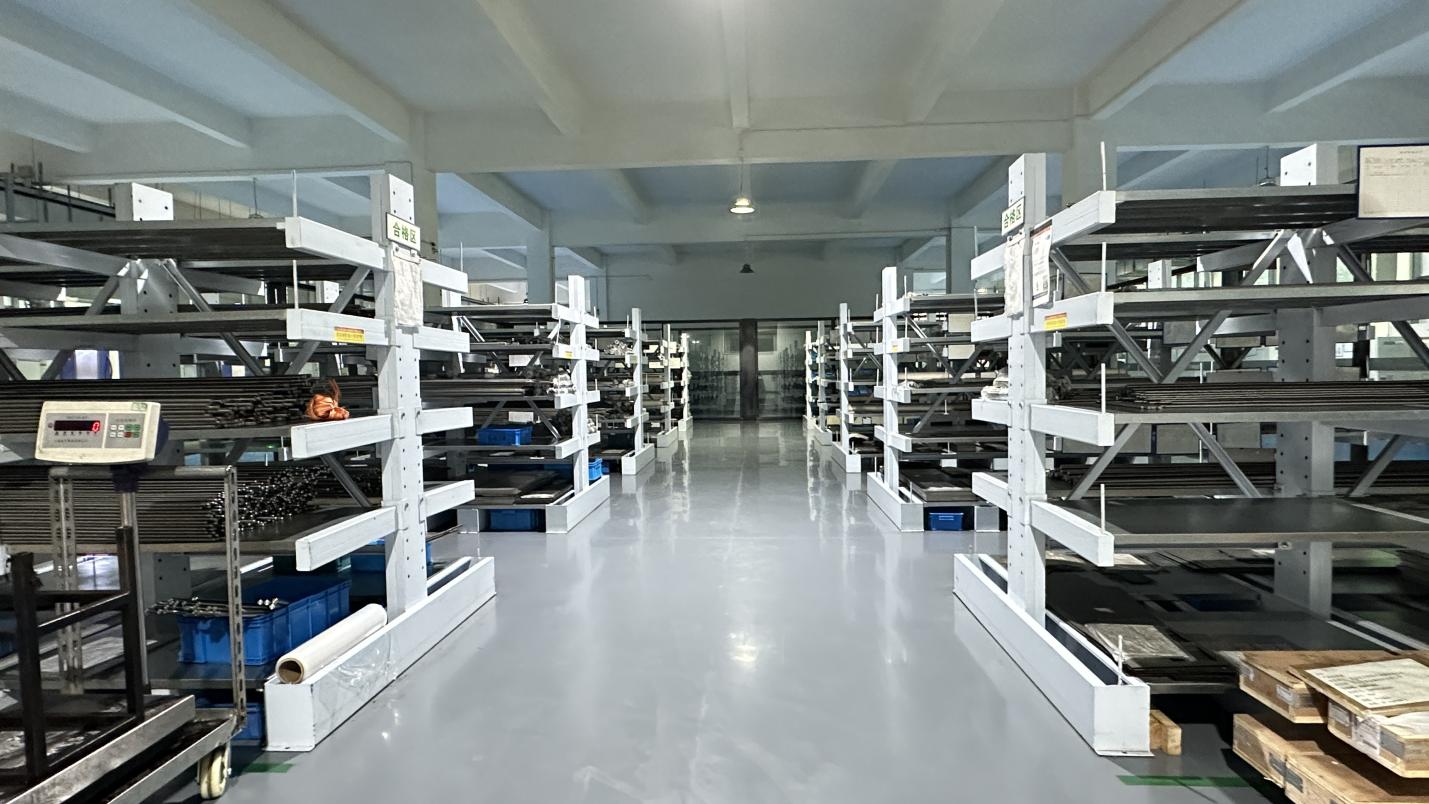
A trusted global supplier specializing in orthopedic implants and surgical solutions, dedicated to advancing innovation in trauma, spine, and joint reconstruction products.
Established in 2015, Bonevia Orthopedic Technology Co., Ltd. has grown steadily into a premier manufacturer in the global orthopedic market. Operating from a highly efficient production facility covering approximately 320㎡, Bonevia strictly implements international quality management standards to deliver high-precision implants. With 6 years of export experience and a team possessing over 10 years of overall industry experience, we navigate the technical and regulatory requirements of the global market with ease.
Our commitment to patient safety and quality assurance is backed by a robust QA team of 35 dedicated professionals who manage strict quality controls through a three-stage testing system: Incoming Material Inspection (IQC), In-Process Quality Control (IPQC), and Final Product Testing (FQC). This meticulous oversight guarantees that our implants satisfy rigorous medical regulatory requirements worldwide.
"With a global distribution network extending across Europe, Southeast Asia, the Middle East, and South America, Bonevia leverages a robust supply chain ecosystem consisting of more than 850 verified partners. Our state-of-the-art R&D department, driven by 85 engineers, successfully introduced 120 new product designs in the past year alone, emphasizing our commitment to continuous clinical innovation."
Every humeral intramedullary nail and orthopedic instrument undergoes an exhaustive fabrication sequence. We combine state-of-the-art CNC machinery with stringent visual and dimensional inspection protocols.
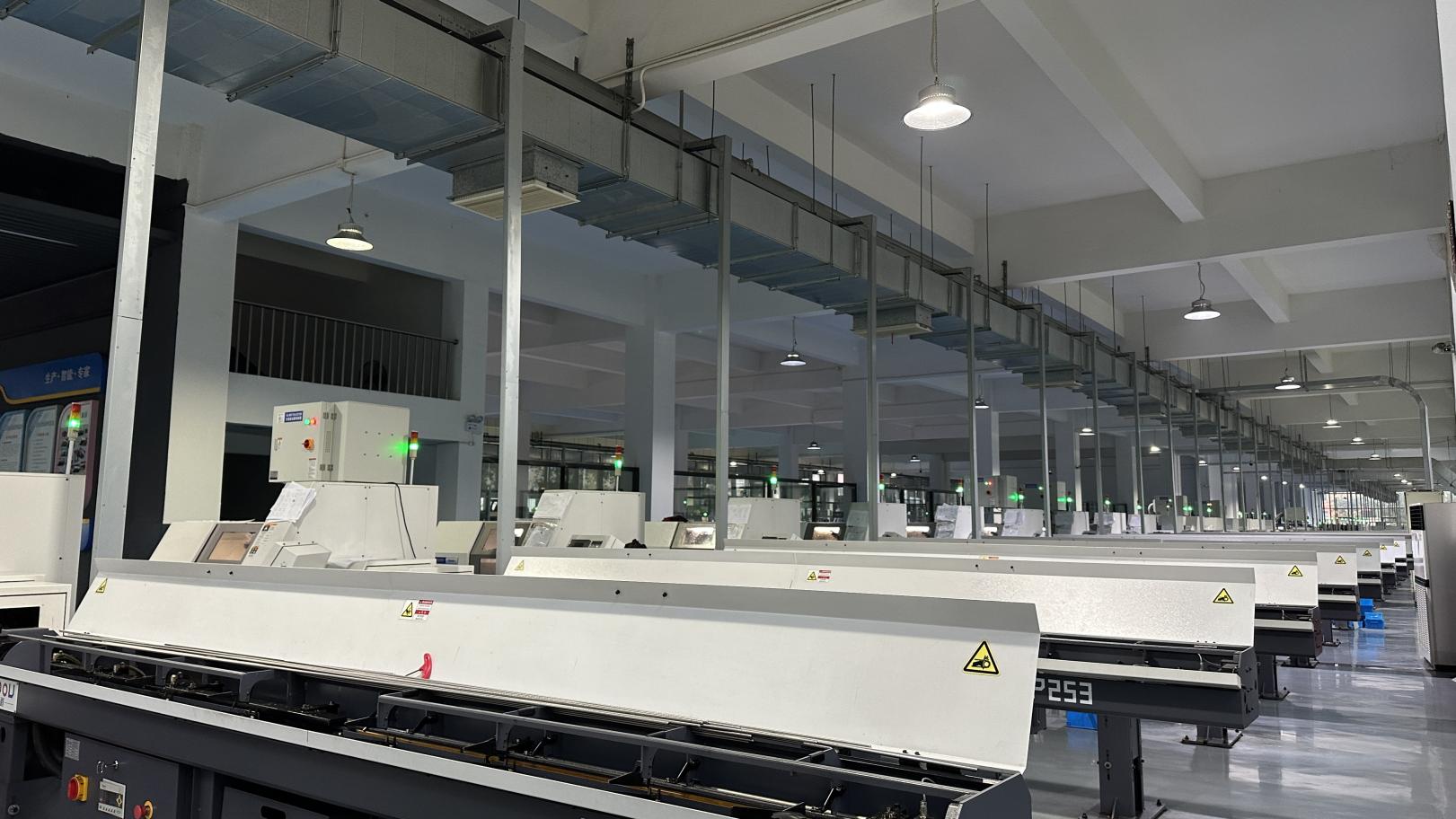
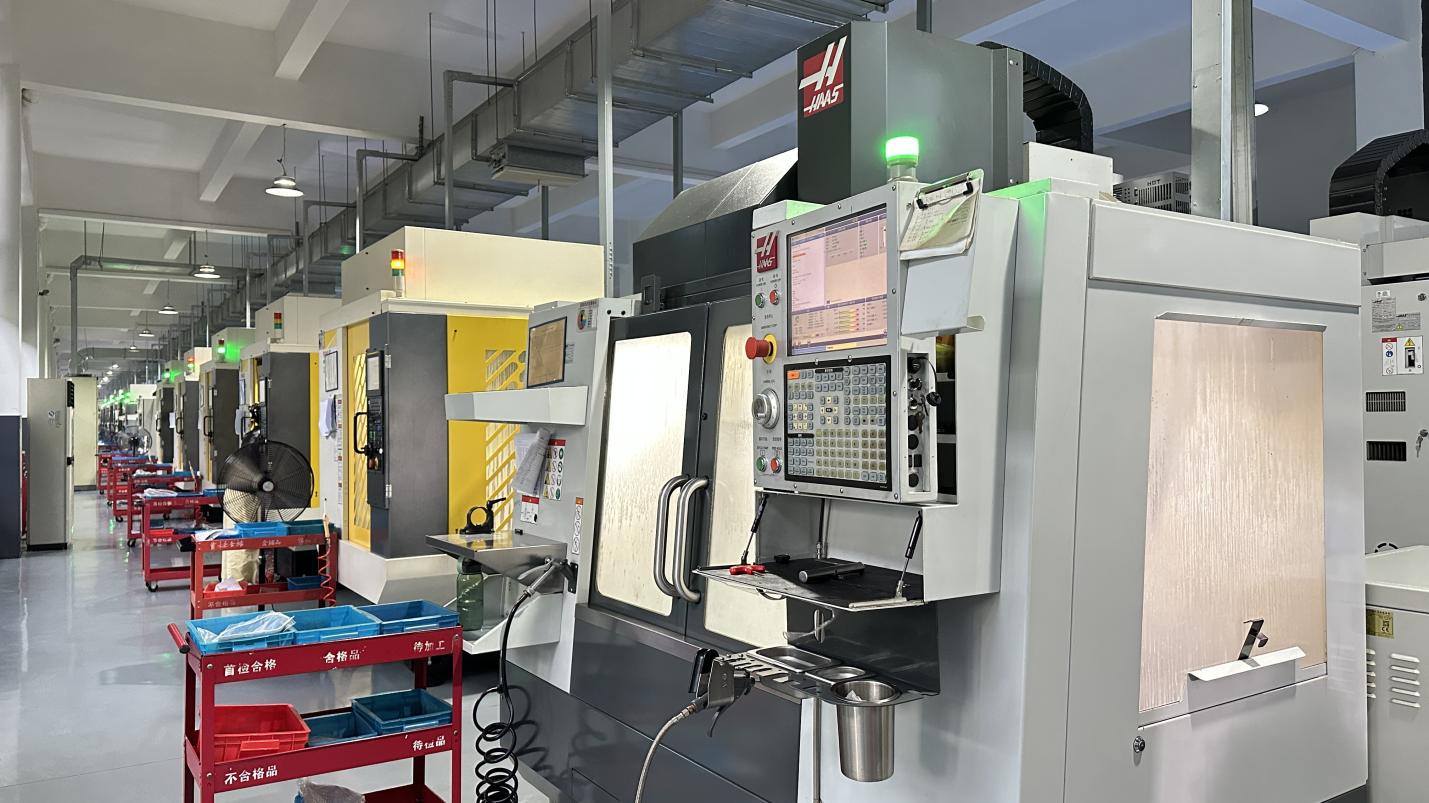
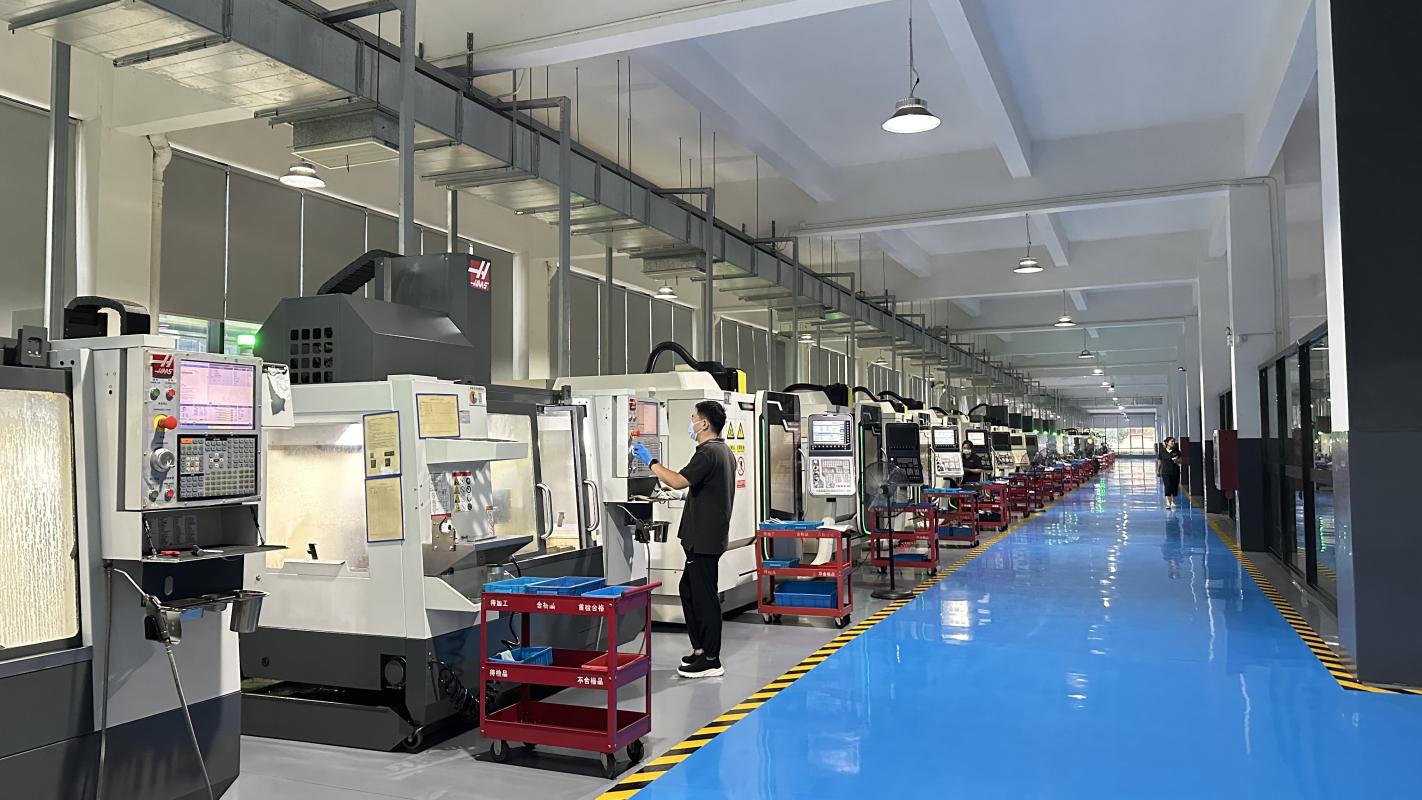
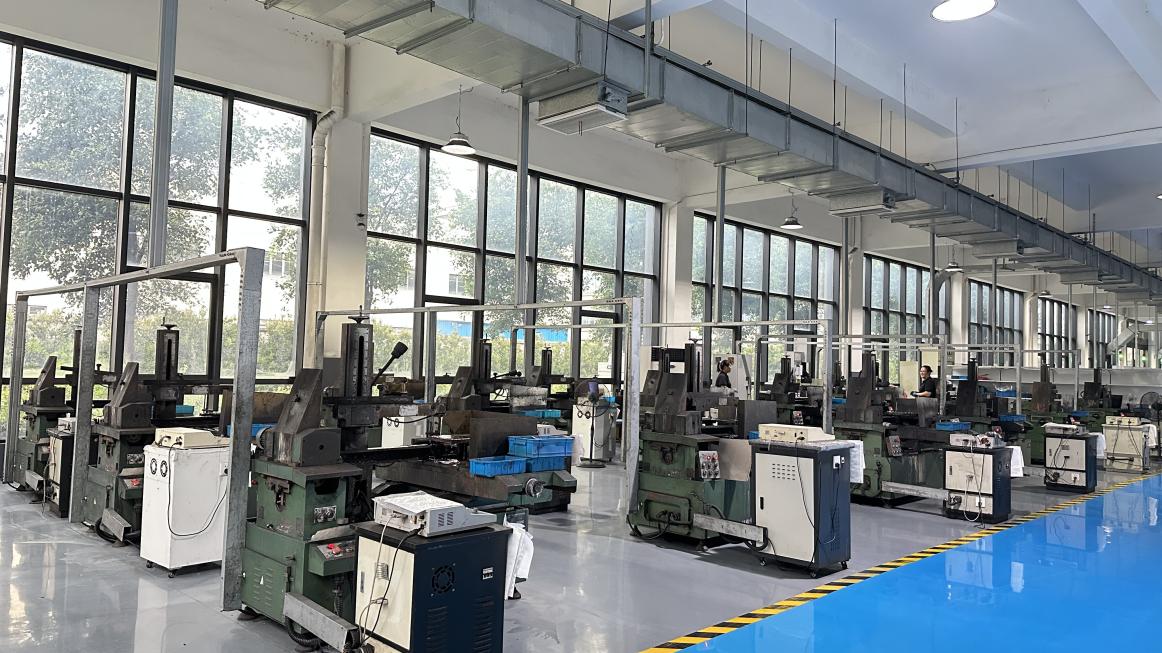
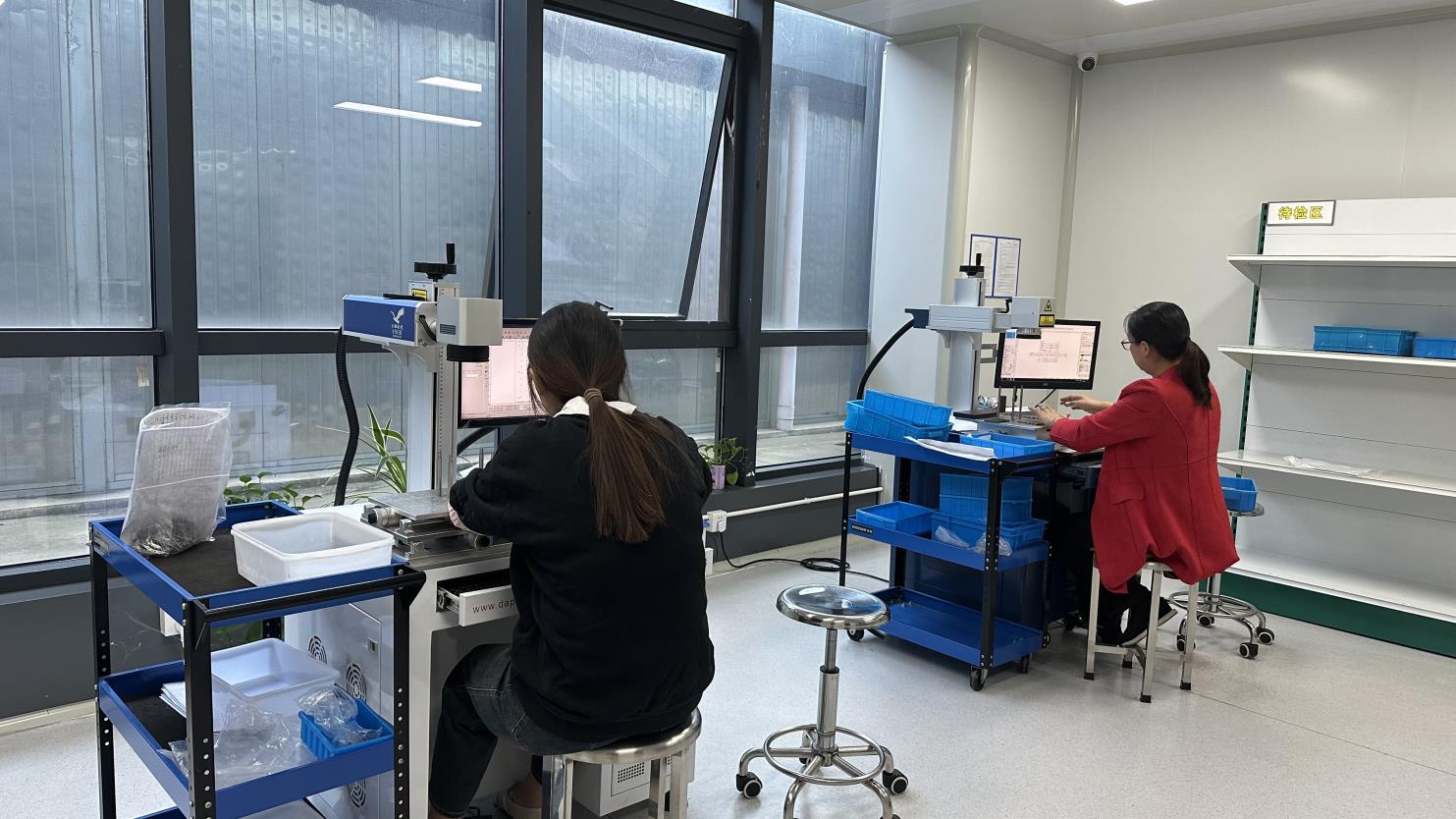
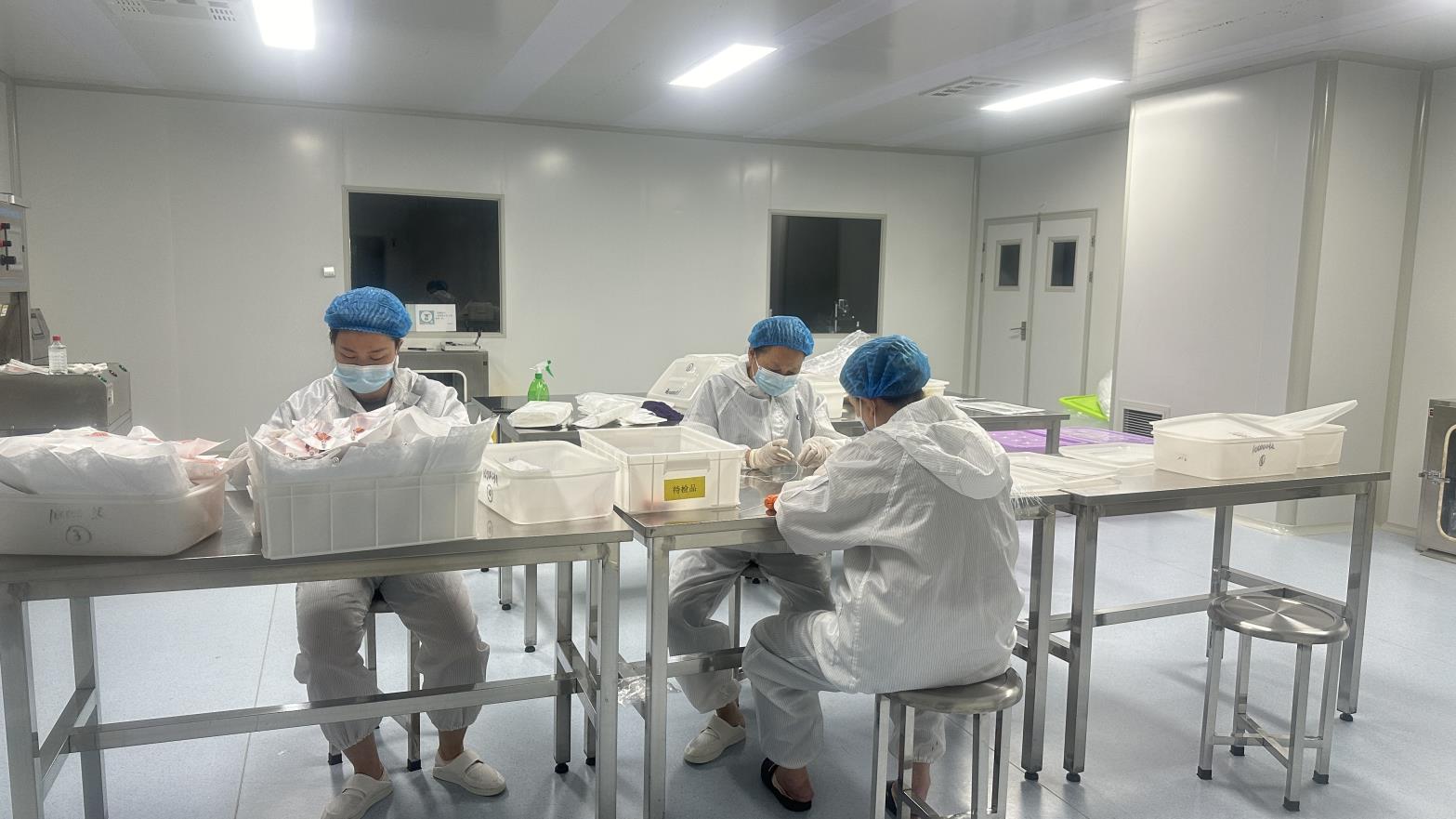
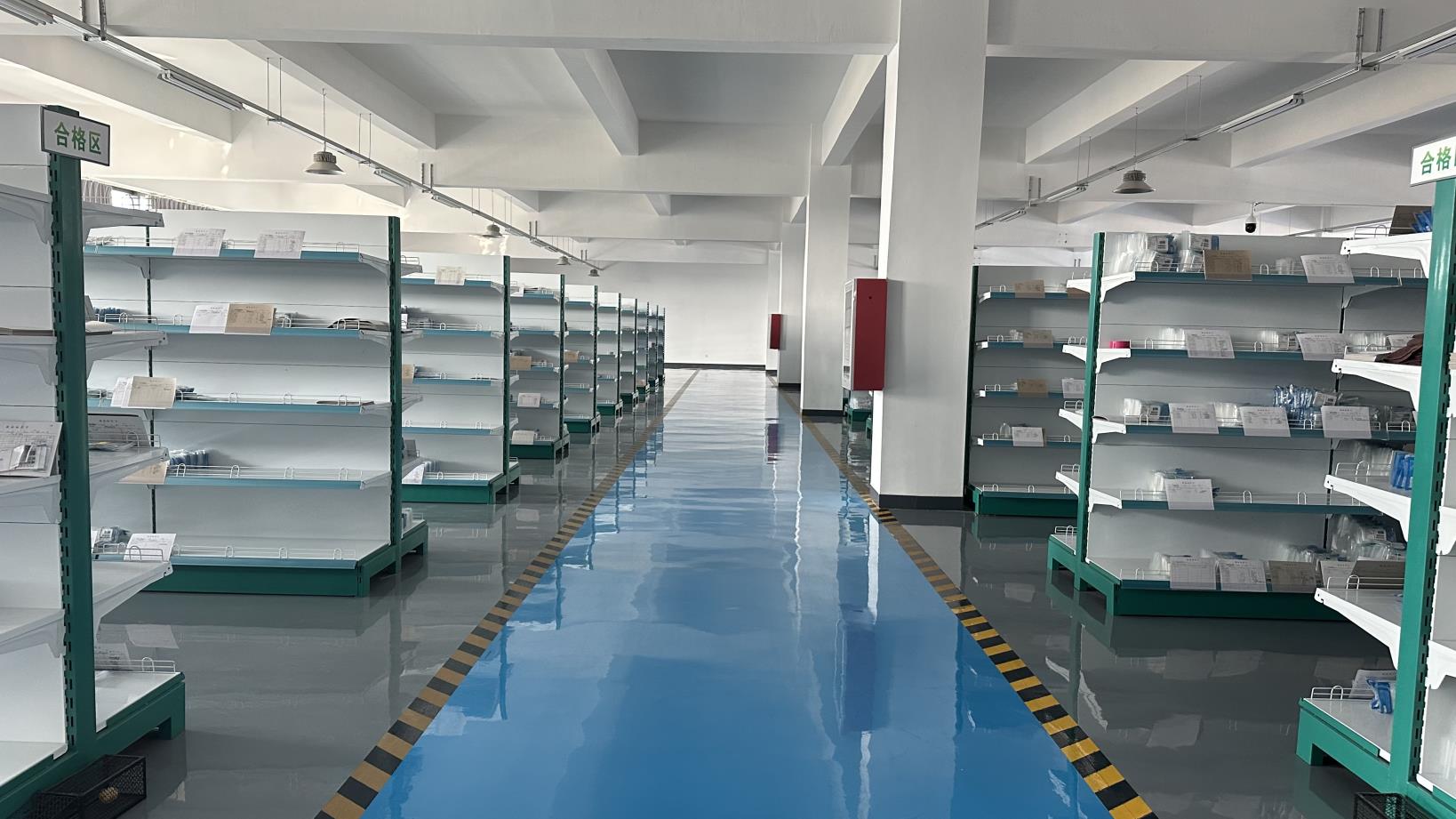
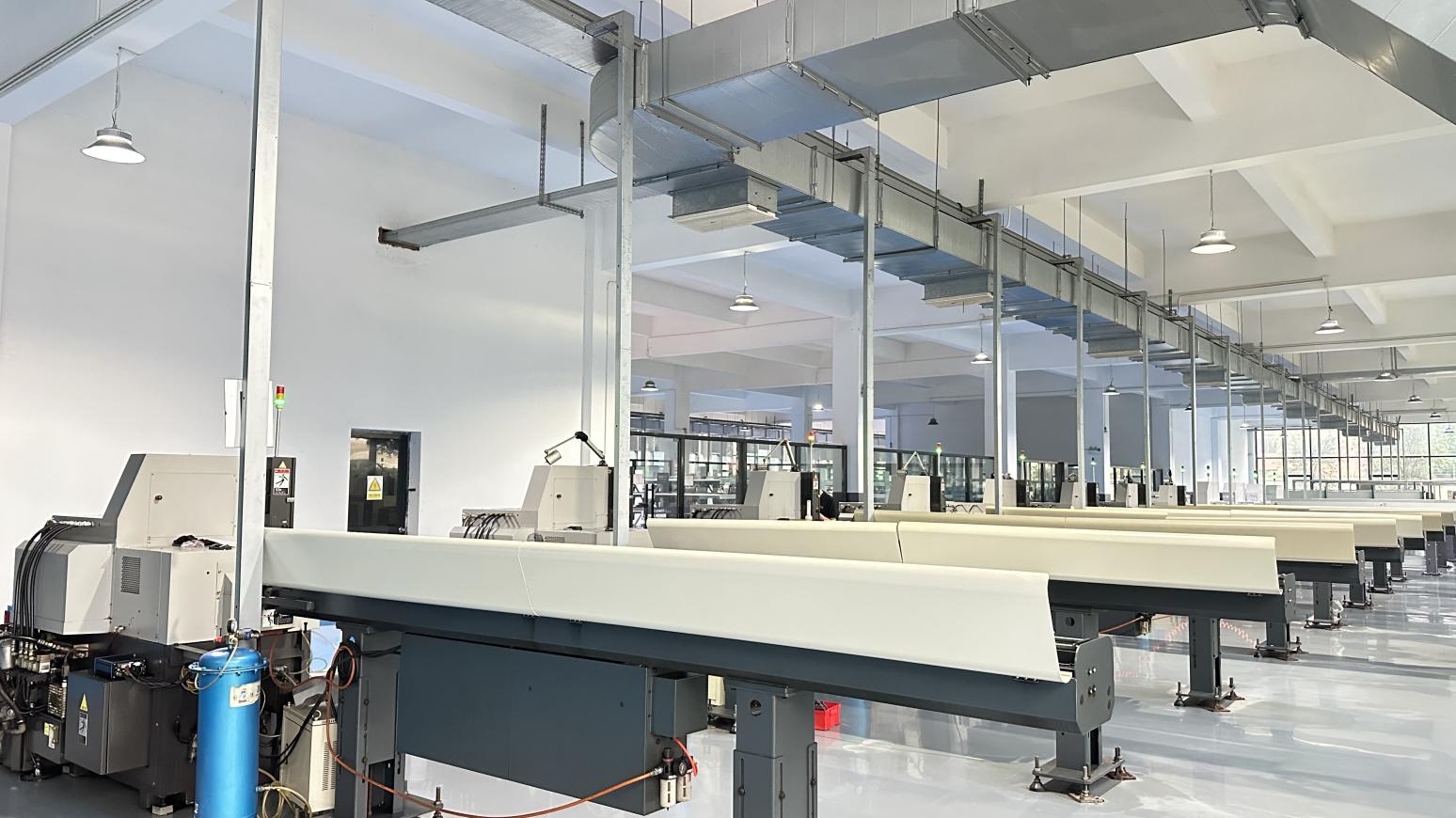
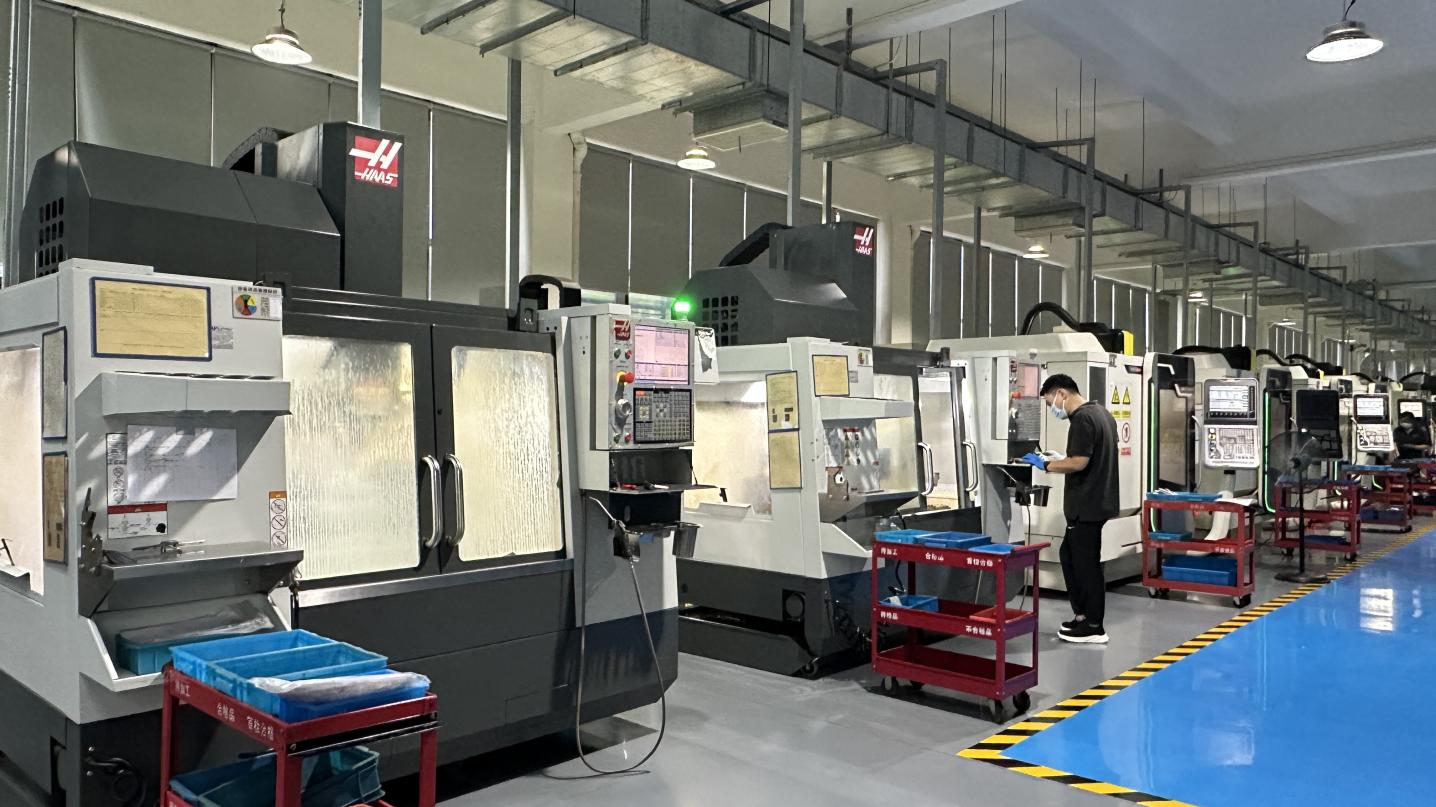
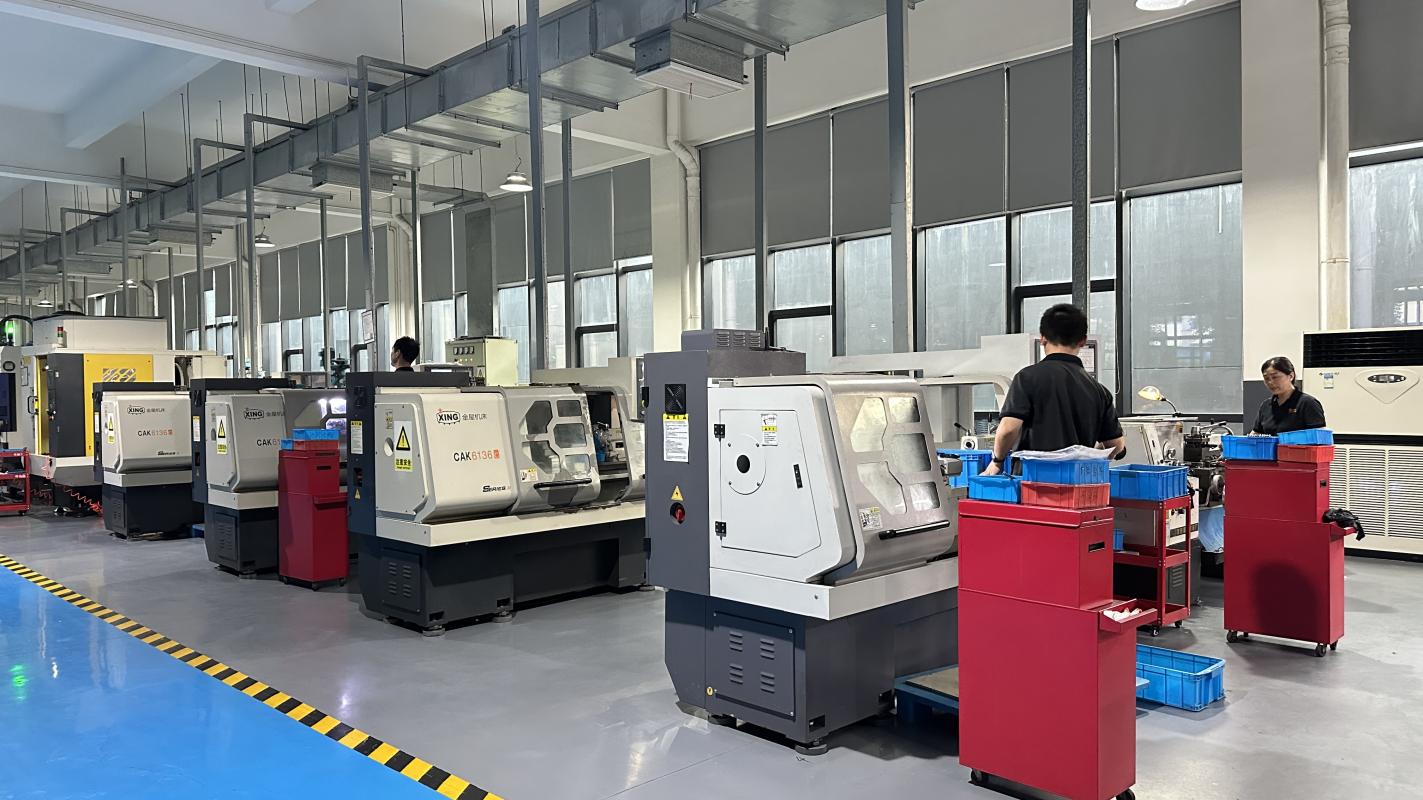
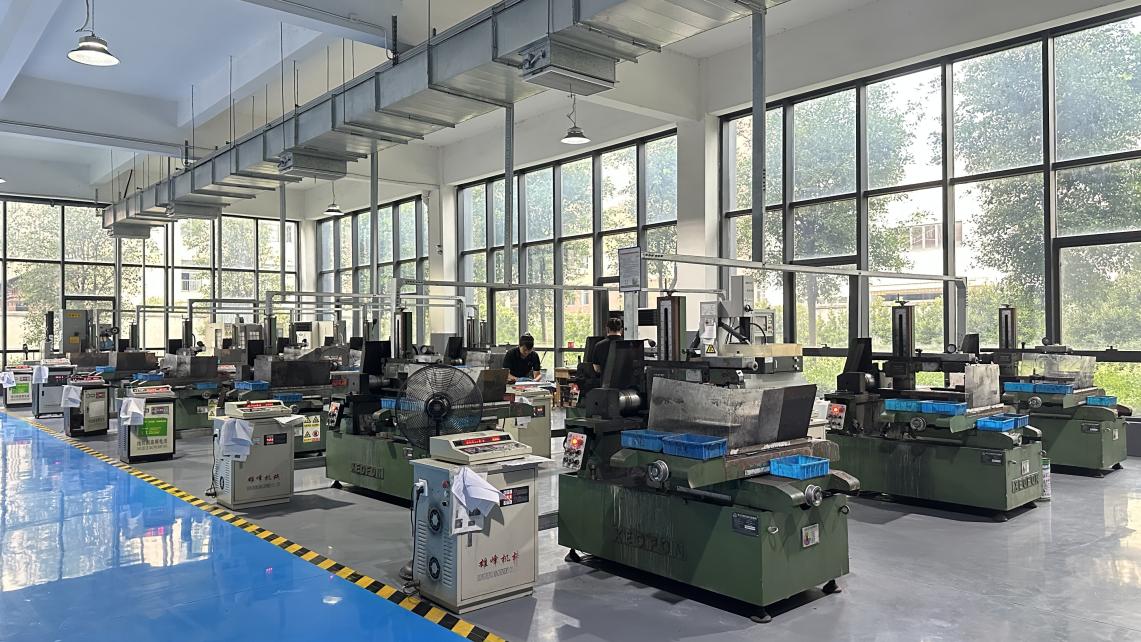
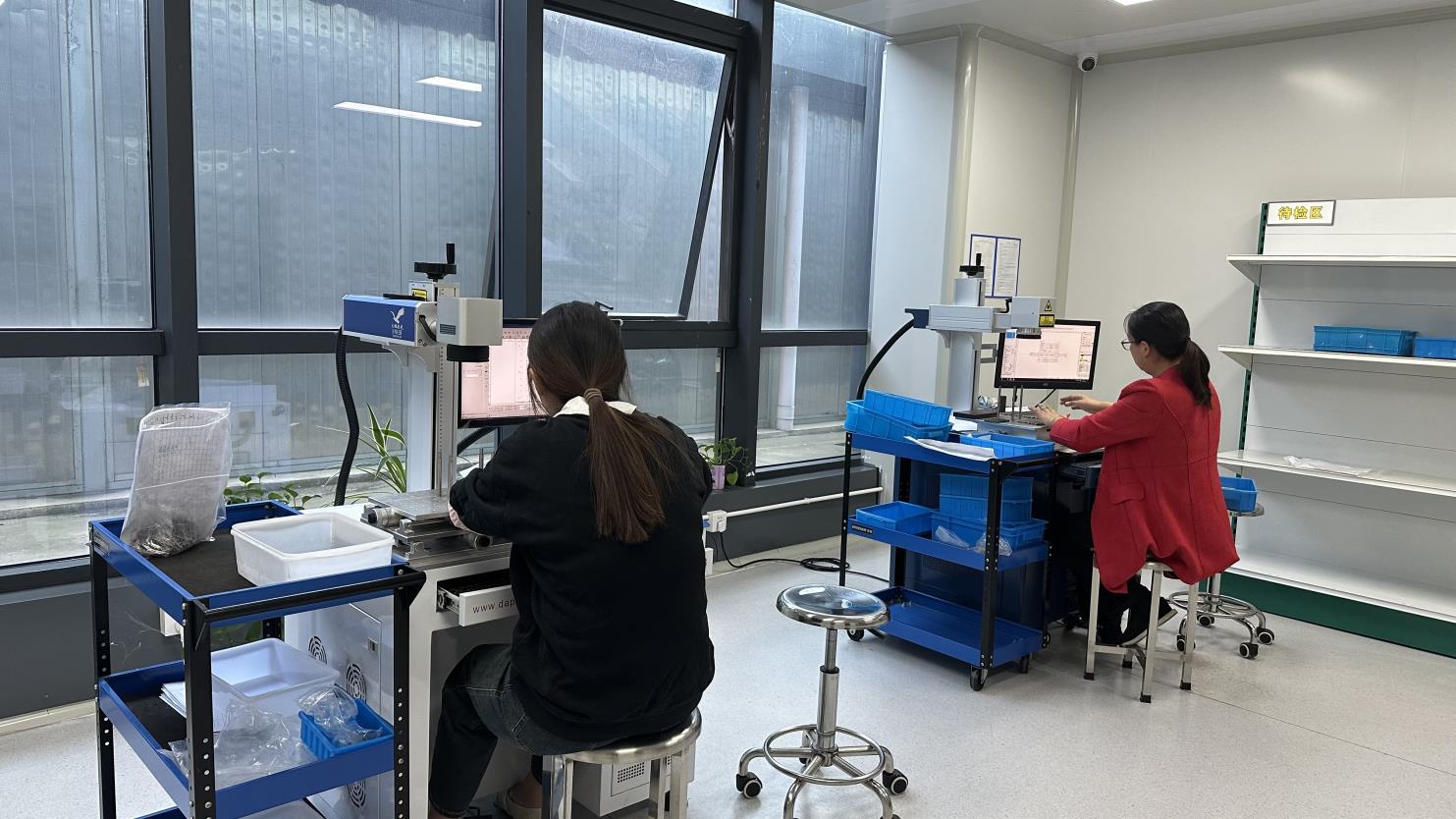
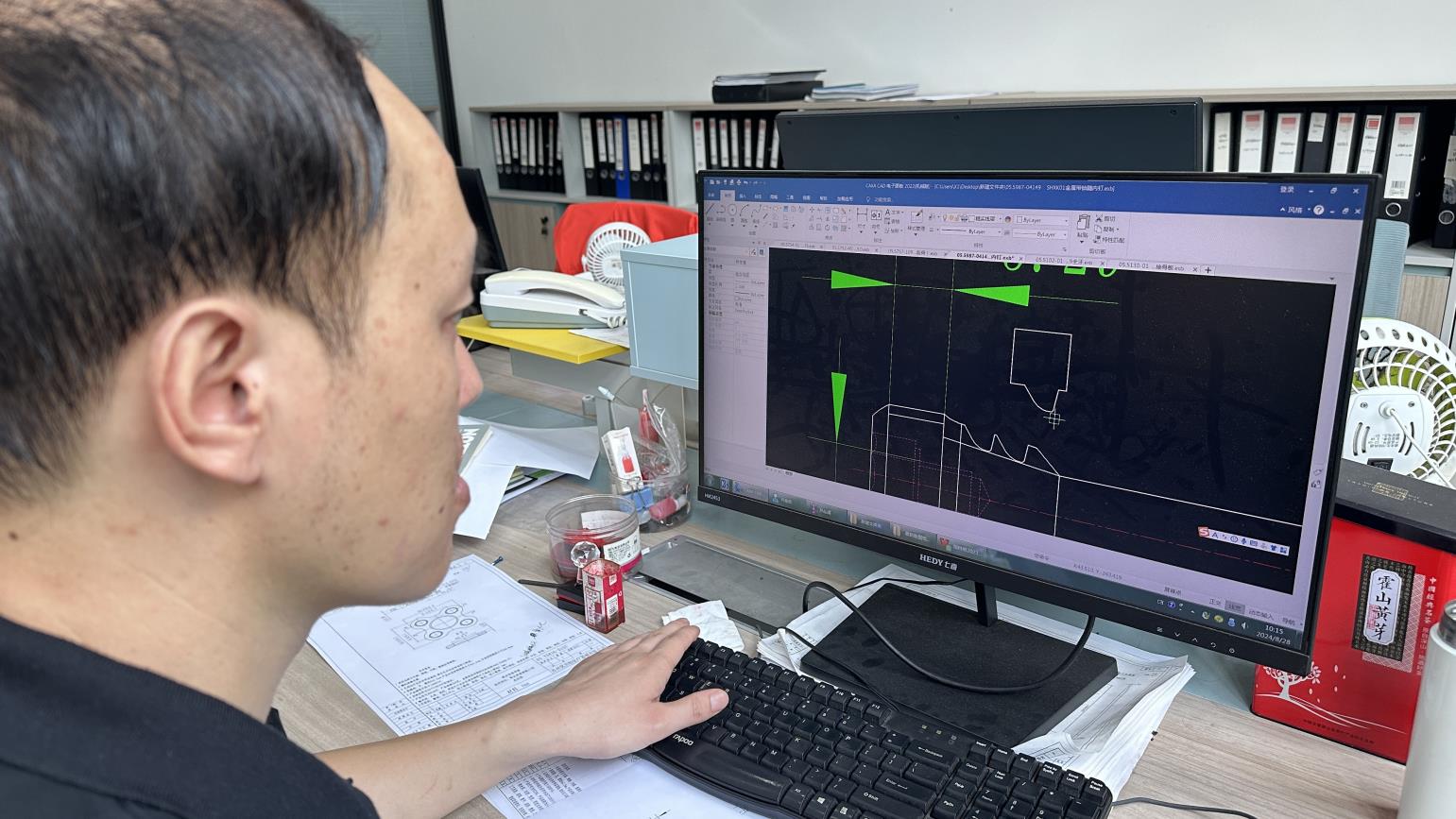
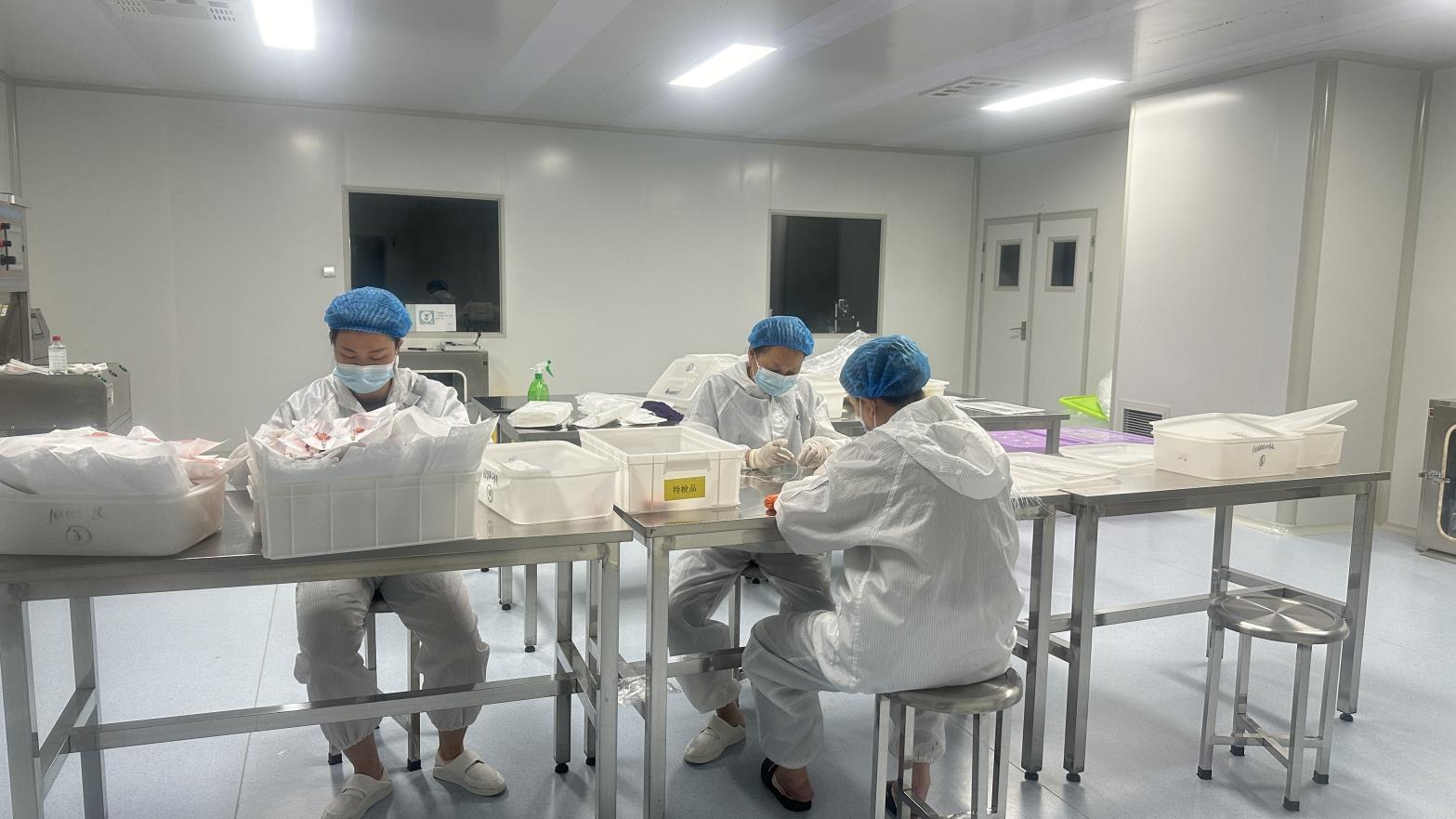
In the highly regulated world of orthopedics, Chinese manufacturing hubs provide an unmatched combination of speed, technological precision, and supply chain depth. By integrating domestic medical-grade titanium extraction with regional machining clusters, we secure premium raw materials while keeping structural costs competitive.
Bonevia leverages these localized advantages to offer high-efficiency manufacturing solutions:
Intramedullary stabilization of humeral fractures varies based on the fracture's location, quality of the patient's bone, and soft-tissue condition. Designers and manufacturers must calibrate these devices for specific clinical scenarios:
Antegrade Nailing: Best suited for proximal and middle-third humeral shaft fractures. The insertion site is typically through the rotator cuff at the sulcus. To minimize shoulder morbidity, Bonevia designs humeral nails with a low profile proximal end and multi-planar proximal locking options, ensuring stable fixation in the cancellous bone of the humeral head without damaging subacromial structures.
Retrograde Nailing: Often preferred for distal and middle-third fractures to prevent shoulder impingement. The nail is inserted proximal to the olecranon fossa. This requires nails with a curved distal geometry and distal locking screws positioned to avoid the radial nerve, which runs along the spiral groove of the humerus.
In older patients with poor bone density, traditional locking screws are prone to loosening. Bonevia's advanced humeral intramedullary systems feature locking screw options with threaded sleeves or angular stability configurations, creating a rigid construct that resists toggle and migration. Our humeral nails also feature a cannulated design to allow for guided insertion over a guide wire, minimizing the risk of intraoperative humeral shaft splitting.
For international medical device brands and hospital group procurement officers, selecting an OEM/ODM manufacturing partner involves thorough risk evaluation. Quality consistency, regulatory compliance, and delivery timelines are critical to maintaining stable operations.
At Bonevia, we address these procurement pain points through a structured partnership approach:
The orthopedic implant industry is transitioning toward materials and designs that actively promote bone healing and reduce surgical steps. Key trends include:
Carbon-Fiber PEEK Composites: While titanium remains the gold standard, carbon-fiber reinforced PEEK (Polyetheretherketone) is gaining interest due to its radiolucency. This radiolucency permits clear radiographic evaluation of fracture healing and matches the elastic modulus of cortical bone, minimizing stress shielding.
Surface Modifications: Advanced electrochemical anodization and HA (Hydroxyapatite) coatings are being applied to nail systems to accelerate bone integration. Additionally, antimicrobial coatings are being researched to lower the risk of implant-associated infections.
Integrated Surgical Instrumentation: Modern surgical guides are shifting toward single-use, radiolucent carbon fiber targeters that prevent electromagnetic interference during fluoroscopic verification, helping shorten overall OR time.
Get answers to common technical, manufacturing, and distribution questions regarding Bonevia's custom OEM intramedullary nailing systems.
Browse our precision-manufactured spinal fixation, trauma reconstruction, and specialized veterinary surgical kits.