Bonevia
Bonevia
Bonevia
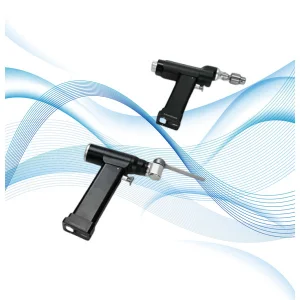
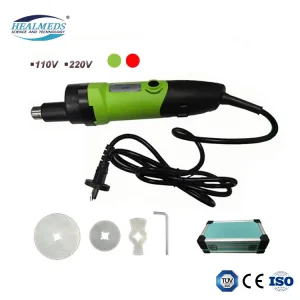
Explore our cutting-edge orthopedic micro-power tools, spinal fixation sets, and specialized bone reconstruction devices engineered for extreme clinical precision.
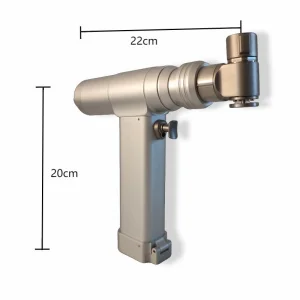
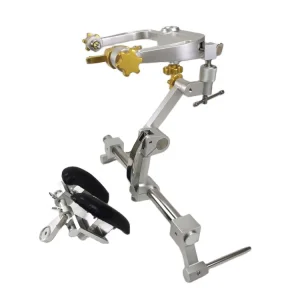
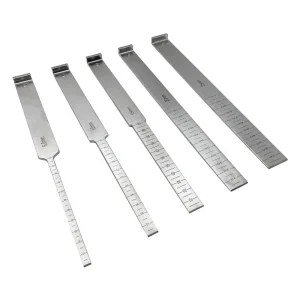
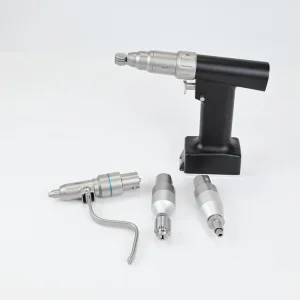
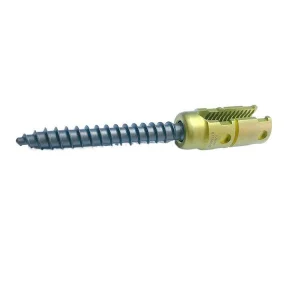
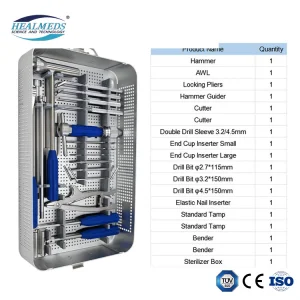
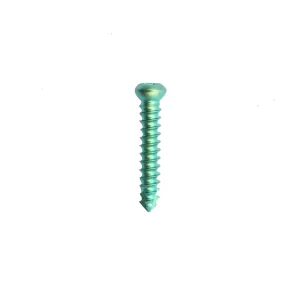
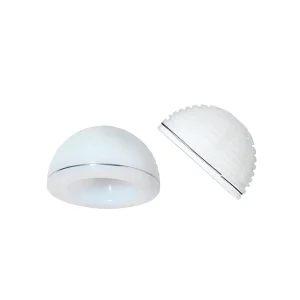
Bonevia Orthopedic Technology Co., Ltd. is an internationally recognized, professional manufacturer specializing in orthopedic implants and surgical solutions, dedicated to advancing innovation in trauma, spine, and joint reconstruction products. Since our establishment in 2015, the company has grown steadily into a trusted supplier in the global orthopedic industry, supporting medical distributors, hospitals, and surgical centers worldwide.
Our commitment to orthopedic excellence is backed by over 10 years of overall industry experience and 6 years of robust export experience. Bonevia maintains a modern production facility covering approximately 320㎡ dedicated to advanced cleanroom staging, specialized prototyping, and high-precision orthopedic engineering. We record an annual export revenue of around USD 8–15 million, signifying our vast reach in supplying top-tier implants globally.
Quality assurance is a core focus at Bonevia. Our comprehensive system integrates incoming material inspection, in-process quality control, and final product testing. Supported by a dedicated quality team of 35 professionals, we ensure that every spinal rod, pedicle screw, and surgical power tool meets stringent international medical standards (CE, ISO 13485, and Class III medical device protocols).
Through active research and technological innovation, Bonevia successfully launched 120 new product designs within the past year. This rapid R&D turnaround is spearheaded by our engineering team of 85 R&D engineers, positioning us as a prime partner for OEM and ODM custom spinal rod and implant manufacturing globally.
A B2B technical whitepaper on structural metallurgy, biomechanical stresses, OEM customization, and compliance pathways for spinal fusion systems.
Spinal fixation requires a delicate compromise between structural stiffness, fatigue resistance, and biocompatibility. Titanium Alloy Grade 5 (Ti-6Al-4V ELI - Extra Low Interstitial), governed by ASTM F136 standards, serves as the premier biomaterial for spinal rods. This alloy exhibits a reduced oxygen, nitrogen, and iron content, which drastically boosts its fracture toughness and fatigue resistance compared to standard commercial-grade titanium.
From a biomechanical standpoint, the modulus of elasticity of Ti-6Al-4V (approx. 110 GPa) is significantly closer to human cortical bone (15-30 GPa) than stainless steel (approx. 200 GPa). This crucial characteristic minimizes stress-shielding, a phenomenon where overly stiff metallic implants absorb all physical stress, leading to adjacent bone resorption and implant loosening. The integration of surgical grade titanium rods ensures that physiological loads are progressively transferred to the bone graft, promoting healthy osseointegration.
The human spine undergoes millions of dynamic cycles annually. Spinal rods used in posterior fixation systems are subjected to complex, multi-axial stresses, including compression, bending, and torsion. During the initial postoperative phase—before solid bony fusion occurs—the titanium rods carry the entire mechanical load of the segment.
To prevent premature implant failure, Bonevia’s design team conducts rigorous finite element analysis (FEA) simulating ASTM F1717 dynamic testing protocols. Our custom-manufactured spinal rods must withstand over 5 million cycles of alternating fatigue testing under load conditions simulating severe multi-level spinal instabilities. Furthermore, surface treatment mechanisms like anodization are executed to improve wear properties and minimize fretting wear at the rod-screw interface.
The global spinal fusion market is expanding rapidly due to an aging demographic, the rising incidence of degenerative disc disease, and the expansion of minimally invasive spine surgeries (MISS). Procurement departments within multinational medical device brands, large hospitals, and regional medical distributors face significant supply chain bottlenecks, particularly in sourcing compliant raw materials and finding suppliers capable of maintaining high-precision machining tolerances.
There is a strong industry transition toward integrated spinal platforms where pedicle screws, connectors, and rods are co-engineered. Regional importers in Europe and North America seek OEM manufacturers who can customize rod profiles—such as pre-bent rods, dual-diameter rods, and transition rods—while maintaining absolute traceabilty from the titanium ingot to the sterile package.
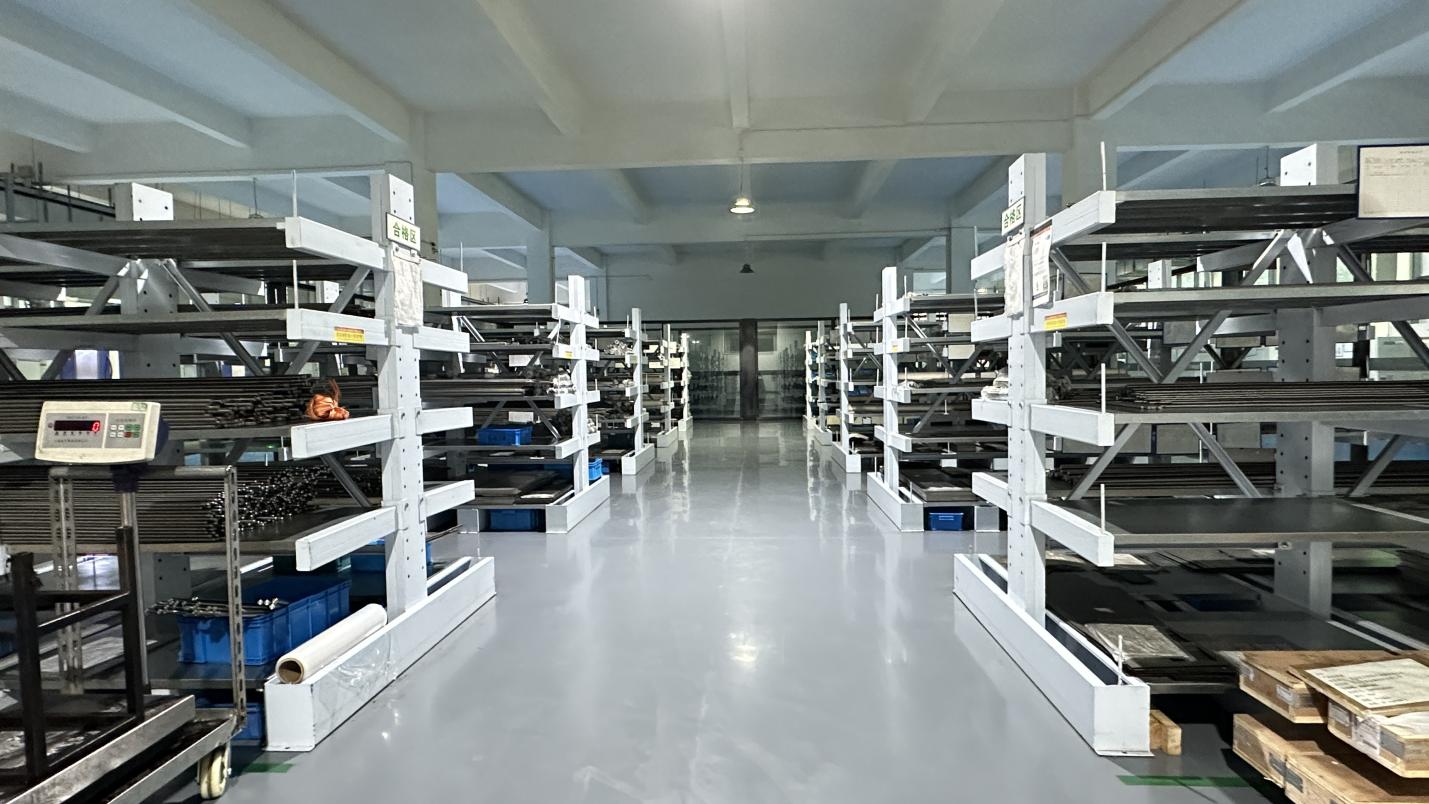
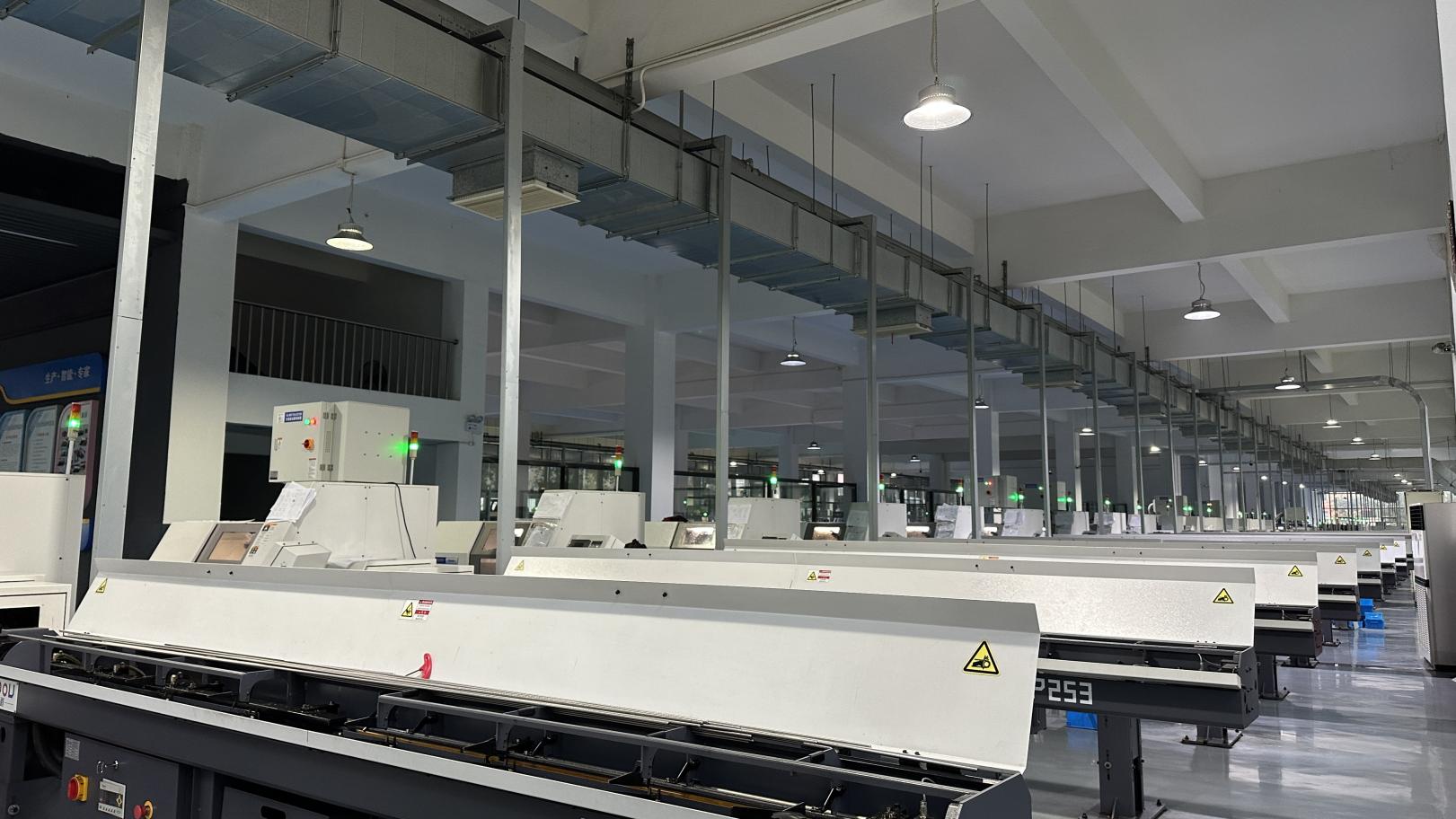
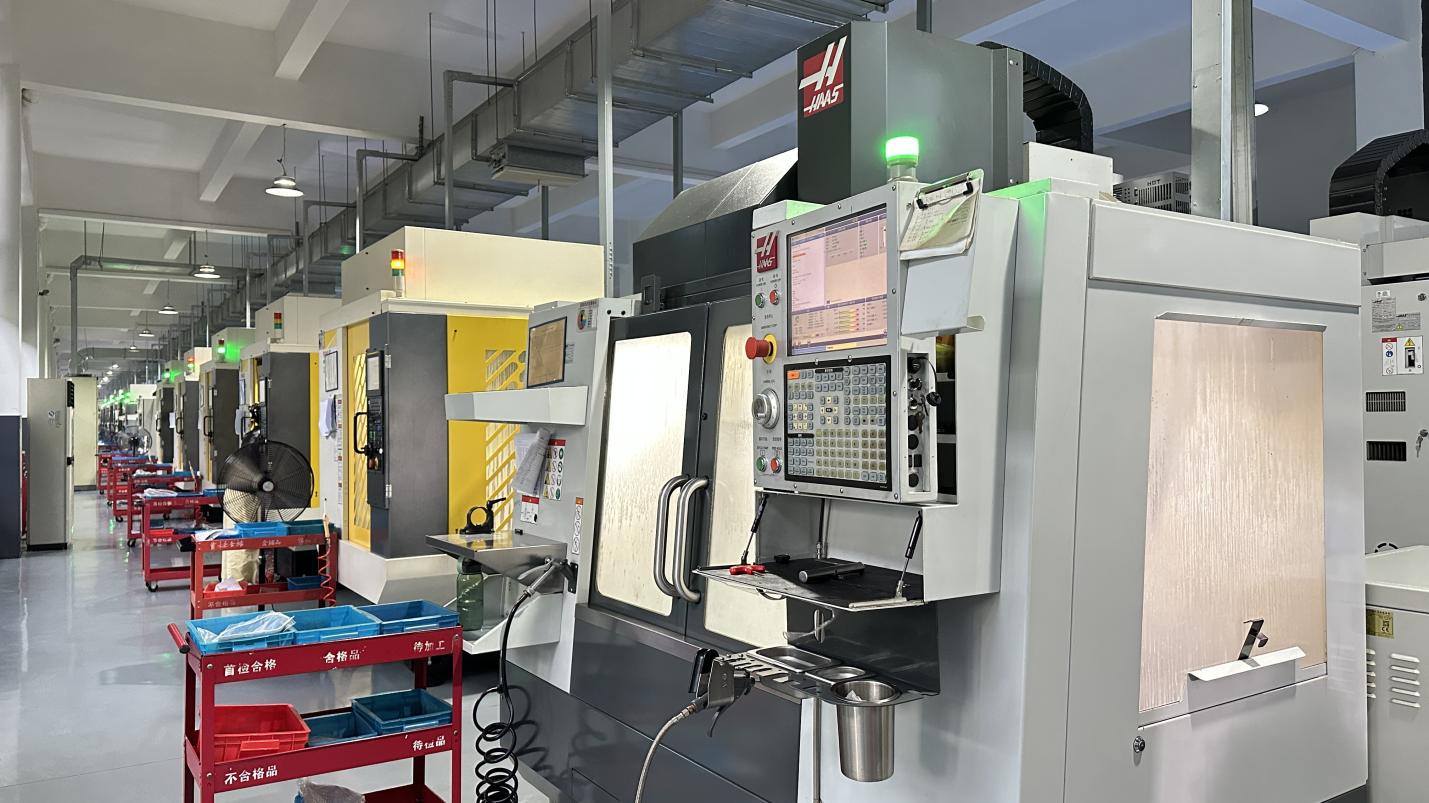
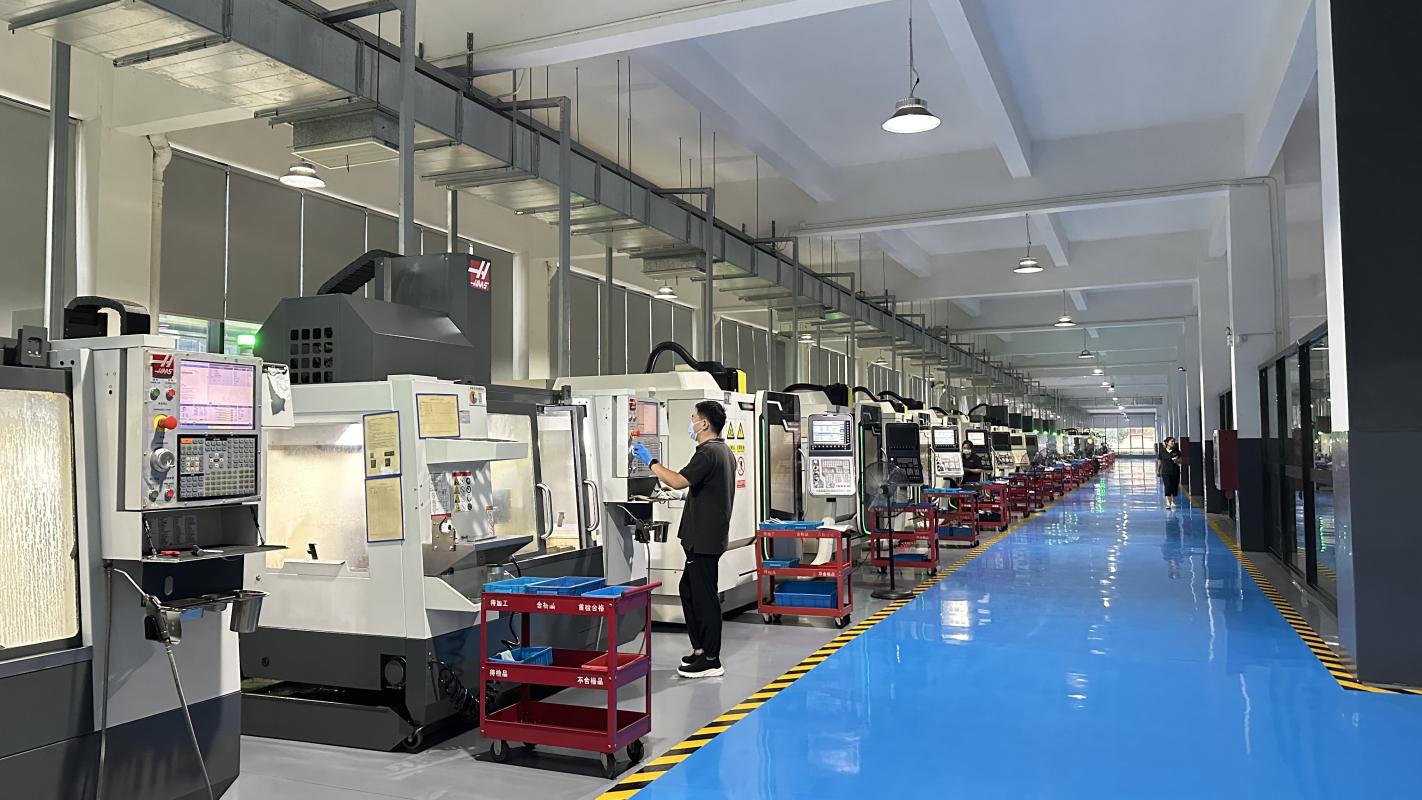
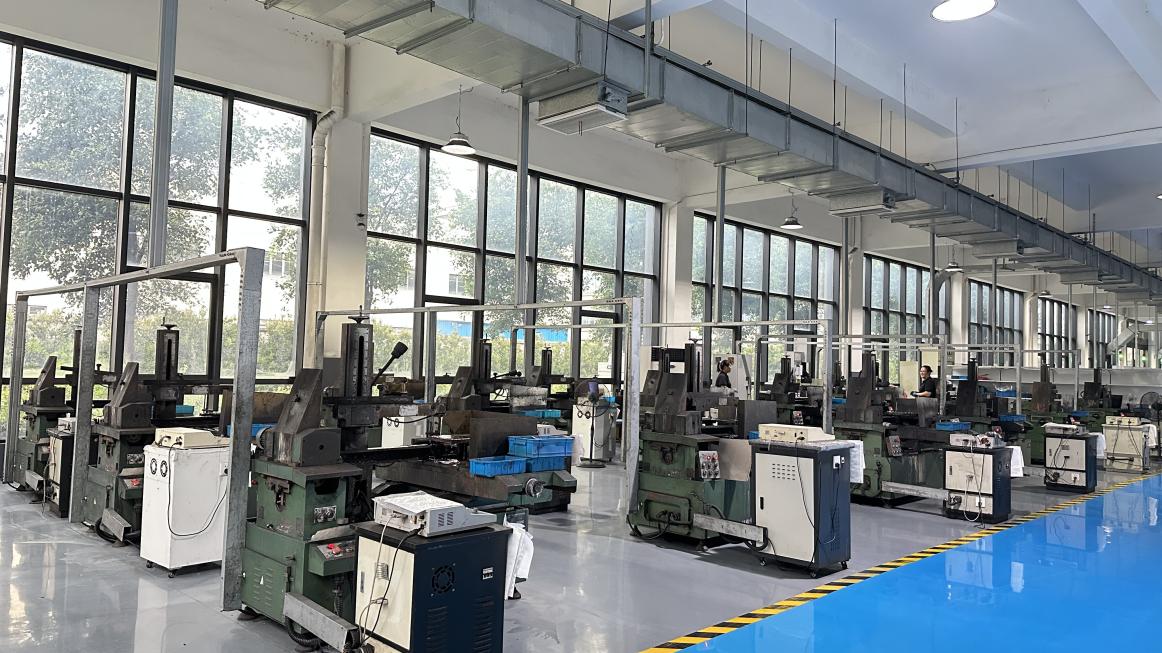
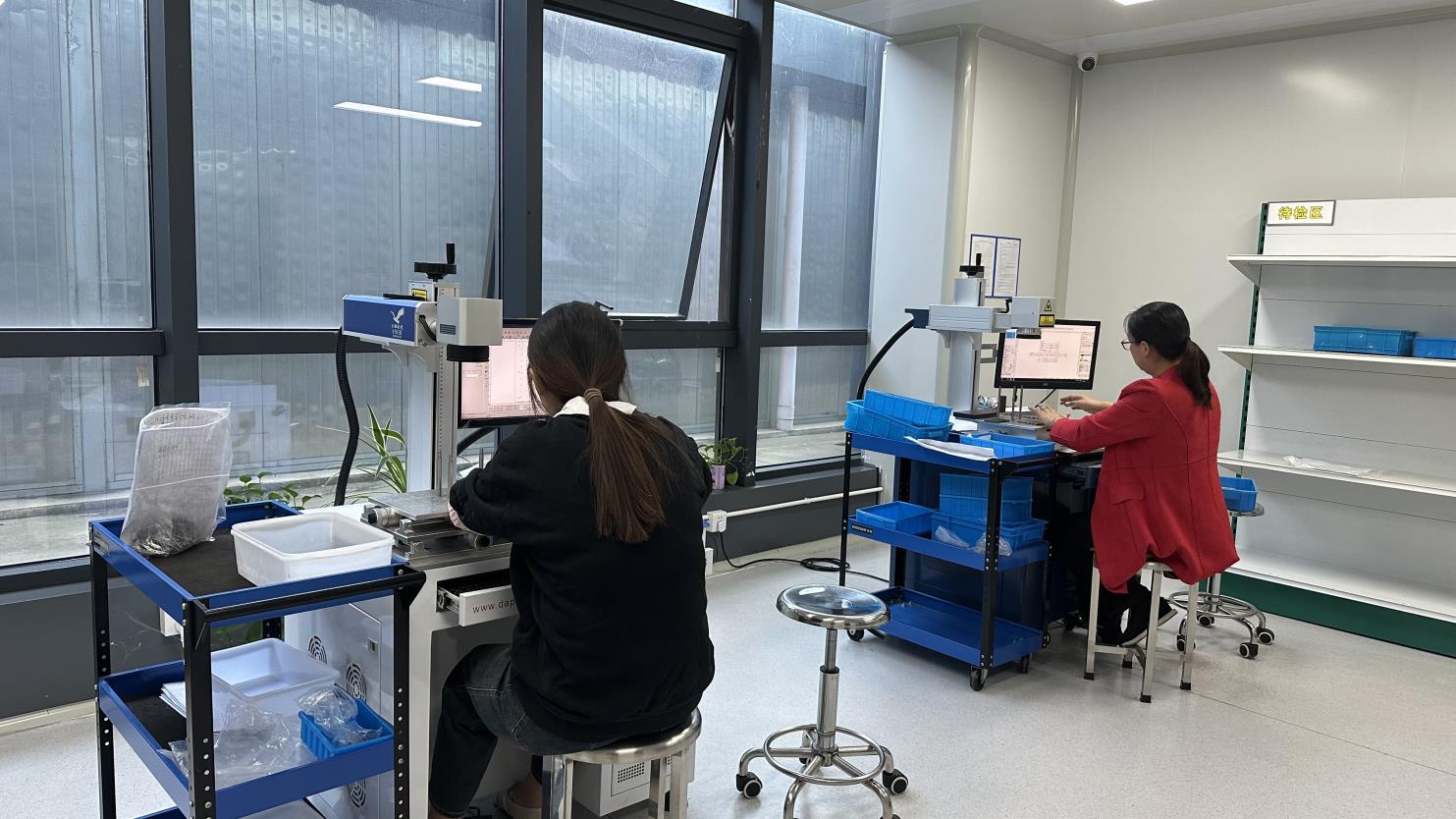
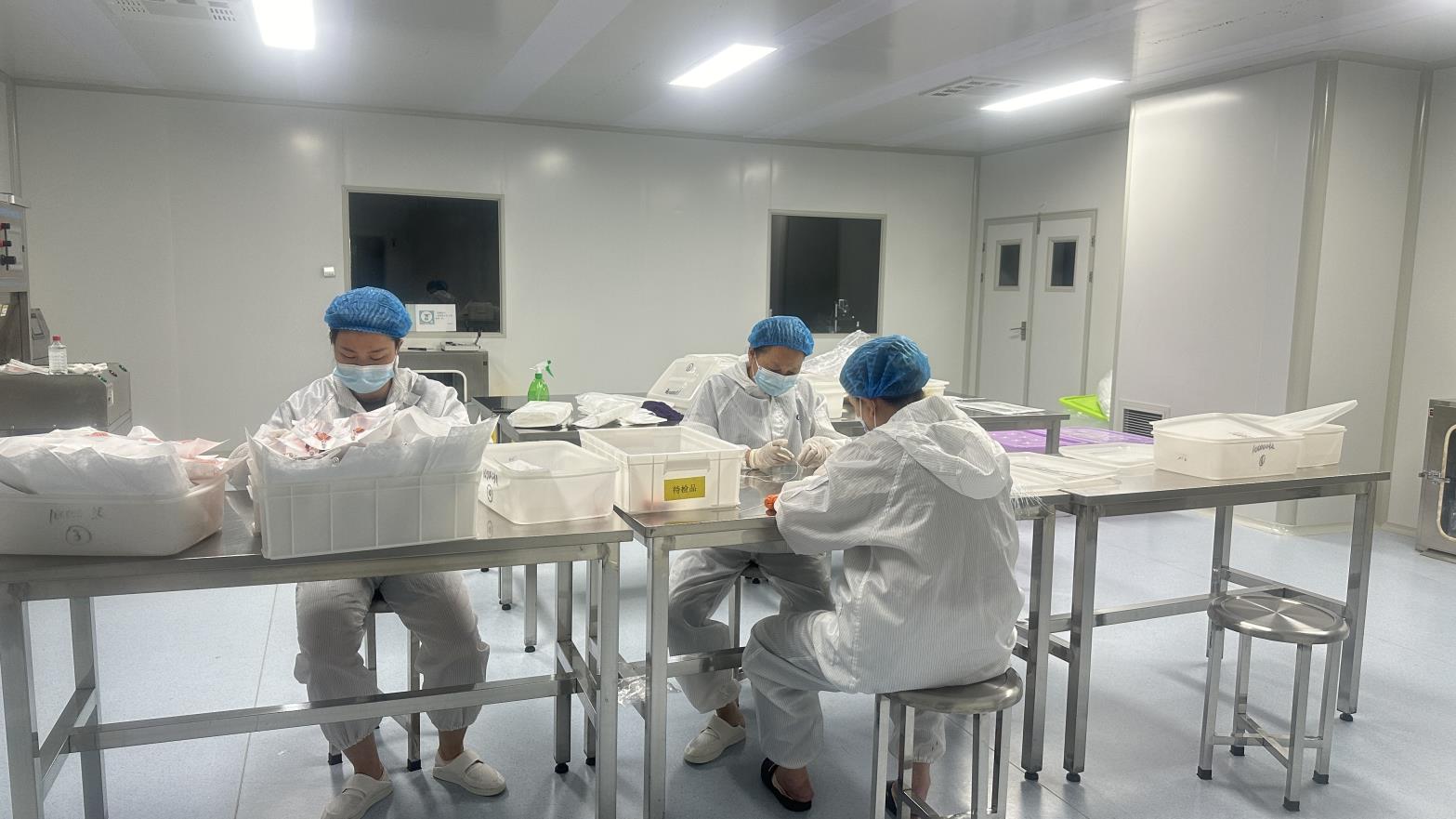
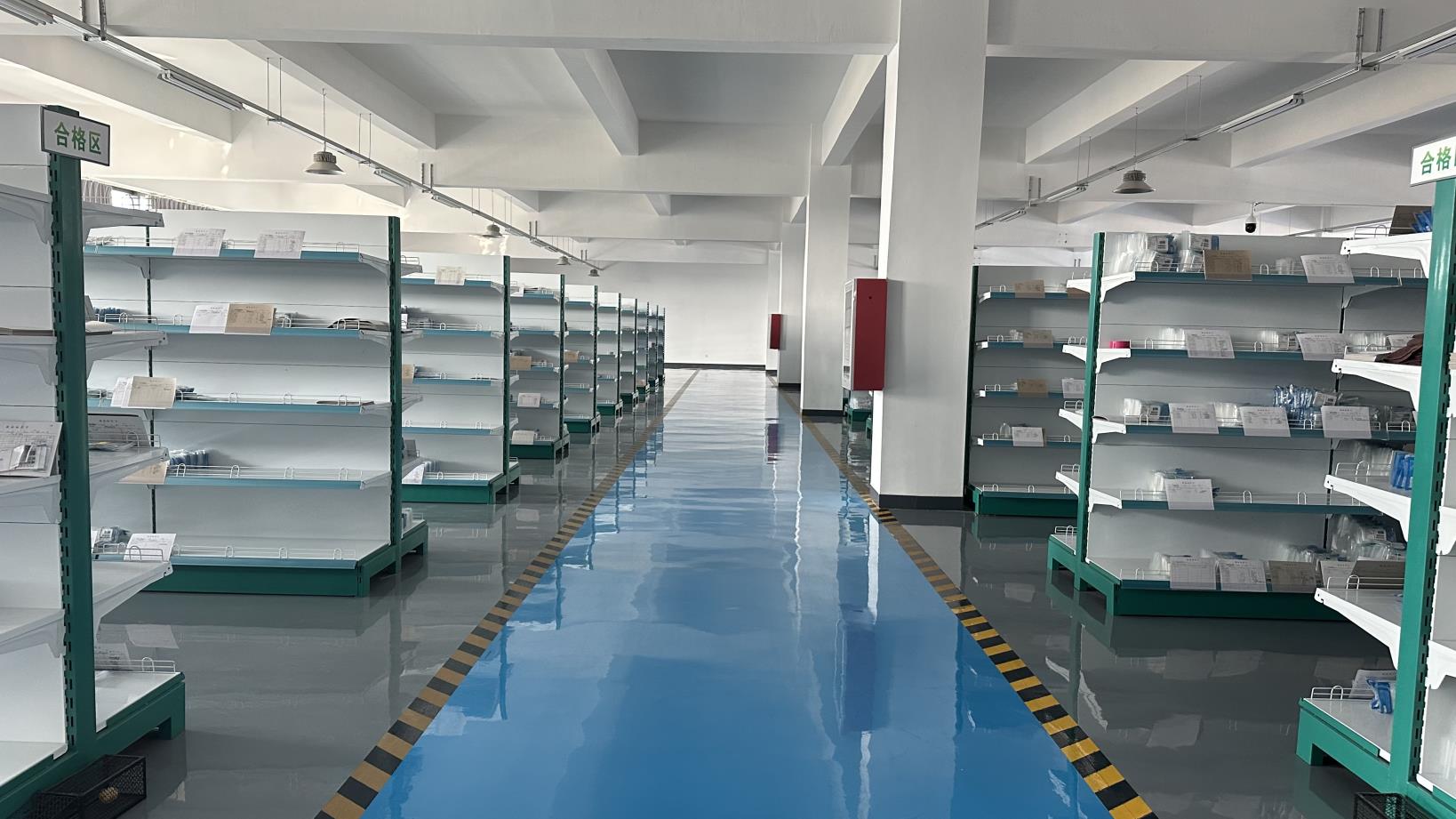
Witness the end-to-end orthopedic production process at Bonevia, featuring state-of-the-art CNC centers, wire-cutting machinery, laser marking, and rigorous QA verification.
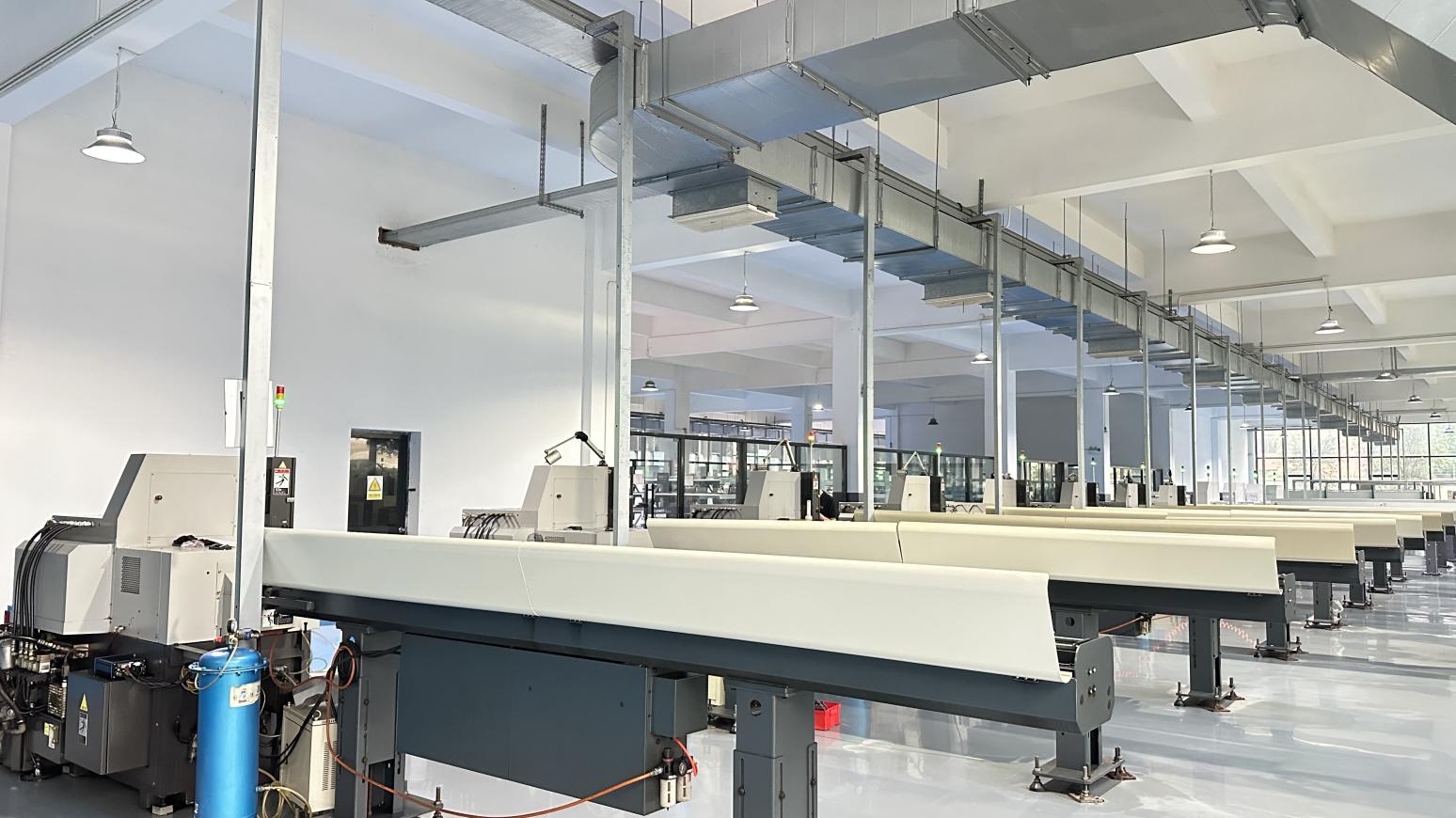
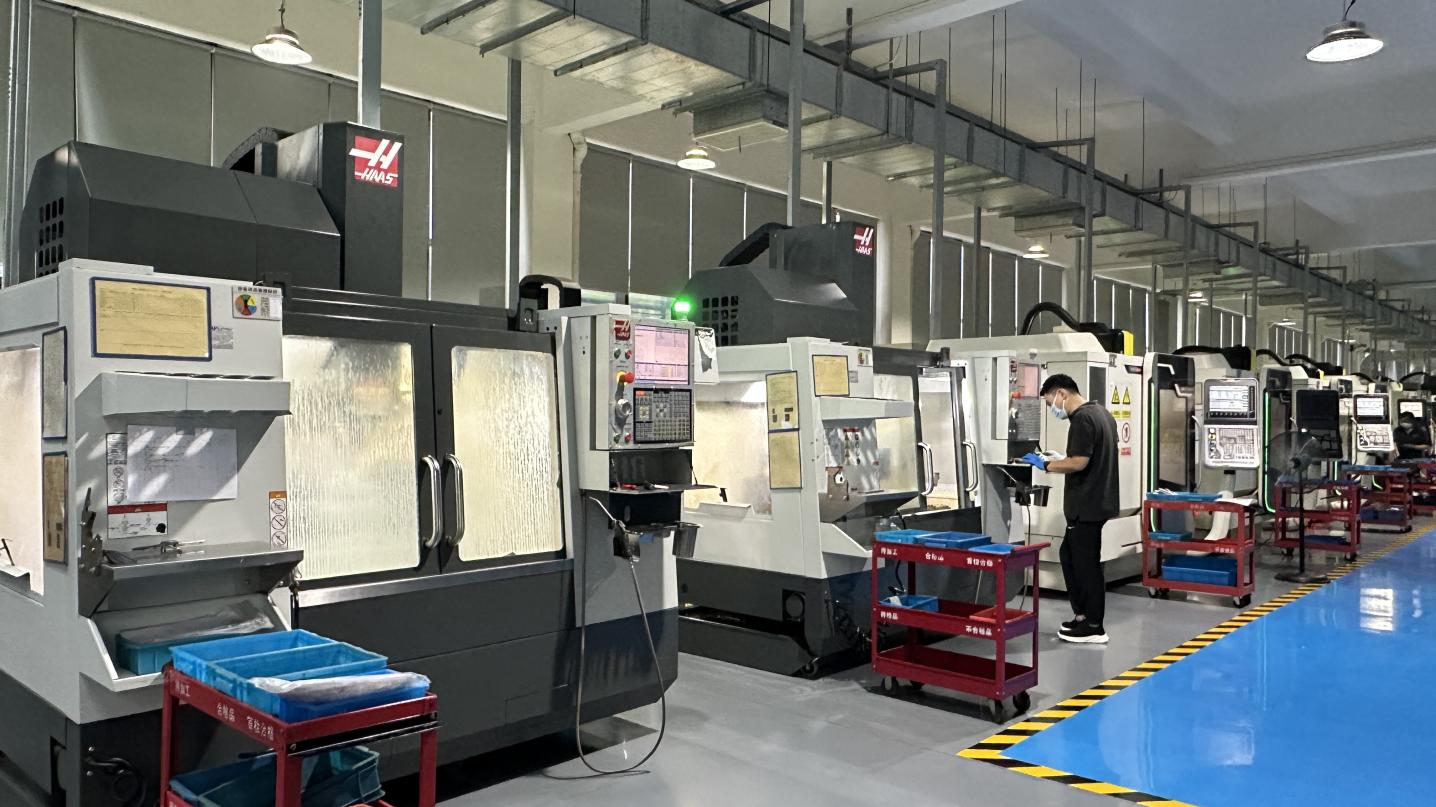
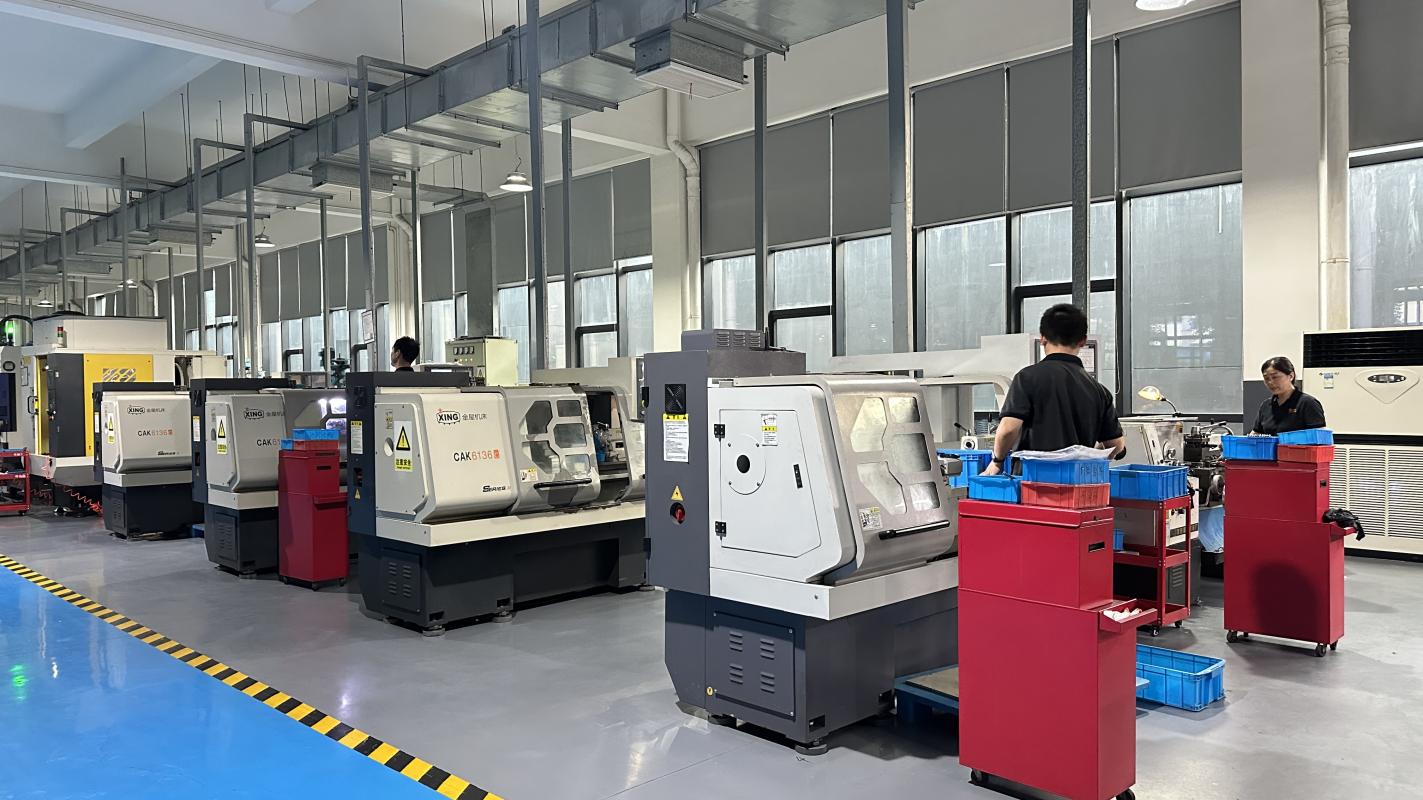
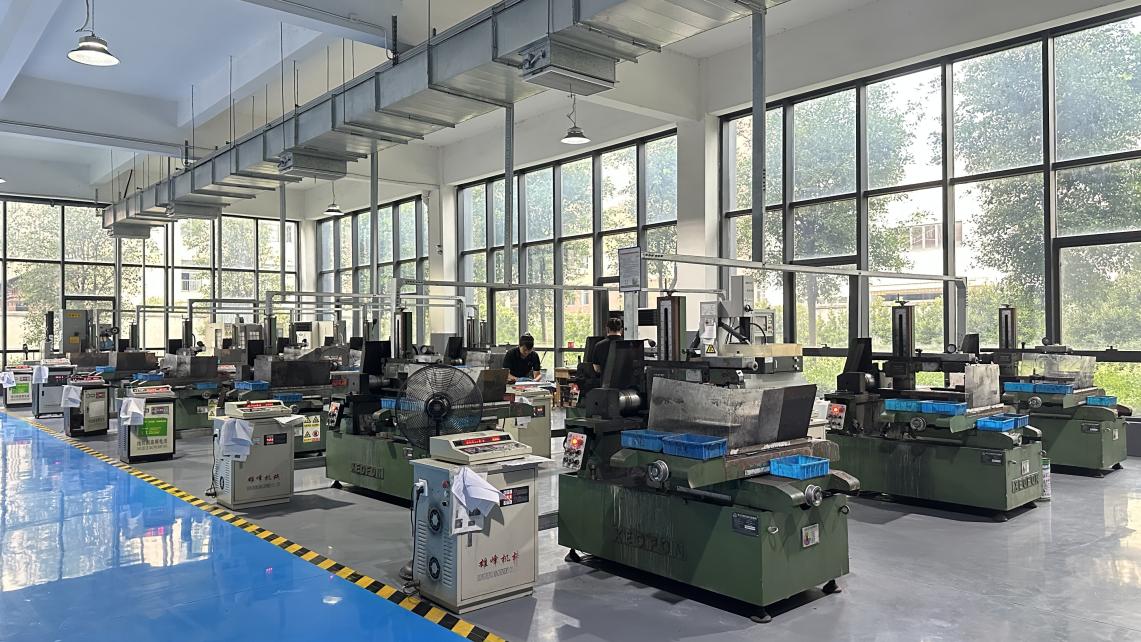
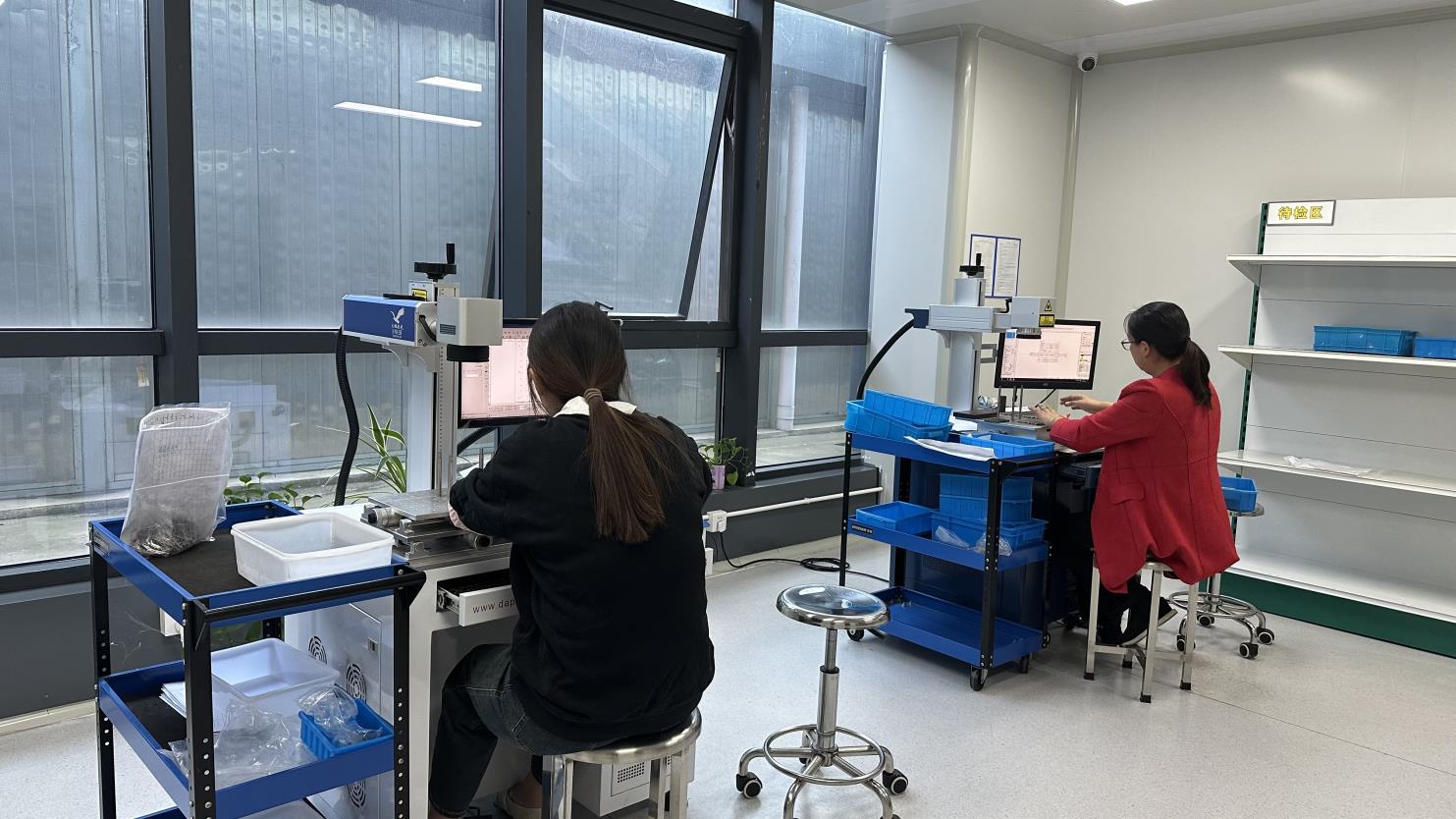
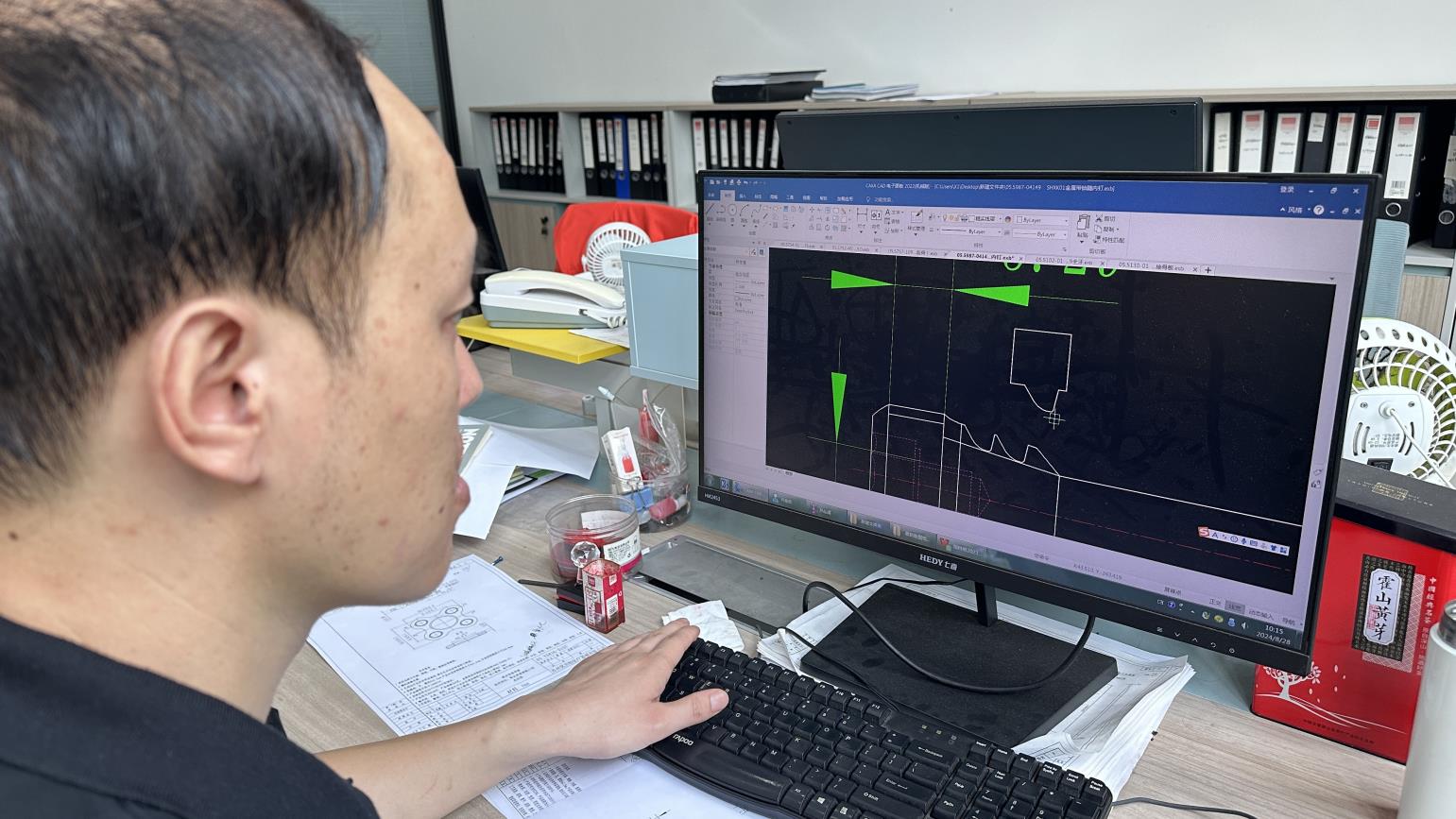
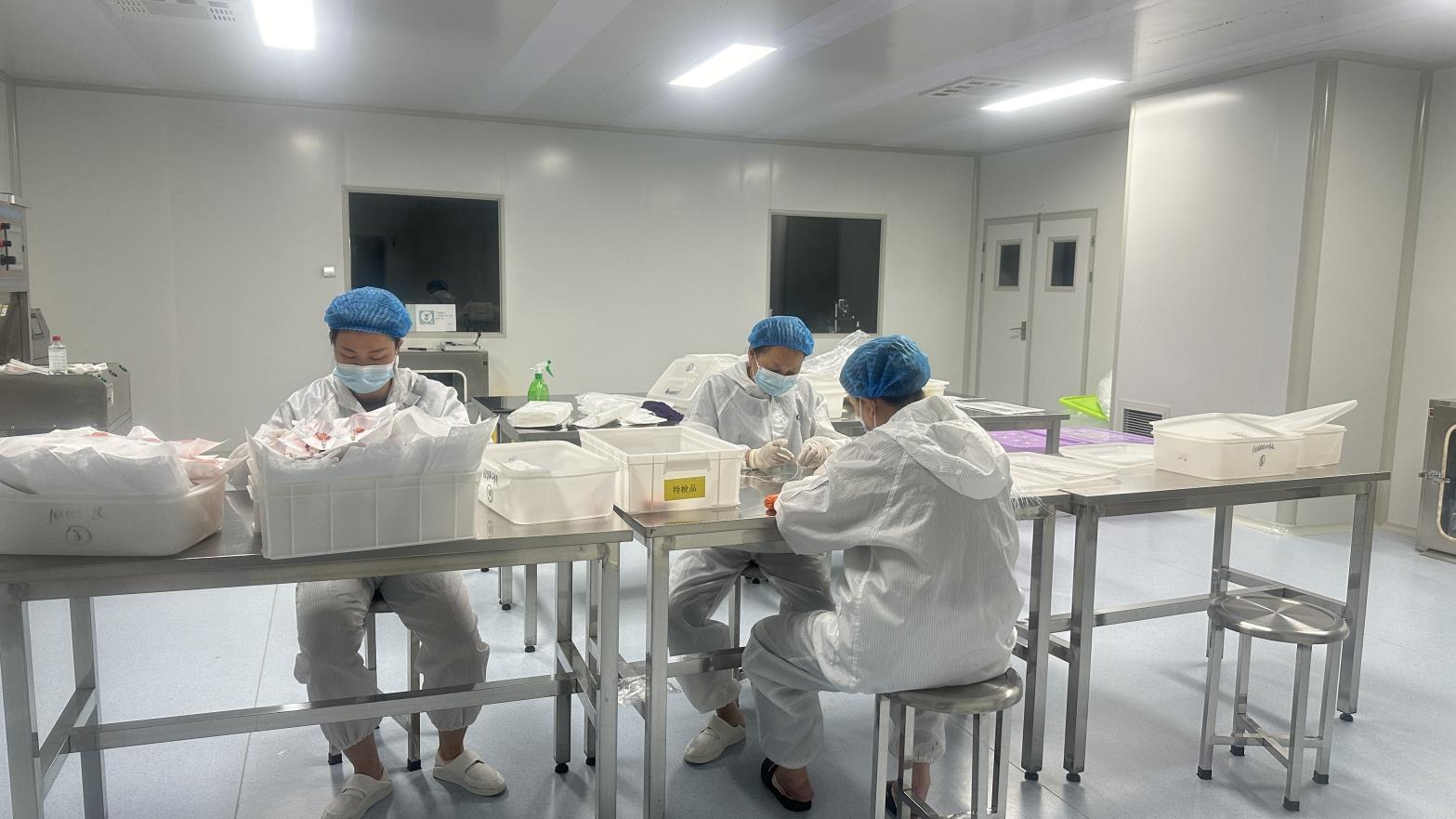
In complex deformity correction (e.g., severe adolescent idiopathic scoliosis), standard titanium rods may face limitations in maintaining corrected spinal profiles. Bonevia is actively expanding its manufacturing portfolio to include Cobalt-Chromium (Co-Cr-Mo) spinal rods alongside our premier titanium range. Co-Cr alloys offer a higher modulus of elasticity, providing maximum rigidity for long-construct deformity corrections to prevent postoperative correction loss.
Concurrently, the next decade belongs to "smart implants." Our research and development group (comprising 85 engineers) is investigating surface modifications that allow titanium implants to deliver localized antimicrobial peptides or incorporate micro-sensors that measure spinal fusion stress loads in real-time. This information gain is crucial for medical buyers who require forward-looking suppliers capable of sustaining next-generation medical device portfolios.
Exporting orthopedic class III medical implants into major global markets demands flawless regulatory execution. Bonevia has established a robust compliance system covering the following key guidelines:
Address key compliance, structural, and custom manufacturing concerns commonly raised by orthopedic product managers and distributors.
Browse our advanced clinical systems, from arthroscopy blades to total joint reconstruction and intramedullary trauma nail systems.