Bonevia
Bonevia
Bonevia
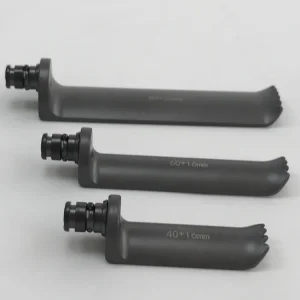
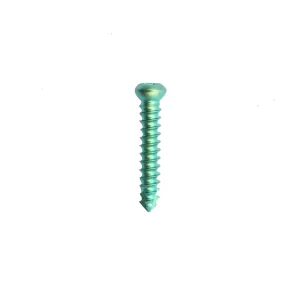
Posterior pedicle screw fixation represents the gold standard for stabilizing the thoracolumbar and sacral spine. These clinical assemblies are critical in treating pathologies including degenerative disc disease, spinal stenosis, severe spondylolisthesis, scoliosis, and traumatic instability. The primary mechanical function of a pedicle screw is to traverse the posterior column of the spine, achieving three-column anchor control to promote successful arthrodesis.
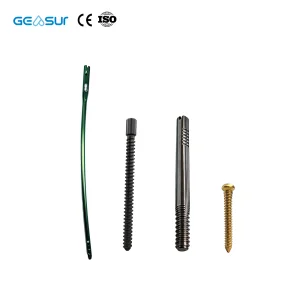
From an engineering perspective, modern systems utilize Grade 5 Titanium Alloy (Ti-6Al-4V ELI). This material choice is governed by its superior biomechanical characteristics: an optimal modulus of elasticity that minimizes stress shielding, excellent biocompatibility, and high fatigue strength to withstand cyclic physical loads. The structural design features double-lead threads that transition from cortical to cancellous bone geometry, optimizing pull-out strength while decreasing intraoperative insertion times.
Bonevia Orthopedic Technology Co., Ltd. is a professional manufacturer specializing in orthopedic implants and surgical solutions, dedicated to advancing innovation in trauma, spine, and joint reconstruction products. Since its establishment in 2015, the company has grown steadily into a trusted supplier in the global orthopedic industry.
With a modern production facility covering approximately 320㎡, Bonevia maintains strict quality management standards and efficient manufacturing processes. The company records an annual export revenue of around USD 8–15 million, supported by 6 years of export experience and over 10 years of overall industry experience.
Quality assurance is a core focus at Bonevia. The company implements multiple inspection methods including incoming material inspection, in-process quality control, and final product testing, supported by a dedicated quality team of 35 professionals. This ensures all products meet international medical device standards.
Bonevia has a solid trade foundation with diversified global distribution networks, serving major markets across Europe, Southeast Asia, the Middle East, and South America. Its supply chain ecosystem includes more than 850 partners, enabling stable raw material sourcing and efficient production delivery. The company serves a wide range of clients, including hospitals, orthopedic clinics, surgical centers, and medical distributors. Bonevia also demonstrates strong R&D capabilities, offering OEM and ODM customization services to meet specific clinical requirements. In the past year, Bonevia successfully launched 120 new product designs, supported by a research and development team of 85 engineers, continuously driving innovation in orthopedic implant systems and surgical instruments.
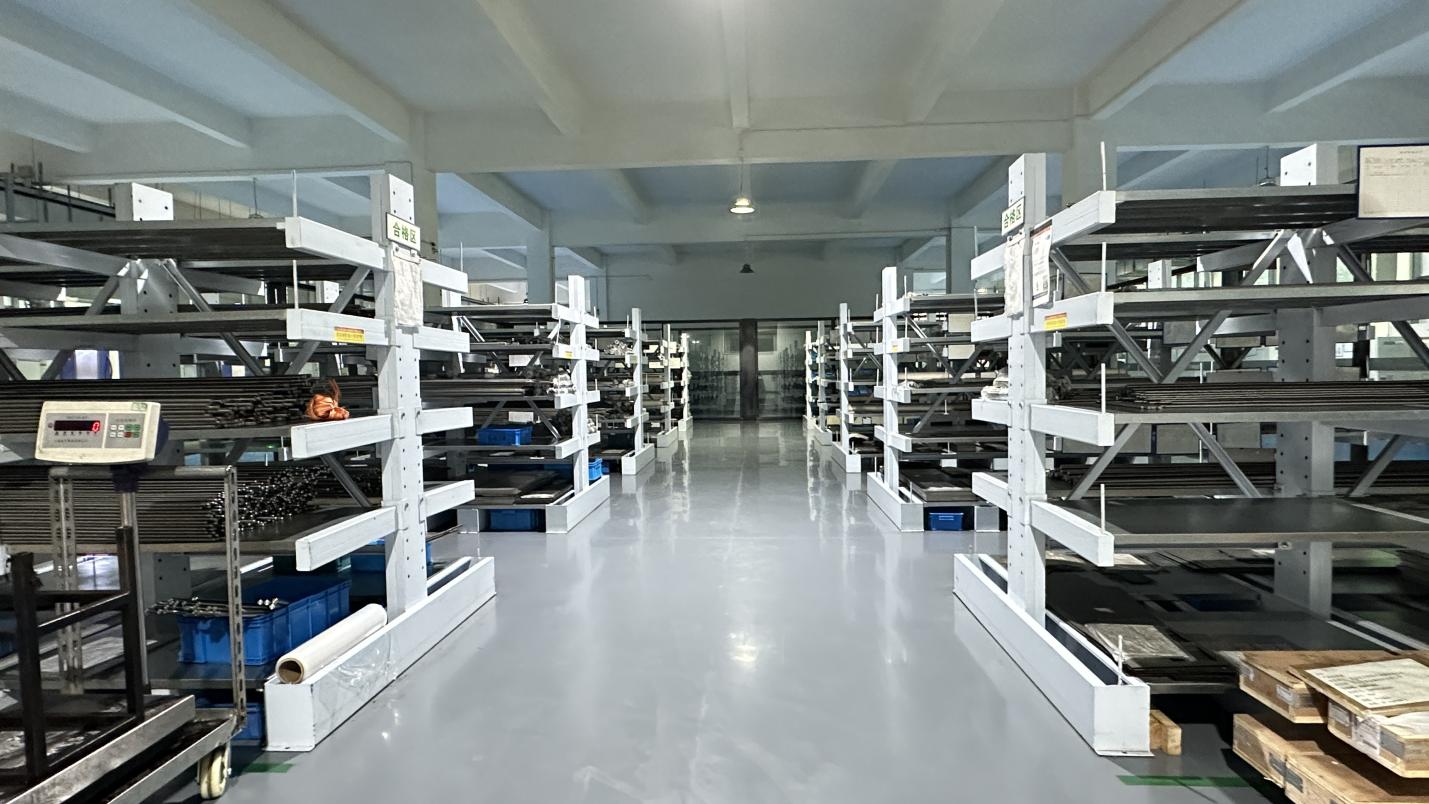
Precision manufacturing is essential for orthopedic implants. A failure rate in surgical screws can lead to revisions, infections, or loss of mechanical fixation. Bonevia operates a clean, highly structured clinical-grade production pipeline from material receipt to sterile double-barrier packaging.
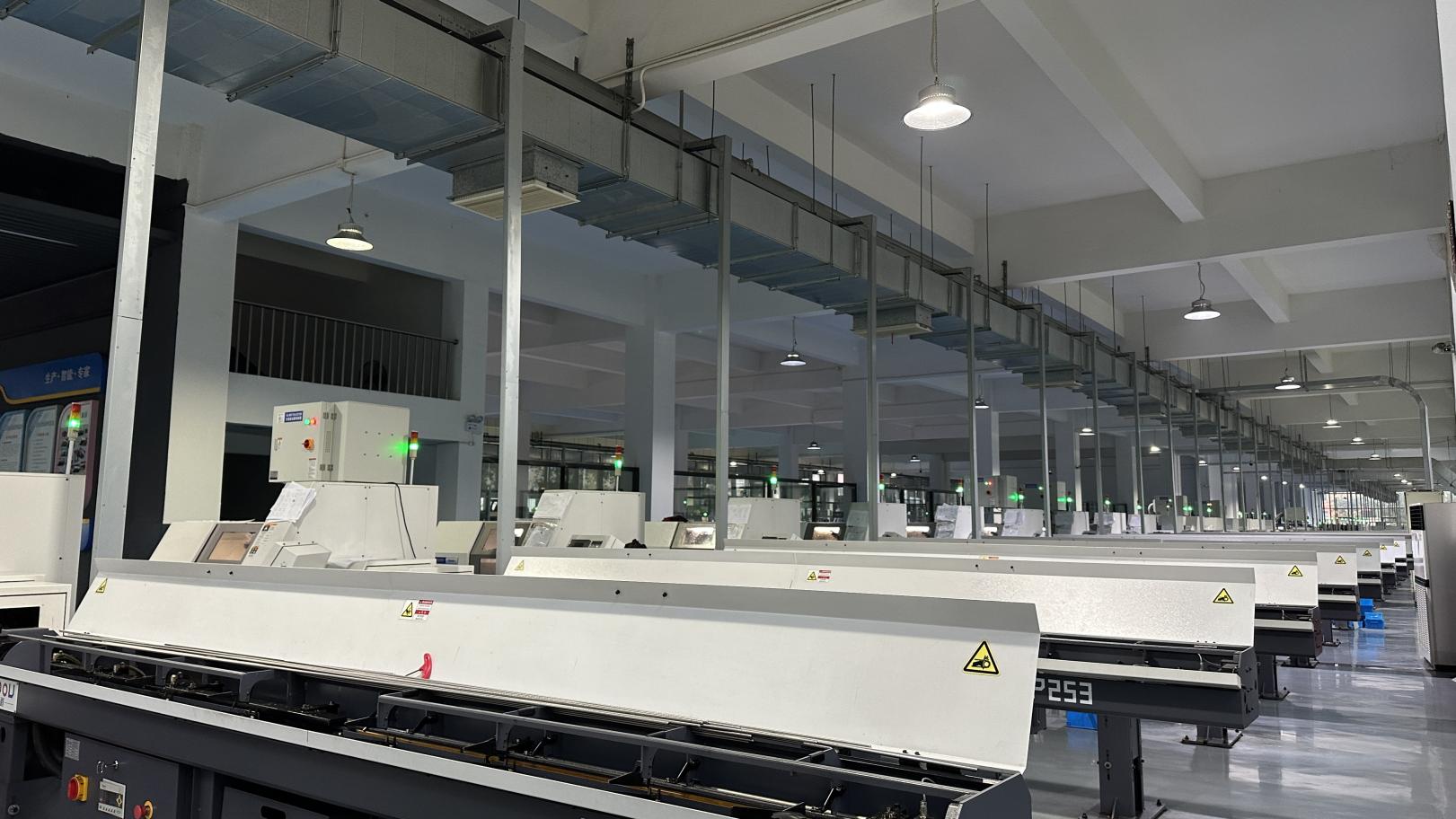
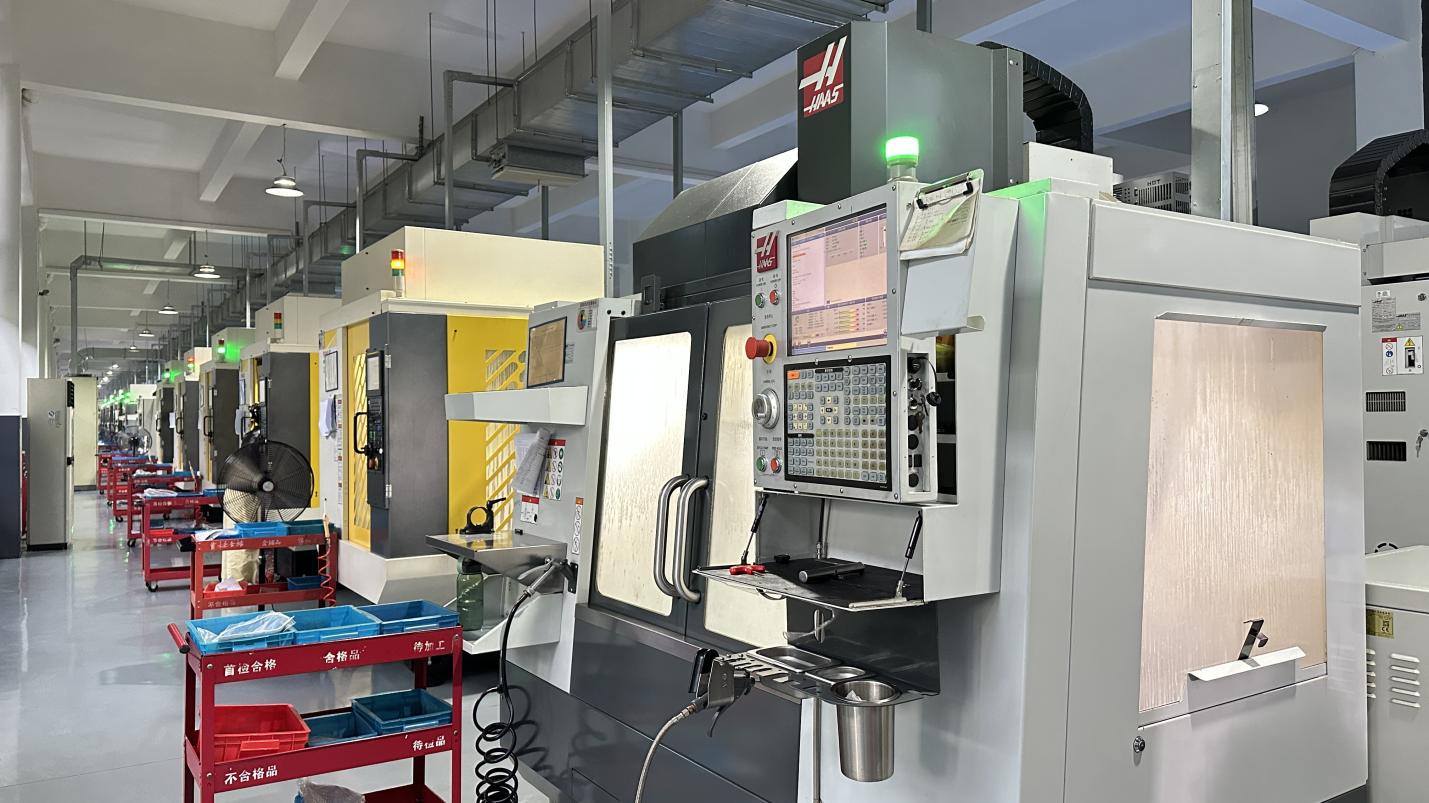
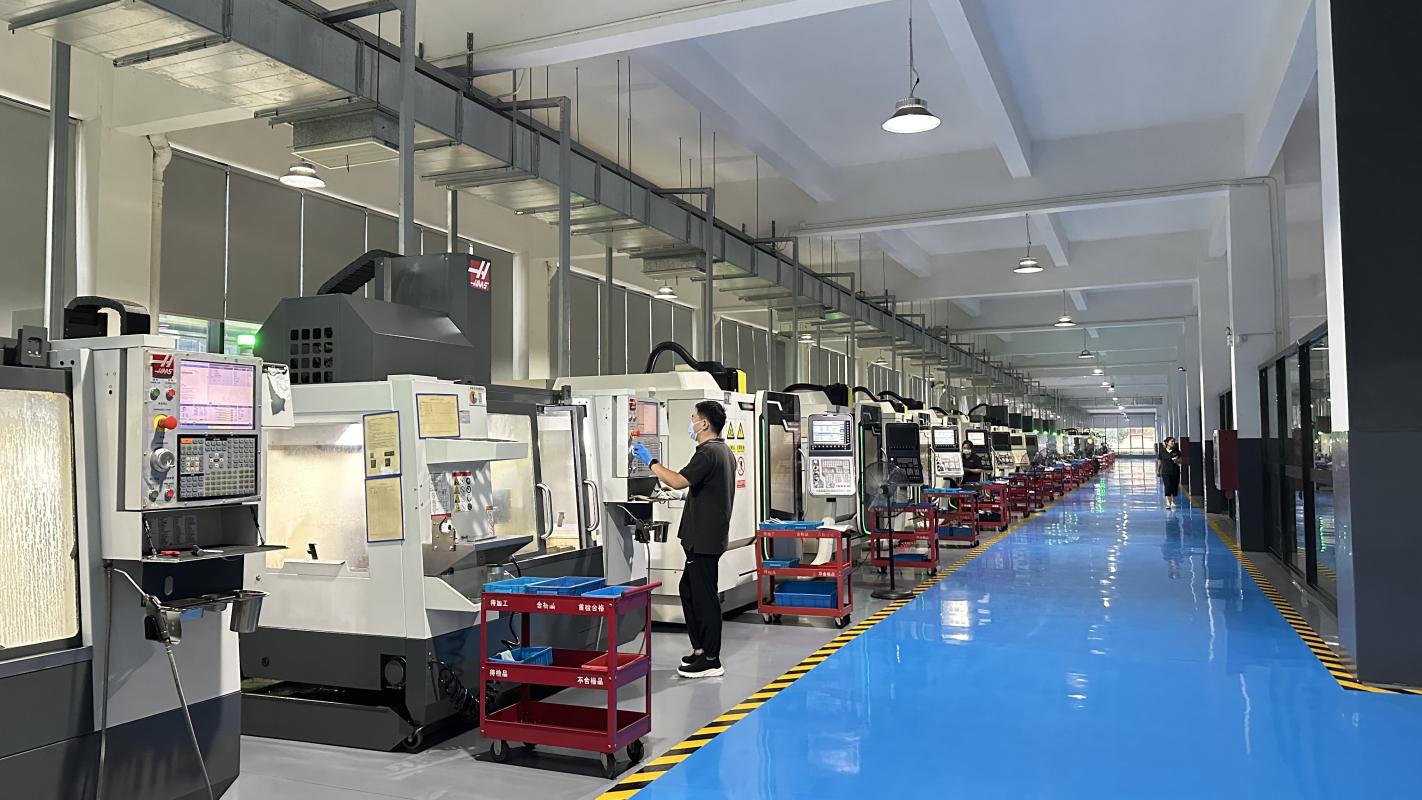
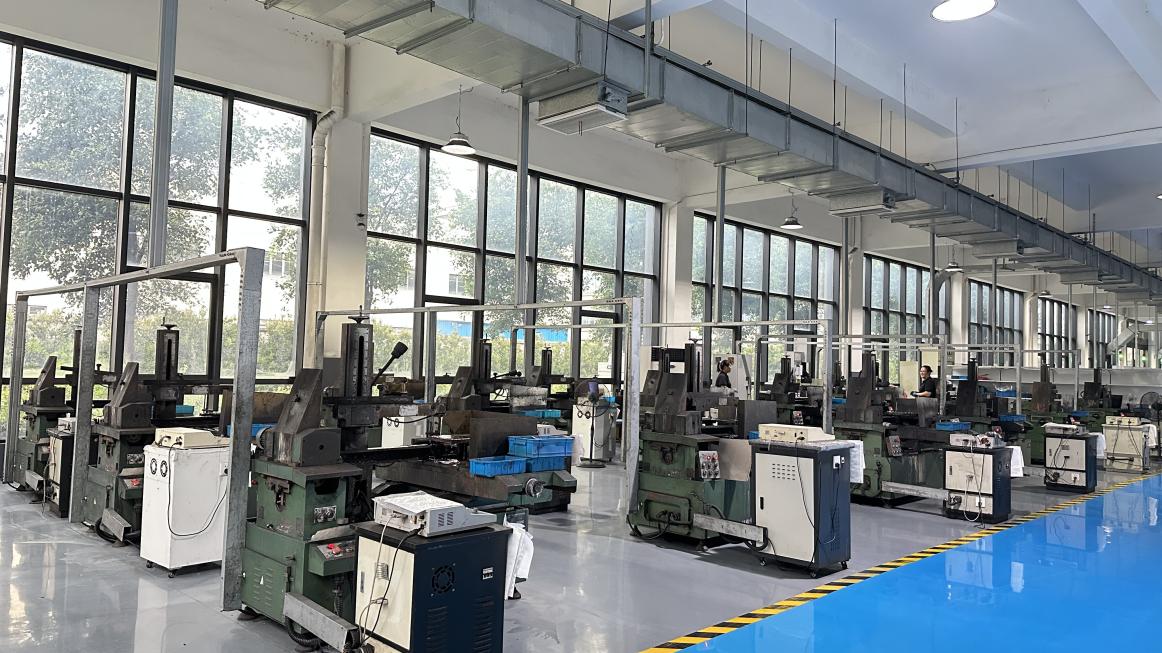
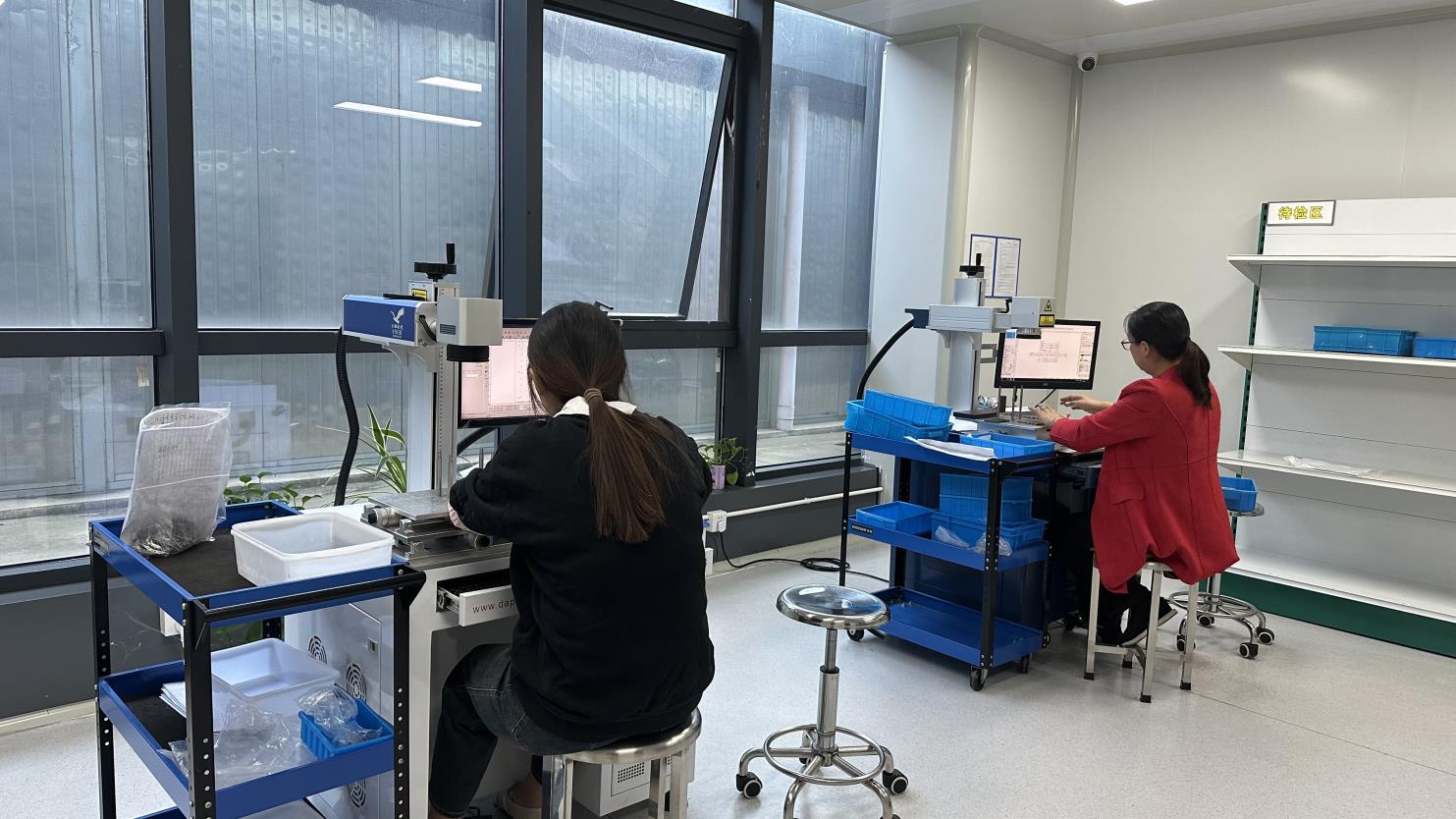
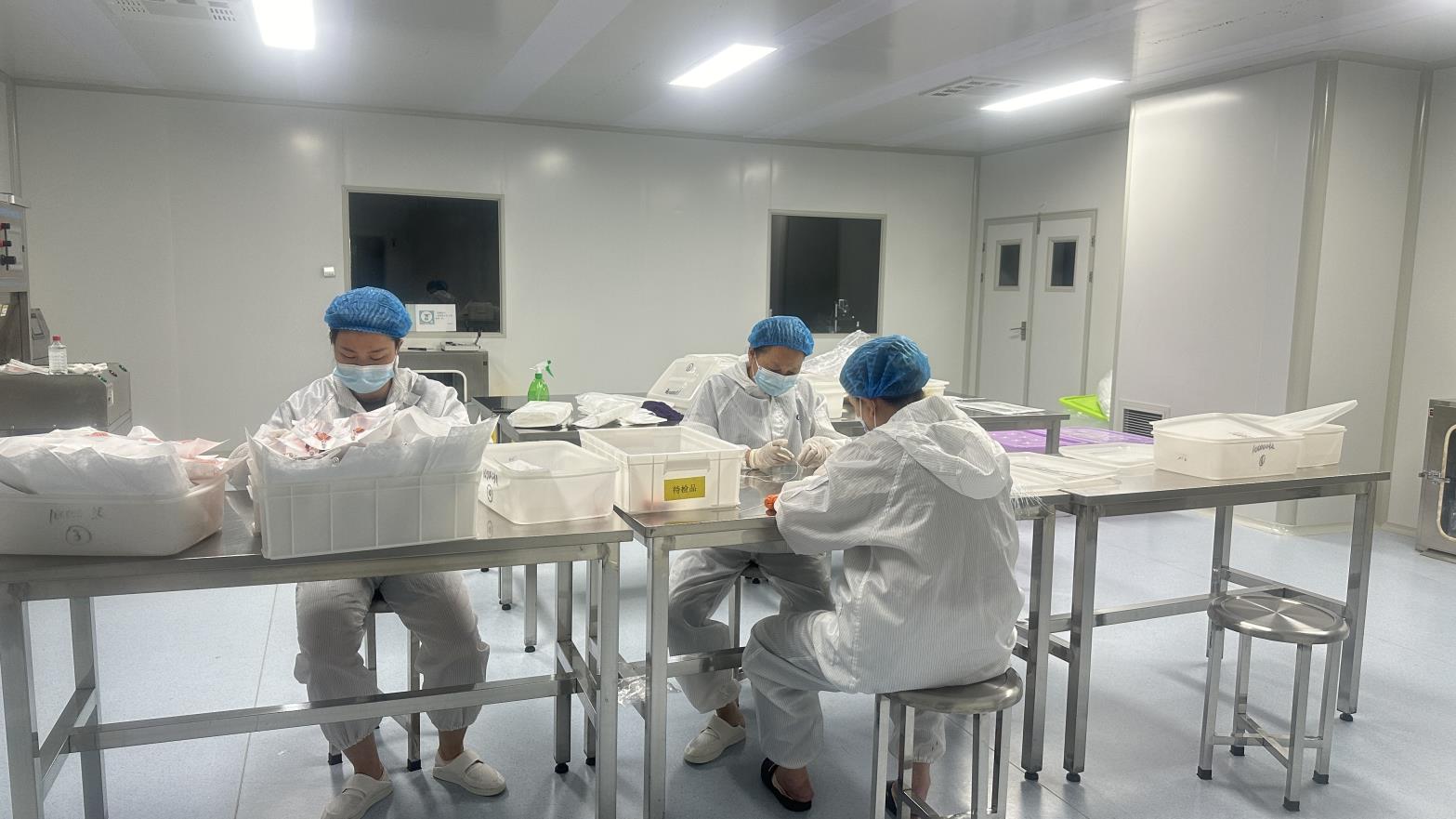

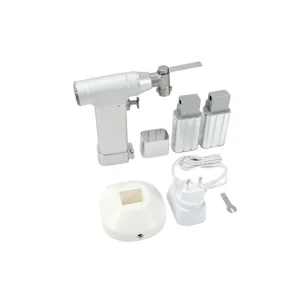
Continuous investment in cutting-edge machinery allows for high precision, repeatability, and micro-tolerance adherence. These steps are executed utilizing specialized hardware:
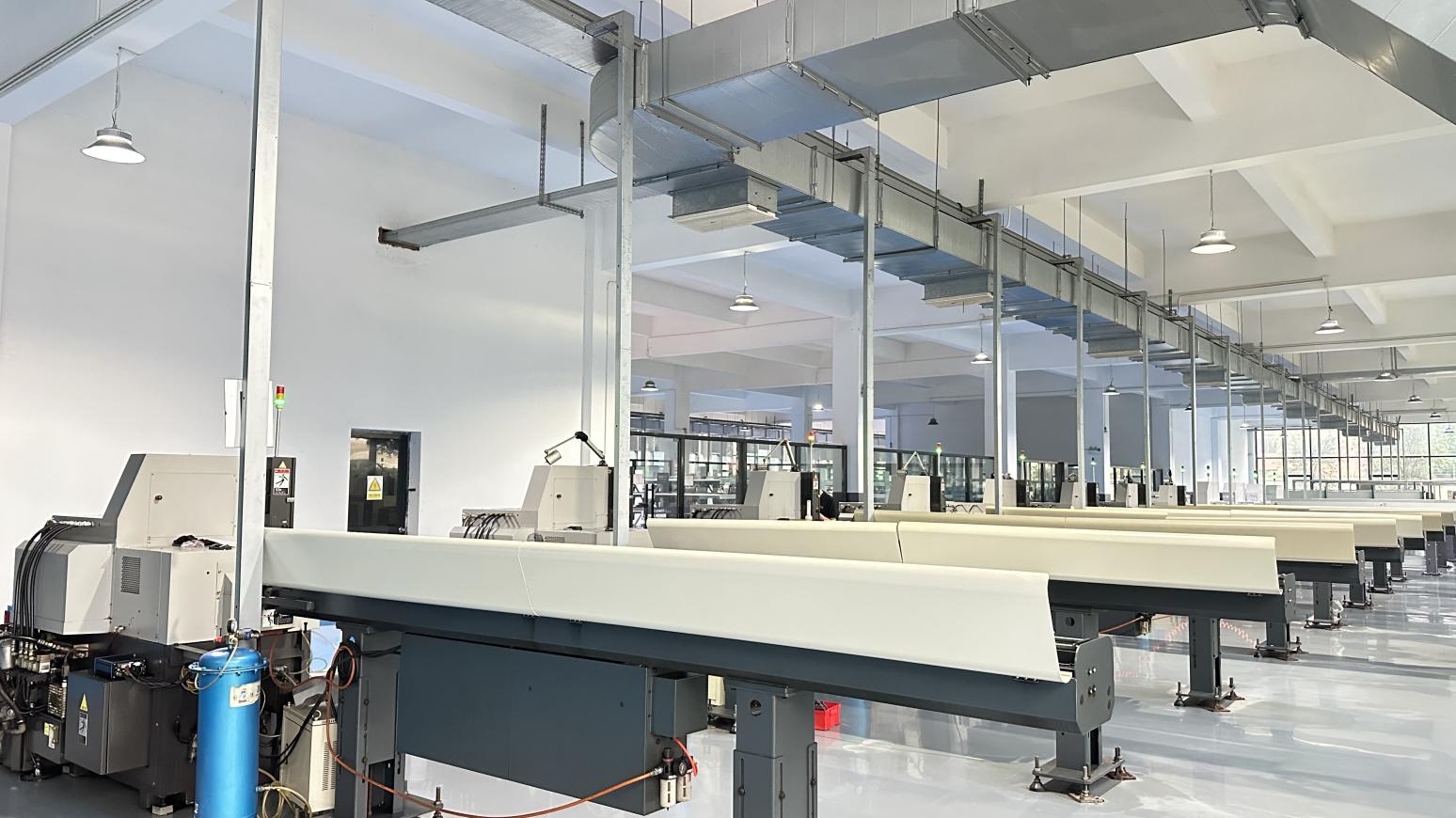
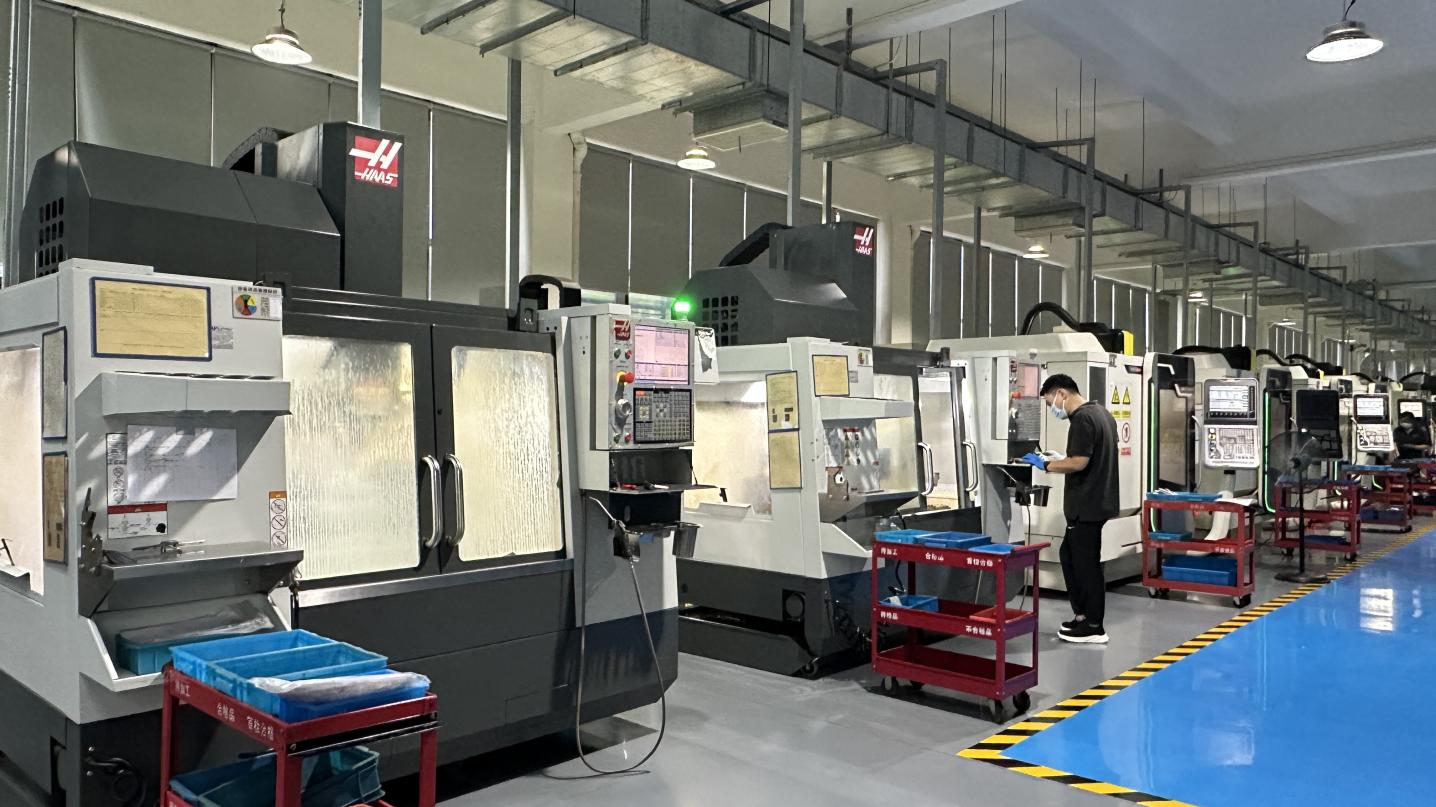
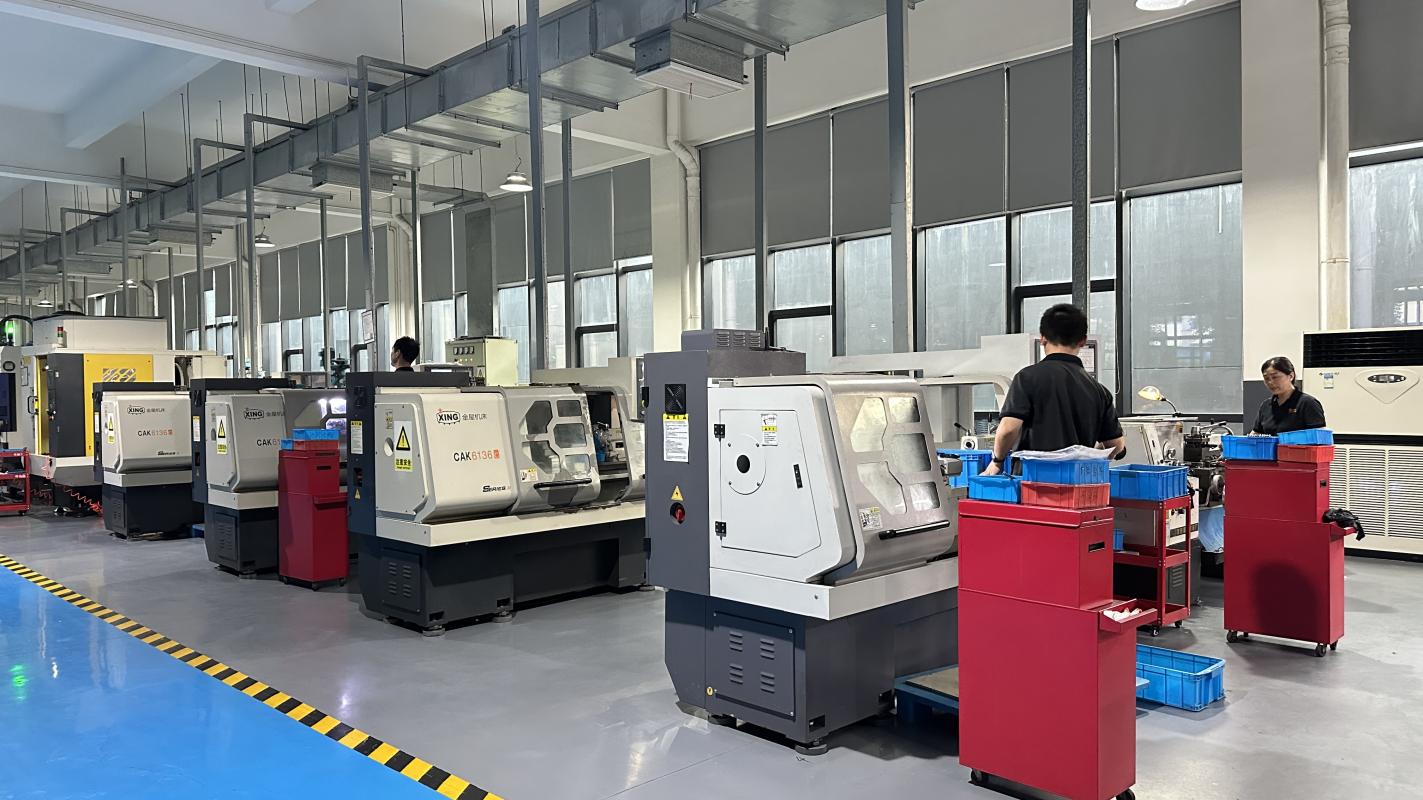
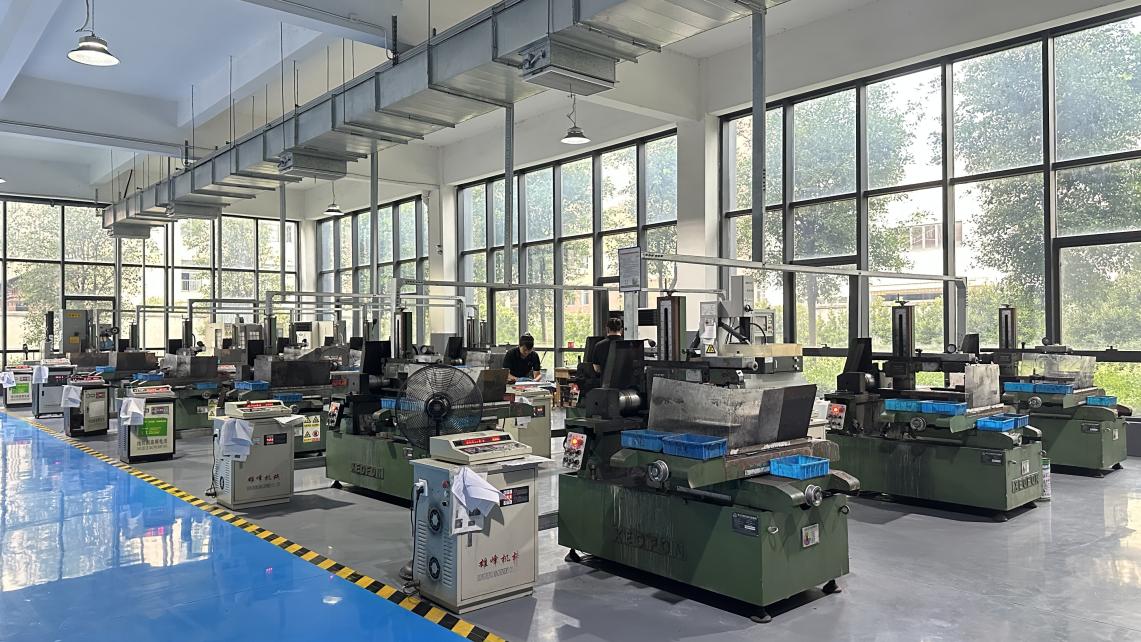
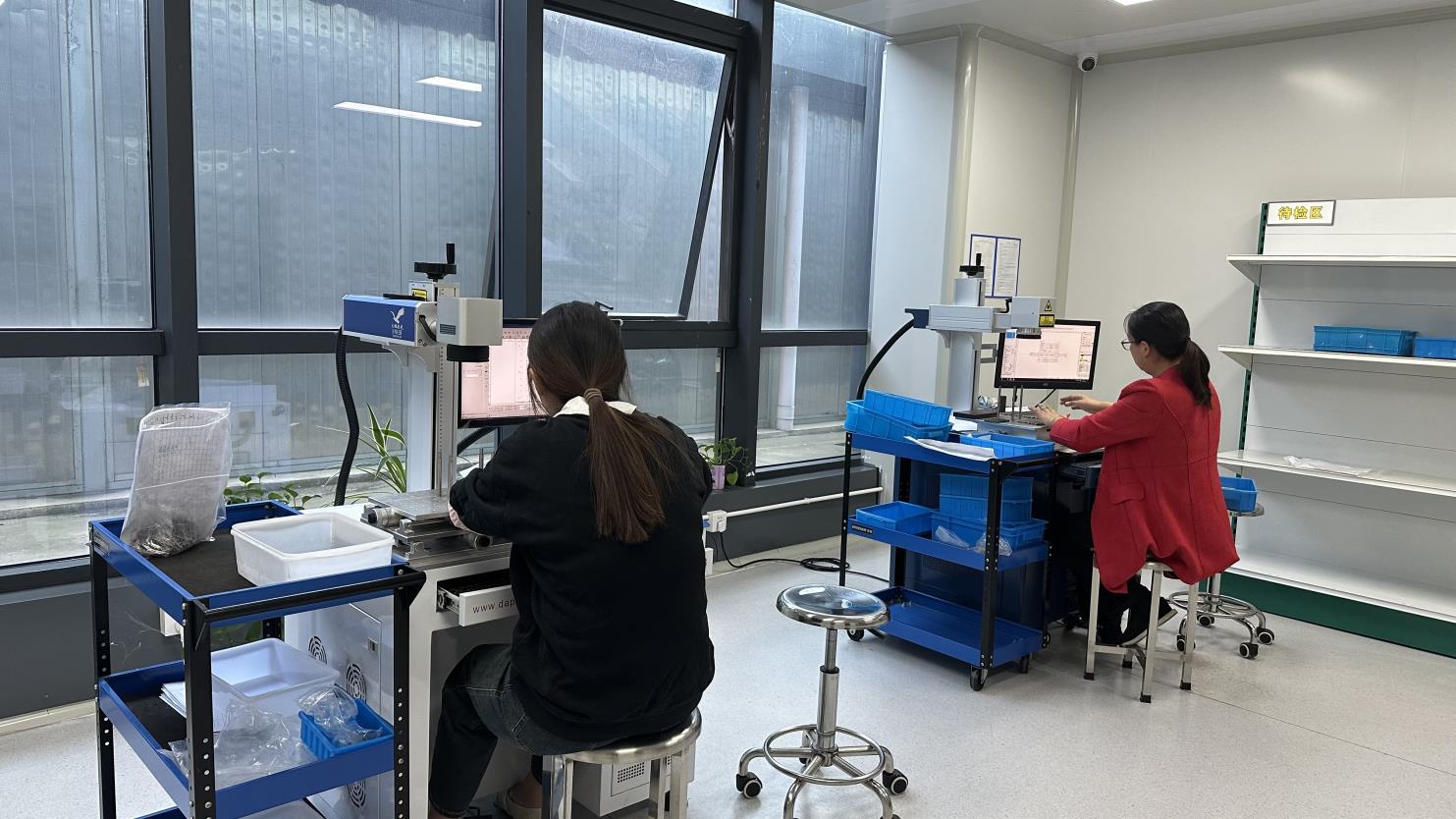
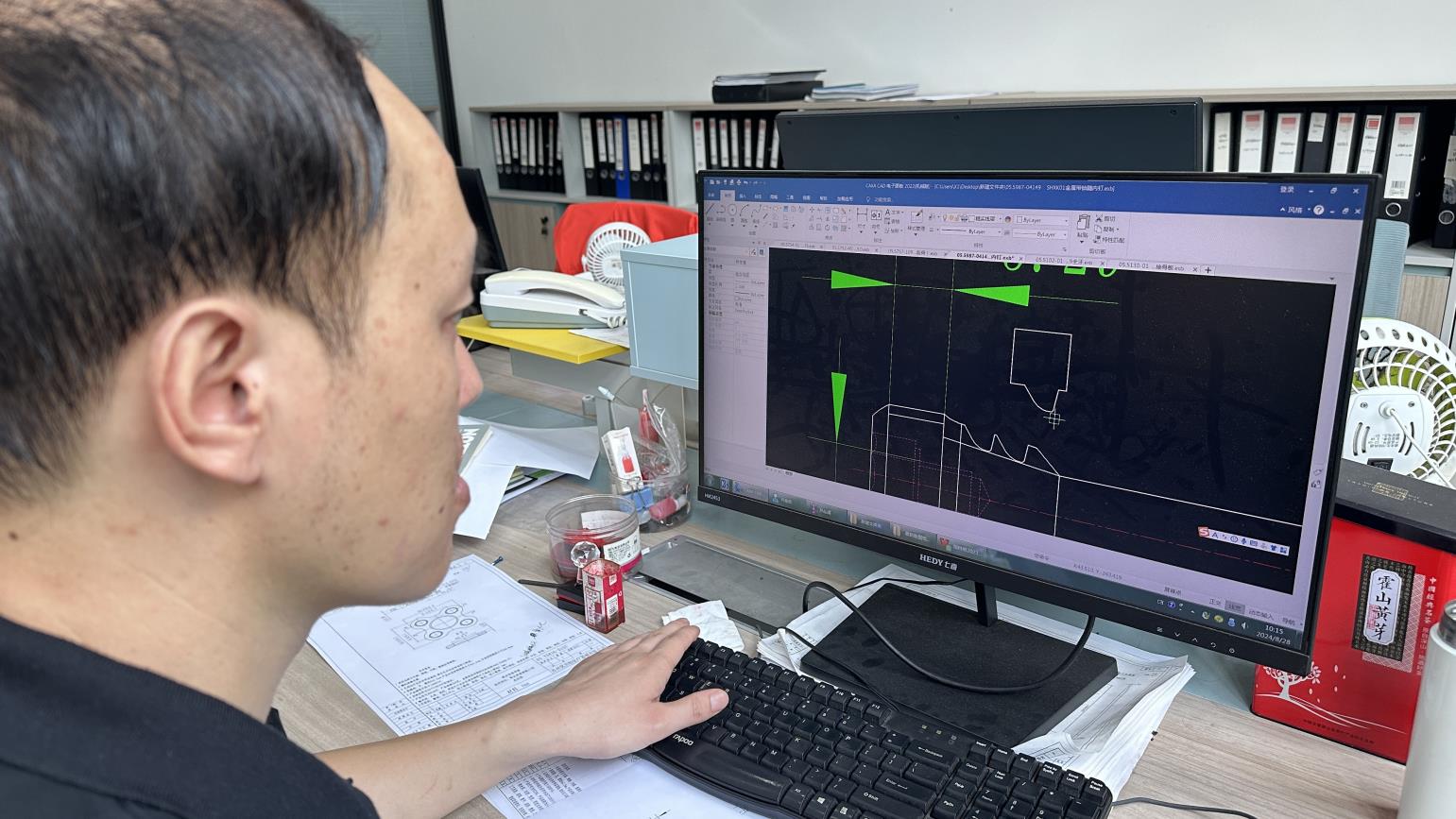
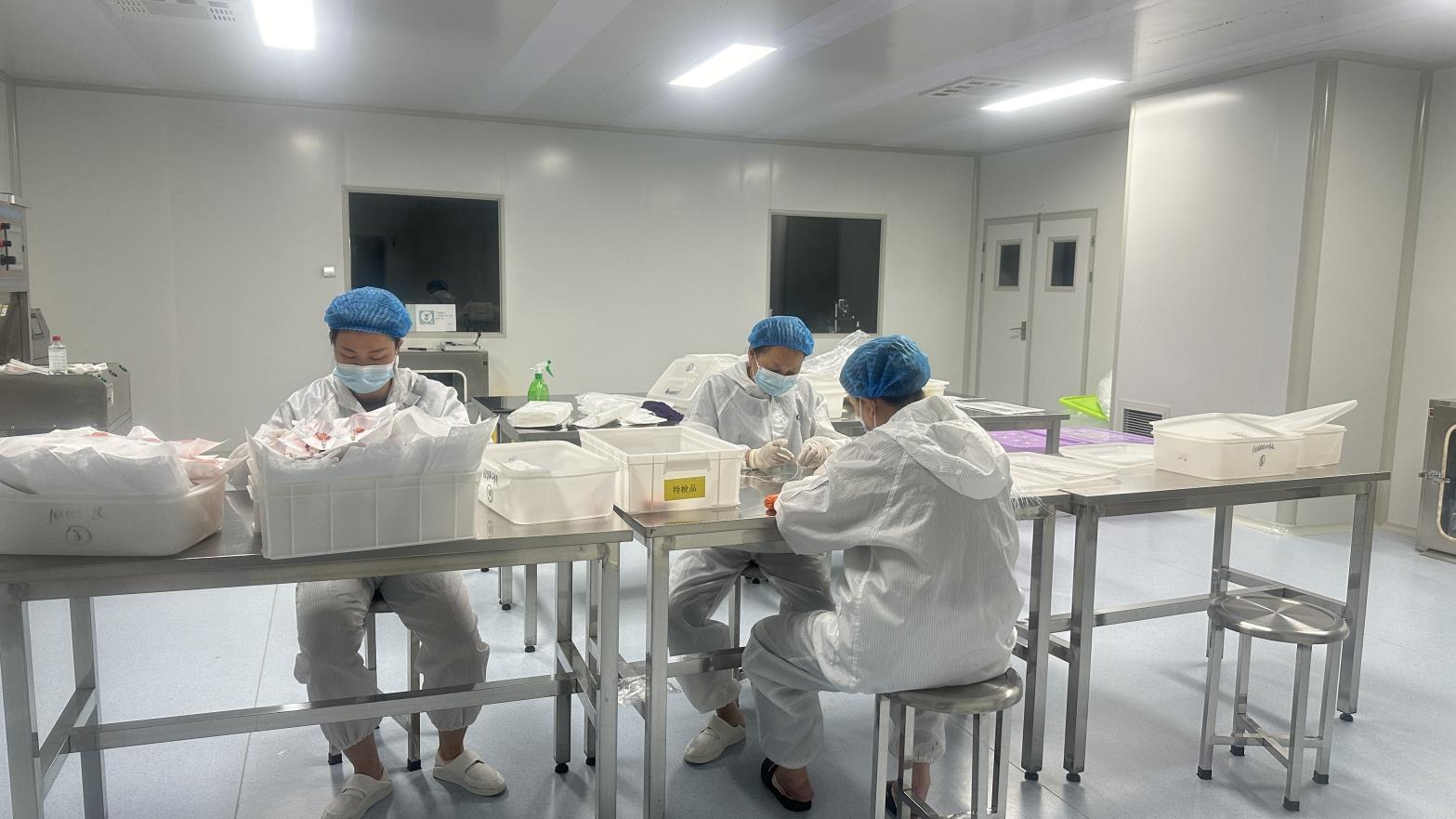
Through our network of over 850 supply chain partners, we secure medical-grade titanium bar stock from vetted producers with metallurgical certificates. Every batch is traceable down to its raw ingot form, ensuring no porosity or microstructural flaws exist before machining.
Our proximity to deep-water ports and international shipping hubs allows Bonevia to combine competitive Chinese manufacturing costs with efficient shipping, reducing total cost of ownership (TCO) for global distributors and hospitals.
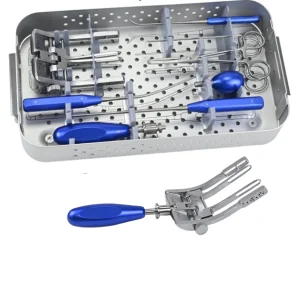
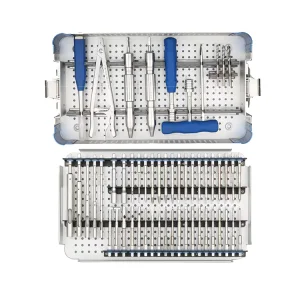
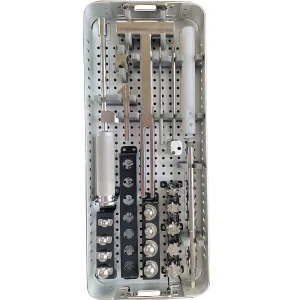
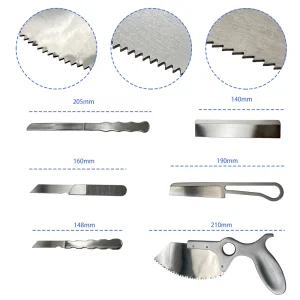
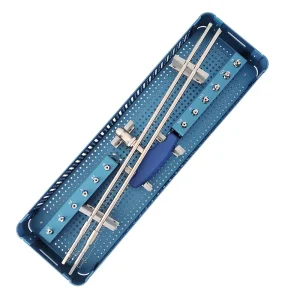
With 85 specialized R&D engineers, we design and produce tailored surgical instrument sets. We can move from 3D CAD modeling and biomechanical simulation to physical prototype creation within compressed development timelines.
Exporting orthopedic implants requires navigating complex regulatory landscapes. Bonevia supports distributors through strict document maintenance, quality audits, and technical dossier preparation.
Our facilities are routinely audited under medical-grade quality systems, ensuring trace verification of all in-process materials and finished implants.
We supply comprehensive biocompatibility reports, mechanical test documentation (ASTM F543 & ASTM F1717), packaging validation data, and cleaning validations.
We assist in preparing localized dossiers for regulatory agencies in Latin America, Southeast Asia, and the Middle East to facilitate market entry.
The demand for percutaneous pedicle screws is growing. These configurations allow surgeons to place implants through micro-incisions, reducing muscle disruption and recovery time.
Modern systems include interface geometry matching optical and electromagnetic surgical navigation arrays for high accuracy during screw placement.
Additive printing and acid-etched surfaces improve osseointegration along the screw thread profile, reducing long-term loosening rates.
Pre-contoured rods and sagittal-adjusting mechanisms help correct complex spinal deformities and restore natural sagittal balance.