Bonevia
Bonevia
Bonevia
Engineered for orthopedic reconstruction, sports medicine, and advanced veterinary traumatology.
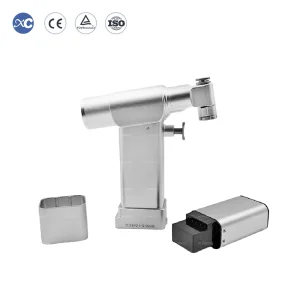
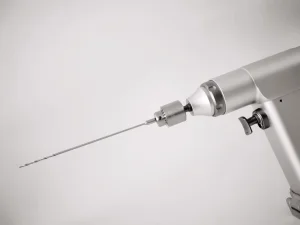
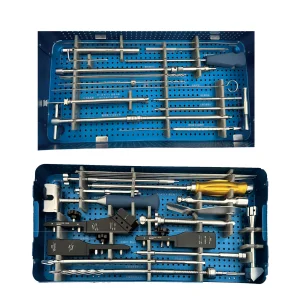
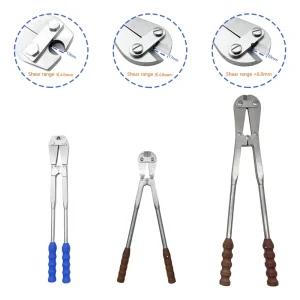
Biomechanical demands, regulatory pathways, and supplier capability mapping for global trauma procurement directors.
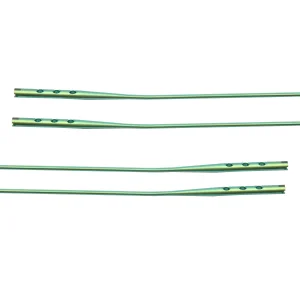
In modern trauma orthopedics, the stabilization of complex comminuted fractures of long bones (such as the femur, tibia, and humerus) demands internal fixation systems that balance structural rigidity with biological preservation. Reconstruction Intramedullary Nails have emerged as the clinical standard for load-sharing implants. Compared to traditional plate fixation, reconstruction nails offer minimal incision footprints, lower risk of periosteal devitalization, and superior biomechanical strength by aligning closely with the anatomical neutral axis.
However, the procurement of these Class III medical devices presents significant challenges for hospitals, medical distributors, and surgical centers. Factors such as fatigue strength of the alloy, precision of interlocking screw locking configurations, instrument kit ergonomics, and regulatory documentation (CE, FDA, ISO 13485) dictate clinical success and product longevity. This whitepaper systematically evaluates the qualifications of the top reconstruction nail manufacturers and exporters globally, focusing on supply chain resilience, technical roadmaps, and manufacturing intelligence.
Google’s search algorithms prioritize clinical efficacy documentation and manufacturing transparency under the E-E-A-T framework. As a leading manufacturer, Bonevia Orthopedic Technology Co., Ltd. addresses these core intent vectors by providing deep engineering data regarding mechanical fatigue limits, surface treatments (anodic oxidation), and strict QA trace protocols.
Profile of Bonevia Orthopedic Technology Co., Ltd. – Innovating in trauma, spine, and joint solutions since 2015.
Established in 2015, Bonevia Orthopedic Technology Co., Ltd. is a premier, professional manufacturer specializing in orthopedic implants and high-performance surgical solutions. The company is deeply dedicated to advancing surgical outcomes by introducing continuous innovation across trauma fixation, spinal fusion systems, and complex joint reconstruction portfolios. Over the years, Bonevia has transitioned from a specialized regional factory into a globally trusted OEM/ODM supplier within the highly regulated medical device sector.
Operating with a modern and highly optimized production facility covering approximately 320㎡ (configured for high-throughput precision CNC and cleanroom packaging), Bonevia strictly implements multi-tier international quality systems. The company records an annual export revenue of USD 8–15 million, bolstered by 6 years of specialized export experience and a leadership team possessing over 10 years of orthopedic industry experience. Through a combination of rigorous testing standards and collaborative engineering, Bonevia has formed a robust global distribution ecosystem.
The technological trajectory of reconstruction nails: from basic interlocking alloys to smart implants.
Transitioning from Stainless Steel 316L to Ti-6Al-4V ELI (ASTM F136) minimizes stress shielding effects, while custom carbon-fiber PEEK elements enhance radiolucency for simplified post-operative intraoperative imaging.
Integration of anodic oxidation processes and biomimetic hydroxyapatite (HA) coatings to accelerate early endosteal bone integration, reducing implant migration and secondary revision rates.
Smart distal slot patterns allowing controlled axial compression (dynamization) while preventing rotational translation, facilitating micro-motion optimized for natural callus formation.
Anatomical curvature optimization using finite element analysis (FEA) to reduce anterior cortex impingement.
Developing antibacterial silver-ion or polymer coatings to actively combat surgical site infections (SSI).
Integration of magnetic electromagnetic targeting guides to eliminate fluoroscopy-dependent distal locking errors.
Embeddable strain sensors tracking healing progress in real-time, feeding clinical data directly to patient portals.
Adapting trauma implants to demographic shifts, surgical setting variations, and emergency readiness.
National healthcare expenditures are increasingly scrutinized for value-based outcomes. For national health systems (such as the NHS, private hospital consortia, or regional trauma centers), reconstruction nails cannot be viewed purely as standalone metal screws; they must be structured as parts of comprehensive trauma systems.
Geriatric Traumatology: The rise of osteoporotic hip fractures among the aging demographic requires reconstruction nails optimized for poor bone stock. Suppliers like Bonevia design cephalomedullary nails that permit bone cement augmentation through cannulated lag screws, providing immediate rotational stability.
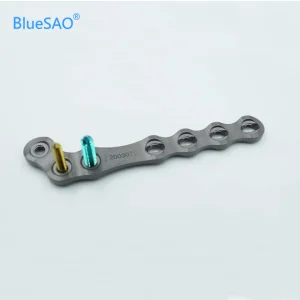
Veterinary Traumatology Expansion: High-performance interlocking systems have successfully migrated into veterinary medicine. Bonevia’s small-fragment systems, TPLO solutions, and L-shaped reconstruction locking plates address a parallel, high-growth sector where robust implants are required for rapid return-to-function in performance and domestic animals.
How high-tech infrastructure, raw material integration, and quality assurance mitigate global supply risks.
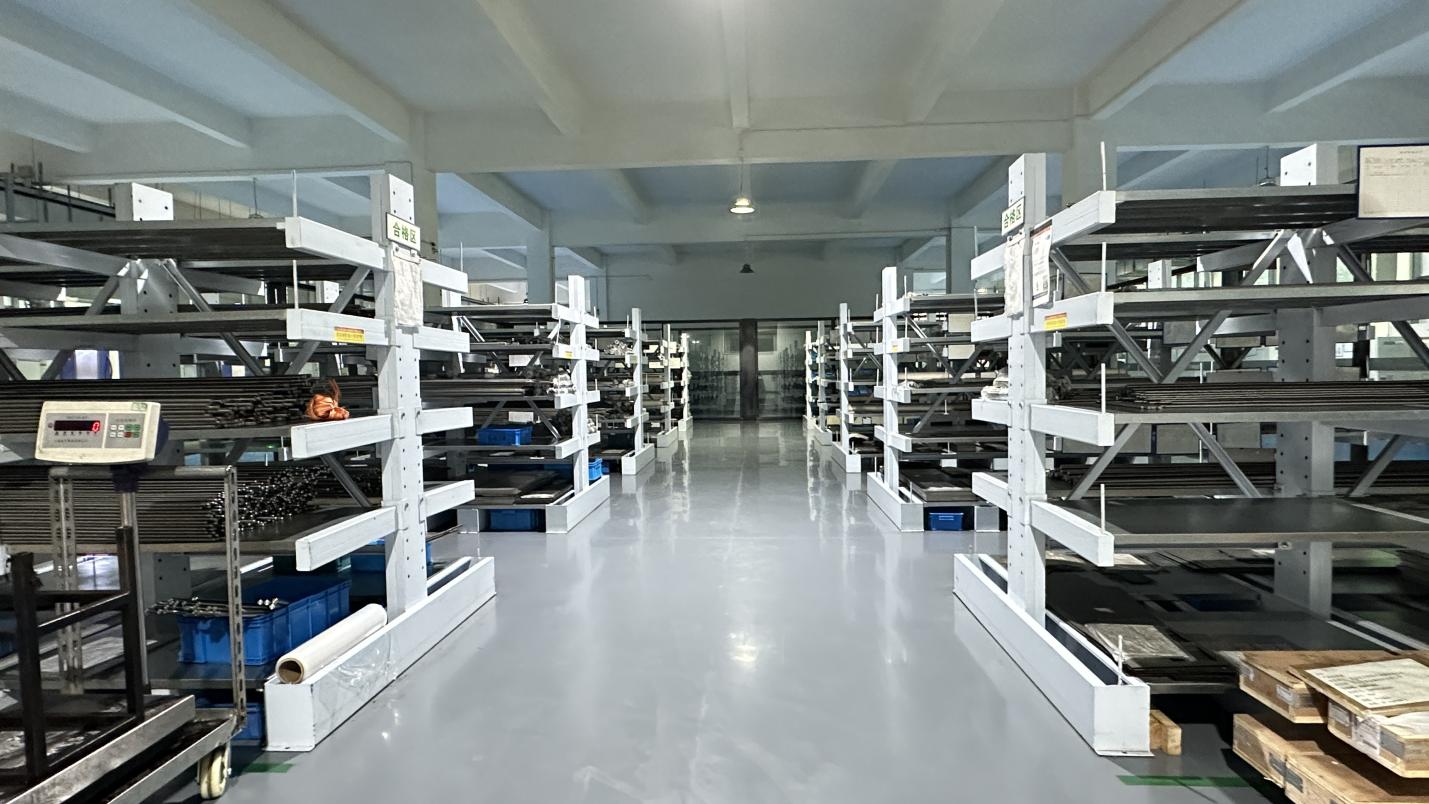
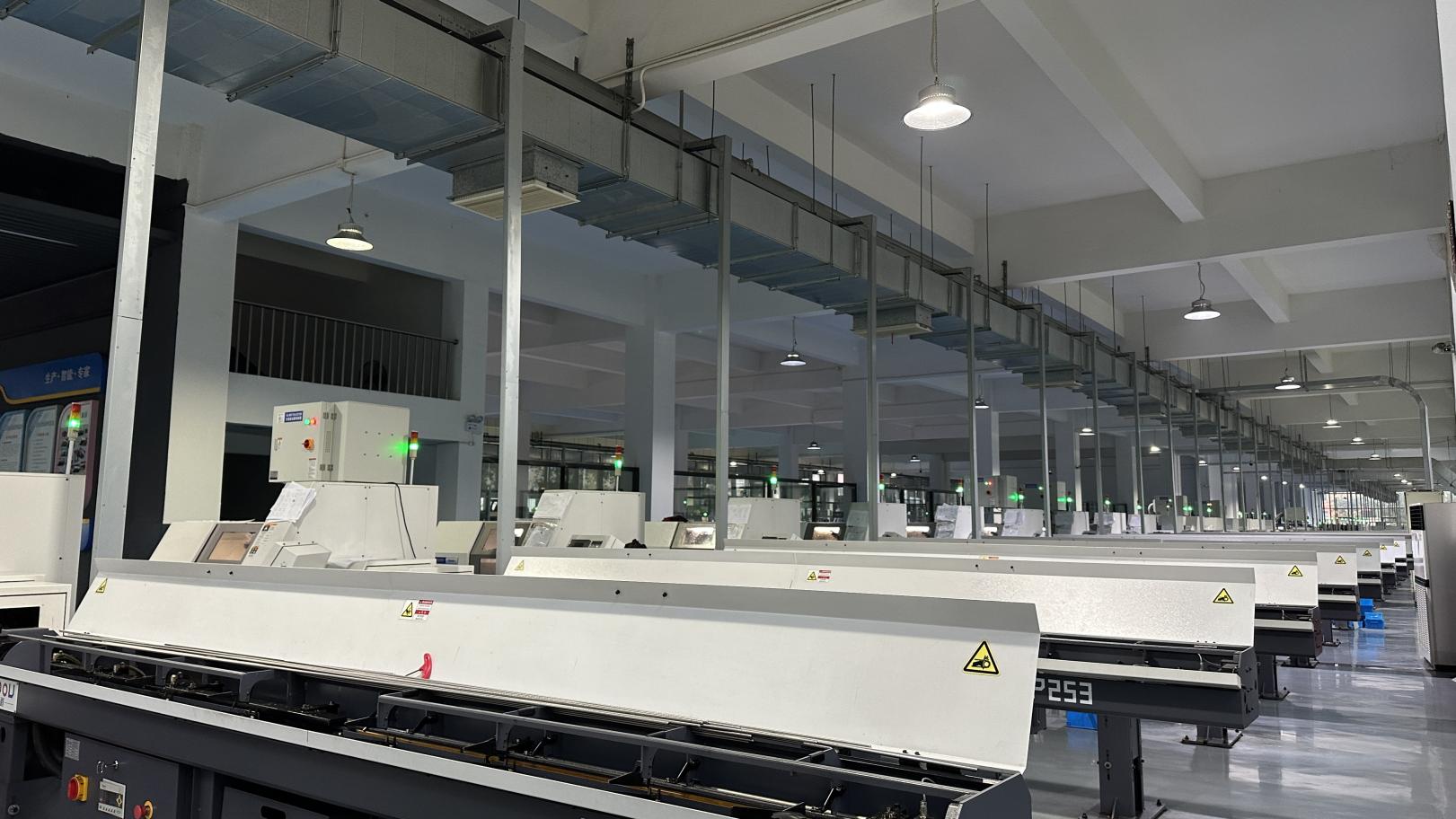
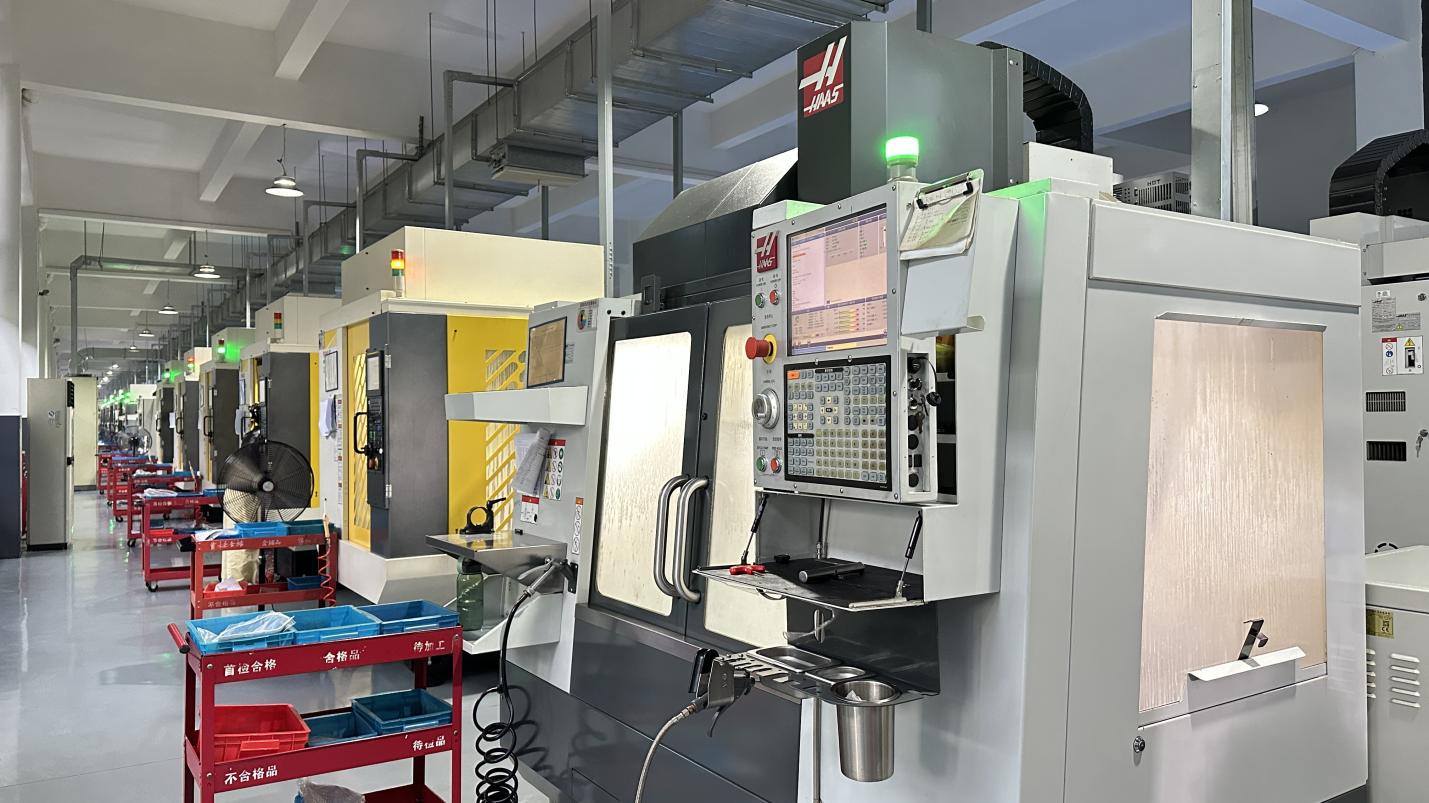
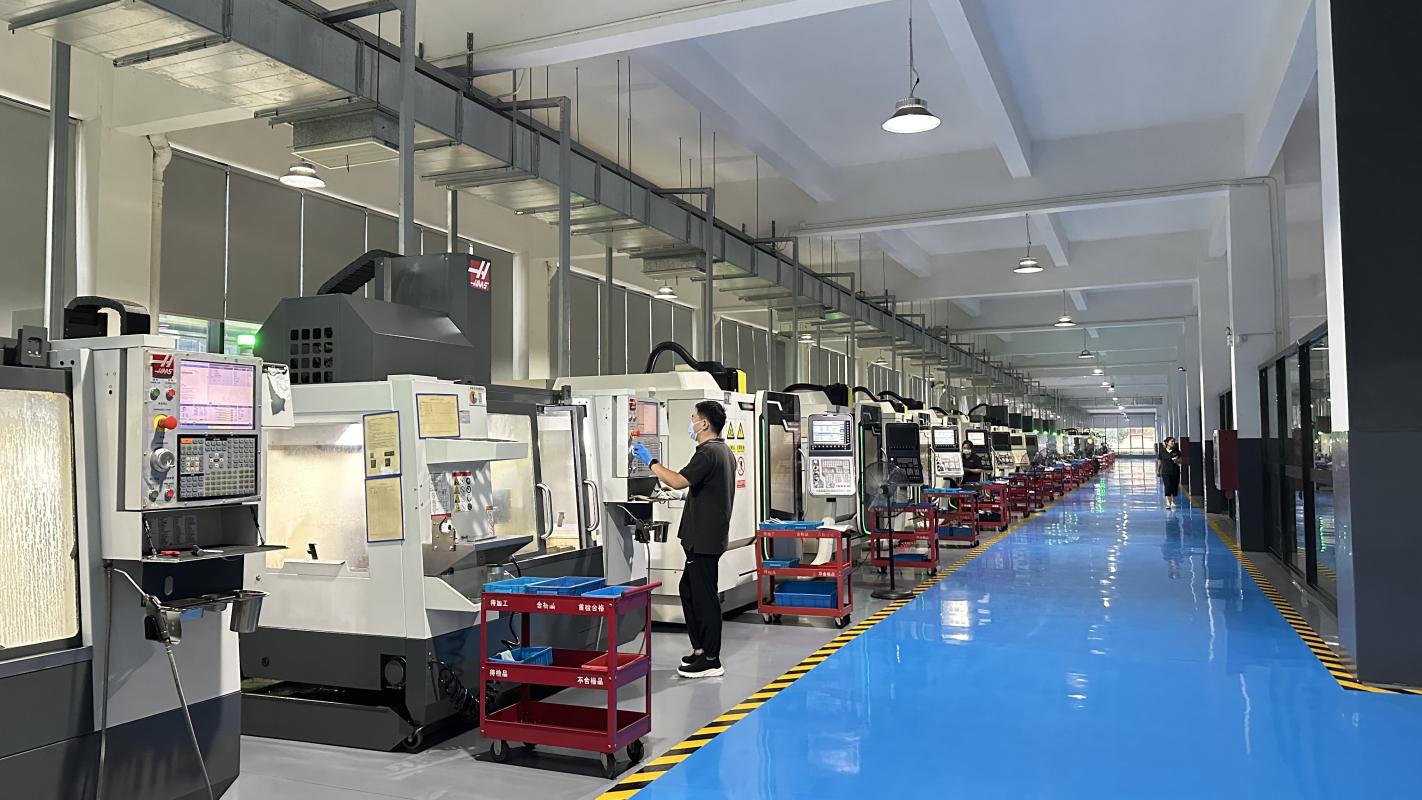
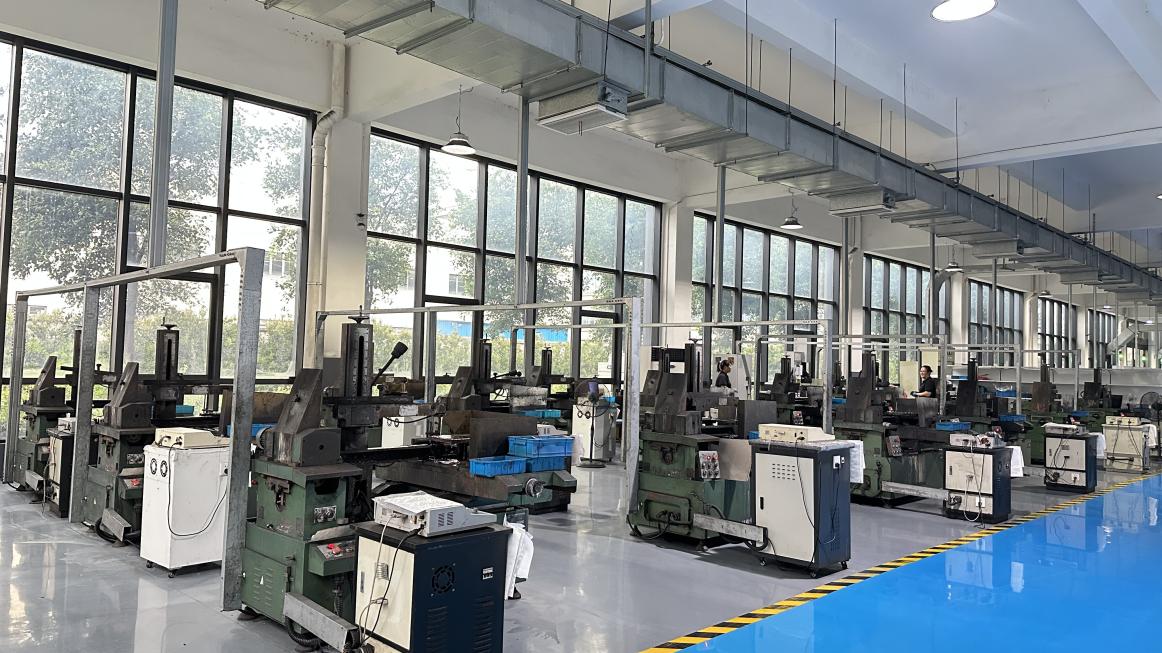
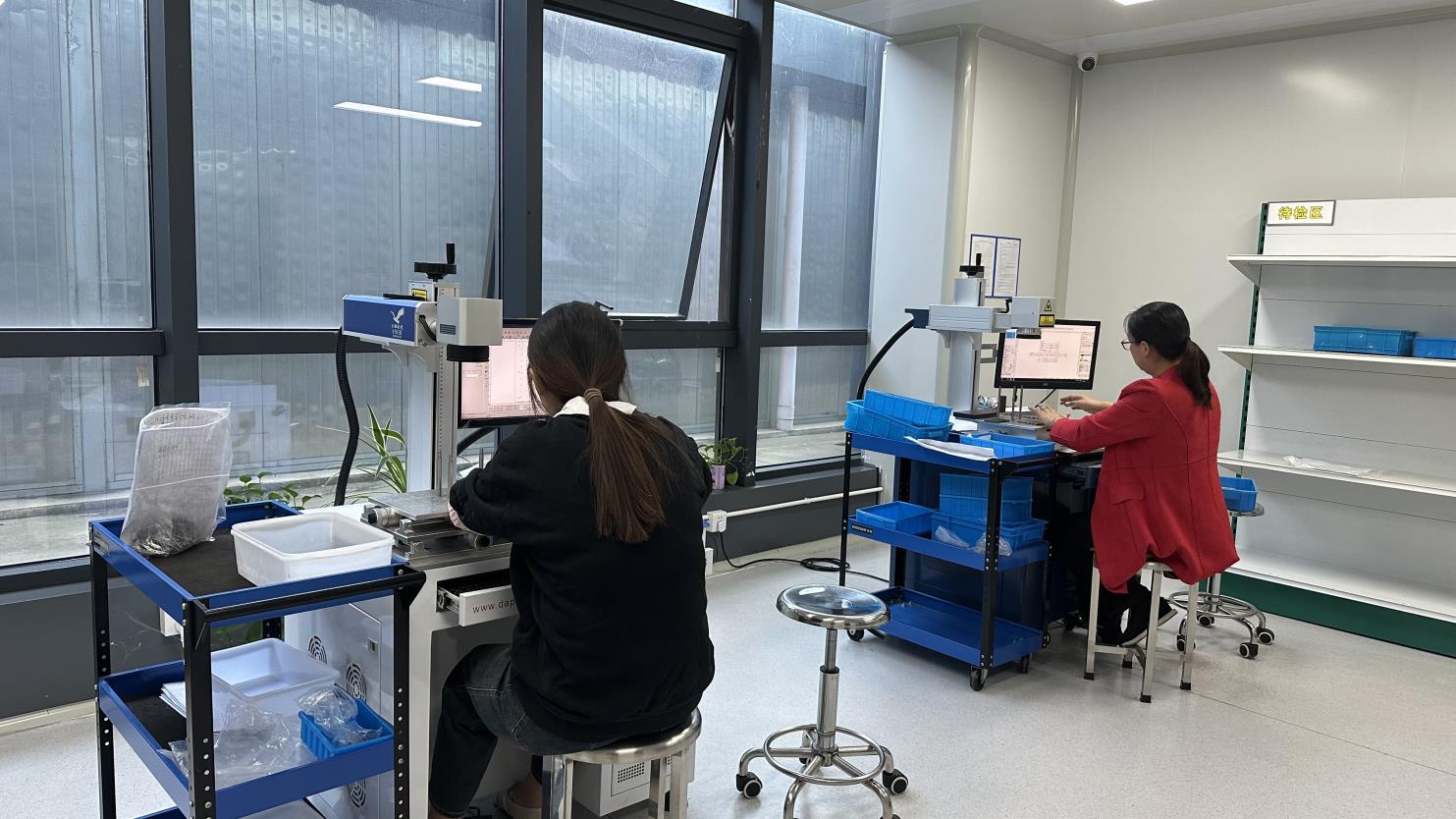
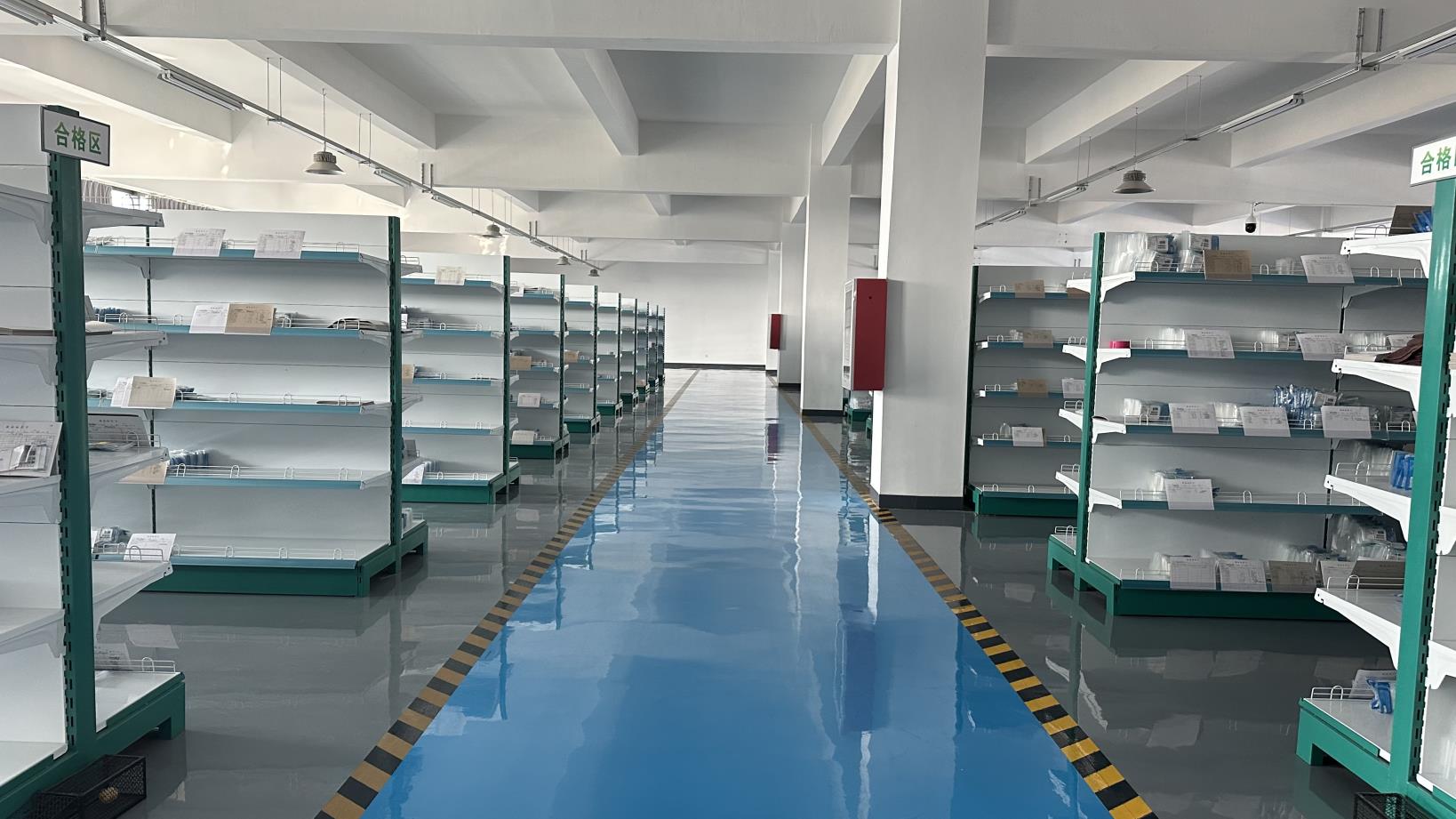
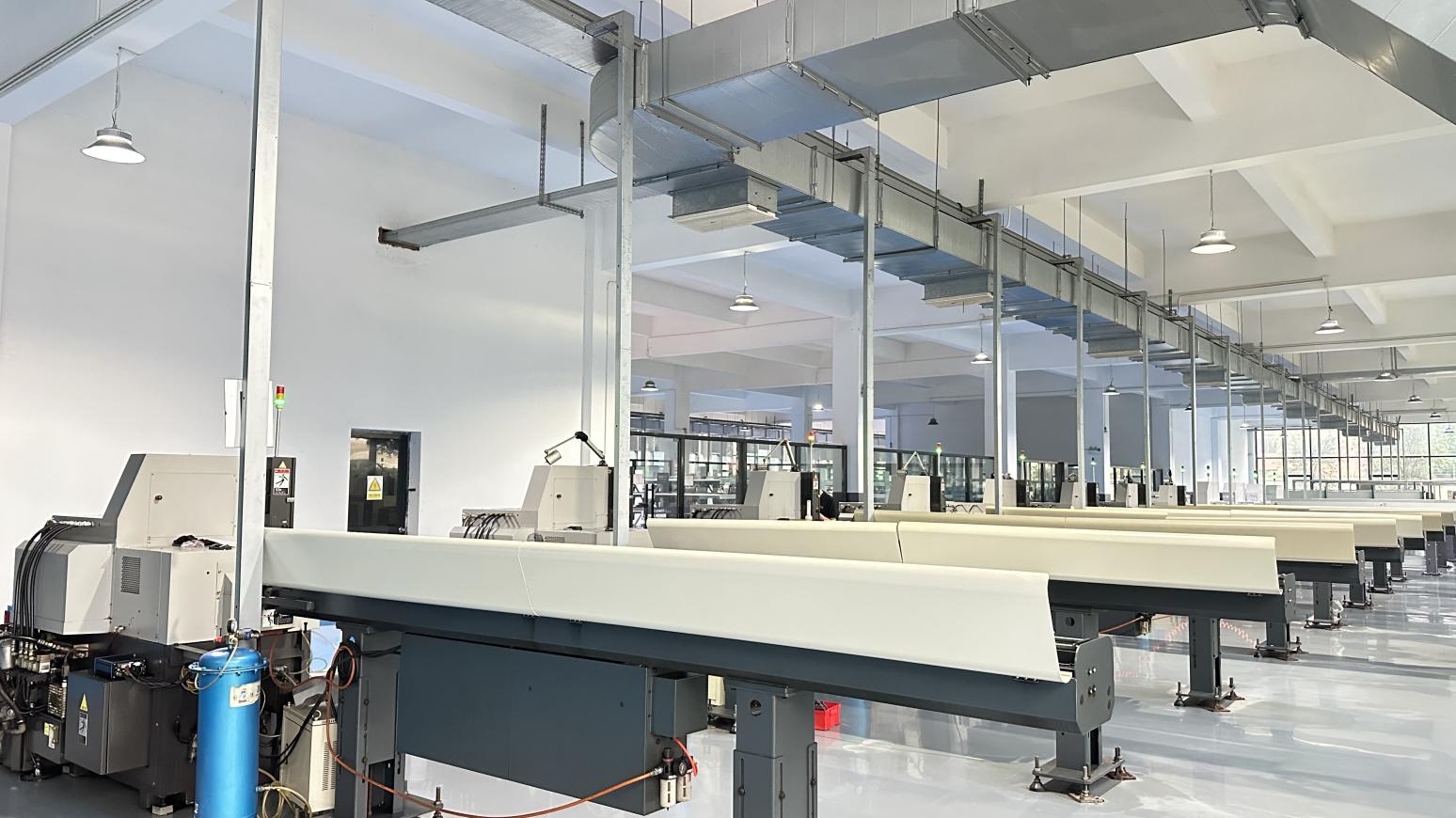
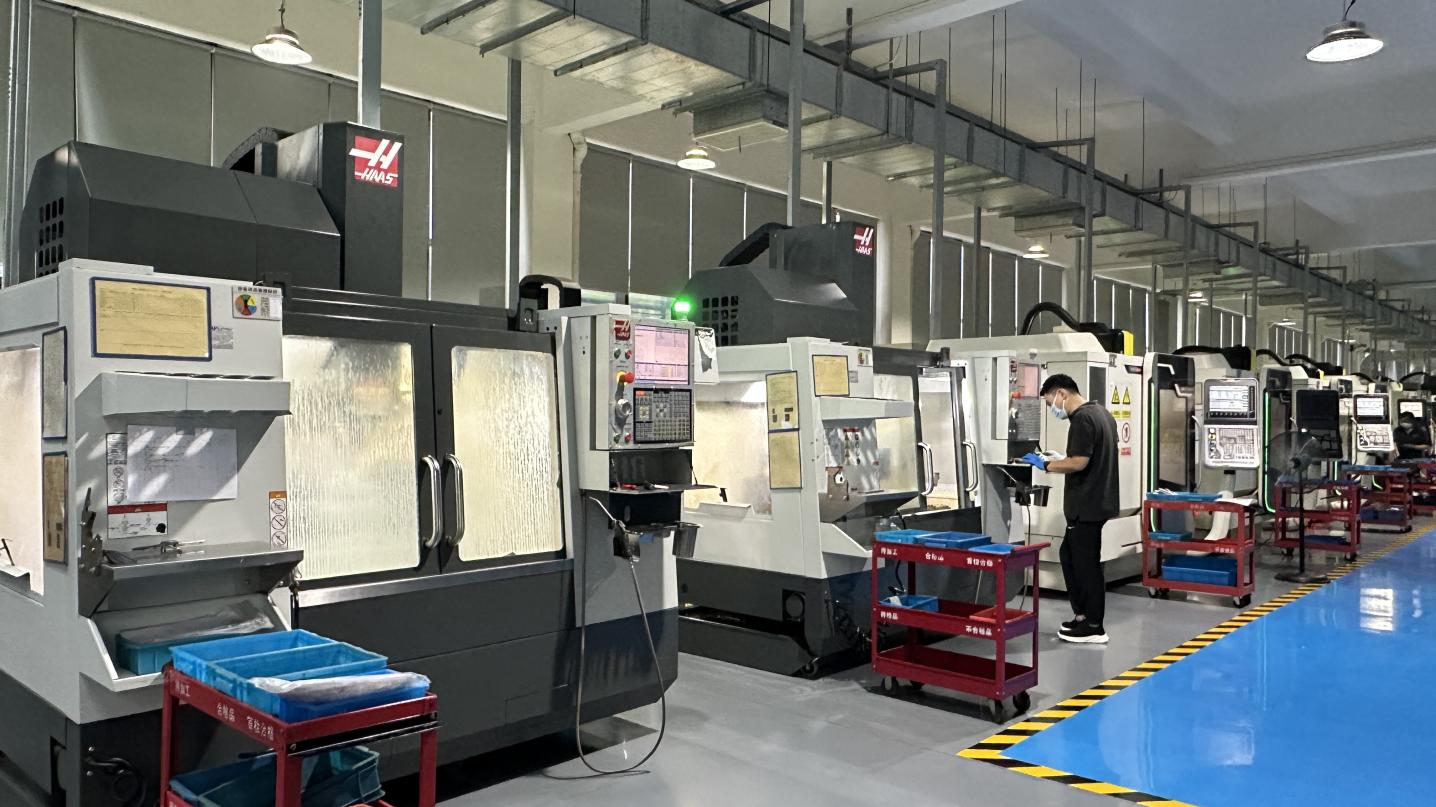
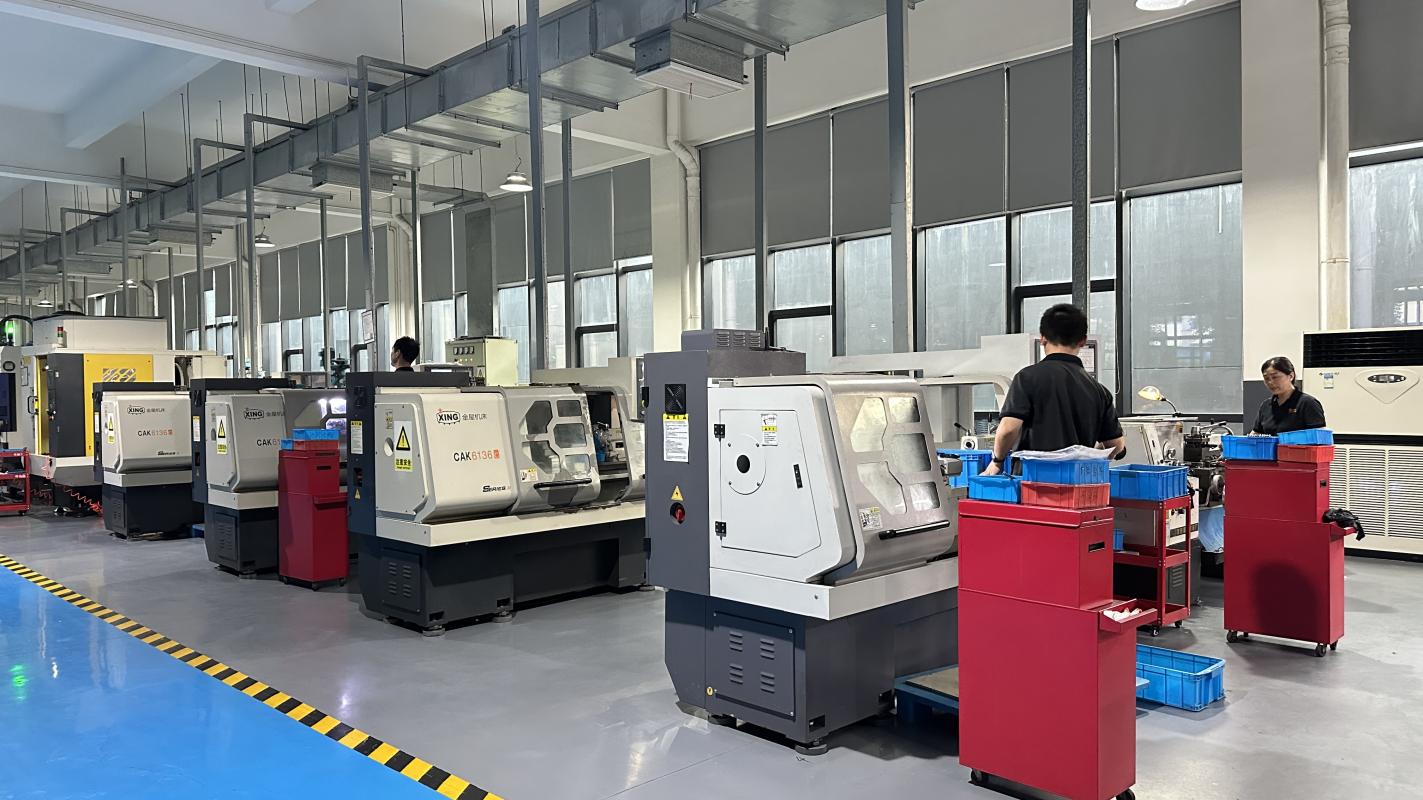
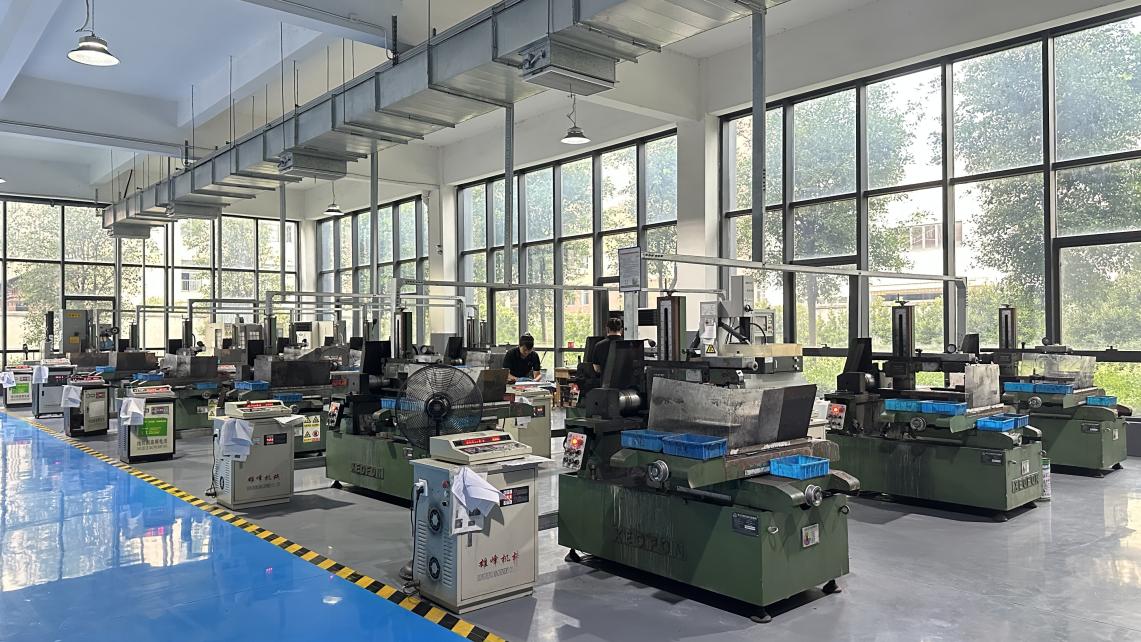
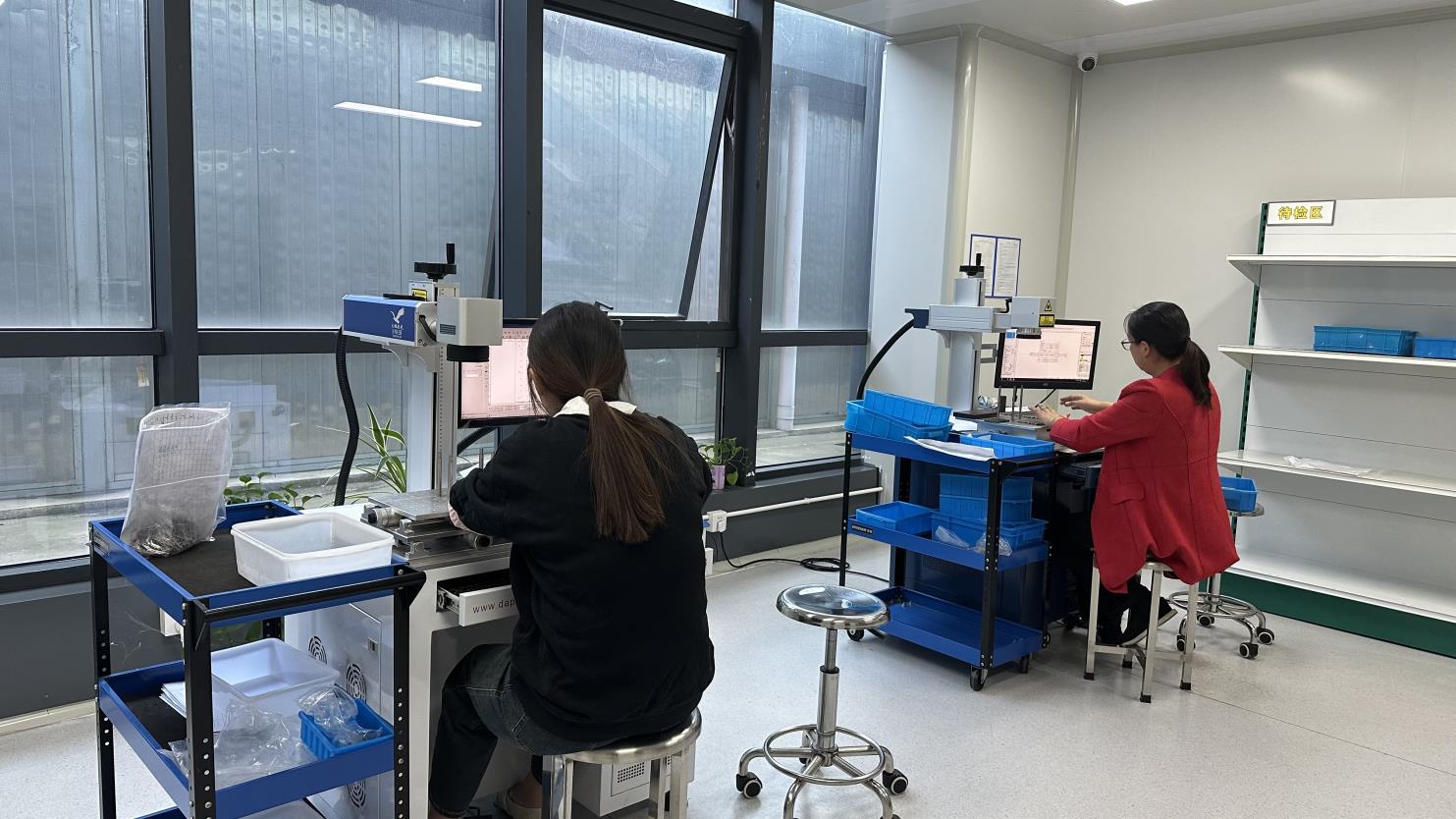
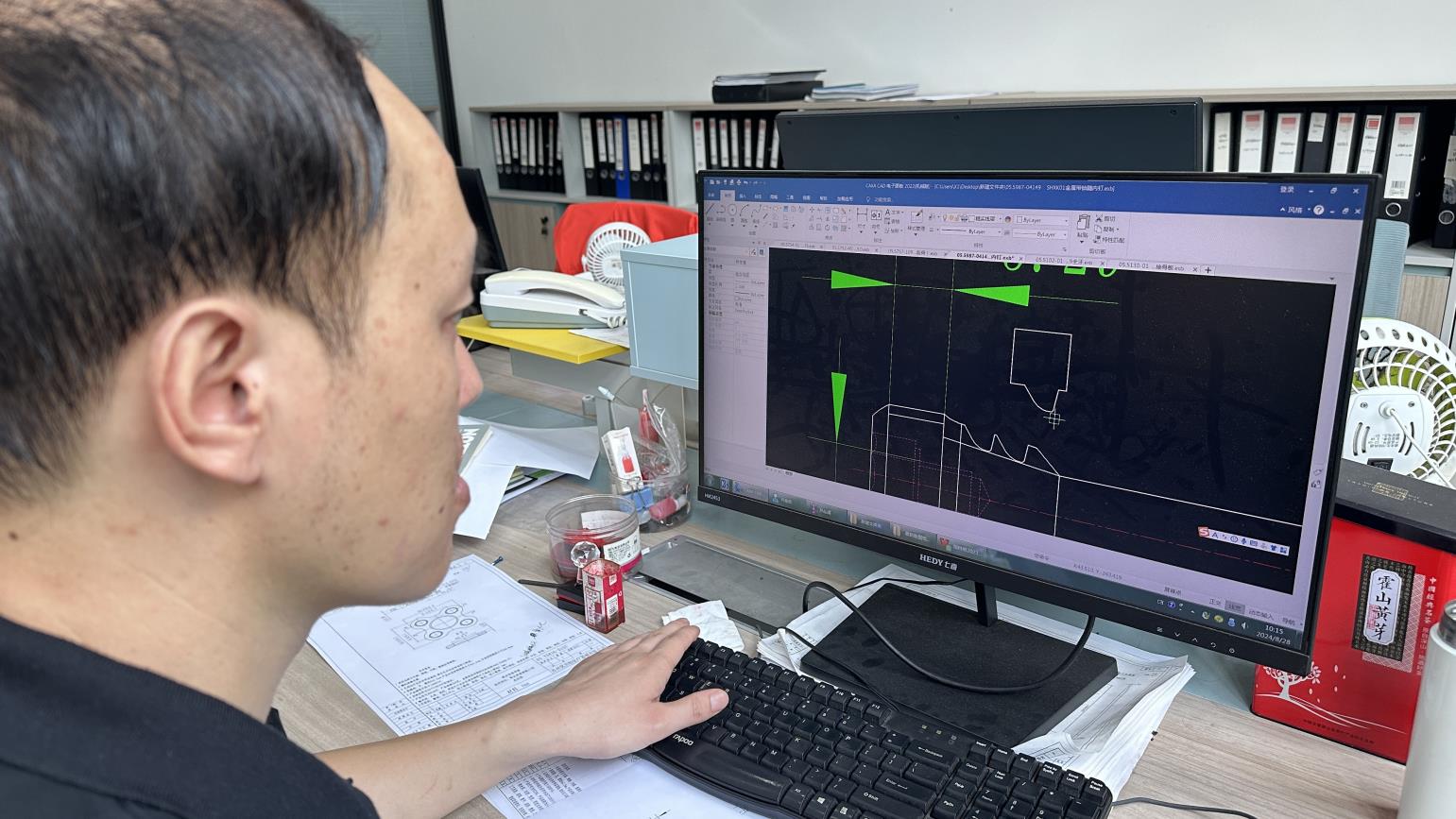
Amid fluctuating material costs and global logistic bottlenecks, China’s orthopedic manufacturing hubs have transitioned to a Factory 4.0 standard. Bonevia’s production infrastructure integrates high-speed CNC machining centers, automated wire-cutting tools, and precise laser marking setups to guarantee micron-level tolerance levels. By maintaining over 850 strategic upstream raw material partners, Bonevia buffers supply constraints, ensuring consistent lead times even for custom OEM runs.
Clearing international regulatory hurdles and localizing clinical training for trauma implants.
Class III implants require extensive documentation (CE MDD/MDR, FDA 510(k), PMDA, ANVISA). Top exporters maintain dedicated regulatory affairs teams to facilitate local registration. Bonevia supports global distributors by compiling technical files, clinical evaluation reports (CERs), and packaging validation data.
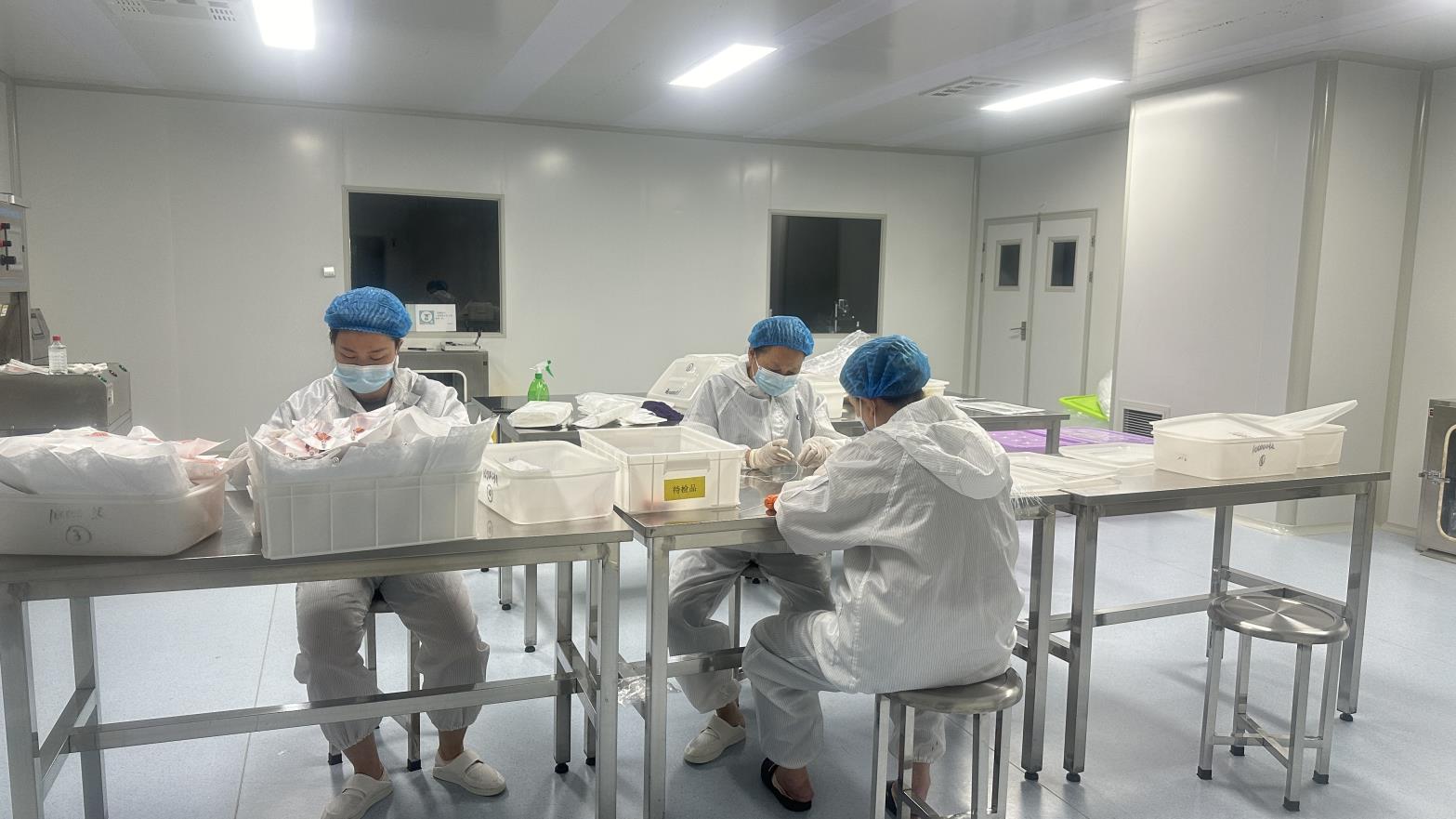
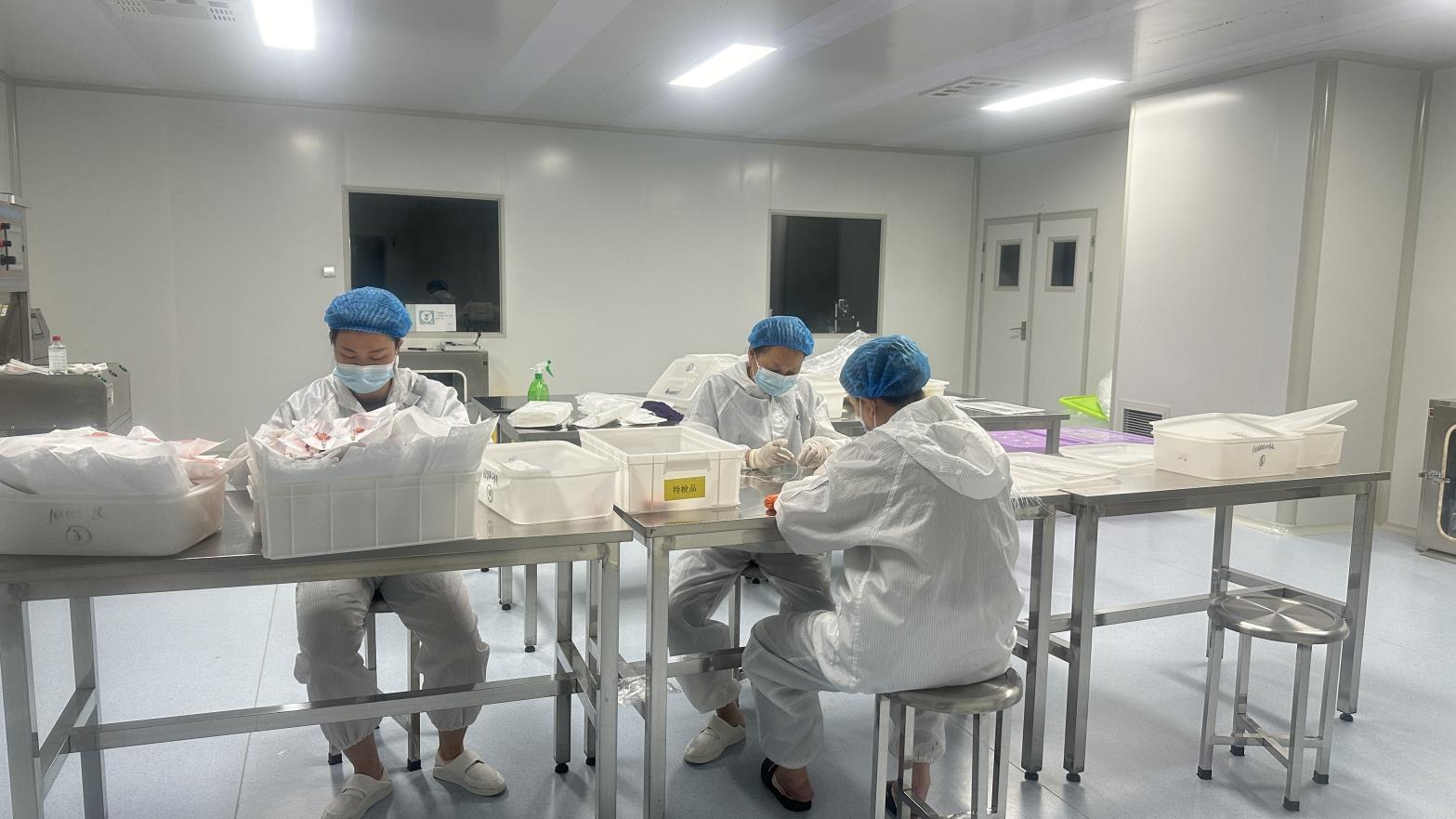
2. Cleanroom Packaging and Sterility Assurance: To ensure patient safety and long-term shelf stability, Bonevia employs Class 10,000 / ISO Class 7 cleanrooms for assembly, validation, and sterilization packaging (Gamma irradiation / Ethylene Oxide options), in strict compliance with ISO 11607.
Strategic parameters to verify during the manufacturing audit phase.
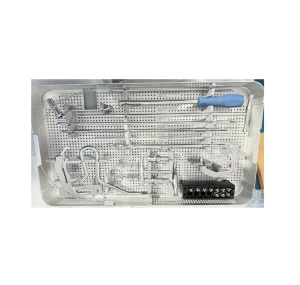
For hospital groups and regional distributors, procuring reconstruction nails requires validating the supplier's technical depth. When conducting a factory audit, the following checkpoints are critical:
Addressing technical, biological, and logistic queries regarding reconstruction interlocking nails.
Browse additional specialized implants, instrumentation, and targeting sets.