Bonevia
Bonevia
Bonevia
Precision-engineered medical devices certified for orthopedic surgeries, joint reconstructions, and spinal interventions.
How modern titanium interbody cages solve the historical challenges of mechanical mismatch, osteointegration, and implant subsidence.
Traditional solid titanium implants possessed a modulus of elasticity significantly higher than that of human cortical and cancellous bone, leading to stress shielding and high subsidence rates. Modern porous titanium and trabecular alloy structures optimize load distribution, encouraging natural bone remodeling under Wolff's Law.
By implementing micro- and nano-structured surface modifications (acid-etching, anodic oxidation, and plasma spraying), titanium cages display superior hydrophilic properties. This accelerates protein adsorption and osteoblast attachment, drastically reducing the fusion timeframe compared to traditional PEEK implants.
The integration of 3D printing (Direct Metal Laser Sintering - DMLS) allows for regular, interconnected pore structures (typically 600–800 μm). These exact biomimetic scaffolds facilitate comprehensive vascularization and bone in-growth, establishing a mechanical-biological locking mechanism.
The orthopedic community is witnessing a major shift in spinal arthrodesis materials. Early generations relied heavily on solid stainless steel or basic titanium alloy blocks. Although strong, these constructs failed to integrate with native host bone, leading to pseudarthrosis. The introduction of Polyetheretherketone (PEEK) offered a radiolucent alternative with an elastic modulus closer to bone, but PEEK remains biologically inert, often resulting in a fibrous encapsulation that isolates the implant from the host tissue.
Today, 3D-printed porous titanium alloy (typically Ti-6Al-4V ELI) represents the gold standard. By mimicking the cellular configuration of cancellous bone, these advanced cages provide immediate primary mechanical stability and facilitate secondary biological stability through structural osteointegration. Emerging research focuses on bio-active coatings, such as Hydroxyapatite (HA) or bone morphogenetic proteins (BMPs) deposited directly into the micro-pore channels, transforming the cage from a passive structural spacer into an active biological incubator.
Clinical Insight: Comparative clinical trials indicate that 3D-printed titanium cages demonstrate up to 40% higher shear strength at the bone-implant interface compared to traditional PEEK designs within the critical 12-week post-operative window, showcasing faster stability and reduced mechanical failure risk.
Addressing clinical, financial, and logistical concerns of healthcare networks, distribution pipelines, and spine centers worldwide.
| Clinical Challenge | Titanium Cage Mechanical Solution | Macroeconomic Impact |
|---|---|---|
| Cage Subsidence & Migration | Optimal lordotic configuration, wide footprint selection, and aggressive surface teeth configuration to lock in place. | Drastically lowers patient readmission and revision surgery rates, reducing cost burden on insurance providers. |
| Pseudarthrosis (Non-union) | Inosculated macro/micro-porosity enabling osteoblast differentiation and direct bone bridge establishment. | Shortens post-operative recovery timelines, increasing hospital bed turnover and patient throughput. |
| Imaging Artifacts | Optimized thin-walled, hollowed-out configurations coupled with advanced software filtering in CT/MRI scans. | Enhances postoperative radiographic assessment clarity, allowing surgeons to reliably verify fusion progress. |
| Inventory Bottlenecks | Custom modular instrumentation kits and standardized sizing footprints matching varied human anatomies. | Reduces capital sterilization costs and simplifies inventory management systems for orthopedic distributors. |
How Bonevia Orthopedic Technology combines industrial scale with precision engineering to guarantee continuous global delivery.
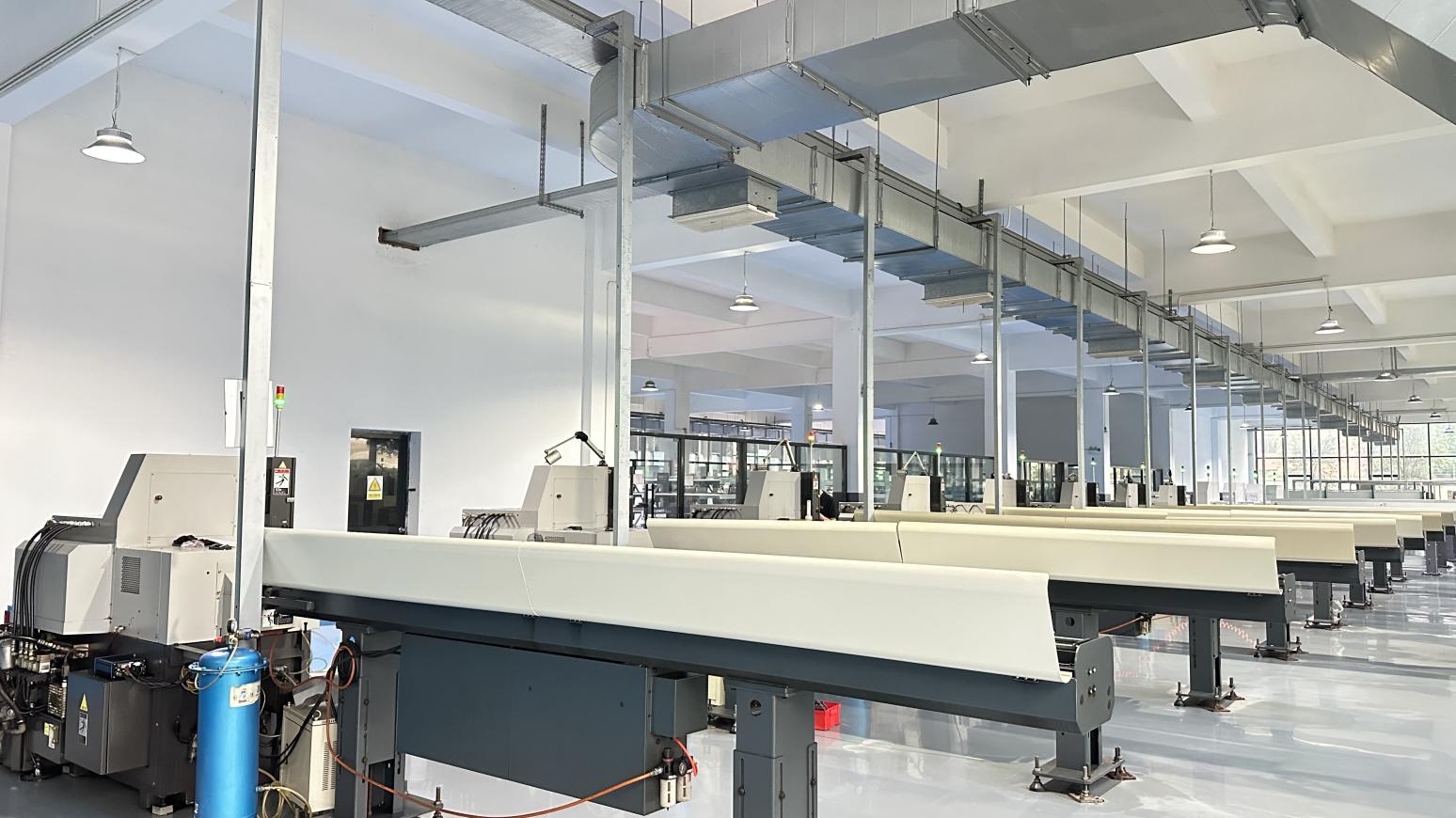
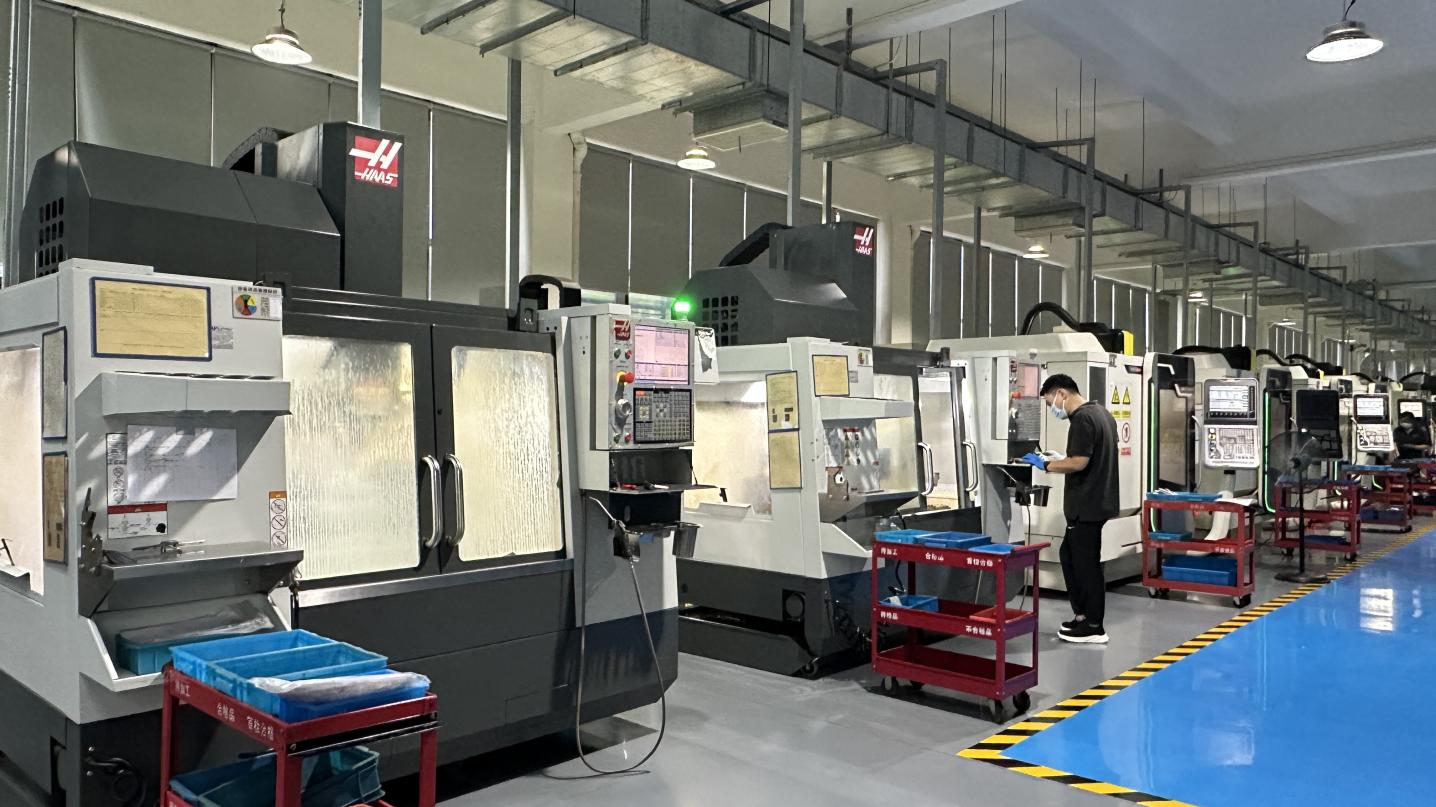
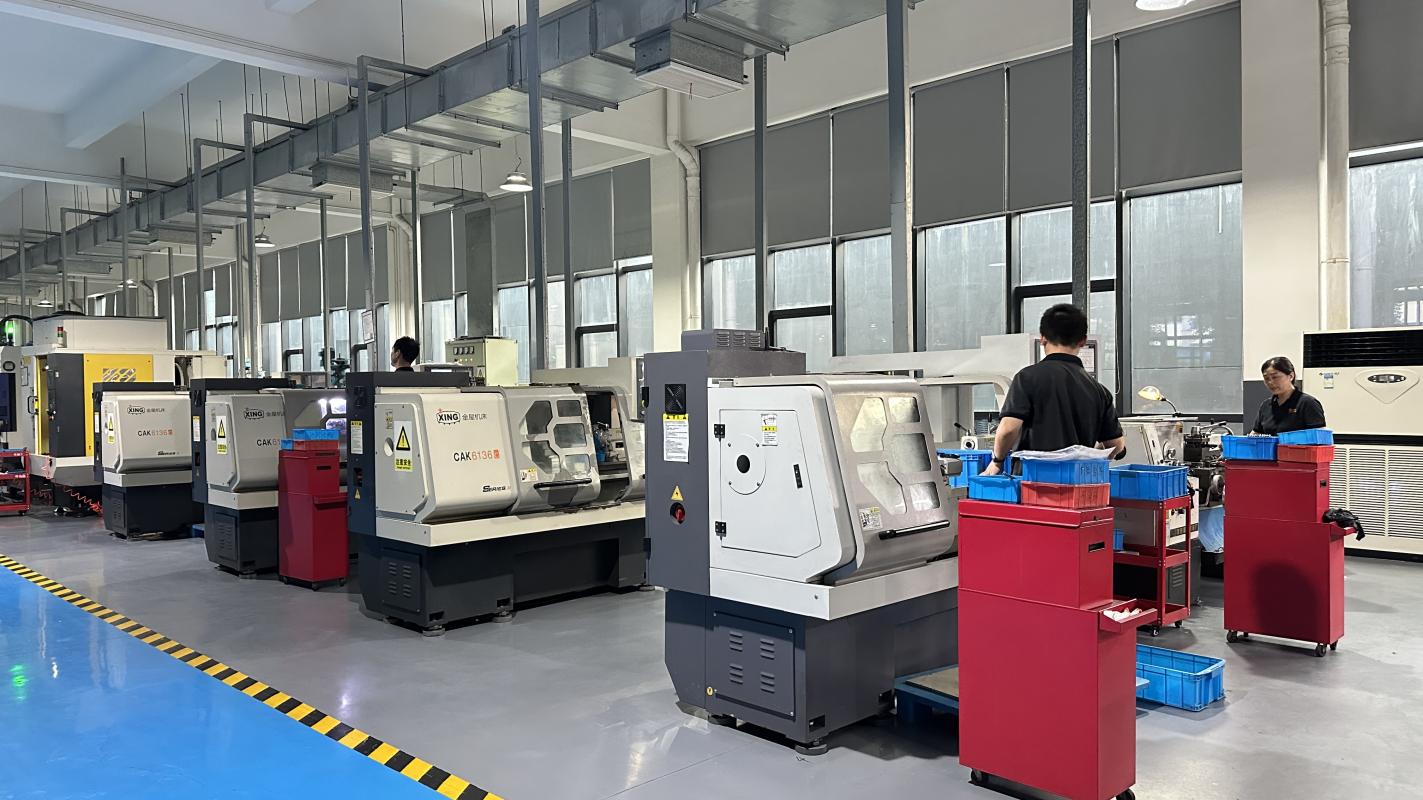
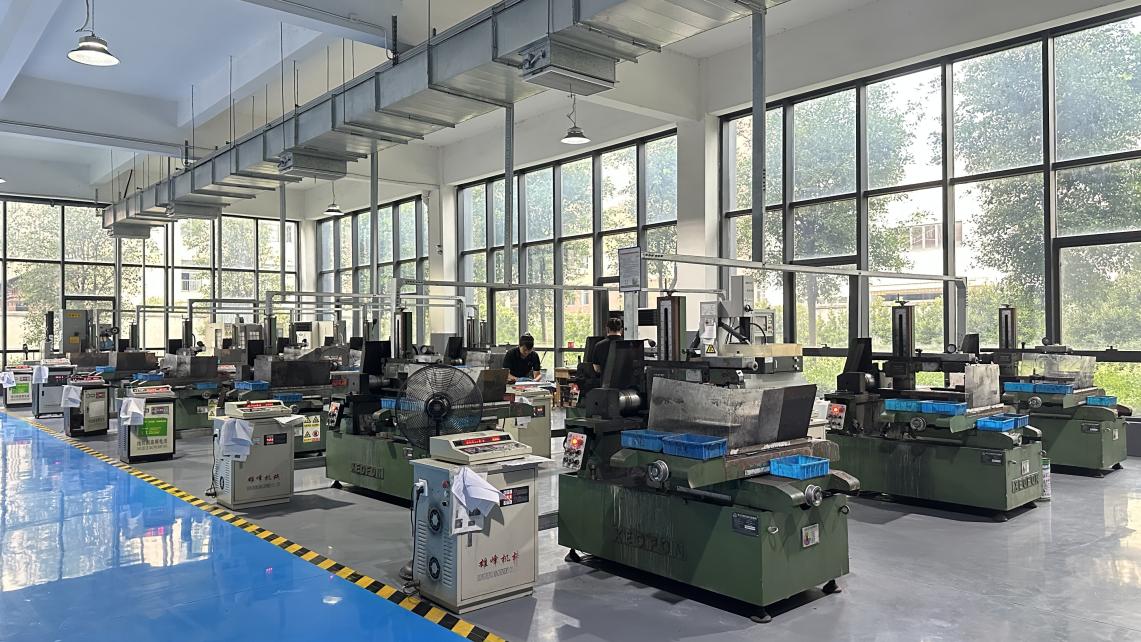
Bonevia Orthopedic Technology Co., Ltd. is a professional manufacturer specializing in orthopedic implants and surgical solutions, dedicated to advancing innovation in trauma, spine, and joint reconstruction products. Since its establishment in 2015, the company has grown steadily into a trusted supplier in the global orthopedic industry.
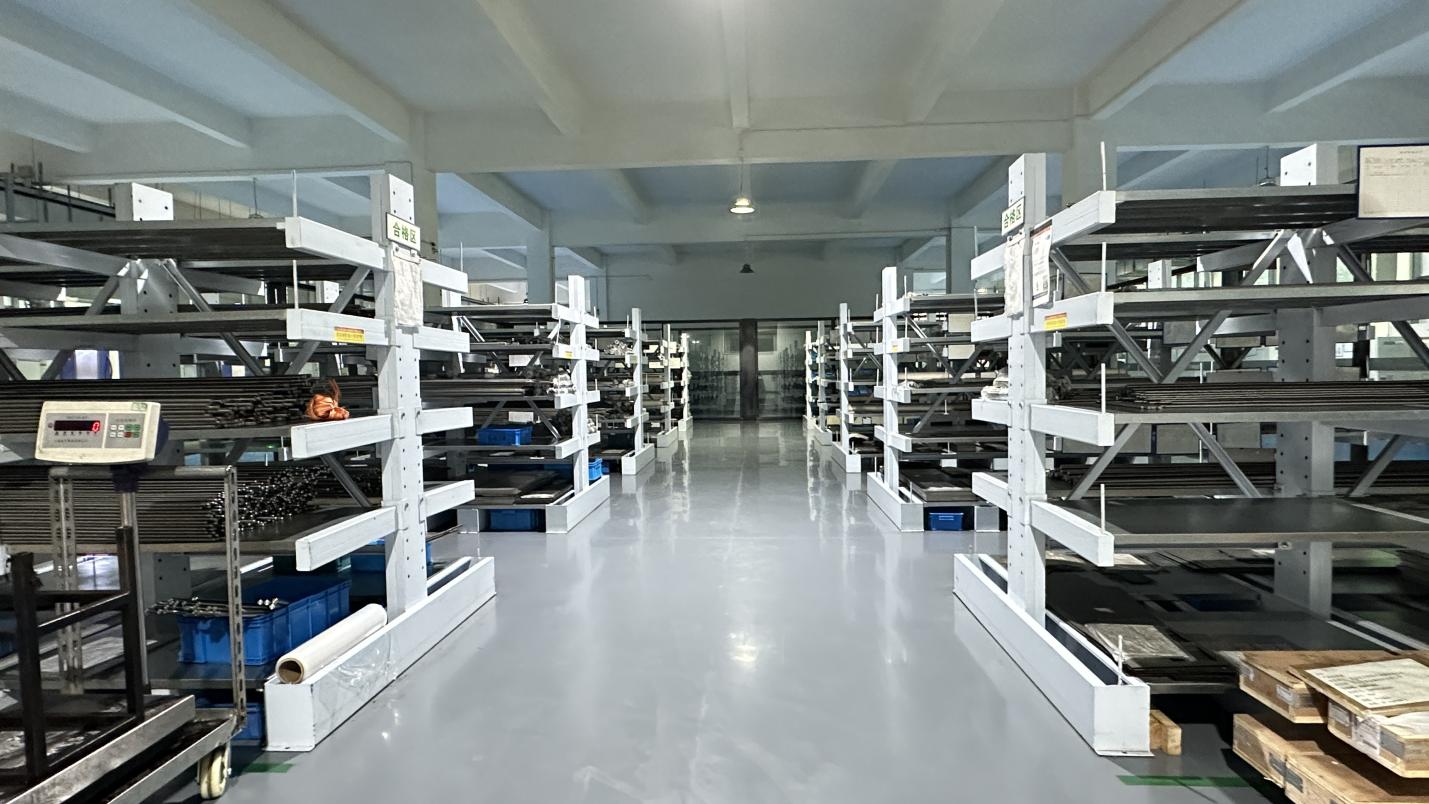
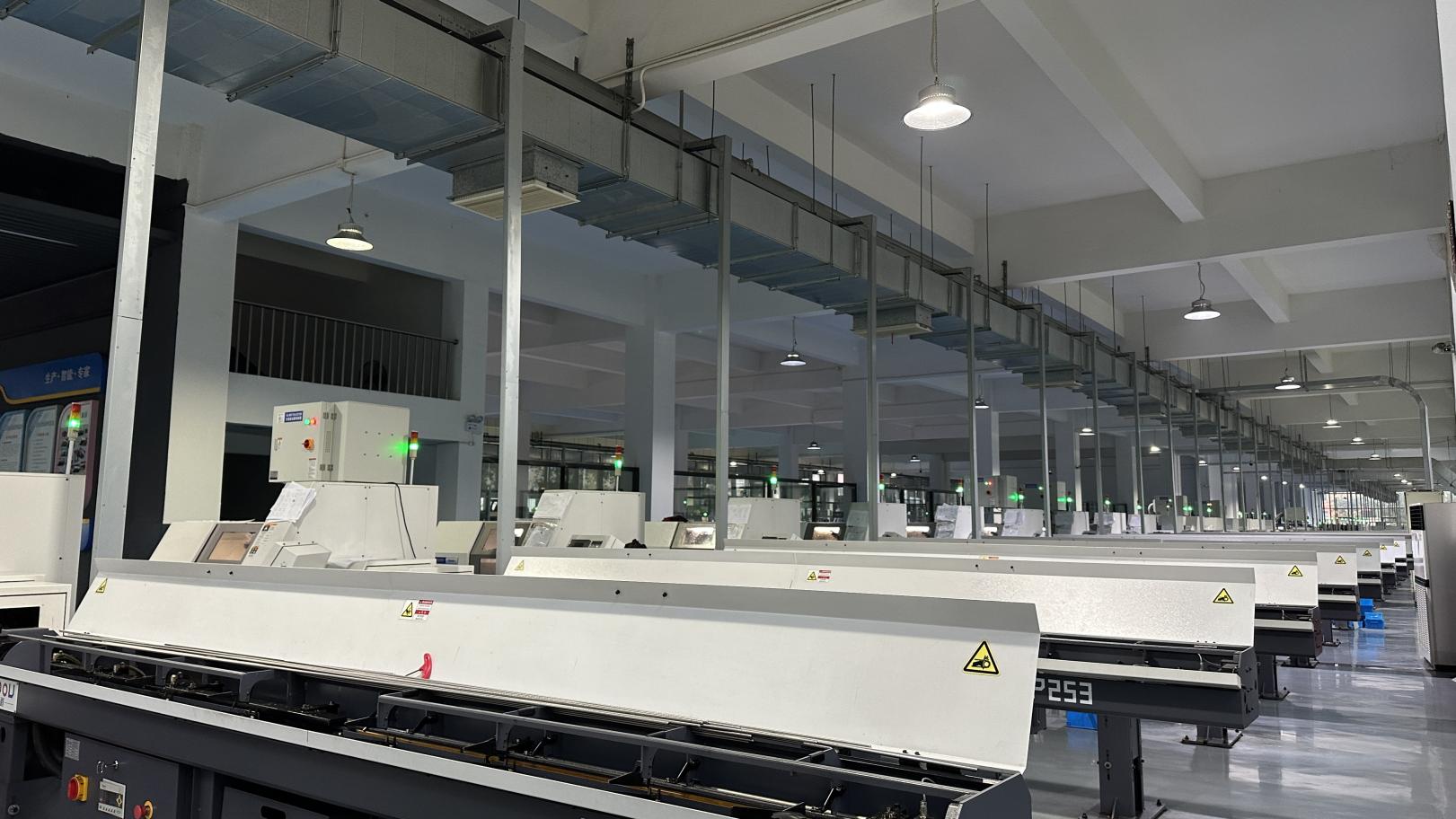
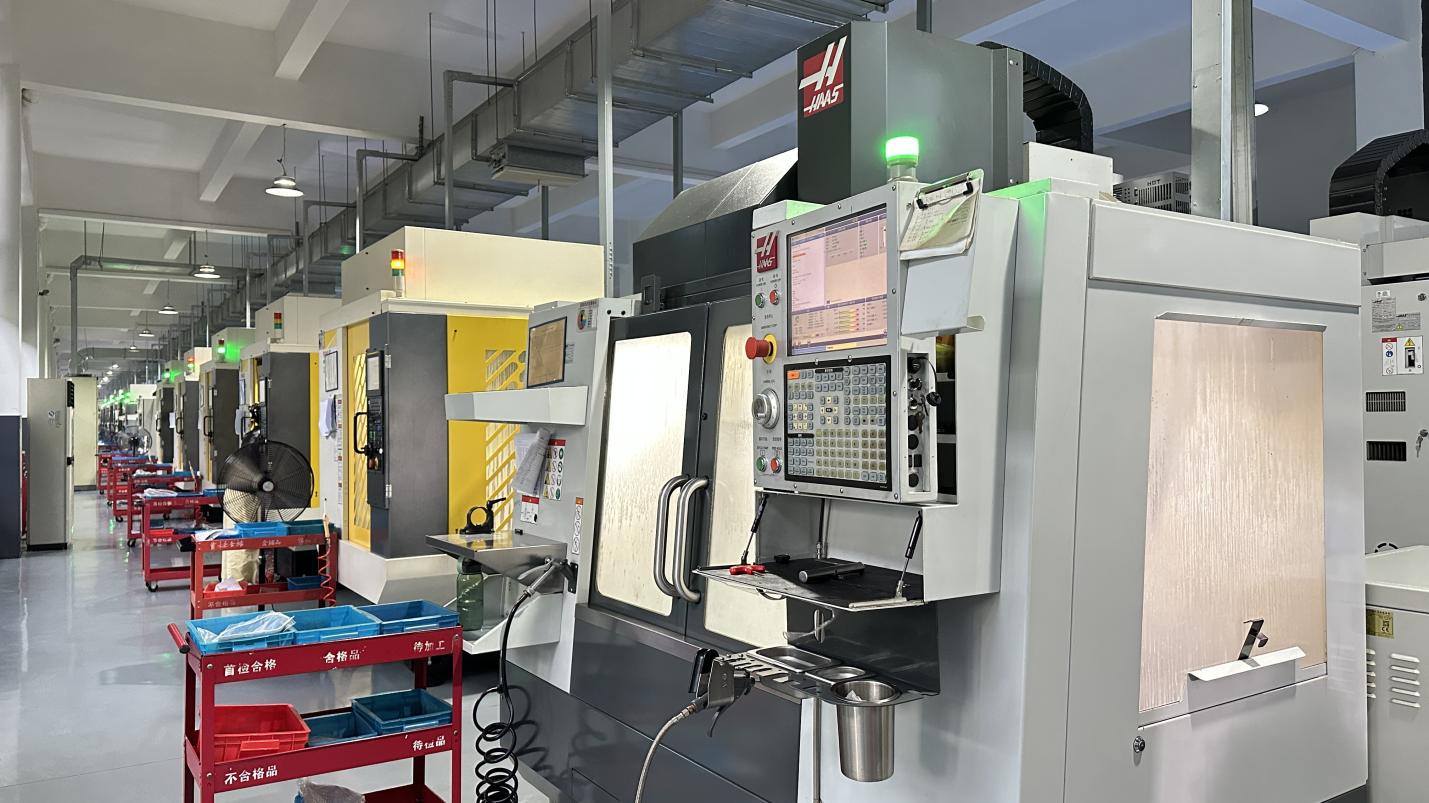
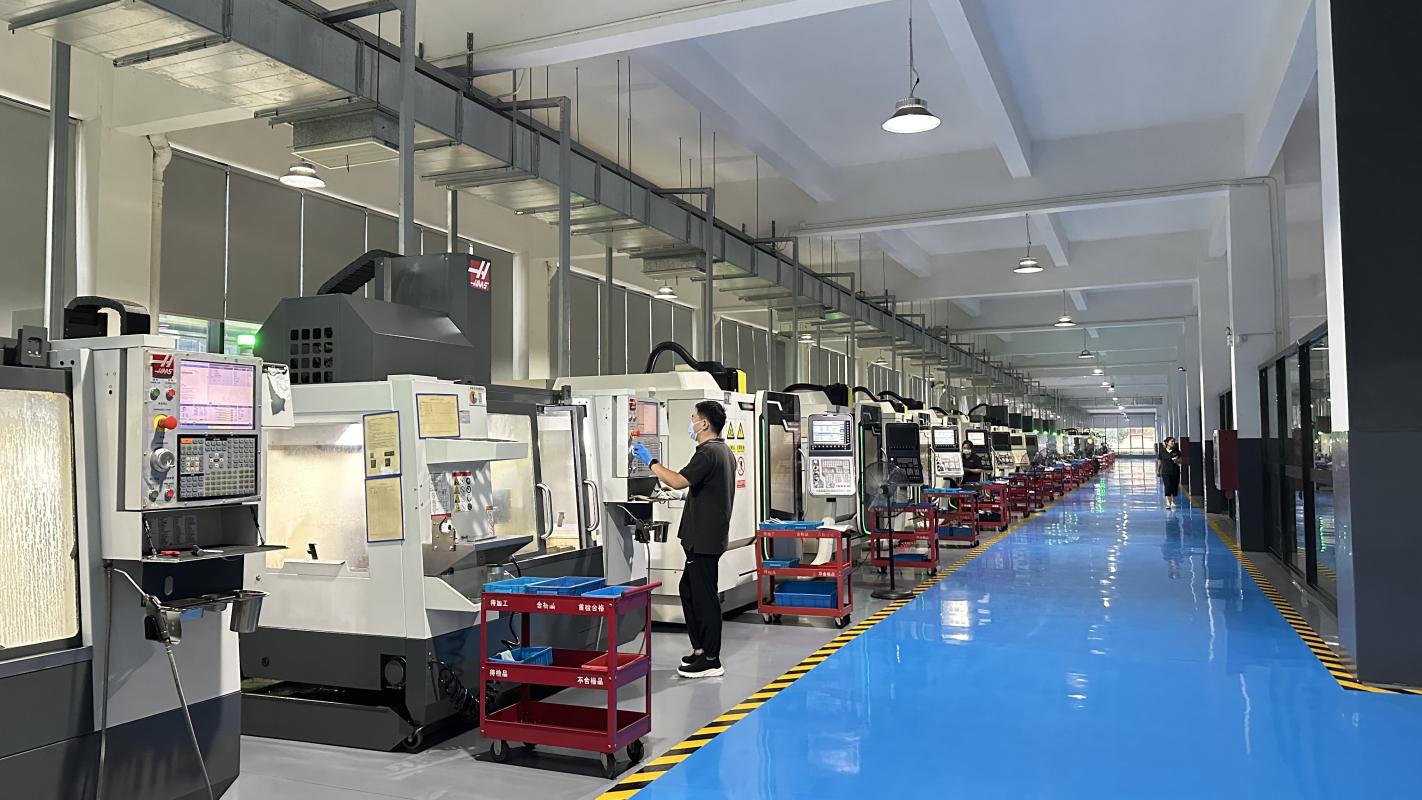
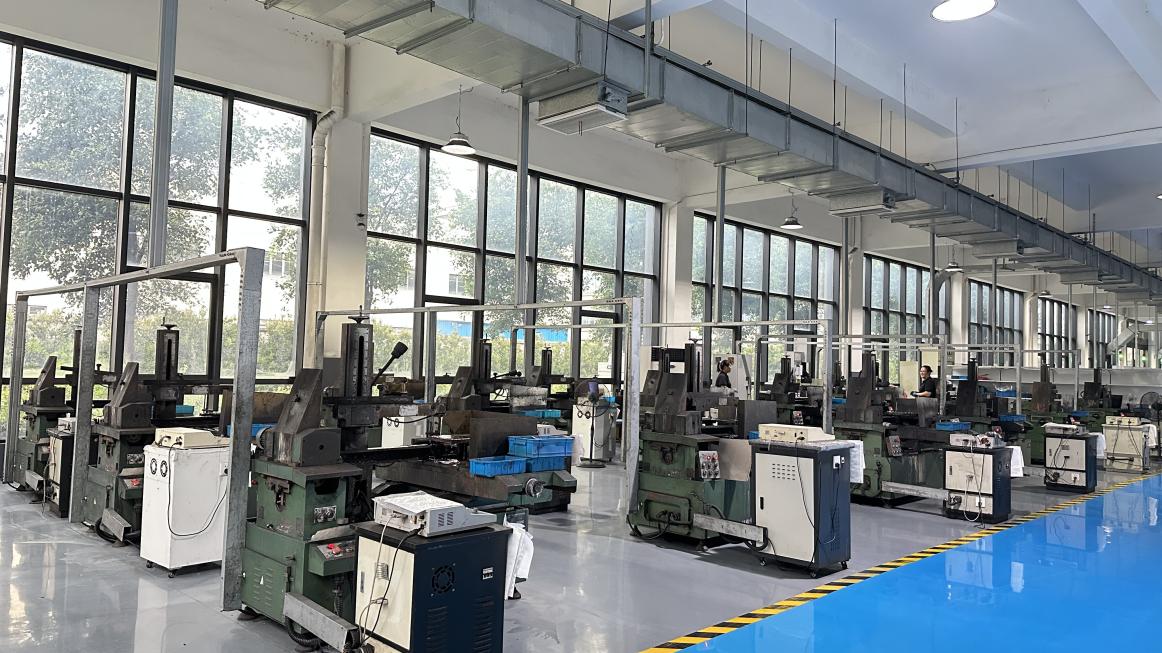
With a modern production facility covering approximately 320㎡, Bonevia maintains strict quality management standards and efficient manufacturing processes. The company records an annual export revenue of around USD 8–15 million, supported by 6 years of export experience and over 10 years of overall industry experience.
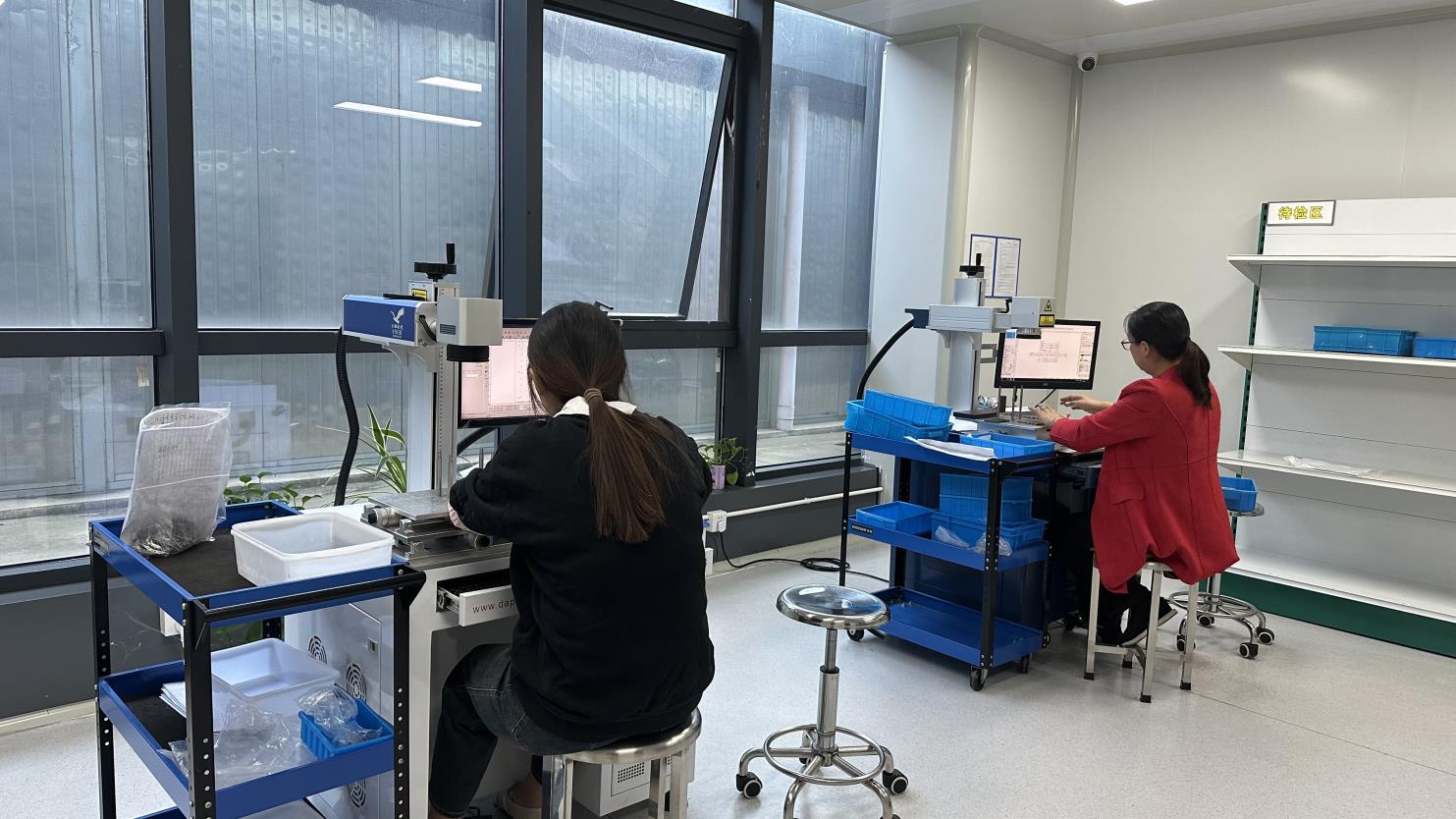
Quality assurance is a core focus at Bonevia. The company implements multiple inspection methods including incoming material inspection, in-process quality control, and final product testing, supported by a dedicated quality team of 35 professionals. This ensures all products meet international medical device standards.
Bonevia has a solid trade foundation with diversified global distribution networks, serving major markets across Europe, Southeast Asia, the Middle East, and South America. Its supply chain ecosystem includes more than 850 partners, enabling stable raw material sourcing and efficient production delivery.
The company serves a wide range of clients, including hospitals, orthopedic clinics, surgical centers, and medical distributors. Bonevia also demonstrates strong R&D capabilities, offering OEM and ODM customization services to meet specific clinical requirements.
In the past year, Bonevia successfully launched 120 new product designs, supported by a research and development team of 85 engineers, continuously driving innovation in orthopedic implant systems and surgical instruments.
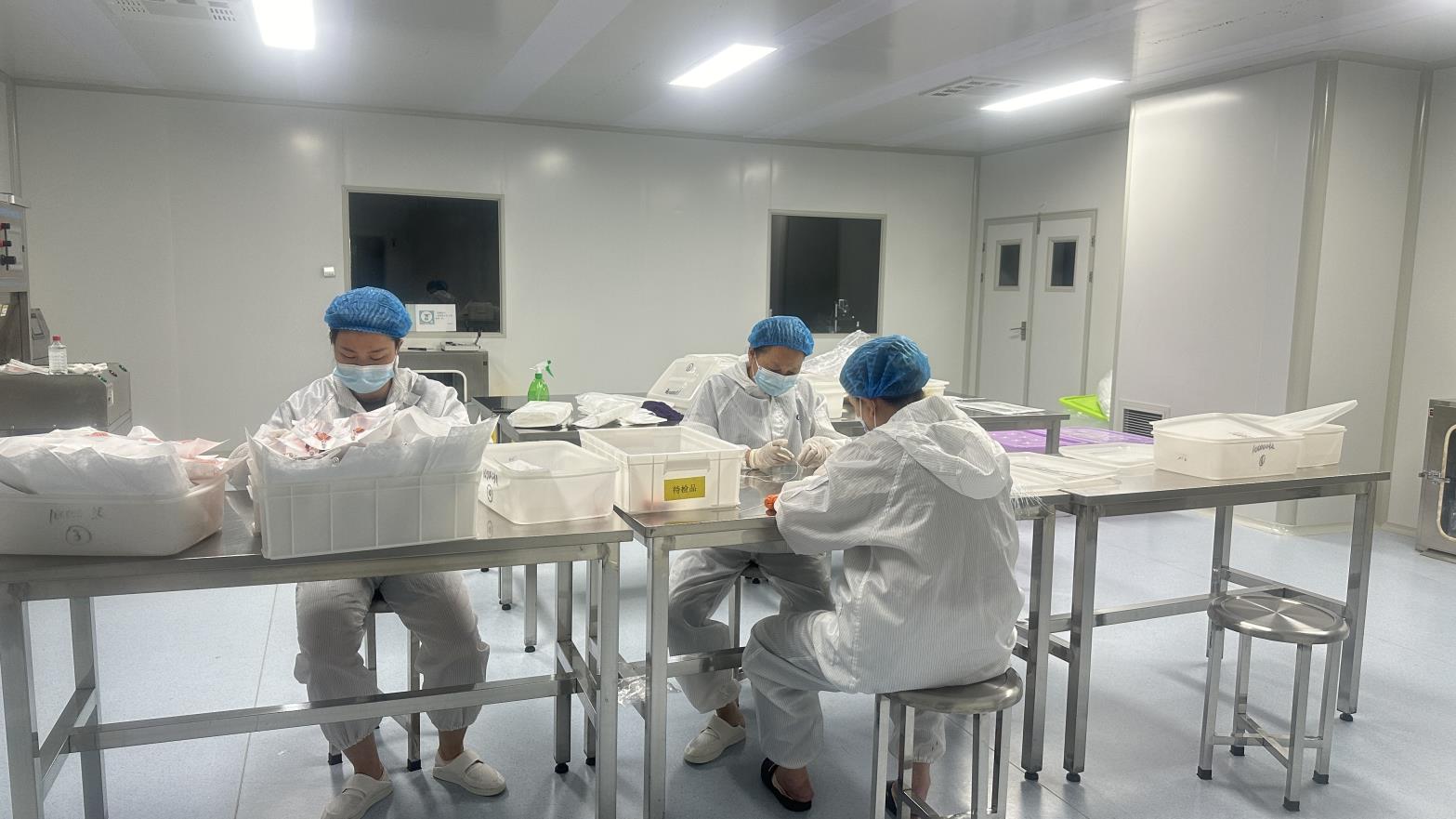
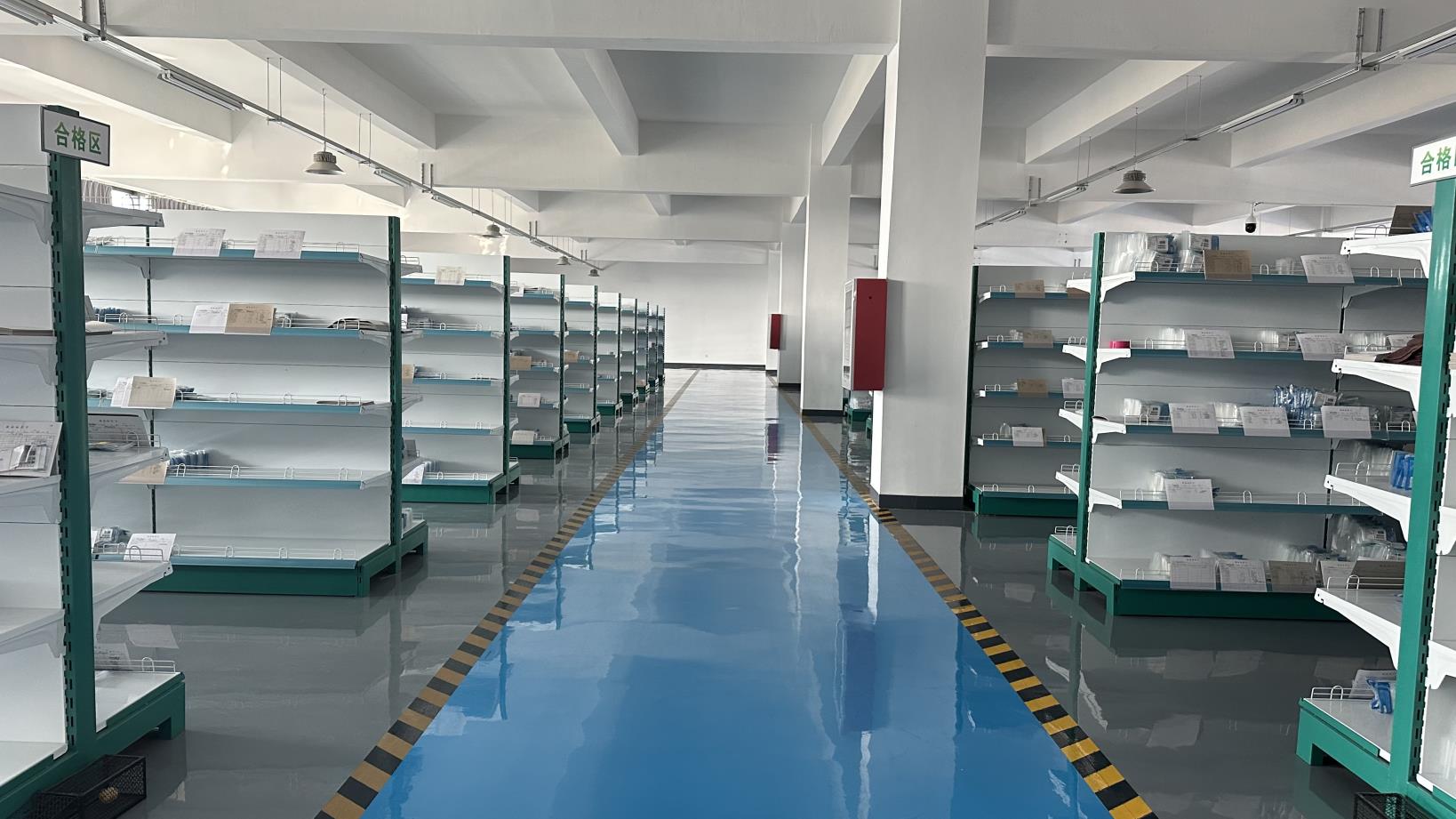
A step-by-step visual demonstration of Bonevia's advanced orthopedic manufacturing line and cleanroom protocols.
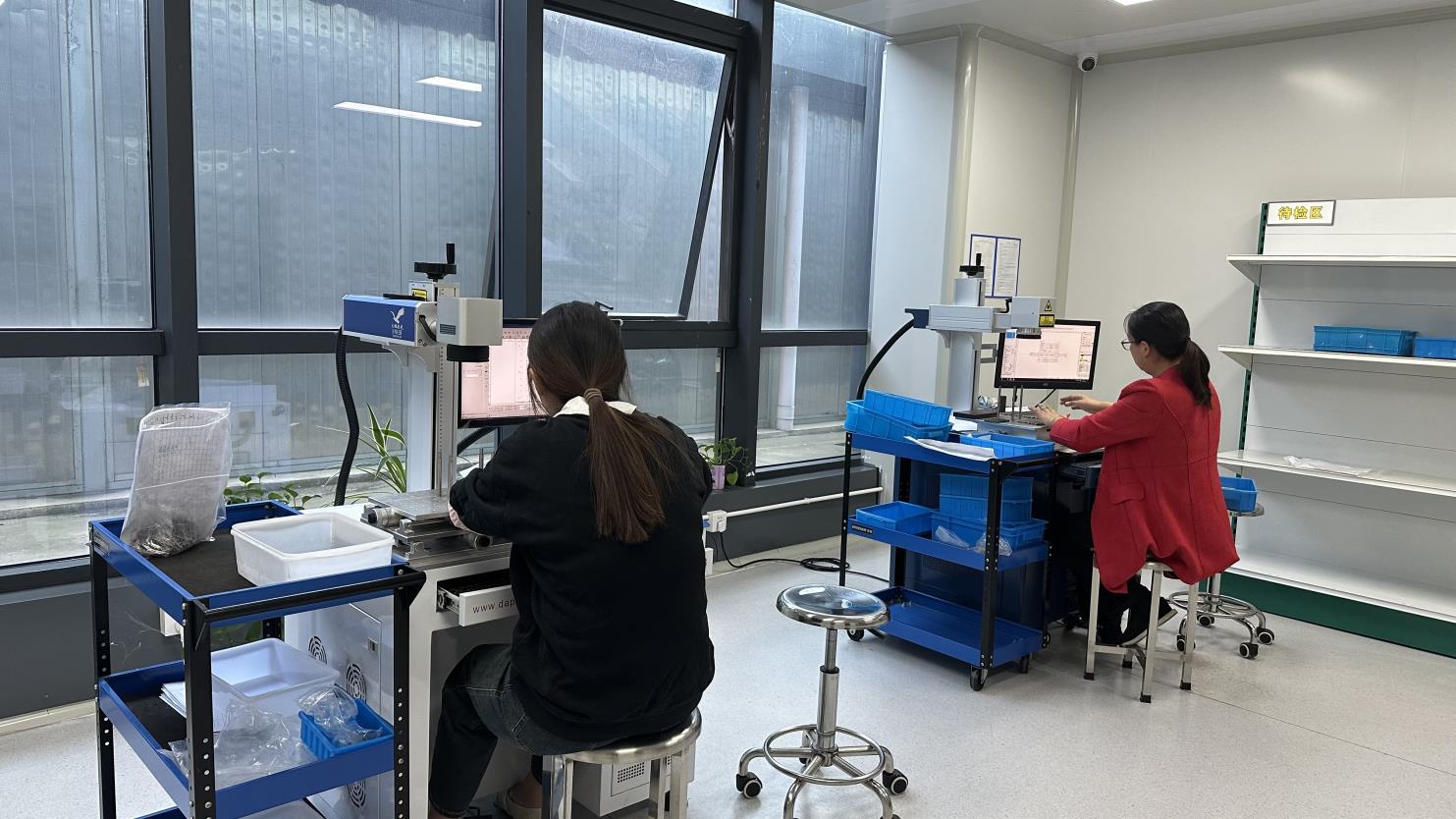
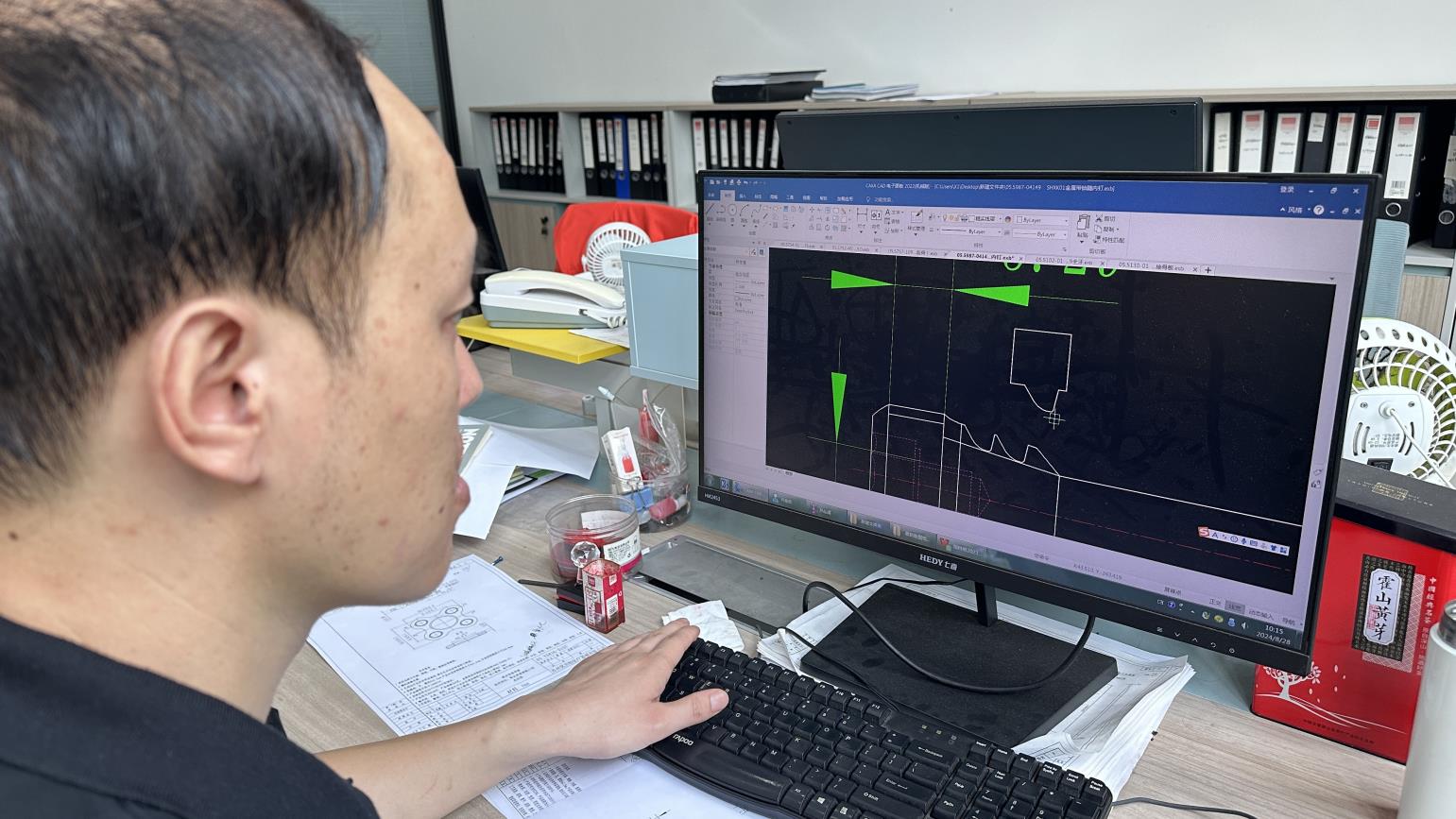
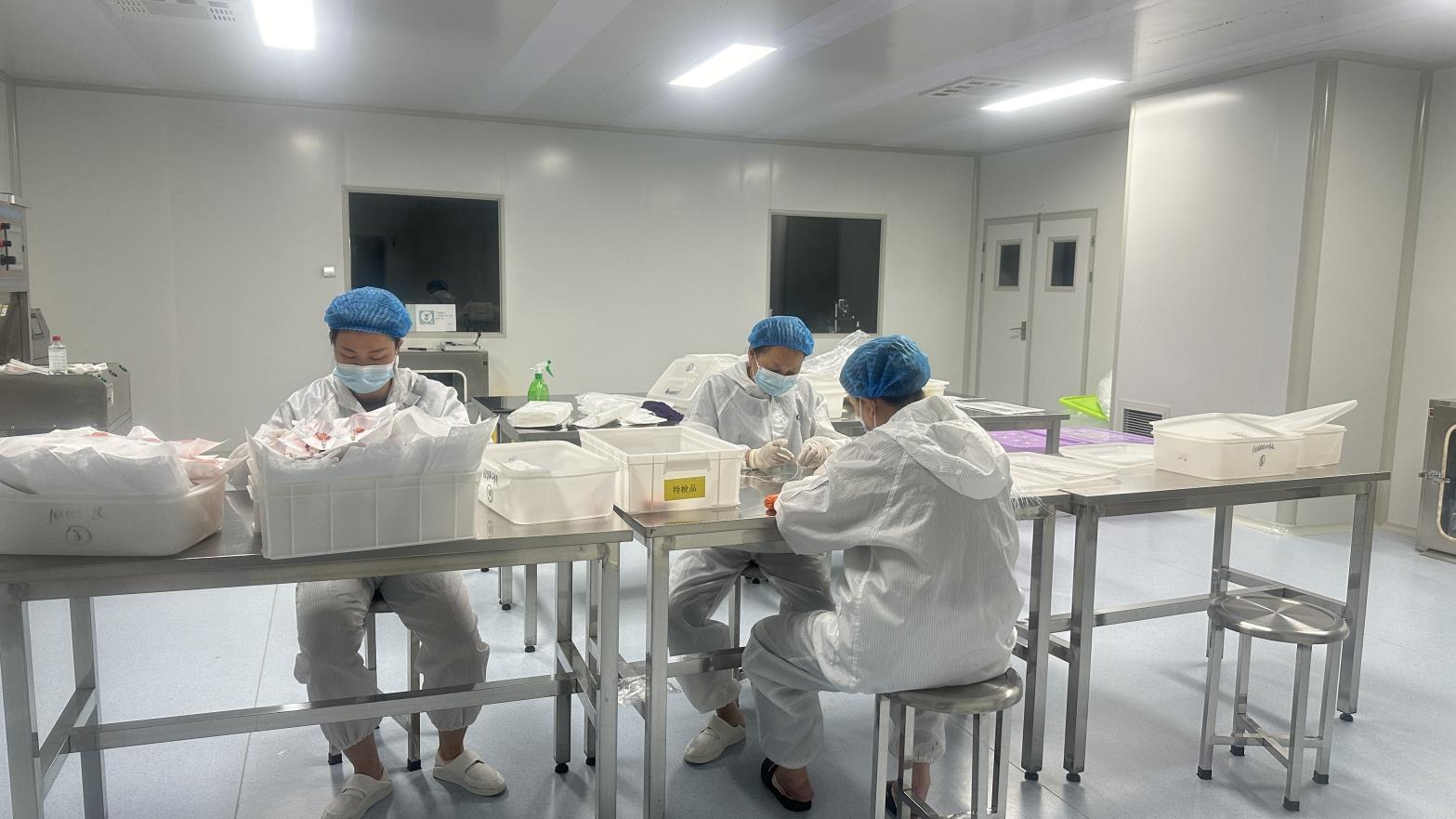
We streamline international supply chains by meeting rigorous mechanical, administrative, and clinical benchmarks.
Procuring organizations must secure assurance of ISO 13485, CE certification, and MDSAP alignment. Bonevia guarantees raw material batch traceability (ASTM F136 ELI Titanium) and sterile barrier verification in compliance with ISO 11607 standards.
Every spinal geography (ALIF, PLIF, TLIF, LLIF) demands customized lordotic profiles and footprint heights. Supported by 85 engineers and CAD/CAM simulation, Bonevia provides rapid prototyping to transition bespoke clinical concepts into mass-produced devices.
Navigating varying import/export frameworks requires local documentation agents. Bonevia exports between USD 8–15 million annually across Europe, Southeast Asia, South America, and the Middle East, managing custom clearance and localization paperwork.
In the medical device supply ecosystem, cost reduction must never come at the expense of patient outcomes. Procurement officers must evaluate factors including sterile delivery systems, instrument set design, cleaning and sterilization protocols, and technical sales training support. By consolidating production steps within an integrated facility, Bonevia minimizes lead times, ensures inventory availability, and eliminates multi-vendor coordination markups, delivering premium spinal fusion cages at competitive price points.
Addressing mechanical performance, clinical benefits, regulatory frameworks, and export operations.
Complete orthopedic product portfolio to support full-spectrum skeletal reconstruction and stabilization.