Bonevia Bonevia

Intramedullary Nails Manufacturer & Exporters for Czech Republic

CE & ISO Certified Orthopedic Solutions Engine: Delivering High-Performance Trauma Implants for Czech Clinical and OEM Requirements under EU MDR Standards.

Primary Trauma Solutions for Czech Healthcare Facilities

Premium titanium alloy intramedullary systems designed to meet rigorous clinical protocols at Prague, Brno, and regional Czech medical university complexes.
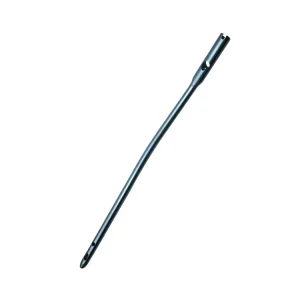
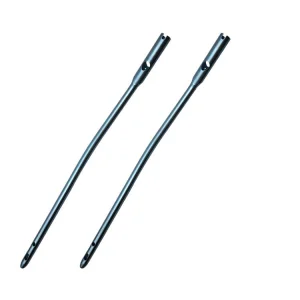
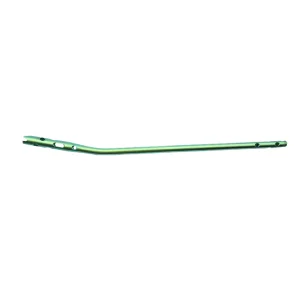
Geasure Proximal Femoral Antirotation Nail Non-Sterilized Titanium Alloy for Czech Hospital Use

Geasure Proximal Femoral Antirotation Nail Non-Sterilized Titanium Alloy for Hospital Use Intramedullary Nail

View Technical Specifications →
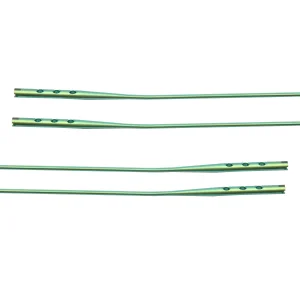
Geasure Ortopedia Orthopedic Intramedullary Nail Ulna Radius Interlocking Implant Czech Republic

Geasure Ortopedia Orthopedic Intramedullary Nail Ulna Radius Interlocking Implant Interventional Materials Product

View Technical Specifications →
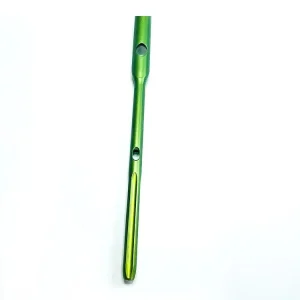
Geasure Titanium Alloy Interlocking Nail Orthopedic Implant for Proximal Implants

Geasure Titanium Alloy Interlocking Nail Orthopedic Implant for Proximal Implants Interventional Materials

View Technical Specifications →
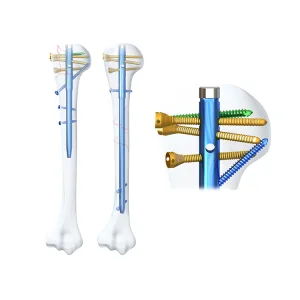
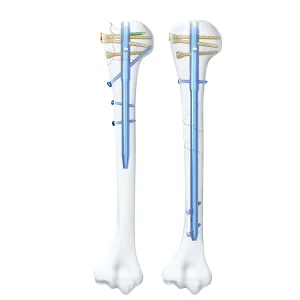
Geasure Competitive Price Orthopedic Surgery Trauma Fragment Humeral Interlocking Nails

Geasure Competitive Price Orthopedic Surgery Trauma Fragment Humeral Interlocking Nails

View Technical Specifications →

Czech Orthopedic Market & Industrial Sourcing Context

A Professional Overview of Regulatory Structures, Clinical Paradigms, and Supply Logistics in Central Europe.

Biomechanical Alignment with European Demographics

The Czech Republic represents a sophisticated healthcare ecosystem within the European Union, characterized by high clinical expectations and rigid public healthcare reimbursement standards regulated by the State Institute for Drug Control (SÚKL) and the General Health Insurance Company (VZP). In recent years, public and private orthopedic wards across regions like Central Bohemia, South Moravia, and Moravia-Silesia have seen an increasing demand for trauma solutions. This shift is primarily driven by an aging demographic prone to osteoporotic fractures and a high regional incidence of sports-related injuries, particularly from winter sports in the Krkonoše and Šumava mountain regions.

To address these conditions, clinical professionals are increasingly moving away from open reduction internal fixation (ORIF) plates toward intramedullary nailing systems. This approach minimizes soft-tissue disruption, preserves periosteal blood supply, and accelerates postoperative weight-bearing. For procurement directors of Czech hospitals, the primary challenge is securing suppliers that can provide continuous stock of CE-marked implants under the complex transitions of the European Medical Device Regulation (EU MDR 2017/745).
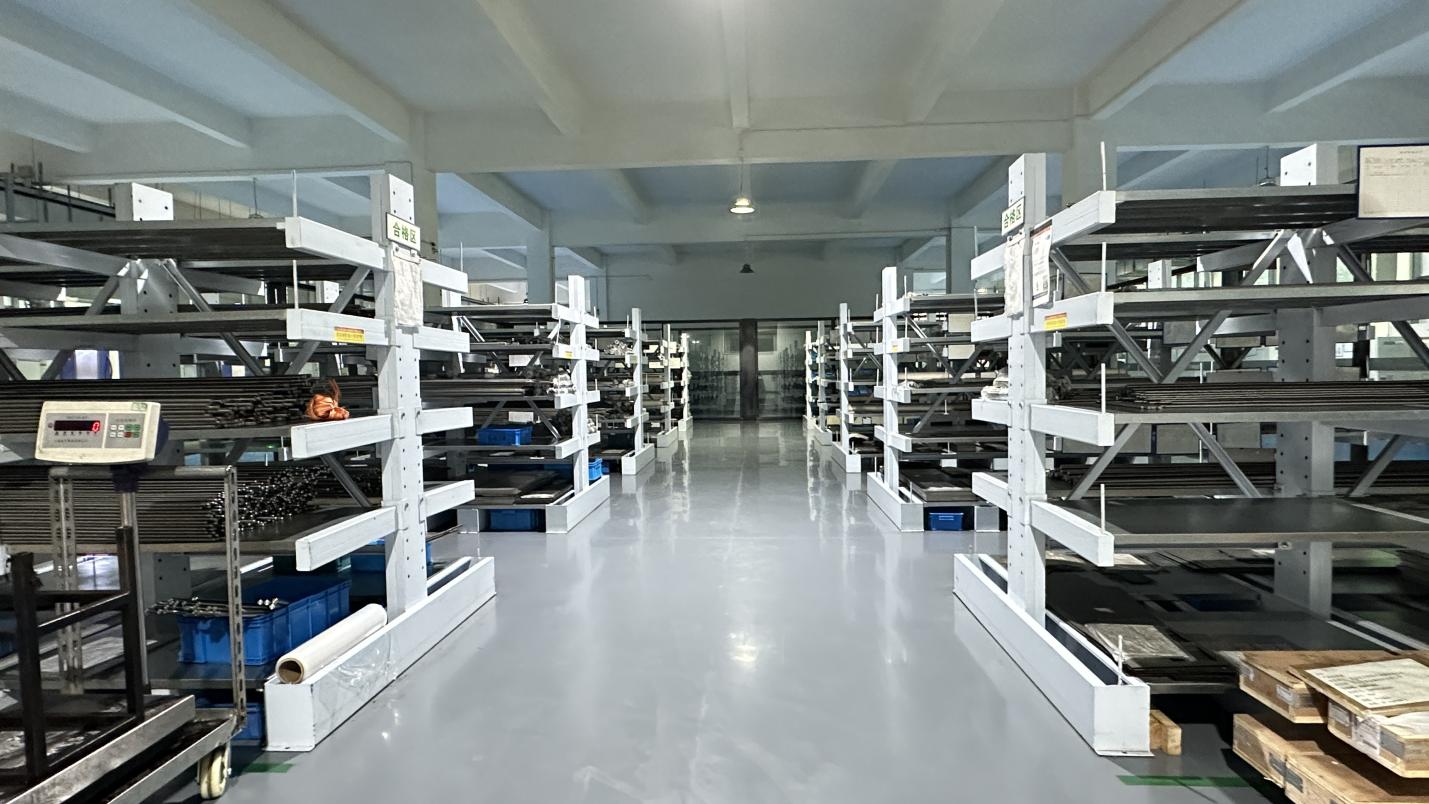
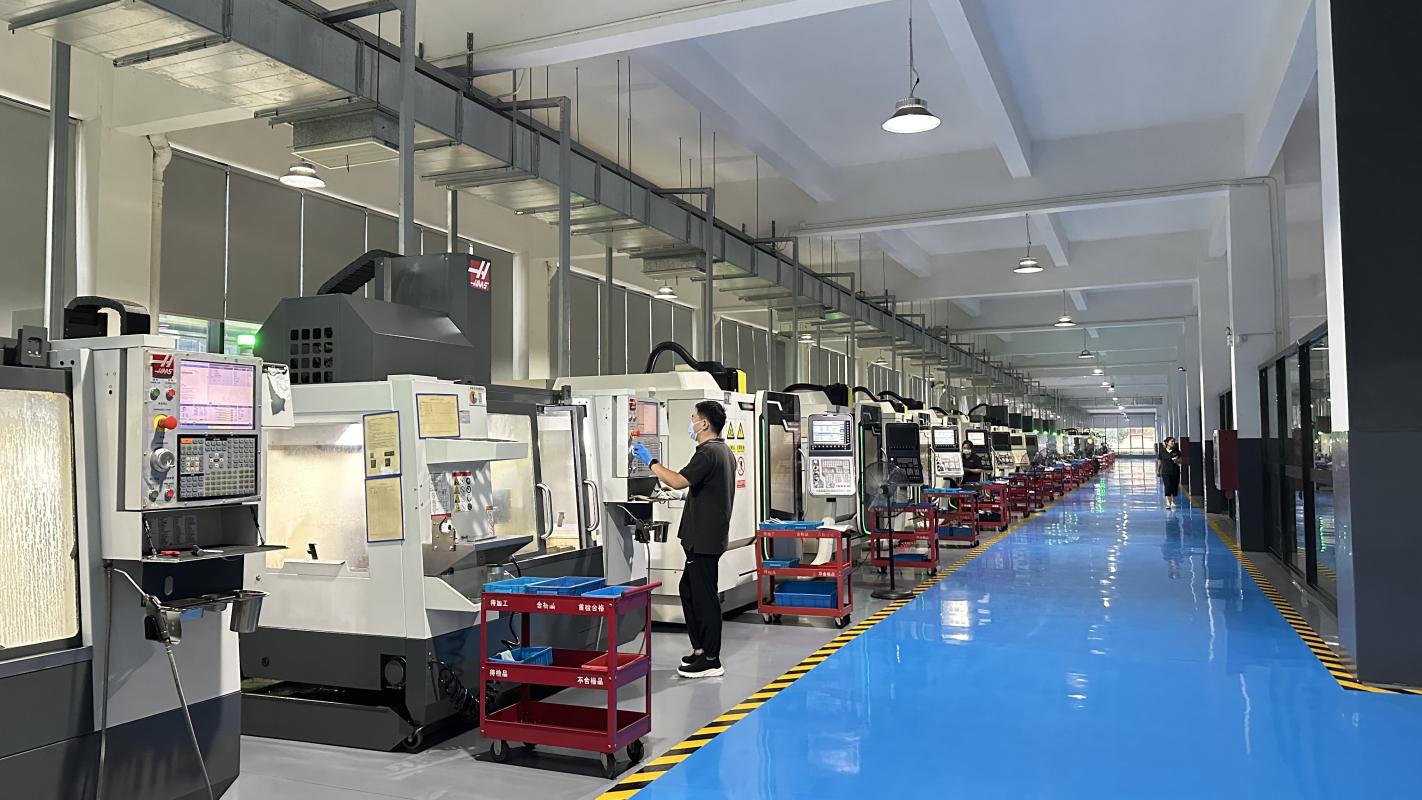
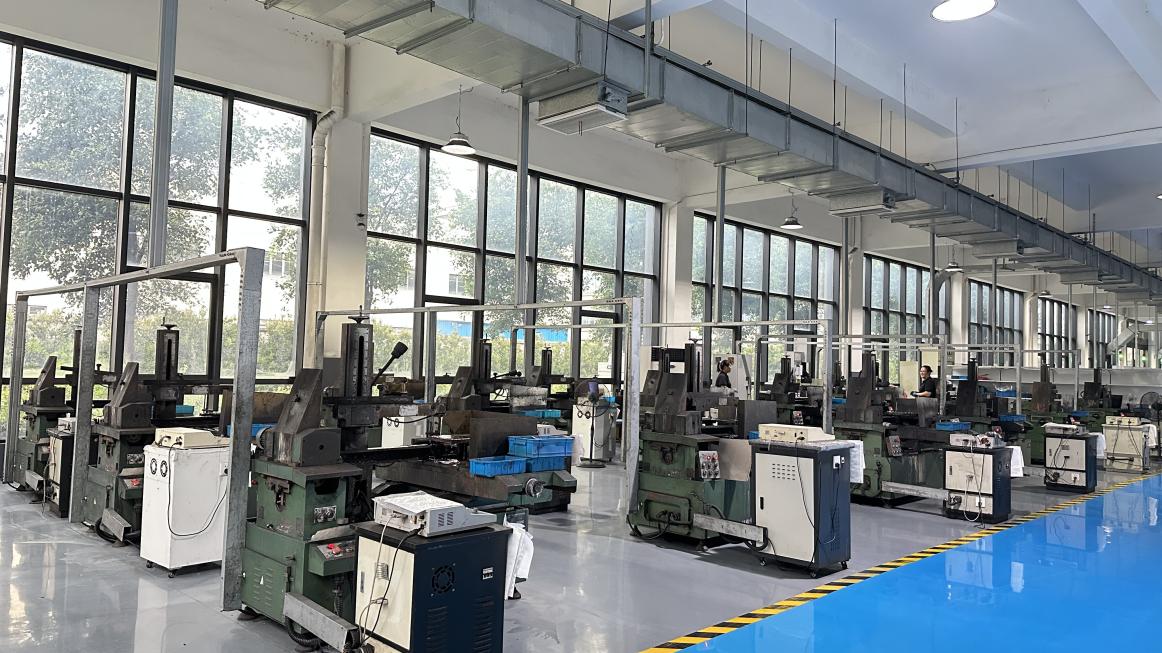
Bonevia Orthopedic Production Facility Overview

"Sourcing orthopedic trauma implants in Central Europe is no longer just about unit cost. It requires a convergence of mechanical reliability (high fatigue resistance), biocompatible surface coatings, and active registration validation in the EUDAMED database. Distributors in Prague and regional Czech health hubs demand agile manufacturing partners capable of providing extensive clinical and regulatory documentation."

Global Procurement and Supply Integration Indicators

B2B medical device distributors and hospital network purchasing groups operate on thin margins and low tolerance for stockouts. An analysis of global supply routes reveals that European distributors are seeking robust alternatives to traditional premium-tier Western brands. By partnering with advanced manufacturing bases that operate ISO 13485 certified facilities, Czech importers can achieve up to a 40% reduction in procurement costs without compromising biomechanical safety.

2015
Established Year
USD 8-15M
Annual Export Revenue
35 Profs
Quality Assurance Team
850+
Global Partners Network

Bonevia Orthopedic Technology Co., Ltd. addresses this gap by combining modern production infrastructure with over 10 years of overall industry experience and 6 years of focused export operations. With an annual export turnover of USD 8–15 million, we ensure that every batch of titanium alloy intramedullary nails shipped to Central Europe undergoes 100% inspection, verified by our 35-person quality control department.

Technology Roadmap & Biomechanical Engineering

Innovations in alloy processing, design optimizations, and stabilization mechanics.

Anatomical Curvature Geometry
Optimized radius of curvature (ROC) models matching European femur and tibia morphology. Simplifies insertion, reduces anterior cortex impingement risks, and matches standard distal locking target ranges.
Helical Blade Dynamic Lock
Our PFNA solutions replace traditional lag screws with a helical blade system that compacts trabecular bone during insertion, providing superior resistance against cutout in osteoporotic patients.
Type II Anodic Surface Film
Advanced electrochemical surface treatment creates a dense, biocompatible oxide boundary layer. This increases fatigue resistance, reduces nickel/metal ion release, and minimizes bacterial adhesion.

Bonevia’s technical roadmap centers on the mechanical transition from rigid static locking structures to dynamic load-sharing systems. Our titanium alloy intramedullary nails, manufactured using Ti-6Al-4V ELI (Extra Low Interstitial) conforming to ASTM F136 standards, balance tensile strength with a low elastic modulus. This helps mitigate stress-shielding effects, which can delay callus formation and prolong rehabilitation.

Biomechanical Comparison Matrix

Mechanical Metric Bonevia Ti-6Al-4V ELI Nails Standard Stainless Steel 316L Clinical Significance for Patients
Tensile Strength (MPa) ≥ 860 ≥ 490 Allows early post-operative loading without implant deformation.
Elastic Modulus (GPa) 110 200 Closer to natural cortical bone, reducing the risk of stress shielding.
Fatigue Limit (Cycles) > 10,000,000 ~ 5,000,000 Prevents fatigue failures under cyclical loading in non-union cases.
Biocompatibility Index Excellent (Osseointegrative) Moderate (Bio-inert) Minimizes inflammatory response and risk of subsequent implant removal.

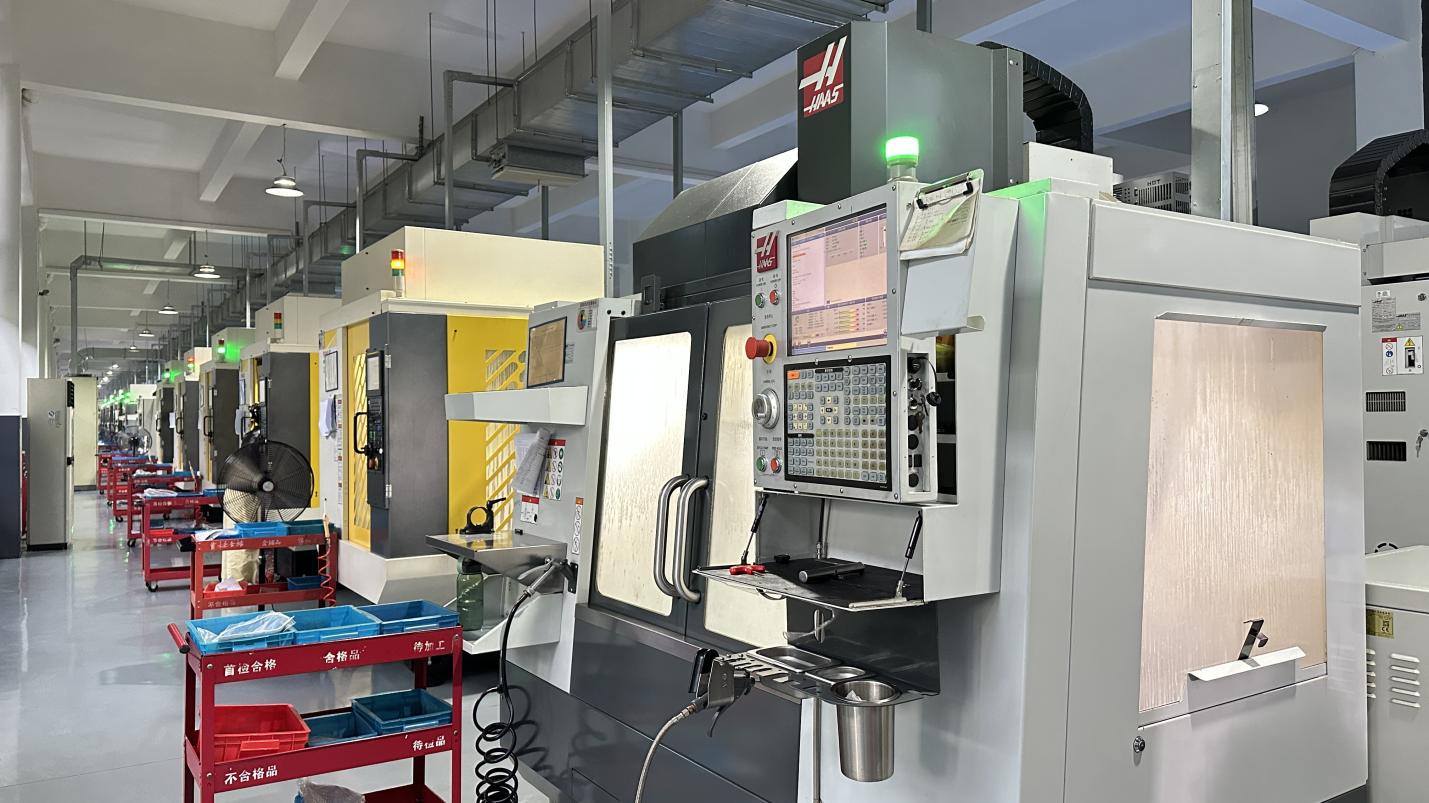
Advanced Manufacturing & QA Validation Facility

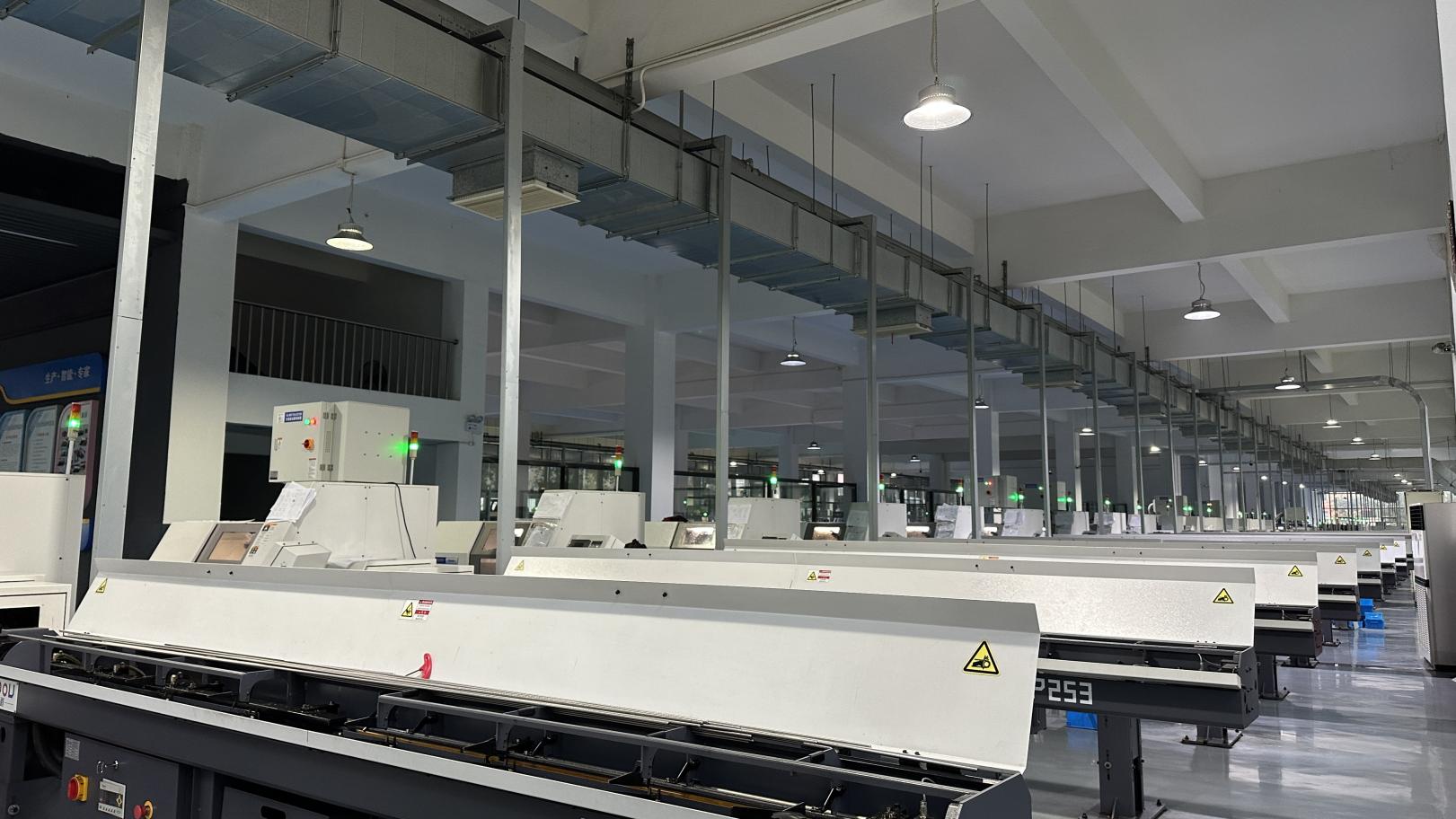
Inside our modern facility: Traceable raw material processing, high-precision CNC milling, and multi-stage quality control.
Materials Inflow Inspection - Bonevia
1. Raw Materials Inspection
Slitting Raw Bars - Bonevia
2. Bar Slitting
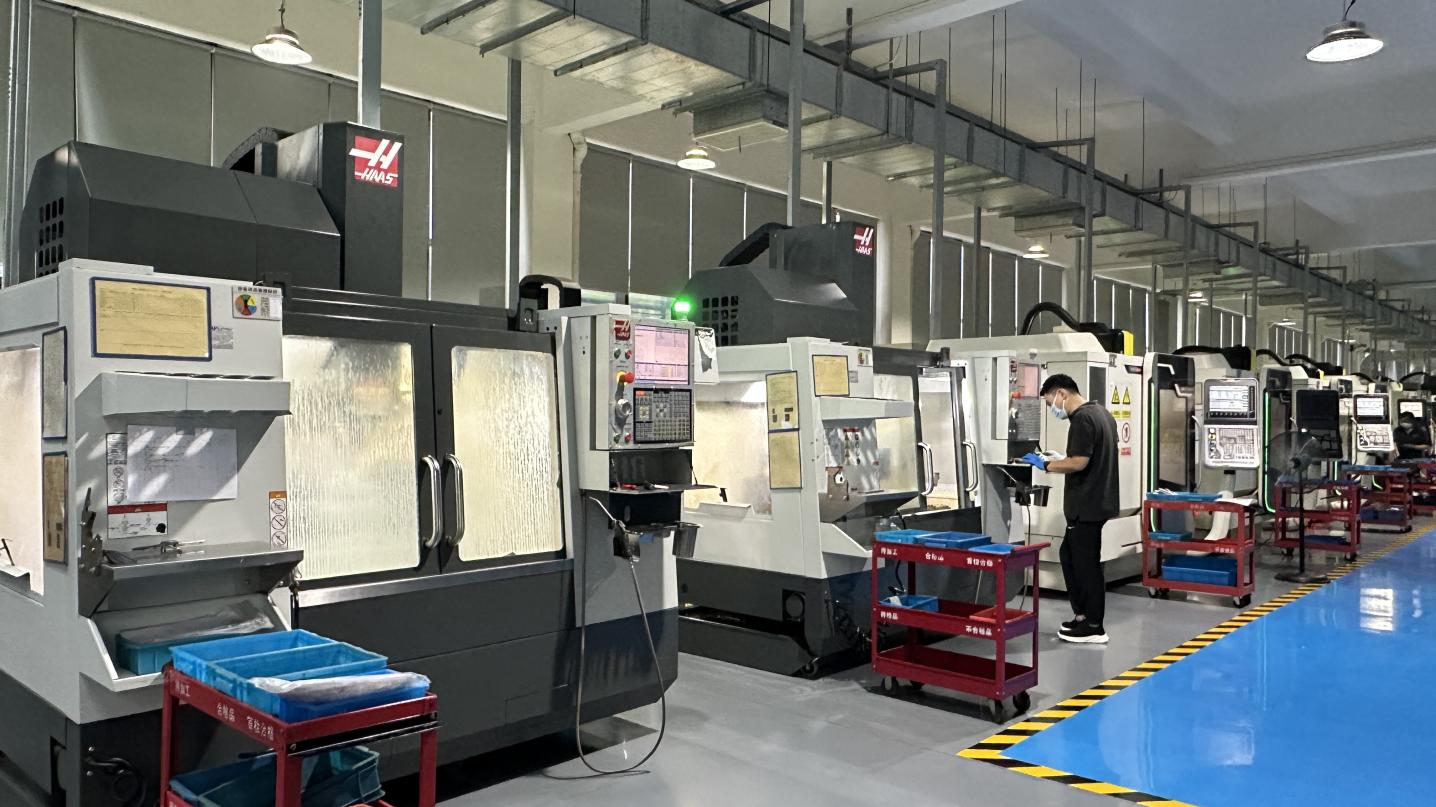
CNC Machining - Bonevia
3. Precision Machining
CNC Drilling - Bonevia
4. Deep-Hole Machining
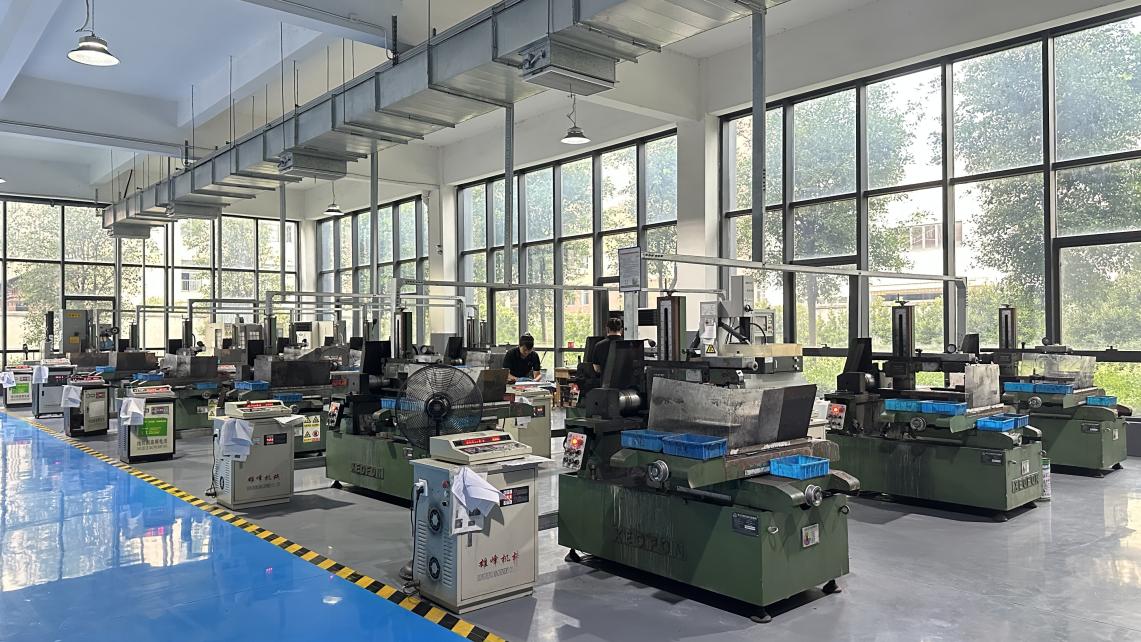
Wire-cutting Slot Details - Bonevia
5. Wire-cutting
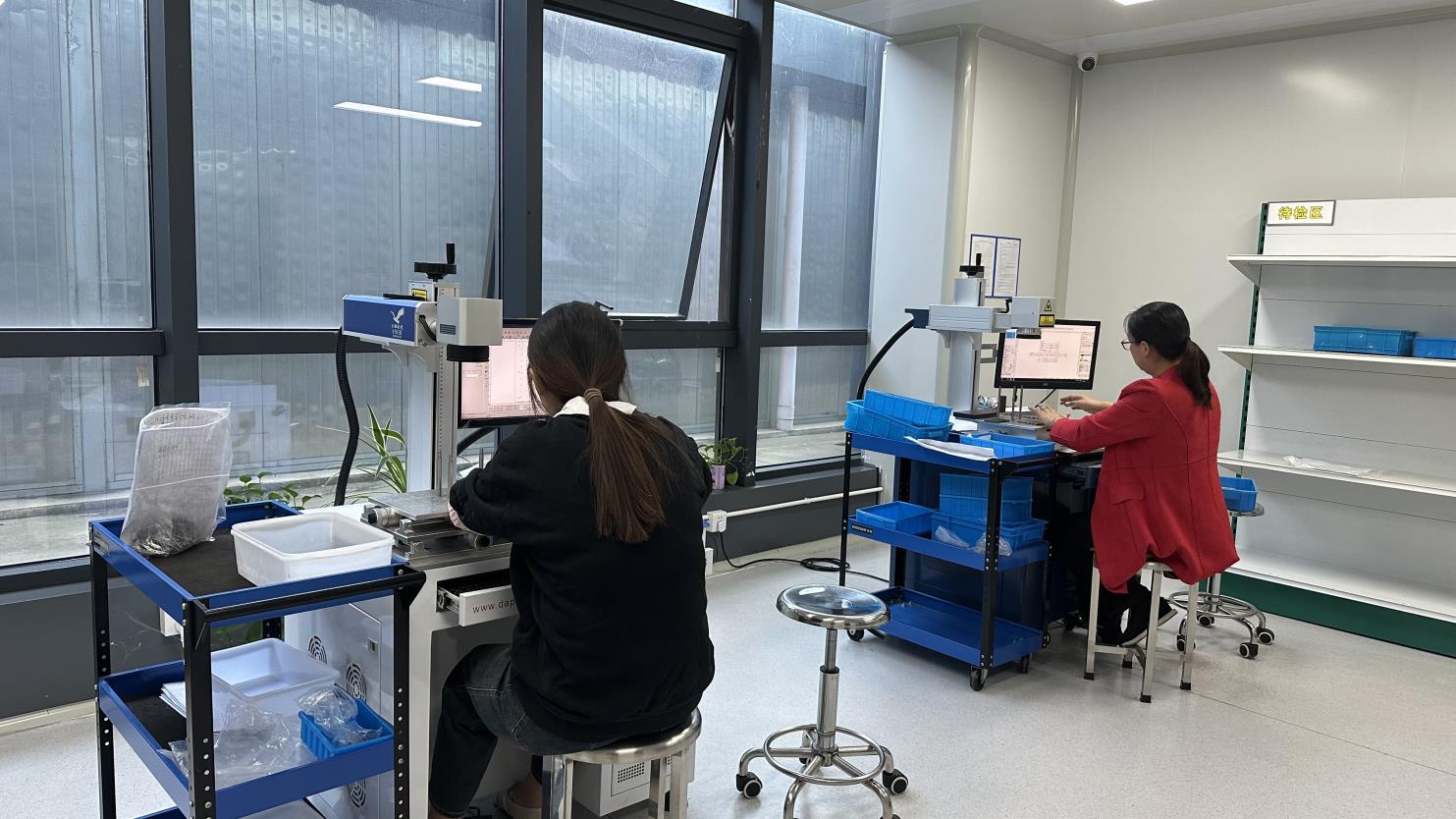
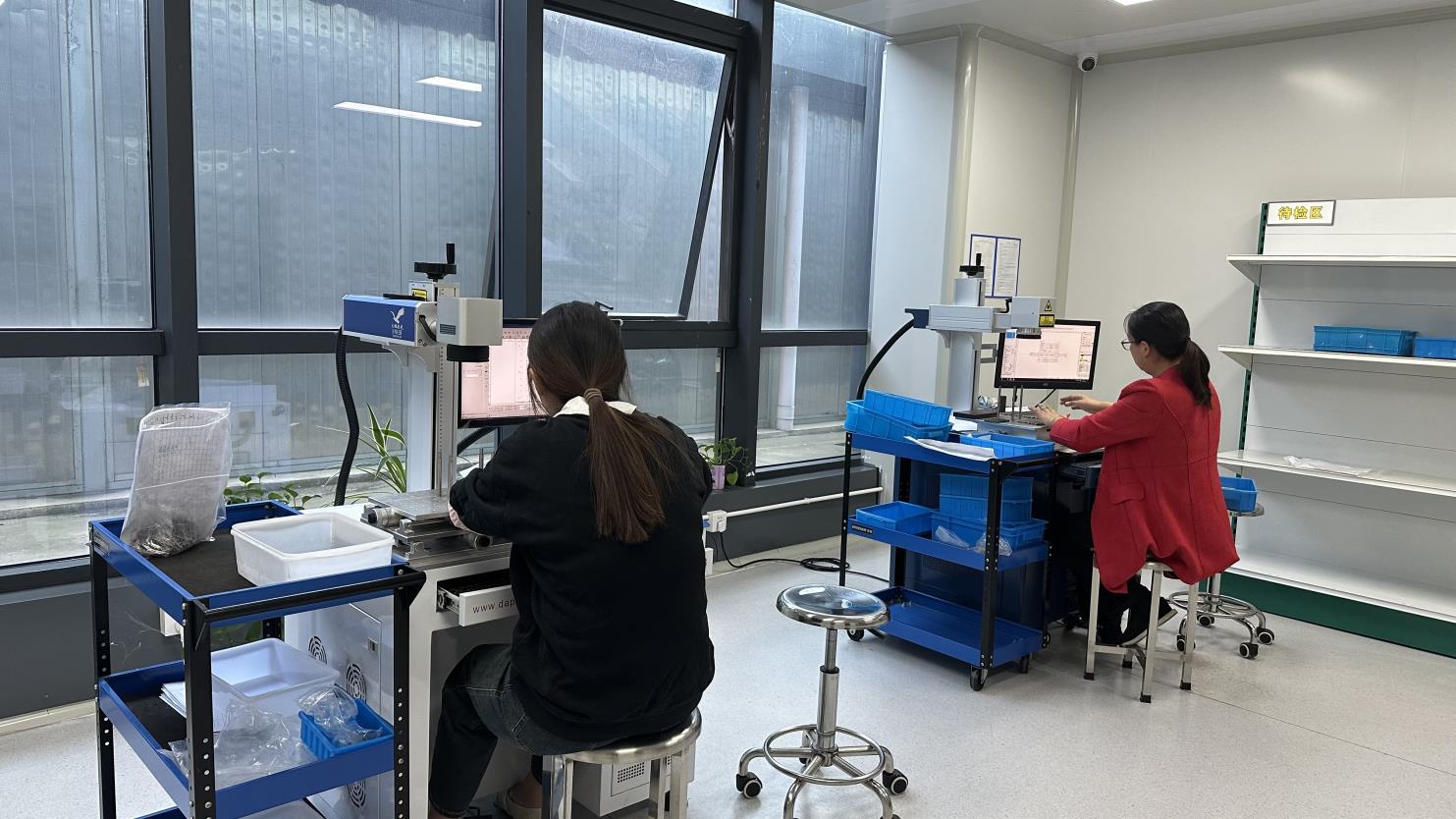
Laser Marking Traceability Numbers - Bonevia
6. UDI Laser Marking
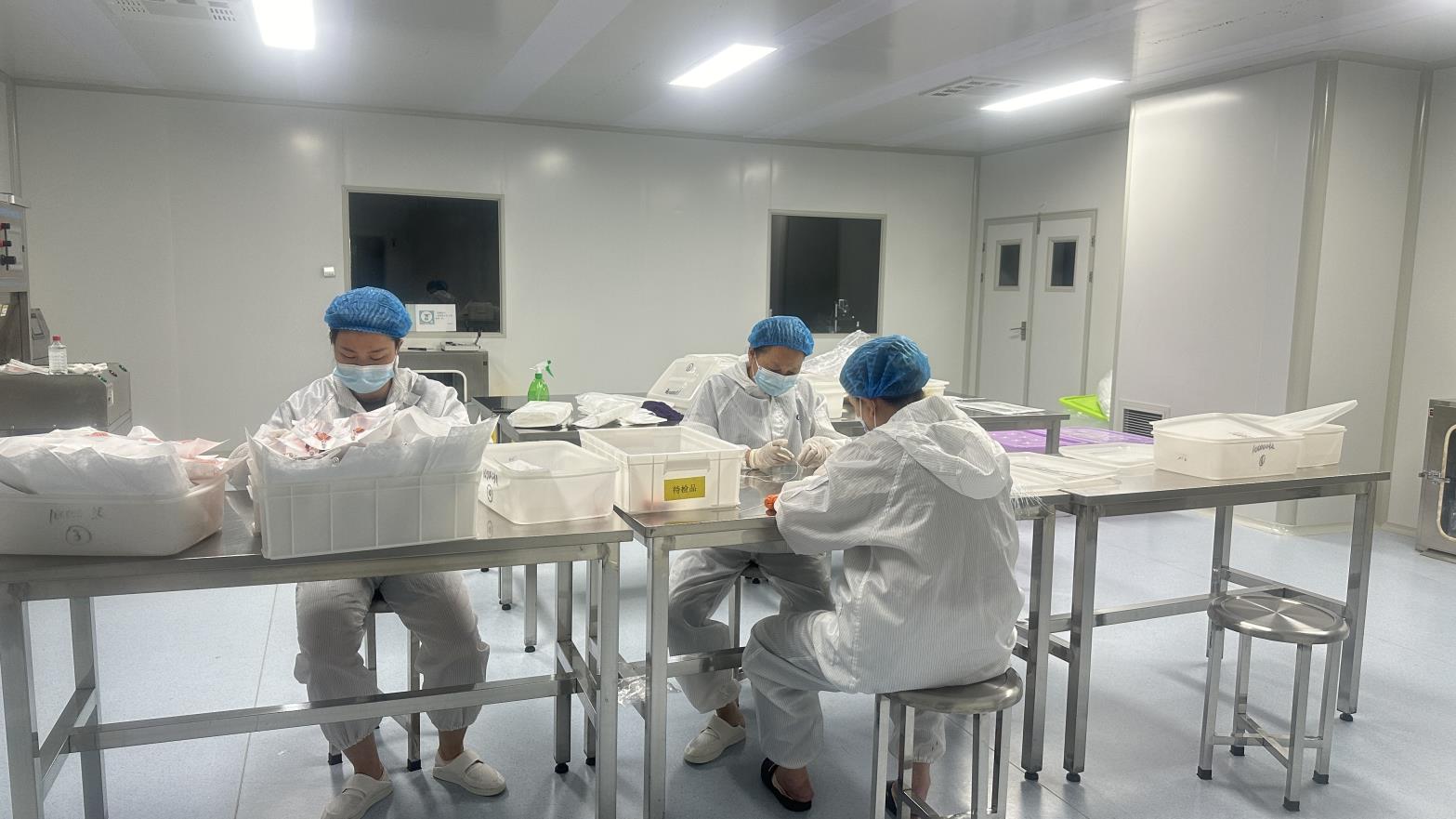
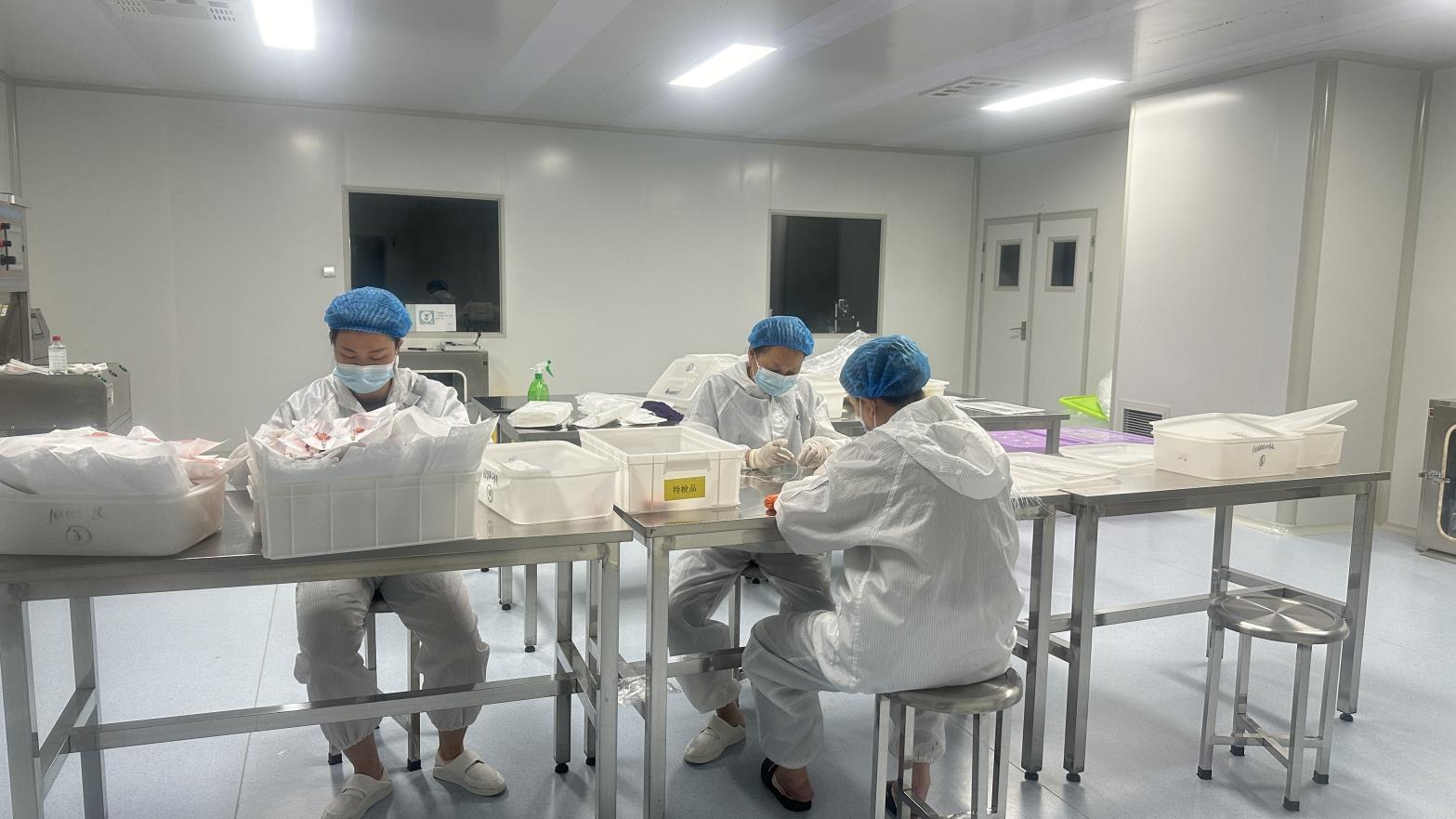
Cleanroom Packaging and Final Inspection - Bonevia
7. Inspection & Packing
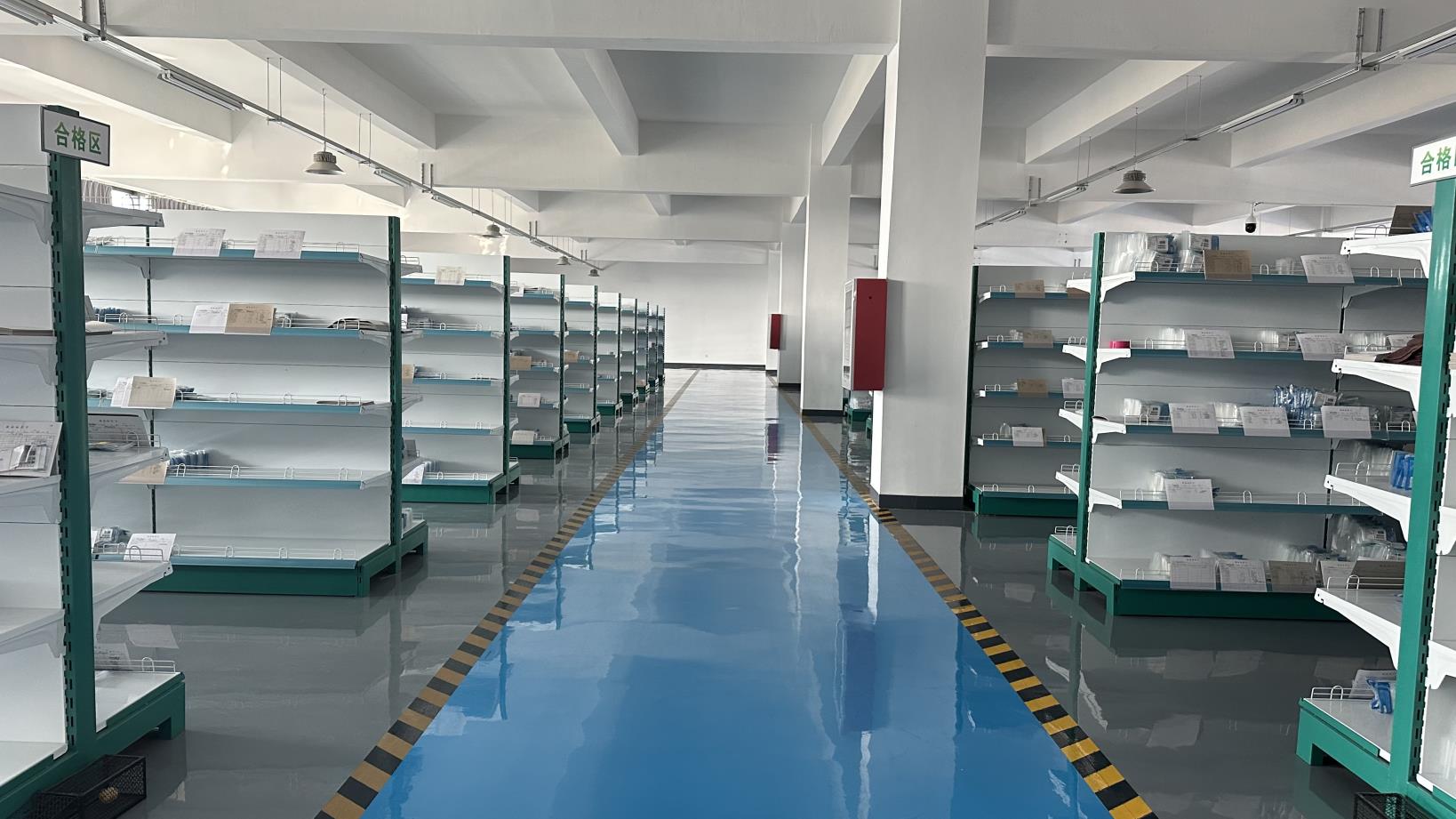
Climate-Controlled Warehouse Storage - Bonevia
8. Warehouse Management
Heavy Duty Slitting Machine - Bonevia
9. Slitting Machine
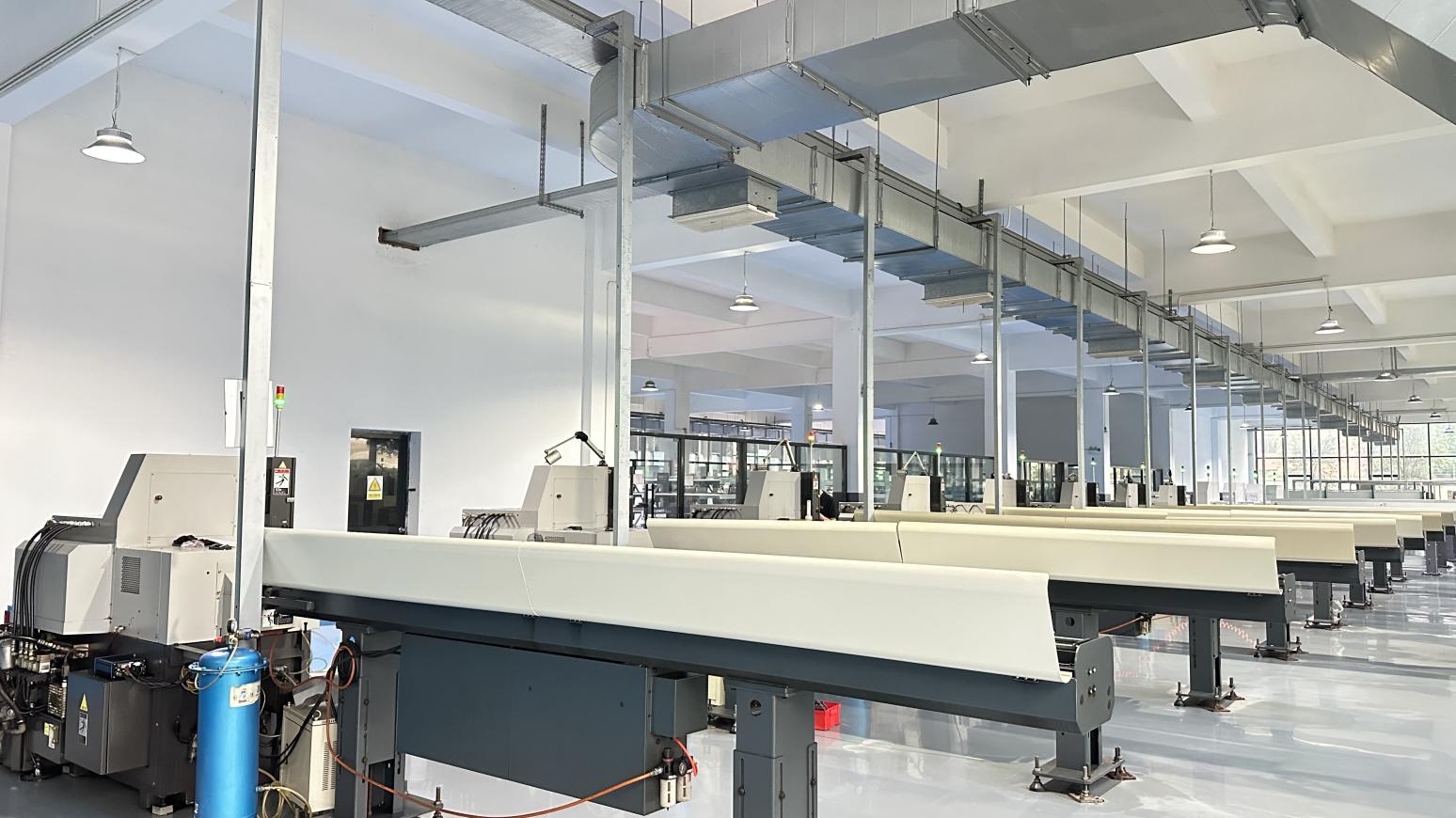
Multi-Axis CNC Machining Center - Bonevia
10. CNC Machining Center
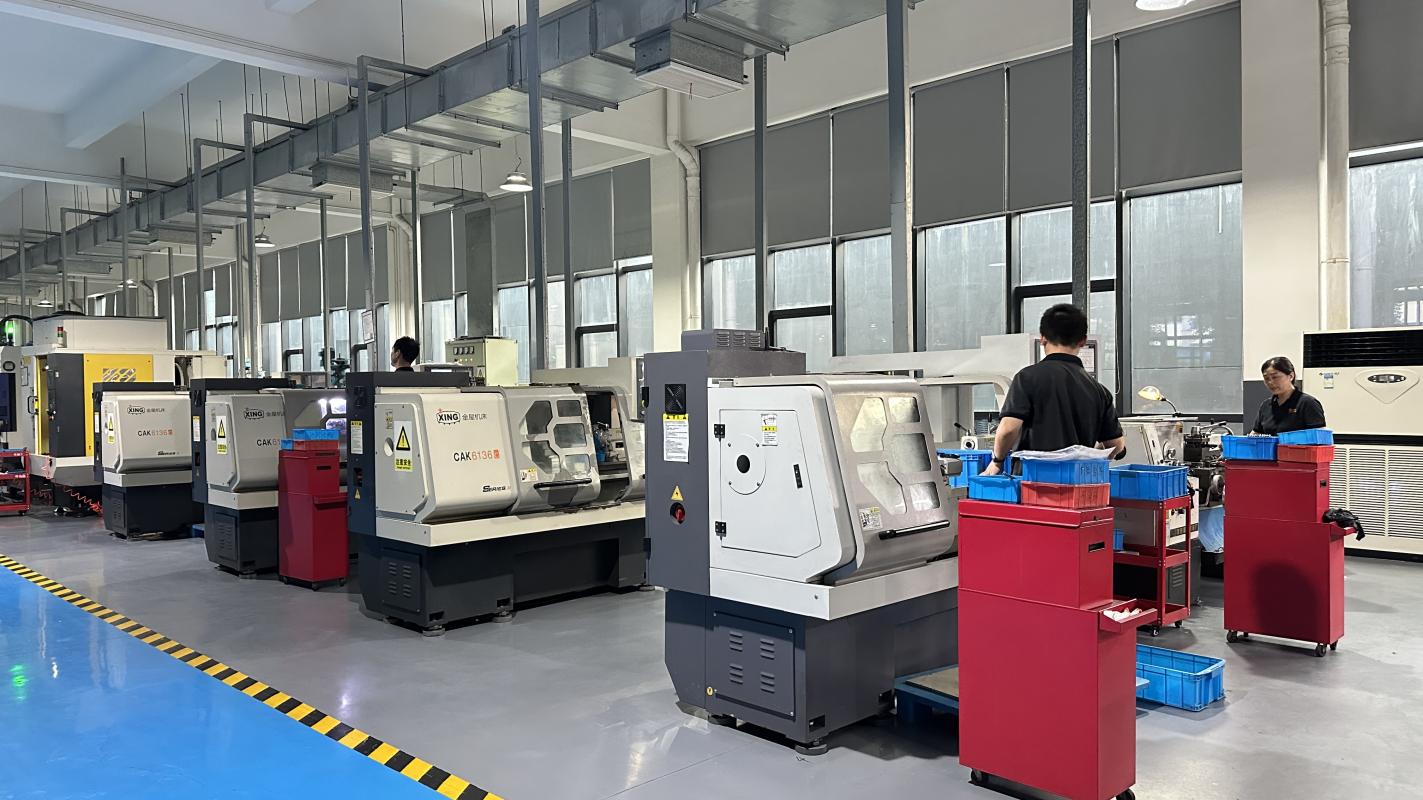
Industrial Turning Lathe - Bonevia
11. Lathe Operation
Wire-cutting Machine System - Bonevia
12. Wire-cutting Machine
Laser Etching Machine Station - Bonevia
13. Laser Marking Machine
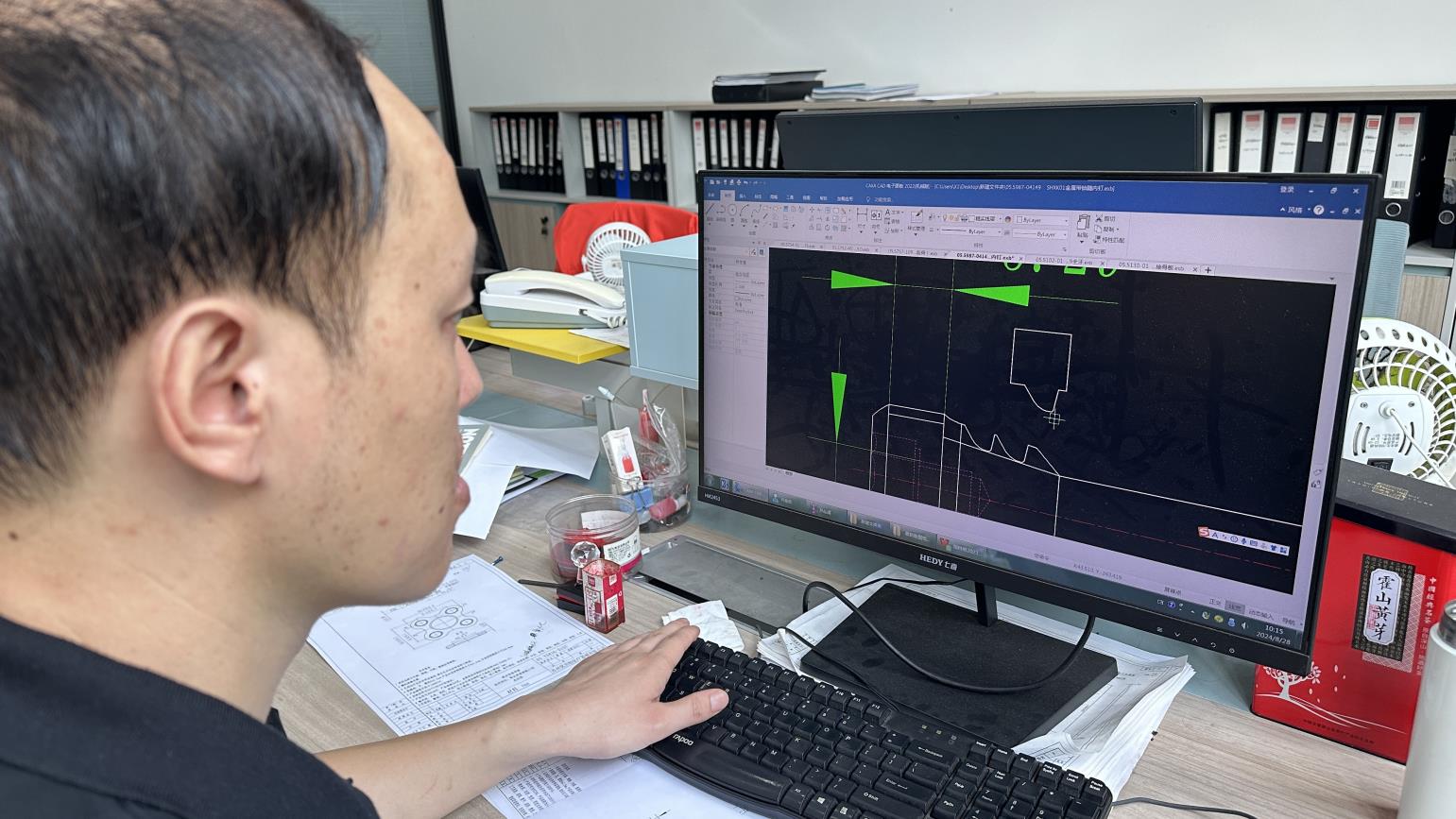
CAD/CAM Design & Quality Control Center - Bonevia
14. Design & Inspection

Our manufacturing ecosystem features a modern production facility designed to meet the strict demands of Class III medical device production. By integrating advanced multi-axis CNC machines and automated wire-cutting tools, we maintain tight geometric tolerances (within ±0.01 mm) on complex features like distal lock slots and cannulated interiors.

Quality assurance is a core focus at Bonevia. Our inspection protocols cover every step of the process: incoming material verification via spectrometer testing, in-process dimensional audits, final micro-defect analysis, and class 10,000 cleanroom packaging. Every implant is etched with a Unique Device Identification (UDI) laser mark, ensuring traceabilty from raw titanium billet to the clinical site.

Regulatory Integrity & EU-MDR Compliance Roadmap

Facilitating seamless market entry and legal distribution across the European Common Market.

For Czech medical device importers and clinical buyers, the transition to the European Medical Device Regulation (EU MDR 2017/745) represents a significant regulatory hurdle. Many legacy brands have withdrawn products due to the high cost of clinical data compliance, leaving gaps in hospital supply chains. At Bonevia, we have updated our regulatory documentation to support this transition:

  • ISO 13485:2016 Certification: Our manufacturing processes are audited annually by internationally recognized notified bodies.
  • CE Mark Technical Files: Comprehensive biocompatibility analyses, mechanical test reports (covering bending, torsion, and fatigue testing under ASTM F1264), and clinical evaluation reports (CER) are kept up to date.
  • SÚKL & EUDAMED Readiness: We supply all necessary documents, including Declarations of Conformity, technical specifications, and clinical study summaries, to assist Czech distributors in registering products with the State Institute for Drug Control (SÚKL).
  • OEM/ODM Customization: Supported by our 85-engineer R&D team, we can adapt instrument kits and implant markings to match specific local clinical preferences or bidding requirements.

Specialized Intramedullary Trauma Implant Selection

Comprehensive orthopedic implants addressing pediatric trauma, humeral fractures, and complex lower-limb reconstructions.
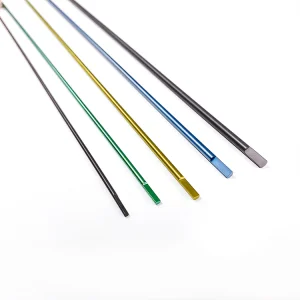
Orthopedic Elastic Intramedullary Nail Implant for Czech Pediatric Trauma

Orthopedic Elastic Intramedullary Nail Implant Elastic Nail Orthopedic for Child Trauma Hospital Use

View Technical Specifications →
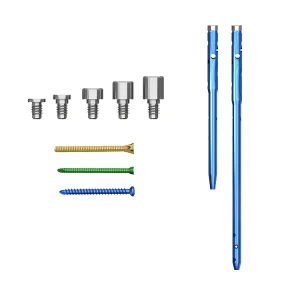
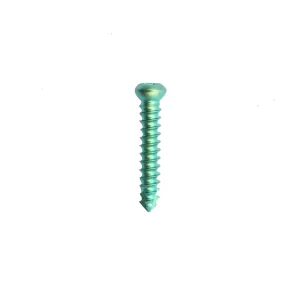
Geasure Titanium Alloy Mini Nail Screw 3.5 Locking Screw

Geasure Titanium Alloy Mini Nail Screw 3.5 Locking Screw for Ulna Fiber Nail Interlocking Implants Interventional Materials

View Technical Specifications →
PFNA Femoral Nail Orthopedic Medical Implant for Czech Fracture Surgery

PFNA Femoral Nail Orthopedic Medical Implant for Fracture Surgery Ortopedia Pfna Nail Orthopedic Material

View Technical Specifications →
Factory Sales Proximal Femoral Titanium Alloy Implants

Factory Sales Proximal Femoral Titanium Alloy for Hospitals Implant Materials Femoral Implants & Interventional Materials

View Technical Specifications →
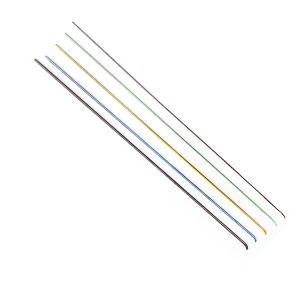
Pediatric Orthopedic Intramedullary Titanium Alloy Elastic Nails

Pediatric Orthopedic Intramedullary Titanium Alloy Elastic Nails Surgical Implants & Interventional Materials for Hospitals Use

View Technical Specifications →
Multiloc Interlocking Intramedullary Humeral Nail Titanium Alloy

Multiloc Interlocking Intramedullary Humeral Nail Titanium Alloy Orthopedic Implant for Hospital Trauma Applications

View Technical Specifications →
Geasure Titanium Alloy Intramedullary Tibia Nail

Geasure Titanium Alloy Intramedullary Tibia Nail Interlocking Orthopedic Implant Class III 1 Year Warranty

View Technical Specifications →
Geasure Stock Orthopedic Surgical Humeral Nail

Geasure Stock Orthopedic Surgical Humeral Nail for Osteoporotic Bone Fixation Medical Orthopedic

View Technical Specifications →
*All products are available in customized configuration options. Contact our sales department to verify inventory levels for the Central European market.

Expert Q&A: Sourcing Trauma Implants for Central Europe

Addressing key technical, logistical, and regulatory questions from procurement managers and distributors.

1. How does Bonevia support compliance with the EU Medical Device Regulation (MDR 2017/745)?
Bonevia maintains a dedicated regulatory department that works directly with European notified bodies. We supply comprehensive technical documentation, including ISO 13485:2016 certificates, biocompatibility studies (ISO 10993 series), and mechanical fatigue testing data according to ASTM requirements. We also assist Czech distributors with registration in the State Institute for Drug Control (SÚKL) database and supply UDI-compliant labeling to ensure smooth clearance through Czech customs.
2. What specific grade of titanium alloy is used in the manufacture of your interlocking nails?
We use medical-grade Ti-6Al-4V ELI (Extra Low Interstitial) titanium alloy conforming to ASTM F136 and ISO 5832-3 standards. This material is chosen for its high biocompatibility, excellent fatigue resistance, and low elastic modulus compared to stainless steel. This profile reduces the risk of stress-shielding at the fracture site and helps prevent postoperative implant failure.
3. What is the typical lead time and shipping route for deliveries to Prague and Brno?
Standard OEM or bulk inventory orders are processed and shipped within 30 to 45 days. We offer flexible shipping configurations: air freight to Václav Havel Airport Prague (PRG) for urgent trauma stock replenishment, or sea freight via the Port of Hamburg with onward rail transit to Czech inland dry ports for larger container shipments.
4. Do you supply matching surgical instrument sets (reusable/autoclavable) for implant insertion?
Yes. Every intramedullary nail system we manufacture is supported by a dedicated, reusable surgical instrument kit. These kits are manufactured from medical-grade stainless steel and aluminum, designed to withstand repeated autoclaving cycles. We offer these kits on both direct purchase and loaner-system terms for regional distributors.
5. Can Bonevia accommodate OEM/ODM requests to modify designs for specific clinical needs?
Yes, our R&D team consists of 85 engineers capable of adjusting configurations to meet specific clinical preferences. We can modify distal locking configurations, change proximal angles, or customize instrument layouts. Custom orders undergo the same strict quality controls, and validation runs are completed before final production begins.
6. What sterile packaging options are available?
We provide products in both non-sterilized bulk formats (typically preferred by distributors with regional cleanroom facilities) and sterile pre-packaged formats. Sterile packaging uses dual-layer medical Tyvek pouches subjected to Ethylene Oxide (EO) sterilization, ensuring a minimum 5-year shelf-life when stored under standard clinical warehouse conditions.