Bonevia
Bonevia
Bonevia
High-precision interlocking intramedullary fixation systems designed for anatomical compatibility with the Egyptian demographic profile.
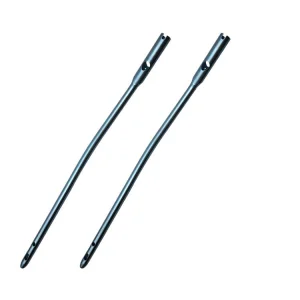
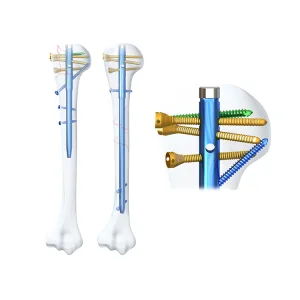
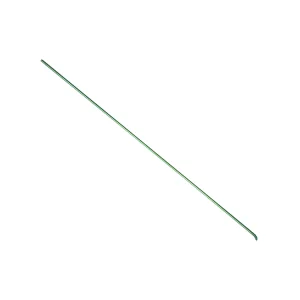
Egypt’s healthcare ecosystem, serving a population exceeding 110 million, deals with a substantial volume of orthopedic trauma cases annually. Rapid urbanization, combined with dense transport networks connecting Cairo, Giza, Alexandria, and Upper Egypt, contributes to a high rate of high-energy road traffic accidents. This clinical reality places an immense demand on emergency orthopedic units, particularly university hospitals like Kasr Al-Ainy, Mansoura, and Ain Shams, as well as Ministry of Health (MoH) hospitals, to access premium intramedullary (IM) nailing systems for stable fixation.
In response to this demand, Egypt’s Universal Health Insurance (UHI) system and the Unified Procurement Authority (UPA) are establishing stricter standard operating procedures for implant acquisitions. Implants must feature high mechanical integrity, optimal bio-compatibility, and anatomical pre-curvatures to minimize intraoperative adjustments. For long-bone fractures—specifically femur, tibia, and humeral shaft fractures—intramedullary nails have become the benchmark standard. They support early mobilization, preserve the endosteal blood supply, and distribute loads effectively, reducing the length of hospital stays in resource-strained institutions.
Successful intramedullary fixation requires a precise balance of mechanical stiffness and elastic modulus. Bonevia Orthopedic focuses heavily on local anatomical configurations. Research shows that skeletal structures in Mediterranean and Middle Eastern populations often feature slightly different femoral bow radii and canal shapes than Western populations.
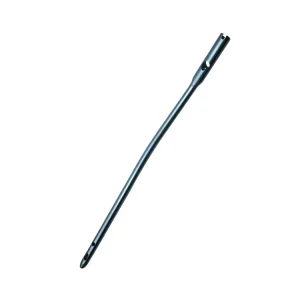
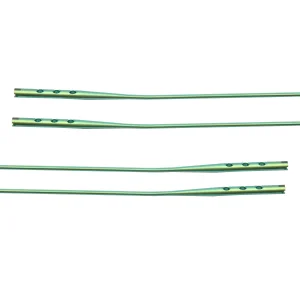
By refining the radius of curvature (ROC) on our Proximal Femoral Antirotation Nails (PFNA) and Tibial Interlocking Nails, we minimize the risk of anterior cortex impingement and iatrogenic distal fractures during insertion.
Bonevia Orthopedic Technology Co., Ltd. is a dedicated manufacturer of orthopedic implants and surgical solutions. Since our founding in 2015, we have focused on trauma, spine, and joint reconstruction technologies, developing into a reliable OEM/ODM provider for global partners.
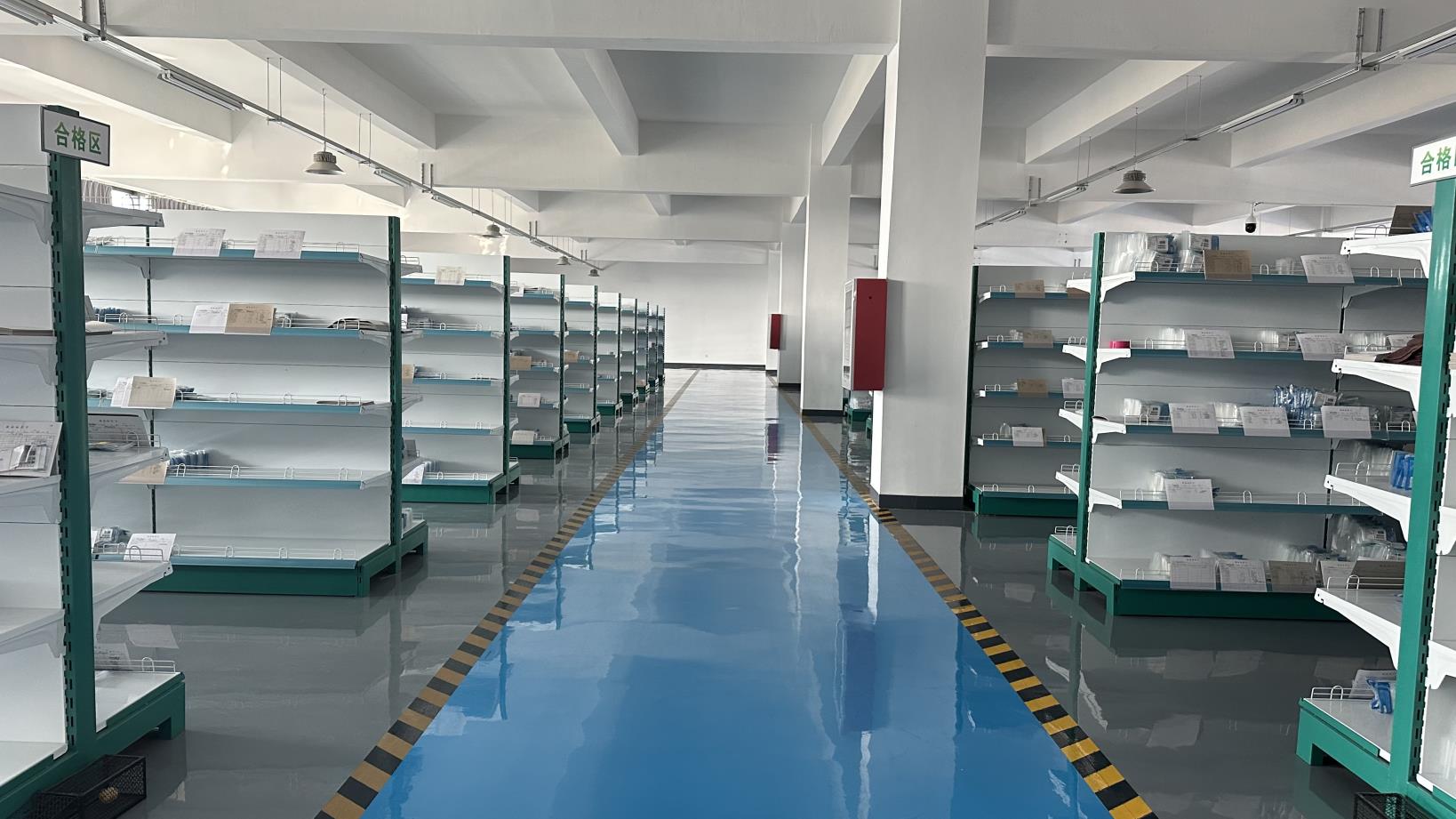
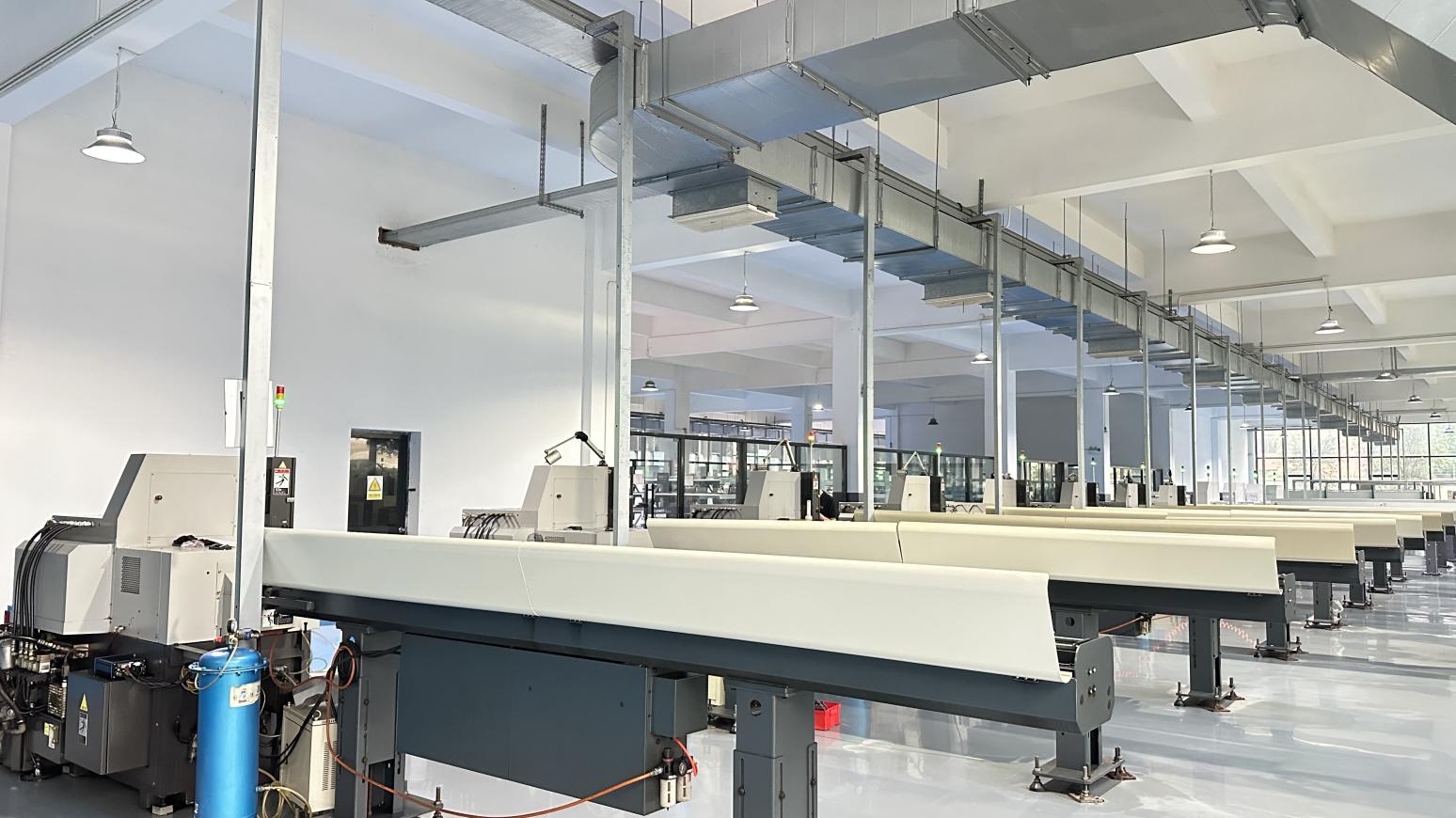
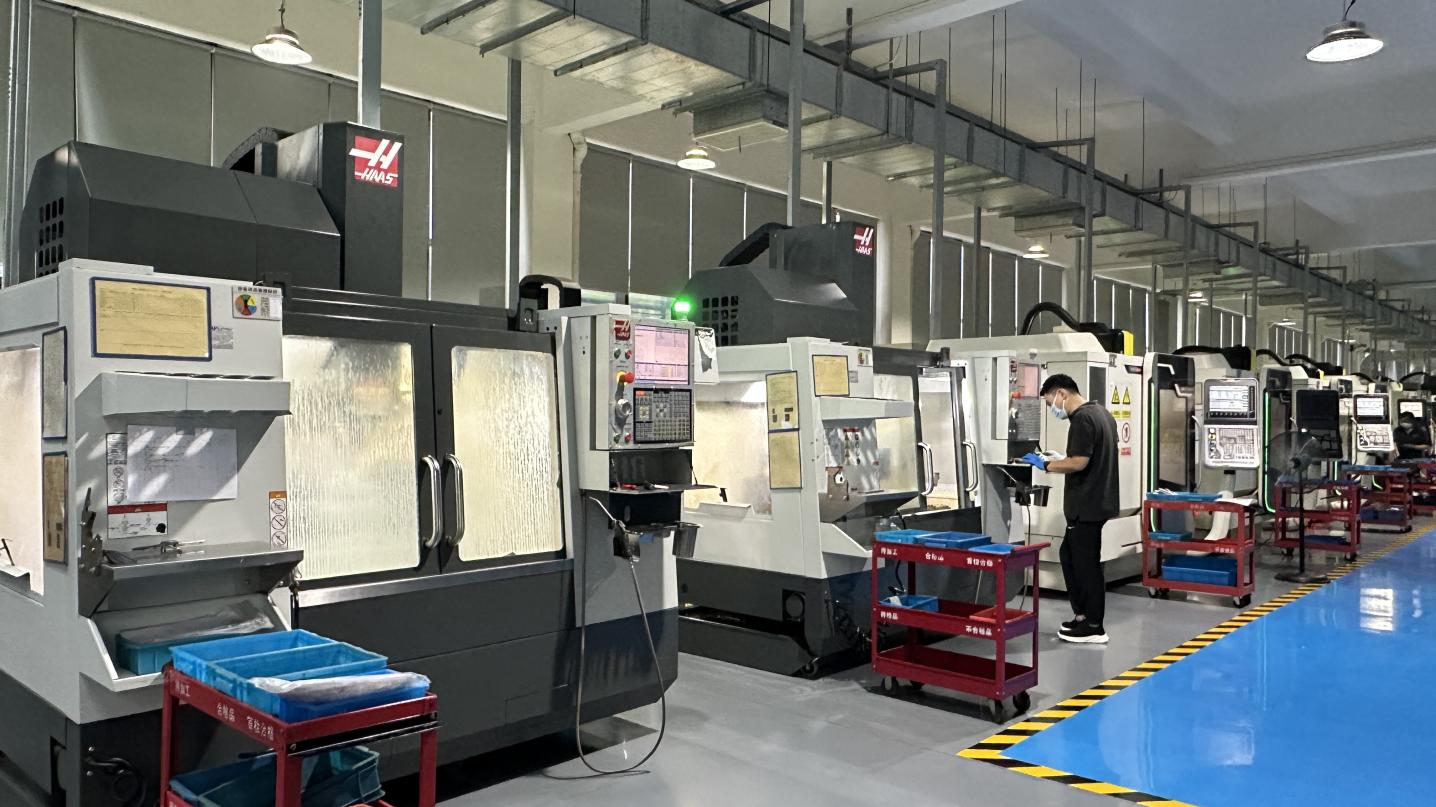
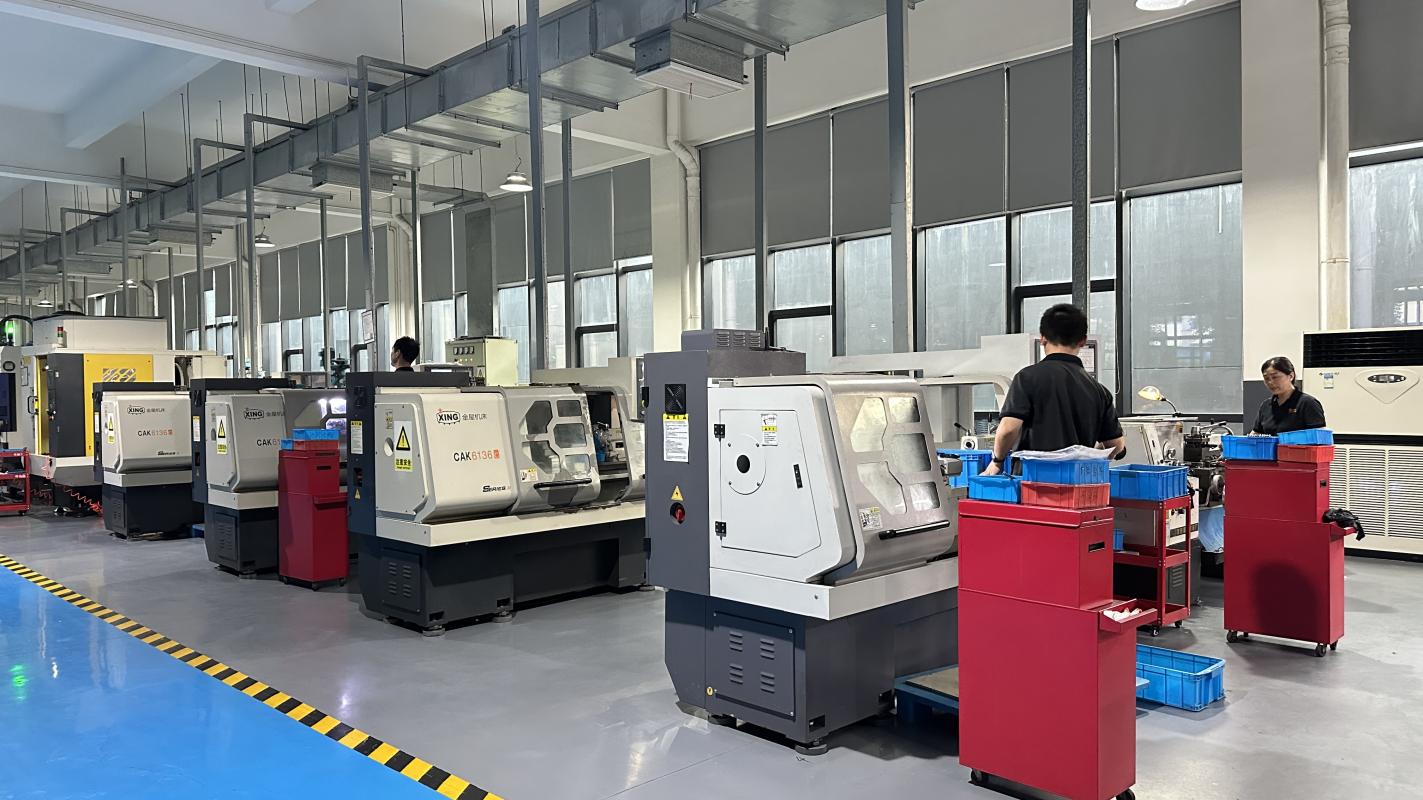
Operating a modern production facility of 320㎡ under ISO 13485 guidelines, we maintain highly controlled production standards. With 6 years of export experience and over 10 years of industry experience, we manage an annual export revenue of USD 8–15 million. This stable financial framework allows us to fulfill large-scale government tenders issued by Egypt’s UPA without production bottlenecks.
Our strict quality assurance protocol relies on incoming material inspection, in-process quality control, and final product testing. This is supported by our 35-member quality team. Over 850 global supply chain partners supply our certified raw materials. Our 85 R&D engineers developed and validated 120 new product designs last year alone, ensuring our portfolio matches current surgical techniques.
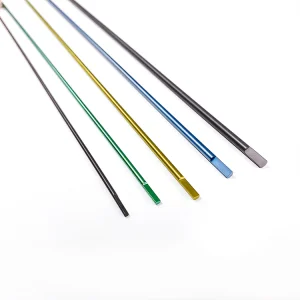
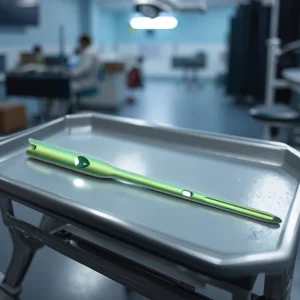
From certified titanium bars to sterile surgical suites—visualizing our production standards.
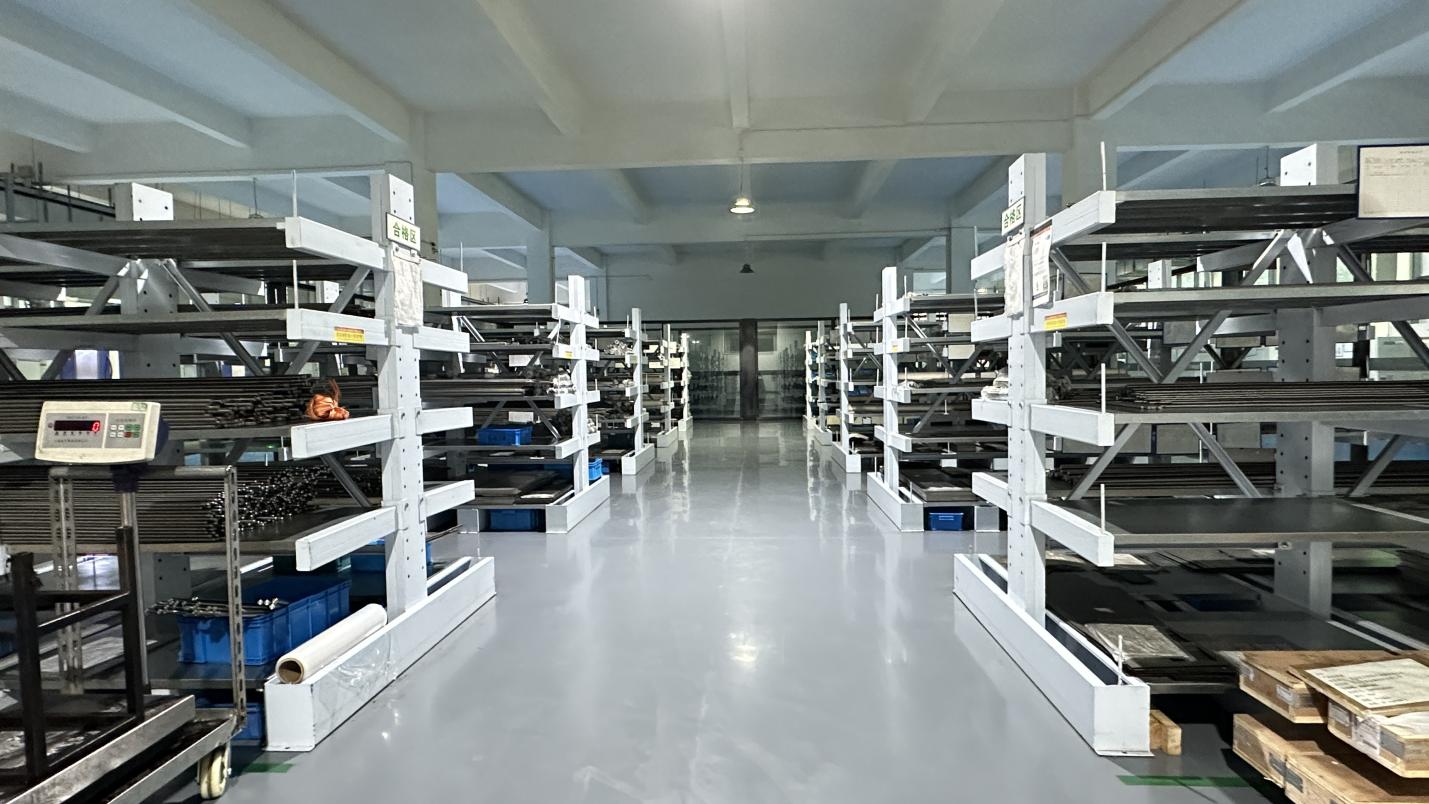
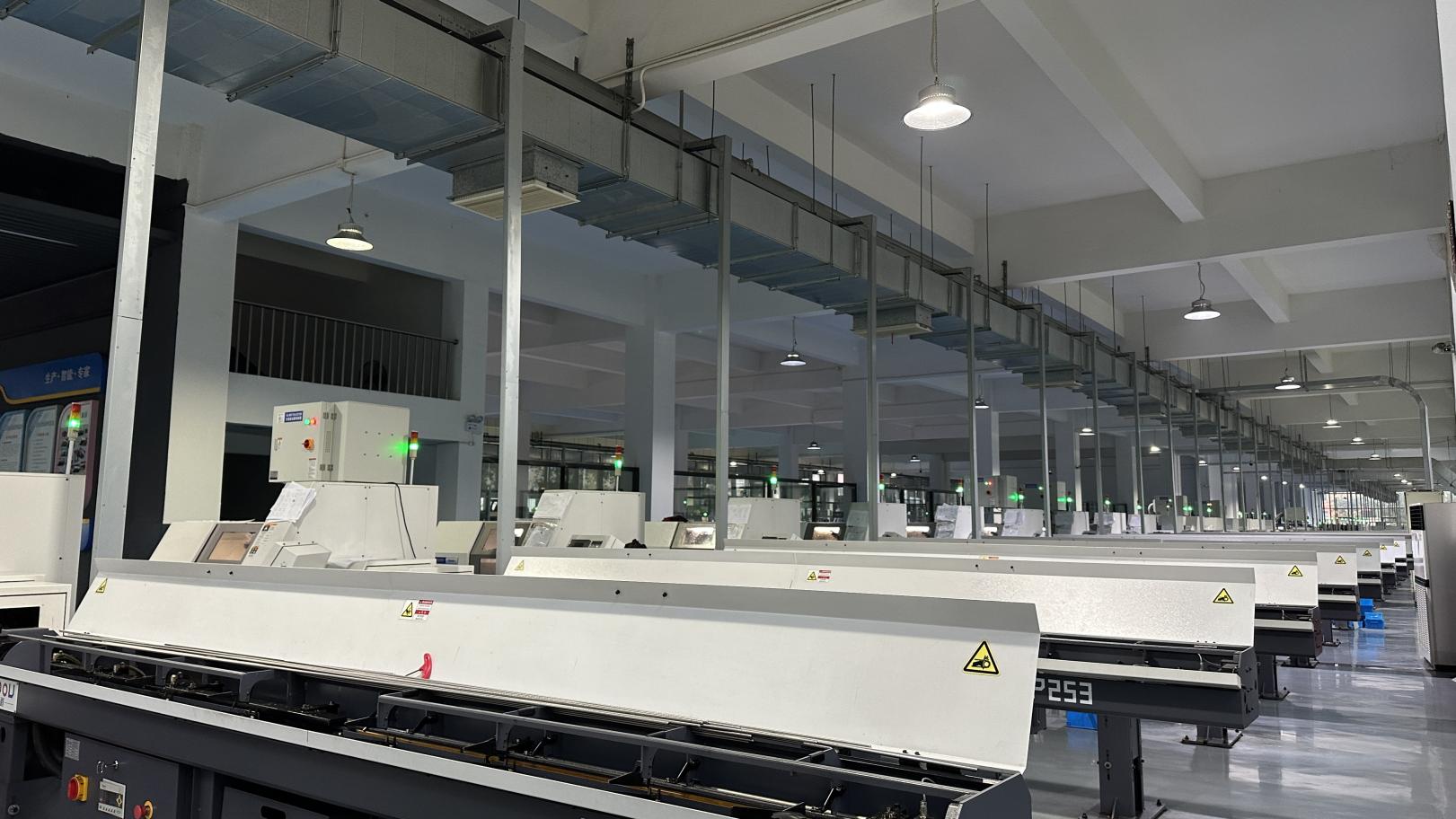
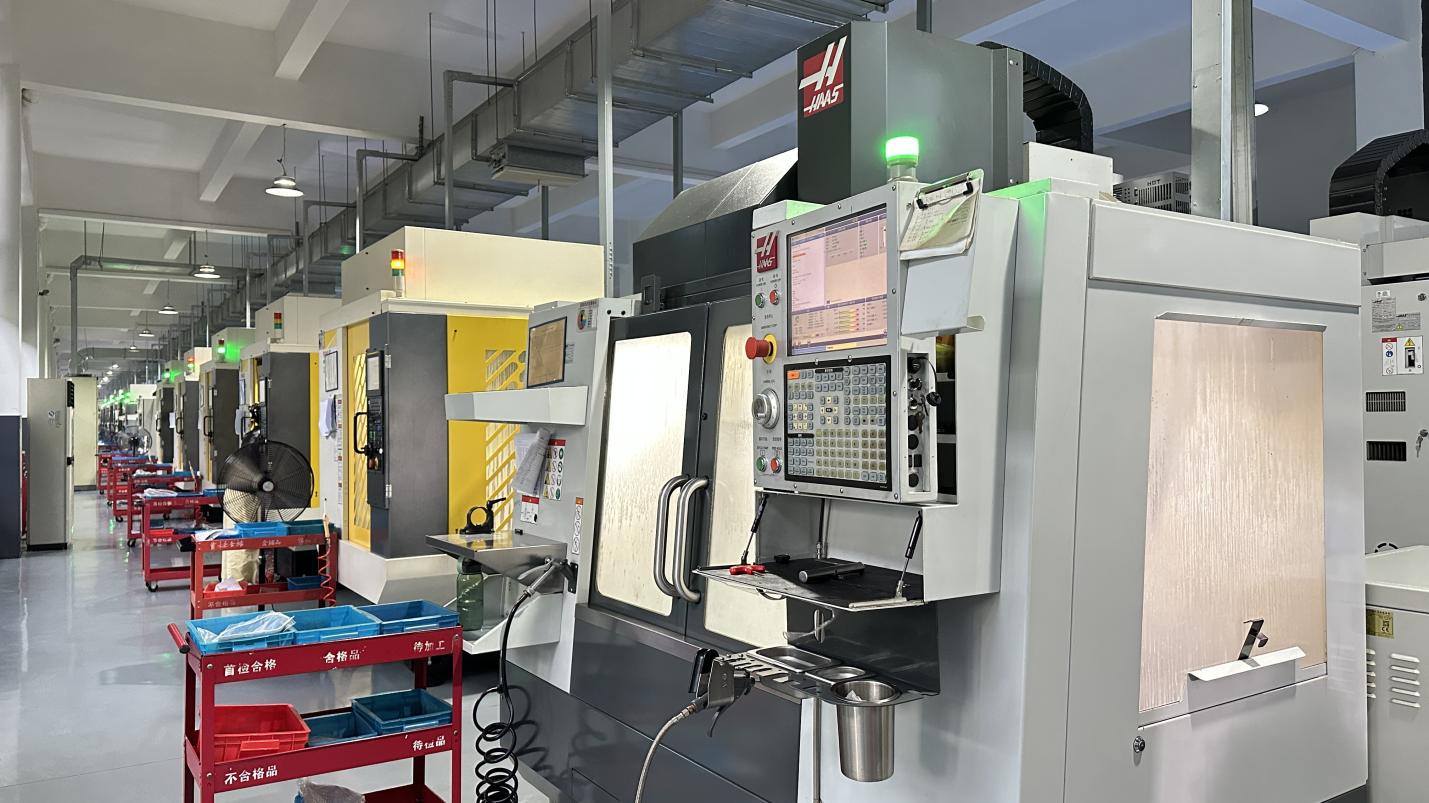
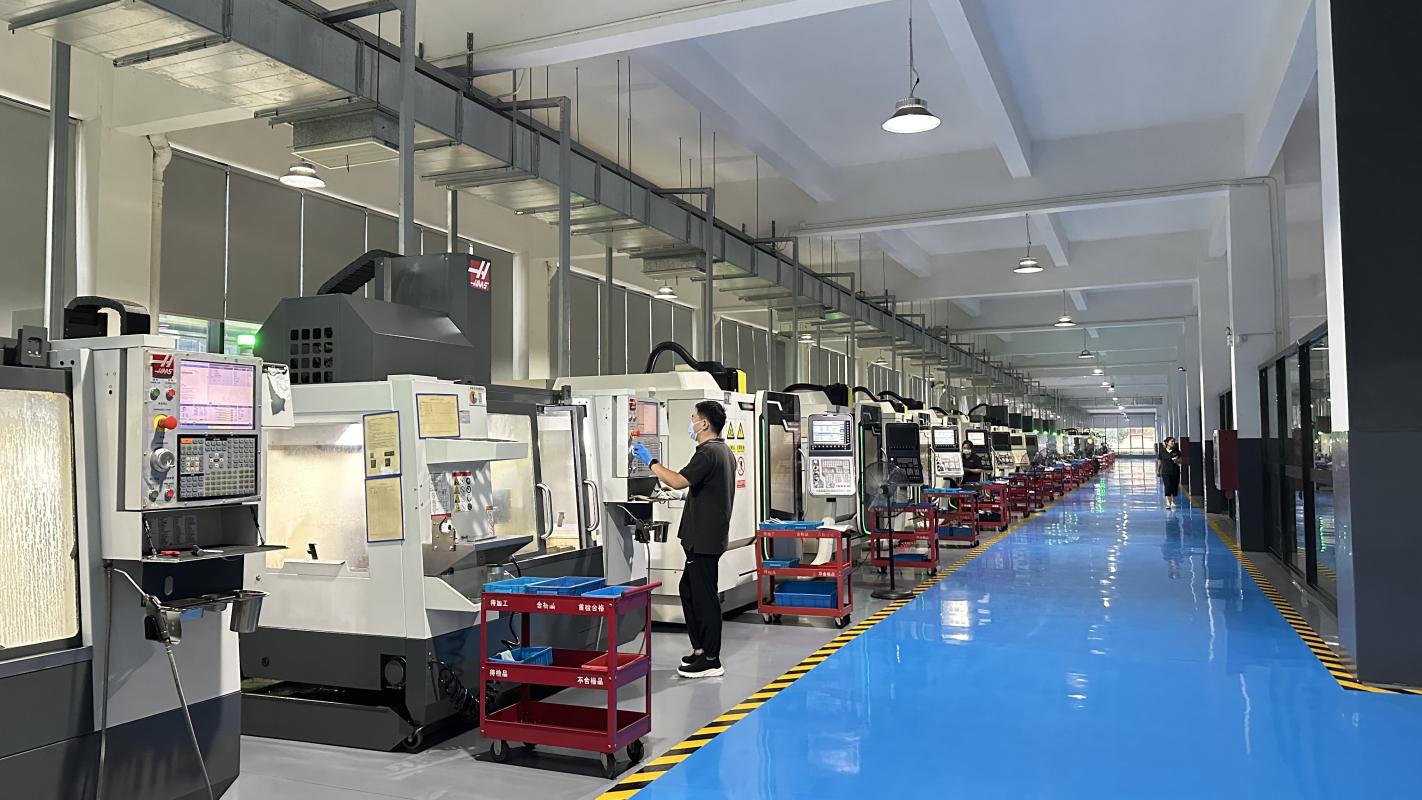
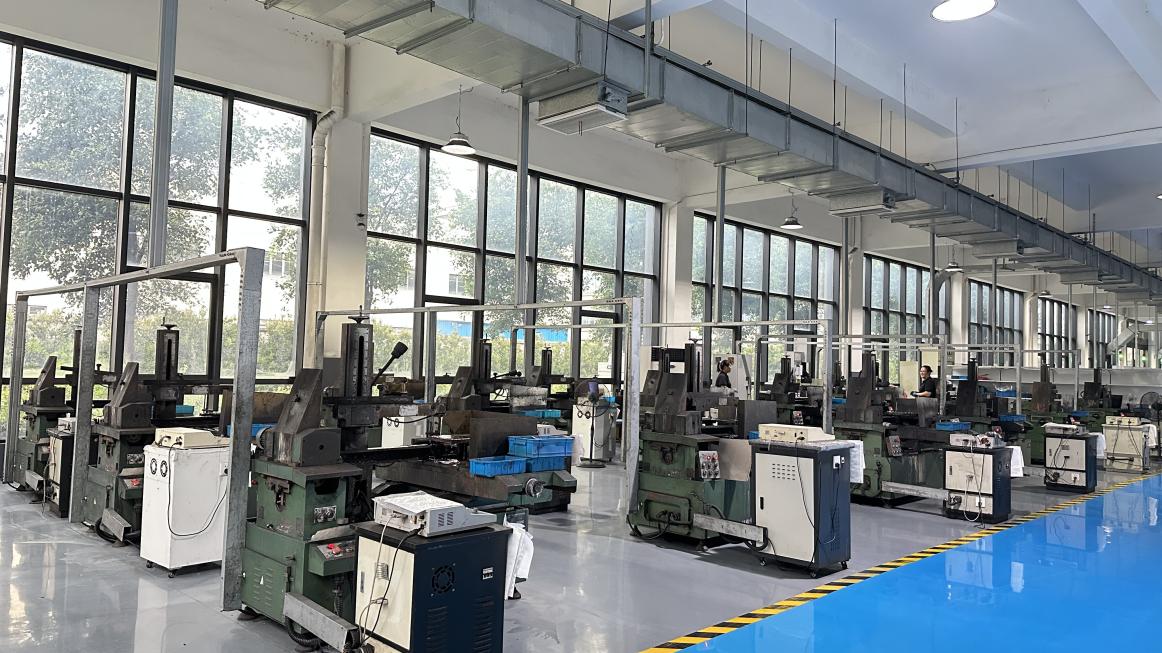
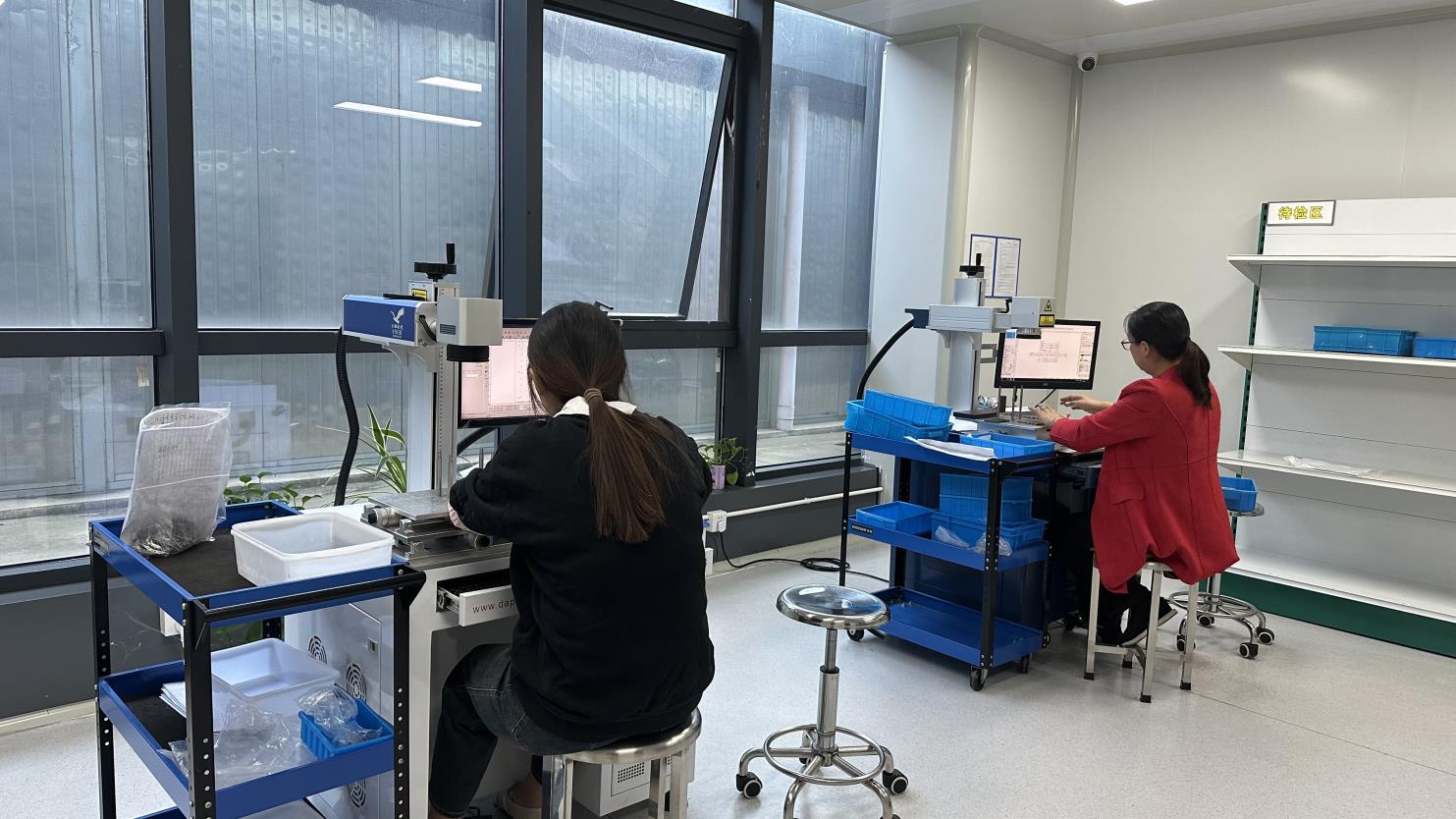
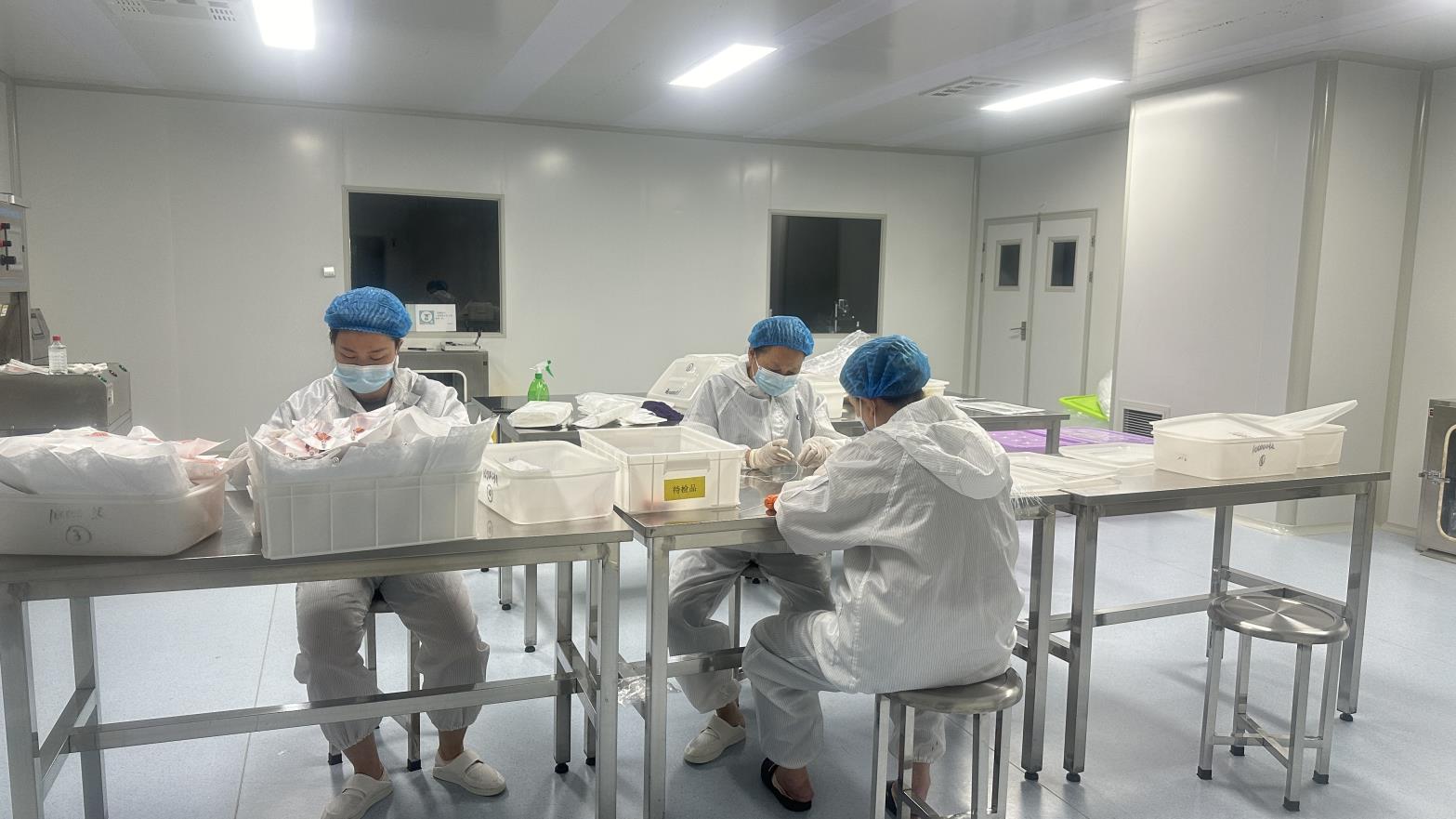
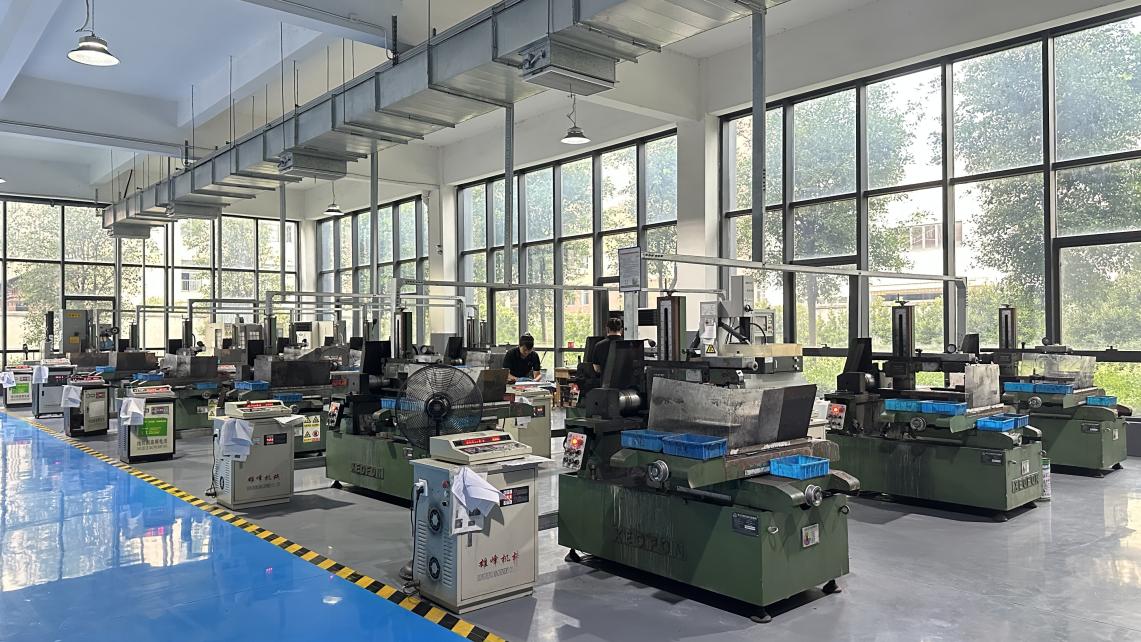
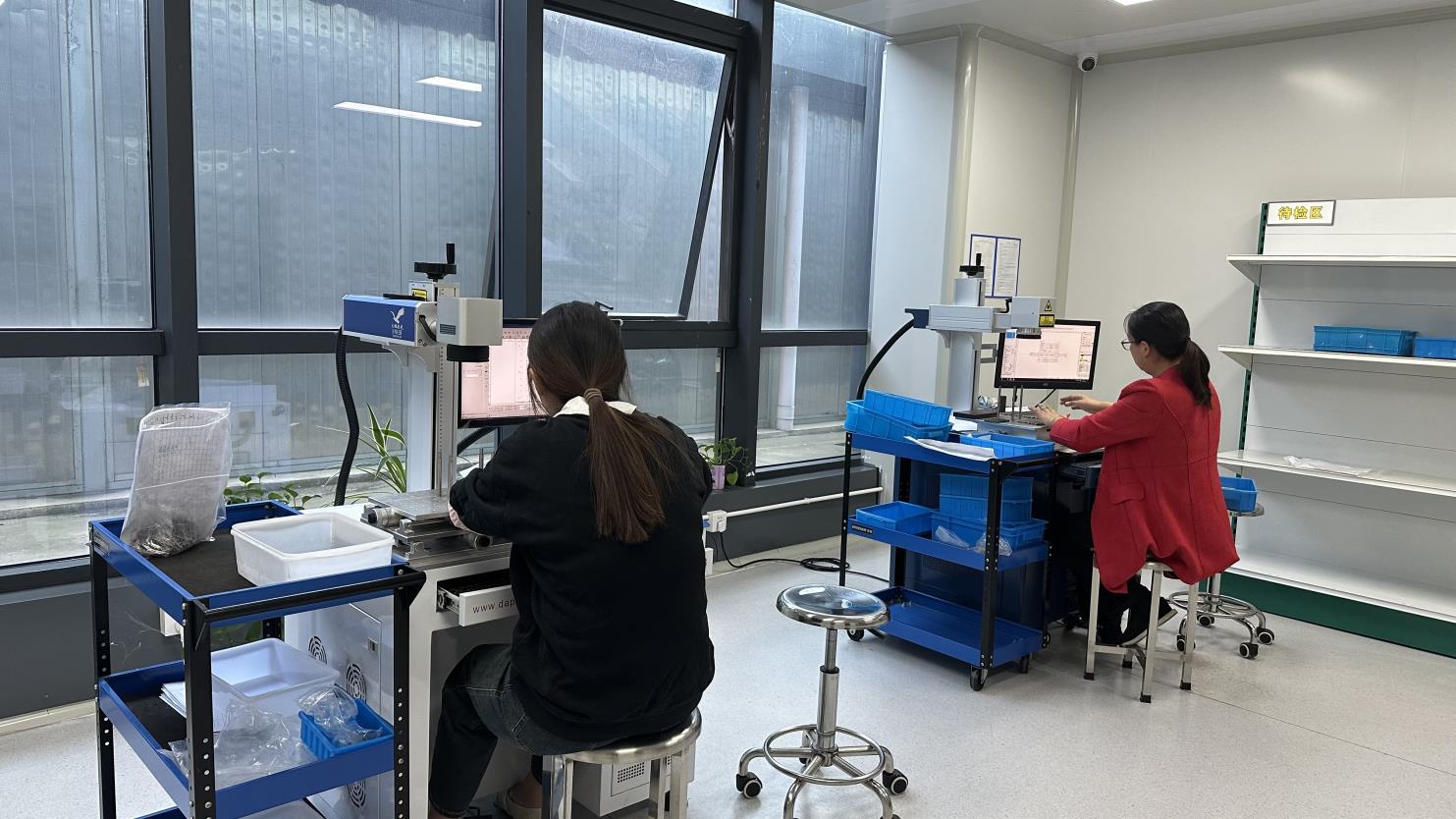
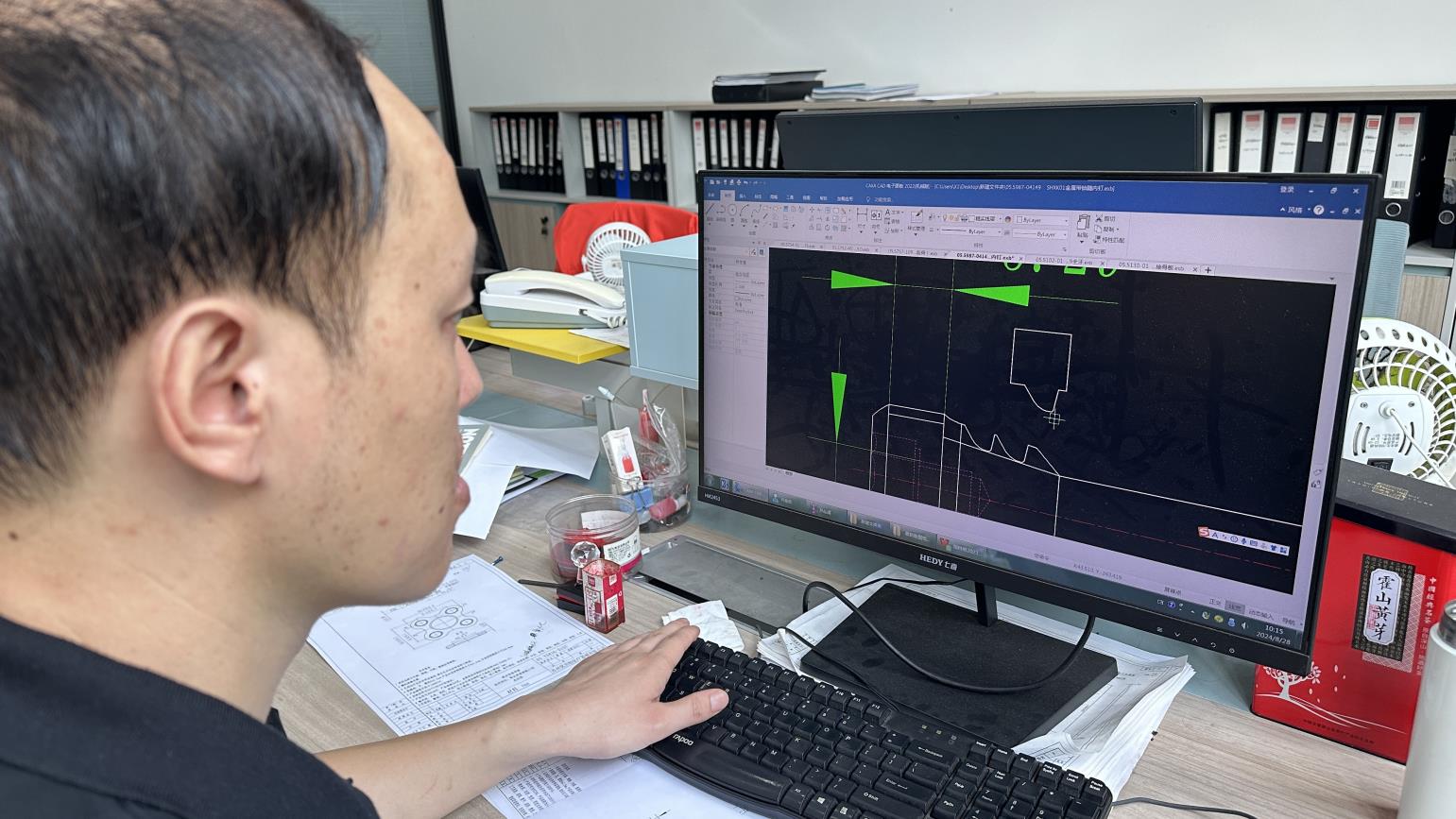
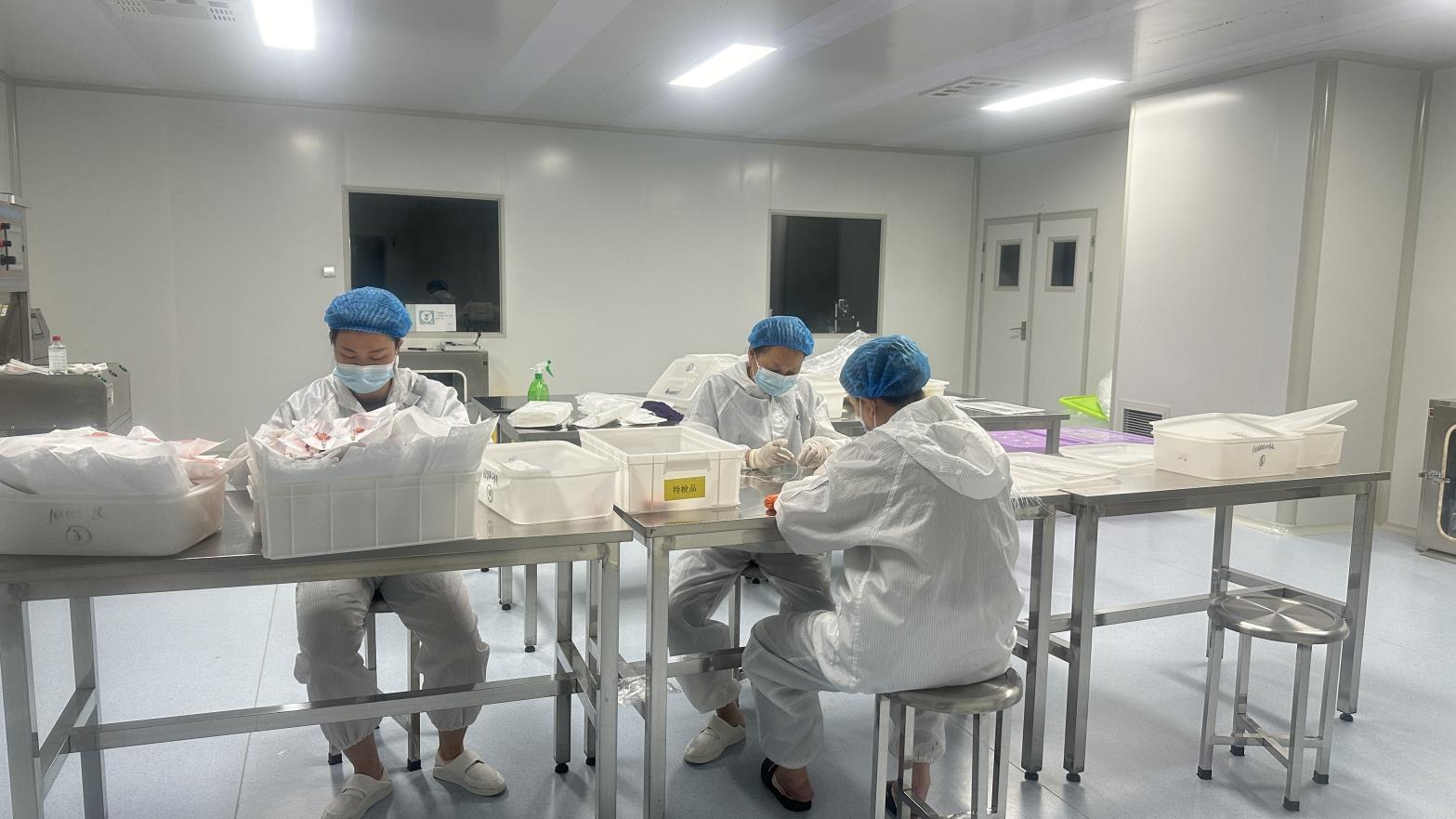
Navigating the import and regulatory clearance of Class III medical implants in Egypt requires a strong regulatory framework. The Egyptian Drug Authority (EDA) enforces strict evaluation standards. Companies bidding for Ministry of Health (MoH) tenders or military medical contracts through the UPA must provide technical dossiers, raw material traceability reports, bio-compatibility certifications, and cleanroom validation certificates.
Bonevia Orthopedic provides comprehensive support for this process. We provide our global partners with fully documented dossiers, including:
Our logistics team manages shipping to key Egyptian entry ports, including Alexandria, Port Said, and Sokhna Port, ensuring customs-compliant packaging and paperwork to avoid unnecessary delays.
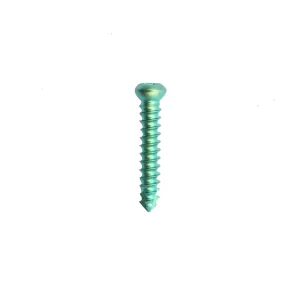
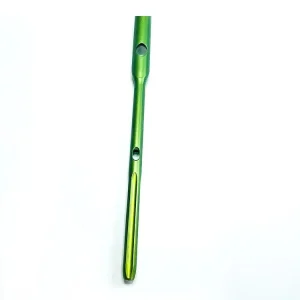
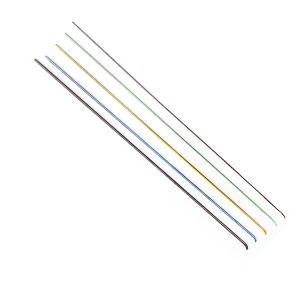
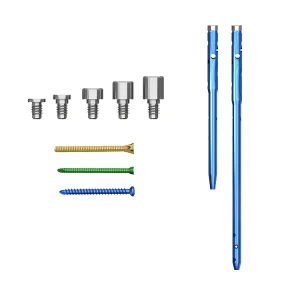
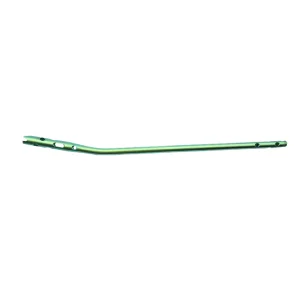
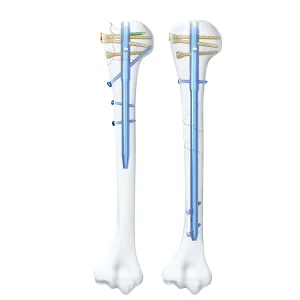
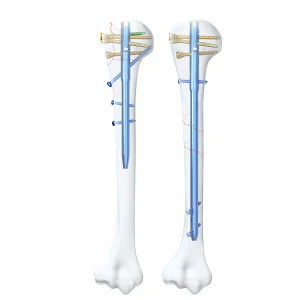
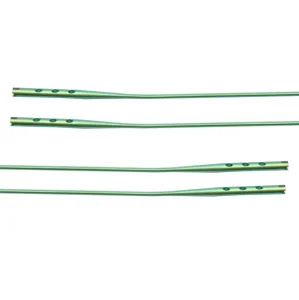
Explore our full line of intramedullary solutions, designed to support surgical teams across Egypt in resolving complex fractures.
Need custom sizes, local registration assistance, or bulk pricing lists for public tender bidding in Egypt? Contact our export department today.
Send Inquiry NowAnswers to common regulatory, logistical, and technical questions from orthopedic distributors and procurement officers in Egypt.