Bonevia
Bonevia
Bonevia
Engineered with high fatigue resistance for immediate loading and stabilization in clinical settings across the Philippines.
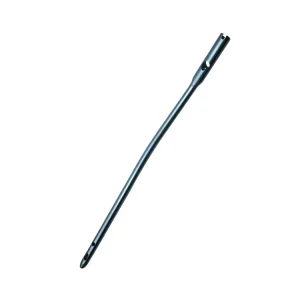
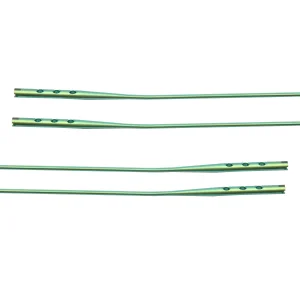
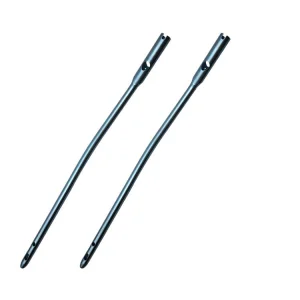
The Philippines presents a unique medical environment where the demand for orthopedic trauma implants is rising due to rapid urbanization, transport sector growth (primarily motorcycle-related accidents), and a growing aging population vulnerable to osteoporotic fractures. According to local healthcare data, long bone fractures—specifically femoral, tibial, and humeral shafts—comprise a significant portion of emergency surgeries in public healthcare facilities such as the Philippine General Hospital and regional medical centers.
For medical distributors and healthcare purchasing departments in cities like Manila, Cebu, Davao, and Iloilo, sourcing intramedullary (IM) nails involves balancing stringent quality standards with local financial realities, including PhilHealth reimbursement caps. Reliable implants made from high-tensile titanium alloys are essential to avoid complications like non-union, implant failure, or deep surgical site infections, which strain the local healthcare system.
Key factors driving hospital and distributor sourcing decisions for orthopedic trauma implants in the region:
Bonevia Orthopedic Technology Co., Ltd. is a professional manufacturer specializing in orthopedic implants and surgical solutions, dedicated to advancing innovation in trauma, spine, and joint reconstruction products. Since its establishment in 2015, the company has grown steadily into a trusted supplier in the global orthopedic industry.
With a modern production facility covering approximately 320㎡, Bonevia maintains strict quality management standards and efficient manufacturing processes. The company records an annual export revenue of around USD 8–15 million, supported by 6 years of export experience and over 10 years of overall industry experience.
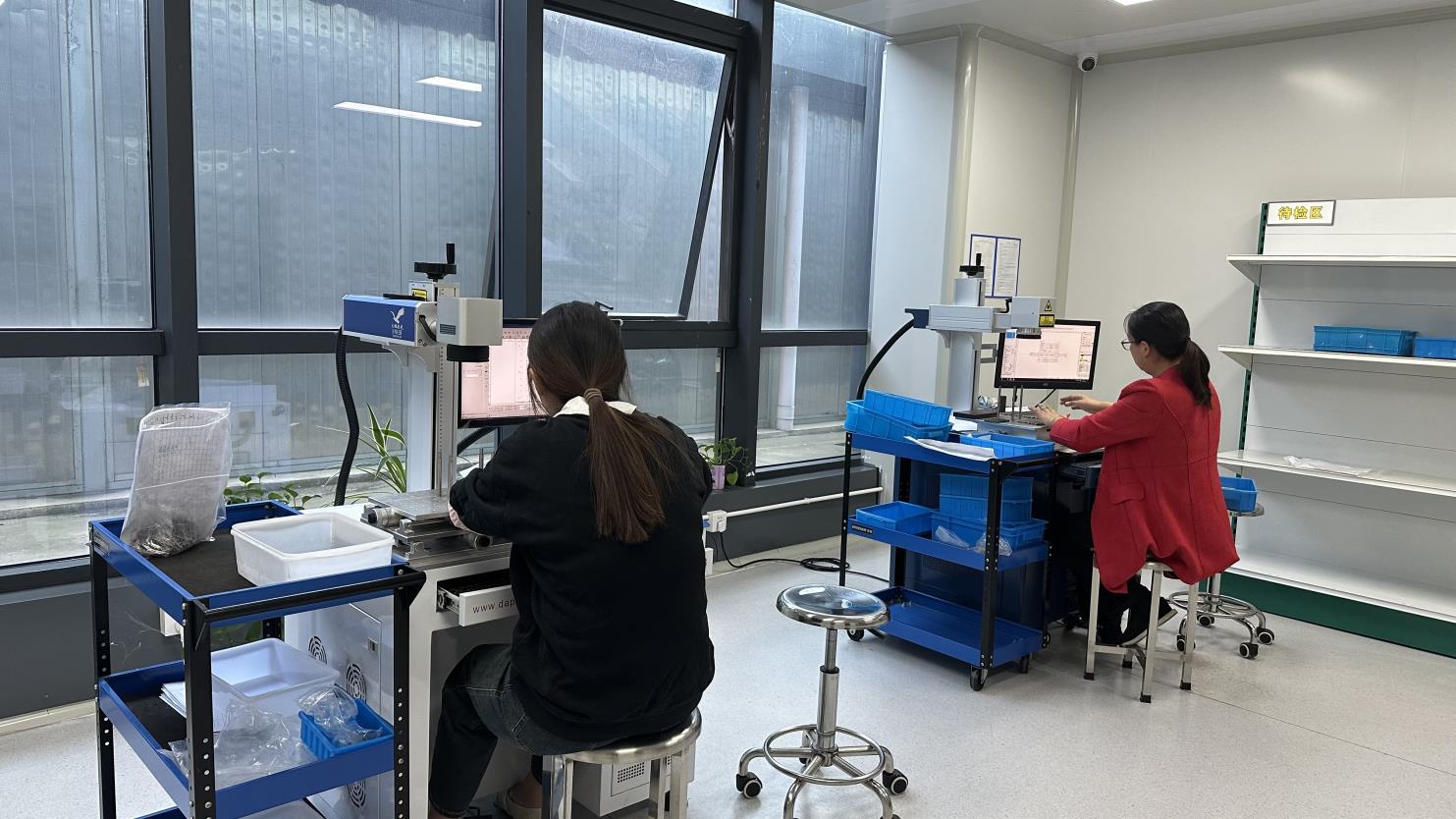
Quality assurance is a core focus at Bonevia. The company implements multiple inspection methods including incoming material inspection, in-process quality control, and final product testing, supported by a dedicated quality team of 35 professionals. This ensures all products meet international medical device standards.
Bonevia has a solid trade foundation with diversified global distribution networks, serving major markets across Europe, Southeast Asia, the Middle East, and South America. Its supply chain ecosystem includes more than 850 partners, enabling stable raw material sourcing and efficient production delivery. The company serves hospitals, orthopedic clinics, surgical centers, and medical distributors. Bonevia also offers OEM and ODM customization services to meet specific clinical requirements, launching 120 new product designs in the past year, backed by a research and development team of 85 engineers.
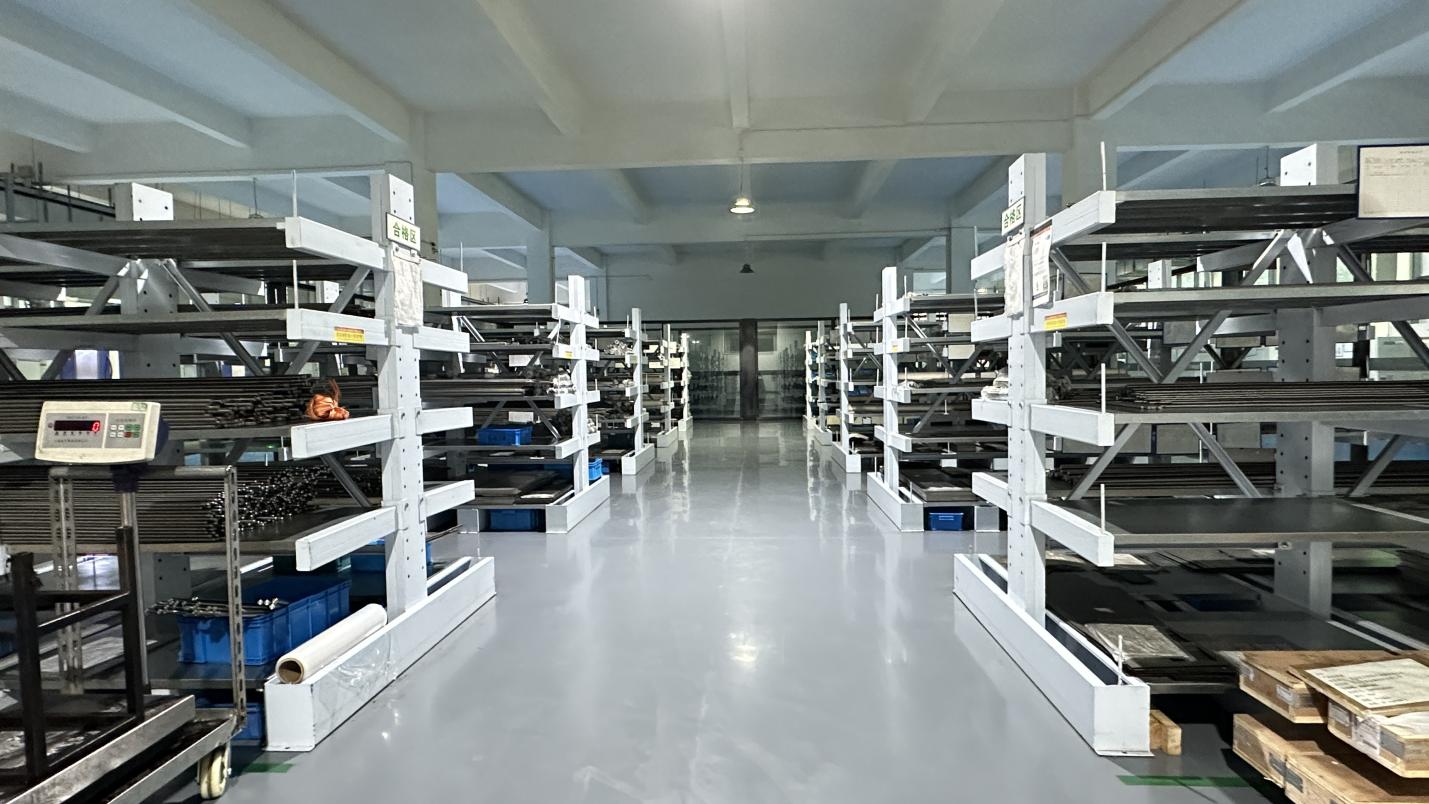
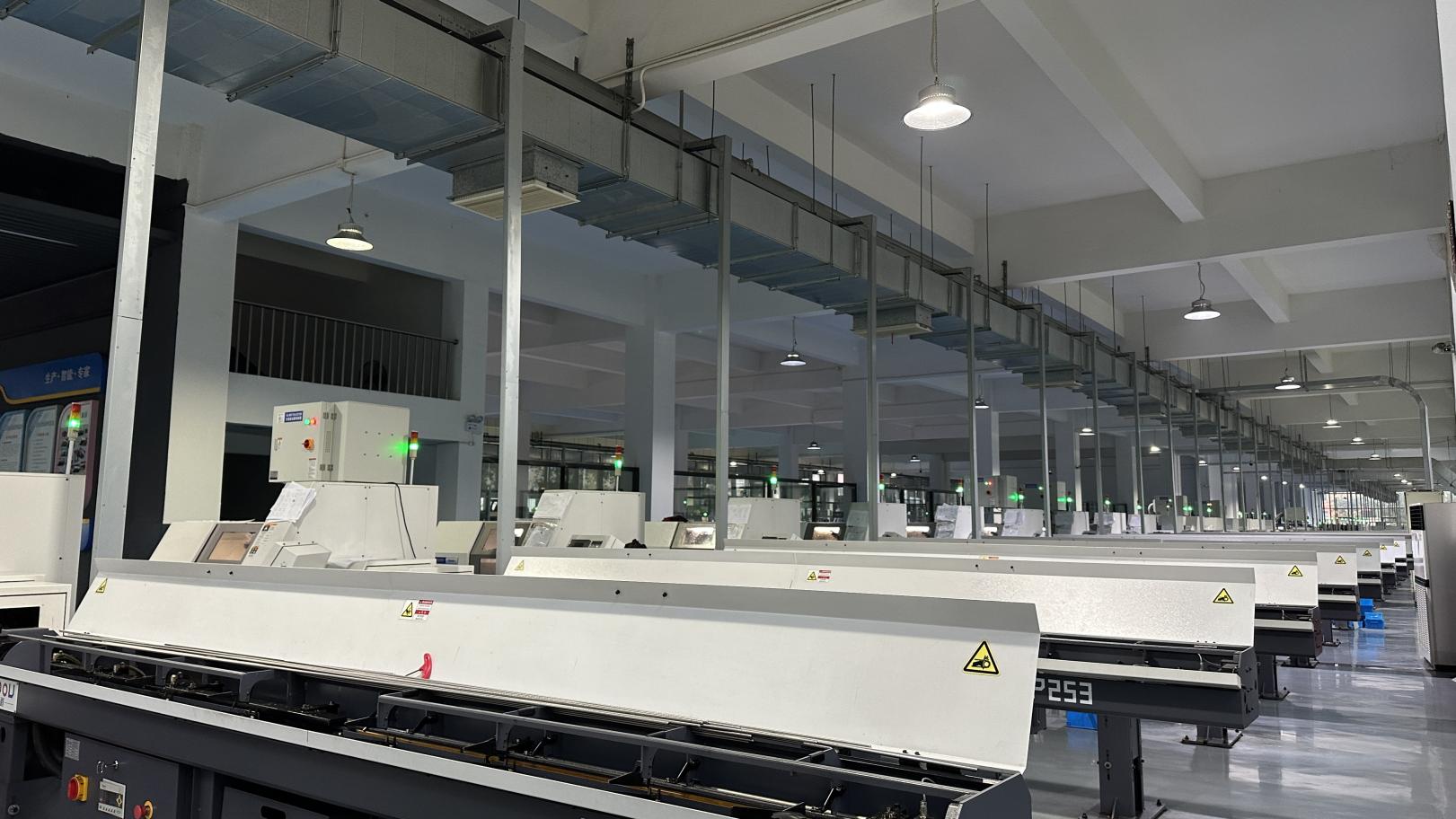
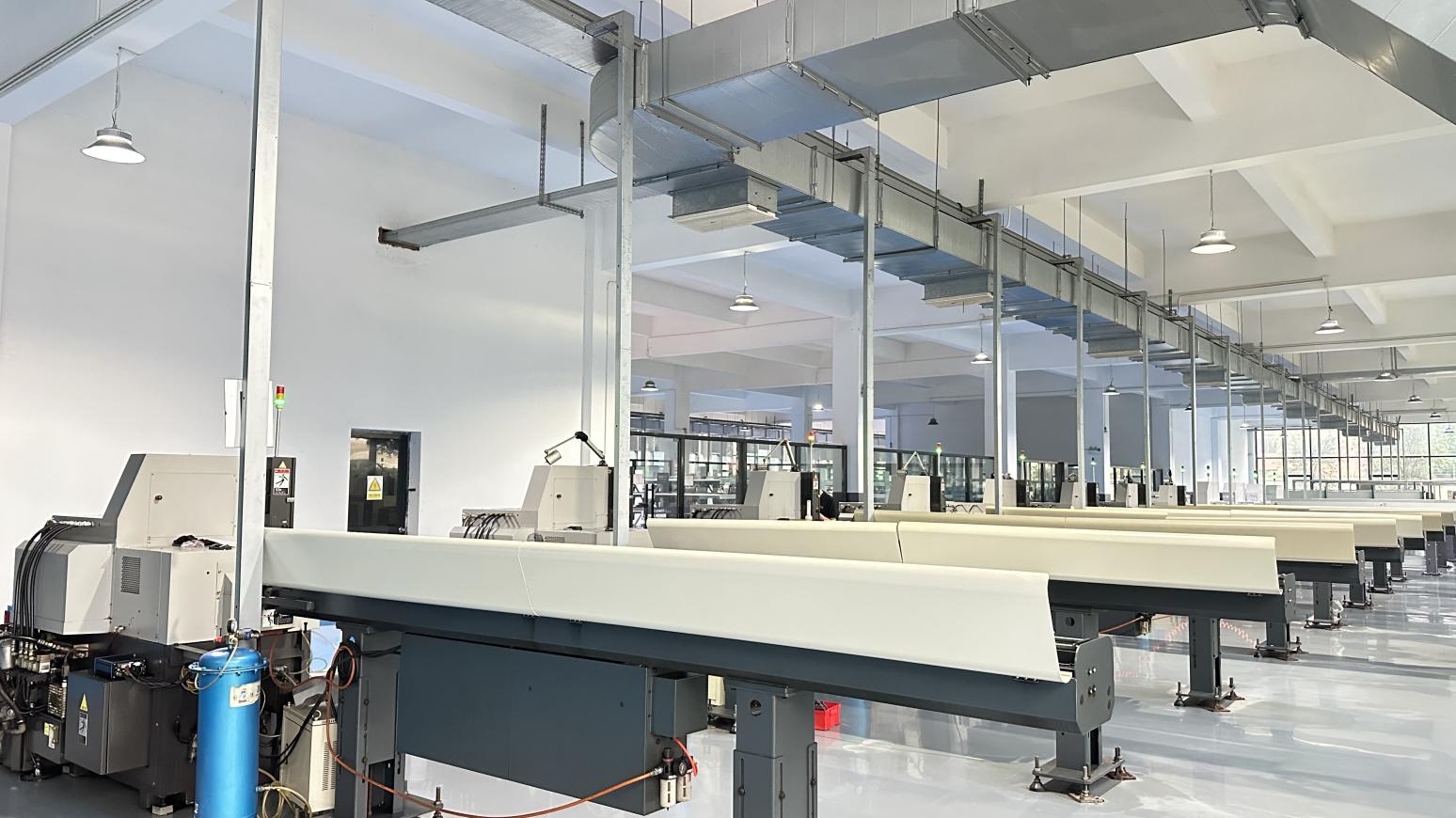
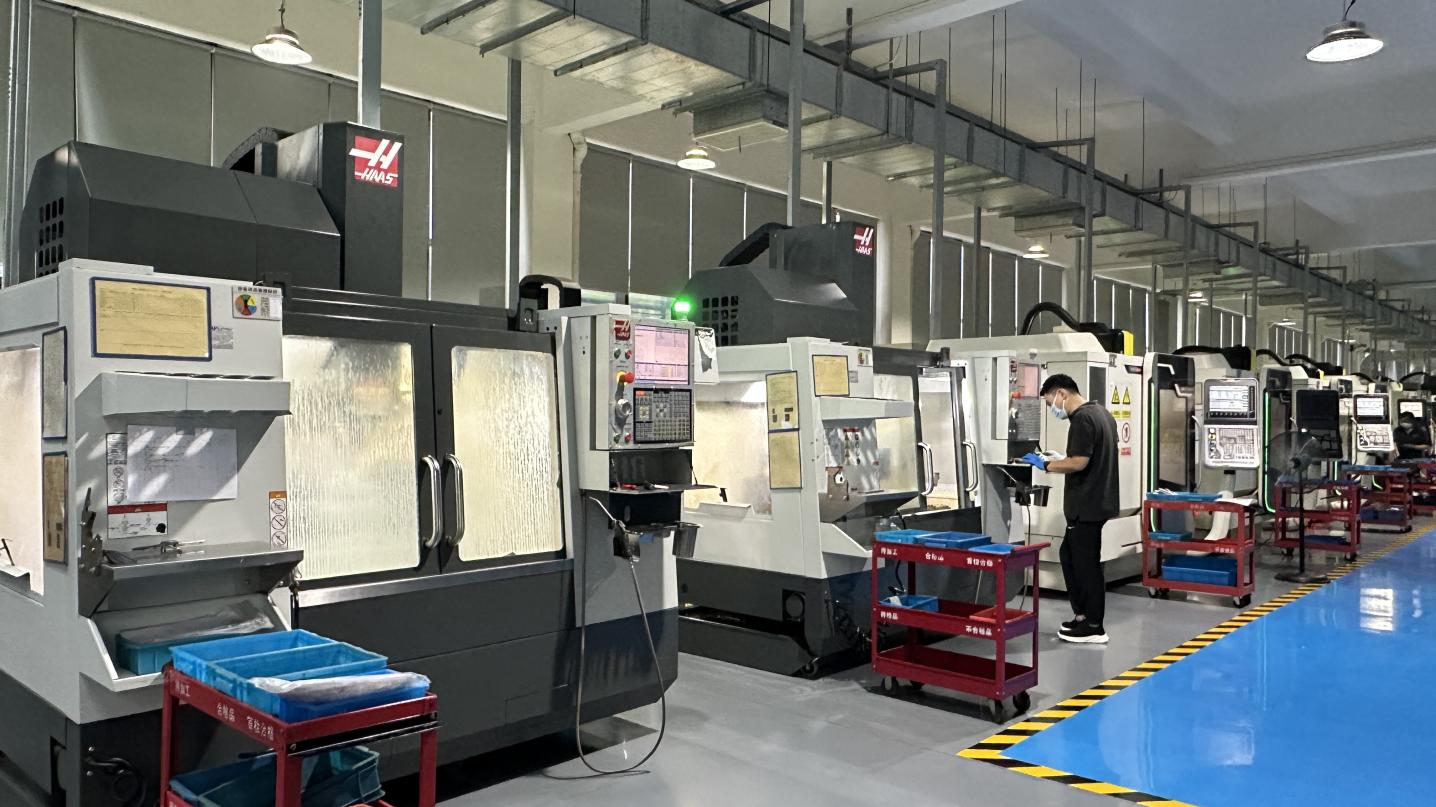
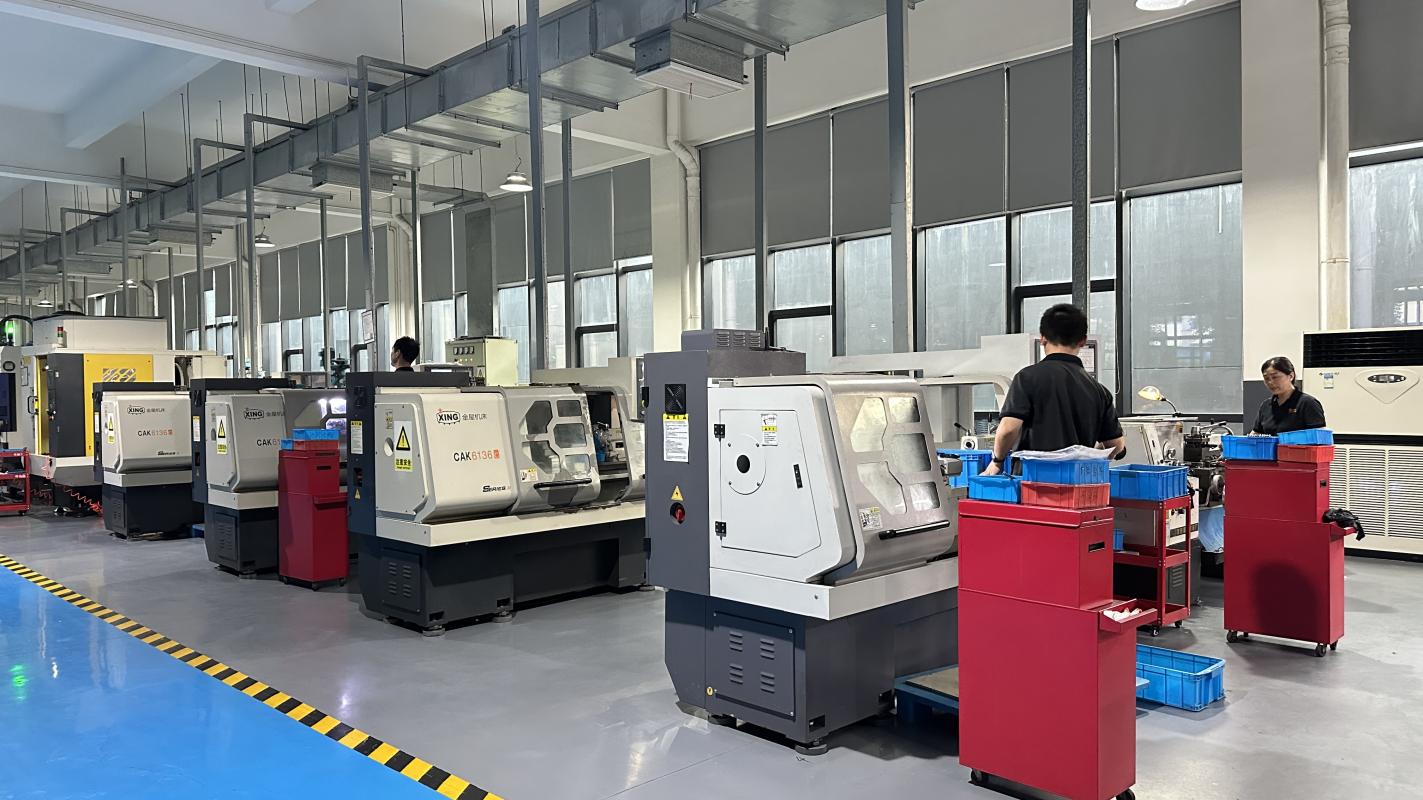
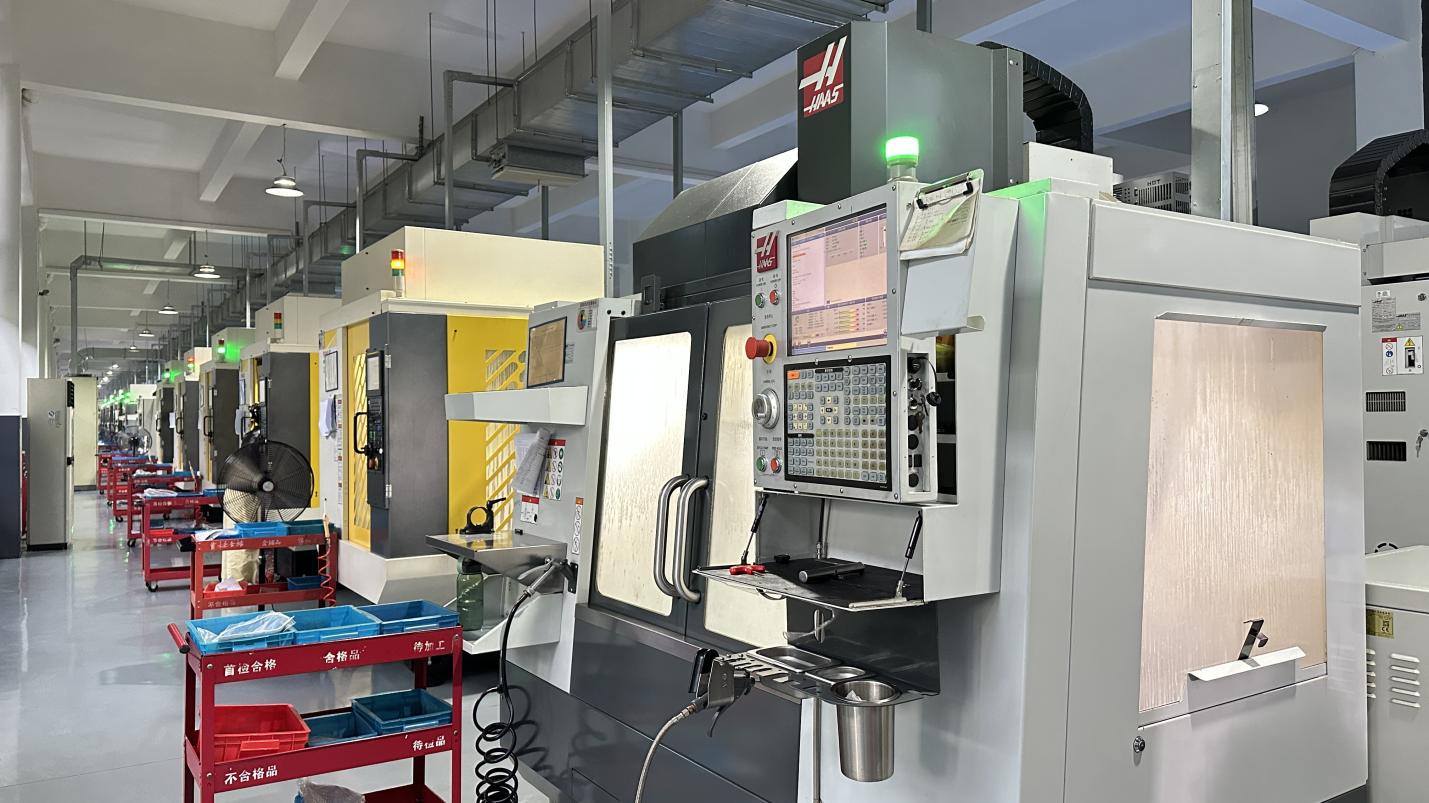
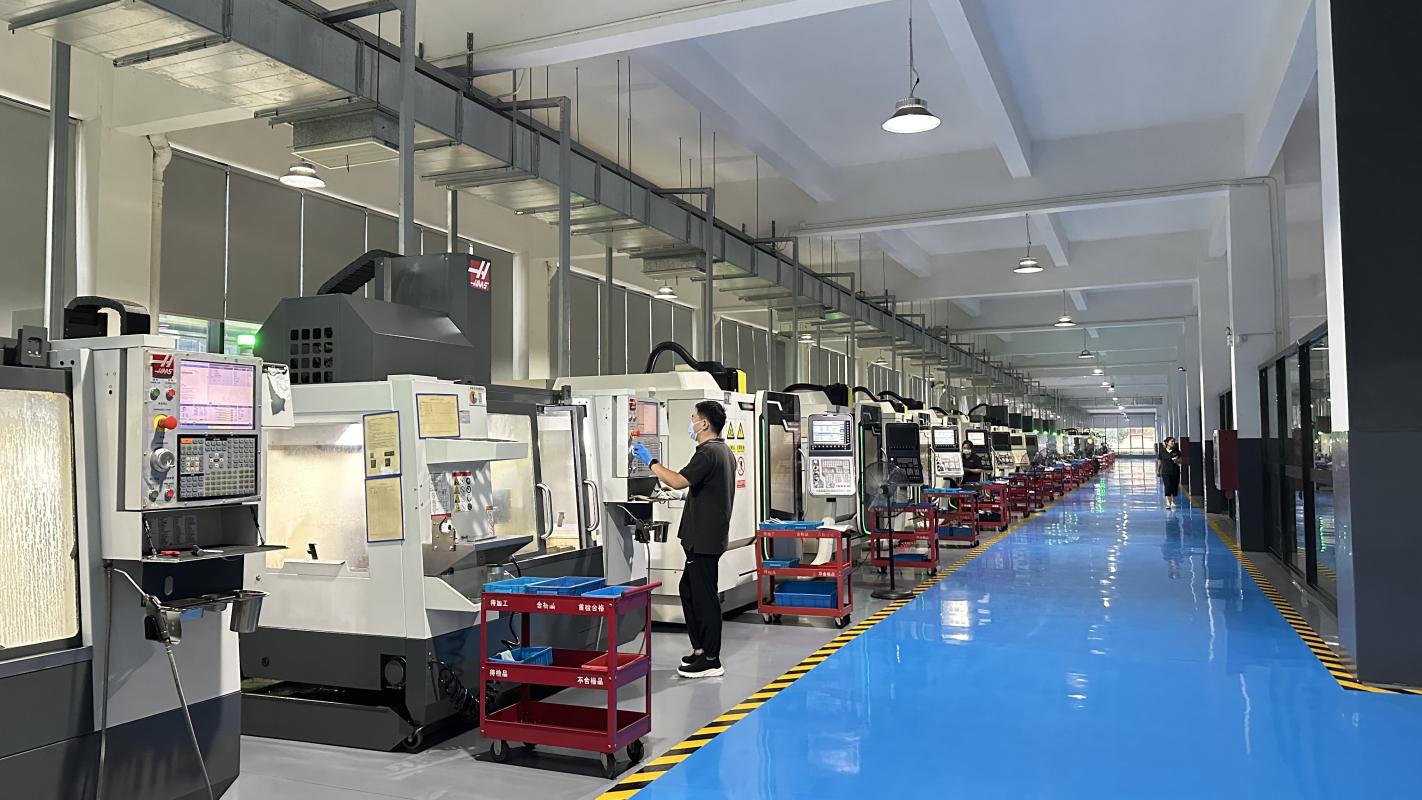
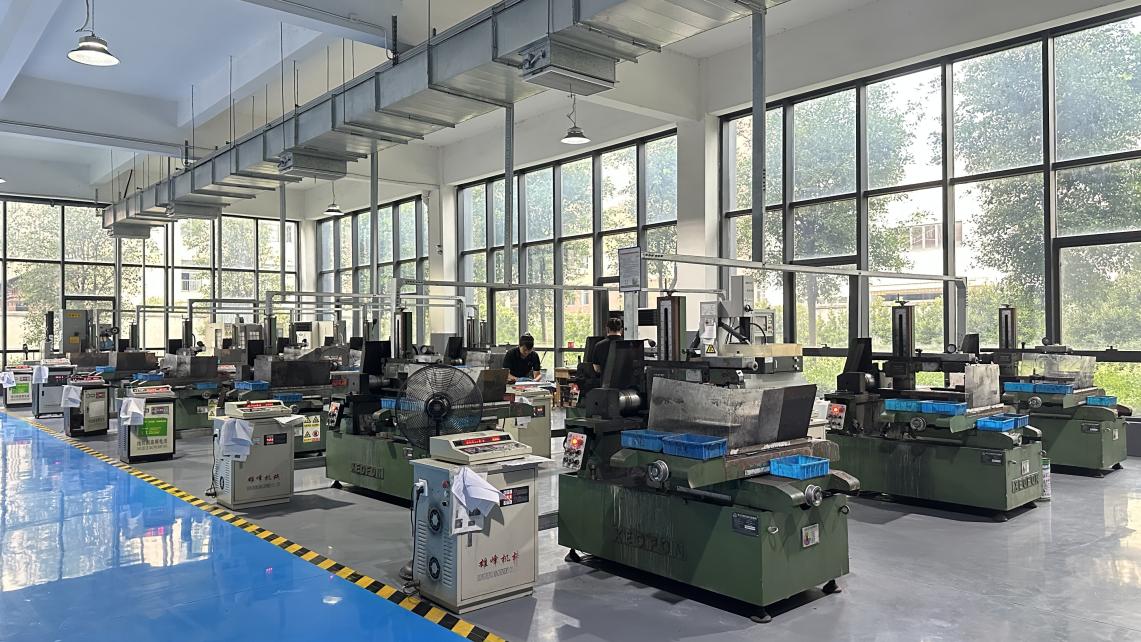
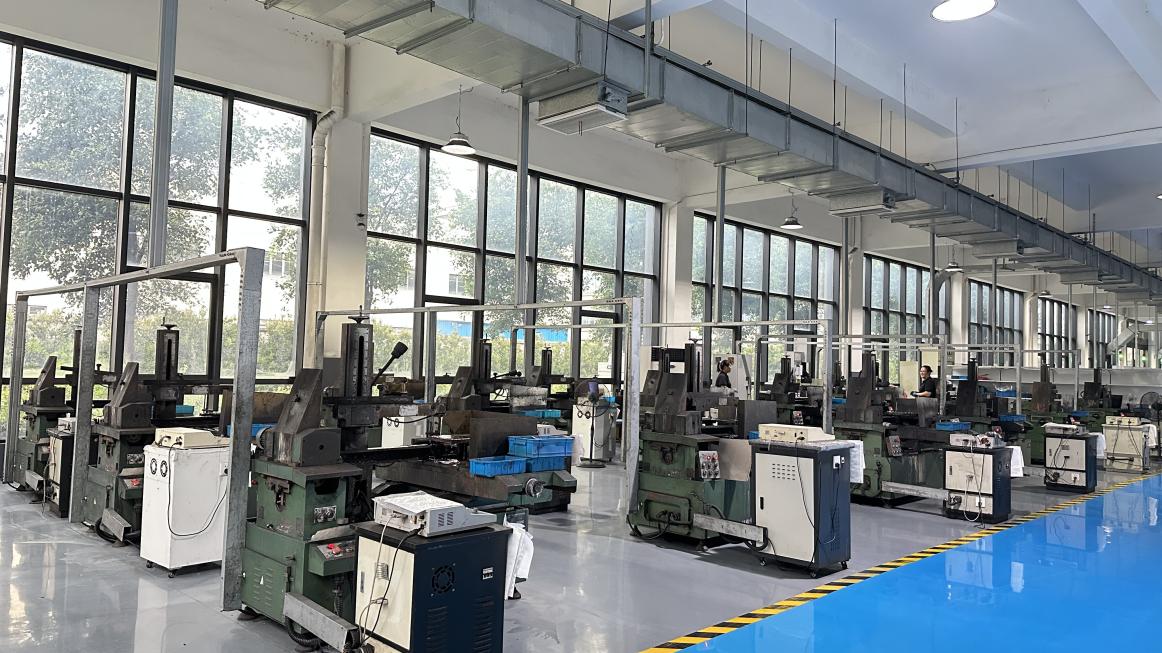
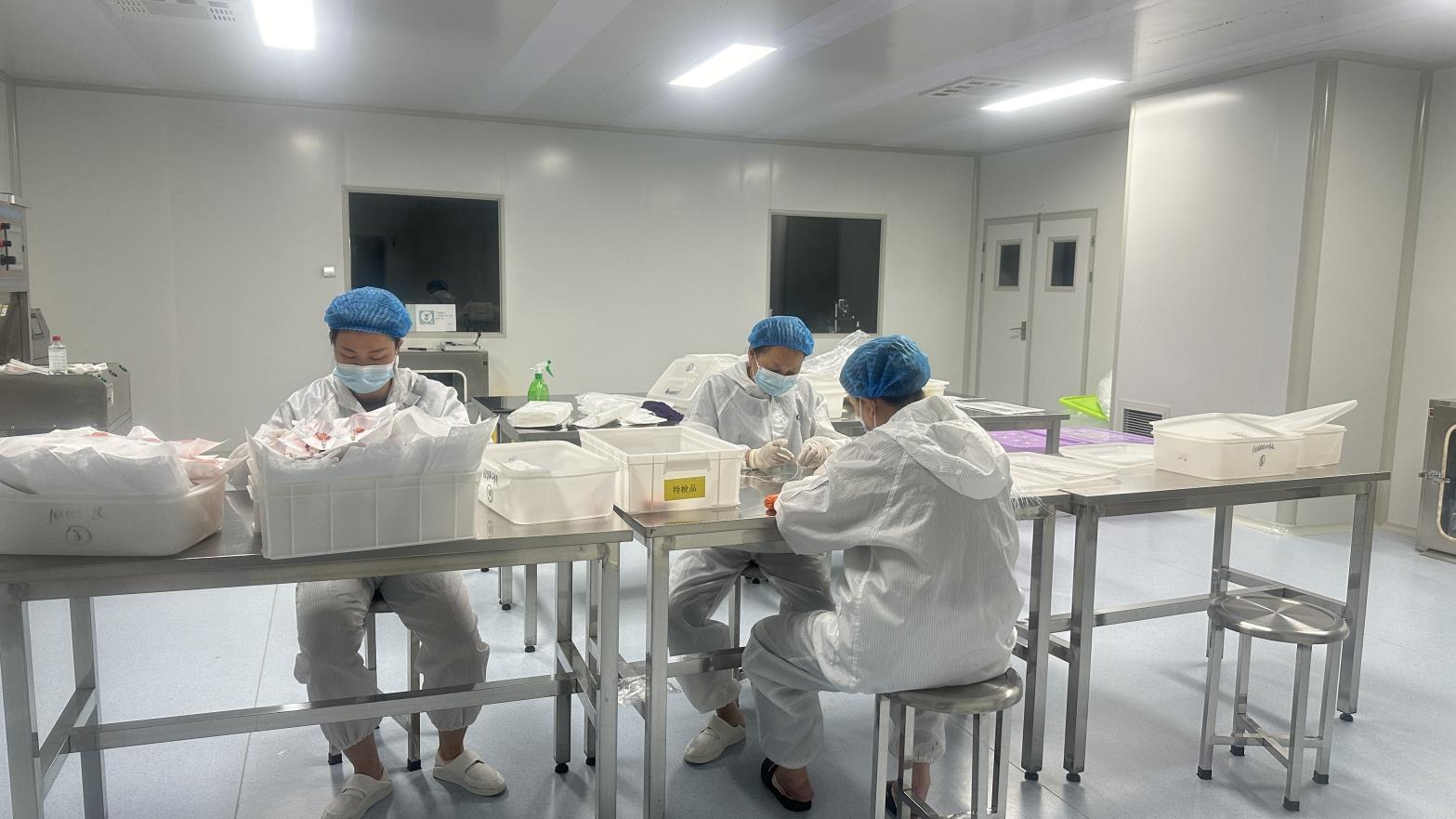
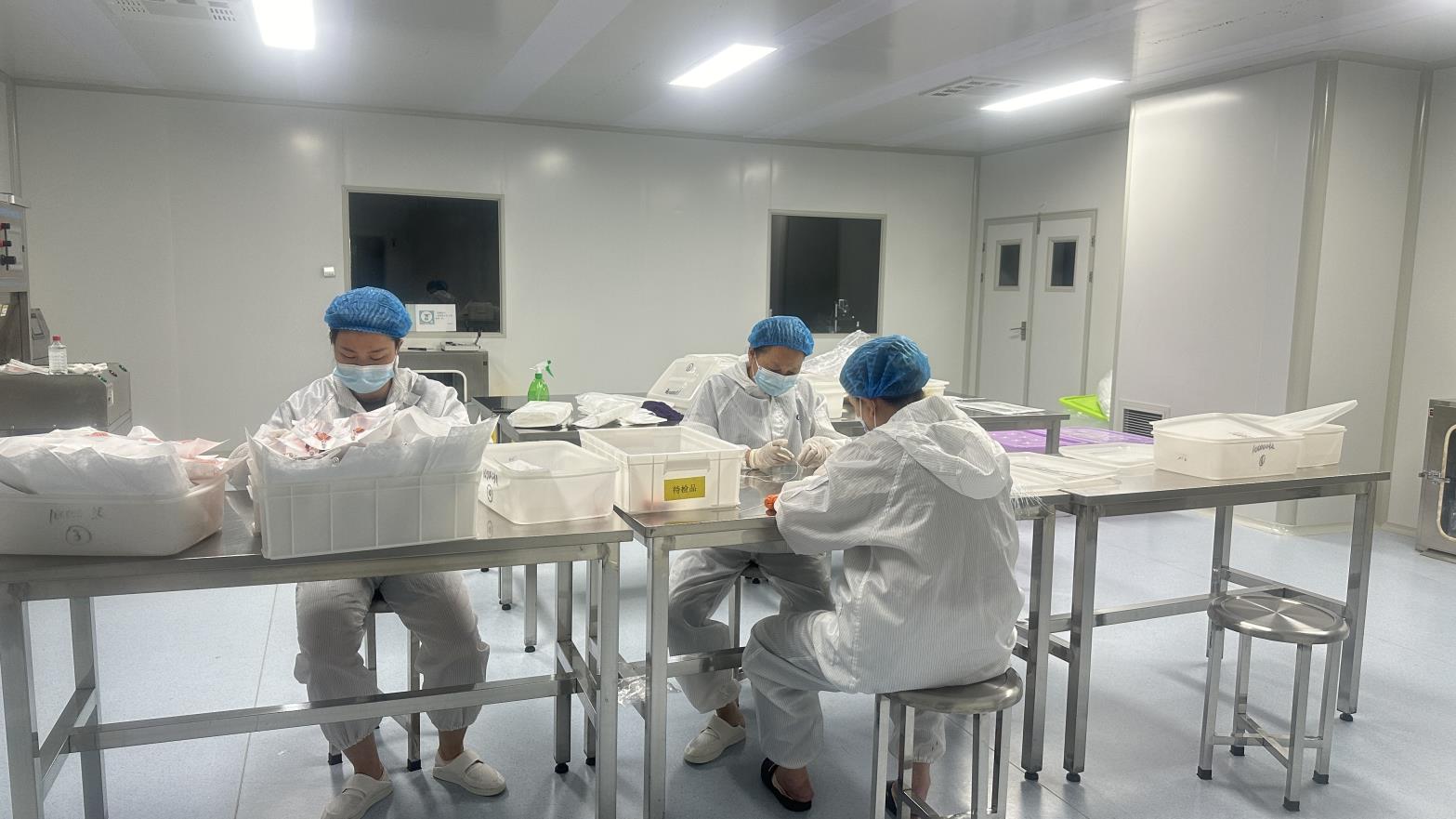
Inside the production facility where medical titanium is shaped, finished, and tested to meet international clinical standards.

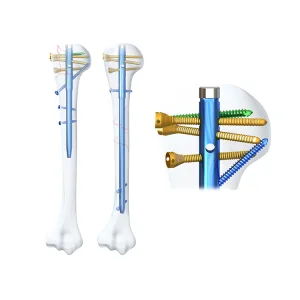
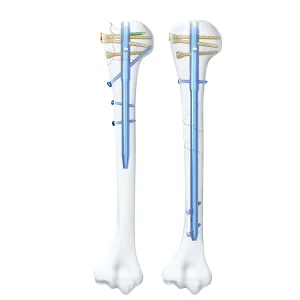
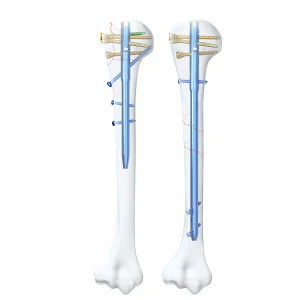
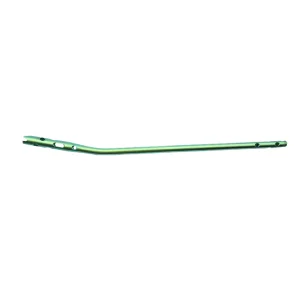
Anatomical intramedullary implants designed for pediatric trauma and upper extremity reconstructions.
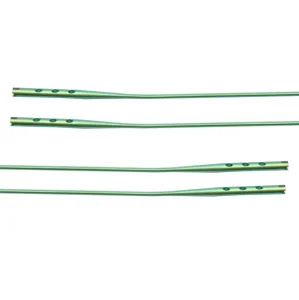
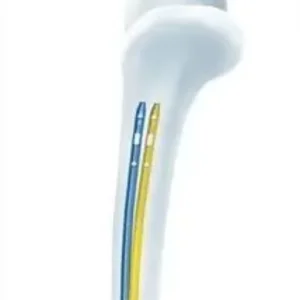
Standard intramedullary nails developed by Western medical device companies are often designed based on Caucasian anthropometric data, which typically feature larger femoral curvatures and longer bone lengths. Clinical feedback from surgeons in the Philippines indicates that using Western-sized implants can lead to distal anterior cortex impingement, distal femur penetration, or placement difficulties during insertion.
Bonevia's design and R&D engineering teams address these challenges by refining the anatomical curvature (bowing radius) and length increments of our nails. This approach makes our femoral and tibial intramedullary systems more suitable for East Asian and Southeast Asian skeletal profiles. This design focus helps reduce operating times, lowers the risk of intraoperative fractures, and supports reliable postoperative patient mobilization.
The medical manufacturing landscape has shifted, and Chinese medical device factories now offer key advantages in the global supply chain:
1. Supply Chain Efficiency: Chinese manufacturers operate within highly integrated ecosystems, sourcing certified raw materials (such as raw medical-grade titanium rods) with shorter lead times and lower raw material procurement costs.
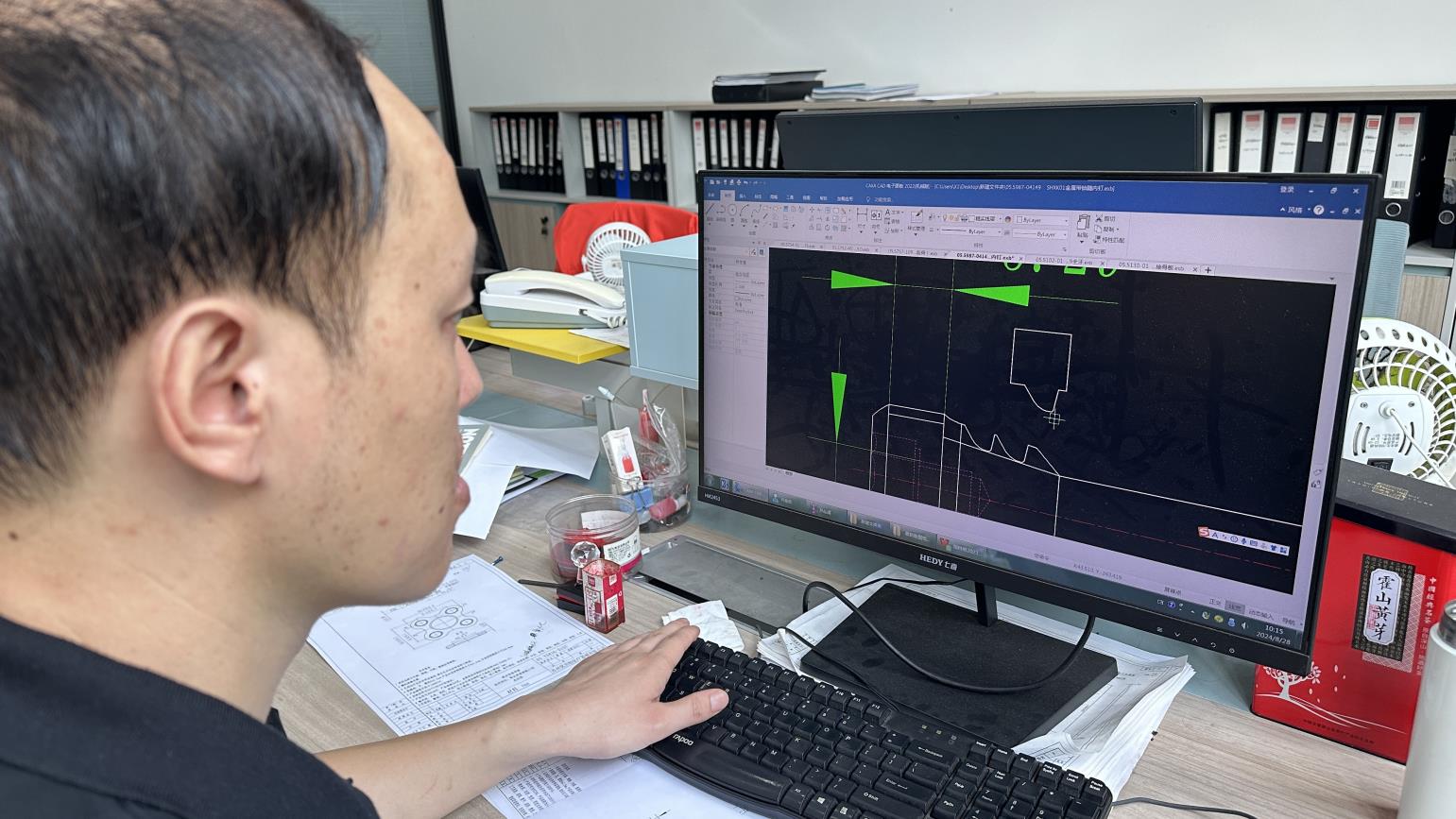
2. High-Tech Facilities: Facilities utilize modern Swiss-type longitudinal CNC lathes and wire-cutting machinery, ensuring high precision with tolerances within micrometer limits.
3. Scalable Production: High capacity enables factories to handle both large-volume hospital bids and customized, low-volume orders (OEM/ODM) efficiently.
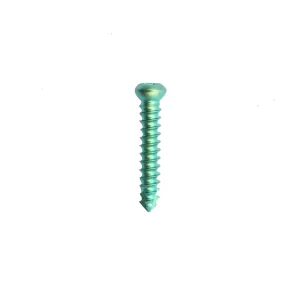
A comprehensive selection of CE-certified implants and locking systems, manufactured for reliability and stability.
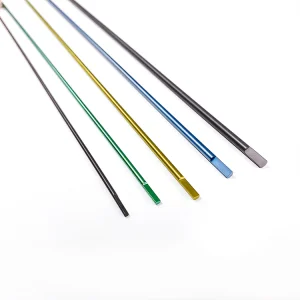
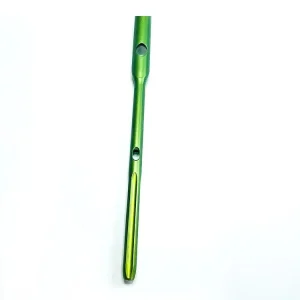
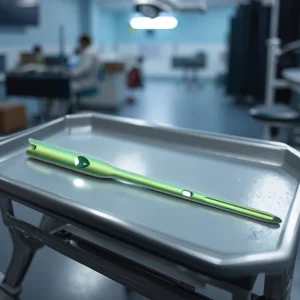
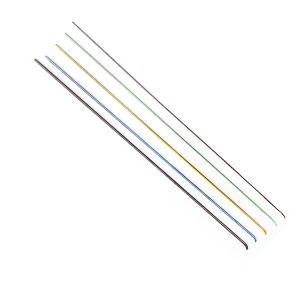
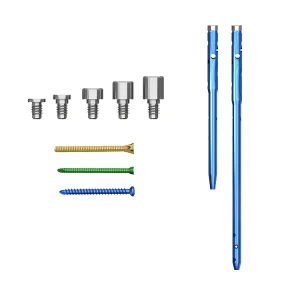
How Bonevia coordinates quality control processes and supports registration and logistics for the Philippine market.
Every batch of titanium is verified for mechanical properties, chemical composition, and microstructural uniformity, matching ASTM F136 standards for medical-grade implant use.
Dimensional tracking utilizing vision measuring machines and coordinate measuring machines (CMM) keeps processing tolerances within ±0.01 mm, supporting precise lock screw engagement.
Bonevia provides material certificates, inspection reports, and sterile assurance documentation required for import registration with the Philippine Food and Drug Administration (PFDA).
Technical and logistical insights for clinical buyers and regional distributors in the Philippines.
Whether bidding for regional hospital tenders, stocking a national distribution chain, or requiring custom orthopedic implant geometries, Bonevia provides certified manufacturing services.