Bonevia
Bonevia
Bonevia
Highly precise, biocompatible titanium interlocking nails designed for immediate load sharing and anatomical alignment.
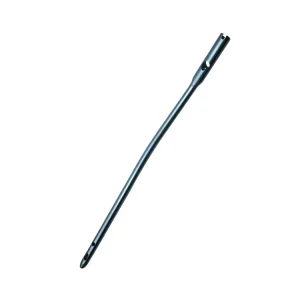
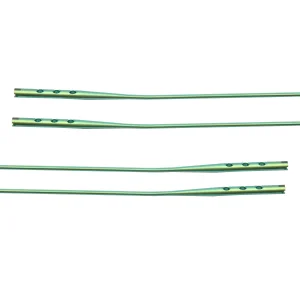
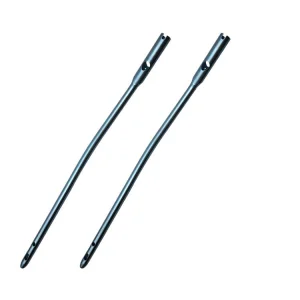
The Turkish healthcare sector is experiencing an unprecedented expansion, characterized by a rising geriatric population, robust medical tourism, and a highly structured social security system (SGK - Sosyal Güvenlik Kurumu). As a result, the demand for high-grade orthopedic trauma implants, specifically intramedullary (IM) nails, has grown exponentially over the past decade.
Turkish public and private healthcare facilities place rigorous benchmarks on implant manufacturers. Hospital procurement centers, operating under public tenders coordinated by the State Supply Office (DMO - Devlet Malzeme Ofisi), evaluate orthopedic implants based on biomechanical excellence, immediate availability, and cost-effectiveness. In Turkey, trauma represents a major surgical burden due to urban developments and high automobile usage density in cities like Istanbul, Ankara, and Izmir. Consequently, hospitals prioritize titanium alloy IM nails that offer anatomical compatibility, minimize operating time, and reduce patient rehabilitation periods.
Additionally, the regulatory barrier is exceptionally high. Manufacturers wishing to penetrate the Turkish market must align with local health authority policies, specifically the product tracking registry system known as ÜTS (Ürün Takip Sistemi). This system demands comprehensive documentation, clear traceability of medical grades (such as Ti-6Al-4V ELI), and active CE/MDR conformity certificates. Meeting these criteria ensures seamless hospital acquisition and reimbursement processes.
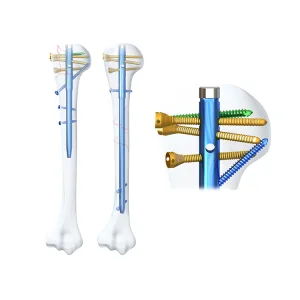
Modern osteosynthesis requires implants to act as load-sharing devices rather than load-bearing ones. Intramedullary nails represent the gold standard for long bone fracture stabilization (femur, tibia, and humerus) because they sit close to the mechanical axis of the bone, limiting stress-shielding effects and promoting secondary healing through callus formation.
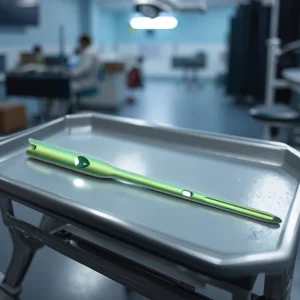
Material Science Evolution: At Bonevia, our IM nails are constructed utilizing premium Medical Grade Titanium Alloy (Ti-6Al-4V ELI) conforming to ASTM F136. This material provides the optimal balance of high fatigue strength, lower elastic modulus (closer to natural cortical bone), and superior biocompatibility compared to traditional stainless steel implants.
Advanced Design Configurations: Our product roadmap integrates advanced distal locking configurations, multi-loc options for osteoporotic bone structures, and helical blade mechanisms for Proximal Femoral Nails Antirotation (PFNA) that effectively counter the rotational forces encountered during hip mobilization. Surface treatment via Type II anodization provides a passivation layer that minimizes ion release and reduces soft tissue adhesion, enhancing long-term clinical success.
For medical distributors and sourcing agents catering to the Turkish market, buying standalone orthopedic nails is no longer sufficient. Modern clinical environments require integrated, macro-level system solutions that simplify surgical workflows and optimize storage footprints.
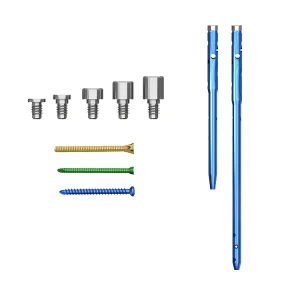
Bonevia offers complete trauma modules that bundle implants with high-precision, color-coded surgical instrument kits. This approach directly addresses the challenges faced by sterilization departments in hospitals, reducing preparation errors in the operating theater. Our system solutions include:
Bonevia Orthopedic Technology Co., Ltd. is a leading manufacturer specializing in orthopedic implants and surgical solutions, dedicated to advancing innovation in trauma, spine, and joint reconstruction products. Since its establishment in 2015, the company has grown steadily into a trusted partner in the global orthopedic industry.
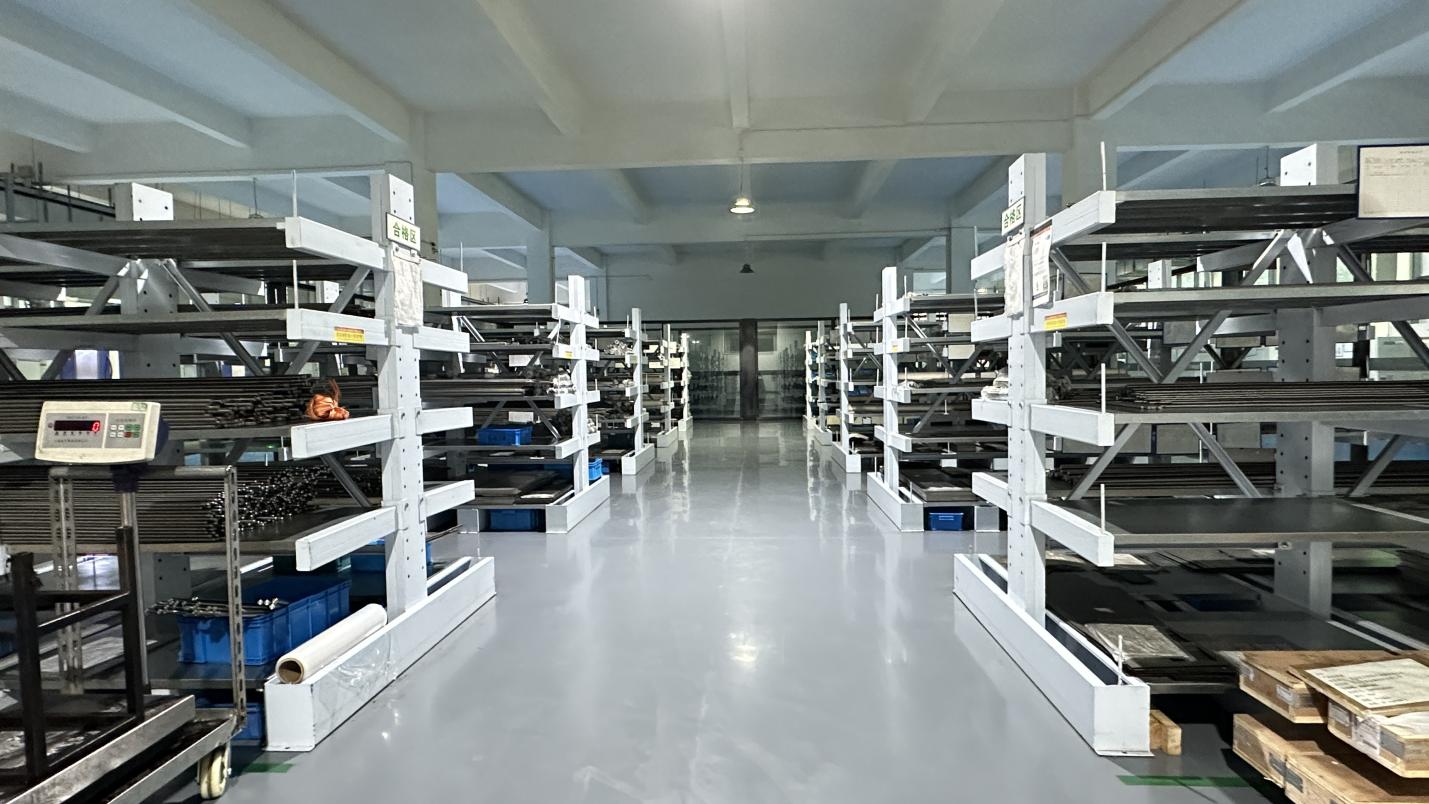
With a modern production facility covering approximately 320㎡ (specialized cleanroom and testing center), Bonevia maintains strict quality management standards and efficient manufacturing processes. We support our operations with 6 years of focused export experience. Quality assurance is our core focus; we implement multiple inspection methods including incoming material inspection, in-process quality control, and final product testing. Our supply chain ecosystem includes more than 850 partners, enabling stable raw material sourcing and efficient production delivery. In the past year, Bonevia successfully launched 120 new product designs to meet specific clinical requirements globally.
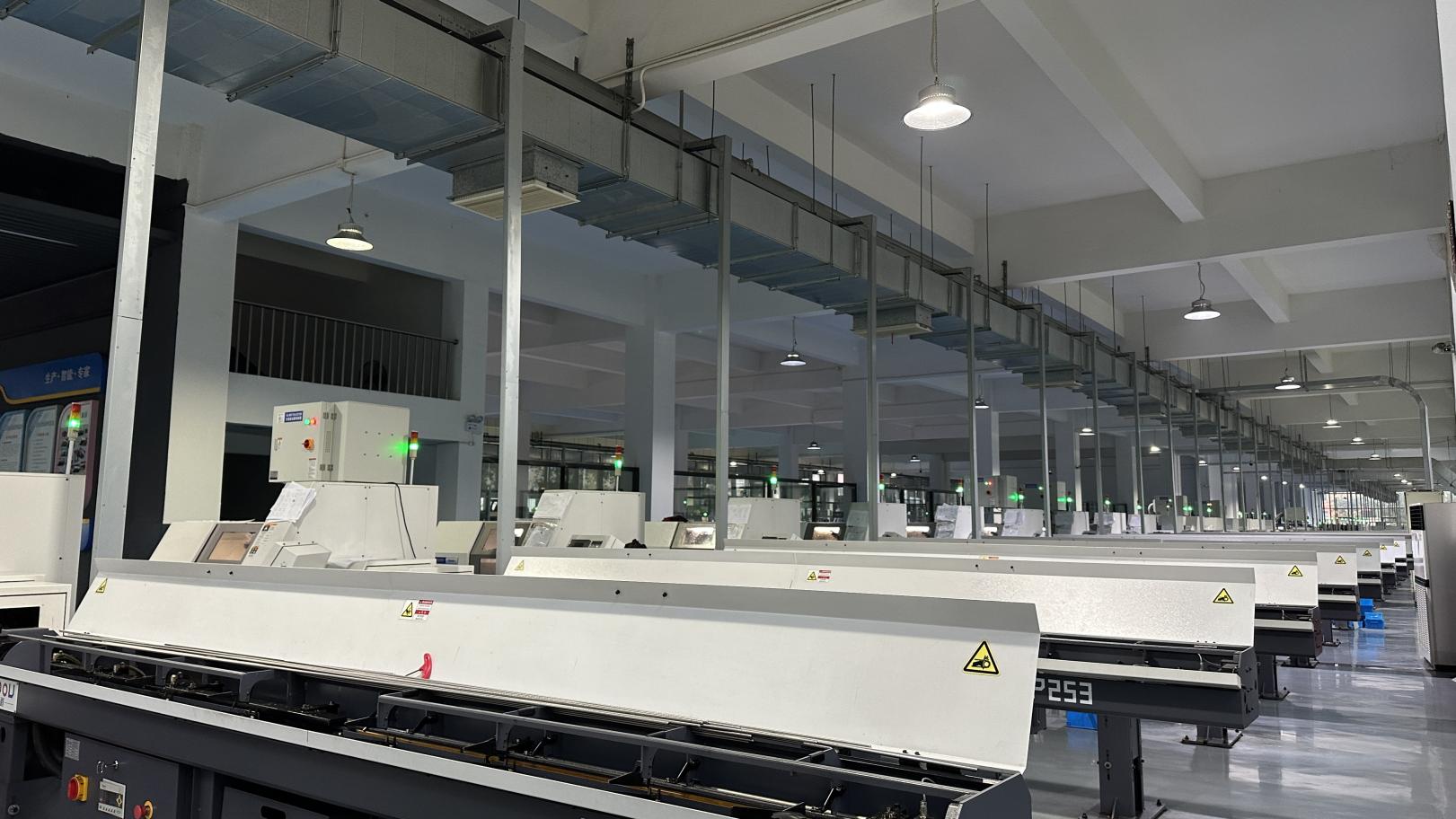
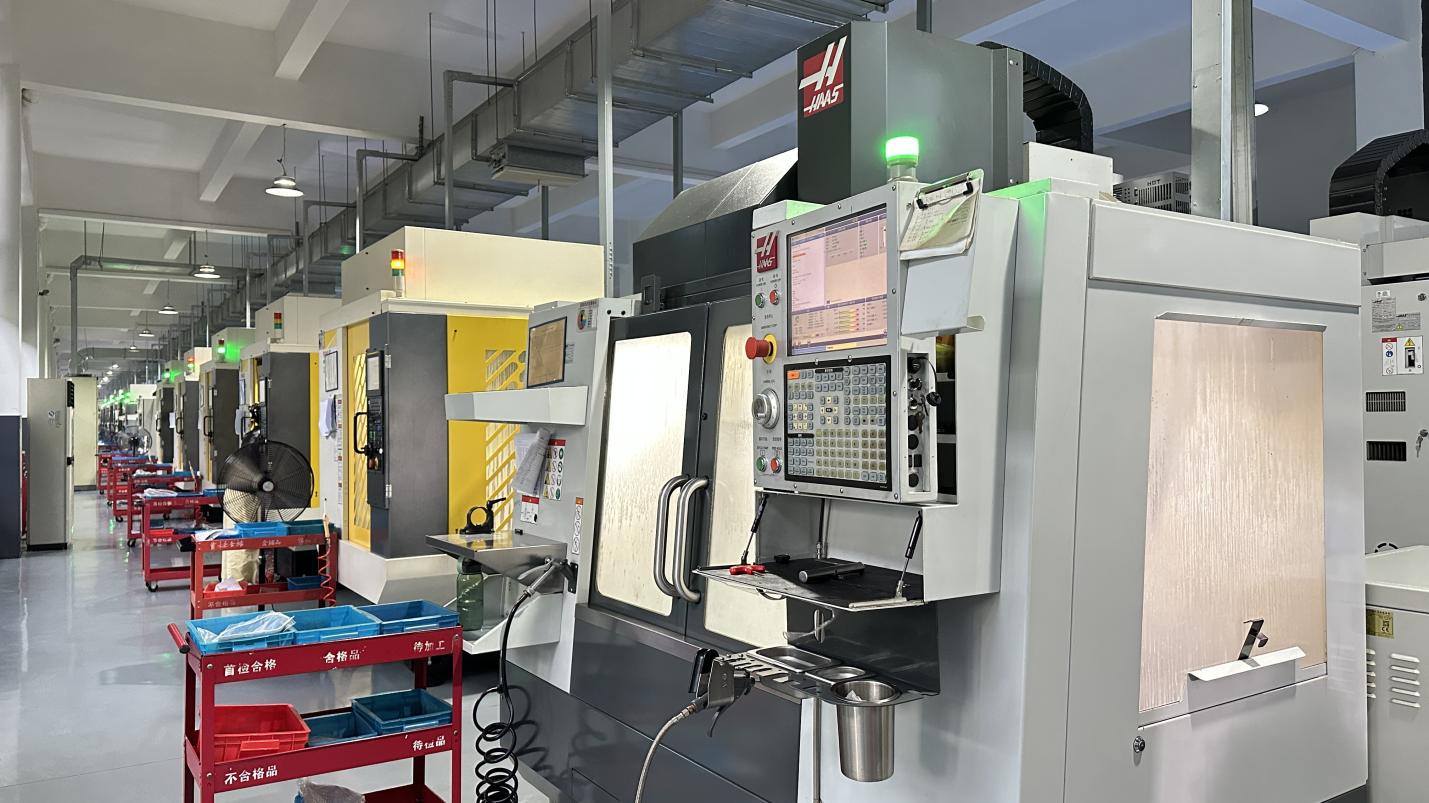
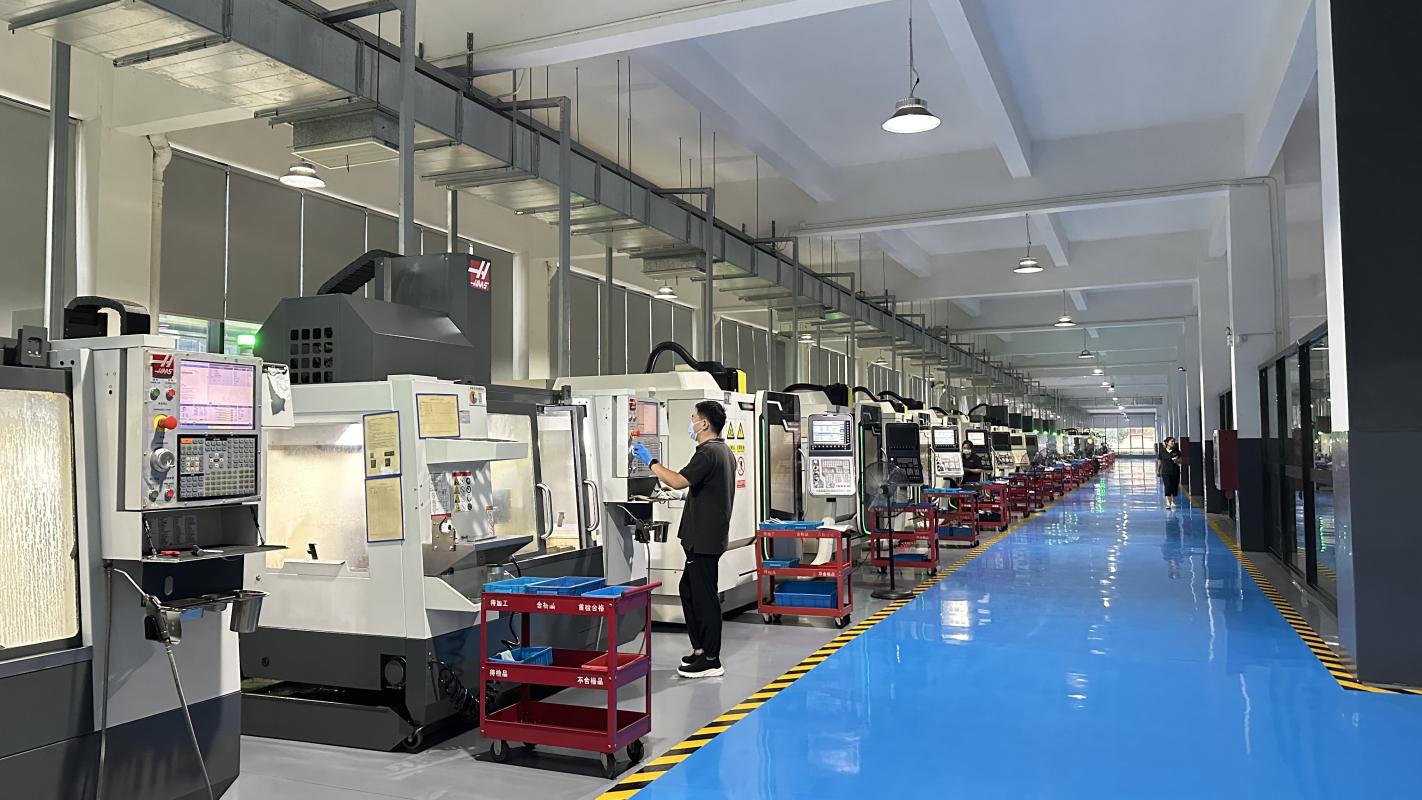
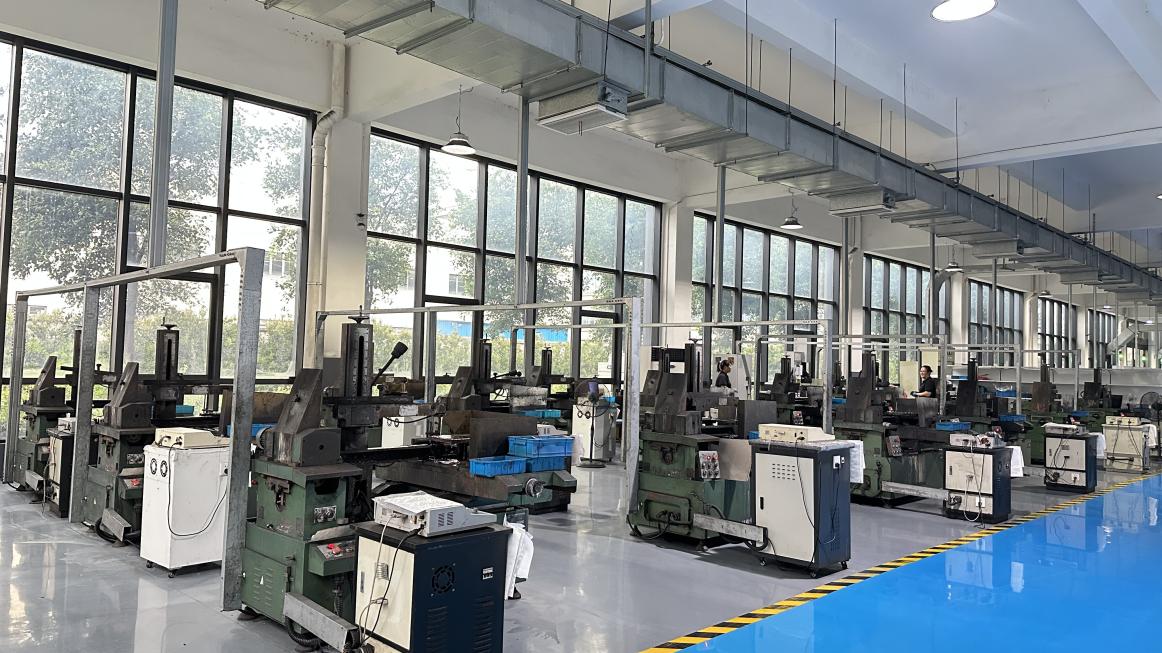
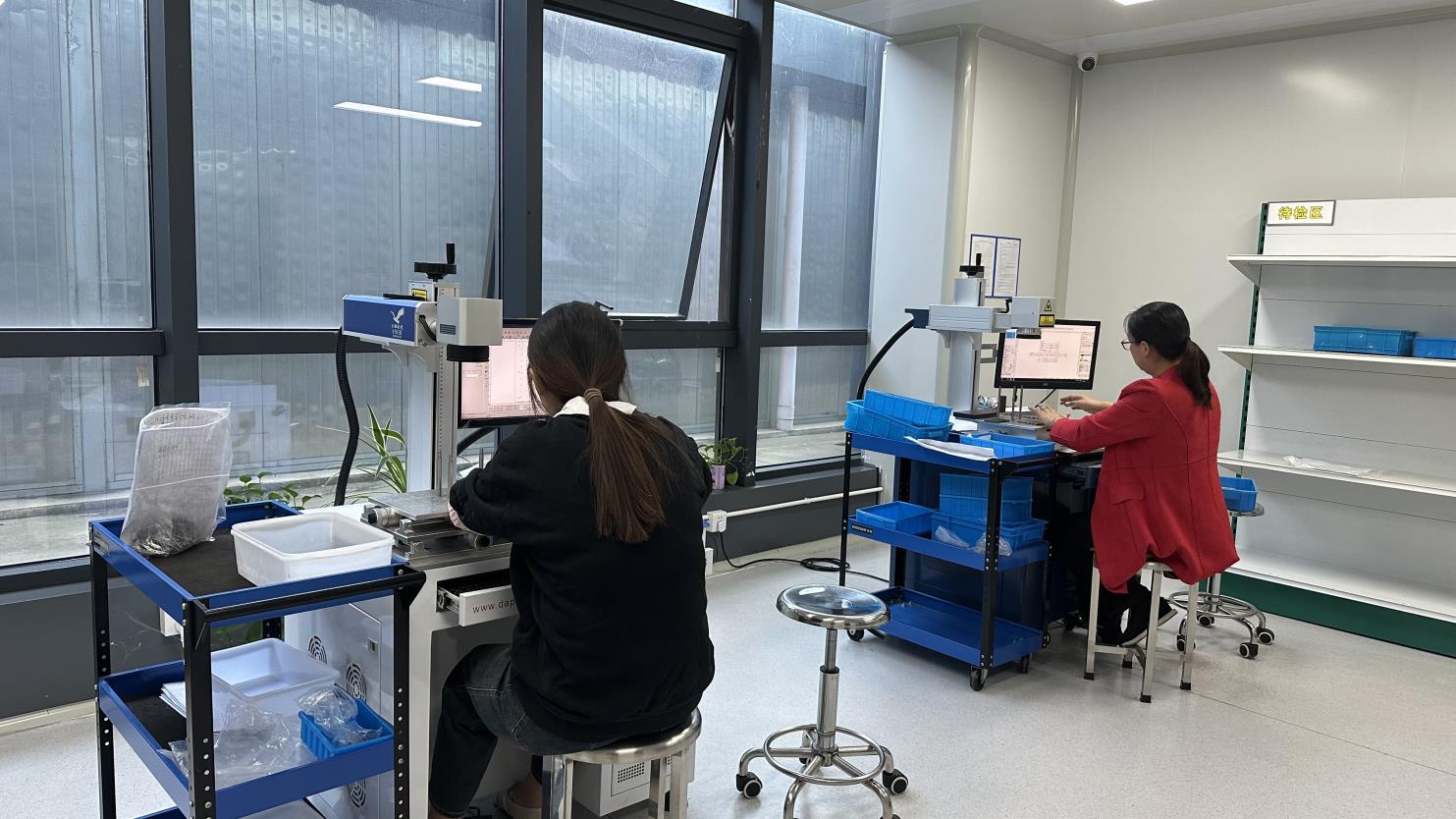
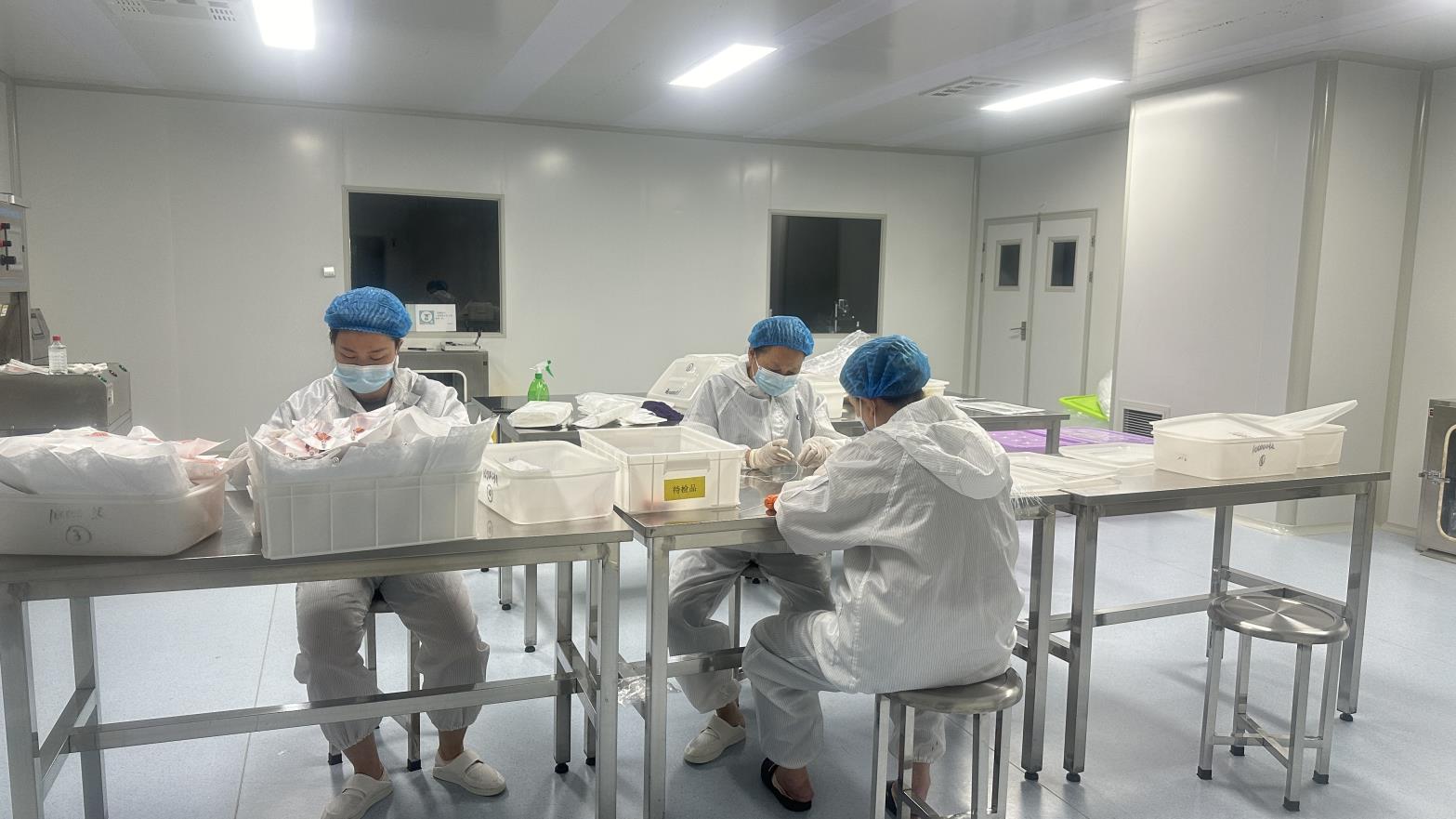
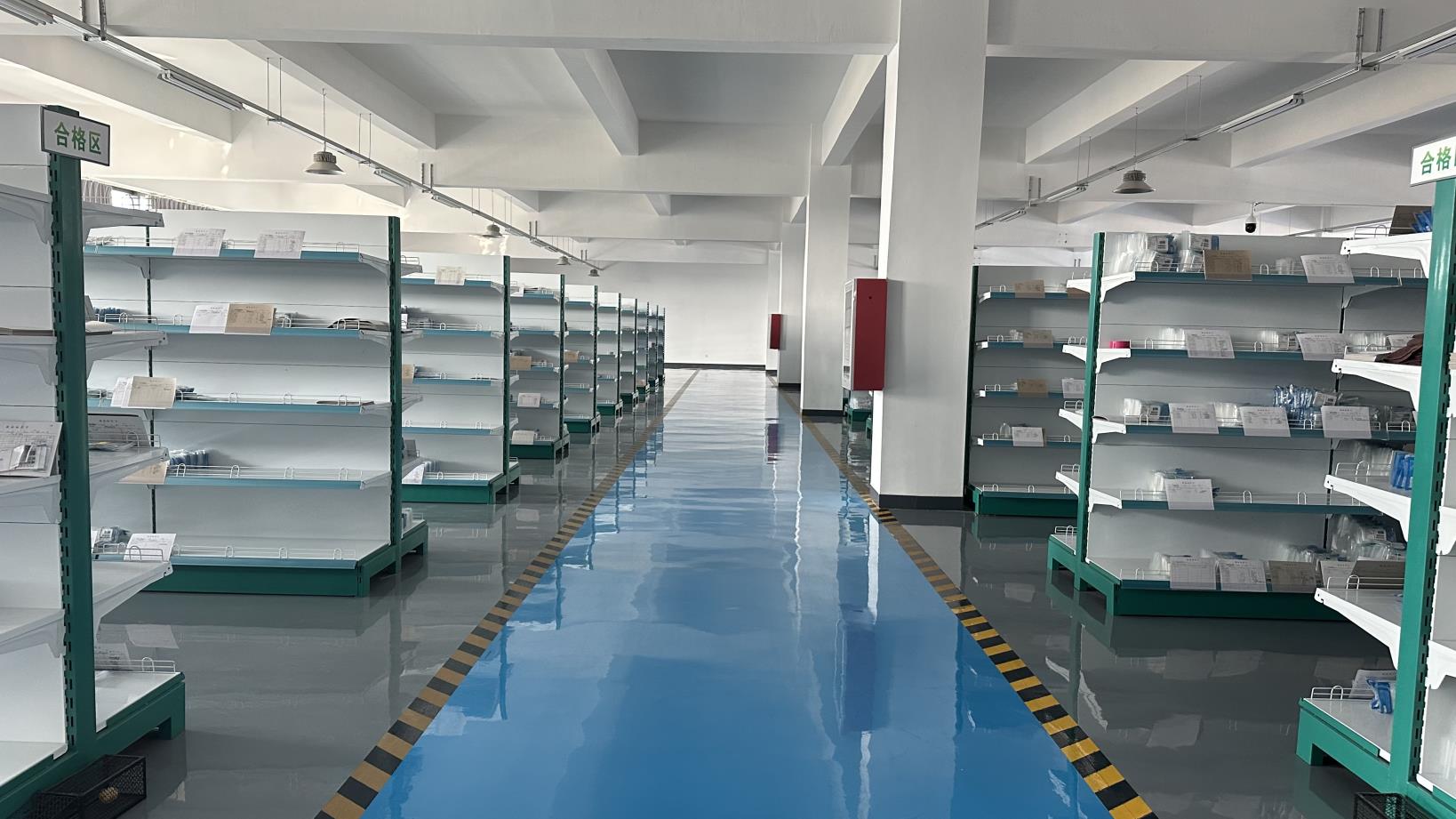
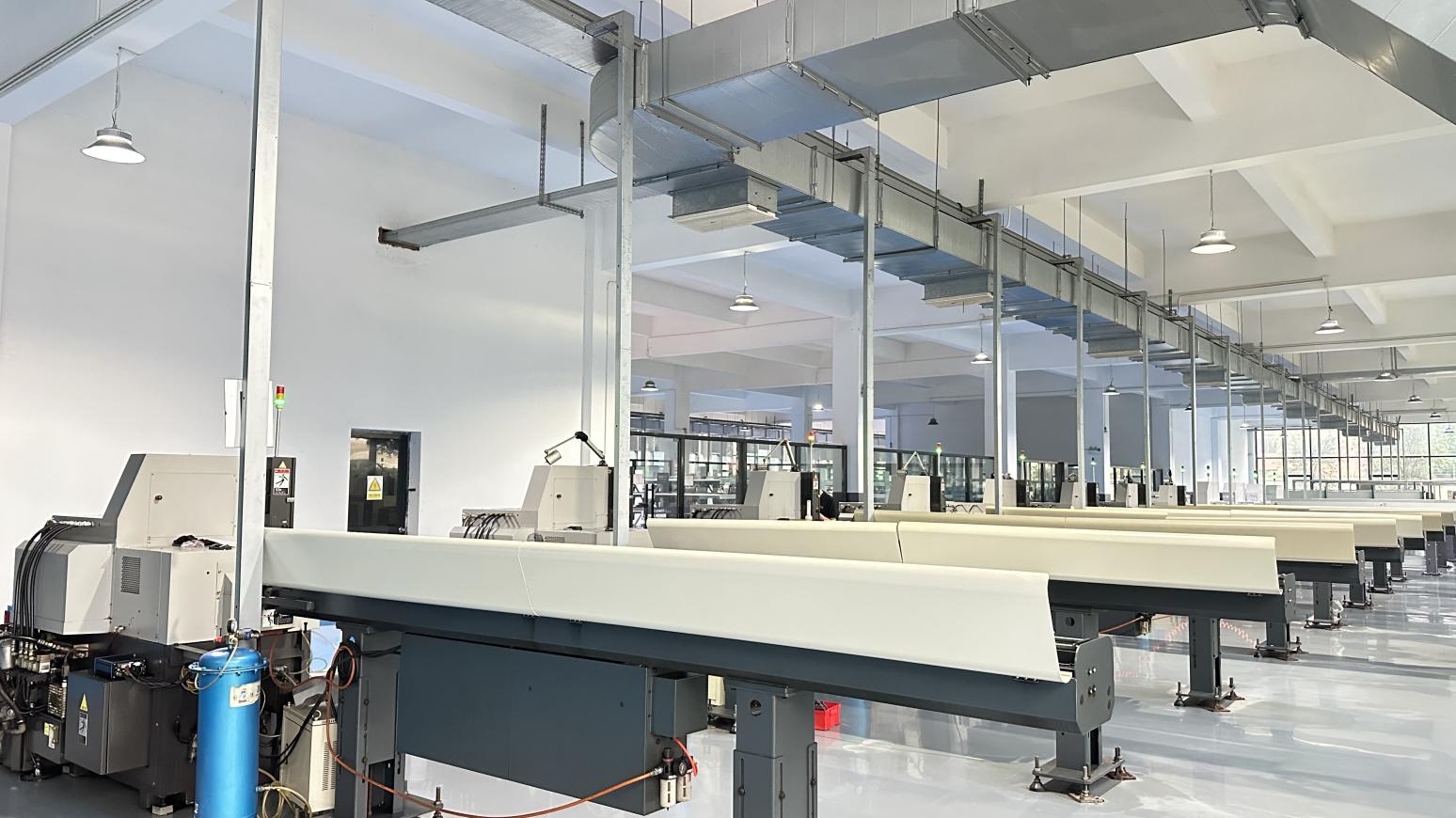
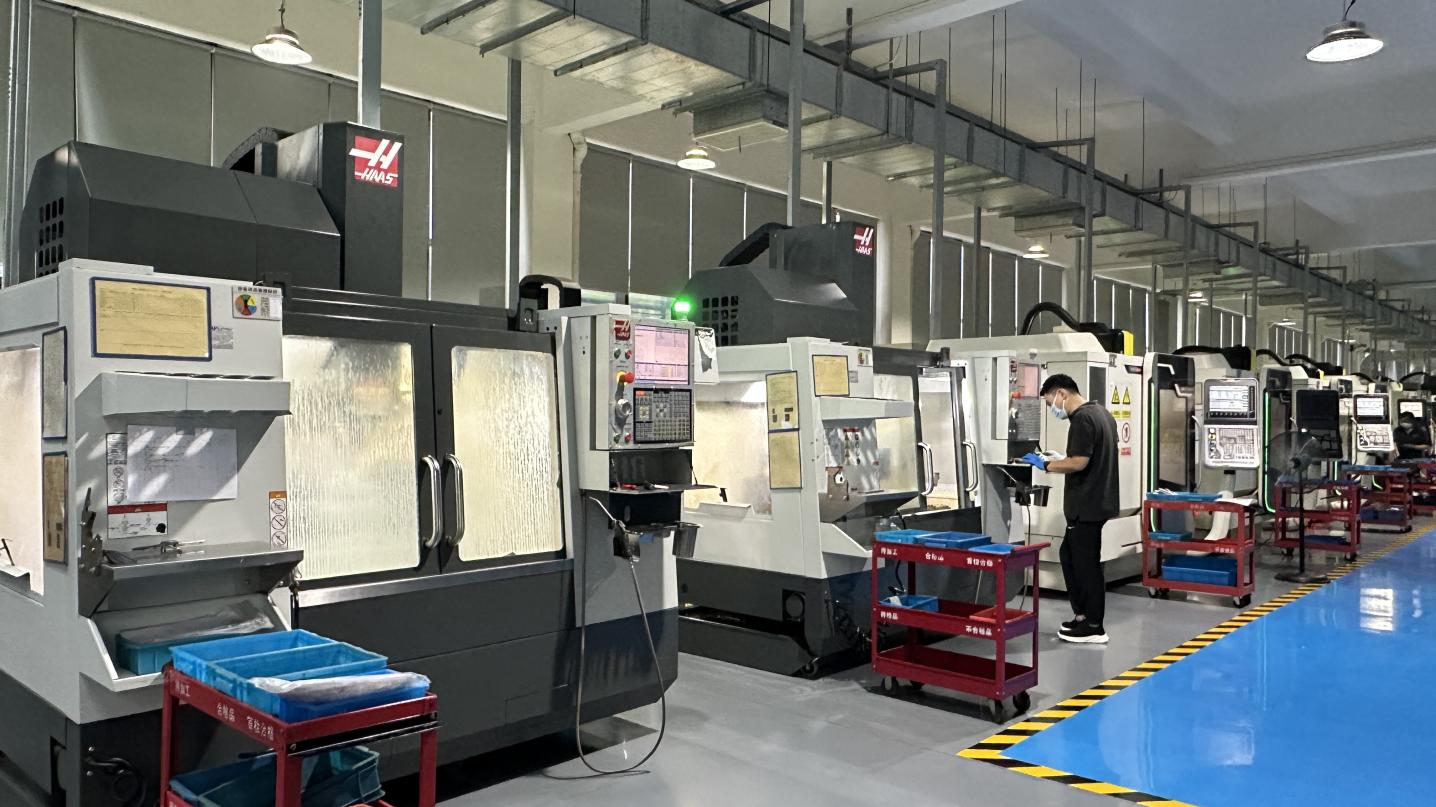
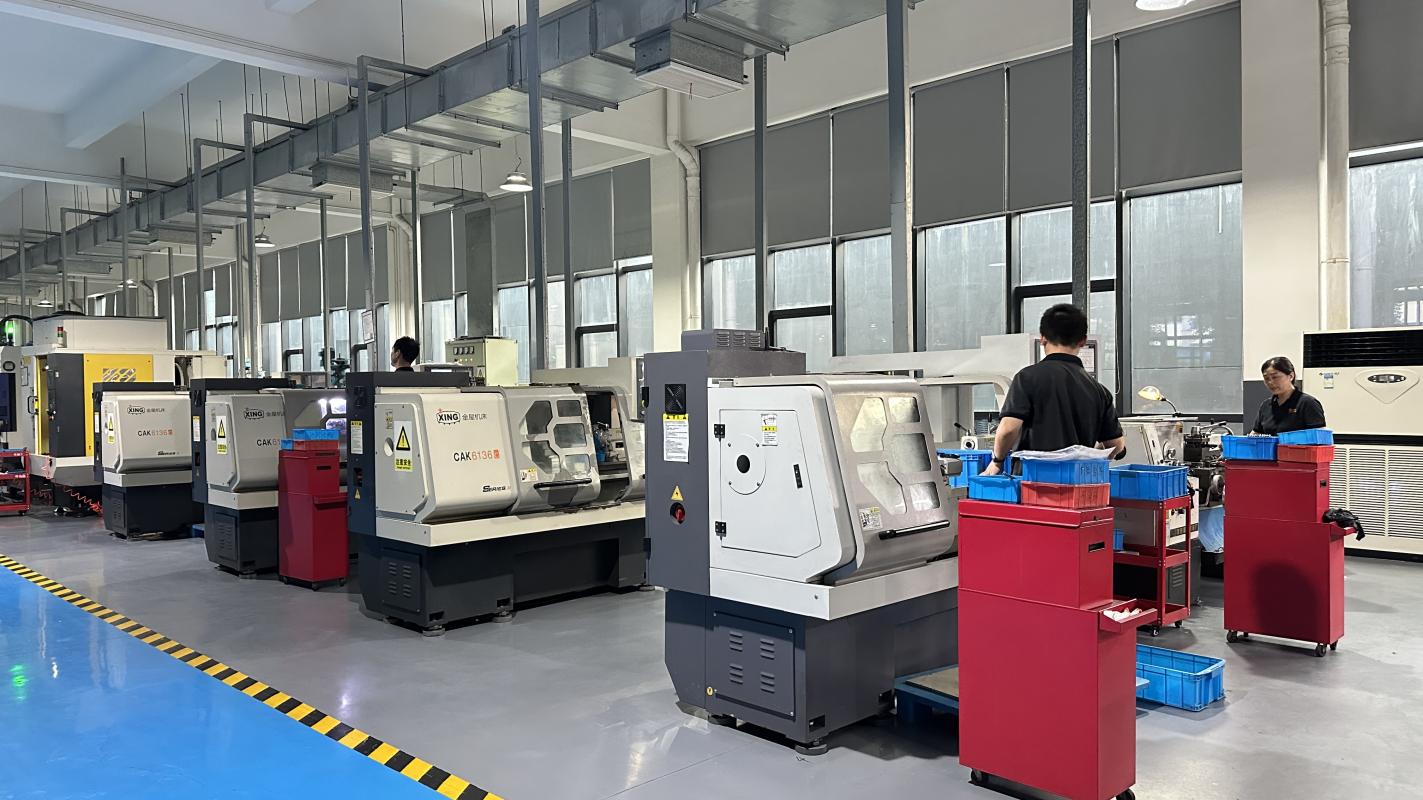
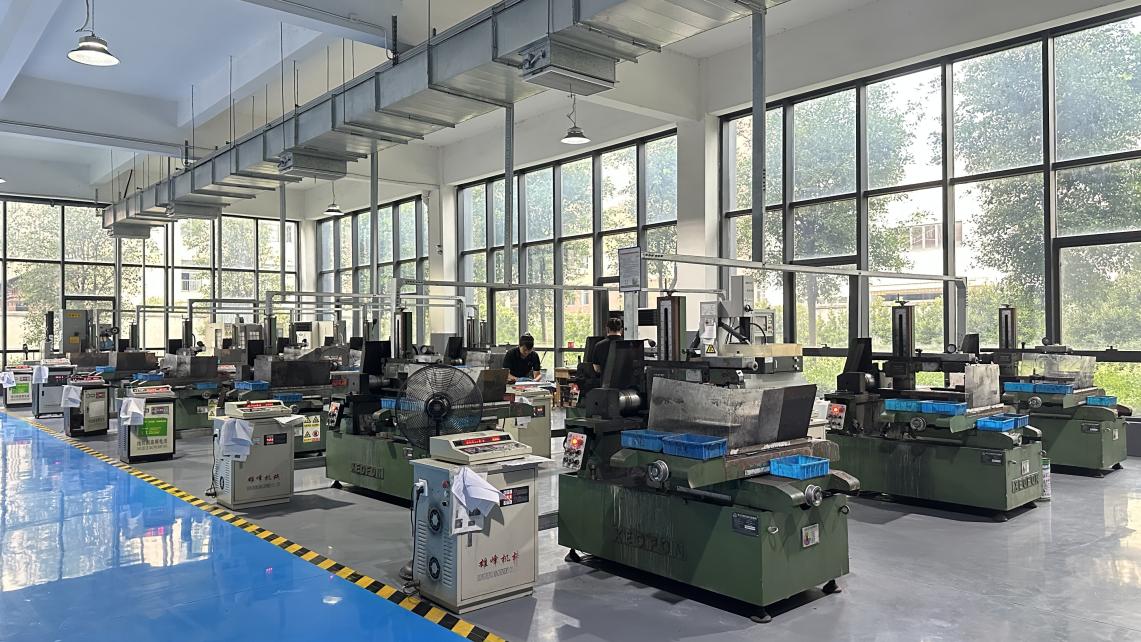
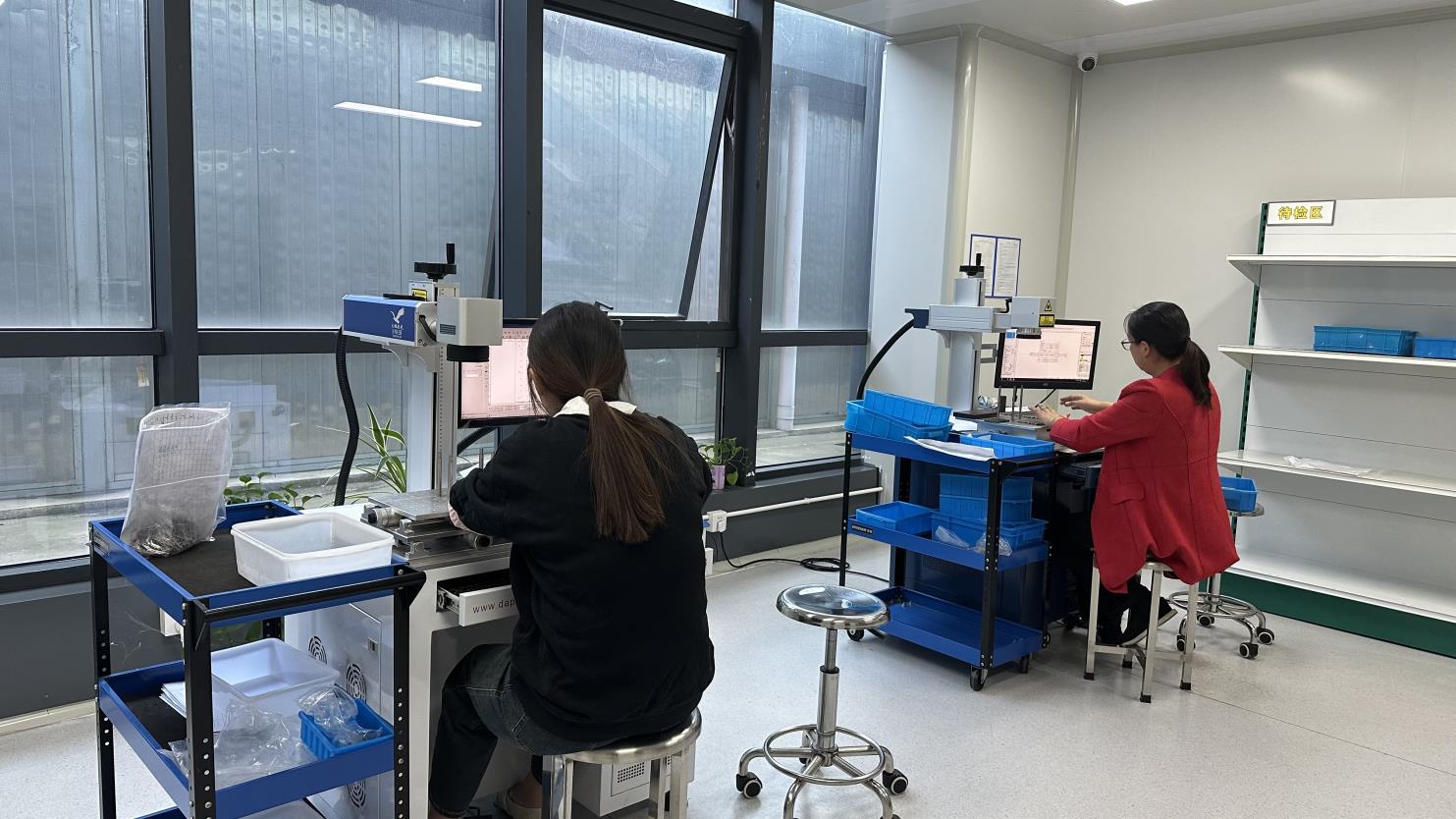
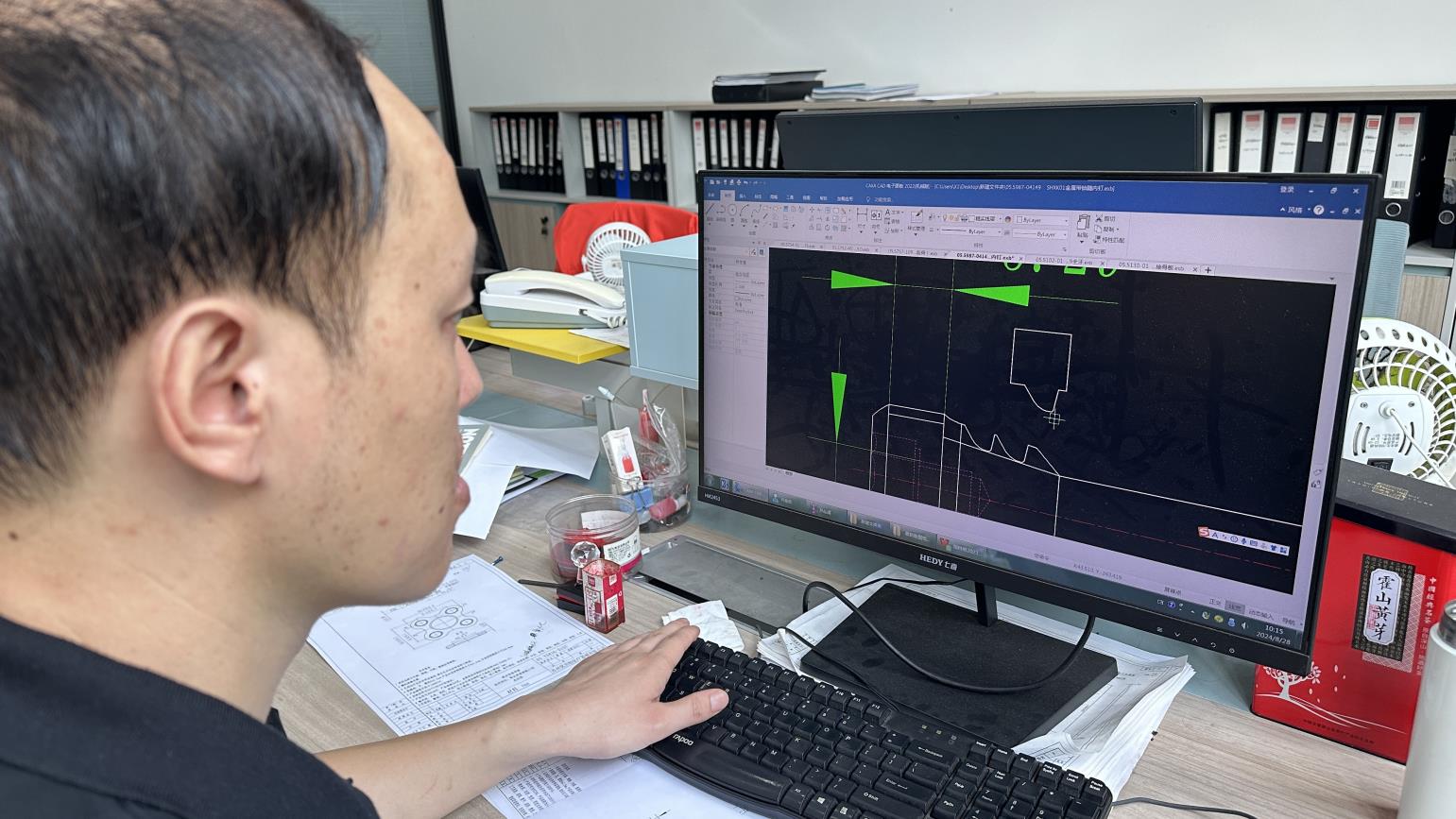
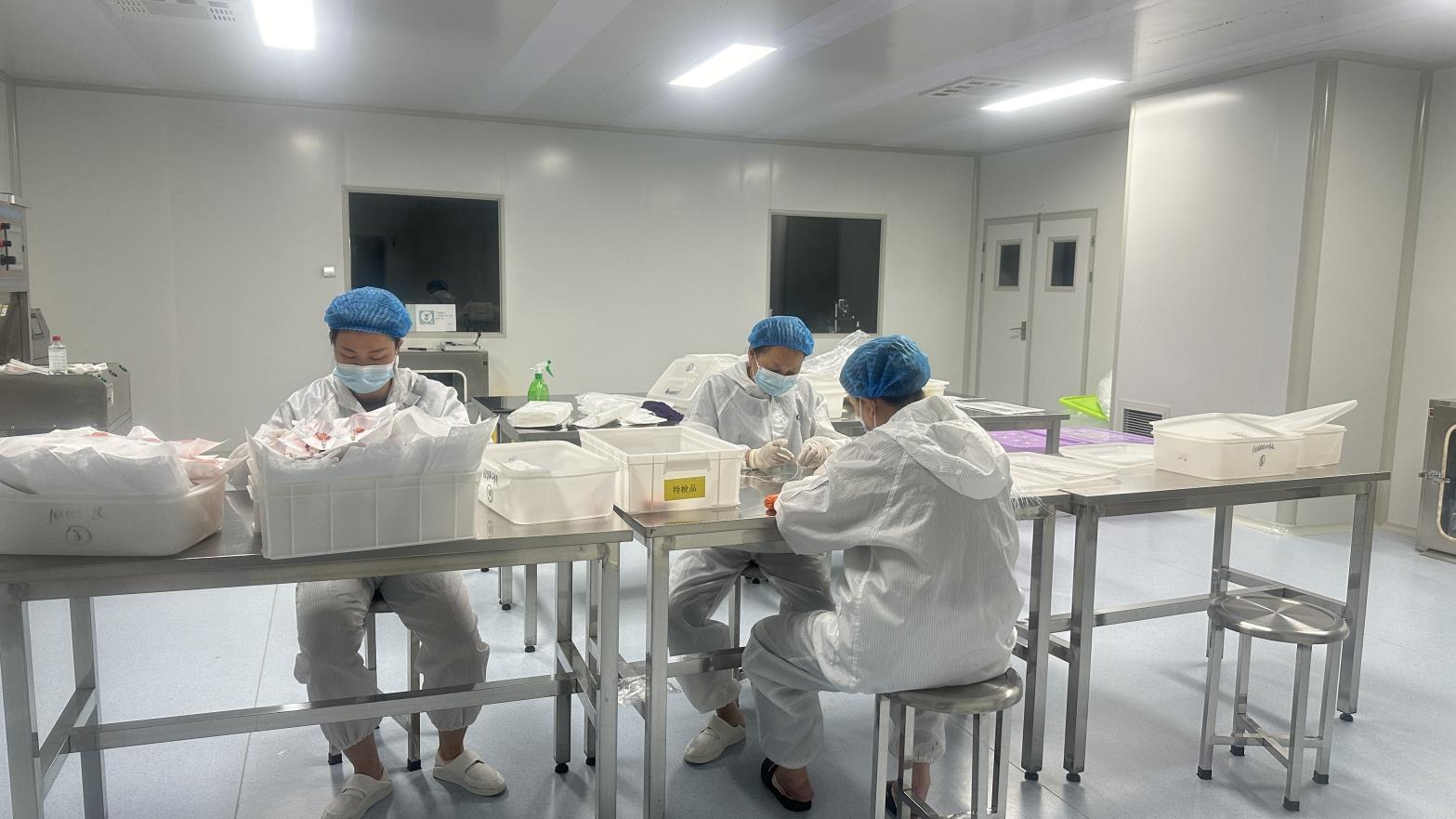
Procurement in Turkey faces fluctuations in logistics and currency. To offset these market risks, purchasing managers require suppliers that present high efficiency, stable pricing structures, and quick turnarounds. Bonevia achieves this by leveraging Industry 4.0 methodologies in our Chinese facilities.
By automating raw material slitting and milling via Japanese CNC centers, we eliminate human variability in manufacturing tolerances. This ensures that every locking screw and intramedullary nail fits exactly as designed. Furthermore, our extensive ecosystem of over 850 raw material and logistics partners allows us to scale production up or down dynamically, absorbing unexpected demand spikes without delaying ongoing hospital tenders in Turkey.
Our digital warehouse management systems enable seamless coordination with air and sea freight carriers, ensuring transit schedules from China to major Turkish ports (such as Ambarli, Izmir, or Mersin) are optimized for speed and cost. This translates to reliable supply pipelines for our regional distributors.
Working inside the Turkish medical ecosystem requires absolute compliance with local regulatory guidelines. In accordance with Turkish Ministry of Health standards, all medical devices distributed within the country must be registered on the Ürün Takip Sistemi (ÜTS) database. This portal monitors every step of a medical device’s lifecycle, from manufacture or import to patient implantation.
At Bonevia, we assist our local partners in Turkey with complete technical files to facilitate rapid ÜTS registration. Our regulatory team compiles all necessary documentation, including:
By removing compliance hurdles, we enable Turkish orthopedic importers to bid confidently on regional public and private hospital tenders, ensuring zero-delay custom clearance and smooth SGK reimbursement approval.
To ensure clinical reliability, legal compliance, and operational efficiency, medical procurement officers and hospital managers should evaluate potential intramedullary nail suppliers against the following checklist:
Confirm CE MDR certificates, ISO 13485 compliance, and readiness for Turkish ÜTS portal uploading.
Demand ASTM F136 Titanium Grade 5 ELI certificates showing raw material traceability.
Verify availability of various dynamic lengths, diameters, and locking angles for anatomical fits.
Ensure surgical instrument sets are highly accurate, autoclavable, and feature radiolucent aiming arms.
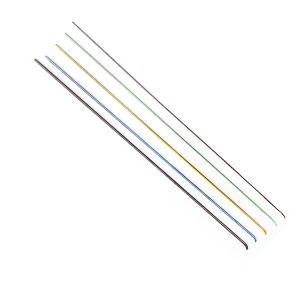
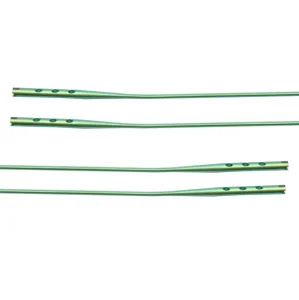
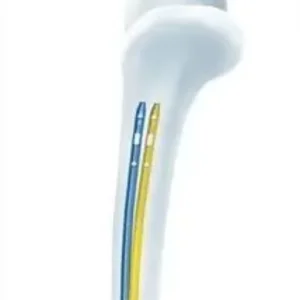
Engineered solutions for young patients and specialized complex long bone fractures in the Turkish region.
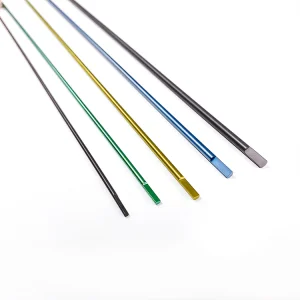
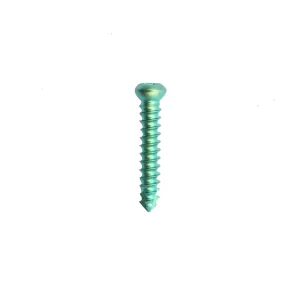
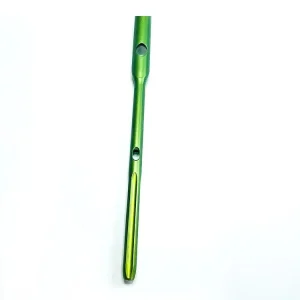
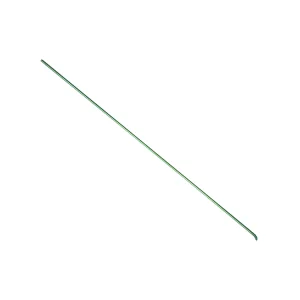
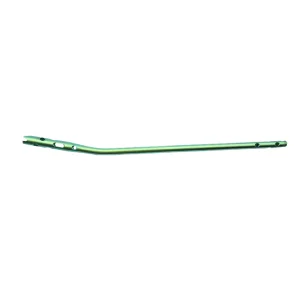
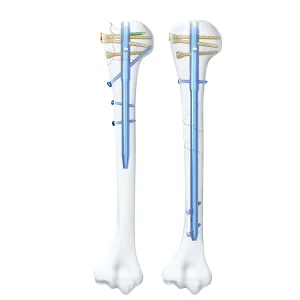
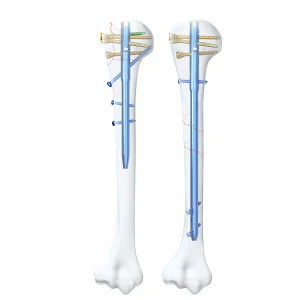
Explore our CE-approved trauma solutions ranging from multi-locking humeral nails to flexible tibial systems.
Essential insights regarding regulatory compliance, customized designs, and sourcing operations for the Turkish orthopedic market.
Partner with Bonevia to secure CE-certified, MDR-compliant, and ÜTS-compatible intramedullary nails engineered for the Turkey medical market. Benefit from direct manufacturer pricing and Industry 4.0 supply chain reliability.
Send Inquiry Now