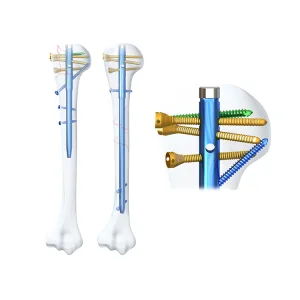
Bonevia
Bonevia
Bonevia
Explore our highly requested orthopedic implants engineered with high-strength titanium alloys and advanced interlocking mechanics for optimal biological fixation.
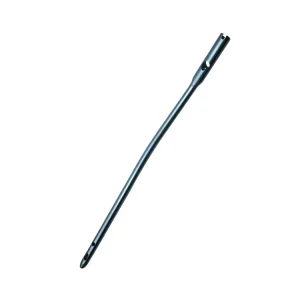
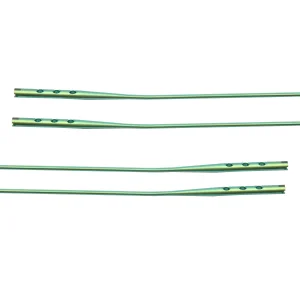
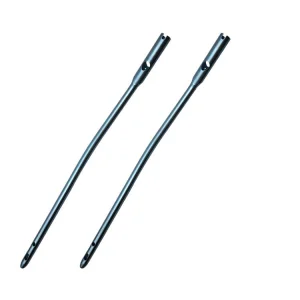
Under the visionary guidelines of Oman Vision 2040, the Sultanate of Oman is driving structural upgrades across its healthcare delivery systems. There is a concerted effort to establish state-of-the-art trauma centers and orthopedic surgical wings in key public and private hospitals, including Khoula Hospital in Muscat, Sultan Qaboos University Hospital, and various Ministry of Health (MoH) clinics across Sohar, Salalah, and Nizwa. This rapid medical infrastructure scaling has directly triggered a surge in demand for reliable, high-tier osteosynthesis implants.
Trauma cases, driven by vehicular incidents, high-risk industrial occupations, and a growing geriatric population prone to osteoporotic fractures, require robust implant interventions. Intramedullary (IM) nailing remains the gold standard treatment for long bone fractures (femur, tibia, humerus, and forearm). The clinical success of these interventions in Omani operating theaters relies entirely on the mechanical fatigue limits and chemical biocompatibility of the implants. This has motivated Omani procurement networks to establish partnerships directly with high-performance orthopedic manufacturers capable of meeting rigorous CE and ISO standards.
The global orthopedic implant market has shifted dynamically toward minimally invasive, biology-driven fixation systems. Historically, stainless steel plate fixation was common, but advanced clinical methodologies favor intramedullary devices due to their load-sharing capabilities and preservation of the periosteal blood supply. To support physiological loading without mechanical failure, these components must satisfy critical material qualifications.
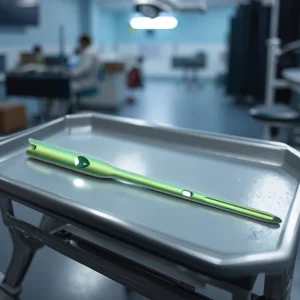
Our intramedullary nails are fabricated using high-grade Ti-6Al-4V ELI (Extra Low Interstitial) Titanium Alloy (compliant with ASTM F136) and high-quality surgical stainless steels. Titanium alloy offers a low elastic modulus resembling cortical bone structure, minimizing stress shielding. Anodization surface treatments form a stable TiO₂ passive layer that maximizes corrosion resistance, limits ion release, and fosters fast osseointegration.
Furthermore, interlocking mechanisms have evolved. Modern designs incorporate multi-planar proximal and distal locking configurations, dynamic slotting options, and specialized helical blades (as seen in our PFNA range). This allows surgeons to address complex multi-fragmentary or osteoporotic bone fractures with high biomechanical stability, eliminating rotational displacement and postoperative collapse.
Providing cutting-edge trauma, spine, and joint reconstruction technologies for global healthcare providers since 2015.
Bonevia Orthopedic Technology Co., Ltd. is a professional manufacturer specializing in orthopedic implants and surgical solutions, dedicated to advancing innovation in trauma, spine, and joint reconstruction products. Since its establishment in 2015, the company has grown steadily into a trusted supplier in the global orthopedic industry.
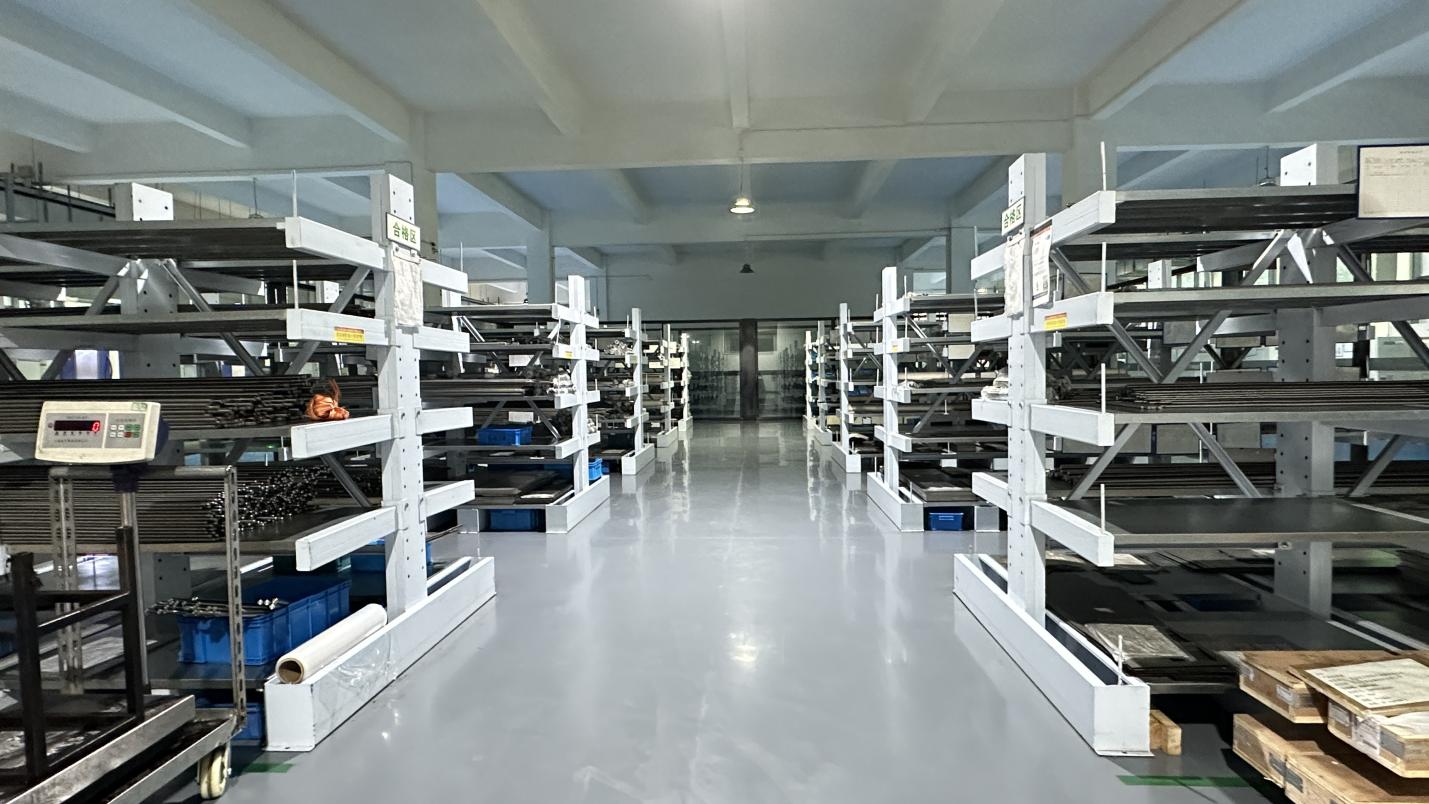
Quality assurance is a core focus at Bonevia. The company implements multiple inspection methods including incoming material inspection, in-process quality control, and final product testing, supported by a dedicated quality team of 35 professionals. This ensures all products meet international medical device standards.
Bonevia has a solid trade foundation with diversified global distribution networks, serving major markets across Europe, Southeast Asia, the Middle East, and South America. Its supply chain ecosystem includes more than 850 partners, enabling stable raw material sourcing and efficient production delivery. The company serves a wide range of clients, including hospitals, orthopedic clinics, surgical centers, and medical distributors. Bonevia also demonstrates strong R&D capabilities, offering OEM and ODM customization services to meet specific clinical requirements.
Micro-Precision Production
Annual Export Value
R&D Specialist Team
New Designs Annualized
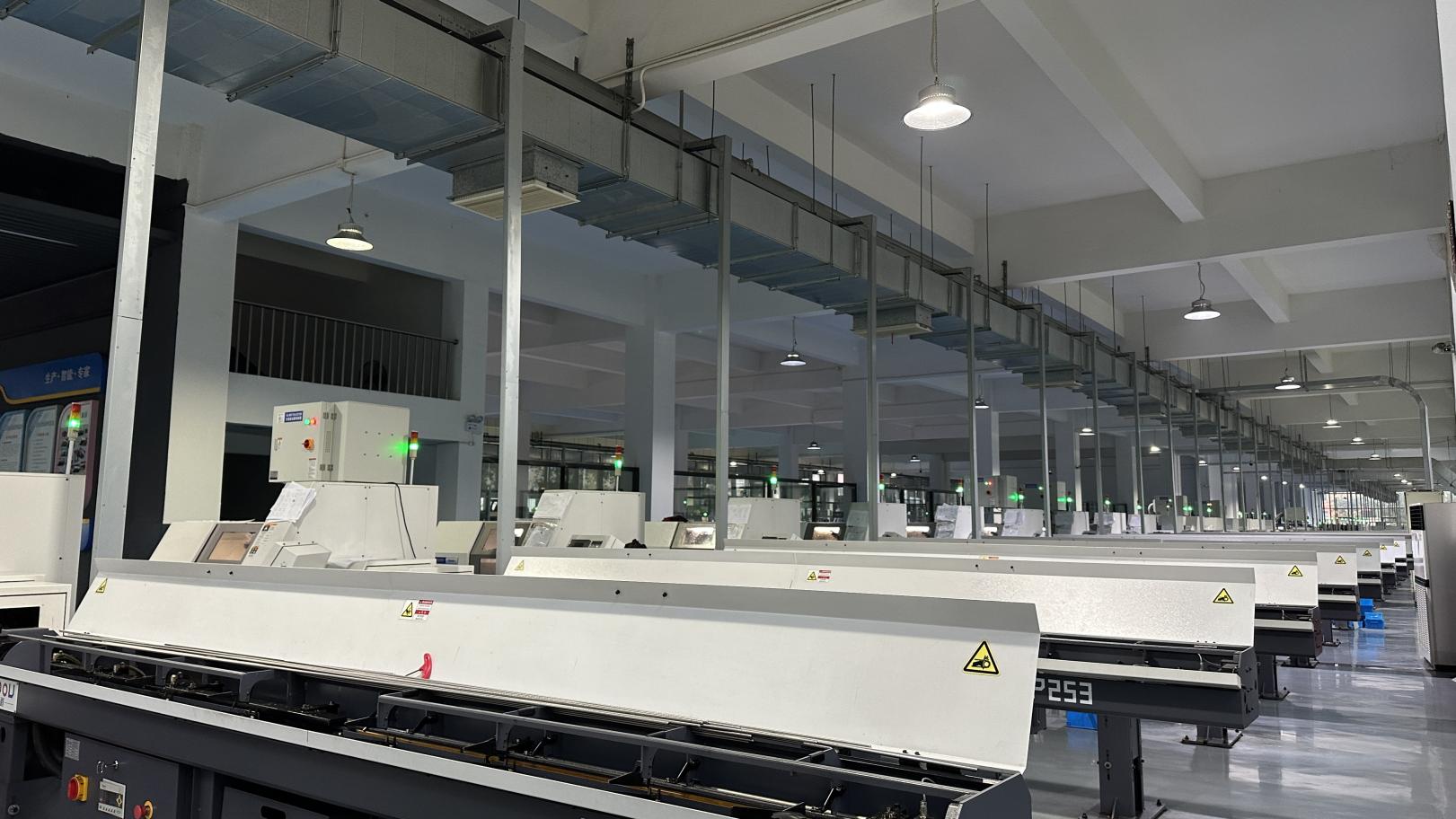
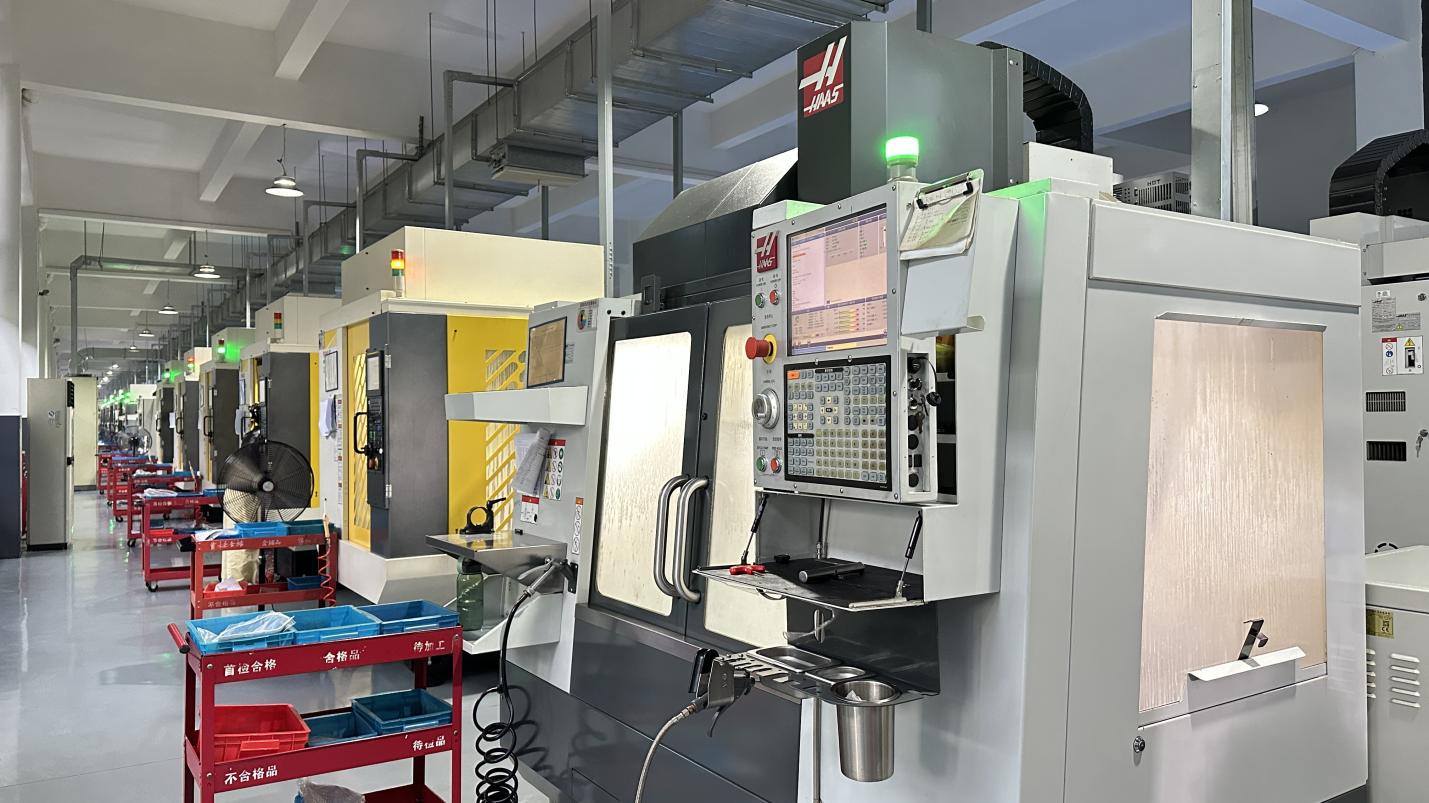
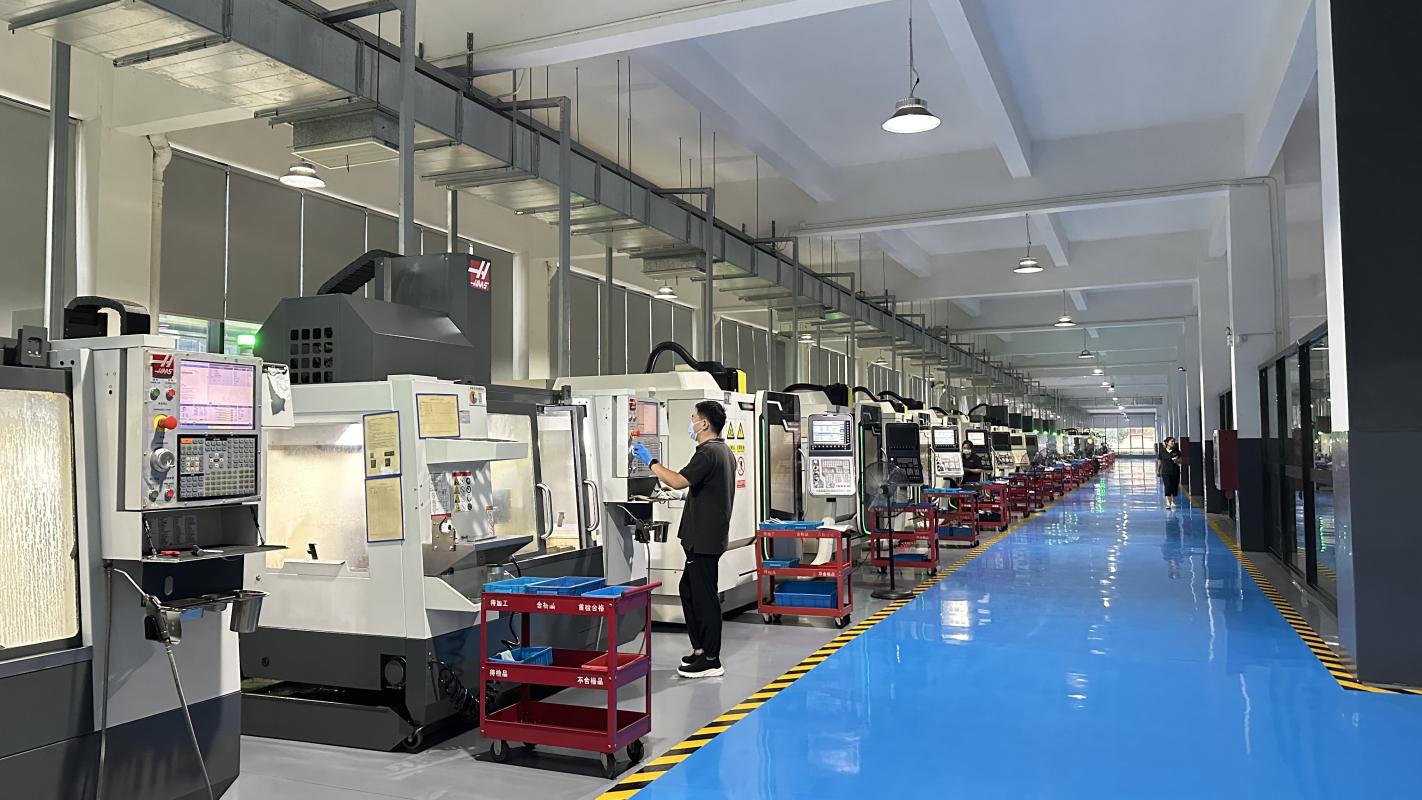
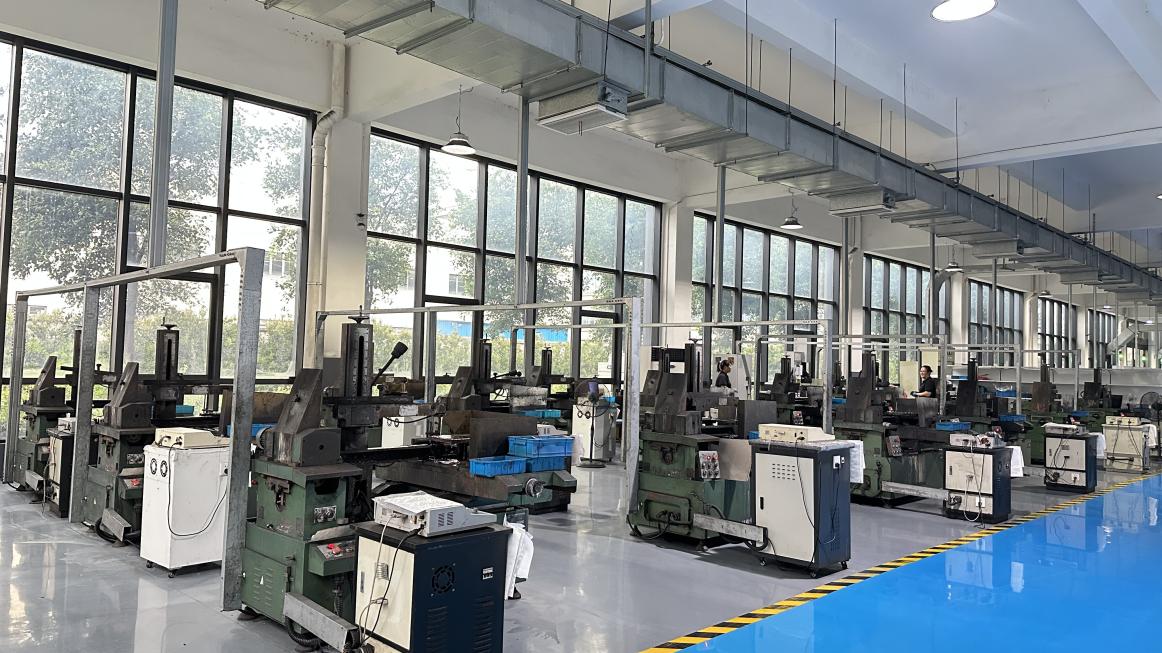
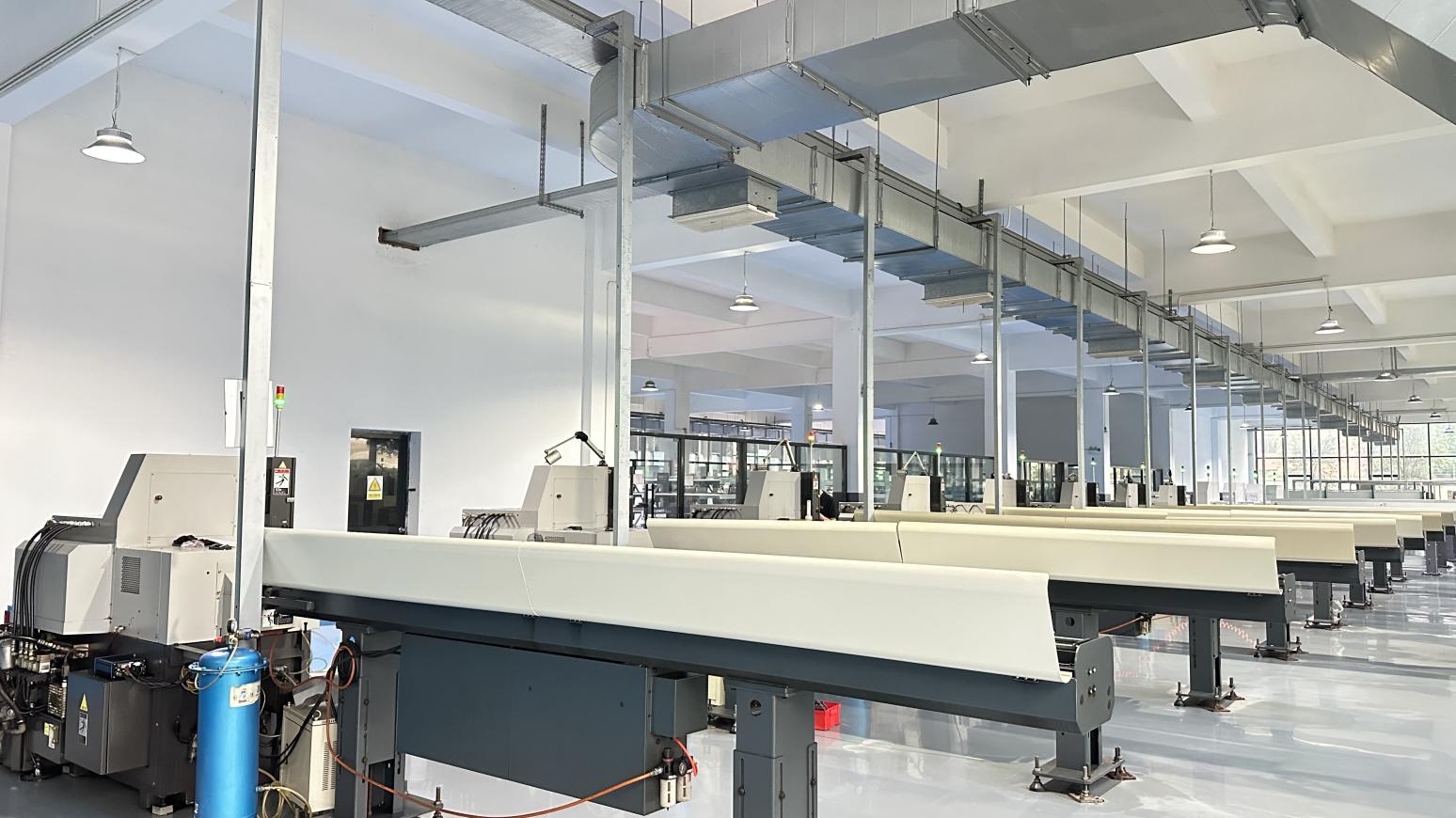
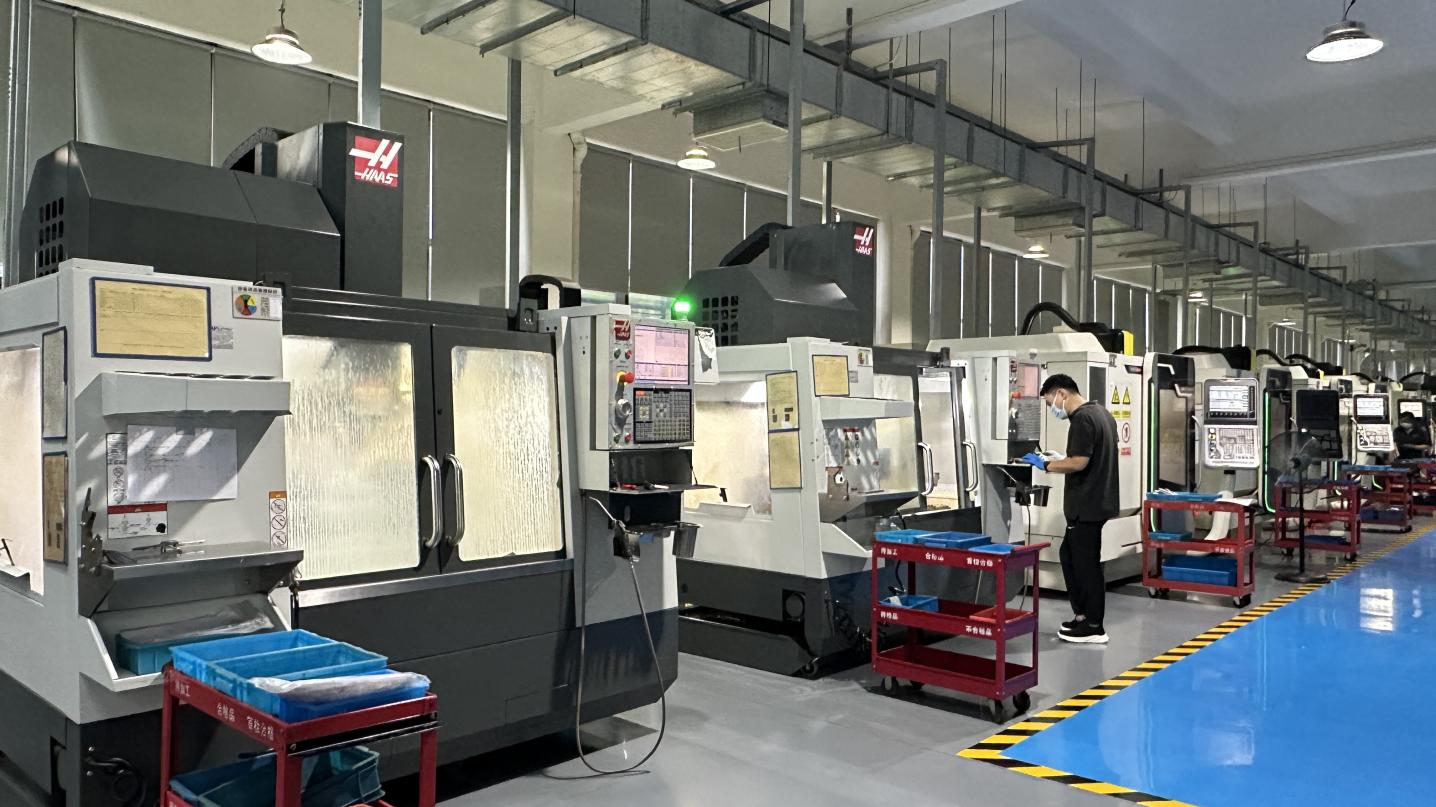
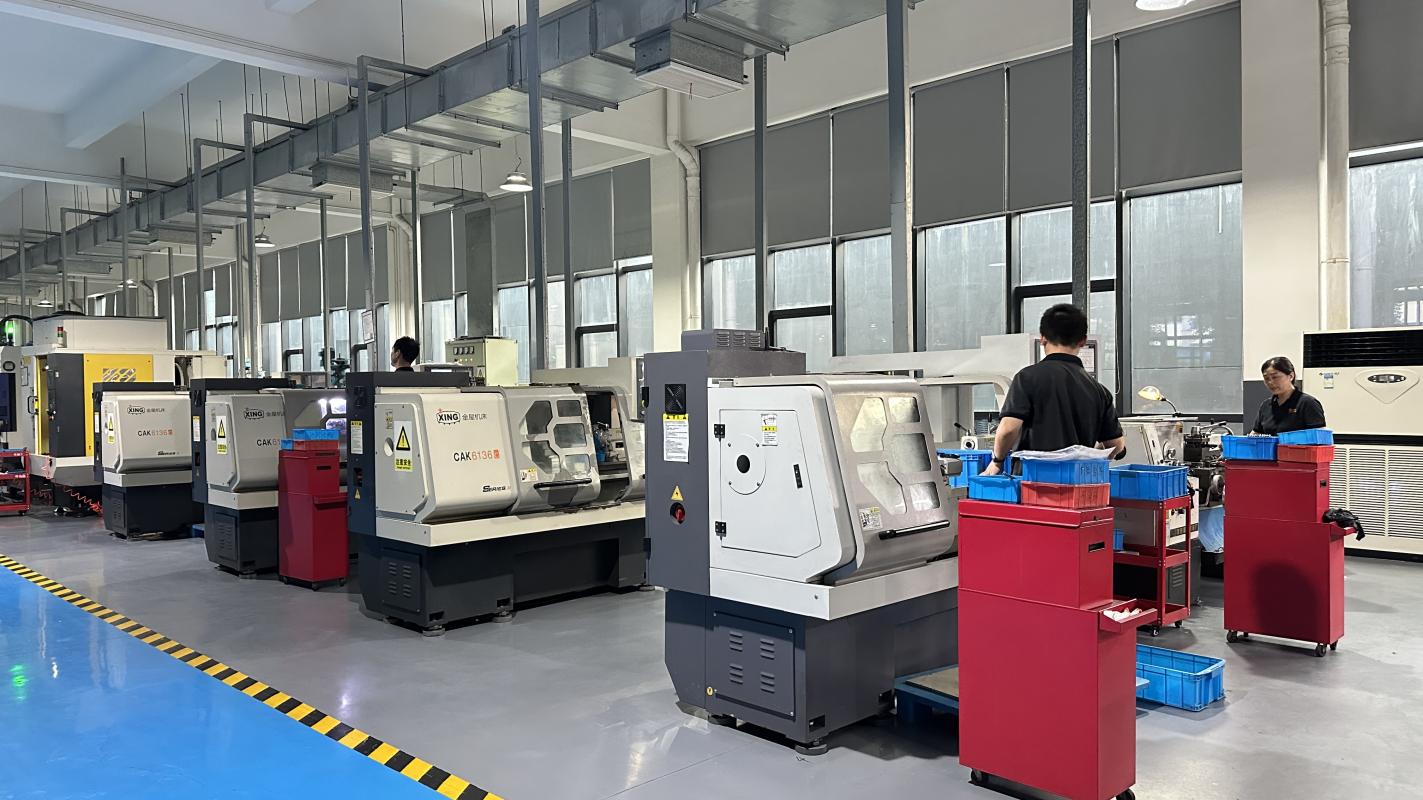
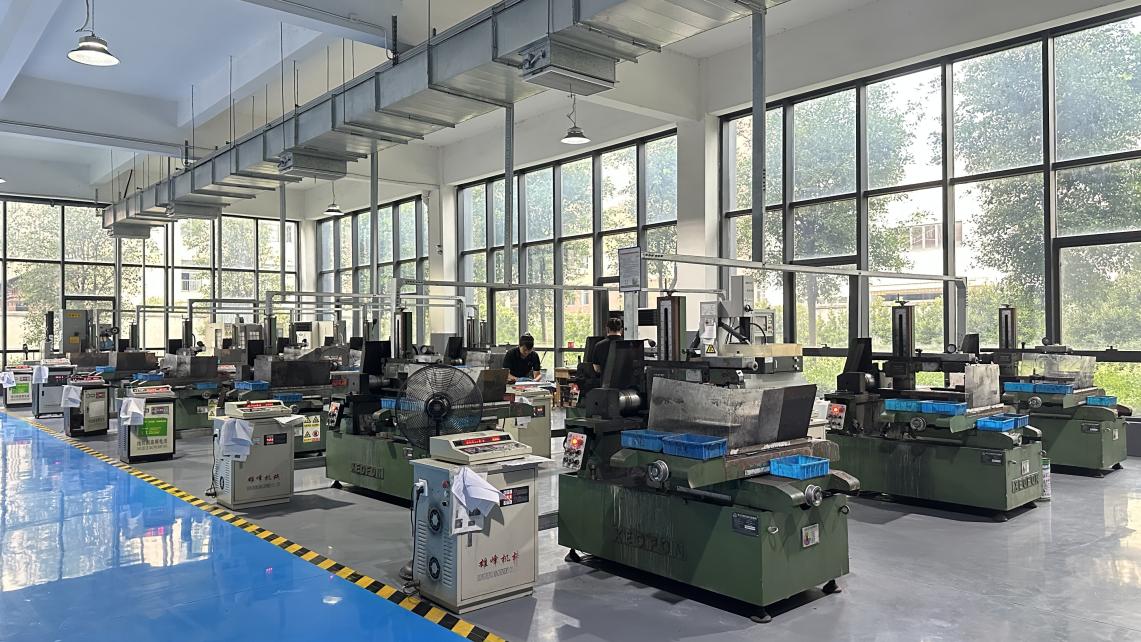
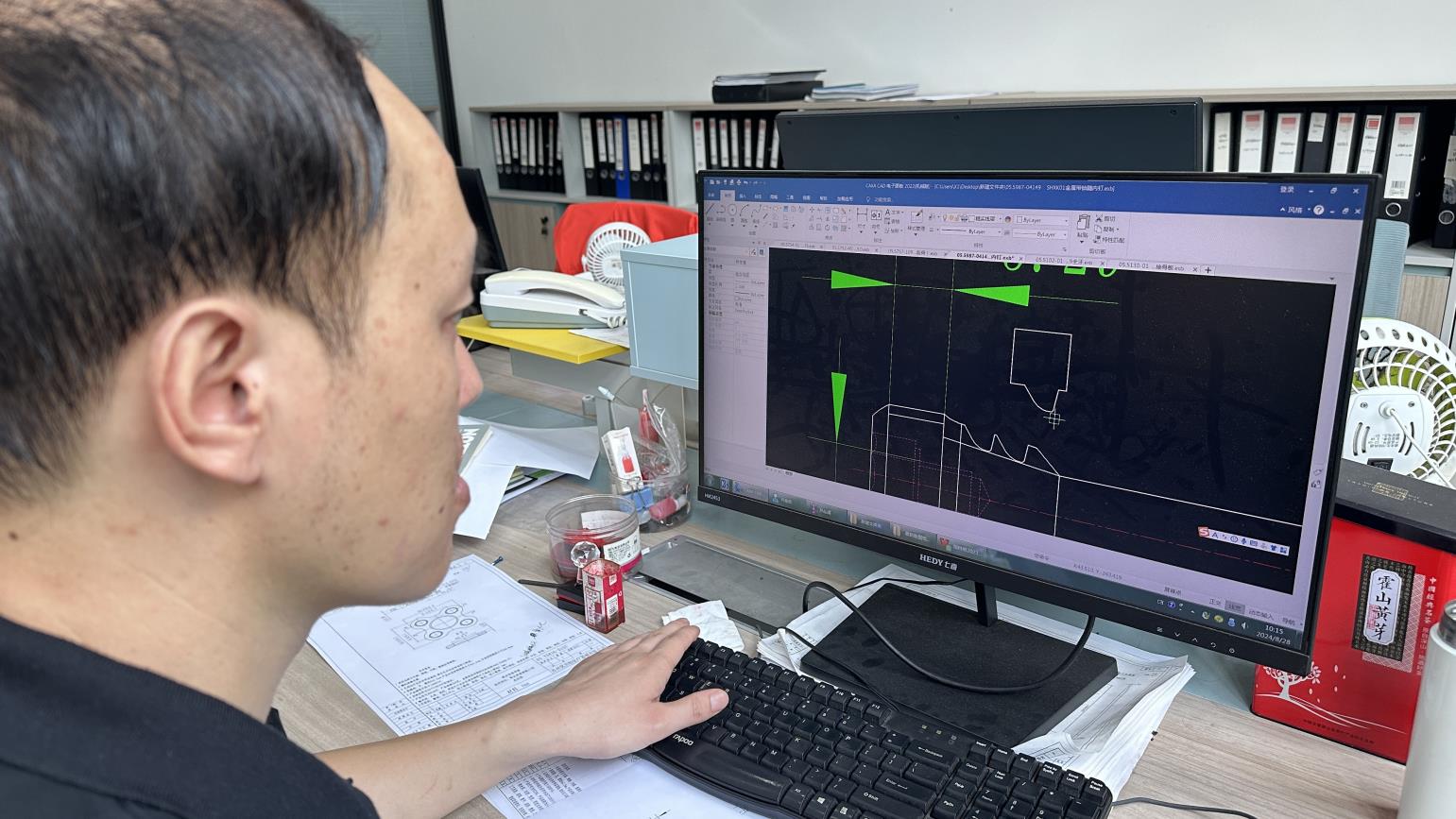
Modern surgical operations demand high-tolerance precision components. Chinese medical device manufacturing has undergone a dramatic transformation, evolving from base production structures into high-tech manufacturing ecosystems. By leveraging advanced CAD/CAM software integrated with high-precision 5-axis CNC machinery, Chinese facilities achieve tolerances of under 5 microns. This level of precision is necessary for interlocking screw assemblies, ensuring seamless anatomical alignment and minimizing surgical times.
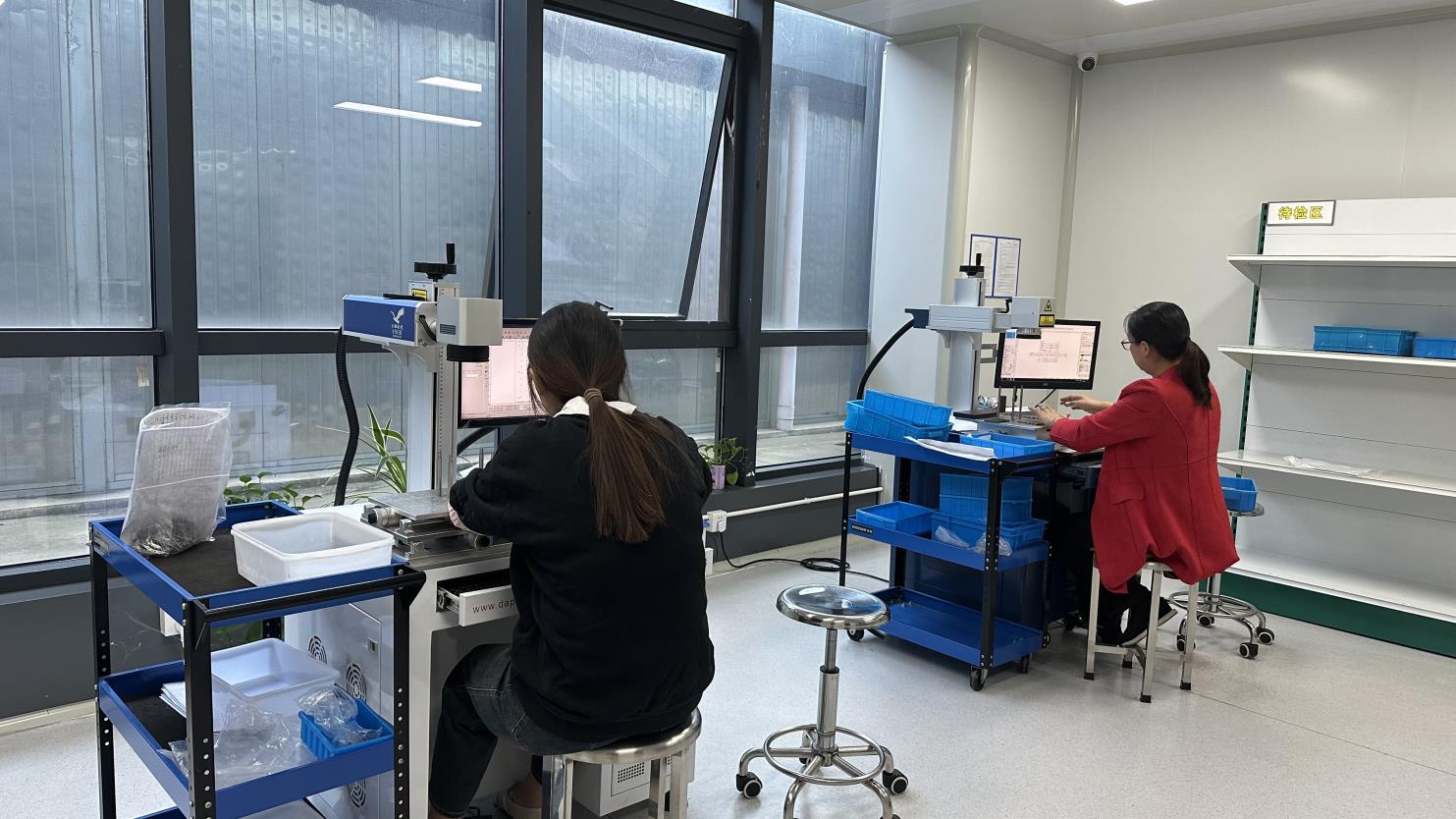
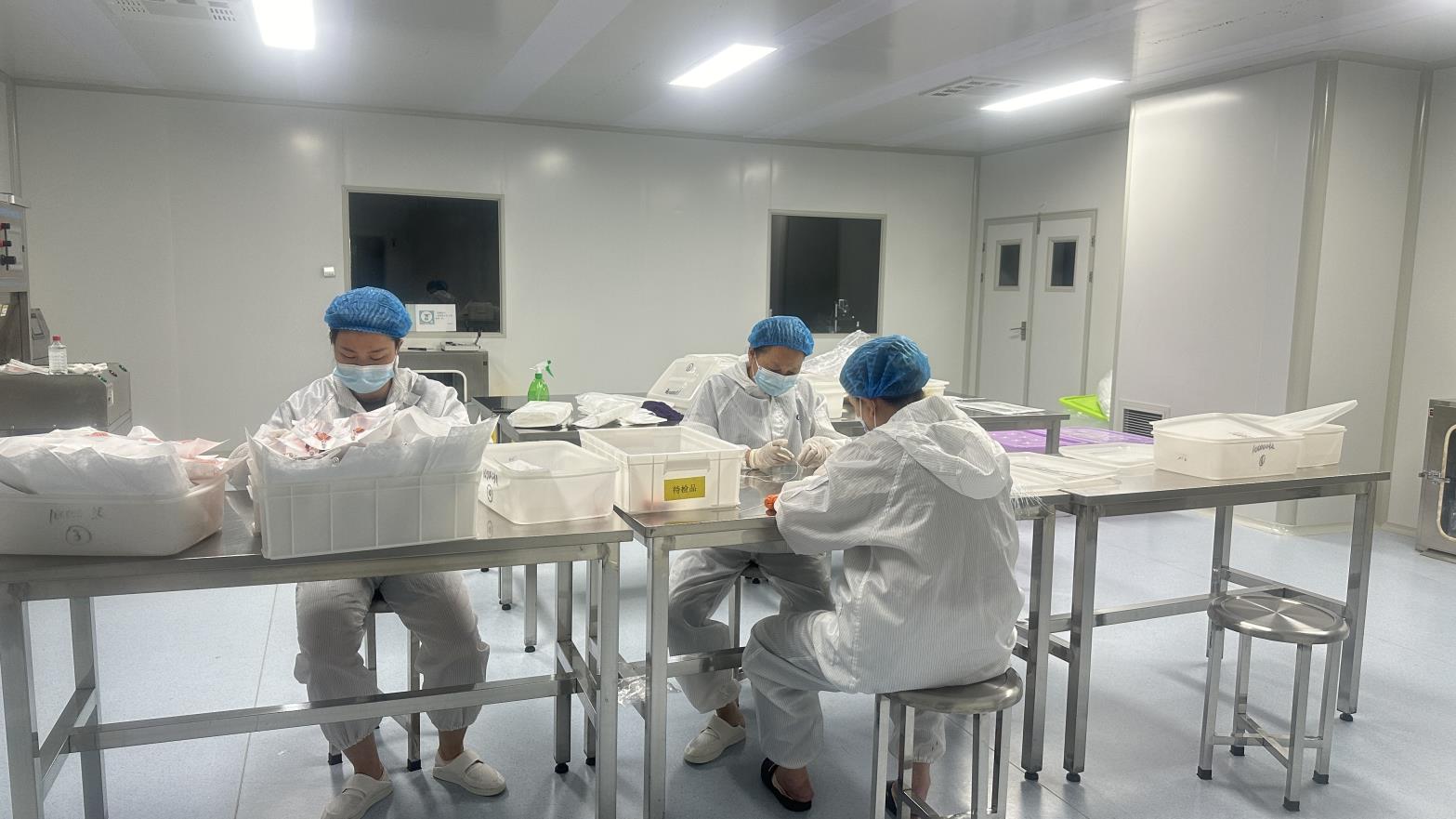
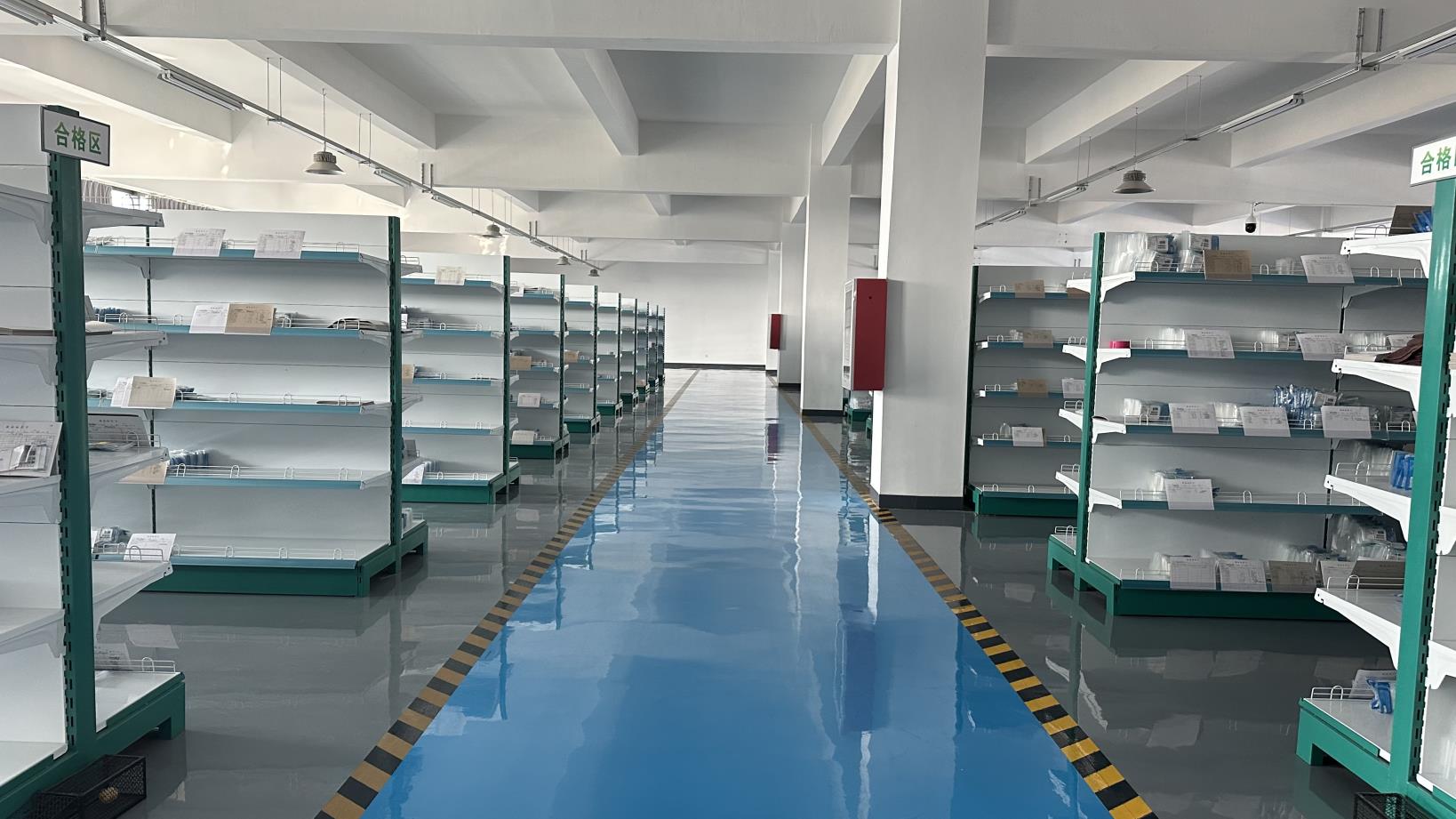
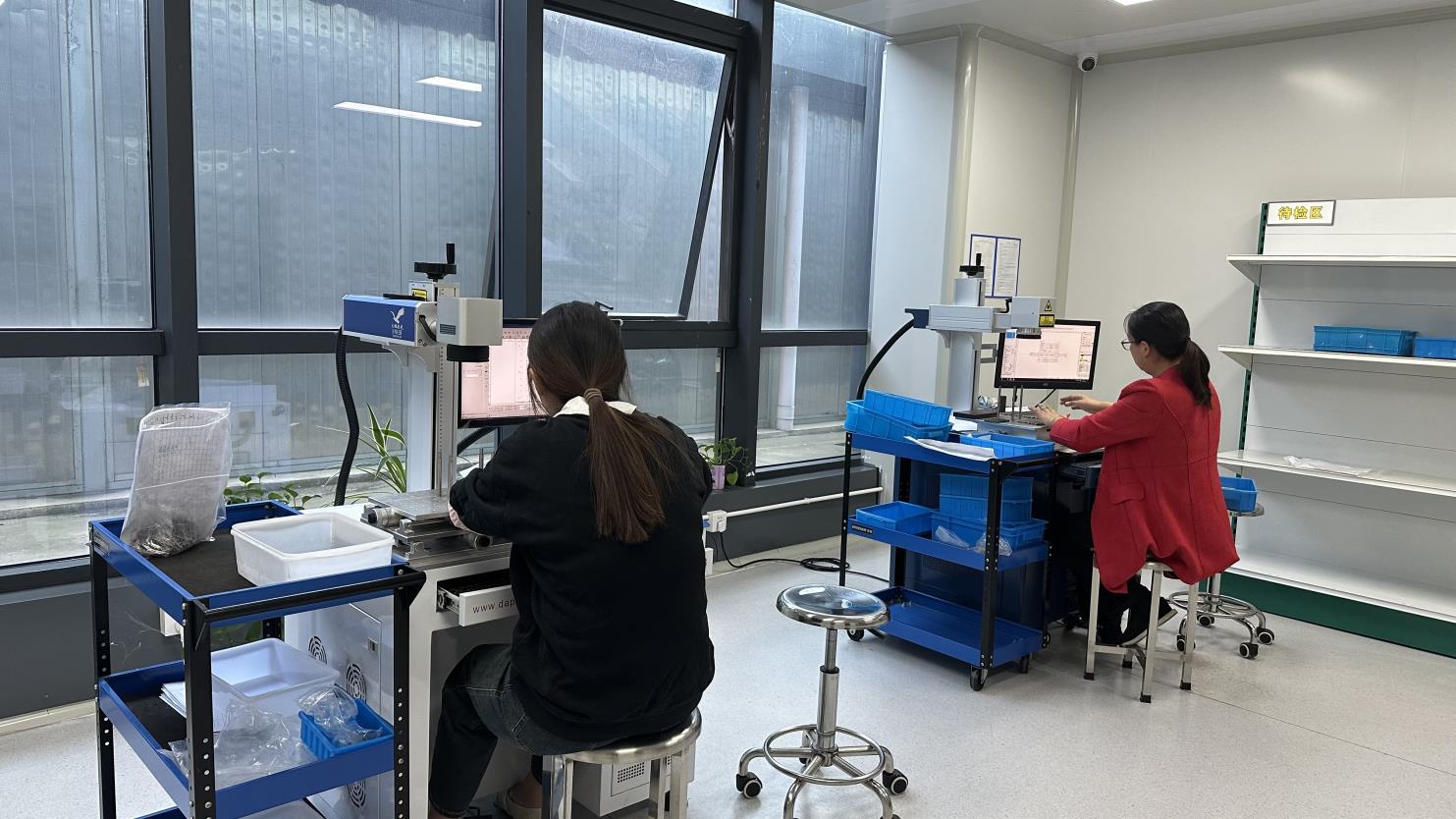
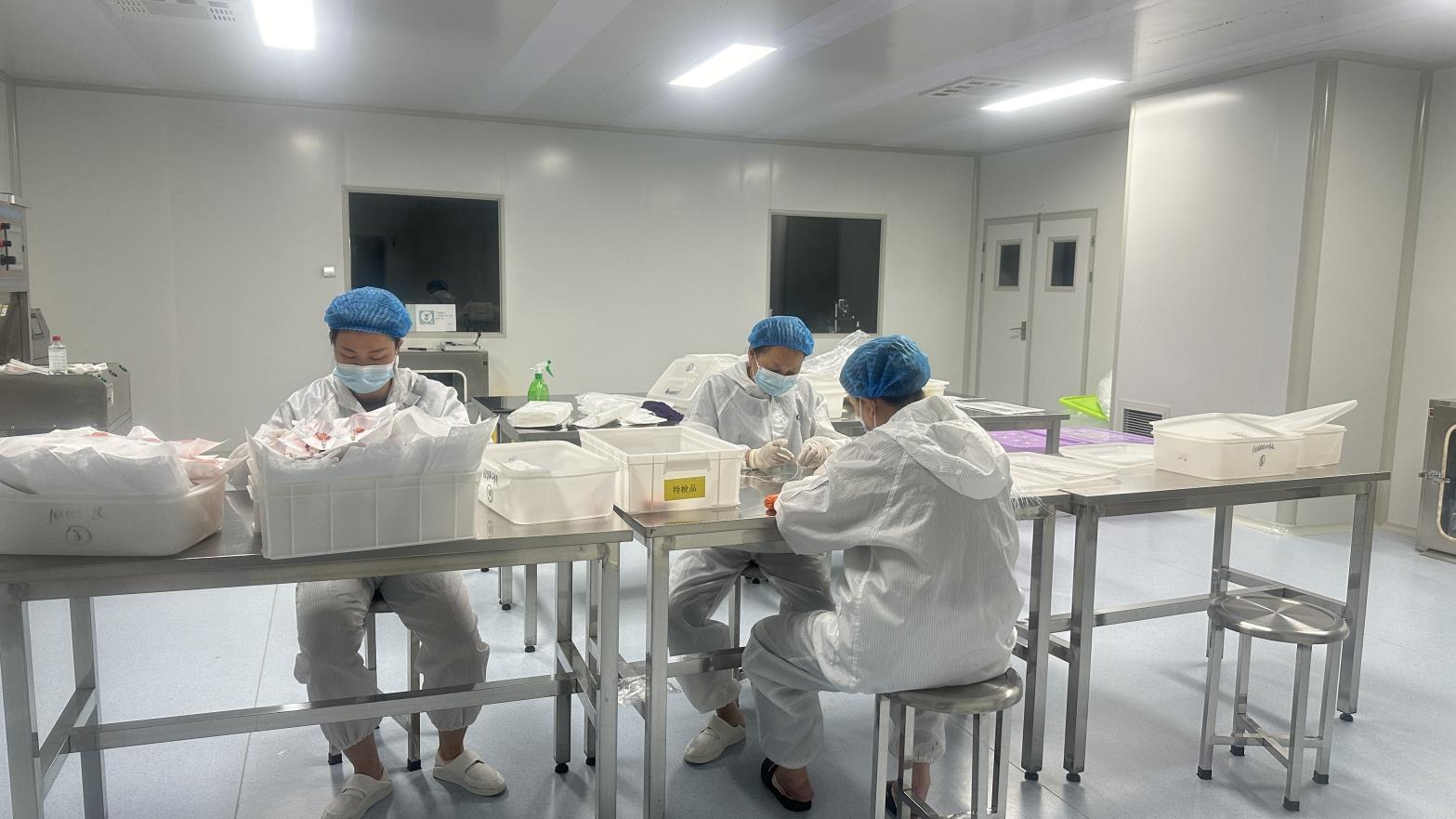
Every stage of production is monitored by our 35-member quality inspection team, from material inspection to final sterile packaging.
Operating environments in the Middle East exhibit specific patient characteristics. Surgeons in Oman face challenging cases, including high-energy poly-trauma injuries from highway transport accidents and fragility fractures in osteoporotic geriatric patients. The clinical applications for Bonevia's products are tailored to meet these demands:
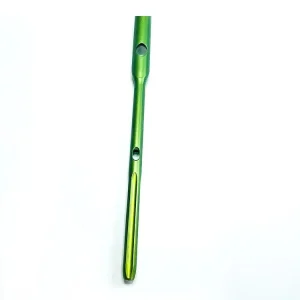
For femoral and tibial diaphyseal fractures resulting from motor vehicle accidents, our Geasure Interlocking Tibia Nails and PFNA options provide high construct stability. Omani surgeons can choose between static locking mode (to prevent rotational and axial movement) and dynamic locking mode (to encourage controlled micro-movement and promote callus formation).
Fragility fractures of the proximal femur, such as intertrochanteric fractures, are common in elderly patients. Standard bone plates can suffer screw pull-out in osteoporotic bone. The Geasure PFNA system features an antirotation blade that compresses surrounding cancellous bone, significantly increasing anchorage and preventing cut-out complications.
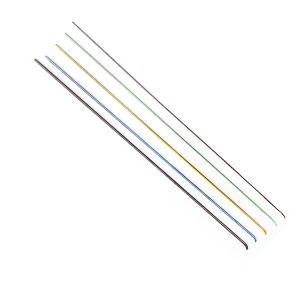
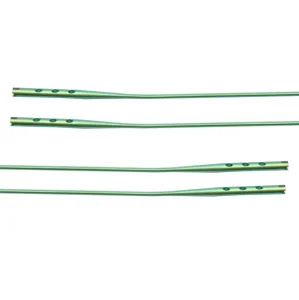
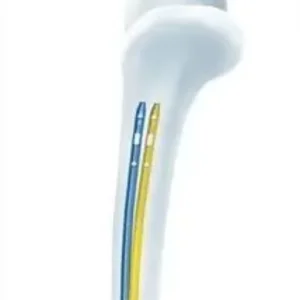
Pediatric fractures require solutions that protect the growth plate. Our Pediatric Elastic Intramedullary Titanium Alloy Nails (ESIN/TENS) utilize the three-point fixation principle. This design provides alignment and flexible stability without risking vascular compromise to the femoral head or damaging growth cartilage.
The field of trauma orthopedics is transitioning toward smart, biologized implant solutions. A key development is the engineering of active biological surface coatings, such as hydroxyapatite (HA) or silver nanoparticles. These coatings aim to reduce infection risk—a significant clinical challenge in complex open fractures.
Another major trend is the development of anatomically customized, patient-specific implants. Utilizing preoperative CT scanning and 3D metal printing, implants can be tailored to match the precise medullary canal shape of the patient. This technology is particularly beneficial for complex congenital deformities or revision surgeries where standard implant shapes are insufficient. At Bonevia, our R&D engineering division is actively investigating these technologies, positioning us to supply advanced orthopedic solutions to Oman and the broader Middle East market.
Select and order high-performance implants for trauma reconstructive surgeries directly from our verified factory supply line.
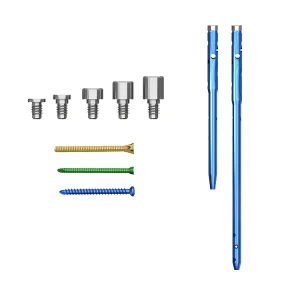
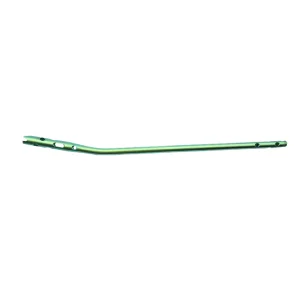
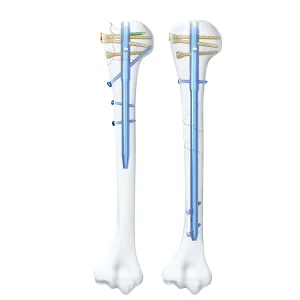
Procuring medical implants for Omani Ministry of Health (MoH) tenders or large private hospital systems requires meticulous documentation and compliance verification. To assist procurement managers, distributors, and logistics partners, we outline the following guidelines:
All imported medical implants must be registered with the Directorate General of Pharmaceutical Affairs and Drug Control (DGPA) under the Ministry of Health in Oman. Manufacturers must provide full ISO 13485:2016 certificates, CE Mark certifications (under MDR regulations), and Certificates of Free Sale (CFS) authenticated by Omani embassies in the country of origin.
For non-sterile implants, hospitals require clear reprocessing instructions. For pre-sterilized implants, verification of sterilization processes (Ethylene Oxide or Gamma Irradiation) must accompany the shipment, complete with double-barrier Tyvek packaging to maintain sterile integrity in humid, high-temperature Middle Eastern port conditions.
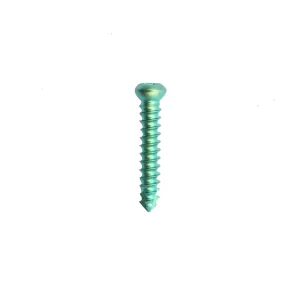
Each individual intramedullary nail and interlocking screw must feature laser-etched UDI (Unique Device Identification) codes, lot numbers, and sizes. This ensures complete trace-back capability, which is necessary for patient safety and clinical tracking.
Get detailed technical answers regarding medical grade compliance, delivery options, and clinical parameters for the Omani market.
Are you looking to optimize your procurement pipeline for high-grade titanium trauma implants in the Sultanate of Oman? Get in touch with our commercial sales engineers today to receive detailed catalogs, product brochures, compliance dossiers, and FOB/CIF price quotes.
Send Inquiry Now