Bonevia
Bonevia
Bonevia
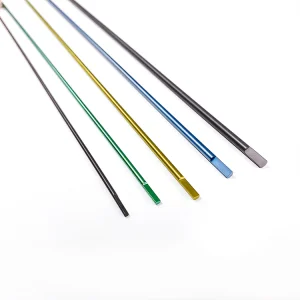
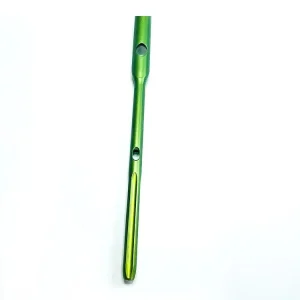
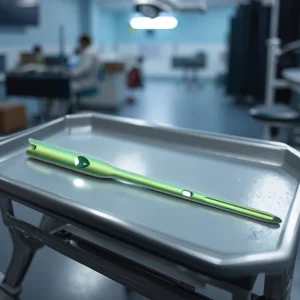
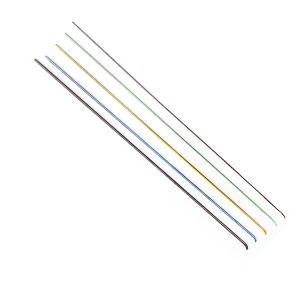
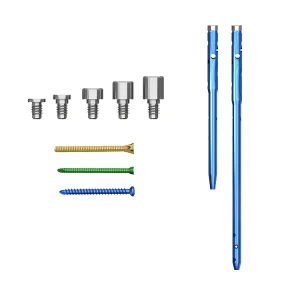
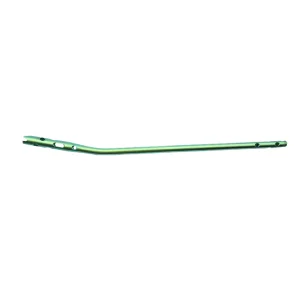
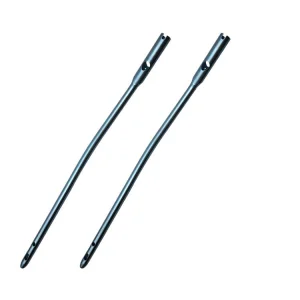
Discover our primary selection of intramedullary implants designed for proximal, humeral, and diaphyseal fracture stabilisation.
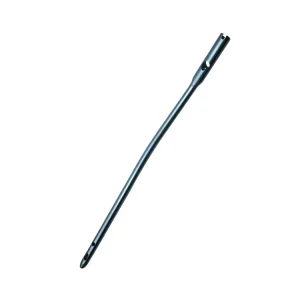
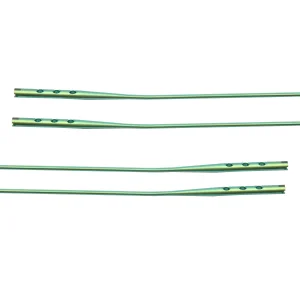
Analysis of demographic shifts, infrastructure expansion, and clinical demands across Morocco's healthcare sectors.
Morocco's medical device infrastructure is experiencing a profound transition driven by the Ministry of Health's (Ministère de la Santé) ambitious reforms to universalize healthcare coverage (AMO - Assurance Maladie Obligatoire). The expanding network of public hospital clusters, particularly the major University Hospital Centers (CHU) in Casablanca, Rabat, Marrakech, Fes, and Tangier, has highlighted the critical necessity for highly dependable, cost-effective, and regulatory-approved osteosynthesis implants.
Traumatology represents one of the highest clinical caseloads in Moroccan emergency services. High-velocity road traffic accidents, occupational injuries in industrial hubs like Tangier Med and Kenitra, and age-related osteoporotic fractures (specifically femoral neck and intertrochanteric fractures) demand immediate access to intramedullary nail systems. These systems must provide optimal biomechanical stability, prompt anatomical reduction, and rapid weight-bearing capabilities for the patient.
For Moroccan medical distributors and hospital procurement officers, finding the ideal balance between top-tier implant quality (typically Grade 5 Titanium Alloy, Ti-6Al-4V ELI) and commercially viable pricing is key to winning public tenders. At Bonevia Orthopedic, we address this critical nexus by combining high-end CNC machining accuracy with robust regulatory compliance dossiers, ensuring seamless import customs clearance at Moroccan ports of entry.
Optimized logistics, tariff advantages, and reliable OEM/ODM custom services for North African importers.
Purchasing orthopedic trauma implants from Bonevia offers significant operational benefits for Moroccan distributors and healthcare purchasing networks. Our production hub is configured to handle large-scale custom production runs while maintaining strict compliance with international medical device standards.
Our logistical pipeline is tailored for the Mediterranean and North African trade corridors. With comprehensive air-cargo networks linking Shanghai and Shenzhen to Casablanca's Mohammed V International Airport (CMN), and maritime freight routes to Tanger Med, we ensure average lead times are minimized. This is supported by our specialized custom-clearance documentation packages, including Certificate of Origin, detailed material testing sheets, and sterilization compliance parameters.
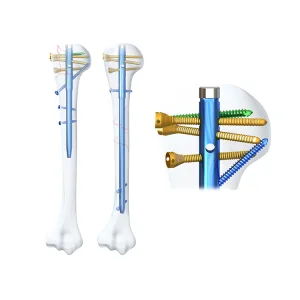
Advanced configurations for humeral, ulnar, and pediatric spinal fracture osteosynthesis in Moroccan clinical environments.
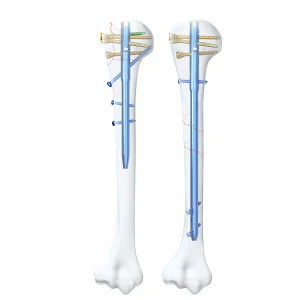
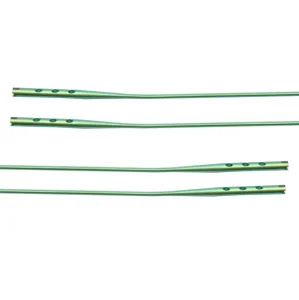
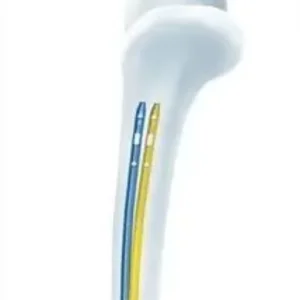
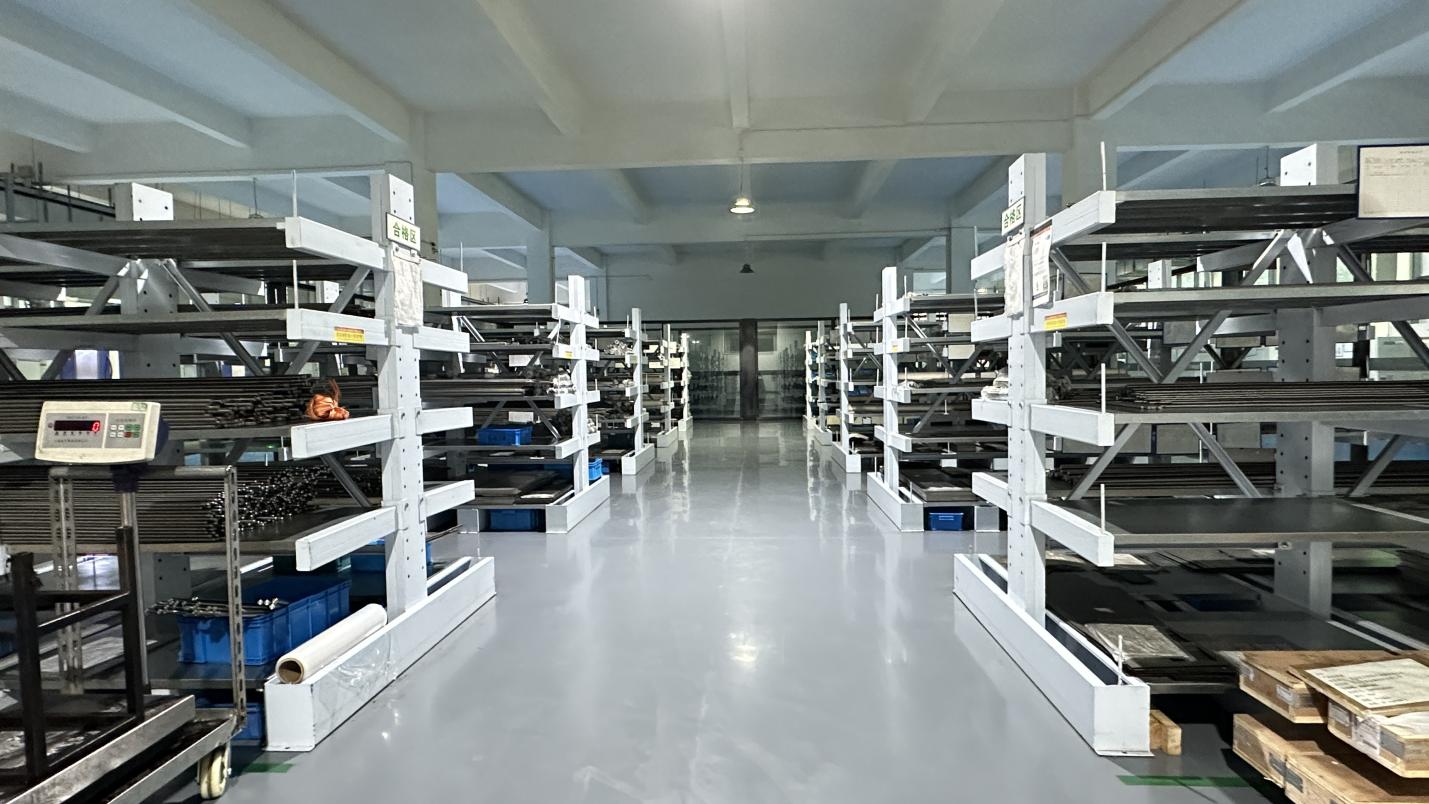
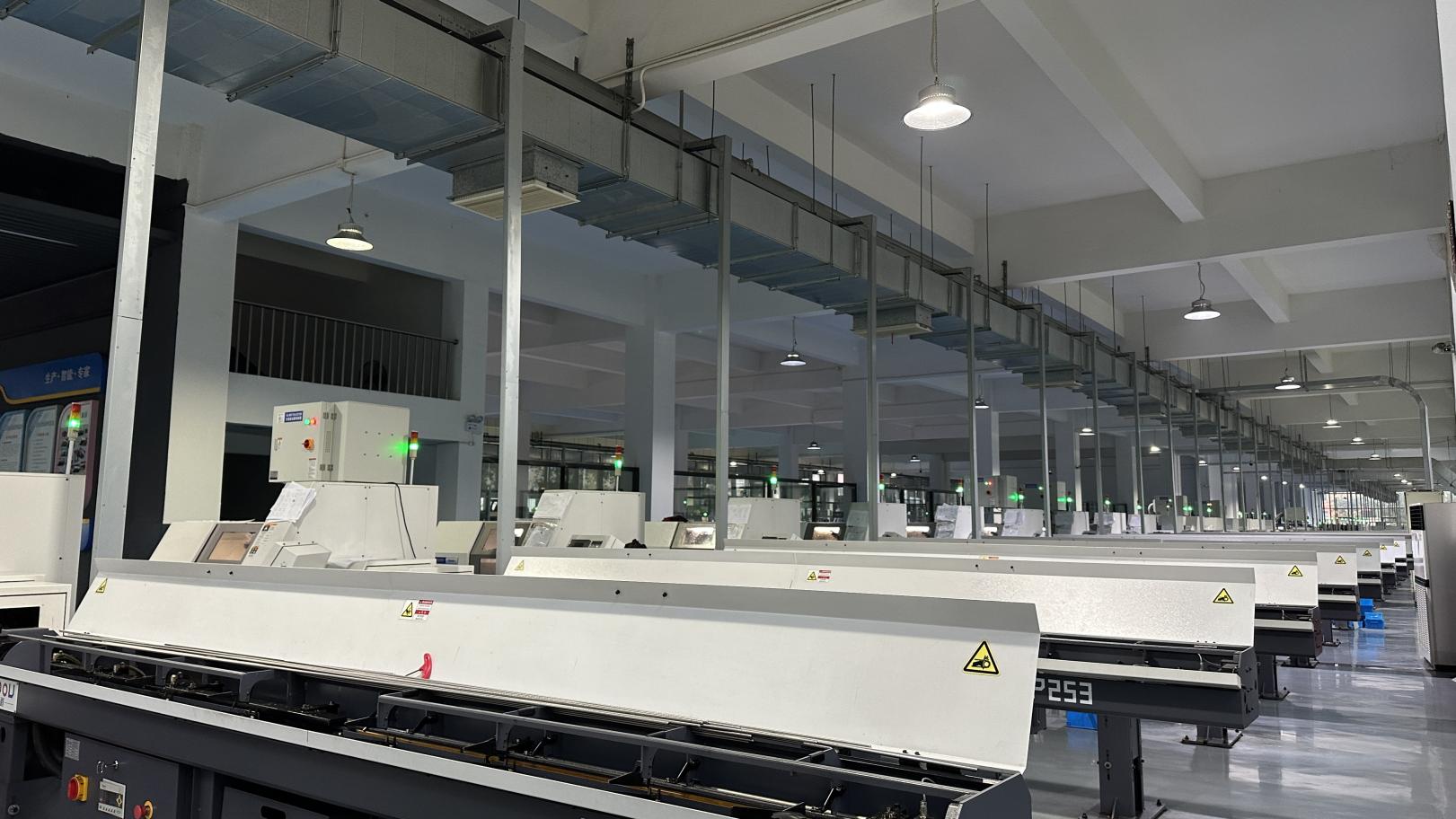
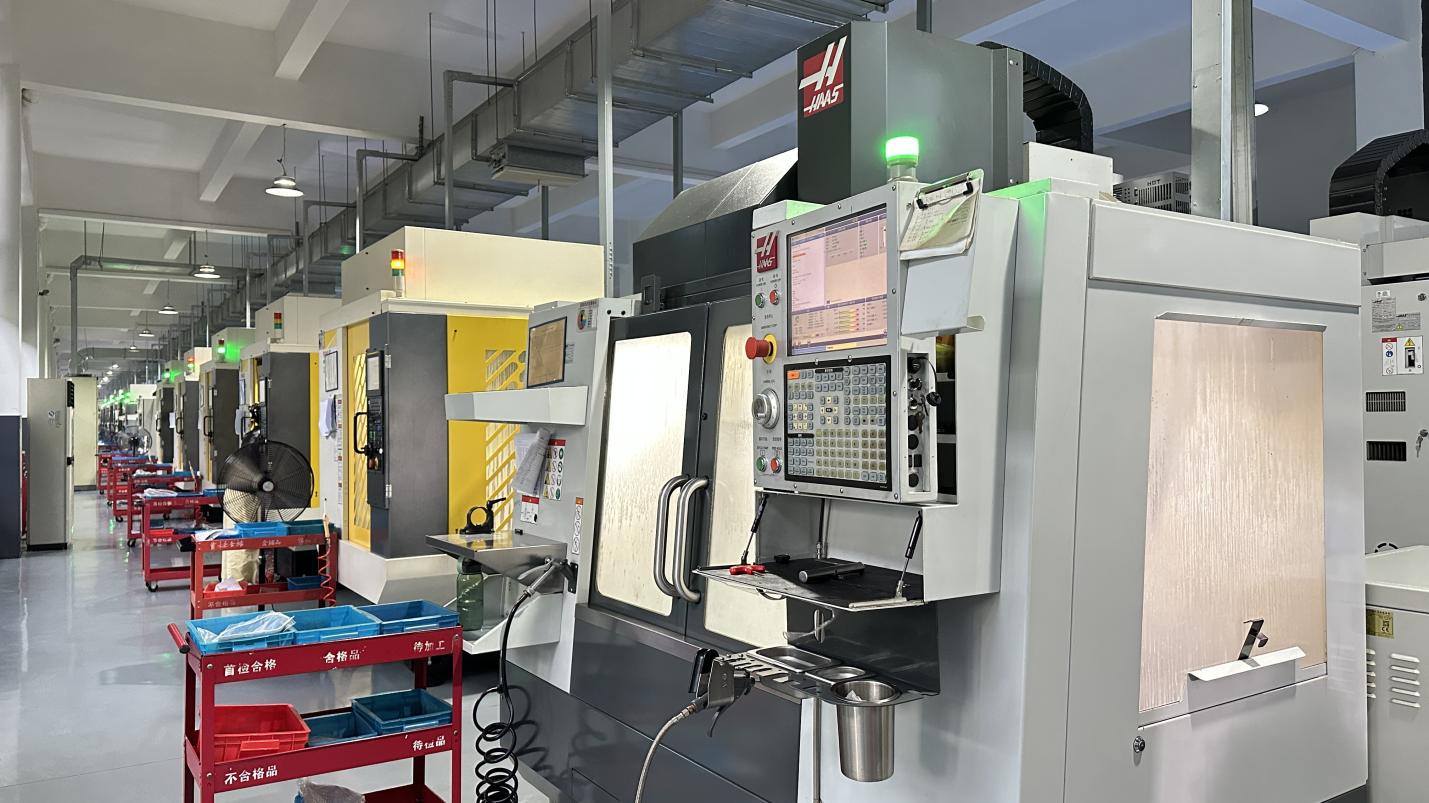
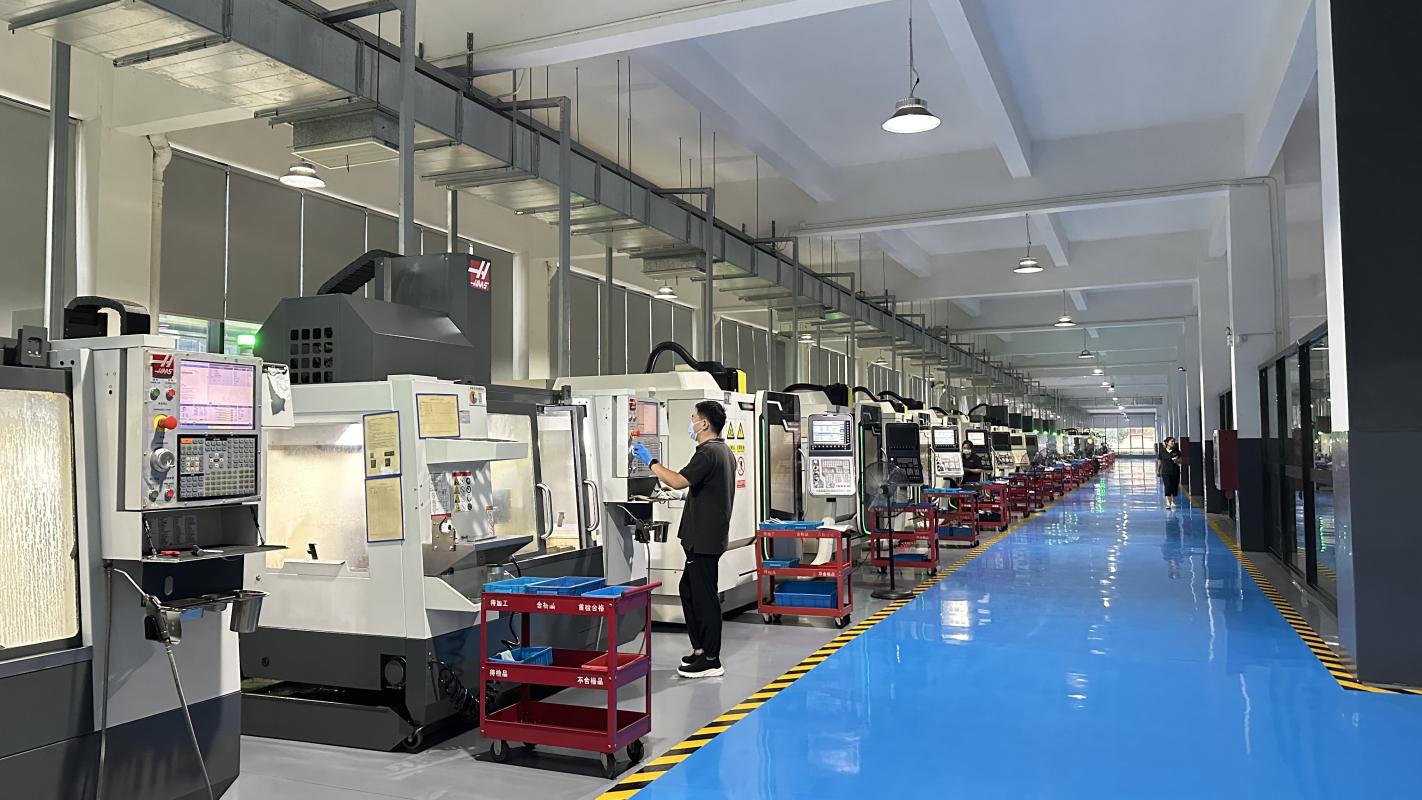
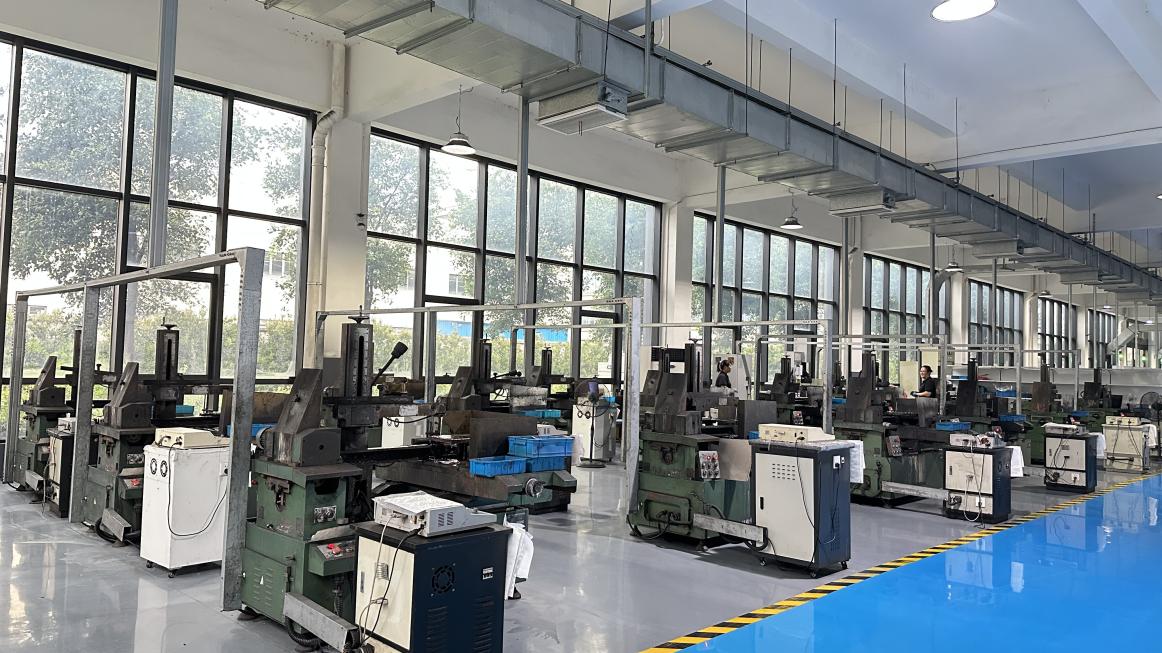
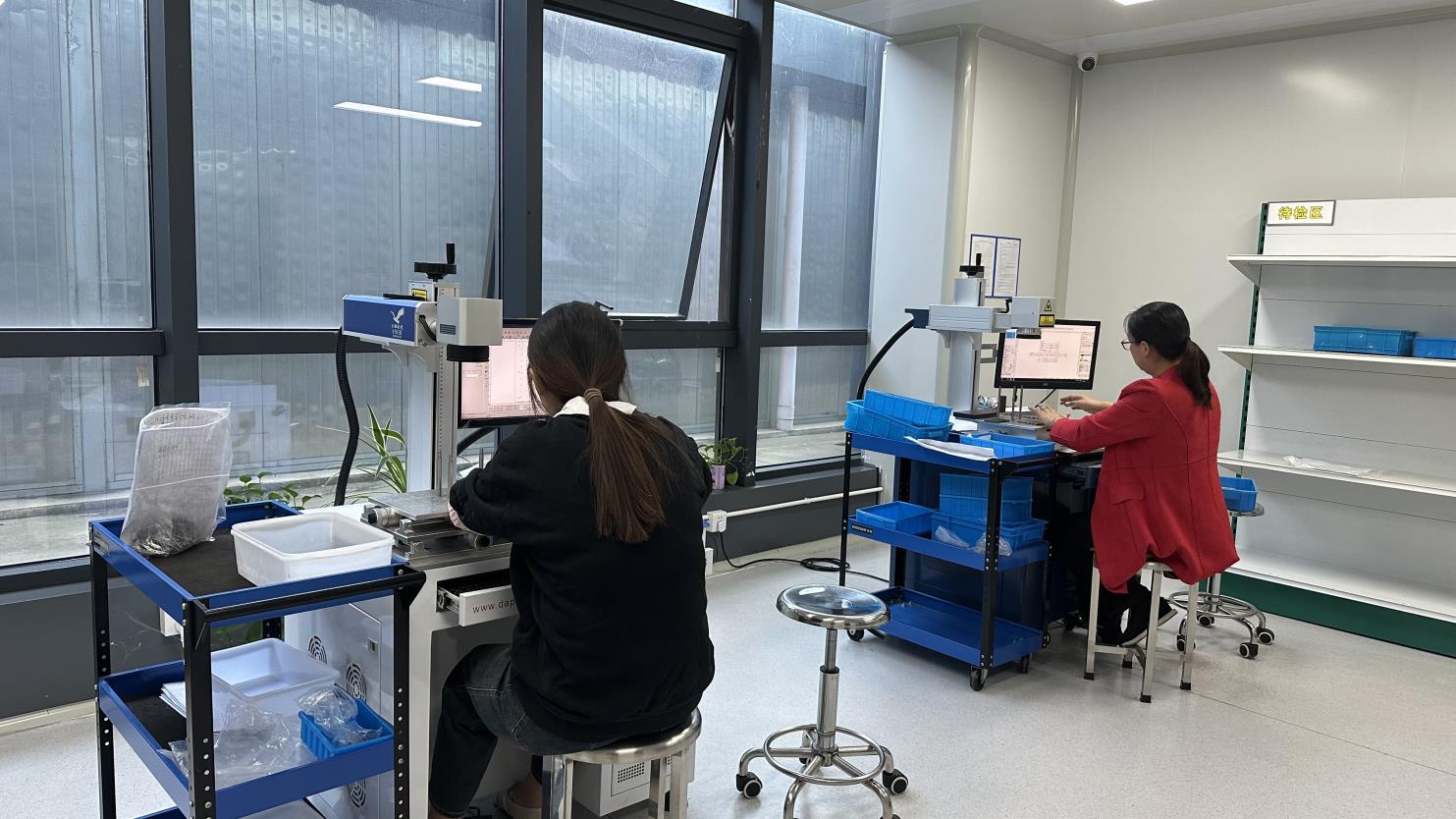
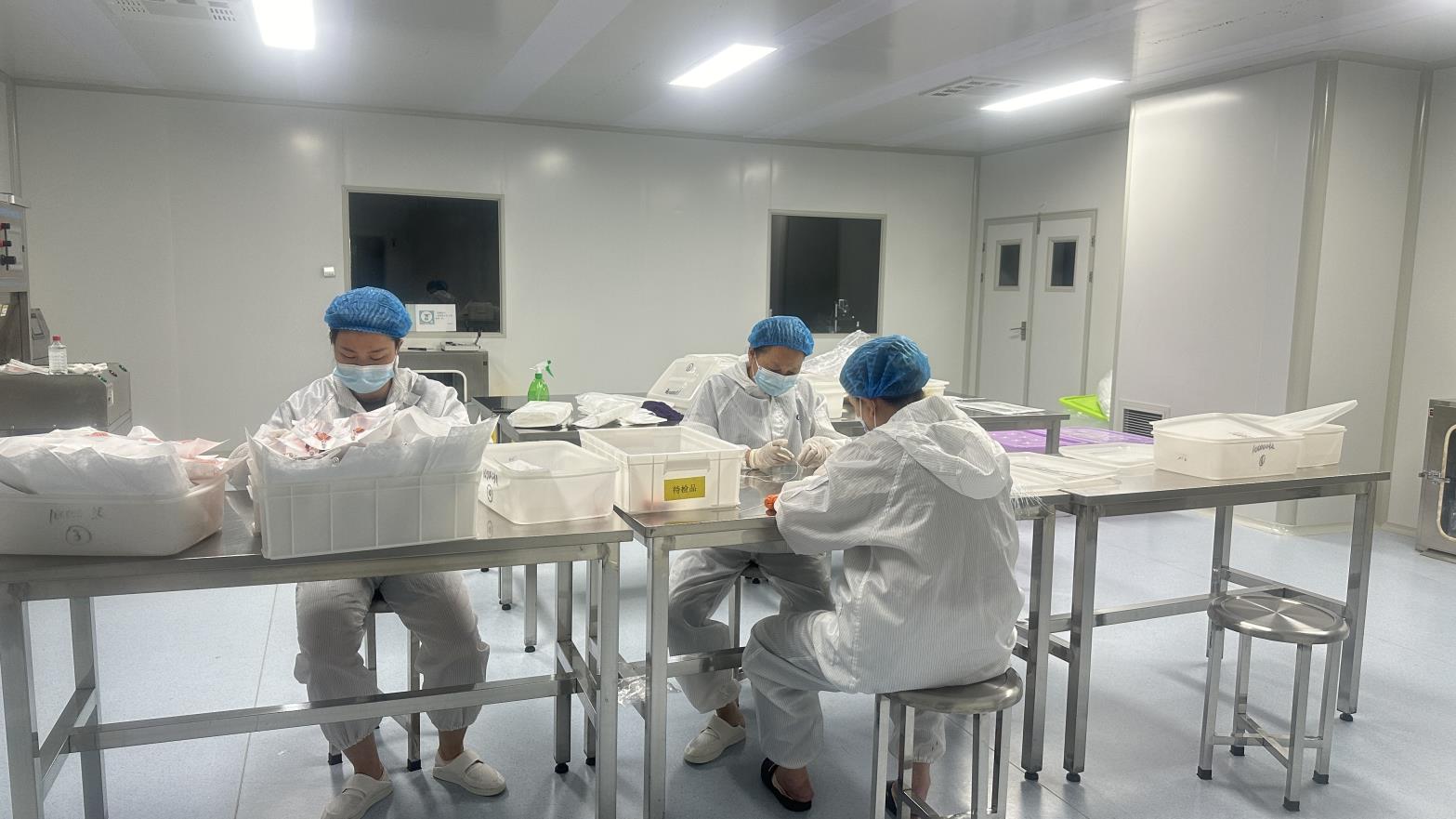
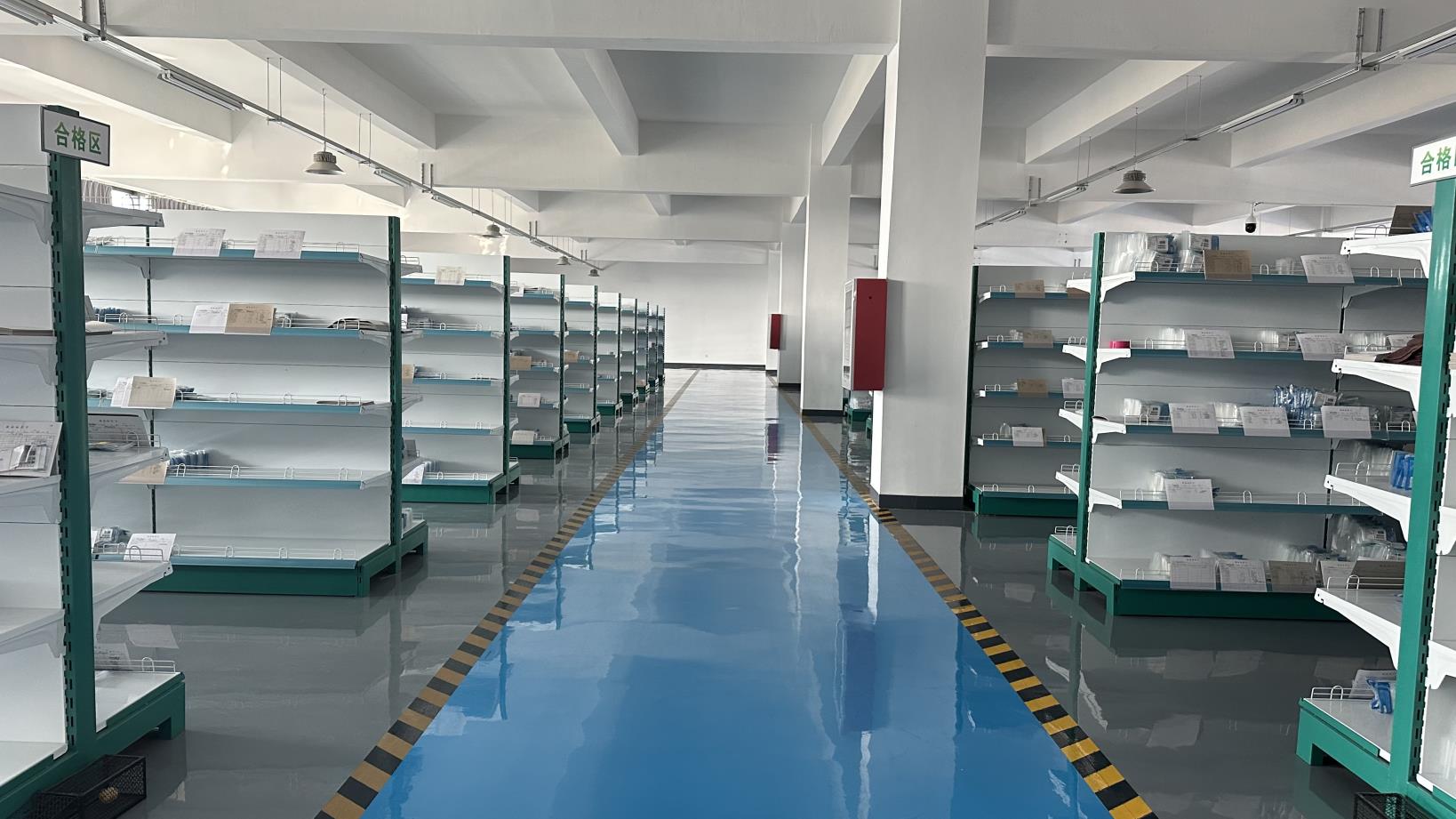
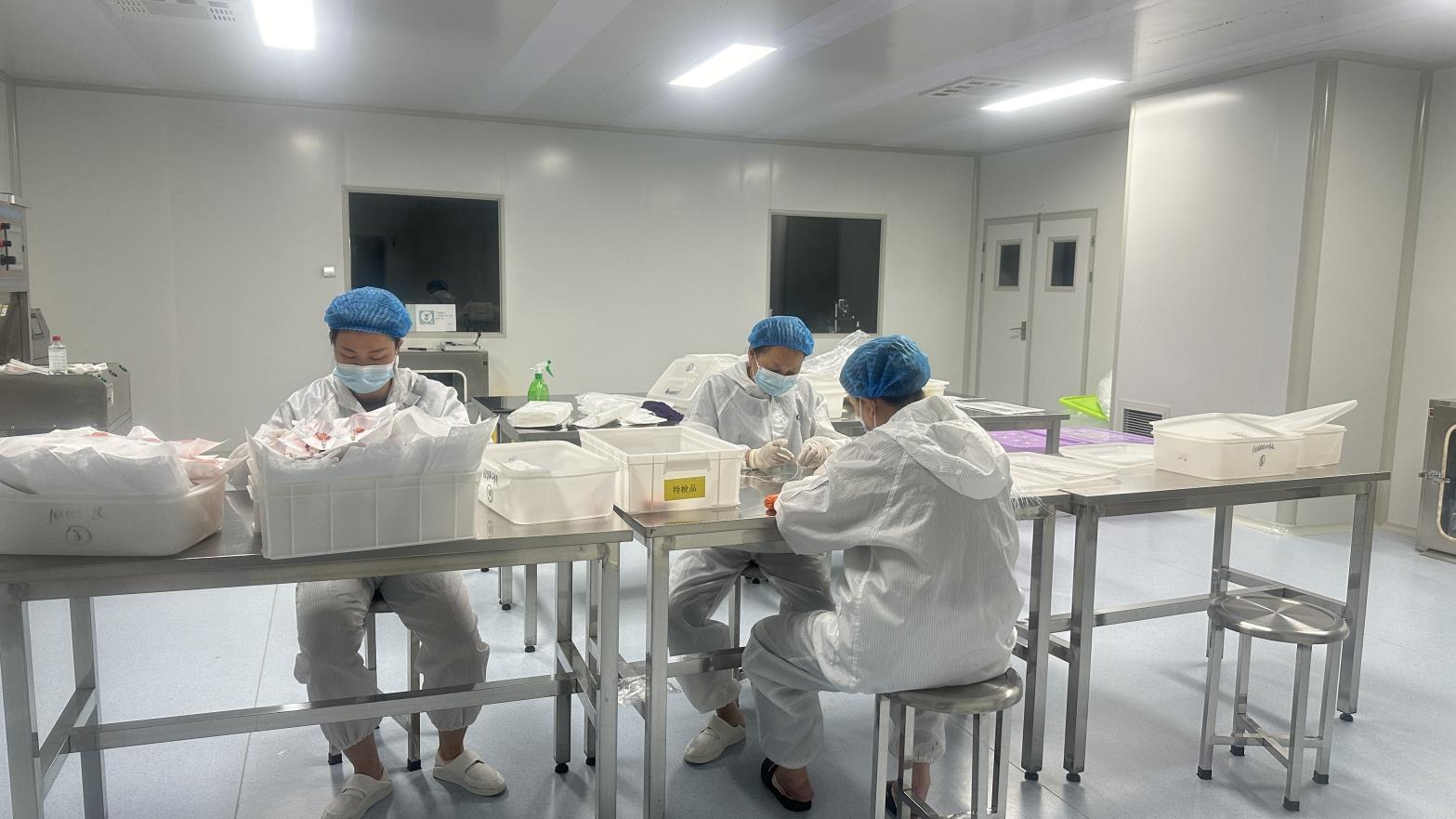
Inside our advanced ISO-compliant manufacturing center, utilizing modern raw-material processing and QA protocols.
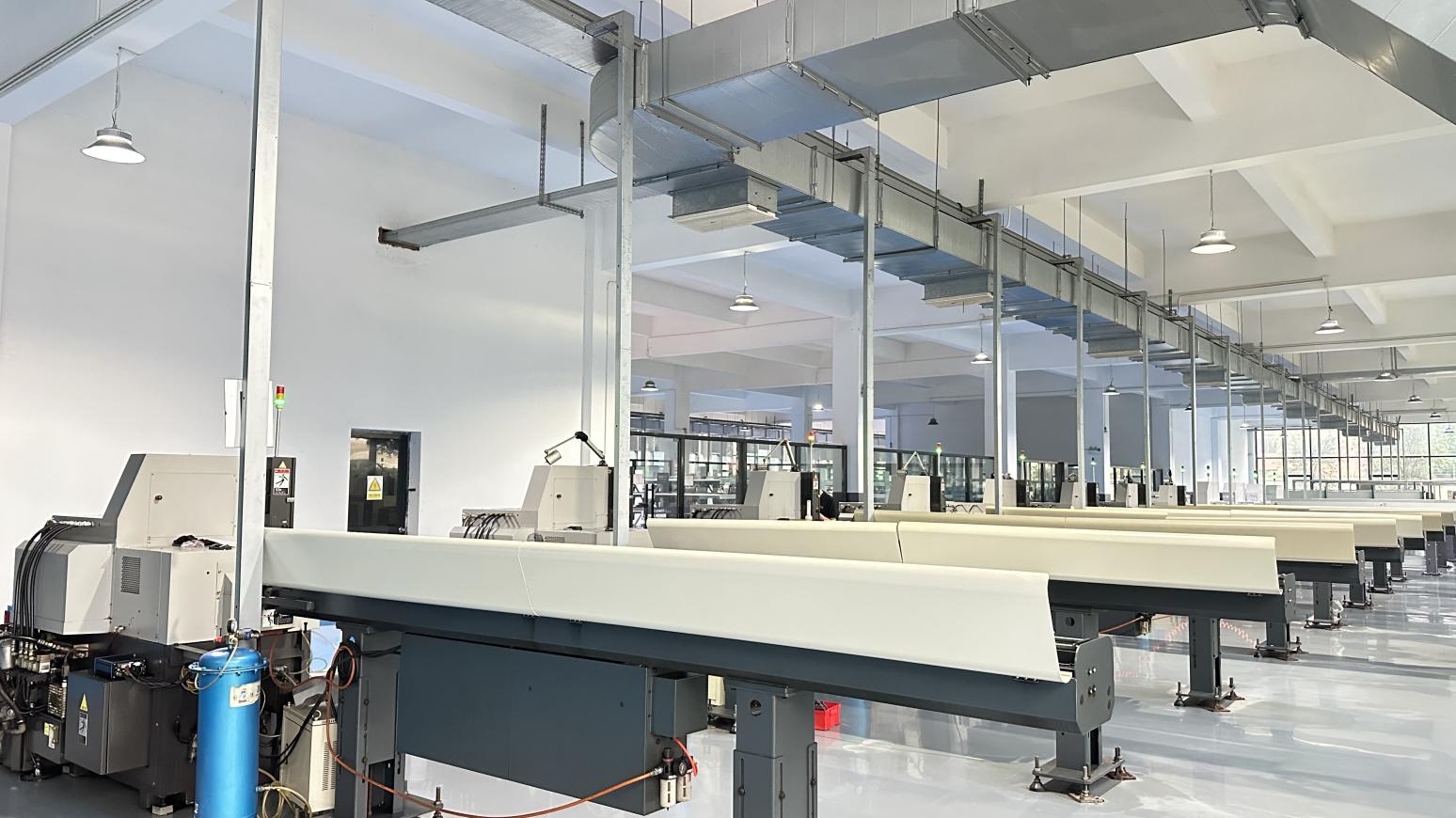
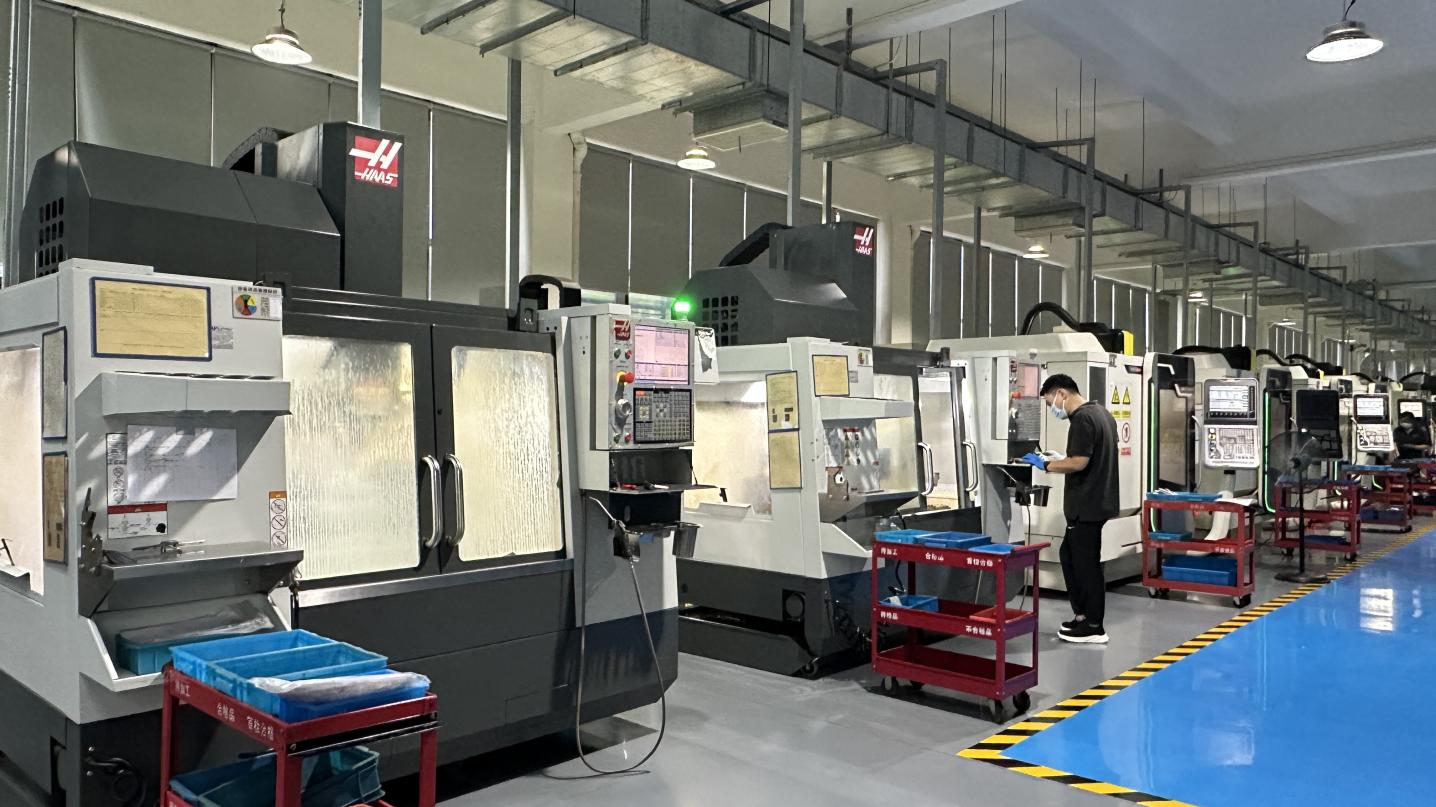
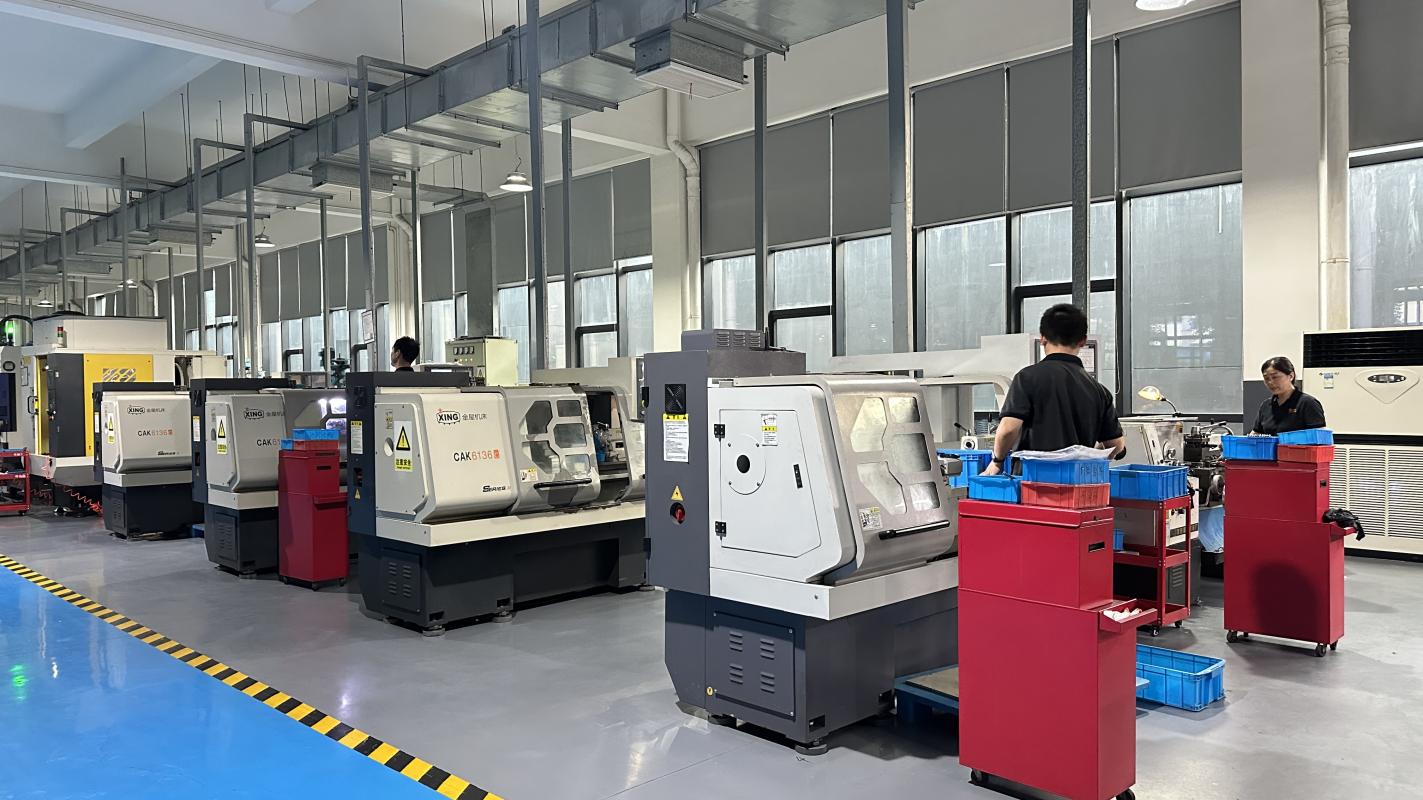
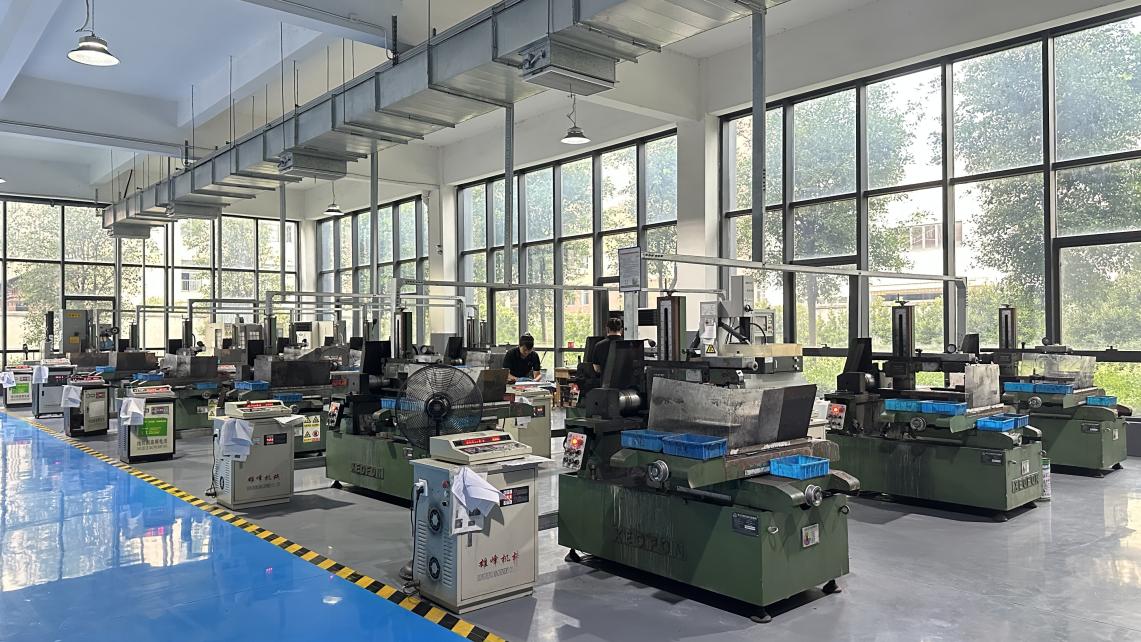
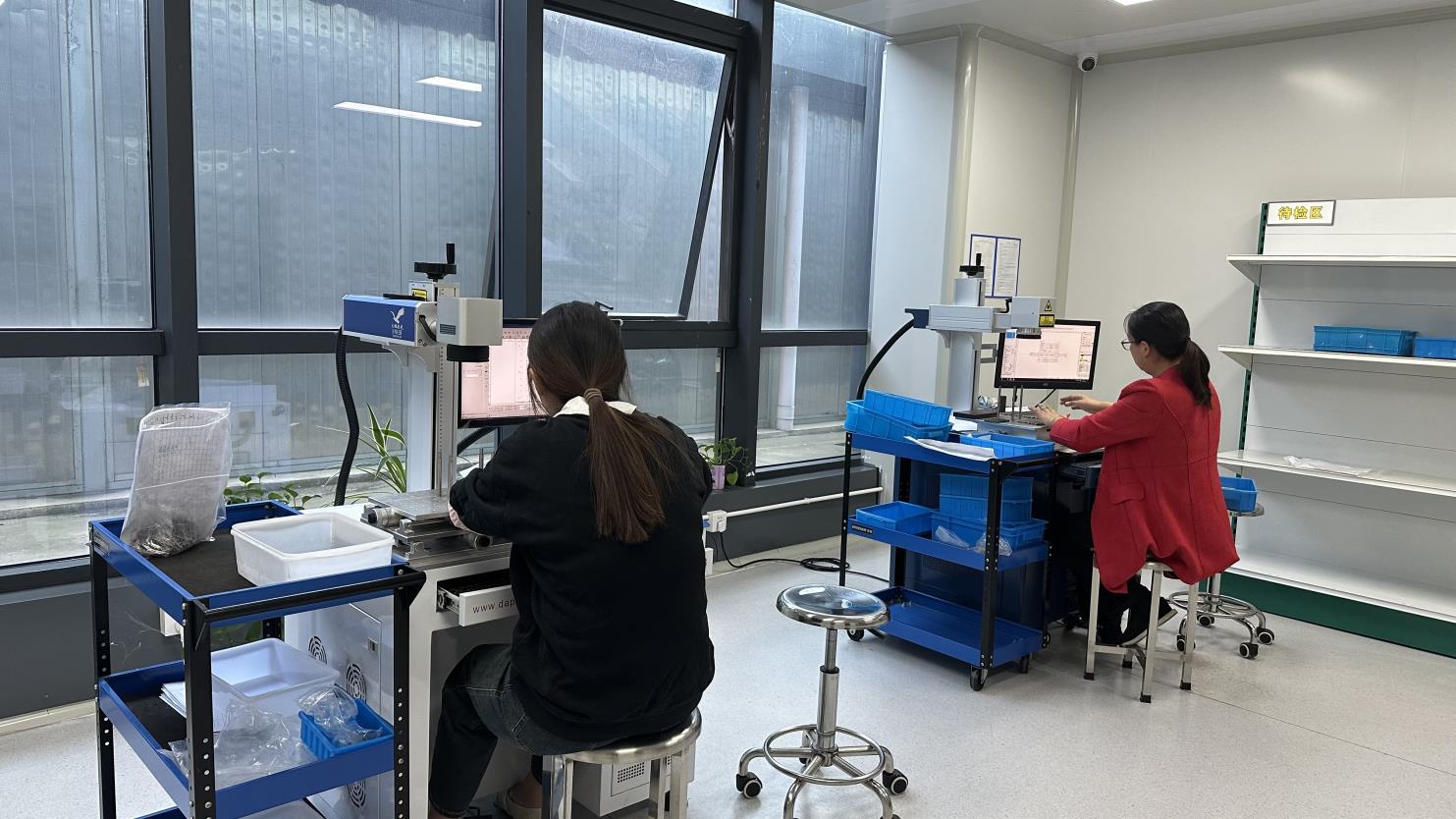
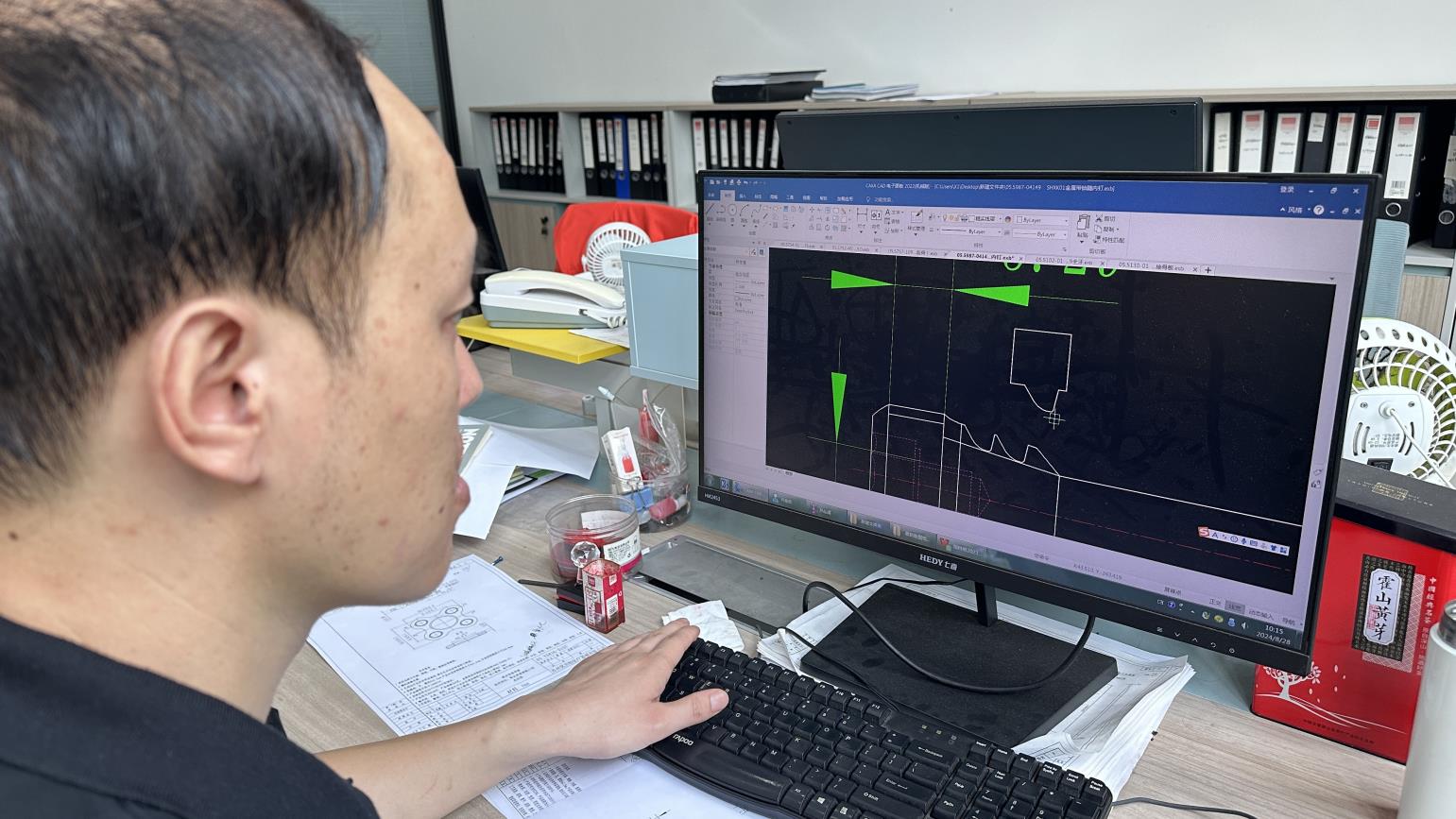
Bonevia Orthopedic Technology Co., Ltd. operates a high-precision manufacturing space configured for medical-grade implant manufacturing. While our high-density production area spans a focused, high-efficiency footprint of approximately 320㎡, our facility is engineered to run complex multi-axis CNC machines and laser marking systems, yielding an annual export capacity of USD 8–15 million. This allows us to supply global networks across Europe, Southeast Asia, South America, and the Middle East, with Morocco serving as a vital strategic focus in North Africa.
An in-depth look at stress-shielding mitigation, interlocking stability, and titanium implant design.
In modern traumatology, the treatment of long bone diaphyseal fractures has evolved toward closed intramedullary interlocking nailing. This technique behaves as a load-sharing device, providing primary biomechanical alignment while allowing micromotion that promotes callus formation. However, to guarantee success in clinical scenarios, the metallurgical characteristics of the implant must match the physiological demands of the patient's skeletal structure.
Mitigation of Stress-Shielding: Titanium alloys (specifically Ti-6Al-4V ELI, Extra Low Interstitial) possess a Young's modulus of elasticity (~110 GPa) that is significantly closer to cortical bone (~15-30 GPa) than traditional surgical stainless steel (~200 GPa). By choosing Bonevia's titanium alloy systems, Moroccan hospitals reduce the risk of stress shielding—a common cause of postoperative bone resorption and hardware failure. This is particularly crucial for osteoporotic patients treated within public geriatric trauma units.
Dynamic vs. Static Interlocking: Our intramedullary nails feature versatile locking configurations. The distal and proximal locking holes allow surgeons to choose between static locking (to prevent rotational instability in comminuted fractures) and dynamic locking (allowing controlled axial compression during weight-bearing phases, which accelerates osteogenesis).
Guidelines for regulatory compliance, sterilization verification, and local distributor partnerships.
Procuring orthopedic implants for the public health sector in Morocco requires adherence to public tender frameworks (Appels d’Offres). Purchasing departments must define precise requirements that satisfy both cost constraints and strict patient safety standards.
Bonevia Orthopedic supports bid preparation by providing comprehensive documentation packages. Our systems are delivered in non-sterilized protective packaging or pre-sterilized options, depending on tender specifications. We provide clear verification of raw material origins, biocompatibility testing certificates, and mechanical stress profiles to facilitate the technical review process conducted by hospital evaluation committees.
Essential answers regarding regulatory approvals, delivery timelines, instrumentation, and custom manufacturing.
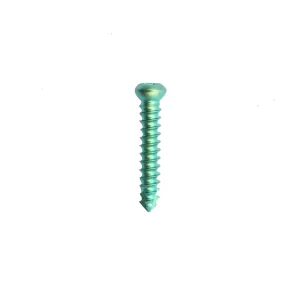
Our comprehensive line of intramedullary nails, locking screws, and trauma reconstruction implants.