Bonevia
Bonevia
Bonevia
Engineered for high-load clinical applications and aligned with German healthcare system standards.
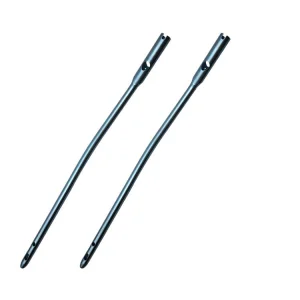
The German healthcare sector represents one of the most sophisticated orthopedic markets globally. With an aging demographic and a high prevalence of osteoporotic fractures, the demand for stable, micro-invasive internal fixation systems is growing rapidly. German hospitals and GPOs (Group Purchasing Organizations) operate under strict regulatory and clinical guidelines, requiring medical devices to demonstrate exceptional biomechanical reliability and complete alignment with European Union Medical Device Regulation (EU MDR 2017/745).
Exporting to Germany requires strict adherence to CE certification under the MDR. Importers and clinical institutions demand detailed clinical data, biological safety evaluations according to ISO 10993, and robust Post-Market Clinical Follow-up (PMCF) registries. Titanium alloys (primarily Ti-6Al-4V ELI conforming to ISO 5832-3) are preferred for their superior fatigue strength and biocompatibility, minimizing the risk of revision surgeries.
Under the German Diagnosis Related Groups (G-DRG) system, hospitals face continuous cost pressures. Procurement teams are moving away from single-source monopolies held by traditional multinational conglomerates. By incorporating high-quality, ISO 13485-certified manufacturers from specialized medical hubs, German distributors can achieve double-digit cost savings without compromising clinical outcomes.
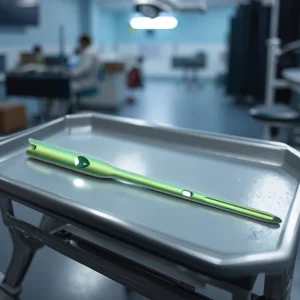
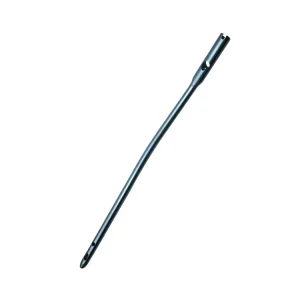
Modern intramedullary nail (IMN) design emphasizes preserving local blood supply and achieving stable, load-sharing fixation. Innovations such as proximal femoral antirotation blades (PFNA), multi-planar interlocking configurations for humeral fractures, and anatomical curvature matching for tibia and femur systems are vital. The integration of distal targeting instruments with high accuracy reduces intraoperative fluoroscopy exposure—a critical metric for occupational safety in German operating rooms.
How Bonevia bridges advanced metallurgical engineering with cost-efficient global logistics to supply European distributors.
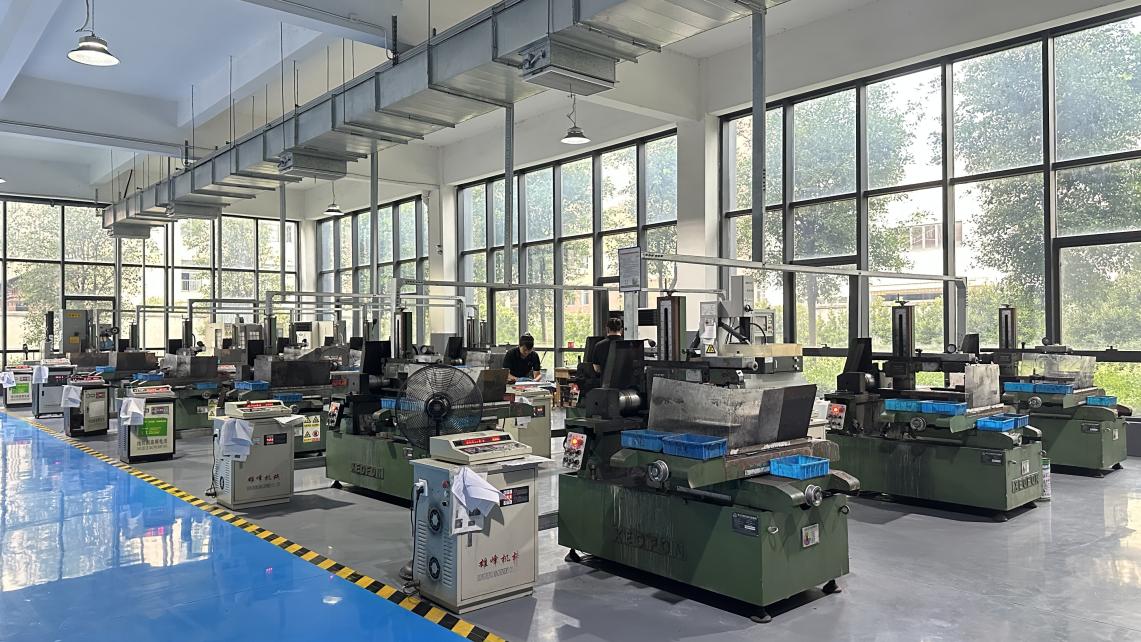
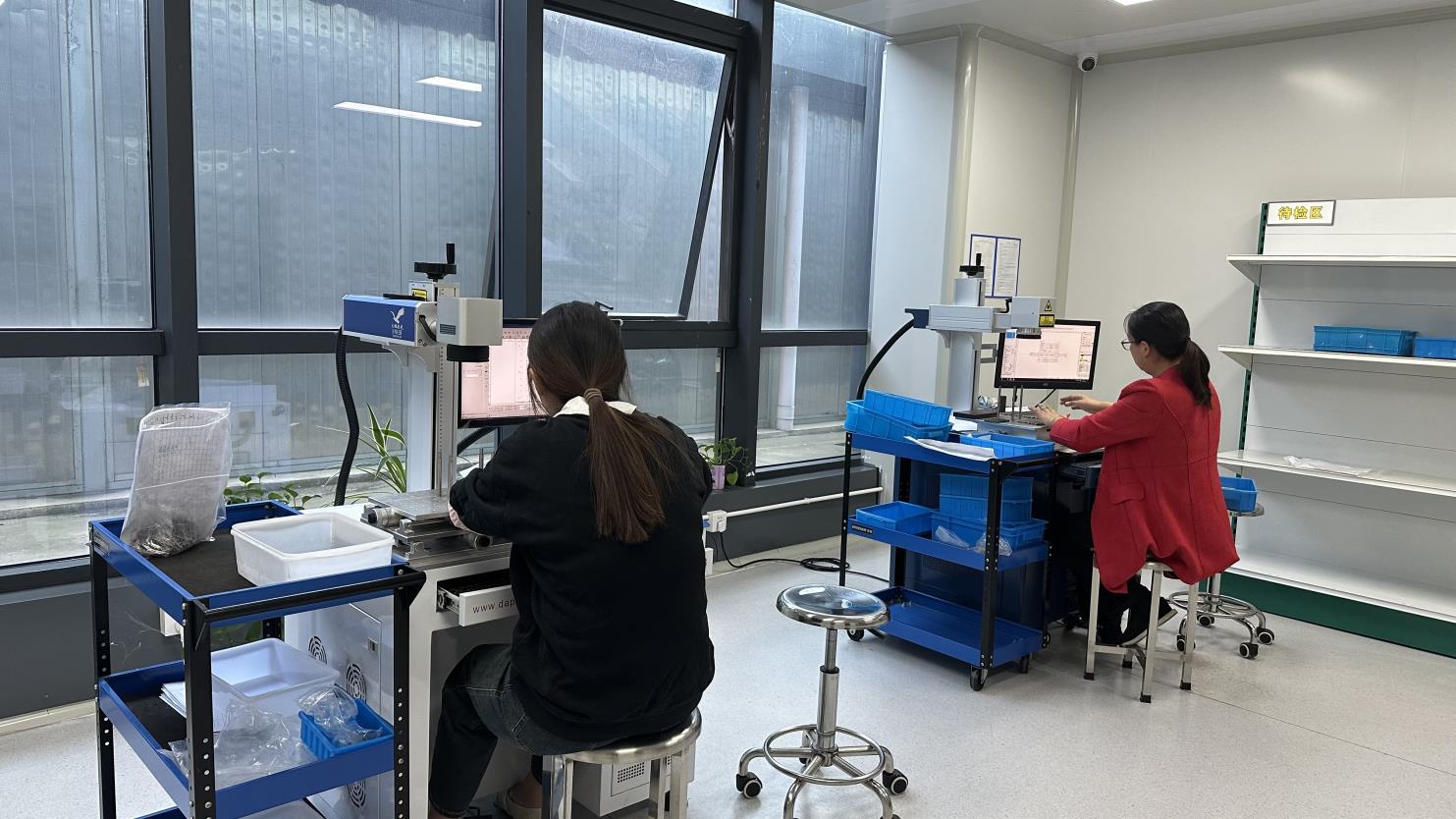
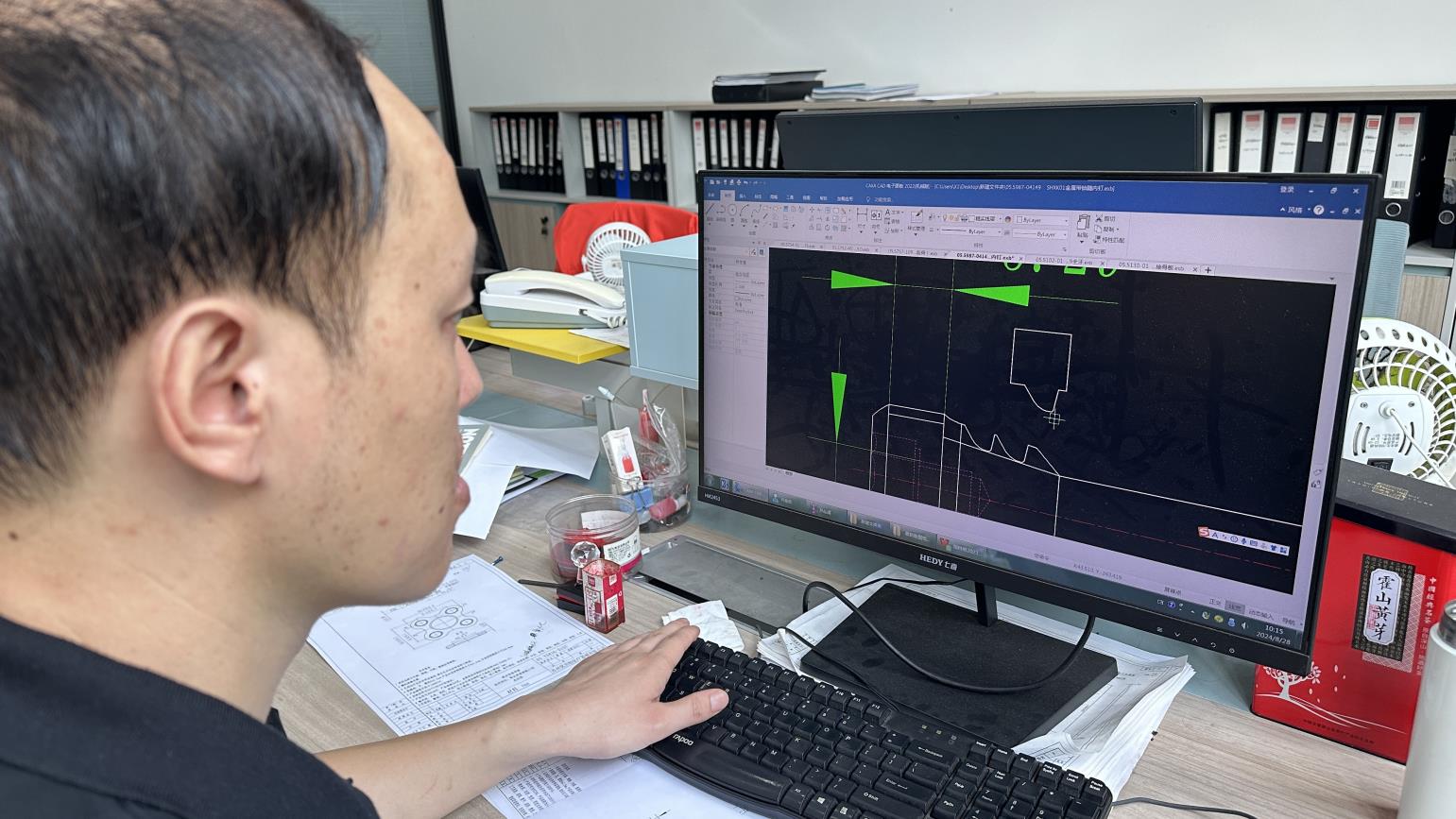
Bonevia Orthopedic Technology Co., Ltd. represents the standard of modern medical manufacturing, combining precision engineering with agile supply chain integration. Since 2015, we have optimized our production processes to align with the demanding specifications of European and global trauma markets. By implementing Factory 4.0 paradigms—such as real-time CNC tracking, digital optical inspections, and automated laser marking—we guarantee that every batch of titanium alloy intramedullary nails conforms to global mechanical tolerances.
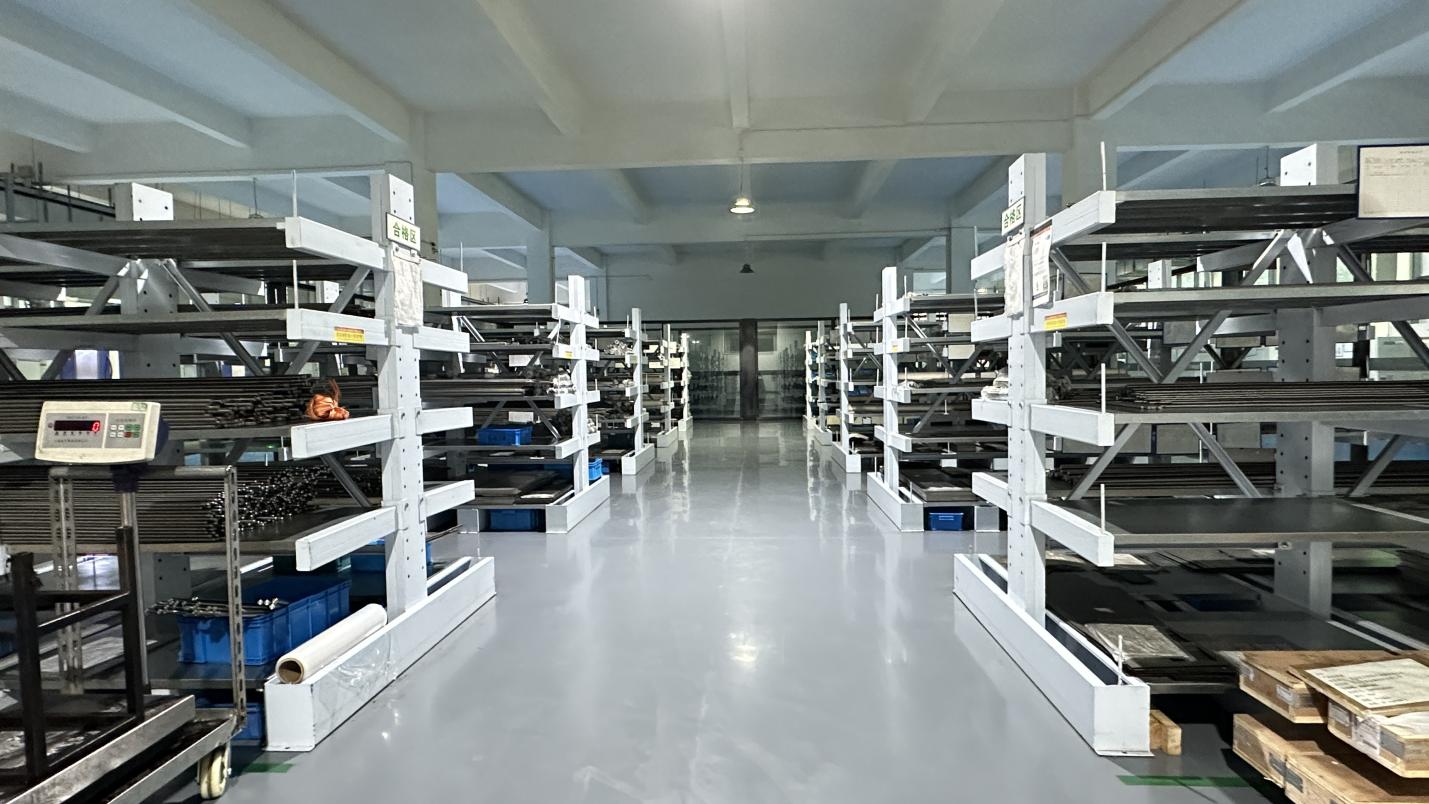
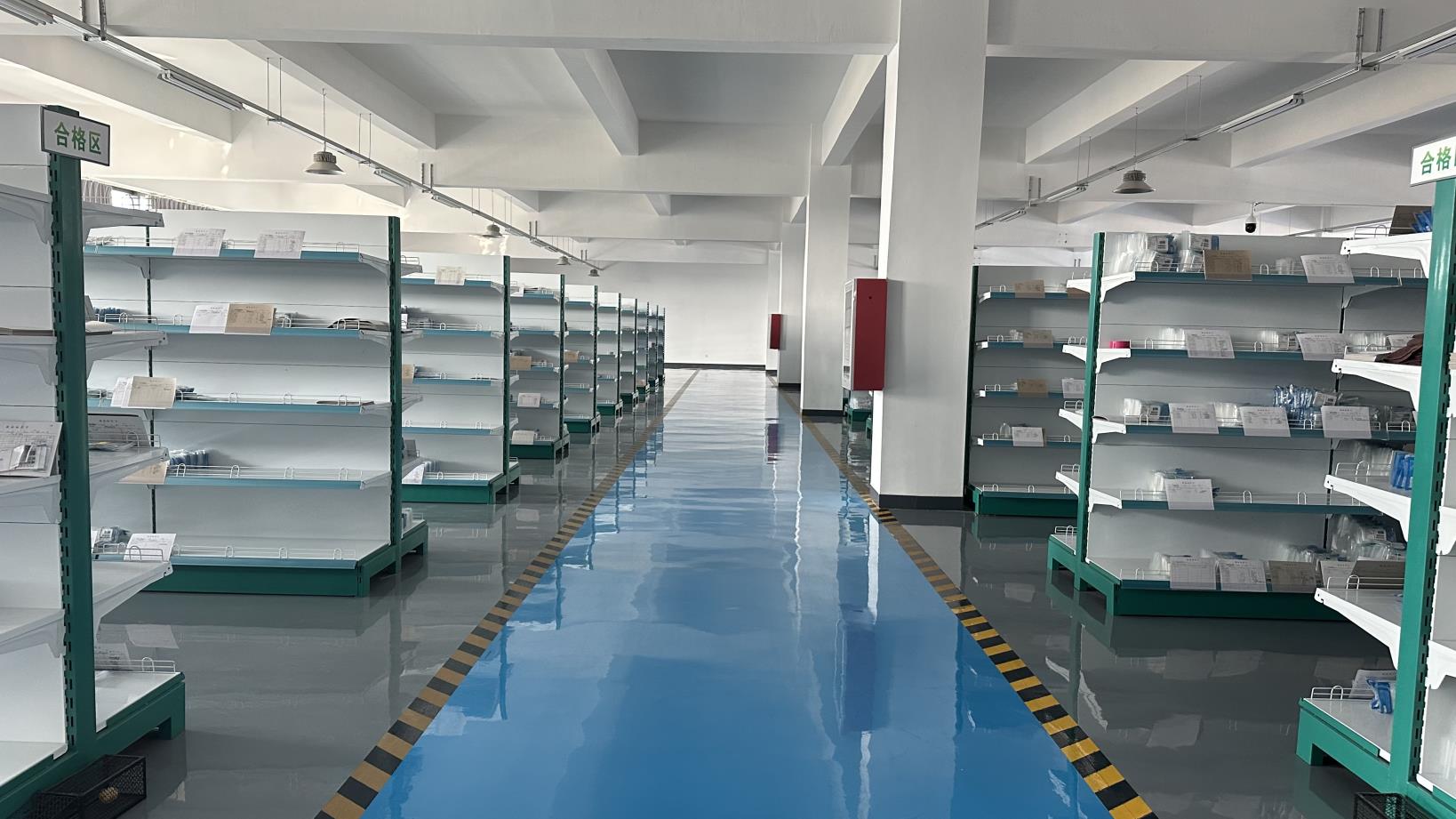
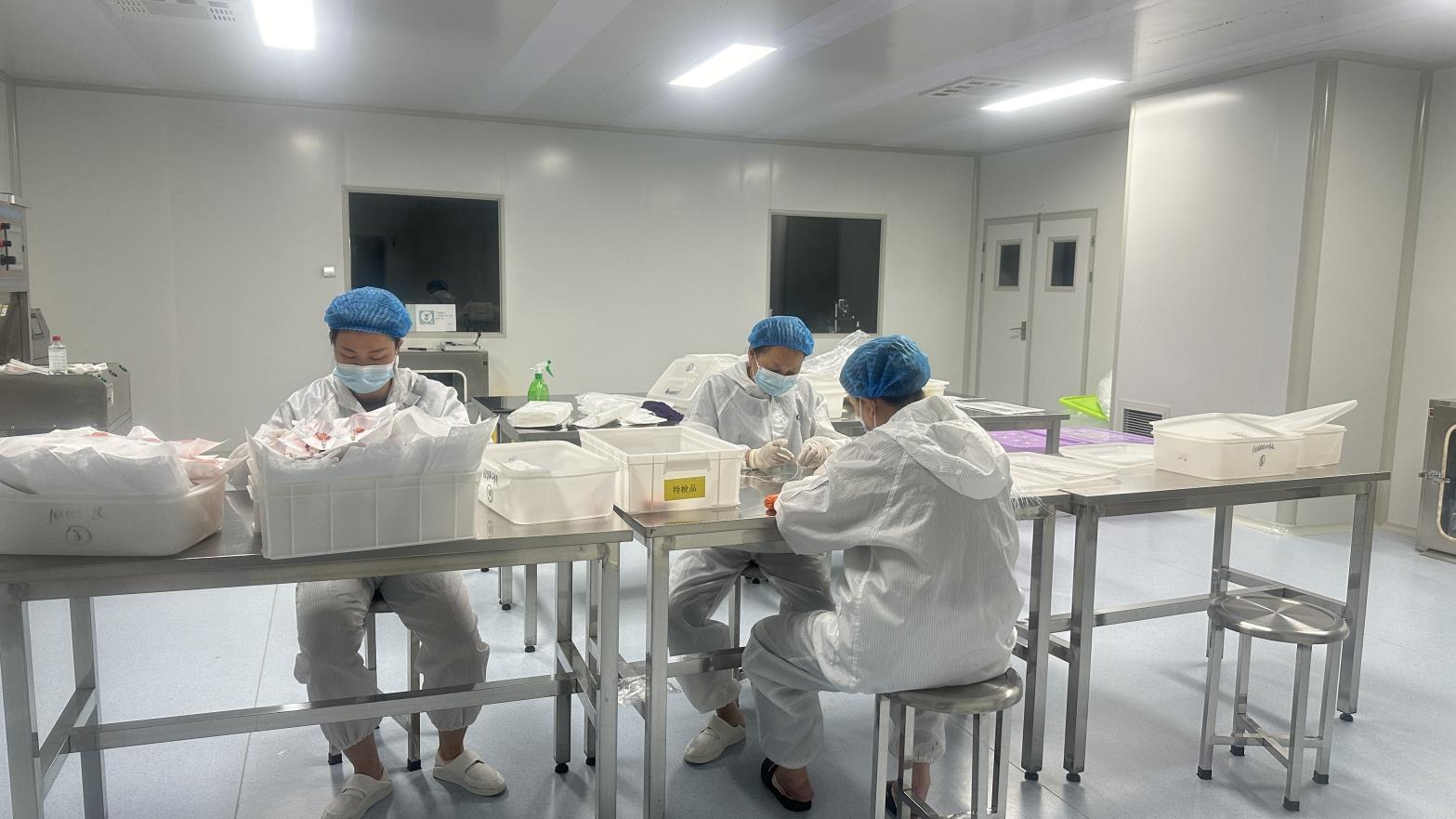
Our raw material supply chain relies on certified medical-grade titanium (Ti-6Al-4V ELI) that undergoes thorough chemical analysis and fatigue testing prior to entering our production lines. Our production facility is optimized for efficiency and quality control. With a dedicated cleanroom packaging environment, advanced Swiss-type lathe machinery, and a staff of 85 skilled engineers, we provide customizable OEM/ODM solutions to meet the exact requirements of German clinical networks.
Industry Experience
R&D Engineers
Global Partners
New Designs Annually
From medical-grade titanium bar stock to sterile barrier-ready surgical implants.
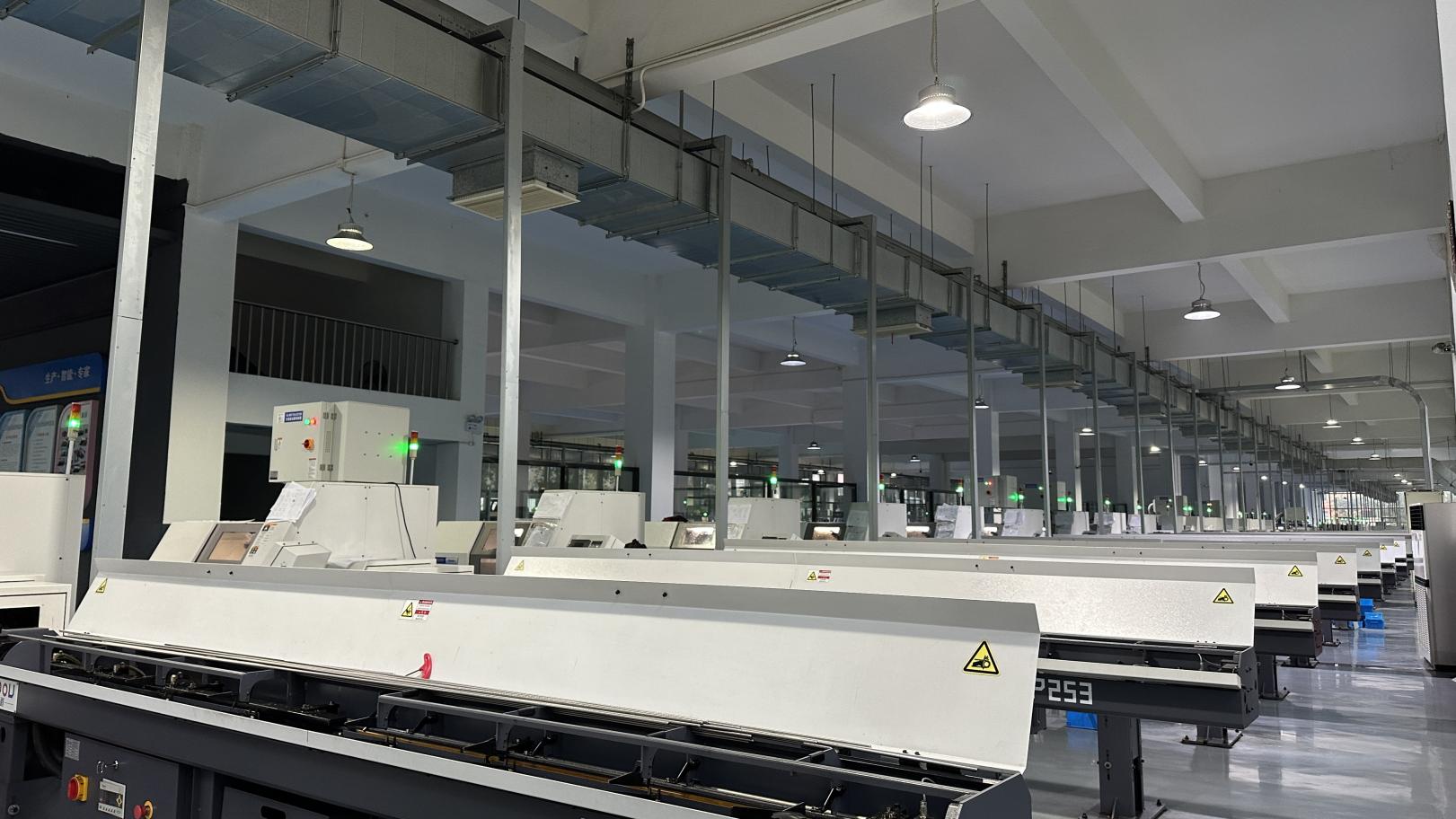
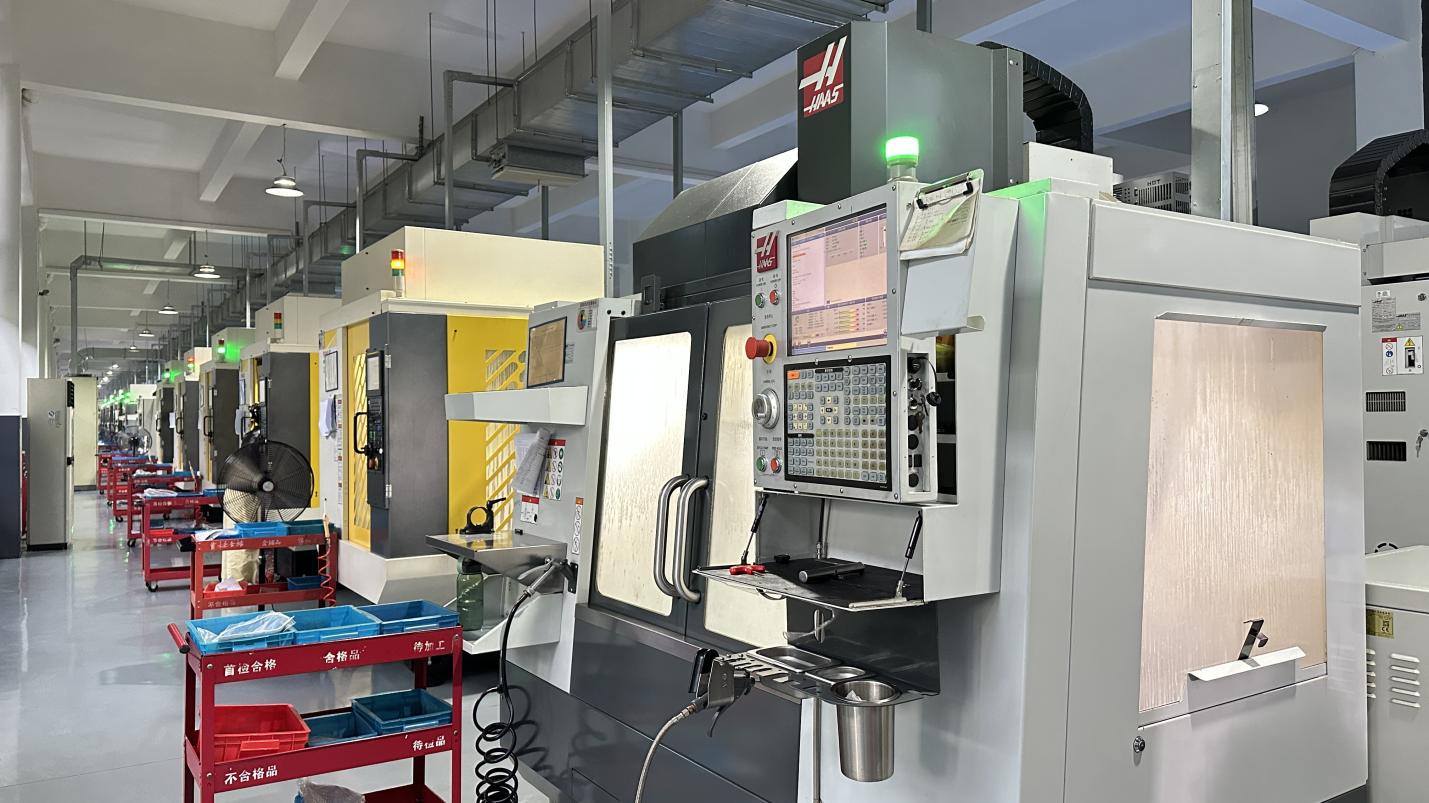
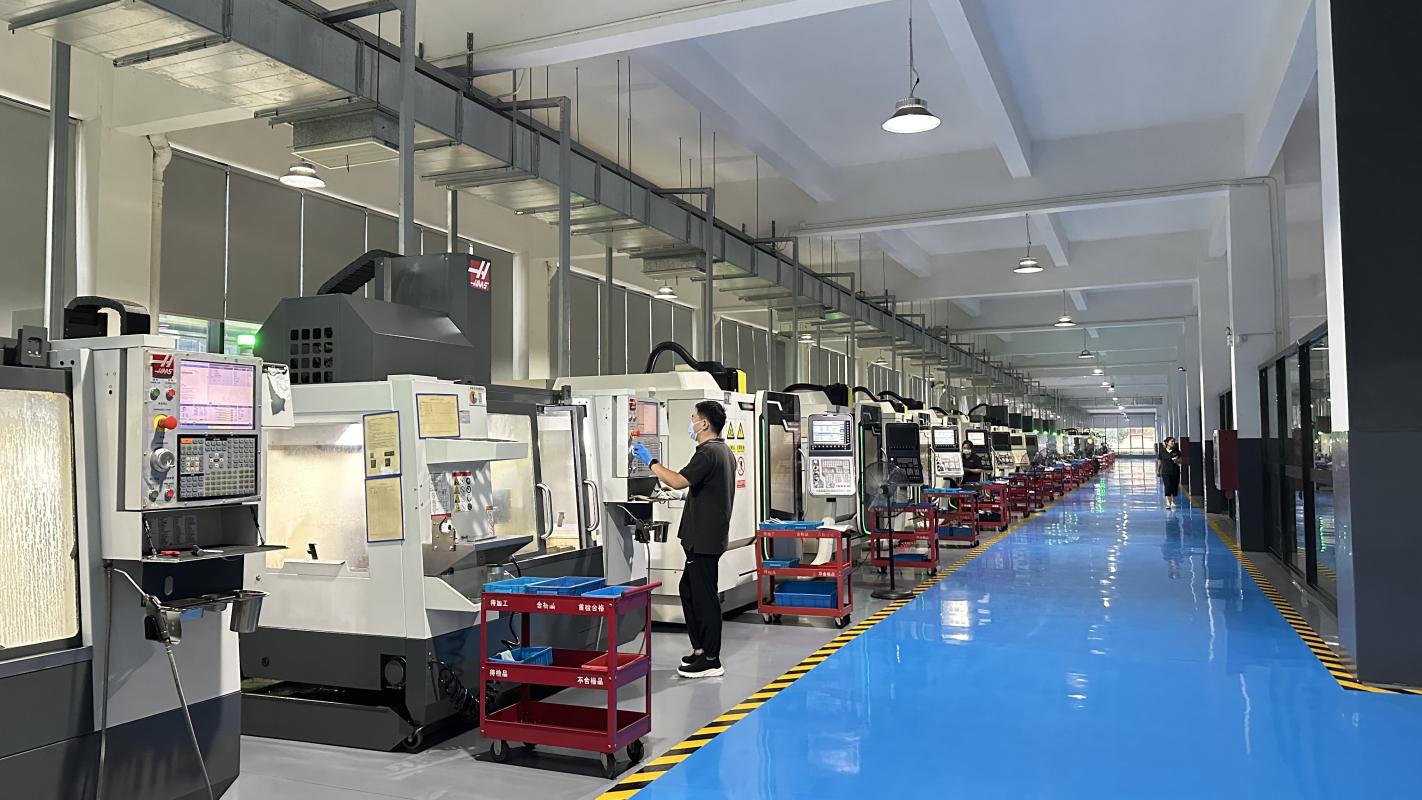
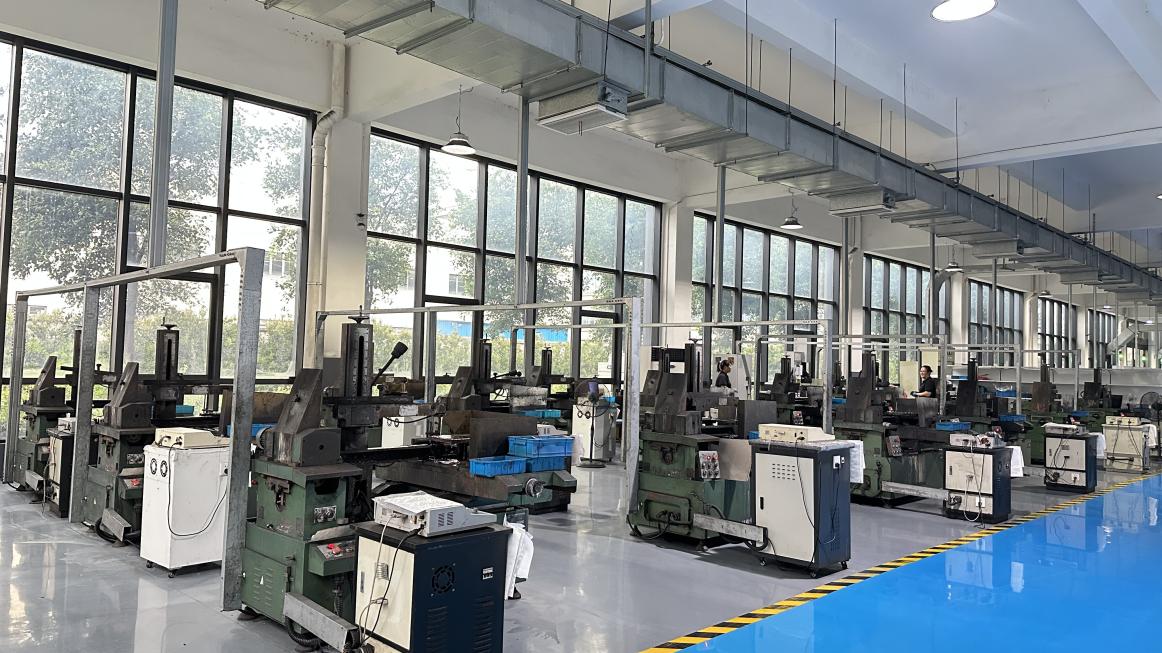
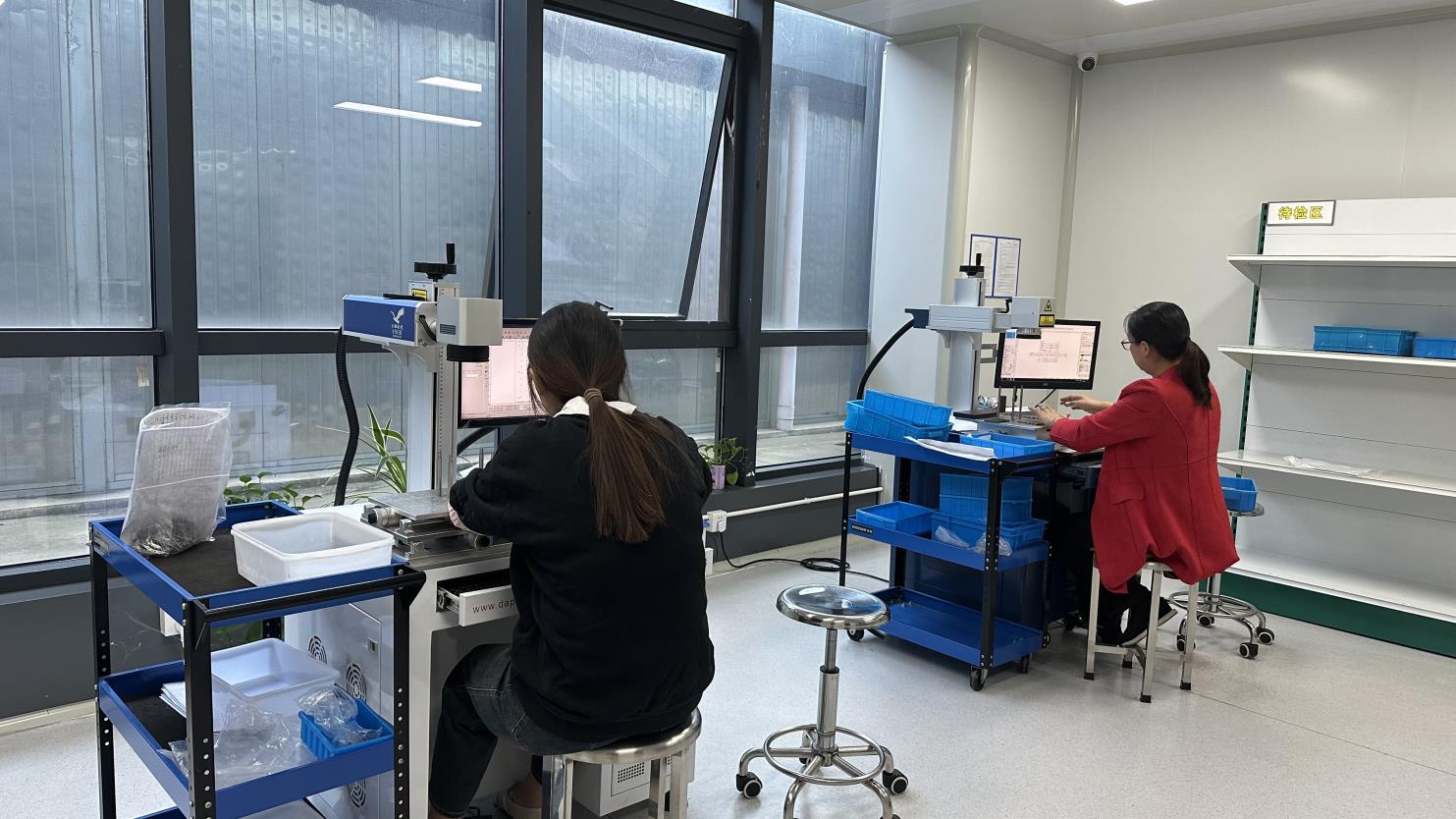
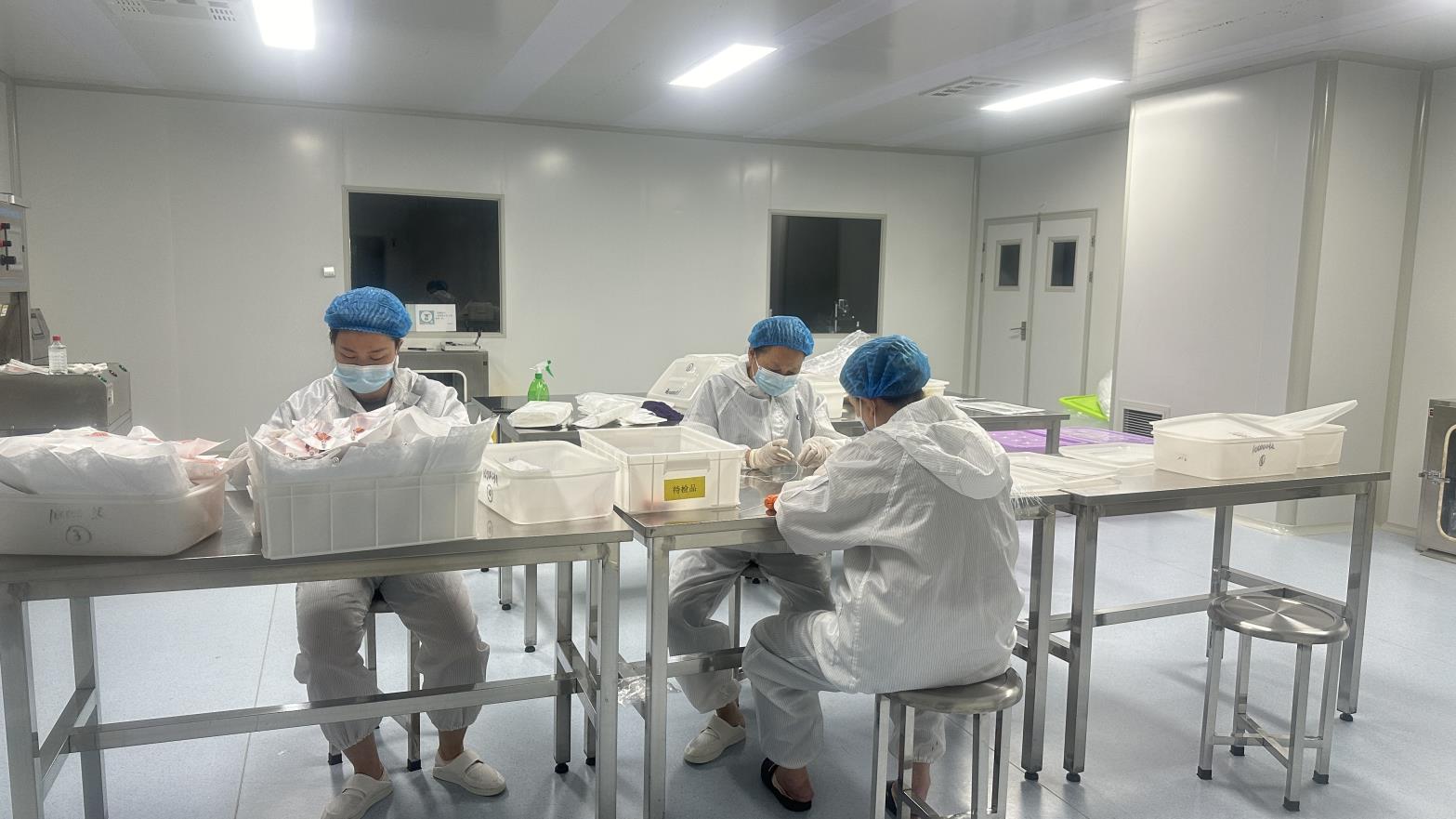
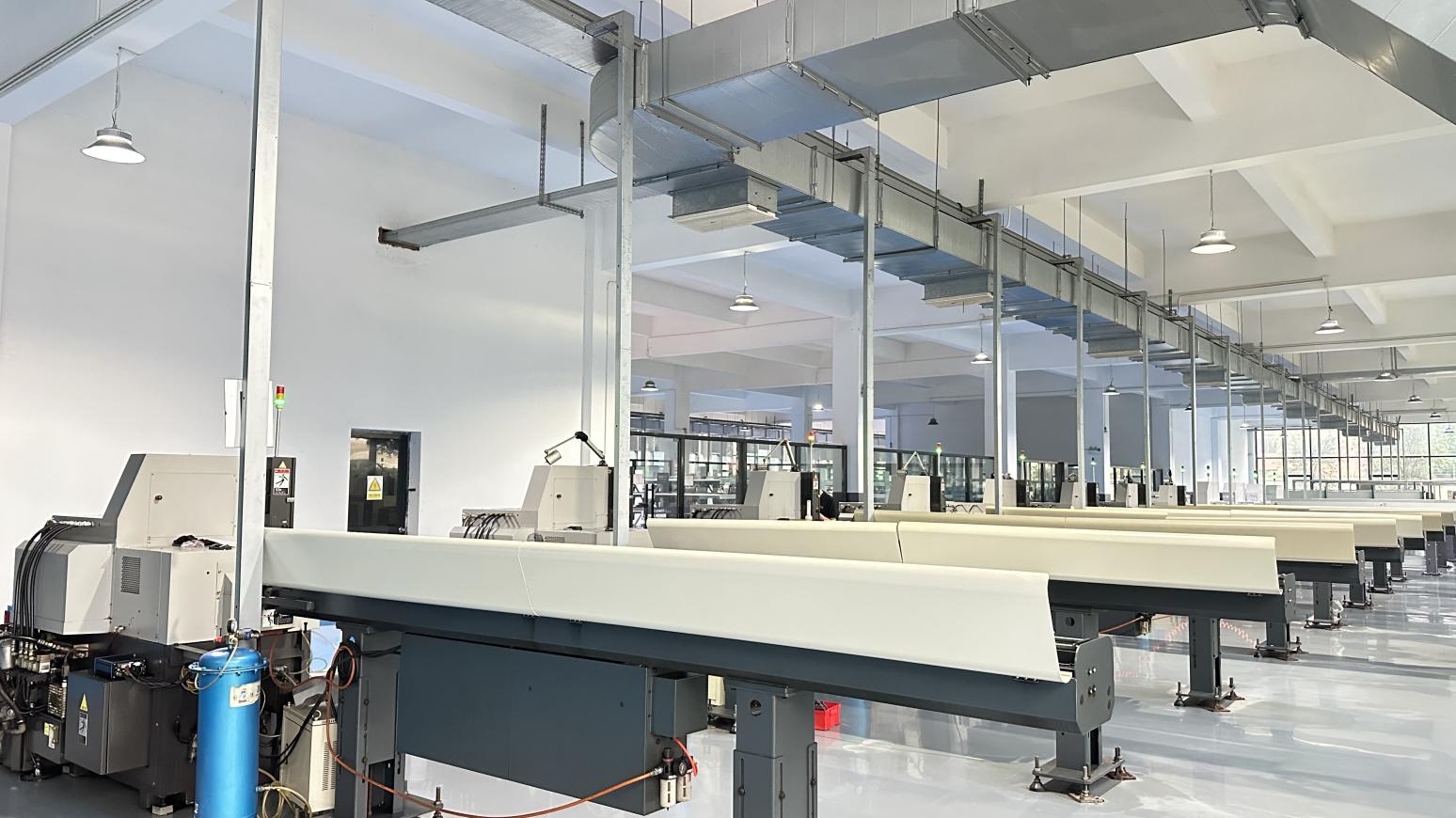
Equipped with high-precision manufacturing equipment to deliver stable output tolerances within microns.
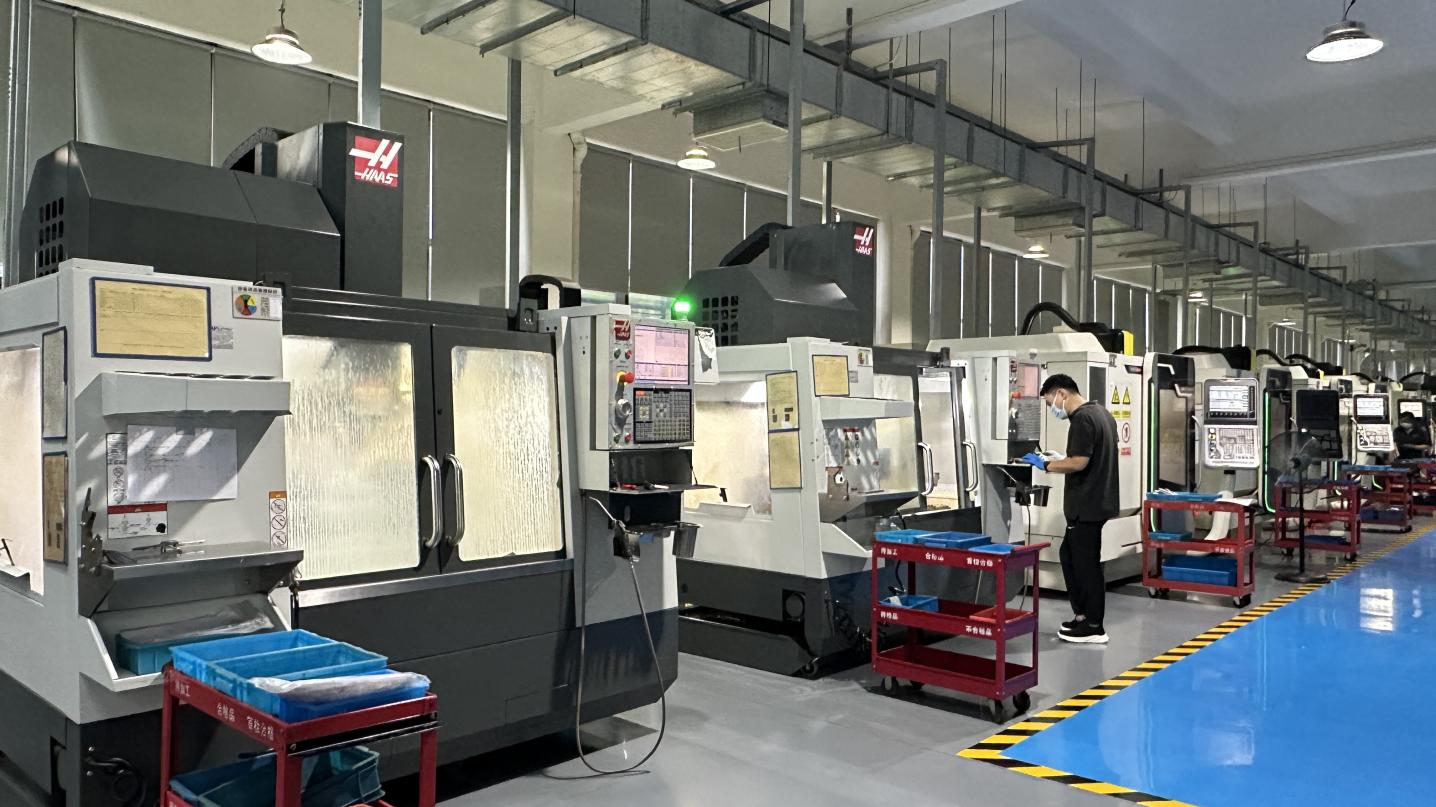
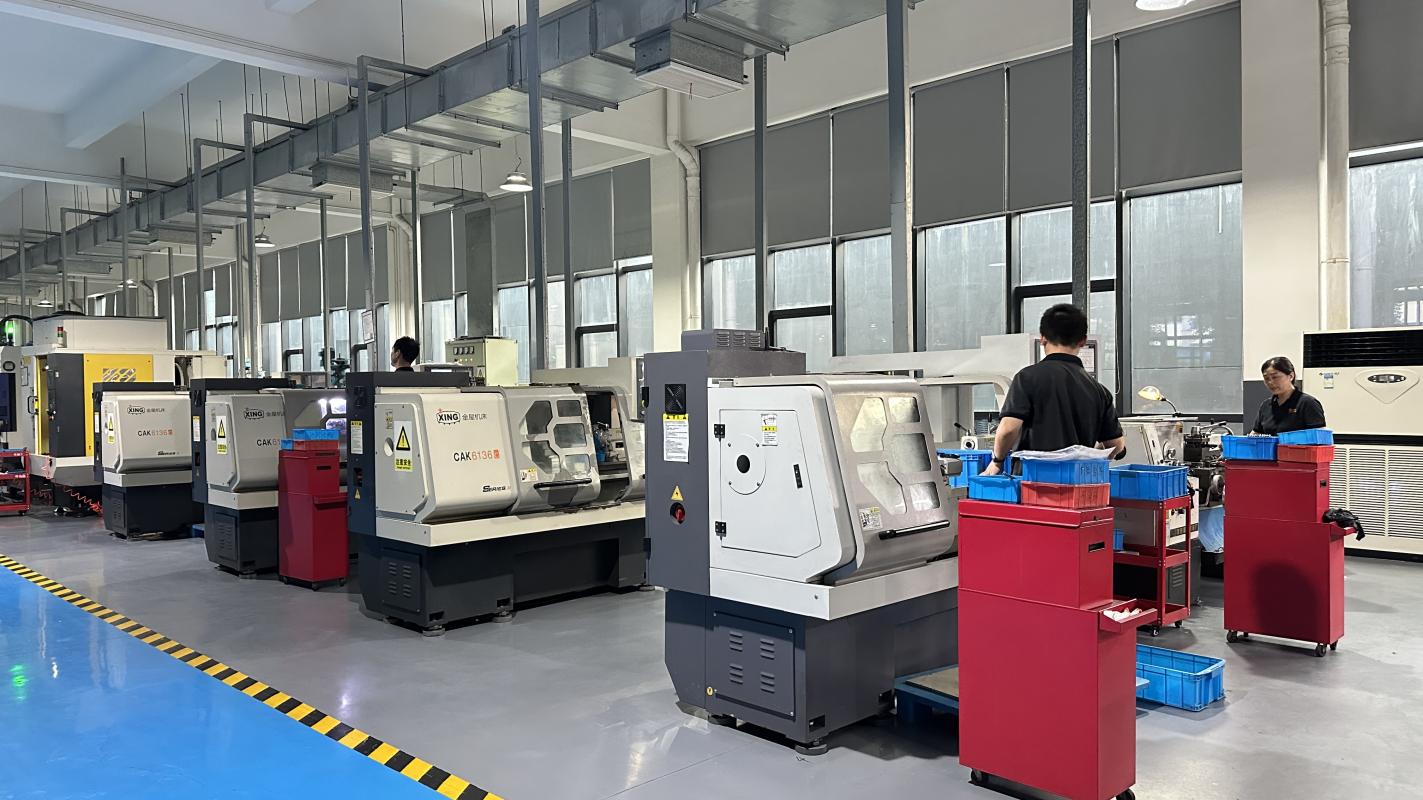
Engineered for specific anatomical geometries and complex fracture fixations.
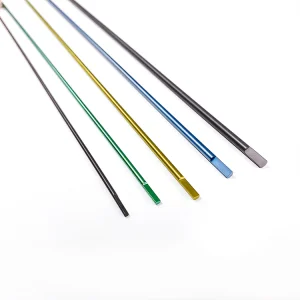
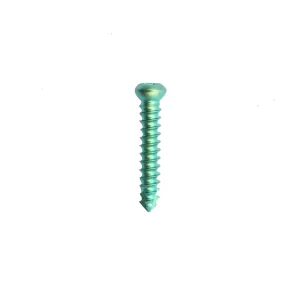
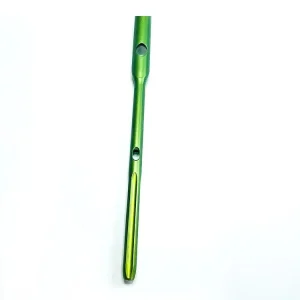
The clinical application of intramedullary nails in German trauma surgical pathways requires precise customization to match patient cohorts. Below are typical clinical scenarios where Bonevia products offer reliable biomechanical outcomes:
In Germany, the treatment of trochanteric and subtrochanteric fractures in elderly patients with low bone density is a common challenge. Standard locking screws can cause complications such as head cut-out. Bonevia's PFNA (Proximal Femoral Nail Antirotation) system utilizes a helical blade rather than traditional screws. This blade compresses the cancellous bone during insertion, providing improved rotational and angular stability, which is essential for immediate weight-bearing in geriatric patients.
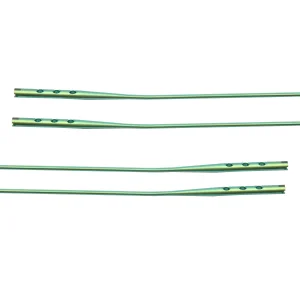
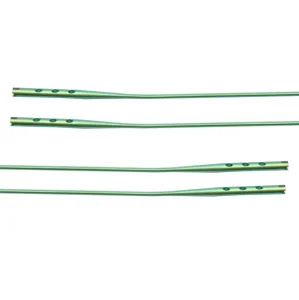
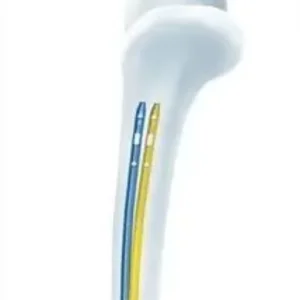
Pediatric diaphyseal fractures, particularly of the femur and tibia, require stable fixation that preserves the open growth plates (physeal protection). Bonevia's Pediatric Titanium Elastic Nails (ESIN) are designed for this purpose. Their elasticity provides symmetrical dynamic stability, encouraging rapid callus formation under controlled micro-movement while avoiding disruption of the physis.
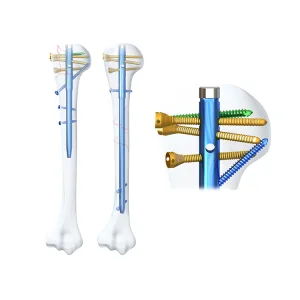
Proximal and humeral shaft fractures present high risks of radial nerve injury and fixation failure due to torsional loads. The MultiLoc Humeral Nail system provides multiple locking options in different planes, ensuring stable screw placement in the humeral head to prevent screw backing-out and maintain alignment throughout the healing process.
Technical answers to key regulatory, chemical, and logistical questions raised by European buyers.
A comprehensive selection of trauma implants designed to meet international surgical standards.
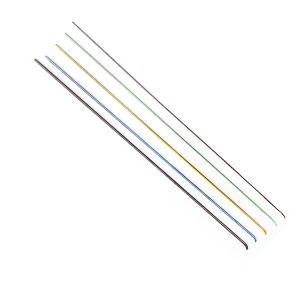
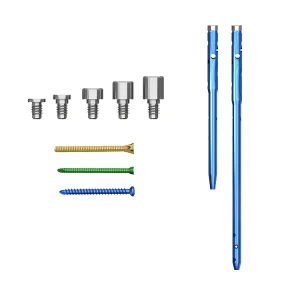
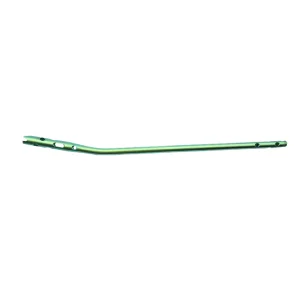
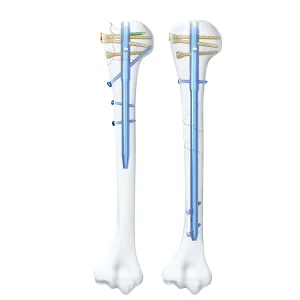
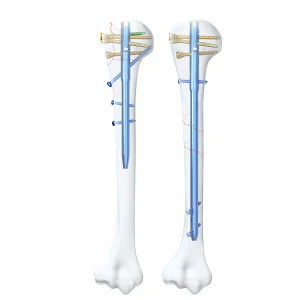
Optimize your clinical procurement with high-precision, MDR-ready intramedullary systems. Contact our engineering team for compliance documentation, custom designs, and wholesale pricing structures.
Send Inquiry Now