Bonevia
Bonevia
Bonevia
High-precision clinical-grade systems engineered for immediate export to Seattle medical clusters, trauma centers, and global distributors.
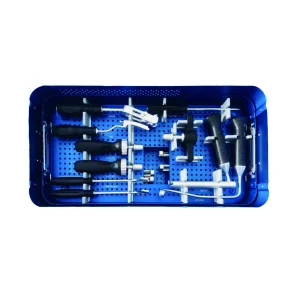
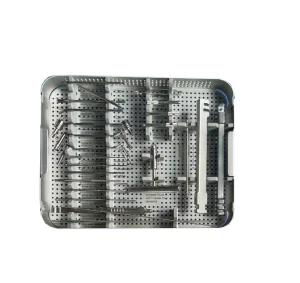
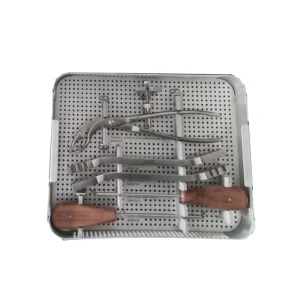
Seattle, Washington stands as a pioneering biomedical and clinical research hub of the Pacific Northwest. With world-renowned institutions like the University of Washington (UW) Medicine, Harborview Medical Center's legendary Level I Trauma Center, and Swedish Medical Center, the regional demand for high-performance orthopedic surgical instruments and titanium implants is exceptionally rigorous.
For global orthopedic exporters, the Pacific Northwest serves as a primary gateway to both North American healthcare corridors and rapid trans-Pacific trade routes. Seattle’s robust trade infrastructure—anchored by the Northwest Seaport Alliance (Ports of Seattle and Tacoma) and Sea-Tac International Airport—enables sterile, high-precision implants and specialized instrumentation kits to bypass traditional shipping delays.
As orthopedic techniques transition toward Minimally Invasive Surgery (MIS) and computer-assisted robotic operations, the local medical supply chains in Washington State are demanding direct pipelines to ISO 13485 certified manufacturers. Exporters must deliver not only standard instrumentation but also custom design adaptations (OEM/ODM) to meet the rapidly iterating requirements of clinical researchers and operating room coordinators.
Ensuring structural integrity and surgical precision with Class III-compliant instrumentation and custom trauma implant kits.
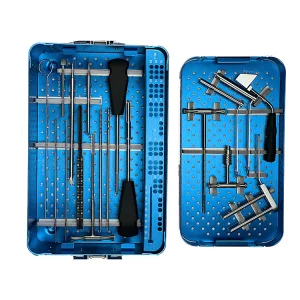
Bonevia Orthopedic Technology Co., Ltd. is a clinical-grade manufacturer specializing in advanced orthopedic implants and custom surgical solutions. Established in 2015, Bonevia has grown to become a premium supplier in the global orthopedic arena, integrating R&D, precision manufacturing, and strict regulatory compliance.
Operating a modern, specialized production facility covering approximately 320㎡, we maintain a highly optimized footprint designed for agile manufacturing and rapid iteration. Backed by over 10 years of industry experience and 6 years of specialized medical device export operations, Bonevia generates an annual export revenue of USD 8–15 million.
Our robust R&D department features 85 dedicated design engineers who successfully introduced 120 new products and instrument designs within the last 12 months alone. This high-capacity development allows us to provide flexible OEM and ODM services, catering precisely to the requirements of distributors and surgical groups in Seattle, larger North America, Europe, Southeast Asia, the Middle East, and South America.
Patient safety is paramount. Our Quality Assurance matrix is led by a specialized team of 35 QA/QC professionals. We implement rigorous multi-tier testing parameters including:
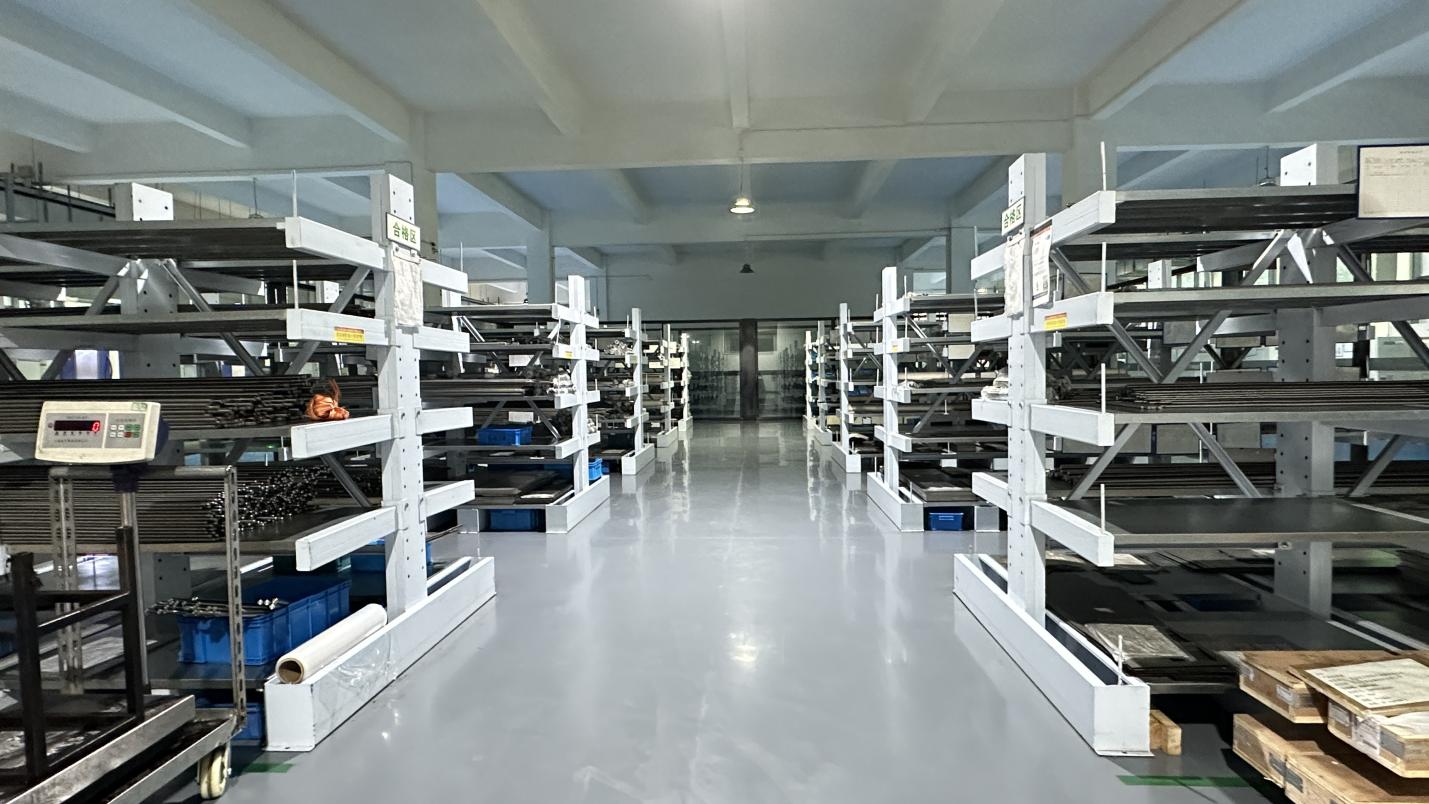
Tracing raw titanium alloys from sourcing to CNC machining, wire-cutting, and sterile packaging.
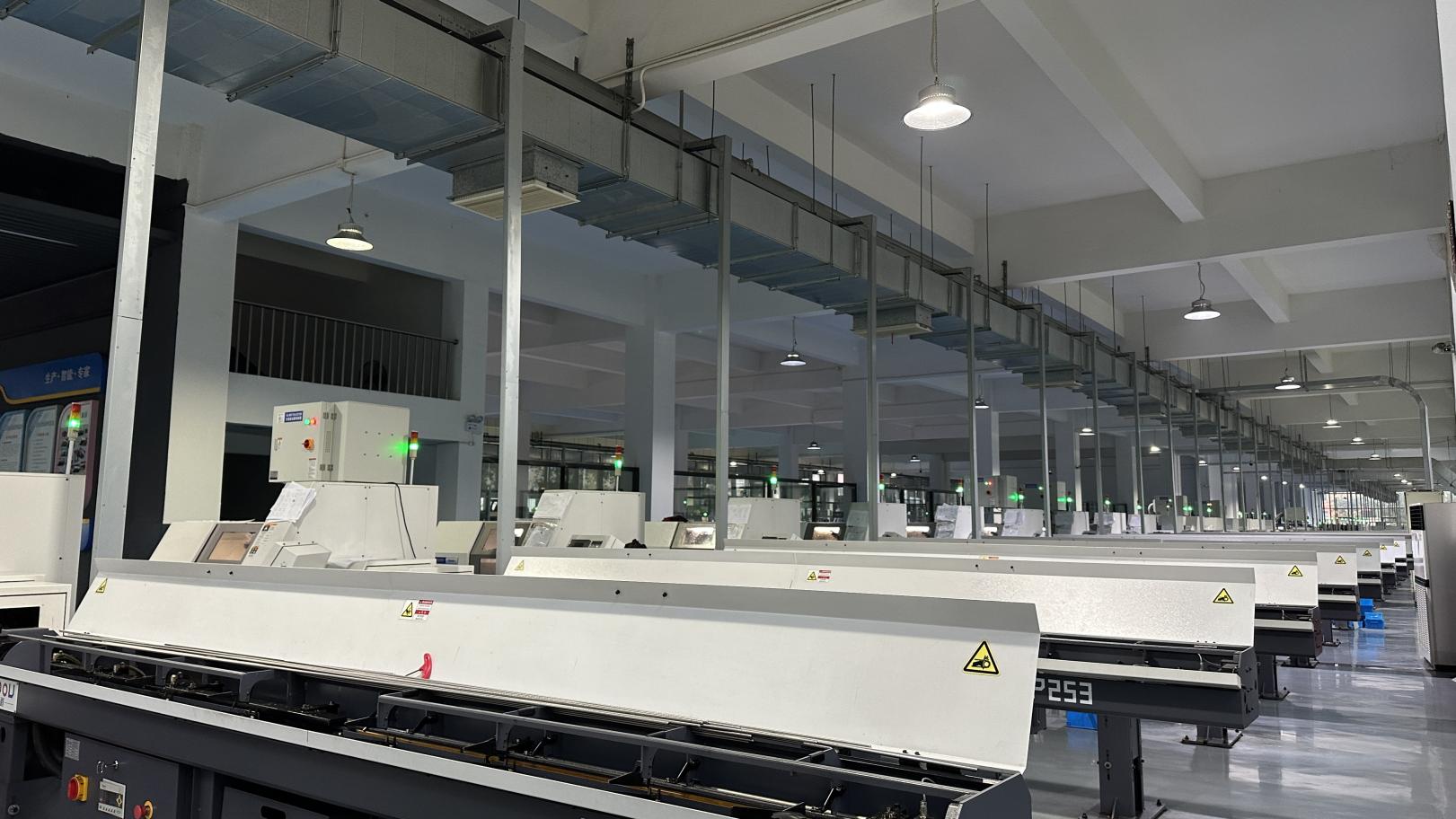
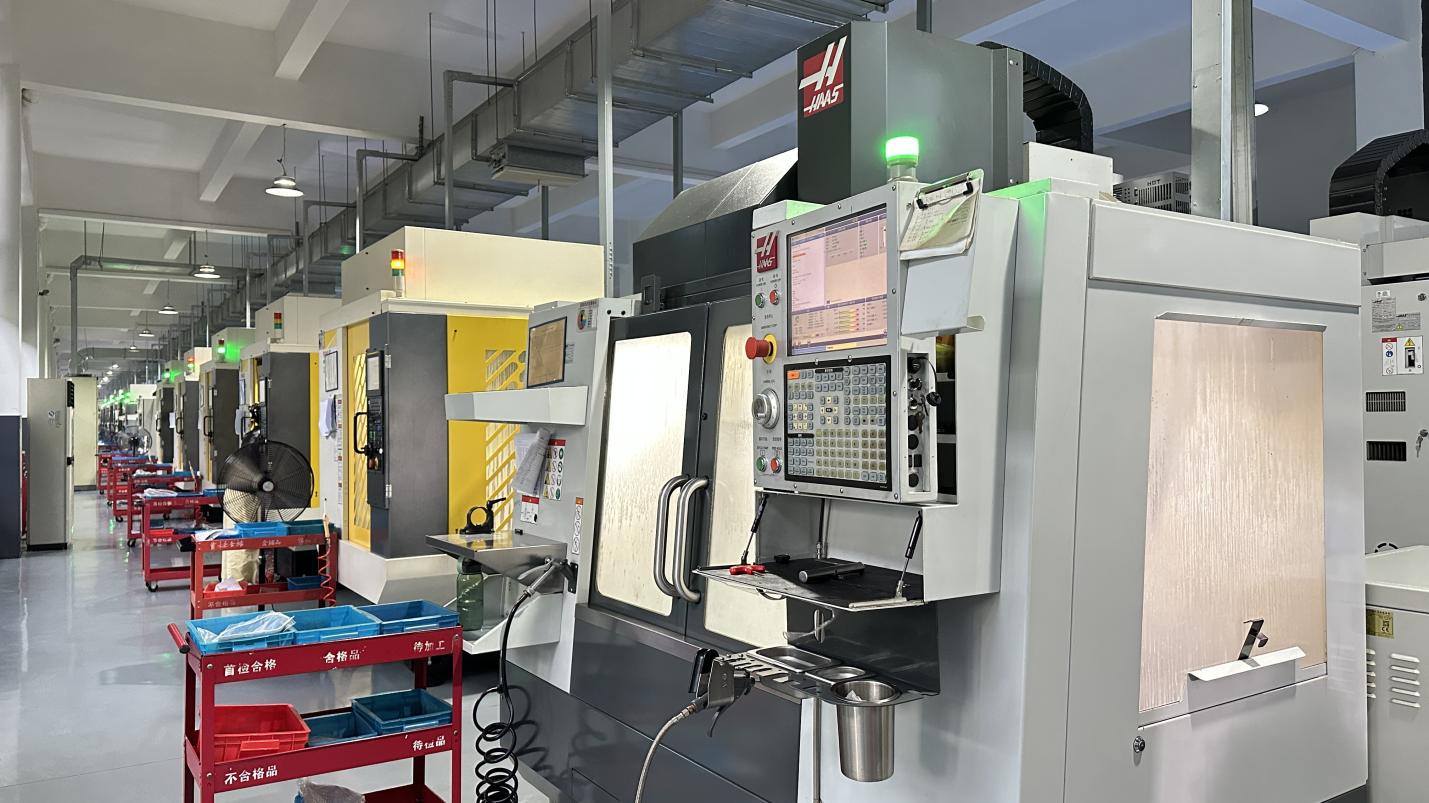
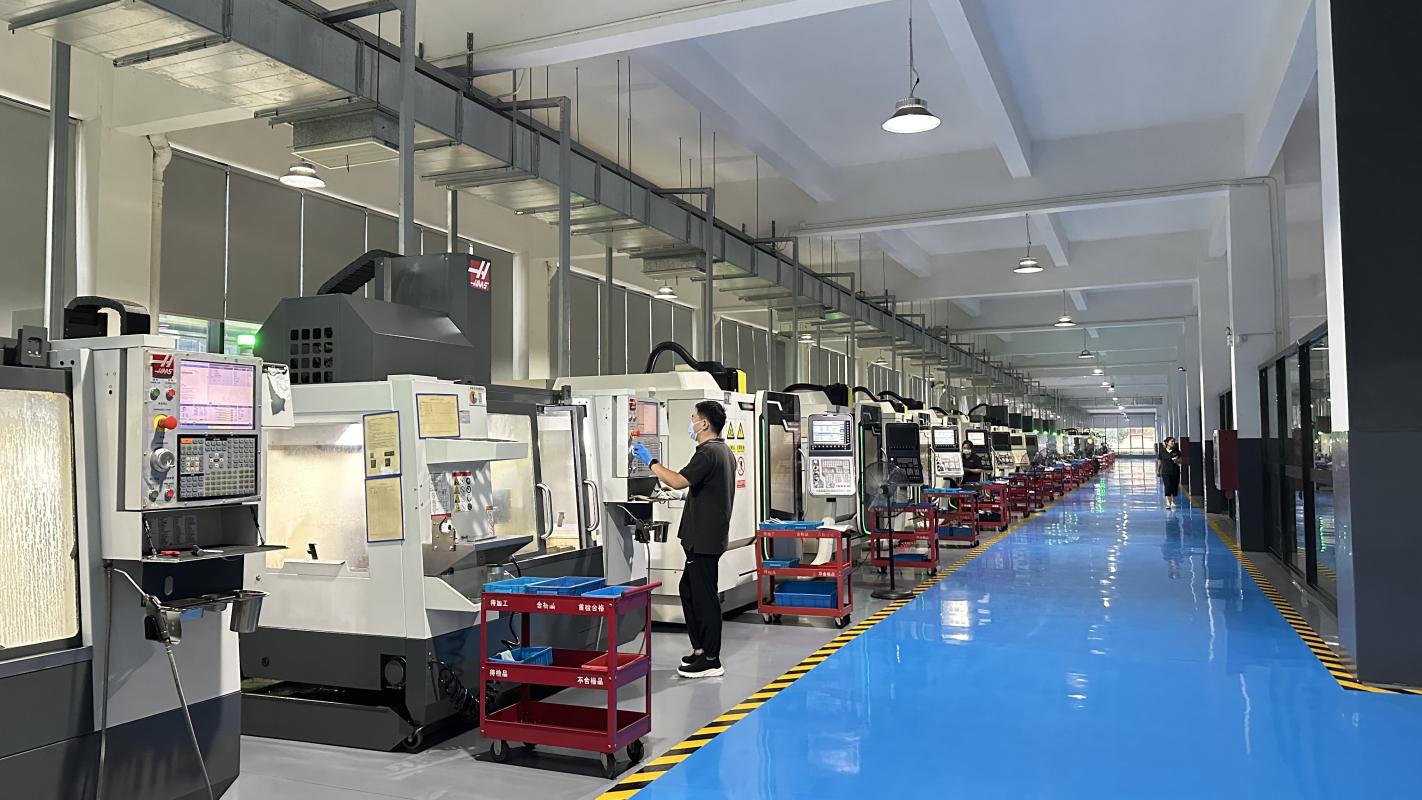
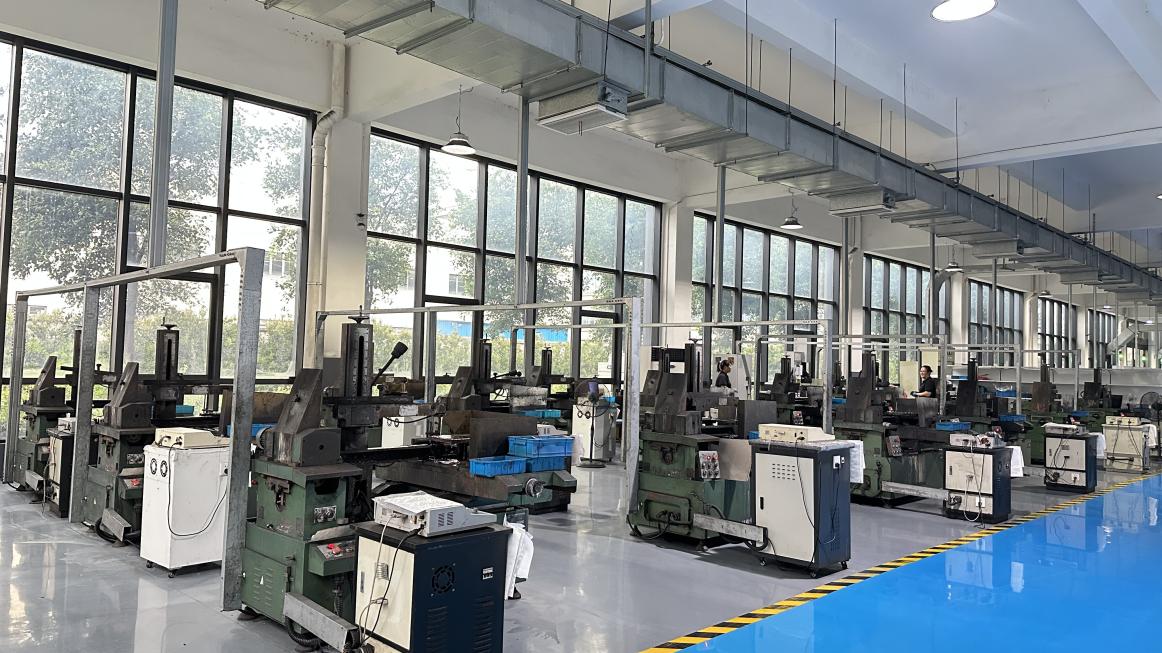
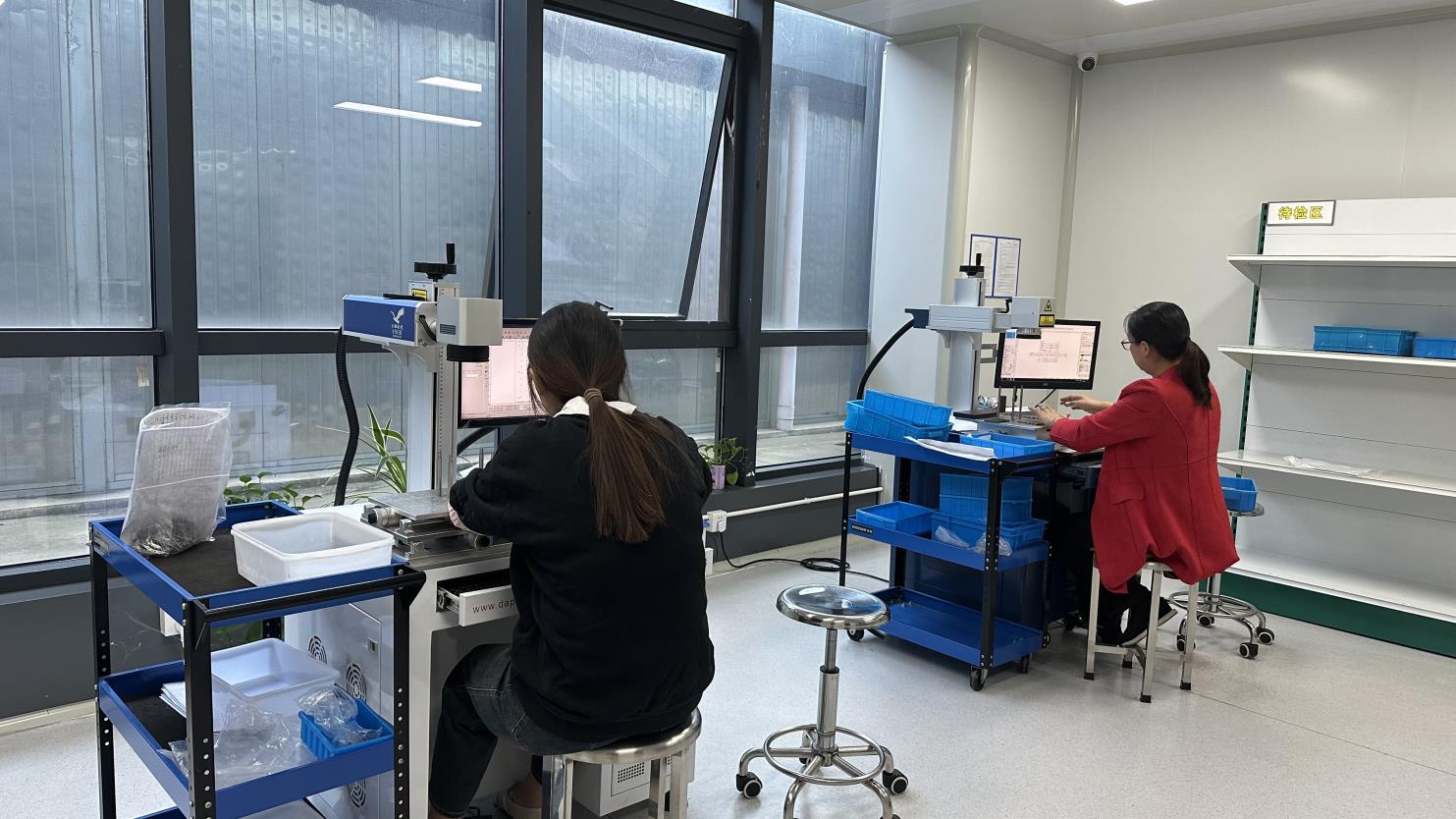
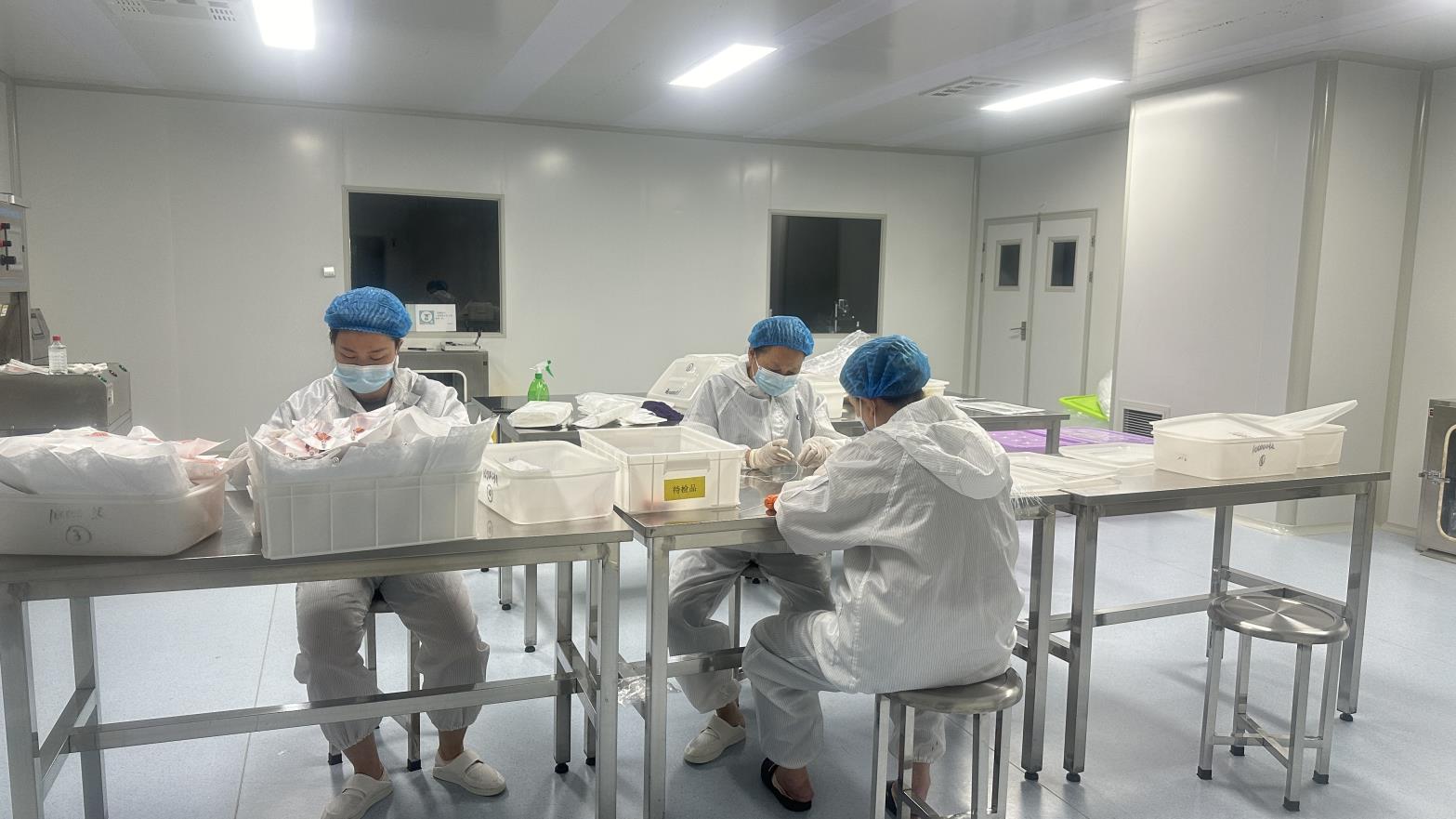
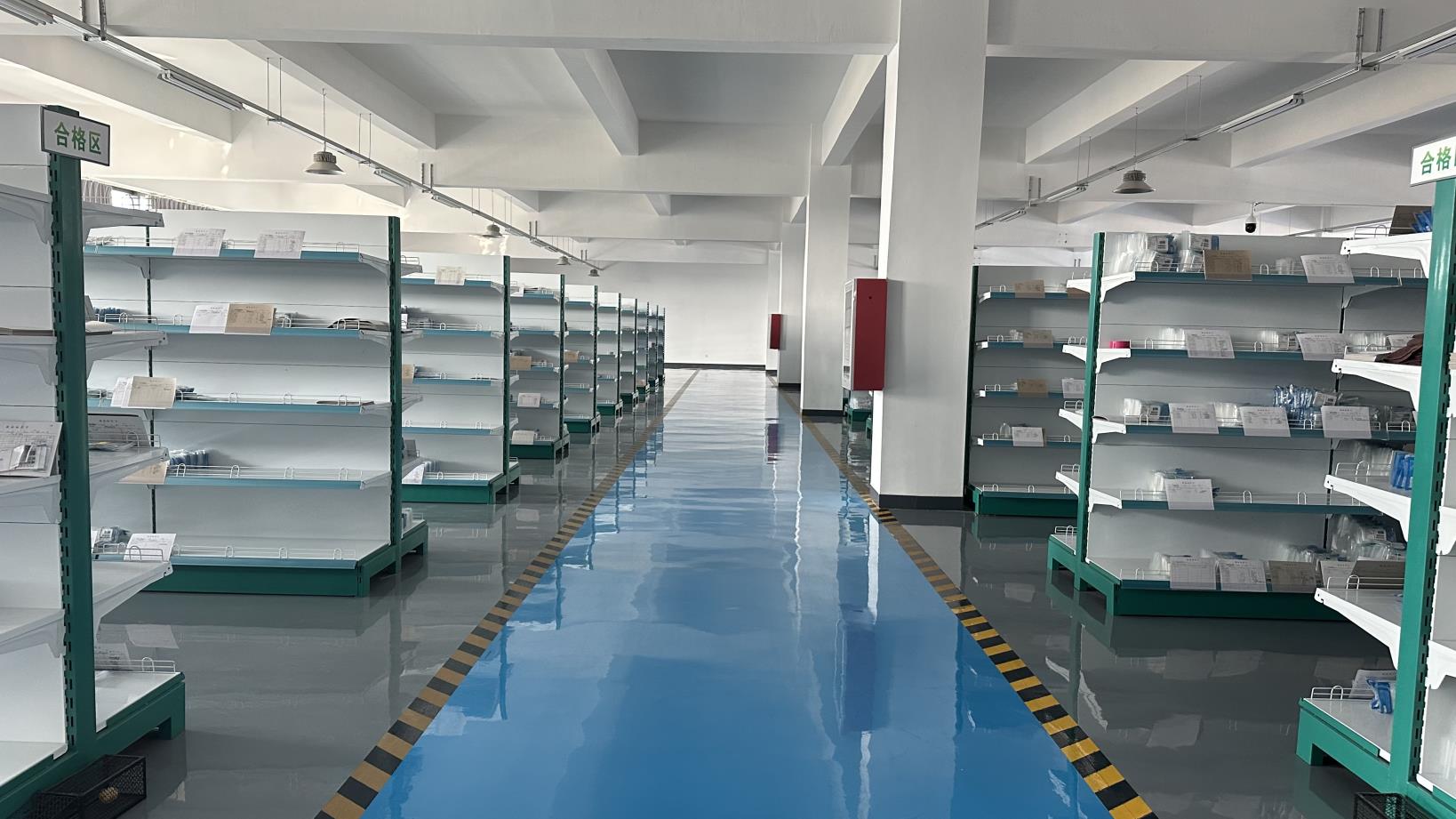
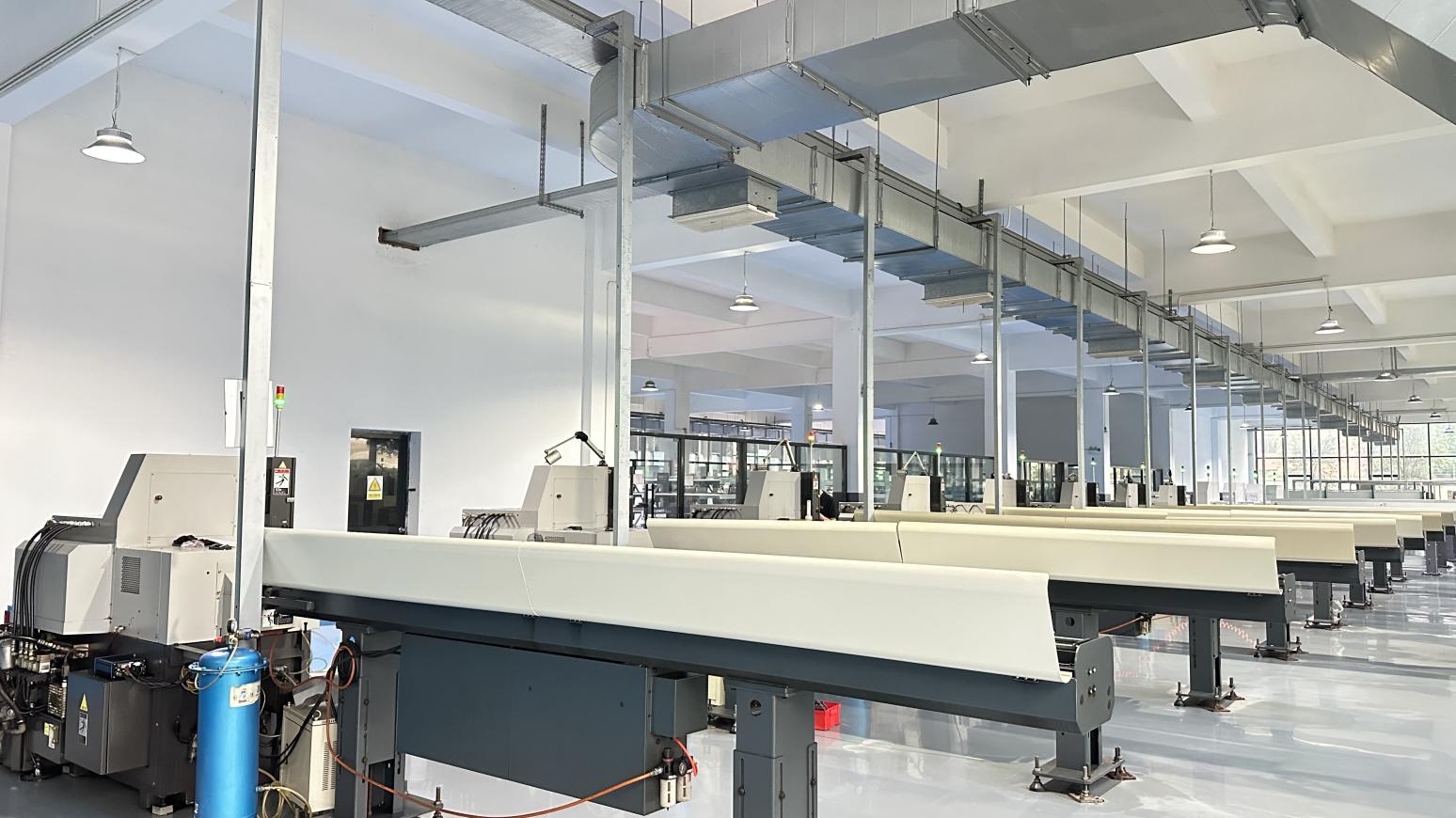
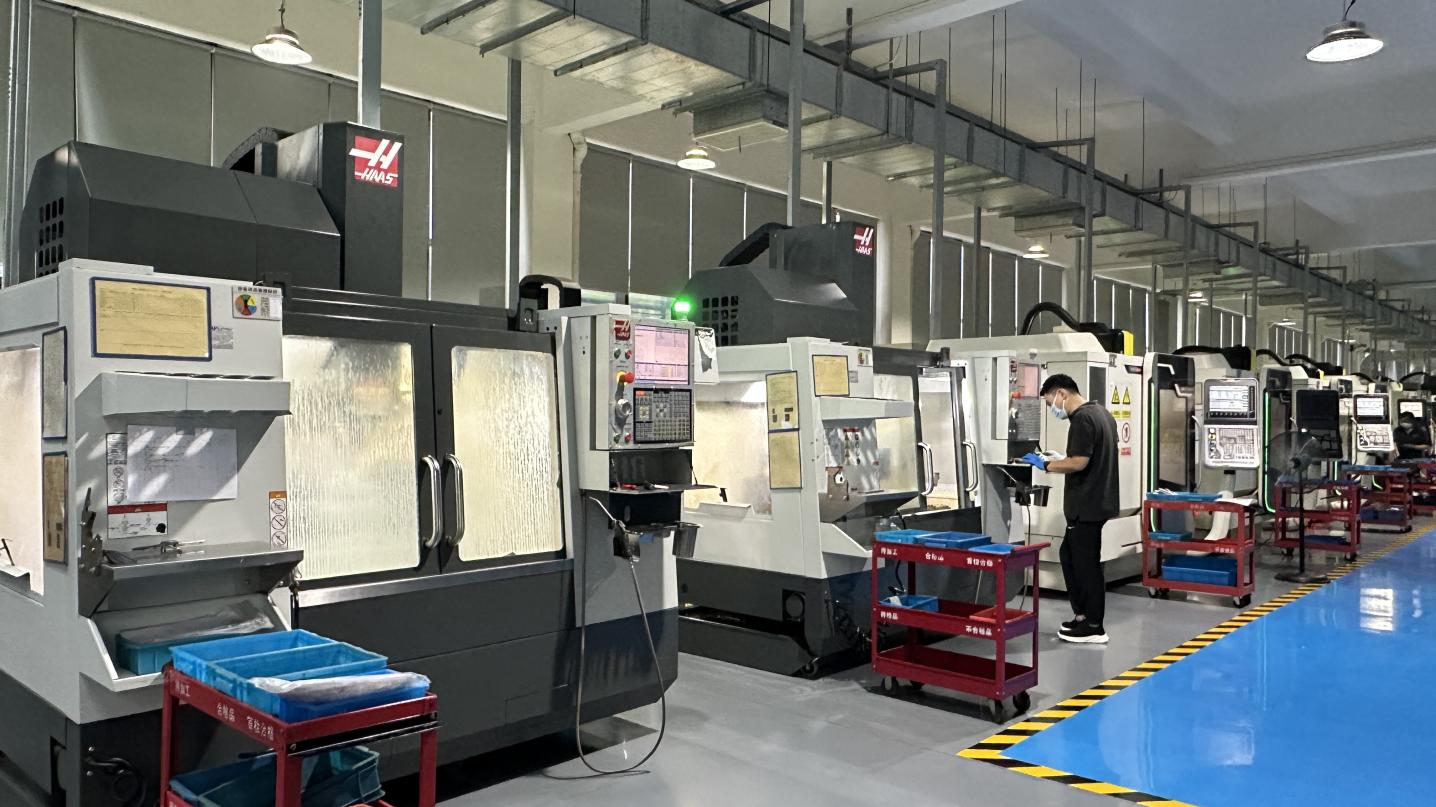
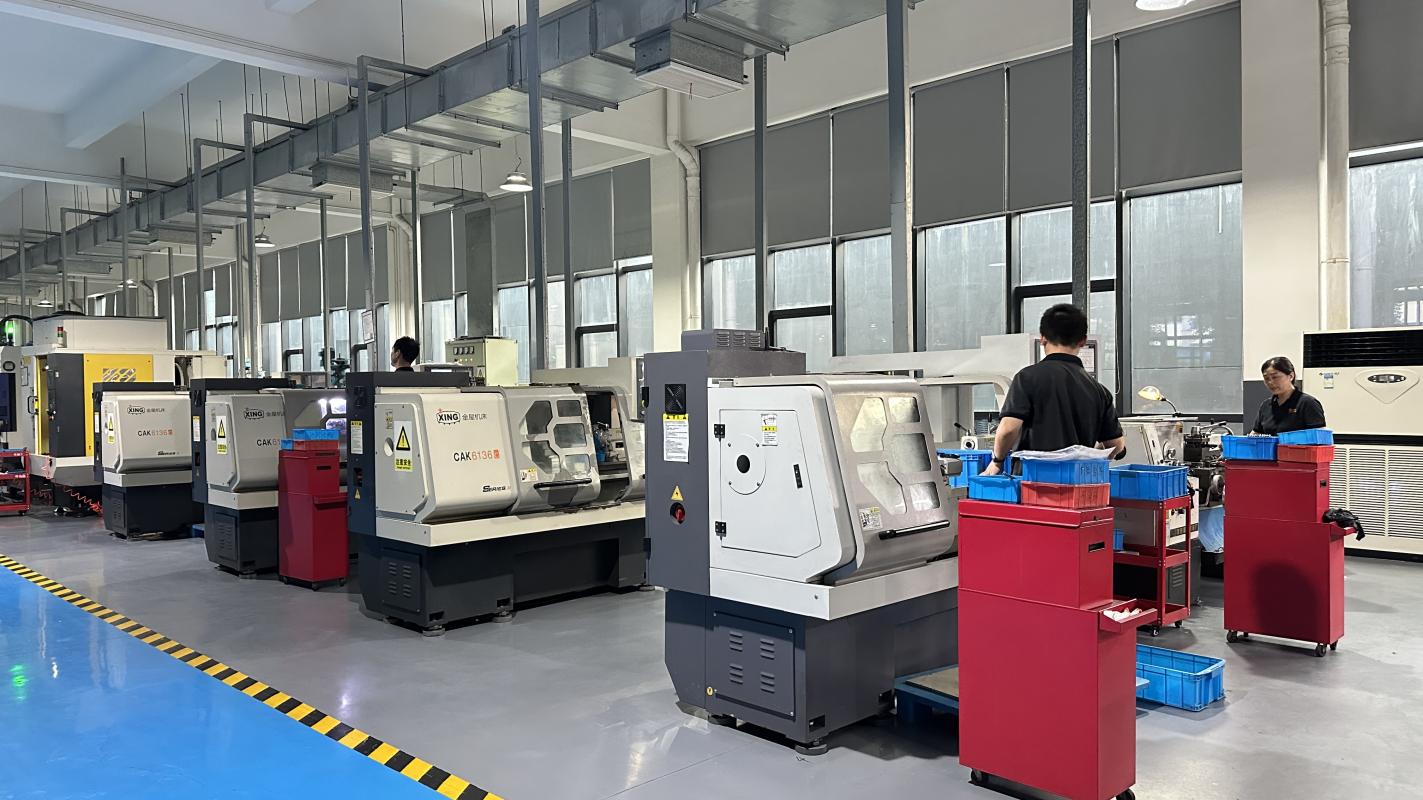
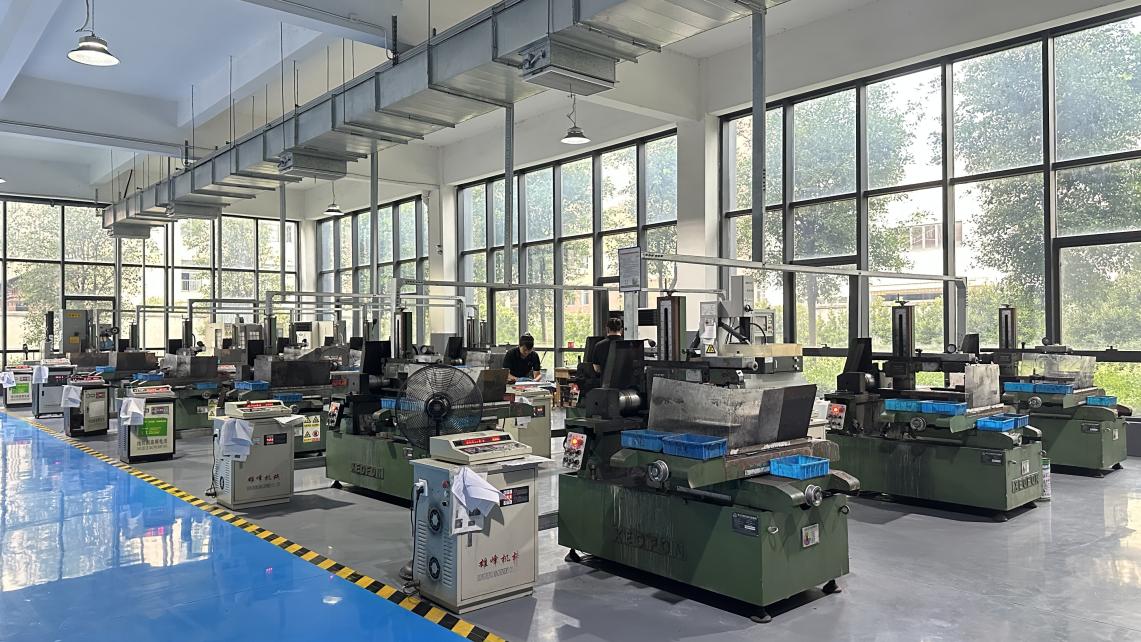
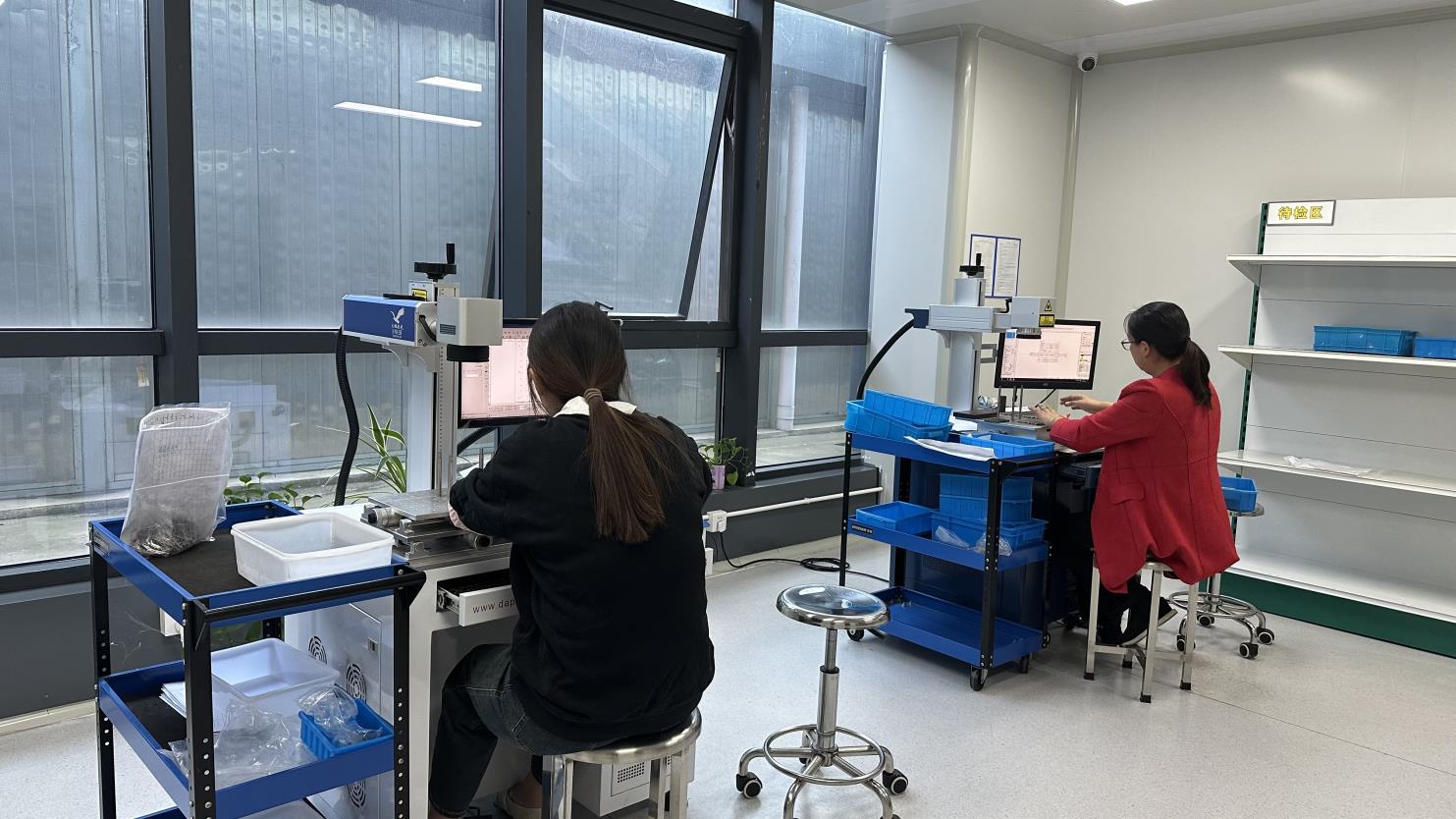
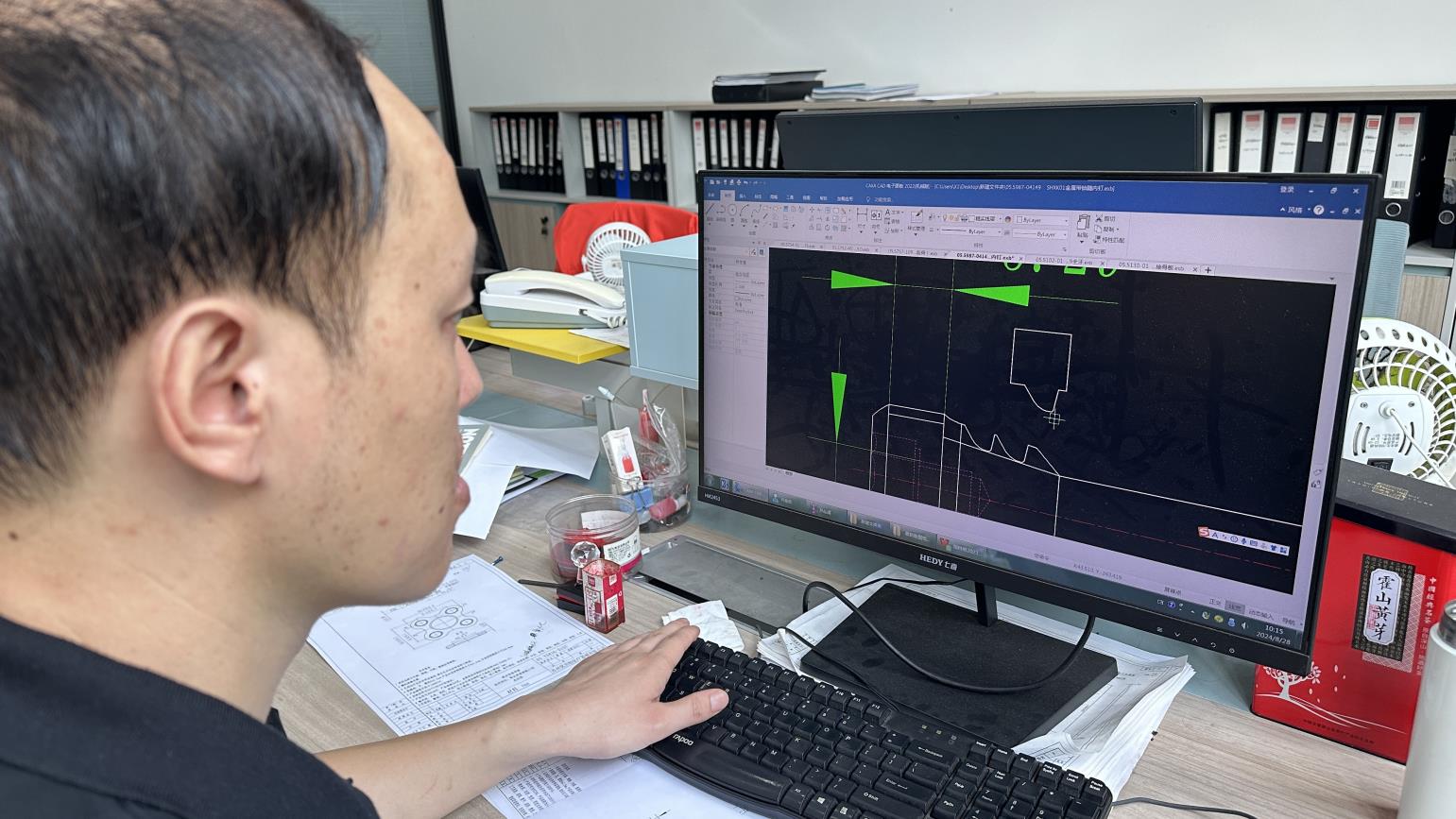
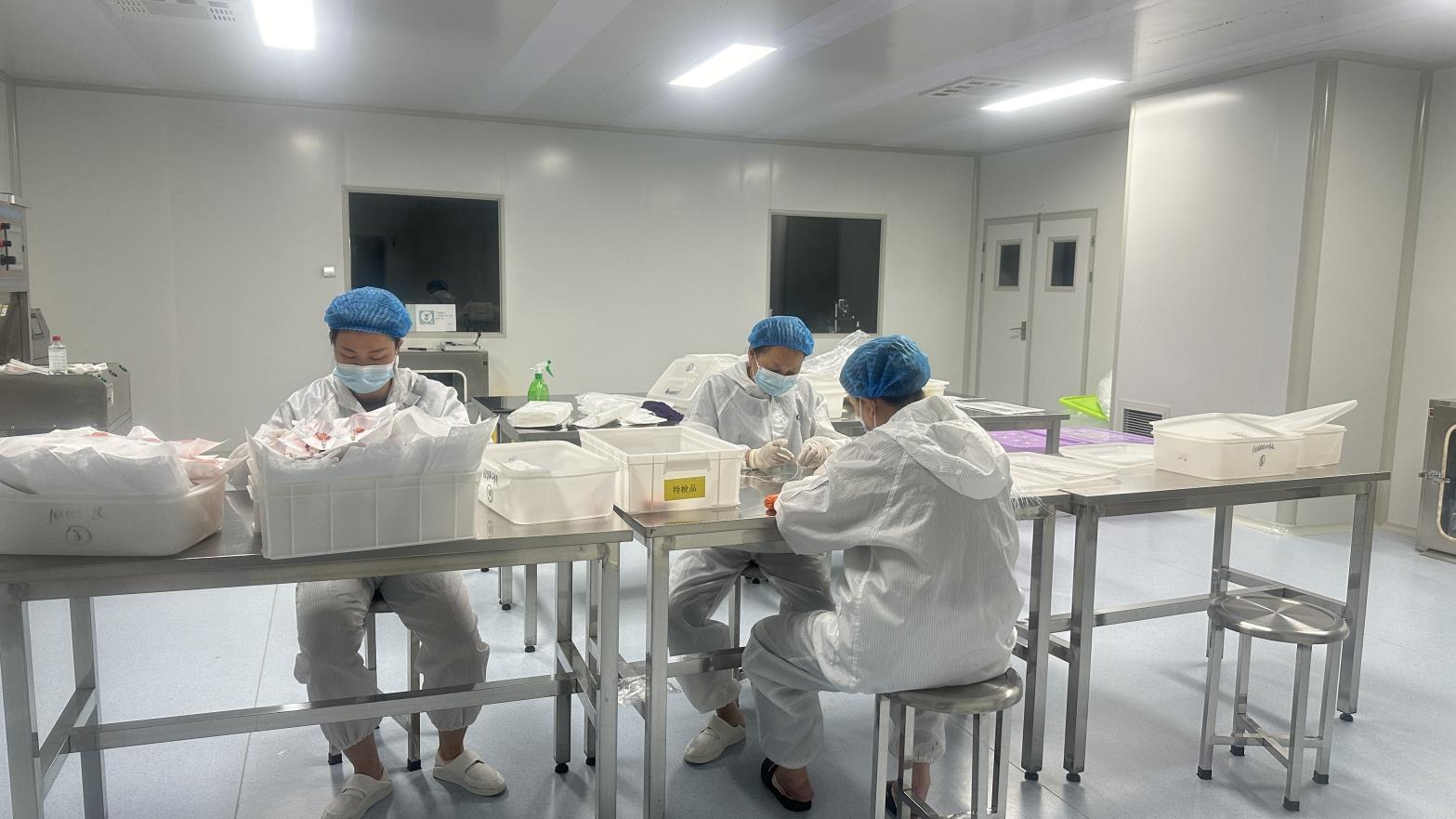
The orthopedic industry is rapidly transitioning from traditional metals to advanced alloys and polymer composites. By utilizing Grade 5 ELI Titanium (Ti-6Al-4V), our products provide superior tensile strength, low modulus of elasticity (reducing stress shielding), and outstanding fatigue resistance. We are also exploring Carbon-Fiber Reinforced PEEK for spinal cage assemblies, ensuring radiolucency and natural bone-mimicking elasticity.
Every surgical instrument exported to Seattle undergoes sophisticated surface treatments, including Type II anodization and electro-chemical polishing, to minimize bacterial adhesion. Additionally, our implants are structured to facilitate rapid osteointegration, using plasma spray coatings and acid-etching technologies to build micro-porous surfaces where bone cells can grow naturally.
Minimally Invasive Surgery (MIS) reduces patient recovery times, lowers trauma, and cuts post-operative hospital stays. Our percutaneous cannulated screw systems are engineered with ultra-low profiles, allowing Seattle spine specialists to perform complex stabilization procedures via micro-incisions under fluoroscopic guidance.
Direct technical and logistical answers for medical purchasing officers, hospital compliance directors, and surgical distributors.
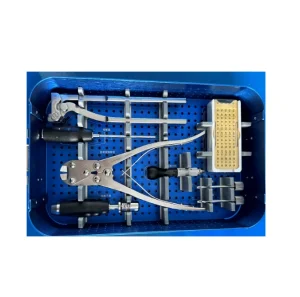
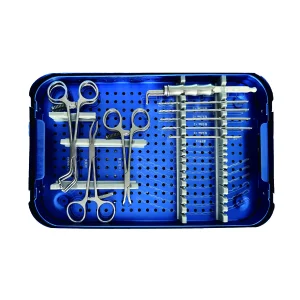
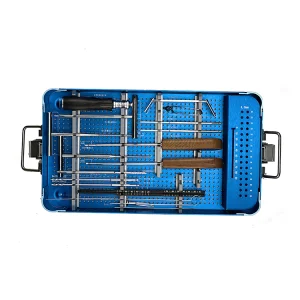
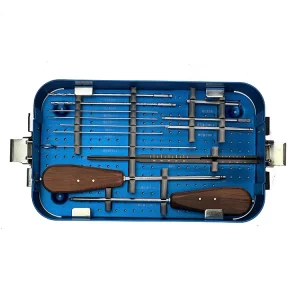
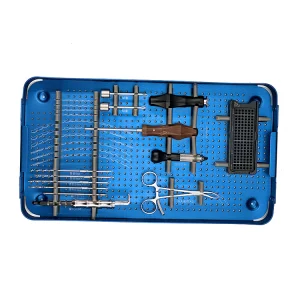
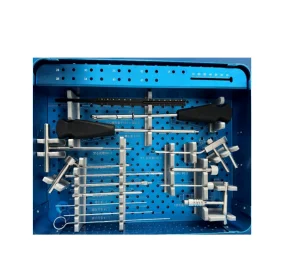
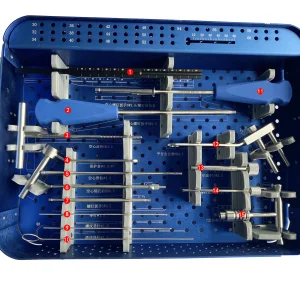
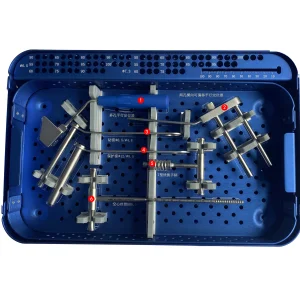
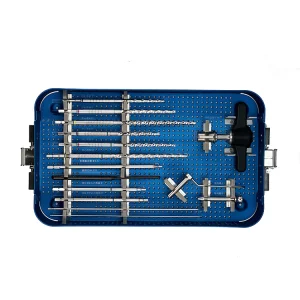
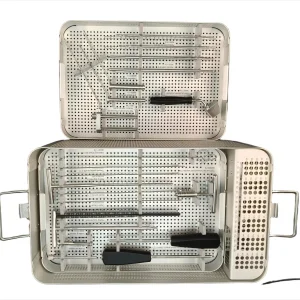
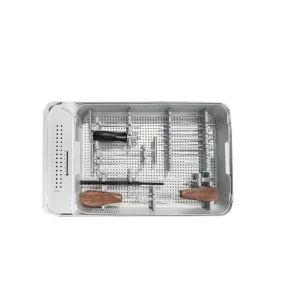
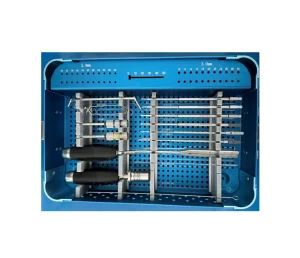
Complete surgical instrumentation sets engineered for trauma reduction, spinal reconstruction, and structural stabilization.
Are you looking to secure custom instrumentation runs or register high-grade implants for Seattle regional networks? Connect directly with our engineering and procurement team for quotes, material sheets, and logistics options.
Send Inquiry Now