 Bonevia
Bonevia
Bonevia
As Kuwait executes its Vision 2035 clinical upgrade program, the demand for precision orthopedic implants and surgical instrumentation has reached unprecedented heights. Public and private medical facilities require internationally certified hardware to address complex trauma, spine reconstructions, and degenerative bone conditions.
In Kuwait’s high-income healthcare sector, public hospitals managed by the Ministry of Health (MOH)—such as the Al-Razi Orthopedic Hospital, Mubarak Al-Kabeer Hospital, and Jaber Al-Ahmad Al-Sabah Hospital—operate at global standards. The procurement teams of these specialized institutions demand clinical equipment that delivers absolute mechanical stability and anatomical compatibility.
In parallel, the private healthcare sector in districts like Salmiya and Hawally is expanding rapidly. Leading orthopedic surgery groups look for global manufacturing partners that offer rapid delivery cycles, regulatory compliance (such as CE mark and ISO 13485 certification), and the capacity to manufacture specialized instrumentation tailored to modern, minimally invasive surgical protocols.
Premium trauma and spinal instrumentation designed to withstand intensive surgical applications in high-volume Kuwaiti clinics.
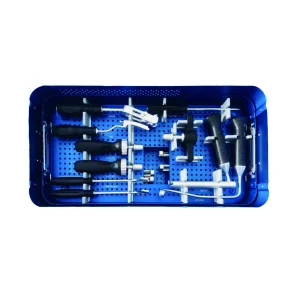
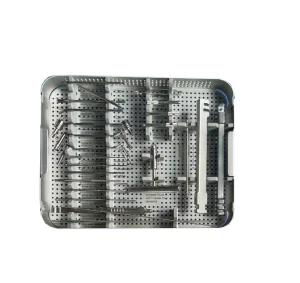
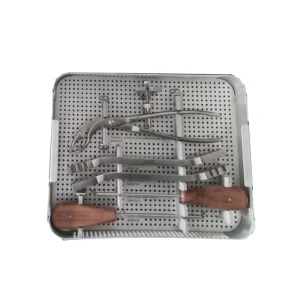
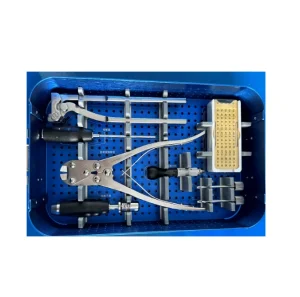
Analyzing the macro-economic and manufacturing synergy driving the adoption of high-precision Chinese implants in the Middle East.
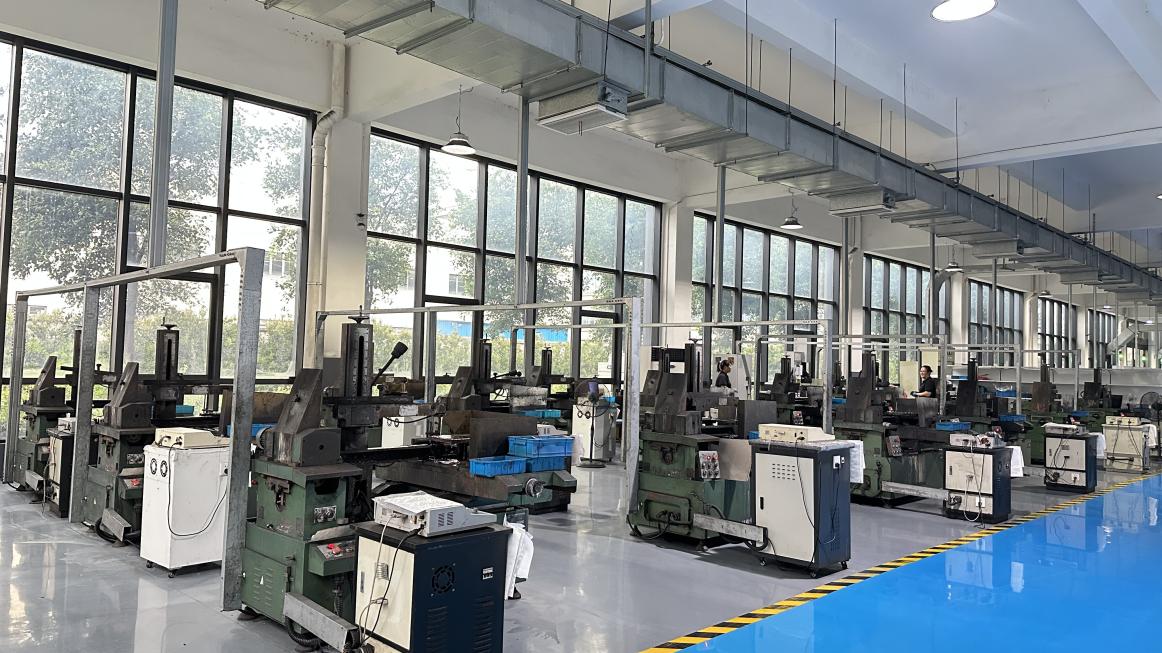
The global market for orthopedic implants and trauma kits has shifted. Leading Chinese manufacturers, operating with state-of-the-art multi-axis CNC machines and robotic wire-cutting lines, deliver medical-grade devices that match Swiss and American quality indicators while maintaining reasonable capital expenditure projections.
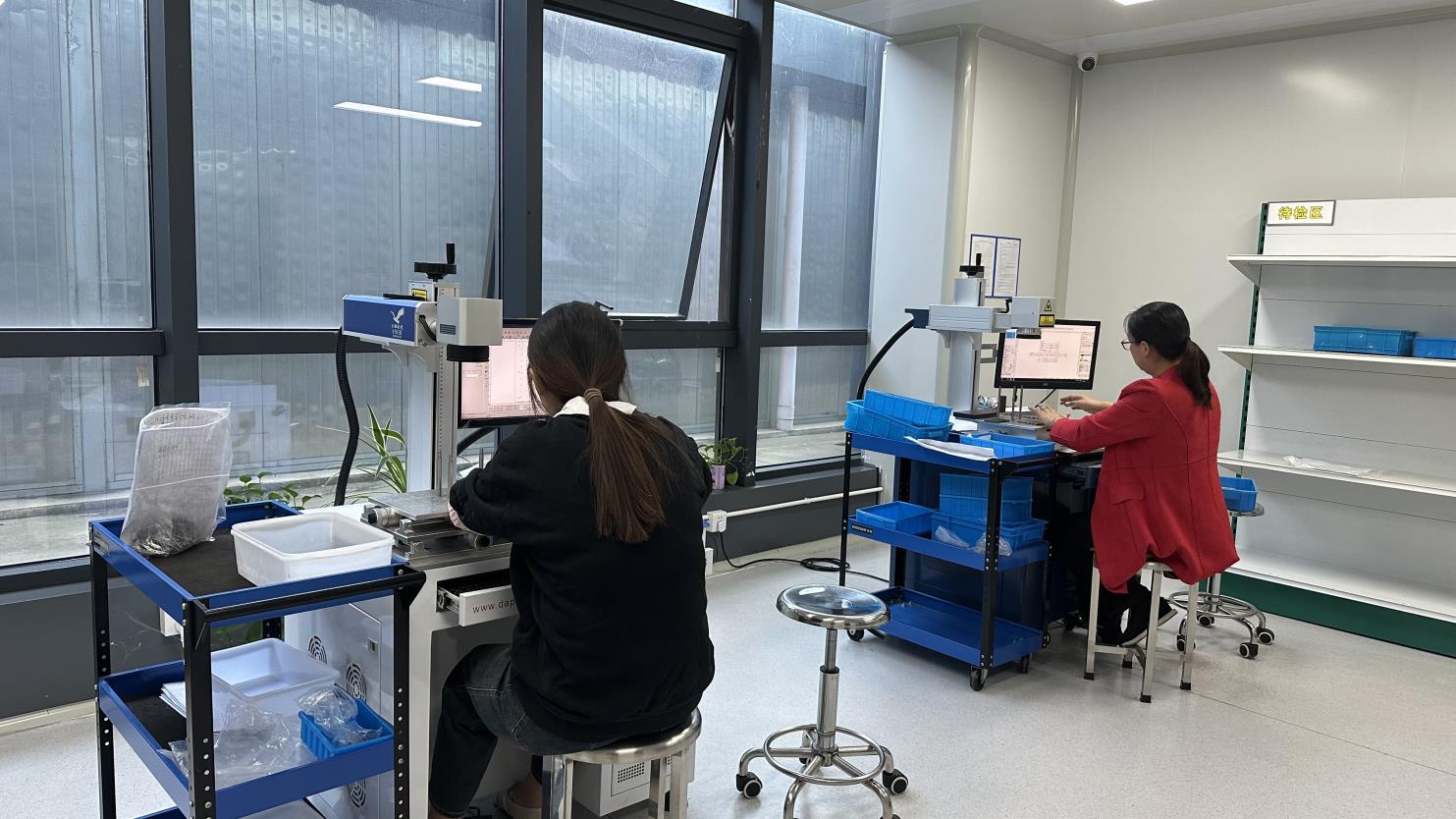
By bypassing traditional European intermediaries, medical procurement groups in Kuwait City can direct-source from established Chinese hubs. The resulting cost-efficiencies allow regional health departments to balance hospital budgets without compromising patient care quality. Furthermore, the integration of advanced laser marking, individual batch tracking, and titanium anodization ensures that all surgical materials fit seamlessly into cleanroom protocols.
Another crucial advantage is the agility of OEM and ODM customization. Orthopedic procedures can vary across regional populations, requiring minor variations in screw pitch, plate angles, and instrument ergonomics. Chinese R&D engineering units can modify structural designs within weeks—a cycle that historically took Western competitors months to complete.
1. Minimally Invasive Spine Surgery (MISS): Hospital networks are pivoting toward percutaneous spinal interventions. Implants like polyaxial pedicle screws allow surgeons to stabilize the spinal column with minimal tissue disruption, decreasing postoperative recovery times for patients.
2. Micro-Fixation & Specialized Anatomy Plates: Rib fracture fixation and small-joint reconstruction have moved toward pre-contoured anatomical titanium plates. These reduce the necessity for intraoperative manual bending, preserving the mechanical properties of the titanium alloy.
3. Cannulated and Headless Screw Advancements: In hand, foot, and ankle reconstructive surgeries, headless compression screws supply solid interfragmentary compression. By sinking the screw head below the articular surface, surgeons mitigate joint abrasion and mechanical impingement issues.
Our commitment to precision engineering, robust quality assurance protocols, and reliable global supply chain ecosystems.
Bonevia Orthopedic Technology Co., Ltd. is a specialized developer and manufacturer of advanced orthopedic implants and surgical instrumentation. Since our launch in 2015, we have committed ourselves to engineering innovations across trauma, spine, and joint reconstruction product lines. Today, Bonevia is recognized as an authoritative supplier across the Middle East, Southeast Asia, South America, and Europe.
Operating from our specialized manufacturing center, we oversee precision processes that guarantee every medical component meets strict dimensional tolerances. Our operations generate an annual export volume of USD 8–15 million, backed by 6 years of export practice and more than 10 years of combined industry expertise.
Quality control is the core pillar of our operational model. Bonevia integrates systematic, multiple-stage inspection methods, including incoming raw material testing, in-process quality checking, and final post-production testing. Our internal quality assurance framework is managed by a dedicated team of 35 QA/QC professionals.
We manage a diverse trade framework, serving a distribution network of more than 850 global partners. This network enables reliable, consistent supply lines and fast product delivery cycles for hospitals, orthopaedic clinics, and surgical centers worldwide.
To address specialized surgical requirements, Bonevia provides robust OEM and ODM design services. In the past fiscal year alone, we deployed 120 new orthopedic designs, directed by our engineering division of 85 R&D specialists.
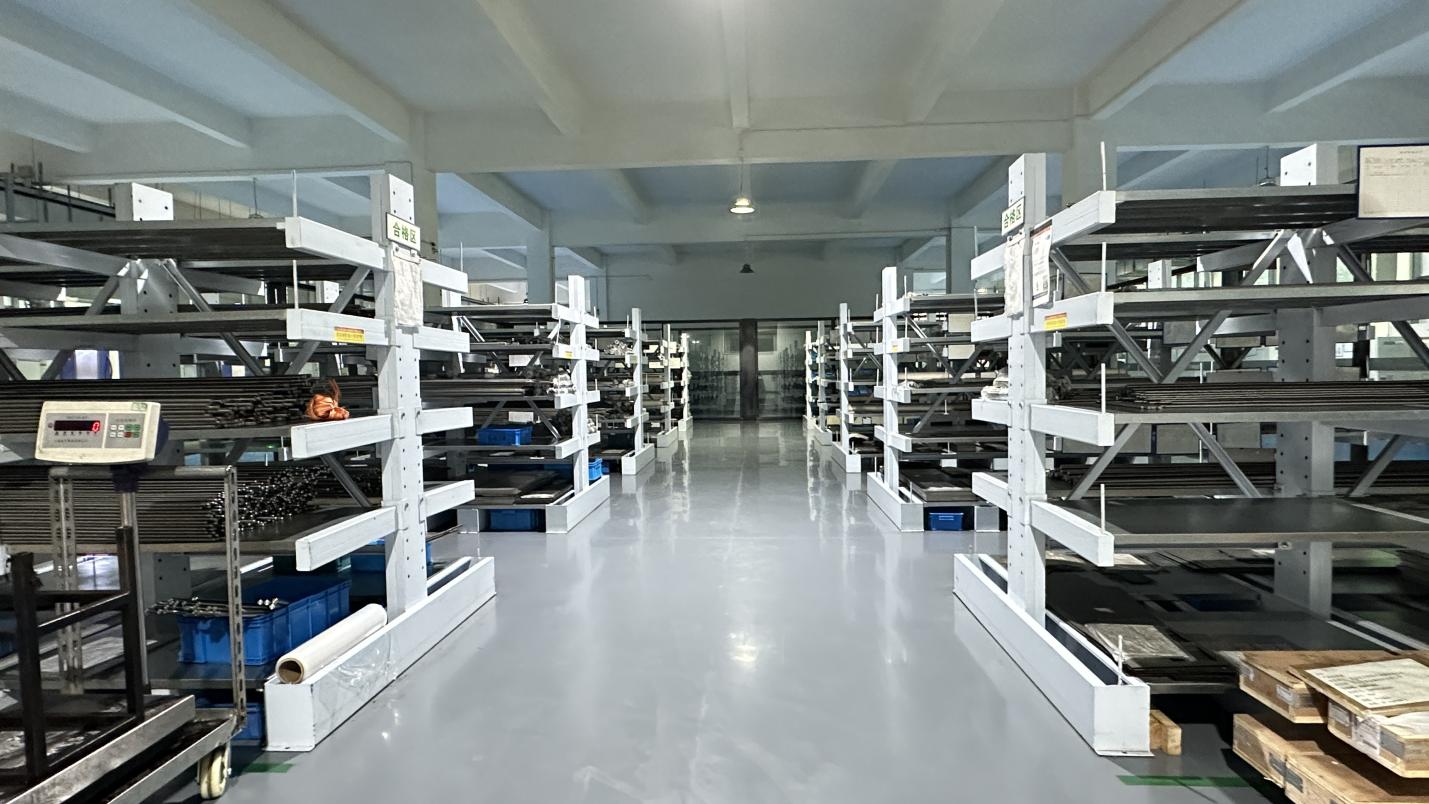
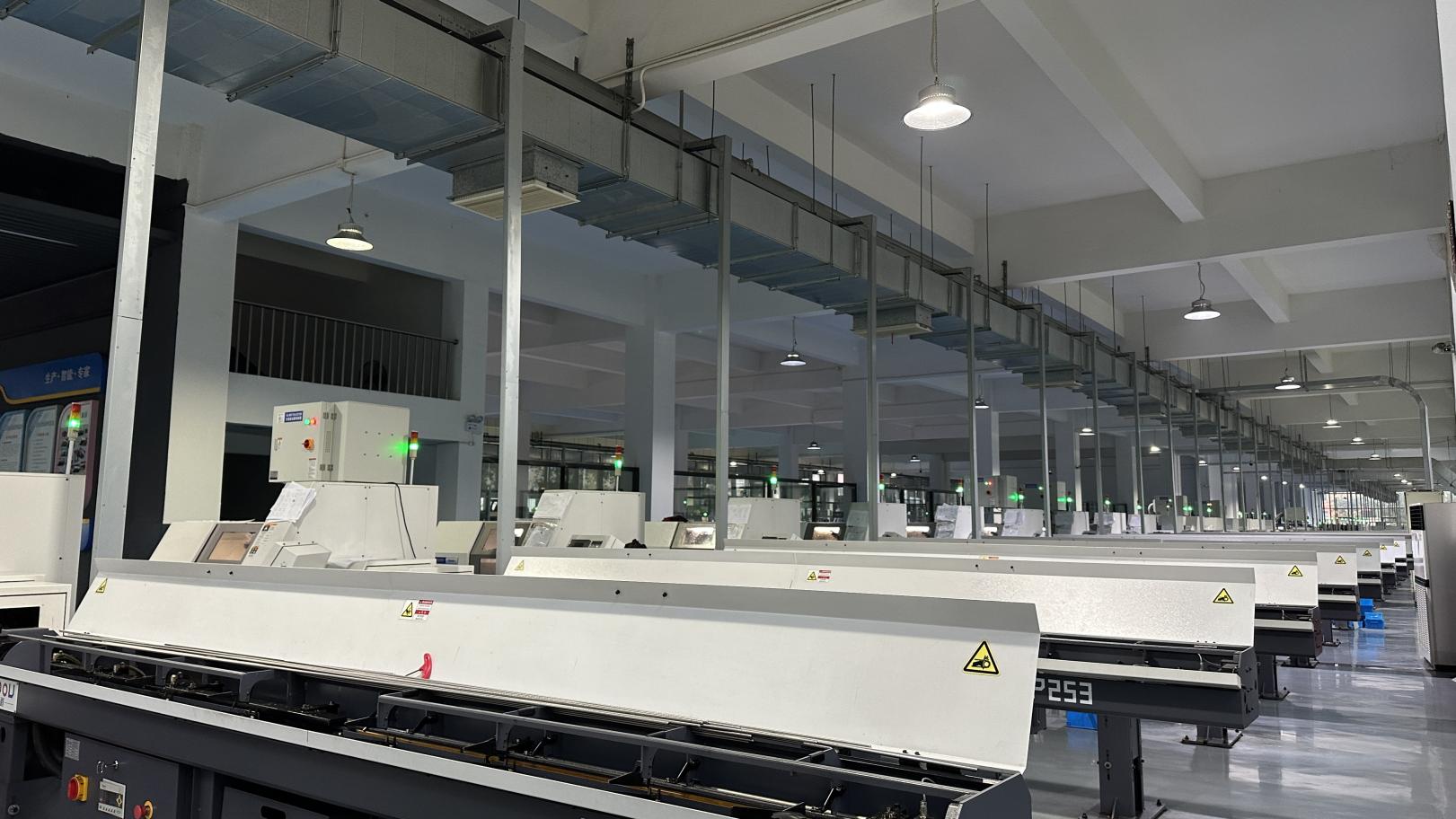
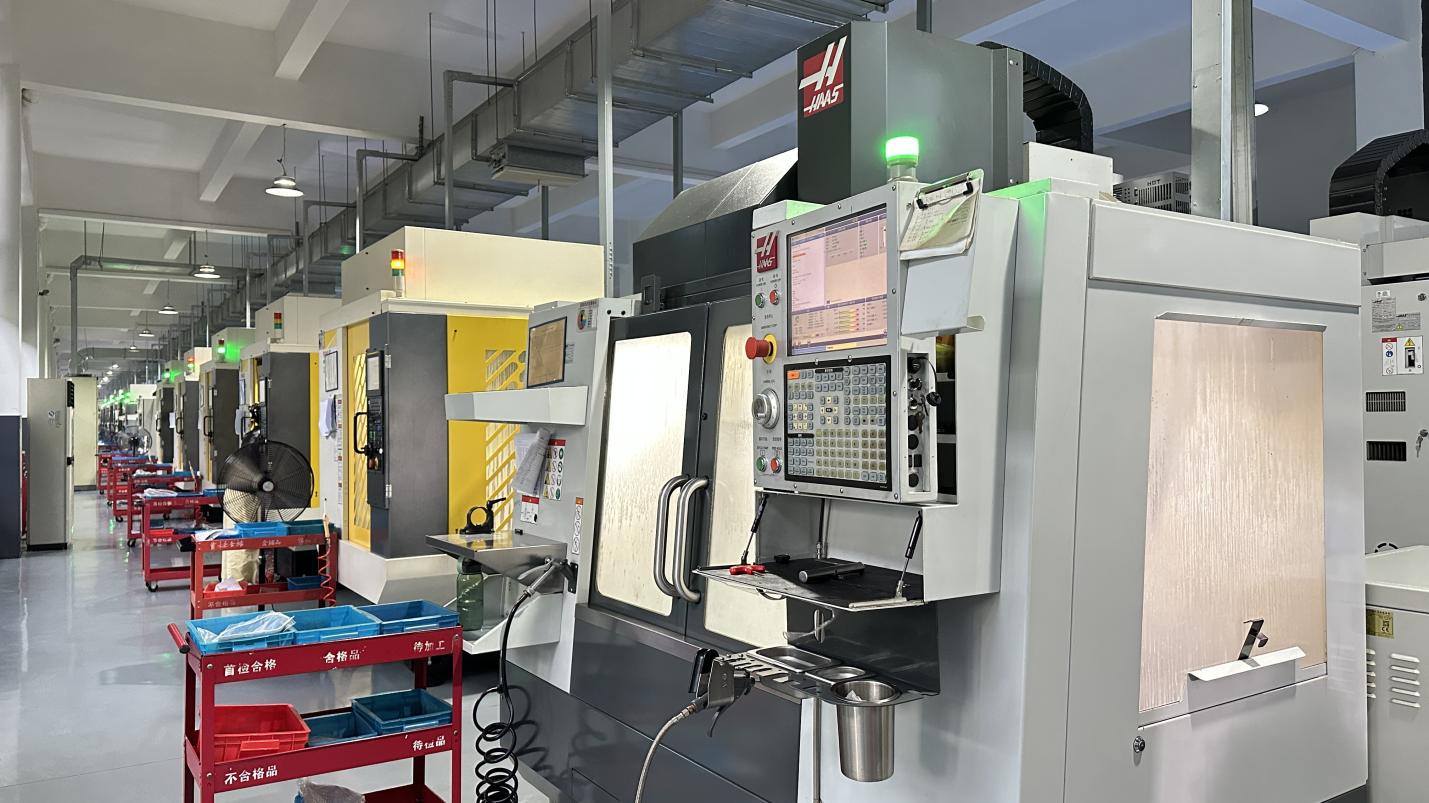
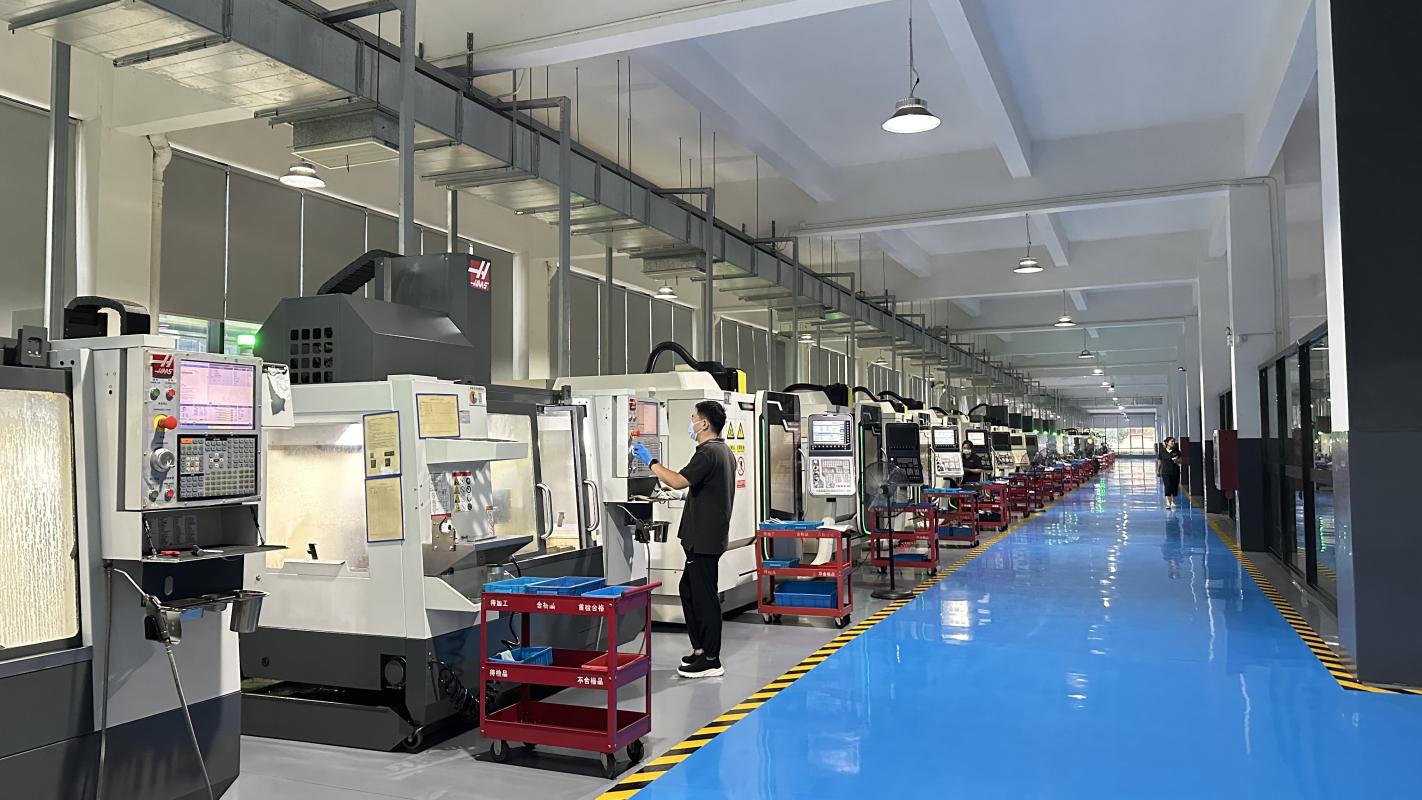
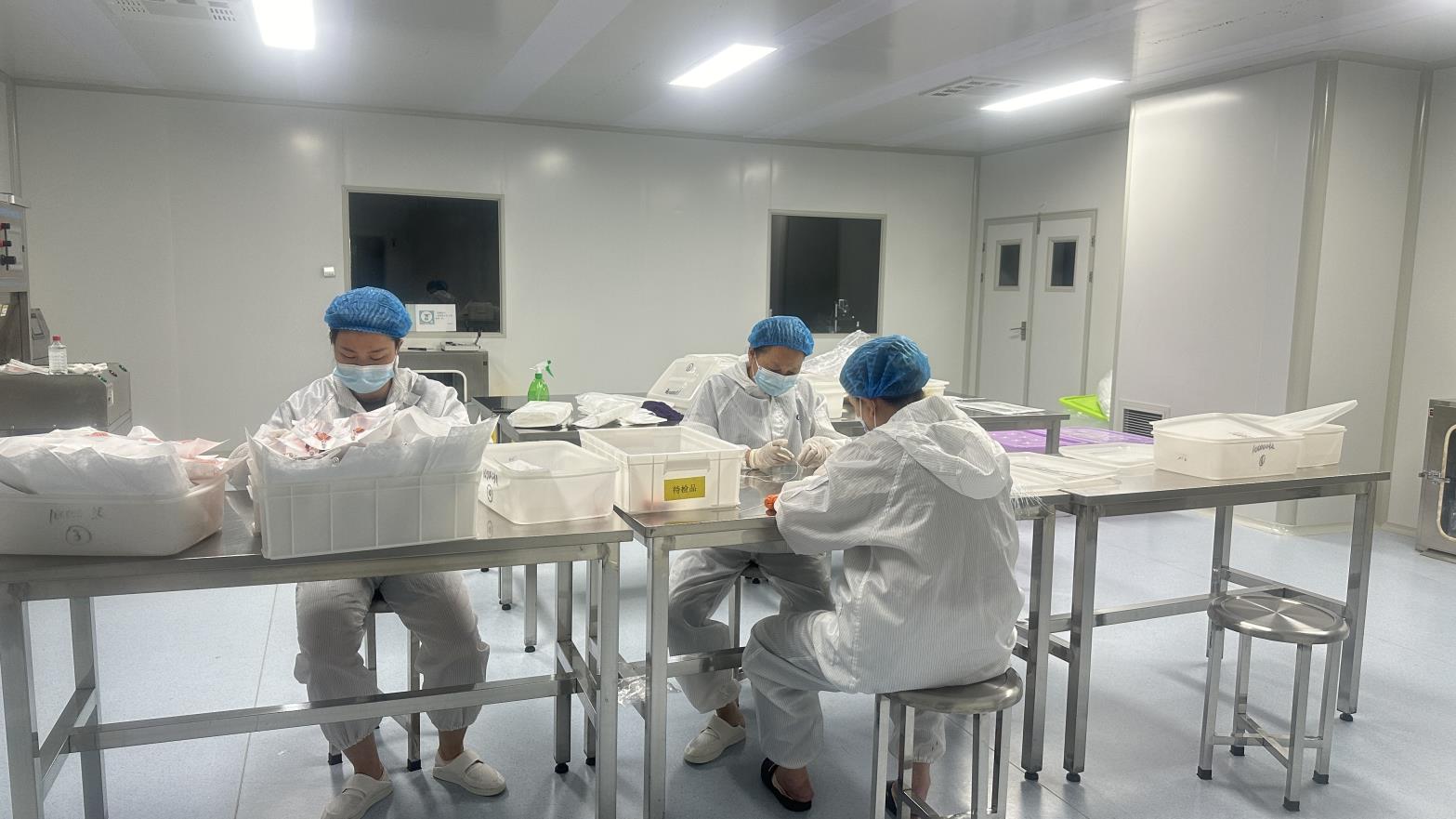
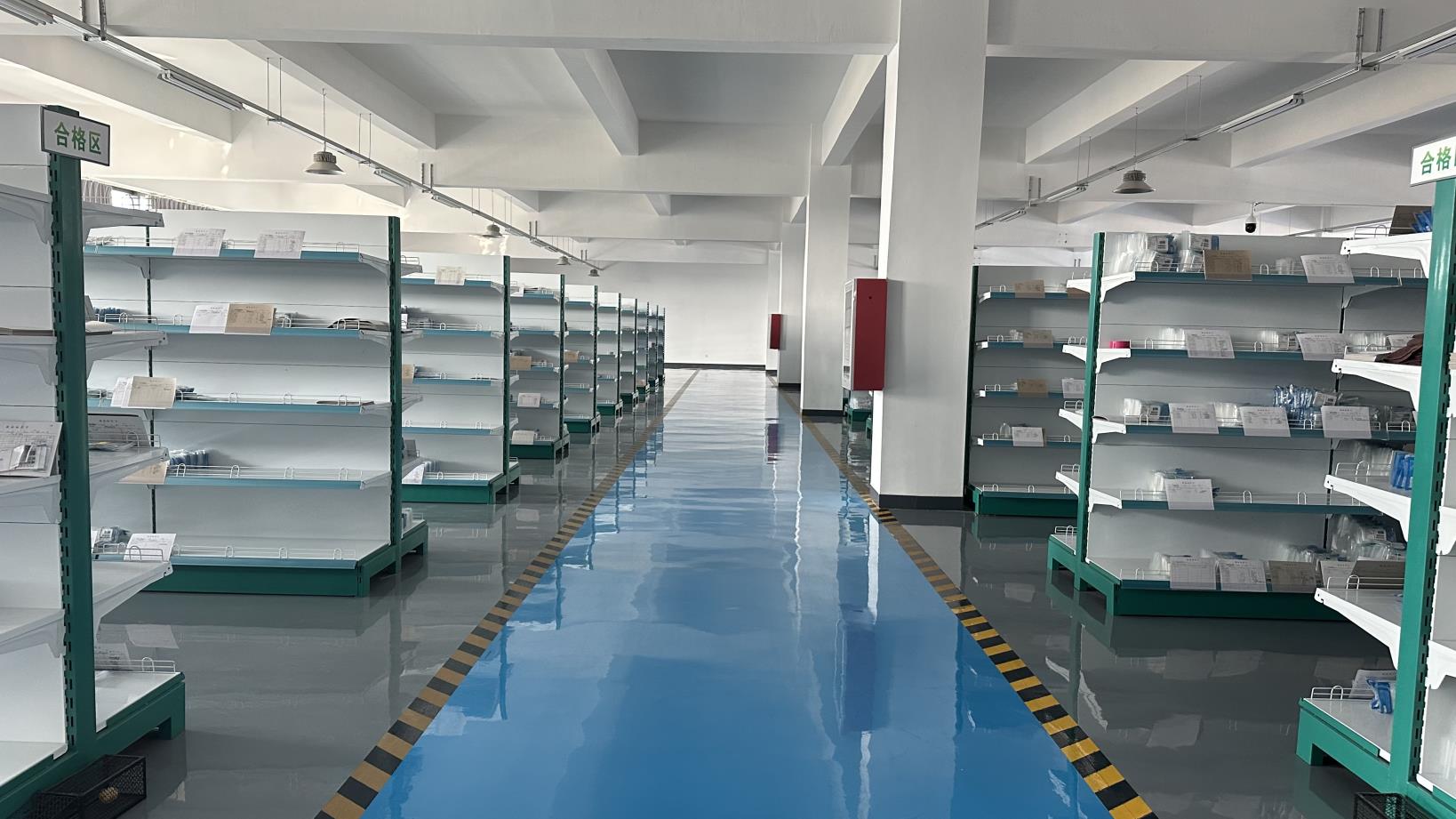
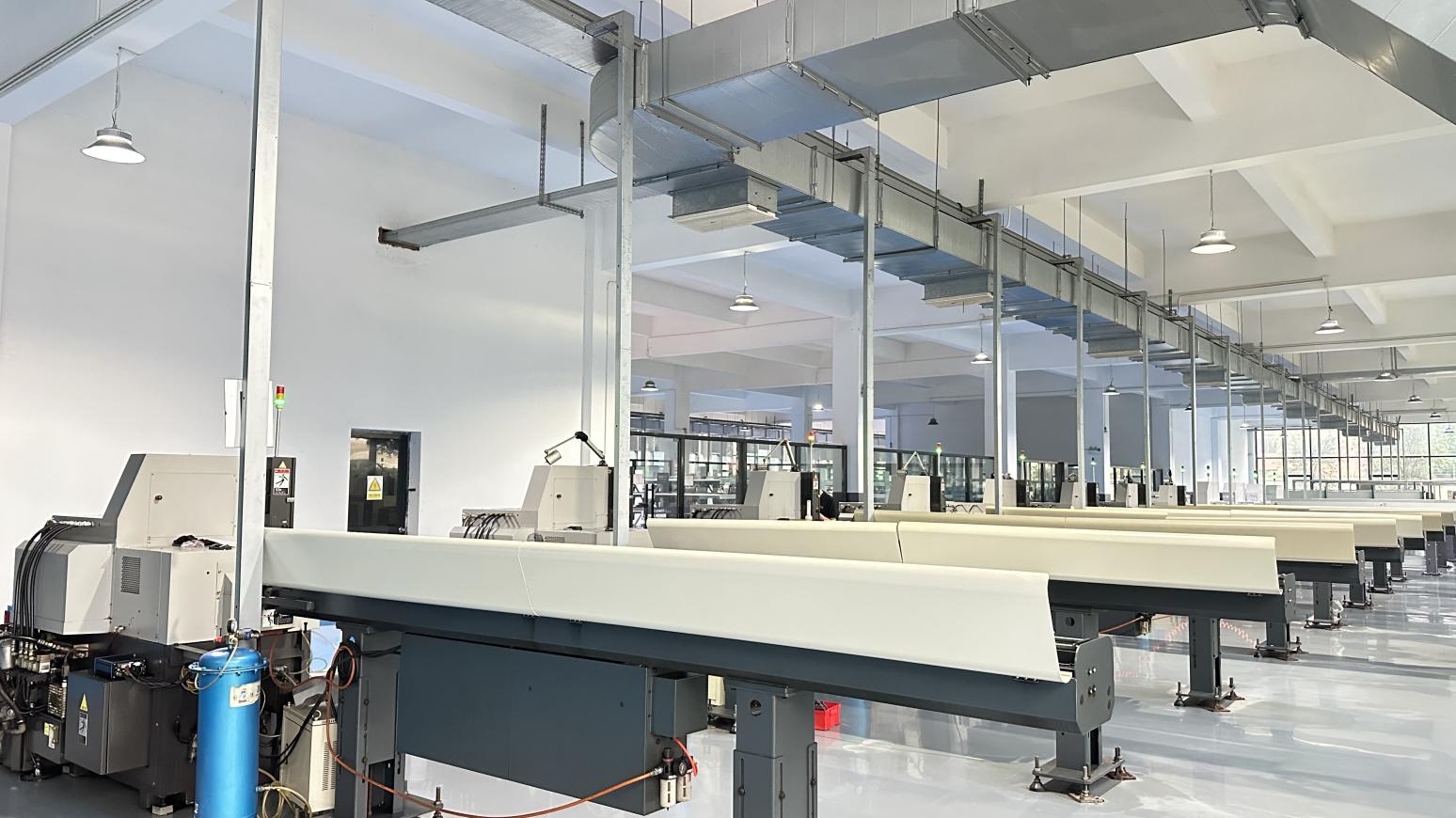
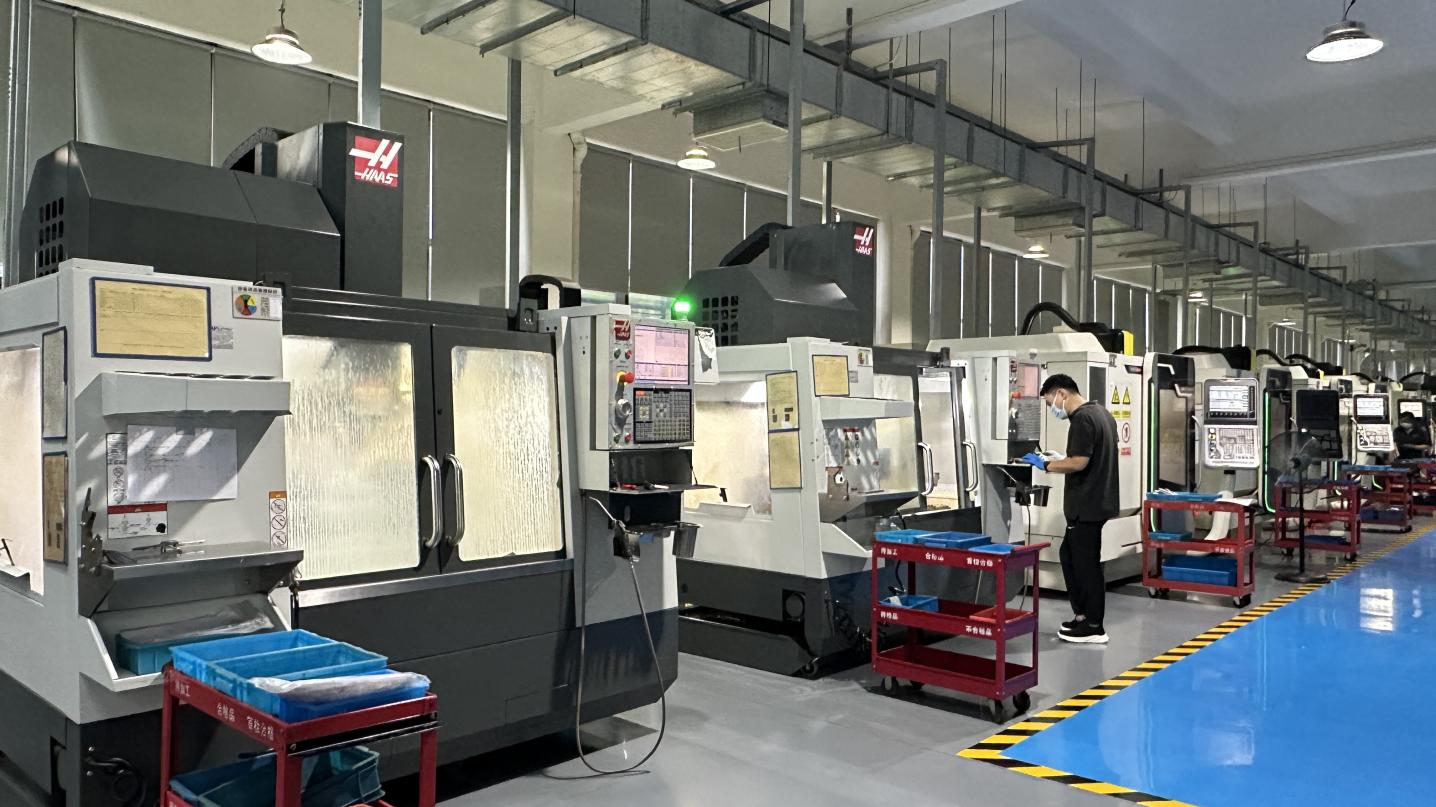
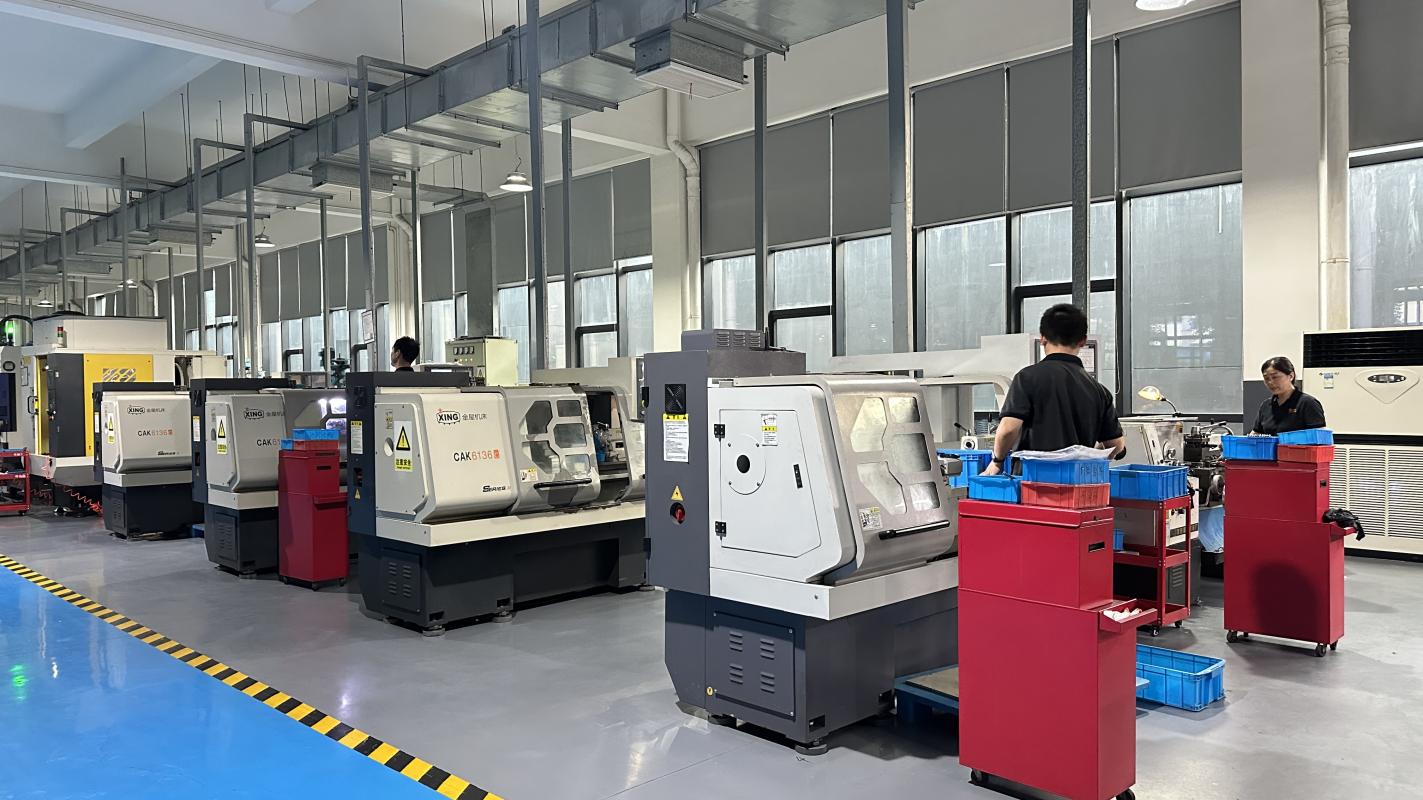
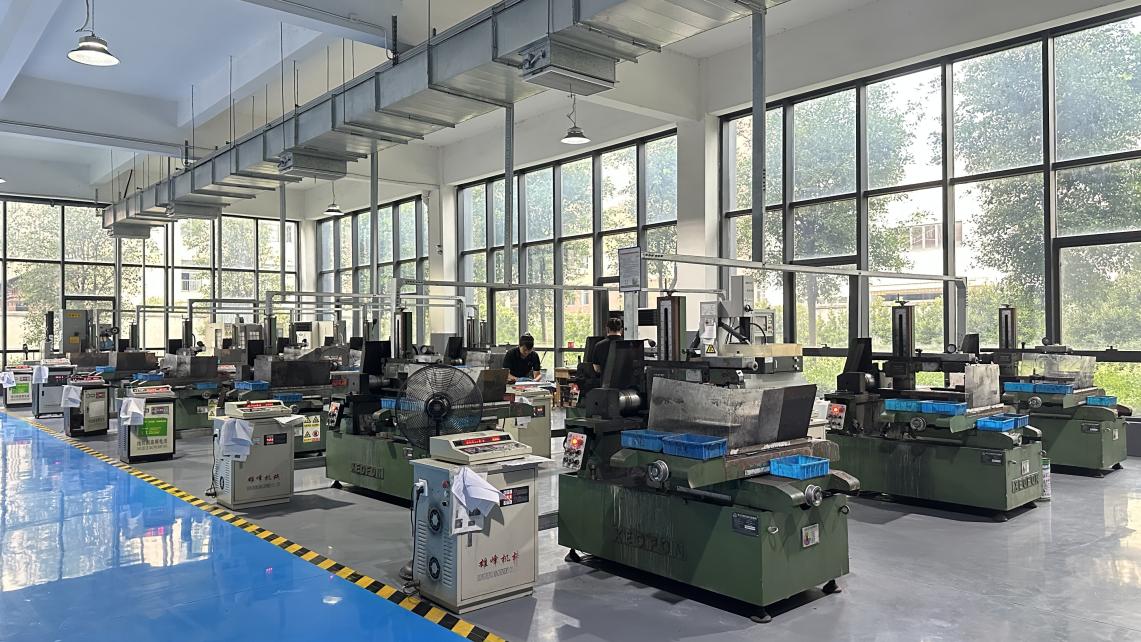
Take a tour of our certified manufacturing departments, highlighting our raw material storage, CNC precision lathe division, laser marking, and cleanroom packaging spaces.
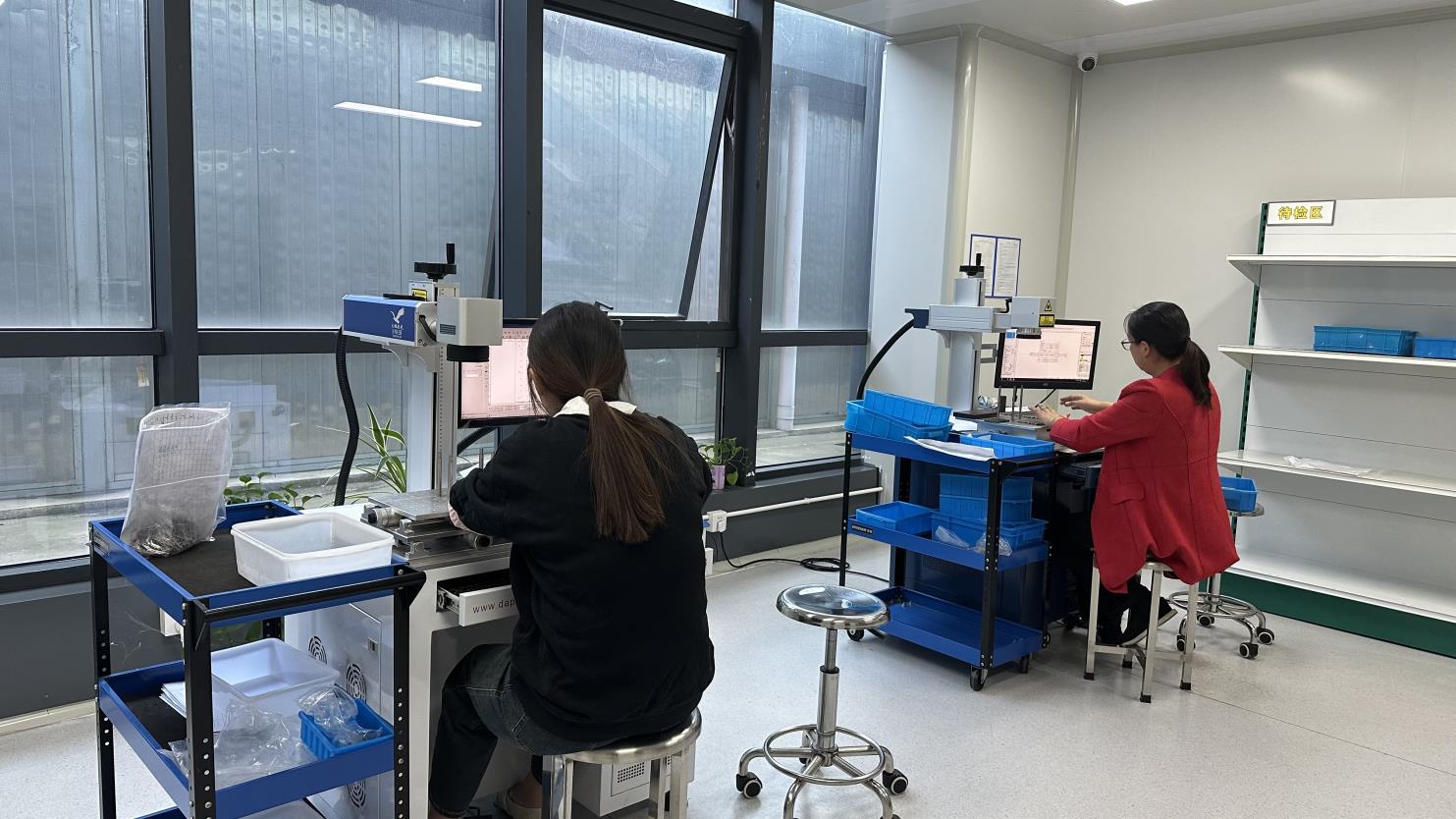
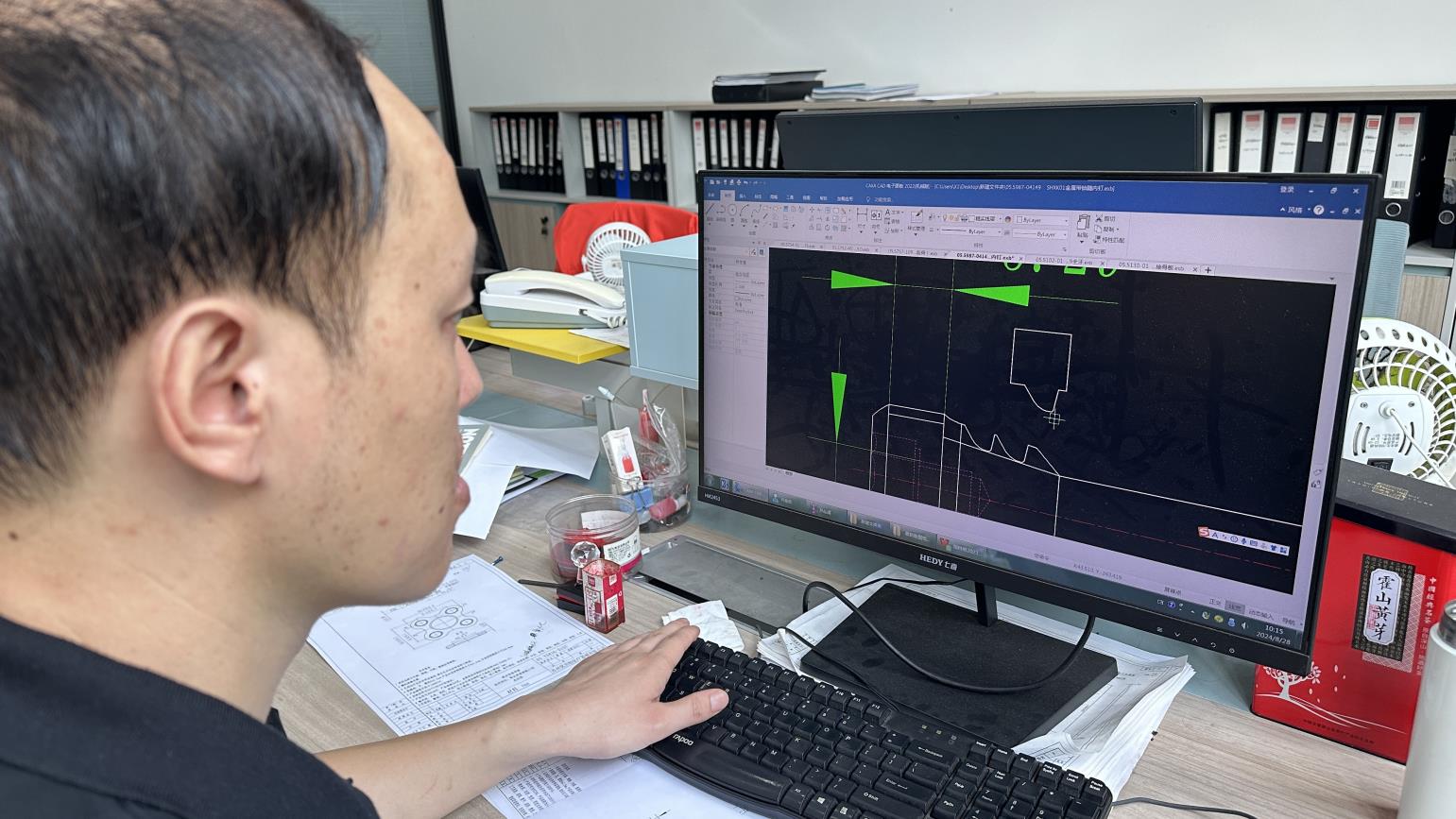
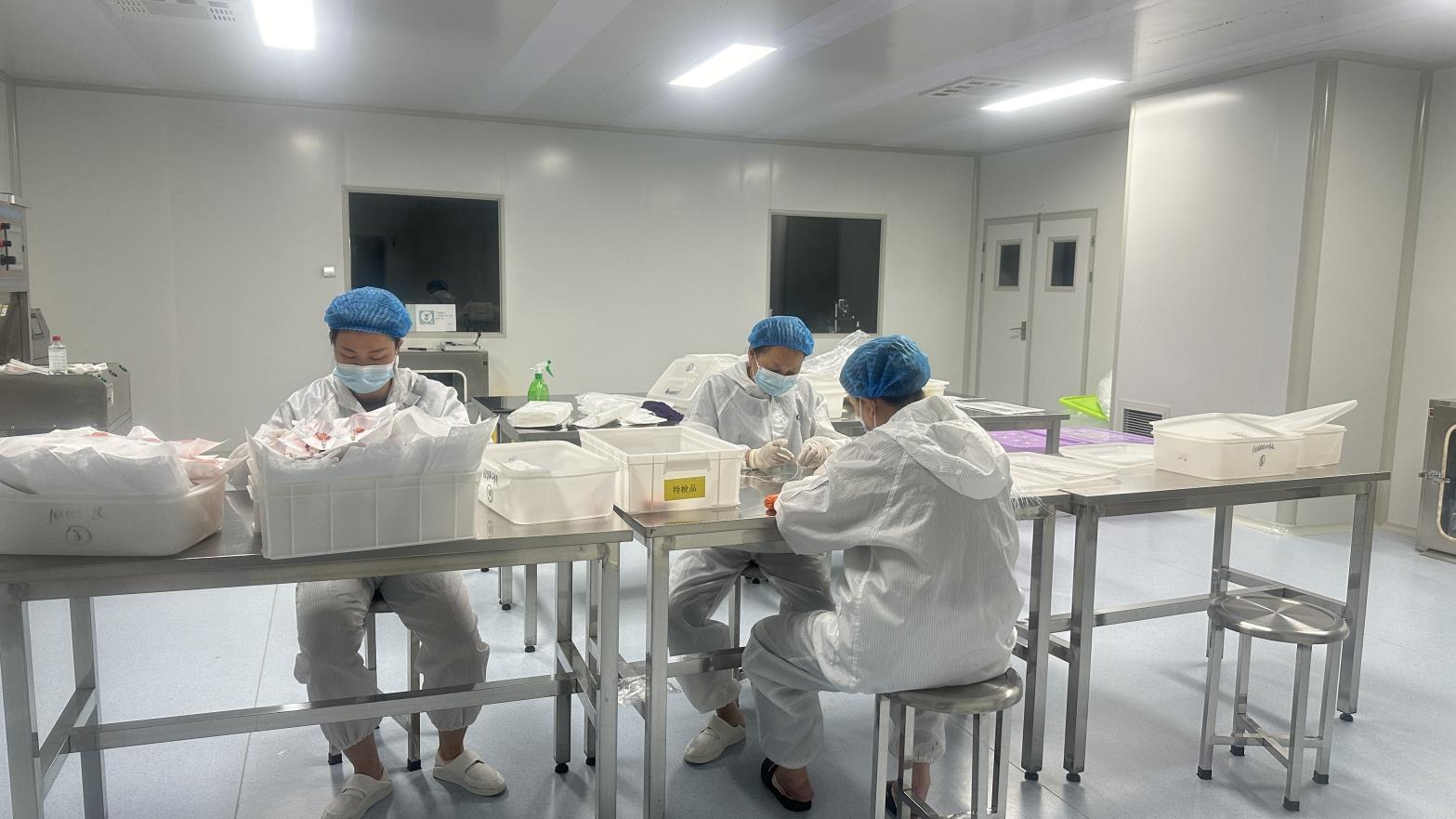
Discover how Bonevia's specialized product catalog addresses orthopaedic requirements across various surgical sub-specialties.
Our polyaxial self-tapping pedicle screw systems enable secure stabilization of the lumbar, thoracic, and cervical spine. Optimized for percutaneous delivery, these systems assist spine surgeons in stabilizing degenerative discs or spinal trauma with minimized surgical exposure.
Bonevia's external fixation instrument kits for upper and lower limbs are designed for rapid stabilization of open fractures. Built to withstand high mechanical forces, they provide crucial stabilization before definitive reconstruction procedures.
Our headless cannulated compression screws offer stable fixation of intra-articular fractures. The headless profile sinks into the bone structure, minimizing irritation to adjacent cartilage and soft tissues in hand, ankle, and foot surgeries.
Explore our full range of medical-grade orthopedic implants and specialized instrument kits, built for demanding clinical settings in Kuwait and worldwide.
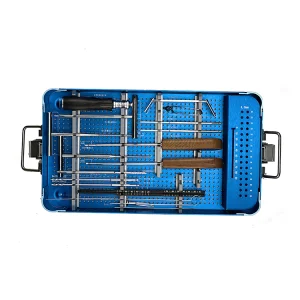
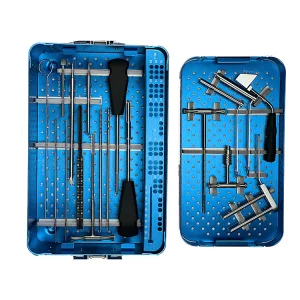
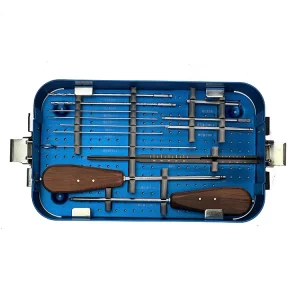
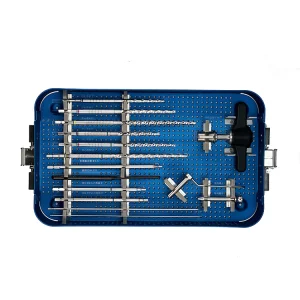
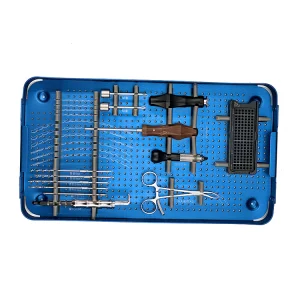
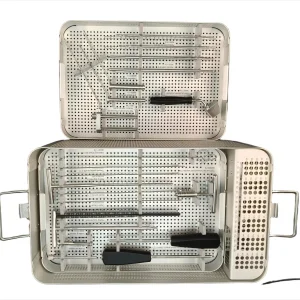
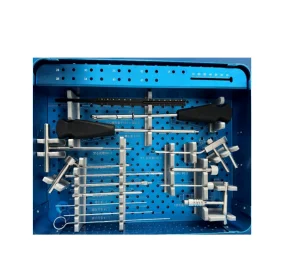
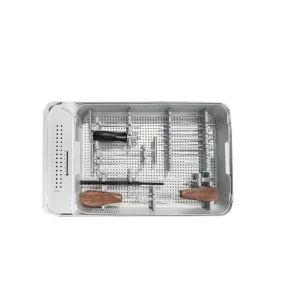
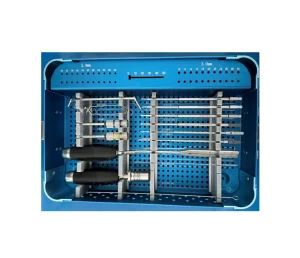
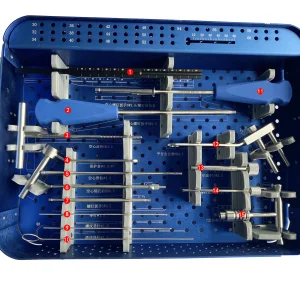
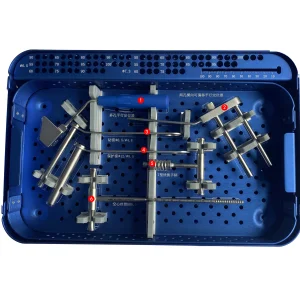
Deep engineering insights into metallurgy, mechanical validation, and international medical safety certifications.
Orthopedic devices operate in a chemically active, load-bearing biological environment. Bonevia utilizes premium medical-grade Titanium Alloys (Ti-6Al-4V ELI according to ASTM F136 specifications) and specialized Surgical Stainless Steel (316LVM according to ASTM F138 standards).
These high-grade raw materials offer an excellent strength-to-weight ratio, strong corrosion resistance, and high fatigue limits. Our titanium products undergo specialized anodic oxidation to create a stable oxide layer on the implant surface, improving biocompatibility and promoting osseointegration.
Every implant design is subjected to Finite Element Analysis (FEA) to simulate typical post-operative physiological stresses. Our spinal pedicle screws undergo dynamic fatigue testing (under ASTM F1717 guidelines) to verify mechanical performance over millions of load cycles. Similarly, our cannulated screw systems are engineered to achieve high pull-out strength, providing stable compression during the bone healing process.
Importing medical devices into Kuwait requires adherence to MOH regulatory pathways. Bonevia supports distributors by providing a comprehensive technical documentation package:
Technical and commercial answers for healthcare administrators, purchasing managers, and medical device distributors in Kuwait.
Get in touch with our engineering and sales divisions today. We are ready to provide technical specifications, custom pricing models, and regulatory documentation to support your clinical distribution networks in Kuwait.