Bonevia
Bonevia
Bonevia
Engineered to global standards, ensuring flawless clinical execution in critical orthopaedic scenarios.
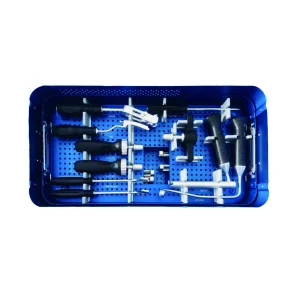
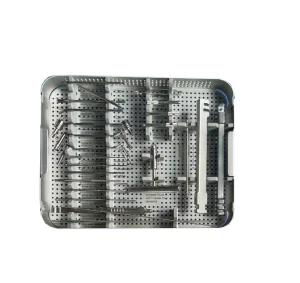
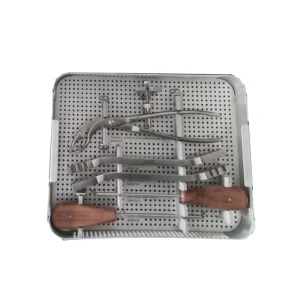
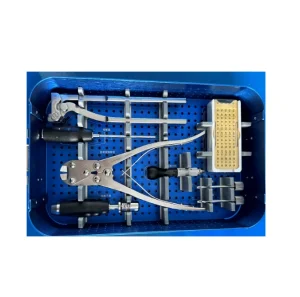
Australia boasts one of the most sophisticated healthcare systems in the world, characterized by a highly competitive mix of public and private hospitals. The demand for advanced orthopedic surgical instruments and implants is driven primarily by an aging demographic, a high incidence of sports-related injuries, and a growing clinical preference for Minimally Invasive Surgery (MIS).
For orthopedic device suppliers, entering or expanding within the Australian market means aligning with strict clinical efficacy benchmarks. Hospitals under the jurisdiction of state-based health authorities (such as NSW Health or Queensland Health) require medical device vendors to show not just raw cost-efficiency, but measurable clinical value—specifically, lower infection risks, shorter recovery windows, and high instrument durability.
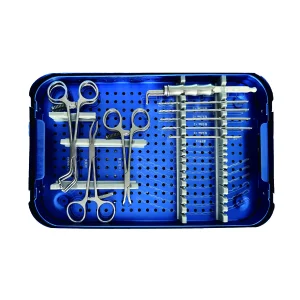
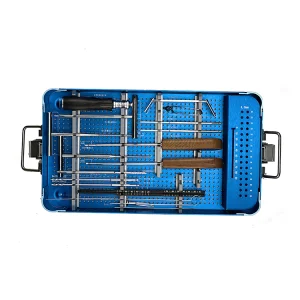
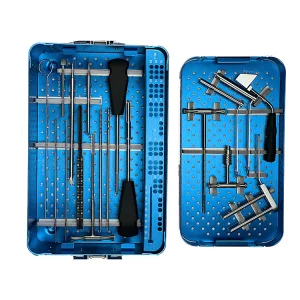
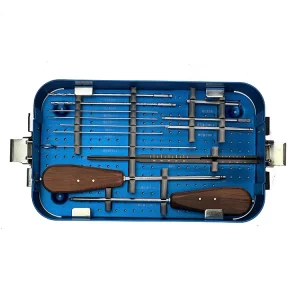
Furthermore, the push toward localized inventory holding and quick delivery structures has forced international manufacturers to partner with agile local distributors. These partnerships ensure that complex instrumentation sets, such as trauma plates or spinal system kits, are ready for immediate clinical delivery within metropolitan and regional surgical suites.
Australian orthopedic surgeons place tremendous emphasis on ergonomics, balance, and material composition. High-grade titanium alloys (Ti-6Al-4V ELI) and implant-grade stainless steel are standard requirements.
Understanding the essential steps to clear medical devices under the Therapeutic Goods Administration (TGA) framework.
All medical devices distributed in Australia must be entered into the Australian Register of Therapeutic Goods (ARTG). This database, managed by the TGA, demands exhaustive technical files demonstrating clinical safety and performance.
Manufacturers must possess a robust Quality Management System. ISO 13485 certification ensures that from design to manufacturing and final packaging, the device meets cleanroom and mechanical tolerances.
Suppliers must maintain reliable systems for reporting adverse events, recalling defective instruments, and tracking implanted components down to the hospital batch code level.
Bonevia Orthopedic Technology Co., Ltd. is a professional manufacturer specializing in orthopedic implants and surgical solutions, dedicated to advancing innovation in trauma, spine, and joint reconstruction products. Since its establishment in 2015, the company has grown steadily into a trusted supplier in the global orthopedic industry.
With a modern production facility covering approximately 320㎡, Bonevia maintains strict quality management standards and efficient manufacturing processes. The company records an annual export revenue of around USD 8–15 million, supported by 6 years of export experience and over 10 years of overall industry experience.
Quality assurance is a core focus at Bonevia. The company implements multiple inspection methods including incoming material inspection, in-process quality control, and final product testing, supported by a dedicated quality team of 35 professionals. This ensures all products meet international medical device standards.
Serving critical healthcare centers in Europe, Southeast Asia, the Middle East, and South America. Bonevia provides strong OEM/ODM customization services to meet specific clinical and regulatory requirements across these regions.
From medical-grade titanium bars to sterilized packaging: our strict step-by-step production flow.
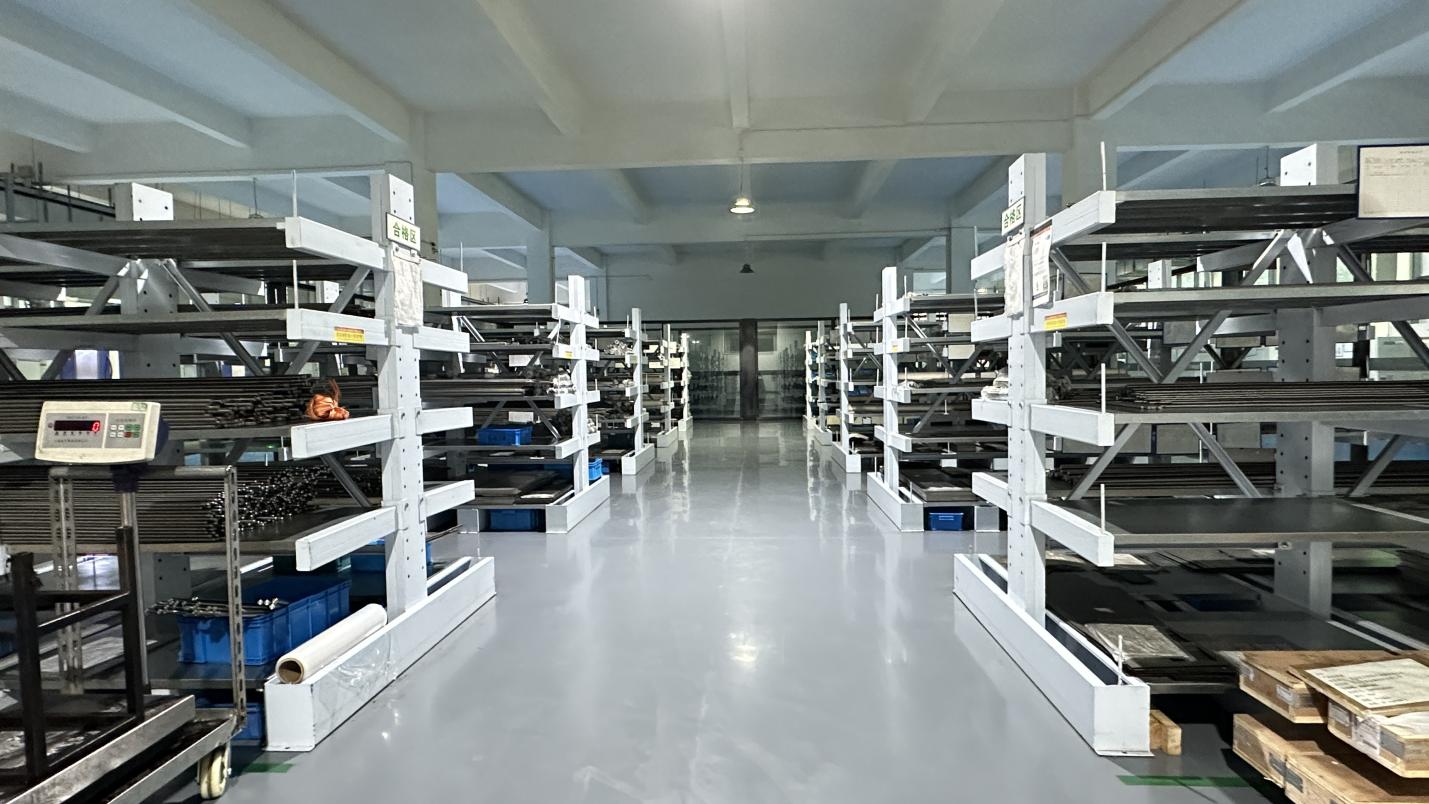
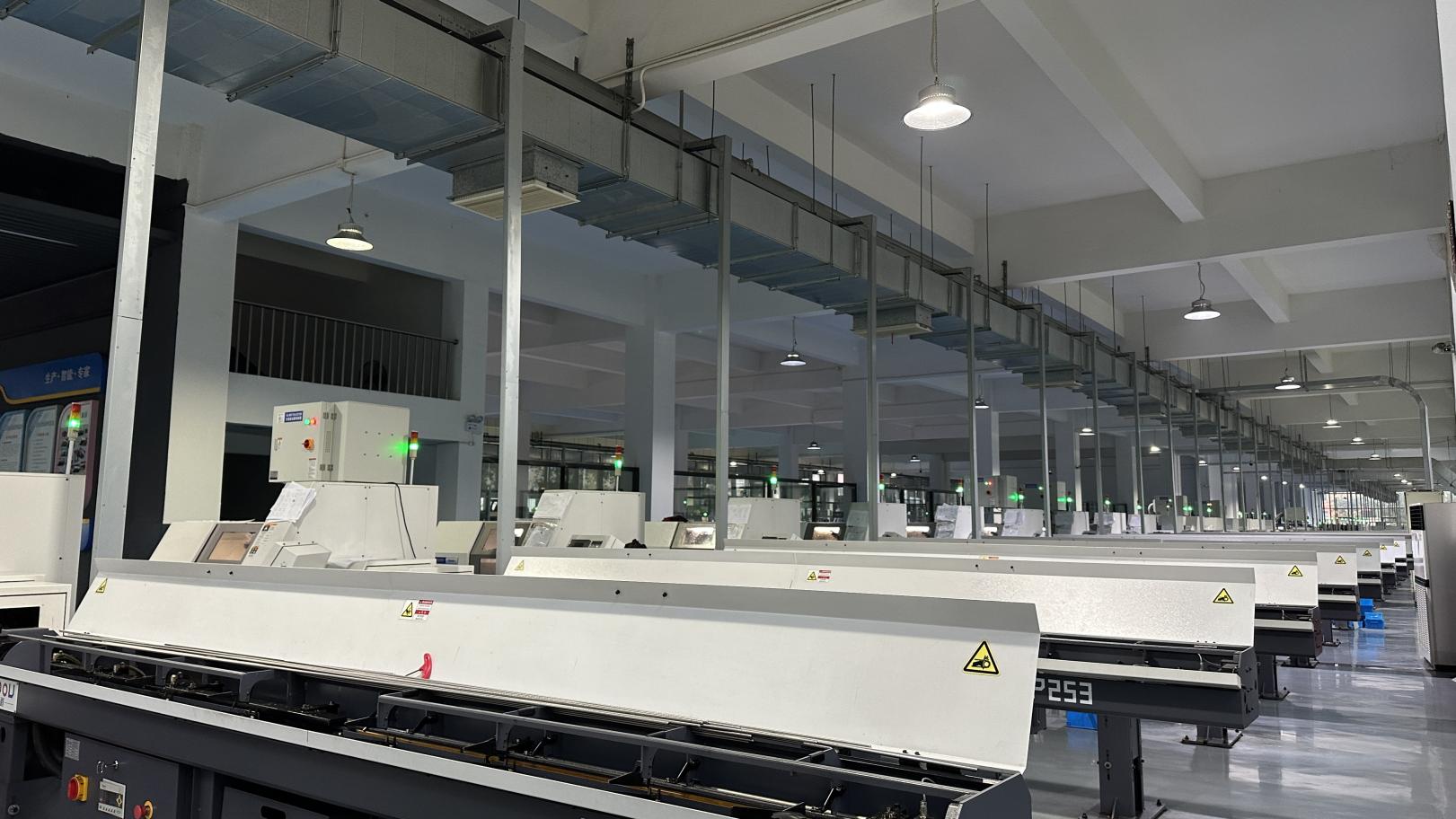
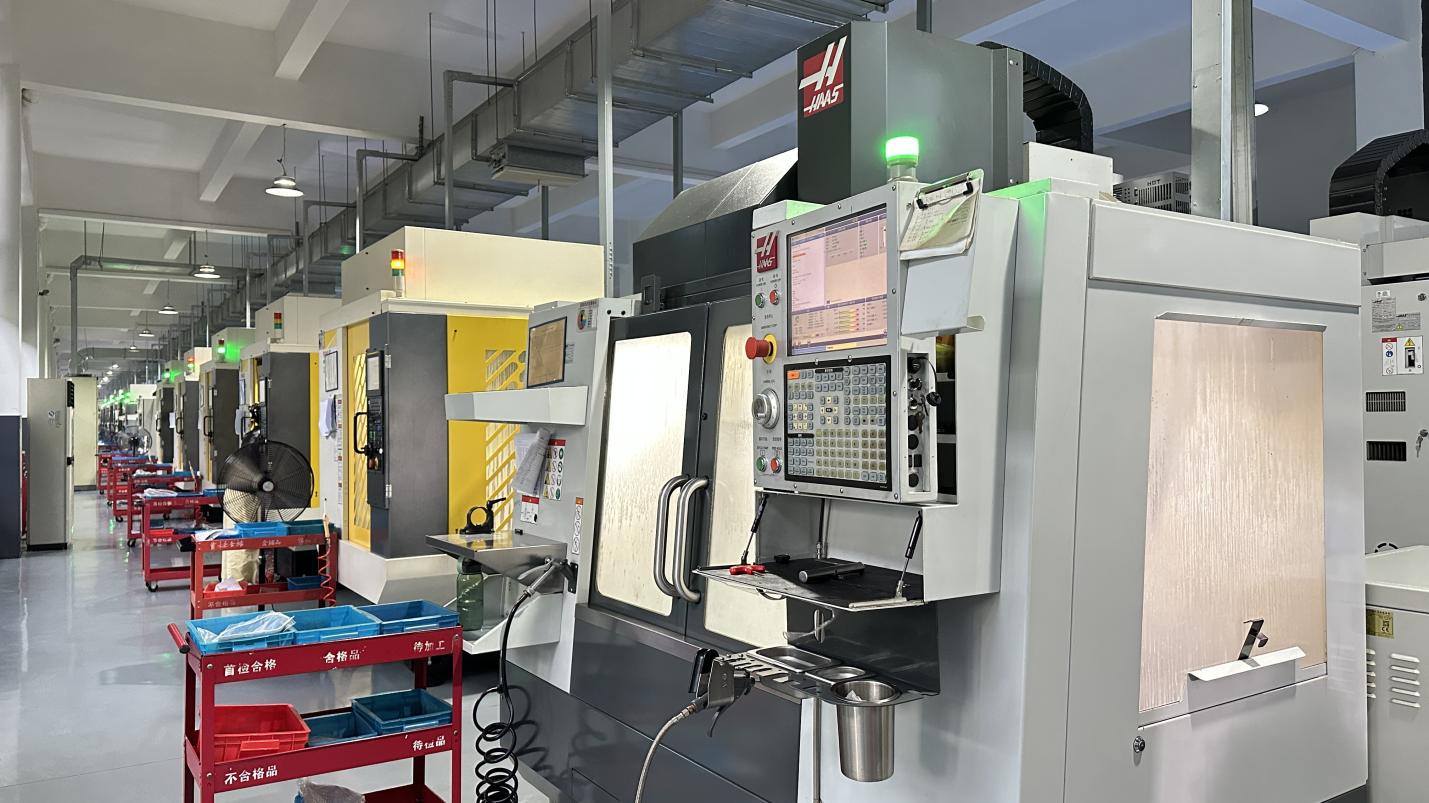
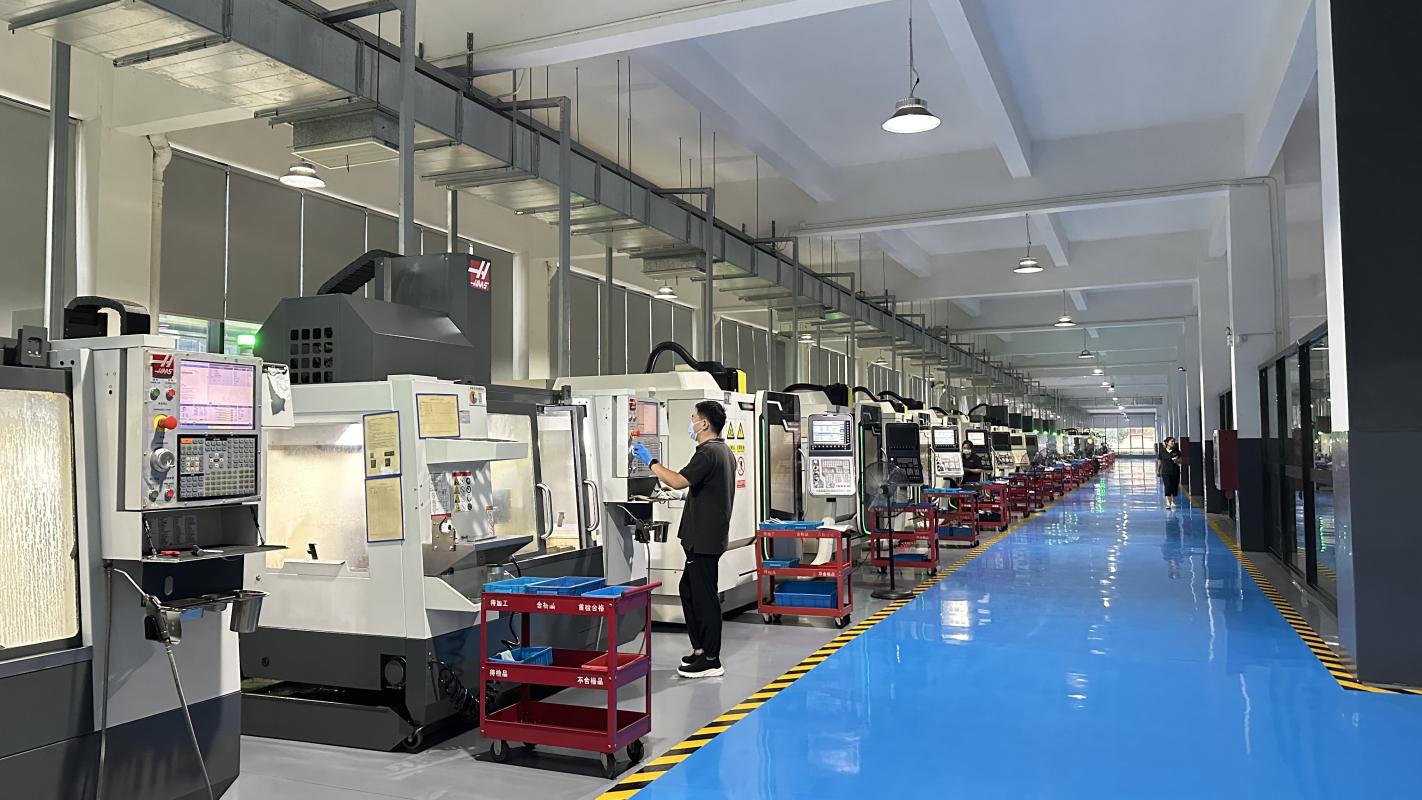
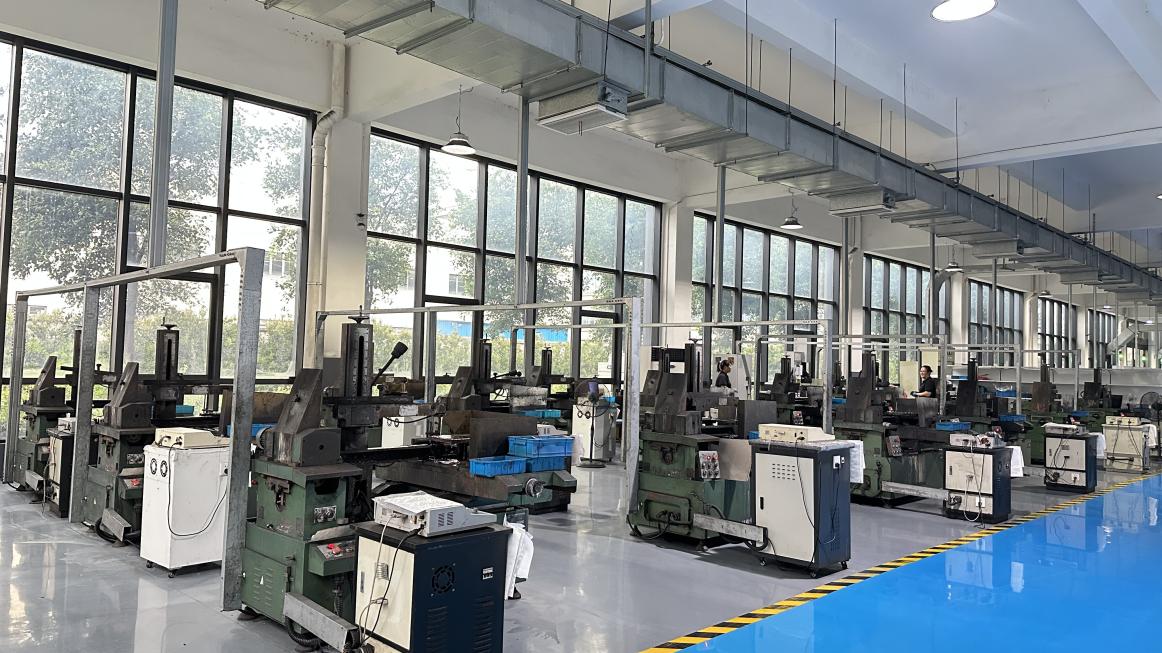
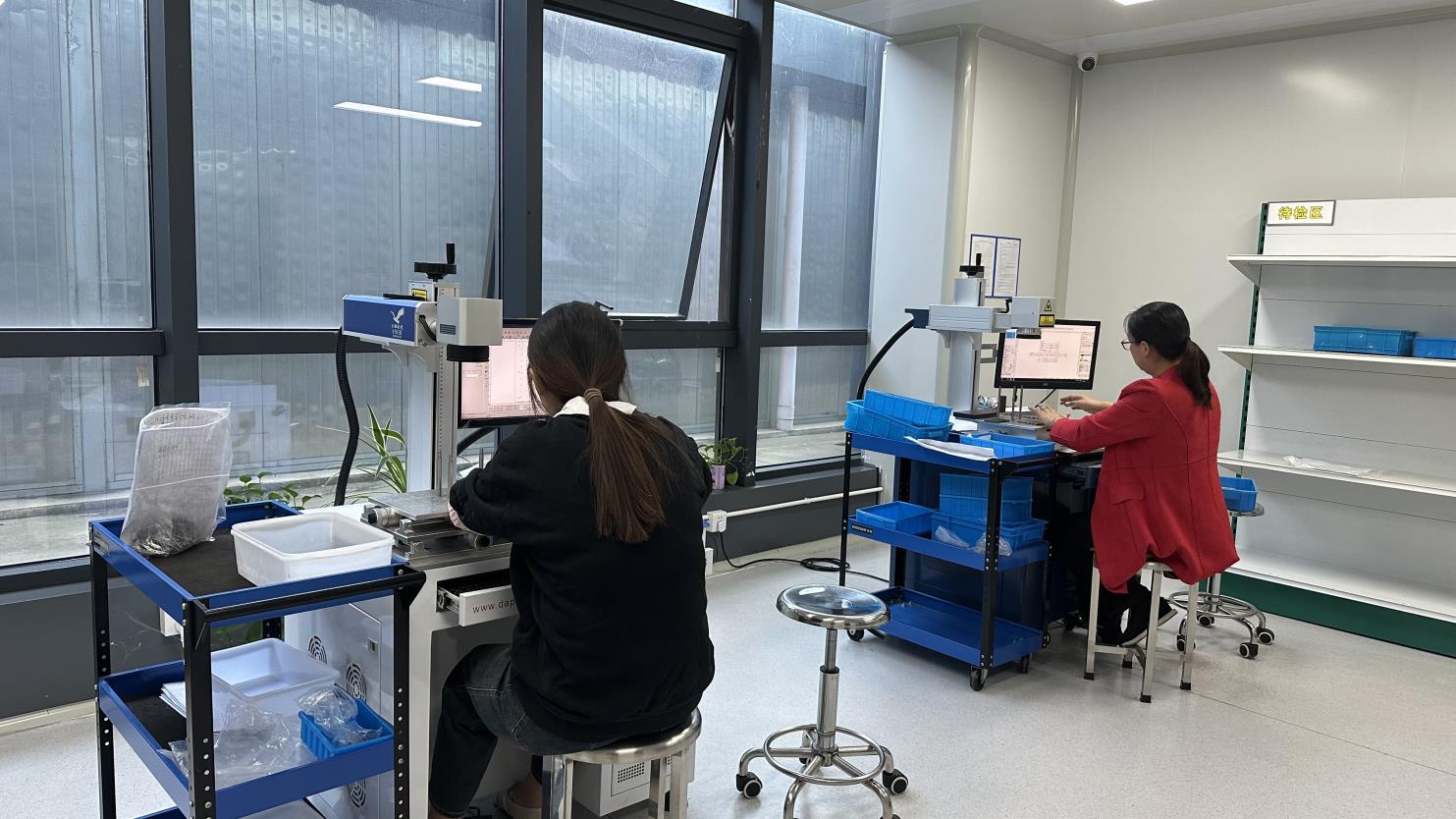
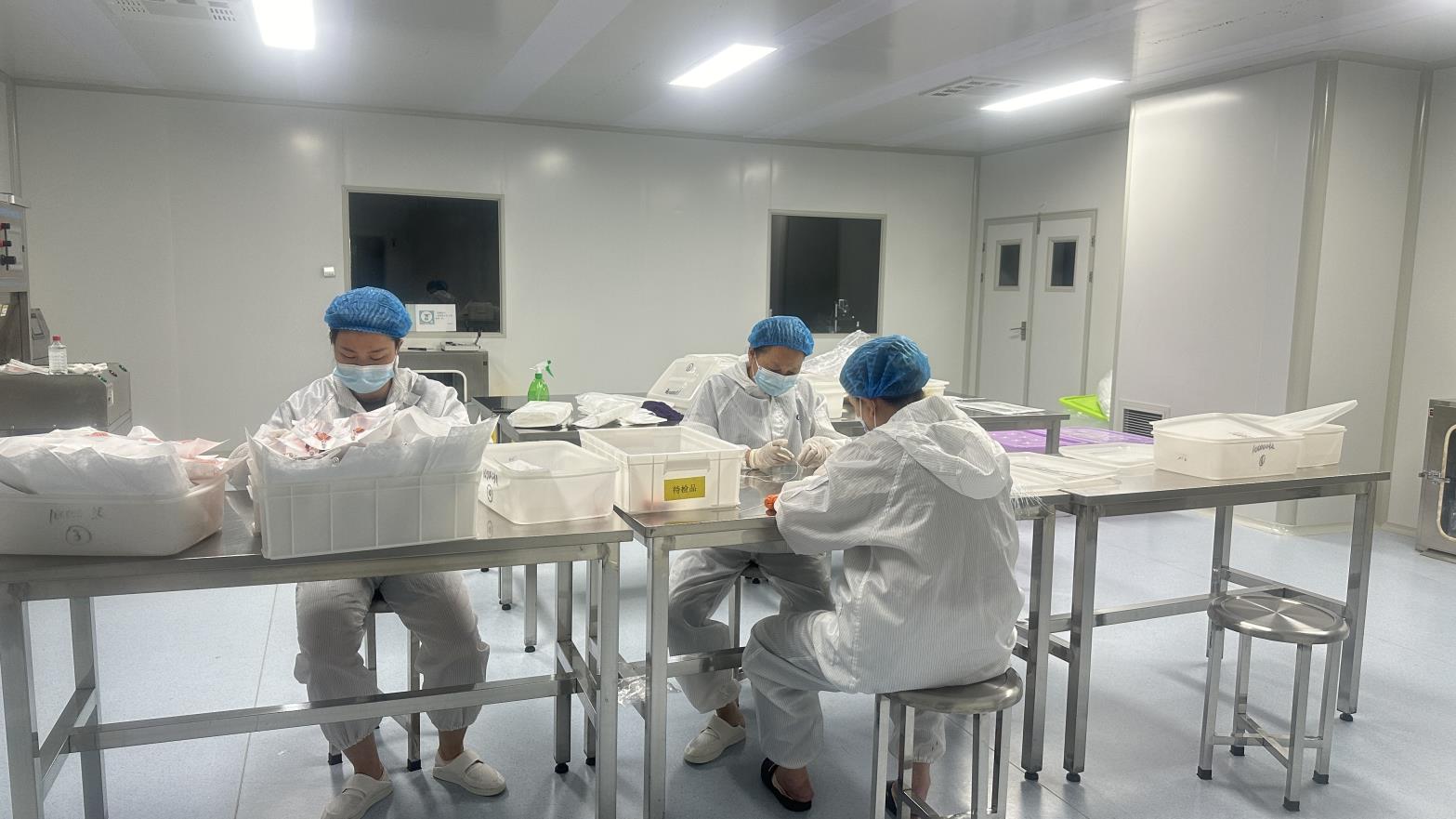
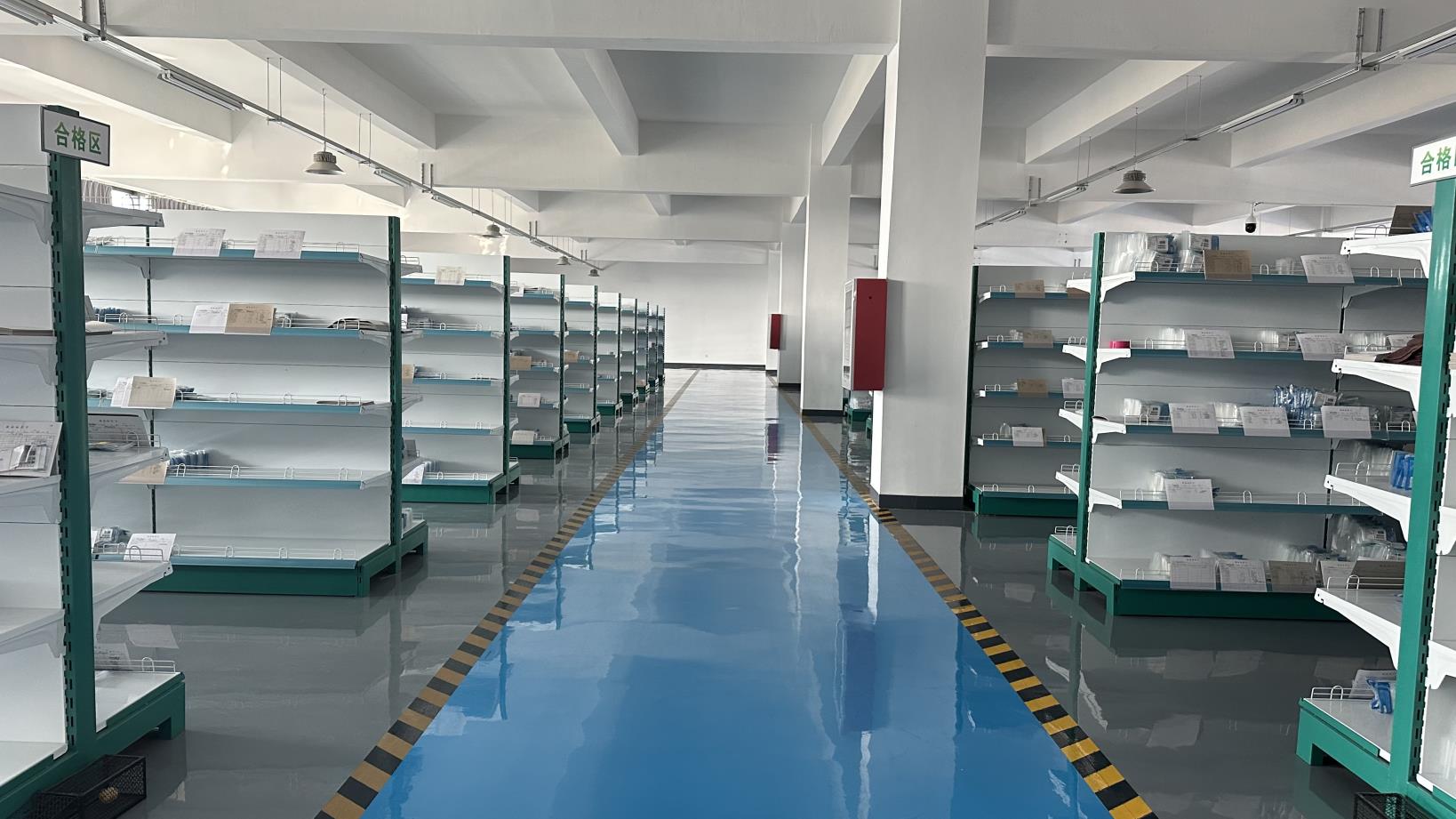
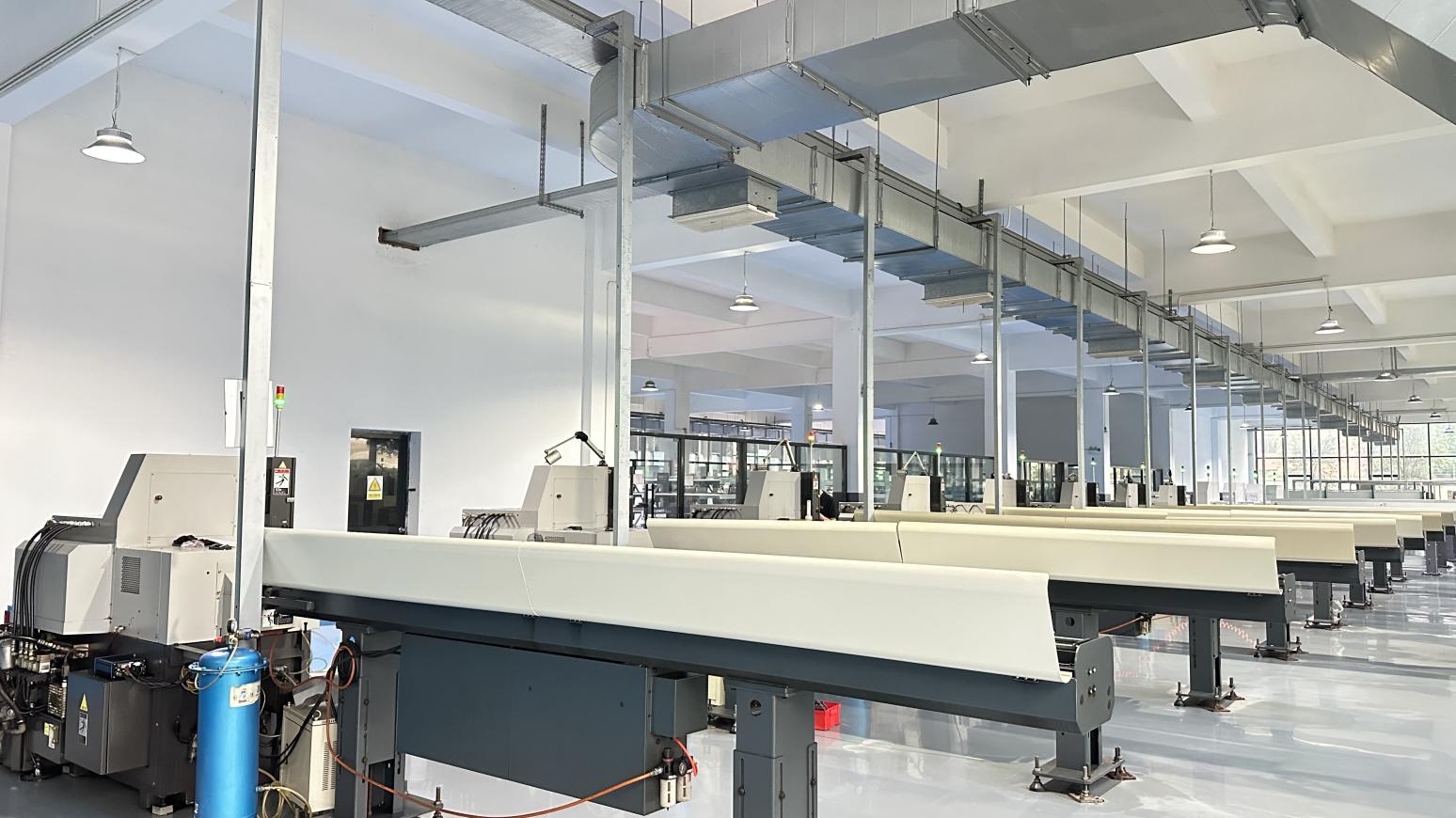
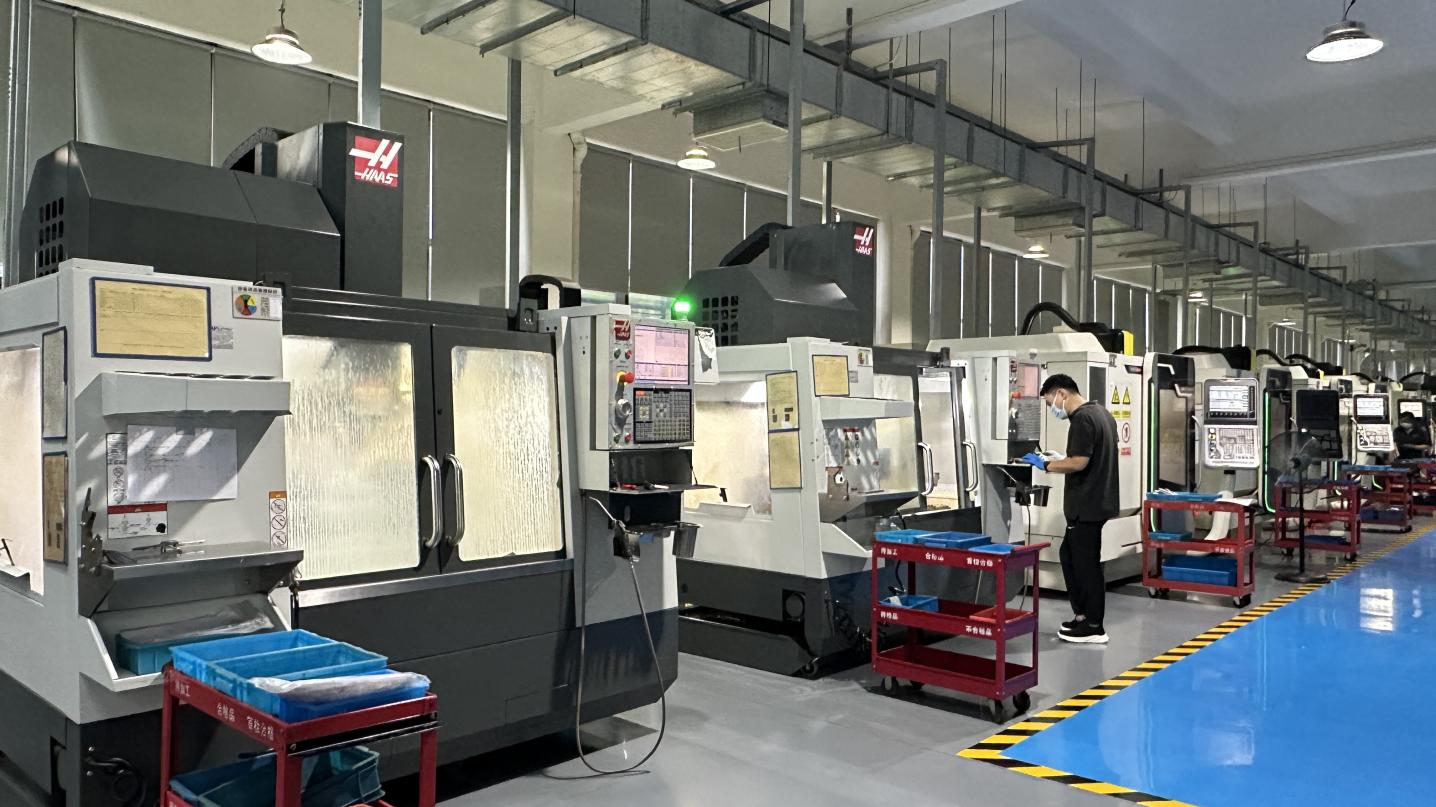
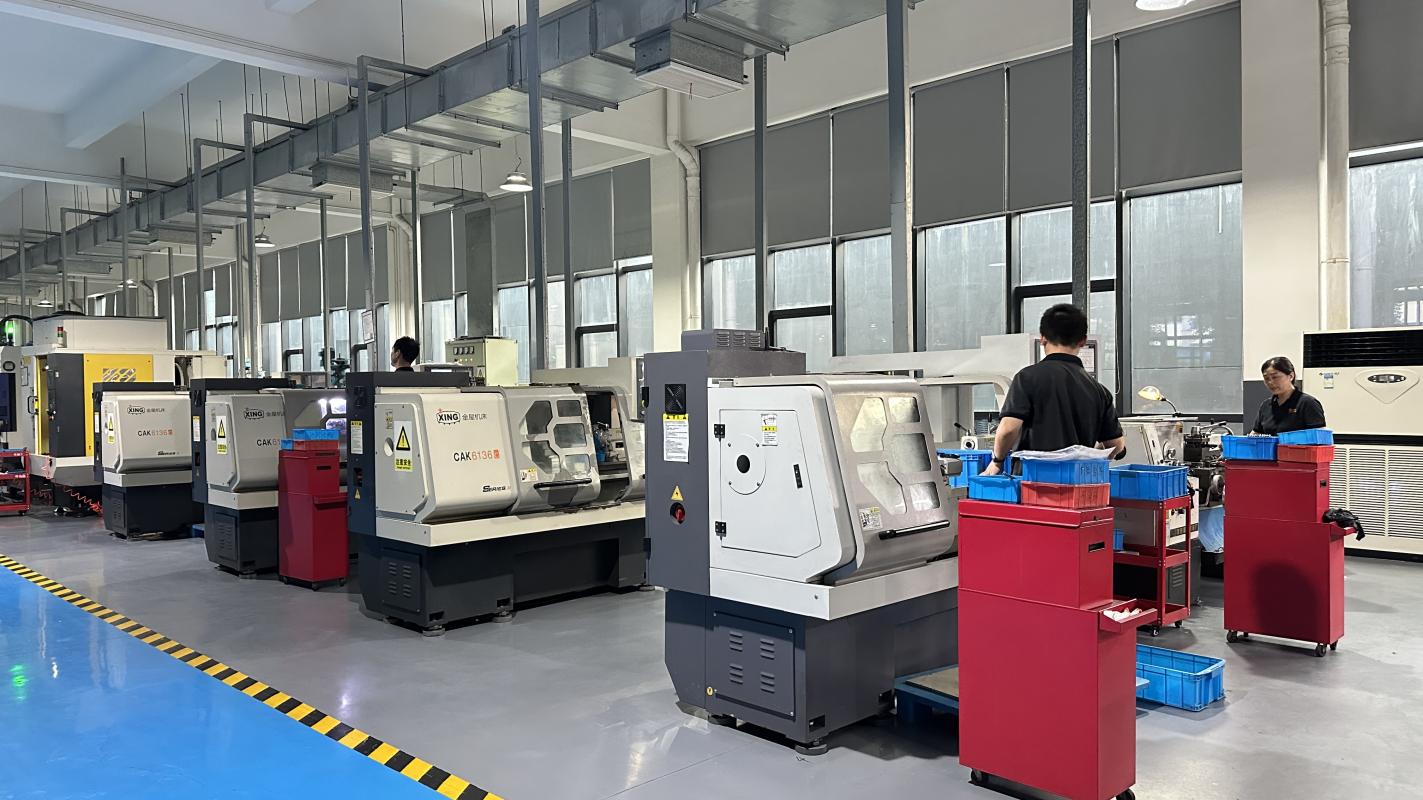
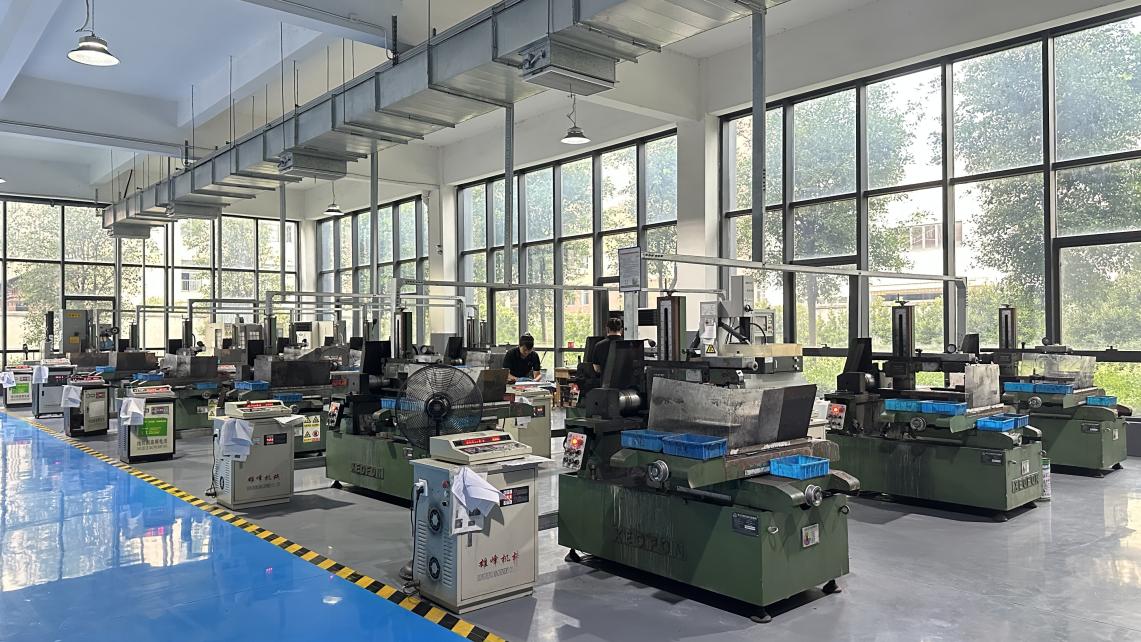
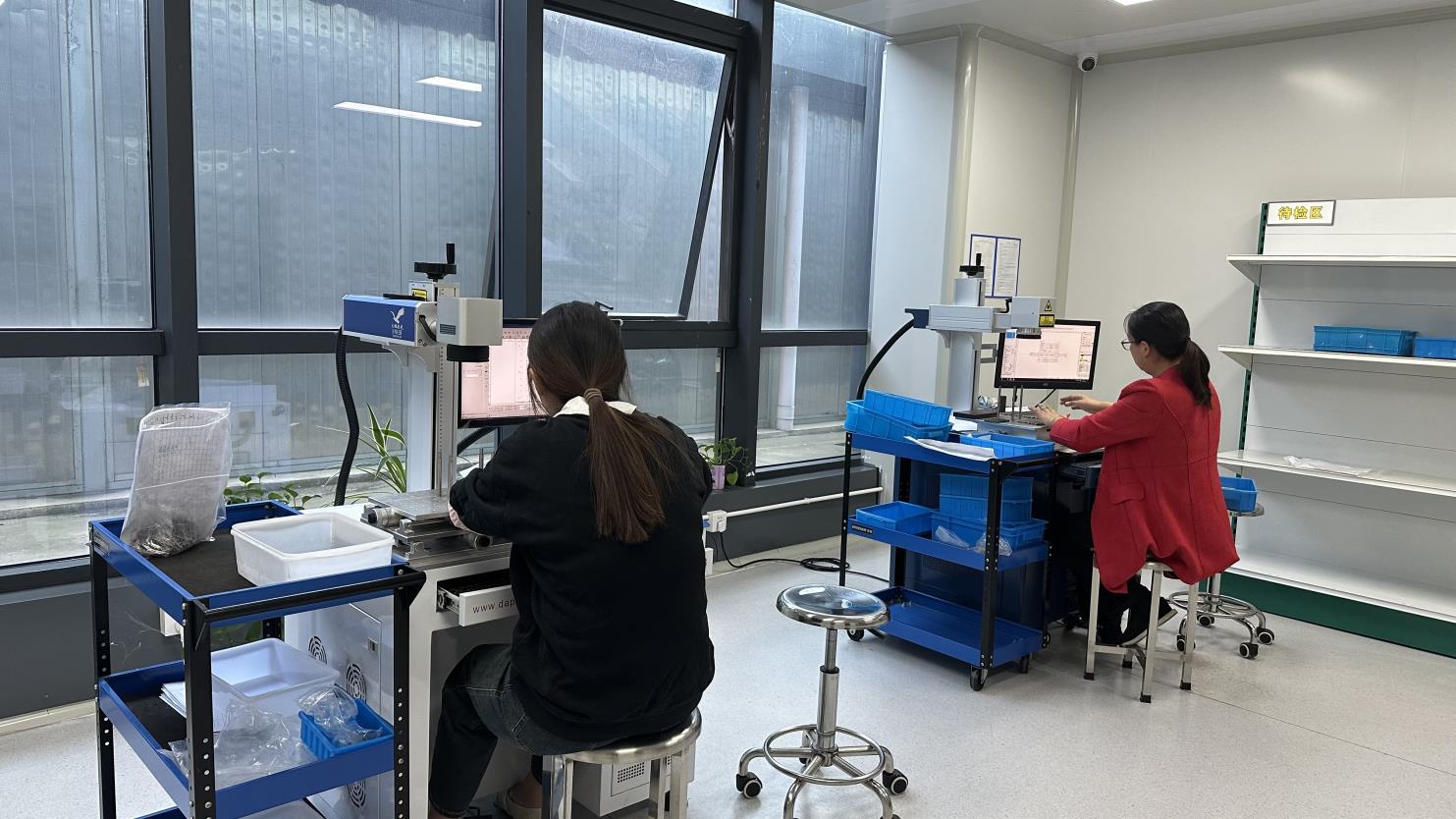
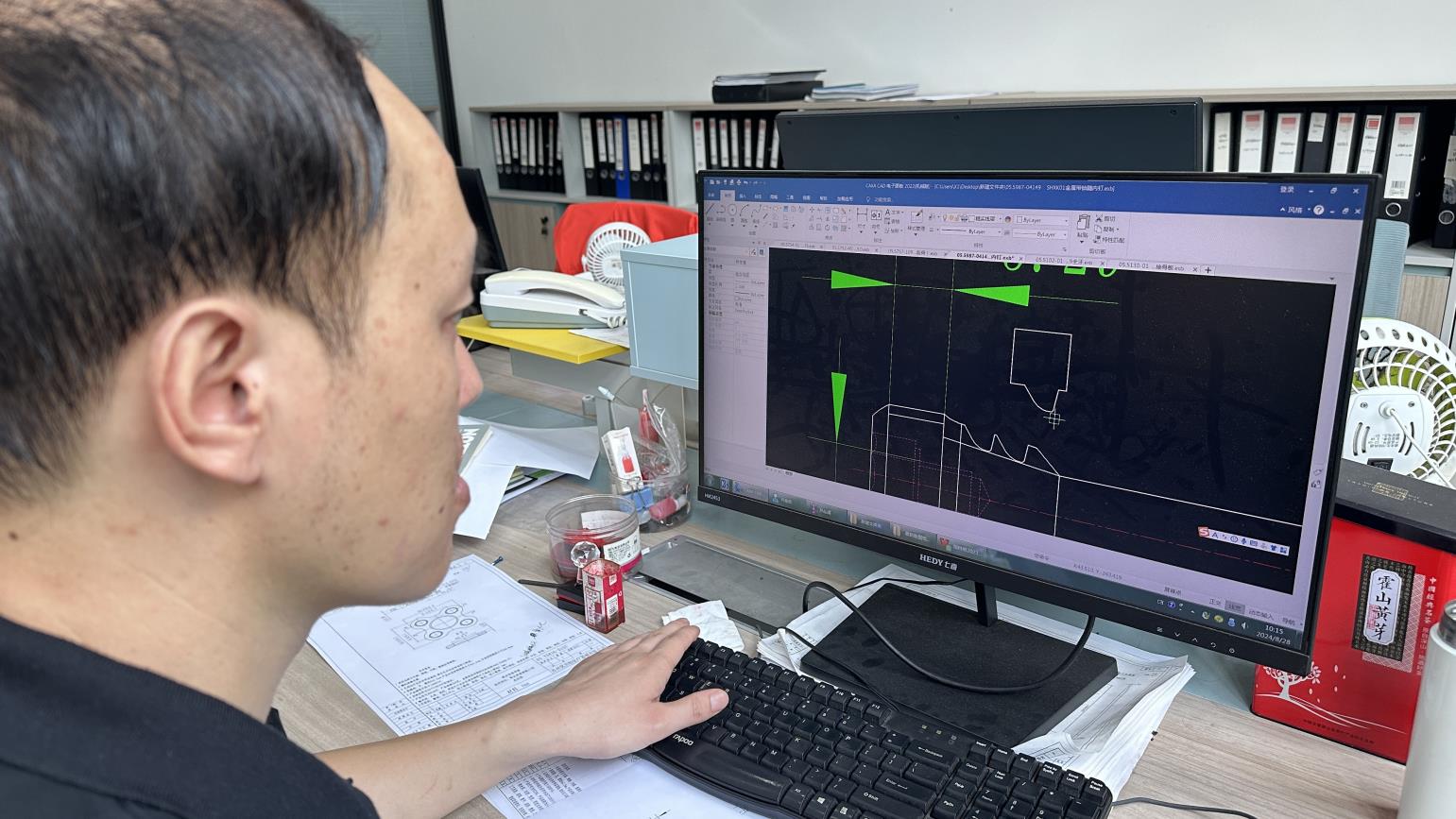
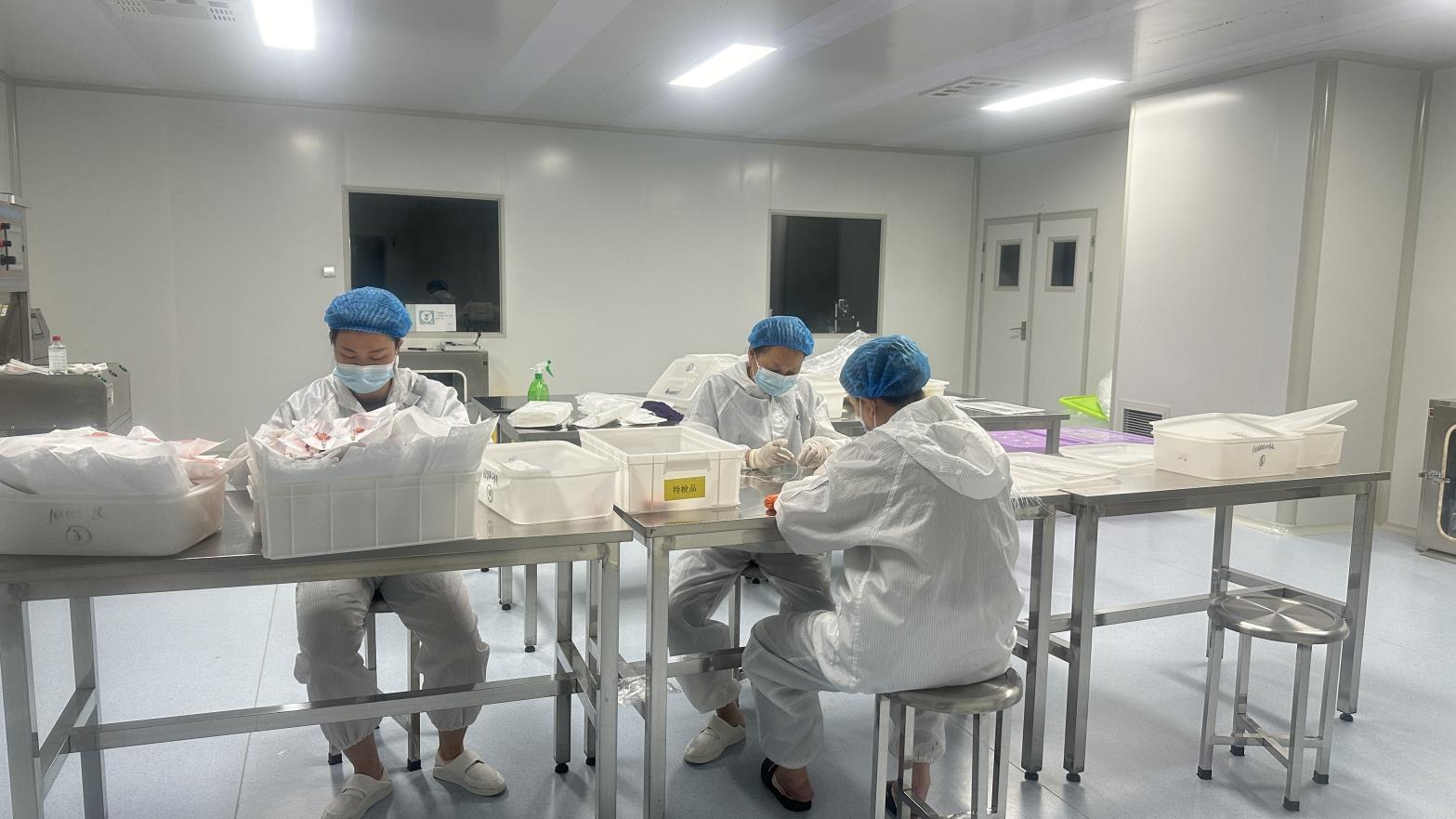
Leveraging China's world-class medical manufacturing ecosystem, Bonevia achieves unmatched scaling efficiencies. We source top-tier titanium and medical-grade polymers directly from audited domestic producers, minimizing global shipping times and costs.
With vertically integrated manufacturing steps, from rapid tool prototyping to cleanroom assembly, we reduce the traditional design-to-delivery lifecycle by up to 40% compared to Western competitors. This structural advantage gives Australian medical distributors a powerful edge in maintaining constant supply lines.
For Australian purchasing organizations operating under tight Medicare budgets, finding cost-effective suppliers who do not compromise on clinical reliability is essential. China's mature industrial parks offer an ideal combination of raw materials, expert technicians, and efficient logistics hubs.
Bonevia builds on this industrial ecosystem by investing heavily in high-performance Swiss and Japanese multi-axis CNC machines. By automating high-precision processes, we maintain product variations within single-digit micrometers. This helps minimize scrap rates and passes direct cost savings to our healthcare partners.
Importantly, our quality system is built to match CE and TGA requirements. Every production run undergoes automated CMM (Coordinate Measuring Machine) validation and tensile strength testing. This process ensures that every plate, screw, and external fixator performs perfectly under physiological stress.
Supporting Australian distributors and hospitals through tailored instrument development programs.
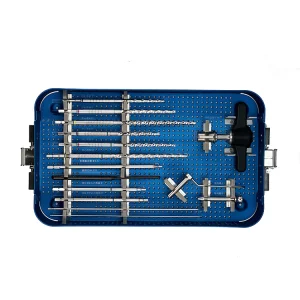
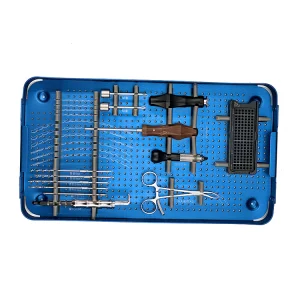
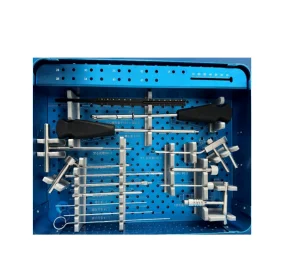
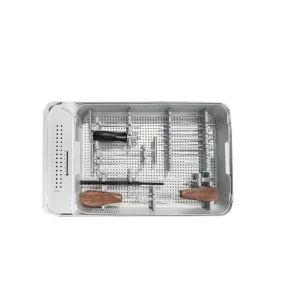
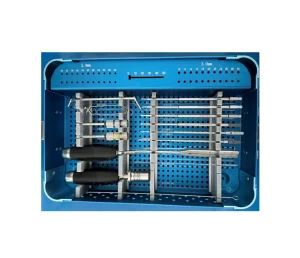
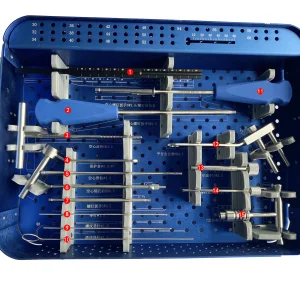
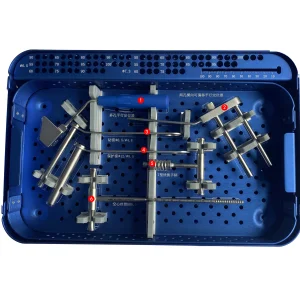
Working directly with clinical advisors, our engineering team optimizes handle weight, surface texture, and tool length. This process ensures comfortable usability during lengthy procedures.
Leveraging 3D modeling and high-precision CNC setups, we create non-sterile functional prototypes in days. This enables rapid bench testing before launching full-scale production runs.
We laser-engrave high-resolution Unique Device Identification (UDI) matrix codes directly onto the tools. This supports modern, automated CSSD inventory systems in Australian hospitals.
The shift toward high-precision smart materials, customized implants, and robotics.
The global orthopaedic implant market is seeing a major technological shift. Traditional implants are evolving into smart, patient-matched systems. One key driver of this change is 3D-printed metal trabecular structures. These custom titanium implants mimic natural bone density and porosity, encouraging osseointegration and significantly reducing the risk of implant loosening.
At the same time, surgical tools are becoming more specialized to support robotic-assisted systems. Robot-assisted joint reconstructions require navigation accessories and tracking arrays that meet exceptionally tight mechanical tolerances. Handheld instruments must also be designed for weight-balanced ergonomics, giving surgeons maximum tactile feedback.
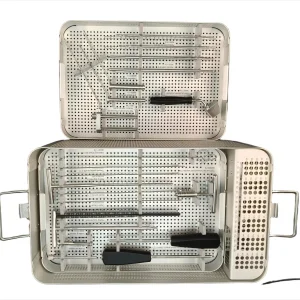
Furthermore, hospitals are increasingly demanding eco-friendly sterilization materials and durable instrument cases. Reusable instrument containers that stand up to repeated autoclaving cycles help hospitals reduce waste and improve long-term cost-efficiency.
Key information on regulatory compliance, logistics, custom manufacturing, and ordering processes.
Yes. Supported by our team of 85 R&D engineers and advanced CAD/CAM modeling capabilities, we develop bespoke prototype instruments and custom implants for clinical testing. All prototypes are manufactured under strict ISO 13485 quality protocols to ensure safety and performance.
We source only high-grade medical materials, including implant-grade Titanium Alloy (Ti-6Al-4V ELI / ASTM F136), medical-grade Stainless Steel (316LVM / ASTM F138), and high-durability PEEK (Polyetheretherketone). Every raw material shipment includes certified chemical analysis reports to guarantee biocompatibility.
We provide comprehensive technical documentation packages, including ISO 13485:2016 quality certificates, material biocompatibility test data, mechanical testing results, and sterilization validation protocols. This documentation helps local sponsors complete TGA ARTG filings efficiently.
For standard stocked items, order processing and shipment take 7–14 business days. For customized OEM/ODM projects, development and delivery timelines range between 30 and 45 days, depending on manufacturing complexity. We ship via express air courier or ocean freight to major hubs, including Sydney, Melbourne, Brisbane, and Perth.
Yes. We offer medical-grade surface anodization in multiple colors for titanium implants and instruments. This assists surgical teams in quickly identifying different sizes and components during procedures.
Looking for a reliable B2B supply partner or custom OEM manufacturer for the Australian market? Let's discuss your requirements.
Send Inquiry NowDiscover our comprehensive collection of implants, screws, plates, and external fixators designed for modern clinical applications.