Bonevia
Bonevia
Bonevia
Explore our highly precise spinal surgical instruments engineered for complex corrective procedures, widely integrated into Russian neurosurgery and traumatology departments.
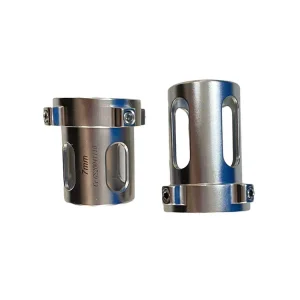
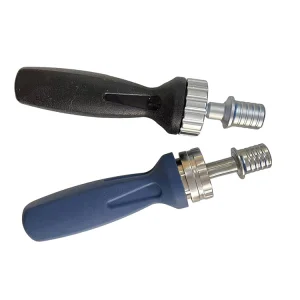
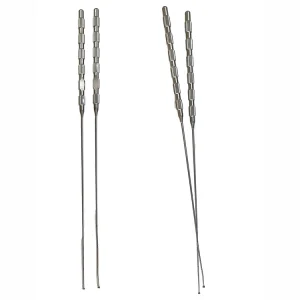
The Russian medical device market is undergoing a significant paradigm shift. Due to evolving trade dynamics and changing supply structures, healthcare institutions in Moscow, Saint Petersburg, Novosibirsk, and across the Russian Federation are actively diversifying their sourcing models. Rather than relying on traditional Western European brands, leading hospitals and national medical research centers (such as the Priorov National Medical Research Center of Traumatology and Orthopedics) are prioritizing reliable, high-end production partnerships in Asia that guarantee compliance with GOST-R regulations and Ministry of Health standards.
This import substitution drive (Importozameshchenie) demands that external manufacturers offer not just raw capacity, but comprehensive compliance support, including Roszdravnadzor registration dossier preparation. The current priority lies in sourcing high-wear components like quick-coupling ratchet handles, biocompatible implant holders, and advanced scoliosis corrective instruments that integrate seamlessly with pre-existing hospital orthopedic sets.
How high-end metallurgical processes and polymer engineering define the next generation of implantable devices and surgical assists.
Modern orthopedics hinges heavily on advanced materials. The industry is moving rapidly toward materials that offer a low elastic modulus (matching human cortical bone) combined with high fatigue limit. Grade 5 Titanium (Ti-6Al-4V ELI) remains the cornerstone for load-bearing joint prosthetics and bone nails due to its superb biocompatibility and osseointegration properties. Concurrently, medical-grade PEEK (Polyetheretherketone) has emerged as the premier choice for spinal fusion cages and suture anchors, thanks to its radiolucent profile and absence of imaging artifacts in postoperative CT and MRI scans.
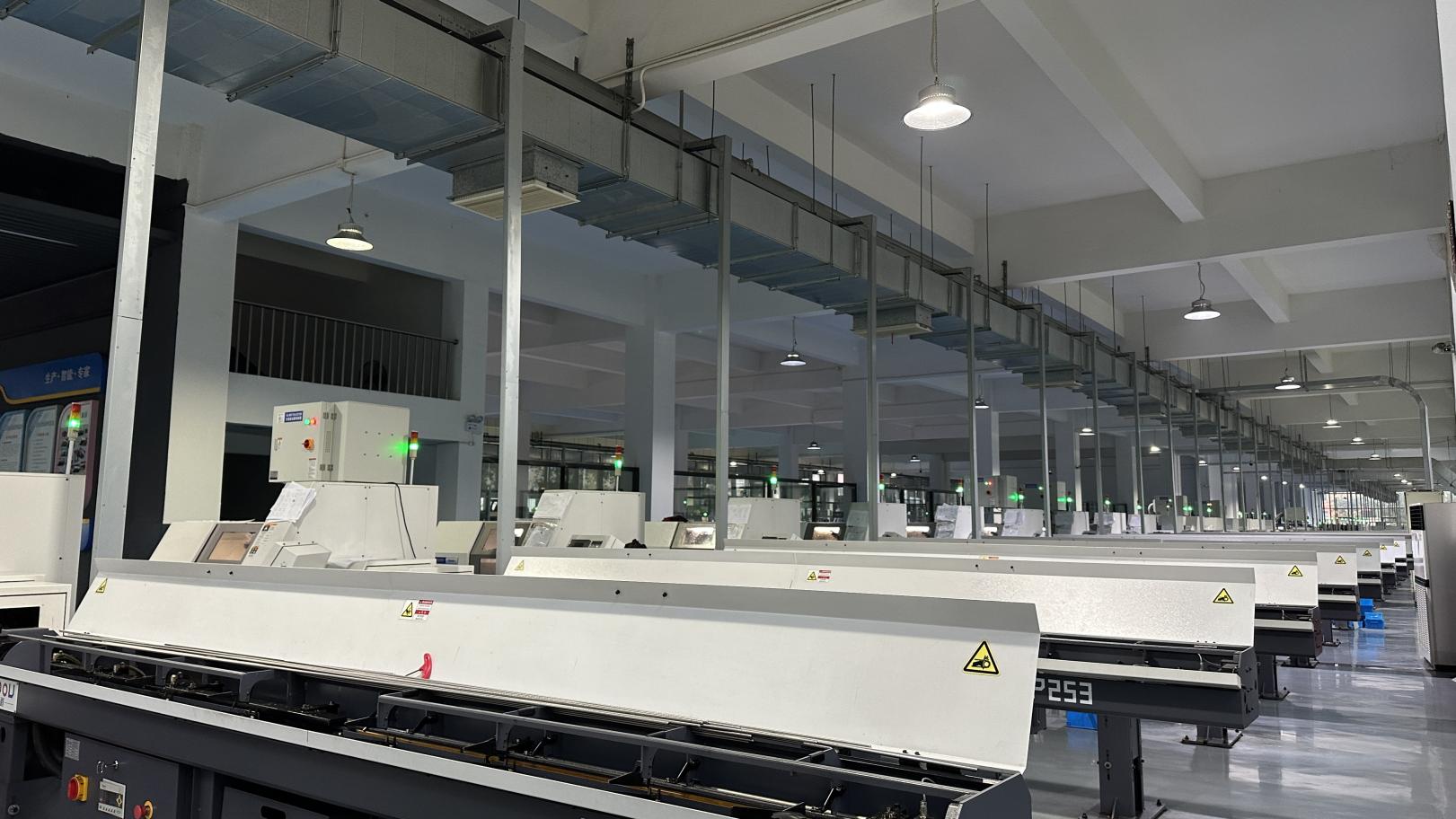
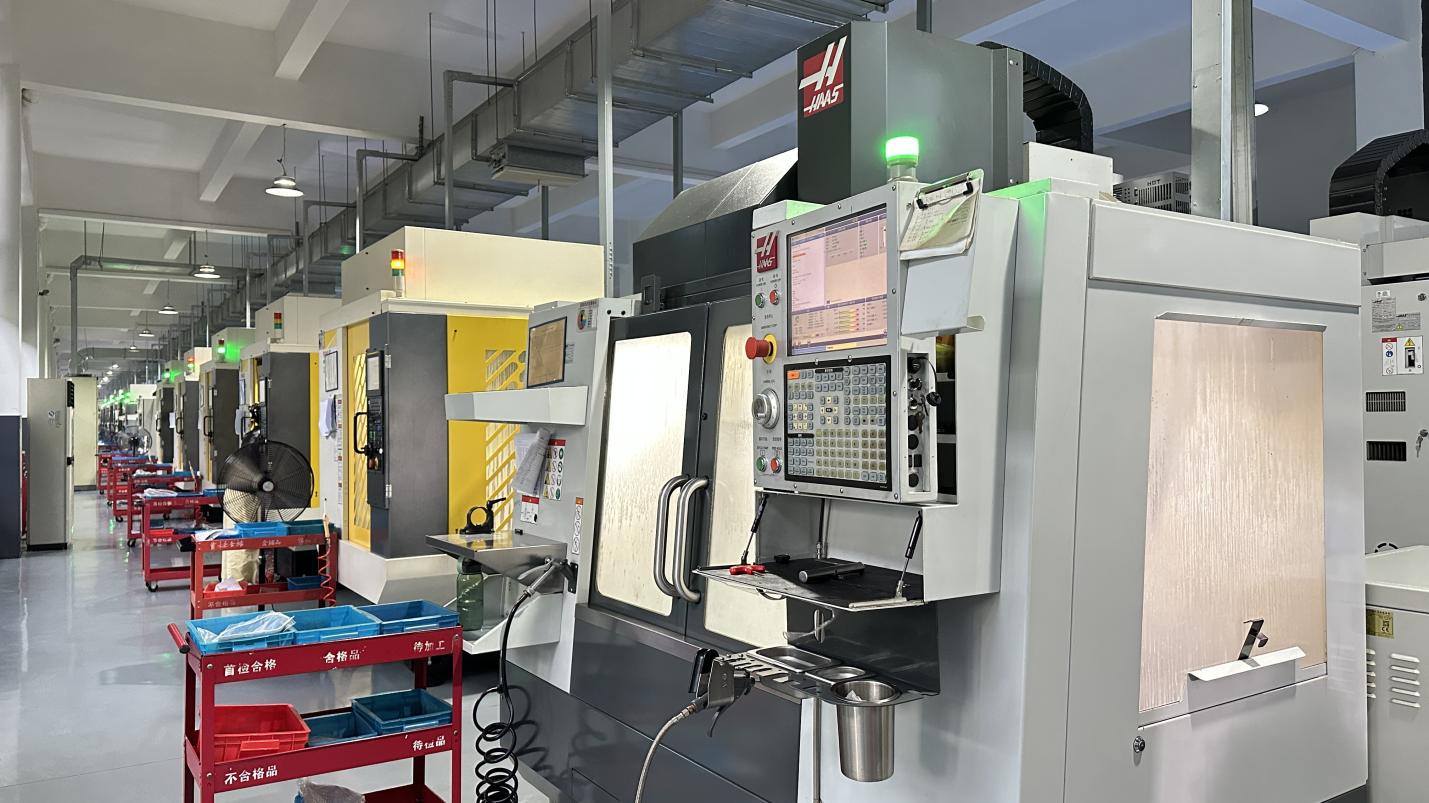
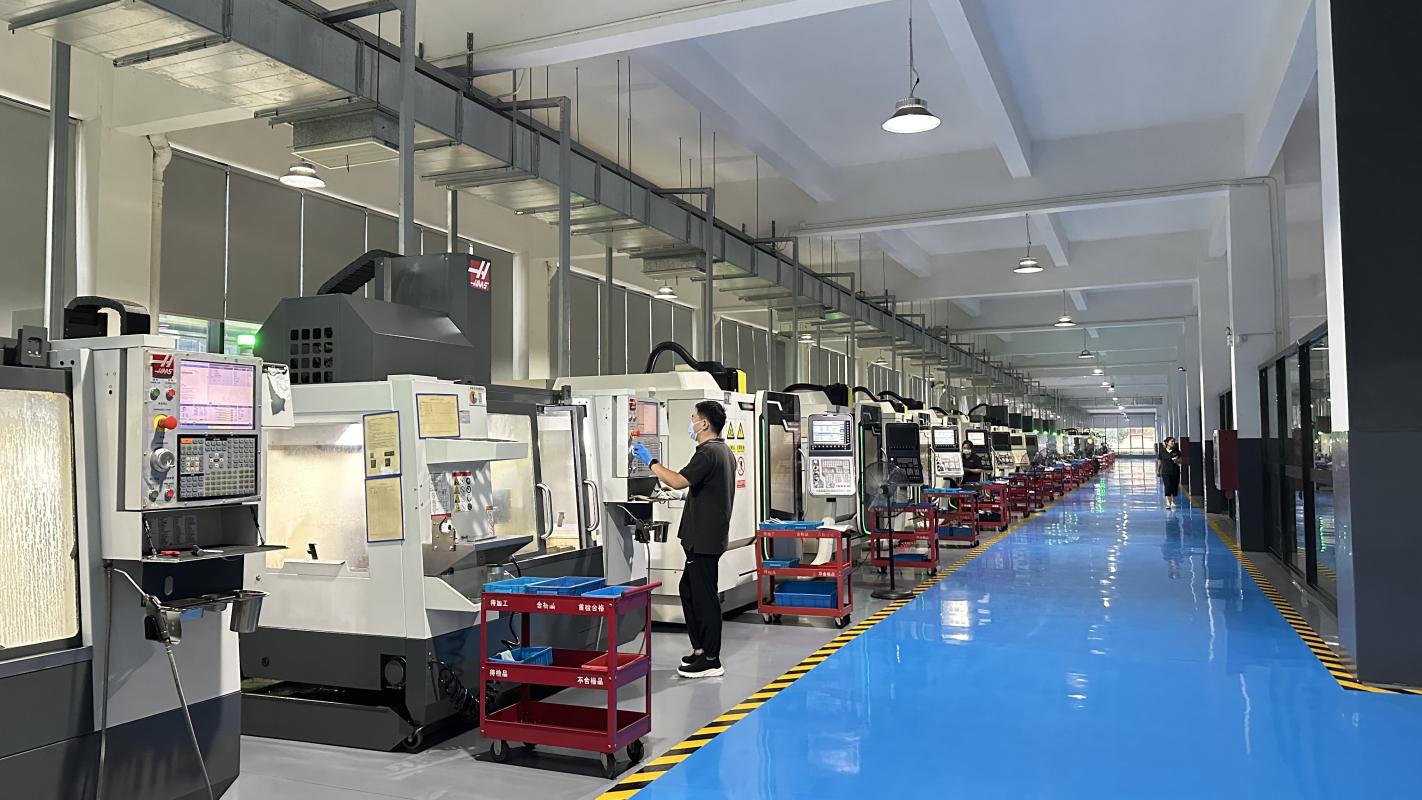
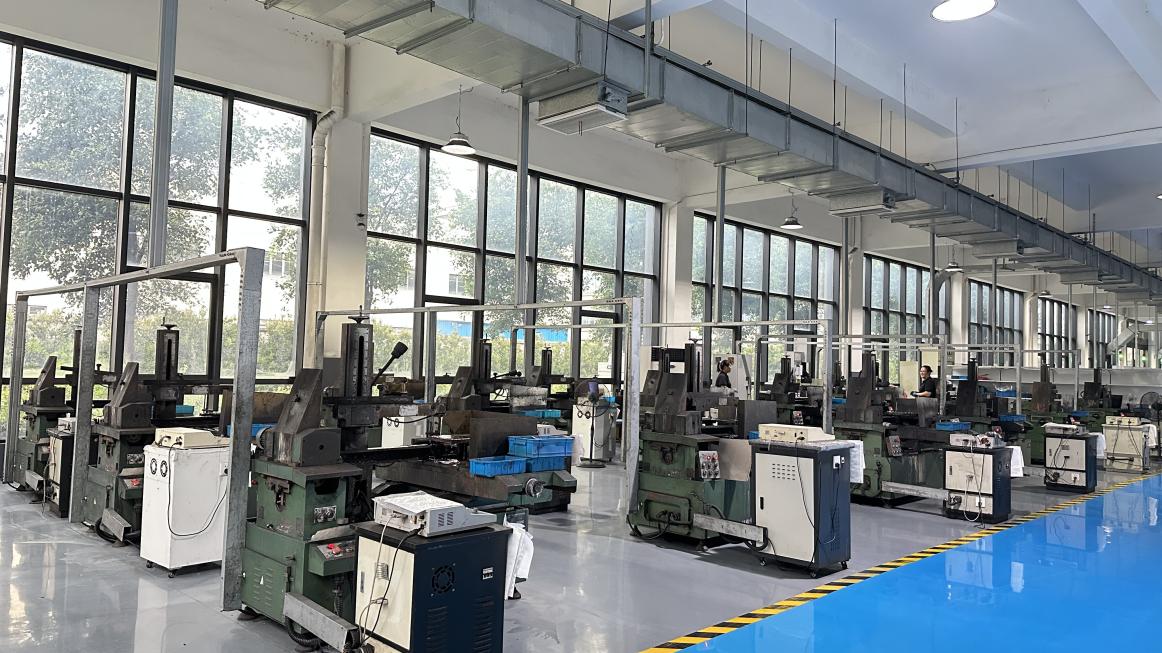
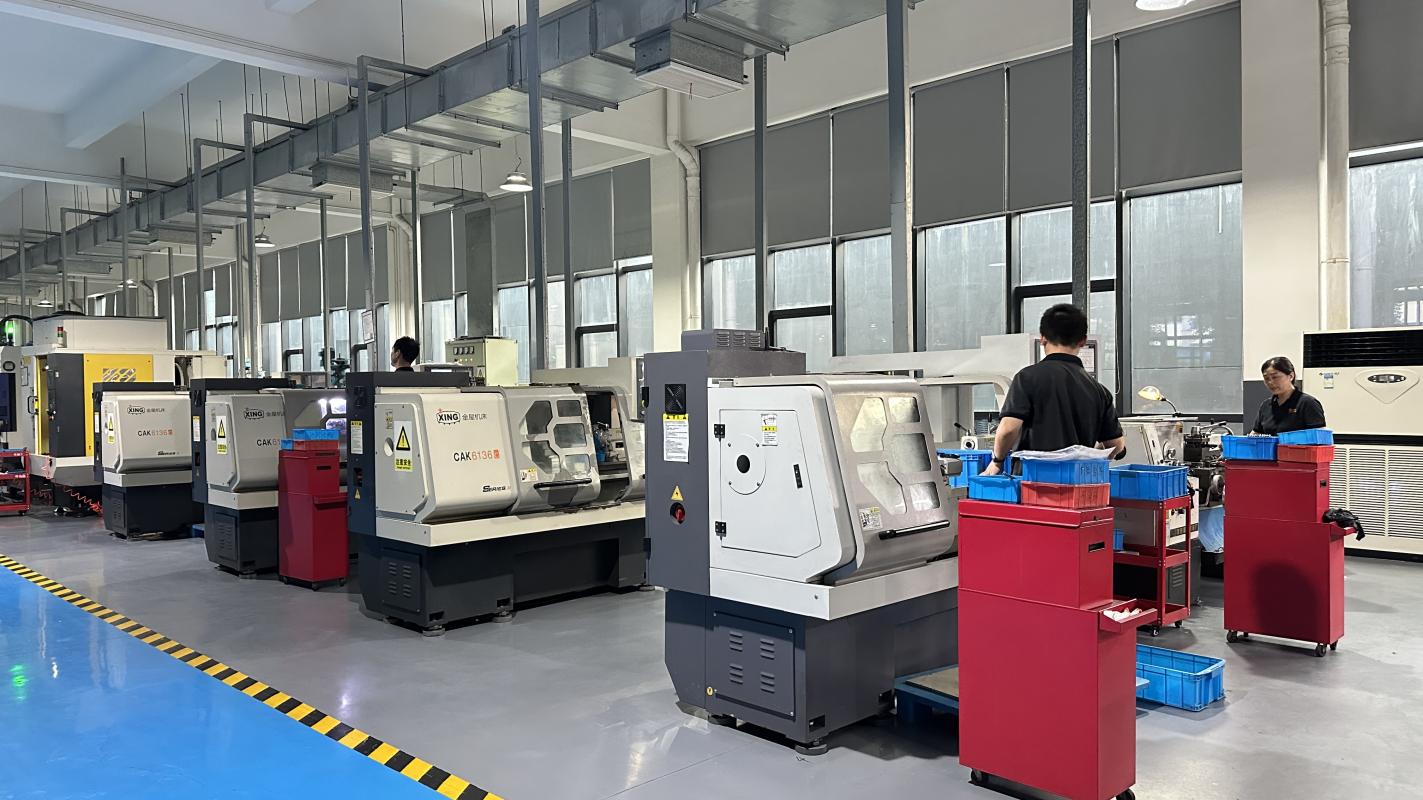
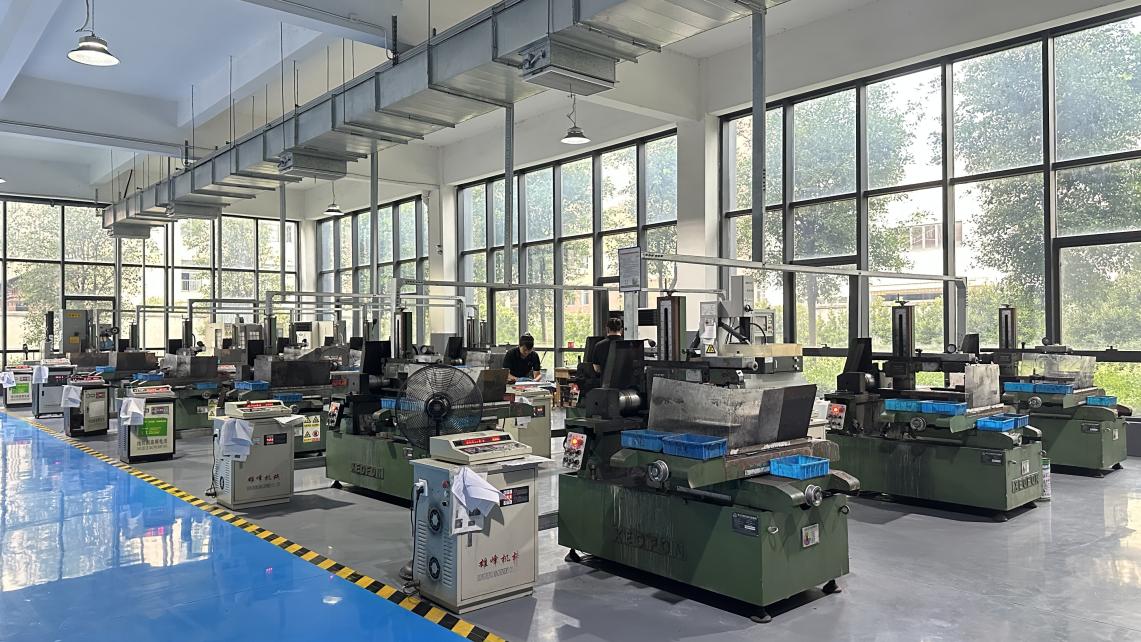
To produce components capable of executing complex mechanical maneuvers within the human body—such as torque-limiting screwdrivers or variable-angle cage holders—factories must deploy high-precision machining centers. CNC Swiss-type milling, wire-electrical discharge machining (EDM), and computer-aided design modeling are essential to produce tools with clearances under 5 microns. Without this level of precision, microscopic play in surgical instruments can result in intraoperative slip, compromising surgeon control and patient safety.
Strict utilization of medical-grade Titanium, PEEK, and 17-4 PH Stainless Steel to withstand harsh chemical sterilizations and biological fluids.
Tolerance levels kept within ±0.005mm using automated Swiss machining lines, ensuring absolute physical compatibility in bone anchoring.
Custom handles optimized for grip friction, torque transmission efficiency, and long-term joint health of orthopedists.
Bonevia Orthopedic Technology Co., Ltd. is a professional manufacturer specializing in orthopedic implants and surgical solutions, dedicated to advancing innovation in trauma, spine, and joint reconstruction products. Since its establishment in 2015, the company has grown steadily into a trusted supplier in the global orthopedic industry.
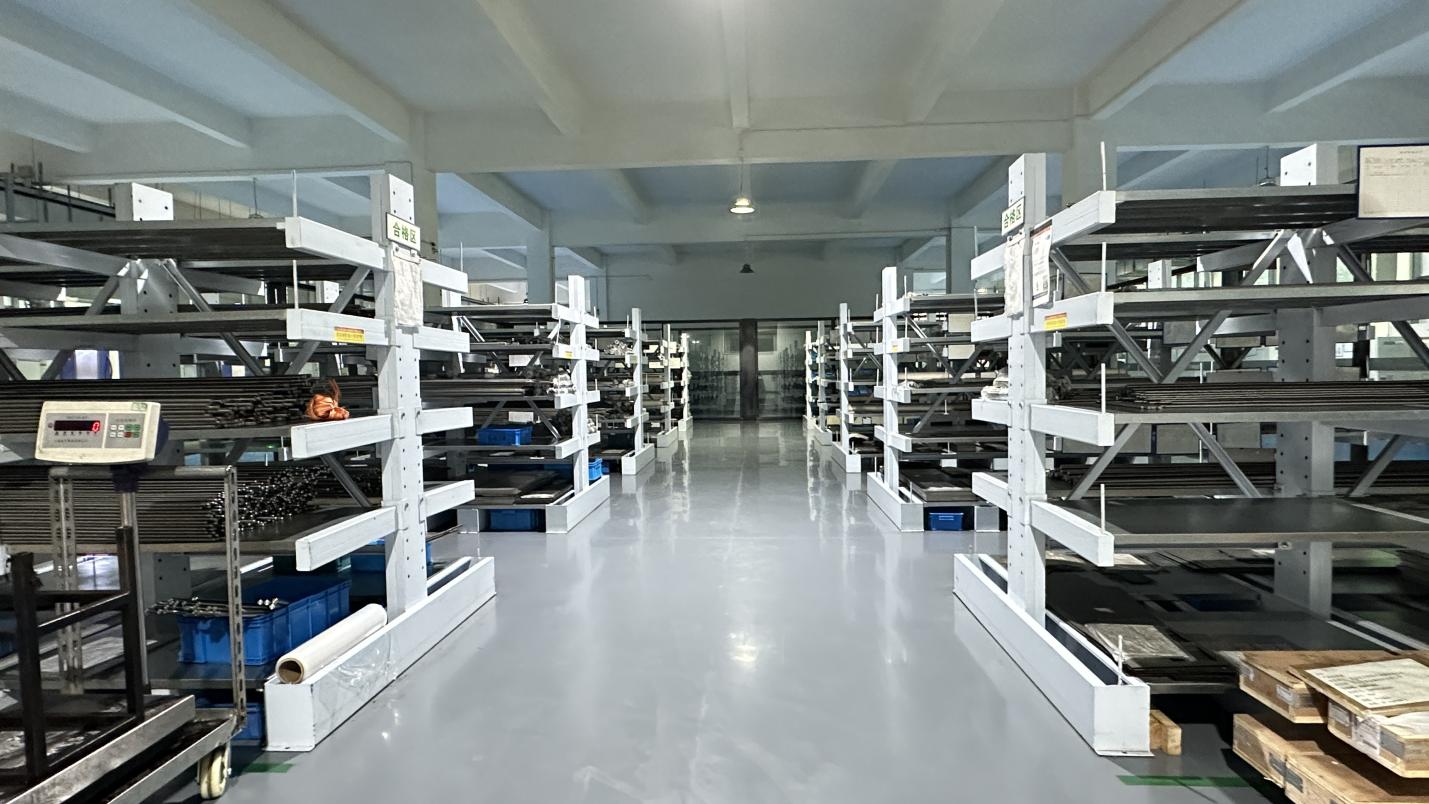
With a modern production facility covering approximately 320㎡, Bonevia maintains strict quality management standards and efficient manufacturing processes. The company records an annual export revenue of around USD 8–15 million, supported by 6 years of export experience and over 10 years of overall industry experience.
Quality assurance is a core focus at Bonevia. The company implements multiple inspection methods including incoming material inspection, in-process quality control, and final product testing, supported by a dedicated quality team of 35 professionals. This ensures all products meet international medical device standards.
Bonevia has a solid trade foundation with diversified global distribution networks, serving major markets across Europe, Southeast Asia, the Middle East, and South America. Its supply chain ecosystem includes more than 850 partners, enabling stable raw material sourcing and efficient production delivery.
The company serves a wide range of clients, including hospitals, orthopedic clinics, surgical centers, and medical distributors. Bonevia also demonstrates strong R&D capabilities, offering OEM and ODM customization services to meet specific clinical requirements.
In the past year, Bonevia successfully launched 120 new product designs, supported by a research and development team of 85 engineers, continuously driving innovation in orthopedic implant systems and surgical instruments.
We offer full support for specialized orthopedic requirements including:
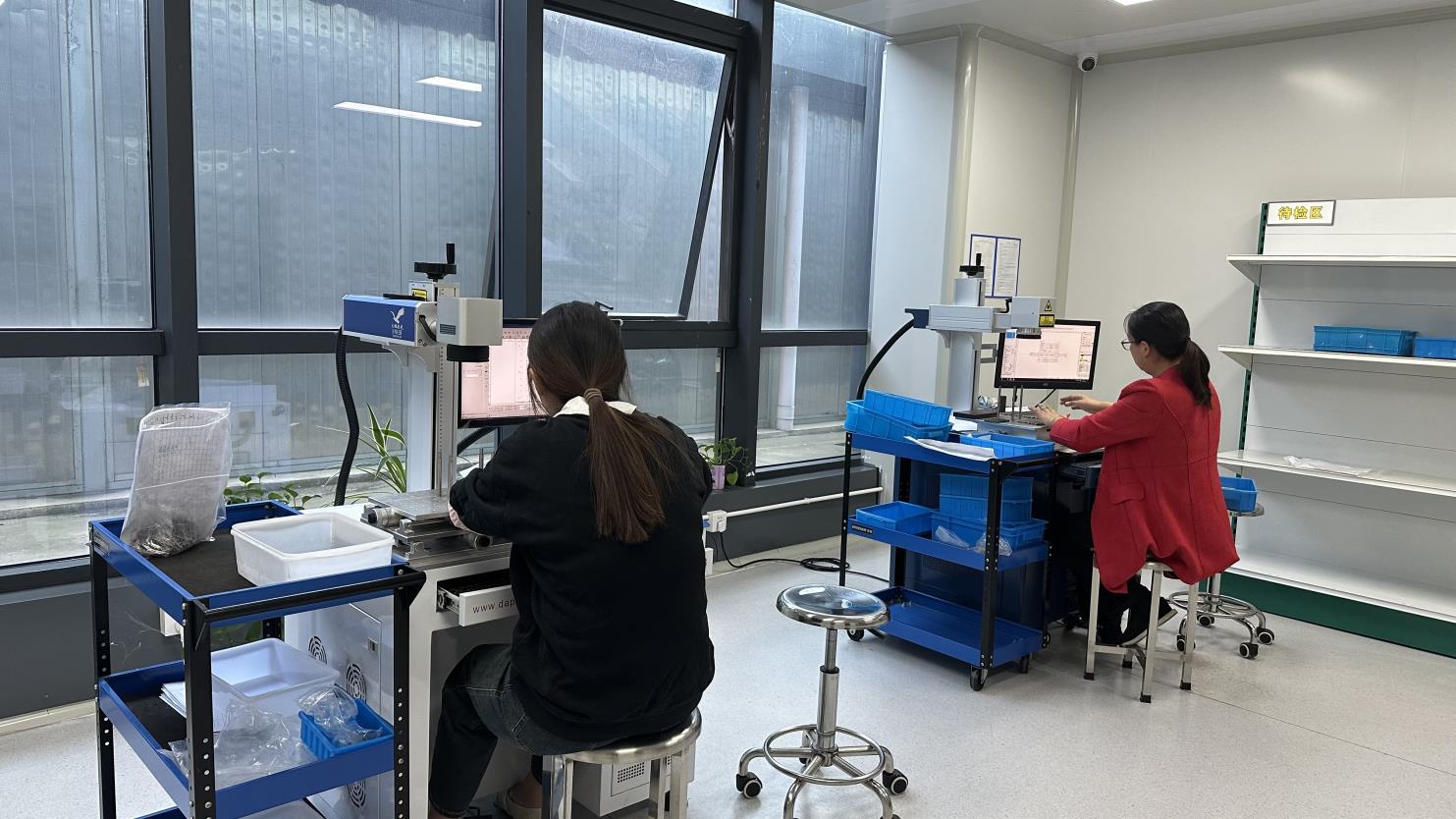
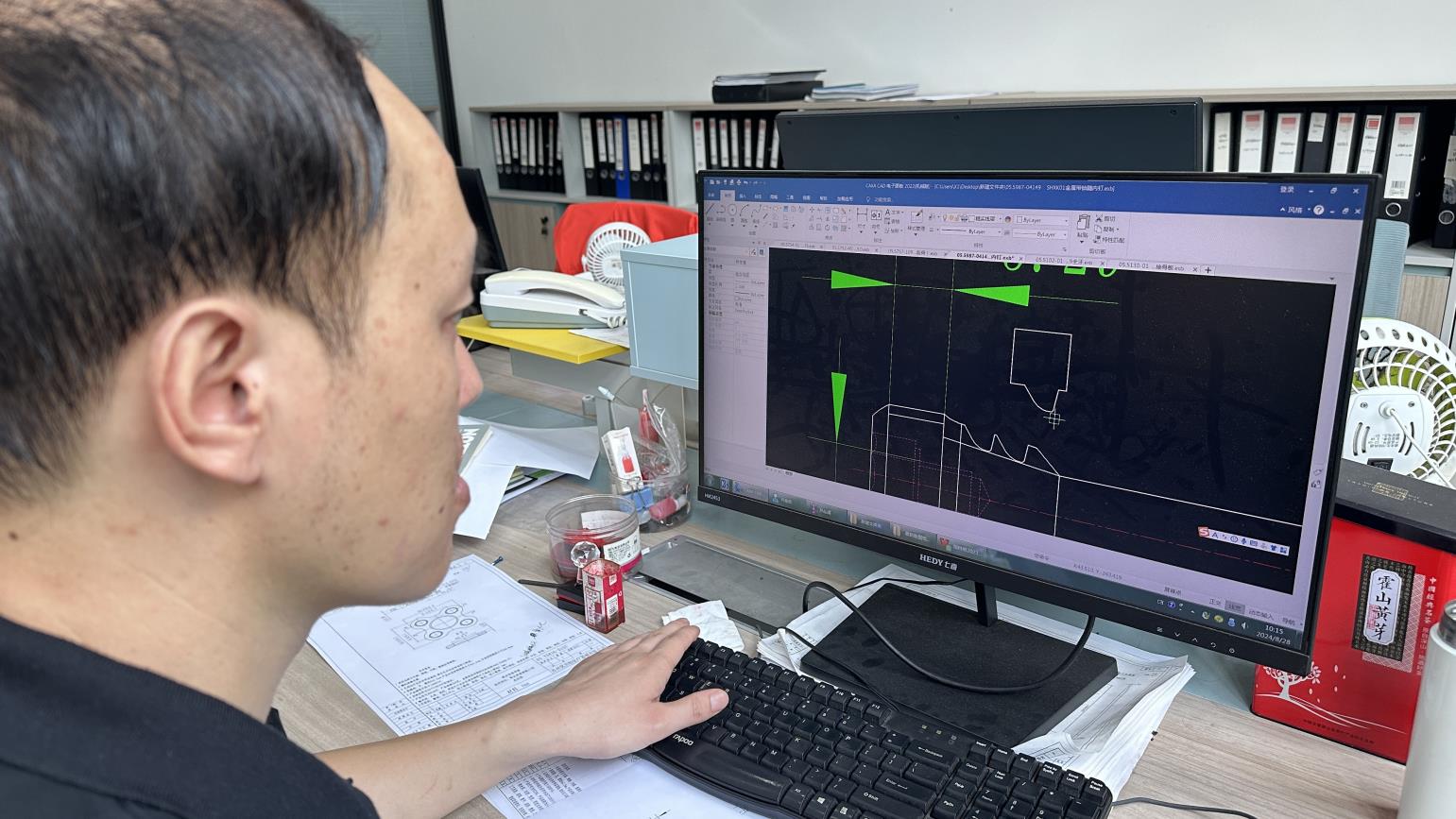
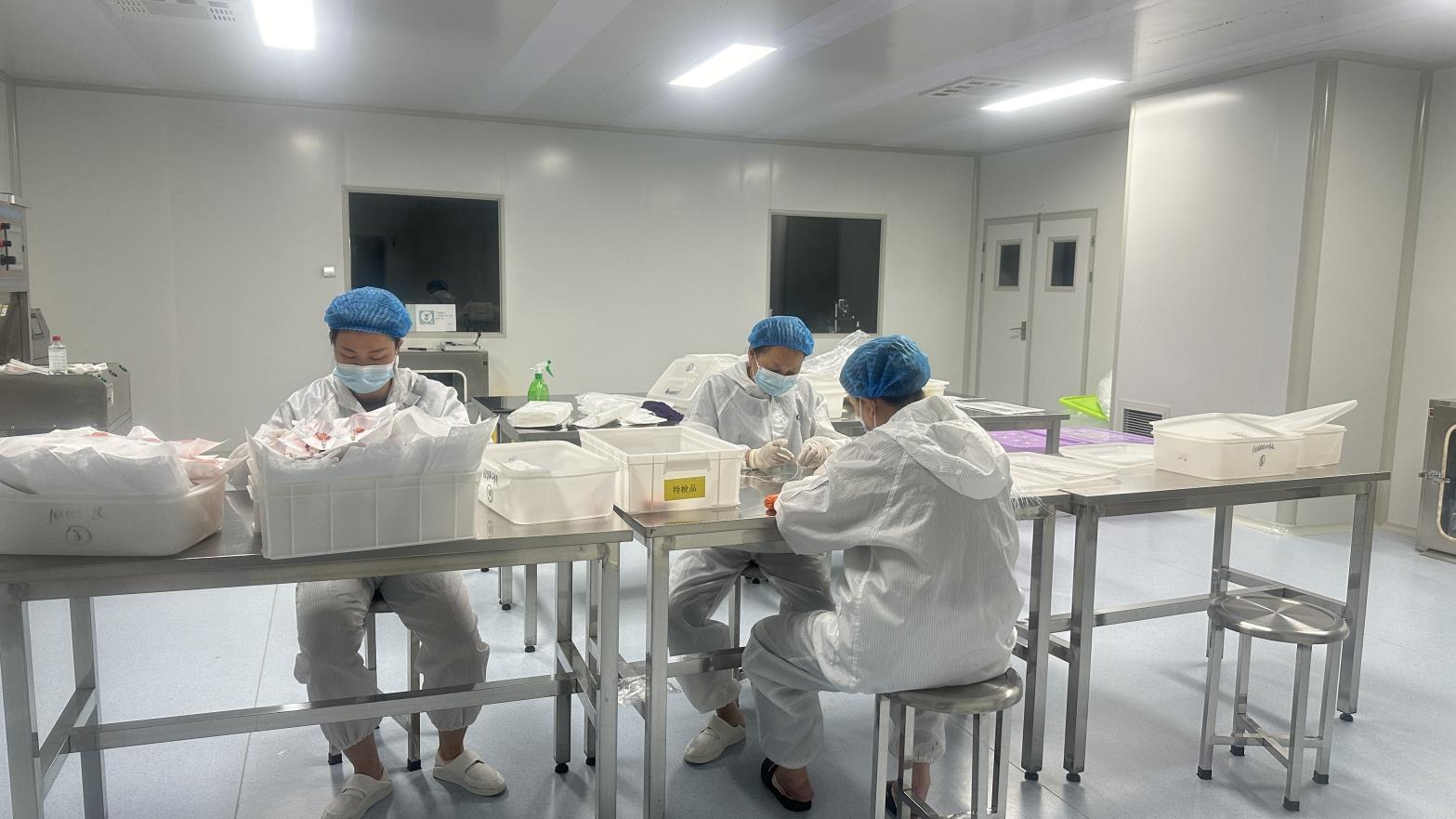
Witness the complete manufacturing lifecycle of our medical devices, showing advanced CNC work, wire-cutting, laser marking, and final ISO quality inspection.
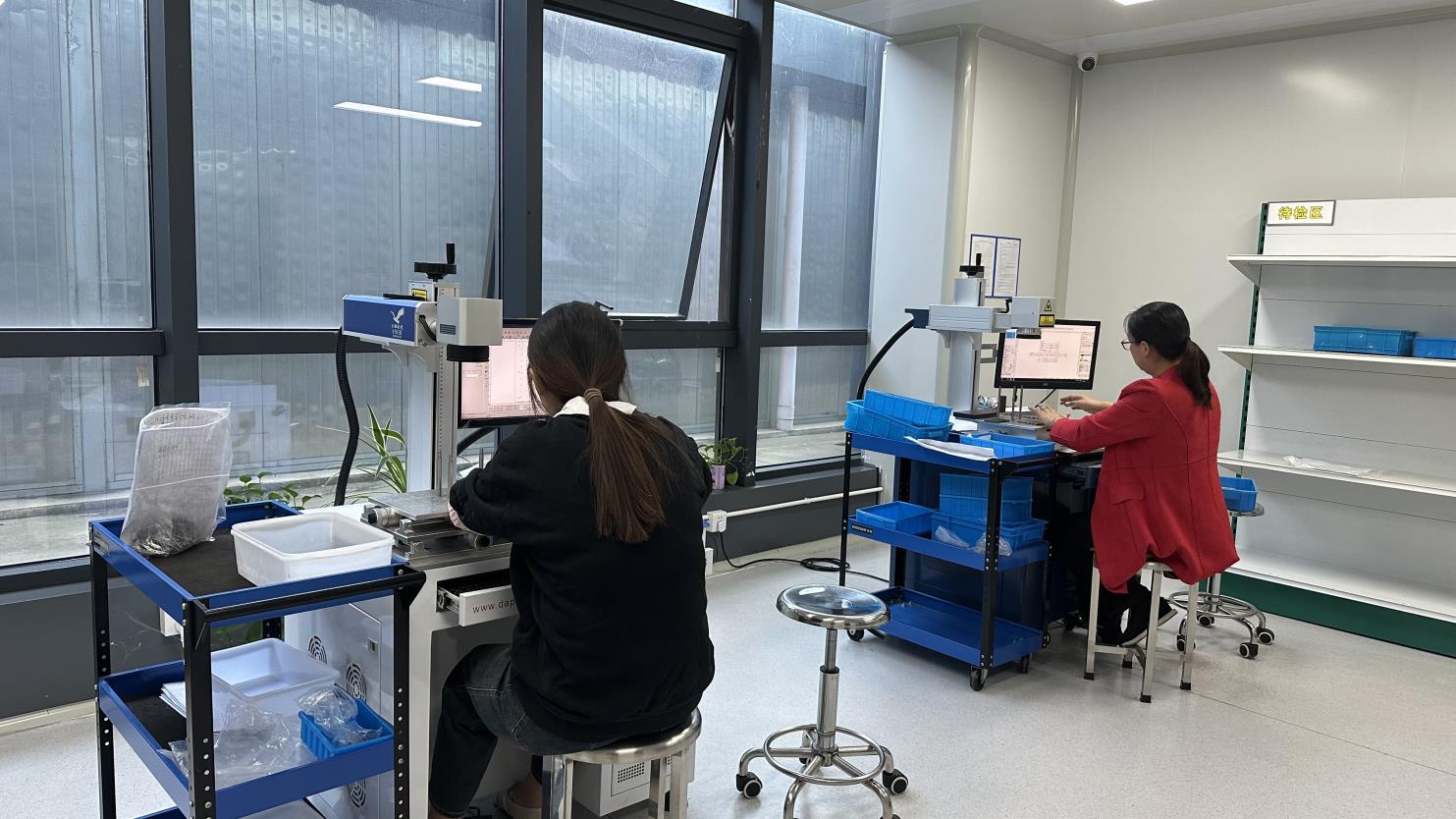
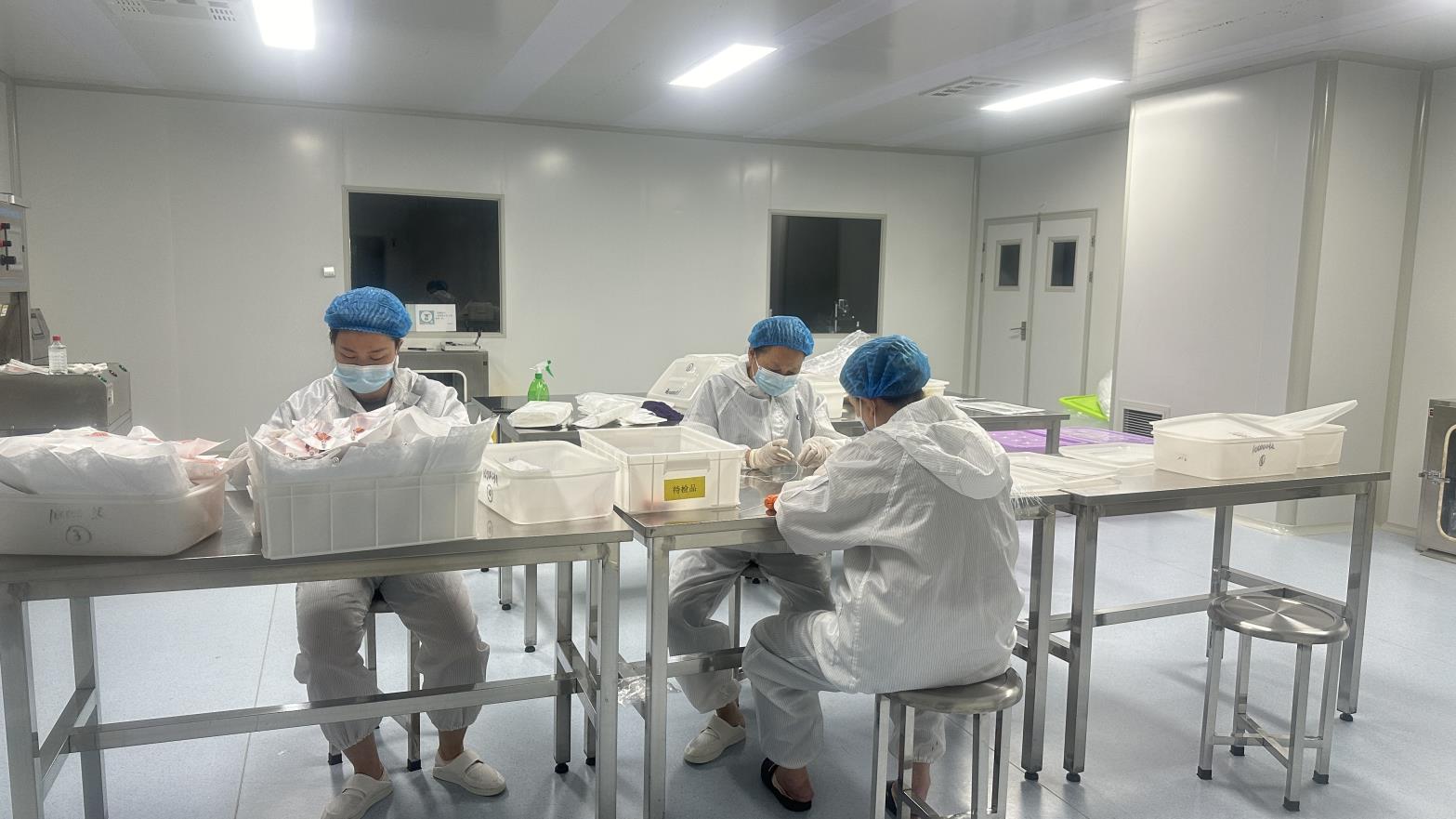

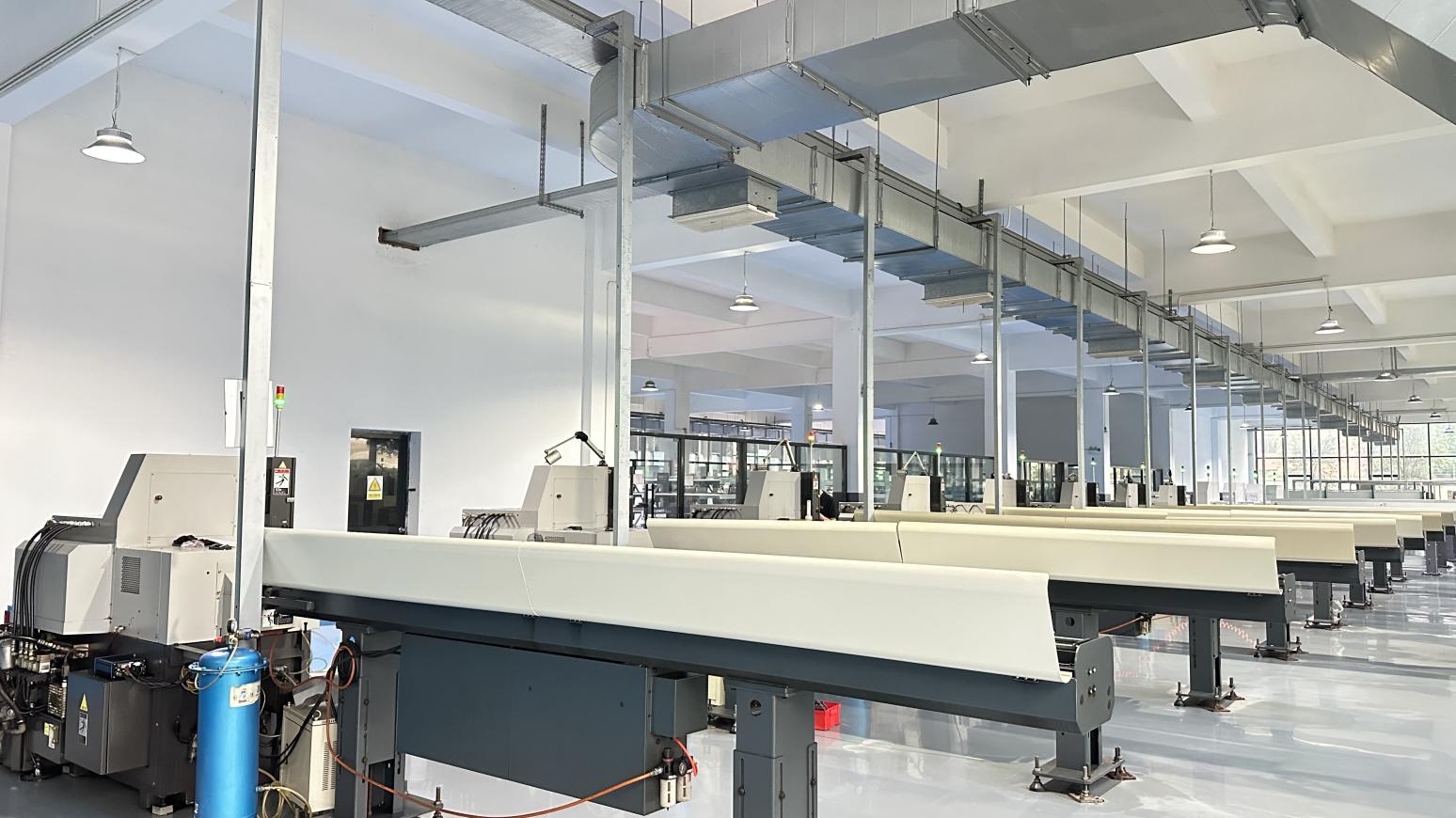
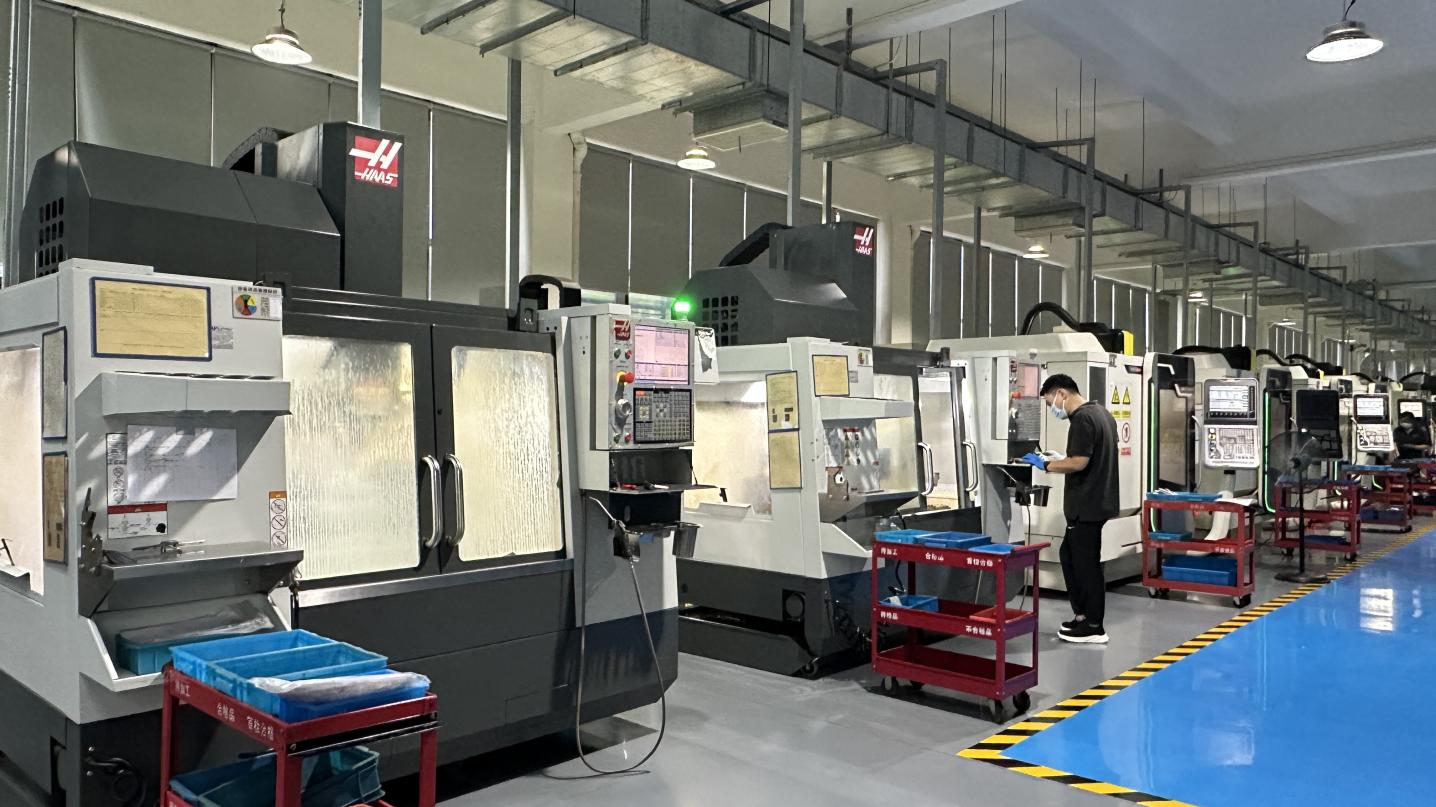
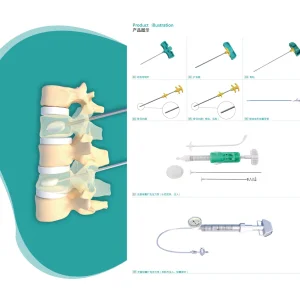
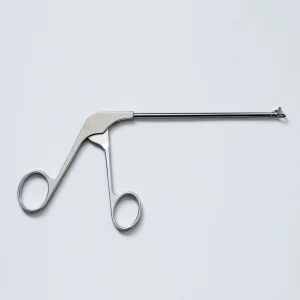
Clinical-grade implant systems and micro-endoscopic instruments configured for versatile surgeries in trauma and sports medicine clinics throughout Russia.
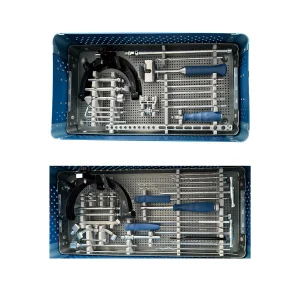
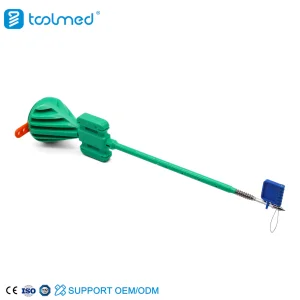
Innovations driving safer scoliosis correction and spinal stabilization surgeries.
Our orthopedic accessories are heavily utilized across a wide variety of medical setups. From pediatric spine surgery to geriatric osteoporotic repair, key applications include:
Our commitment to continuous technological development includes the following strategic targets:
Integration of DLC (Diamond-like Carbon) and anodization options for instrument handles to prolong life and limit reflective glare under high-intensity OR lamps.
Transitioning to digitalized calibration systems for manual metal torque limiters, achieving a ±3% variance threshold for pediatric pedicle screw placement.
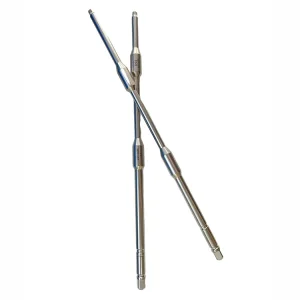
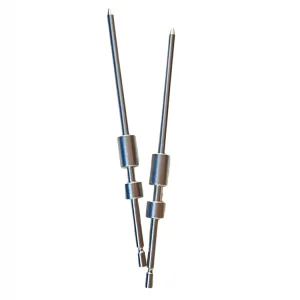
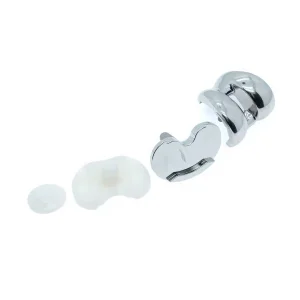
Detailed selection of surgical tools, screw drivers, spanners, and knee replacement components engineered for long-term clinical reliance.
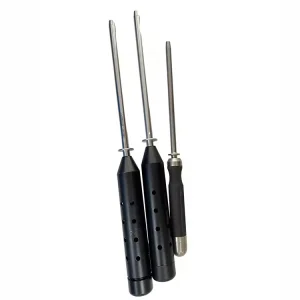
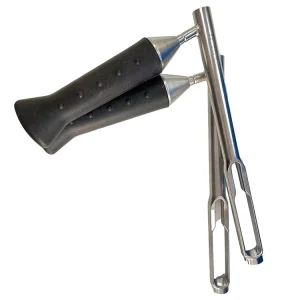
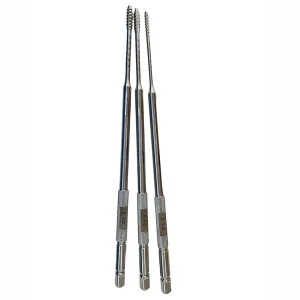
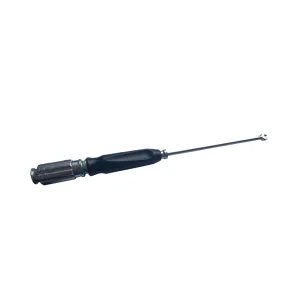
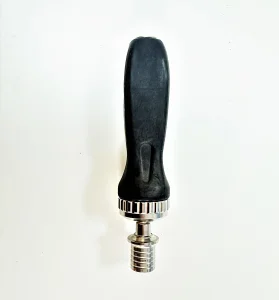
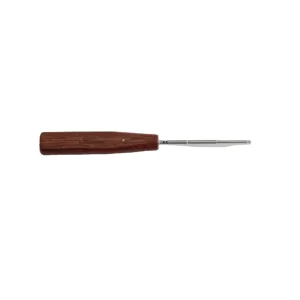
Supporting our customers from conceptual drawing up to final validation and regulatory filing.
Bonevia Orthopedic provides robust solutions for hospital groups and national medical importers across the Russian Federation. By consolidating advanced technology with deep manufacturing capabilities, we streamline the procurement and distribution processes. Our OEM and ODM departments utilize advanced 3D CAD modeling software, enabling swift prototyping and refinement cycles. Every customized instrument undergoes rigorous testing, including stress analysis, wear resistance testing, and metallurgical trace validation before dispatch.
Additionally, we recognize the critical importance of secure supply chains under current conditions. We offer optimized containerized logistics routes, transparent shipment documentation, and direct factory-to-distributor tracking systems to ensure critical orthopedic supplies reach surgical units in Vladivostok, Novosibirsk, Saint Petersburg, or Moscow without unnecessary customs delays.
Our professional team of 85 engineers and 35 QA technicians is ready to assist with blueprints, validation files, and regulatory requirements.
Answers to technical, regulatory, and logistics queries for Russian medical buyers.