Bonevia
Bonevia
Bonevia
Engineered to exact clinical parameters, supporting surgeons and healthcare professionals across France.
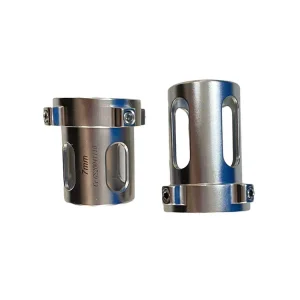
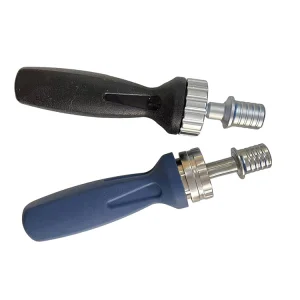
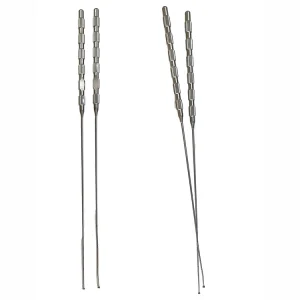
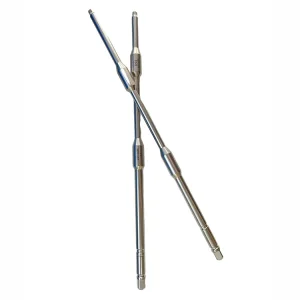
Evaluating the strategic shifts in procurement, medical standard compliance, and technological needs within the French healthcare framework.
The French medical device market operates under one of Europe's most rigorous regulatory environments. Governed by the Haute Autorité de Santé (HAS) and regulated at the European level by the EU Medical Device Regulation (EU MDR 2017/745), the demands for traceability, raw material biocompatibility, and manufacturing repeatability are paramount. B2B medical distributors, private clinical groups like *Ramsay Santé*, and public university hospital centers (CHUs) require partners who offer more than just catalog products. They seek manufacturers who provide comprehensive raw material certifications, detailed technical files, and robust OEM capabilities.
In addition, the centralization of hospital procurement through Groupements Hospitaliers de Territoire (GHT) has put pressure on French orthopedic importers to secure stable, high-volume production lines without compromising on structural precision. Standard surgical instruments, orthopedic fixation accessories, and spinal reconstruction components must be engineered to withstand rigorous autoclave sterilization cycles without degradation in mechanical properties or laser markings. This requires strict adherence to advanced manufacturing techniques like multi-axis CNC machining, precision EDM wire cutting, and controlled passivation processing.
How optimized industrial ecosystems deliver high-performance surgical components to European buyers.
As French procurement agencies diversify their supply bases, the synergy with Chinese high-end medical device manufacturers has become highly strategic. China's medical industrial zones offer a highly concentrated supply chain where medical-grade titanium (Ti-6Al-4V ELI), PEEK (Polyetheretherketone), and ultra-hard stainless steels are readily sourced, heat-treated, machined, and surface-passivated in a unified technological zone. This localized clustering reduces logistical lead times and production friction.
An Established Partner in Global Orthopedic Implant & Surgical solutions.
Bonevia Orthopedic Technology Co., Ltd. is a professional manufacturer specializing in orthopedic implants and surgical solutions, dedicated to advancing innovation in trauma, spine, and joint reconstruction products. Since its establishment in 2015, the company has grown steadily into a trusted supplier in the global orthopedic industry.
With a modern production facility covering approximately 320㎡ (dedicated cleanroom and prototyping workshop), Bonevia maintains strict quality management standards and efficient manufacturing processes. The company records an annual export revenue of around USD 8–15 million, supported by 6 years of export experience and over 10 years of overall industry experience.
Quality assurance is a core focus at Bonevia. The company implements multiple inspection methods including incoming material inspection, in-process quality control, and final product testing, supported by a dedicated quality team of 35 professionals. This ensures all products meet international medical device standards.
Bonevia has a solid trade foundation with diversified global distribution networks, serving major markets across Europe, Southeast Asia, the Middle East, and South America. Its supply chain ecosystem includes more than 850 partners, enabling stable raw material sourcing and efficient production delivery.
The company serves a wide range of clients, including hospitals, orthopedic clinics, surgical centers, and medical distributors. Bonevia also demonstrates strong R&D capabilities, offering OEM and ODM customization services to meet specific clinical requirements. In the past year, Bonevia successfully launched 120 new product designs, supported by a research and development team of 85 engineers, continuously driving innovation in orthopedic implant systems and surgical instruments.
Step-by-step visibility into our manufacturing chain, ensuring clinical precision and reliability.
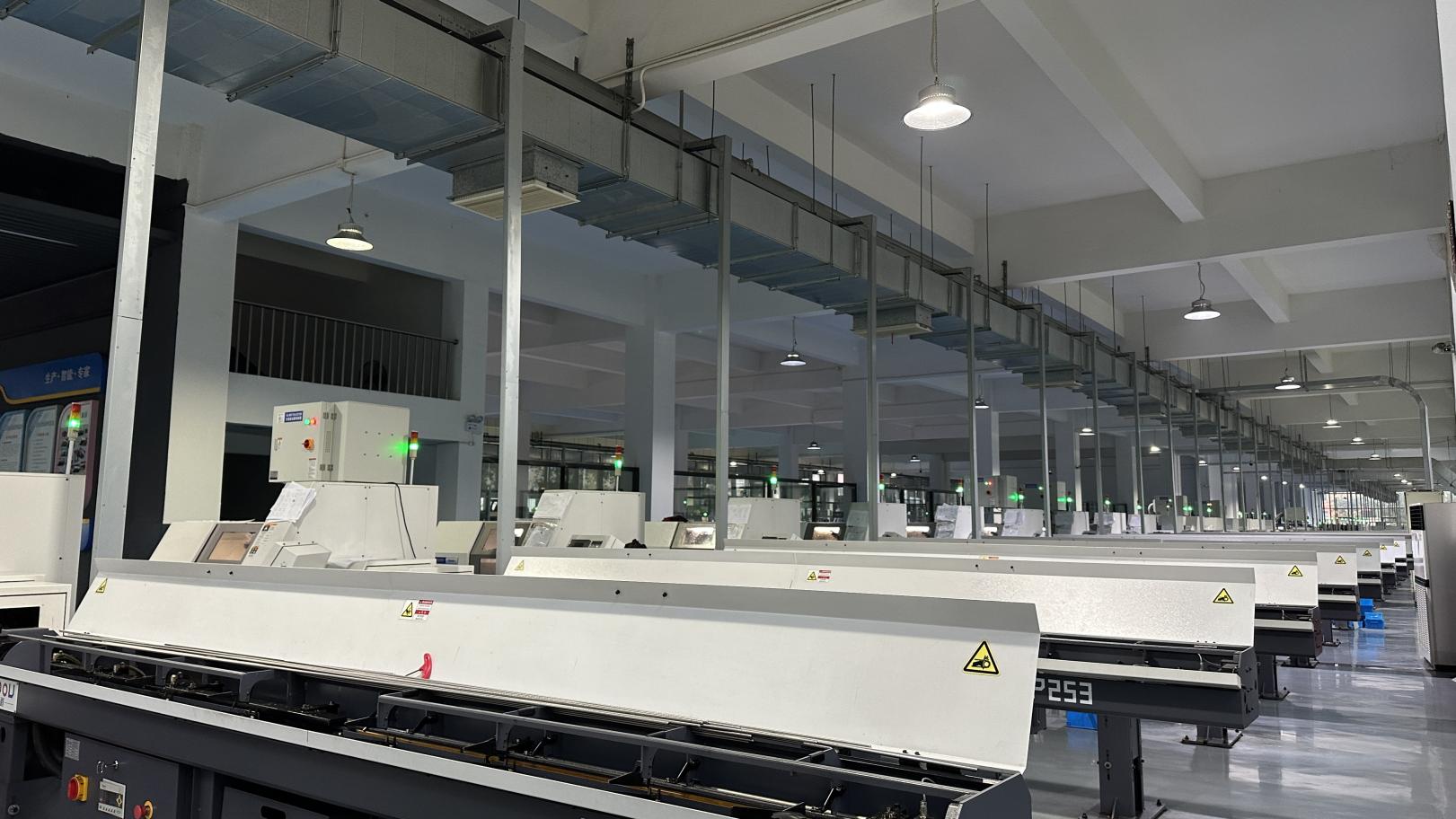
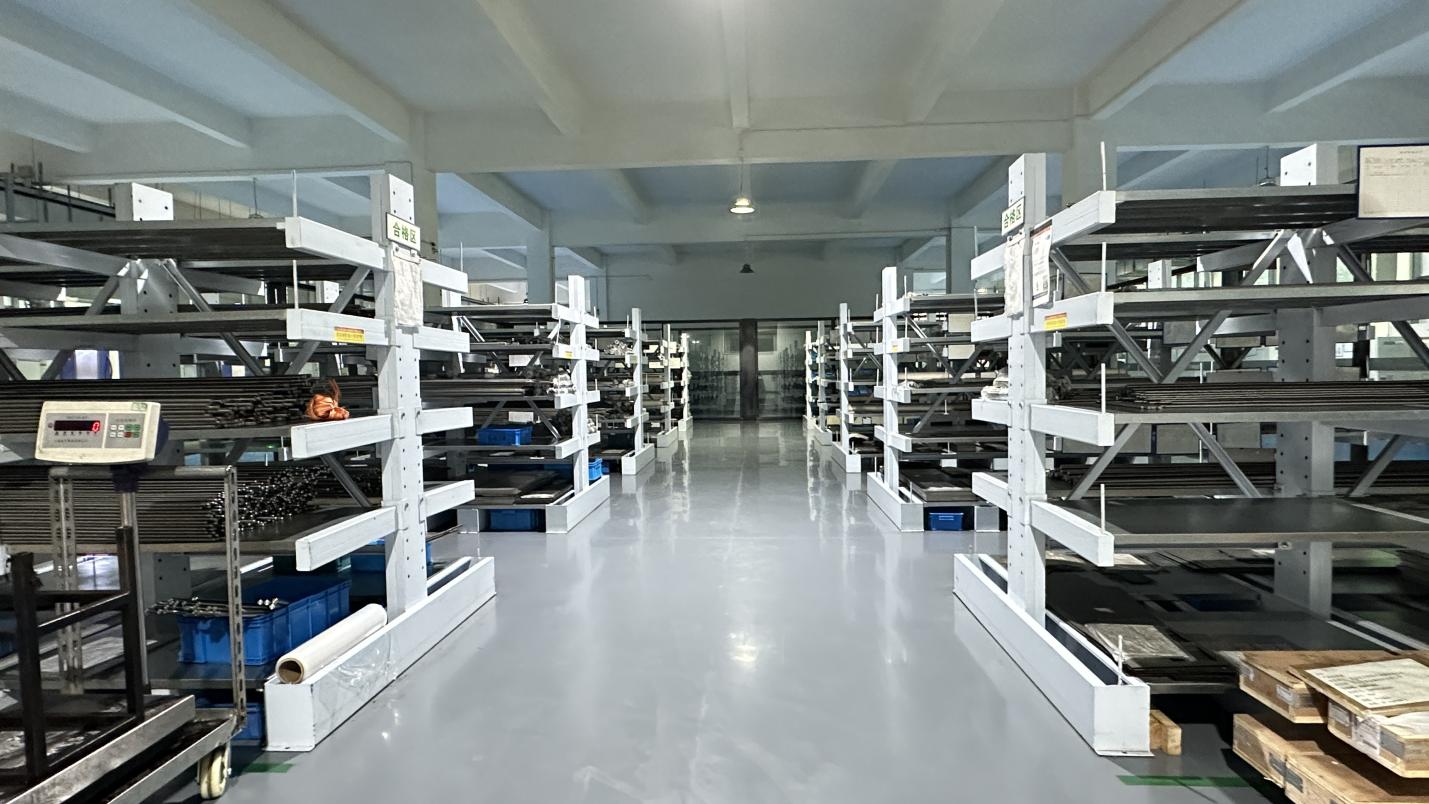
Inspection of incoming medical titanium alloys (Gr5/ELI) and specialty medical steels.
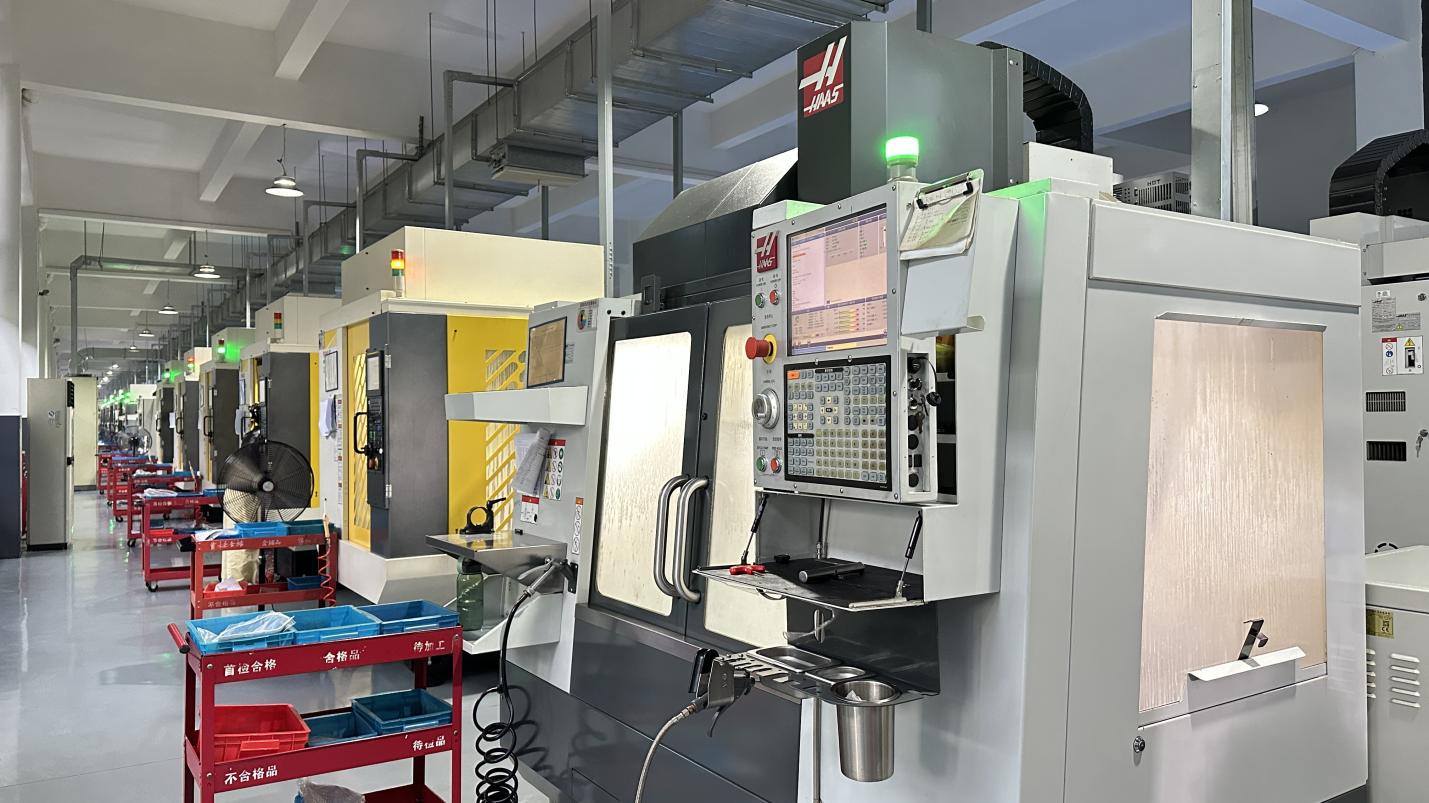
High-precision profile sizing and cut-offs for initial mechanical blanks.
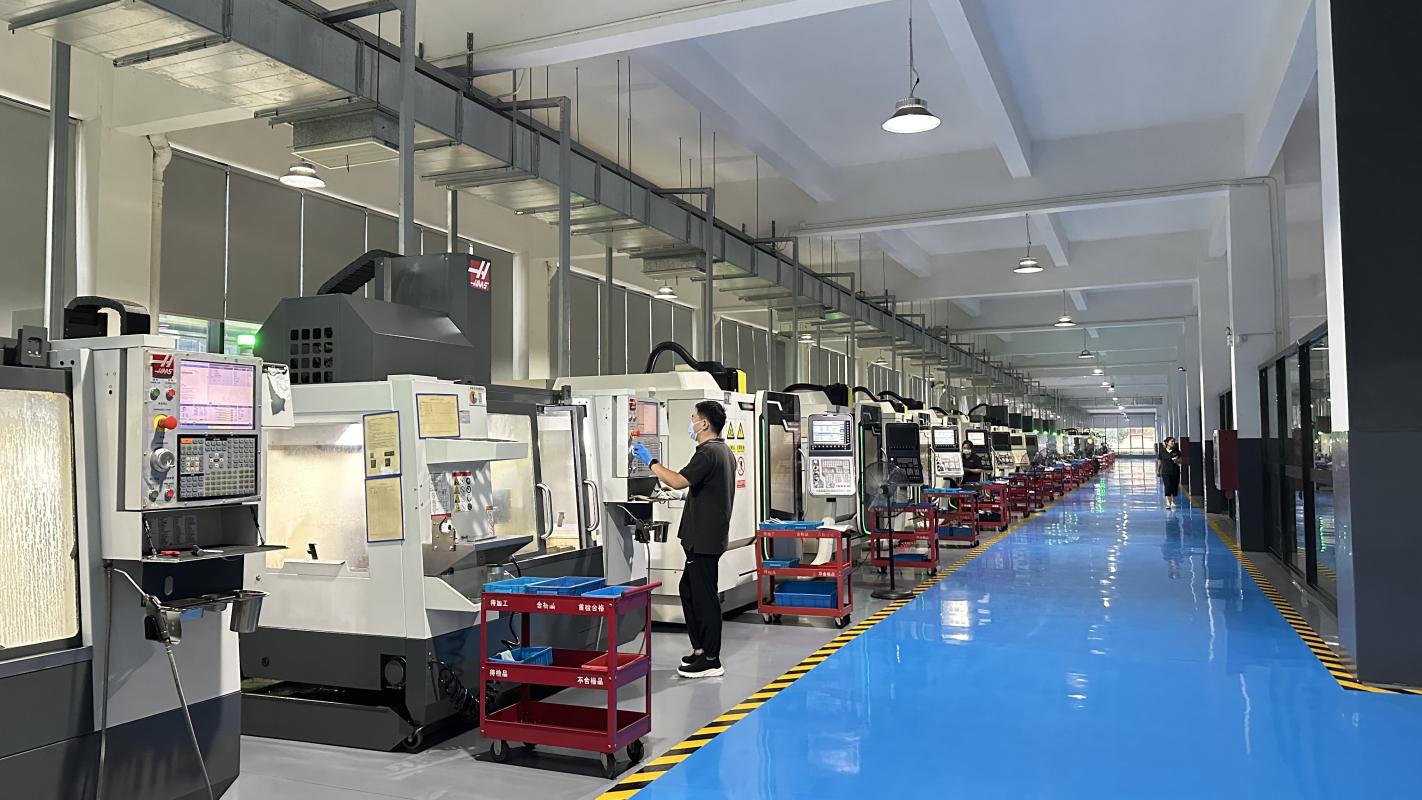
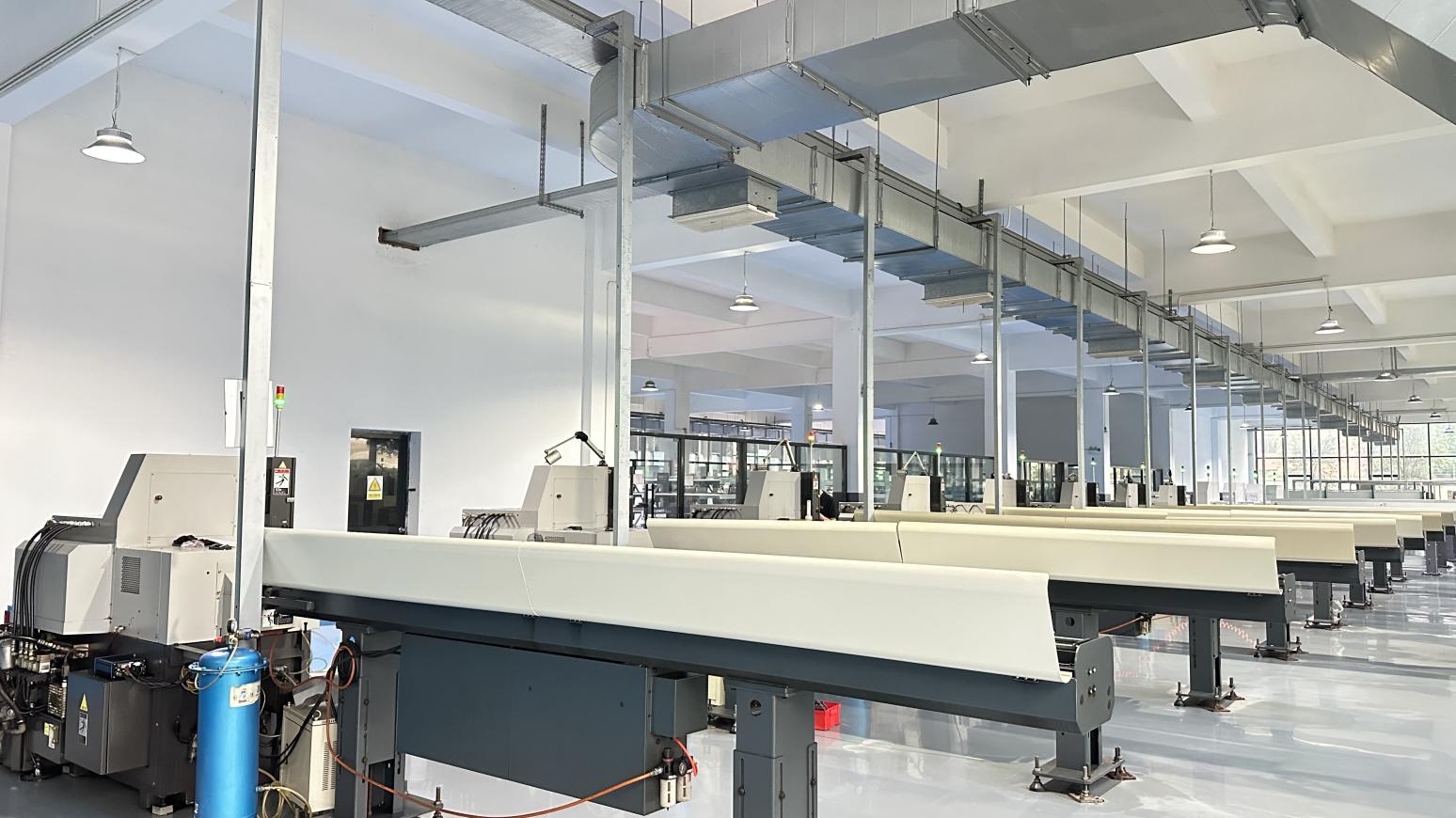
Multi-axis CNC milling of complex spinal, trauma, and joint components.
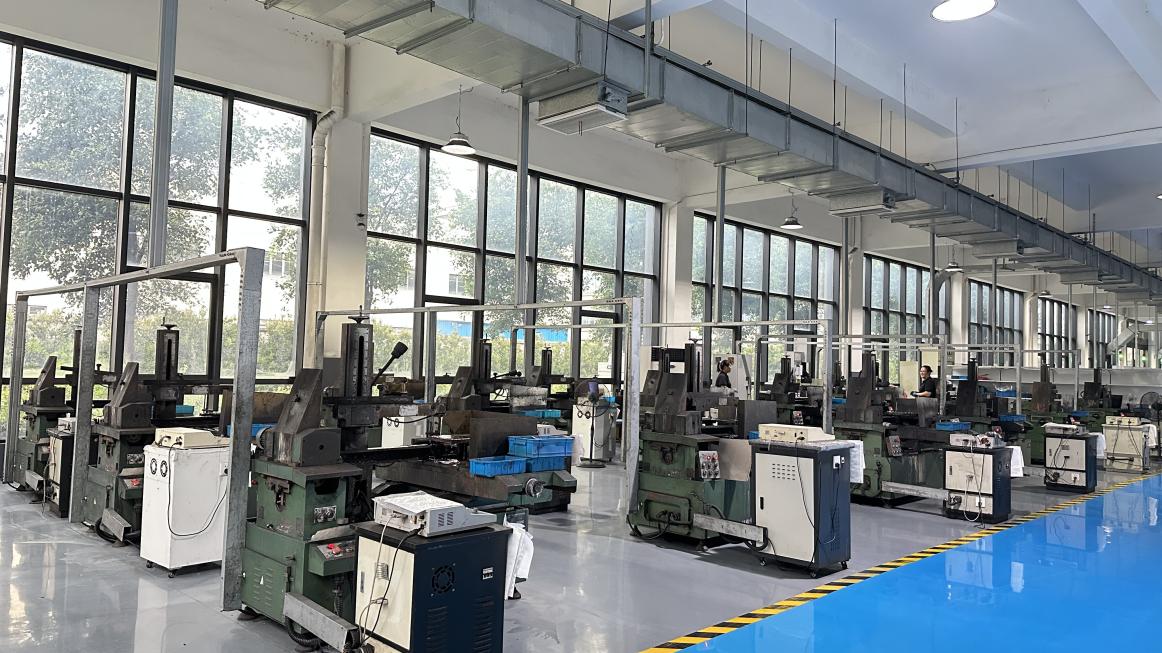
Thread cutting, manual detailing, and micro-finishing of custom elements.
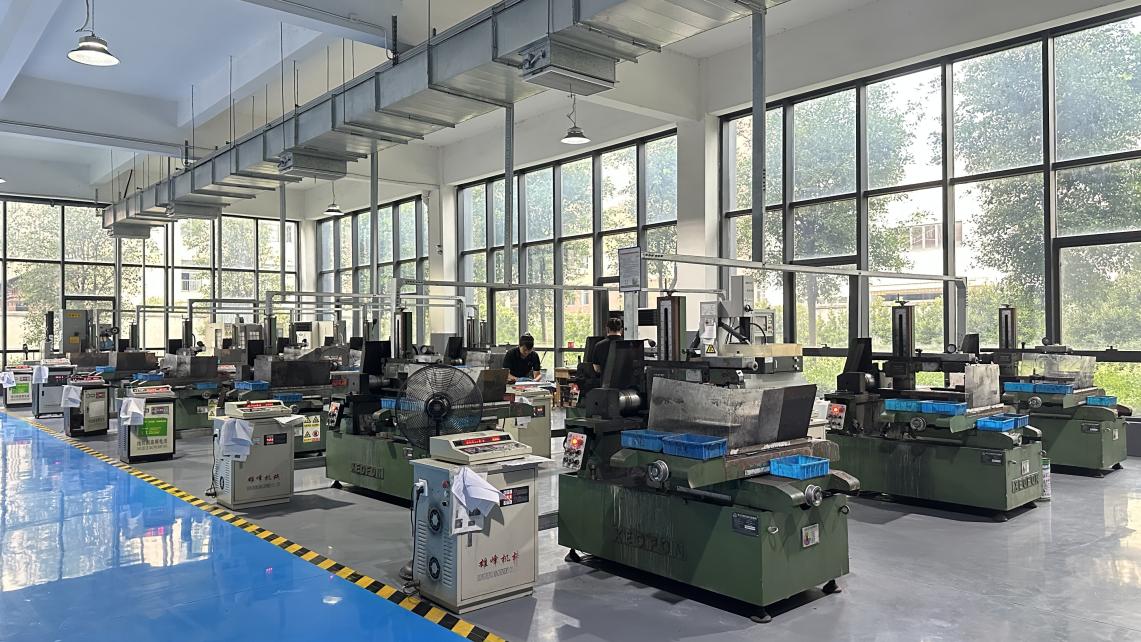
High-accuracy EDM wire cutting for strict geometric shapes and tolerances.
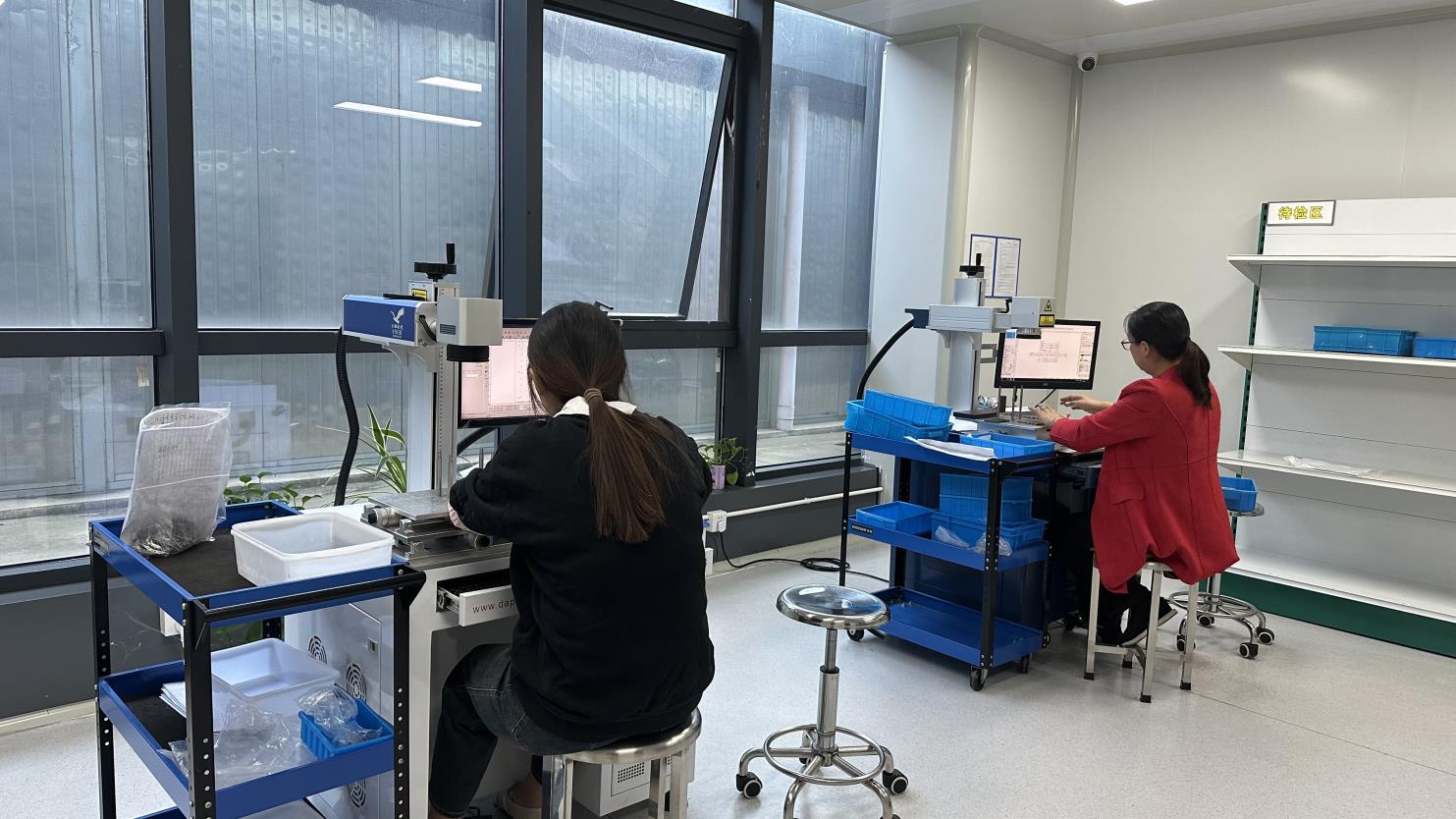
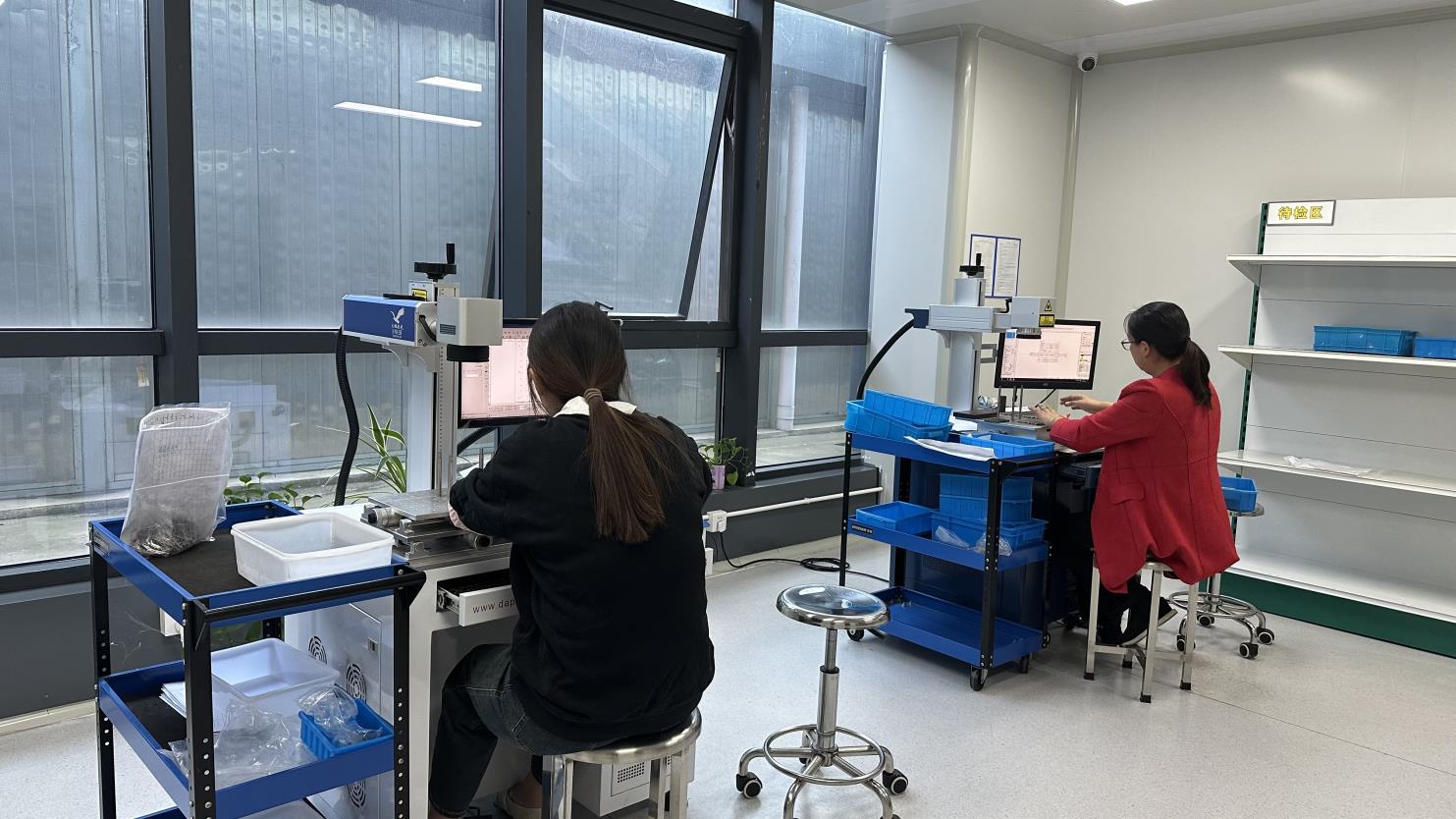
MDR compliant UDI laser markings showing production lots and specifications.
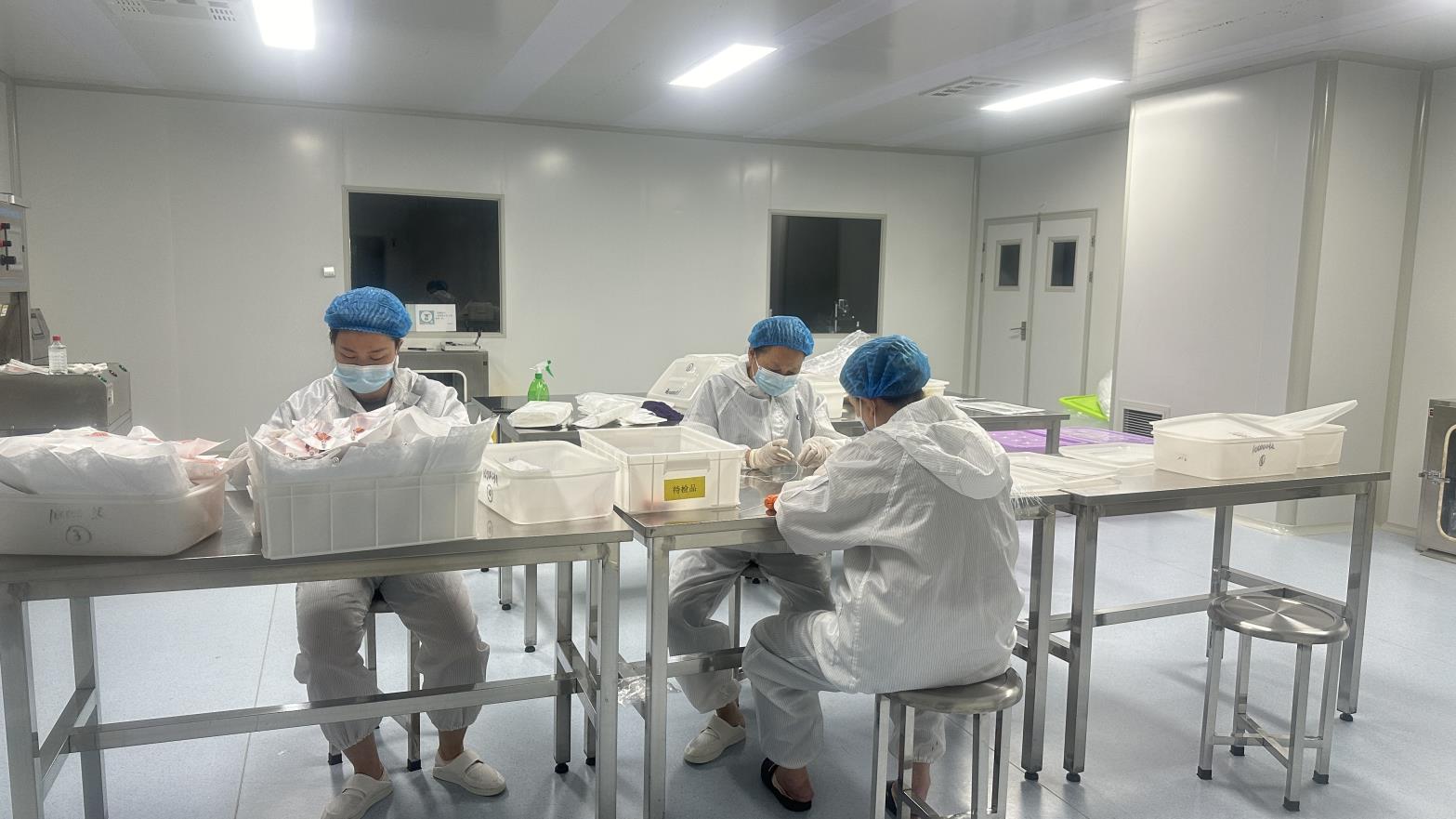
Cleanroom cleaning, detailed micro-inspection, and protective double-bagging.
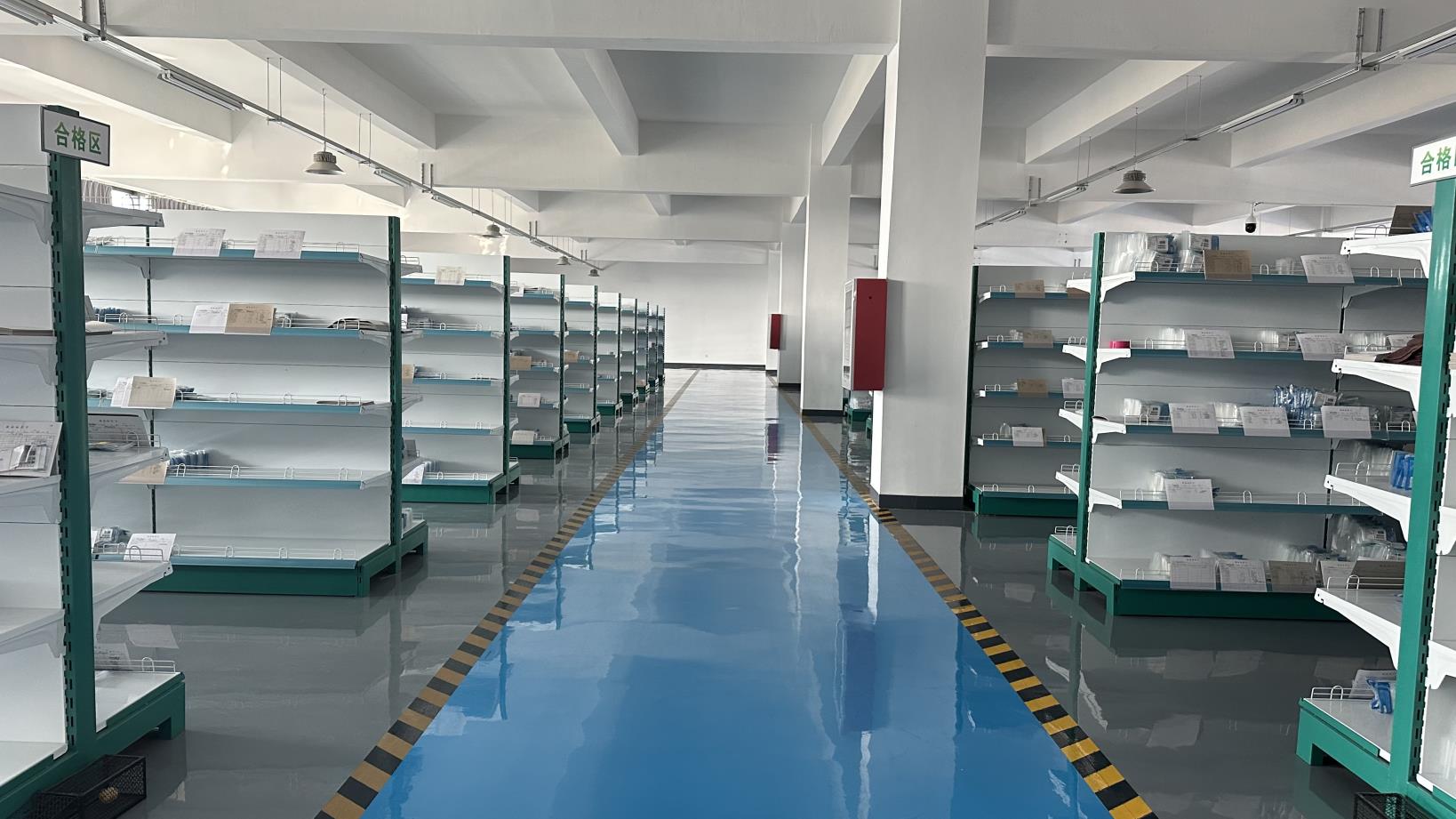
Safe, organized holding before dynamic air and ocean export dispatch.
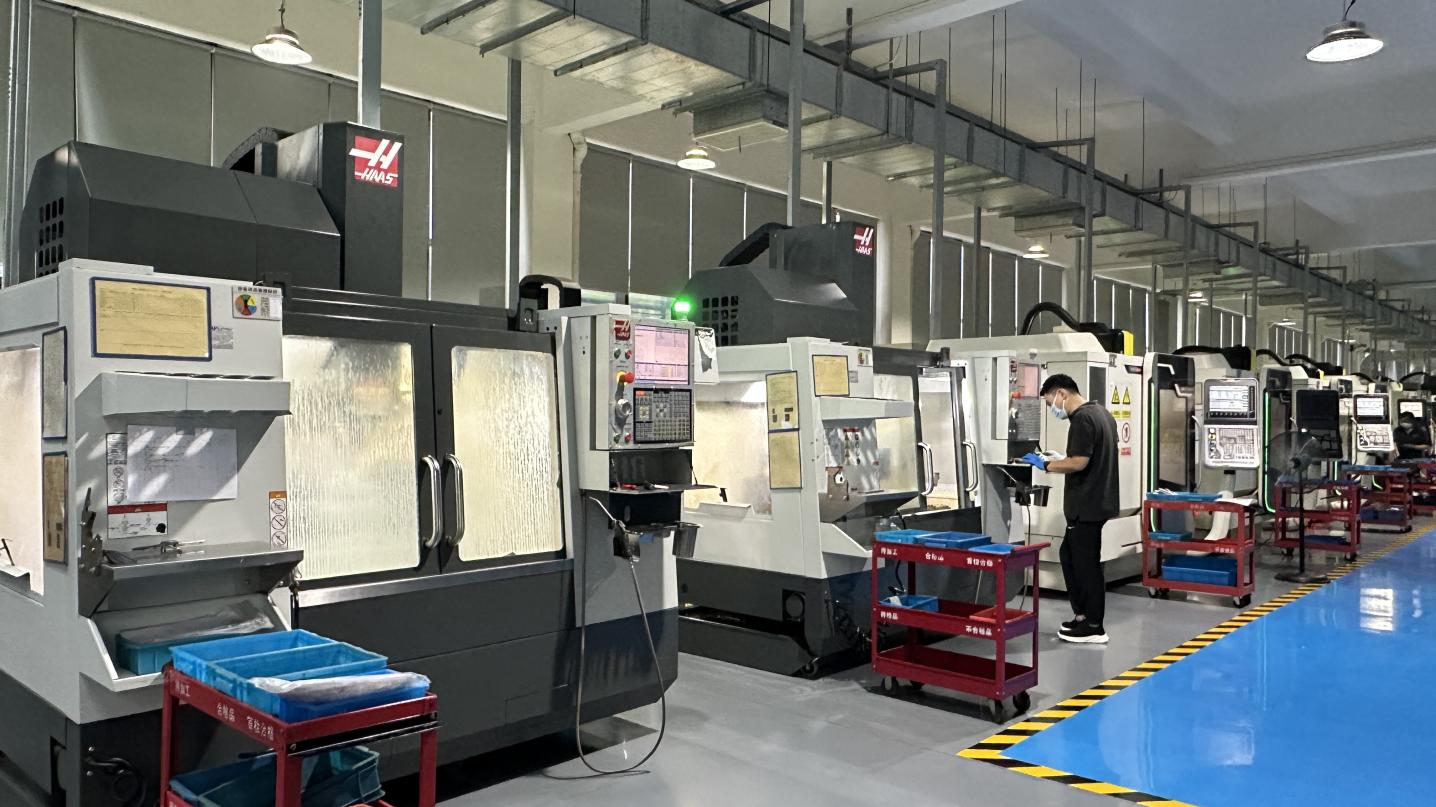
Industrial automated profile cut-off units for processing incoming bars.
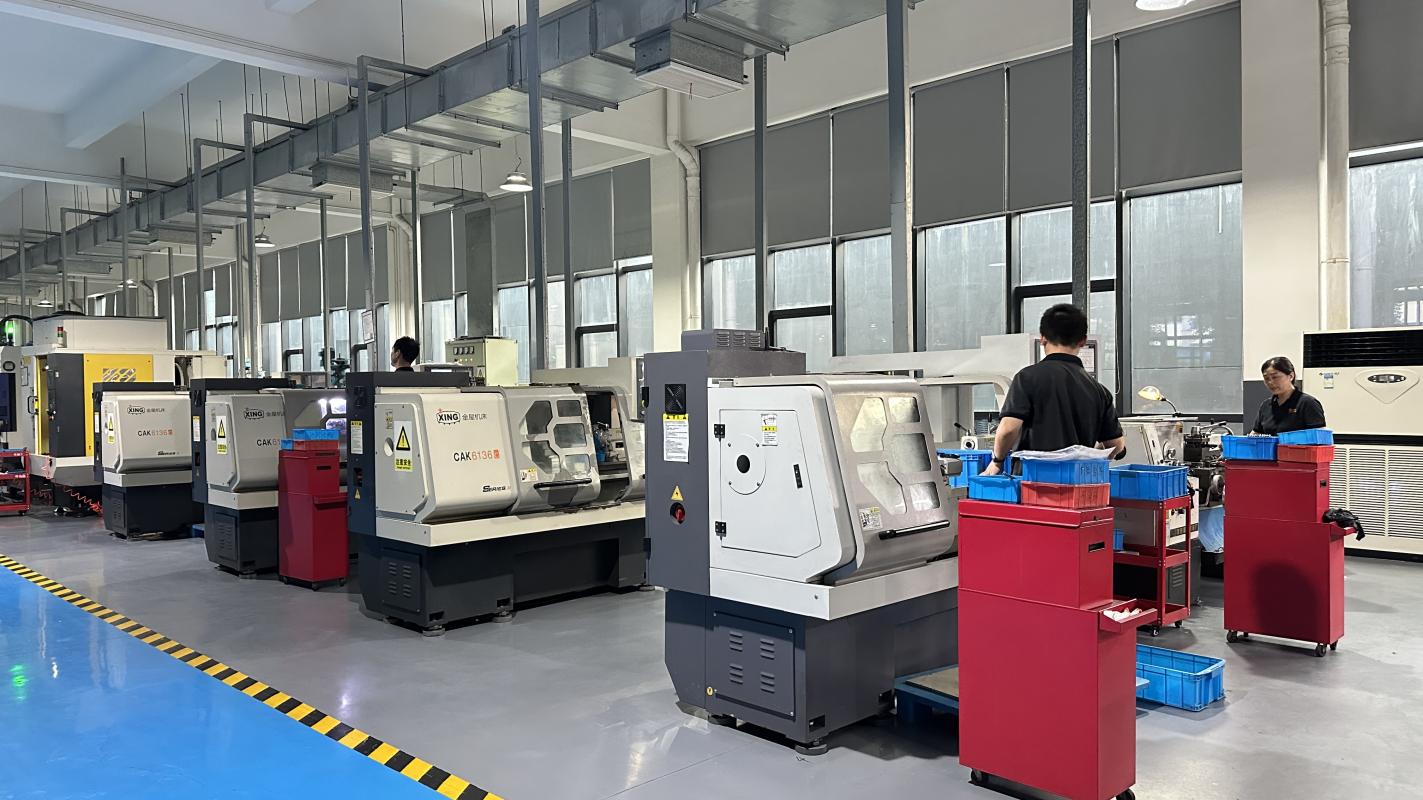
Fully enclosed machining modules for optimal concentricity and precision.
Specialized in long, thin orthopedic screws, wires, and spinal probes.
Submerged wire-EDM setups delivering sub-micron levels of repeatability.
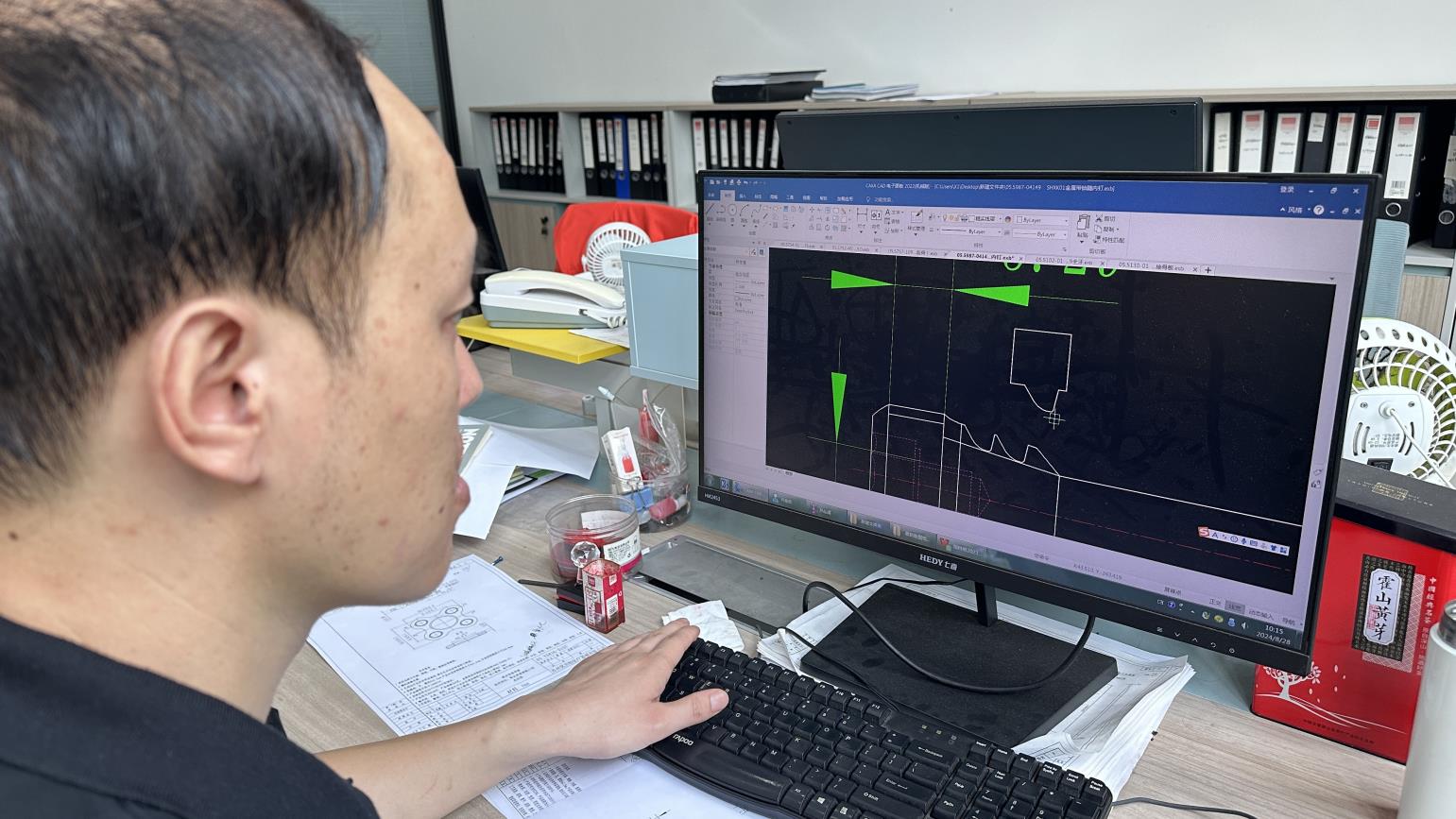
Controlled laser etching preventing superficial structural degradation.
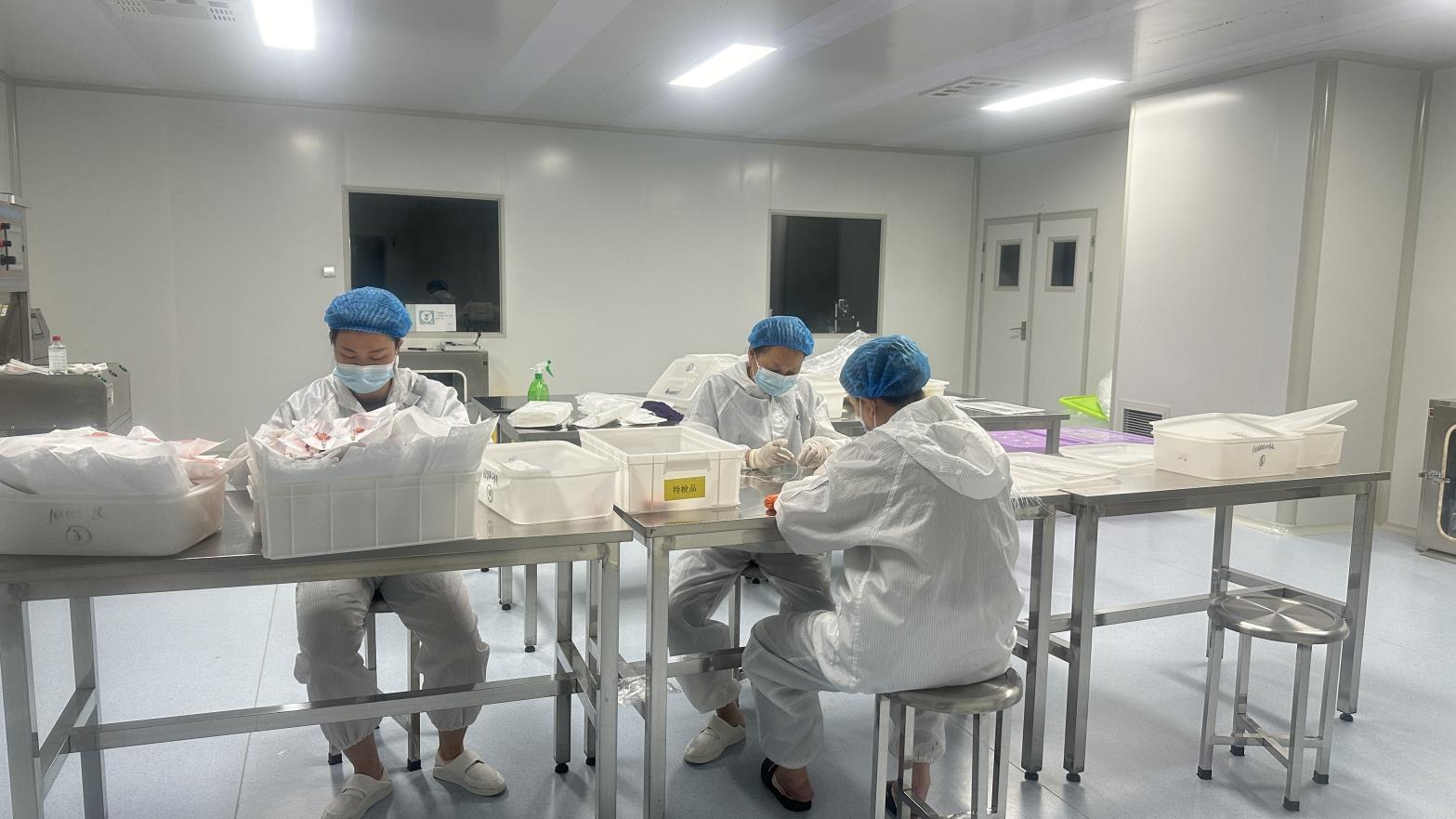
Computer-aided analysis paired with high-magnification optical measurements.
Targeted deployment scenarios across surgical centers, emergency clinics, and research institutes.
Within French operating theaters, surgical workflows are strictly audited for patient safety and efficiency. Bonevia’s specialized orthopedic accessories and spinal instruments are tailored to integrate directly with standard surgical practices:
Pioneering tomorrow’s orthopedic materials and smart instrumentation structures.
As the international orthopedic landscape evolves towards minimally invasive surgeries (MIS) and personalized patient treatments, our research and engineering teams are focused on several core initiatives:
Integrating porous titanium structures fabricated through Direct Metal Laser Sintering (DMLS) to accelerate postoperative osseointegration.
Exploring anti-microbial ceramic coatings to reduce bacterial biofilm formation on orthopedic implants, resolving a key concern in hospital-acquired infections.
Developing smart surgical handles featuring real-time torque feedback to prevent bone stripping during osteosynthesis procedures.
Seamless import experience backed by rigorous compliance validation.
Understanding that regulatory bottlenecks are a major risk for French medical distributors, we ensure that every export batch is accompanied by comprehensive documentation. Under the current EU MDR 2017/745 rules, we provide:
Our facilities run under a strict ISO 13485 quality system, ensuring clinical design traceability, corrective actions, and preventative action (CAPA) tracking.
Each device is coded with an individual GS1-compliant Unique Device Identification (UDI) barcode, making identification simple at the point of clinical use.
Ready to optimize your orthopedic accessory procurement? Connect with our global engineering team for custom OEM quotes and MDR compliance files.
Answers to critical questions regarding medical compliance, manufacturing capacities, and shipment logistics to France.
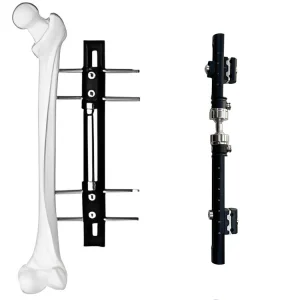
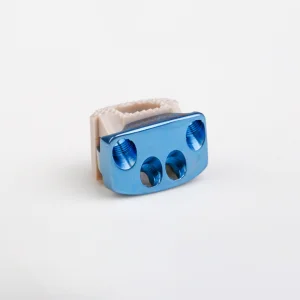
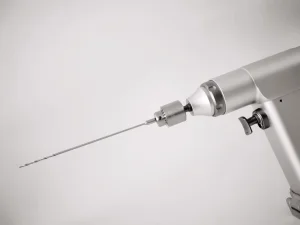
Browse our broader range of orthopedic tools, surgical kits, and implantable cages.