Bonevia
Bonevia
Bonevia
High-precision orthopedic instruments engineered to meet the demanding requirements of San Francisco's Level 1 trauma centers and neurosurgical clinics.
Bridging the gap between cutting-edge clinical research in the Bay Area and cost-efficient, high-precision global manufacturing.
The San Francisco Bay Area stands as one of the world's primary epicenters for biotechnology, medical technology innovation, and advanced clinical medicine. Home to globally renowned institutions such as UCSF Health, Stanford Health Care, and the Zuckerberg San Francisco General Hospital, the demand for precision orthopedic accessories and implants in Northern California is driven by rigorous standards for patient care, robotic surgical compatibility, and minimally invasive techniques.
Local hospitals and surgical centers are under continuous pressure to manage procurement budgets while elevating clinical outcomes. In scoliosis surgery, pediatric spinal fusion, and complex revision total joint arthroplasties, surgeons require tools that reduce intraoperative failure risks. However, manufacturing these high-tolerance instruments locally in the Silicon Valley corridor is often cost-prohibitive due to real estate, labor costs, and operational overheads.
This macro-economic factor makes global orthopedic accessory manufacturing a vital component of the San Francisco healthcare ecosystem. Partnering with specialized offshore facilities that comply with FDA regulations, CE markings, and ISO 13485 quality management standards allows Bay Area distributors and purchasing networks to secure medical-grade titanium and cobalt-chrome instruments at scale, without compromising on performance.
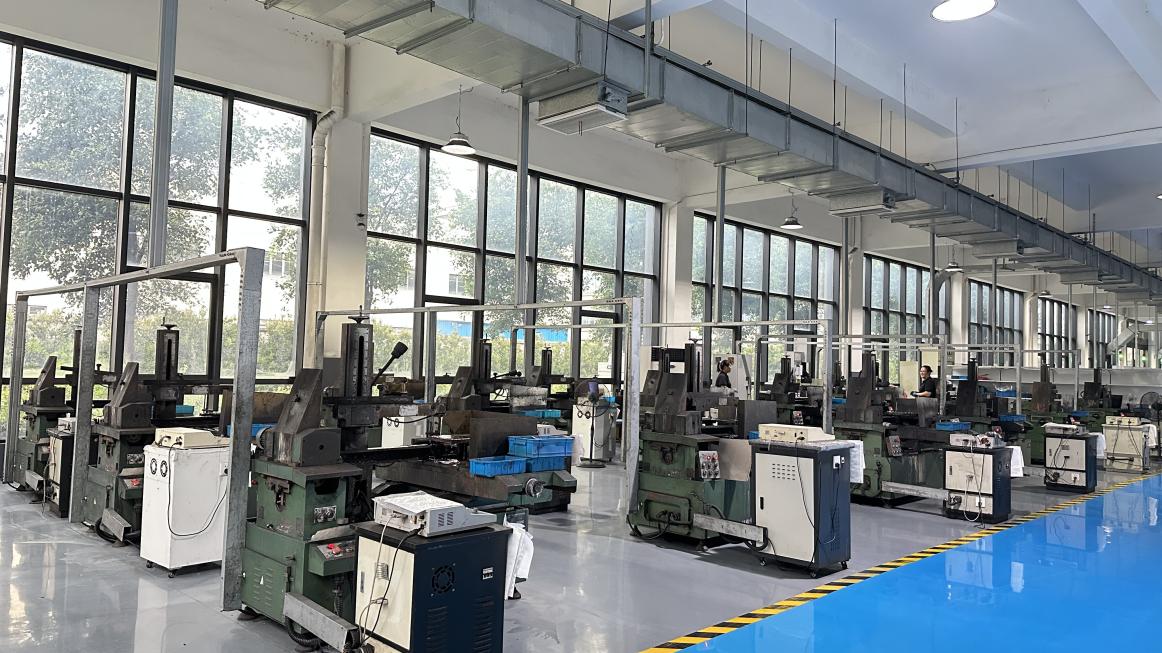
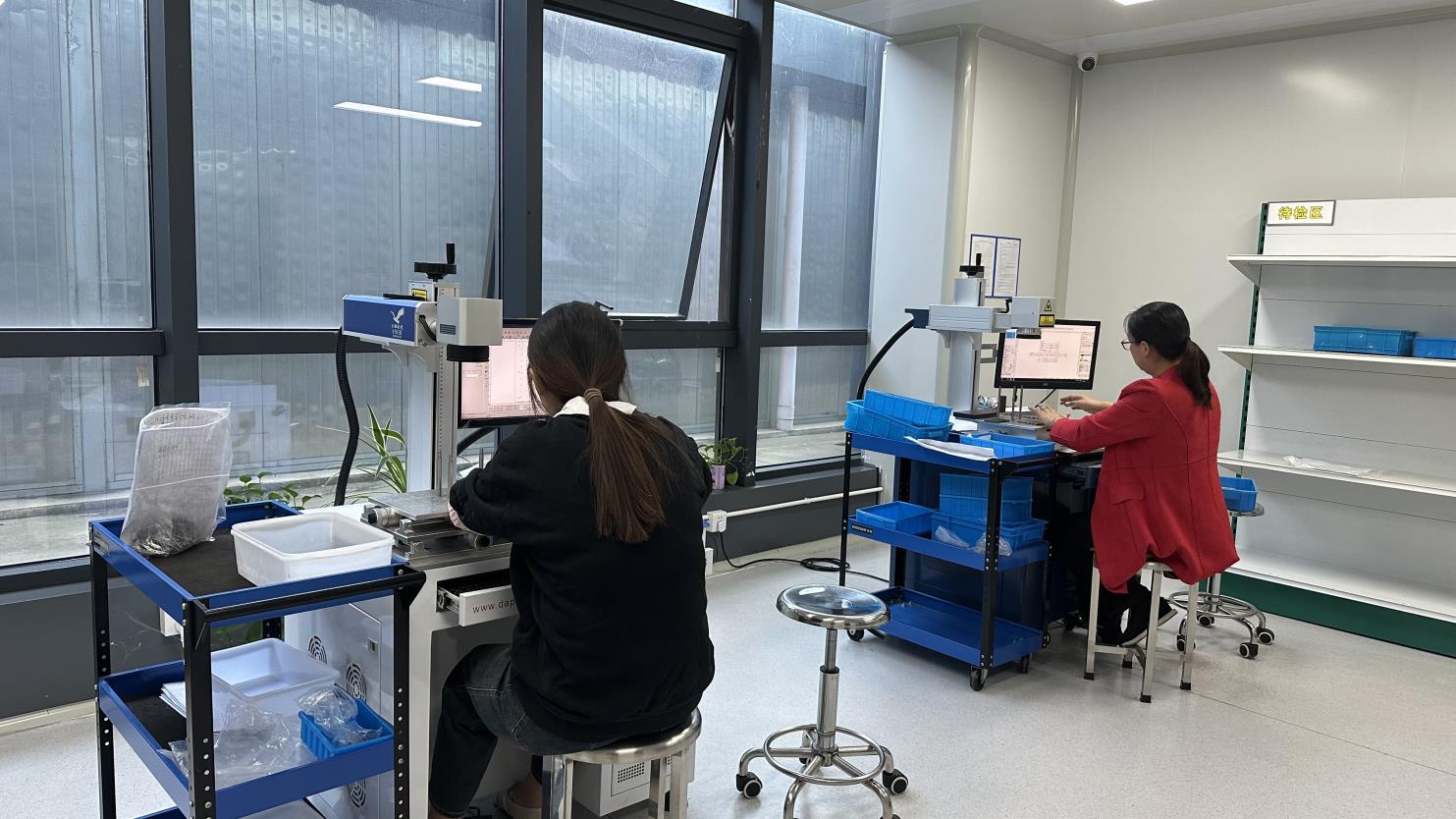
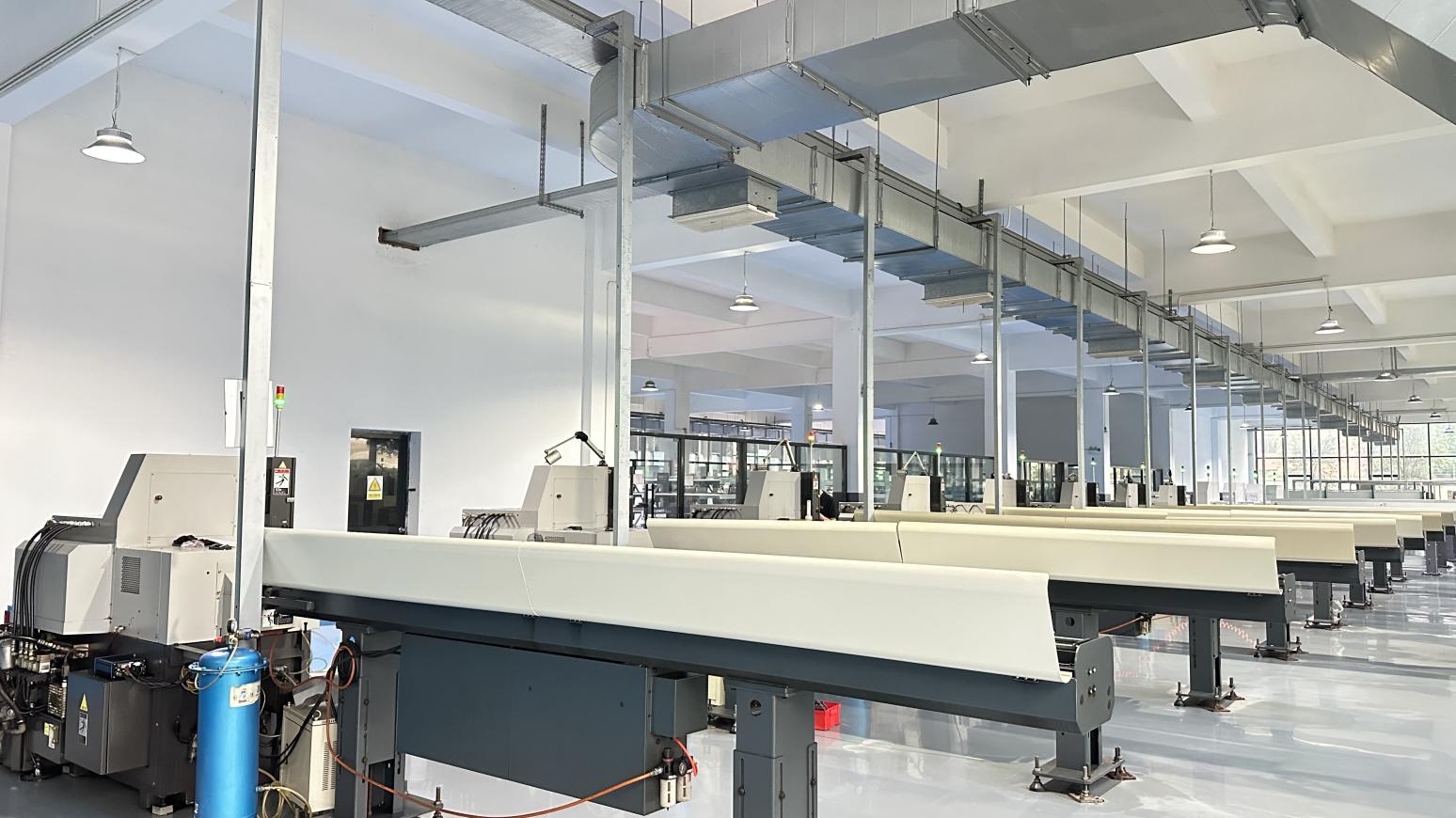
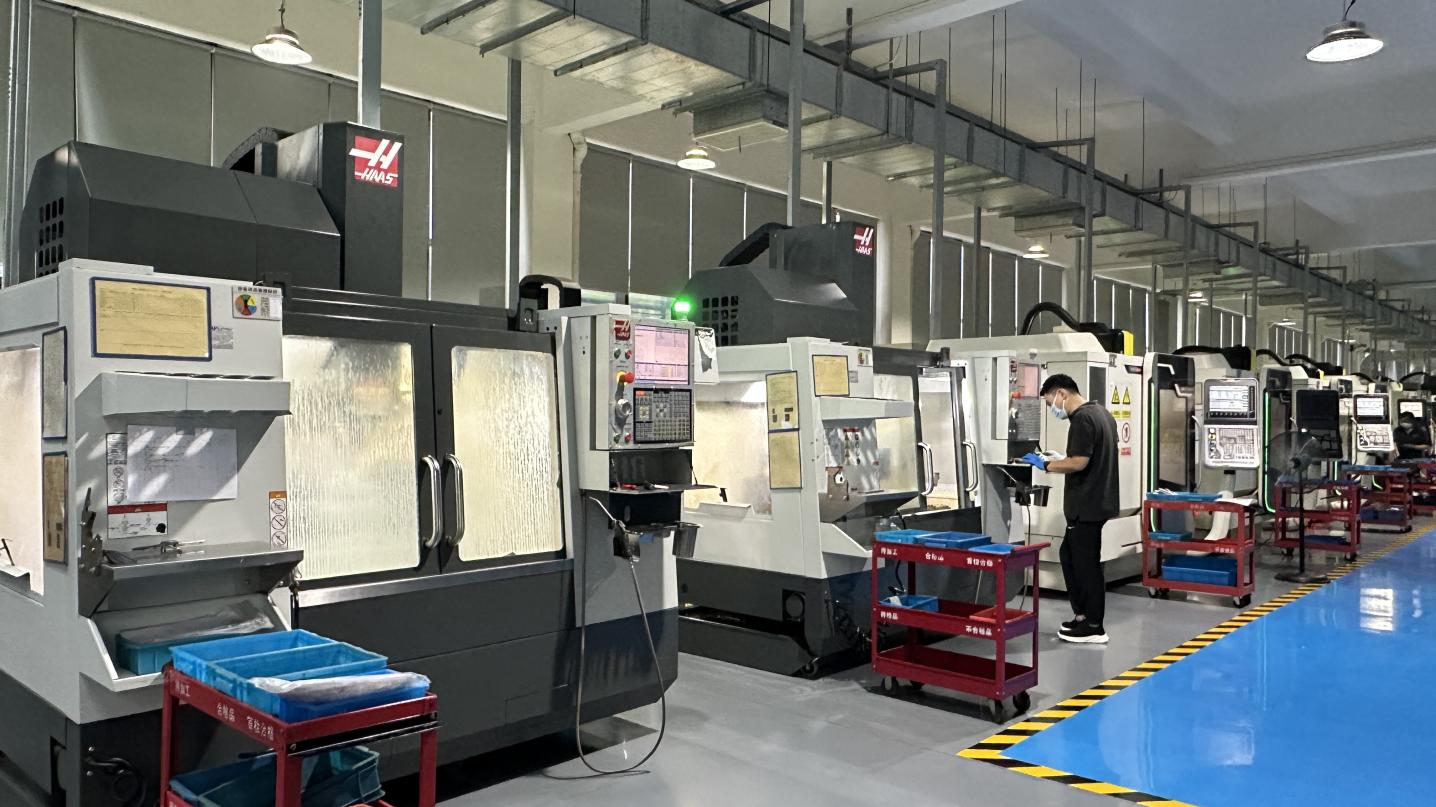
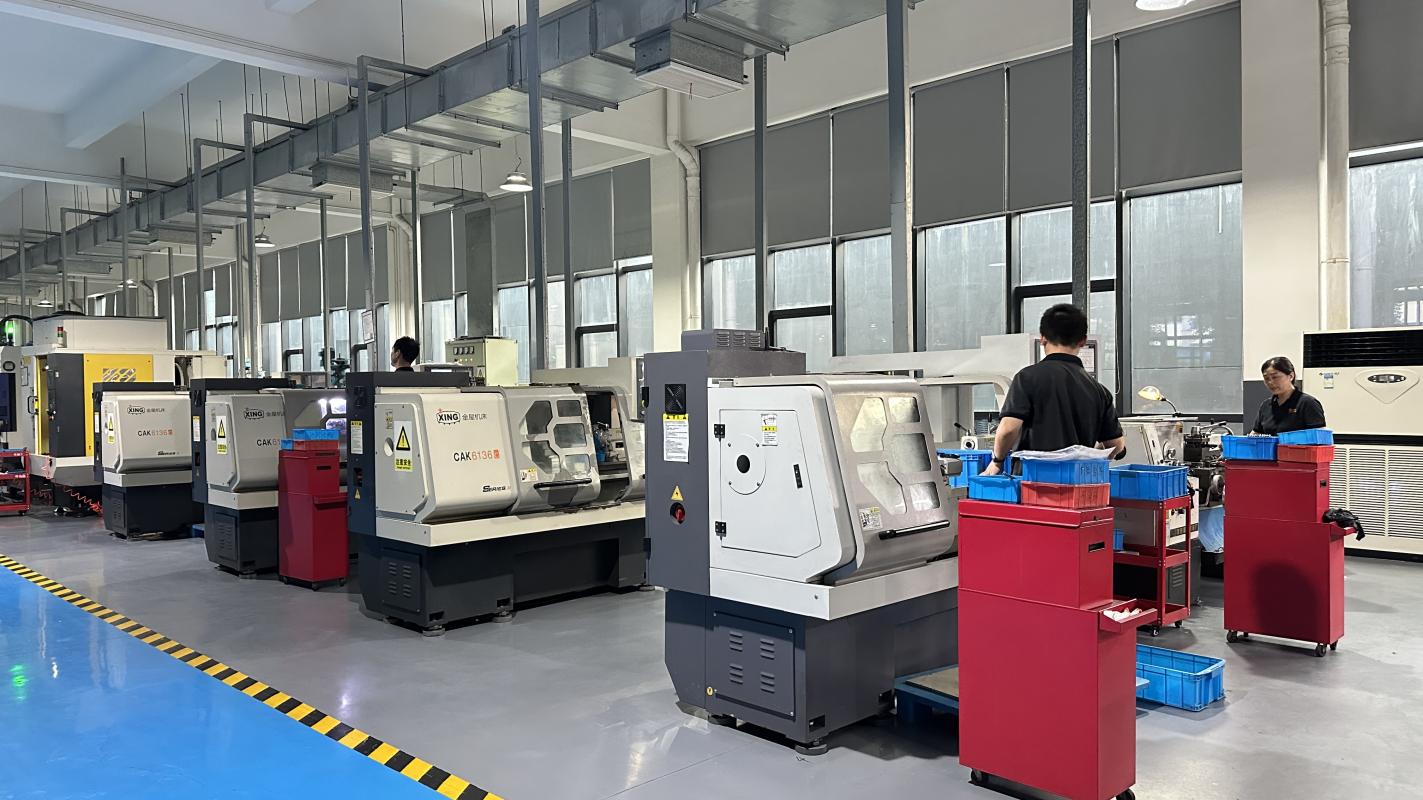
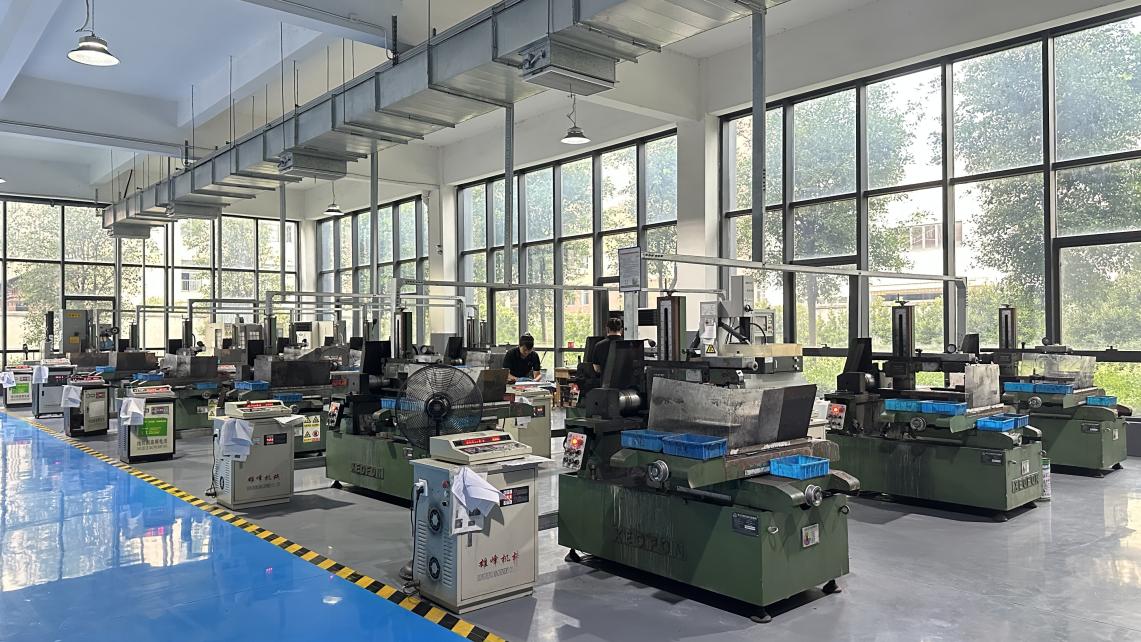
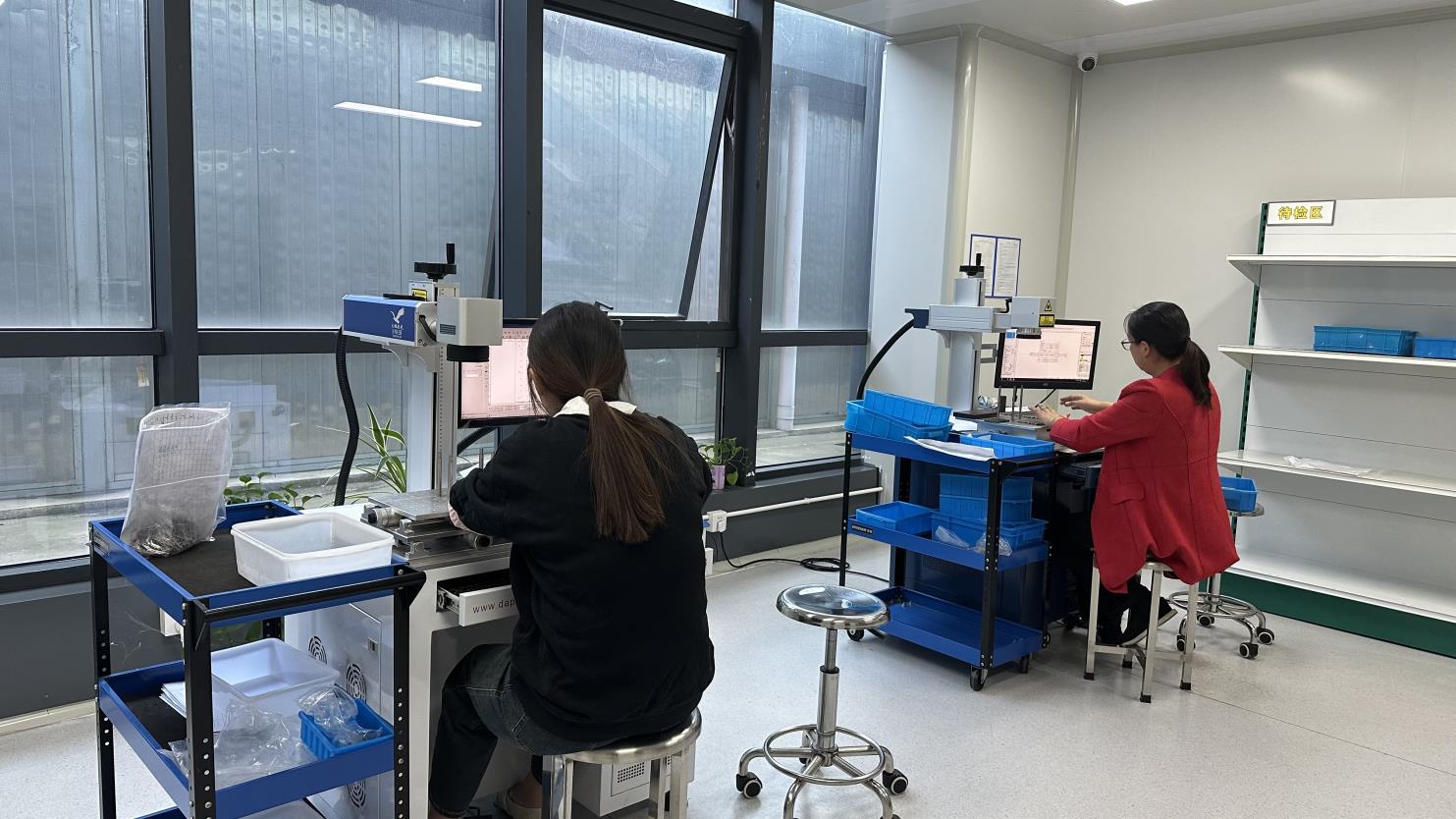
Globally, the orthopedic implant and accessory industry is undergoing a consolidation of manufacturing protocols. Facilities must integrate advanced technologies such as Swiss-style CNC turning, precision EDM wire-cutting, and laser profiling to meet the design tolerances of modern spinal fixation and joint systems. The global market, valued at over USD 50 billion, is expanding rapidly to accommodate aging populations and the expansion of ambulatory surgical centers (ASCs).
To serve sophisticated markets like San Francisco, factories must bridge localized patient-care needs with global supply chain efficiency. This requires direct technical collaboration, enabling customized OEM/ODM changes to be finalized rapidly, followed by validation protocols like incoming material spectroscopy, and automated optical inspections.
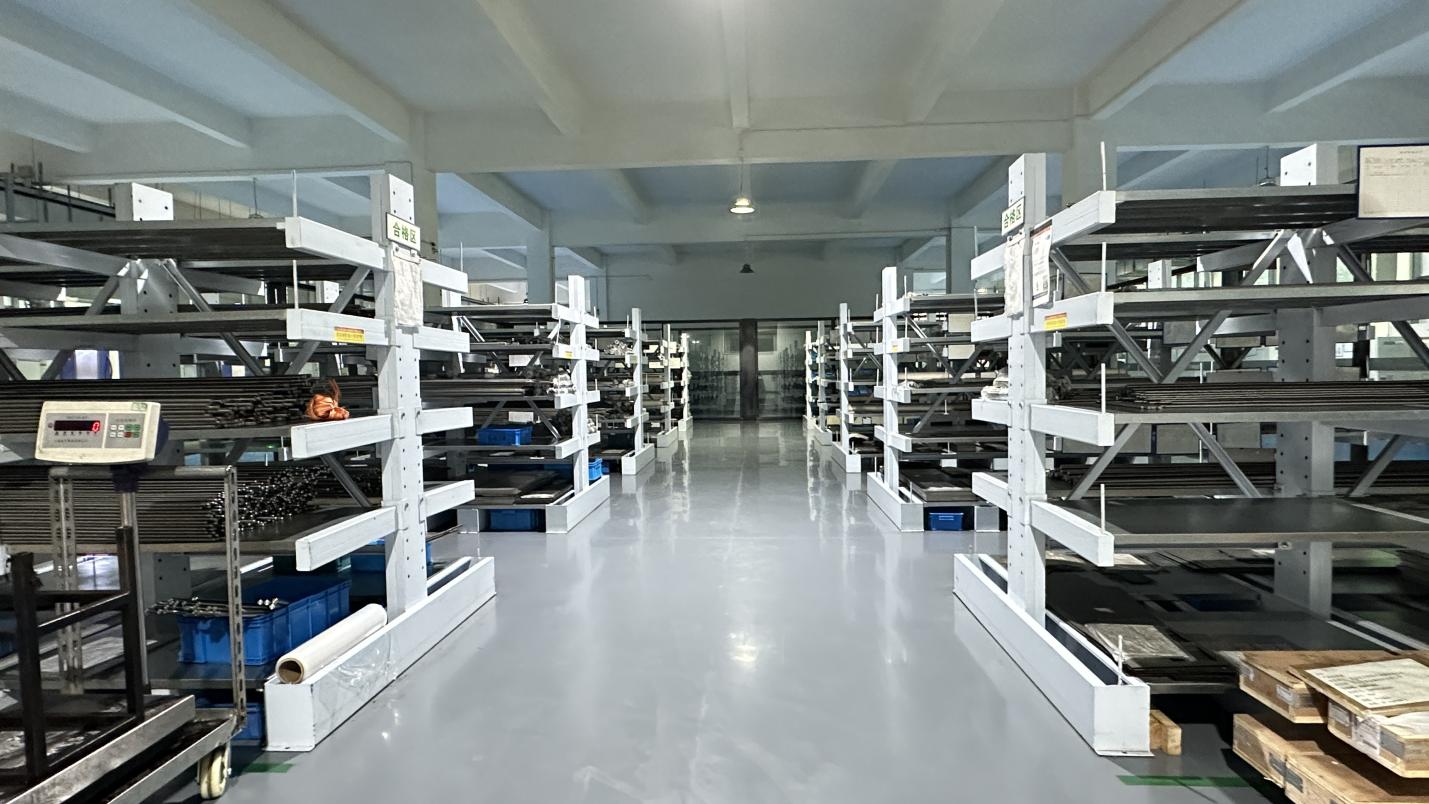
Bonevia Orthopedic Technology Co., Ltd. is a professional manufacturer specializing in orthopedic implants and surgical solutions, dedicated to advancing innovation in trauma, spine, and joint reconstruction products. Since its establishment in 2015, the company has grown steadily into a trusted supplier in the global orthopedic industry.
With a modern production facility covering approximately 320㎡, Bonevia maintains strict quality management standards and efficient manufacturing processes. The company records an annual export revenue of around USD 8–15 million, supported by 6 years of export experience and over 10 years of overall industry experience.
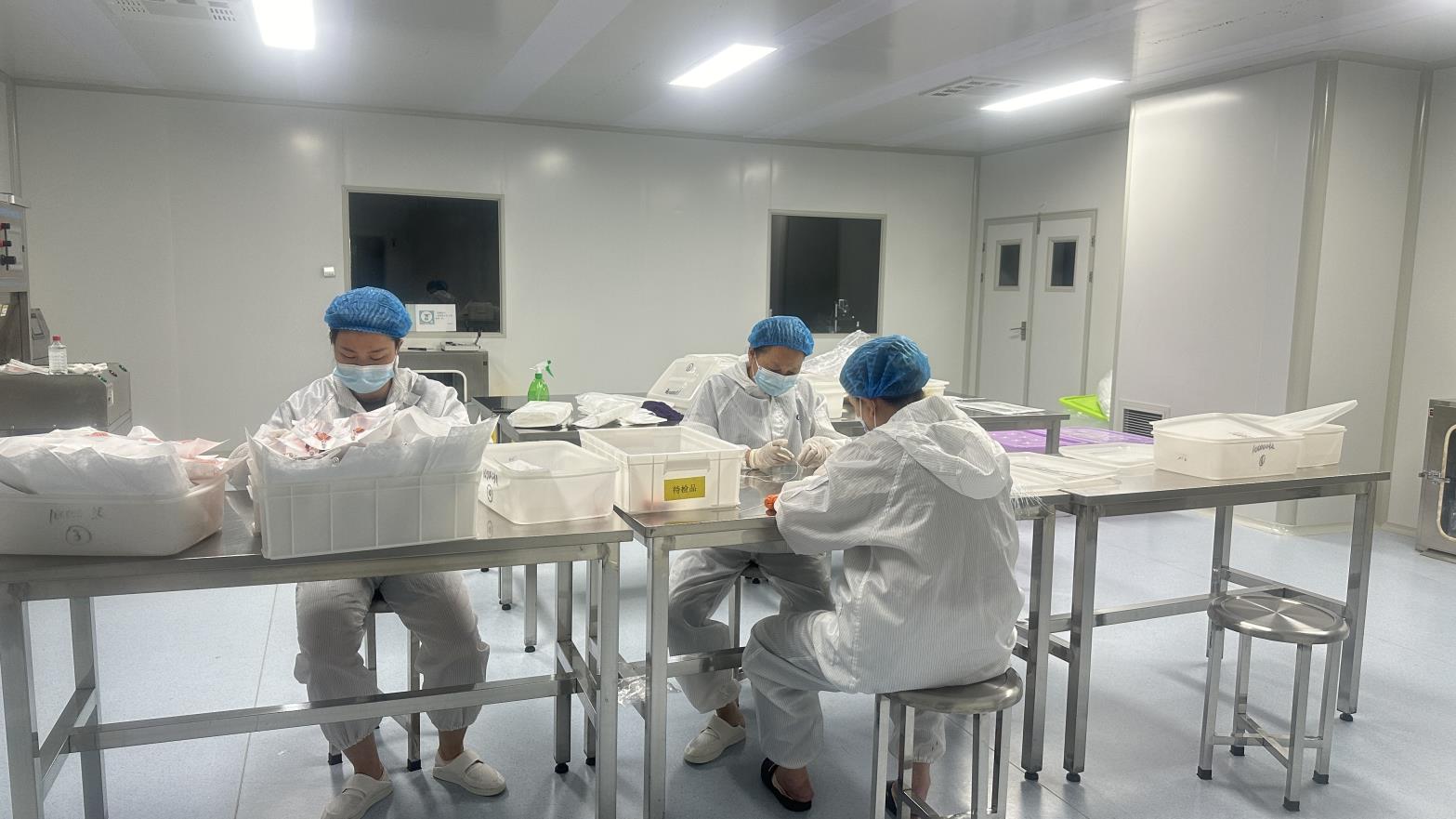
Quality assurance is a core focus at Bonevia. The company implements multiple inspection methods including incoming material inspection, in-process quality control, and final product testing, supported by a dedicated quality team of 35 professionals. This ensures all products meet international medical device standards.
Bonevia has a solid trade foundation with diversified global distribution networks, serving major markets across Europe, Southeast Asia, the Middle East, and South America. Its supply chain ecosystem includes more than 850 partners, enabling stable raw material sourcing and efficient production delivery.
The company serves a wide range of clients, including hospitals, orthopedic clinics, surgical centers, and medical distributors. Bonevia also demonstrates strong R&D capabilities, offering OEM and ODM customization services to meet specific clinical requirements.
In the past year, Bonevia successfully launched 120 new product designs, supported by a research and development team of 85 engineers, continuously driving innovation in orthopedic implant systems and surgical instruments.
Explore our technical workflow, from raw material validation to final packaging and global dispatch, ensuring surgical precision.
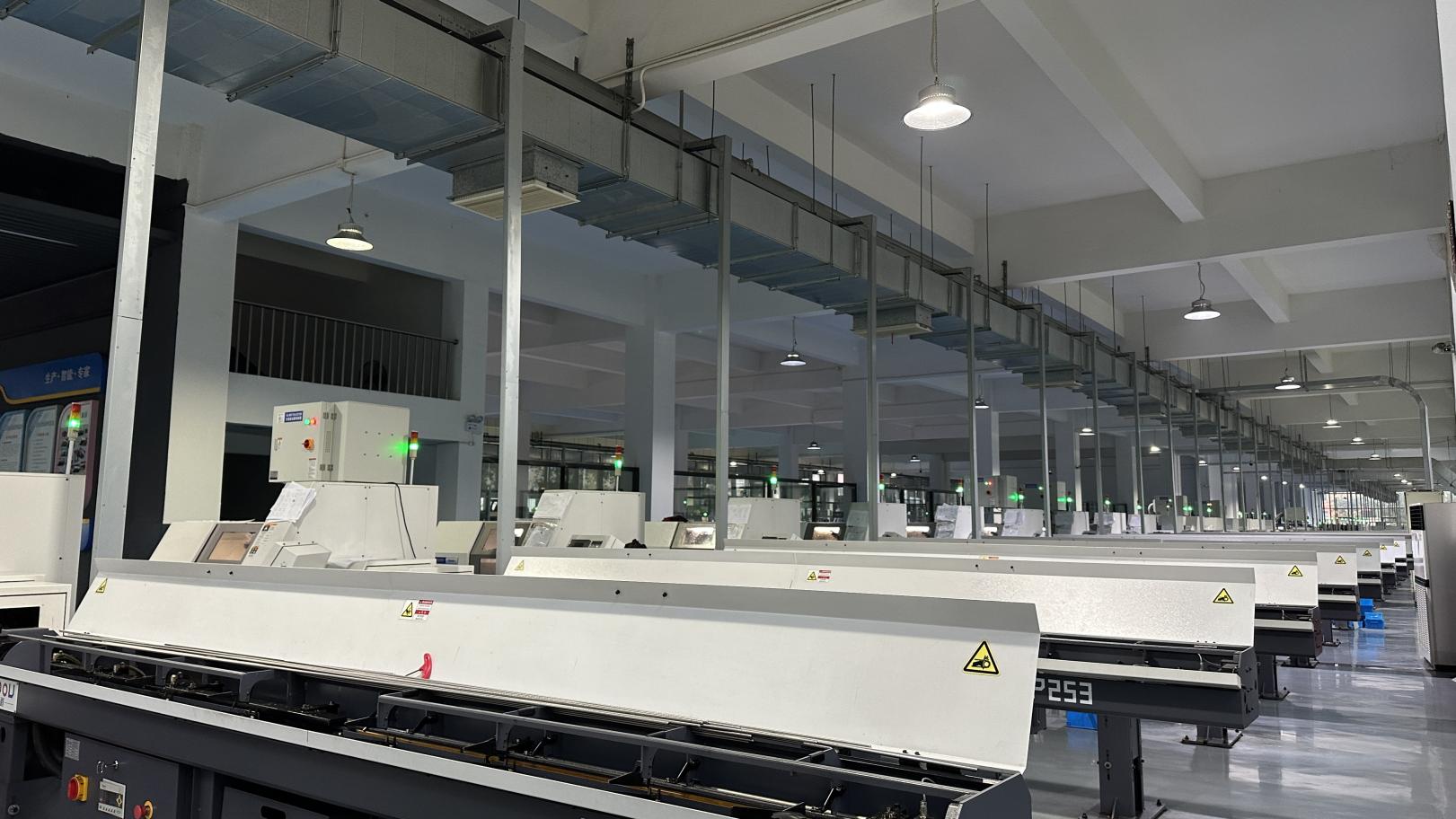
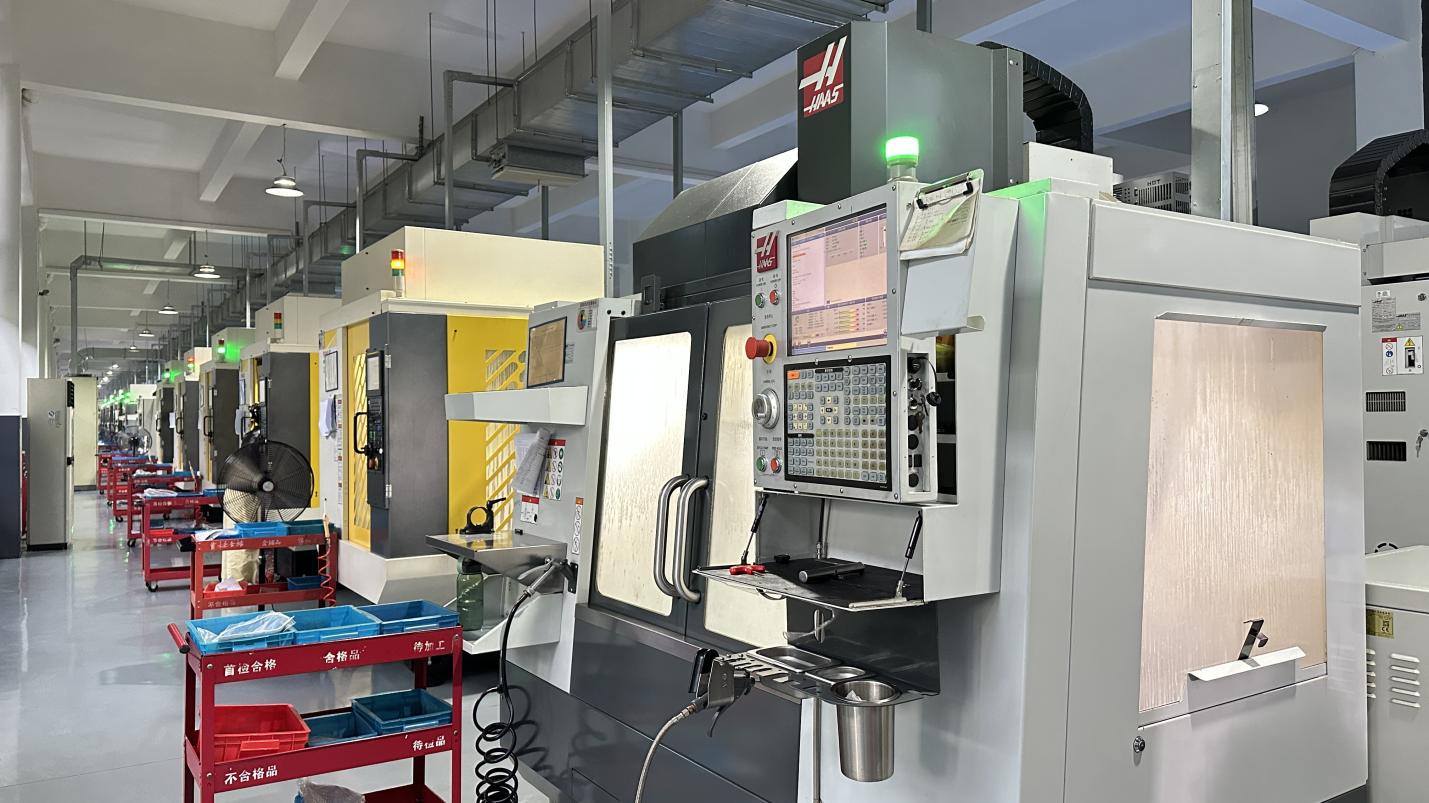
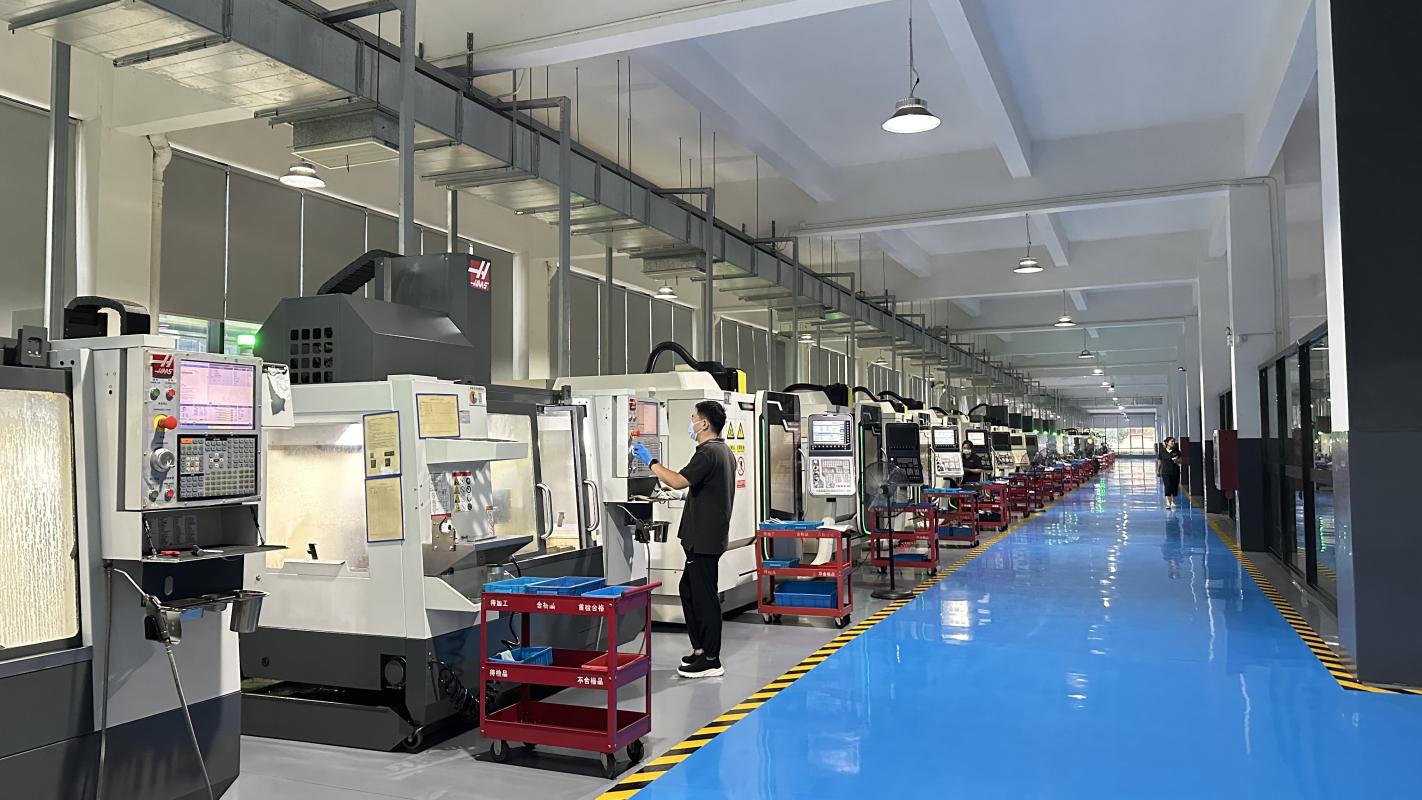

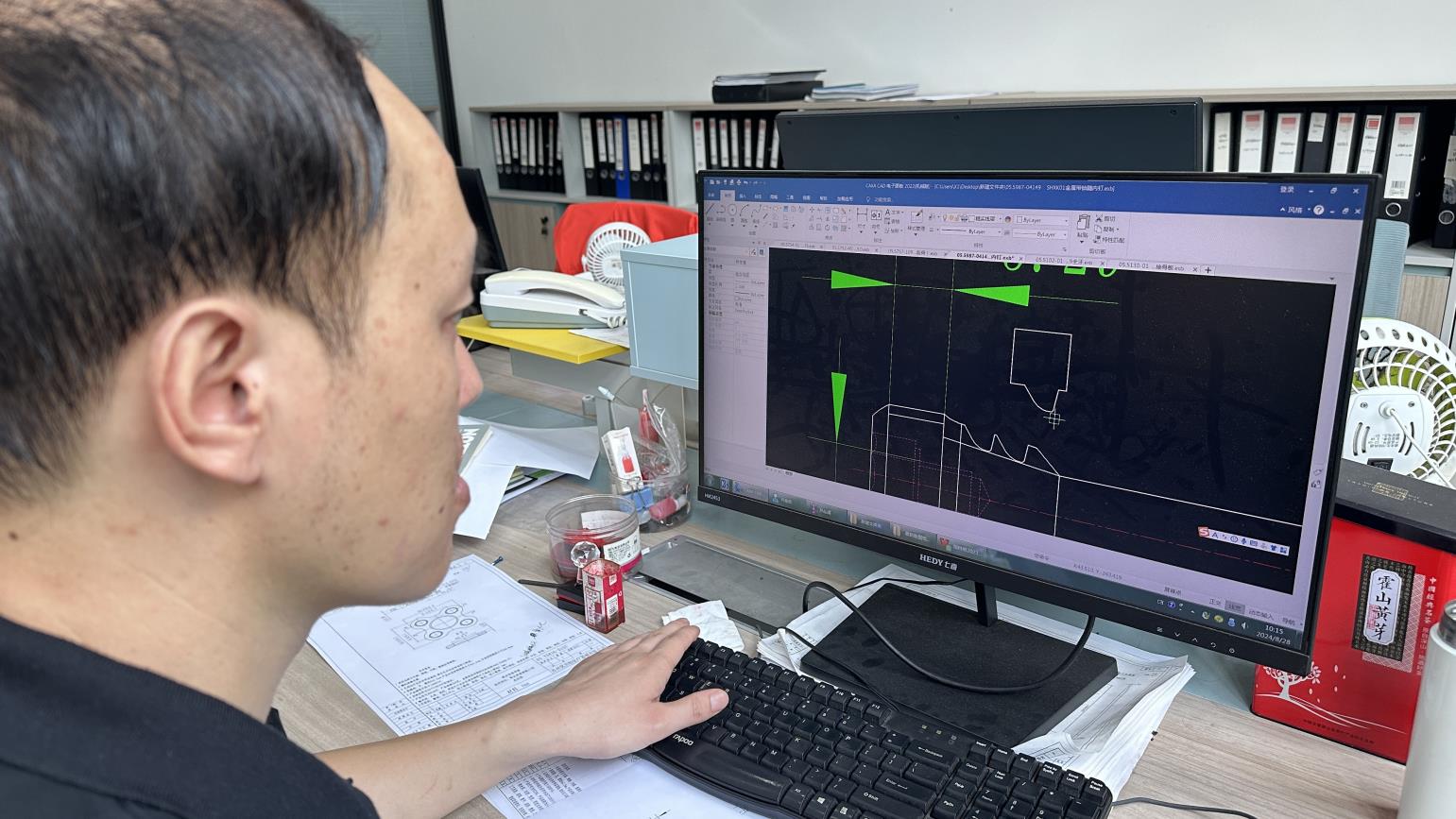
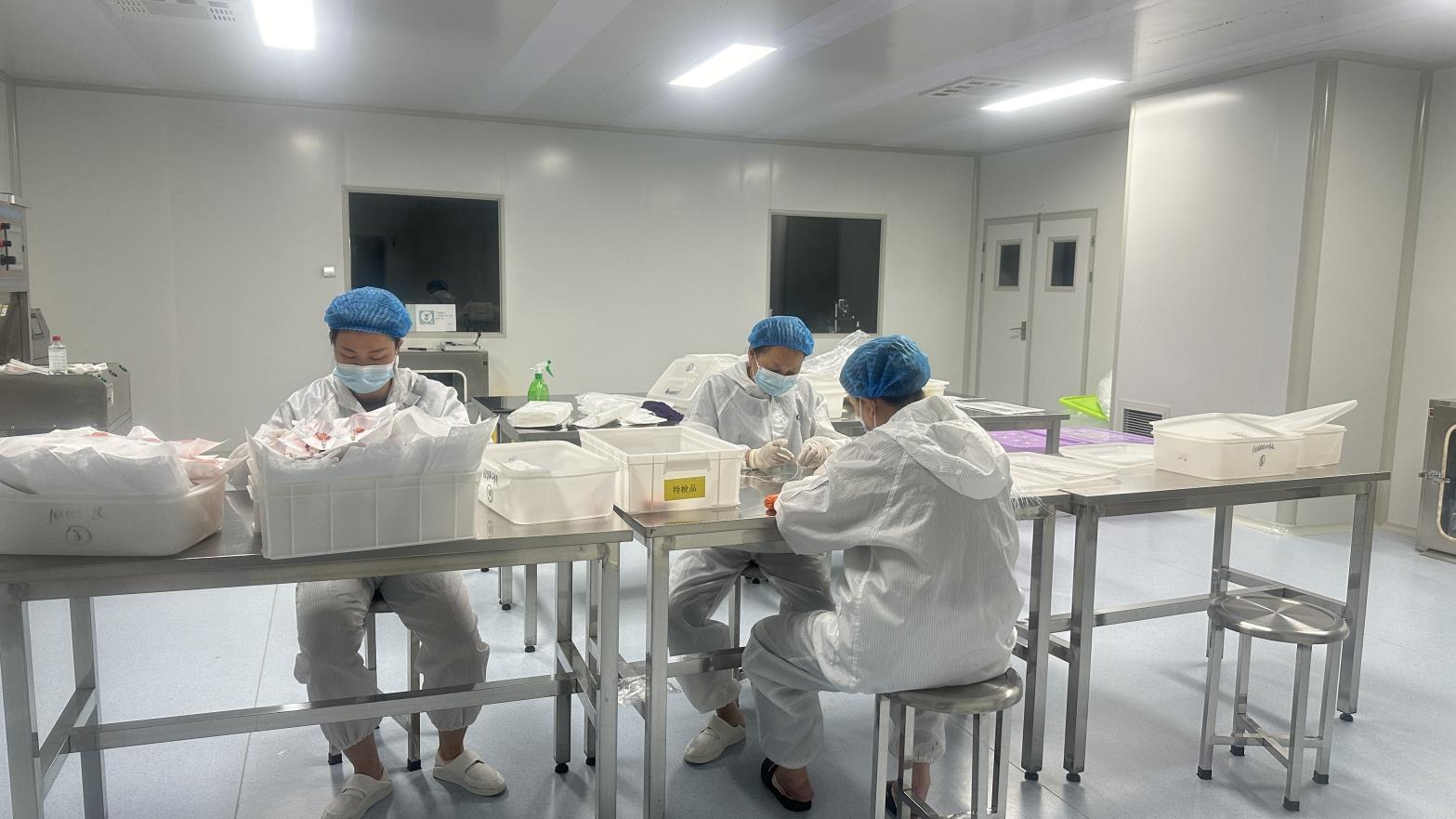
Anticipating surgical developments and adapting instrument manufacturing to support high-demand local scenarios.
Our instruments find direct applications in key settings across the Bay Area:
Bonevia's 85-person R&D engineering team focuses on three key future initiatives:
Answers to critical questions asked by medical purchasing directors, orthopedic distributors, and clinical engineers.
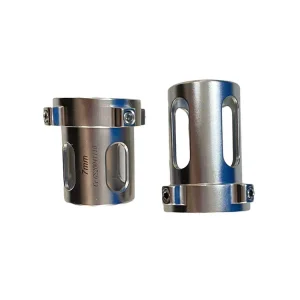
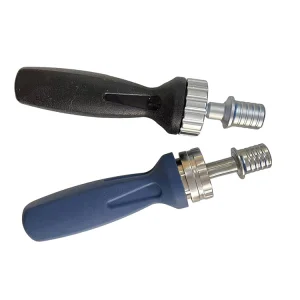
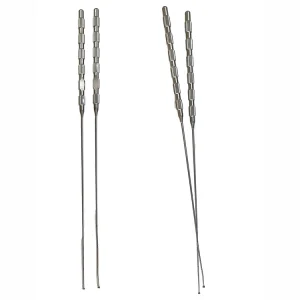
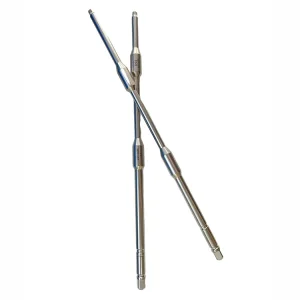
A complete suite of medical consumables and devices engineered for trauma systems and joint arthroplasty programs across Northern California.