Bonevia
Bonevia
Bonevia
Clinically-validated orthopedic and cardiothoracic solutions engineered for NHS surgical hubs and private clinical networks across Great Britain.
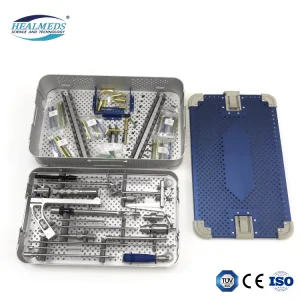
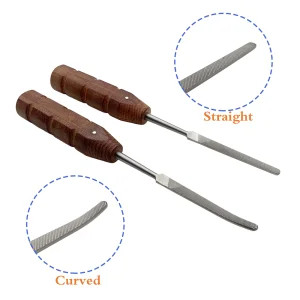
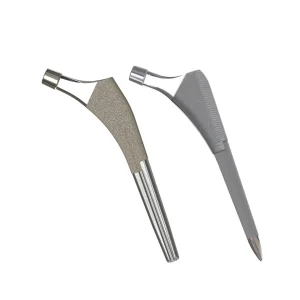
In the United Kingdom, cardiothoracic surgery has seen a structural transition from traditional monofilament wire cerclage protocols toward advanced rigid sternal fixation systems (RSFS). An estimated 28,000 to 30,000 midline sternotomies are performed annually within NHS Trusts. Historically, wire-based closures led to post-sternotomy mediastinitis (PSM) rates of 1% to 3%, generating significant cost burdens of up to £30,000 per complications-related hospital readmission.
Clinical data from leading British cardiothoracic units emphasizes that rigid titanium plate fixation dramatically reduces sternal instability, bone nonunion, and deep surgical site infections (SSIs), especially in high-risk demographics such as patients presenting with high BMI, COPD, insulin-dependent diabetes, or severe osteoporosis.
Furthermore, British regulatory policies administered by the Medicines and Healthcare products Regulatory Agency (MHRA) enforce strict oversight of Class IIb and Class III orthopedic implants. Procurement frameworks managed by NHS Supply Chain prioritize manufacturers who consistently demonstrate technical excellence, biometric adaptability, and comprehensive bio-compatibility verification.
An evidence-based comparison outlining mechanical performance and clinical indicators relevant to NHS purchasing managers and cardiothoracic leads.
| Parameter | Stainless Steel Wire Cerclage | Rigid Titanium Sternal Plating (Bonevia) | Clinical Benefit for NHS Trusts |
|---|---|---|---|
| Mechanical Stability | High risk of wire shear and bone cutting | Uniform load distribution across the osteotomy line | Reduces sternal dehiscence and late-stage instability |
| Bone Healing Acceleration | Secondary healing via micromotion friction | Primary bone healing via rigid compression | Decreased length of stay (LOS) in ICU wards |
| Risk of Infection (Mediastinitis) | 1.5% - 3.5% (especially in diabetic cohorts) | Under 0.5% in high-risk patient databases | Minimizes high-tariff post-op complication costs |
| Re-entry Speed (Emergency) | Fast cutting with standard wire cutters | Comparable speed using specialized dual-locking key tools | Ensures rapid access during cardiac arrest scenarios |
| Patient Pain & Respiratory Function | Prolonged chest wall instability and pain | Immediate stabilization, allowing deep breathing | Fewer occurrences of post-operative pneumonia |
Innovations in biomechanical design, material optimization, and patient-specific implant workflows.
Focusing on Grade 3/4 Titanium and Ti-6Al-4V ELI (Extra Low Interstitial) alloys. Bonevia has optimized low-profile plates (under 1.5mm thickness) to maximize anatomical conformability, minimizing post-operative palpability and tissue irritation in patient populations.
Integration of anodic oxidation technologies to create micro-porous surfaces. These structures promote faster bone integration directly at the interface, minimizing micromotions that lead to chronic post-op sternal pain.
Transitioning custom-designed patient-specific implants (PSI) from R&D into clinical trial stages. Utilizing CT data to fabricate customized mesh structures for severe bone deficiency post-mediastinitis or radical oncological tumor resections.
Developing temporary rigid fixation arrays that naturally biodegrade after full osteogenesis, eliminating the need for permanent implant presence and mitigating long-term foreign body risks.
Bridging cutting-edge R&D with strict industrial execution to ensure consistent clinical supply chains globally.
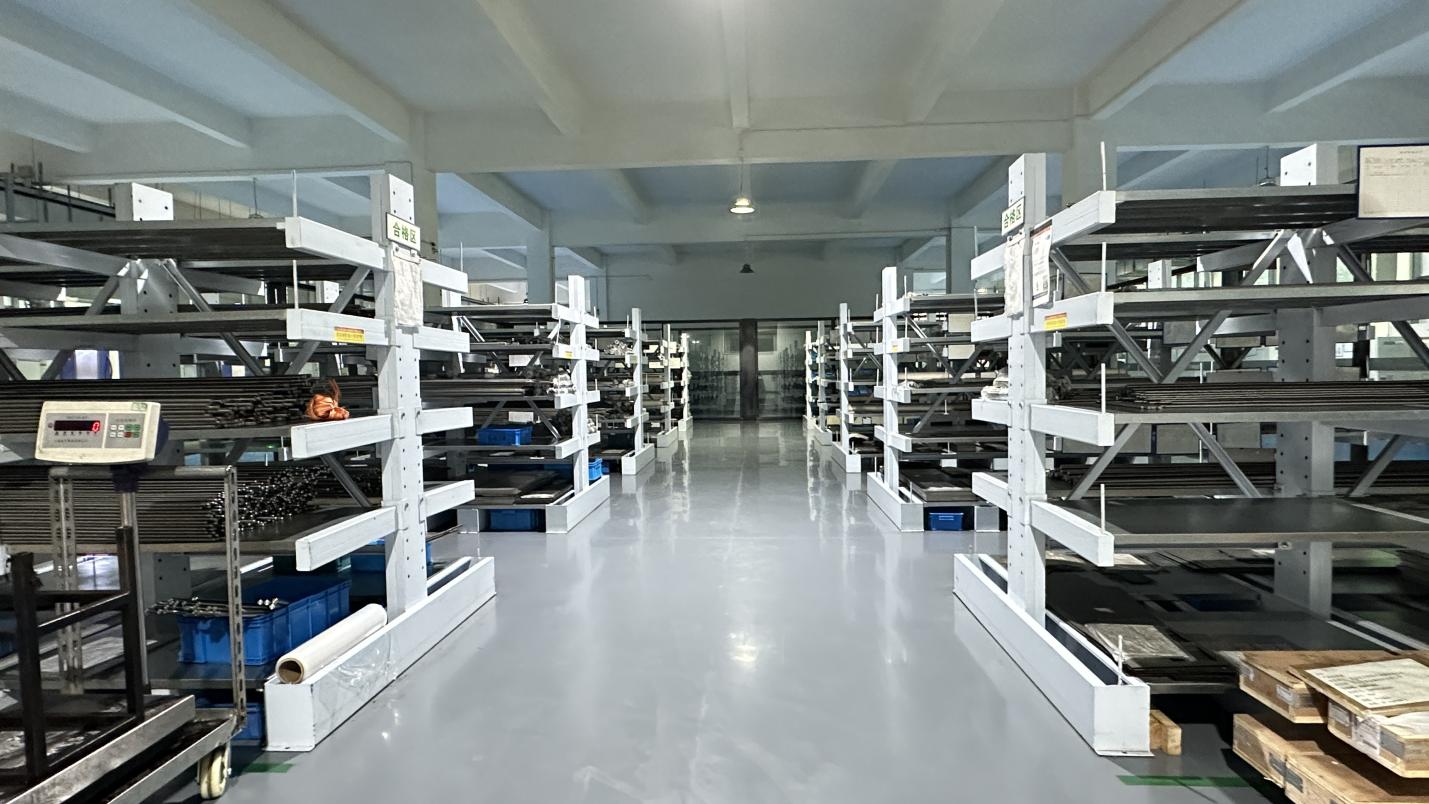
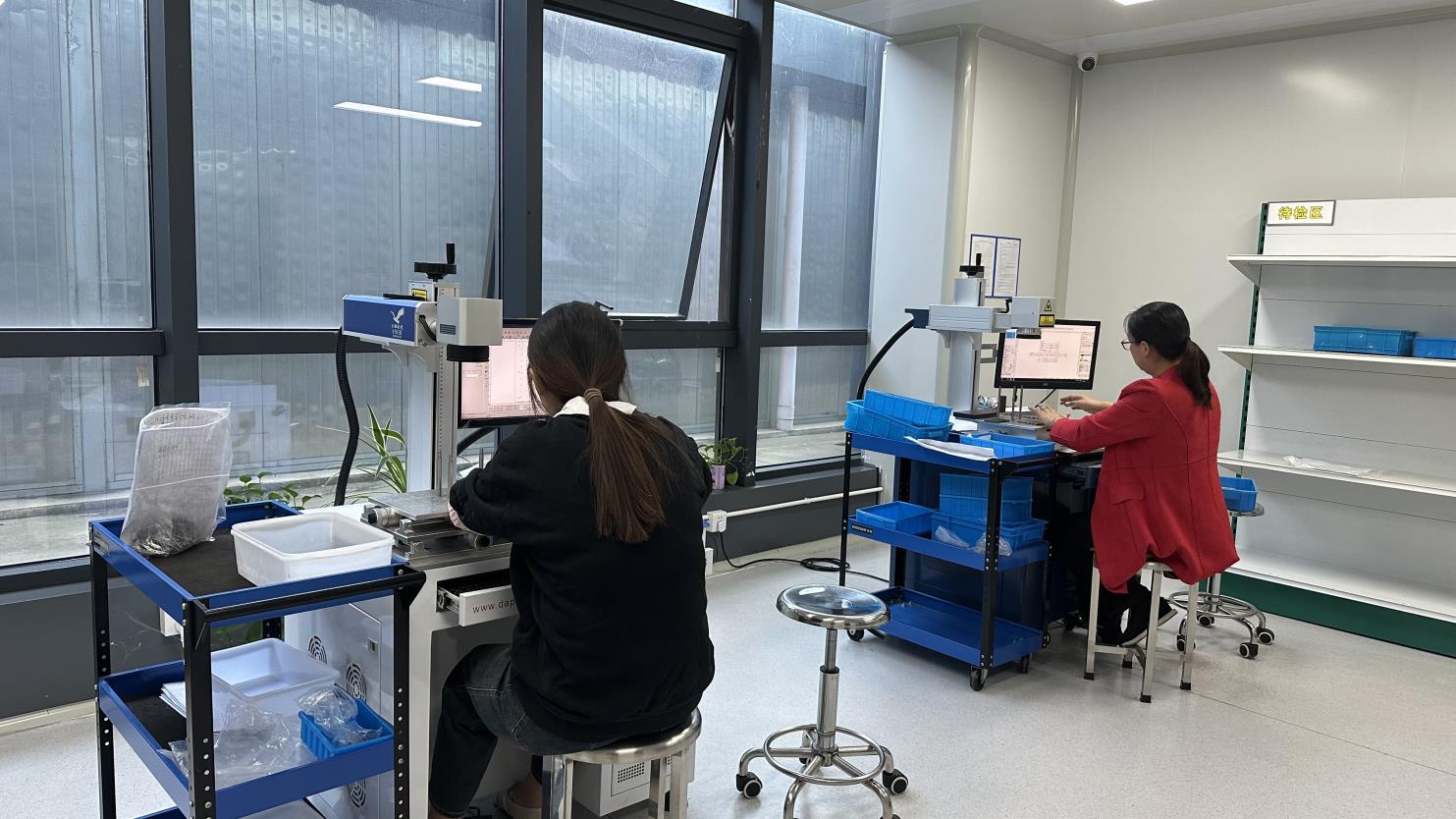
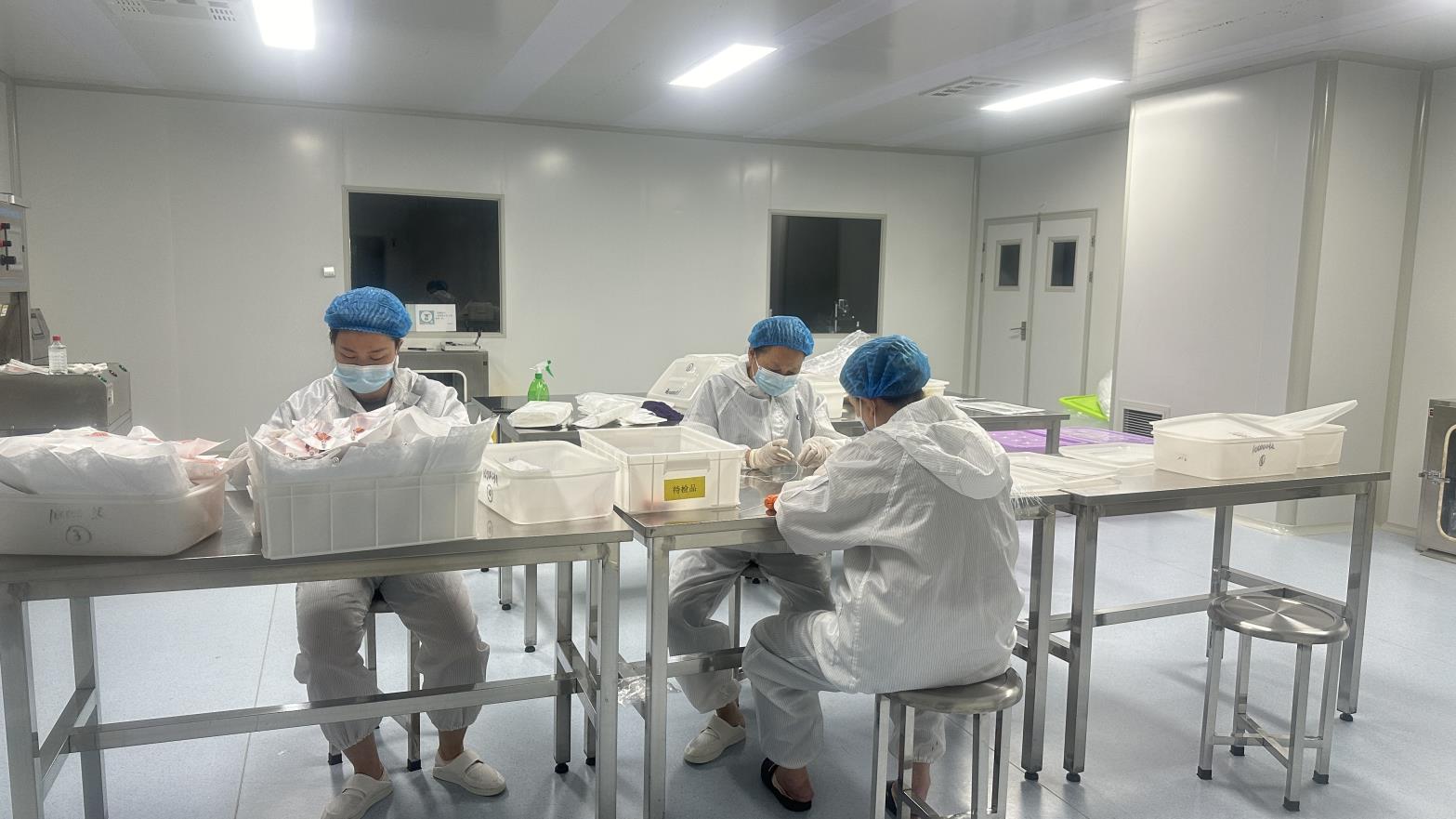
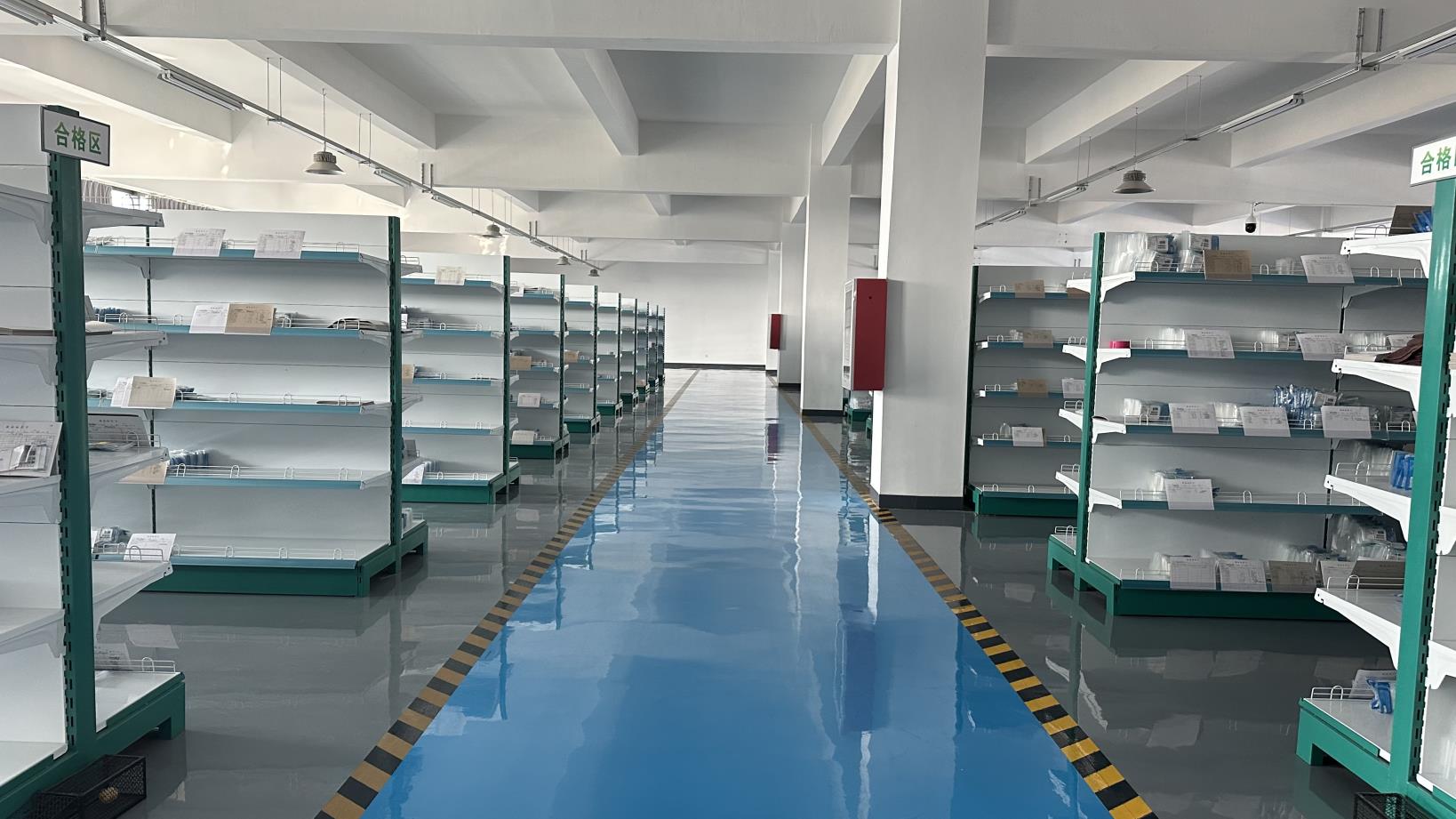
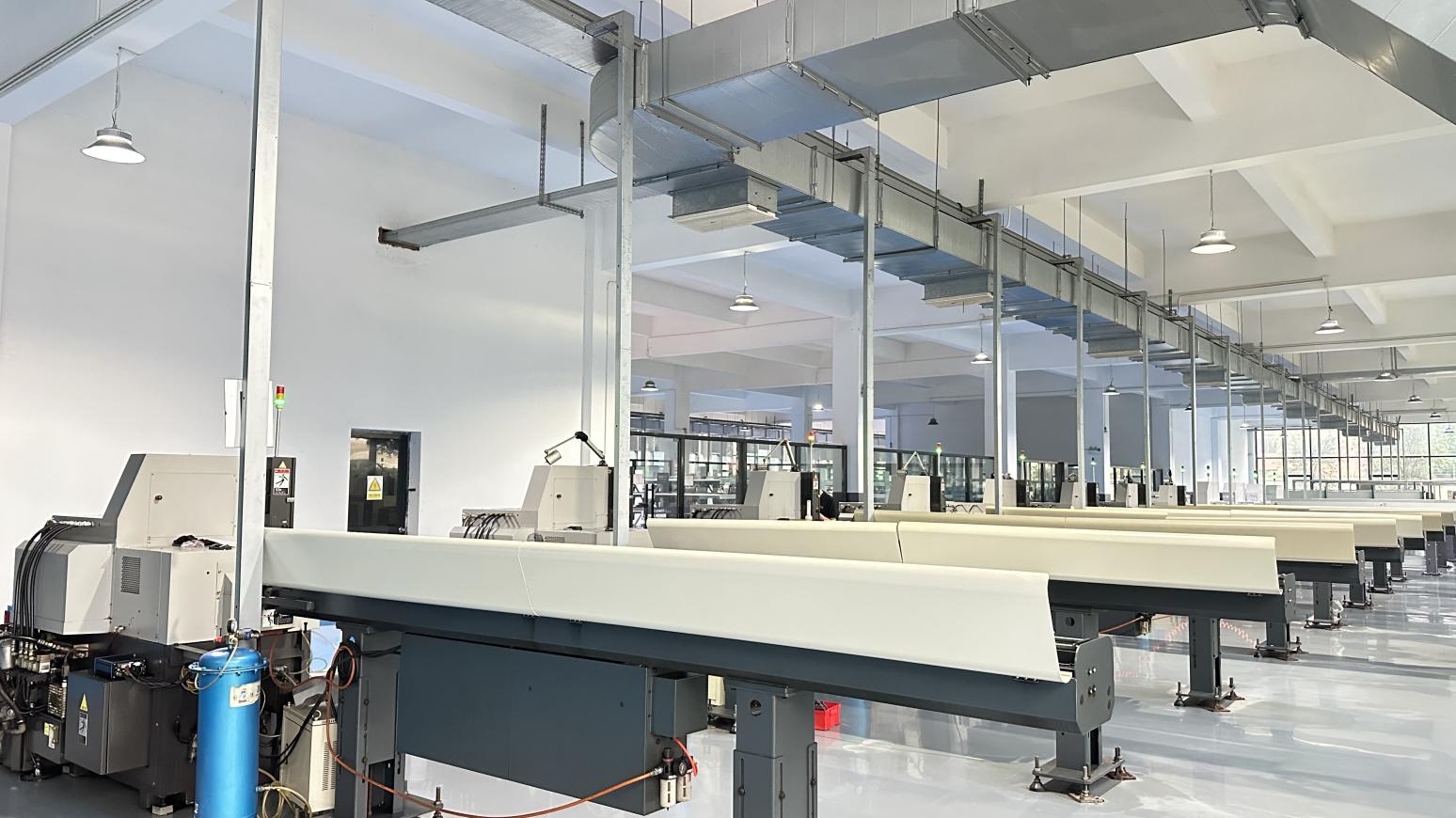
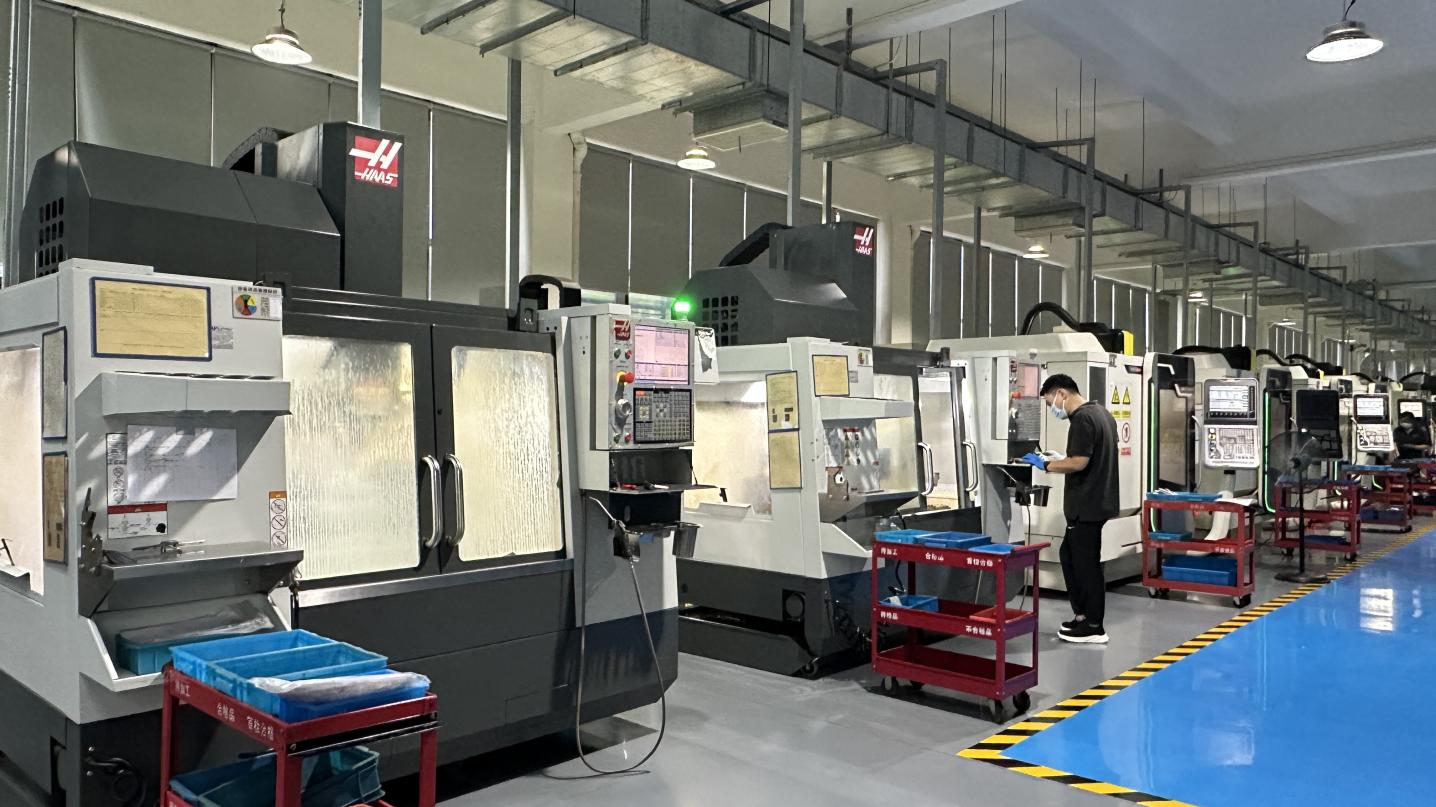
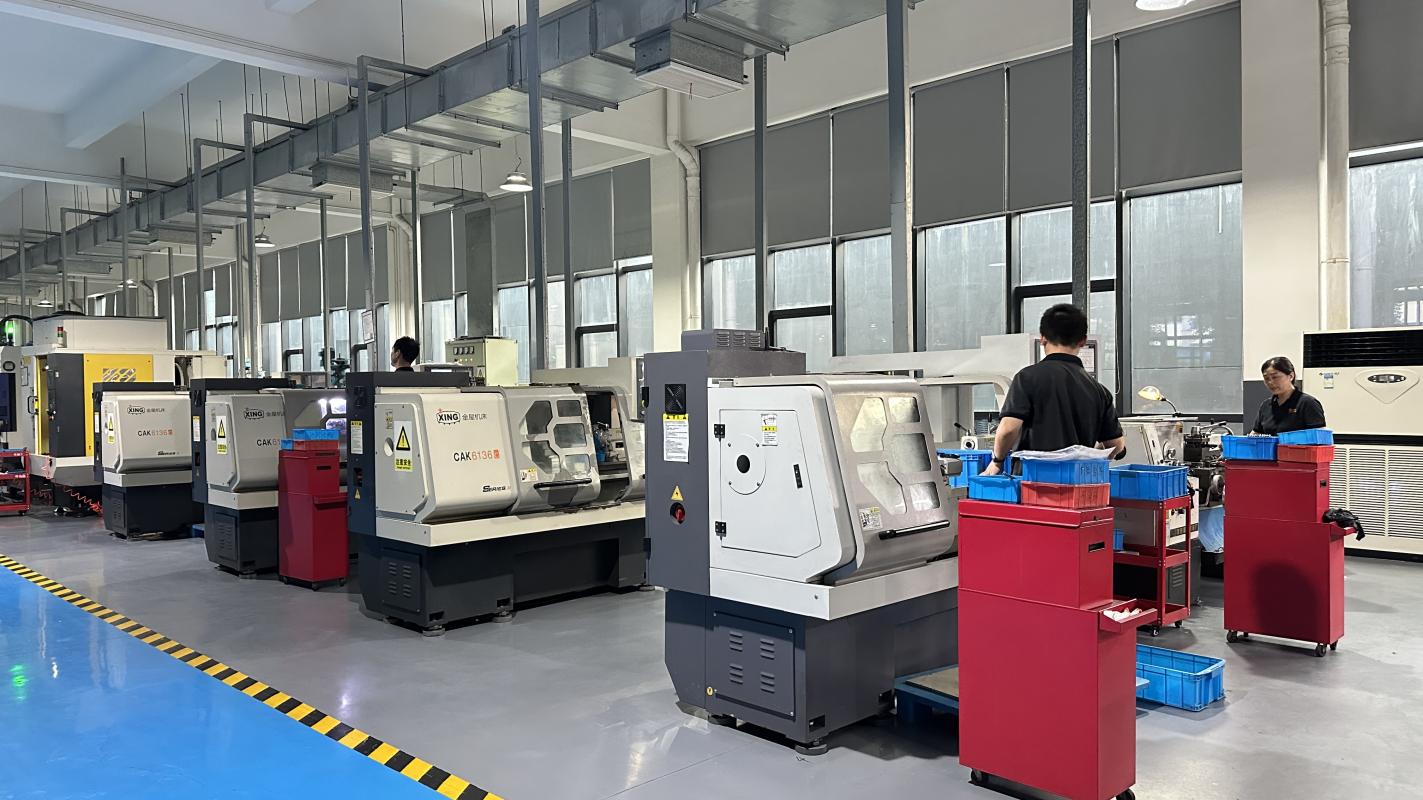
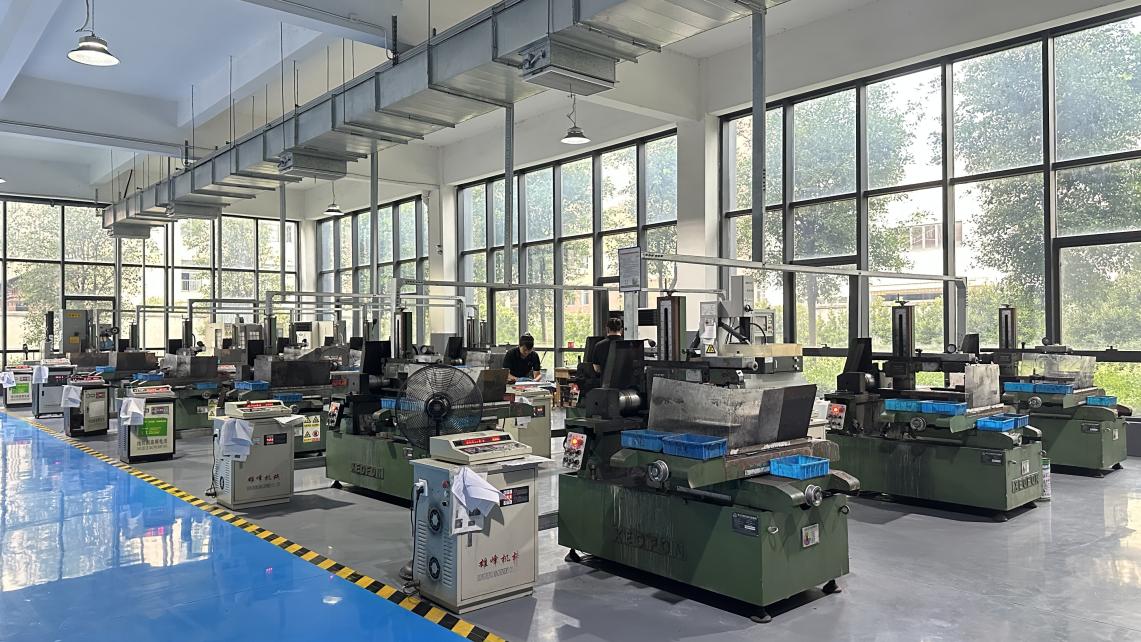
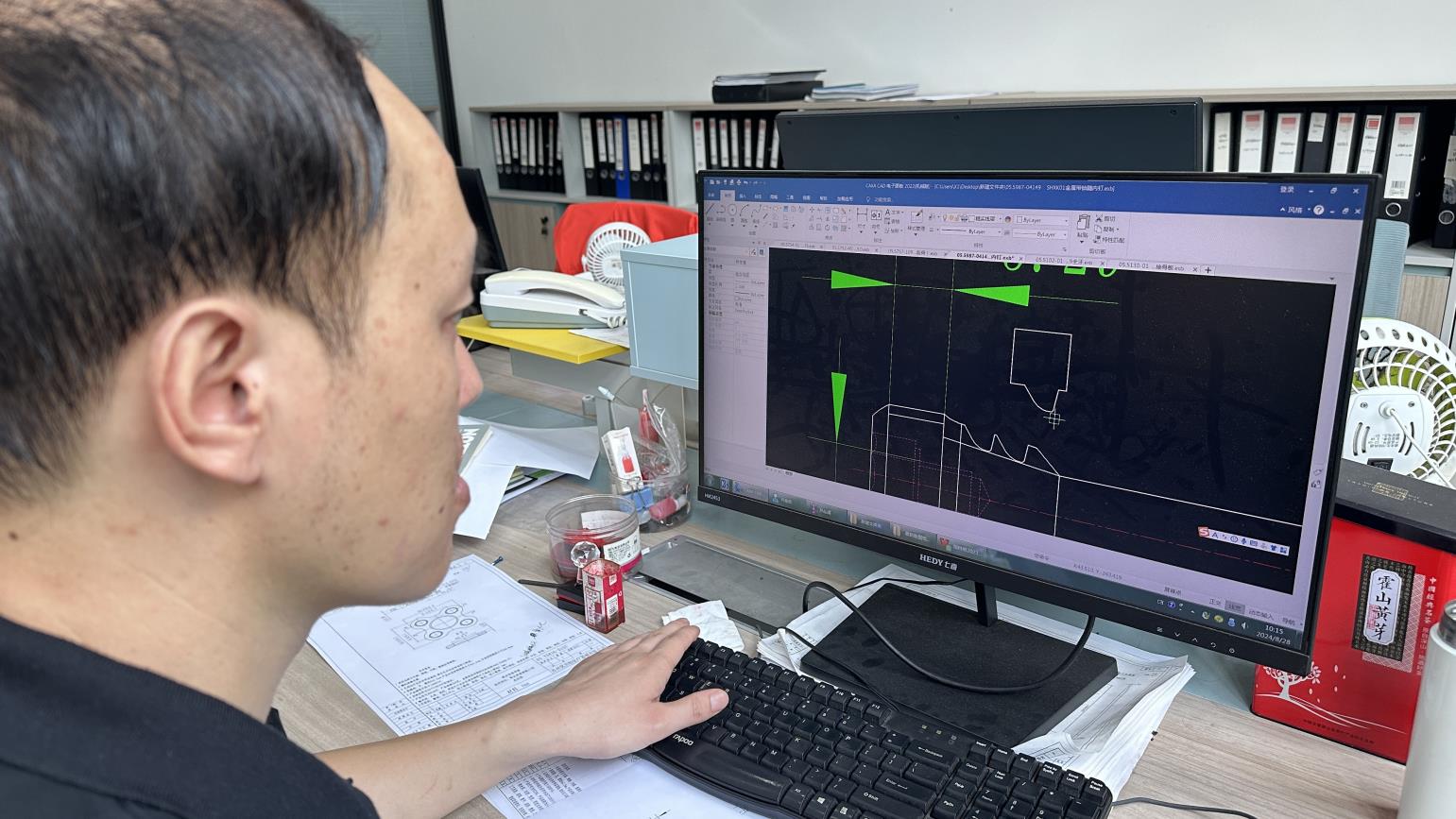
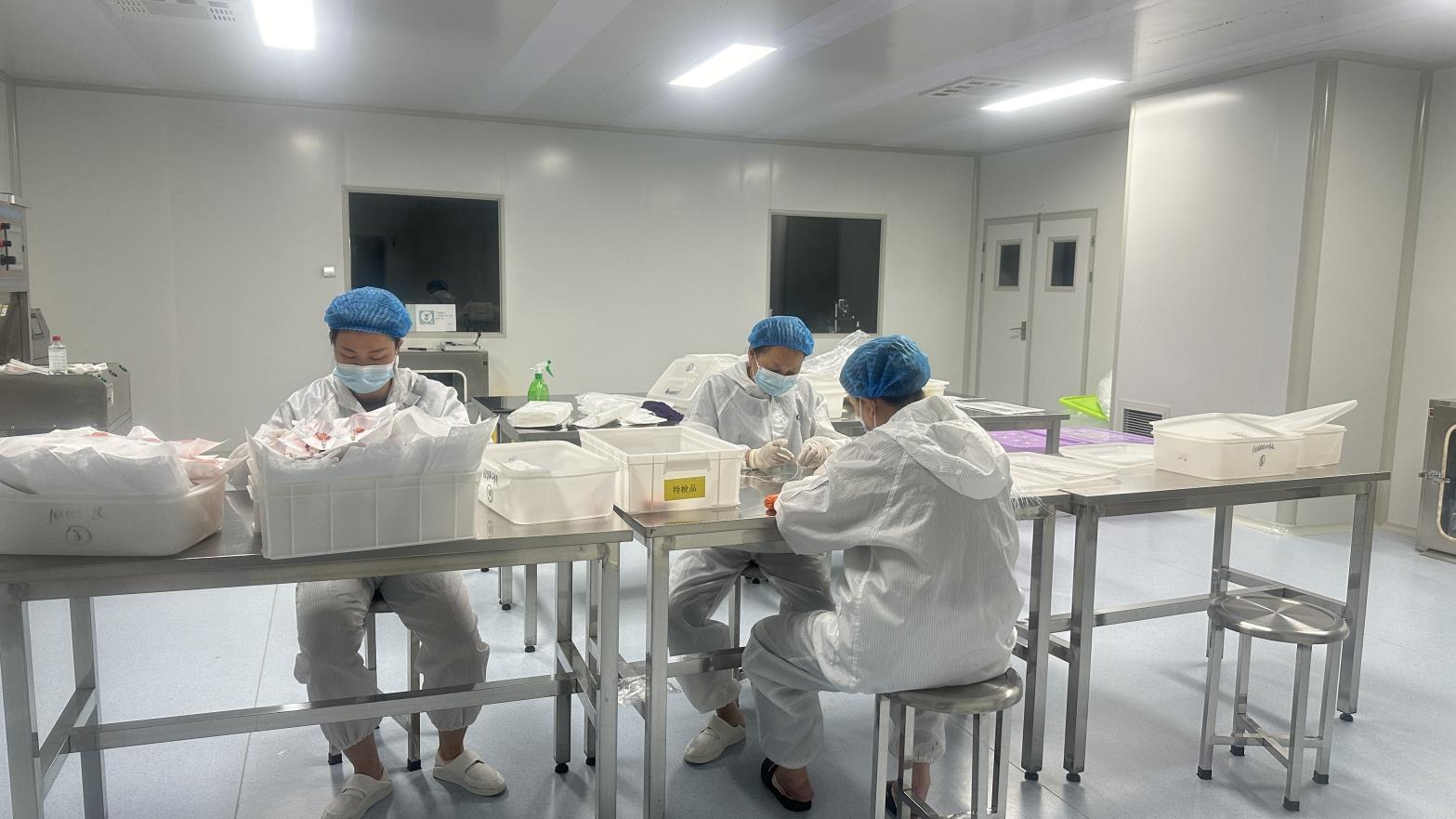
Operates a streamlined 320㎡ modern production plant designed for optimized high-yield output, adhering strictly to ISO 13485:2016 quality standards.
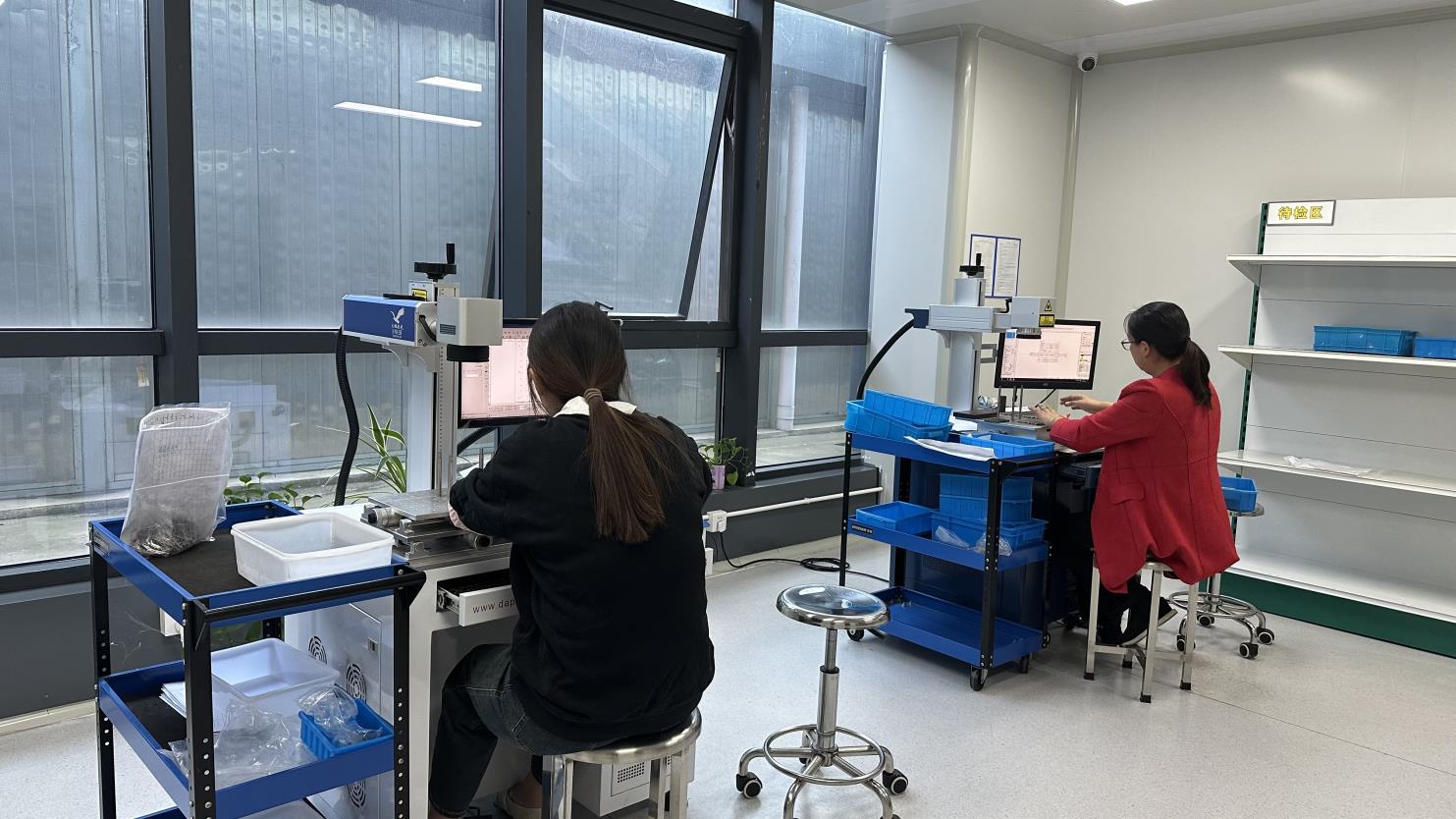
An expert quality management team of 35 dedicated professionals overseeing multi-phase quality inspections, from raw material validation to final post-sterile validation.
85 experienced engineers driving surgical innovation, successfully introducing 120 new product designs in the past fiscal year alone.
Each phase of the Bonevia manufacturing pipeline undergoes strict documentation, safeguarding the traceabilities demanded by UK MDR clinical protocols.
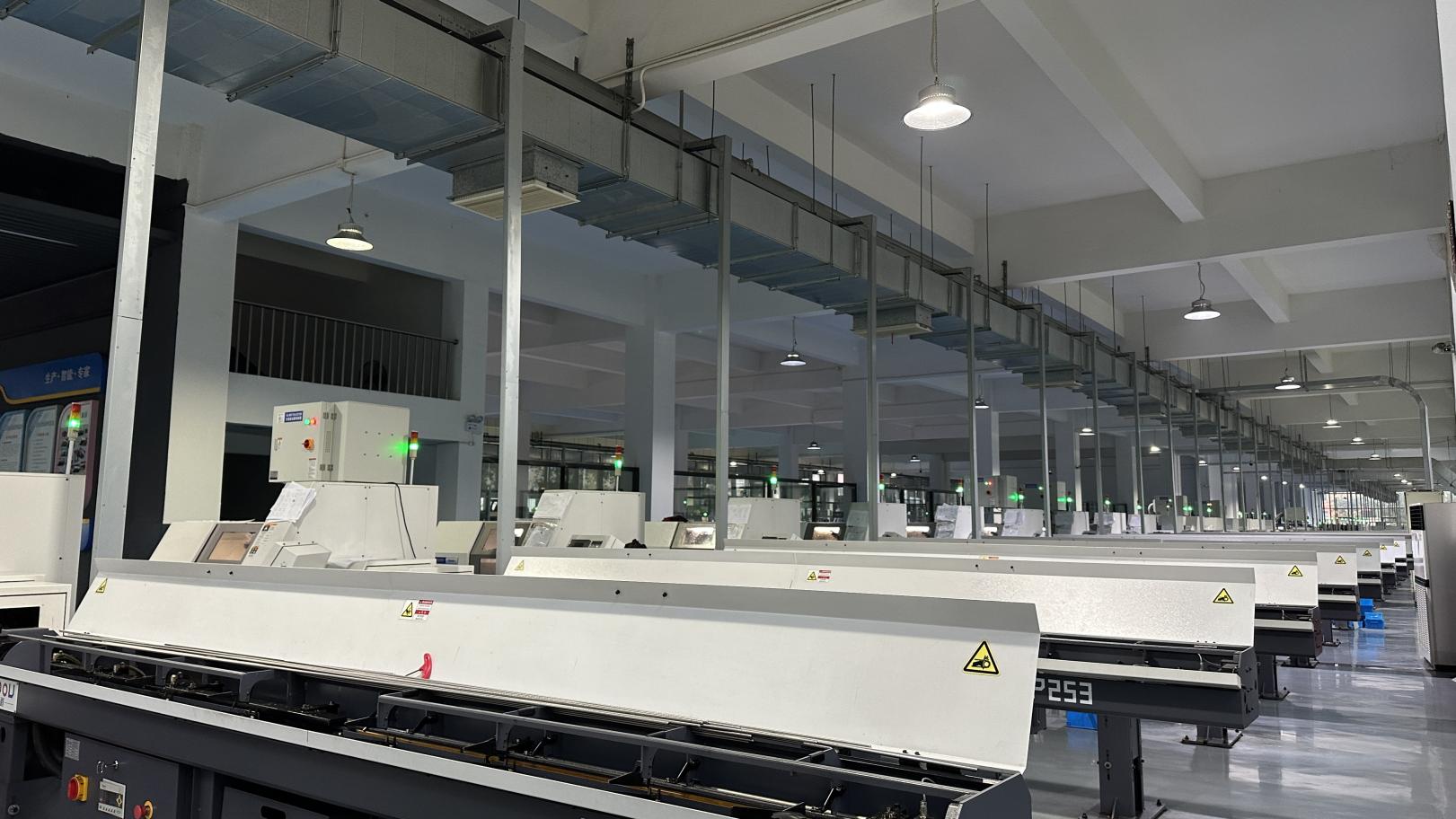
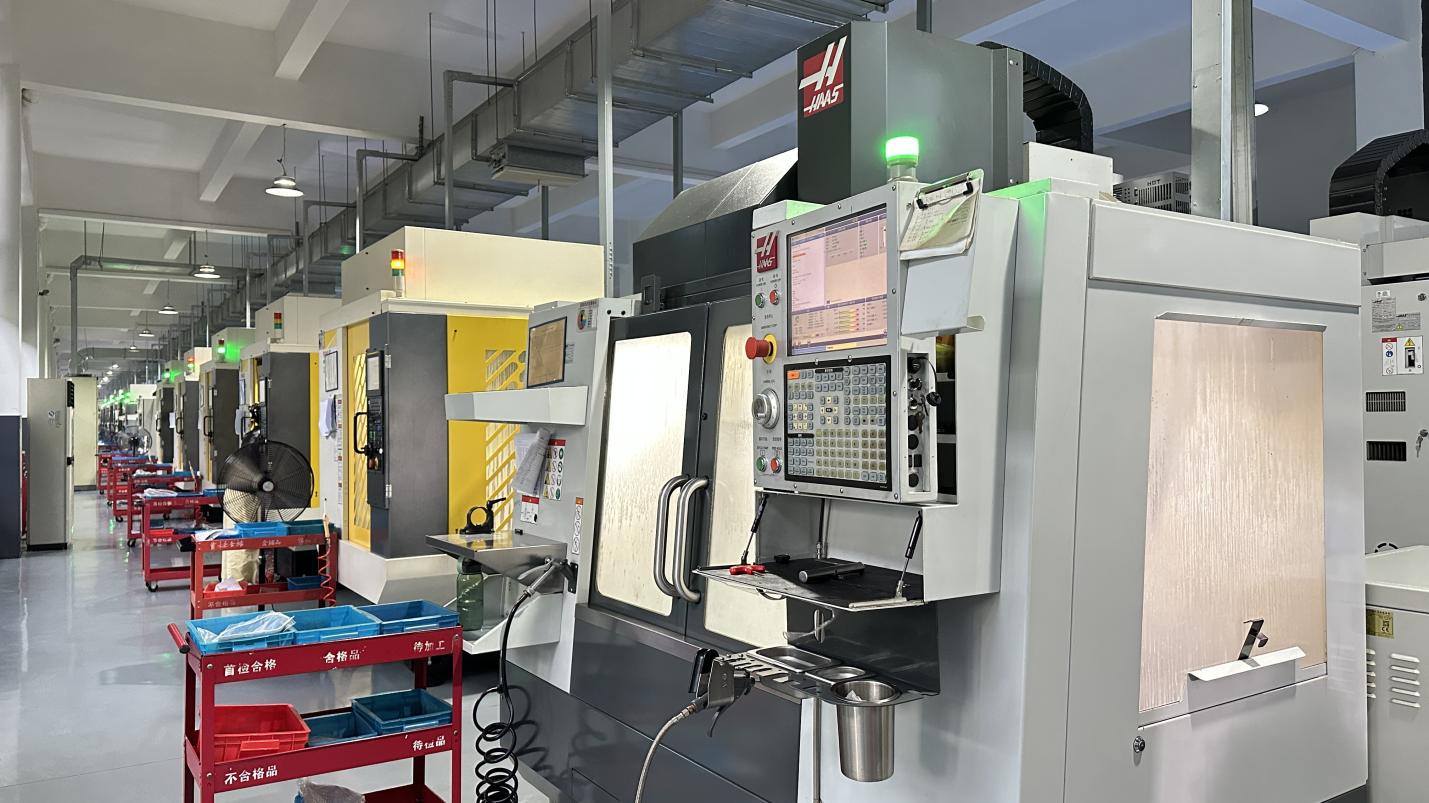
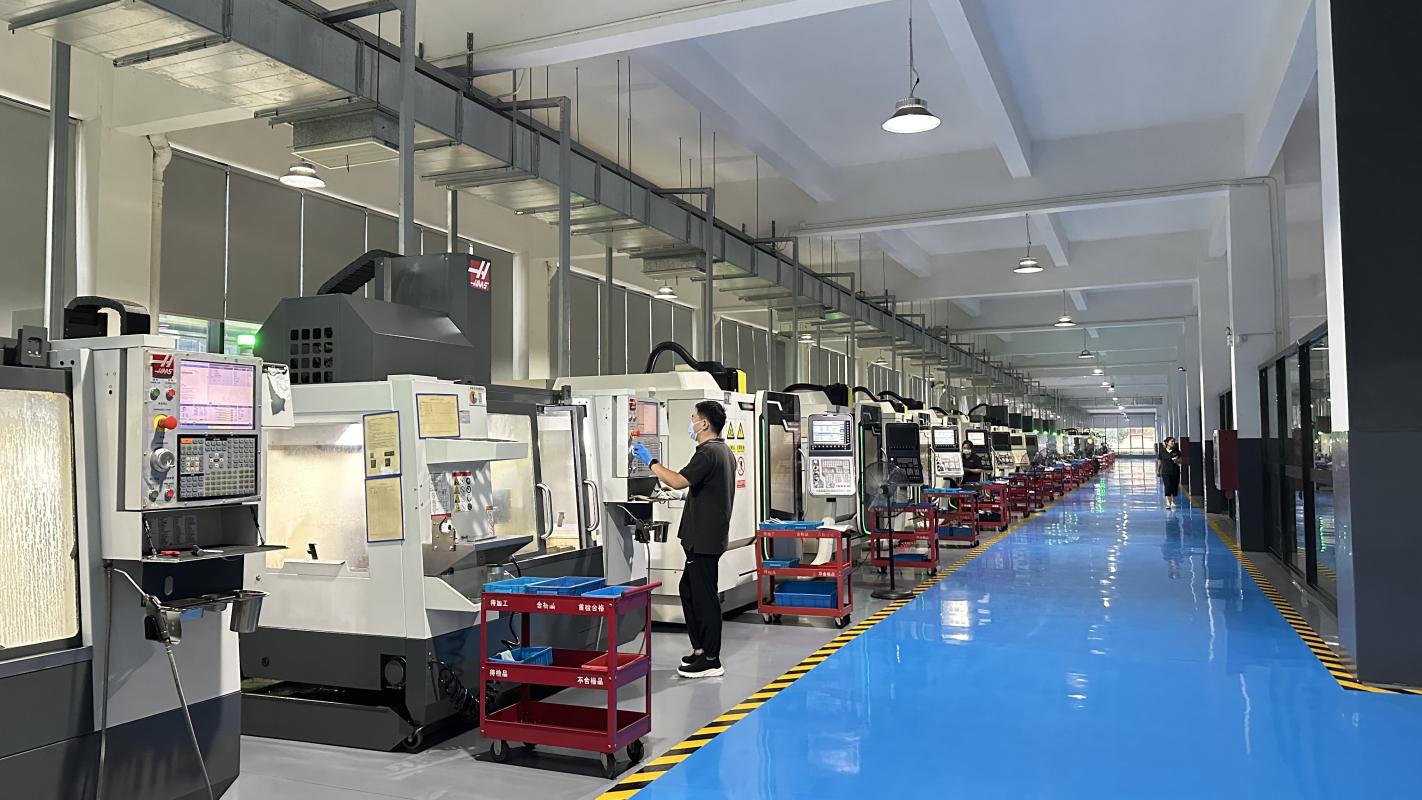
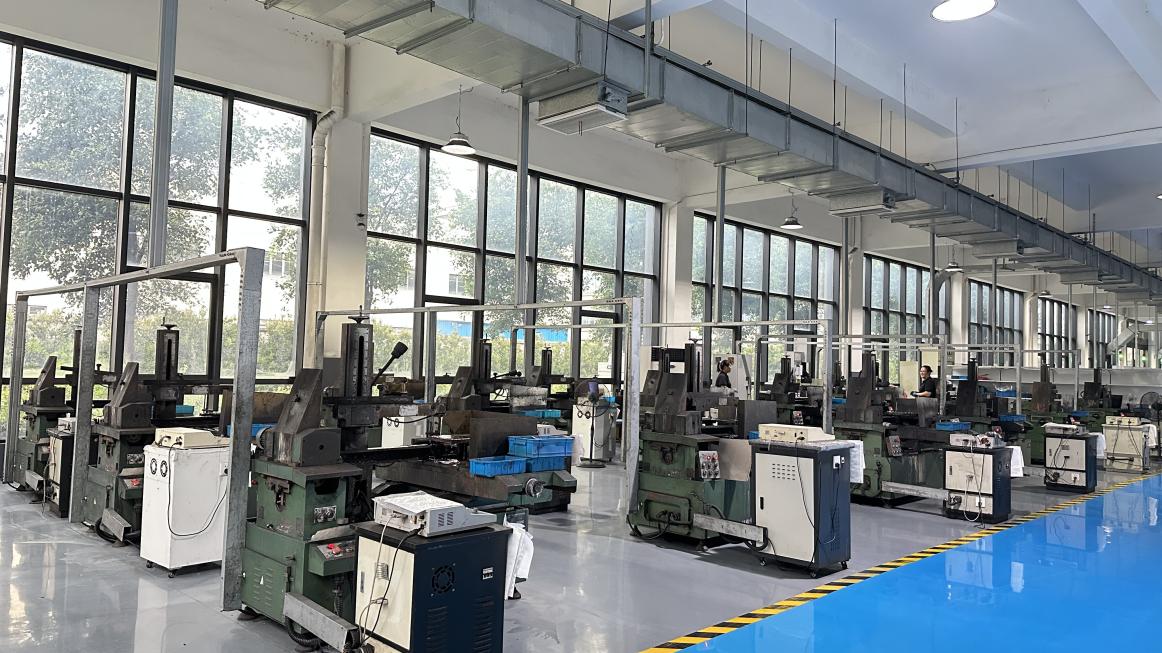
Post-Brexit regulations and evolving UK MDR guidelines present supply challenges for UK distributors. Bonevia has established logistics routes to ensure continuous supply of surgical implants to UK clinical providers, eliminating tariff-related delays.
Our raw materials ecosystem leverages partnerships with premium implant-grade titanium suppliers, securing buffer stocks against global market fluctuations. For UK partners, Bonevia offers OEM/ODM customization services to accommodate specific localized clinical preferences, surgical tool variations, and tray organization demands.
Every batch shipped to the UK is backed by material certification (ISO 5832-3 standard) and complete testing documentation. Our quality control system monitors tolerances down to the micrometer, ensuring seamless compatibility with existing standard surgical instrumentation kits used in operating theaters across London, Manchester, and Edinburgh.
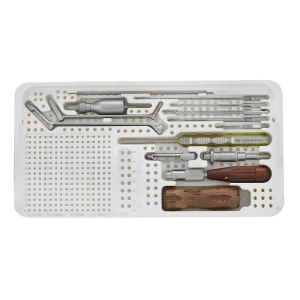
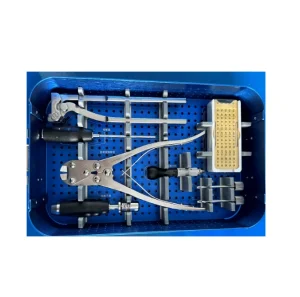
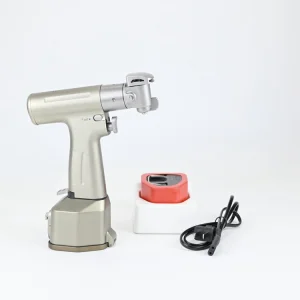
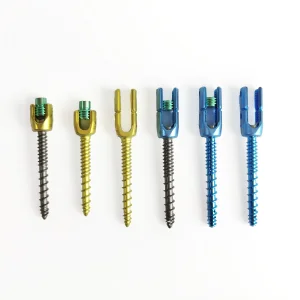
Engineered for complex structural repairs and veterinary orthopedic procedures across the UK.
Direct answers addressing the inquiries of UK NHS medical buyers, cardiothoracic surgeons, and distribution partners.
Our sternal fixation implants and surgical systems are manufactured in compliance with ISO 13485:2016 standards. The raw materials used meet Grade 5 Titanium (Ti-6Al-4V ELI) biocompatibility standards, facilitating compatibility with UK MDR 2002 requirements.
Emergency re-entry is a key consideration in UK clinical environments. Bonevia plate systems utilize standard dual-locking mechanics. They can be removed using our surgical instrument key tool, facilitating safe re-sternotomy within comparable timeframes to standard wire cut procedures.
Standard implant systems can be dispatched within 10 to 15 working days. For custom designs or customized OEM/ODM surgical tray layouts, the design-to-delivery pipeline averages 4 to 6 weeks, supported by our team of 85 design engineers.
Yes, all Bonevia sternal plates and locking screw components are fabricated from non-ferromagnetic titanium alloys. Clinically, they are categorized as MRI Conditional, allowing standard diagnostic postoperative imaging under standard clinical parameters.
You can contact our international commercial development team. We provide flexible agreements, localized training materials for NHS presentations, regulatory dossier access, and sample evaluation kits to qualified surgical distributors.
Yes, we provide non-sterile systems packaged for hospital steam sterilization autoclaving, as well as pre-sterilized implants (gamma-irradiated) carrying double-validation sterile barriers suitable for direct cleanroom inventory storage.
Standardized, resilient orthopedic tools designed to support modern surgical protocols and high clinical performance.
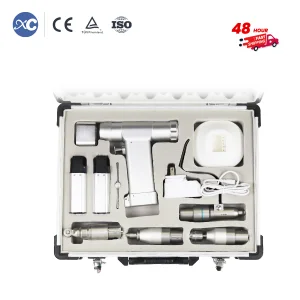
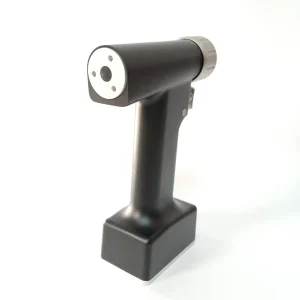
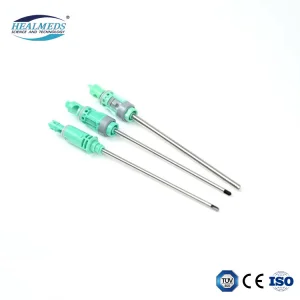
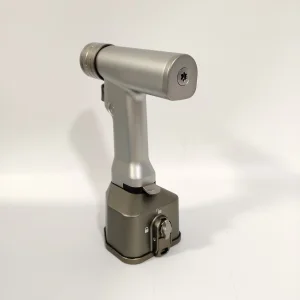
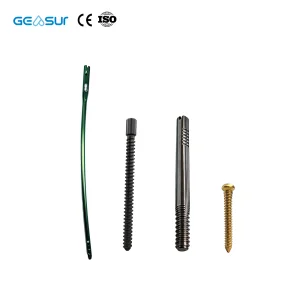
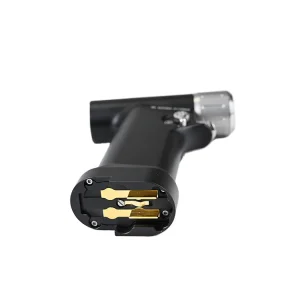
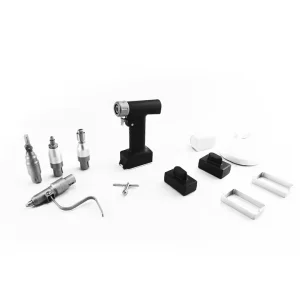
Secure stable sourcing, customized titanium components, and medical devices meeting UK MDR requirements. Let's discuss clinical trials, procurement frameworks, and distribution opportunities.
Send Inquiry Now